Summerhall

Lynn Faces

06/08/24

Summerhall (Main Hall), Edinburgh

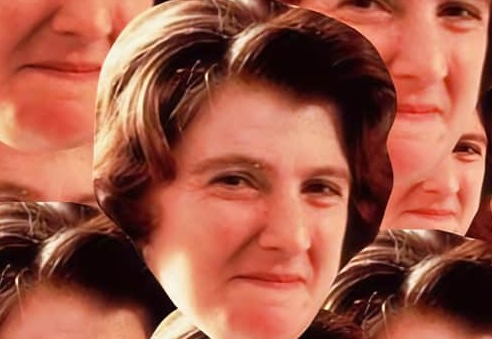
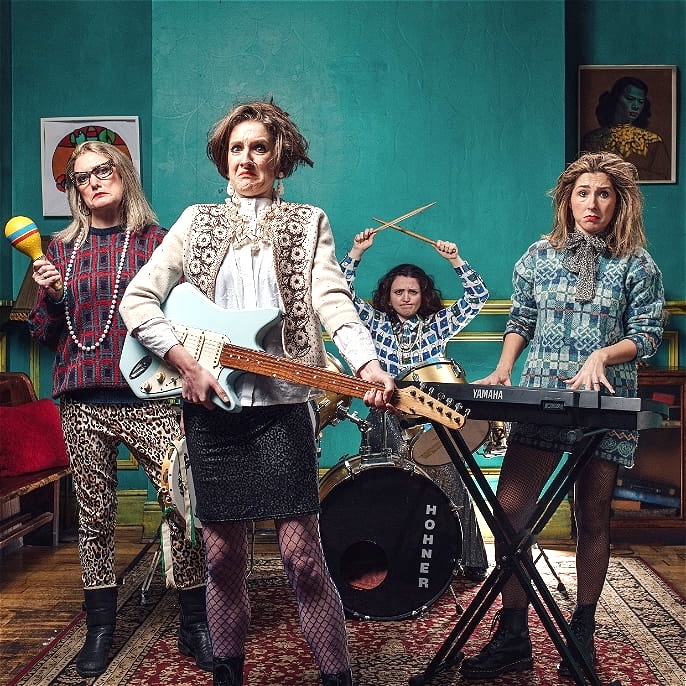
There’s no denying it’s an original premise. After all, there aren’t many bands inspired by the facial expressions of Alan Partridge’s long-suffering assistant, Lynn.

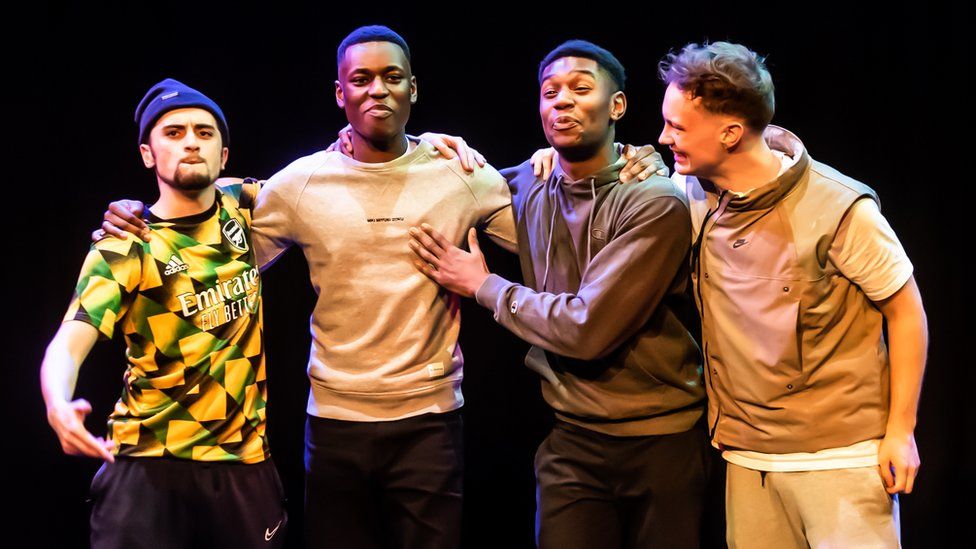
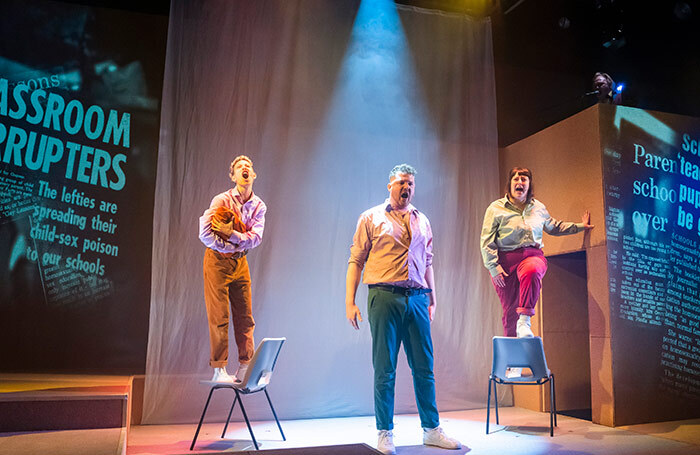
But Lynn Faces are here and they’re ready to perform. Leah (Madeleine Macmahon) is turning forty tomorrow, and – after splitting up with her boyfriend, Pete – she needs to do something big to mark the occasion. Encouraged by her friends, Shonagh and Ali (Holly Kavanagh and Peyvand Sadeghian), she’s booked a gig for the hastily-formed titular punk band. Okay, so the drummer they’ve never met is AWOL and – with the exception of Shonagh’s recorder – none of them can actually play an instrument, but how hard can it be? Leah did meet Viv Albertine from The Slits once; she’s bound to have absorbed some talent, right? 

Er, wrong. 

While silly on the surface, Laura Horton’s sophomore play also has some serious points to make about domestic abuse. Leah is devastated by her break-up with Pete,  eagerly awaiting messages from him and reminiscing fondly about how they met. But piece by piece the jigsaw builds until we have a clear picture of what he’s really like and how much damage he has done to her.

Unfortunately, the problem is that the gig really is as bad as it purports to be. Unlike say, The Play That Goes Wrong, where the apparently shoddy is actually perfectly drilled, Lynn Faces is an hour of non-musicians performing bad songs. The poignancy of the final stretches doesn’t feel earned and so it doesn’t land for me. It doesn’t help that I’m sitting next to an air conditioning unit, so any dialogue that happens away from the mic (or behind a Lynn mask) is hard to hear. 

There are some genuinely funny moments – Shonagh’s recorder solo and the Cunt x 40 song, for example – and Summerhall’s Main Hall is sold out, full of people laughing and enjoying the show.

For me though, this feels a bit dialled in. 

2.7 stars 

Susan Singfield

Flip!

03/11/23

Summerhall, Edinburgh

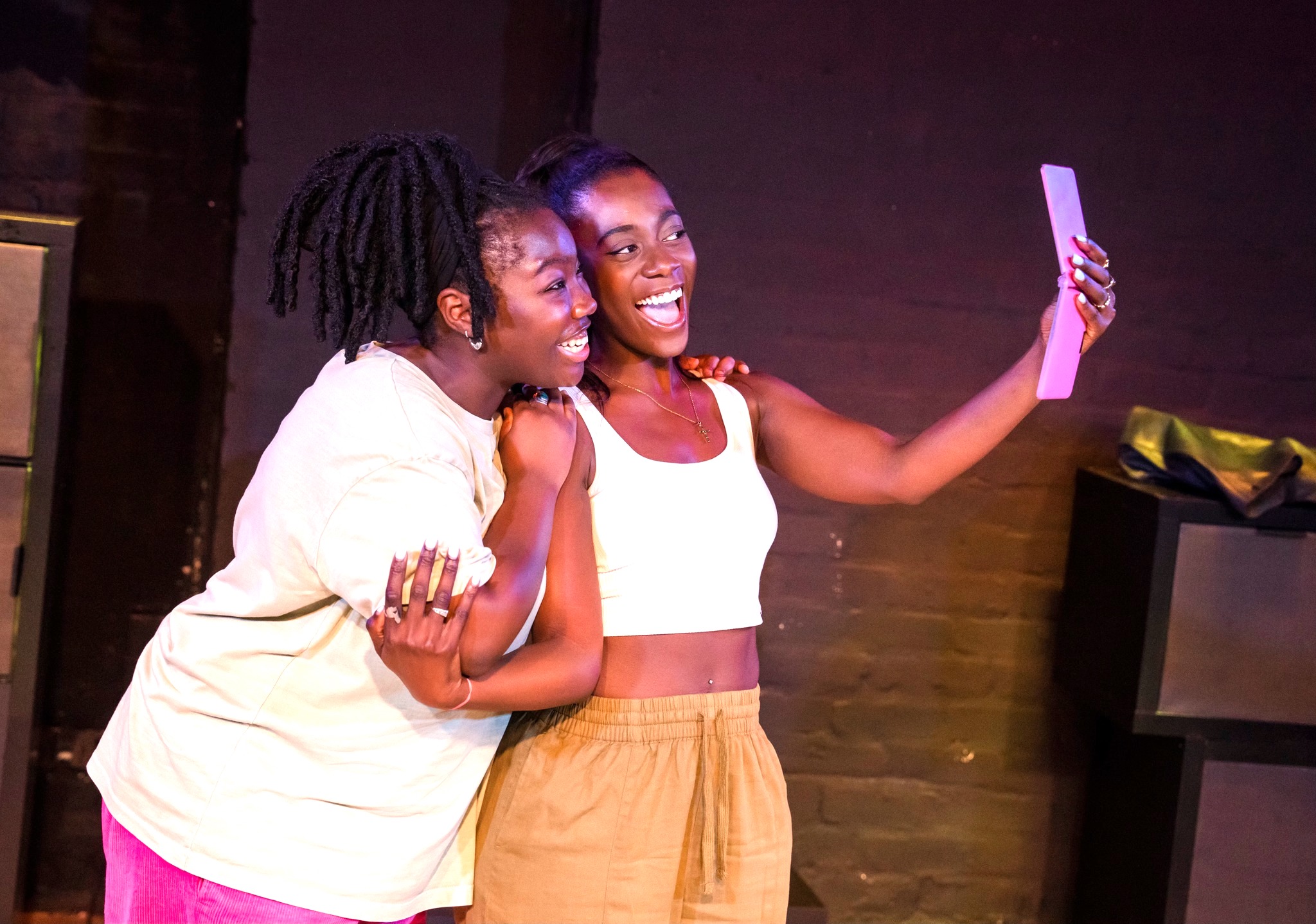
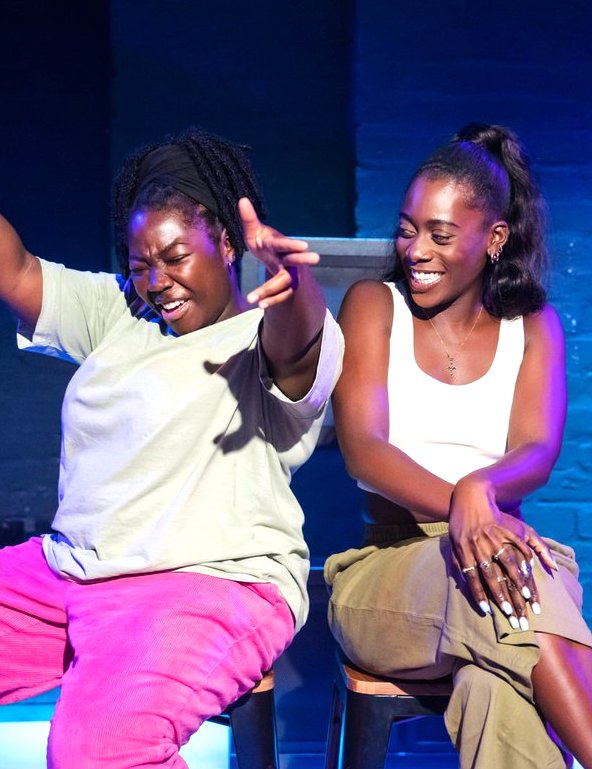
Racheal Ofori’s FLIP! is a fresh and keen-eyed take on the Faust story. Two young graduates, eager to make their mark, are enjoying moderate success on their WePipe channel. Their videos are vibrant and fun, full of silly catchphrases and exuberant dance routines, pragmatic beauty tips and off-the-cuff remarks. They’re enjoying making them – and it shows. For Crystal (Jadesola Odunjo), the collaboration and creativity are paramount, but Carleen (Leah St Luce) is hungry for cold hard cash. She has to be: unlike Crystal, she doesn’t have parents who can bankroll her, and her hard-earned degree doesn’t seem to be helping her to get a decent job.

So when a new app starts to gain traction, Carleen is all over it. FLIP! is hugely popular, its short video format both punchy and easily accessible. Crystal takes a bit of convincing – she’s not keen on the app’s style or ethos – but, before long, the duo are doing well. Until Crystal says something that other users don’t like, and she’s trending for all the wrong reasons…

Carleen is faced with a dilemma: should she stand by her friend and eschew her newfound notoriety, or sign a deal with FLIP! as one of their brand ambassadors?

Under Emily Aboud’s assured direction, FLIP! is a kinetic, engaging piece of theatre, turning an almost empty stage into a convincing digital universe. Aline David’s lively choreography helps to underscore the characters’ youth – their exuberance and naïvety – and both Odunjo and St Luce deliver flawless performances, charting the characters’ respective journeys from dreams to despair.

Because, of course, just as every action has an equal and opposite reaction, every exciting new promise of autonomy and riches soon has the sharks circling, working out how they can exploit it for their own ends. And FLIP! are no exception, cunningly demanding the rights to Carleen’s digital image and then using AI to create content for her. Sure, she’s making money, but she’s no creative control, no pride in her work. The fun has gone – and so has her best friend. But if she reneges on the deal, what then? FLIP! will just use someone else, and she’ll be back in a dead-end job. There’s no way out.

Ofori’s social commentary is sharp and incisive, and we leave the theatre with much to discuss. FLIP!‘s Edinburgh run is over now, but it’ll be at the Soho Theatre from 7th-25th November, so do try to catch it if you’re in London. It’s FLIP!pin’ great!

4.3 stars

Susan Singfield
Edfest Bouquets 2023

August in Edinburgh, and the Fringe was back with a boom! As ever, after seeing so many brilliant productions, it’s been hard to select our favourites, but it’s (virtual) Bouquet time and so, in no particular order, here are the shows that have really stayed with us:

COMEDY

John Robins: Howl (Just the Tonic)

‘Raw and achingly honest….’

The Ice Hole: a Cardboard Comedy (Pleasance)

‘An inspired piece of surreal lunacy…’

Dominique Salerno: The Box Show (Pleasance)

‘One of the most original acts I’ve ever seen…’

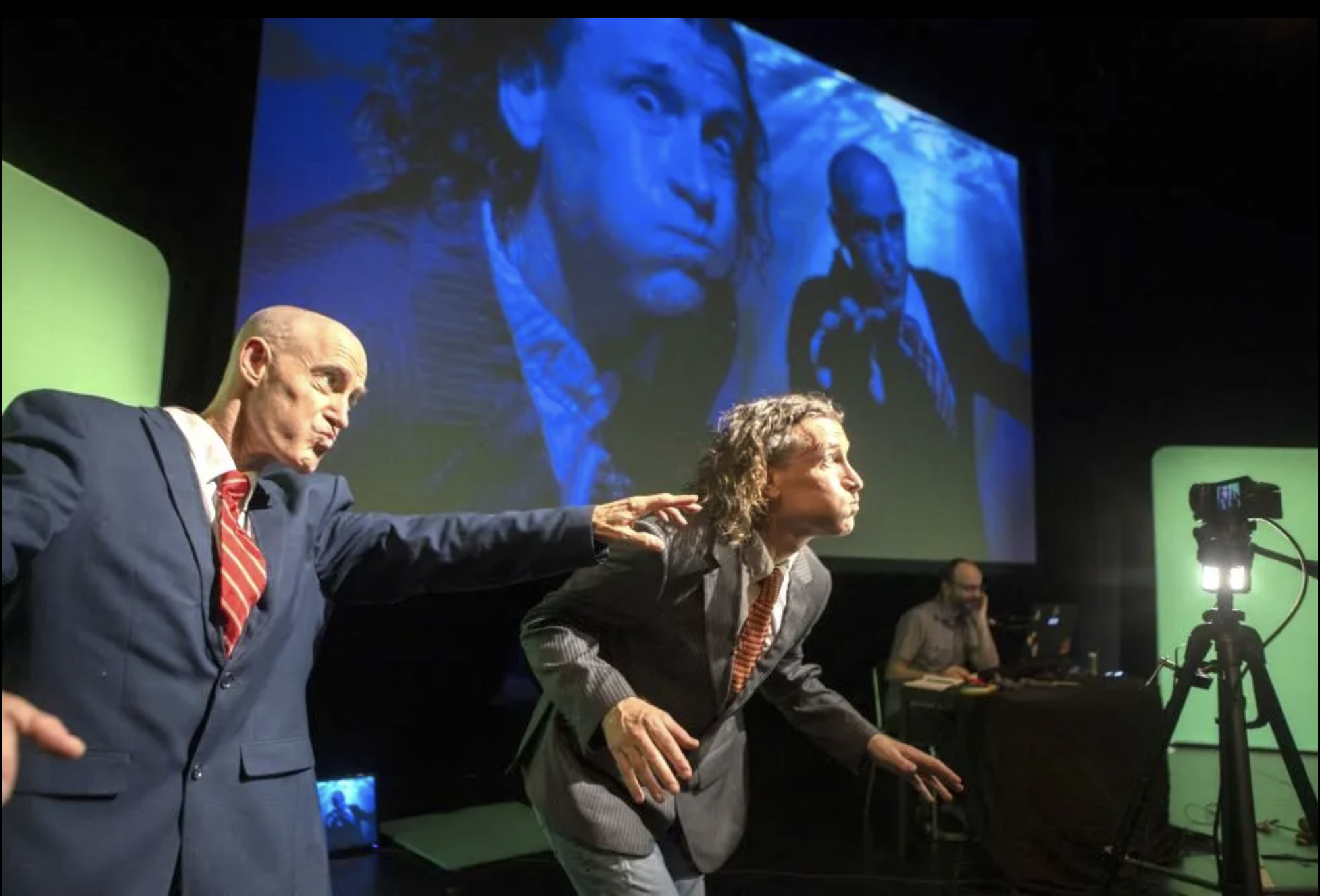
The Umbilical Brothers: The Distraction (Assembly)

‘An amorphous mass of nonsense – but brilliantly so!’

THEATRE

Bacon (Summerhall)

‘A whip-smart, tightly-constructed duologue…’

The Grand Old Opera House Hotel (Traverse)

‘Part slapstick, part comic-opera, part mad-as-a-box-of-frogs spectacle, this is something you really don’t want to miss.’

Salty Irina (Roundabout at Summerhall)

‘Fresh and contemporary, all minimal props and non-literal interpretation…’

Dark Noon (Pleasance)

‘A unique piece of devised theatre, sprawling and multi-faceted…’

JM Coetzee’s Life and Times of Michael K (Assembly)

‘A gentle but powerful production…’

One Way Out (Underbelly)

‘The piece is brave enough not to offer a solution…’

SPECIAL MENTIONS

After the Act (Traverse)

‘We have to learn from what has gone before…’

Woodhill (Summerhall)

‘Though unnervingly bleak, this does offer a glimmer of hope…’

Things Hidden Since the Foundation of the World (Traverse)

‘The closest I’ve ever come to experiencing an acid trip in the theatre…’

Susan Singfield & Philip Caveney

Bacon

27/08/23

Summerhall (Cairns Lecture Theatre), Edinburgh

Mark (Corey Montague-Sholay) wants to tell us his story…

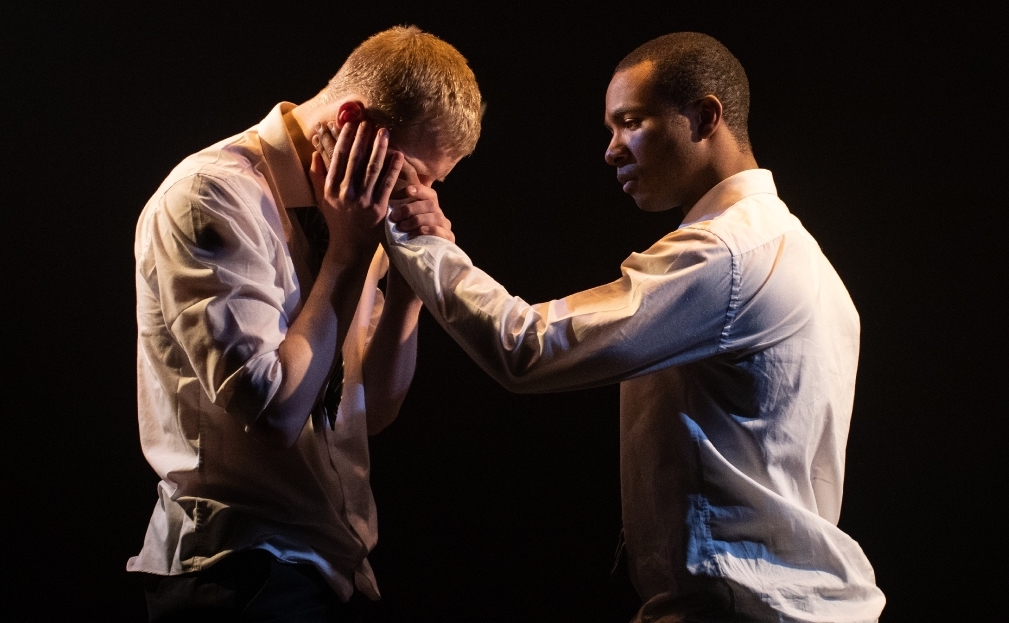
When we first meet him, he’s standing behind the counter of the coffee shop where he works and he’s transfixed, frozen in terror, because Darren (William Robinson) has just walked in and he’s staring at Mark. It’s been four years since the two of them last laid eyes on each other.

And with that we go back to their very first meeting when they’re just fifteen years old. Mark is the new kid at school: reserved, studious, endearing – yet somehow entirely friendless. And Darren, he’s the quintessential troubled teen: rebellious, irreverent, dangerous in that indefinable way. He’s troubled by his own burgeoning sexuality, and the toxic relationship he endures with his father.

It’s clear from the boys’ very first meeting that something has sparked between Mark and Darren, something that begins to smoulder and which will eventually ignite with tragic consequences.

Written by Sophie Swithenbank and directed by Matthew Illiffe, Bacon is a whip-smart, tightly-constructed duologue that pulls me into its tenacious grip and holds me spellbound as the story unfolds, cutting back and forth between the two boys’ home lives, their developing relationship, their triumphs and disasters. The lines of dialogue run together, the two characters starting and ending each other’s sentences.

Natalie Johnson’s simple but effective set is a huge see-saw, rising and falling as the power dynamic fluctuates. The two performances are extraordinarily powerful and the play’s conclusion is quite simply shattering.

It would be hard to imagine a play more perfectly suited to the Fringe. Once again, I find myself wishing I had seen this earlier so I could trumpet its brilliance.

5 stars

Philip Caveney

Pilot

26/08/23

Summerhall (Tech Cube), Edinburgh

Some time in the near future, an ex-detective attempts to piece together the fragments of an old manuscript, left behind by someone called Al.

The play, by Lekan Lawal, award-winning Artistic Director of Eclipse Theatre Company, is as fragmented as the manuscript at its centre. It’s ambitious, questioning the accepted way in which we structure our narratives and calling for a new method of storytelling. The title suggests that Lawal is aware that this piece does not provide the answer, only a suggestion for where we might start.

He is a genial host, introducing himself and his subject matter in a friendly, inclusive way. The room feels like a welcoming space, and I find myself warming to him, wanting to like his performance. We start off with a few audience volunteers engaging in a game of musical chairs (Philip comes third), the victor invited to share his experience of another time he felt like a winner.

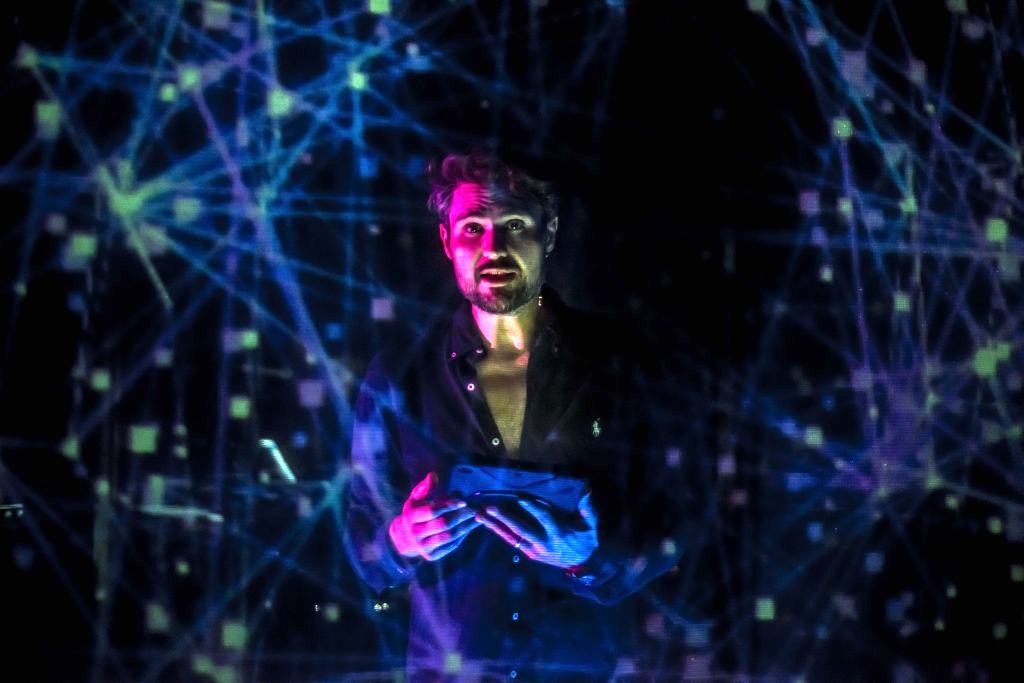
And then we’re off, into a heady mix of music, live video projection, dance and spoken word. Lawal reads from Al’s manuscript, and from Chekhov; we touch on Icarus and Superman, Knight Rider and Dalston market, family weddings, race and feelings of failure. I enjoy all of it: it’s engaging and entertaining and each snippet makes sense while it’s in front of me. But I’m not sure what it all adds up to and can’t help feeling that, in the end, all the trappings serve to obfuscate rather than illuminate Al’s story.

Nonetheless, if you can’t experiment with something new at the Edinburgh Fringe, then I don’t know where you can, and I’m pretty sure that within Pilot there’s an idea that really does have wings.

3 stars

Susan Singfield
Woodhill

13/08/23

Summerhall (Main Hall), Edinburgh

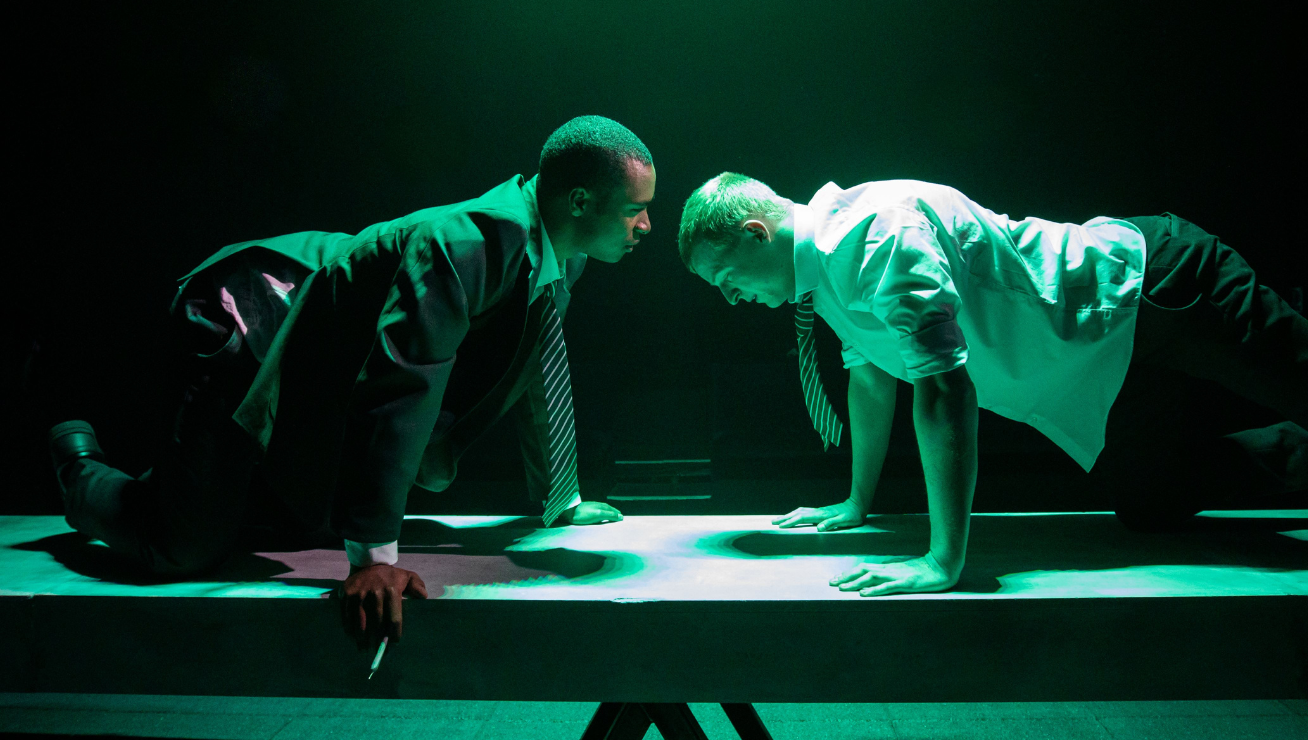
Lung is a verbatim theatre company, whose raisin d’être is to make hidden voices heard. “We use people’s real words to tell their stories; our shows always have a wider campaign and political aim.” In tonight’s show, those hidden voices belong to people failed by the UK prison system, specifically three young men who died in HMP Woodhill and the families who mourn them. It’s the first interpretative dance/verbatim mash-up I’ve ever seen, and it’s astonishingly powerful.

Recorded voices play over a soundscape by Sami El-Enany and Owen Crouch. Meanwhile, Chris Otim acts as the ghosts of the lost boys, and Tyler Brazao, Marina Climent and Miah Robinson play their relatives. Alexzandra Sarmiento’s choreography highlights the trauma inflicted on whole families by our punitive system, as they move like desperate Zombies through the years, reeling from blow after blow.

Director Matt Woodhead spent four years interviewing seventy people for this play – including inmates, prison officers, lawyers, and politicians, as well as the families featured here. The main focus is on three individuals – an urgent reminder that the awful statistics hide real people. Stephen Farrar, Kevin Scarlett and Chris Carpenter were all found dead in their cells at Woodhill. They all ostensibly took their own lives. But did they? “Woodhill killed them,” their families say. “The state killed them.”

The UK has the highest prison population in western Europe. Why? Do more than 83,000 of our people – more than 130 per 100k – really need to be locked up? Who benefits? Not the inmates, that’s for sure. And not wider society either – there is plenty of research proving prison doesn’t work. But private for-profit companies run prisons here, and they’re incentivised to lock people up, and incentivised to keep costs down once they’re inside. It shouldn’t come as a surprise that a recipe for disaster results in, well, disaster…

I get frustrated by our failure to look north: we have a model education system to look to in Finland, but we ignore it; likewise, Norway’s criminal justice system is a huge success: fewer people locked up (just 46 per 100k), low rates of recidivism, a compassionate prison culture based on rehabilitation. It’s kinder, cheaper and actually reduces crime. But still our politicians forge ahead with our failed revenge model, punishing people for being poor, for struggling with their mental health, for being Black.

Woodhill is relentless and startling, and there’s a moment, about fifteen minutes in, where I begin to feel restless, wanting a break from the dancing and recorded voices, perhaps some dialogue from the actors onstage. But I guess that’s the point: this is hard to bear, even as an audience member, even for an hour. And, of course, the fact that the actors never actually speak underscores how voiceless these people usually are. Woodhill offers them a rare chance to be heard.

Woodhead’s production, though unnervingly bleak, does offer a glimmer of hope. The piece is designed to educate, to change people’s minds. At the end, we are asked to sign a petition, to ensure that recommendations made at inquests – such as Stephen’s, Kevin’s and Chris’s – are implemented. It’s not enough, but it’s a start.

4.2 stars

Susan Singfield
Concerned Others

13/08/23

Summerhall, (Demonstration Room), Edinburgh

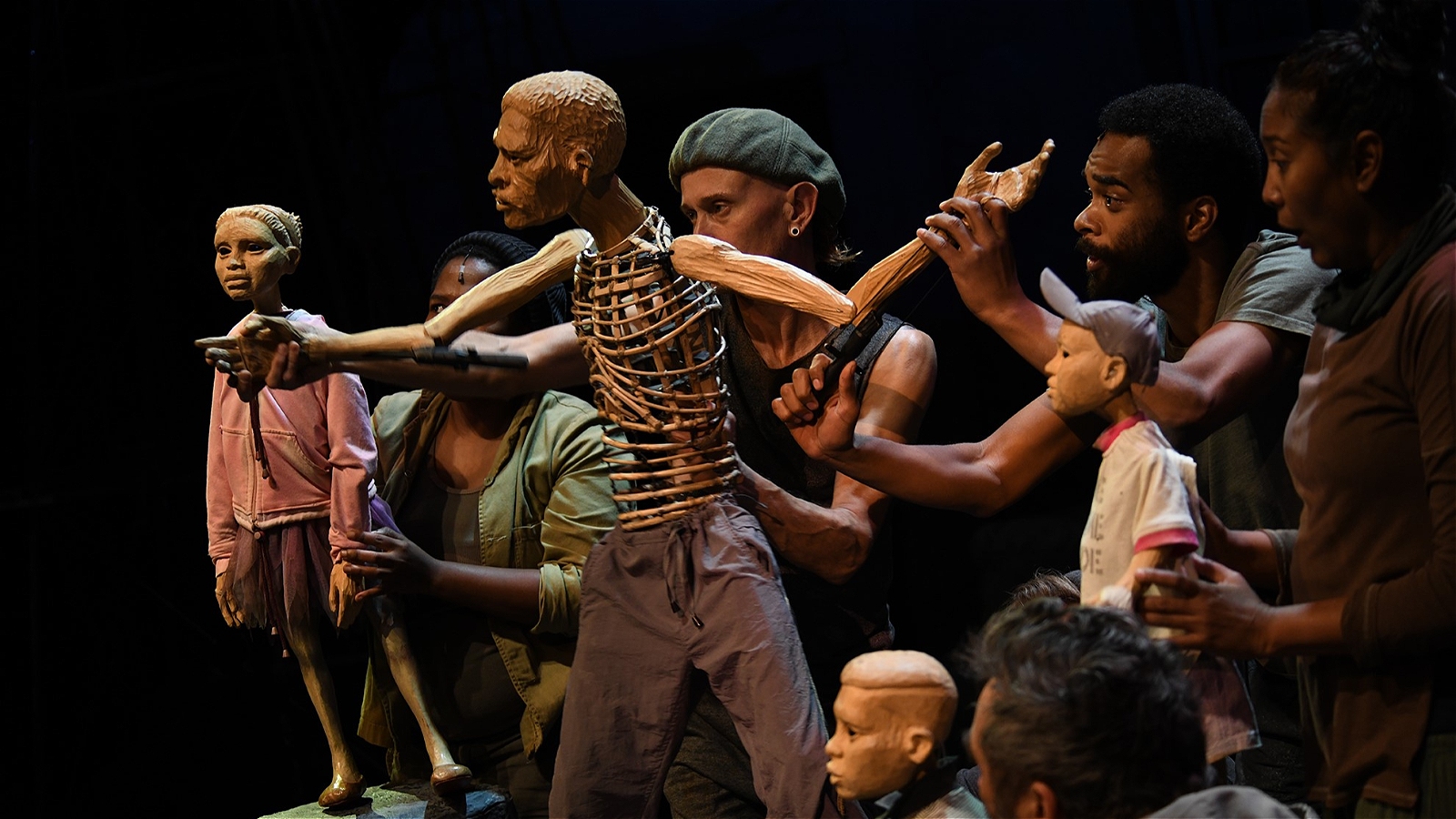
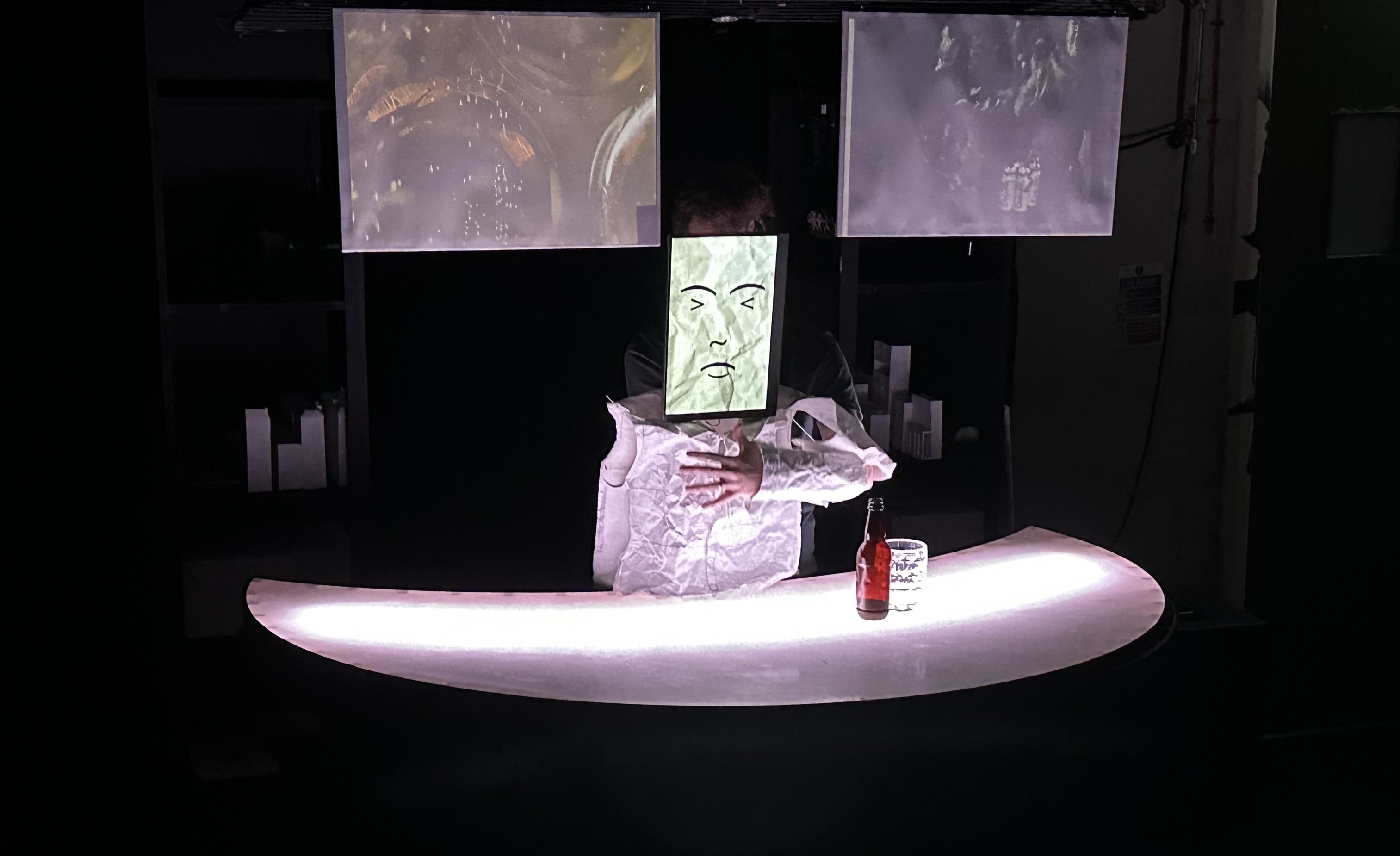
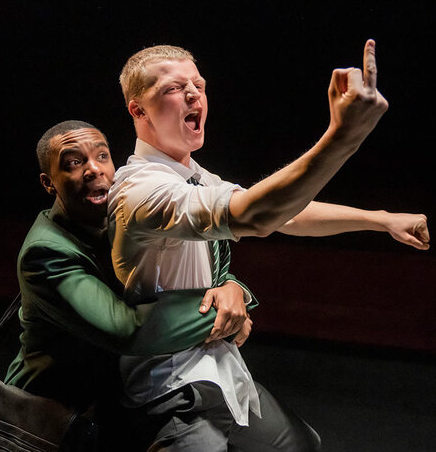
Concerned Others is a meditation on addiction – a vast, sometimes overwhelming subject for which there really are no ready answers. Tortoise In a Nutshell approaches the subject from a different perspective – using an intimate table-top performance, above which spoken verbatim dialogue is also displayed on a series of screens, while immersive music plays.

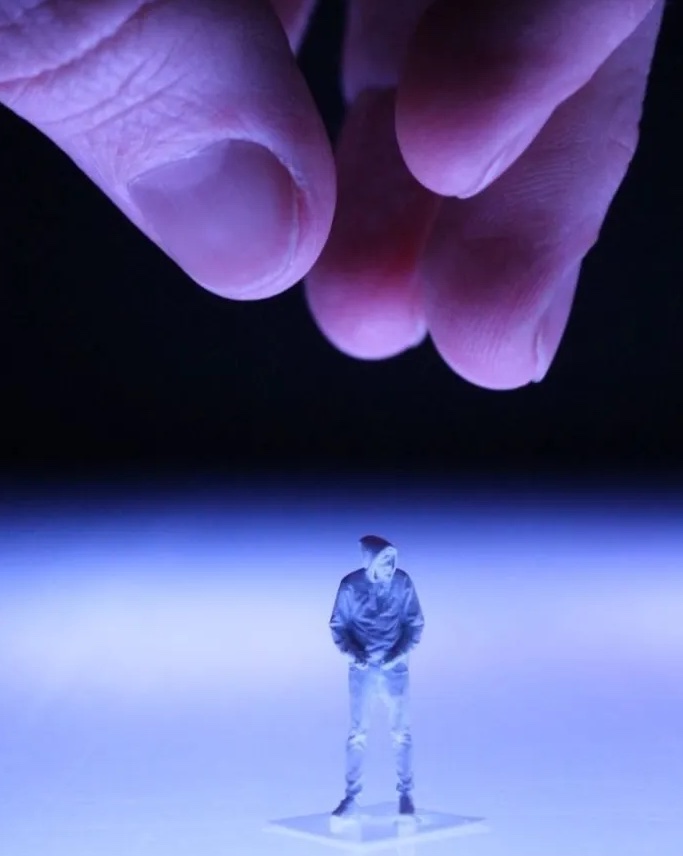
A miniature camera glides cinematically past rows of tiny houses and intricately detailed miniature figures as the words spill onto the screens. The effect, curiously, is to focus my attention on what’s actually being said and while it’s not saying much that I haven’t heard before, it does have the effect of making me concentrate. No easy matter when I’m sitting in the Demonstration Room, arguably the most uncomfortable venue of the Fringe.

Now the scene shifts to a character whose face is a video screen, a vapid smile interspersed with mixed-up advertising videos extolling the virtues of various beers, and I’m reminded of my youth, when television adverts like these ones made me long to look old enough to go into a pub and buy a drink.

Again, we’re back to the little camera, which now glides through a series of empty rooms, emphasising the loneliness and desolation of addiction, the fact that so many people are obliged to face it alone…

By the conclusion – which somehow manages to end on a rising note of optimism about the future – I leave thinking about the ubiquity of addiction, it’s prevalence and it’s many different forms. We’re all of us addicted to something, aren’t we?

You could argue that perhaps Concerned Others could delve a little deeper into its chosen subject but there’s no mistaking the superb and affecting style in which this story is told.

4 stars

Philip Caveney

England & Son

11/08/23

Roundabout at Summerhall, Edinburgh

Written by Ed Edwards especially for Mark Thomas and directed by Cressida Brown, England & Son is a hard play about hard lives. Thomas is the ‘& Son’ of the title, and delivers a bravura performance; from the outset, he has the audience in the palm of his hand. 

A semi-autobiographical piece, based on people Thomas knew in his childhood and Edwards’ experience in prison, this is a bleak exposé of an often overlooked underclass, exemplified by one boy’s complex relationship with his father. As well as this deeply personal account, it also opens up to examine an even more troubling relationship: between Britain and its former colonies. A lot of questions are raised: why is it okay for rich white people to plunder other countries, but not okay for poor white people to burgle houses? Is there any way to prevent armed forces personnel from being dehumanised by what they’ve seen and done? And what the fuck is an ‘artisan’ when it’s at home?

Although this is a dark piece, there are also some very funny lines and – as you’d expect – Thomas delivers these perfectly, the laughs landing every time. These shafts of light are much needed, so it’s a relief when caring social worker Martha offers our young offender the chance of a different life, even though it’s all too clear that he won’t be able to grasp it: his past has already shaped him; his future is assured. As soon as there’s a problem, he only knows one way to react, and he seems destined to follow in his fallen hero’s footsteps.

England & I is a deceptively complex piece, but it certainly hits home with today’s audience, who rise as one to give Thomas a standing ovation.

4.2 stars

Susan Singfield
Salty Irina

10/08/23

Roundabout at Summerhall, Edinburgh

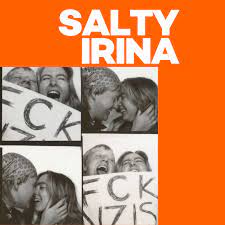
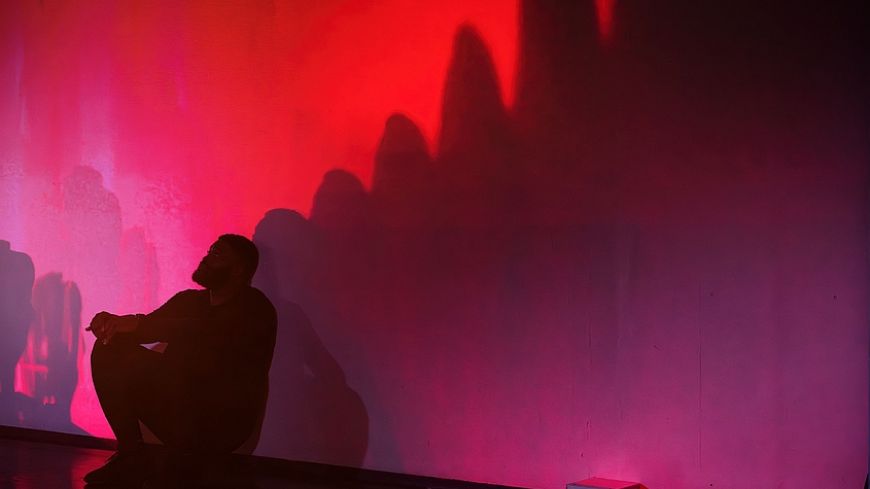
Eve Leigh’s Salty Irina, isn’t your average tale of first love, nor even of coming out – although it is both of those things. Instead, a much darker, more frightening theme emerges as Eirini (Yasemin Özdemir) and Anna (Hannah Van Der Westhuysen) embark on a reckless mission… 

They’re teenagers, so of course they think they’re invincible; of course they’re likely to take risks. Sitting in the audience, several decades ahead of them, I can only watch in horror as they convince themselves that infiltrating a far-right festival is a good idea. From a grown-up, liberal vantage point, it’s clearly a bad idea for anyone. For an immigrant? For lesbians? For two wide-eyed young girls with more idealism than guile? It can only end badly.

But Eirini and Anna want to do something. There’s been a spate of murders in their (unspecified) city and the police don’t seem to see the link. The victims are all immigrants, but – because they’re from different ethnic groups – each is being treated as an isolated case. So when the girls learn that a fascist group is holding an event nearby, it seems logical to them to don disguises and investigate. An older hippy in their squat says what the whole audience is thinking: “Don’t go!” But when have teenagers ever listened to boring know-it-all adults telling them what to do? 

It’s not until the final third of the play that Jana (Francesca Knight) appears. We’ve seen her before, acting as a stagehand, passing props, clearing the set; it’s a neat conceit. The threat she poses has always been there, in the shadows, but it’s only when the girls are isolated and vulnerable that she reveals herself.

If Eirini and Anna were older, the plot would be fantastical. Honestly, at first I think the whole thing is a bit far-fetched, but then I google ‘far-right festivals’ and discover that they really are a thing, even here in Scotland. (God knows what marketing I’ll be faced with now, as the internetty algorithms get to work.) But their age makes me ache for them: I absolutely believe that they would step boldly, naïvely into the fray, convinced that they are doing the right thing. 

Debbie Hannan’s direction is fresh and contemporary, all minimal props and non-literal interpretation. It feels as youthful as the play’s protagonists, the transitions snappy and impetuous. 

Van Der Westhuysen and Özdemir (last seen by us in Autopilot and You Bury Me respectively) are perfectly cast, embodying the journey from youthful innocence to devastating experience. 

4.5 stars

Susan Singfield
Soldiers of Tomorrow

09/08/23

Summerhall (Old Lab), Edinburgh

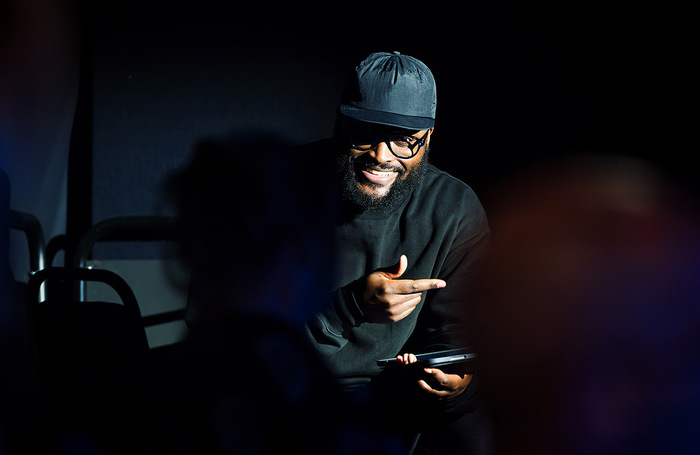
Former Israeli soldier, Itai Erdal, has an acutely focused view on the complex issues that surround the Arab-Israeli conflict and the occupation of Palestine, so much so that he, a former soldier himself, eventually decided to pack up his belongings and emigrate to Vancouver. It is his belief that the situation in Israel is fast approaching boiling point.

In the Old Lab at Summer Hall, battalions of tiny plastic soldiers stand guard as we enter the performance space. (A hapless audience member manages to stand on some of them and is clearly mortified, but this will prove to be ironic later.) Erdal enters and tells us a story about his regular visits to his barber, an Iraqi, who shaves him using an old fashioned straight razor – and how he can never quite stop himself from picturing this smiling, friendly man taking that razor and cutting his throat…

The following monologue takes in some of Erdal’s personal experiences in the Israeli army: interactions with his fellow troops; encounters with people who may or may not be dangerous. As he talks, Syrian musician Ermad Armoush plays live, complex pieces on traditional instruments, clearly with the intention of underpinning the monologue, though occasionally managing to obscure what Erdal is saying.

I’d be the first to admit that I’m woefully ignorant about the situation in the Middle East; as Erdal points out, many Westerners are uncomfortable discussing it, concerned about unintentionally sounding anti-Semitic. By the end of the show, I know a great deal more about the subject – a sequence utilising a whole collection of flags is particularly useful, effectively illustrating how Israel has been ruled by so many different nations over the millennia – but I feel that the delicate balance between lecture and entertainment is often too heavily weighted towards the former. At one point Erdal strides around with a very realistic automatic weapon which makes me feel really uncomfortable. That’s the point, I guess, and it works. Erdal is worried that his homeland is guilty of the very racism it was established to mitigate, and he’s distraught that his that his nephew, Ido, has recently followed in his footsteps and enlisted in the army.

It serves us all well to understand as much as we can about the Arab-Israeli situation, and there is much to learn from Soldiers of Tomorrow.

3 stars

Philip Caveney