Labyrinth

11/01/26

Cineworld, Edinburgh

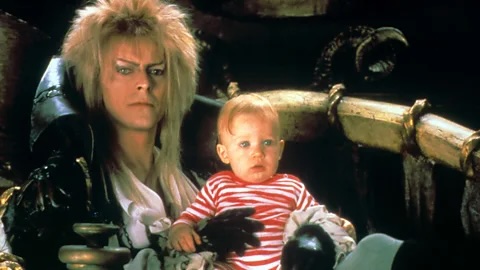
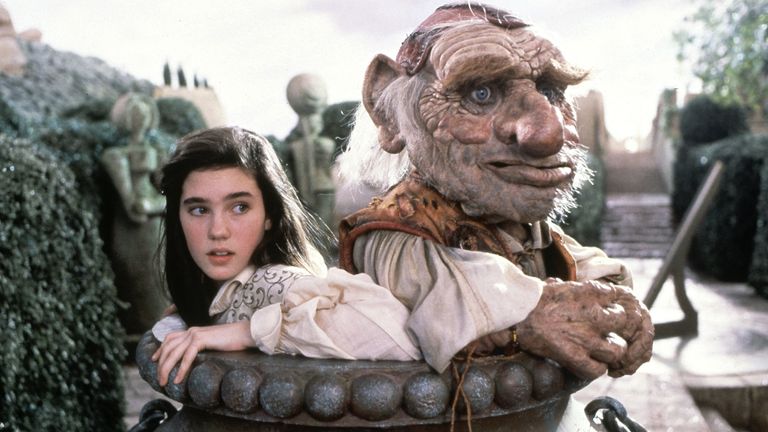
Forty? Can it really be forty years since I went into a cinema to watch Jim Henson’s Labyrinth for the first time? Well, this being the 40th Anniversary re-release in a brand new 4K restoration, I guess it must be so. Back in 1986, I was certainly a David Bowie fan and The Muppet Show was a regular treat every Sunday, so naturally I was first in the queue to see it, though the mists of time have managed to erase which particular cinema the event took place in.

I can only recall that I enjoyed the experience, even if the particulars of the film itself remain hazy. So here’s my chance to clarify matters. Glancing around the busy auditorium, it’s clear I’m not the only one revisiting the past.

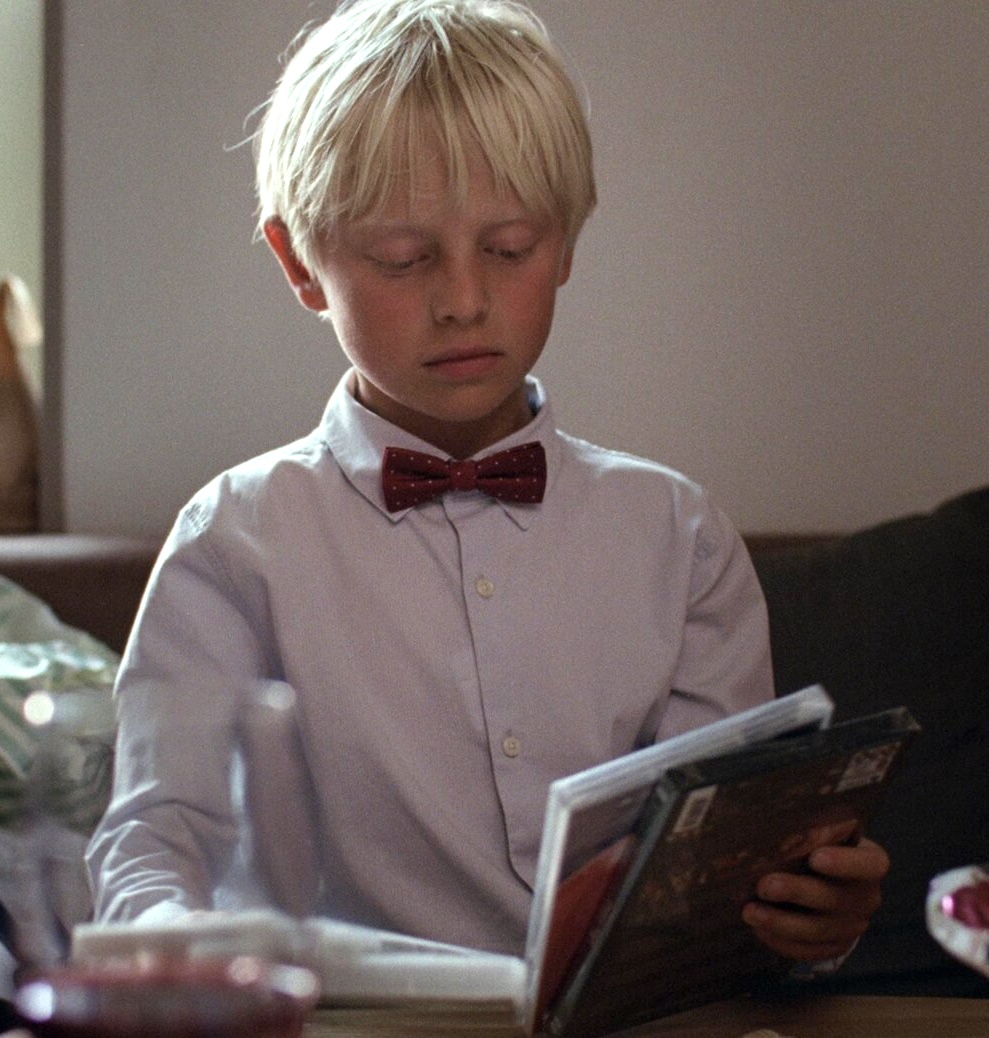
Sixteen-year-old Sarah Williams (Jennifer Connelly) is running late for the task of babysitting her infant half-brother, Toby. When she arrives, rushed and apologetic, her step-mother, Irene (Shelley Thompson), is angry and unforgiving. When Sarah discovers that Irene has given Sarah’s beloved teddy bear, Lancelot, to her brother, it’s the last straw. She impulsively wishes aloud that Toby could be abducted – by goblins from the titular book she’s just been reading.

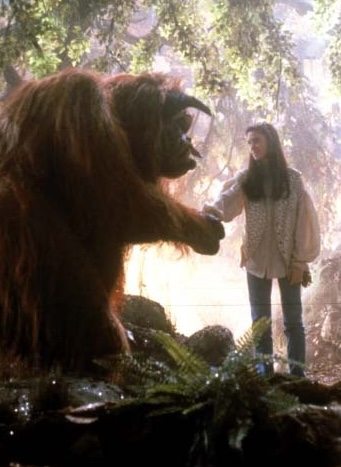
Whereupon the Goblin King, Jareth (David Bowie), grants Sarah’s wish and tells her that, in exchange for Toby, he will give her her deepest desires. When she decides she’s acted too rashly, Jareth sets her a challenge: she has just thirteen hours in which to rescue the child. If she fails Toby will belong to Jareth forever. So Sarah has little option but to set off into the labyrinth which lies between her and Jareth’s castle. On the way, she enlists help from some of the strange creatures she encounters.

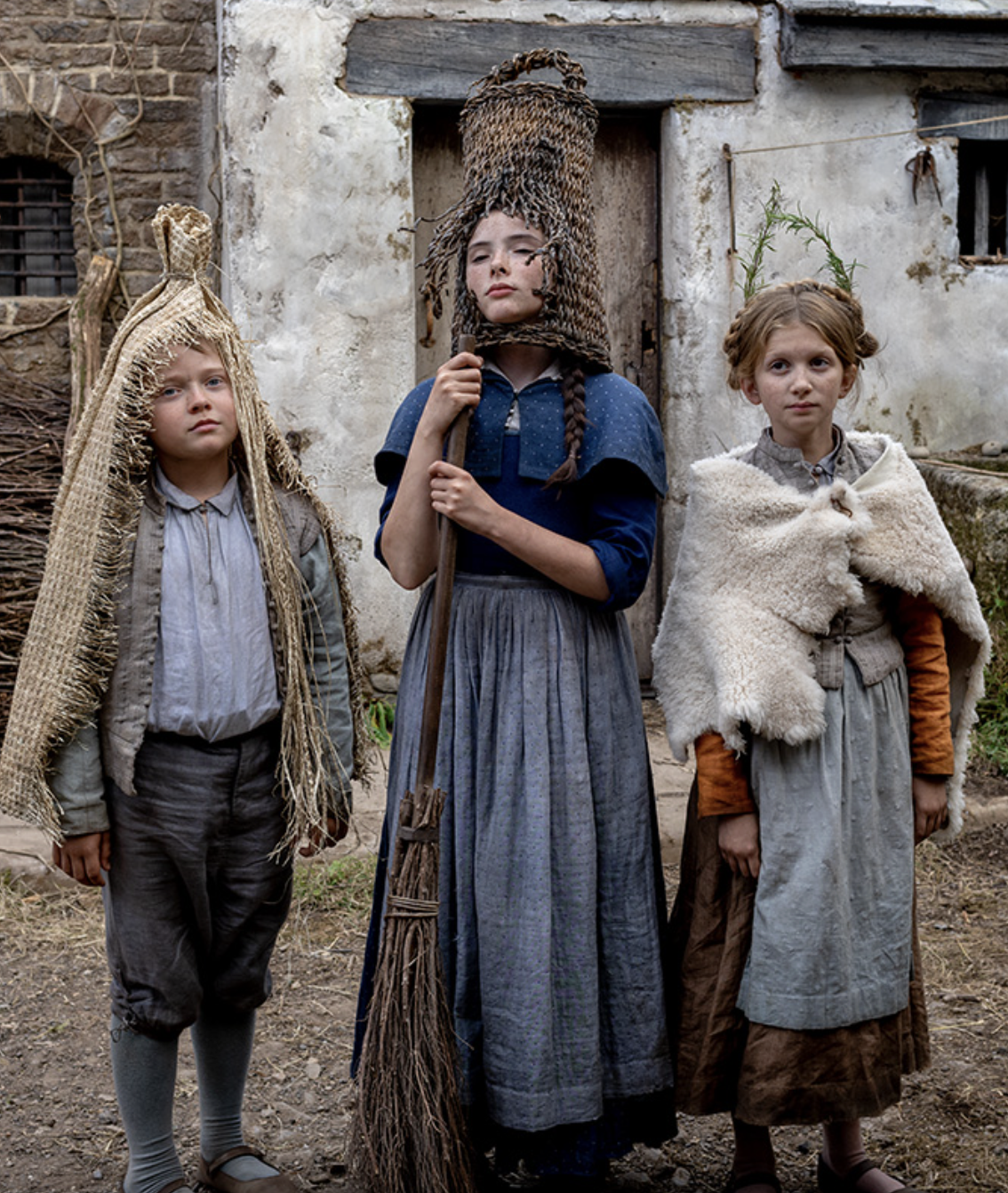
Henson’s film divided the critics on its release. It had poor box office in America but was a palpable hit in the UK, where audiences had more of a taste for the weird. And make no mistake, Labyrinth is weird in the truest sense of the word. Scripted by Monty Python-stalwart Terry Jones, it’s heavily influenced by Maurice Sendak’s Outside Over There (which also features a child kidnapped by goblins). And isn’t there a bit of The Wizard of Oz about it? A teenage girl accompanied by three fantastical companions, each of whom will learn something on the journey? Hmm.

The film’s look is largely due to the influence of illustrator Brian Froud – every frame look like one of his gorgeous picture books. Lest we forget, there was no CGI in those pre-Jurassic Park days, so Henson is called upon to push the practical puppetry to its very limits, his team dreaming up incredible creations and building them from whatever they could lay their hands on.

Bowie fits effortlessly into this world, sporting an outlandish fright-wig, some very tight trousers and a bizarre accent, which sounds like somebody mangling RP to within an inch of its life. Whatever it is, it works. He also sings a few self-composed songs along the way, none of which is particularly memorable, but are perfectly suitable for the capering, twitching creatures that back him up.

A sequence towards the end of the film in which Sarah pursues Toby up, down and under a series of MC Escher-style staircases provides a suitably mind-blowing finale. Forty years may have passed since its creation, but Labyrinth has aged well and it serves to provide a fitting tribute to the late Jim Henson, a man who devoted his life to creating magic.

4.2 stars

Philip Caveney

Left-Handed Girl

11/01/26

Netflix

I’m feeling a bit sorry for myself this Sunday afternoon: I didn’t sleep well last night, I’ve got a cold and the temperature outside is bloody freezing. We’d planned a long walk but I’m not up for it. Is there anything good on Netflix that we haven’t seen?

Philip’s right on it: yes, there is. He’s just been reading about Left-Handed Girl, written by Shih-Ching Tsou and Sean Baker (the latter a firm favourite of ours), which has not only created a buzz at Cannes, but has also been chosen as Taiwan’s Oscar entry. Apparently, the long-time collaborators penned the script way back in 2010 but it’s taken until now for director Tsou to secure the financing for her debut feature. However frustrating that must have been for her, it’s certainly worth the wait. Because Left-Handed Girl is a triumph.

The film follows the travails of the Cheng family as they return to the bustling capital of Taipei after several years living in the Taiwanese countryside. Single mum Shu-Fen (Janel Tsai) is struggling financially, and she’s hoping to get back on track by opening a noodle stall in the city’s famous night market.

Her teenage daughter, I-Ann (Shih-Yuan Ma) is moody and miserable. She’s left school to work at a betel nut stall, where she’s shagging the boss with the same lack of enthusiasm she brings to her job. Something’s troubling her, and the mystery only deepens when she bumps into an old classmate, who expresses surprise that the former straight-A student is not at university…

Meanwhile, Shu-Fen’s youngest daughter, the titular five-year-old southpaw, I-Jing (Nina Ye), is settling happily into her new life, charming the market traders as she smiles and dances through the stalls. She hasn’t a care in the world – until her granddad (Akio Chen) admonishes her for using her left hand to draw. “It’s the devil’s hand,” he tells her, as she stares in awe at the offending appendage. Although the superstitious old man’s intention is to get I-Jing to start using her right hand, his plan has unforetold consequences as, unwittingly, he has given her a pass to be naughty. “It’s not me,” she tells herself as she steals a trinket from a shop, “I can’t help it; it’s my devil hand.”

Cinematographers Ko-Chin Chen and Tzu-Hao Kao shot the entire movie on iPhones, which lends the piece a convincing veritas, thanks to the agility and immediacy of the footage. We see the market from I-Jing’s point of view, eye-level with the traders’ tables as we run with her between the stalls, ducking through the crowds. We ride with I-Ann on her scooter, hair streaming in the night air, precious minutes of freedom between her household duties and her boss’s demands. Taipei comes to life on screen, a kaleidoscopic riot of colour and sound.

Under Tsou’s direction, this collection of moments slowly takes shape. We learn to care for not only the three main characters, but also those on the periphery, such as Johnny (Brando Huang), the kindly trader with the stall next-door to Shu-Fen’s. These are people on the edges of society, only barely getting by, but they are all afforded their dignity. And, as the various vignettes coalesce, a story emerges – with a pretty explosive denouement.

Film-wise, 2026 has started off in great style, with Left-Handed Girl our third five-star cinematic experience in just eleven days. Long may it continue!

5 stars

Susan Singfield

Hamnet

10/01/26

Cineworld, Edinburgh

There is a tide in the affairs of [wo]men, which taken at the flood, leads on to fortune – and the confluence of Maggie O’Farrell, Chloé Zhao and Jessie Buckley exemplifies this theory. All three are at the pinnacles of their respective professions and their combined talents make for a flawless film. Hamnet is artfully crafted and beautifully realised, a privilege to watch.

Adapted by O’Farrell and Zhao from the former’s critically-acclaimed novel, Hamnet stars Jessie Buckley as Agnes, more commonly known as Anne Hathaway or, let’s be honest, “Shakespeare’s wife”. Here, she is reimagined as a kind of woman-of-the-woods, her deep connection to nature a central tenet of her character. Her nephews’ Latin tutor, William (Paul Mescal), is beguiled by her, and – before long – they are pledging their commitment to one another in a secret ‘hand-fasting’ ceremony. Their families are horrified when Agnes falls pregnant, and only reluctantly agree to making their marriage official.

Agnes and William don’t care: they are deeply in love and adore their three children, Susannah (Bodhi Rae Breathnach), Judith (Olivia Lynes) and Hamnet (Jacobi Jupe). But that doesn’t mean it’s all plain sailing. While William can’t bear the confines of country life, Agnes knows she couldn’t survive in the city, away from the natural world. William doesn’t want to become a glove-maker like his father; he’s driven: he needs to write, to tell stories, to make his mark in the capital. Agnes realises there’s only one option, and tells him to go, to seek his fortune on the London stage, while she and the children remain in Stratford.

And so William departs for a double life with his wife’s blessing, at once successful playwright and loving family man. Meanwhile, Agnes grows ever more concerned about Judith’s health, fretting over her premonition that she will have only two children when she dies. And when calamity comes, she has to deal with it alone…

Readers often worry about movie adaptations of their favourite books, but I don’t think anyone needs to be concerned about this one. With O’Farrell on board as co-writer, the screenplay complements the novel perfectly. Buckley is magnetic, the intensity of her performance drawing us deep into her heartbreak and recovery, turning Agnes into a living, breathing woman instead of a mere footnote in her husband’s history, a cast-aside irrelevance, mother of his children but inheritor only of his “second best bed”. Mescal is also well-cast as William, torn between his vocation and his love for Agnes, turning his own anguish into a dramatic memorial to his lost child.

Under Zhao’s direction, Hamnet moves at a dreamy pace, yet never feels slow or dull. Lukasz Zal’s cinematography captures the symbolic importance of the forest, both to Agnes and – by extension – Shakespeare’s plays, where it is a place of magic and transformation, simultaneously dangerous and healing. The colour palette emphasises Agnes’s singularity, her red dresses distinctive in a sea of brown and green and grey. In her own way, she is every bit as extraordinary as William.

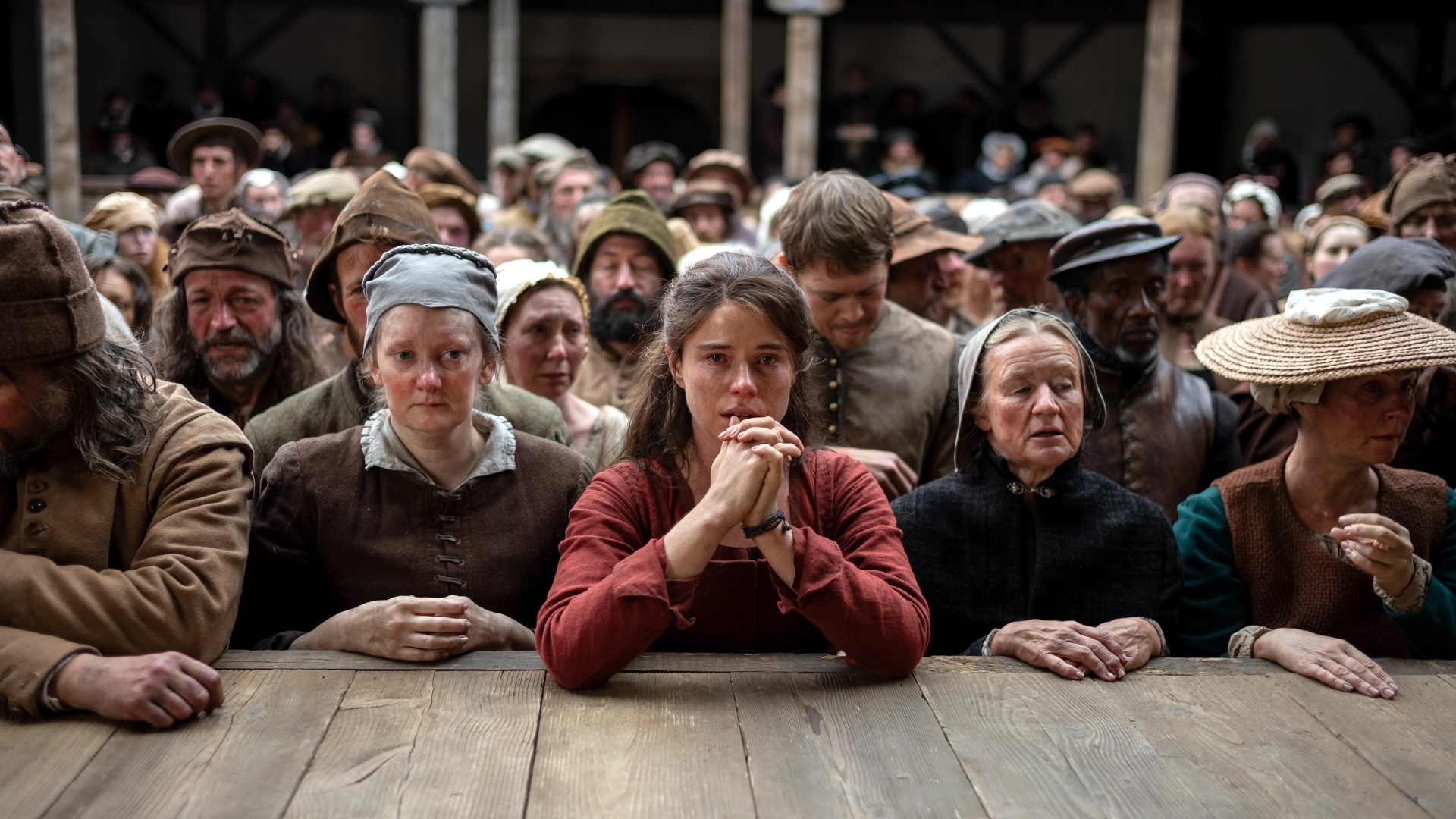
The three children play their parts well, and props to Nina Gold for casting Jupe’s real-life brother Noah as Hamnet’s fictional counterpart in the original Globe Theatre production of Hamlet. Their likeness adds to the cathartic effect of the performance, underscoring Agnes’s realisation that this is William’s theatrical expression of his grief. This final section is also a hymn to the shared experience of live theatre, the way plays can touch their audiences made literal as Agnes reaches for the hand of the young actor so reminiscent of her son, inspiring those around her to do the same.

Flawless from start to finish, Hamnet is an unmissable film, fully deserving of its Oscar nominations, and certainly worth a trip to the cinema to see it on the big screen.

5 stars

Susan Singfield

Goodbye June

08/01/26

Netflix

Amidst the roster of Christmas-themed films that we failed to see over the festive season, Goodbye June shines – at least in its earlier stages – with an unflinching sense of realism. It’s centred around a tragedy, the kind of experience that so many viewers will be familiar with, and – as the name suggests – depicts the actions of a family bidding farewell to their resident matriarch.

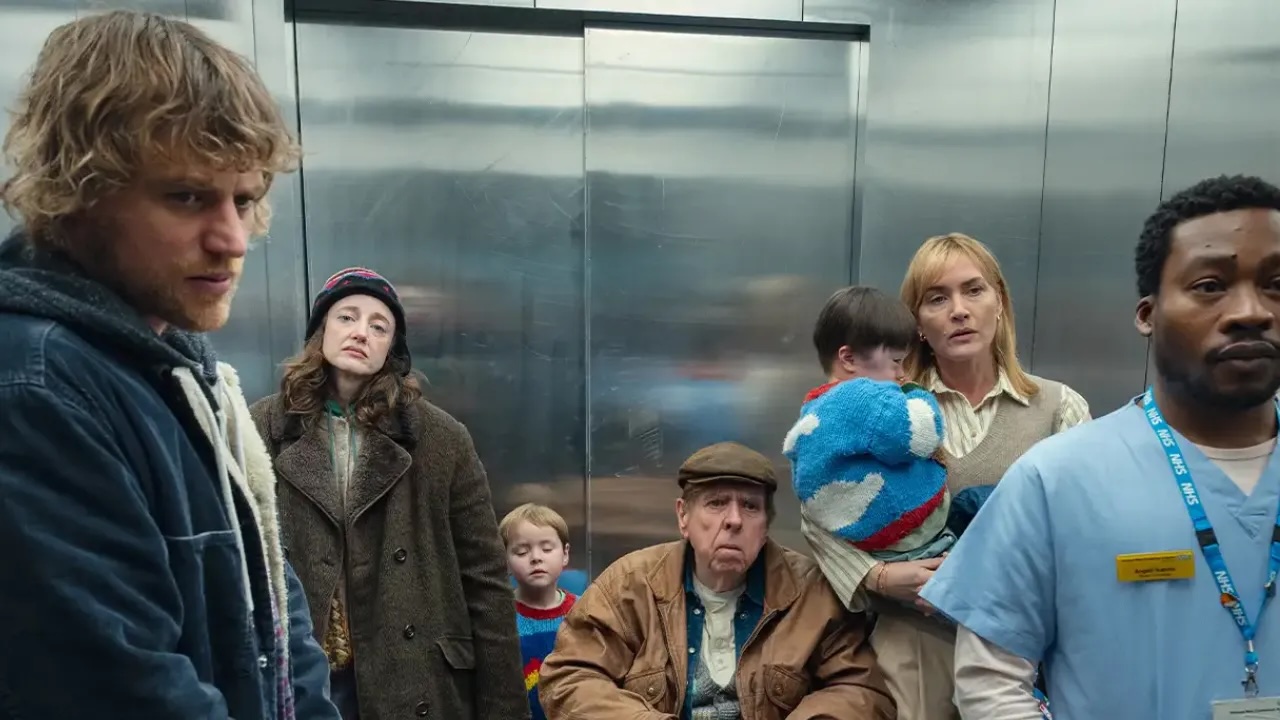
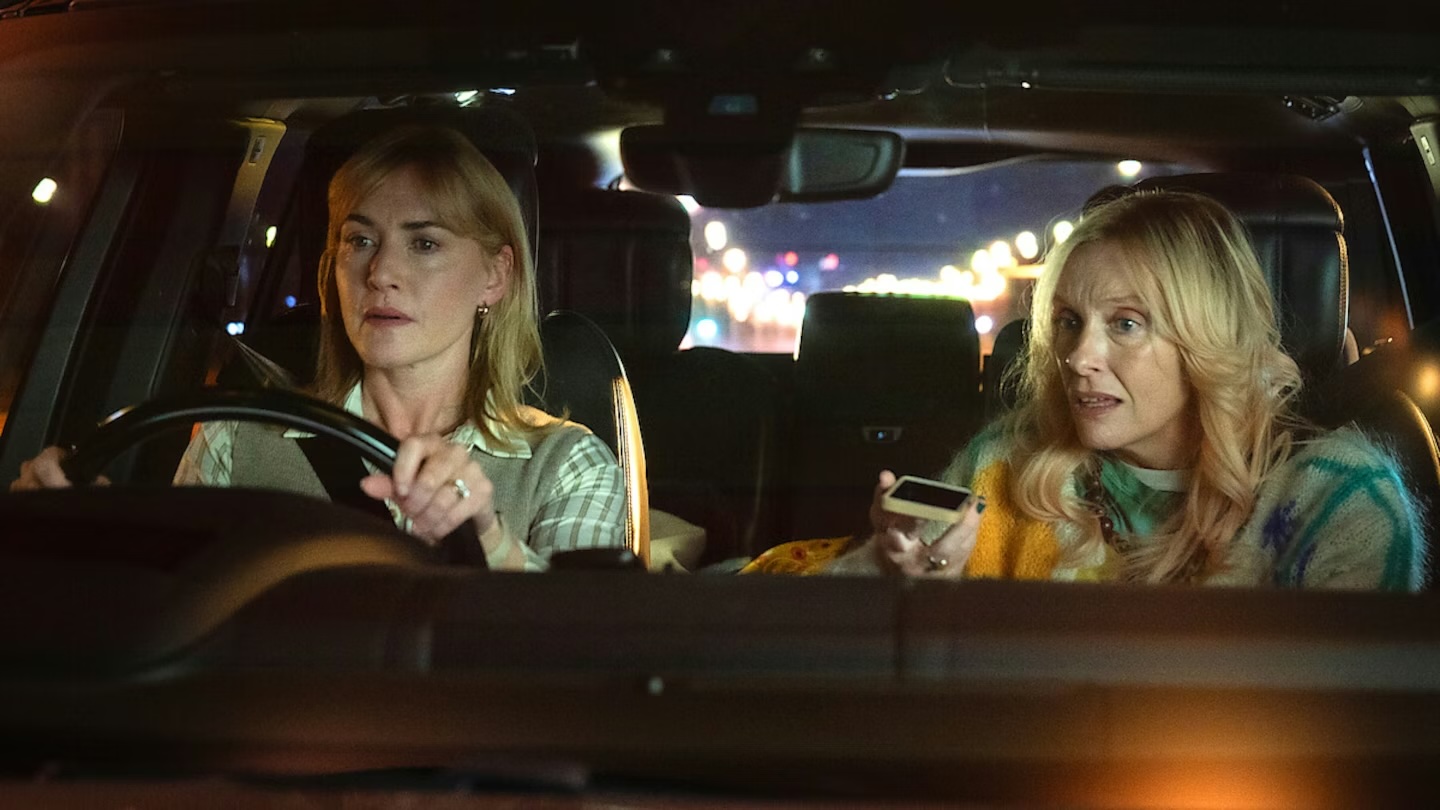
It’s just a couple of weeks before 25th December when June (Helen Mirren) collapses whilst making the morning cuppa. She’s rushed to hospital where it’s quickly established that the cancer she’s been suffering from for quite some time has progressed to the stage where further treatment would be pointless. All the hospital staff can do is make her comfortable until the end arrives. This news comes as no great surprise to her husband, Bernie (Timothy Spall), her three daughters, Julia (Kate Winslet), Molly (Andrea Riseborough) and Helen (Toni Collette), and her son, Connor (Johnny Flynn).

They have no option but to hunker down and show what support they can until the dreaded day finally dawns. But can June make it to Christmas?

It doesn’t help matters that Bernie seems barely able to register any kind of reaction to what’s happening to his wife; that Julia and Molly are incapable of burying a long-brandished hatchet; that Helen is lost in some kind of hippy-dippy alternative reality; and that the vulnerable Connor simply cannot envisage a life without his adored mum to hold his hand. Throw into the equation a bunch of bewildered spouses and offspring of various ages and it soon becomes clear this isn’t going to be a tranquil farewell.

For her directorial debut, Winslet has managed to enlist an incredibly starry cast, while her son, Joe Anders, provides the screenplay. For the most part, the story brims with absolute authenticity – though Molly’s rudeness to every member of staff unlucky enough to cross her path occasionally feels a little too on the nose. Would anyone in this situation actually react with such unbridled vitriol?

And a late-stage development where the entire family works together to put on an impromptu Nativity play for June’s benefit also ignites my incredulity, with Bernie’s sudden transformation into the life and soul of the party particularly implausible. This kind of sudden about-turn weakens that sense of veracity.

But perhaps I’m being a bit of a Scrooge about this. Goodbye June is a sizeable step-up from much of the twinkly, feel-good fodder we’ve come to expect at this time of year – and the addition of a short coda set the following year at least offers us a chance to dry our tears before the end credits.

3.8 stars

Philip Caveney

Anaconda

07/01/26

Cineworld, Edinburgh

Christmas 2025 was a pretty fertile period for the cinema, with opportunities to catch plenty of decent offerings and, provided you picked carefully, there was not a turkey in sight. The first days of the New Year were likewise blessed, but eventually a viewer’s luck runs out. I still believe that Anaconda has a decent premise at its heart but, for a whole variety of reasons, it fails to make for satisfying viewing.

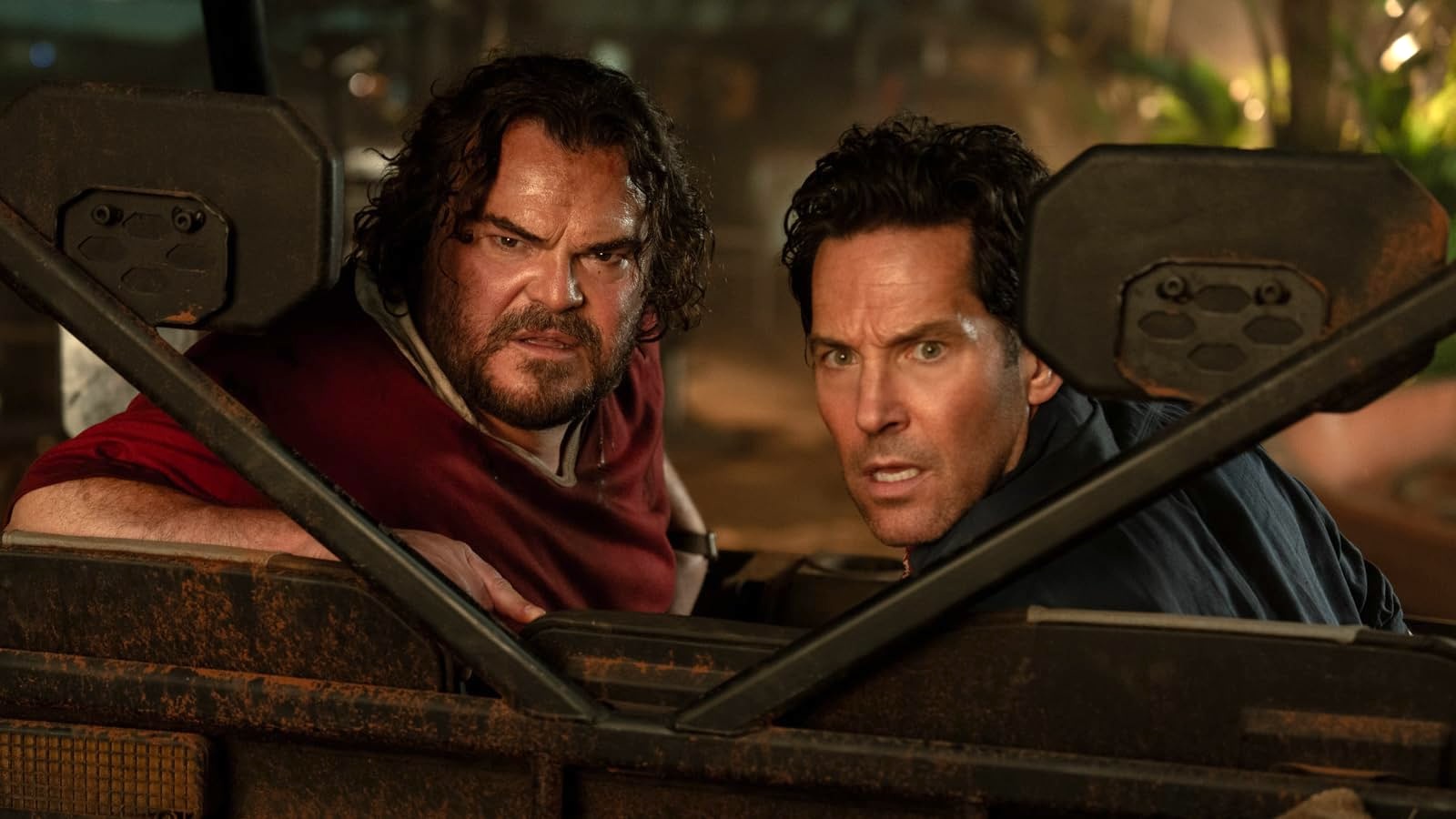
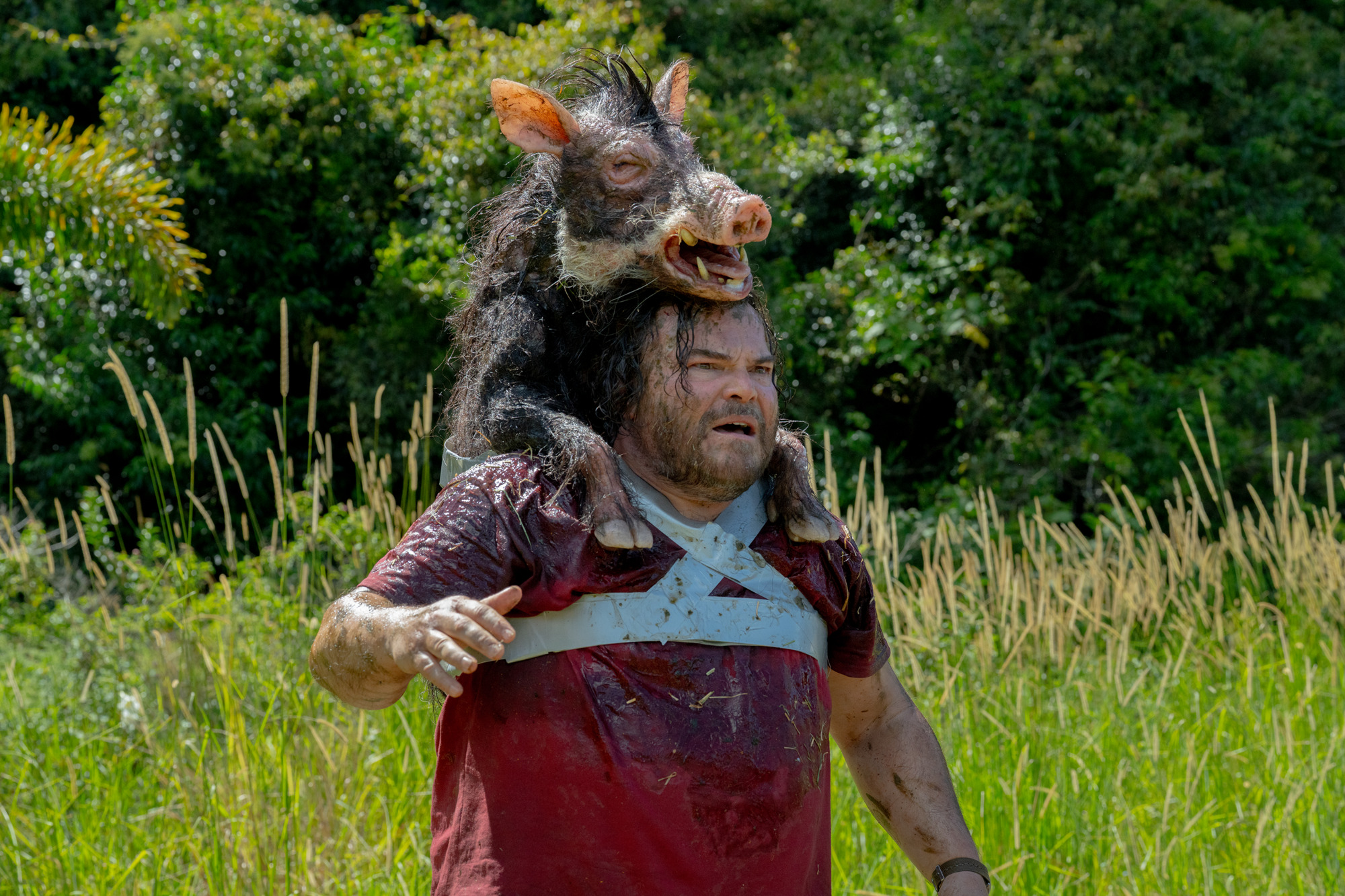
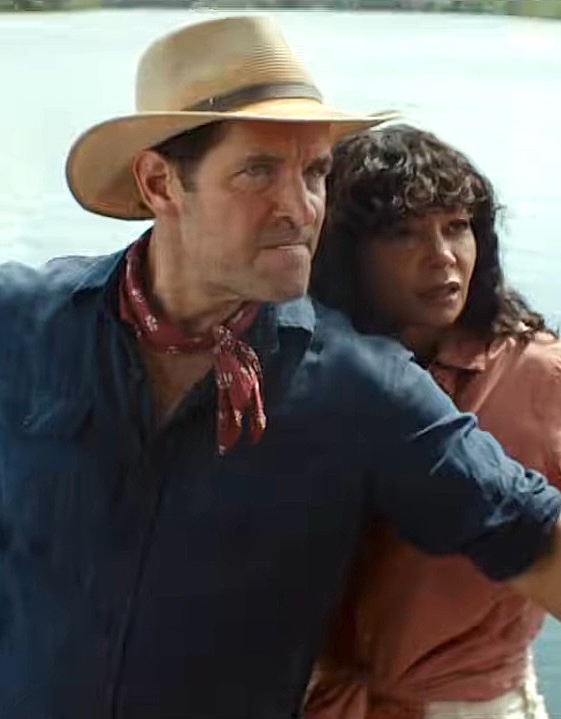
Ron Griffin (Paul Rudd) and Doug McCallister (Jack Black) both feel they have made wrong career moves. Ron always felt he was destined to be a movie star but, apart from a few fleeting cameos in various TV shows, he’s failed to make the big time. Doug maintains he is working as a film director – if you count wedding videos as movies – but he also fondly remembers his teenage years, when he and Ron recorded their own no-budget horror movies, making their own props and using their friends as actors. At Doug’s birthday get-together, Ron casually announces that he has managed to obtain the rights to Anaconda – the 1997 movie that was their favourite watch on VHS.

One drunken conversation later, and Ron has managed to persuade his old flame, Claire (Thandiwe Newton), and his hapless pal, Kenny (Steve Zahn), to flex their credit cards and accompany him to Brazil to shoot a reboot. But can they possibly persuade Doug to drop everything and join them as the film’s director? Hey, do giant reptiles live in the jungle? Well, they do of course and, in a brief pre-credit sequence, we’ve already witnessed what happens to people who stand around under trees muttering questions like, ‘What was that noise?’

To be fair, the set-up is decently handled by director Tom Gormican, who co-wrote the script with Kevin Etten. But once in Brazil, he seems unsure which direction to take with the resulting story and throws in a whole bunch of distractions. There’s a young local woman, Ana (Daniela Melchior), who is being pursued by armed men, though for quite a while we’re not entirely sure what they’re after her for. And why she would undertake to pretend to be the captain of a ship and ferry the film crew upriver is anybody’s guess.

Then there’s local snake ‘expert’ Carlos (Selton Mello) who actually owns a decent-sized pet snake and has somehow been brought onto the team as reptile-wrangler – but we’re not troubled with the details of how this came to be.

And of course there’s the titular giant snake, glimpsed only fleetingly at first, but becoming less convincing every time we set eyes on him.

The end result is that the comedy isn’t quite as sharp as it needs to be, while the action sequences are ponderous and unconvincing. Most damning of all, the scenes that (I think) are designed to be scary, really don’t generate enough tension to make me suspend my disbelief. The plot thickens when it turns out that there’s another, bigger crew in the vicinity who really are shooting an Anaconda reboot. This gives Gormican the chance to include a couple of celebrity cameos from Ice Cube and Jennifer Lopez, who, veteran movie fans may remember, starred in the original.

Look, I don’t want to be mean about this, because clearly it was never intended to be anything but a silly bungle in the jungle and I guess, in the end, that’s exactly what you get. And let’s face it, the original film isn’t remembered as being a cinematic masterpiece either. But no matter how slight the central premise, a film needs to convince – and sadly this one fails on that score.

2.8 stars

Philip Caveney

Sentimental Value

05/01/26

Cineworld, Edinburgh

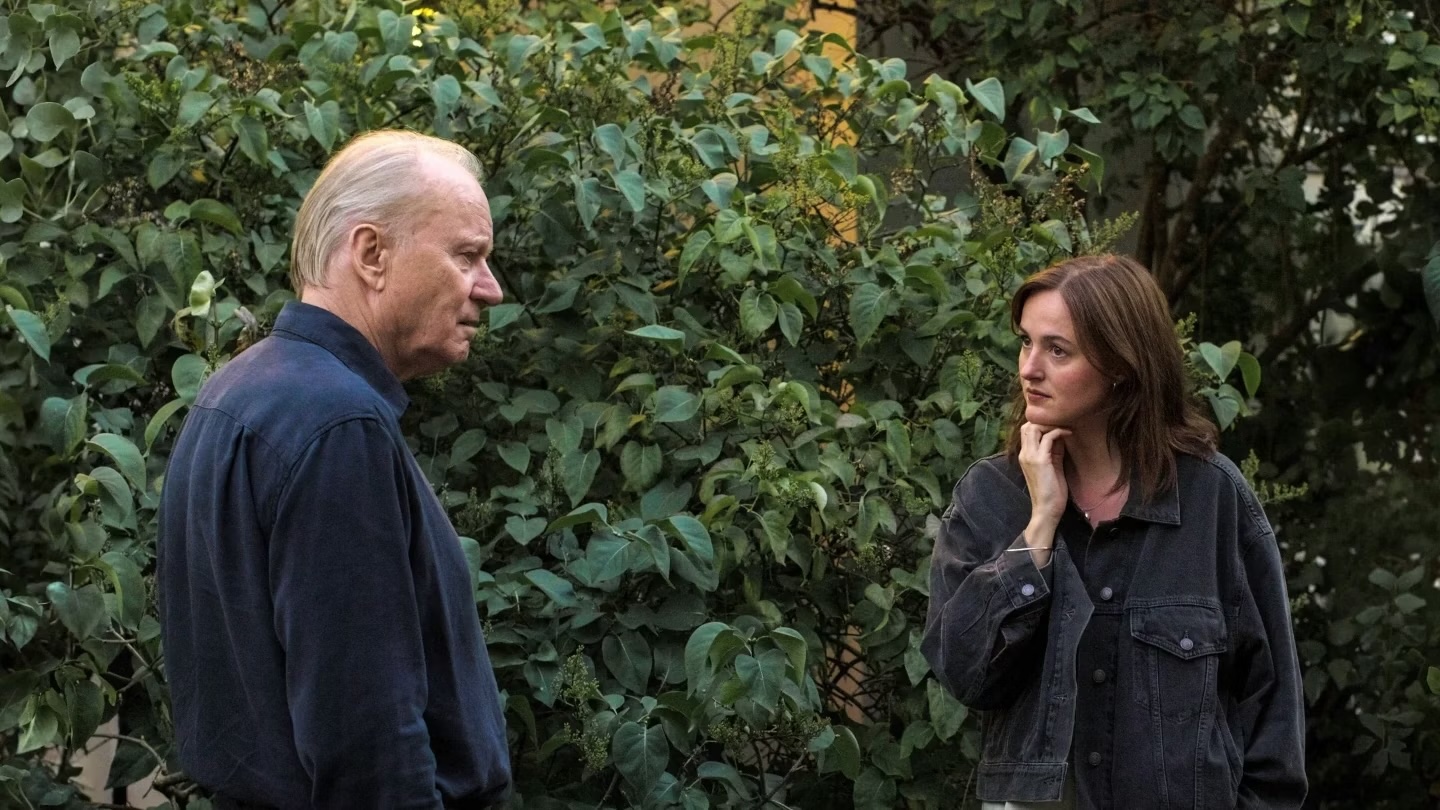
Norwegian filmmaker Joachim Trier reunites with his muse, Renate Reinsve (with whom he made the brilliant The Worst Person in the World), in this affecting tale set mostly within the family home of the Borg family in Oslo. Reinsve plays Nora, an acclaimed theatre actress, who – when we first encounter her – is about to step onstage for the opening night of her latest production. She suffers a sudden, terrifying bout of stage fright and has to enlist fellow actor, Jakob (Anders Danielsen Lie), to slap her face in order to get her to venture out onto the boards.

Nora’s younger sister, Agnes (Inga Ibsdottir Lilleaas), has a much less turbulent life. She’s happily married and has a teenage son, Erik (Øyvind Hesjedal Loven), who seems to share a special bond with Nora. After the death of their mother, Sissel, the sisters are preparing their childhood home for sale, but they are somewhat perturbed to discover that it still belongs to their father, celebrated film director Gustav (Stellan Skarsgård). Since splitting up with Sissel, he has kept a wary distance from his daughters, seeing them only occasionally.

They are dismayed when he turns up out of the blue, with plans to use the house as the set for a new film, based around the wartime exploits of his mother, Karin, who was a member of the Norwegian resistance movement and who committed suicide in one of the rooms. Nora is horrified when Gustav announces that he would like her to play the film’s protagonist and she refuses to even entertain the idea.

Then, whilst attending a film festival, Gustav meets American movie star Rachel Kemp (Elle Fanning), whom he manages to persuade to take on the role – which also helps him secure financial backing from Netflix. Rachel travels to Norway to visit the house and starts to prepare, but it soon becomes apparent that she might not be the right fit for a part that was originally created with Nora in mind…

This handsome production shimmers like a precious jewel thanks to the brilliant cinematography of Kasper Tuxen – and the performances are uniformly spot-on. Skarsgård handles his role with particular aplomb, a man beset by the changes of time and struggling to stay in control of a project that seems to elude him at every turn. He and Reinsve make superb antagonists, he totally unable to convey the love he has for her in any conventional sense, she stubbornly resistant to his overtures, unable to countenance them, no matter how hard he pushes her.

Agnes too is conflicted. In her childhood, she had a small but important role in one of Gustav’s early films but, when her father mentions a plan to employ young Erik in a similar way, she doesn’t know how to react. And Rachel – well, suffice to say that Fanning, who so often finds herself in roles that offer her very little to do, acquits herself brilliantly here as it gradually begins to dawn on Rachel that she has wandered into an impossible situation.

There are many moments of deep sadness but, perhaps ironically, it’s the scene were Agnes confesses her undying affection for her older sister that finally coaxes the tears from my eyes. I love too a coda where the house – itself an integral character in this powerful but nuanced story – appears to be undergoing a makeover.

But then the camera pulls back, to reveal something entirely different.

Sentimental Value has been nominated for the Best Foreign Language Oscar and I for one feel it would make a very deserving winner.

4.8 stars

Philip Caveney

Wake Up Dead Man : A Kives Out Mystery

04/01/26

Netflix

Early January is traditionally a time for catching up with those films we didn’t manage to see at the cinema. Wake Up Dead Man, Rian Johnson’s third entry in the Knives Out franchise, has been sitting patiently on Netflix for quite some time, but I’ll confess that I haven’t been in a great hurry to tick it off the list, not having been as enchanted by the two previous instalments as many others. So it’s perhaps inevitable that I enjoy this one more than its predecessors, mostly because of its caustic sense of humour.

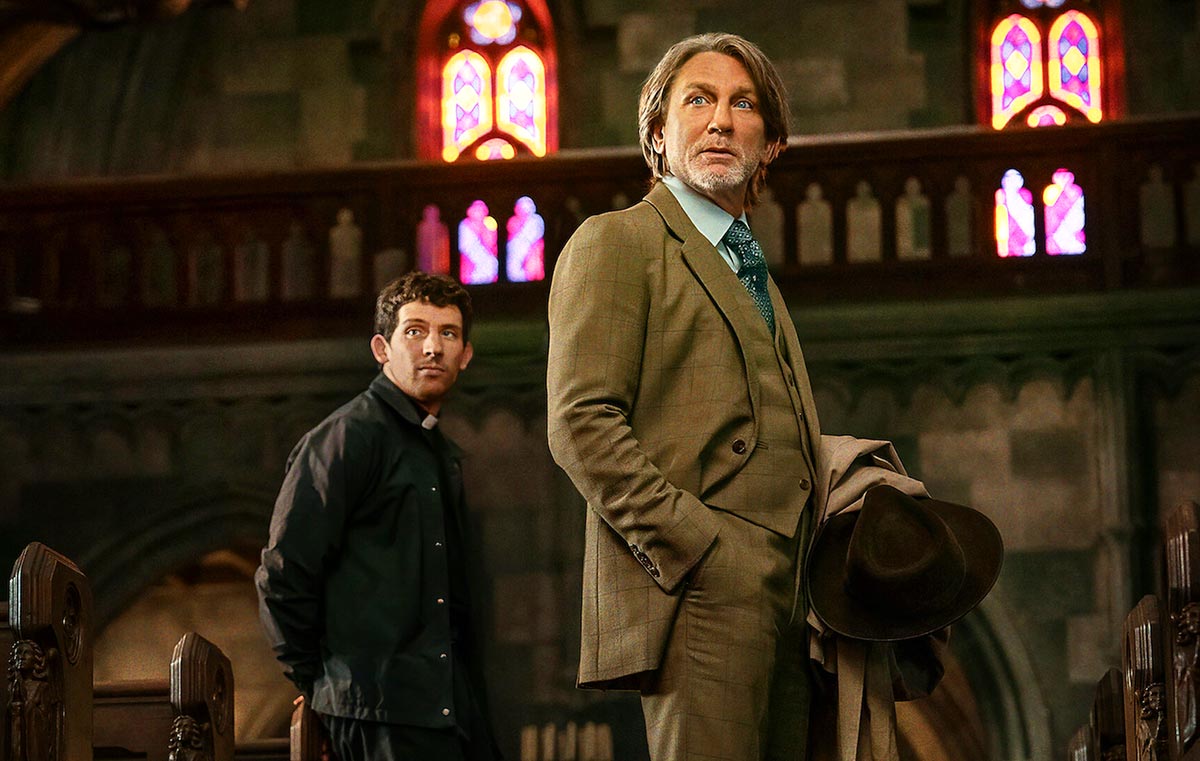
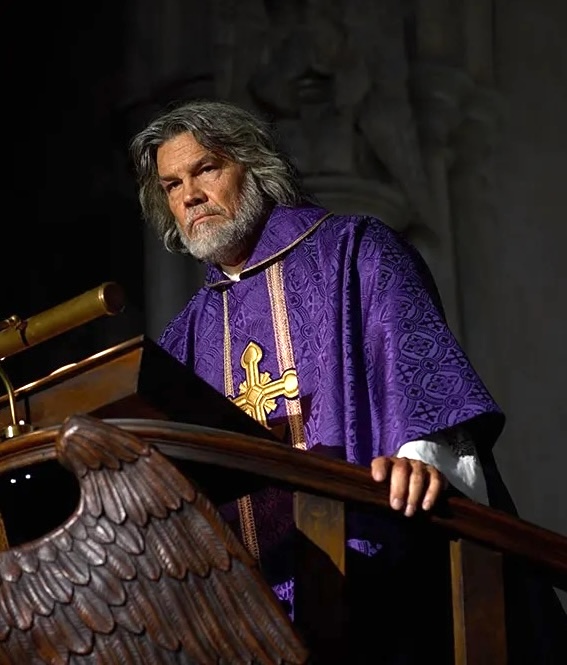
Catholic priest, Jud Duplenticy (Josh O’ Connor), is hastily despatched to a rural parish in upstate New York. A former boxer, he has punched out an obnoxious fellow priest in an argument and now needs to keep a low profile. He’s clearly come to the wrong place. The parish is run by Monsignor Jefferson Wicks (Josh Brolin), who runs Our Lady of Perpetual Fortitude in a dictatorial fashion, though his fire and brimstone approach to sermonsing means that his congregation grows ever sparser.

So perhaps it’s little wonder that it’s Wicks who is mysteriously murdered and Duplenticy who appears the most likely culprit. But of course, after a decent interval, along comes ‘the world’s greatest detective’, Benoit Blanc (Daniel Craig), to investigate a story that has more twists and turns than a snake on a bed of itching powder…

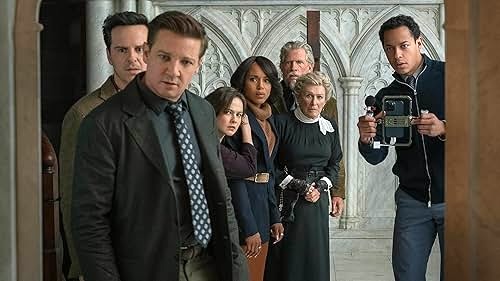
All the usual suspects are in place, portrayed by a starry cast of A-listers, this time including Glenn Close, Andrew Scott, Jeremy Renner and Cailee Spainey. I have fun trying to come up with possible solutions to the central mystery even if the story grows ever more unlikely as it progresses. In this endeavour I’m only partially successful – I spot some possibilities but apply them to the wrong suspect. I also think I spy a sizeable plot-hole in there, but perhaps I’m being too picky. I’m suitably entertained by the snarky, anti-Catholic digs and the anti-Trump snipes sprinkled through proceedings .

Will there be more Knives Out films? I hope so. Because, for my money, this is the best of the series so far.

4 stars

Philip Caveney

Train Dreams

03/01/26

Netflix

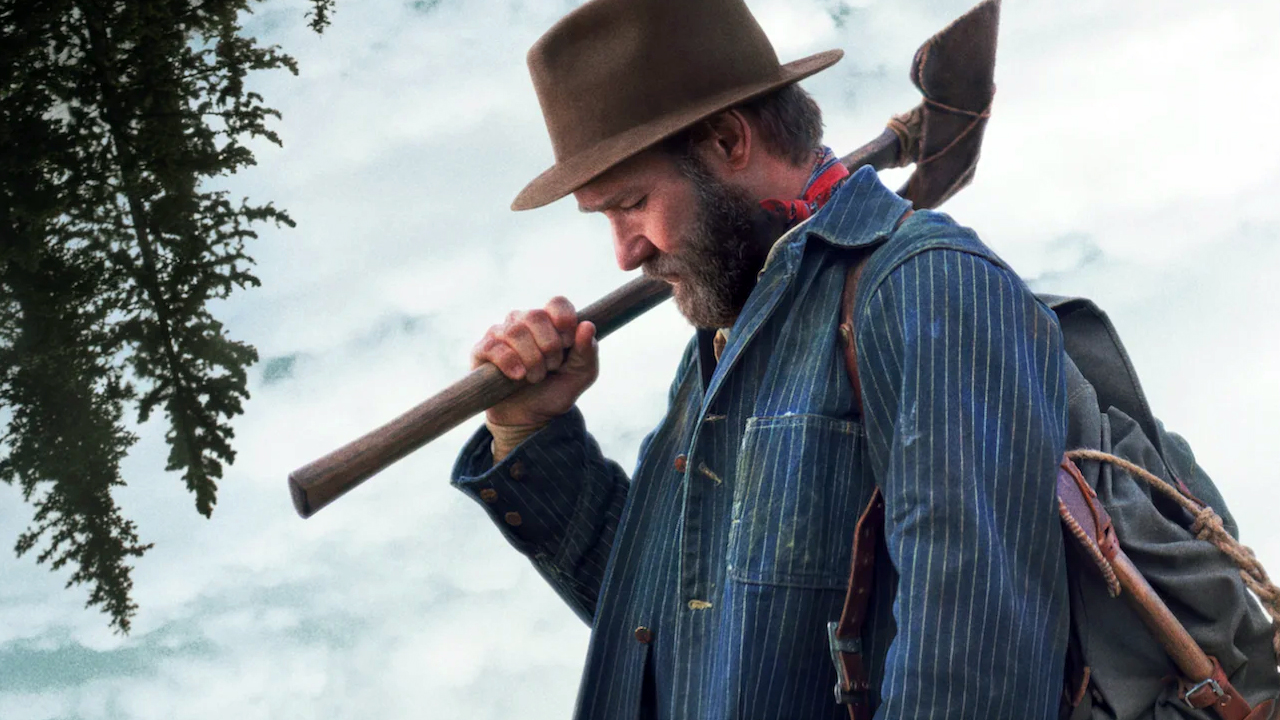
Adapted from Denis Johnson’s 2011 novella of the same name, Clint Bentley’s Train Dreams is set in the Pacific Northwest during the first half of the last century. More character study than story, this beautifully-contrived film proves a difficult watch.

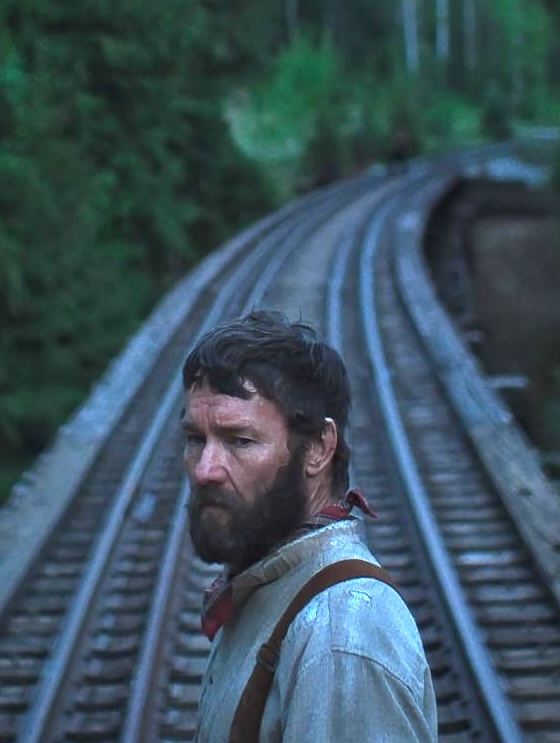
Idaho orphan Robert Grainier (Joel Edgerton) is born in poverty, destined to a hard-scrabble life. An itinerant worker, he toils uncomplainingly, felling trees to make way for the expansion of the American railroads. He is watchful and taciturn, but nonetheless forms strong bonds with his fellow loggers. These include Arn Peeples (William H Macy), a sagacious old man concerned about deforestation, and Fu Sheng (Alfred Hsing), shockingly murdered in a racist attack by his colleagues – while Robert silently looks on.

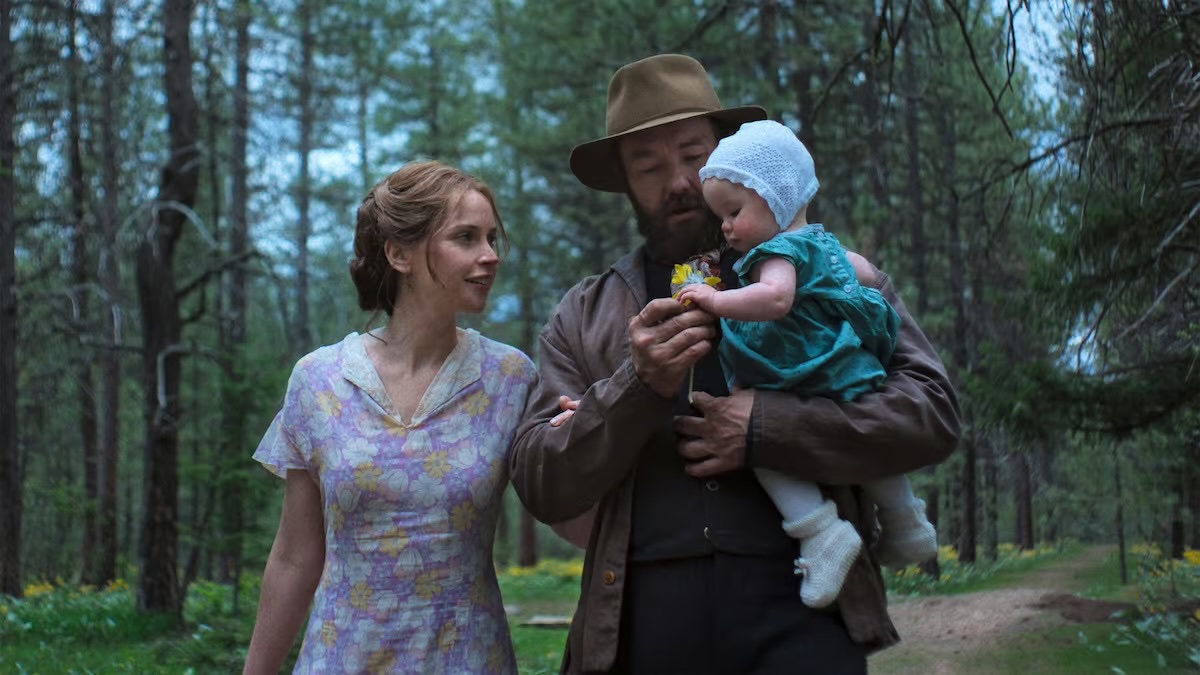
The only glimmer of cheer in Robert’s life is Gladys (Felicity Jones). For a brief period, they enjoy a happy marriage, buying an acre of land, building a cabin, having a baby. But they’re poor, and Robert’s work takes him away from home, so he’s not with Gladys when a forest fire sweeps the region, taking everything – and everyone – he cares about.

From hereon in, Robert becomes even more introverted. It’s as if he’s frozen in time, living hermit-like in his rebuilt cabin, haunted by dreams, flashbacks and premonitions. His occasional brushes with the outside world are jarring: the twentieth century’s brash progression at odds with his pioneer lifestyle. While he’s stuck in the past, stubbornly homesteading, other people are buying motor cars, going to the cinema, landing on the moon.

Edgerton’s performance is undeniably impressive, albeit in an understated, muted way. Here is a man who expects hardship and bears his pain in silence – all of which Edgerton communicates effectively through very little dialogue. Adolpho Veloso’s cinematography is admirable too: the Washington vistas are both beautiful and bleak, the perfect backdrop to Grainier’s grief.

But this is a depressing piece of cinema, with barely any lighter moments to alleviate the misery: no redemption; no hope. It’s clever and moving and has excited much interest from the Awards Academy – but it’s not an enjoyable ride.

3.6 stars

Susan Singfield

Song Sung Blue

02/01/26

Cineworld, Edinburgh

It’s a fact universally acknowledged that the most unlikely film plots are those based on true stories. Take the tale of Mike and Claire Sardina for example, whose adventures have already made it to the screen in Greg Kohs’ 2008 documentary (also called Song Sung Blue). Writer/director Craig Brewer spotted its potential as a feature film and has adapted it into a heartwarming – and occasionally heartbreaking – feature. And should some of the events portrayed here raise your eyebrows, well, it only takes a quick Google search to establish that all this really did happen.

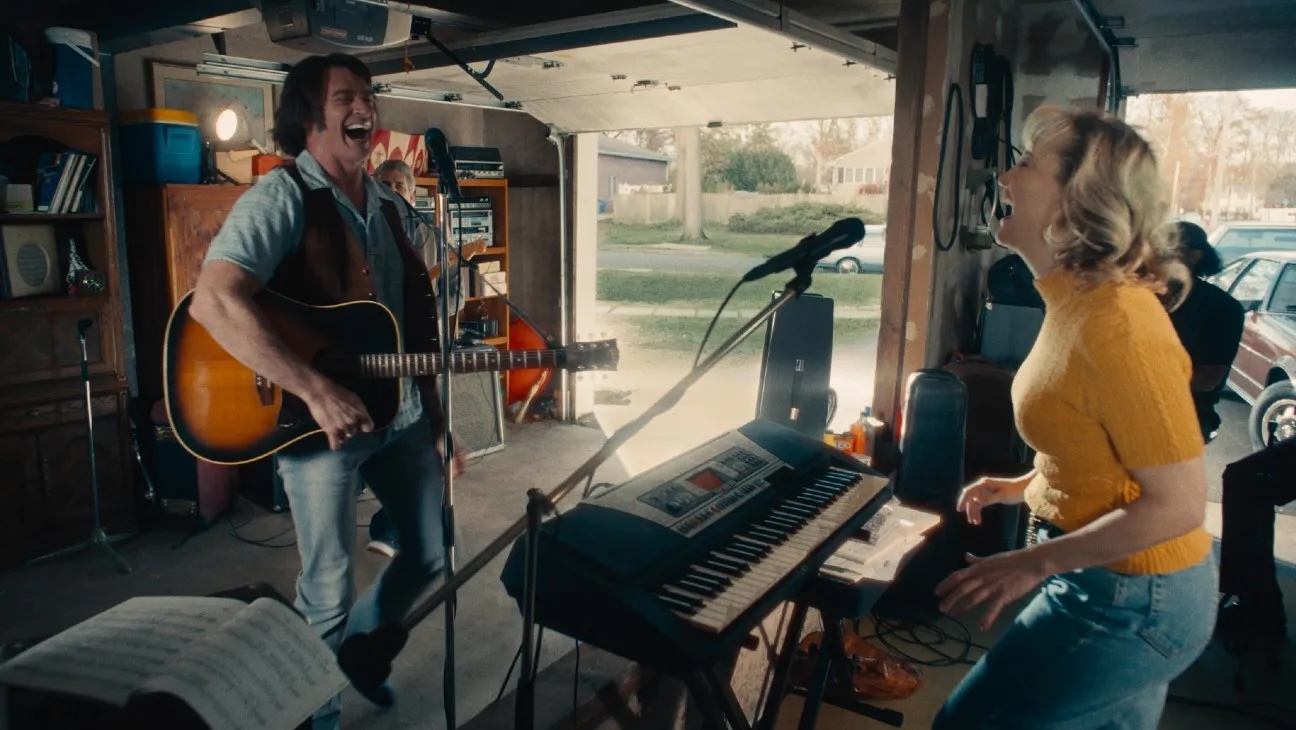
We first meet Mike Sardina (Hugh Jackman) in the early noughties as he performs an appealing song and chat routine… at his local AA meeting. He’s not had a drink for twenty years, but still considers himself an alcoholic. Divorced from his wife, he plies a precarious trade as a mechanic and makes a few dollars on the side performing songs in tribute acts to various rock stars – though he resists a powerful impulse to impersonate his idol, Neil Diamond, whom he feels he could never do justice to.

At a tribute night organised by his Buddy Holly-worshipping pal, Mark (Michael Imperioli), Mike sets eyes upon Claire (Kate Hudson), who is performing as Patsy Kline and there’s an immediate attraction between them. It isn’t long before they are dating and Claire soon persuades Mike to pursue those Neil Diamond ambitions, offering backing vocals and keyboards in support. Very soon after that, the two of them are married and their act, Lightning and Thunder, is having a lot of success in their native Milwaukee. But as their musical career soars like a meteor, something darker is waiting in the wings…

Song Sung Blue is an appealing story that easily sweeps me up and keeps me hooked throughout. It could so easily be unbearably mawkish but Brewer handles the material with great skill, so that what comes through is a genuine warmth and a sense of community, particularly from the various other tribute acts, who work alongside the central duo to ensure their success. Of course, it’s no surprise that Jackman can sing up a storm but Hudson is something of a revelation in this department, her distinctive, slightly husky vocals nailing every song with aplomb.

It’s lovely to watch the couple’s relationship enduring through the slings and arrows of outrageous fortune and there’s also a winning sub plot in which Claire’s daughter, Rachel (Ella Anderson) and Mike’s daughter, Angelina (King Princess), develop a supportive friendship. Claire’s young son, Dana (Hudson Hensley), also makes a big impression simply by expressing open enthusiasm for everything his parents do and documenting much of what happens on his video camera.

If the first half is mostly joyful stuff, the second moves ever deeper into tragedy and I spend the latter stages of Song Sung Blue dreading what fresh disaster is going to assail the Sardinas next. I’m not ashamed to say that I watch some of the film’s scenes through a fog of tears.

And for those of you wondering, ‘Do I have to be a Neil Diamond fan to appreciate this?’ I can only point out that I would never class myself as a devotee, but I still have a lovely time with the film. And I come out singing Sweet Caroline.

4.2 stars

Philip Caveney
Marty Supreme

01/01/2026

Cineworld, Edinburgh

Our first film of 2026 was supposed to be our last film of 2025. But we were in North Wales where, for some inexplicable reason, Marty Supreme simply wasn’t yet available in cinemas and we were obliged to watch The Housemaid instead. So obviously, when it came time to start the process anew, there was only one logical choice.

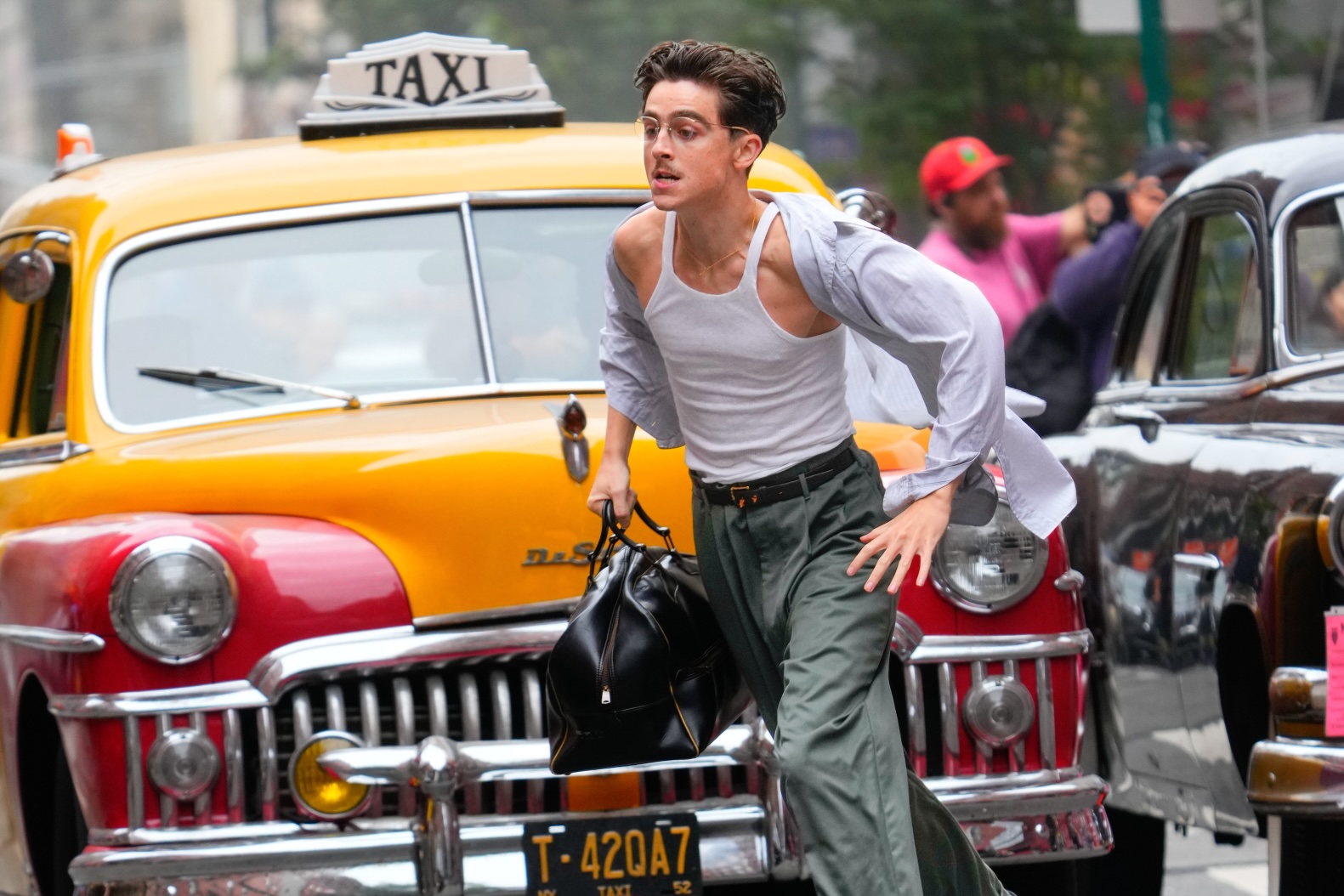
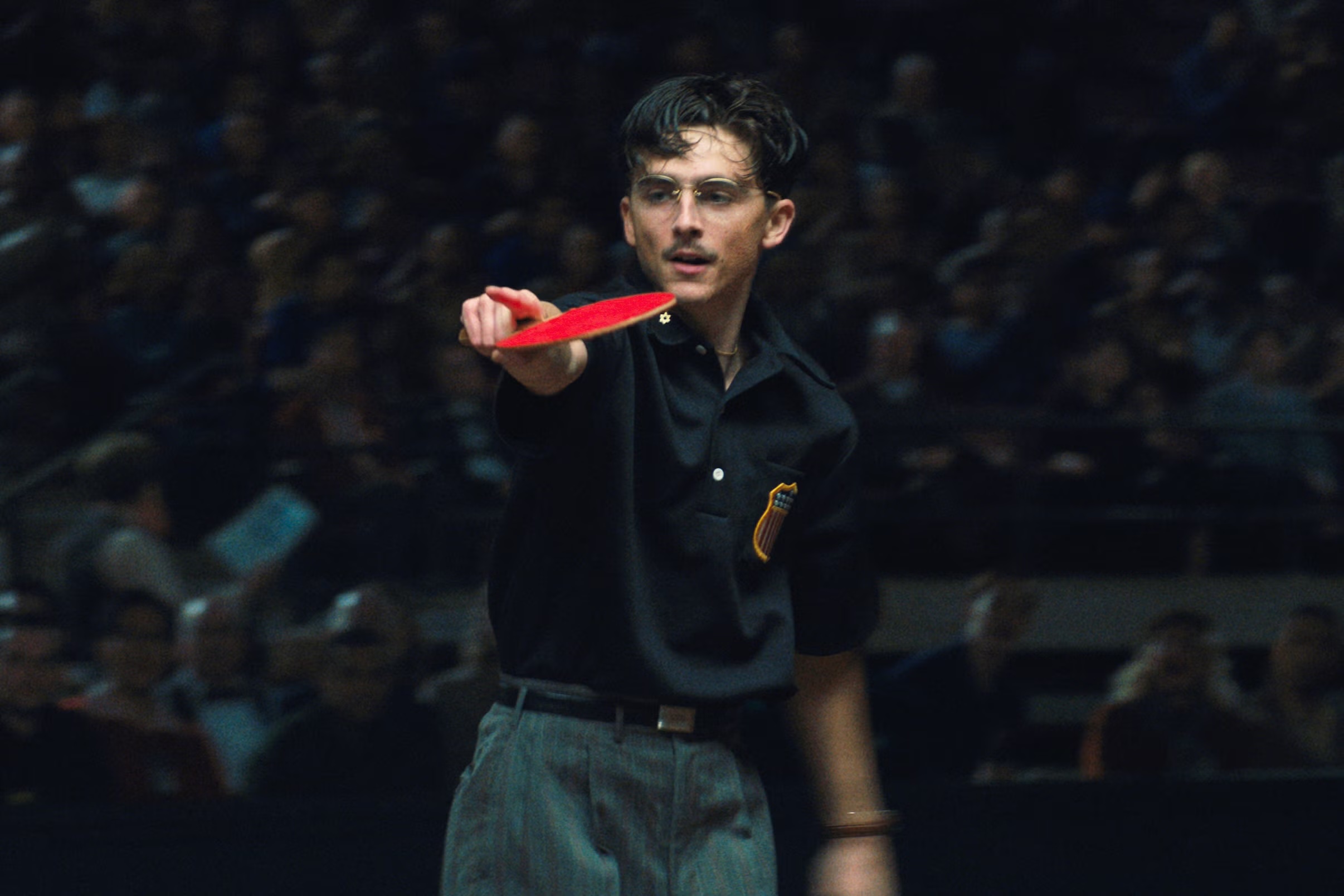
It’s clear from the opening scenes that Josh Safdie’s frenetic odyssey about ambitious young table tennis player, Marty Mauser (Timothée Chalamet), is going to be something very special. The titular character is loosely based on a real-life ping pong star, the late Marty Reisman – though whether the man who inspired this story was the swaggering, single-minded, motor-mouthed huckster portrayed here is up for debate. 

Certainly, many of the incidents portrayed in the script – co-written by Safdie and Ronald Bronstein – echo real life events, though the filmmakers are quick to point out that it’s all fictional.

When we first encounter Marty, he’s grudgingly working at his Uncle Murray’s shoe shop in New York City. This is solely to fund his upcoming journey to England, where he’ll be competing in the 1952 World Table Tennis Championship. He’s also enjoying a clandestine affair with Rachel (Odessa A’zion), an unhappily-married woman who works in the shop next door, and whom Marty soon manages to impregnate. In fact, we actually witness this biological process over the film’s opening credits.

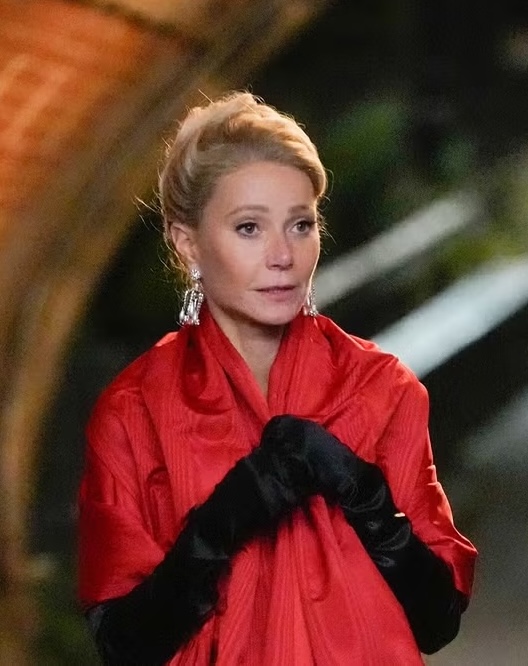
Once at the championships, Marty hooks up with former movie actress, Kay Stone (Gwyneth Paltrow). He sees her as a possible source of funding for his future endeavours and, after a swift telephone seduction, he enjoys a quick dalliance with her. Her husband is wealthy industrialist Milton Rockwell (Kevin O’ Leary), a manufacturer of fountain pens.

Meanwhile, as the ping pong tournament progresses, Marty easily vanquishes all the opposing players until, in the final, he’s matched against Japanese player, Koto Endo (Koto Kawaguchi). The newcomer’s idiosyncratic style of play utterly throws Marty. He loses the match and is obliged to return to America humiliated – but his determination to win turns into an overwhelming obsession…

To label Marty Supreme as ‘a film about table tennis’ would be something of an understatement. Yes, it is that – and the many sequences that depict the sport are undeniably gripping – but it’s also a multi-faceted examination of ambition, greed and the almost pathological need to win at all costs. Chalamet has always been an accomplished actor but here he delivers a performance of such staggering intensity, it just might be the one that finally steers him in the direction of that coveted Oscar podium.

I also want to mention production designer Jack Fisk, who came out of retirement for this film, and captures the dark squalor of 1950s America with exceptional skill. A technical Oscar for his work would also seem a likely fit.

As for the director, anyone who saw Uncut Gems – which Safdie co-directed with his brother, Benny – will know that he has a penchant for ramping up anxiety to almost unbearable levels. That quality is certainly very much in evidence here as the film careers from one stress-inducing set piece to the next, barely allowing me time to draw breath. The movie is also packed with legions of oddball characters who surge onto the screen, capture my interest and just as swiftly vanish. The film is sometimes weird, occasionally startling and always heart-stoppingly brilliant.

If the self-aggrandising Marty isn’t the kind of character who usually inspires a viewer’s allegiance (he’s self-centred and utterly convinced of his own talent), Safdie is wise enough to surround him with even more despicable people, chief among them oily fat-cat Rockwell, who, at one point, takes the greatest pleasure in humiliating Marty for the entertainment of his friends. The result is that I’m always rooting for our antihero, even when I’m horrified at the depths he’s prepared to sink to.

This is quite simply a gobsmacking film – and I have no doubts whatsoever that it’s destined to feature in our ‘best of’ list for 2026. Make sure you catch it where it belongs, on the biggest screen you can find.

5 stars

Philip Caveney