Summerhall

The Trials of Magnus Coffinkey

19/08/26

Summerhall (Red Lecture Theatre), Edinburgh

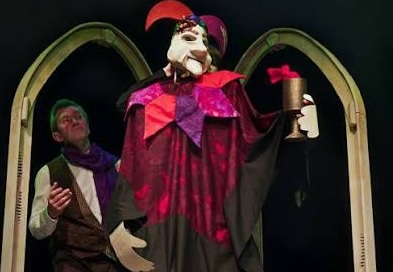
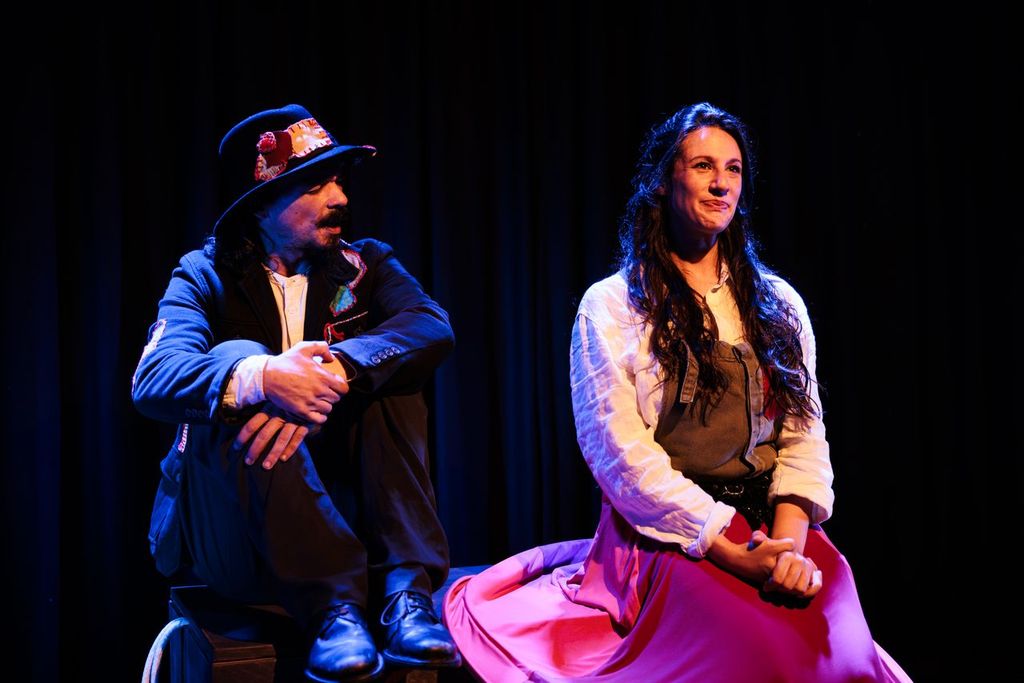
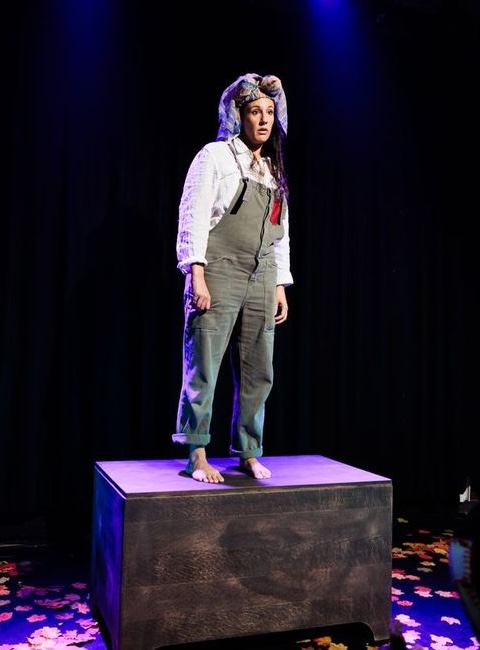
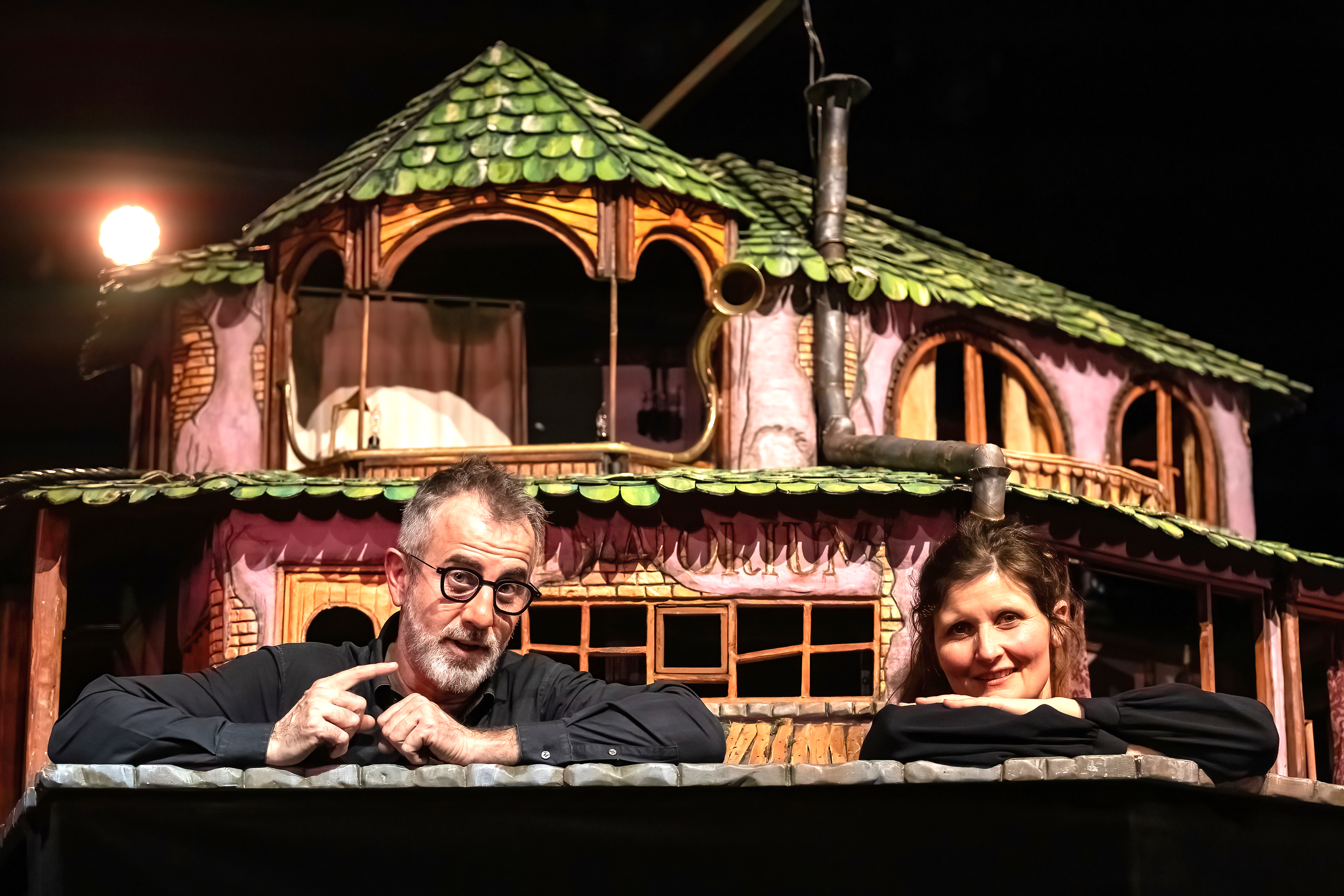
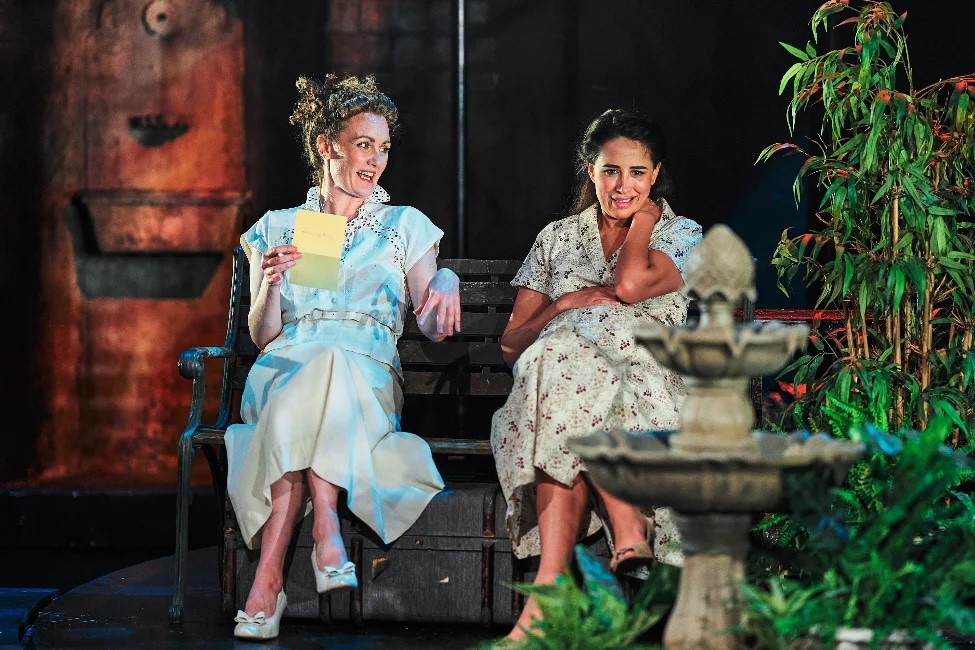
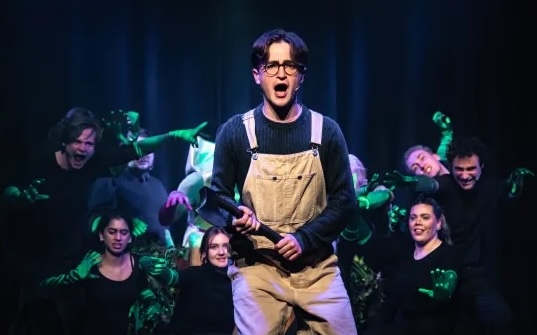
On a stage littered with autumn leaves, the Storyteller (Rebecca Camilleri) begins a whimsical, rhyming fairytale about a doomed bell hanger called Magnus Coffinkey (Jospeh Zammit). In the middle of the night, high up in a belfry, Coffinkey is spooked, first by a malevolent gargoyle and then by a cauldron of bats. As he falls, he grabs the bell – which proves a near-fatal error. He and it tumble together, the silver bell entombing him in the graveyard.

When Magnus wakes up, it’s to find a sweet, guileless creature stealing his heart. From her, he learns that he is in The Gloom, a space somewhere between life and death. If he wants to return to the world he knows, he’ll need Harmony’s help to mend his broken ticker…

So far, so twee – but there is more to this dark fable than meets the eye. Zammit imbues Magnus with real sorrow, while Camilleri perfectly inhabits a whole host of roles, most heartbreakingly that of Harmony. The piece is, in fact, an ode to grief, Magnus’s story serving as catharsis for Lara (Camilleri), a writer trying to cope with immense loss. Cleverly, despite the allegorical structure, there are no glib answers offered here. In fact, when Lara’s husband, Jeremy (Zammit), attempts to provide the ending Lara’s struggling with she dismisses his maxims as useless platitudes.

Something deeper is required…

Co-written by husband and wife team, Malcolm and Angele Galea of Malta’s Give or Take Productions, this play is at once profound and beautiful, precise and dynamic; the script perfectly complemented by Philip Leone-Ganado’s sure-footed direction. Sam Edmunds’ imaginative use of simple lighting – a bell gobo; a couple of coloured bars; a few overhead lamps – provides the finishing touches, establishing whether we’re in Magnus’s story or Lara’s reality.

Only the most stone-hearted person could fail to cry at this play – but only the most cynical could fail to smile.

4.3 stars

Susan Singfield
Playback

18/08/26

Summerhall (Former Womens Locker Room), Edinburgh

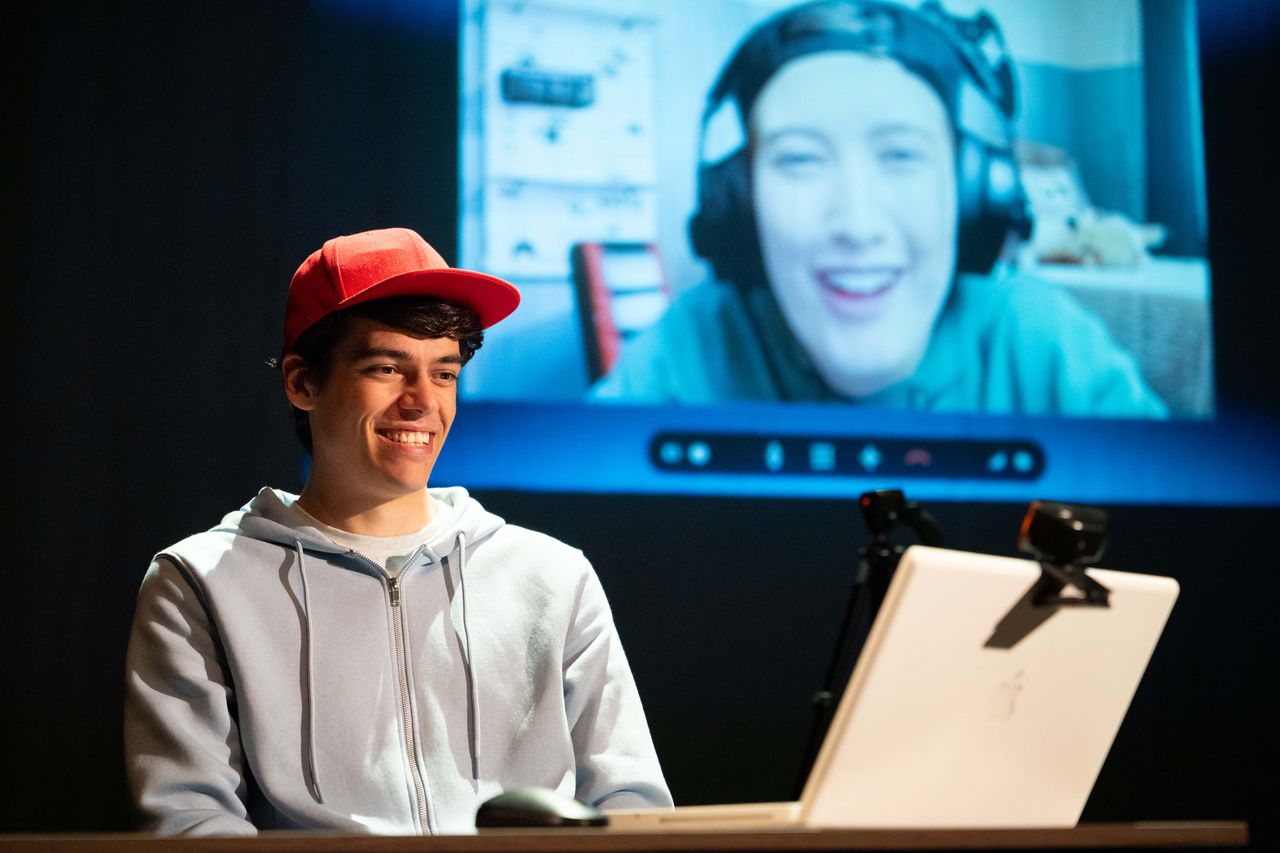
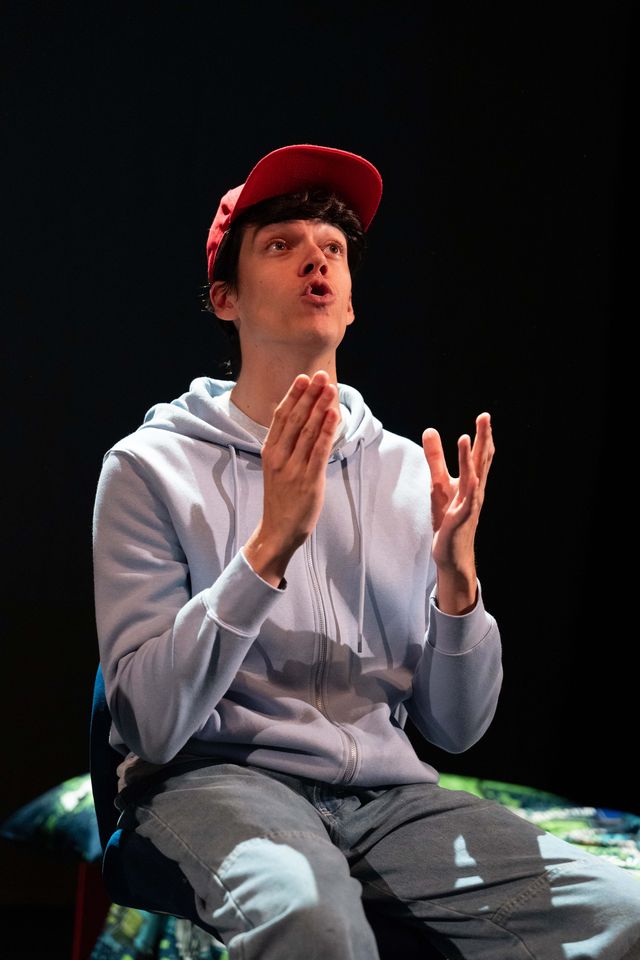
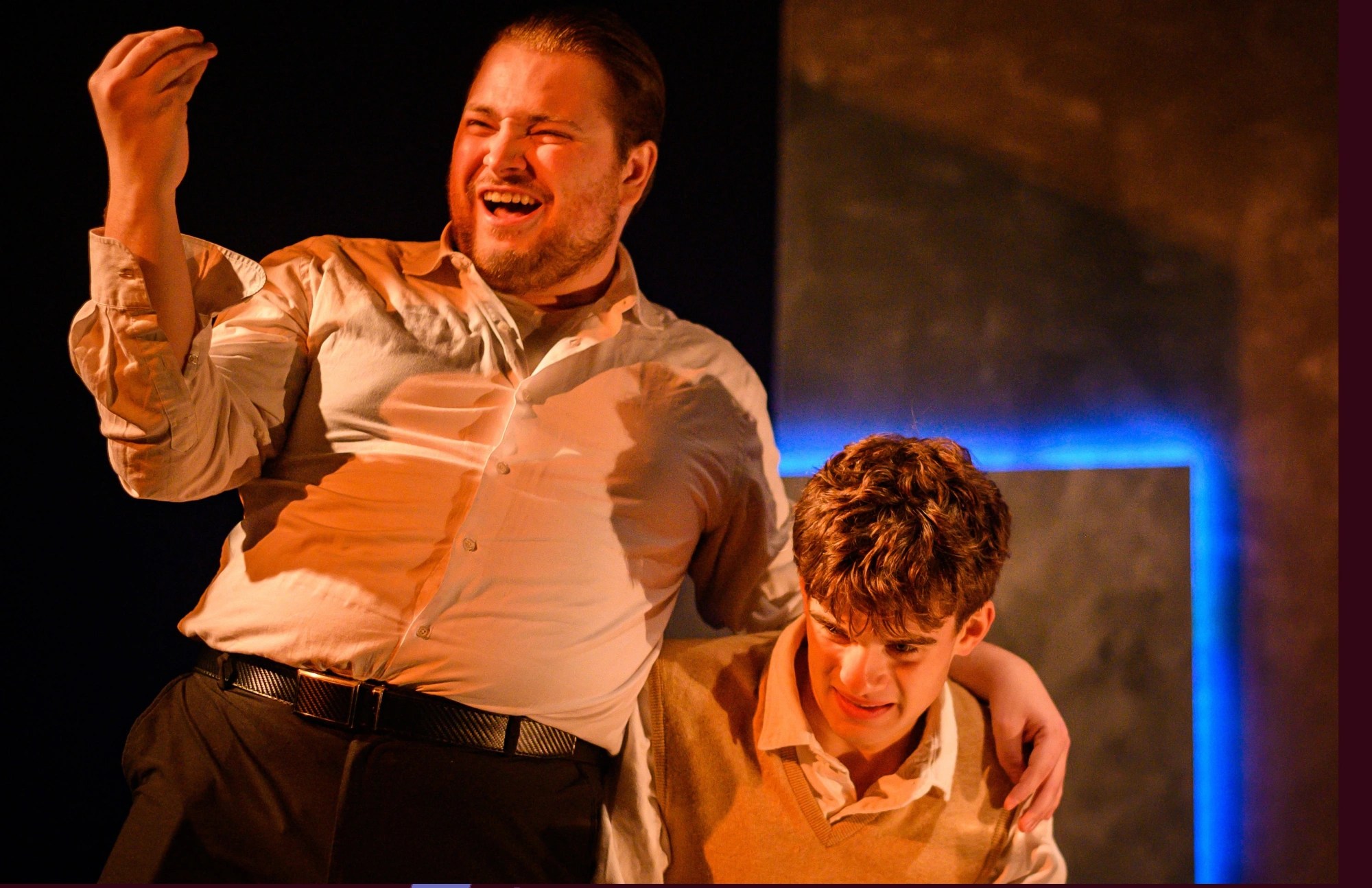
It’s 2013 and Euan Munro is taking his first steps as a filmmaker on YouTube. We watch entranced as clips of the cheeky eleven-year-old play on a large screen at the back of the room and we know instantly that they are too spot-on to have been faked. Then, suddenly, we’ve moved on a couple of years and now here’s Euan in person, still sporting that trademark red baseball cap – only now, he’s being played by his present-day self (aged twenty-four). We join this new incarnation as things are beginning to hot up on the YouTube front.

For one thing, Euan is still sparring with his friend, Cammy (Yana Harris) – also a YouTuber and sometimes Euan’s collaborator. Euan is initially jealous of his pal, who has more followers than he does, but then he gets his own good news. A popular vlogger calling himself Billosaurus wants to be Euan’s friend – and he lives in Iowa! After Billosaurus features Euan’s World as a hot tip on his account, the kid’s legend begins to grow. Soon he’s approaching the dizzy heights of 1000 followers!

Inspired by Munro’s own childhood experiences, this is a cleverly immersive account of the rise of a wannabe digital superstar. But he’s a naïve boy who takes everything at face value as he tries to negotiate his ascent to fame in a world where he’s perceived as easy prey. Would he maybe accept the sum of $100 dollars to show his bare feet on camera? Why not? That’s good money! Luckily, Billosaurus is on hand to advise Euan against accepting the offer, but… who exactly is Billosaurus?

And what is he expecting from this friendship?

Munro’s autobiographical play, directed by Katya Searle, is a wonderfully-affecting piece of theatre, made all the more powerful by its use of genuine found-footage. As the reality of the central character’s situation begins to dawn on him, there’s also an emotional scene between Euan and his mum (Mori Christian.) The final payoff has me welling up with tears. Though young Euan is never directly harmed by any of the people he encounters online, they are all grooming him for their own nefarious purposes – and their silent intent speaks volumes.

Chilling and compelling in equal measure, Playback is another unmissable show at Summerhall.

4. 8 stars

Philip Caveney

Nesting

13/08/26

Summerhall (Old Lab), Edinburgh

Nesting is a difficult play – complex, ambitious and emotionally devastating. But that’s the beauty of art, right? It comes in so many guises. Sometimes it’s good to be challenged.

This one’s very close to home: it’s about a man dying of MND, the neurological condition that killed my lovely dad four years ago. Billy Mack’s embodiment of the disease is horribly accurate and I find myself crying. A lot.

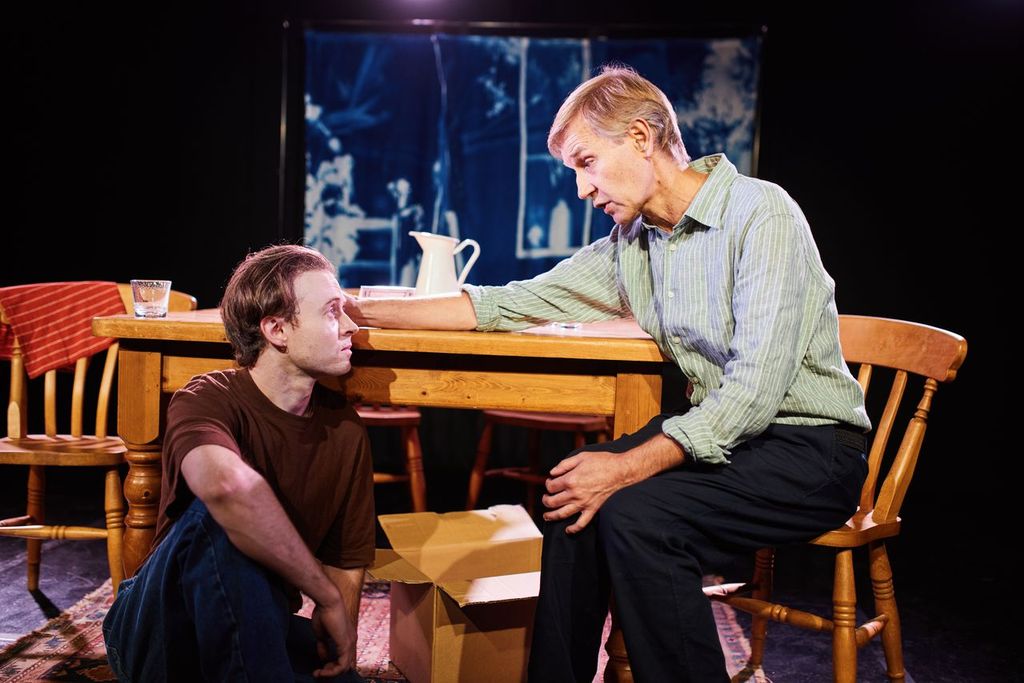
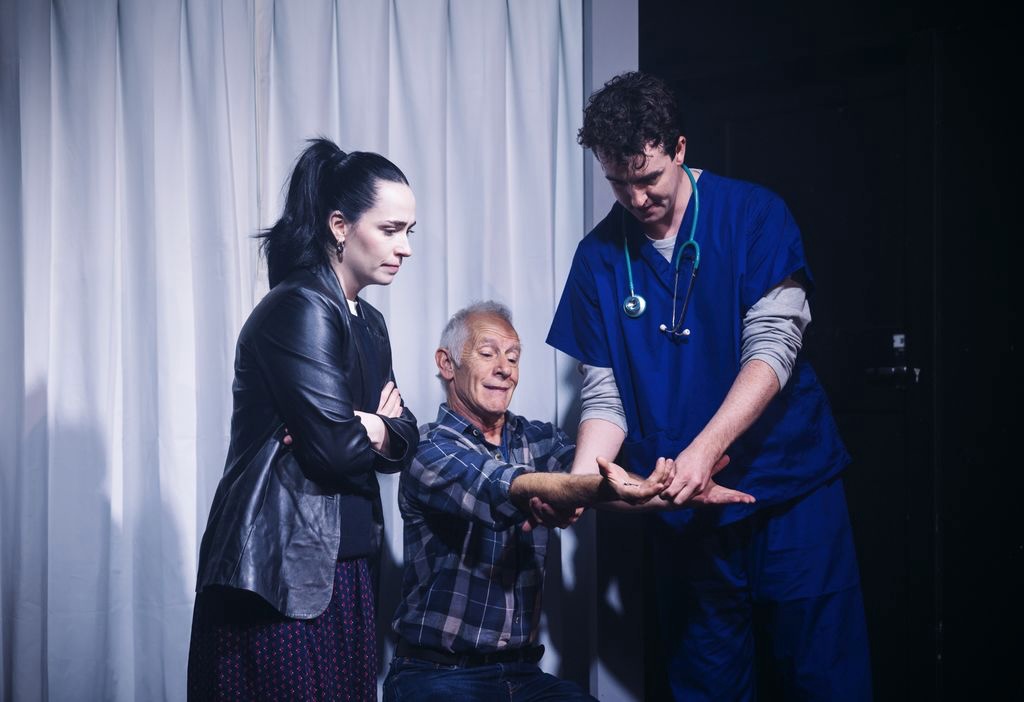
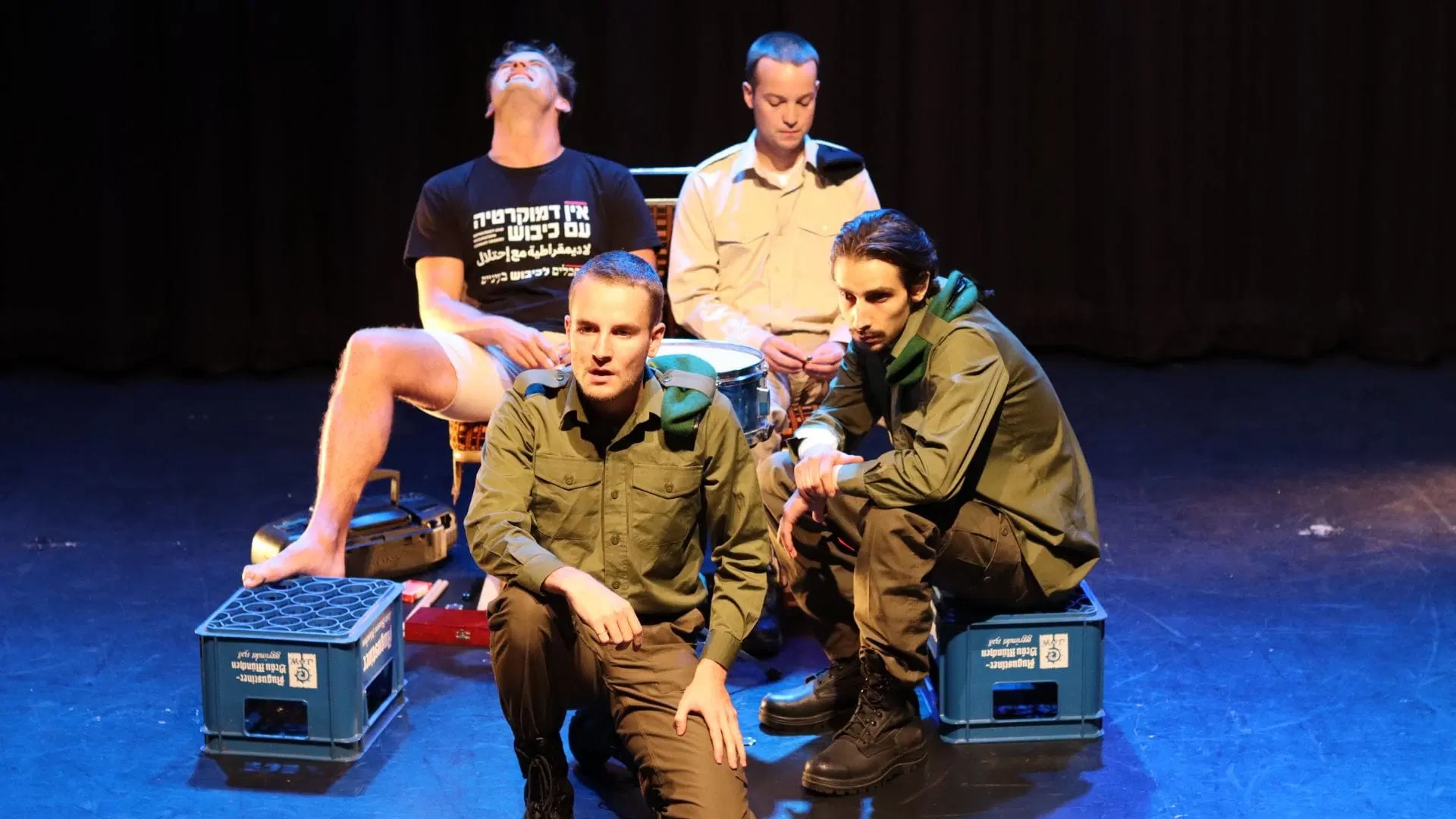
Mack plays Francis, a widower who lives with his pregnant daughter, Emma (Francesca Hess). The two enjoy a close relationship, teasing and joking and looking out for each other. Emma’s an overworked teacher, and – although he’s retired – Francis is very busy too. He’s making a crib for his new grandchild, lovingly cutting and sanding the wood he’s chosen so carefully.

But there’s something wrong with his right hand…

The diagnosis of motor neurone disease, delivered by Dr Bell (Peter McCormick, who also wrote the play), is devastating.

So far, so sadly ordinary. But then we meet Gull (Michael Guest), a seagull with a mission. If Francis agrees, Gull will kill him and take over his body, stalling the disease at its current level. It’s a no-brainer, he squawks. Not only will Emma be spared the burden of caring for her dad, she won’t even know he’s gone. Francis is very tempted. He just needs some time to think.

Under Ben Standish’s assured direction, Nesting is an arresting, deliberately stagy piece. As befits the Fringe, with its quick turnaround, the set is simple yet extraordinarily effective. A wooden frame with a curtain serves as hospital ward, bedroom window, room divider, etc. Meanwhile, Guest’s performance is a masterclass in physical theatre, committed, unnerving and utterly convincing. If the metaphor is a little opaque, that’s not necessarily a bad thing. We find ourselves discussing possible interpretations long into the evening.

McCormick’s script addresses the strain placed on carers too. Hess perfectly conveys the toll her dad’s illness takes on Emma, as she struggles to look after him as well as keeping up with her job and coping with her pregnancy. The impassioned speech she gives is perhaps the most memorable moment of the play. She pleads with Dr Bell to help her, explaining that the care homes she’s approached have rejected her dad because MND is too complex for them! If that’s the case, how is she supposed to cope? How can two hours of daily home help be enough?

Dark, funny, absurd, salient: Nesting is not an easy play to pin down. But it is an intensely thought-provoking drama, one that will stay with you for a long time.

4.2 stars

Susan Singfield
Kirsty Mann: Corpse

12/08/26

Summerhall, Red Lecture Theatre

Do you believe in ghosts?

Kirsty Mann opens Corpse with that very question and asks the audience to vote one way or the other by raising a hand. I am one of several people who vote ‘no’ without hesitation, even though I’ve published plenty of supernatural fiction over the years, and even won the Scottish Children’s Book Award for The Piper. But do I actually believe in ghosts? Nah.

Mann assures us that what she is about to tell us is a true story, something that recently happened to her. She informs us she’s a doctor – and yes, that’s easy to check; she has long led a double life, working in the NHS as well as doing comedy. Now she wants to tell us about the time when she and her husband, Mark, are thinking about starting a family, but can’t because they are living in a tiny one-room flat in London. She sees this house advertised: a big three-bedroom affair with stairs and everything… and, because it is in such a terrible state of repair, the two of them can just about to afford to buy it.

Okay, so the old woman who owned the house has recently died, and the woman’s sister still lives next door and has a strange habit of standing in the garden at night, eating the apples from an old tree, but… a foot on the property ladder, right? A step up! It’s not to be sneezed at.

So they buy the house.

The set couldn’t be simpler: an old double bed, a heap of assorted junk in the corner and some distinctly dodgy-looking paintings, purportedly the work of the house’s late owner. But Mann doesn’t need a complex set; she’s a fabulous storyteller, taking us through her early days in her new home, the different people she encounters, the strange discoveries she makes. She coaxes laughter from the odd little things that happen to her as she tries to adapt to the unfamiliar environment – but steadily, unsettlingly, her experiences become more and more unnerving, so that all those easy laughs increasingly become interspersed with moments of absolute dread.

I can see how Mann is doing it, of course: simple lighting and sound effects, perfectly-timed jump scares. But somehow, along with everybody else in the packed room, I’m flinching at every new twist. My heartbeat is raised and, on a couple of occasions, it’s all I can do not to jump right out of my seat.

It would be criminal to give any more away. Suffice to say that Corpse is a highly effective piece of storytelling masterfully delivered. It achieves the almost impossible, a perfect blend of laughter and screams. A comedy of terrors, if you will.

And it works like gangbusters.

So, let me ask you a question. Do you believe in ghosts?

5 stars

Philip Caveney

Jackals

24/04/26

Tech Cube, Summerhall

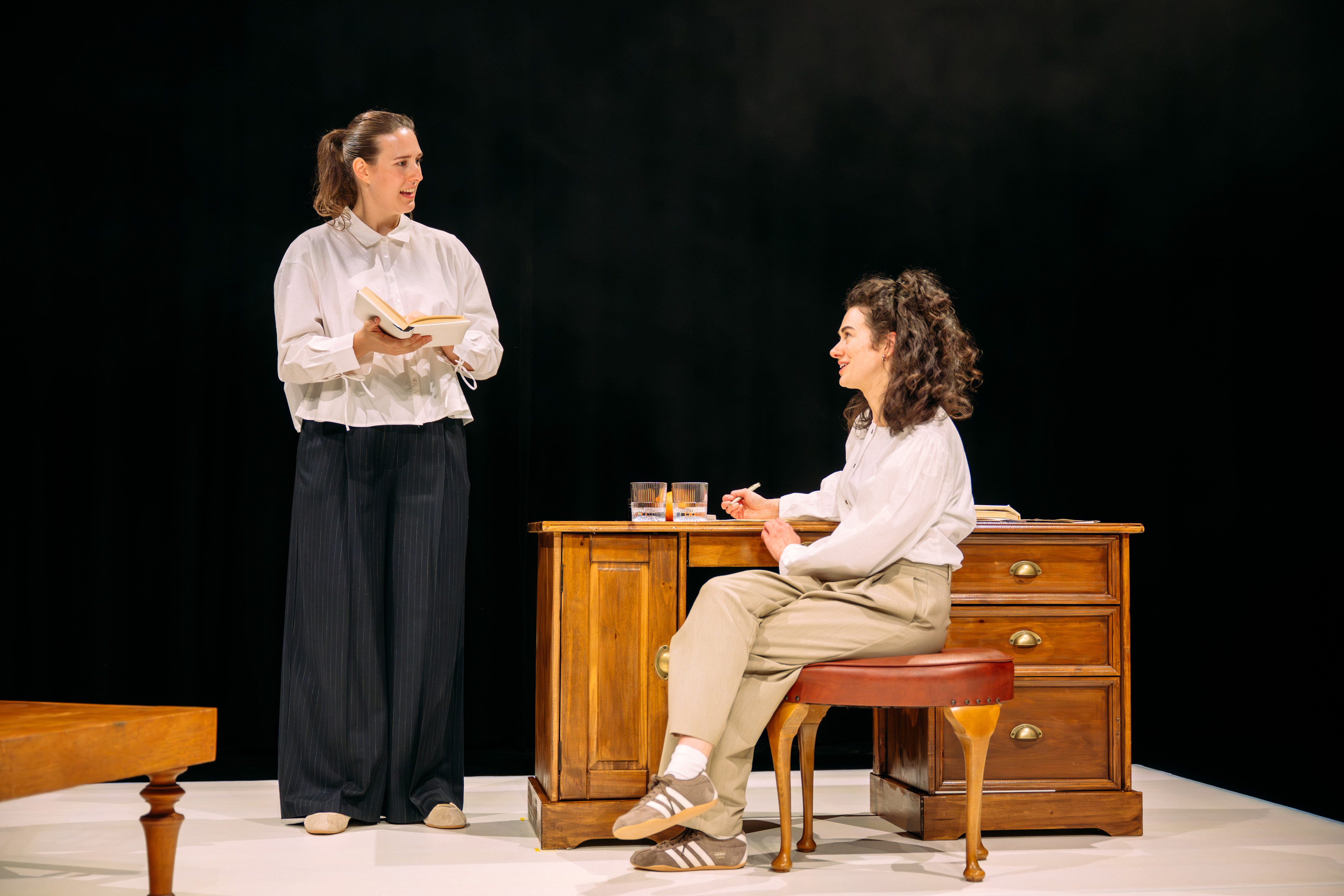
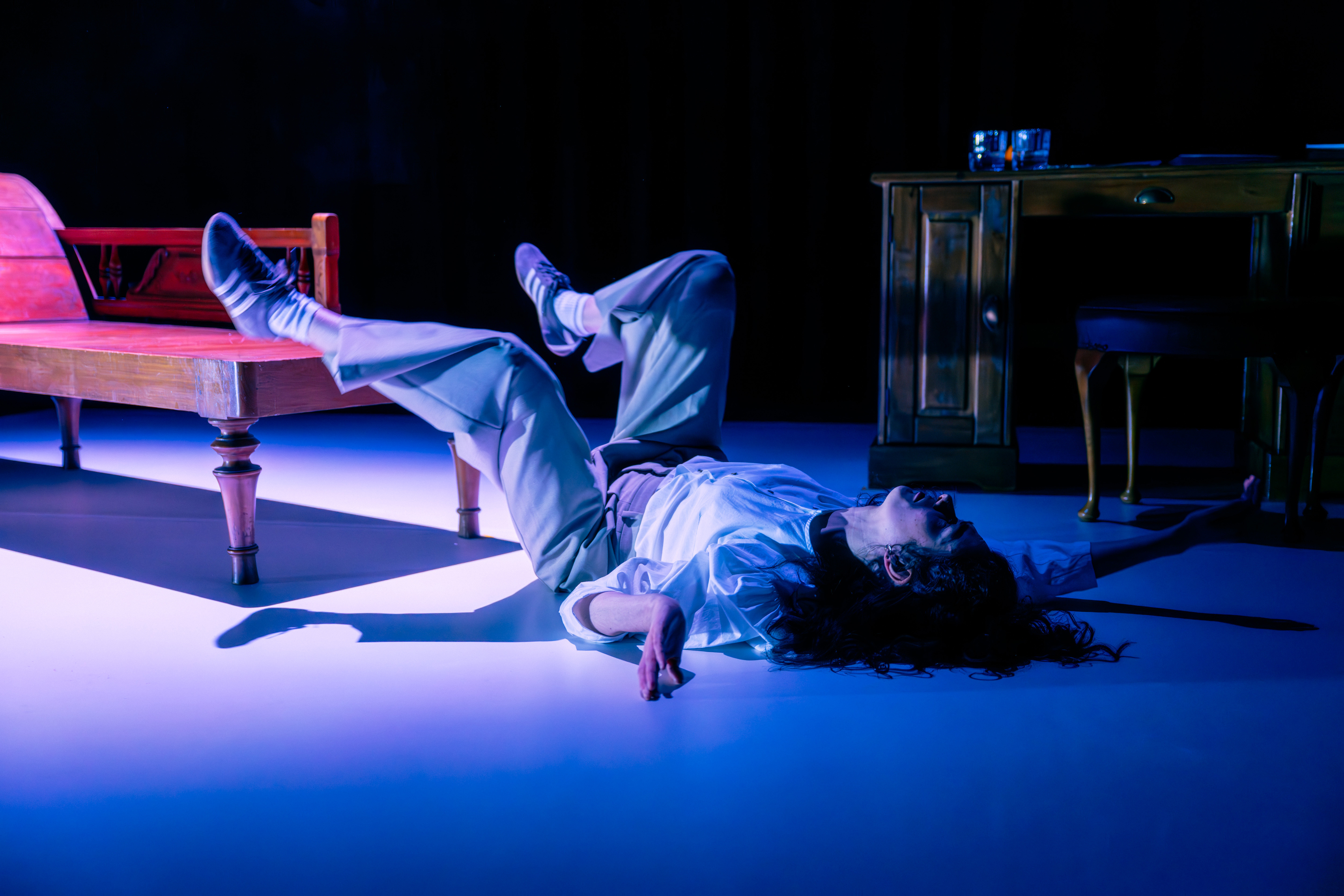
We’re in Vienna in the 1890s (well, we’re really in the Tech Cube, Edinburgh, but you get the idea), where Sigmund Freud (Claire Macallister) is fast becoming the most prominent name in the field of psychoanalysis. His first meeting with new patient, Emma Eckstein (Becca Robin Dunn), is initially clumsy and awkward but they soon get the measure of each other and Emma becomes a regular visitor to his office, both as a patient and as a contributor to his research. Indeed, as the years roll by, she begins to contemplate a future in the same line of work.

When they first meet, Emma is prone to bleeding copiously, a symptom we now know is caused by endometriosis but which in that era was identified – mostly by Freud – as an inevitable result of ‘hysteria.’ But when he brings in his friend, surgeon Wilhelm Fleiss (also played by Dunn), to perform a nasal operation on Emma, he unwittingly initiates the key event that will essentially end their friendship and leave Emma scarred for life…

Written by the two performers and directed by Olivia Millar-Ross, Jackals is an engrossing and often unexpectedly funny piece of work. The two actors handle their roles with skill. Macallister captures Freud’s pomposity and his tendency to claim other people’s ideas as his own, while Dunn also excels as the contradictory Emma, a woman at once fragile and fierce. In one key scene, Dunn slips on a black waistcoat and makes a confident switch to the swaggering, self-aggrandising Fleiss, urging Freud to pursue his dreams to the bitter end, to take advantage of his new-found fame.

Niroshini Thambar’s sound design is eerily haunting and Melanie Jordan’s short movement pieces, punctuating the various acts as five years unroll, are nicely judged transitions. A moment when Macallister eviscerates an orange to depict Eckstein’s surgery is a particularly effective touch and I also love the scenes where the two performers crouch on a desktop, glaring balefully into the audience like the creatures of the title.

I leave the theatre outraged by what happened to Eckstein and determined to find out more about her, which I suppose must surely be one of the main objectives of the play. It’s eye-opening.

There are just a couple more opportunities to catch Jackals at Summerhall before it moves on, so book your tickets now.

4.2 stars

Philip Caveney

Theatre Bouquets 2024

It’s been an exciting year for theatre in Edinburgh, so in time-honoured tradition, here are our ten favourite productions from 2024, plus three special mentions.

The House (Traverse Theatre, Edinburgh)

“Everything about this performance – the lighting, the music, the props – is exquisite and I love the piece’s grisly sense of humour, its celebration of the darkness of the human soul…”

The Giant on the Bridge (Traverse Theatre, Edinburgh)

“A complex, labyrinthine piece that explores a whole range of different moods, moving from plaintive acoustic ballads to propulsive electric rock…”

Blue Beard (Lyceum Theatre, Edinburgh)

“All about the seductive allure of darkness, the impulse that makes us devour murder-mysteries and glamourise the bad guys…”

The Sound Inside (Traverse Theatre, Edinburgh)

“Adam Rapp’s exquisite play has all the qualities of a great novel, pulling me deeper and deeper into its labyrinthine heart, providing the audience with puzzles to solve and mysteries to ponder…”

VL (Roundabout at Summerhall, Edinburgh)

” A whip-smart comedy that also has some incisive things to say about the difficulties of adolescence and the importance of friendship…”

Summer of Harold (Assembly Checkpoint, Edinburgh)

“An hour-and-a-half of impressive theatre, with snort-out-loud humour as well as profound emotional moments…”

The State of Grace (Assembly Rooms, Edinburgh)

“Whenever I thinkI’ve got the measure of the piece, it twists in another new direction, giving fresh food for thought, breaking down the barriers that I’ve carried around in my head for years…”

A Streetcar Named Desire (Lyceum Theatre, Edinburgh)

“Increasingly resembles a deranged carousel with the players caught in its unhealthy embrace, unable to get off the ride until it arrives at its ghastly destination…”

Angels in America: Part One – The Millennium Approaches (Bedlam Theatre, Edinburgh)

“It’s astounding what EUTC manage to achieve with their limited budget: the final scene in particular is a coup de théâtre…”

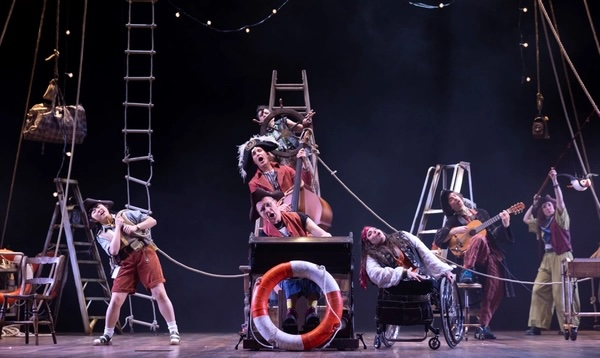
Treasure Island (Lyceum Theatre, Edinburgh)

“A must-see for the festive season – you’ll laugh, you’ll tremble, you’ll tap your feet to the jaunty jigs and reels!’

SPECIAL MENTIONS

The Little Shop of Horrors (Church Hill Theatre, Edinburgh)

Rebels and Patriots (Pleasance Courtyard, Edinburgh)

Weer (Traverse Theatre, Edinburgh)

Susan Singfield & Philip Caveney

Failure Project

22/08/24

Summerhall (Anatomy Lecture Theatre), Edinburgh

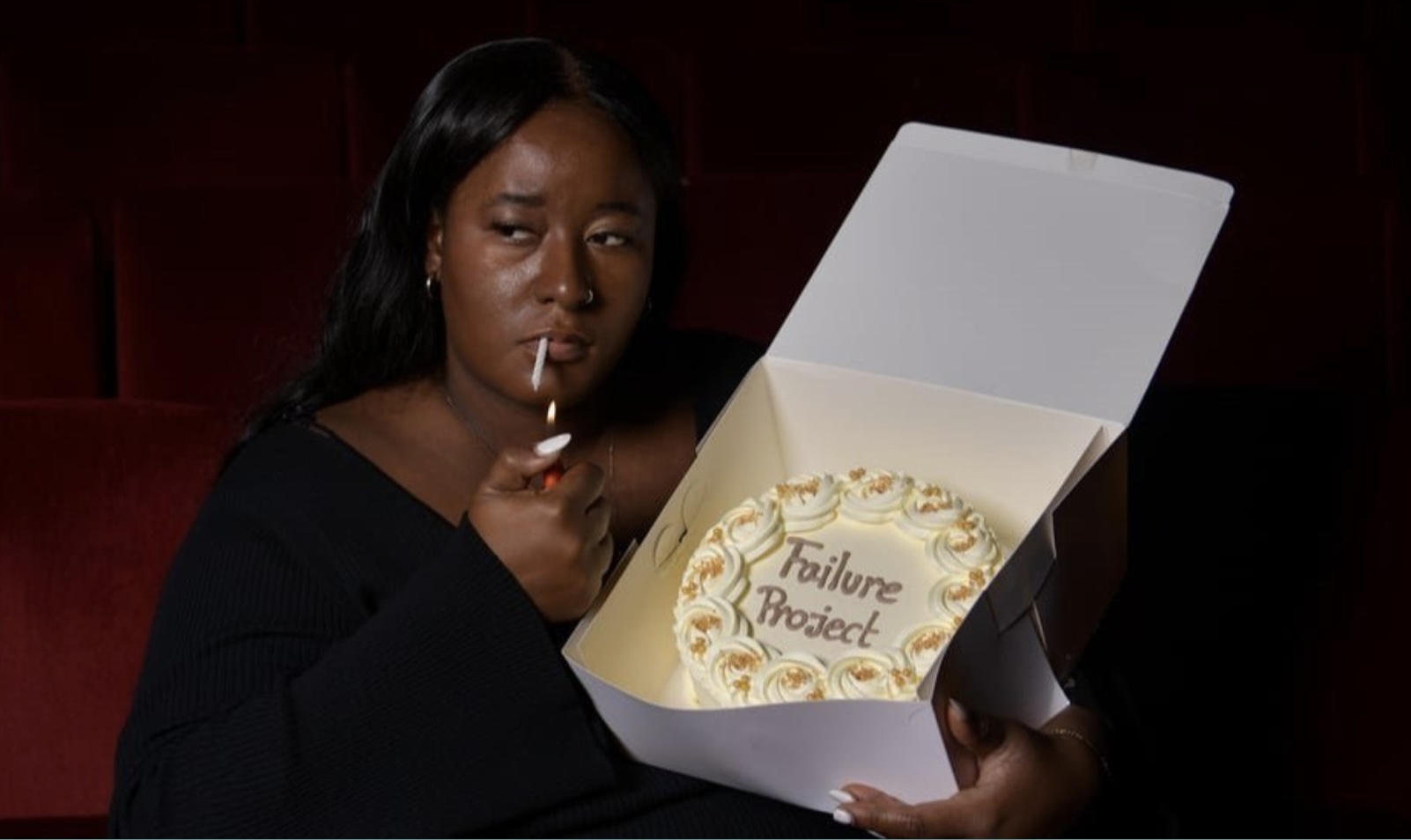
Ade Adeyami (Yolanda Mercy) is an up-and-coming British-Nigerian playwright/actor. Some recent success (including a BAFTA nomination) means that the world is her oyster – or, at least, that’s what people keep telling her. But none of the white theatre execs she meets have any interest in her idea for an uplifting play about Black women scientists; instead, they want something about slavery, some trauma porn that they can wallow in to make them feel – what? Virtuous? The one play she has had commissioned – based on her own experiences as a Black scholarship girl at a prestigious private school – is being systematically torn apart before her eyes: an influencer cast in lieu of Adeyami herself; a director who wants to change some details, so that the bullying refers to class rather than race because “it’s more universal.” Sigh.

Unhappy though she is, Adeyami cannot heave her heart into her mouth. She’s supposed to be grateful for the opportunities she’s being offered. She has to succeed. “You’re doing it for all of us,” another young, Black, aspiring playwright tells her. And so she nods, says nothing. Works on the rewrites, as required.

It’s all too much. The weight of expectation on her shoulders is unmanageable. It doesn’t help that the work she’s doing is all unpaid until someone wants to buy it, nor that her ‘boyfriend’ is so flaky. To cap it all off, her bestie isn’t picking up the phone.

Mercy – who also wrote the script – is an engaging performer, so that – although the piece is undeniably inward-looking, it never feels self-pitying. It’s more like a howl of rage that’s been hammered into shape before being presented to us, allowing us a glimpse into the overwhelming amount of effort and persistence it takes for a Black woman to make theatre – even when she’s hailed as a success. The sense of doom is palpable, Adeyami’s dreams of a glittering future hanging by a thread so delicate that it’s hard to imagine it won’t break.

Mercy talks directly to the audience, making the most of the intimate performance space, drawing us into her orbit and forcing us to feel Adeyami’s pain. The narrative arc is subtle but effective, the conversational tone belying the clever structure. There’s even a twist ending – and I don’t see it coming.

Despite its title, Failure Project is a success: warm and funny on the surface but with some serious depth.

4 stars

Susan Singfield
300 Paintings

18/08/24

Summerhall (TechCube 0), Edinburgh

Aussie comedian Sam Kissajukian had an epiphany in 2021. Okay, so it turns out it was actually a manic episode, but he didn’t know he had bipolar at the time, so he really believed he’d seen the light. It was time, he decided, to turn his back on comedy and become an artist. So what if he’d never painted before? He had a beret. He was good to go.

We have his bipolar to thank for the art we see today: without the high levels of energy, the euphoria and the delusions that come with a manic episode, Kissajukian might never have rented a workshop, moved into it and obsessively painted massive (and tiny) pictures for several months. He might never have created the Museum of Modernia or held exhibitions of his work across Australia – or visited the Edinburgh Fringe with this fascinating show.

Of course, he wouldn’t have had to endure the crippling depression that followed either, but he’s doing well now, he tells us, so we’re allowed to laugh at the crazy, funny stuff he did.

300 Paintings is essentially a story about finding yourself and, although most of us won’t experience periods of transition with quite the same intensity as Kissajukian, the urge to escape our shackles and work out what we really want is very relatable. Unleashed from the need to please a drunken comedy audience, Kissajukian turns out to be extraordinarily creative. His ideas are inventive (literally) and exciting; his artwork primitive but fresh. He pushes every concept beyond its boundaries, so that this show is unlike anything I’ve seen before.

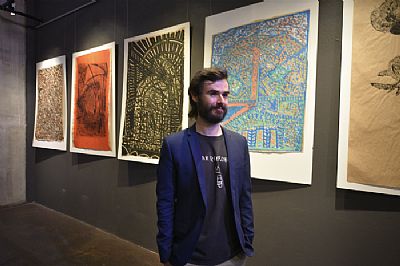
Kissajukian’s previous incarnation as a comic means he’s adept at communicating with the audience, even if the early morning is an unusual time for him to be awake. His easy-going patter makes the complex mental health issues accessible, and the projections of his artwork illustrate the story perfectly. Twenty-five of his paintings are on display here at Summerhall, the performance and exhibition inextricably linked.

Today’s show was sold out but, if you can get a ticket, 300 Paintings is an invigorating way to start your day.

4.2 stars

Susan Singfield

Deluge

15/08/24

Summerhall (TechCube 0), Edinburgh

Deluge typifies what I used to think the Fringe was – way back when, before I’d ever set foot in Edinburgh. I expected every show to be like this: artsy, meaningful and chock-full of expressive dance. Of course, now I’m both an old hand and an Auld Reekie resident, and I know that the 3000+ shows on offer here cover every form imaginable: from the mainstream and family-friendly to the wild and debauched; in venues as varied as traditional theatres, circus tents, tiny broom cupboards and former dissecting rooms. But in fact, there’s not actually a lot that conforms to those youthful preconceptions.

Deluge – a one-woman play by Brazilian theatre-makers Gabriela Flarys and Andrea Maciel – is very artsy, very meaningful and, yes, replete with expressive dance. And I am totally absorbed, lapping up every minute of this quirky, offbeat play.

The protagonist (Flarys) is in mourning. Her lover has left her and she is bereft. She is also covered in jam. What follows is a wonderfully eloquent evocation of loss, the whole grieving process externalised and made concrete. ‘The End’ itself is personified, while the emotions overwhelming her are represented by a cumbersome ladder and a constant drip-drip dripping sound, as inescapable as tinnitus.

The woman takes us back in time, to when she first met her ex-boyfriend. We bear witness to their love, and to the diverging dreams that eventually tear them apart. This is a multi-media production, cleverly utilising a keyboard, video projections and, most impressively of all, Flarys’ extraordinary physical skills, as she contorts herself every which way, a paroxysm of grief. Despite her unhappiness, the protagonist is an expressive and three-dimensional character, extrovert and full of life. She just needs to negotiate her way through this quagmire of misery…

The central metaphor – of grief as water, infiltrating the woman’s home and threatening to drown her – is beautifully realised, not least when she hopelessly tries to plug up the leaks with the jam her partner left behind. We all know bereavement and heartache, one way or another, and I found this section in particular spoke to me and my experiences.

Deluge is a profoundly moving piece of theatre, as ‘Fringey’ as it gets and none the worse for it.

4.3 stars

Susan Singfield

Gamble

15/08/24

Summerhall (Cairns Lecture Theatre), Edinburgh

Hannah Walker greets us as we wander into the Cairns Lecture Theatre. She’s dressed in a sharp suit featuring dollar bills and wearing a pair of snazzy high-heels. Without further ado, she launches into her intro, a razzle-dazzle rant about the joys of online gambling, backed up by a bright and zippy display on the video screen behind her.  She tells us about her youth, spent in a sleepy village in the UK, where the only bright spot was the occasional trip to the bingo. Even at a tender age, she tells us, she was being indoctrinated, taught that ‘having a flutter’ was perfectly acceptable.

But time moves on and she finds herself married to a man with a gambling addiction, unable to resist squandering eye-watering amounts of money on an almost daily basis. This show is Walker’s attempt to highlight the potential dangers of online gambling, the invidious ways in which it can entice and corrupt people into its clutches, convincing us that it’s just a bit of harmless fun. The show alternates between those brash, colourful enticements and clips of addicts, confessing how what originally seemed like a harmless pastime mutated into something utterly destructive. There’s also input from a clinical psychologist and an invitation to attend Zoom sessions, where people with a gambling problem can talk about their situation.

Walker and her co-creator (Rosa Postlethwaite) give this piece their all, but I’m left with the distinct impression that Gamble is trying to be too many things at once and that its potential is somewhat dissipated by a tendency to spread itself too wide and not all of the humour lands. Also, perhaps because Walker is so close to the issue (her husband is an addict, though thankfully in recovery), it doesn’t go hard enough to expose the depth of the potential problems. For example, the number of gamblers committing suicide is mentioned but never explored.

There’s no doubting the sincerity of Walker’s intentions and Gamble is a thought-provoking piece, which has plenty to say about a multibillion dollar industry that hides behind that cheerful, glittering façade. But I’d like to see its focus tightened in order to realise its full potential.

3 stars

Philip Caveney