Primate

01/02/26

Cineworld, Edinburgh

Walking into an empty auditorium for Primate, we momentarily suppose that we have accidentally wandered into the room where they’re screening Melania. But no, we’re in the right place – and this is horror of an entirely different kind. This low-budget fright film makes no attempt to hide the fact that what we’re being offered here is essentially Cujo with a Chimp – but, that said, I can’t pretend that it doesn’t have me filled with absolute dread throughout its pacy 89-minute run-time.

Which is, I suppose, the object of the exercise.

The action takes place in a fabulously remote mountain retreat in Hawaii, where novelist Adam Pinborough (Troy Kotsur) lives with his young daughter Erin (Gia Hunter) and their ‘pet’ chimpanzee, Ben (performed by Miguel Hernando Torres Umba). Ben’s origins are briefly explained in the film’s opening credits and Adam – who is deaf – utilises a clever piece of kit that allows Ben to communicate by tapping on a screen. But Ben has been behaving strangely of late so, for safety reasons, is locked in his outdoor enclosure. When the ape receives a visit from Dr Doug Lambert (an uncredited Rob Delaney), who has come to administer an injection, the film unflinchingly demonstrates that there’s a very good reason for its 18 certificate.

After the credits, we backtrack thirty-six hours. Adam’s older daughter, Lucy (Johnny Sequoyah), is boarding a plane to make her first home visit in ages. She has been away at college along with her best friend Kate (Victoria Wynant), and they’ve brought their flirty pal, Hannah (Jessica Alexander), along for the ride. Unfortunately, Adam has to travel away from home to attend an important book signing, but he’s happy to let hunky Nick (Benjamin Chang) keep an eye on things during his absence. After all, Ben is safely locked up in his enclosure, so what could possibly go wrong?

To be honest, there’s little point in me mentioning the human characters, because they are nothing more than potential targets for the rabies-infected Ben to convert into piles of blood and bone. But director Johannes Roberts and cinematographer Stephen Murphy handle the film with considerable panache, managing to rack up the suspense to almost unbearable levels. Sometimes it’s all I can do not to yell out warnings at the screen. Even if most of the teenage characters fail to entirely convince, it matters little. The film’s real triumph is that it uses practical effects to deliver its scares and must have been made for a fraction of the budget of your average CGI extravaganza. Ben is utterly believable, despite being nothing more than an actor in an ape suit, utilising a few simple animatronics.

One extended sequence, which plays out in total silence to accentuate the fact that Adam is deaf (and therefore cannot hear any of the carnage that is happening all around him), is particularly inspired. But perhaps the biggest surprise of all is to discover that, despite all those exterior shots of Hawaii, the production was actually based in the UK.

As Primate hits its final scenes, you can’t help wondering about the court case that’s going to ensue, and it’s hard to feel sorry for Adam, who shows no contrition for the deaths that his dangerous ‘pet’ has caused – but then again, he did have hopes that his latest book might be turned into a film, so… it’s not all bad news.

Joking aside, Primate is gnarly stuff. Those of a nervous disposition might prefer to give this one a judicious steer, but for me, it ticks enough boxes to qualify as an entertaining thrill-ride. With added bite.

4 stars

Philip Caveney

Is This Thing On?

31/01/26

Cineworld, Edinburgh

A man walks into a bar…

Except, it’s not just a bar, it’s a comedy club – and there’s a $15 entrance fee.

Unless you’re there to perform.

It’s been a long and messy night, and Alex Novak (Will Arnett) doesn’t have $15 to hand. But, high on alcohol and edibles, he’s sure his gift of the gab will be enough to get him through a ten-minute open mic spot. Sure enough, although he doesn’t exactly crush it, he does earn a few laughs, and he finds the experience surprisingly therapeutic.

And therapy is just what Alex needs. Recently separated from his wife, Tess (Laura Dern), he’s struggling to cope with living alone in his apartment and being a part-time dad. What’s more, everyone seems convinced that he’s to blame for his marriage breaking down, which he doesn’t think is fair at all. He and Tess have simply grown apart; they’ve split by mutual consent. With friends and family making their disapproval known, the comedy circuit feels like a safe space for Alex to meet people and grapple with his new reality.

Is This Thing On?, directed by Bradley Cooper, is loosely based on the life of British comedian, John Bishop, although the only overt reference to the Merseyside comic is a single scene where Alex sports an incongruous Liverpool FC vest. In his mid-30s, Bishop tried his hand at stand-up while briefly separated from his wife, Melanie; by the time they reconciled, he’d caught the comedy bug and, within a few years, was pursuing a fruitful career as a full-time comic.

Ironically, Bishop’s real-life story is more interesting than the Hollywood version, which is resolutely low-key, and never actually shows us Novak performing a killer gig. In reality, Bishop is hugely successful: he’s a household name in the UK, and his arena tours always sell out. Although Arnett and Dern both perform their roles with consummate skill, there never appears to be much at stake. It would help if we saw Novak’s sets improve, if we could catch a glimpse of the comedic skill that has propelled Bishop into the spotlight.

In addition, the script (co-written by Cooper, Arnett and Mark Chappell) doesn’t flesh out the characters enough: they don’t appear to have lives beyond the scenes we see. We’re told that Novak “works in finance” but we never see the impact of his late-night hobby on his day-job; in fact, he never refers to work at all. He’s a friendly, outgoing character: surely he’d have friends among his colleagues? And the juggling of a demanding job, fatherhood and an all-consuming new passion would make his struggle a lot more compelling.

All in all, this is an enjoyable movie, but not an entirely satisfying one.

3.6 stars

Susan Singfield

The History of Sound

29/01/26

Cineworld, Edinburgh

The History of Sound is another ‘small’ but momentous film, one that narrates the story of an on-off relationship between two gay men, in an era when such liaisons had to be conducted in secret. It pretty much spans the central character’s lifetime and is set in several different locations, but at every turn is flooded with a pervasive mournful yearning for what could – should – have been.

We first encounter young Lionel Worthing (Leo Cocovinis) living with his parents in a shotgun shack in the wilds of Kentucky, already developing an interest in the folk songs played by his father to help pass the long, lonely hours. When next we meet Lionel, it’s 1917 and (now played by Paul Mescal) he’s a student at The New England Conservatory of Music. In a pub one evening, he encounters David White (Josh O’ Connor), who is sitting at a piano and singing a song that resonates in Lionel’s memory. He introduces himself and, when David tells him that he ‘collects folk songs’, Lionel ends up singing Silver Dagger, a song from his childhood – and an attraction sparks between them. They become lovers.

But just one year later, David is called up to serve in the American Army and, though the two men promise to stay in touch, it’s several years before Lionel hears from David again. His classes at the Conservatory suspended, Lionel is compelled to head back to Kentucky, to care for his ailing mother (Molly Price), now a widow and still living in the same humble home in which Lionel grew up. It’s a thankless, hard-scrabble existence and Lionel is desperately lonely there. So when a letter from David arrives out of the blue, he reads it with mounting excitement. David is now a teacher at Maine college and is planning to spend the summer on a 100-mile trip across America, seeking out and recording American folk songs on wax cylinders. Would Lionel like to join him on the trip?

Of course, he says yes, even though he feels horribly guilty at the thought of leaving his mother alone. The ensuing summer is the happiest time of his life – but, as the two men make their way across country, Lionel has no inkling of what is to follow…

Directed by Oliver Hermanus and written by Ben Shattuck (based on his original short story), this is a handsomely mounted film that skilfully captures the changing eras and several different locations with great skill, thanks to Alexander Dyan’s dazzling cinematography and Miyako Bellizzi’s costume designs. Mescal and O’Connor play their roles with absolute distinction – little wonder that they are two of the most prolific actors in the firmament – and Oliver Coates provides a lush original score to supplement the traditional folk songs sung by the strangers the duo encounter on their travels. (I’m pleasantly surprised to discover how many of the ballads are familiar to me from my own youth).

A lengthy section set in Rome in the 1920s provides a lush, sun-drenched contrast to some of the earlier scenes but, here – as well as later in Oxford – Lionel’s attempts to find happiness in a more conventional relationship are destined to fail; and there’s a heartbreaking coda set in 1980, where an elderly Lionel (played by Chris Cooper), now an eminent musicologist, receives an unexpected parcel, containing memories of more optimistic times.

I won’t pretend this isn’t a sad story; it most certainly falls into that category. But it’s utterly compelling throughout and is the kind of film that leaves you thinking about its themes, long after the credits have rolled.

4.4 stars

Philip Caveney

H is for Hawk

25/01/26

Cineworld, Edinburgh

Based on Helen Macdonald’s 2014 memoir, H is for Hawk is the story of the author’s headlong plunge into depression after the sudden death of her beloved father, Alisdair (Brendan Gleeson). When we first meet Helen (Claire Foy), she’s an academic, teaching History and Philosophy at the University of Cambridge, but already feeling that she’s not really inspiring her students. Alisdair, a celebrated newspaper photographer, is her constant source of solace: warm, understanding, the only one who really ‘gets’ her. His unexpected demise leaves her utterly bereft, unable to properly communicate with her mother (played by Lyndsey Duncan) and strangely detached from her Aussie best friend, Christina (Denise Gough).

After chancing upon one of her father’s old photographs, where a teenage version of herself is standing with a hawk perched on her outstretched hand, Helen becomes obsessed with the idea of revisiting this long-forgotten interest and, almost before she knows it, she’s impulsively driven to the North of Scotland to purchase a goshawk – the most feral and unpredictable of birds. But once she has ‘Mabel’ installed in her college digs, she realises that she will now have to spend her days working with the bird, learning its habits, how to feed it, care for it and, eventually, take it out to hunt in the Cambridgeshire countryside.

Meanwhile, her commitments at the University are going to have to take a back seat. To her friends and family, it seems as though she’s having some kind of nervous breakdown…

H is for Hawk is a ‘small’ film with big things to say about the nature of bereavement. Adapted from Macdonald’s book by director Philippa Lowthorpe and novelist Emma Donoghue, it’s an absorbing story, anchored by a remarkable performance from Foy. Lacking the kind of budget that would allow for CGI, she works alongside real birds – there are four of them in total, though only the eagle-eyed will spot the joins – and the developing ‘relationship’ between woman and raptor is at the heart of this affecting story. The moments where Helen unconsciously mirrors some of Mabel’s feral characteristics are a particular delight and so are the scenes featuring extraordinary wildlife footage, courtesy of veteran cinematographer Charlotte Bruus Christensen.

Flashbacks to Macdonald’s memories of Alisdair are nicely interwoven throughout the narrative and a climactic scene where Helen delivers a moving eulogy at her father’s memorial mass has me in floods of tears. The mournful tone won’t appeal to everyone, but for me, this ticks all the right boxes.

4.2 stars

Philip Caveney

No Other Choice

24/01/26

Cineworld, Edinburgh

Korean director, Park Chan Wook’s latest offering is very hard to pigeonhole. The mastermind behind films like Oldboy and The Handmaiden has always played fast and loose with genre, and No Other Choice continues in that tradition. While it initially feels like a free-spirited romp in the vein of classic Ealing comedy, Kind Hearts and Coronets, it also ventures fearlessly into the realms of crime thriller, knockabout slapstick and, in its latter stages, body horror, as the main character becomes ever more embroiled in his own ruthless machinations.

Yoo Man-su (Lee Byung-hun) is a long-serving employee of paper-making company, Solar. He’s been with them for twenty-five years and has recently managed to fulfil his dream of buying his childhood home. He lives there with his devoted wife, Son Ye-jin (Lee Mi-ree), his teenage stepson, Si-one (Woo Seung-Kim), and his young daughter, Ri-one (So Yul Choi), who barely speaks and is obsessed with playing the cello. When the company gifts the family some very expensive eels for their barbecue, Man-su is at first delighted – until a colleague warns him that such gifts are generally made before the bosses issue bad news.

Sure enough, Man-su soon finds himself on three months’ redundancy notice and his initial attempts to find work seem doomed to failure. He and his family try to cut back on expenses as much as they possibly can, but it’s not long before they are obliged to consider the possibility that they may have to consider selling their home, complete with the greenhouse where Man-su cultivates his beloved bon sai trees. When he hears about a new, highly-successful company called Moon Paper, he realises it’s his last hope of staying in work. But he also knows that there will be other veterans of the industry seeking employment there.

So he embarks on a ruthless mission to eliminate the opposition…

Based on a story by American crime writer, Donald E Westlake (and previously filmed by Greek director Costa Gavras – to whom No Other Choice is respectfully dedicated), this version of the tale swings confidently from one set-piece to the next. None of Man-su’s elaborate plans go anywhere near as smoothly as he has hoped, causing him to flail wildly through a series of botched executions and desperate attempts to conceal evidence. In less accomplished hands, the variations in tone could be jarring, but Chan Wook handles the different story strands with absolute authority, while cinematographer Kin Woo-hyung manages to make every scene look ravishing: one long-shot in particular, which depicts an ocean-side murder, actually makes me gasp in admiration.

Byung-hun – who many viewers will recognise as one of the key actors from TV’s Squid Game – is superb in the lead role, his seemingly implacable gaze somehow conveying the lead character’s inner desperation and his overriding will to succeed, whatever the cost. As the story hurtles to its inevitable conclusion, Man-su’s family find themselves increasingly drawn into the intrigue and are faced with a terrible decision. Do they shop him to the authorities or help him achieve his goal?

But it’s in the final sequences where the true horror of the situation is fully revealed: the realisation that all of Byung-hun’s efforts have been wasted on ensuring humanity’s looming obsolescence in the very industry to which he has devoted his working life. It’s a sobering and thought-provoking conclusion to yet another triumphant film by Park Chan-wook.

4.6 stars

Philip Caveney

Into the Woods

22/01/26

Church Hill Theatre, Edinburgh

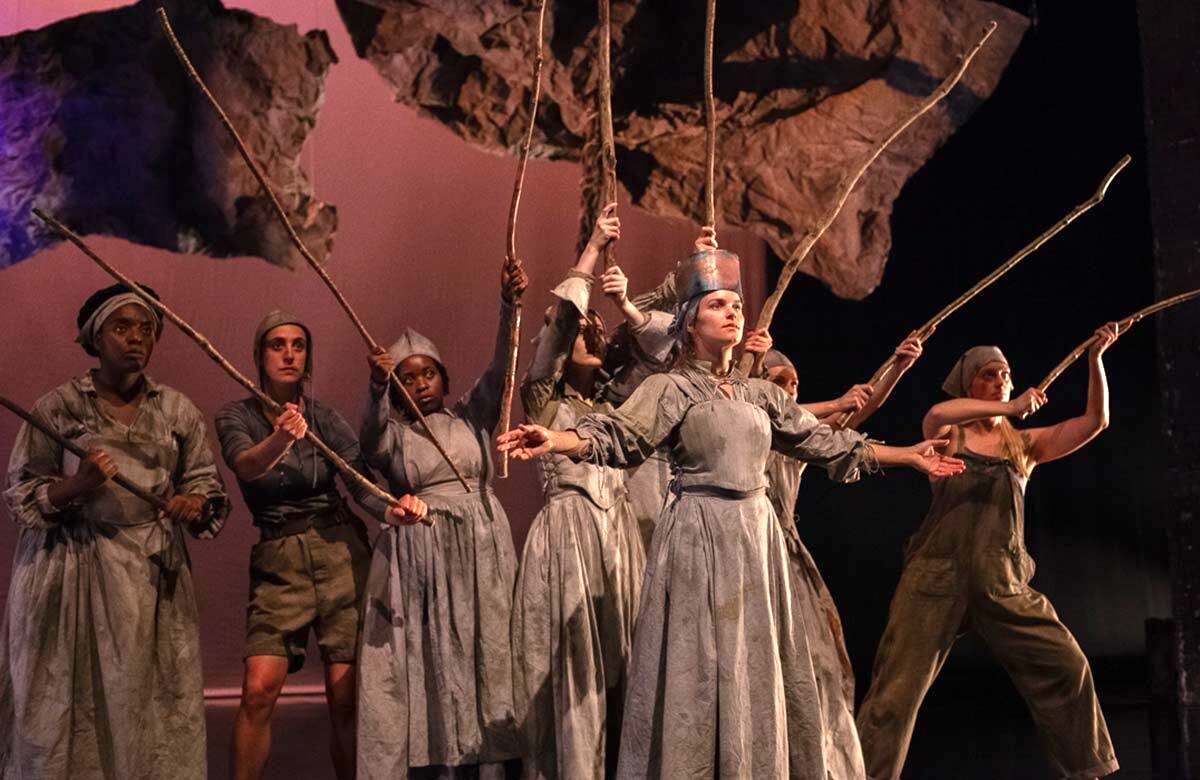
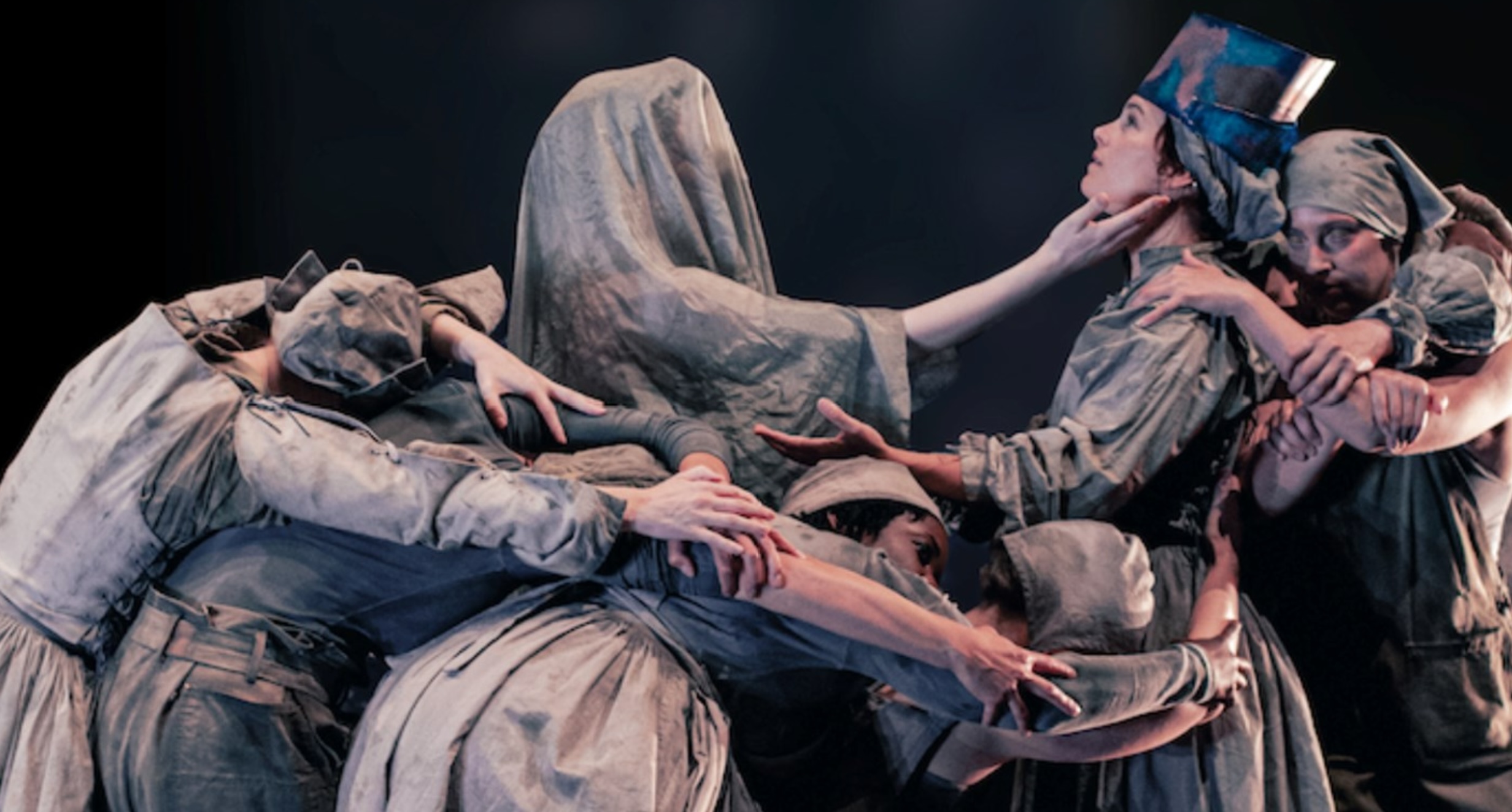
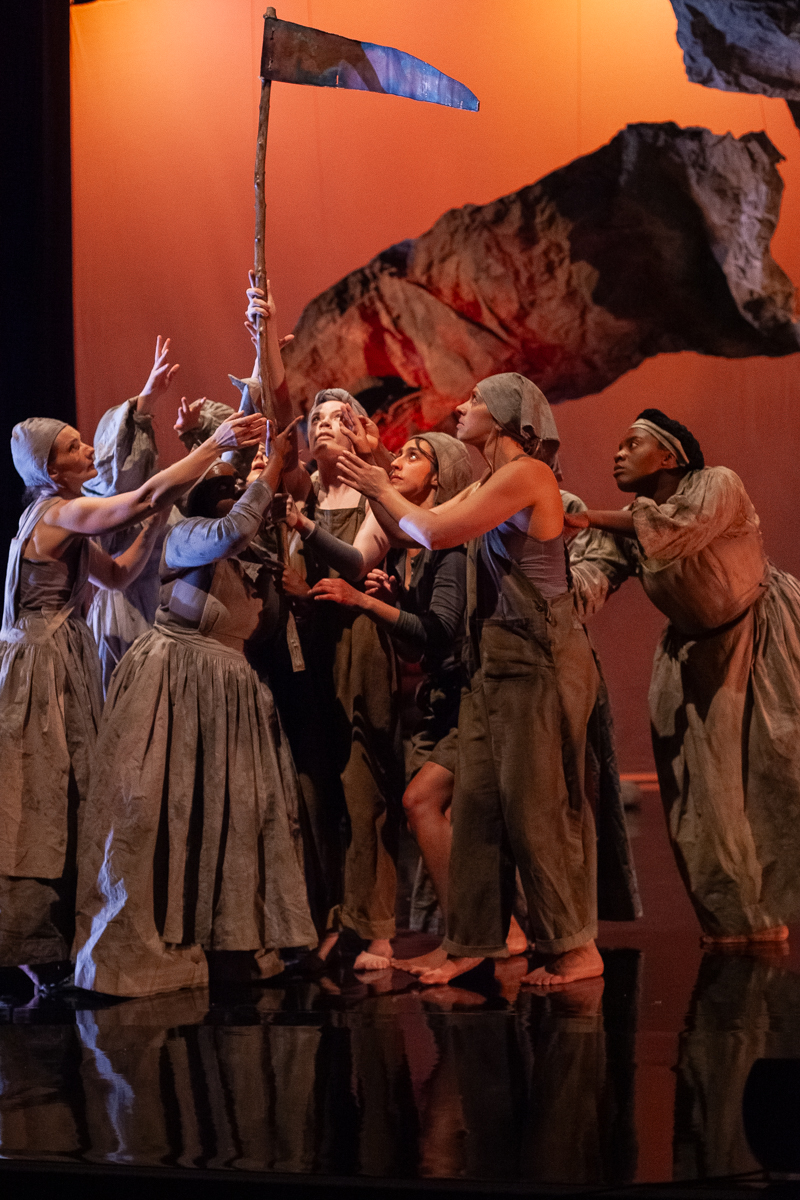
Although I’m not really a fan of Sondheim (he’s not exactly the king of singalong, is he?), I do love a good fairytale and who better to perform this mystical mash-up than the ever-impressive EUSOG?

Co-directed by Tai Remus Elliot and Hunter King, Into the Woods brings together Little Red (Richeldis Brosnan), Cinderella (Maia Jones), Jack Beanstalk (Reuben Reilly) and Rapunzel (Aarya Gambhir). The named-for-a-cabbage, famed-for-her-hair princess plays a minor role, but her baker brother and his wife are central to the plot, as is the witch who keeps her imprisoned in a tower. Like her mother-in-law before her, the baker’s wife (Rosie Wilkinson) is desperate for a child – and just as ready to do a deal with the green-fingered witch who lives next door (Lauren Green). And so the baker (Shaun Hamilton) is duly dispatched to the woods, where he must find the four items the hag requires: a cow as white as milk, a cape as red as blood, some hair as yellow as corn, and a slipper as pure as gold. No prizes for guessing which characters are in possession of said treasures.

Ninety minutes of mayhem ensue, as the various stories overlap, causing Midsummer Night’s Dream levels of chaos in the woods. It all builds to the inevitable conclusion: the goodies gain riches, get married or have babies, while the baddies all die – or are at least brutally maimed. And all those who survive live happily ever after…

Until Act 2, when reality kicks in. “I was raised to be charming, not sincere,” says Cinderella’s prince (Max Middleton), apologising for his wandering eyes. The baker isn’t adapting well to parental responsibility and there’s a giantess on the hunt for the young lad who slew her spouse.

If the first act is stronger than the second (and it is), I lay the blame at writer James Lapine’s door. The play is too long: Act 1 feels like a complete story, and Act 2 just isn’t as inventive. I like the idea of subverting the famous stories, but the plotting is clunky and unadventurous.

Nonetheless, this production is admirable, with some cracking choreography from Morgan Hazelip and Tilly Heath Born, particularly for Last Midnight, which Green performs with evident gusto. Of course, the music is key – and there is a lot of vocal talent among the cast, most notably Green, Wilkinson and Jones. The orchestra (led by musical director Abby Bailey) handles the tricky time-signatures with great skill. It’s a shame there are a few technical problems with the sound, so that the vocals are sometimes overwhelmed by the instruments.

Elliot and King really bring out the humour in the show, with the two princes (Middleton and Aisling Ní Dhochartaigh) given ample scope to explore the silliness of Agony.

The lighting design (by Lewis Eggeling, Sophie Bend and Kiran Mukherjee) creates a suitably mystical atmosphere, emphasising the wild unpredictability of the woods. There are some lovely touches, such as the hard-edged beams highlighting the separateness of the fairytales before they converge, and the gentle downlights, suggestive of sunbeams filtering through the trees. However, the balance between eerie shadows and visibility perhaps requires a little tweaking, as there are moments where the actors’ faces are obscured, making it harder for the audience to connect with their emotions.

The costuming is ingenious: the wolf (Naomi Jessiman)’s lace-frilled suit is particularly memorable, as is the witch’s dress with its drop-down cloak. So hats off to wardrobe (Sophie Slight, Eloise Robertson and Olivia Fialho Rosa).

All in all, this is a vibrant, sprightly production, as polished and ambitious as we’ve come to expect from EUSOG. There are only two more chances to see it, so do whatever it takes to acquire a ticket – sell your cow, steal a cabbage, find a hen that’ll lay you a golden egg – and get yourself to the Church Hill Theatre as quickly as you can.

4 stars

Susan Singfield

The Rip

20/01/26

Netflix

It’s what’s known as ‘The Netflix Effect”: a movie that was originally conceived and filmed to be watched on a giant screen, which – through no fault of its own – ends up on a much smaller one. Joe Carnahan’s The Rip features plenty of action sequences filmed in dark corners and on gloomy rain-drenched streets. Even when projected onto the big-ish B&B home-viewing screen, I occasionally find myself struggling to establish who is shooting/stabbing/punching whom. A shame, because I’m convinced that in a movie theatre, this would easily have made it into four-star territory.

Welcome to Florida, where the cops appear to be every bit as ruthless and foul-mouthed as the drug dealers they repeatedly find themselves up against. After the brutal murder of Captain Jackie Velez (Lina Esco) of the Miami-Dade Police Department, suspicion falls upon members of her special unit, the Tactical Narcotics Team. The FBI are brought in to question them, but find themselves drawing a blank. The team’s leader, Lieutenant Dane Dumars (Matt Damon), and his bestie, Sergeant JD Byrne (Ben Affleck), are bewildered. Who could have killed Jackie? (Byrne has particular reason to be cut-up about it as the two of them were in a serious relationship.) Could it really be that somebody on the team murdered her?

Then an anonymous tip-off comes in. A house in Hialeah contains hidden drug money, belonging to a local cartel. Dumars and JD head out there with their regular team in support: Detectives Mike Ro (Steven Yeun), Numa Baptiste (Teyana Taylor) and Lolo Salazar (Catalina Sandino Moreno), the latter with her trusty dog in tow, trained to sniff out not drugs, but dough. (Hmm. Where can I get a dog like that?) When said pooch becomess very excited, Dumars convinces the current tenant, Desi Molina (Sasha Calle), to let the team in to her late Grandmother’s house, whereupon they do find an eye-watering sum in used notes. It’s the kind of haul that could change their lives forever.

But it soon becomes apparent that certain unidentified others know all about that hidden stash – and are determined to get their hands on it by any means possible…

Okay, so it’s essentially another version of The Pardoner’s Tale, but Carnahan’s twisty script, co-written with Michael McGrale, is a clever mix of whodunnit and taut action adventure. The former element keeps me guessing for the film’s first two thirds – some of the reveals are genuinely surprising – while the final section flings me headlong into a breathless chase. It’s here where the aforementioned Netflix Effect begins to take its toll.

Damon and Affleck demonstrate the kind of chemistry they’ve had ever since Good Will Hunting, and the supporting players all make the most of the screen-time they’re afforded – though it’s probably true to say that the female actors are somewhat sidelined in what feels increasingly like a big boys punch em’ up. But if action is what you’ve been craving, you’ll find it here by the bucket load.

Those who persist in watching movies on their iPhones should probably quit while they’re ahead.

3.5 stars

Philip Caveney
Rental Family

18/01/26

Cineworld, Edinburgh

This whimsical, Japanese-set film was previously the subject of Oscar buzz, but seems to have slipped quietly out of contention. It’s a charming and affecting tale and, if there’s a danger of it occasionally straying towards ‘White Saviour’ territory, writer/director Hikari mostly manages to keep everything just the right side of the line.

Phillip Vanderploeg (Bendan Fraser) is an American actor, currently in his seventh year of residence in Tokyo. The former star of a successful toothpaste commercial, he’s now grimly attending auditions for proper acting roles without much success. When his agent sends him along to a job as an extra, he’s bewildered to find that he’d been cast as a mourner at a funeral – and that the man in the coffin is still alive. Afterwards, he meets Shinji (Takahiro Hira), who runs the company, Rental Family. They specialise in providing actors who can play stand-in family members or friends for lonely strangers (and, before you raise your eyebrows, let me assure you that agencies like this are long-established in Japan). Shinjo tells Phillip that he’s been looking for a token white guy. Would he be interested in signing up?

Pretty soon, Phillip’s finding regular work with the agency. He plays a stand-in straight husband for a woman who is secretly gay, but wants to give her parents the conventional wedding experience they expect. He is hired to ‘interview’ elderly film director, Kikuo Hasegawa (Akira Emoto), once much revered by the industry but now slipping into the realms of dementia. And he is asked to play the absent father of Mia (Shannon Mahina Gorman), a young half-Japanese girl whose mother wants her to attend an elite high school and needs to have a visible father-figure in attendance in order to improve her chances.

Inevitably, Phillip finds himself becoming emotionally involved with the people he works with, even though Shinji keeps warning him to stay detached from his clients…

Rental Family hits plenty of pleasing notes as the story unfolds, and its depiction of Japan is exuberant and colourful, making me wish I could experience it for myself. There’s some barbed criticism of one aspect of the agency’s services – the supplying of stand-in ‘mistresses’ for aggrieved wives to vent their anger on – but again, this is something that genuinely happens.

Fraser handles the role of Phillip with his customary skill, managing to convey a whole variety of emotions with little more than a grimace or a smile. I do however find myself unconvinced by one decision he makes concerning Kikuo – would anyone of his maturity act so rashly? But his interplay with Mia is nicely judged and there are moments here that have me wishing I’d come armed with a handkerchief. There’s also a late-stage revelation concerning one of Phillip’s co-workers that really does take me utterly by surprise.

Overall, Rental Family makes for enjoyable viewing. But be warned: one scene where Phillip and Kikuo share a delicious-looking meal in a tiny barbecue restaurant may have you leaving the cinema feeling absolutely ravenous.

3.8 stars

Philip Caveney
Jay Kelly

17/01/01

Netflix

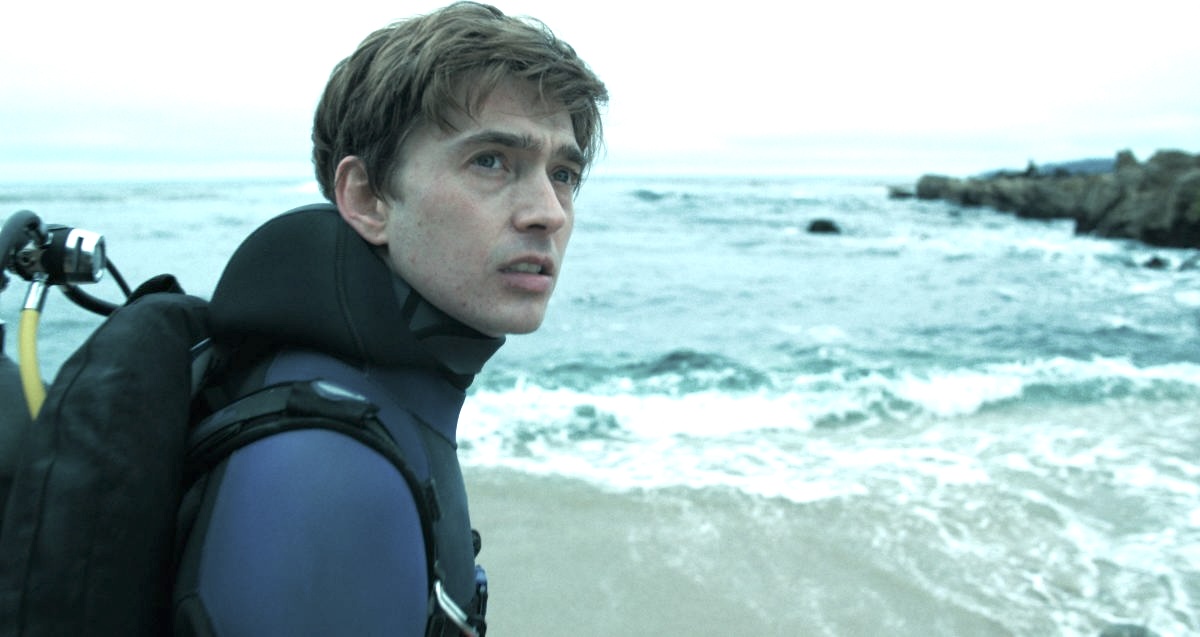
Our Netflix catch-up continues with this whimsical and charming film from Noah Baumbach, clearly influenced by Federico Fellini’s . George Clooney stars as the titular Mr Kelly, a handsome and successful movie star, now forced to contemplate the highs and lows of his career and personal life – and the things he could perhaps have handled better. With his latest film wrapped, Jay has been looking forward to spending time with his daughter, Daisy (Grace Edwards), but she tells him she’s heading off to France with friends.

Then veteran film director, Peter Schneider (Jim Broadbent), the man who gave Jay his first break, unexpectedly dies. After the funeral, Jay bumps into an old college-mate, Timothy (Billy Crudup), and goes for a drink with him – where events take an unexpected turn.

Feeling the need to make himself scarce for a while, Jay instructs his long-suffering manager, Ron (Adam Sandler), to accept an offer on his behalf for a trip to Tuscany to attend a career-tribute award. This is awkward, because Jay has already told them that he’s not interested in attending the event and the trophy has been promised to Jay’s main rival, Ben Alcock (Patrick Wilson). But Ron has spent most of his life dealing with Jay’s unpredictable impulses and manages to persuade the organisers to forge a second statuette, to make it a joint celebration. Jay, Ron and publicist Liz (Laura Dern) set off for Italy, along with a whole entourage of followers.

On the journey, Jay has time to contemplate key events from his past – actually stepping through a series of doors, to revisit them as they happen. It soon becomes apparent that success as a film star comes at a high price. When everyone around you has a stake in your success – even the ever-faithful Ron is taking 15% of everything Jay earns – it’s hard to trust anyone.

And as the prize-giving ceremony looms ever closer, it begins to dawn on Jay that he is in danger of having nobody to share the moment with.

Clooney is the perfect choice for this role – there’s always been something distinctly old-fashioned about his rugged, matinee idol looks – and a final scene where he contemplates different versions of himself from his own stellar career is nicely handled. The film also features some lovely insider details: the shooting of a love scene with Charlie Rowe standing in as the younger JK, reveals how clinical an exercise it is and how the magic is created. Baumbach’s screenplay (co-written with Emily Mortimer) is witty and insightful, while Linus Sandgren’s gorgeous cinematography gives the film a dazzling, sun-drenched sheen.

Some reviewers have been dismissive of Jay Kelly, but Clooney inhabits the lead role with absolute authority. It’s hard to imagine who might have made a better fit. There have been rumours that this could be his final role as an actor (lately he’s been more interested in being on the other side of the camera). Should that prove to be the case, this would seem a fitting way to bow out.

4.2 stars

Philip Caveney
28 Years Later: The Bone Temple

15/01/2026

Cineworld, Edinburgh

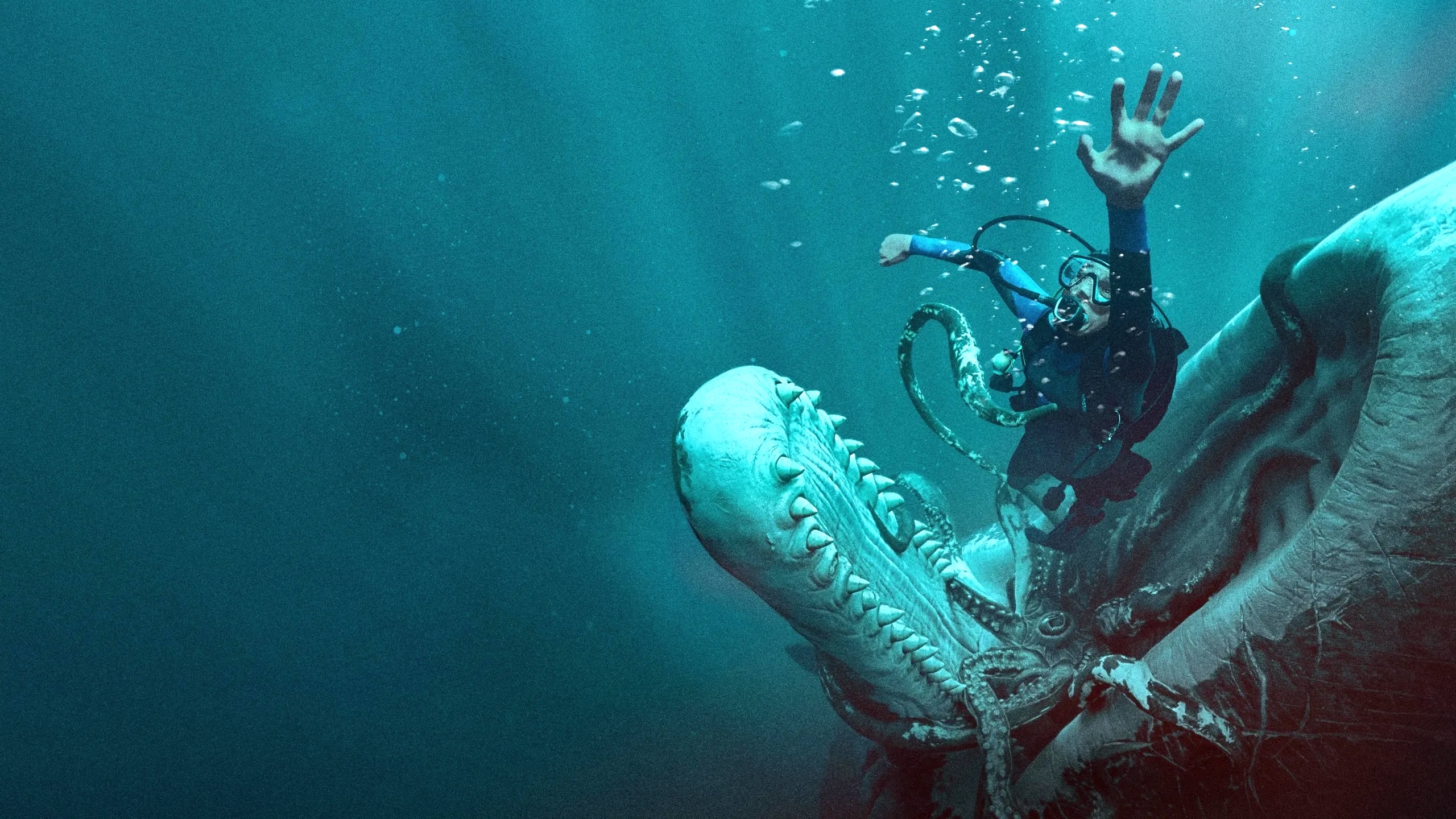
The ’28 Years’ trilogy moves confidently into its second act, with Danny Boyle handing the directorial reins to Nia DaCosta. She rises to the challenge with her customary zeal and delivers a film that, for my money, comes close to equalling its predecessor. This time out there’s less emphasis on the blood and mayhem and more on the interplay between characters. Gore-hounds may complain they’ve been short-changed but, ironically, there’s still enough spine-ripping and brain-munching to ensure that this episode earns itself an 18 certificate. Young actor Alfie Williams is, once again, unable to officially attend the film’s premiere. (He was thirteen for the last one’s 15 classification.)

Did he get a private viewing? I hope so.

We pick up pretty much where we left off with Alfie (Williams) now a captive of ‘The Jimmys,’ the track-suited, blonde-bewigged followers of Sir Lord Jimmy Crystal (a malevolent Jack O’Connell, sporting a pretty convincing Scottish accent). Alfie soon learns that, if he wishes to remain alive, he’s going to have to fight for his place in the gang and, once a member, somehow embrace the heinous cruelty that Crystal likes to inflict on anyone he encounters – including, if the mood takes him, his own followers. Luckily, one of the gang, Jimmy Ink (Erin Kellyman), seems to have taken a sisterly shine to Alfie.

Meanwhile, Dr Ian Kelson (Ralph Fiennes) continues his gruesome work in the titular temple, with particular emphasis on trying to develop his growing ‘friendship’ with Samson (Chi Lewis-Parry), an infected Alpha. Kelson is attempting to tame the angry giant with regular doses of morphine, applied via a strategically-aimed blowpipe. Could it be that these experiments are leading Kelson tantalisingly closer to finding a cure for the deadly infection that has overtaken the world? More bafflingly, why is he listening to so much Duran Duran?

If the two main story strands are frankly bonkers, they nonetheless make for riveting viewing. DaCosta’s strong visual style combines with Alex Garland’s storytelling and the powerful music of Hildur Guǒnadóttir, to exert an almost hypnotic spell. There are kinetic action sequences, some astutely-handled flashbacks (Samson’s recollections of a childhood experience on a crowded train is particularly powerful), and Fiennes’ outrageous climactic dance routine, backed by Iron Maiden’s The Number of the Beast, is something I never expected to see – a slice of pure theatre writ large on a cinema screen. I also respond strongly to the film’s obsession with religion and the way that Kelson cleverly uses it to his own advantage.

And then, just when you think it’s all over, we’re treated to a short coda which neatly flips the whole concept back to its origins and reintroduces a character I had pretty much given up hope of ever seeing again – all of which ensures that I leave the cinema already looking forward to part three.

Job done. Bring it on.

4.6 stars

Philip Caveney