Renate Reinsve

Backrooms

02/06/26

Cineworld, Edinburgh

Contemporary horror films by Gen Z filmmakers seem to be soaring to ever-new heights. Just last week, twenty-six-year-old Curry Barker’s Obsession proved a breakout hit on a budget that was just short of a million dollars, meaning that it was able to move into profit on its release day. More interestingly, the film bucked the usual trend by taking even more on its second week, buoyed by good word of mouth.

Now twenty-year-old Kane Parsons’ Backrooms (developed from one of the ‘creepy pasta’ shorts he’s been posting on YouTube since his teens) scores an even bigger opening. It does boast a budget of ten million (though this is peanuts compared to the excesses of most contemporary Hollywood blockbusters) but once again, premier production company A24 have spotted a filmmaker’s potential and granted them the opportunity to fulfil it. While Obsession has its roots in classic horror story, The Monkey’s Paw, Backrooms‘ closest cousin could arguably be Alice in Wonderland – if that book were transposed to the early 1990s and had moments of absolute terror.

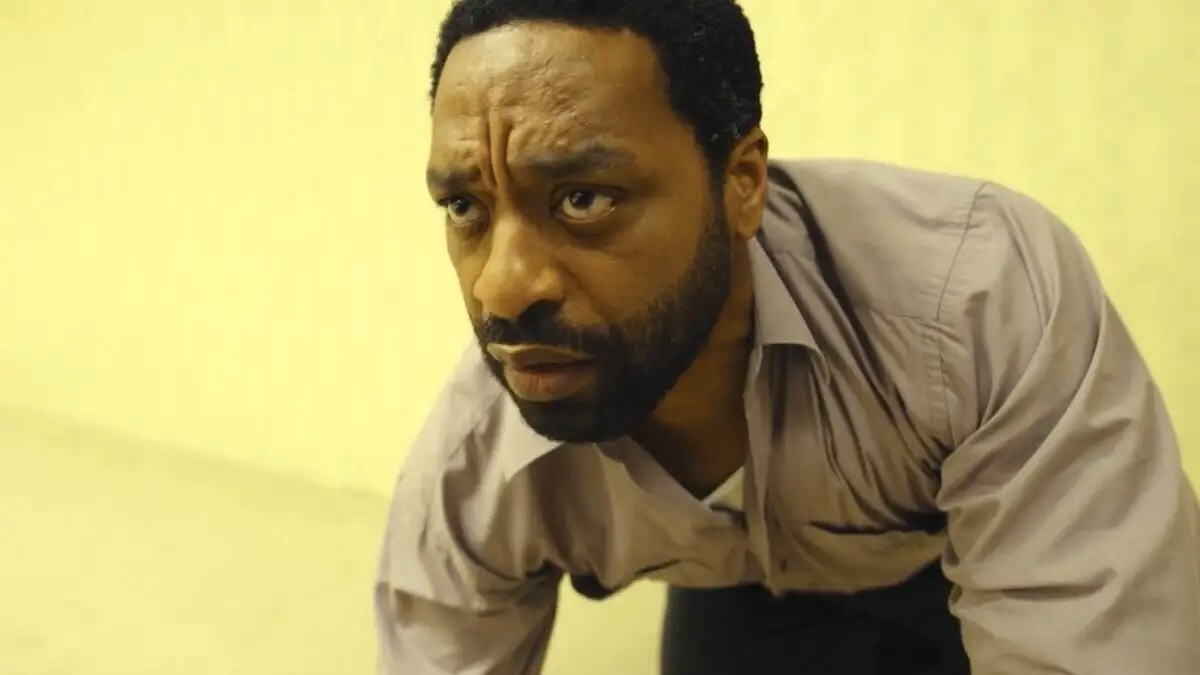
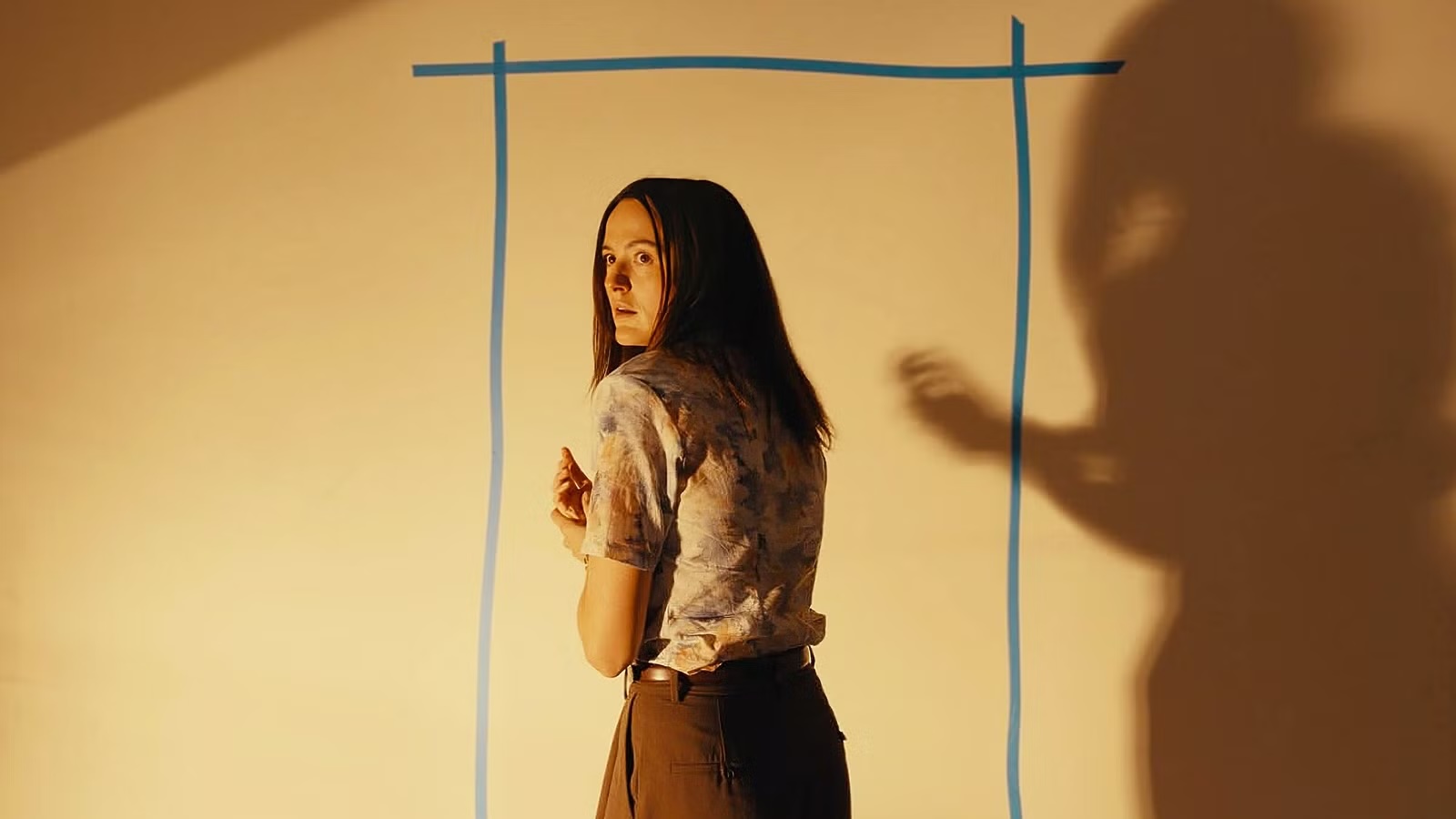
Clark (Chiwetel Ejiofor) is the manager of Cap’n Clark’s Ottoman Empire, a down-at-heel furniture store, which despite Clark’s ramshackle attempts at a promotional video, appears to be struggling to entice any customers over the threshold. After a messy break up with his wife, Clark is actually sleeping in the store. He occasionally drives off for a session with his therapist, Mary (Renate Reinsve), who is trying to explore Clark’s anger issues – but she has some psychological baggage of her own, which she’s been lugging around since childhood.

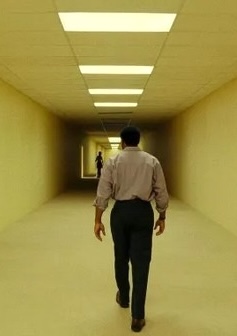
Meanwhile, Clark is having major problems with the store’s electricity supply and, when investigating some strange noises in the basement, he discovers a portal that takes him to the backrooms of the title, a series of interconnecting sickly-yellow enclosures seemingly designed by Escher and heaped here and there with piles of furniture that defy all logic.

When Clark subsequently tells Mary about his new discovery, she’s understandably worried about his state of mind…

Backrooms is an incredibly immersive and occasionally heart-stopping film, that somehow manages to conjure moments of absolute dread from the smallest things: a muffled noise; a briefly glimpsed figure; a narrow opening a character is required to squeeze through. It’s all I can do not to shout warnings to the luckless fools who wander in there, despite knowing only too well that if I found a wall I could walk through, I’d most surely want to do it, again and again.

Co-written by Parsons with Will Soodik, the film boasts an incisive script which is open to interpretation, but nonetheless utterly affecting. The Jungian ‘Dream House’ metaphor is made frighteningly real, as the terrors herein bubble up from the central characters’ own psyches – and are all the more disturbing because of that. As the film careers confidently onwards, it carries me helplessly along with it.

A final revelation confirms a devastating truth: that we are all prisoners of whatever bad things happened to us back down the line. Parsons would appear to have a promising (and lucrative) film career ahead of him and on the strength of Backrooms, I’ll be first in the queue to see whatever he comes up with next. There’s already talk of a ‘Backrooms 2‘ but I for one hope it’ll be something entirely different.

5 stars

Philip Caveney
Sentimental Value

05/01/26

Cineworld, Edinburgh

Norwegian filmmaker Joachim Trier reunites with his muse, Renate Reinsve (with whom he made the brilliant The Worst Person in the World), in this affecting tale set mostly within the family home of the Borg family in Oslo. Reinsve plays Nora, an acclaimed theatre actress, who – when we first encounter her – is about to step onstage for the opening night of her latest production. She suffers a sudden, terrifying bout of stage fright and has to enlist fellow actor, Jakob (Anders Danielsen Lie), to slap her face in order to get her to venture out onto the boards.

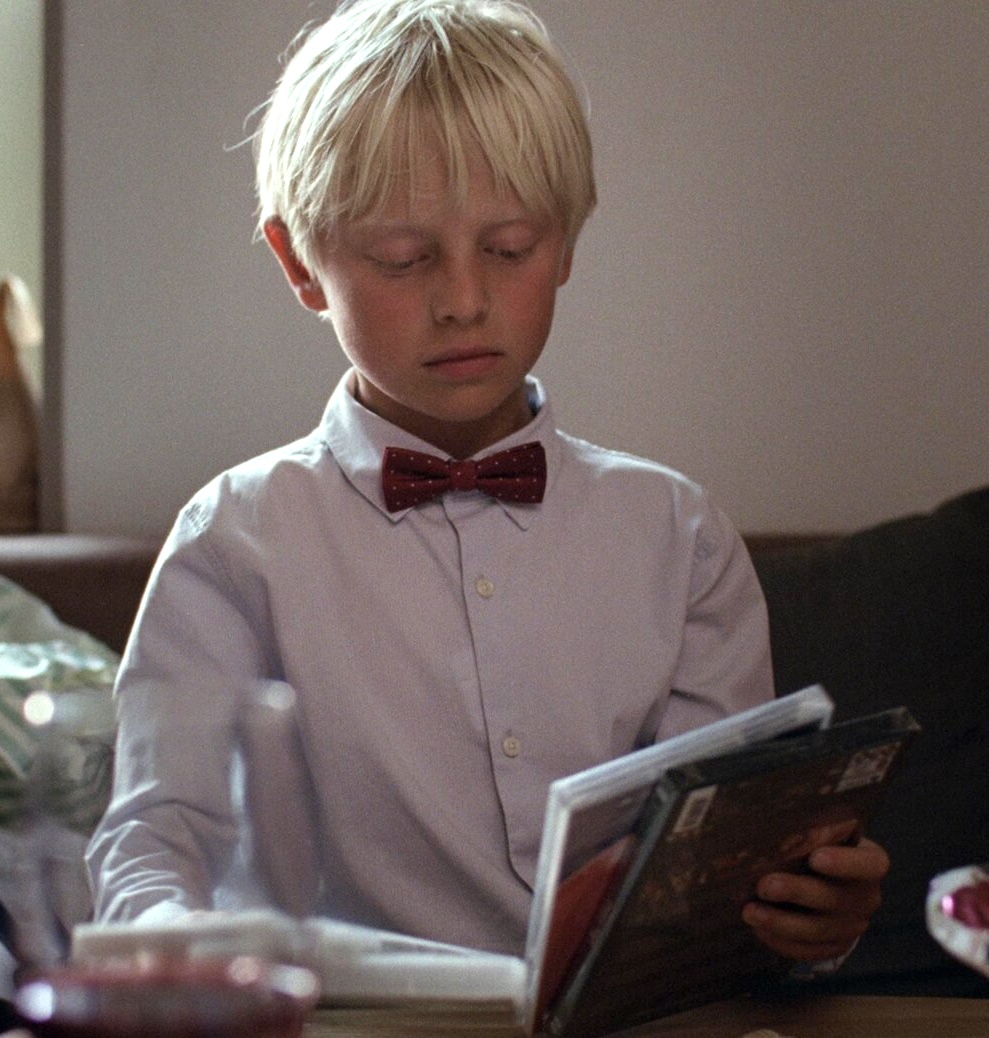
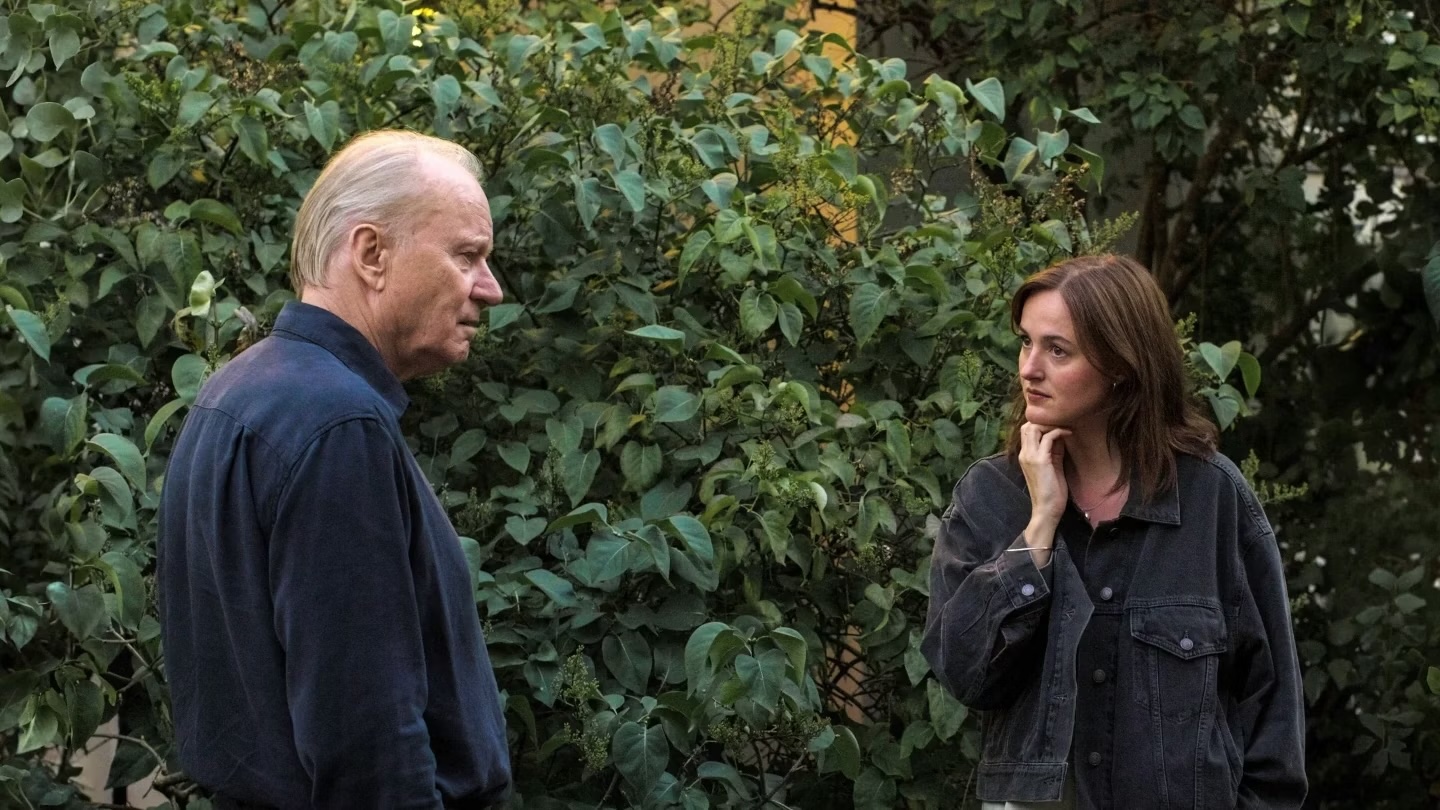
Nora’s younger sister, Agnes (Inga Ibsdottir Lilleaas), has a much less turbulent life. She’s happily married and has a teenage son, Erik (Øyvind Hesjedal Loven), who seems to share a special bond with Nora. After the death of their mother, Sissel, the sisters are preparing their childhood home for sale, but they are somewhat perturbed to discover that it still belongs to their father, celebrated film director Gustav (Stellan Skarsgård). Since splitting up with Sissel, he has kept a wary distance from his daughters, seeing them only occasionally.

They are dismayed when he turns up out of the blue, with plans to use the house as the set for a new film, based around the wartime exploits of his mother, Karin, who was a member of the Norwegian resistance movement and who committed suicide in one of the rooms. Nora is horrified when Gustav announces that he would like her to play the film’s protagonist and she refuses to even entertain the idea.

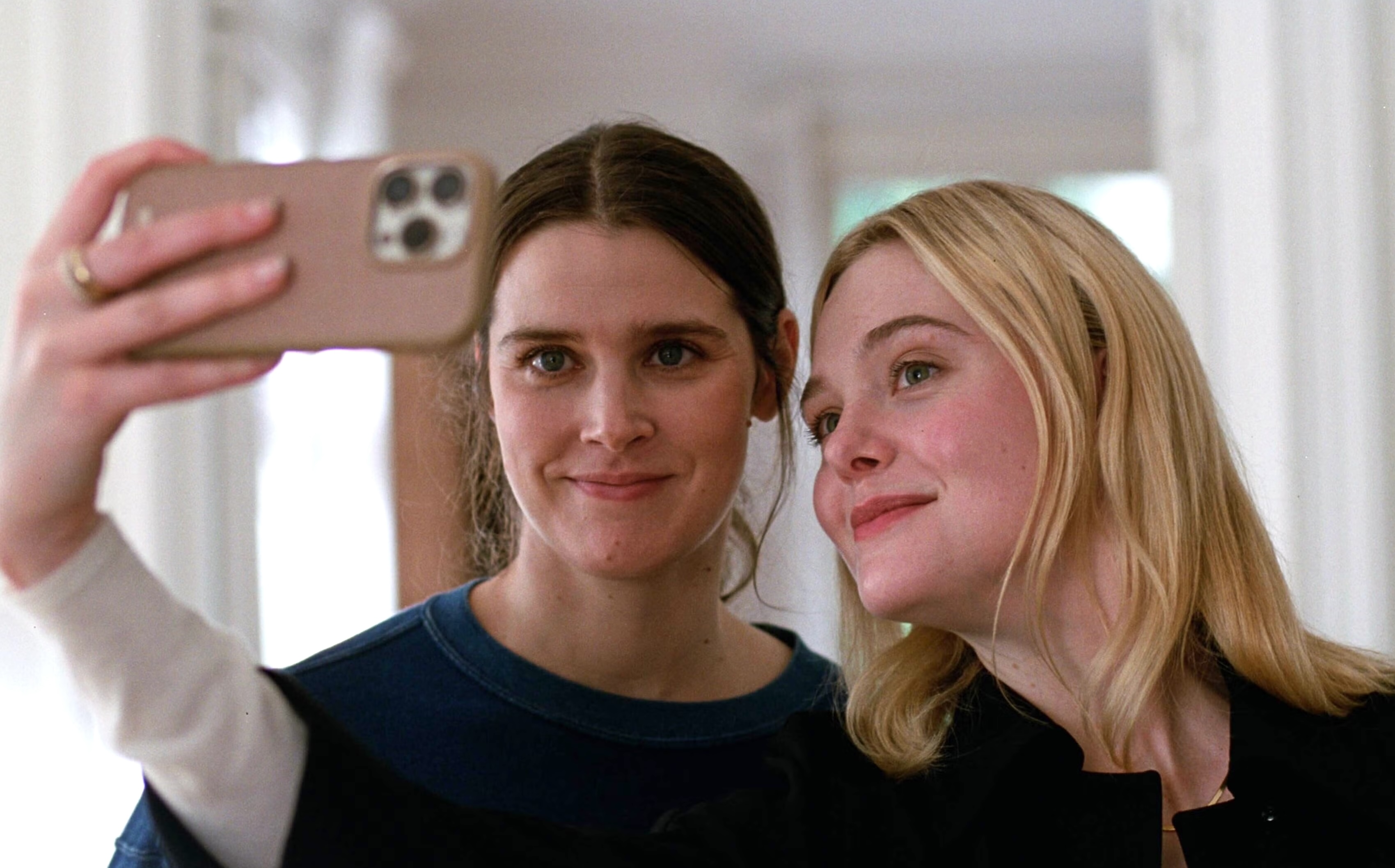
Then, whilst attending a film festival, Gustav meets American movie star Rachel Kemp (Elle Fanning), whom he manages to persuade to take on the role – which also helps him secure financial backing from Netflix. Rachel travels to Norway to visit the house and starts to prepare, but it soon becomes apparent that she might not be the right fit for a part that was originally created with Nora in mind…

This handsome production shimmers like a precious jewel thanks to the brilliant cinematography of Kasper Tuxen – and the performances are uniformly spot-on. Skarsgård handles his role with particular aplomb, a man beset by the changes of time and struggling to stay in control of a project that seems to elude him at every turn. He and Reinsve make superb antagonists, he totally unable to convey the love he has for her in any conventional sense, she stubbornly resistant to his overtures, unable to countenance them, no matter how hard he pushes her.

Agnes too is conflicted. In her childhood, she had a small but important role in one of Gustav’s early films but, when her father mentions a plan to employ young Erik in a similar way, she doesn’t know how to react. And Rachel – well, suffice to say that Fanning, who so often finds herself in roles that offer her very little to do, acquits herself brilliantly here as it gradually begins to dawn on Rachel that she has wandered into an impossible situation.

There are many moments of deep sadness but, perhaps ironically, it’s the scene were Agnes confesses her undying affection for her older sister that finally coaxes the tears from my eyes. I love too a coda where the house – itself an integral character in this powerful but nuanced story – appears to be undergoing a makeover.

But then the camera pulls back, to reveal something entirely different.

Sentimental Value has been nominated for the Best Foreign Language Oscar and I for one feel it would make a very deserving winner.

4.8 stars

Philip Caveney
A Different Man

05/10/24

Cineworld, Edinburgh

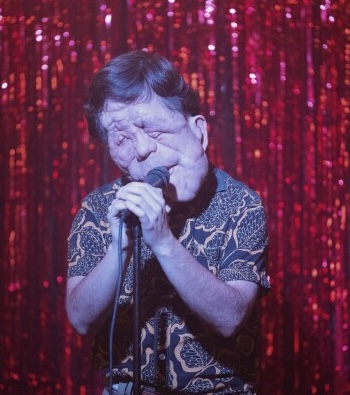
It’s not hard to imagine actor Adam Pearson’s delight on first reading the script for A Different Man. The film, a three-hander, was written expressly for him – and, my word, it gives him a chance to show what he can do. It also challenges our preconceptions and prejudices around disability and disfigurement – but not in any obvious, seen-it-all-before way.

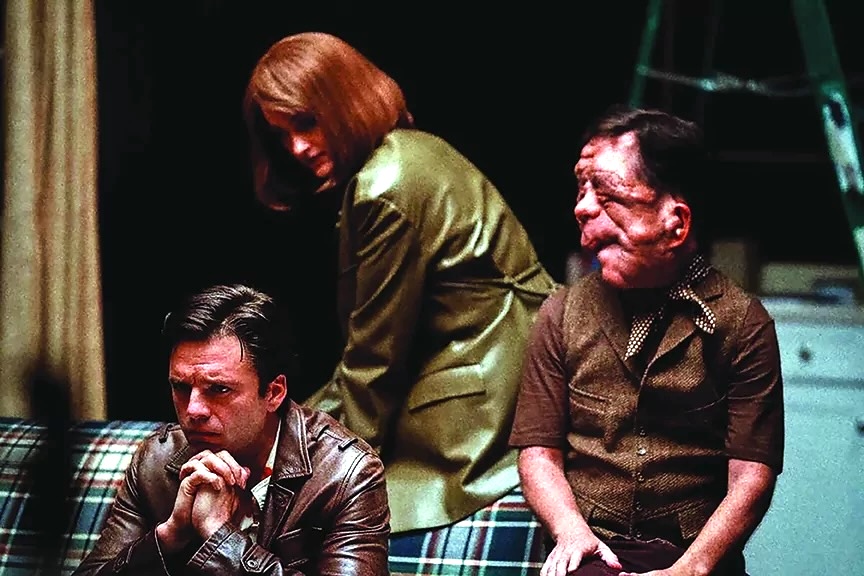
Writer-director Aaron Schimberg has a cleft palate, so he knows something of how it feels to look different. Pearson, meanwhile – along with his character, Oswald, and Sebastian Stan’s character, Edward – has neurofibromatosis, which is a lot more noticeable. Edward copes by keeping his head down and trying to make himself small. He’s quiet, unassuming, and sadly accepting of his lot. He is an actor, but he doesn’t get much work – unless you count condescending corporate training videos of the ‘how to behave around your disabled colleagues’ variety.

And then two things happen.

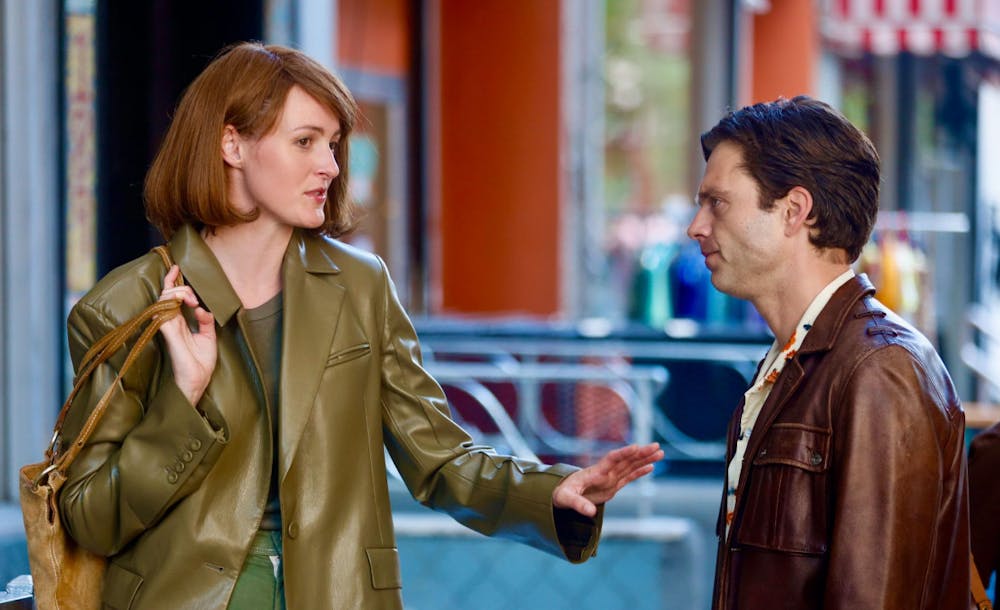
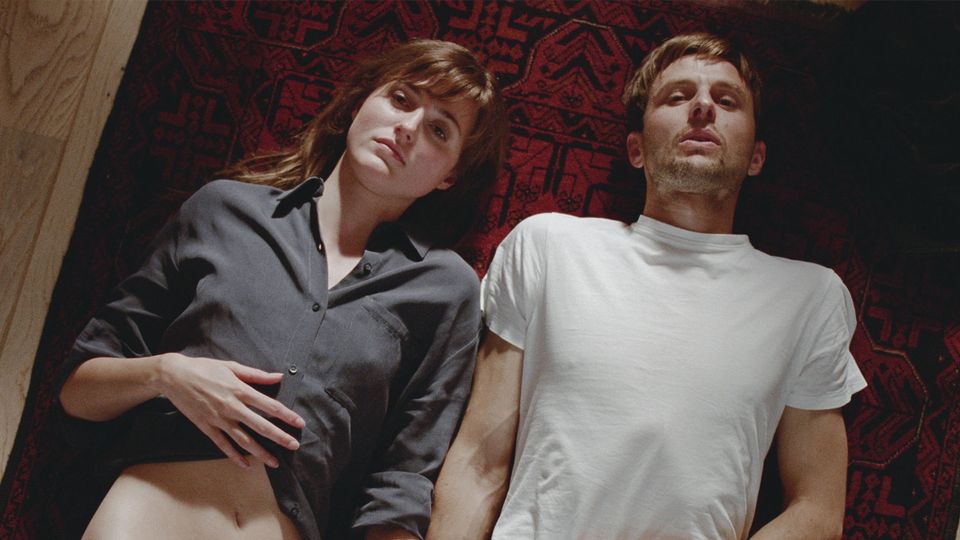
First, Edward is offered the chance to take part in a drug trial for a revolutionary new treatment that will transform his appearance. Next, he meets his new neighbour, aspiring playwright Ingrid (Renate Reinsve), and begins to develop feelings for her. She’s nice to him – but recoils when he makes a tentative move.

He decides to take the plunge.

As the tumours begin to literally fall from his face (courtesy of some pretty impressive prosthetics), a new Edward emerges, smooth-skinned and conventionally handsome. Keen to shuck off his old identity as well as his deformities, he informs everyone that Edward has committed suicide and rebrands himself as ‘Guy’. Before long, he’s living the dream, with a well-paid job, a luxury flat and an active sex life. What more could he want?

The answer, it turns out, is the starring role in Ingrid’s off-off-Broadway play, Edward, which is all about her friendship with her tragic neighbour. But she’s not sure about giving Guy the part – it wouldn’t be authentic and surely a disfigured actor ought to get the role? But, she has to admit, there’s something compelling about Guy, even if he does have to wear a mask on stage.

And then Oswald turns up, cheerily intrigued by the idea of the play with a central part he feels he was born for. He’s keen to see how Ingrid has written the character and what Guy brings to the role. He looks like Edward used to look, but that’s where the similarity ends. Because Oswald is no one’s victim. He’s a happy, talented, popular man, keen to grasp new opportunities, comfortable in his own skin. Edward can’t cope, his cocksure persona crumbling in the face of Oswald’s frank and open confidence. Before too long, he finds himself replaced…

The three central performances are all impressive, although Pearson is the one who shines. Stan is believably conflicted as the shy, awkward Edward, his true nature visible to the viewer even when he’s swaggering and trying to inhabit his brave new world. Reinsve, meanwhile, is perfect as the deluded Ingrid, convincing herself that she’s not only well-intentioned but also alert to discrimination, despite the self-serving nature of her work, and the fact that she keeps referring to Beauty and the Beast as her inspiration.

A Different Man is well-crafted on every level but, primarily, it is a clever piece of writing, as multi-layered as Stan’s prosthetics, unflinching in its examination of how non-disabled people view those with disabilities. Without offering any easy answers, it also explores the ideas of authenticity and appropriation, all the while avoiding anything resembling a cliché. This is the sort of script that sparks ethical discussions – akin in some ways to American Fiction, The Substance or Scottish playwright Kieran Hurley’s Mouthpiece.

Nuanced, shocking, intelligent and insightful, this is a memorable movie for all the right reasons.

4.7 stars

Susan Singfield

Film Bouquets 2022

2022 was a surprisingly good year for film, although – as cinephiles – it was worrying to note that audiences seemed happy enough to continue watching movies at home after last year’s lockdowns ended. Cinemas were feeling the pinch and there was a lot of talk of this being the end of an era, while others pinned their hope on Avatar: The Way of Water bringing people back in droves. Here at B&B, we’ve always believed that the big screen is the best possible place to watch a movie, so we were delighted to be back in our local multiplex and indie venues. Here’s our selection of the films that have really stayed with us throughout the year.

Belfast

Kenneth Branagh’s semi-autobiographical film was the first must-see of the year – an absolute joy, with a brilliant central performance from newcomer Jude Hill. This film is all about formative experiences, the kind that shape a young boy’s future.

Nightmare Alley

A new film from Guillermo del Toro is always cause for celebration. This bleak, dark tale is the work of a gifted director at the peak of his powers, handling a tricky subject with consummate skill.

Red Rocket

Director Sean Baker’s ability to depict working-class life is his real strength and Red Rocket, powered by astonishing performances by Simon Rex and Suzanna Son, offers a brilliant exploration of Trump’s America.

The Worst Person in the World

Joaquin Trier’s film is a rare beauty, a picaresque tale of life and love in contemporary Oslo. It’s built around a superb, award-winning performance by Renate Reinsve. A film that positively buzzes with invention.

Elvis

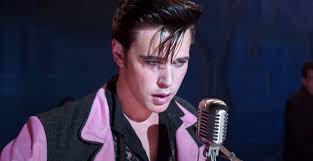
Baz Luhrmann’s biopic is a big, brash, noisy exploration of the late singer’s life and times. Against all the odds, Austin Butler makes the role his own and Tom Hank’s portrayal of the sleazy, manipulative Colonel Tom Parker is also right on the button.

Bones and All

Luca Guadadigno’s visceral tale of love and cannibalism is a brilliant reinvention of a well-worn trope which can be seen as an allegory about drug addiction. It’s brilliant stuff, but not for the faint-hearted – by turns romantic and repugnant.

She Said

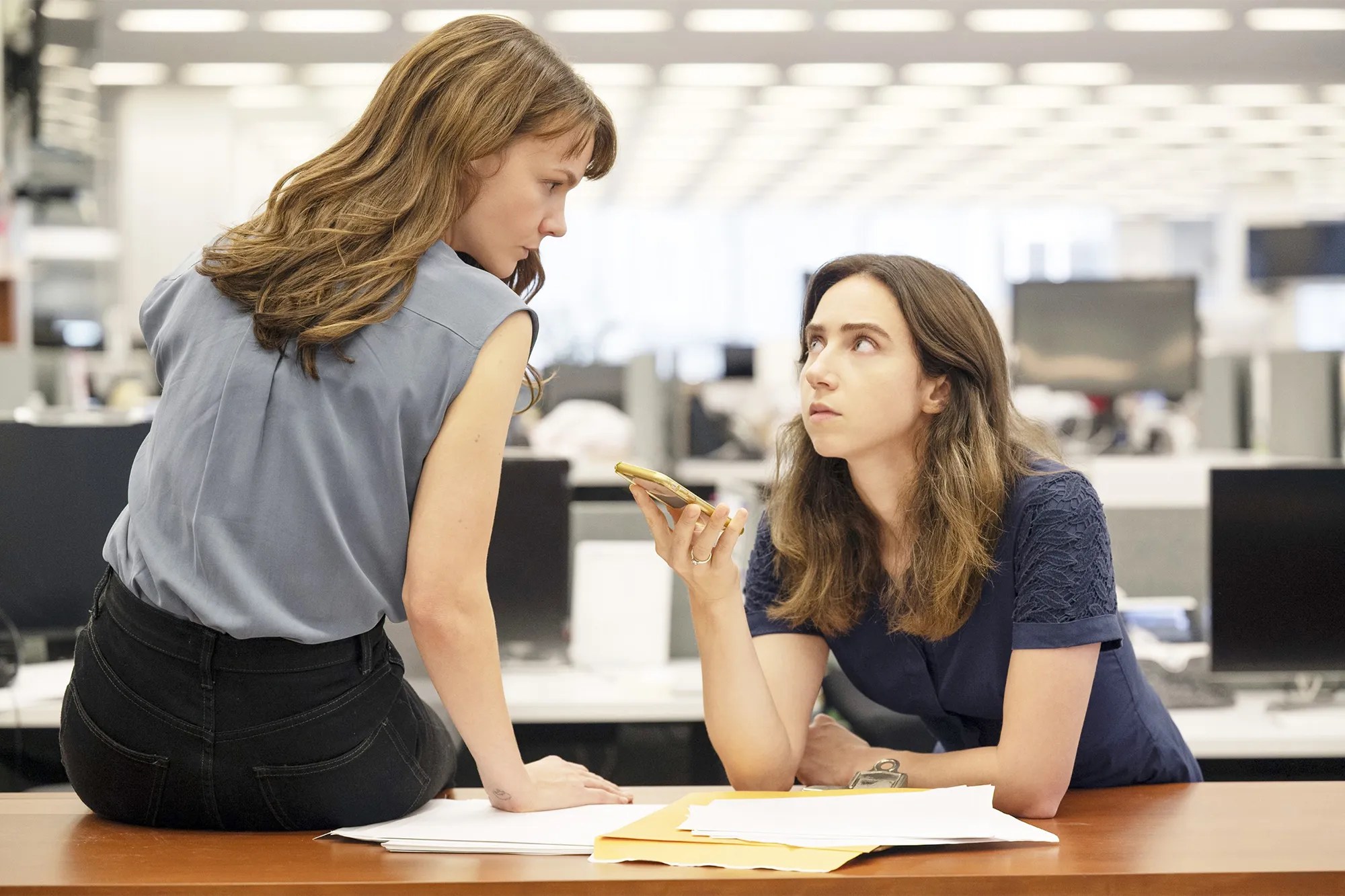
This searing account of the uncovering of Harvey Weinstein’s crimes by two Washington Post journalists is timely and superbly recreated, with excellent performances from Carey Mulligan and Zoe Kazan in the central roles.

The Banshees of Inisherin

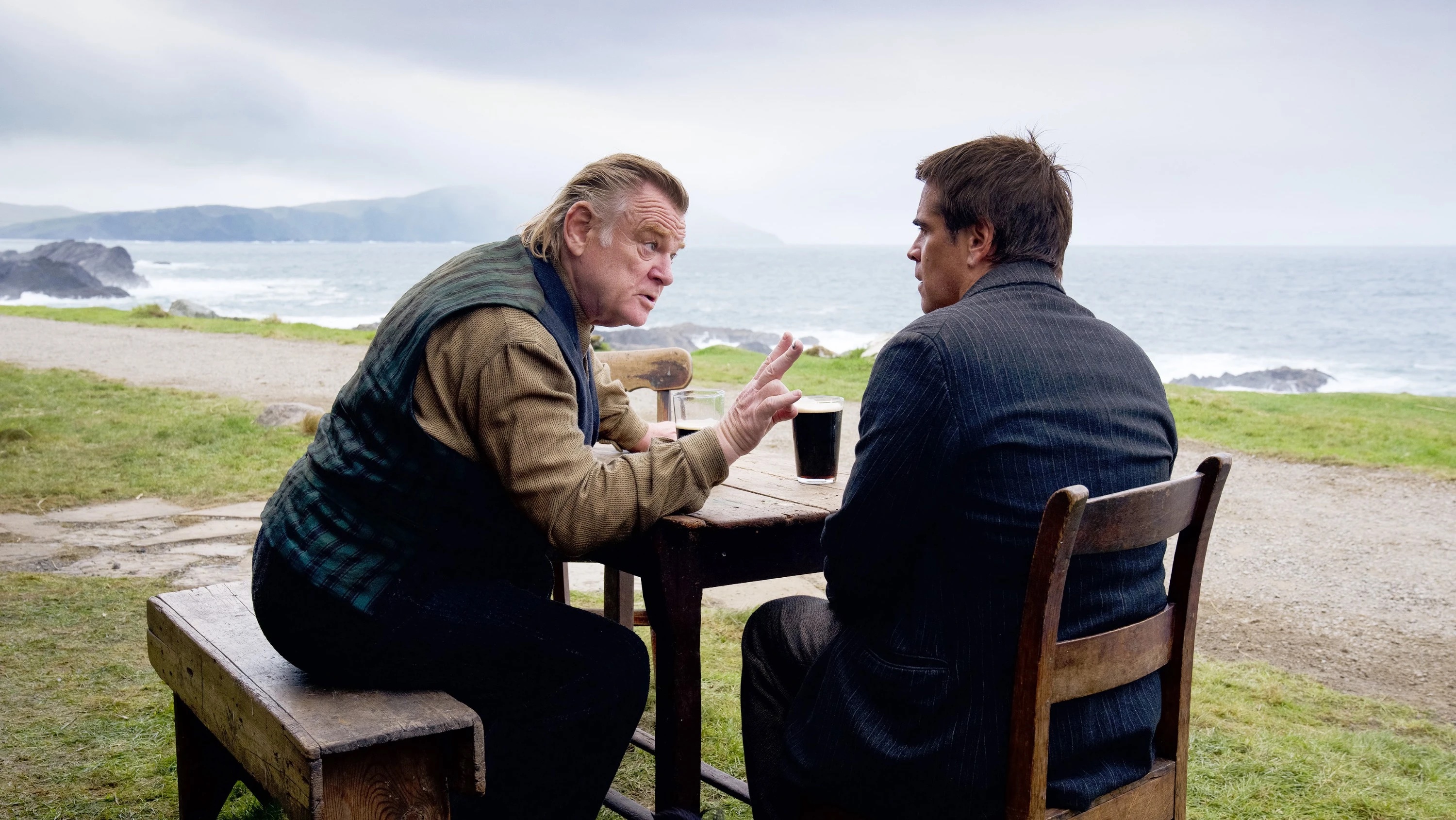
Martin McDonagh’s film is a beautifully observed contemplation of the thankless futility of human existence. This is his best offering since the sublime In Bruges, with wonderful performances from Colin Farrell and Brendan Gleeson.

Aftersun

A gorgeous film, sweetly sad and tinged with tragedy. Debut writer/director Charlotte Wells knocks it out of the park with her first feature, coaxing extraordinary performances from Paul Mescal and Frankie Corio. An absolute must-see.

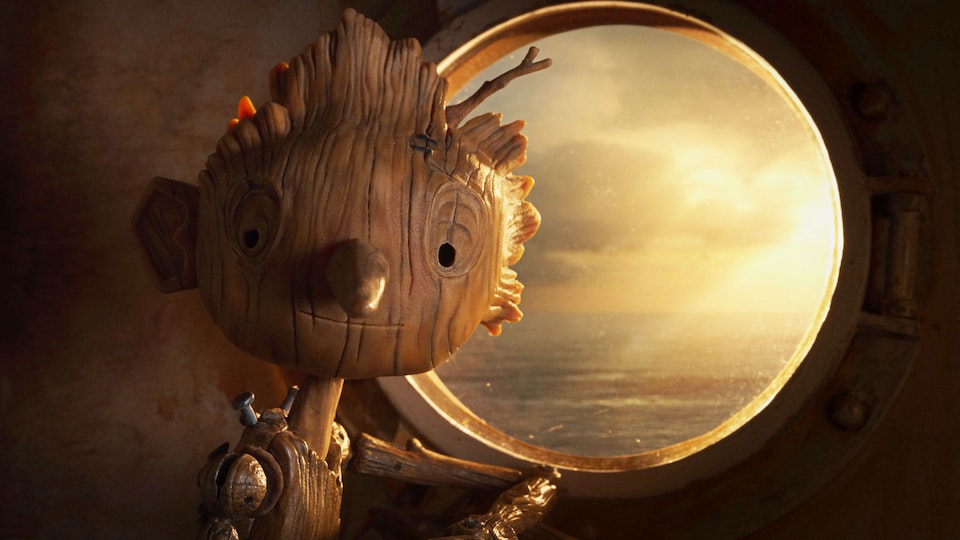
Guillermo del Toro’s Pinocchio

Not content with one title in our selection, del Toro has two – despite the fact that we had to watch Pinocchio on the small screen. Few films deserve the description ‘masterpiece’ as thoroughly as this one.

Philip Caveney & Susan Singfield

The Worst Person in the World

26/03/22

Cineworld, Edinburgh

I have to confess to an almost total ignorance of Norwegian cinema before the good word-of-mouth for Joachim Trier’s latest film prompts me to give it a try.

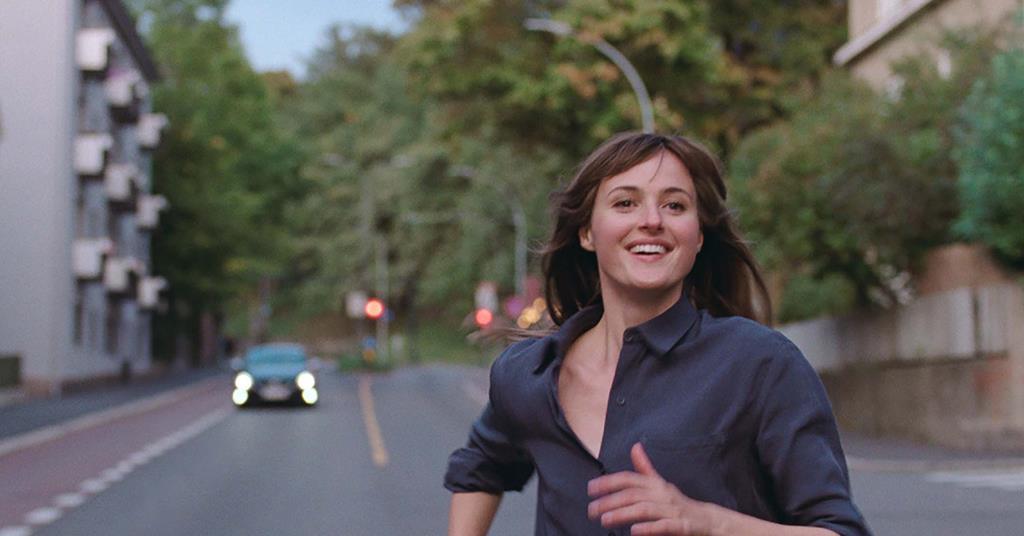
The Worst Person in the World is a rare beauty, a picaresque tale of life and love in contemporary Oslo, built around a superb, award-winning performance by Renate Reinsve. She’s Julie, who, when we first encounter her, is a medical student, bored by the reality of slicing up bodies and fast coming to the conclusion that’s she’s chosen the wrong subject.

Shortly thereafter, she breaks up with her boyfriend, decides to study psychology instead, and then jumps ship again in favour of a photography course.

Until she starts dabbling with writing…

Fast approaching her thirtieth birthday, Julie realises that, despite all her best endeavours, she still doesn’t have a game plan for the future and, when she meets acclaimed comic artist, Aksel (Anders Danielsen Lie), the two of them hit it off immediately. Soon they’re sharing an apartment. But Aksel is older than her and already talking about the possibility of starting a family. Julie appreciates she’s supposed to want that too, but is painfully aware that she still hasn’t found her own path.

And then one night, she skips out of a dull launch for Aksel’s latest book and recklessly crashes a stranger’s wedding party, where she has a chance encounter with Eivind (Herbert Nordrum), an easygoing barista. The two of them share their darkest secrets and Julie begins to realise, to her dismay, that she is falling for him…

If this all sounds like something you’ve seen a thousand times before, don’t be misled. TWPITW, co- written by Trier with Eskil Vogt, is a multi-faceted creation. Broken down into a kind of visual novel, it’s related in twelve ‘chapters,’ along with a prologue and an epilogue. The film positively buzzes with invention – from the magical scene where Julie runs through an Oslo where every other character is frozen into immobility to a weird magic mushroom experience at a house party – and on to a conclusion that is both heart-breaking yet, somehow, life-affirming. It’s all brilliantly paced and thoroughly entertaining. An eclectic soundtrack featuring a whole variety of performers only adds to the ‘whatever next?’ atmosphere.

I love the fact that Julie is an unreliable character, struggling to find her way in the world. Is she the ‘Worst Person’ of the title? Well, it’s actually Aksel who uses the phrase, but he’s referring to himself when he says it. But really he’s just a little out of touch in a world where all his long-held views are increasingly perceived as controversial. And Julie isn’t terrible either; she just wants to find her own identity and won’t settle for anything less.

This feels uncannily like real life, with all its messy complications, many of which can never be resolved, only put down to the twisted trials of human experience.

It’s hard to remember a film that has nailed the convoluted path to maturity with such absolute conviction. If you’re tired of the conventional (and happy to read subtitles), The Worst Person in the World may be just the cinematic experience you’ve been waiting for. However you feel about this film, I’m pretty confident you won’t be bored by it.

4.7 stars

Philip Caveney