Lyceum Theatre

Theatre Bouquets 2025

Another varied year of theatre-going presents us with the usual problem of choosing what we think were the twelve best shows of the year. But once again, here they are in the order we saw them.

Vanya (National Theatre Live)
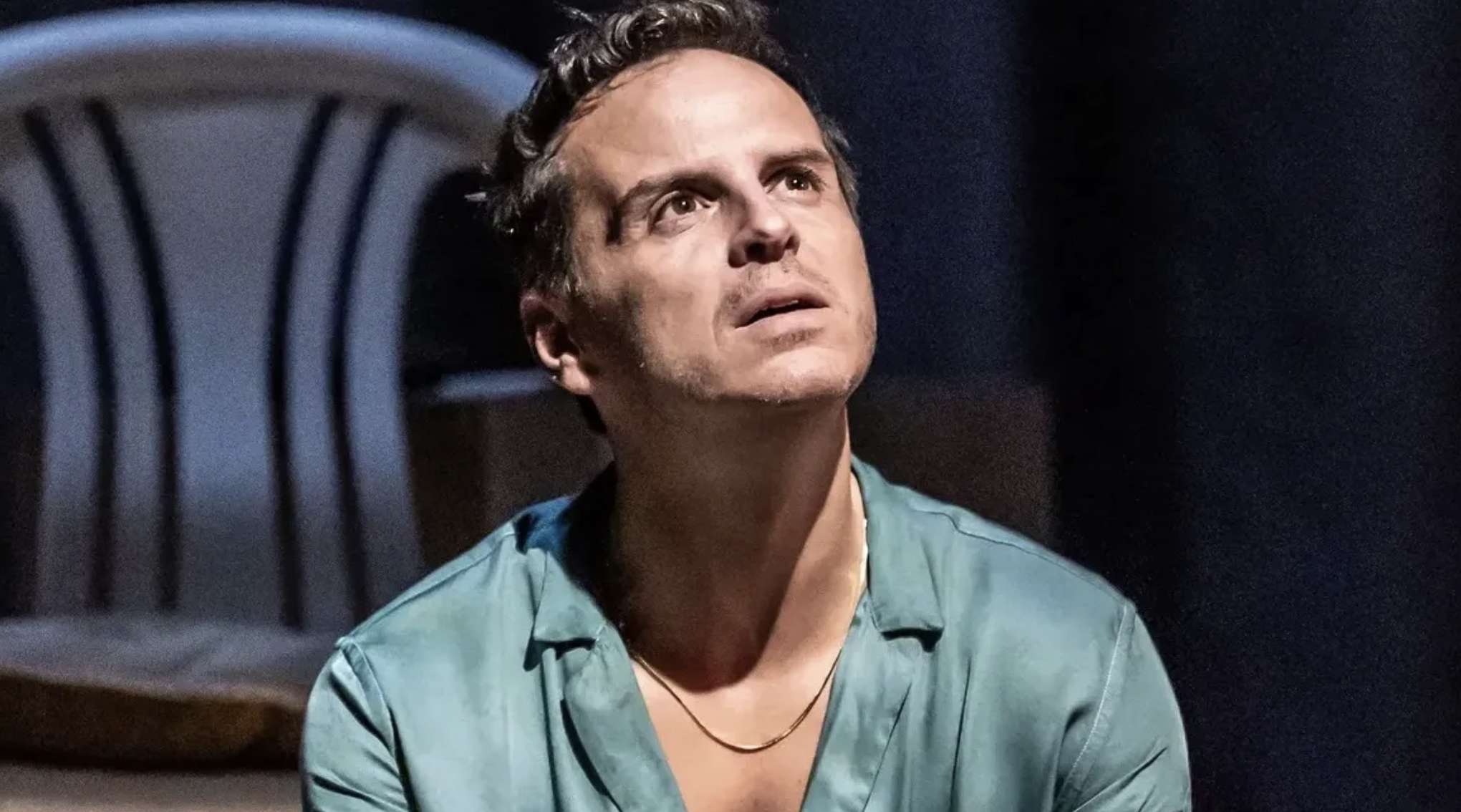
“Glides like gossamer through the cuts and thrusts of a family drama – even a scene where Scott is obliged to make love to himself unfolds like a dream…”

Dr Strangelove (National Theatre Live)
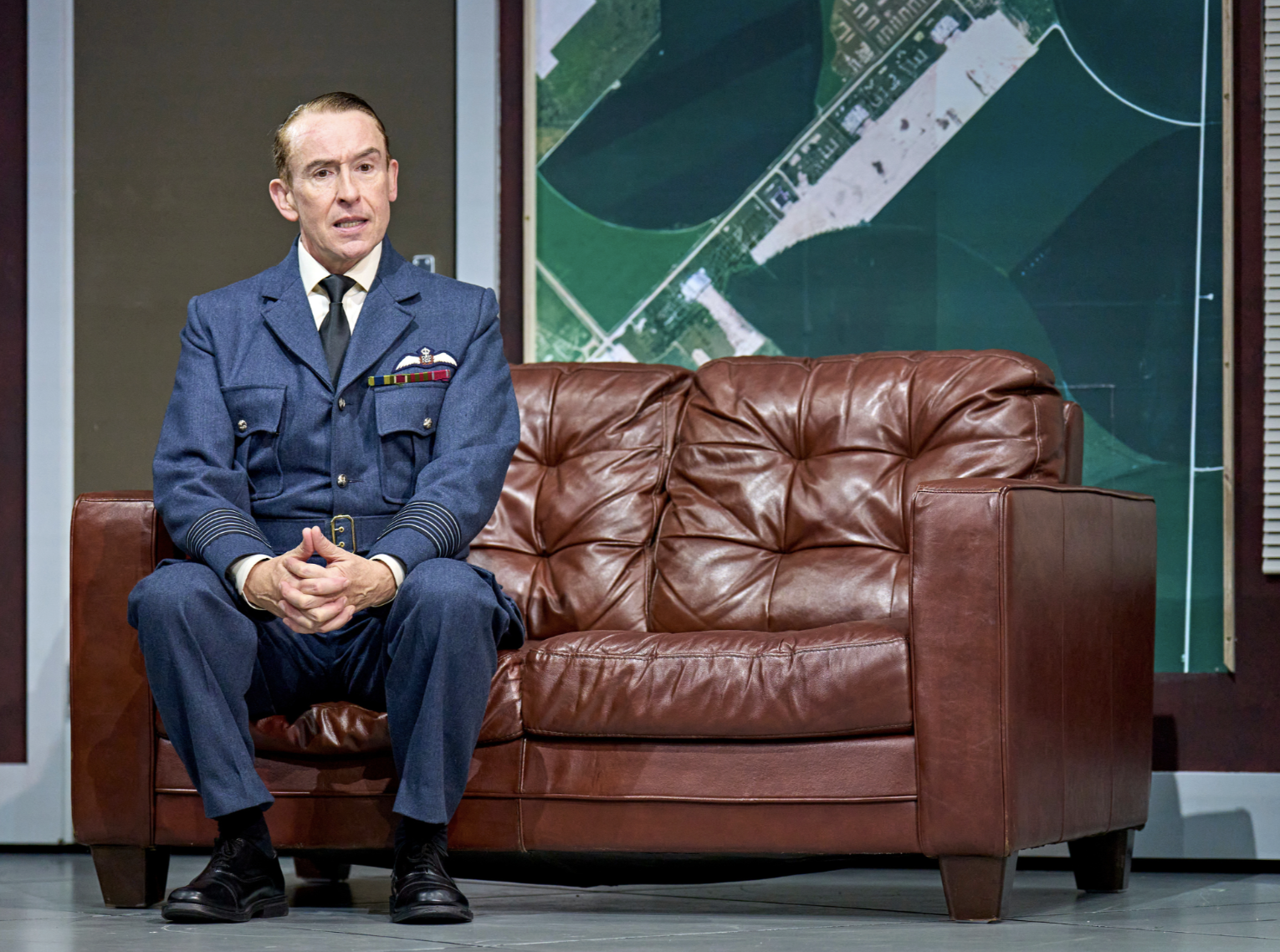
“This brilliantly-staged production is a weird hybrid – part play, part film – and at times astonishing in its sheer invention…”

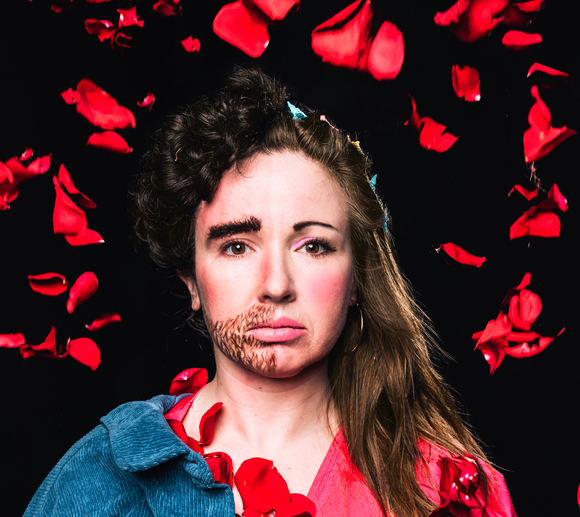
Wild Rose (Lyceum Theatre, Edinburgh)
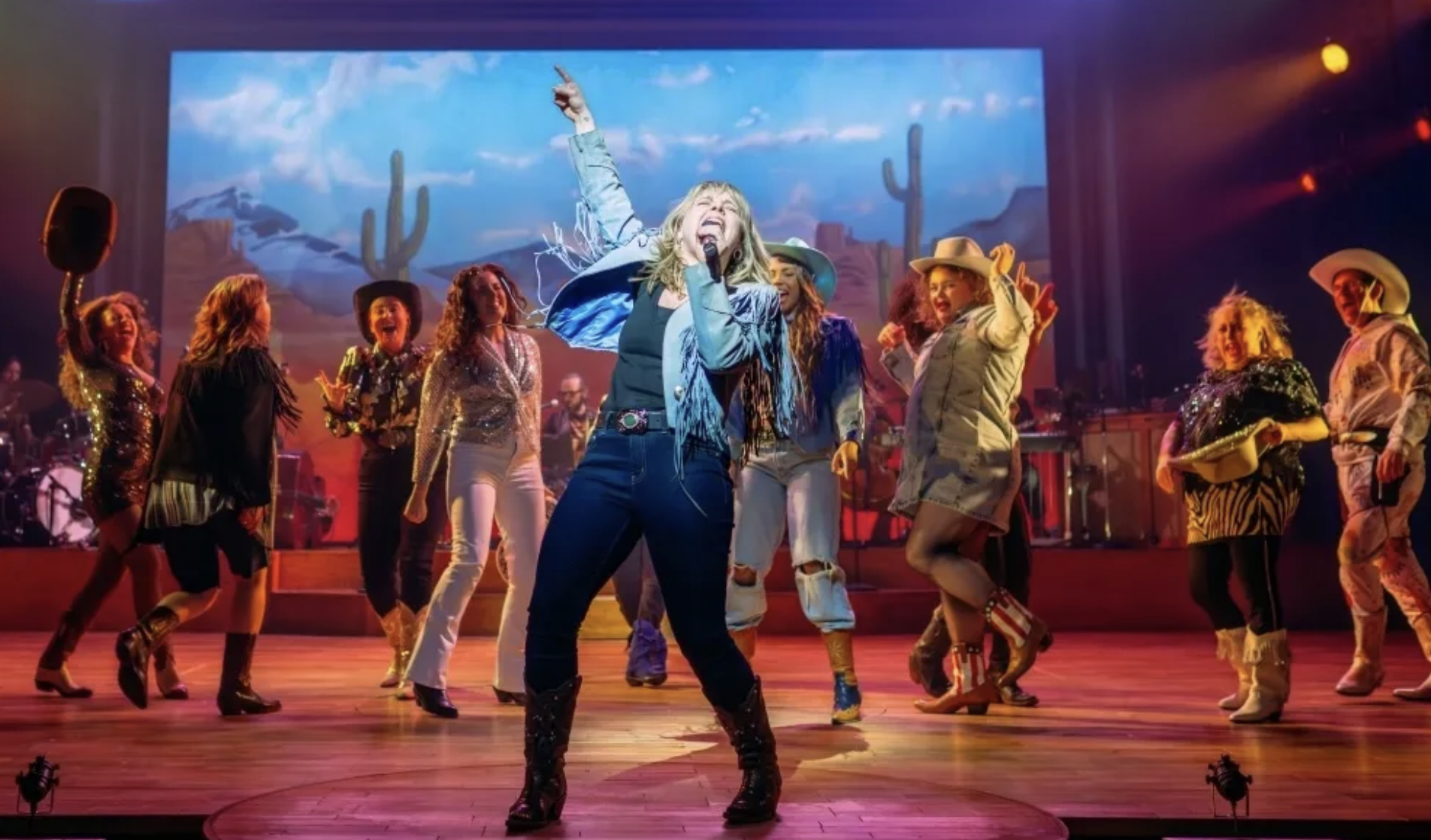
“A fabulously entertaining story about ambition and acceptance, anchored by a knockout performance from Dawn Sievewright…”

Chef (Traverse Theatre, Edinburgh)
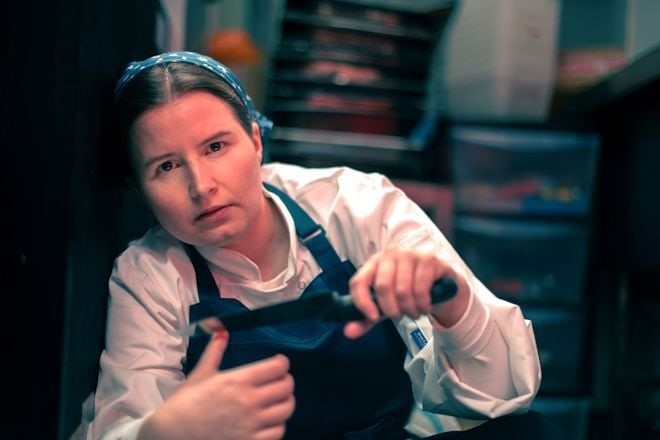
“Sabrina Mahfouz’s Chef is an extraordinary play, a monologue delivered in a lyrical, almost poetic flow of startling imagery…”

Lost Lear (Traverse Theatre, Edinburgh)
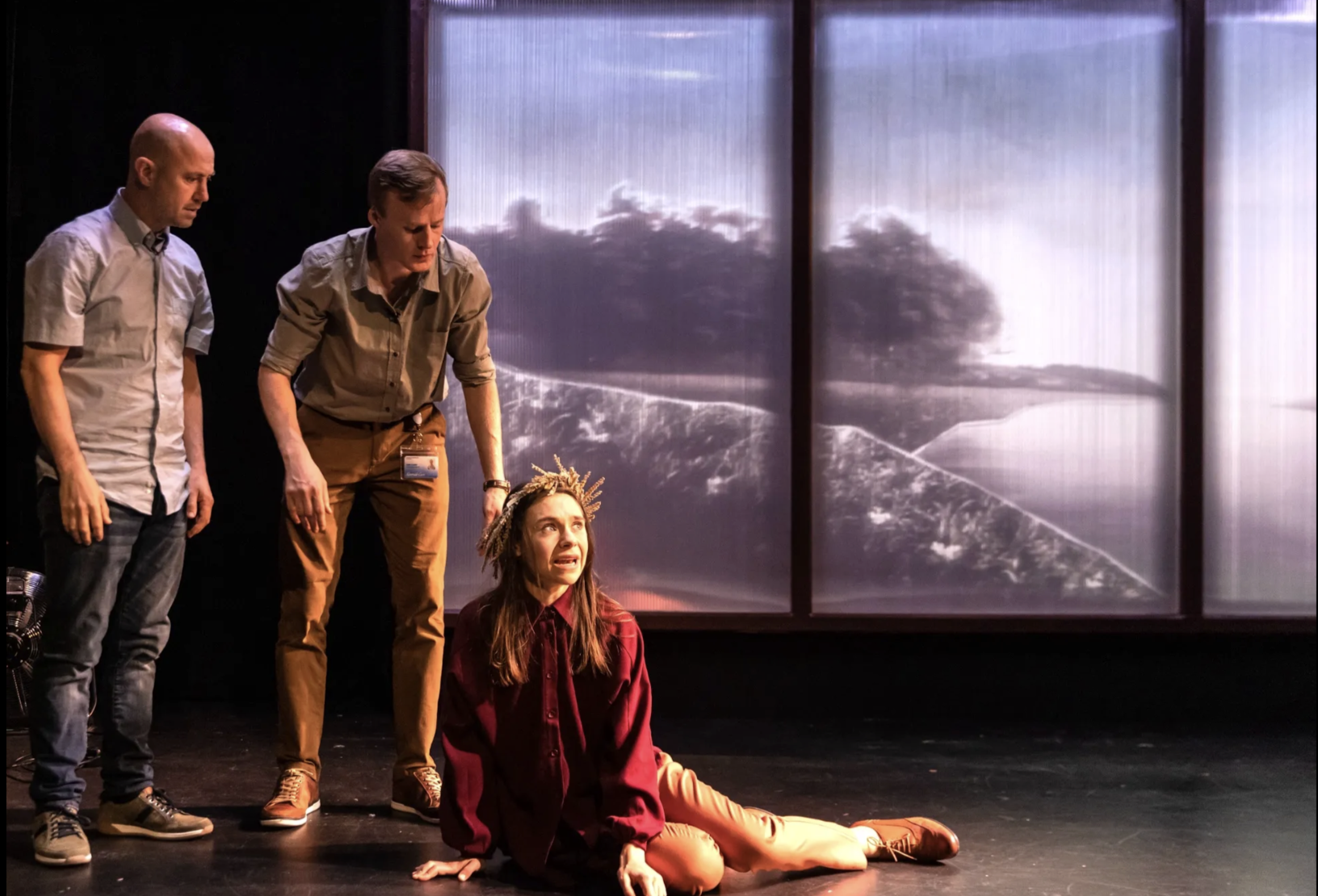
“Dan Colley’s beautifully-conceived script intertwines excerpts from Lear with moments in the here and now, gently but relentlessly uncovering the horrors of cognitive decline…

Alright Sunshine (Pleasance Dome, Edinburgh)
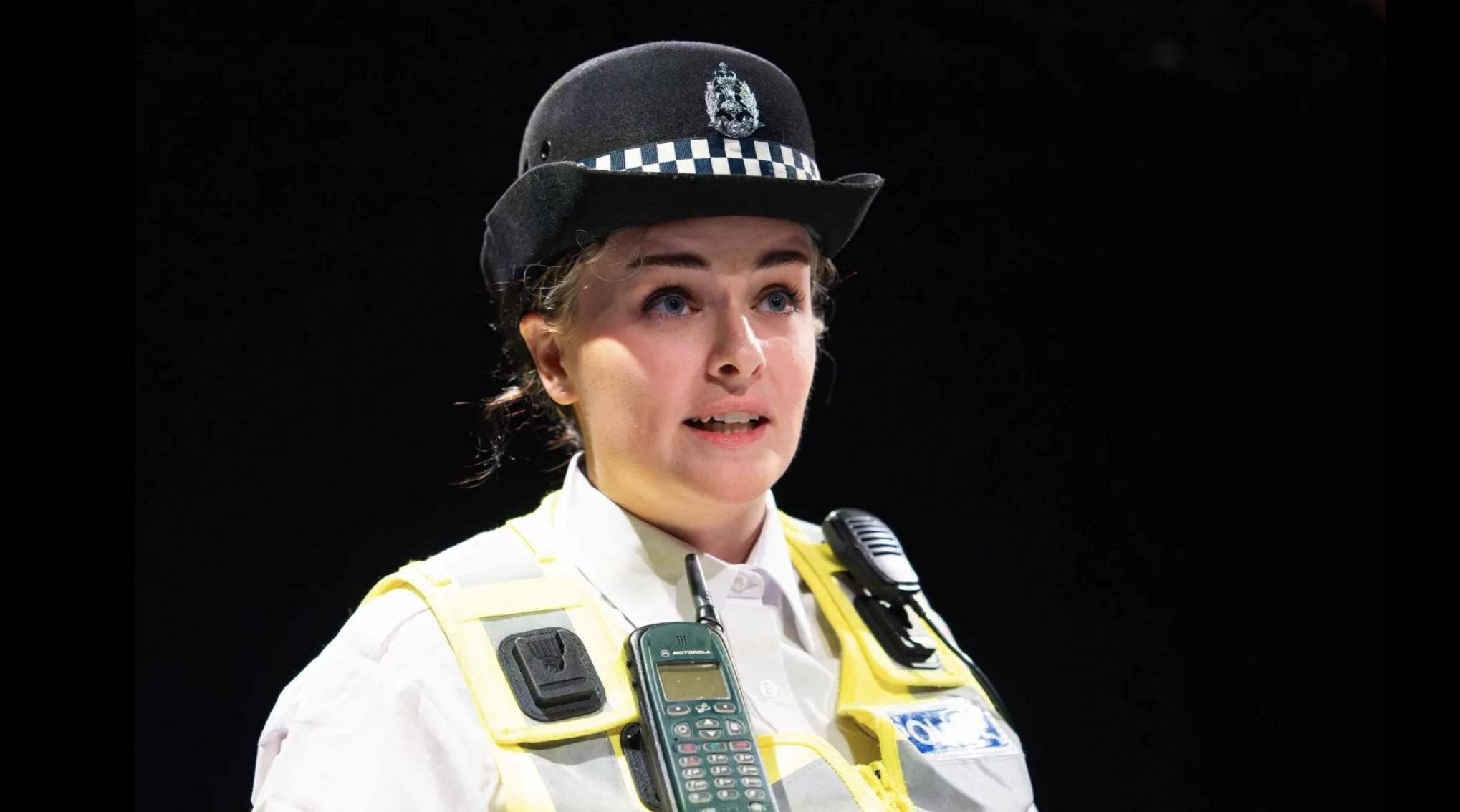
“Directed by Debbie Hannan, Cowan’s taut, almost poetic script is brought powerfully to life by Geddes’ mesmerising performance: a tour de force with real emotional heft…”

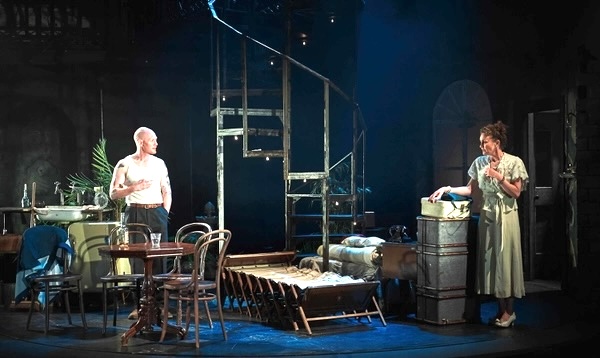
A Streetcar Named Desire (Lyceum Theatre, Edinburgh)
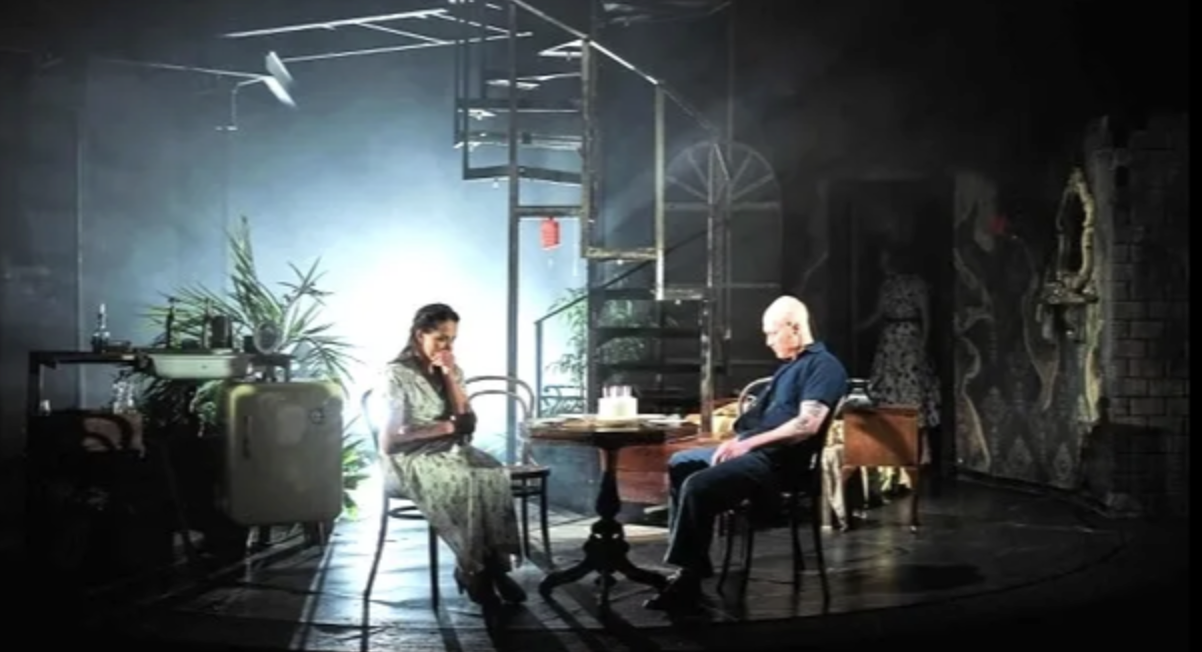
“Eschews the victim-blaming that so often blights interpretations of this play and turns up the heat on the sweaty, malevolent scenario, so that the play’s final half makes intense, disturbing viewing…”

Common Tongue (The Studio at Festival Theatre, Edinburgh)
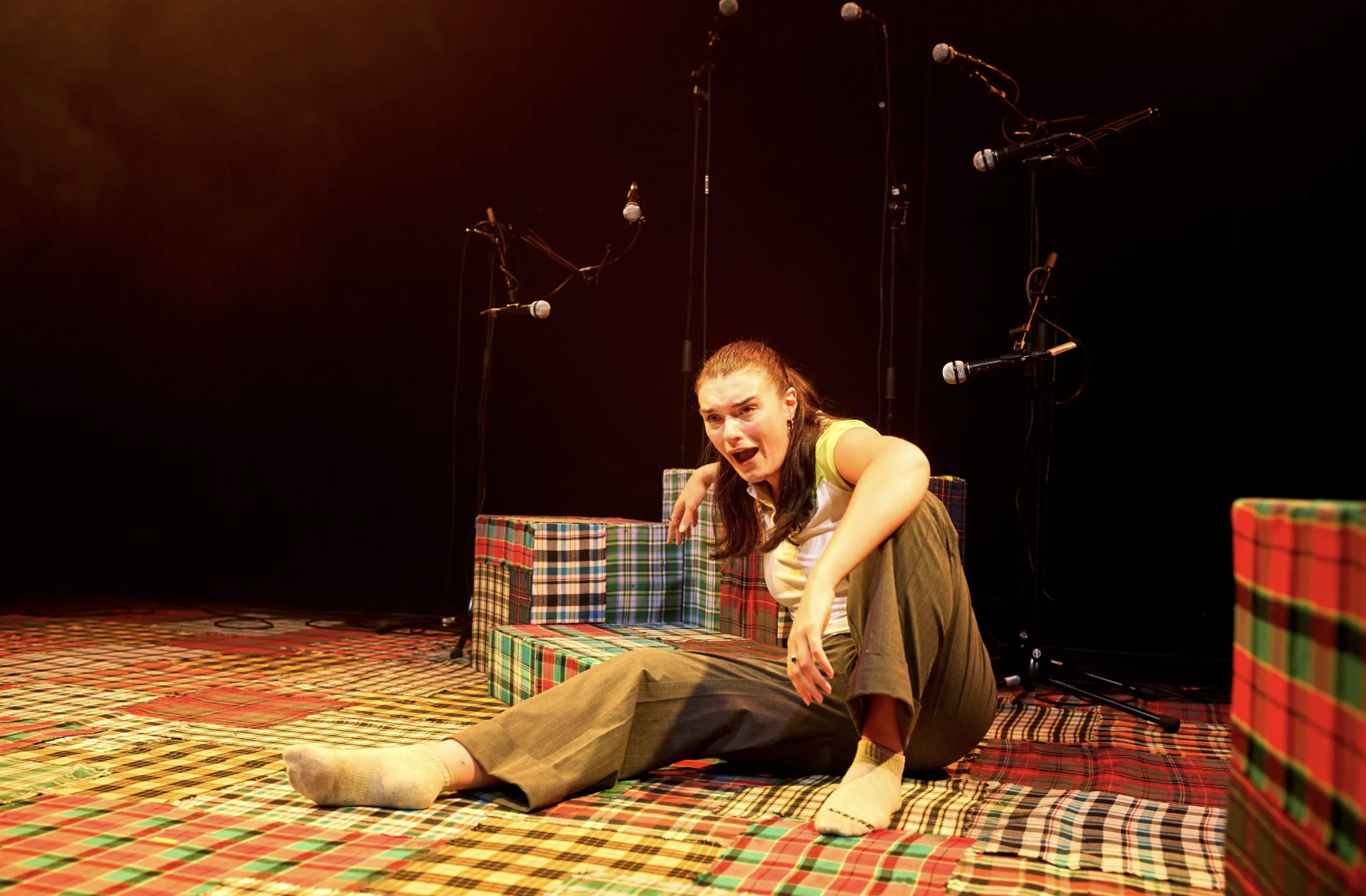
“A demanding monologue, Caw’s performance is flawless, at once profound and bitingly funny: the jokes delivered with all the timing and precision of a top comedian; the emotional journey intense and heartfelt…”

Little Women (Bedlam Theatre, Edinburgh)

“Watching events play out, I feel transported back into the cocoon of my childhood, curled up in bed reading about these faraway adolescents and their travails…”

The Seagull (Lyceum Theatre, Edinburgh)
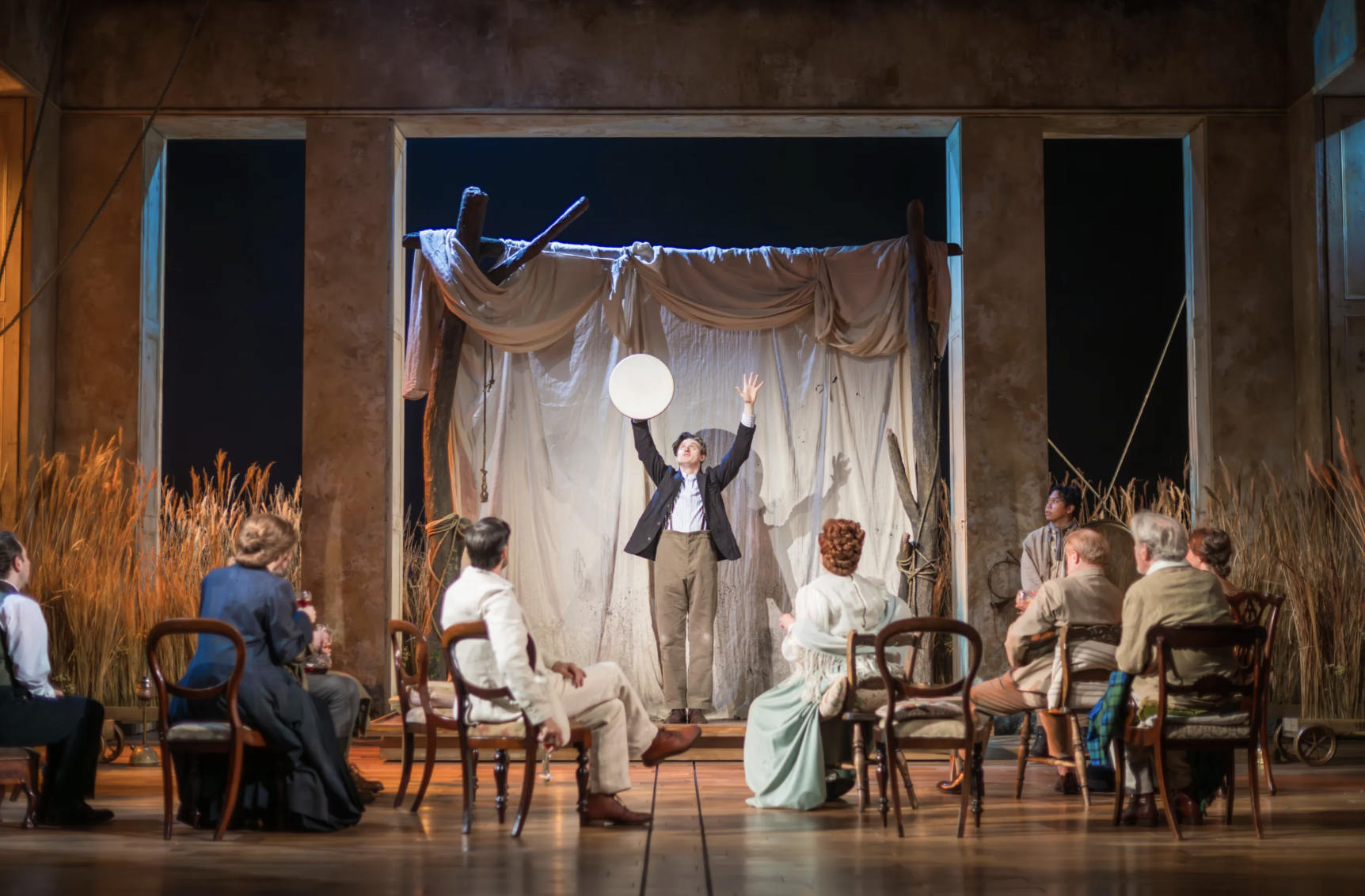
“There’s so much to enjoy here and not just Quentin’s perfectly-judged performance as the conceited, self-aggrandising Irina, intent on making every conversation all about her…”

Wallace (Traverse Theatre, Edinburgh)
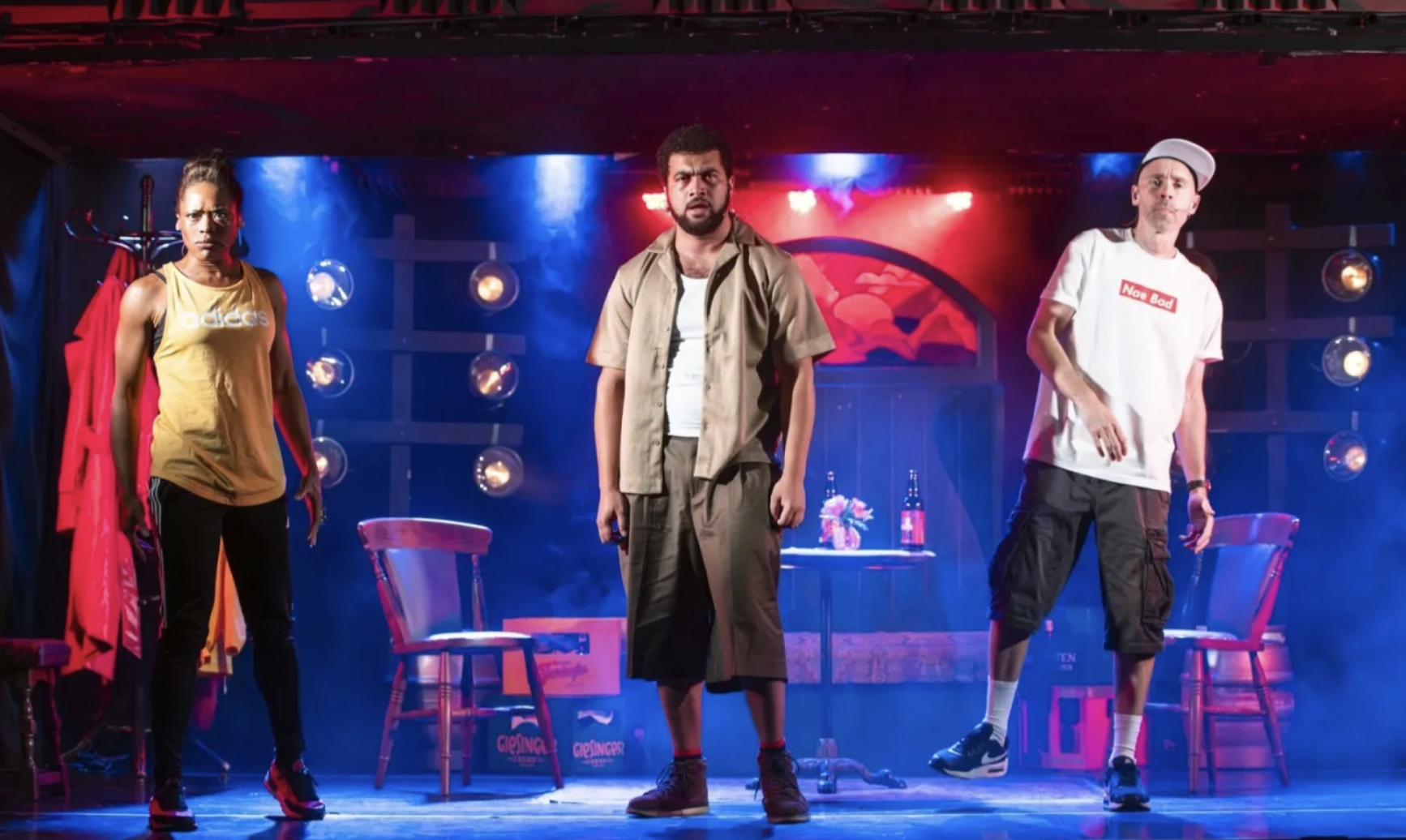
“Whip-smart, caustically funny and actually pretty informative (I come out knowing a lot more about the titular Scot than I previously did), Wallace snaps from song to song and from argument to argument like the proverbial tiger on vaseline…”

Inter Alia (National Theatre Live)
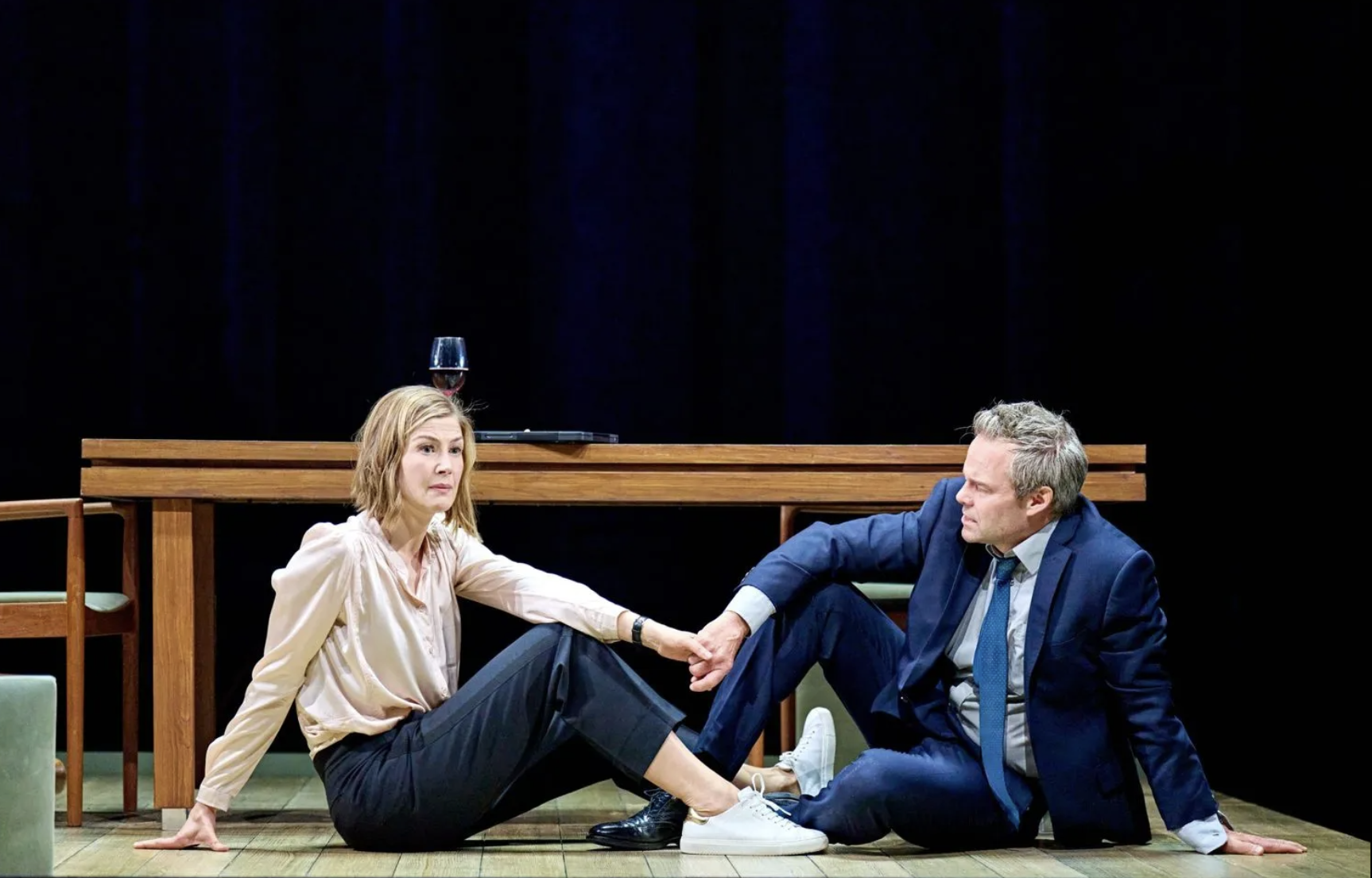
“Doesn’t offer any easy answers or let anyone off the hook, but expertly straddles the fine line between trying to understand assailants without diminishing their victims…”

Susan Singfield & Philip Caveney

The Mountaintop

04/06/25

The Royal Lyceum, Edinburgh

Katori Hall’s 2009 play bristles with prescience in this stirring revival, directed by Rikki Henry. We’re in Room 306 of the Lorraine Motel, Memphis, where a tired, sick Dr Martin Luther King Jr (Caleb Roberts) is planning on writing through the night. But, as the night in question is April 3 1968, we know this work will never make it to completion. Instead, assassination awaits.

The great man’s famous “I’ve been to the mountaintop” metaphor is gloriously realised in Hyemi Shin’s set design, the room balanced precariously on a slab of jutting rock protruding from the dark earth, offering little protection from the Biblical storm raging outside. There are climbing ropes too, tethering King to earthly reality even as they call for his ascension.

As ever, MLK is up against it. He’s in Memphis to promote his Poor People’s Campaign, and to support the striking Black sanitation workers. He’s a divisive figure: a hero to those he’s championing; a thorn in the side of the establishment. White supremacists hate him. How can he allow himself to rest when there is so much injustice to address? He calls the motel’s reception to ask for coffee, and salvation arrives in the form of housekeeping. It’s Camae (Shannon Hayes)’s first day on the job, and she’s beyond excited to meet her idol. Of course he can have one of her cigarettes.

In this fictional encounter between the real-life martyr and the made-up maid, Hall illuminates the flawed reality of King, who was, after all, a mere mortal, as prone to weakness as the rest of us. What set him apart wasn’t saintliness, it was conviction, purpose, determination – and the belief that he could be the change. As he laments the failures of his beloved America, the message comes across loud and clear, and is particularly important today: you don’t have to be special to make a difference. You just have to show up and fight.

Roberts and Hayes make an electric duo in this fierce two-hander, which lurches from realism to expressionism with thrilling momentum. Roberts imbues his warts-and-all depiction of MLK with so much warmth and charisma that we forgive him his trespasses. After all, if God (with whom he argues via the motel’s landline) can summon him to Heaven, who are we to argue with Her? Hayes makes for a perfect antagonist, her spirited Camae proving more than a match for the mighty King, challenging him both politically and personally. Issues of race and equity are illuminated rather than undermined by the humour that punctuates the couple’s verbal sparring, and Camae’s final monologue, accompanied by Lewis den Hertog’s black and white video design, is a stark reminder both of MLK’s legacy and of the battles yet to come.

4.5 stars

Susan Singfield

Theatre Bouquets 2024

It’s been an exciting year for theatre in Edinburgh, so in time-honoured tradition, here are our ten favourite productions from 2024, plus three special mentions.

The House (Traverse Theatre, Edinburgh)

“Everything about this performance – the lighting, the music, the props – is exquisite and I love the piece’s grisly sense of humour, its celebration of the darkness of the human soul…”

The Giant on the Bridge (Traverse Theatre, Edinburgh)

“A complex, labyrinthine piece that explores a whole range of different moods, moving from plaintive acoustic ballads to propulsive electric rock…”

Blue Beard (Lyceum Theatre, Edinburgh)

“All about the seductive allure of darkness, the impulse that makes us devour murder-mysteries and glamourise the bad guys…”

The Sound Inside (Traverse Theatre, Edinburgh)

“Adam Rapp’s exquisite play has all the qualities of a great novel, pulling me deeper and deeper into its labyrinthine heart, providing the audience with puzzles to solve and mysteries to ponder…”

VL (Roundabout at Summerhall, Edinburgh)

” A whip-smart comedy that also has some incisive things to say about the difficulties of adolescence and the importance of friendship…”

Summer of Harold (Assembly Checkpoint, Edinburgh)

“An hour-and-a-half of impressive theatre, with snort-out-loud humour as well as profound emotional moments…”

The State of Grace (Assembly Rooms, Edinburgh)

“Whenever I thinkI’ve got the measure of the piece, it twists in another new direction, giving fresh food for thought, breaking down the barriers that I’ve carried around in my head for years…”

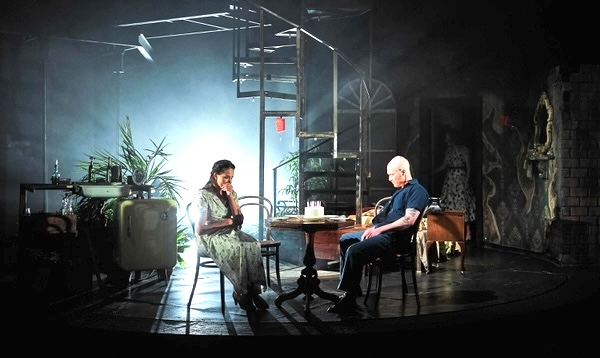
A Streetcar Named Desire (Lyceum Theatre, Edinburgh)

“Increasingly resembles a deranged carousel with the players caught in its unhealthy embrace, unable to get off the ride until it arrives at its ghastly destination…”

Angels in America: Part One – The Millennium Approaches (Bedlam Theatre, Edinburgh)

“It’s astounding what EUTC manage to achieve with their limited budget: the final scene in particular is a coup de théâtre…”

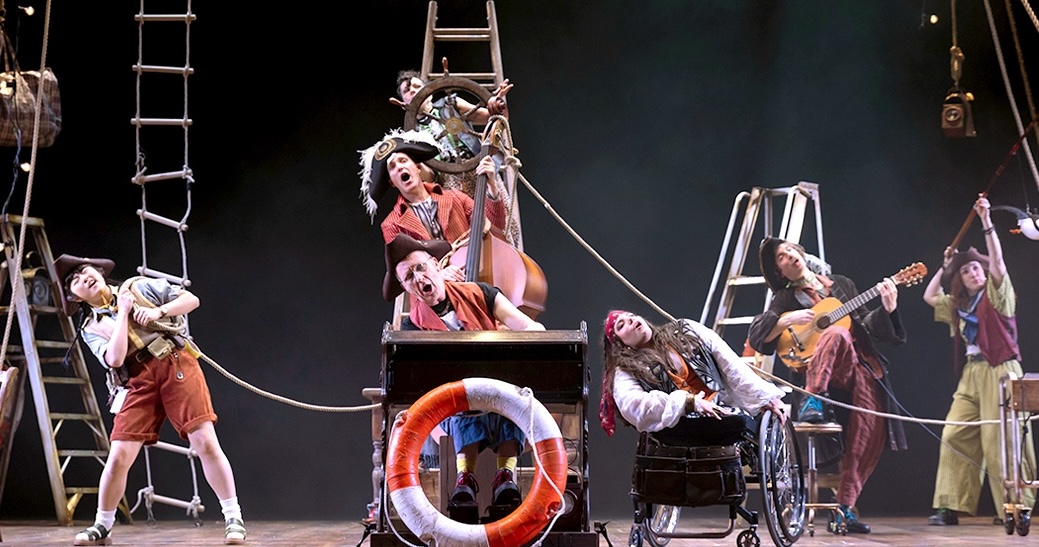
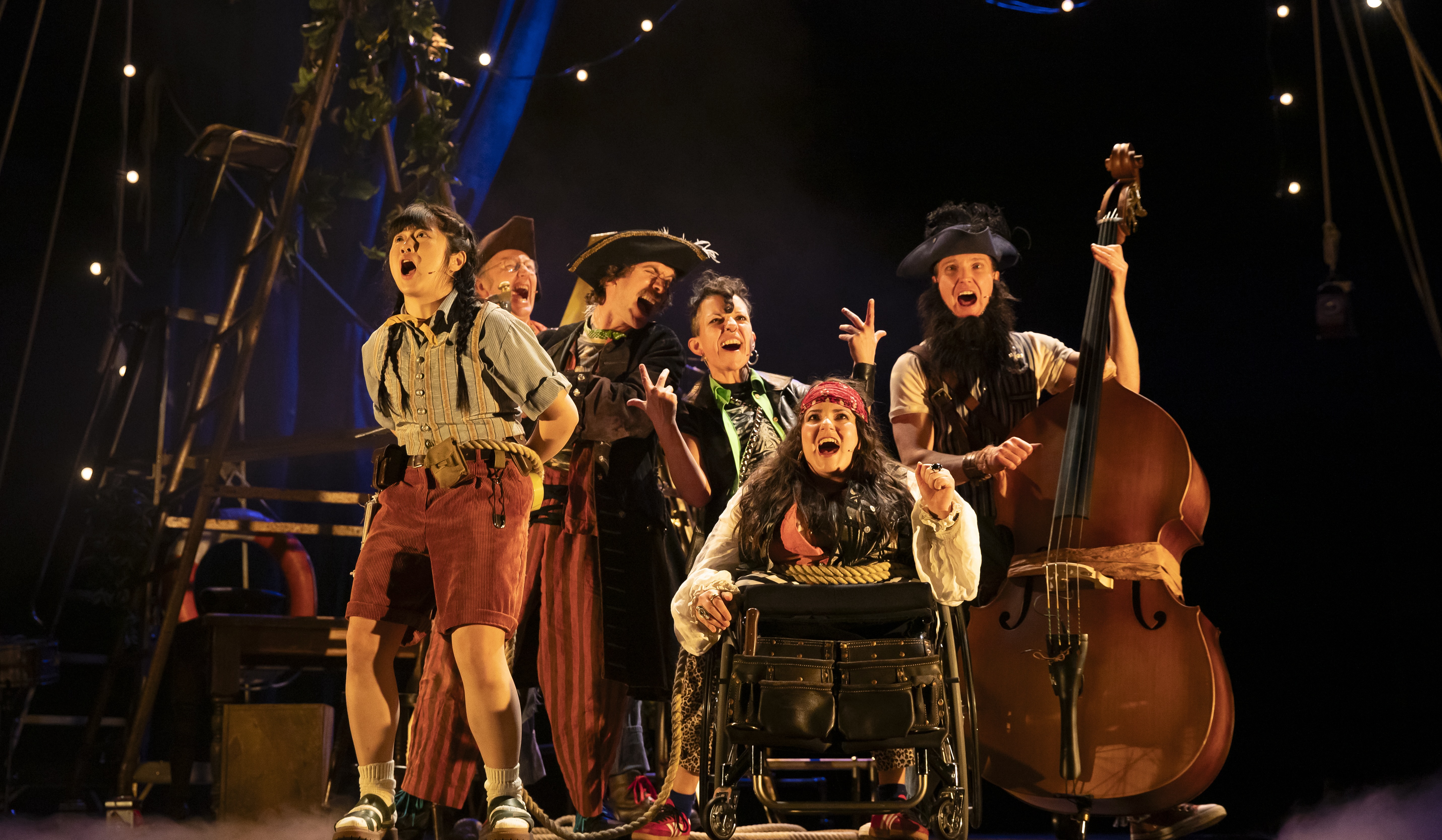
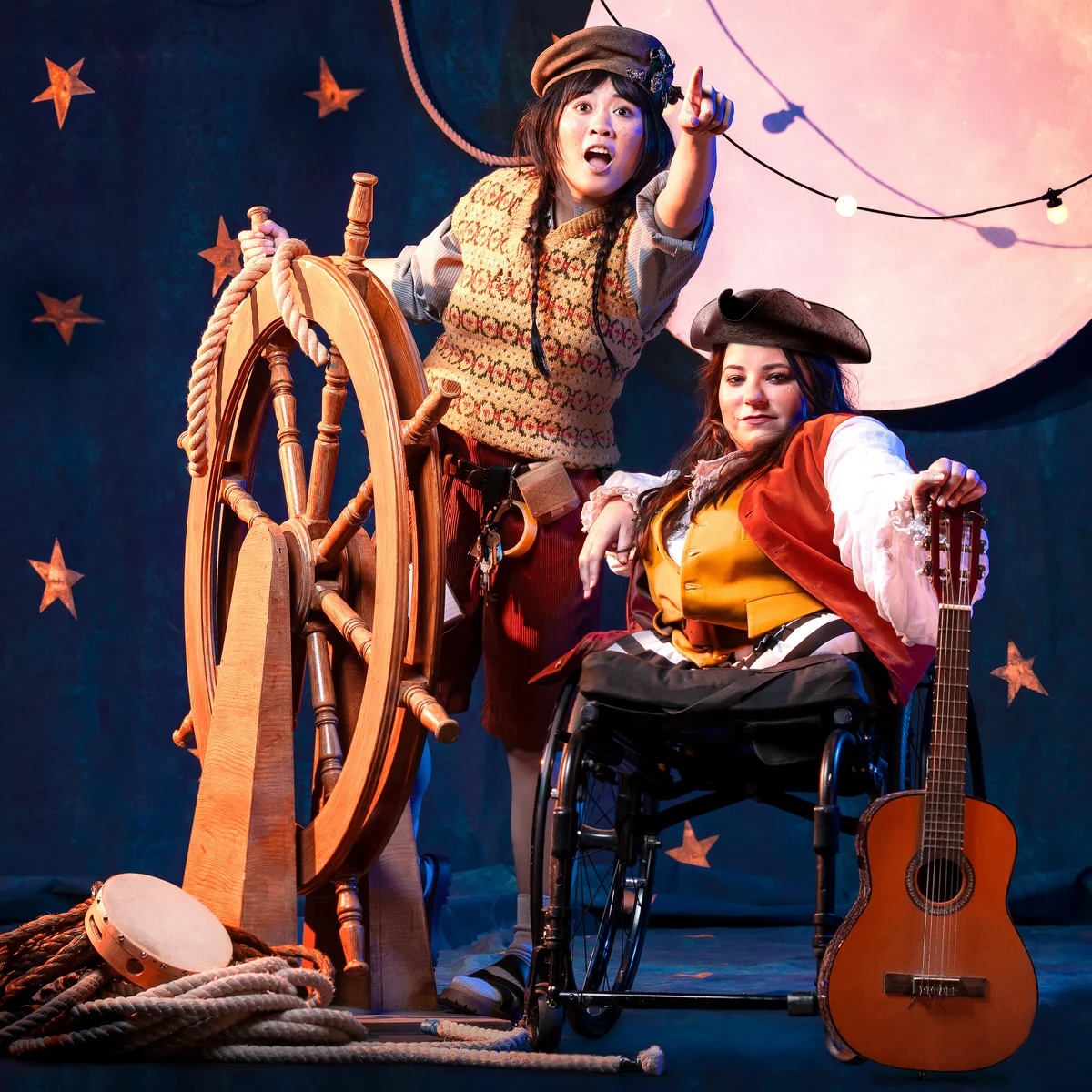
Treasure Island (Lyceum Theatre, Edinburgh)

“A must-see for the festive season – you’ll laugh, you’ll tremble, you’ll tap your feet to the jaunty jigs and reels!’

SPECIAL MENTIONS

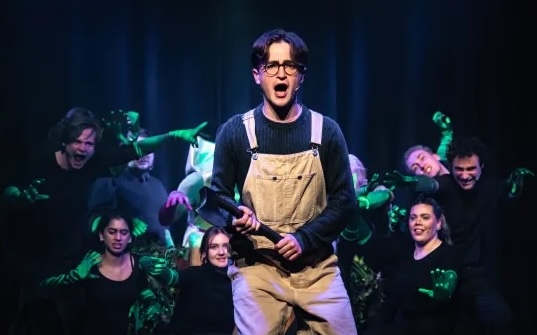
The Little Shop of Horrors (Church Hill Theatre, Edinburgh)

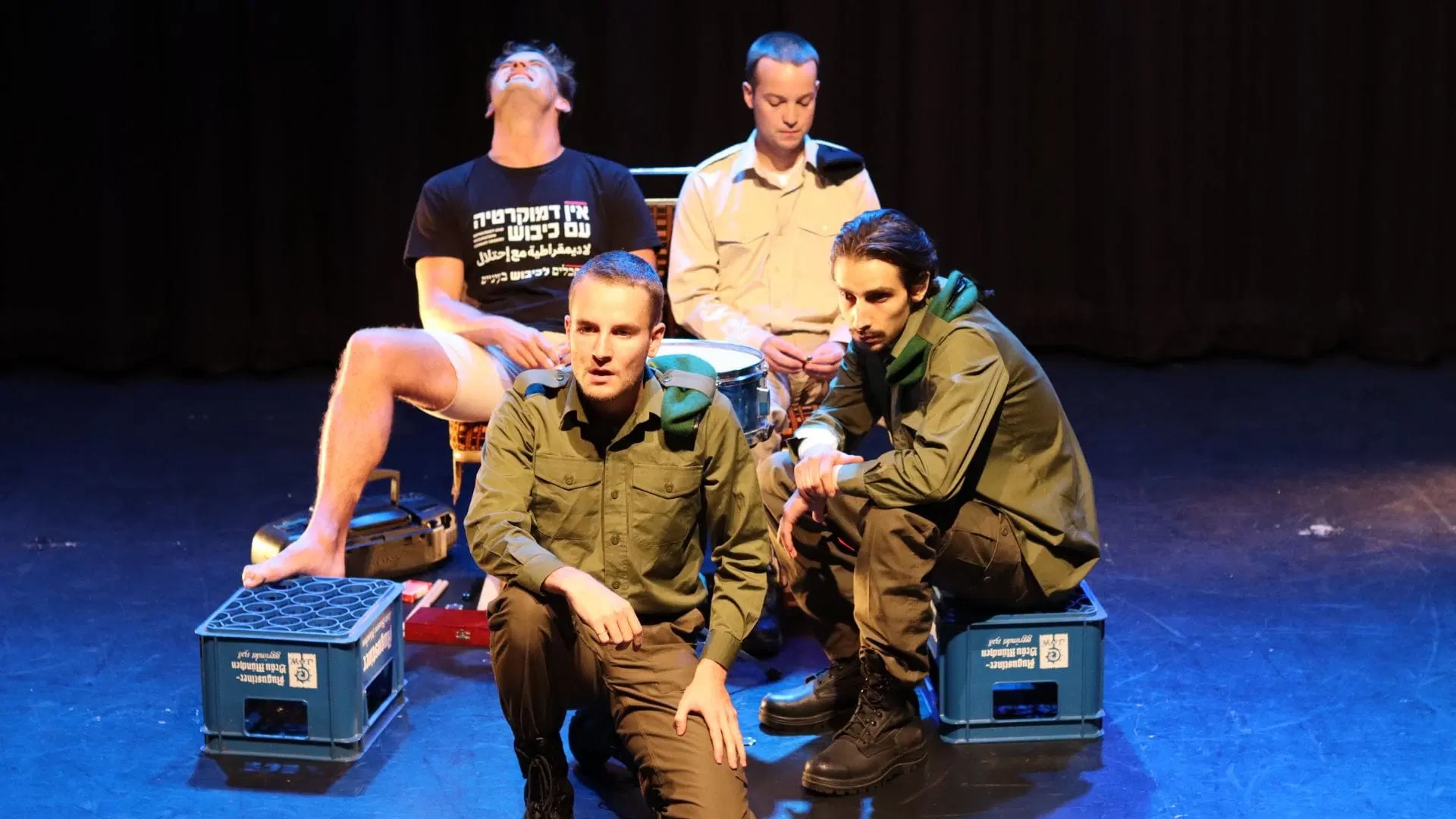
Rebels and Patriots (Pleasance Courtyard, Edinburgh)

Weer (Traverse Theatre, Edinburgh)

Susan Singfield & Philip Caveney
Treasure Island

29/11/24

Lyceum Theatre, Edinburgh

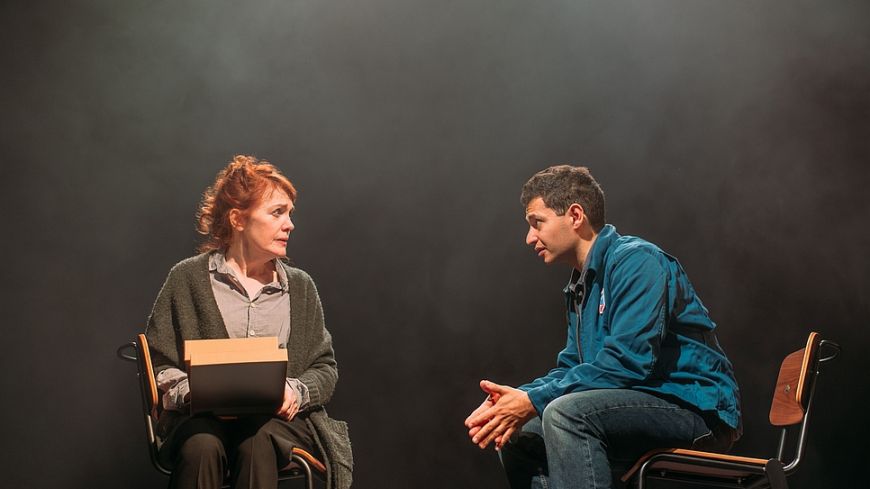
A satisfying Christmas show can be a decidedly tricky thing to pull off. If Robert Louis Stevenson’s Treasure Island initially seems an unlikely vehicle for such a venture, my qualms are short-lived. Duncan McLean’s sprightly adaptation of the classic tale is perfectly pitched for family entertainment. It sticks surprisingly close to the original plot, but throws in enough delightful twists to make me forget that I’ve heard this story so many times before.

The tale begins in the Admiral Benbow Home for Reformed Pirates. It’s coming on Christmas and young Jim Hawkins (Jade Chan) is attempting to keep the unruly residents (a pack of former cut-throats) suitably entertained with a story. But it turns out that ex-buccaneers take a dim view of books about macrame and bird-spotting, so Jim reluctantly offers to recount the events that brought them all together in the first place. It helps that the pirates have plenty of talents they can bring to bear in the telling, not least the fact that they can all sing, dance and bash out tunes on a variety of musical instruments.

The story begins in time-honoured fashion with the arrival of Billy Bones (Itxaxo Moreno) at the Admiral Benbow and, of course, the delivery of the dreaded Black Spot – and it isn’t long before Jim has possession of the fabled treasure map. He enlists the help of The Laird of Leith (a delightfully silly performance by TJ Holmes), who owns a ship called The Hispaniola. The Laird engages the services of a pie-maker called Lean Jean Silver (Amy Conachan), who has a pet puffin (expertly operated by Dylan Read). But Lean Jean may not be as benign as she appears…

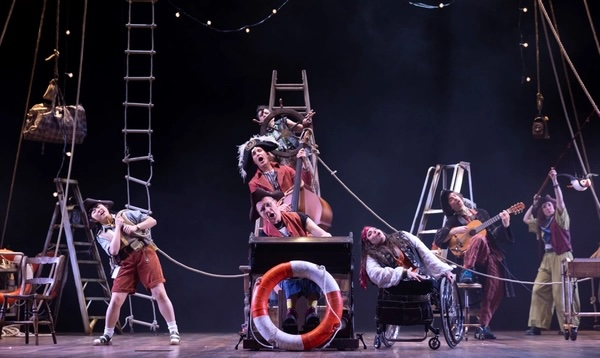
The main changes to the story are geographical. McLean is based in the Orkney Islands so, in this version of the story, the Hispaniola heads North, towards colder waters. Alex Berry’s effective set design manages to somehow encapsulate the look and feel of an old sailing ship using not much more than ropes, rigging and strategically-placed stepladders, while everyday objects are pressed into service to become boats and aquatic creatures. Director Wils Wilson expertly deploys the small cast, sending them racing and capering over every inch of the Lyceum’s spacious stage, assisted by piratical-looking stage hands. At times, it feels like there’s a much bigger crew at work.

There are sword fights and chases, thrills and spills aplenty, and Tim Dalling (who also plays an engaging Ben Gunn) has written a selection of charming songs to accompany the action, ranging from plaintive ballads to raunchy rock-and-roll.

If only he had a singalong Christmas ditty up his sleeve, something to send every audience homewards singing the chorus. Oh wait, it turns out he has.

Treasure Island is a must-see for the festive season – you’ll laugh, you’ll tremble, you’ll tap your feet to the jaunty jigs and reels – and even the youngest members of the family will find themselves riveted. So step right this way, ye scurvy dogs – and have a merry puffin Christmas!

4.6 stars

Philip Caveney

A Streetcar Named Desire

26/10/24

Lyceum Theatre, Edinburgh

It’s sometimes hard to believe that Tennessee Williams’ A Street Car Named Desire was first performed in 1947. This powerful mixture of one man’s toxic masculinity overpowering a woman’s fragile mental condition feels somehow utterly contemporary in its telling, and this perfectly-pitched adaptation by Pitlochry Festival Theatre is compelling in every scene.

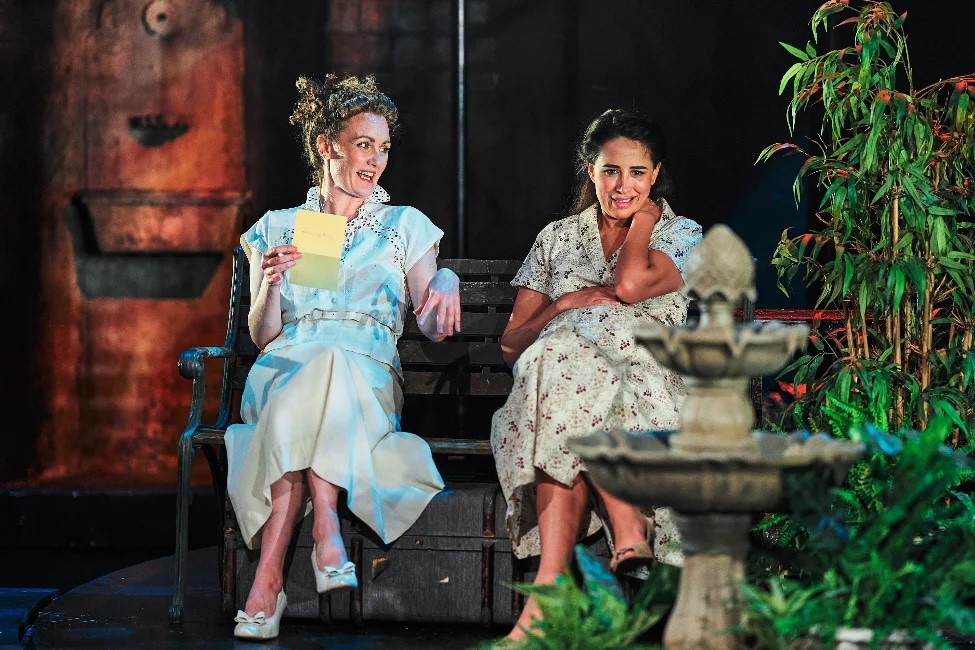
Stella (Nalini Chetty) and Stanley Kowalski (Matthew Trevannion) live in a cramped, two-room apartment in the French Quarter of New Orleans. Stella is pregnant and she’s understandably taken aback when her older sister, high school teacher Blanche DuBois (Kirsty Stuart), arrives unexpectedly, lugging a massive trunk and lacking the necessary funds to pay for a hotel room. Blanche announces that, after the death of their mother, the family plantation, Belle Reve, has been ‘lost to creditors,’ and Blanche has nowhere else to turn.

Stanley is immediately suspicious about Blanche’s rambling explanation for her presence, particularly when he hears about the loss of the DuBois family property, which he has always believed he is owed a share of. When Blanche begins a tentative romance with his card-playing buddy, Mitch (Keith Macpherson), he determines to do a little snooping…

Stuart is superb in the role of Blanche, nailing the woman’s ever-shifting moods with consummate skill, one moment critical and demanding, the next coquettish and playful. Sound designer Pippa Murphy adds to her disturbed moods by overlaying scratchy soundscapes as Blanche is haunted by something terrible that happened in her youth. As the loathsome Stanley, Trevannion has a field day, strutting and bellowing around the cramped environment like a rooster, asserting his dominance over everyone who has the bad fortune to come into pecking distance. Chetty, meanwhile, navigates the turbulent waters between Blanche and Stanley, seemingly unable (and unwilling) to resist her husband’s rapacious demands. No matter how many times he attacks her, she always goes back for more.

Designer Emily James has chosen to situate the Kowalski apartment on a huge turntable and this is a masterstroke. As it rumbles around, presenting different views of both the interior and exterior of the apartment, it increasingly resembles a deranged carousel with the players caught in its unhealthy embrace, unable to get off the ride until it arrives at its ghastly destination. Director Elizabeth Newman eschews the victim-blaming that so often blights interpretations of this play and turns up the heat on the sweaty, malevolent scenario, so that the play’s final half makes intense, disturbing viewing. Those who are triggered by scenes of sexual violence should be warned that there are some challenging moments here, but for me, it’s like passing a car wreck on the motorway – I cannot tear my gaze away.

If you’re thinking, ‘Well, I’ve seen this play before,’ perhaps you should think again. This is a mesmerising slice of theatre, that feels as important now as it ever did.

5 stars

Philip Caveney

The Baddies

09/10/24

Lyceum Theatre, Edinburgh

The Baddies, David Greig and Jackie Crichton’s theatrical adaptation of Julia Donaldson and Axel Scheffler’s 2022 book, is well-pitched for its target audience of 3+. This morning’s audience is almost all made up of school trips, with rows of squirming, excited P1s and 2s eating snacks and being cajoled out of their jackets while waiting for the show to begin. The colourful set – designed by Jasmine Swan – intrigues them. Indeed, there’s one little girl in the front row who can’t seem to help getting out of her seat and walking towards the stage, drawn like the proverbial moth to the flame. Every time her teacher asks her to sit down, she does so – but she’s up again a moment later, eyes wide, mouth open.

But as soon as the show begins, she returns to her seat and watches, enthralled. And her reaction is a more important review of this production than anything I can write. Her classmates enjoy it too. The noise level in the auditorium bears testimony to the musical’s success: there are hundreds of young children here, clapping enthusiastically for the songs, waving their hands and shouting when required – but much quieter than the on-stage mice as the story carries them along.

A framing sequence introduces us to Mamma Mouse (Lottie Mae O’Kill), who wants to teach her three bad-mannered children (Dyfrig Morris, James Stirling and Rachel Bird) to say thank you, sorry and please, but it doesn’t go well. They’re more interested in having fun. To calm them down, she decides to tell them a bedtime story about a spotted handkerchief, and then we’re off, as they transform into the titular Baddies: Troll (Morris), Ghost (Stirling) and Witch (Bird). “We’re the very worst baddies,” they sing in the show’s catchiest number (courtesy of Joe Stilgoe) – but there’s a problem. They’re not. They’re rubbish at being bad. They can’t even scare the new young shepherdess The Girl (Yuki Sutton), who’s out in the mountains on her own for the very first time.

As an adult, I have to say that the story doesn’t do a lot for me. There’s not much of a narrative arc. I’d like the manners referenced in the opening sequence to have more bearing on the subsequent narrative. I’d also like Mamma Mouse to refrain from waving around her dirty hanky after exhorting the little mice to sneeze into it to catch the germs. But these are grown-up concerns and, as we’ve established, I’m not the target audience.

Stilgoe’s songs are light and catchy, but most of them are perhaps not sing-along-able enough for little children. I like Katie Beard’s direction: the slapstick is especially nicely done, with lots of silly near misses and amusing sound effects. O’Kill seems to be channelling Mary Poppins – and this works well for the piece, lending her a convincing authority over the proceedings, so that when she assures the audience in advance that, although there are some scary moments in the story, nothing bad happens and there’s a happy ending on its way, it’s clear that the children trust her and so relax into the tale.

But, for me – as for the little front row girl – it’s Swan’s design that steals the show. The set is a glorious riot of hidden delights, like a giant Polly Pocket, the mountainside opening up to reveal a fairytale cottage, while the costumes – although different from the book’s illustrations – seem somehow iconic. I can imagine them as popular Hallowe’en outfits.

The Baddies leaves Edinburgh on the 20th October for an extensive nationwide tour. If you’re a parent or a teacher and you have wee ones you want to treat, an hour in the company of this not-so-dastardly trio is pretty sure to please them.

4 stars

Susan Singfield

Shirley Valentine

13/06/24

Lyceum Theatre, Edinburgh

In Edinburgh, the weather is dreich, the rain falling endlessly from grey skies – but in the welcoming environs of the Lyceum Theatre, the sun blazes down onto fine white sand and shimmering Mediterranean waters. It’s here that Shirley Valentine has just experienced a personal revelation. The clitoris really does exist! Who knew?

Willy Russell’s celebrated play gets a welcome revival in this delightful production from Pitlochry Festival Theatre. Many will be familiar with the 1989 film adaptation starring Pauline Collins, where the story is opened out to include the various other characters whom Shirley describes in such hilarious detail, but here it’s presented in its original form – a funny, acerbic monologue in three acts.

We first encounter Shirley (Sally Reid) as she prepares a dinner of “chips ‘n’ egg” for her husband, Joe, and considers the best way to inform him that she has fed the mince he’s expecting to a vegan dog. Meanwhile, she chats to her oldest friend, the wall. In the second act, she’s anxiously preparing to head off on the Greek holiday she has also neglected to tell Joe about.

And, in the final act, she’s there: on an idyllic island, getting to know boat owner, Costas, and coming to terms with a newly-discovered sense of personal freedom.

Of course, the play stands or falls on the strength of its performer and Sally Reid does a fabulous job here, encapsulating Shirley’s strengths and weaknesses, her ability to move from mocking good humour to tragedy in the blink of an eye, the beat of a heart. She also manages to nail a Scouse accent while convincingly frying eggs. No easy matter. And Russell manages that rare thing, a male playwright effortlessly capturing a female personality with what feels like absolute clarity, managing to find the humour in her weary worldview without ever making his subject feel like a caricature.

Emily James’ set design mirrors the play beautifully. Shirley’s Liverpool home is solid and brutally realistic, the walls constricting her. The Greek beach, however, comprises sequinned blocks, all shimmery and dreamlike – a mirrorball of possibilities. Director Elizabeth Newman keeps everything nicely nuanced throughout. I’ve seen other productions of the play that amp up the laughs until the bittersweet charm of it is all but swamped, but here is comes through loud and clear. Those looking for the perfect alternative to a disappointing summer need look no further than the stage of the Lyceum, where Shirley Valentine offers a warm and vibrant alternative.

4.6 stars

Philip Caveney
This is Memorial Device

05/04/24

Traverse Theatre, Edinburgh

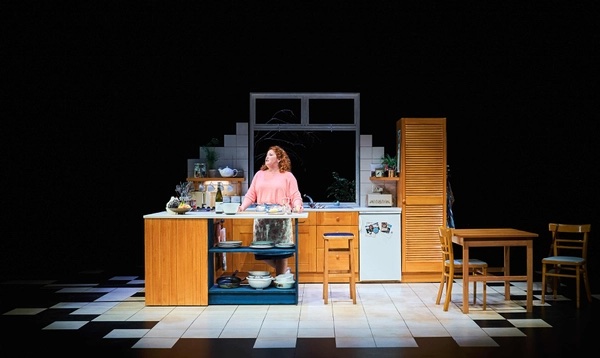
A band does not become a cult all on its own – it takes devoted followers to propel it into those glorious realms, and music critic Ross Raymond (Paul Higgins) is one such follower. We’ve been summoned to a cluttered storage room in Airdrie, wherein he has assembled all the mementos of his youth, the time when he fell head over heels in love with the titular band, the greatest musicians you’ve never heard of. And he so desperately wants to spread the love, to show us exactly why they are legendary, it’s almost embarrassing.

This is Memorial Device, produced in association with The Lyceum Theatre and the Edinburgh International Book Festival, is based upon the acclaimed novel by David Keenan. Graham Eatough’s adaptation is essentially a monologue, though it’s augmented by filmed contributions from four other actors – Julie Wilson Nimmo, Mary Gapinski, Sanjeev Kohli and Gabriel Quigley – all of whom have their own respective ‘memories’ to share. And there are, of course, the four showroom dummies, who stand in for the members of the band, lovingly assembled by Raymond as the story unfolds.

He proudly shows us the various bits and pieces he has curated over the years – the scrapbooks, the vinyls, the cassettes and the T-shirts, the various scribblings and doodles in which he perceives some kind of hidden meaning. His fervour is evident, his wild-eyed enthusiasm utterly compelling as he darts back and forth across the stage, attempting to demonstrate the qualities that first drew him in to the band’s orbit, that first made him want to give them his allegiance.

Higgins submits an extraordinary performance and there’s enough detail here to convince us that this band actually existed. The music by Stephen Pastel and Gavin Thomson completes the illusion and the production hits a fevered peak as Raymond attempts to lead us in a chant hidden within the music that (sadly) only he can hear. If you’ve ever fallen for the charms of an obscure rock band, purchased all their music and followed them from gig to gig with their name proudly emblazoned on a T-shirt, then you’ll identify with what’s happening here.

A hit at this year’s Fringe, This is Memorial Device is back for a short run at The Traverse. If, like us, you missed it, here’s your chance to rectify the situation and become a believer.

4 stars

Philip Caveney

Blue Beard

15/03/24

Royal Lyceum Theatre, Edinburgh

I’m a massive fan of writer/director Emma Rice – and also of fairytales. I even wrote my own version of Blue Beard some years ago, a short story currently languishing in the proverbial drawer where unpublished fiction goes to die. So, co-produced by Wise Children, Birmingham Rep, HOME Manchester, York Theatre Royal, and – of course – Edinburgh’s Royal Lyceum, this adaptation promises to be a delight. It doesn’t disappoint.

We all know the story. Blue Beard is a charming villain: rich, handsome and very popular. Sure, he’s had more wives than Henry VIII, but he doesn’t pretend to be a saint, and it’s no surprise when a naïve young woman agrees to marry him. The surprise comes later, when he gives his new bride a key but prohibits her from using it, placing a temptation in her way that he knows she can’t resist. When, inevitably, she opens the forbidden door, she finds the dismembered corpses of his previous wives and understands immediately that she is next. Luckily, she has brothers, and they come riding to the rescue. And then – spoiler alert! – she lives happily ever after.

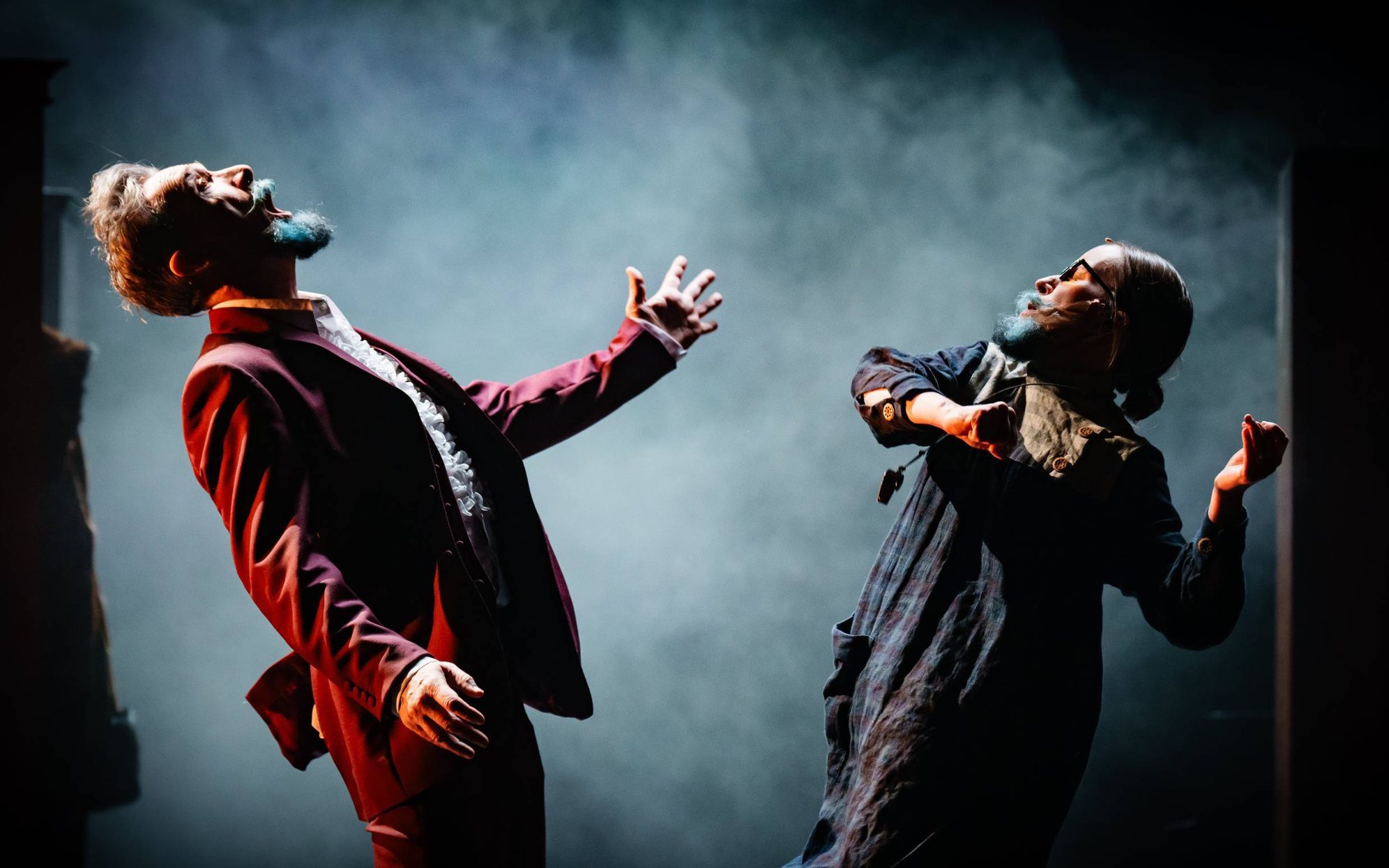
Naturally, things pan out a little differently here. Rice embraces the anarchic heart of the fairy tale, while simultaneously tearing it apart. The result is as chaotic and brash as anyone who knows her work will expect: maximalist and frantic and as unsubtle as the protagonist’s cerulean facial hair. I love it.

The music (by Stu Barker) is integral to the piece. It’s enthralling, and beautifully performed by the impressive cast, all of whom turn out to be quadruple-threats, not only dancing, singing and acting with aplomb, but also playing a range of instruments and, in the case of Mirabelle Gremaud, adding gymnastics and contortion to the mix.

Vicki Mortimer’s ingenious set comprises boxes within boxes: indeed, the whole play is a magic show, all dazzling mirror-balls and sleights of hand. The cabaret glitz enhances the plot: no wonder Lucky (Robyn Sinclair) finds Blue Beard (Tristan Sturrock) spellbinding; he’s a magician, after all; illusions are his stock-in-trade. The thrilling, illicit pleasure draws us in: we too are seduced by Blue Beard’s ostentation and flair; excited as he conjures a horse race from nowhere; throws knives at his assistant (Gremaud); saws Lucky in half. This first act is all about the seductive allure of darkness, the impulse that makes us devour murder-mysteries and glamourise the bad guys.

But Rice’s Blue Beard comes with a warning, in the form of Mother Superior (the fabulous Katy Owen), whose Convent of the Three Fs reminds us that real women – as opposed to their fairytale counterparts – are at once fearful, fucked and furious. She’s both narrator and chorus, veering between humour and rage, first undercutting the tension with a perfectly-placed “fuck off”, then skewering Blue Beard’s dangerous pomposity.

The second act draws all the disparate strands together. Lucky doesn’t have brothers who can rescue her, but she does have Treasure and Trouble, her mum and sister (Patrycja Kujawska and Stephanie Hockley), and Blue Beard is no match for this formidable trio.

Out in the real world, the Lost Sister (Gremaud) is not so lucky. A screen showing black and white CCTV footage of a man following a woman is a theatrical gut-punch, less visceral than the slo-mo, gore-spattered, cartoon battle we’ve just enjoyed, but much more chilling. The auditorium, which just a moment ago was a riot of whoops and claps, is silent, aghast. The Lost Brother (Adam Mirsky) weeps; the Mother Superior sheds her habit. The smoke clears; the illusion breaks.

This is theatre with a capital T.

5 stars

Susan Singfield

Jekyll & Hyde

18/01/24

Royal Lyceum Theatre, Edinburgh

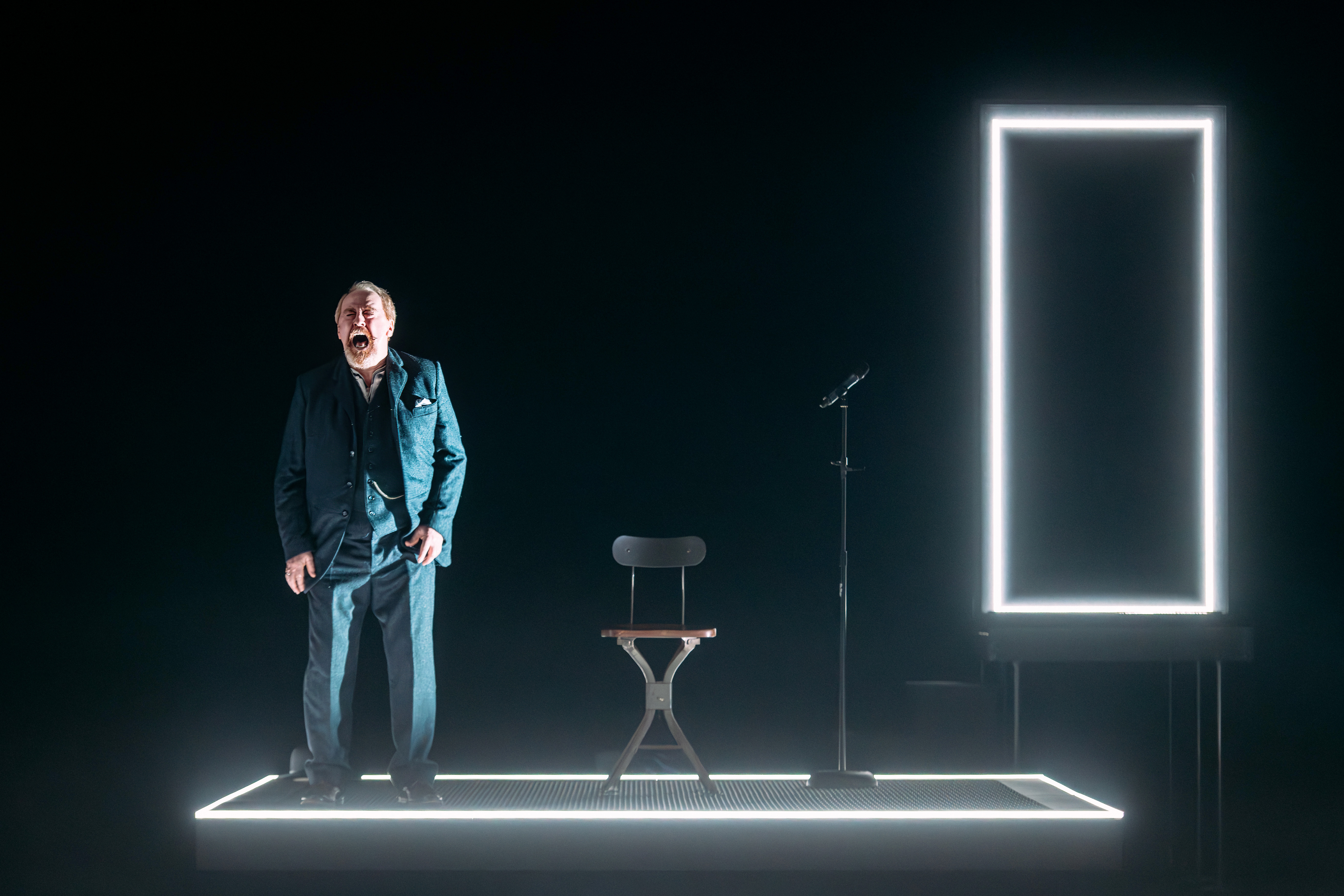
I’ve always thought of Jekyll and Hyde as the quintessential Edinburgh story, so it never fails to come as a surprise when I’m reminded that the original novella was based in London. (And written in Bournemouth to boot!) Gary McNair’s astute adaptation of Robert Louis Stevenson’s iconic story uses the same setting as its illustrious predecessor and strips the story back to its bare essentials. It’s a monologue, performed with gusto by Forbes Masson. Everything about the production feels taut and fleet, a straight seventy-five minute run with no interval.

Masson wanders onstage as the story’s narrator, lawyer Gabriel Utterson, who warns us that he’s not ‘the good guy’ in this tale. With this idea firmly planted, he begins to relate his story: how he learns from his cousin, Richard Enfield, of a brutal attack on an innocent eight-year-old girl by a man called Edward Hyde, whom he describes as “downright detestable.” 

Utterson’s suspicions are instantly aroused because one of his oldest friends and clients, the mild-mannered Dr Henry Jekyll, has recently changed his will in favour of a man with that same name. Utterson soon becomes obsessed with Hyde and spends much of his time hanging around the man’s doorway without ever managing to spot him… 

The problem with adapting such a familiar story is, of course, that there can be few real surprises. I admire Michael Fentiman’s direction, Max Jones’ spare set design and particularly Richard Howell’s startling lighting effects, which – combined with the Richard Hammarton’s eerie soundscapes – accentuate the disturbing psychological aspects of the story. I applaud the fact that McNair has dispensed with the mysterious ‘serum’ swigged by Jekyll in order to transform himself into Hyde, an element that has always seemed corny to me. I note too that the plot’s most unbelievable strand – that despite so many visits to Hyde’s doorway, Utterson fails to notice that it connects directly to Jekyll’s house – has been left intact.

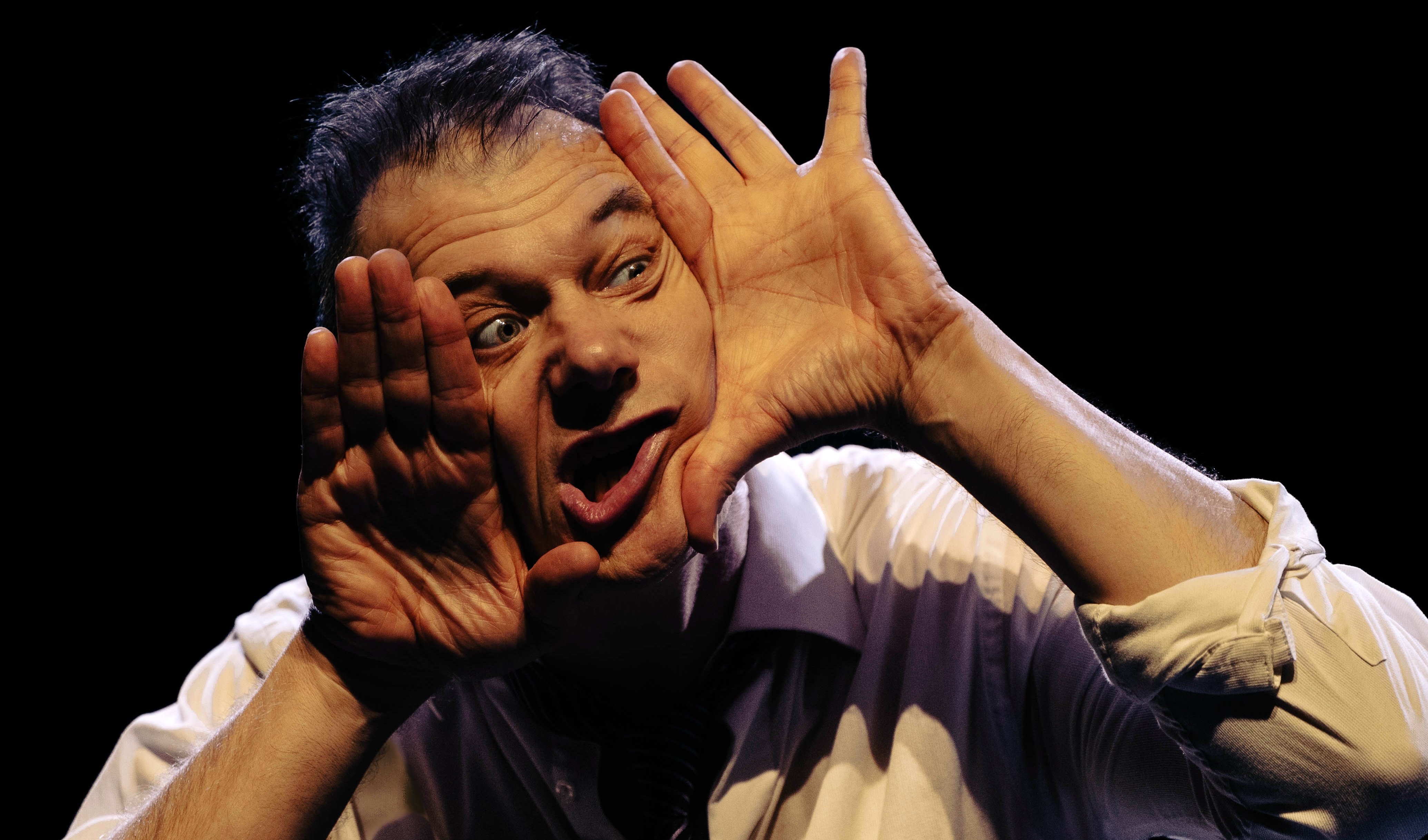
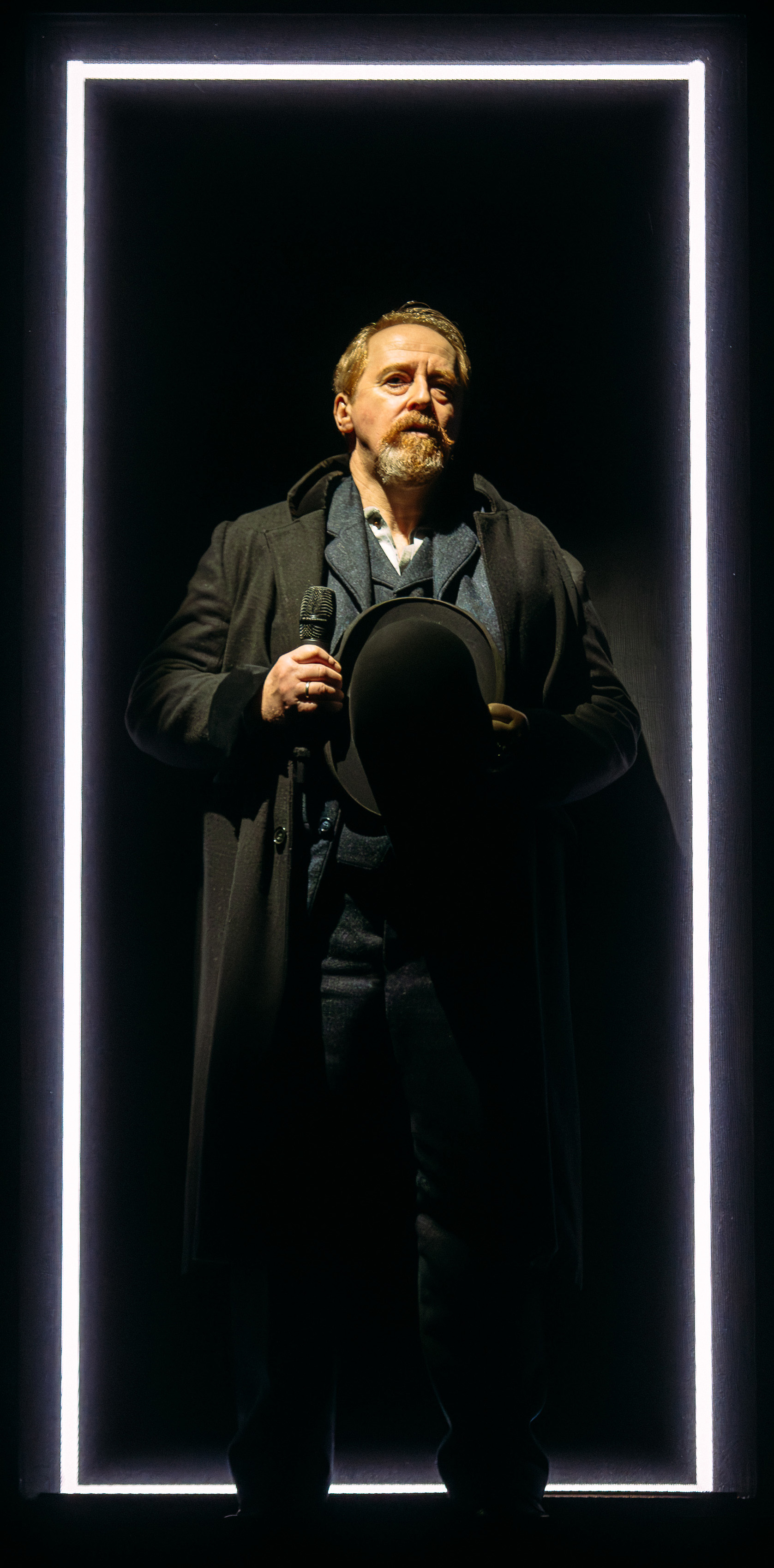
Of course, none of this could fly without Masson’s confident performance and he rises to the occasion admirably, inhabiting every character with consummate skill, switching from one to the other, seemingly without effort. A sequence where he passes a bowler hat from hand-to-hand as he conducts a lengthy conversation with himself feels suspiciously like observing a masterclass in acting. It’s an absolute pleasure to behold.

It’s only in the production’s final moments – when Utterson’s introductory words are re-echoed – that this adaptation’s true strengths are actually revealed. There is, I think, a suggestion here that hasn’t been fully explored before. And that’s reason enough for its existence.

4 stars

Philip Caveney