Lost Lear

A Tupperware of Ashes

04/08/26

National Theatre at Home

The onslaught of the Edinburgh Fringe looms just on the near horizon, but before it all kicks off, there’s still a chance (thanks to Brenda and her NT at Home subscription) to catch up with something we have missed earlier. The listing that first catches my eye is 2024’s A Tupperware of Ashes, a play by Tanika Gupta – but Susan has noticed something else she really wants to watch. Can we possibly cover them both?

Yes, we can.

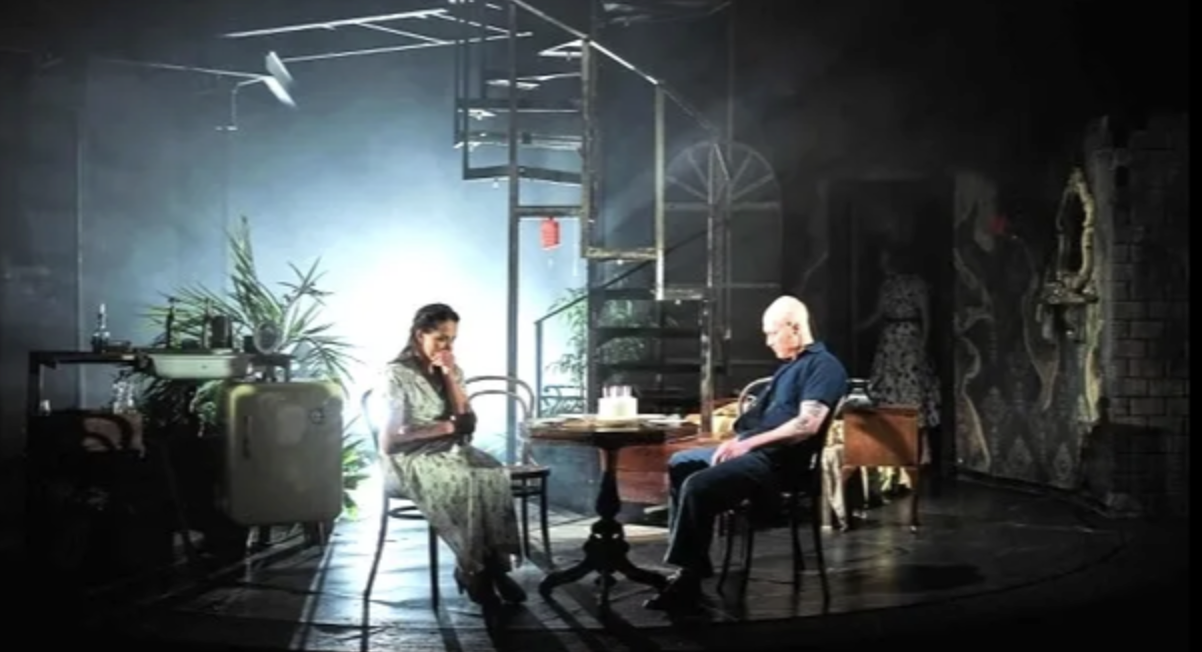
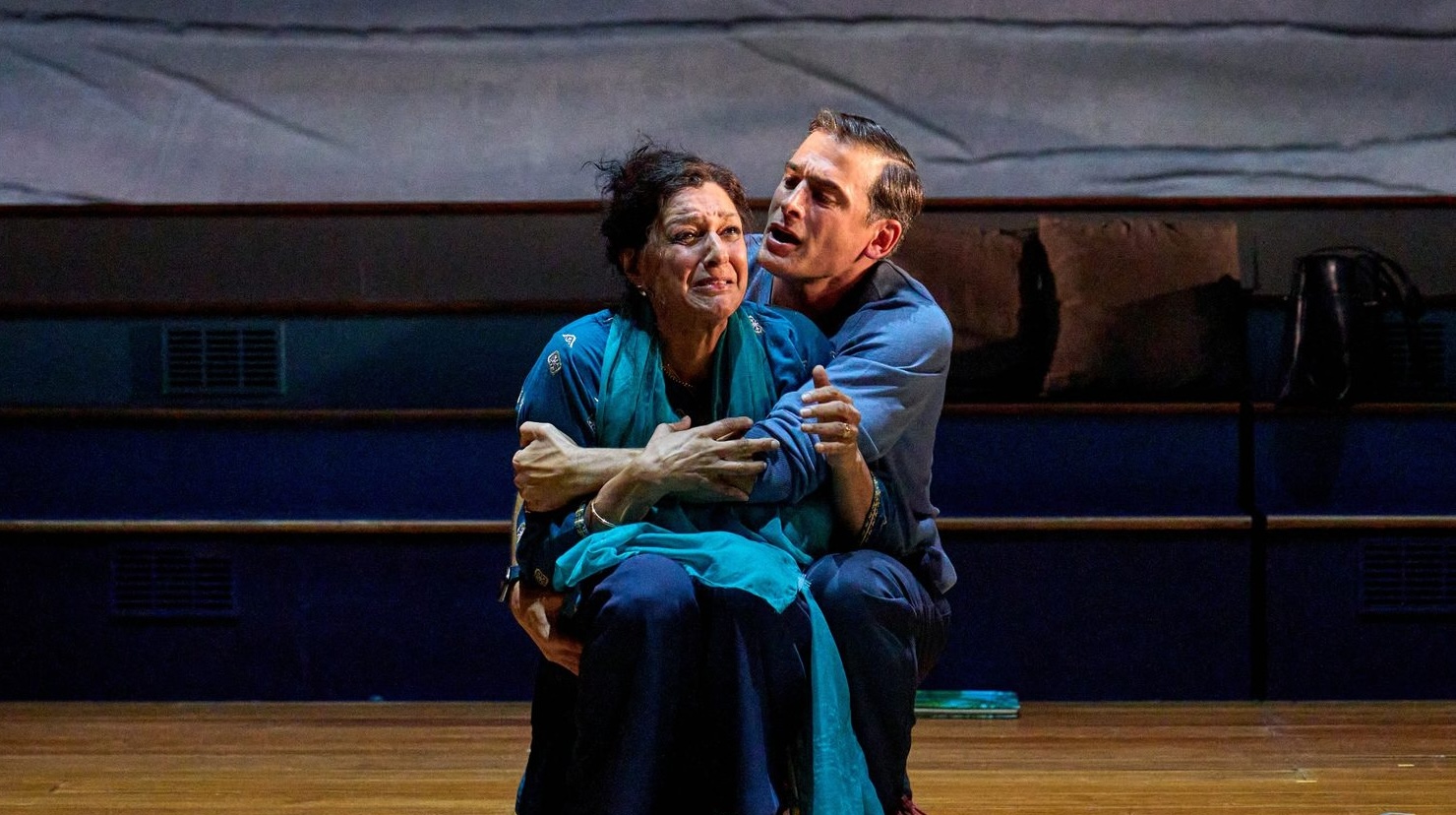
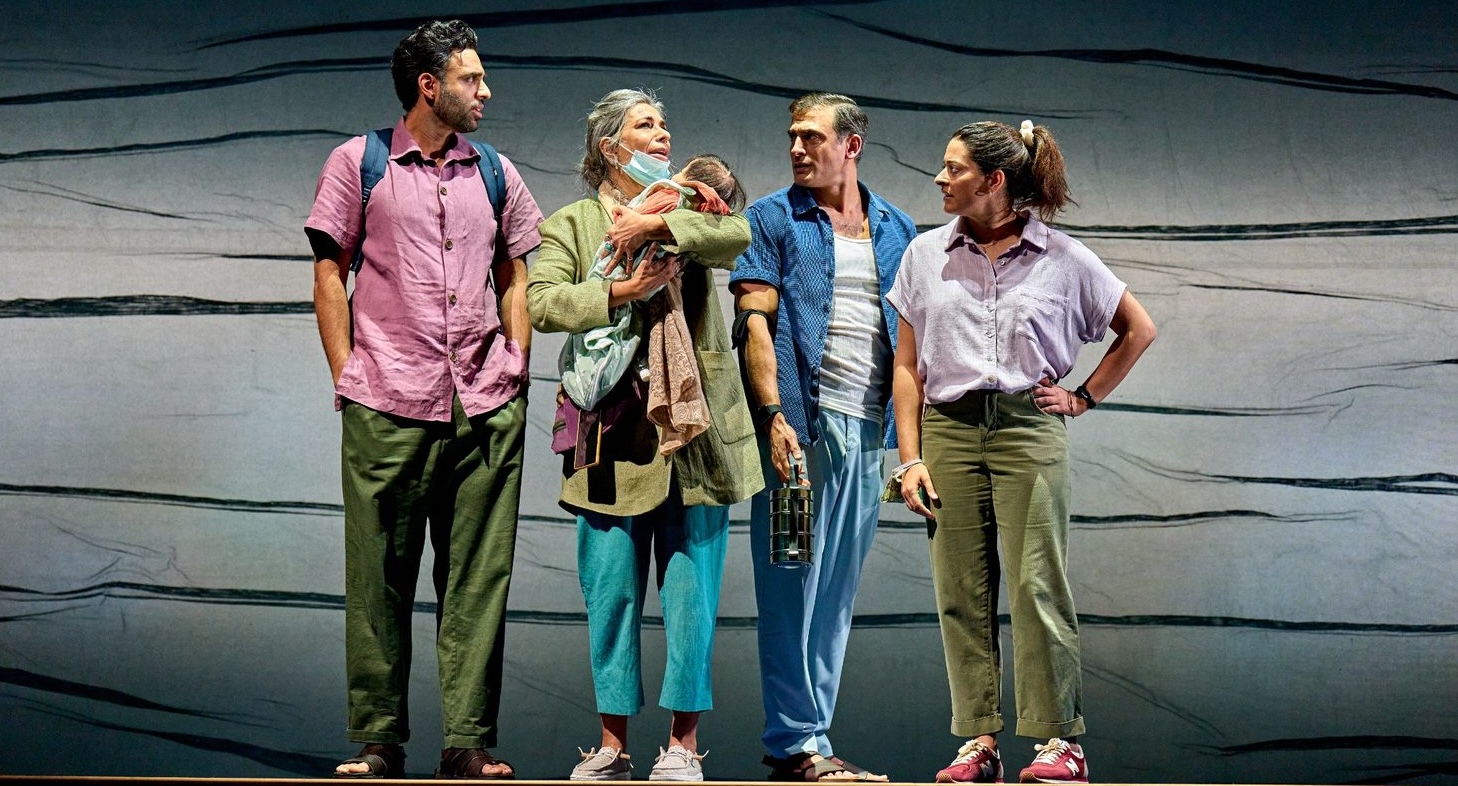
The central character of this drama is Queenie (Meera Syal), an ambitious Michelin-starred chef and matriarch, with three children, from whom she demands complete dedication. Kamala (Natalie Dew) and Gopal (Marc Elliott) are both highly successful in their respective professions, while oldest boy, schoolteacher Raj (Raj Barjaj) lacks focus (at least in Queenie’s opinion) and doesn’t seem to have much in the way of ambition, for which she openly criticises him. But the three of them accept that their mother has her own way of handling life. Woe betide anybody who tries to make her change her ways.

But the siblings – together with Queenie’s closest friend, Indrani (Shobna Gulati) – are  becoming increasingly worried about their mother’s recent behaviour. Why does she keep mentioning other (non-existent) branches of her restaurant, supposedly based around the world? Why does she fly into rages at the slightest provocation? And why does she sometimes talk about her late husband, Ameet (Zubin Varla), as though he’s still around, ready to come strolling along at any moment.

The answer is supplied by Doctor Young (Stephen Fewell, as the first of a whole series of authority figures). Queenie, it turns out, is in the early stages of Alzheimer’s and is beginning the long, terrifying decline into dementia. As everyone watches, appalled, she begins to act and behave in ways she never has before. And, as she opts to spend more time with each of her children, they begin to realise the enormity of what is happening to their mother… and they struggle to deal with it.

Those of you who are thinking of King Lear are certainly on the right lines (Lost Lear, seen at last year’s Fringe, also mined a similar premise to great effect). Syal offers a powerful and compelling performance in a central role that features equal parts humour and tragedy – and just occasionally she utters something that directly relates to Shakespeare’s classic. When caught up in the extremes of her condition, Queenie’s observations are utterly heartbreaking and, as ever, when watching a situation like this, I’m drawn back to my own mother’s ten year battle with dementia.

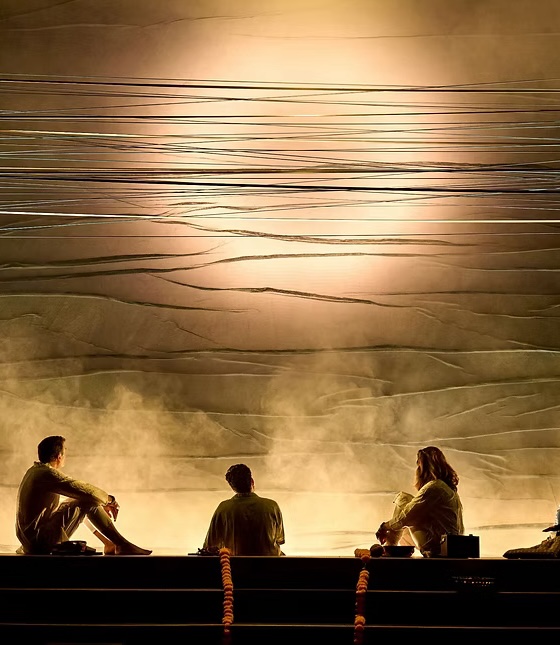
Pooja Gal handles the directorial reins with great precision, aided and abetted by Rosa Maggiora’s dreamy set design and composer Nitin Sawney’s ethereal compositions. Varla is wonderful as Ameet, wandering confidently into real situations, visible only to Queenie as he makes wry observations about the chaos unfolding around him.

If there’s an issue here it’s simply that Syal is so magnetic a personality that the play’s coda (where the siblings struggle to organise the titular scattering of her ashes in the River Ganges) misses her presence so much that the ending feels oddly anticlimactic, a problem accentuated by the fact that we’ve already witnessed what feels suspiciously like the perfect conclusion a good twenty minutes earlier. 

But it’s a small issue in what is, overall, an accomplished and thought-provoking drama – and how wonderful it is to have it ready to watch at the touch of a button.

4.7 stars

Philip Caveney

Theatre Bouquets 2025

Another varied year of theatre-going presents us with the usual problem of choosing what we think were the twelve best shows of the year. But once again, here they are in the order we saw them.

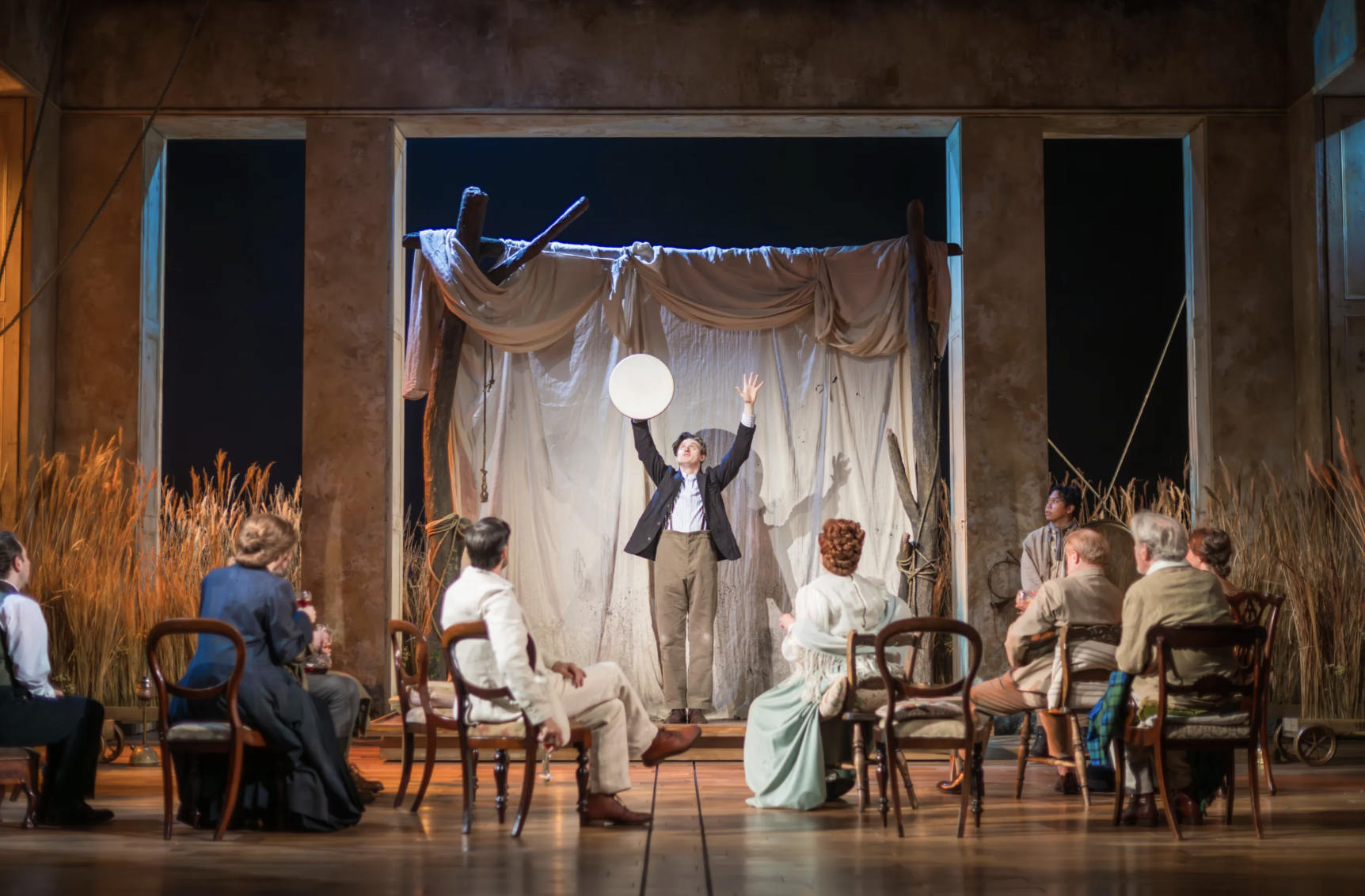
Vanya (National Theatre Live)

“Glides like gossamer through the cuts and thrusts of a family drama – even a scene where Scott is obliged to make love to himself unfolds like a dream…”

Dr Strangelove (National Theatre Live)

“This brilliantly-staged production is a weird hybrid – part play, part film – and at times astonishing in its sheer invention…”

Wild Rose (Lyceum Theatre, Edinburgh)

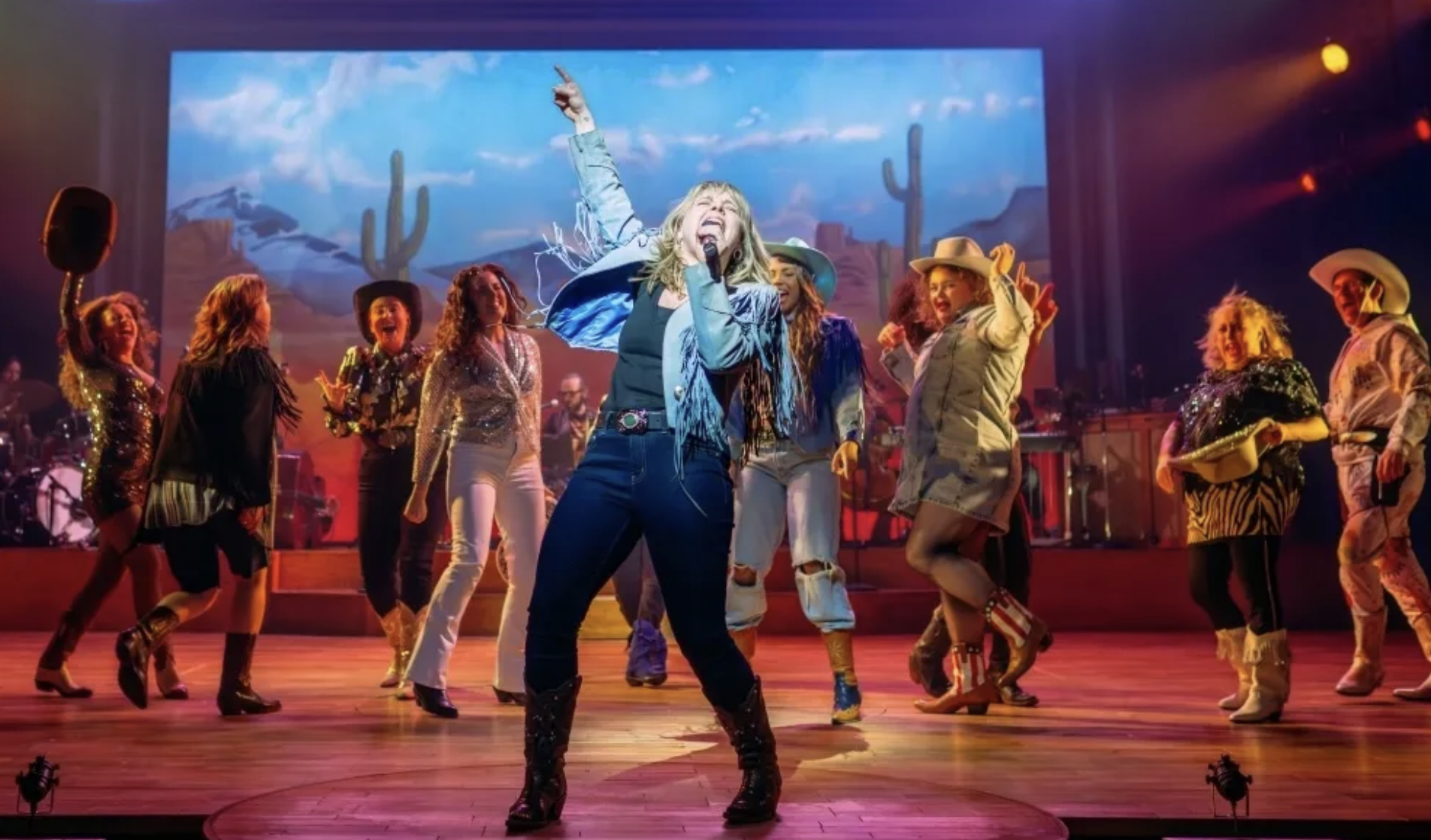
“A fabulously entertaining story about ambition and acceptance, anchored by a knockout performance from Dawn Sievewright…”

Chef (Traverse Theatre, Edinburgh)

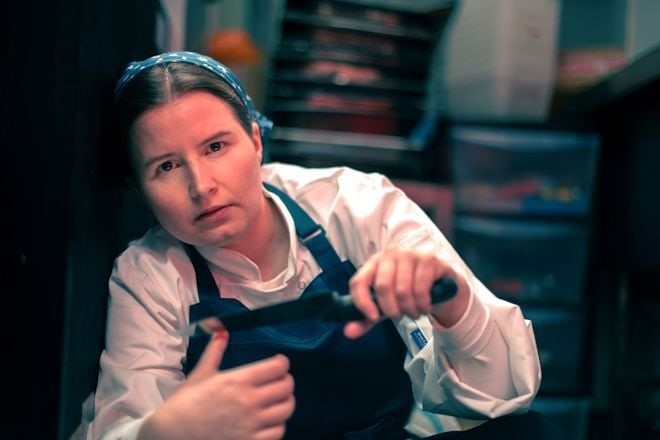
“Sabrina Mahfouz’s Chef is an extraordinary play, a monologue delivered in a lyrical, almost poetic flow of startling imagery…”

Lost Lear (Traverse Theatre, Edinburgh)

“Dan Colley’s beautifully-conceived script intertwines excerpts from Lear with moments in the here and now, gently but relentlessly uncovering the horrors of cognitive decline…

Alright Sunshine (Pleasance Dome, Edinburgh)

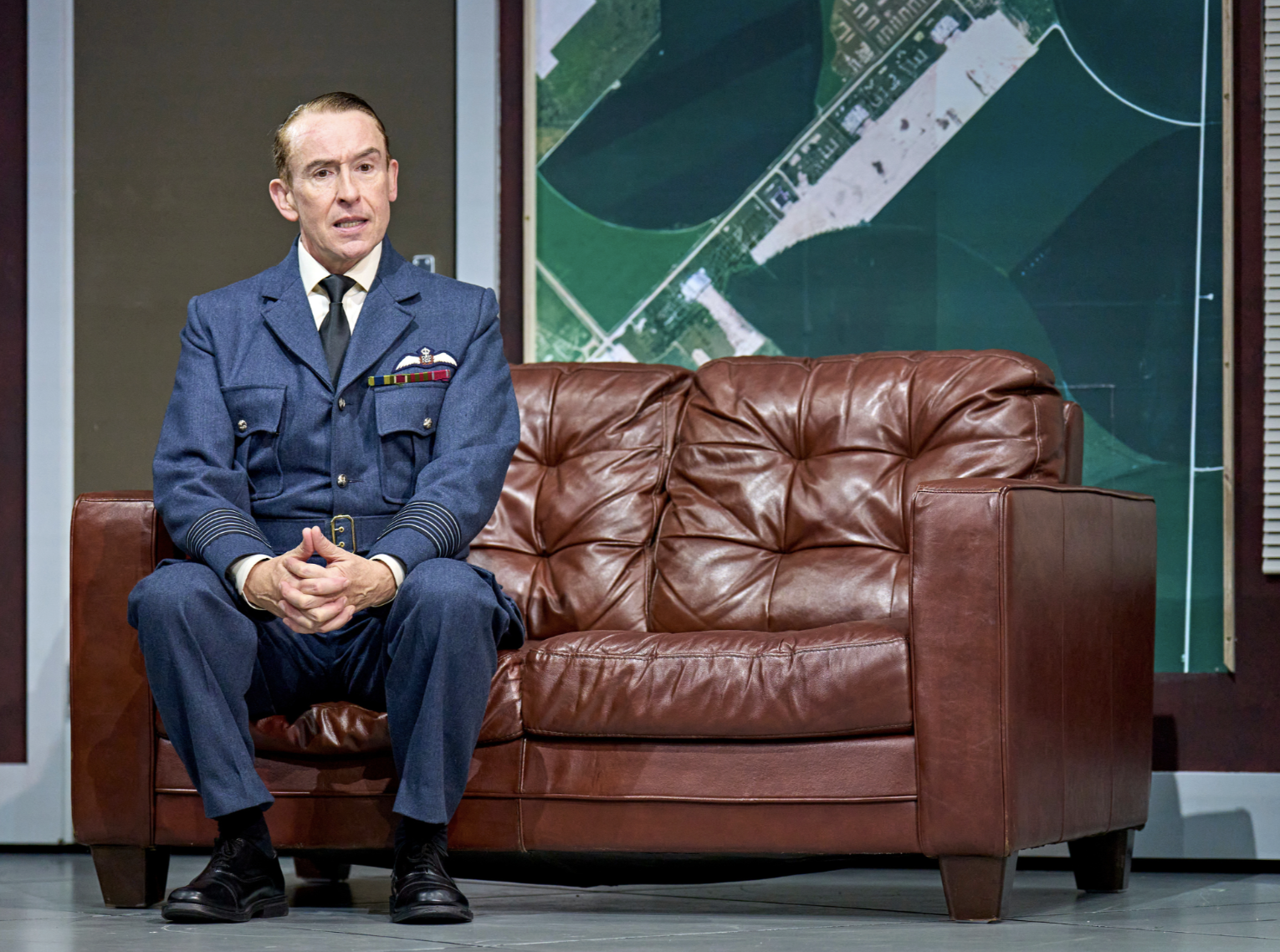
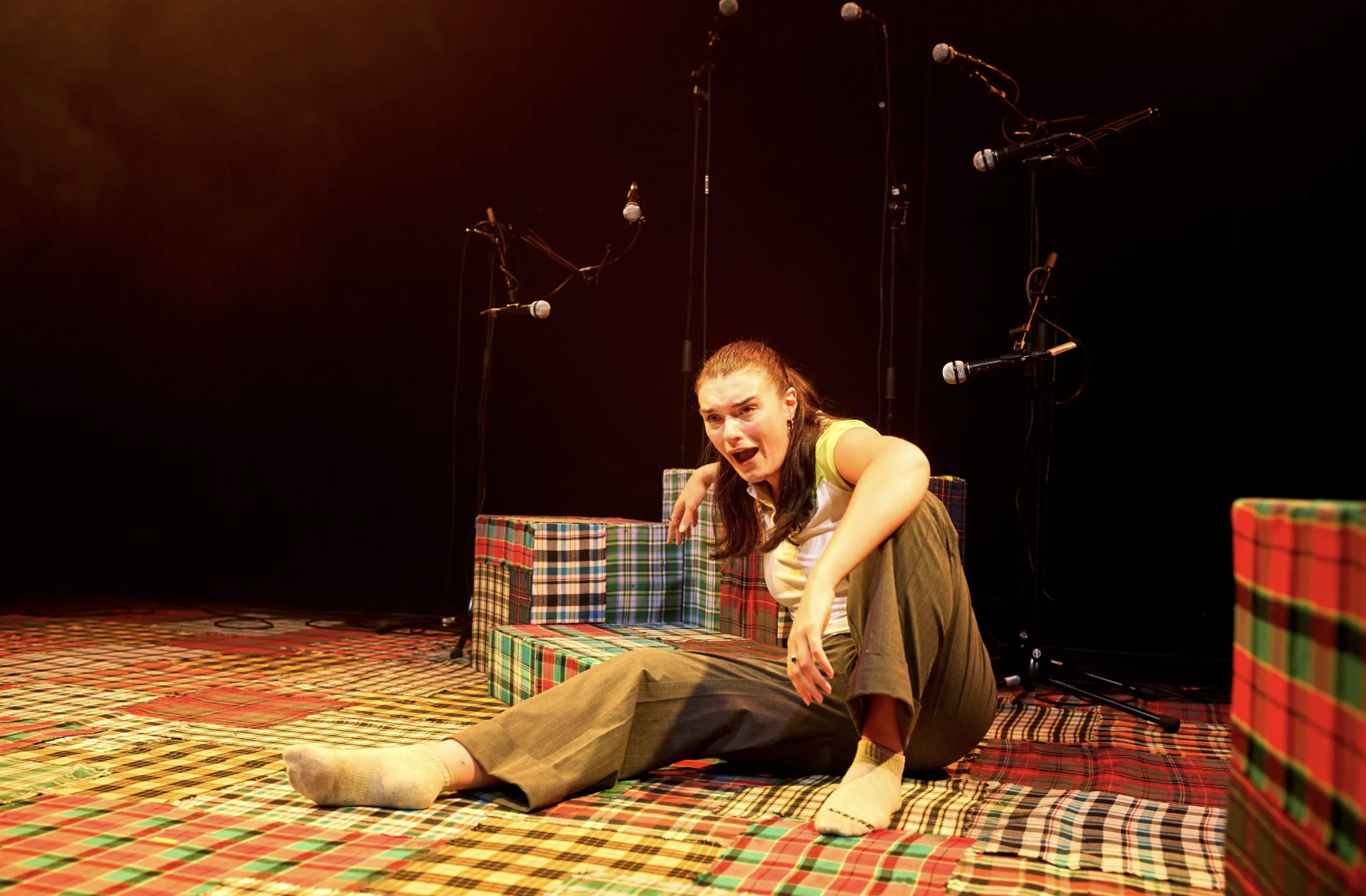
“Directed by Debbie Hannan, Cowan’s taut, almost poetic script is brought powerfully to life by Geddes’ mesmerising performance: a tour de force with real emotional heft…”

A Streetcar Named Desire (Lyceum Theatre, Edinburgh)

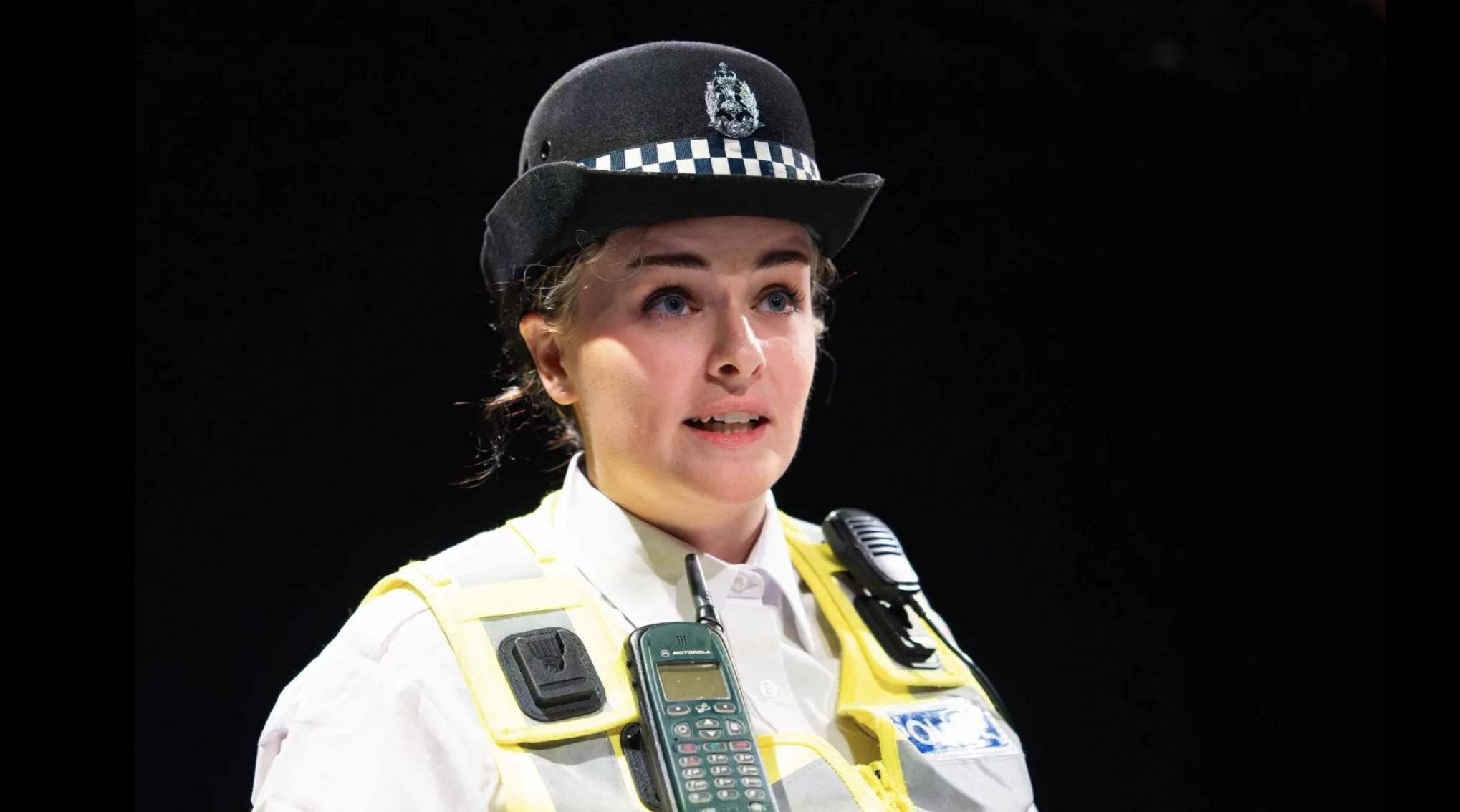
“Eschews the victim-blaming that so often blights interpretations of this play and turns up the heat on the sweaty, malevolent scenario, so that the play’s final half makes intense, disturbing viewing…”

Common Tongue (The Studio at Festival Theatre, Edinburgh)

“A demanding monologue, Caw’s performance is flawless, at once profound and bitingly funny: the jokes delivered with all the timing and precision of a top comedian; the emotional journey intense and heartfelt…”

Little Women (Bedlam Theatre, Edinburgh)

“Watching events play out, I feel transported back into the cocoon of my childhood, curled up in bed reading about these faraway adolescents and their travails…”

The Seagull (Lyceum Theatre, Edinburgh)

“There’s so much to enjoy here and not just Quentin’s perfectly-judged performance as the conceited, self-aggrandising Irina, intent on making every conversation all about her…”

Wallace (Traverse Theatre, Edinburgh)

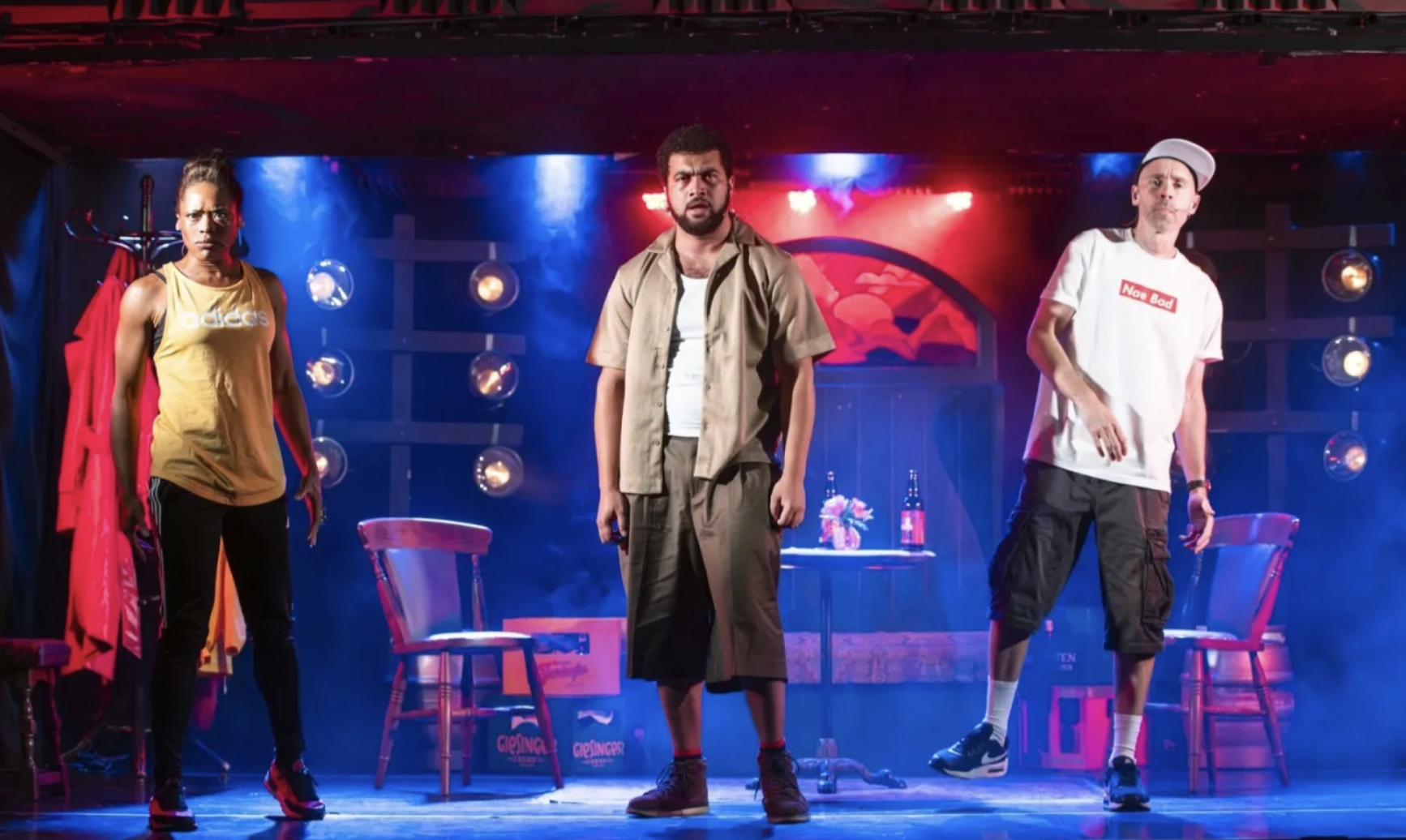
“Whip-smart, caustically funny and actually pretty informative (I come out knowing a lot more about the titular Scot than I previously did), Wallace snaps from song to song and from argument to argument like the proverbial tiger on vaseline…”

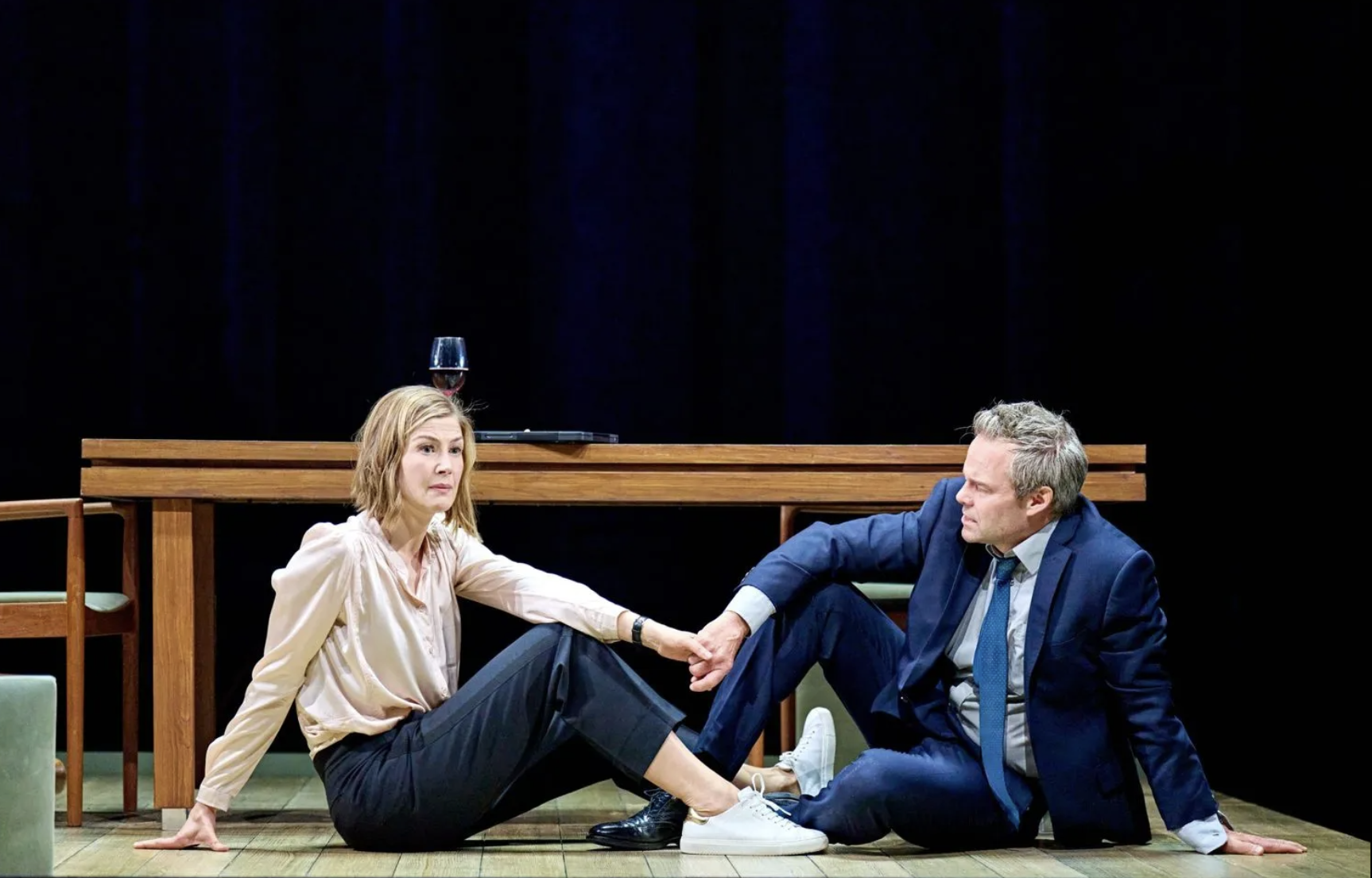
Inter Alia (National Theatre Live)

“Doesn’t offer any easy answers or let anyone off the hook, but expertly straddles the fine line between trying to understand assailants without diminishing their victims…”

Susan Singfield & Philip Caveney

Lost Lear

08/08/25

Traverse Theatre, Edinburgh

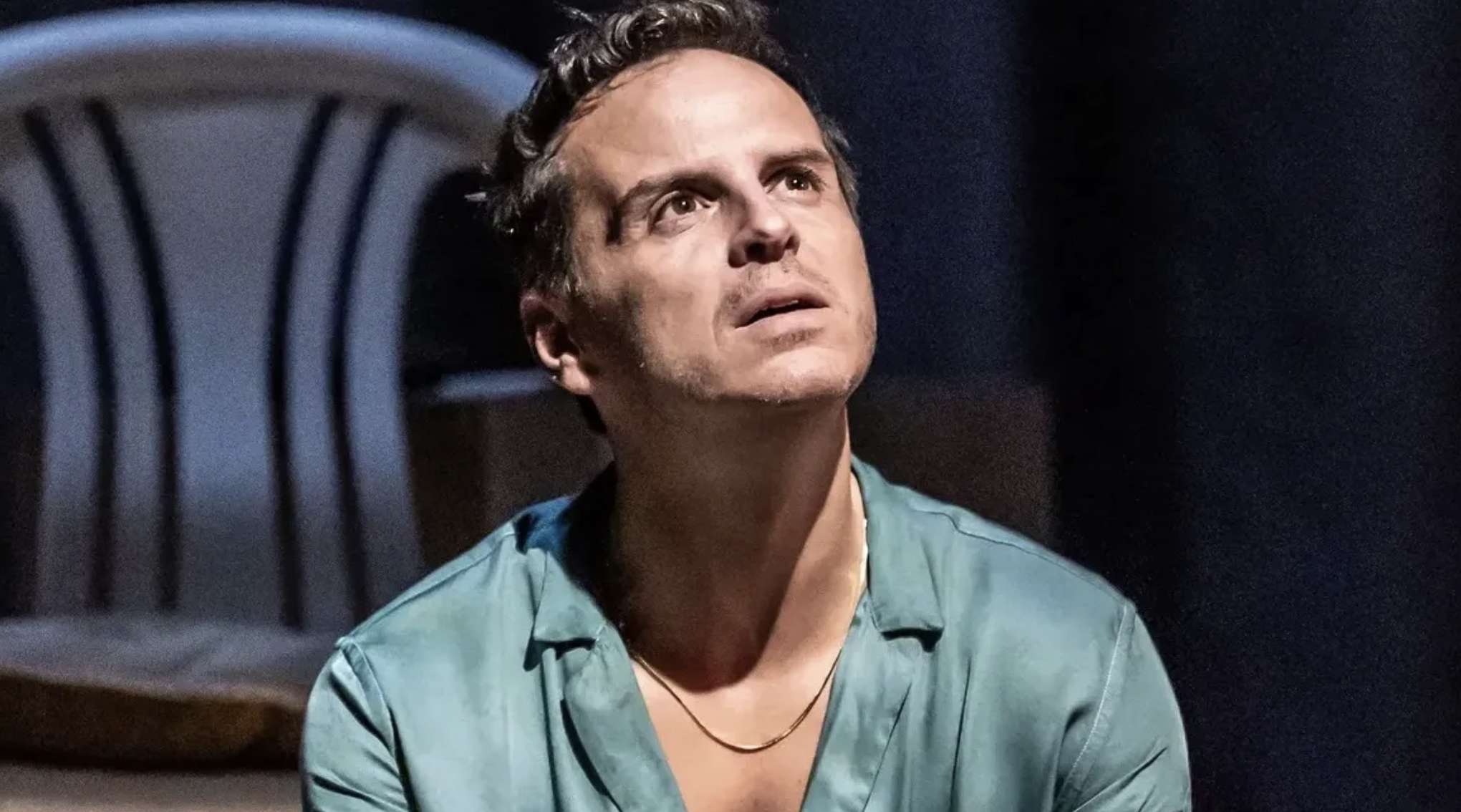
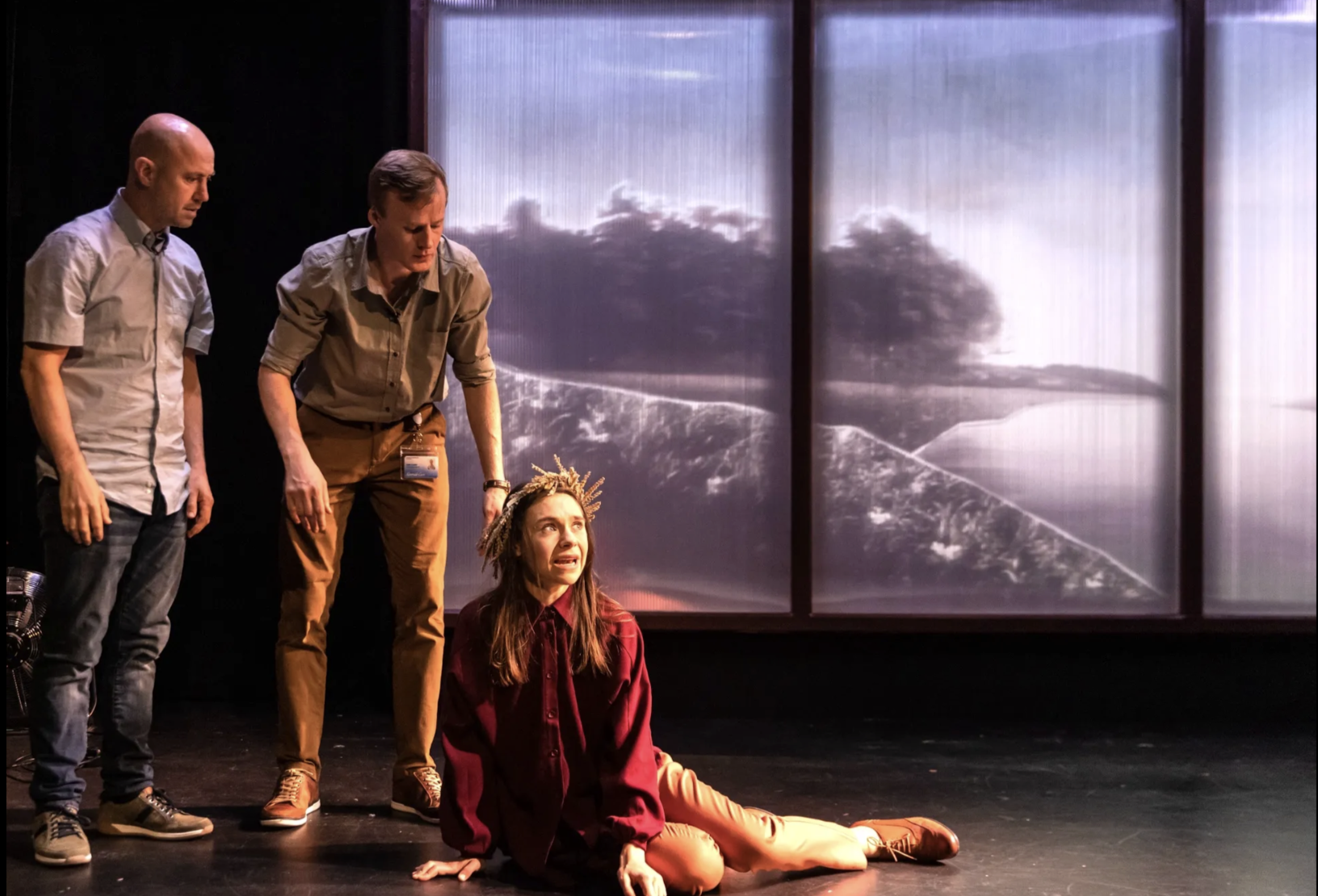
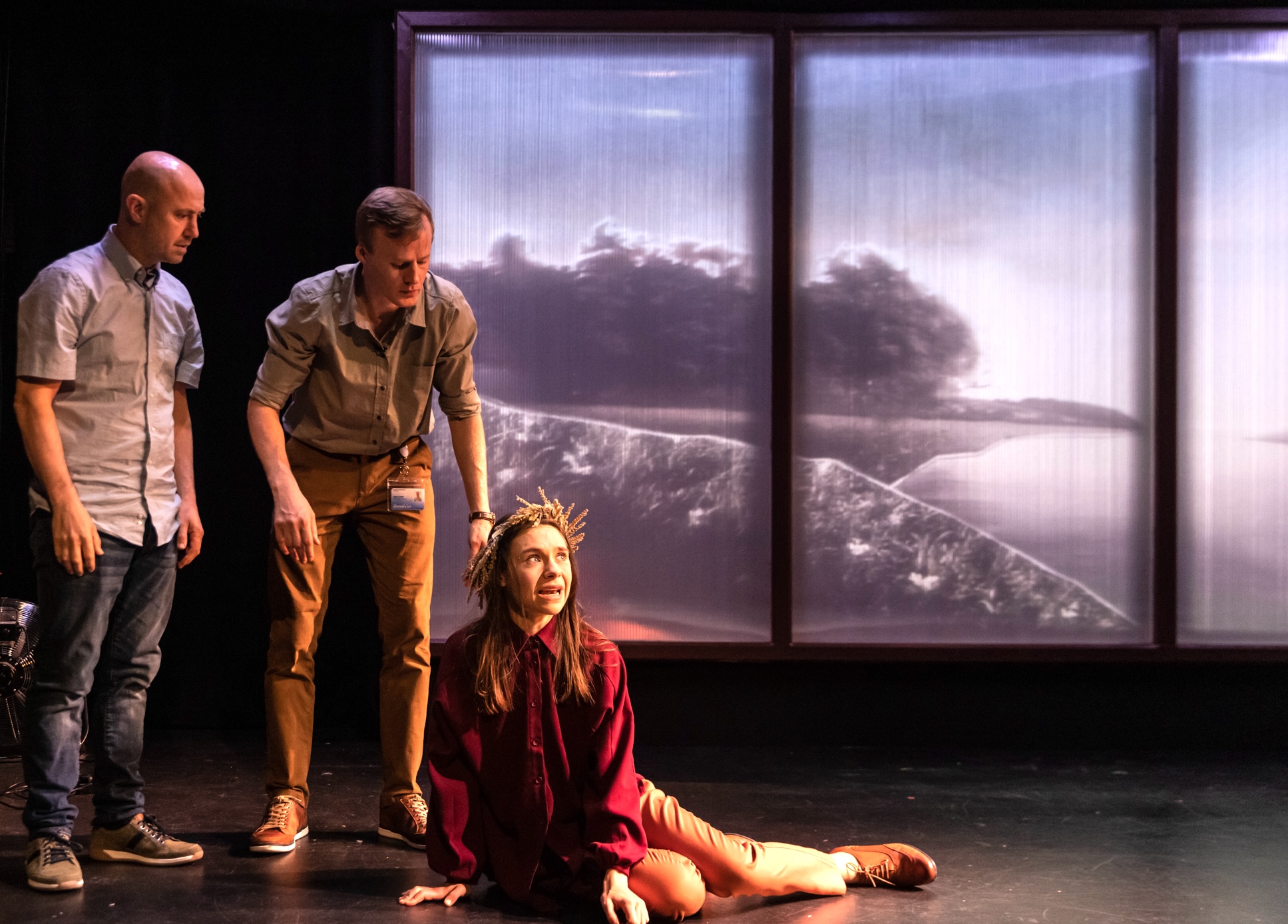
King Lear is my favourite Shakespeare play and, fittingly, Lost Lear is my favourite 2025 Fringe production (so far). Dan Colley’s interpretation of the tragedy sees a retired actor, Joy (Venetia Bowe), who is struggling with dementia, reliving her role as the eponymous monarch. The care home staff accede to Joy’s version of reality, willingly reading in for Goneril, Regan, Cordelia and the fool. It’s kinder than confronting her with the bleak, unhappy truth, says Liam (Manus Halligan) to Joy’s estranged son.

But Conor (Gus McDonagh) takes a little more convincing. He’s uncomfortable playing Cordelia. He doesn’t want to understand the play; he wants answers from the mother who gave him up at birth. Sadly, Joy is largely unreachable, and it’s only through the bard that the pair can connect.

Colley’s beautifully-conceived script intertwines excerpts from Lear with moments in the here and now, gently but relentlessly uncovering the horrors of cognitive decline. There is a stillness at the centre of the piece, belying the chaos of the “cataracts and hurricanoes” as Joy/Lear rages at a world s/he no longer understands. But there is layer upon layer here: this is as much an exploration of stagecraft, poetry and the nature of performance as it is of ageing, care work and the complexities of love. It’s not just a play to watch, it’s one to study too – and I make sure to buy the script as I leave the theatre, so that I can delve into it again after I’ve had some time to think.

Bowe is utterly compelling in the lead role: an imperious, querulous woman, quite difficult to like. But Liam and the other staff (Clodagh O’Farrell and Em Ormonde) treat her with such quiet respect that we take our cue from them, affording her the sympathy that everyone in her position needs. Halligan and McDonagh perform with absolute precision too, but theirs are very much supporting roles, the moons to Joy’s planet.

The set design (Andrew Clancy) and tech (Ross Ryder, Suzie Cummins, Kevin Gleeson) are integral to Lost Lear: cameras are used for extreme facial close-ups and there are microscopic projections too, creating the backdrops. I have rarely seen puppetry so well done as it is here, and never with such relevance. The tragedy is both miniaturised and magnified, viewed from inside and out.

As the metaphorical curtain falls, I turn to Philip and find him silently sobbing, his shoulders heaving, tears falling down his face, caught up in memories of his own mother’s battle with Alzheimer’s. Lost Lear feels worthy of its progenitor: a clever, multi-faceted drama; a treatise on the nature of life and death.

5 stars

Susan Singfield