

Edinburgh

The Importance of Being Earnest: NT Live

20/02/25

Dominion Cinema, Edinburgh

Despite having lived a mere thirty-minute walk from Morningside’s Dominion Cinema for the past decade, we’ve somehow failed to set foot inside – and we dare to call ourselves cinephiles! So tonight’s NT Live screening of The Importance of Being Earnest is extra exciting for us, as it’s also an opportunity to explore a new venue.

So let’s begin with that. The Dominion is undeniably boojie; indeed, it’s the fanciest cinema either of us has ever graced. The design is art deco (think flocked wallpaper, geometric shapes and a colour palette of gold, red and black); our seat is a super-comfy reclining sofa, with privacy screens and side tables. We pour our drinks (sparkling water and alcohol-free lager, since you ask) and sit back, feet up, more than ready to enjoy ourselves in these opulent surroundings.

I’ve seen, read and taught this play so many times that I know it almost by heart, but that’s not to its detriment. After all, the script is so packed with recognisable aphorisms that few in the audience are likely to be surprised by what is said; with Earnest, it’s all in the delivery.

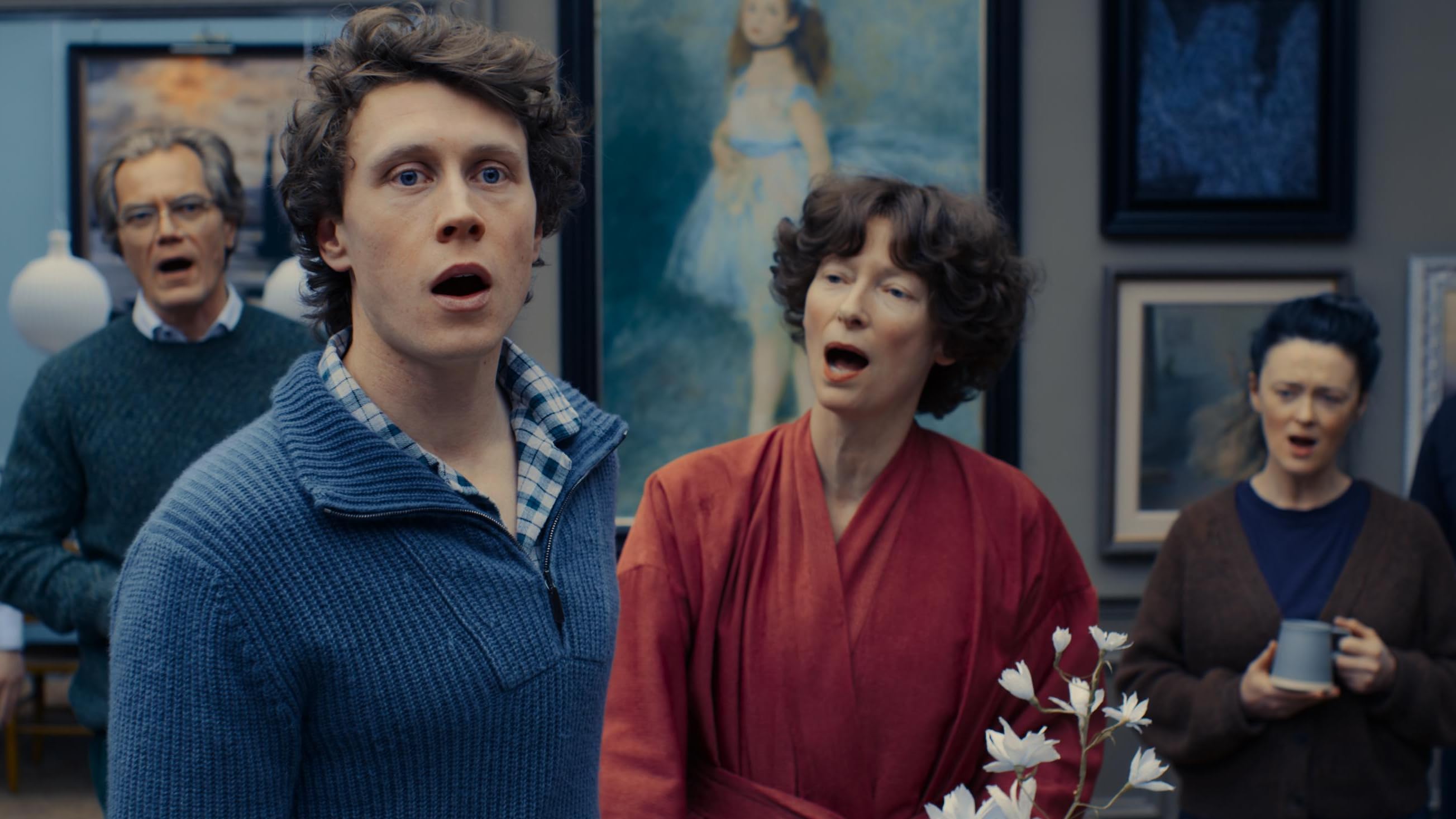
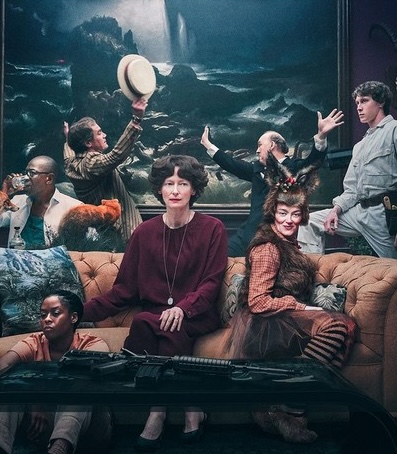
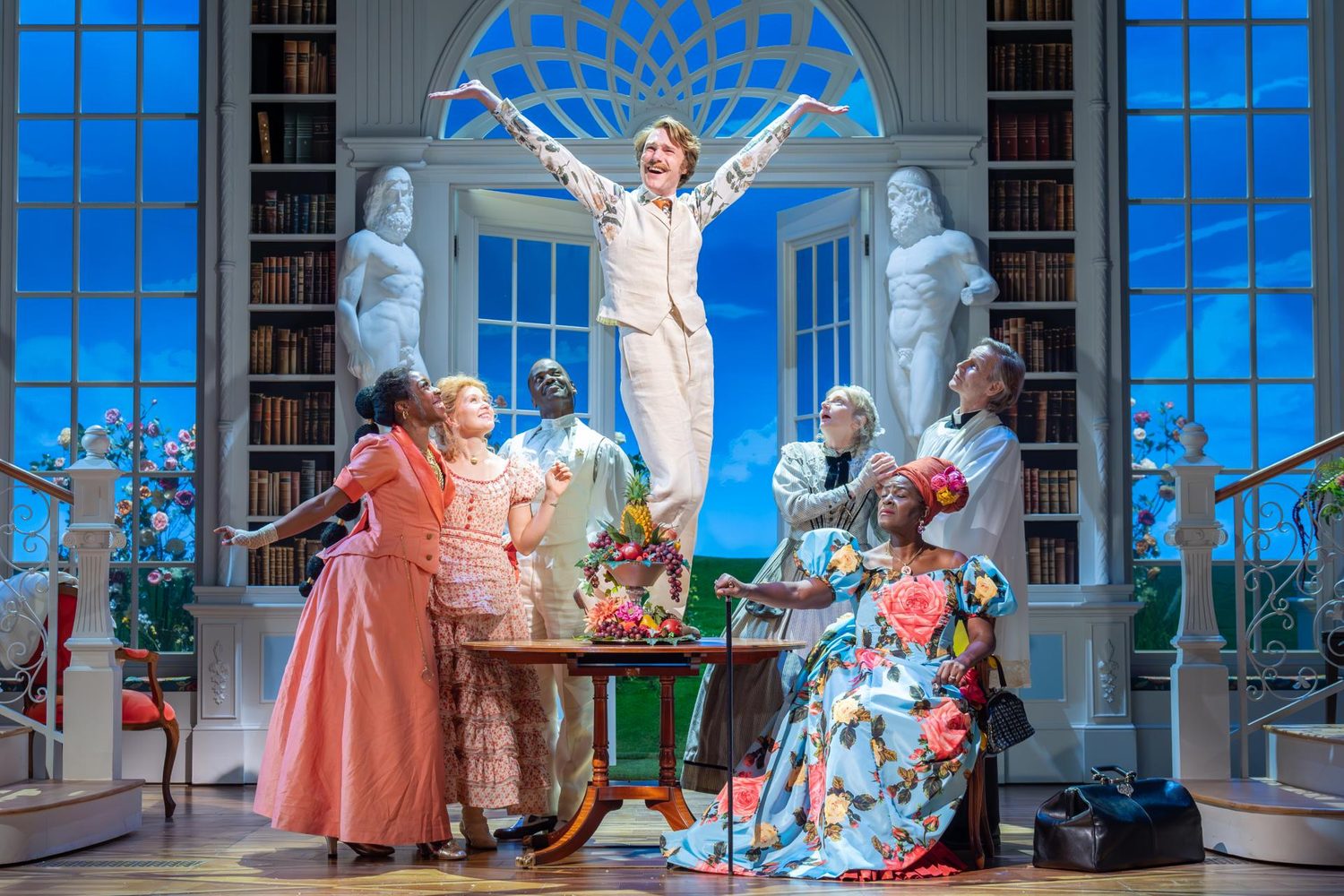
And what delivery it is! Directed by Max Webster, this is an overt celebration of queerness, Wilde’s subtext amplified to the nth degree. From the opening number, where Algernon (Ncuti Gatwa) shimmers in pink-sequinned drag, to the exuberant Mardi Gras-style finale, the closet door is flung wide open, making for a fabulously unsubtle show. To quote the wild wit himself, “moderation is a fatal thing; nothing succeeds like excess.” Webster has certainly taken this to heart.

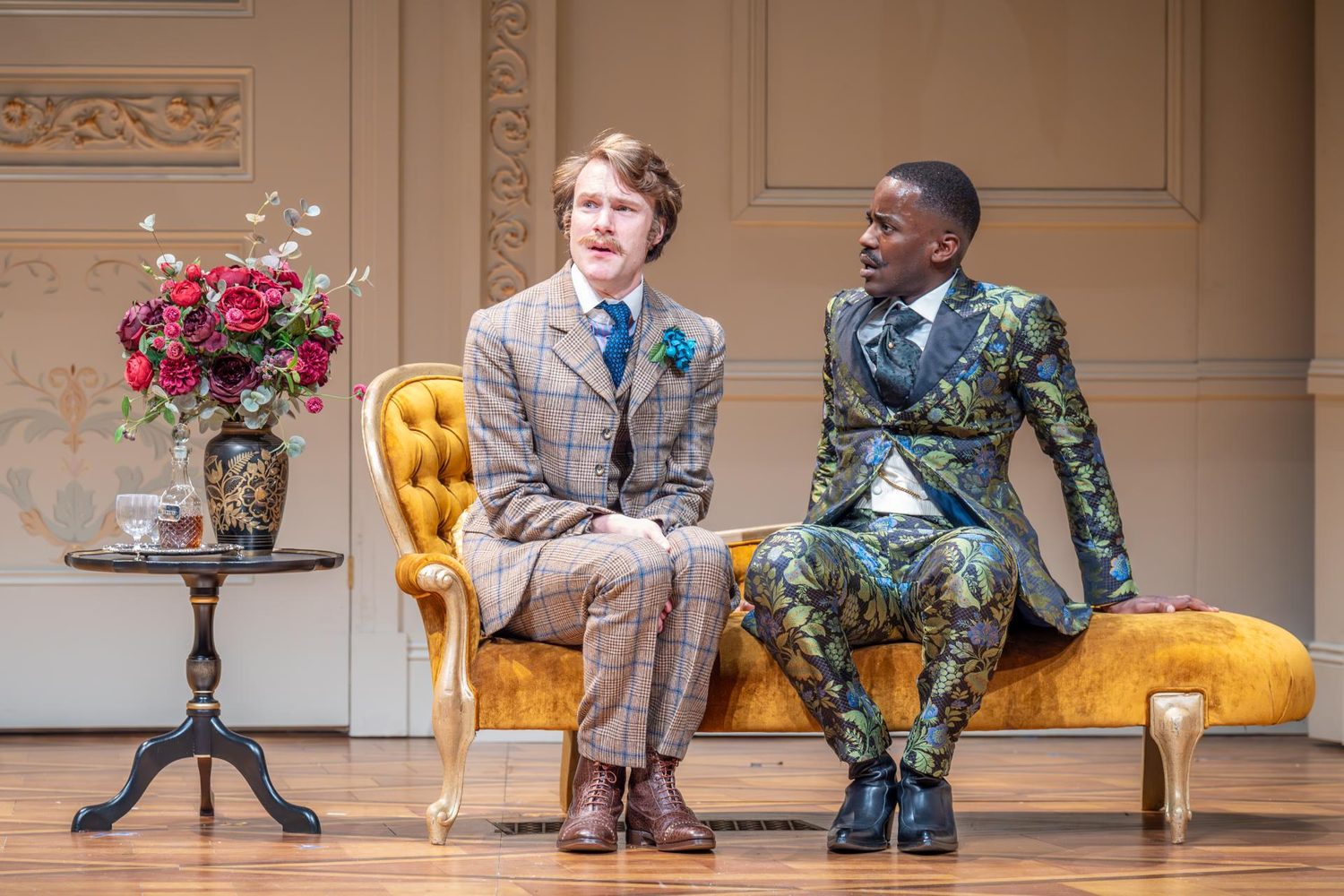
The plot – for those who need a reminder – is at once frivolous and deadly serious. On the surface, it’s a frothy farce, all mistaken identity and foolish foppery. Underneath, it’s about repression – about the lengths people are forced to go to when their very natures are outlawed. Unbeknownst to each other, both Algernon and his best friend, Jack (Hugh Skinner), have found inventive ways to circumvent society’s disapproval of their predilections. Algernon has a pretend-friend, Bunbury, whose ill health Algy uses to excuse himself from dreary social events, while Jack has an alter-ego – an imaginary older brother called Ernest – who gets into mischief whenever he visits the city.

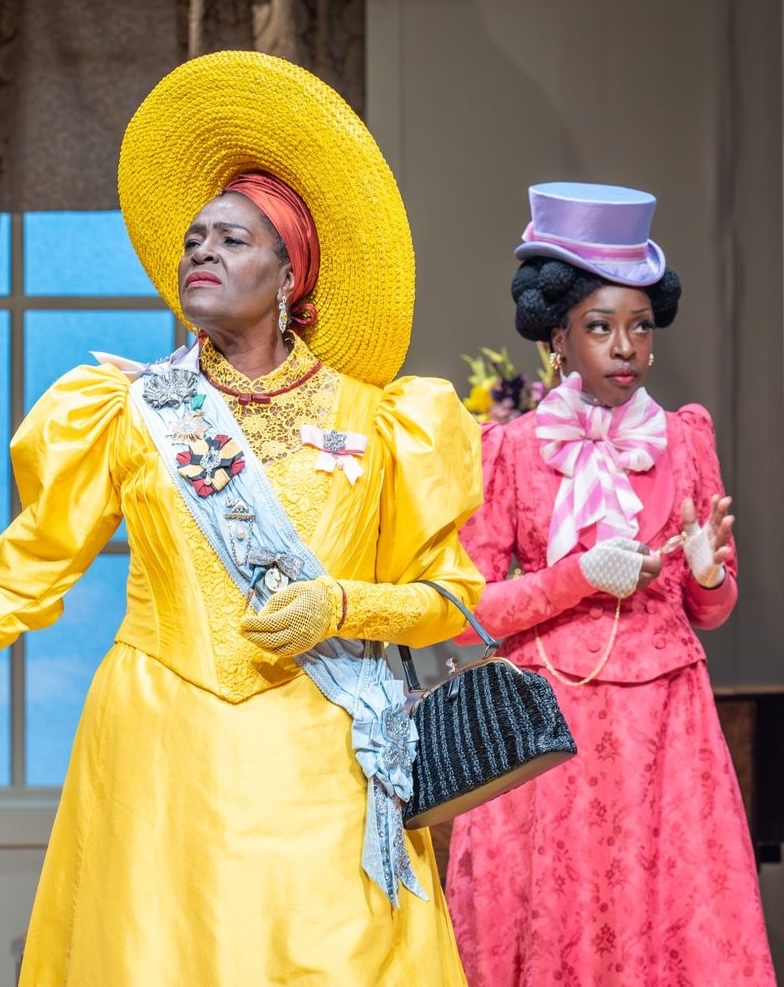
But things become complicated when Jack falls in love with Algy’s cousin, Gwendolen (Ronke Adekoluejo), whose mother, Lady Bracknell (Sharon D Clark), is far from pleased about the match. In desperation, Jack confesses his lies to Algy – who, true to form, responds by assuming Ernest’s identity for himself, and heading off to Jack’s country house to woo his pretty young ward, Cecily (Eliza Scanlen). Throw in a conflicted clergyman (Richard Cant), a dithering governess (Amanda Lawrence) and a couple of manservants (both played by Julian Bleach), and the scene is set for some merry mayhem.

The multi-racial casting within a period drama (courtesy of Alastair Coomer and Chloe Blake) gives the piece a contemporary edge, as do the occasional strains of recent-ish pop music and a cheeky allusion to one of London’s gay hotspots. Gatwa’s newfound fame as Dr Who also helps this production to appeal to a hip young audience, as does the sexual fluidity of the characters.

Clark’s depiction of Lady Bracknell is inspired: she brings a whole new dimension to the part, dispelling all my preconceptions of the character. Here, those oh-so-familiar lines are imbued with a haughty charm to create a formidable British-Jamaican matriarch without so much of a hint of Dench. Adekoluejo’s Gwendolen is a chip off the old block, saved from monstrousness by her cleverness and humour. In contrast, Scanlen’s Cecily is deliciously weird, a mix of doe-eyed intensity, sweetness and steel. But there are no weak links here: even Bleach, in the minor roles of Lane and Merriman, makes his mark, creating two distinct but equally absurd personae, evoking laughter with the simplest of smirks or stumbles.

More than anything, though, this is Skinner and Gatwa’s show, the focus firmly on the men’s friendship and their journey towards coming out. Their performances are jubilant and euphoric, and yet deceptively weighty, carrying with them real emotional heft. I can’t help thinking about Wilde, condemned to hard labour for his homosexuality, and wondering what he’d make of this? Surely, it would gladden his heart to see his characters finally set free.

5 stars

Susan Singfield

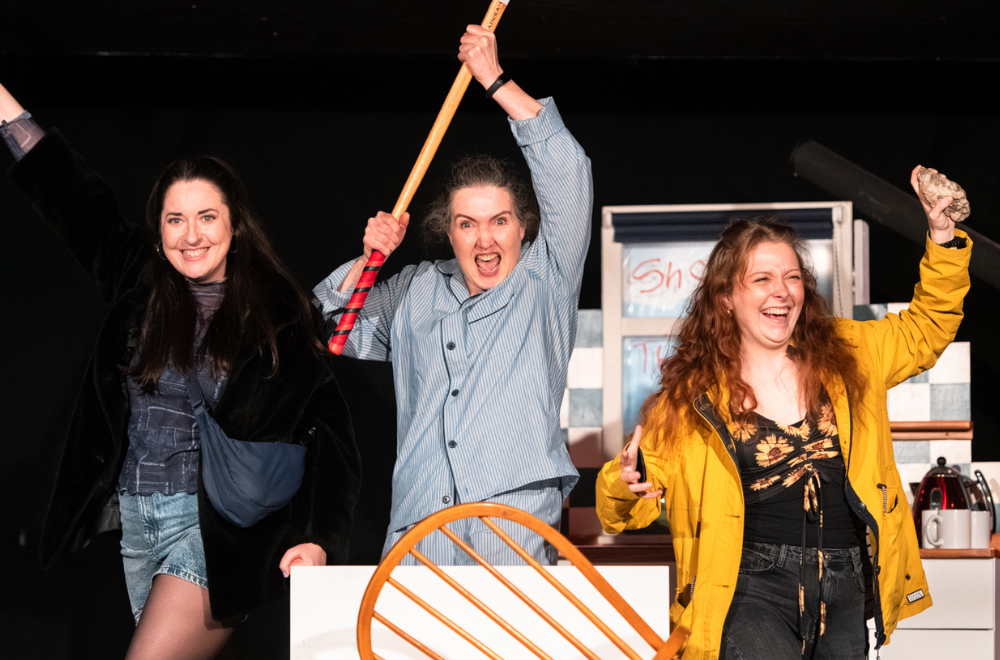
Much Ado About Nothing

06/02/25

Pleasance Theatre, Edinburgh

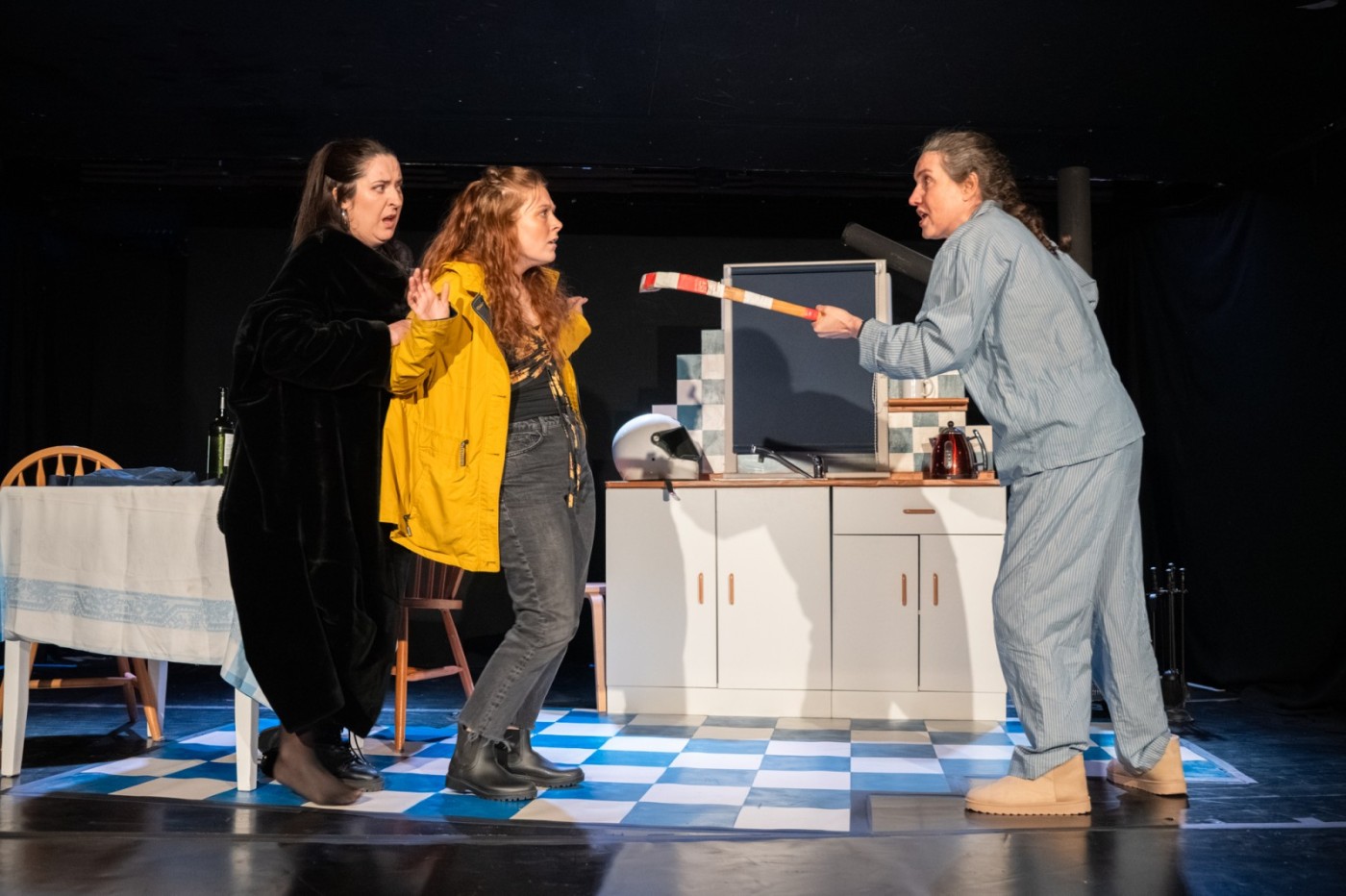
Let’s face it, judged by plot alone, Much Ado About Nothing is a bit, well… silly. Like most of Shakespeare’s comedies, the humour relies on disguise, misunderstandings and a fickle approach to romance. As an audience, we really have to suspend our disbelief. Would sworn enemies such as Benedick and Beatrice (Benedict Harrison and Verity Mann) really have an immediate change of heart thanks to some very unsubtly orchestrated eavesdropping? Both of them? It seems unlikely. Would a respected celebrant (Dylan Kaeuper) really suggest that a jilted bride should fake her death, or her father embrace the idea – agreeing that “death is the fairest cover for her shame”? Hmm. And would the groom – a mere twenty-four hours later – agree to marry his dead fiancé’s looky-likey cousin without ever setting eyes on her? I mean, that’s a no, right? Meanwhile, we’re also supposed to accept that no one in Leonato (Faolán Ingram)’s household suspects the decidedly dodgy – almost moustache-twirling – Don John (Cameron Broadly) of being a villain, despite the many outward clues. But still. It is what it is, and there’s a lot of fun to be had along the way.

EUSC’s production of this sprawling play is sprightly and engaging. The directors (Madeleine Brown, Marina Funcasta and Anna Simurda) have chosen to emphasise the humour, eliciting larger-than-life performances from their actors rather than aiming for anything subtle – and I think this is a wise move. The action has been moved from Italy to California, from the 16th century to the 1970s but, while the period is clearly-evoked, I’m less certain about the place. There’s certainly a laid-back Summer of Love vibe, but most of the music is British (Bowie, Bolan, The Sweet, The Police) and the majority of characters speak with English accents, so it all feels a bit more Camden Town than Haight-Ashbury.

Leonato’s estate is Party Central as he and his wife, Antonia (Maria Wollgast), play host to the local socialites. What better way to make a match for their beloved daughter, Hero (Francesca Carter)? The dope is plentiful, the drinks are flowing – and love is in the air. Claudio (Rider Hartley) fancies his chances with Hero, and she’s rather keen on him as well. But “the course of true love never did run smooth” (yes, I know – wrong play), and what could go wrong with Don Pedro (Eric Parker)’s complicated plan to woo the girl on his friend’s behalf? Throw in some meddling servants, a fabulously drunken henchman (Fraser Murray), a local constable (Robbie Morris) and a veritable army of liggers – and the scene is set for some merry mayhem.

It’s a great idea to have a live band on stage, although I can’t help feeling they’re under-utilised. Still, the young cast are clearly having a ball, dressed up to the nines in flares and sequins (floppy hats off to costume designers Paloma Leigh-Stevenson, Alex Dunlop and Bea Fitz), their delivery as bold and brash as the script demands. Not everyone has a lot to do, but they all make the most of what there is, and there are some lovely moments of background detail, such as Margaret (Mia Dé)’s horrified realisation that her tryst with Borachio is being used to frame Hero. Harrison (Benedick) and Carter (Hero) are the standouts for me, but all of the actors and musicians perform with gusto, and I am thoroughly entertained.

There are just two more chances to catch this groovy rendition of Much Ado, so why not head on down to the Pleasance and hang loose with the hippies? Be sure to wear some flowers in your hair…

3.4 stars

Susan Singfield

Moments

30/01/25

The Studio at Festival Theatre, Edinburgh

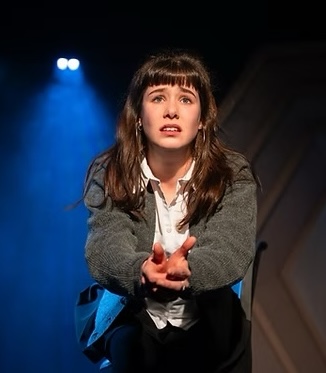
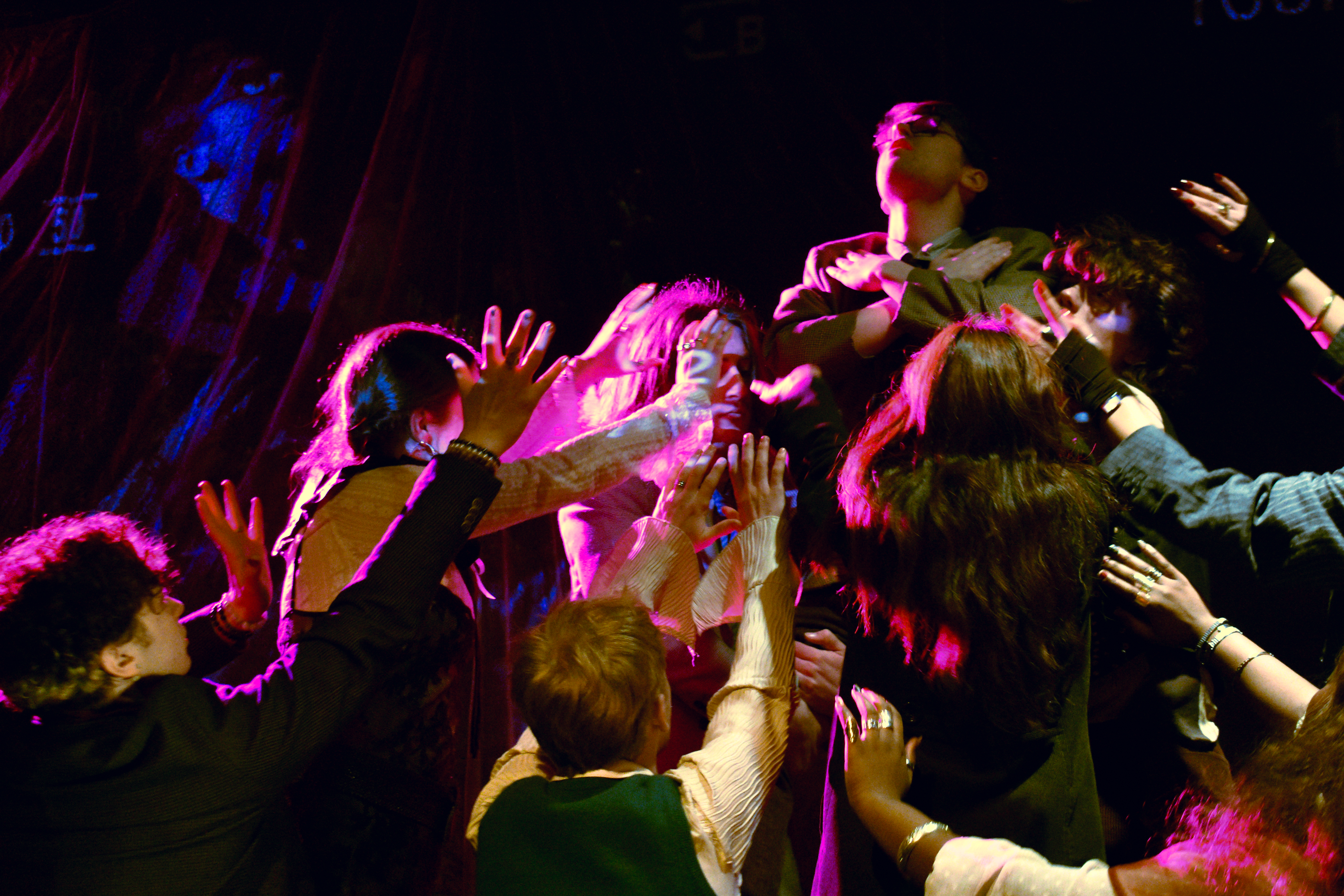
One of the UK’s leading visual theatre companies, Theatre Re focus on making “deeply moving non-verbal productions about universal human challenges and the fragility of life”. Their latest piece, Moments, lays bare the creative process, taking the audience on a journey from nothing to something, from the flicker of an idea to a compelling dramatic sequence.

The metatheatrical concept is made clear from the outset, as four performers – dressed in rehearsal blacks – stand in a line and introduce themselves. They are: Guillaume Pigé – conceiver, director, actor and mime; Dr Katherine Graham – lighting designer; Alex Judd – composer; and Anna Kitson – BSL interpreter. From the sound desk behind us comes the disembodied voice of Benjamin Adams. They describe their roles and what they each bring to a show.

And then they begin. A chair, at first simply functional, changes before our eyes, becoming a child and then a father. The mood switches, initially light and amusing, then emotionally charged. The intensity swells with the music; the lighting focuses our attention one way and another. There is dialogue but it’s in French, so – for me, at least, with my school level knowledge of the language – it’s more about tone and tenor than it is about the words.

There’s no denying how skilful these theatre-makers are: the performances are incredibly precise and absorbing, and it’s fascinating to see what they can do with a bare stage, no costumes and one prop. However, it feels more like a demonstration than a play; it’s an exemplar of how to develop a piece of drama but the final scene – the culmination of the process – is too brief to be satisfying.

Moments would work well as an introduction to a drama workshop for A level, Higher or Uni students. It’s a dynamic and engaging piece of work that would surely appeal to anyone interested in learning about the process of making theatre.

3 stars

Susan Singfield

Singin’ in the Rain

23/01/25

Pleasance Theatre, Edinburgh

In Edinburgh, a storm’s a-comin’ in… but before it hits, there’s the chance to catch EUSOG’s delightful adaptation of this classic 1952 Hollywood Musical. Back in 2022, we saw the touring production at the Festival Theatre, which boasted a massive budget and gallons of real water bucketing down from the heavens. A high bar indeed. But we’ve seen enough EUSOG shows to know that these talented students will deliver something special – and we’re not disappointed.

The year is 1927 and Dan Lockwood (Ewan Robertson) and Lina Lamont (Amelia Brenan) are the golden couple of silent cinema. Movie fans believe them to be an item and, for the sake of their own popularity, they allow this belief to flourish. Dan has steadily worked his way up the slippery pole of fame alongside his childhood friend, Cosmo Brown (Dan J Bryant), a wisecracking song-and-dance man. But of course a new film release – Al Jolson’s The Jazz Singer – is about to change the face of cinema forever. Lockwood and Lamont realise that they need to make a talking picture. But there’s a problem: Lina has a screeching voice with all the appeal of fingernails being dragged down a clapperboard.

And then Dan meets Kathy Seldon (Hannah Shaw), a theatre performer, who claims to never go to the cinema, and who plans to head off to New York to pursue a career on the stage – you know, real acting. She also has a lovely singing voice. And Dan is irrevocably smitten…

There are many good reasons why the original film still features in most critics’ lists of the greatest musicals of all time. It boasts a sparkling screenplay by Betty Camden and Adolph Green and a whole clutch of memorable songs by Nacio Herb Brown and Arthur Freed. What this production might lack in special effects is more than made up for by the dazzling and exuberant performances of its young cast, who take on the most demanding of roles with aplomb.

Robertson is the powerful anchor at the heart of the piece, singing up a storm, while Shaw is a delight in the ingenue role. Brenan is having the best time as Lamont, gleefully mangling her lines and performing What’s Wrong With Me? in tones that could shatter plate glass. And, as is the case in the film, it’s Cosmo who steals so many of the scenes: Bryant clowns with considerable skill and his performance of Make ’em Laugh even manages to rival Donald O’Connor’s most celebrated routine.

As ever with these productions, there is a large chorus and every performer gives it one hundred percent. Director Freya White and choreographer Rosalyn Harper have their huge cast moving effortlessly through a series of pratfalls and complex dance routines – and let’s not forget the input of musical directors Evie Alberti and Sebastian Schneeburger, who guide a seventeen-piece orchestra through that unforgettable score. The standing ovation from tonight’s packed crowd is genuine and well-earned.

Sadly, Storm Éowyn has already put paid to Friday night’s performance and fingers are currently crossed for the Saturday. If it does go ahead, then please take the opportunity to catch this captivating show, which to my mind personifies the very essence of pure entertainment. I’m willing to bet you’ll come out smiling and singing the title song, no matter what the weather’s doing.

4.8 stars

Philip Caveney

The Merchant of Venice

22/01/25

The Royal Lyceum, Edinburgh

New York’s Theatre for a New Audience brings The Merchant of Venice to Edinburgh’s Royal Lyceum as part of a reciprocal exchange programme. Starring John Douglas Thompson as Shylock, this is a bold and provocative production, drawing explicit links between 16th century Venice and an all-too-believable near-future USA.

Director Arin Arbus says she wants “to discover what this play means to us in the here and now” – and she certainly does that, using Merchant to hold up a mirror to a divided society where people’s views are polarised and entrenched. In Shylock’s Venice, Jews have few rights. They are forced to live in ghettos, prohibited from owning property, limited in the kind of work they are allowed to do. The prejudice runs deep: even Antonio (Alfredo Narciso), widely reputed to be one of the good guys – “a kinder gentleman treads not the earth” – deems it appropriate to spit at Shylock and call him a dog, all while asking him for money. In the modern American dystopia where this production is set, Thompson’s Black Shylock suffers comparable – and recognisable – iniquities.

It feels like a timely reminder of what we need to avoid, of where discrimination and inequality inevitably lead. Who can blame Shylock’s daughter, Jessica (Danaya Esperanza), for wanting to escape the ghetto, for hooking up with Lorenzo (David Lee Huynh) and converting to Christianity? Why shouldn’t she seek a better life? But it’s her desertion that pushes Shylock, already at breaking point, over the edge, fuelling his thirst for vengeance. What has he left to lose? Just as the Christian Venetians treat the Jews as a homogenous group to be despised, so Shylock views them all as one enemy. No wonder he is furious; no wonder he shows Antonio no mercy.

But the odds are stacked against him. The legal system isn’t fair or balanced: the laws are written by the powerful. Plus ça change, plus c’est la même chose. Power corrupts. Even Portia (Isabel Arraiza), who seems a pretty decent sort at first, isn’t immune. She changes when she assumes the mantle of supremacy, swaggering into the court in her borrowed clothes and treating Shylock with cruel contempt. Arbus’s direction highlights this theme; indeed, this version of the courtroom scene is the most intensely horrifying I have ever seen. The auditorium is eerily silent, as if we’re all holding our collective breath, appalled by Portia’s gloating as she humiliates Shylock.

I’m watching this just three days after Donald Trump has issued an executive order dismantling federal diversity, equity and inclusion programmes, which lends this consciously diverse production even more weight and urgency. Shakespeare’s message transcends the centuries; we have to heed its warning.

4.6 stars

Susan Singfield

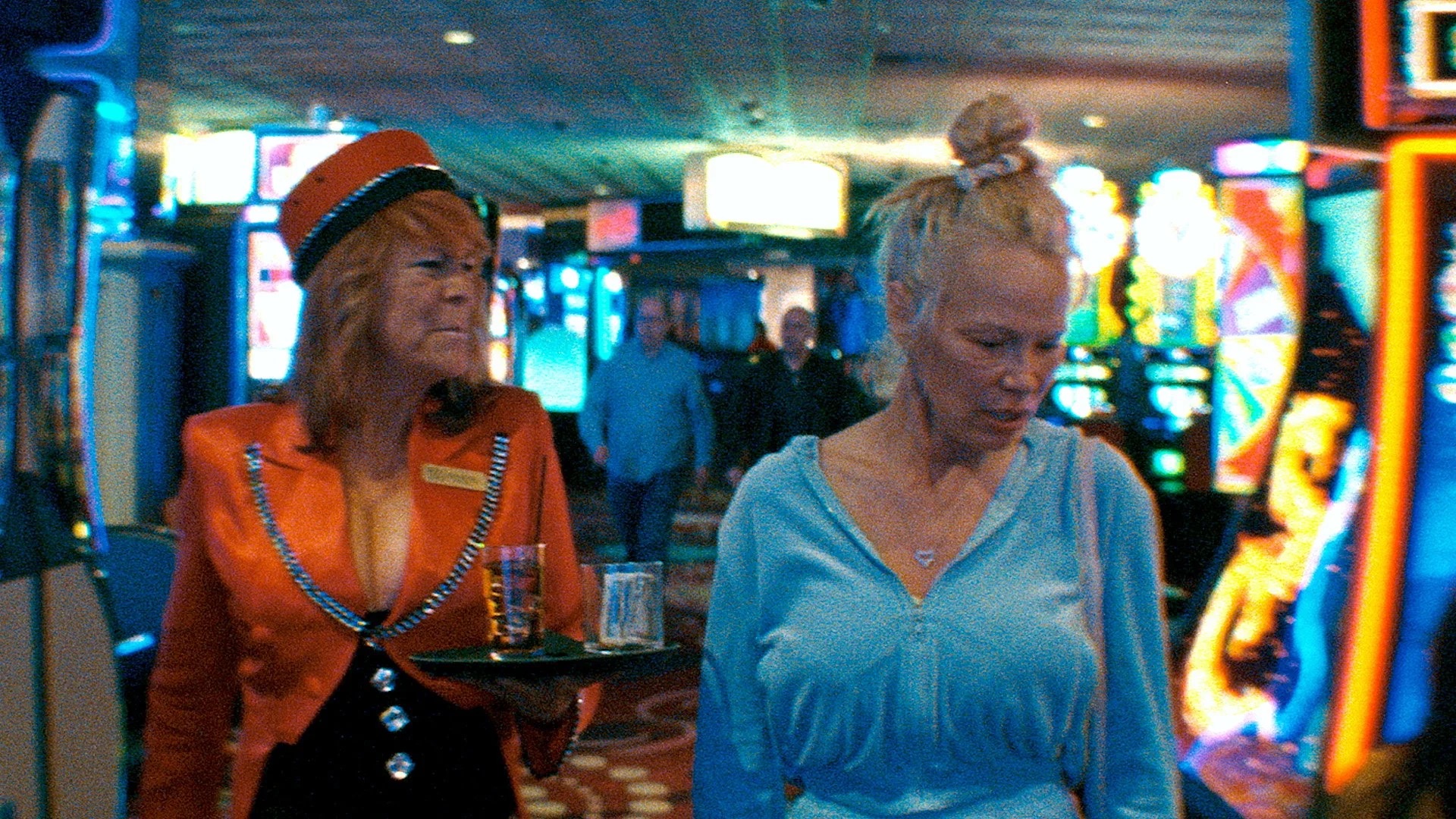
A Real Pain

12/01/25

Cineworld, Edinburgh

On paper, it sounds like a terrible idea: a comedy about chalk-and-cheese Jewish cousins on a tourist trip to a concentration camp. I’m sorry, what? But Jesse Eisenberg’s script successfully navigates the many potential pitfalls, and A Real Pain emerges as a thoughtful exploration of how we try to make sense of the horrors of recent history, expertly leavened by the mismatched buddy lols.

This is very much Eisenberg’s project: he also directs and co-stars as David, the uptight, neurotic half of the central pair. Kieran Culkin is Benji, the cousin he was inseparable from when they were young. Their backstory emerges through the dialogue: as they approach forty, we learn, David doesn’t want to hang out with Benji like he used to. He’s moved to NYC, where he has a wife, a child and a career to focus on. Benji, on the other hand, has yet to find his groove. Sure, he’s funny, charming and very popular, but he’s also living in his parents’ basement, depressed, without a steady job. Their paths rarely cross. But then their beloved Grandmother Dory dies, leaving money in her will for the two of them to travel to Poland, to see the house where she grew up and the camp that she survived. It feels like a canny final plan, to reunite her grandsons while also honouring the past.

It helps, of course, that Eisenberg and Culkin are both such strong actors, easily securing the audience’s sympathy. Culkin in particular shines here in the showier role, Benji’s vulnerability writ large, despite his devil-may-care attitude. Even as he’s selfishly appropriating the window seat – again – or disrupting a whole train carriage with a tantrum, it’s impossible not to feel protective of him, the carapace he’s constructed so obviously fragile. Eisenberg provides the comedic foil; he’s the helpless observer apologising for his cousin’s outbursts, blinking with embarrassment as Benji transgresses social mores.

The supporting cast are also well-drawn, a convincing mix of characters, contentedly muddling along. British tour guide James (Will Sharpe) is an affable chap. He’s not Jewish but he is an Oxford graduate with a detailed knowledge of Polish history. The two solo travellers are Marcia (Jennifer Grey), a recently-divorced woman in her early sixties, and Eloge (Kurt Egyiawan), a survivor of the Rwandan genocide who has emigrated to the USA and converted to Judaism. Married couple Mark and Diane (Daniel Oreskes and Liza Sadovy) complete the group; like David and Benji, they’re visiting Lublin because it’s where their family comes from – and where many of them were killed.

The scenes in the Majdanek concentration camp are very moving. Eisenberg sensibly eschews any directorial flourishes here: there’s no music, no flashbacks, no fancy editing tricks. The bare walls speak for themselves, atrocities literally etched onto them in the blue stains left by poison gas. The tour group moves through in silence; their return bus journey passes quietly too, as they reflect on what they’ve seen – and what it means. Later, smoking a joint on the hotel roof, David points out three lights. “That’s the camp,” he says. “It’s so close” – a perfect example of the understated poignancy that makes the movie work so well.

A Real Pain is a clever film, a tight ninety minutes of carefully-structured storytelling, with never a dull moment. Eisenberg straddles the line between respect and irreverence, gently mocking people’s reactions without ever trivialising the Holocaust. It’s no mean feat to create such a heartwarming, thought-provoking tragicomedy.

4.4 stars

Susan Singfield

The Order

03/01/24

Cineworld, Edinburgh

The geographical landscape of this film is well-known to me – a Fulbright exchange saw me teaching high school in Walla Walla, Washington for a year in the 90s, and I visited many of the Pacific Northwest locations referenced: Spokane, Boise, Couer d’Alene, Whidbey Island. Thankfully, the film’s ideological and political landscape is far less familiar.

Directed by Justin Kurzel, The Order draws on a true story from 1983, when fascist Bob Mathews (Nicholas Hoult) began his violent mission to create an all-white promised land. In Zach Baylin’s script, a fictional FBI agent called Terry Husk (Jude Law) sets out to foil Mathews’ deadly plan. It’s a chilling tale, not least because it’s clear that not much has changed in the forty years since The Order was created. There are still way too many men like Mathews, spouting their twisted doctrines. Heck, one of them has made it all the way to the White House. Twice.

Adam Arkapaw’s bleached out cinematography evokes the feel of 1980s small town America: the vast swathes of uninhabited land; the isolated homesteads. These are the neighbourhoods where cops and criminals have known each other since kindergarten, have dated the same partners, understand each other even when they disagree. So when young police officer Jamie Bowen’s old school pal, Walter, goes missing, of course he wants to help. It doesn’t matter that they’re ethically opposed – Walter (Daniel Doheny) is a white supremacist, while Jamie (Tye Sheridan) is in a mixed-race marriage – Jamie is an Idaho boy through and through; these people are his kin.

Husk, on the other hand, is an Outsider with a capital ‘O’. Haunted by past failures, he is determined to stop the rot, to prevent any more carnage. He recognises the scale of Mathews’ ambition, but it’s hard to convince anyone but Jamie that The Order poses a real danger.

The success of this film is largely due to the contrasting trio at its heart: Law’s hard-bitten desperation; Sheridan’s hopeful naïvety; Hoult’s chilling fanaticism. All three deliver superb performances, and are perfectly cast in their roles.

Kurzel doesn’t hold back from the ugliness and real-world pain. There are the chases and shoot-outs you’d expect from any crime drama, but here they feel all-too believable, the impact evident on everyone involved, from the furrows on Husk’s forehead to the manic ecstasy of Mathews’ laugh.

It’s no accident that The Order feels so timely, as we stand on the precipice of a new era in US politics. Let’s just hope that there are enough Husks and Bowens to see us through.

4.2 stars

Susan Singfield

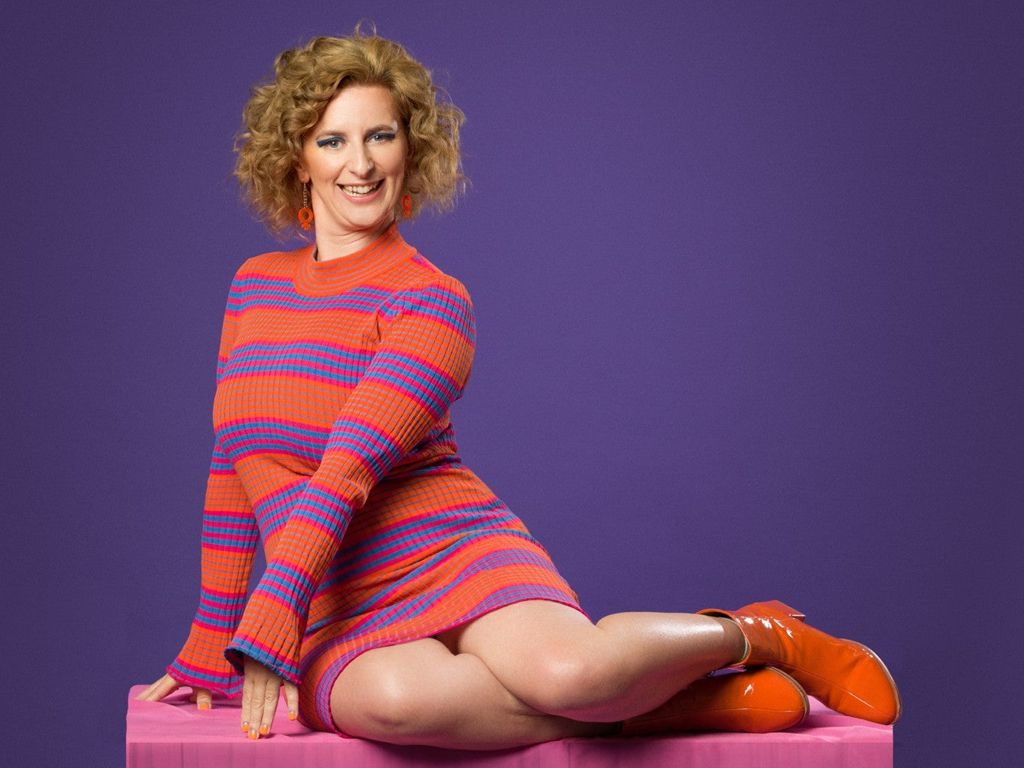
Mary: a Gig Theatre Show

20/12/24

Traverse Theatre, Edinburgh

Mary: A Gig Theatre Show takes a bold approach to the Queen of Scots’ story, weaving folk rock with poetic monologues to create a fresh and engaging perspective. While comparisons to SIX are inevitable – royal women of the 16th century reimagined in song for a modern audience – Mary is no direct descendant of the juggernaut Tudor musical. It’s altogether a much more intimate affair.

Writer/lead performer Rona Johnston plays the titular monarch, imbuing her with real humanity. It’s a pacy piece, covering Mary’s entire life in a mere fifty minutes, and it’s to Johnston’s credit that it feels neither rushed nor superficial. That said, this is no history lesson: the focus is firmly on Mary’s emotional journey and her experiences as a woman destined to endure a peculiarly complex set of circumstances.

Like the Queen, Johnston is ably supported by her band of multi-rolling Marys: Izzie Atkinson, Jodie Kirkwood, Hester Irving, Laura Coull and Alli von Hirschberg. Kirkwood provides the comic relief as Darnley, presented here as a puffed-up lech, while Atkinson’s Elizabeth I is a cold and intimidating presence.

Directed by Katie Slater, Mary: A Gig Theatre Show is made very accessible by its homespun vibe, the performers’ onstage camaraderie contrasting cleverly with their characters’ bitter rivalries. This juxtaposition is reflected in the costume design, featuring corsets and long skirts alongside tartan tights and denim waistcoats, effectively straddling six centuries.

The songs, composed by Johnston, are memorable and toe-tapping, ranging from lusty rock powered by Coull’s urgent drums to plaintive ballads that showcase the three vocalists sumptuous harmonies. A standout for me is the languorous duet Johnston performs with Atkinson, the two voices soaring as they hit the final chorus.

While it’s an impressive production in its own right, more than anything Mary: A Gig Theatre Show feels like the beginning of something: young theatre makers at the start of what are clearly promising careers. If this cleverly-written piece is indicative of Johnston’s talent, then I can’t wait to see what she does next.

4.2 stars

Susan Singfield

We Live in Time

02/12/24

Cineworld, Edinburgh

Directed by John Crowley, We Live in Time is a superior rom-com/weepie hybrid, anchored by stunning performances by two of Britain’s best actors, Florence Pugh and Andrew Garfield. Tonight’s advance screening – courtesy of Cineworld Unlimited – is extremely busy; in fact, we’ve managed to grab the very last two seats.

Pugh plays gourmet chef Almut Brühl, who hits a dressing-gown clad Tobias (Garfield) with her car while he’s bending down to pick up a piece of chocolate orange that’s fallen into the street. Luckily for the ‘rom’ part of the ‘com’, they’re both single: indeed, Tobias’s poor road-safety skills are the result of his reaction to signing his divorce papers. Before long, they’re in love – but then the ‘weepie’ element comes along, in the form of an ovarian cancer diagnosis, and a whole truckload of difficult decisions.

Nick Payne’s script is a sprightly delight, skipping around in time and tone with absolute assurance. The chronology is disrupted: we start in the middle of the story, then veer back and forth between the early stages of the couple’s relationship and the later trauma of Almut’s illness. It’s laugh-out-loud funny and devastatingly sad, a duality that’s reflected throughout the film.

Because Almut’s not ‘normal’. She’s a fascinatingly complex character: her restaurant serves Anglo-Bavarian fusion food; she’s bisexual; she’s fit and strong (a committed runner) and frail and weak (from the chemo). She’s a loving mother but it’s not enough: “I want to be remembered as more than a dead mum.” Almut treads her own path, and Tobias – softer and more passive than his go-getting partner – is her biggest supporter. Even if her driving force is sometimes hard to bear.

That Pugh makes a convincing chef is perhaps unsurprising as her father is a restaurateur. Naturally, given the couple’s jobs – Tobias is a data analyst for Weetabix – food plays a big part in this movie. Cinematographer Stuart Bentley highlights the seductive pleasure of a whole range of edible wonders, from Almut’s Michelin-starred concoctions to Jaffa Cakes dunked in mugs of tea and eaten in the bath.

We Live in Time is every bit as compelling as its heroine, and certainly worth a trip to your local cinema on New Year’s Day, when it’s out on general release. Just remember to pack your hanky – and maybe a fancy snack or two.

4.4 stars

Susan Singfield

Number One at the Balmoral Hotel

30/11/24

Princes Street, Edinburgh

In the ten years since we bought our Edinburgh flat, we’ve been slowly working our way through the city’s impressive roster of fine-dining establishments. Number One, situated next to Waverley Station in the basement of the iconic Balmoral Hotel, has long been on our radar and tonight, at last, it’s time to sample its delights.

And delightful they are.

We opt for the seven-course tasting menu. We tend to prefer this to a traditional à la carte three-course meal, mainly because it pushes us out of our comfort zones and makes us try new things – or reassess old ones. Take celeriac, for example. I’d never choose it. But it shows up this evening in the fifth course, and it turns out I like it very much indeed when its been mashed and deep fried into a little bonbon of perfection.

How many synonyms are there for delicious’? Because there’s no other way to describe the plates of… deliciousness we’re presented with. We start with canapés, tiny mouthfuls of loveliness: one duck liver, one cullen skink and one truffle choux. These are followed by a small loaf of freshly-baked linseed sourdough bread and butter, an irresistible mix.

The first course is Ullapool brown crab, a light, delicate concoction of crab custard, topped with crab claws and toasted almonds. It’s silky and airy and utterly, um… delicious.

Next up is Pittenweem lobster, which is perhaps my favourite course. We’re not required to mess about with nutcrackers (or chainsaws, for that matter) because it’s all been done for us: one neatly extracted claw and tail apiece, as well as a gyoza-style dumpling and a bisque. All the joy of a lobster without any of the hard work.

The partridge, from Gleneagles Estate, is another triumph. This comes with leek and fennel, and is stuffed with some kind of bacony-pork concoction that works really well with the more subtly-flavoured game.

Shetland halibut is next to appear, and it’s cooked to melt-in-the-mouth perfection, topped with Oscietra caviar and sitting in a pool of more-ish beurre blanc. This is Philip’s favourite fish and he’s not disappointed. That’s right: it’s delicious.

The final savoury course is Hopetoun Estate roe deer, the saddle served medium rare (we’re given the option to select a preference here, but we trust head chef Mathew Sherry and his team to know how long the meat needs cooking for). There’s also an intensely earthy sausage and the aforementioned game-changing celeriac.

We decide against the optional cheese course at this juncture, because there are still two puddings to go and we’re getting pretty full. Instead, we head straight to the exquisitely-presented Balmoral honey dessert, with honeycomb and a yoghurt ice cream. It’s superb.

The last item on the menu is a pumpkin soufflé, as light as air, with a sliver of gingerbread buried inside. The accompanying pumpkinseed praline is a revelation, and the super-sweet ganache topping adds that extra oomph to make the whole thing pop.

We order decaf coffees to finish off, which come with a selection of petit fours, of which the sea buckthorn meringue tart and peanut butter macaron are the standouts.

And then, a mere three hours after our arrival, we head back out into the Edinburgh night and begin our short walk home.

In a nutshell: deliciously delicious.

5 stars

Susan Singfield