

Common Tongue

03/10/25

The Studio at Festival Theatre, Edinburgh

Writer-director Fraser Scott explores the knotty relationship between language and identity in this searing polemic, which – despite the complexity of the subject – is both accessible and very funny.

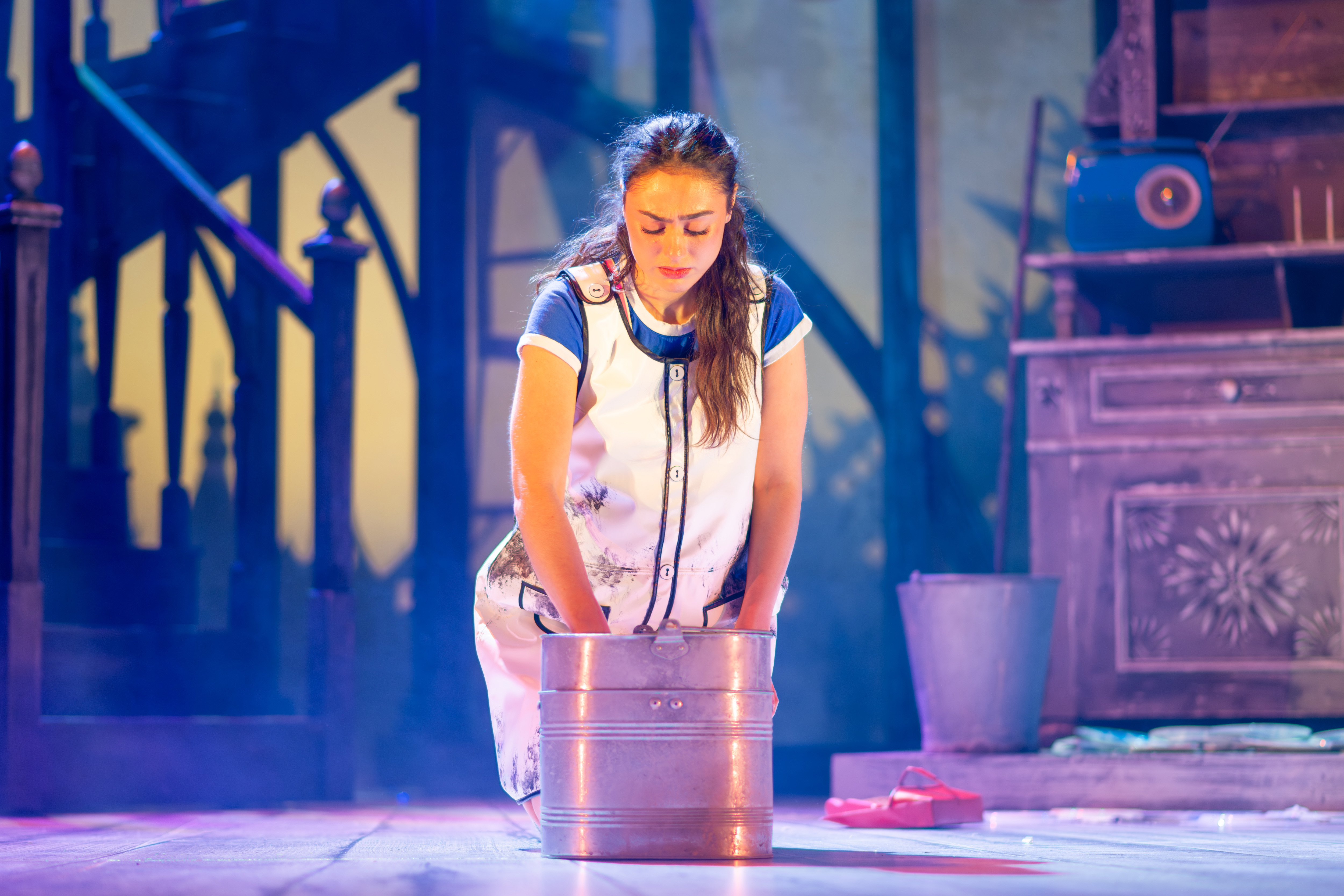
Bonnie (Olivia Caw) is fae Paisley, where she lives with her beloved Papa and speaks like him too. She’s sparky and clever and, as she grows up, keen to spread her wings and see the world.

Step one is St Andrew’s University, where her flatmates are all from England or Edinburgh – “aun a dinnae ken which is worse.” They tease Bonnie about the way she speaks, and she gives as good as she gets, mocking their accents in turn. But of course it’s not the same. The English girl who says, “You have to be okay with how we sound too,” is missing the point. The way she sounds isn’t always on the brink of being wiped out, has never been banned, will never disadvantage her. But Bonnie doesn’t yet have the words to articulate this point.

Step two is a year in the USA, where even those who enthusiastically claim their “Scotch” ancestry struggle to understand anything Bonnie says. She finds herself having to speak slowly and Anglicise her language, which seems harmless enough but it’s tiring. It takes its toll.

Back on home turf, a graduate now, killing time while she works out what she wants to do with her life, Bonnie is disconcerted by Papa telling her that she sounds different: “pure posh.” She realises she has to make a choice. Will she sacrifice her voice to achieve success in an unequal world, or will she roar at the injustice and fight to be heard on her own terms?

This is a demanding monologue and Caw’s performance is flawless, at once profound and bitingly funny: the jokes delivered with all the timing and precision of a top comedian; the emotional journey intense and heartfelt.

Patricia Panther’s sound design is integral to the production, and I especially like the use of multiple microphones, clustered to denote new places and people. Admittedly, there’s a lot of competition from Storm Amy raging outside and rattling the pipes, but it’s effective nonetheless.

Fraser makes his points cogently, probing both the Sapir-Whorf hypothesis (that the language we use shapes the way we think) and the repercussions of linguistic colonialism. As a Welsh woman, I’m familiar with historical tales of school-kids being punished for speaking Cymraeg, but the Scots issue is clearly ongoing. In fact, as I leave the theatre tonight, I bump into one of the teenagers who attends the drama club I teach. He tells me that he was sent out of class recently for saying, “I ken,” that his teacher deemed his language “cheeky.” I think his teacher needs to see this play.

Kinetic and engaging, Common Tongue has a lot to say and a braw way of saying it.

5 stars

Susan Singfield

Her

02/10/25

Traverse Theatre, Edinburgh

High school can be a minefield for some students, as Her (Eleanor McMahon) discovers when partially- clothed photographs of her start to appear on social media and are gleefully shared around her class, fuelling heartless gossip and ill-founded assessments of her character.

But who is to blame? Is it her so-called boyfriend, Ryan, who took the photos without her consent? Is it his friends, who shared them without his? Is it Him (Reno Cole), the boy she grew up alongside and who has always seemed so supportive but doesn’t stand up for her now? She knows that he has problems at home and that he sometimes struggles with his own issues, but how could he let her down like this?

Meanwhile, B1 (Zara-Louise Kennedy) and B2 (Alex Tait) are always on hand to analyse things, making snarky, acerbic observations like some kind of teenage Greek chorus, moving swiftly from role to role as they deliver their characters’ different reactions to the situation.

Strange Town’s tightly-structured production, written by Jennifer Adam and directed by Steve Small, is an object lesson in how to deliver a polemic and should be required viewing for teenagers across the land. Tight, propulsive and perfectly-pitched, its anchored by excellent performances by its four young actors, the serious message punctuated (but never diluted) by the quirky witticisms expertly delivered by Kennedy and Tait.

In the age of social media, moral lines can sometimes seem blurred, but Her sets out its premise with absolute clarity. As the show embarks on its third tour, its message seems more relevant than ever – and, while it’s clearly aimed at young audiences, it’s a production that speaks to people of all ages.

4.5 stars

Philip Caveney

Night Waking

01/10/25

Traverse Theatre, Edinburgh

Adapted from Sarah Moss’s novel, Shireen Mula’s Night Waking is complex and demanding, exploring motherhood, colonisation and the ramifications of history. Nicola Jo Cully performs this challenging two-hour monologue with aplomb, segueing between a range of disparate characters, convincingly portraying the protagonist’s mounting despair.

To be fair, despair seems like a reasonable response to the situation Anna finds herself in. Temporarily uprooted from Oxford to a remote Scottish island, she feels marooned, alone all day with her two young children, while her husband, Giles, conducts his ornithological research into the declining puffin population. Her own academic career has stalled since she became a mum, and her attempts to write are stymied by the overwhelming demands of childcare and housework. She’s already feeling angry and depressed – murderous, even; suicidal – so the discovery of a baby’s bones in the garden is the final straw.

And it’s not the only skeleton in the manor house’s cupboard. Giles has recently inherited the island, and historian Anna is horrified when she uncovers evidence of the atrocities his ancestors perpetrated. No wonder the locals are so unfriendly; old resentments run deep.

I love the overlapping nature of the storytelling here, the way the script skips back and forth in time, slowly peeling back the layers to reveal more about both Anna’s situation and the island’s dark history. Rebecca Atkinson-Lord’s agile direction is complemented by Hugo Dodsworth’s impressive set and video design: the projected background images jolting us from one scene to another, as scattered and disconnected as Anna’s sleep-deprived thought processes; the open grave an unmistakable metaphor for digging up the past.

However, I’m not always convinced by the content. The historical aspects are a matter of record so – shocking though it is – I can easily believe that landowners forcibly shipped the impoverished islanders to Canada, and that infant mortality rates were devastatingly high. It’s the contemporary sections that stretch credulity. Am I really supposed to accept that an Oxford professor would allow her husband’s complete abdication of parental responsibility? That an educated, well-to-do 21st century man would interrupt his wife’s work meeting because their baby won’t stop crying? Any family wealthy enough to own an entire island would surely hire a nanny if they were struggling to cope.

A play to admire, perhaps, rather than to enjoy, Night Waking is wide-ranging and ambitious, as thought-provoking as it is informative, and I find myself utterly absorbed in Anna’s tale. The play’s closing statement, revealing how little has changed for the Highland’s inhabitants over the years, provides a hammer-blow of a conclusion.

4 stars

Susan Singfield

The Wee Choo-Choo

28/09/25

Platform Three, Rie-Achan Road, Pitlochry, Perthshire

We’re in Pitlochry as part of a five-day camper-van trip and we’re getting a bit bored of the simple meals we can rustle up on our tiny stove, so we decide to look online for somewhere good to eat. There are plenty of cafes and inns to choose from but the place that really catches our eye is The Wee Choo Choo. As the name suggests, it’s a restaurant in an unusual location: a specially converted train carriage – and not just any old train! The last time we saw this 1960s locomotive it was thundering across a movie screen in Mission Impossible: Dead Reckoning, while up on the roof Tom Cruise and Esai Morales were engaged in fisticuffs.

Rescued from a storage depot in darkest Middlesex by steam train enthusiast Fergus McCallum, one of the train’s carriages is now a high-end Thai restaurant. McCallum’s wife, Isara, handles the cooking and his daughter, Mia, takes care of the management, while McCallum acts as mâitre de. It’s Saturday midday when we drop by and there are a lot of bookings for the evening so, at first, it looks like we’re going to be out of luck, but Mia promises she will call us if she can possibly squeeze us in.

The hours pass and, just as we’re contemplating the prospect of another one-pot meal, our phone rings and Mia tells us there’s been a last-minute cancellation. We virtually sprint the short distance from our campsite to platform three…

Of course, it crosses my mind on the way there that, with such a unique setting, the food may just be mediocre fare, but happily this is not the case. On the contrary, the meal we sit down to represents some of the best Thai cuisine I’ve ever eaten. We begin with a couple of mouthwatering starters.

Goong-Sa-Rong features a couple of juicy King Prawns wrapped in crispy, crunchy yellow noodles and arranged on an avocado salsa salad. Gai Satay comprises chunks of tender marinated chicken on a skewer and a vegetable spring roll filled with crisp vegetables, glass noodles, cabbage and carrot. Both dishes are bursting with flavour and they look every bit as delightful as they taste.

The main courses are equally captivating. There’s Ma-Sa-Man Curry, slow-simmered in coconut milk. We’ve opted to try the duck leg version, (chicken or pork are also available), centred around a large drumstick, the meat of which is literally falling from the bone. It’s tender, mouth-watering and utterly captivating. It’s accompanied by a mound of perfectly cooked jasmine rice, a helping of tamarind and cinnamon potato and some crispy shallots. Moo-Ob-Nam-Pung is a generous helping of honey-pork spare ribs, slow-cooked in a sticky sweet sauce with another mound of that perfect rice. Again, the ribs are perfectly cooked and that sauce so enticing it’s all I can do to refrain from licking the plate clean.

Of course we have to try some puddings, so we opt for Rubies Pearl, a hand-rolled dessert with butterfly pea flower, sweet potato, fresh seasonal fruit in coconut milk and a scoop of homemade coconut ice cream. And then there’s the pièce de résistance, Thai Mango & Sticky Rice. We’ve heard cooks talk about these mangos, which have a very short season and are said to be the finest in the world. I have to admit, I’ve never tasted better, and when that incredible flavour mingles with warm rice pudding and more of that yummy coconut ice cream, the result is on another level.

Could this meal possibly be any better? Well, only if Tom Cruise were to suddenly climb down from the roof and come in through the window to say hello. And even then, he’d need to keep well away from these mangoes, because I’m not planning to share my portion with anyone!

Hats off to the very affable Fergus McCallum (who was more than happy to talk about his project and the culinary skills of the very talented Isara). Here’s my recommendation to anyone who happens to be within striking distance of Pitlochry in the near future: book your seats and make your way to Platform Three at full speed, where The Wee Choo Choo is waiting to supply the food of your dreams.

But hurry! Mango season is nearly over for another year…

5 stars

Philip Caveney

5 stars

Philip Caveney

FEIS

23/09/25

Traverse Theatre, Edinburgh

All is not well at Maguire’s School of Irish Dance. Back in the day, this Glasgow-based outfit was seen as a leader in its ghillie-footed field, when Deirdre (Louise Haggerty) won enough rosettes to paper the walls of her teenage bedroom. Decades later, the school’s fortunes are flagging disastrously and she’s been reduced to offering a ‘VIP’ service, performing online for an exclusively male clientele, who are not above offering extra money for her used socks.

Deidre’s mother, Maura (Julie Coombe), is blissfully unaware of these new measures but, when her teenage granddaughter, Aoife (Leah Balmforth), falls flat on her face at the 2023 Irish World Championships, things look pretty grim. Then Maura manages to scare off the school’s only other decent dancer and it’s clear that something has to give…

Billed as a dark comedy – though perhaps the term ‘farce’ might be more appropriate – FEIS (pronounced fesh) is a cautionary tale about ambition and the lengths to which some people are prepared to go to in oder to secure a win.

Writer Anna McGrath pursues the laughs with a vengeance, though it has to be said that the various twists and turns of the story often defy credibility and, in one particular instance, a real-life star of the Irish dance world has a pretty heinous accusation levelled against him.

Haggerty gives the lead role her all, even throwing in what looks to this novice like an impressive bit of Irish-dancing, but I remain unconvinced that anybody would go to the lengths Deidre does in order to attain her objective. Balmforth feels severely underused throughout, while Coombe’s is obliged to deliver a series of fat-shaming comments at an unseen dancer that feel somewhat at odds with contemporary thinking. (This may be the point but it feels ill-judged to me.)

Musician Brian James O’ Sullivan adds some spirited jigs and reels to the proceedings. Michael Flatley, meanwhile, was unavailable for comment.

3 stars

Philip Caveney

Coast & Creel

20/09/25

Fountainbridge, Edinburgh

It’s a rainy evening in Edinburgh, and we’re both in the mood for seafood. Fortuitously, a new establishment has recently opened, just a stone’s throw from where we live. As the name suggests, Coast & Creel specialises in the stuff (a creel being a traditional wicker basket in which all things aquatic can be stored). And, lest I’m in danger of putting off all those diners who cannot bear the fruits of the sea, I should perhaps add that the restaurant does offer a selection of steaks, which (at least from a short distance) look pretty enticing.

I start with Chargrilled King Prawns, which arrive looking (and smelling) suitably enticing. They are perfectly cooked, left just long enough on the grill to retain that soft, buttery quality that makes them so appealing, and are accompanied by a couple of slices of sourdough, black garlic aioli and a drizzle of shellfish-infused oil. Susan’s Pan-Seared Scallops are also rather splendid: melt-in-the-mouth tender and accompanied by shrimps, clarified caper butter, parsley oil and samphire. There’s a chunk of artisan bread with which to mop up what’s left in the shell.

On to the main courses. I have chosen Fillets of Halibut. The dish arrives looking underwhelming (none of the photographs we take of it are suitable for this review) but, happily, it tastes heavenly. There are three generously-sized fillets, beautifully tender, arranged on a bed of soft, cheesy potato dauphinoise. There are a couple of chunks of al dente baby courgette, some heads of asparagus and, once again, samphire in beurre blanc. I finish the lot and have to be restrained from licking the plate.

Susan has opted for Paccheri Pasta with Creel-Caught Langoustine, which is quite a sight to behold. It comprises three large langoustine (which must, of course, be broken up with a lobster cracker in order to get to the flesh inside the shells). There are more accessible razor clams, cockles and mussels (thankfully no longer alive-alive-oh), all wallowing in an aromatic seafood bisque. The dish is finished with chilli, garlic and parmesan. Again, this is accomplished food, but am I the only one who wishes that the langoustine flesh could be extracted in the kitchen, without all that cracking, scrabbling and splintering, which leaves a diner in urgent need of an endless supply of hand wipes? I appreciate it’s part of the ritual, but it seems a great deal of effort for little return.

I can guess what you’re thinking. They surely won’t have left room for puddings.

Well, we took the precaution of keeping lunch light in order to partake, because we’re thoughtful like that – and we know our readers always want the full picture. Besides, I have spotted Sticky Toffee Pudding on the menu, which I can never resist. This one is unlike any I’ve had before with a distinctly ‘bonfire toffee’ flavour – if you can remember what that tasted like. It’s accompanied by vanilla ice cream, fruits and a delicious toffee sauce. Susan has chosen Warm Churros, which (despite having an unfortunate visual resemblance to barbecued sausages) taste quite delightful. They’re filled with dulce de leche and also feature a delicious sauce (chocolate in this case) and vanilla ice cream.

We emerge feeling pleasantly full, to see that the rain has (at least for a while) moved on. Those looking for a superior seafood experience should set sail for Fountainbridge without delay, where Coast & Creel may be exactly what you’re seeking.

4.8 stars

Philip Caveney

A Big Bold Beautiful Journey

20/09/25

Cineworld, Edinburgh

I’ve never been a rom-com fan: too cynical for ‘rom’ and unamused by mawkish ‘com’. But – schmaltzy subtext notwithstanding – when it’s served up as beguilingly as this, you can count me in.

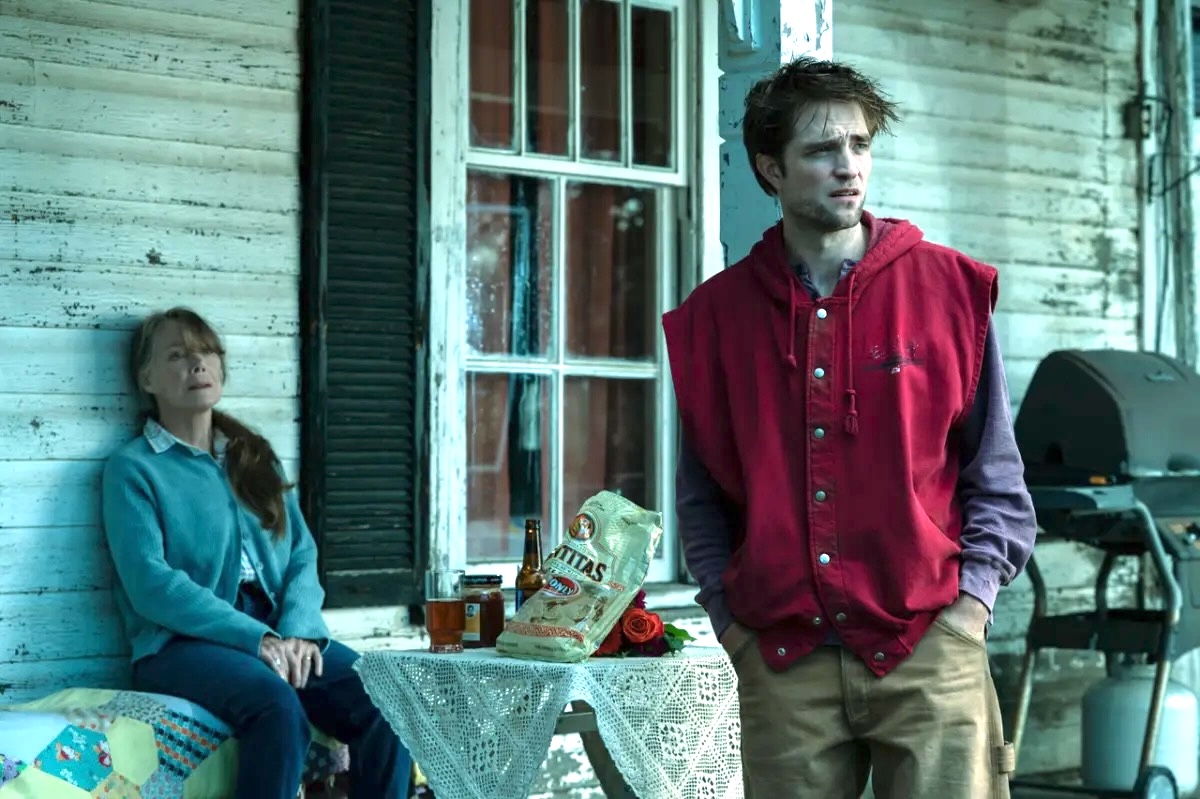
A Big Bold Beautiful Journey is a fantastical drama about a mundane situation. David (Colin Farrell) rents a car to travel to a friend’s wedding, where he meets Sarah (Margot Robbie). Their instant attraction is scuppered by the fact that they’re both commitment-phobes. So far, so ordinary. Luckily – for both audience and characters – David’s sat-nav has a mind of its own and, before long, their separate drives home have become a joint road-trip down Memory Lane towards Promising Future. Via magical doors.

Written by Seth Reiss and directed by Kogonada, ABBBJ adds up to more than the sum of its parts. It doesn’t hurt that the two leads are so likeable, nor that the cinematography (by Benjamin Loeb) is so vivid and picturesque. As the duo step through the various portals to the past, we are treated to some real visual delights: the art gallery Sarah used to visit after-hours with her mum, enraptured by her favourite painting of a grey couple with rainbow heads; the re-enactment of the high-school musical where David had the lead.

There’s some pleasingly quirky book-ending too, with Kevin Kline and Phoebe Waller-Bridge as the mysterious car rental company’s mechanic and cashier (respectively). These benign puppet masters have seemingly orchestrated both the meet-cute and its subsequent developments, their mystical business more about love than motor vehicles.

Is this enough to counteract the sentimental ‘open your heart’ messaging? Just about. More variety would help: the final third feels samey and repetitive and, without the thrill of inventiveness, the saccharine is just a little too cloying.

On the whole, however, I’m sold. This is an arch and idiosyncratic piece of cinema, quite unlike anything else at the multiplex this year.

3.7 stars

Susan Singfield

The Talented Mr Ripley

16/09/25

Festival Theatre, Edinburgh

The enduring appeal of Patricia Highsmith’s anti-hero reasserts itself here in Mark Leipacher’s stylish adaptation. First unleashed on the novel-reading public in 1955, the murderous con-man has somehow kept us all rooting for him through four sequels, as well as numerous film and TV dramatisations. Can this stage version offer us anything new?

Tom Ripley (Ed McVey) is a chancer, living on his wits in NYC, largely untroubled by conscience. When the wealthy Herbert Greenleaf (Christopher Bianchi) approaches him with a lucrative offer, of course Tom accepts. No matter that Greenleaf’s proposal is predicated on an error: Tom is not friends with the old man’s errant son, Dickie (Bruce Herbelin-Earle); indeed, he’s only met him once. But Greenleaf Sr is desperate. Not only is Dickie frittering away his trust fund in Europe, playing at being an artist instead of taking over the family business, but his mother (Leda) is sick, and she wants to see her boy. If Herbert pays his expenses, will Tom travel to Italy and persuade Greenleaf Jr to come home?

You can bet Dickie’s life he will.

Before long, Tom has insinuated himself into Dickie’s world, revelling in the carefree habits of the idle rich, with spontaneous weekends in Rome or Nice, lounging on the beach and eating in restaurants. But when Herbert calls off the unsuccessful enterprise, Tom is faced with a dilemma. How can he go back to his old life now?

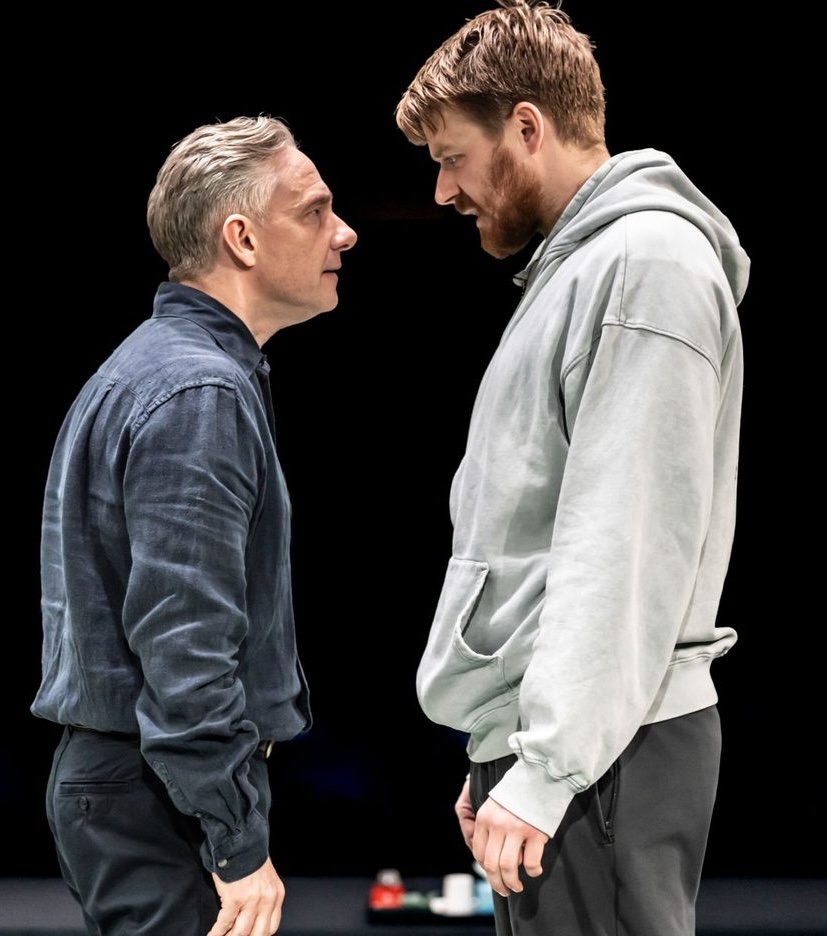
The abstract set design (by Holly Pigott) locates us firmly within Tom’s psyche, as he struts his stuff on the raised white square, nimbly avoiding the perilous hole in the middle, where all obstacles to his success are thrown. The threats to Ripley’s carefully-constructed façade appear as a chorus of noir detectives, complete with belted trench-coats and wide-brimmed Fedoras. “Do you ever feel like you’re being watched?” he asks repeatedly, as they peer at him from the shadows, always one step behind. The image is bold and memorable.

There are lots of directorial flourishes, some more successful than others. I love the Venetian plague doctor masks that also represent pigeons, and the way Dickie’s girlfriend, Marge (Maisie Smith), doubles as a Renaissance statue. I also like the convergence of Dickie and Tom. I’m less convinced by the fourth wall-breaking shouts of “Cut!” precipitating a reset. I understand the point – we’re following Ripley’s thought-processes as he figures out a course of action – but it’s distracting, further complicating an already-labyrinthine plot. The second act, in particular, feels cluttered, and would definitely benefit from paring down.

McVey delivers a star turn in this demanding role, exploring the complexity of Ripley’s multi-faceted character. Perhaps a smaller theatre would allow us a more nuanced view of his performance; as it is, we’re only able to see the broad strokes, but these are impressive enough.

An ambitious, stylish piece of theatre, proving that there’s plenty of life in Tom Ripley yet – if not in those who dare to get too close to him.

4 stars

Susan Singfield

Our Brother

16/09/25

Traverse Theatre, Edinburgh

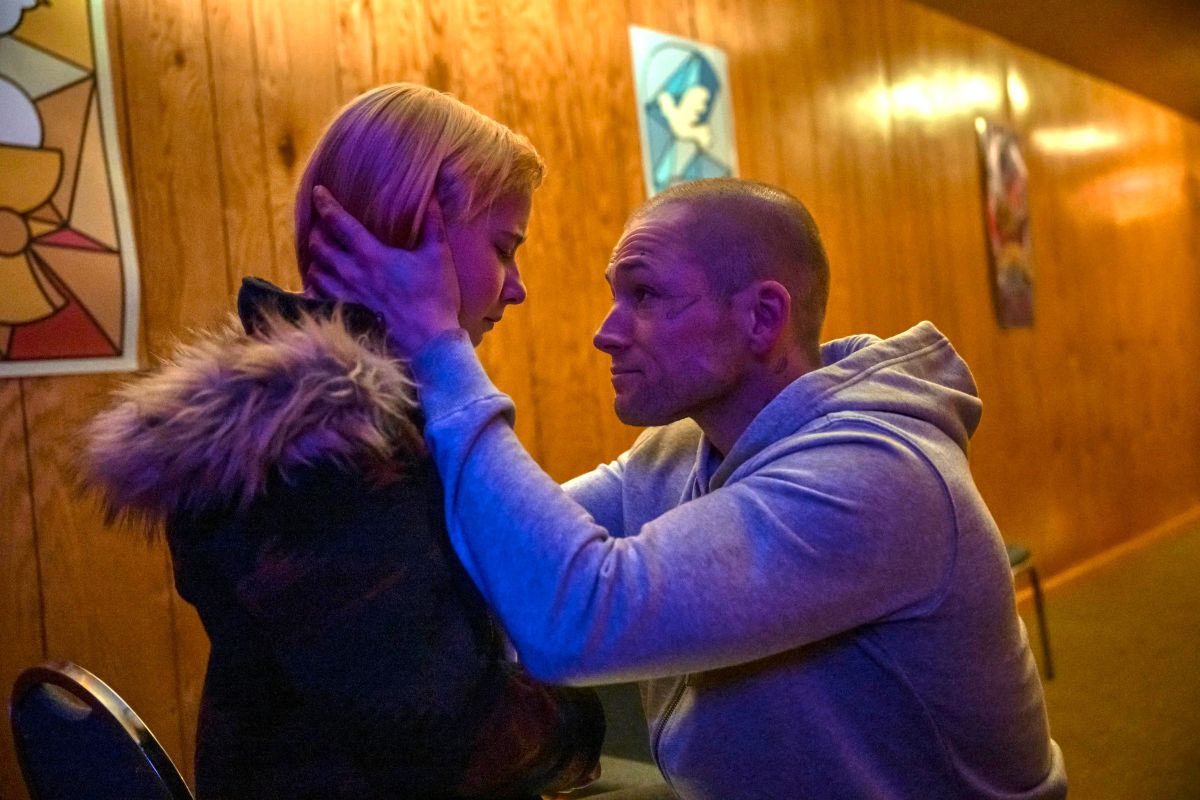
‘American’ (Nicole Cooper) recounts her memories of what happened back in 1978, when she was working as a photojournalist and introduced naïve Scottish academic ‘Stranger’ (Bobby Bradly) to the man he idolised. ‘Brother’ (David Lee-Jones) is the leader of the Khmer Rouge, the party who imposed communism in Kampuchea in 1975. Stranger has been totally seduced by Brother’s rhetoric about the currency-free society he’s founded and the resulting equality he envisages. Indeed, Stranger is eager to record his hero’s every word so he can produce a revised edition of the book he’s already published: In Defence of Kampuchea.

But he soon discovers that Brother is less than transparent about the ways his new doctrine is imposed – and, when Stranger insists on pushing him for more information, he finally begins to understand the awful truth behind the man’s evangelising.

This three-hander, written by Jack MacGregor and directed by Andrea Ling, serves as a timely warning not to be seduced by the carefully-chosen words of ruthless despots. Brother is, of course, the man who came to notoriety as Pol Pot – responsible for the genocide of more than a million people before finally being deposed.

The three actors all play their characters with authority but the piece occasionally feels a little too didactic. It’s anchored in the same location throughout, and there’s sometimes the feeling that we are being told what’s happening rather than shown it – though I do like the moments when American chooses to ‘rewind’ a scene to replay it in a version that’s closer to the way she actually remembers it. She also uses a handheld red light to pick out key moments in the action, as though developing images in a darkroom.

The distressing conclusion offers little in the way of surprises – indeed, it’s something I’ve been expecting from early on – but, at a time when extremism is once more on the rise, Our Brother serves as a sobering reminder of the horrors that lie behind the reassuring smiles of demagogues.

3.6 stars

Philip Caveney

Sorry, Baby

15/09/25

Filmhouse, Edinburgh

Brand new membership cards tucked into our phones, we’re back at the Filmhouse, ready to watch the much-talked-about Sorry, Baby – the debut feature from writer-director Eva Victor. 

Victor also plays the protagonist, Agnes, a college teacher struggling with the aftermath of being raped by their professor (Louis Cancelmi). Their fiercely protective best friend, Lydie (Naomi Ackie), provides emotional support, as does their gentle neighbour, Gavin (Lucas Hedges). 

The plot is simple, but the structure is as complex as Agnes’s emotions, dropping us into the middle of the story before taking us back and then forward in time. This is film-making of the highest order, assured and nuanced, highlighting the myriad moments that mark Agnes’s darkest hours as well as their recovery. Sometimes, it’s as little as a sandwich from a stranger (John Carroll Lynch). Sometimes, it’s as consequential as officials assiduously avoiding blame.

At first, I find the dialogue a little mannered, but I soon settle into its rhythms as it becomes clear that the brittleness is part of Agnes’s reaction to The Bad Thing that happened to them. They’re not broken by it, but they are changed. Lydie takes her lead from Agnes, responding in kind, the very best of supportive pals.

Victor’s focus on what happens next – the fallout rather than the assault itself – is what makes this movie. It feels realistic, a complicated tangle of okay and not-okay. They don’t go to the police but they do report the attack to HR. Their academic ambition is uncurbed – they still pursue a professorship in the same college – but there are also panic attacks and a sense of being stuck. Their healing is incremental. These things take time.

There is some clever direction here: the exterior shot with its changing light representing the assault; the stilted quietude of the university hearing. Victor is utterly beguiling as the gauche Agnes, as vulnerable as they are fierce, as indomitable as they are hurt. Ably supported by Ackie and Hedges, Victor disarms us with an unflinchingly honest portrayal of violation and recovery.

Victor’s comedic talents are also brought into play, leavening the movie with humour, both deadpan and farcical. Standouts include a droll encounter between a supermarket employee and a cat, and Kelly McCormack’s glorious portrayal of the prickly Natasha, her outrageous grievances and jealousy writ large on her expressive face.

In an era of sequels and AI assimilations, it’s a joy to discover a truly original voice like Victor’s. For all its thorniness, Sorry, Baby is a breath of the very freshest New England air.

4.8 stars

Susan Singfield