
Till

07/01/23

Cineworld, Edinburgh

The story of Emmett Till and his mother, Maimie Till-Mobley, is a real-life tragedy that echoes down the years, a case that was only fully resolved in 2022 – even though the initial events unfolded more than sixty years ago.

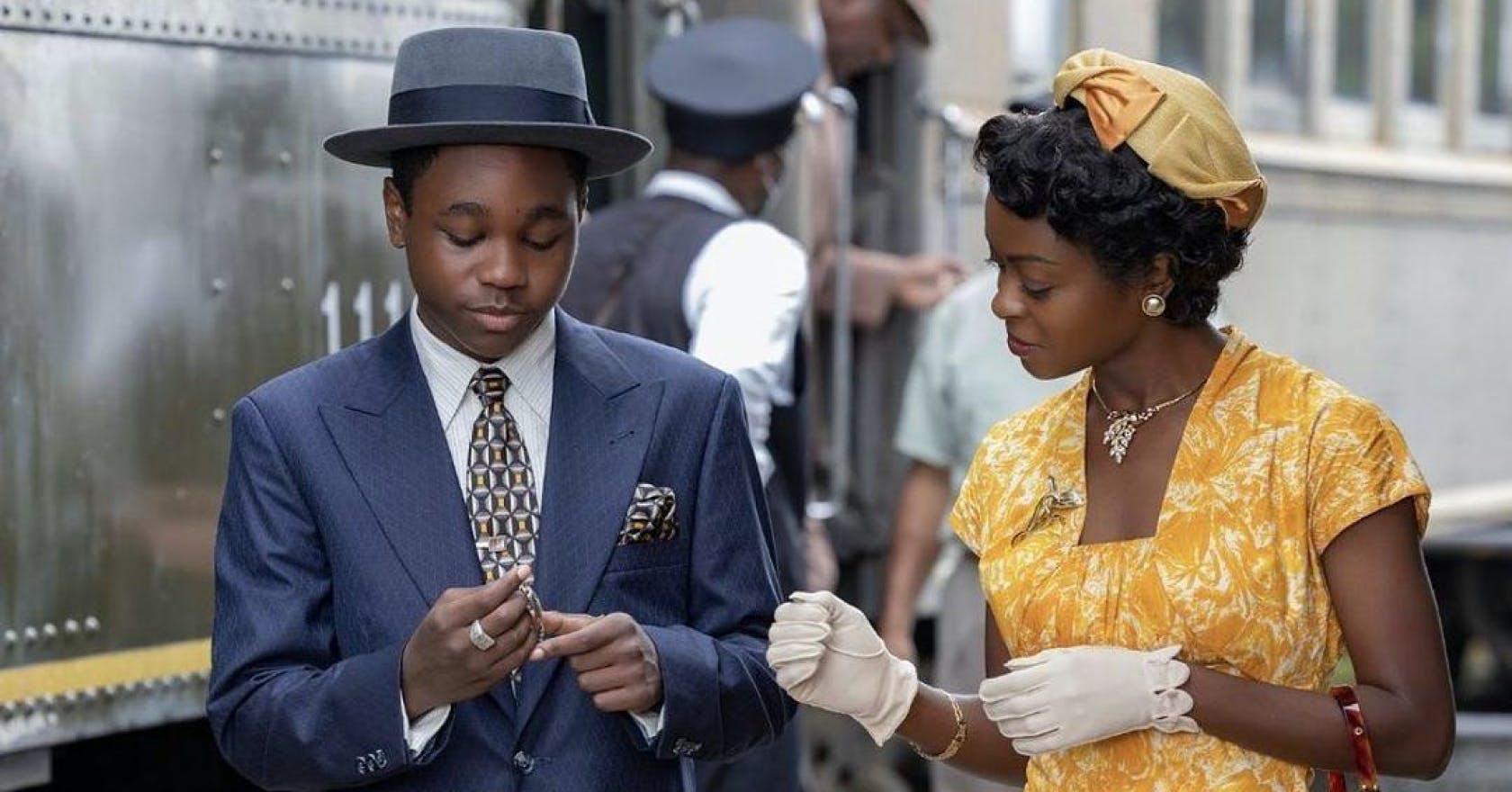
It’s August 1955, and Mamie (Danielle Deadwyler) lives and works in Chicago. Her husband died during World War 2, but she has found herself a decent job (the only Black woman in her office) and is well able to give her live-wire fourteen year old son, Emmett (Jalyn Hall), a comfortable life. Mamie is understandably worried when Emmett announces his wish to go and visit his cousins and work with them on a cotton plantation in Mississippi for the summer. She knows that it will be a stark cultural change from the relatively enlightened city in which the boy has grown up – and she knows too that he’s always ready to lark around and crack jokes. Mamie’s mother, Alma (Whoopi Goldberg), advises her to warn her son to keep his head down. “If he does that, he’ll be fine,” she says. “He’ll be back in no time.” So Mamie reluctantly agrees to the visit.

But her worst fears are soon shockingly realised. In Mississippi, Emmett visits a convenience store and makes friendly overtures to Carolyn Bryant (Haley Bennett), the white woman behind the counter. The next time Mamie sees her son is at the railway station in Chicago, where she views his brutalised, barely recognisable body in a wooden box. He’s been beaten, shot and lynched.

Chinonye Chuku’s film is fuelled by righteous anger, the knowledge that such brutality can – and still does – exist in one of the world’s more powerful countries. There are plenty of other characters in the story, all faithfully rendered, but it is Deadwyler’s extraordinarily powerful performance that gives it wings. Little wonder she’s considered a front-runner for the next Oscars.

If I’m honest, the screenplay (by Chuku, Michael Reilly and Keith Beauchamp) has a tendency to occasionally drift into too much exposition, and the slowly unfolding process of the trial can sometimes seem ponderous. But that’s a minor niggle. I’d be lying if I didn’t admit to viewing much of this through a fuzzy veil of helpless tears.

The most shocking details of all are reserved for the end credits, one of which actually makes me gasp in disbelief.

If you’re looking for a cheery outing to the movies, Till really isn’t the film for you, but it’s an important piece of relatively recent history and a fitting tribute to the memory of both Emmett Till and his incredibly brave and resourceful mother. My advice? Steel yourselves and take a long, hard look.

4 stars

Philip Caveney

A Man Called Otto

05/01/23

Cineworld, Edinburgh

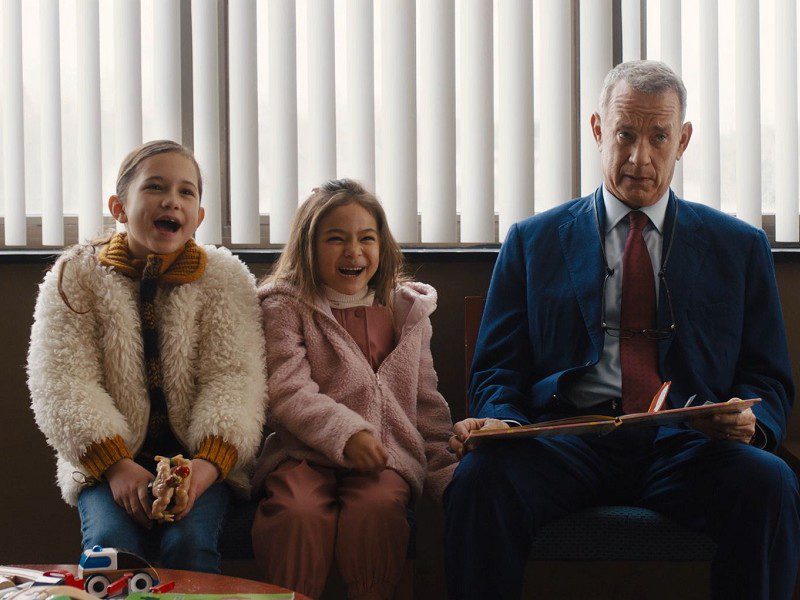
Based on the popular novel, A Man Called Ove by Fredrik Backman – and presumably renamed to avoid problems with pronunciation – A Man Called Otto stars Tom Hanks as the titular Otto Anderson, the kind of character most forgivingly known as a total curmudgeon. When we first encounter him, he’s trudging grumpily around his neighbourhood, firing off hostile remarks to his neighbours at point blank range. They’ve come to tolerate him over the years and it’s clear from early on that some kind of tragedy haunts his past, though the details will only be revealed in flashbacks. In these scenes, the young Otto is portrayed by Truman Hanks (who, it must be said, looks nothing like his father).

But a seismic change is coming with the arrival of a new set of neighbours. Marisol (enchantingly portrayed by Mariana Treviño) is Mexican, the mother of two young girls, with a third child already on the way. Together with her easy-going but hapless husband, Tommy (Manuel Garcia-Rulfo), she immediately launches a charm-offensive, determined to win her gruff old neighbour over – and, bit by bit, she begins to make progress.

The story arc here puts me in mind of A Christmas Carol with all the Christmassy bits cut out. Like Scrooge, Otto has to be reminded of the good things he encountered before a set of unfortunate circumstances transformed him into the miserable, hard-bitten specimen he’s become. He also has to come to terms with a crippling loss that occurred back down the years and to address a long-standing feud he’s had with his other neighbours, Reuben (Peter Lawson) and Anita (Juanita Jennings). Most importantly of all, he has to learn to change his ways before it’s too late.

Meanwhile, he makes regular attempts to end his own life, with decidedly comic results. It’s also interesting to note Otto’s developing friendship with transgender teen, Malcolm (Mack Bayda), kicked out of their house by their father.

If A Man Called Otto occasionally strays a little too close to the lake of sentimentality, screenwriter David Magee and director Marc Forster know exactly when to snatch proceedings back from the edge and the result is a charming tale, by turns funny and poignant. Most of the laughs are generated by Treviño, who displays a wonderful gift for comic timing and of whom I expect to see a lot more in the future. The film’s conclusion will inevitably coax tears from all but the most hardbitten viewers.

Ultimately, this is an enjoyable way to spend a couple of hours. I haven’t read the source novel, so I can’t tell you if it’s a decent adaptation – but I enjoy the film. It marks the point where Tom Hanks officially becomes ‘old.’ And watching it, I’m eerily transported back to the first time I met him, interviewing him for the movie Splash in 1984, when we were both a good deal younger.

3.6 stars

Philip Caveney

Empire of Light

03/01/23

Cineworld, Edinburgh

Sam Mendes’ Empire of Light is essentially a passionate love letter to the cinema, the kind of film that could have created with me – or somebody very like me – in mind

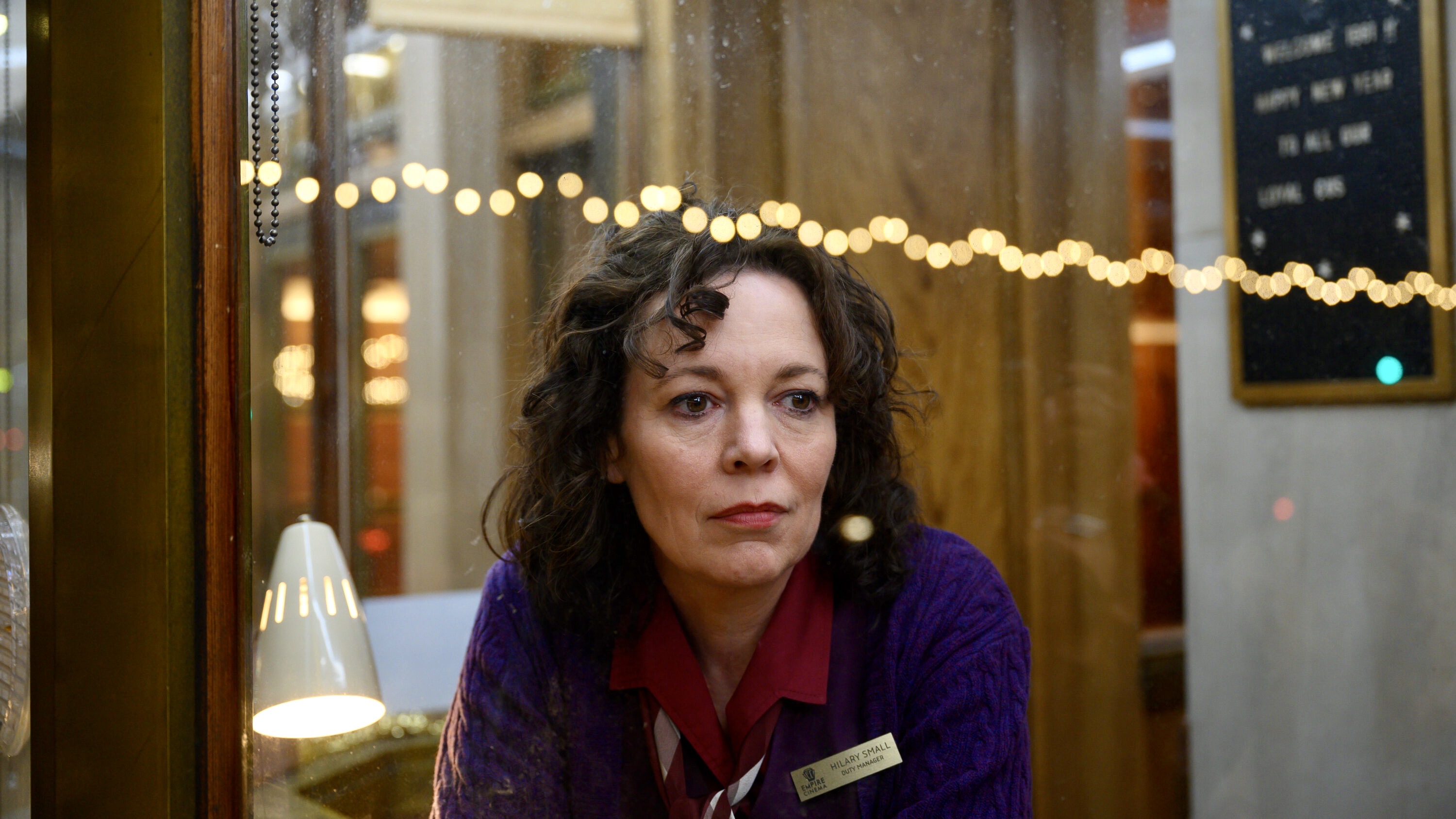
It’s 1981 and, somewhere on the south coast of England, the Empire cinema, a magnificent but now somewhat dilapidated Art Deco picture house, proudly announces its current offerings: The Blues Brothers and All That Jazz. Filmed on location in Margate, the atmosphere of the era is convincingly evoked, right down to the last detail. Here is the age of Thatcherism, a time when fascism, in the form of skin head culture, was in the ascendent. But, within the sheltering walls of the Empire, deputy manager Hilary (Olivia Colman) and her team of social misfits seem inured to change, even though two of their four screens are now permanently closed.

Hilary is occasionally expected to find time to pop up to the office of sleazy manager, Mr Ellis (Colin Firth) – for a joyless sexual fumble on his desk. Ellis is married and it’s supposed to be a secret but – of course – the others are well aware of what’s going on. A change is signalled by the arrival of new employee, Stephen (Micheal Ward), a handsome young Black man with a liking for Two Tone music. When Hilary shows Stephen around the derelict, pigeon-infested ballroom on the top floor, something clicks between them…

At a time when streaming is increasingly becoming the norm, it seems doubly poignant when projectionist Norman (Toby Jones) explains how moving pictures employ a simple trick to deceive the viewer’s eyes into thinking they are watching something more than a long series of still photographs. We occasionally see him in his booth, the walls plastered with images of movie stars from across the eras, meticulously directing images from his 35 mm reels onto a giant screen. The moment is mesmerising and it’s a timely reminder that cinema itself is in danger of suffering the fate of the dinosaurs.

Beautifully shot by Roger Deakins and written by Mendes, Empire of Light is compelling, and at times overpoweringly poignant. I almost get tired of praising Olivia Colman, but – from Tyrannosaur onwards – she has offered up a series of extraordinary screen performances and Hilary may be her best character yet. She’s complex and unpredictable, vacillating from joyful enthusiasm to vengeful anger. You believe in her implicitly and, furthermore, I’ve rarely seen mental illness presented with such skill, such gentle acceptance. Much of this is due to Mendes’ nuanced script, and the fact that the director’s own mother struggled with her mental health may have instructed his writing. Stephen too is a compelling character, somehow managing to operate through the hateful levels of racism he experiences on a daily basis, keeping his gaze firmly fixed on a brighter future.

This charming and affecting movie has me entranced from its opening shot to its final frame and I suspect that anybody with a genuine love of film is going to have a similar experience. Go and see it – in the cinema, please!

5 stars

Philip Caveney

Corsage

02/01/23

The Cameo, Edinburgh

Corsage, for me, is something of a history lesson, albeit one with a lot of fictional elements, so I have to do some frantic reading afterwards, to learn about the source material, and to understand the narrative that is being reimagined here. Austrian writer-director Marie Kreutzer has clearly grown up in a country familiar with Empress Elisabeth, who – along with her husband, Franz Joseph – ruled Austria and Hungary for the latter half of the19th century. It shows. There is almost no exposition: the audience is clearly expected to know Elisabeth, to be aware of her reputation. I’ve never heard of her until today, and I suspect that many others in this cinema are in the same position. This doesn’t spoil the film at all, but it does make me very aware that I am – even as someone who can speak German – experiencing it very differently from its native viewers.

Vicky Krieps plays the Empress. It’s 1877, the eve of her 40th birthday, and she’s desperately bored and unhappy. Her husband (Florian Teichtmeister) tells her that her job is simply to ‘represent’, while his is to, you know, do the actual work involved in heading up an empire. ‘Representing’ mostly means looking beautiful, and looking beautiful mostly means being thin, so Elisabeth’s days are spent exercising, eating tiny slivers of orange and being laced into impossibly tight corsets. No wonder she’s cranky: snapping at the servants, pretending to faint rather than endure another round of meets-and-greets. She’s contemptuous and entitled too – but why wouldn’t she be? Royalty is raised that way. Despite it all, she’s a tragic character, oppressed by the very regime she symbolises, and isolated from her children. I find myself drawn to her, empathising with her sense of entrapment. Krieps imbues her with a vulnerability that softens her, despite never pulling any punches about her capricious nature.

Kreutzer’s direction is interesting. The film moves at a glacial pace, which I find irritating at times, especially in the middle third. But there are many quirky flourishes to admire: the deliberate anachronisms; the audacious fabrications. There are some delicious little jokes (look out for the Emperor’s whiskers), and some very salient points about the nature of celebrity, and the ways in which women are expected to perform. Elisabeth’s straitjacket might be an invisible designer one, cut from the finest fabric, but – in her way – she’s just as trapped as the women she visits in the asylum. Given the opportunity to use her voice where she won’t be heard (in a silent movie reel), her mouth moves to mirror the screams she hears in the hospital. It’s the same gilded cage that did for Diana. And there’s only one way to escape… Let’s hope Meghan and Harry manage to buck the trend.

Corsage, then, is a fascinating piece of cinema. While I don’t exactly enjoy it, I am impressed by it, and I know I’ll be thinking about it for quite some time to come.

3.8 stars

Susan Singfield

Alexandros

30/12/22

Warwick Road, Carlisle

Even the best laid plans can sometimes go awry. We are travelling home from North Wales to Edinburgh, by train – on my birthday. A restaurant is booked for the evening of our arrival. What can possibly go wrong?

Well, plenty as it turns out. We haven’t factored in the possibility of near-biblical weather conditions that put an impenetrable flood between us and our home city. At Preston, we manage to fight our way aboard a train heading north but we are warned that it cannot possibly go any further north than Carlisle, a place we’ve never visited.

Once ensconced in a frantically-sought hotel room, we remind ourselves that I’m supposed to be enjoying a birthday meal tonight, so we put out an online shout to various groups asking for recommendations in Carlisle. We get plenty of suggestions but one name keeps recurring. Alexandro’s Greek Restaurant. And, as it transpires, humping our baggage in the direction of our hotel, we happen to walk right past the place. Kismet? Perhaps. At any rate, I venture inside and am able to secure a table for two.

A few hours later, we’re back, suitably fortified by a couple of drinks at the rather swish (but very friendly) Barton’s Yard, just a few steps away. The place is busy – it’s a Friday night after all – and we settle down to look at the extensive menu, while the unmistakable sound of bazoukis twang happily away in the background. Memories of tavernas on remote Greek islands come drifting back to me. We notice that, for thirty pounds a head, we can order a three course mezze – a chef’s selection of all the best dishes on offer. This absolves us of the responsibility of actually making a decision so we order that and settle back in our seats. We don’t have to wait long.

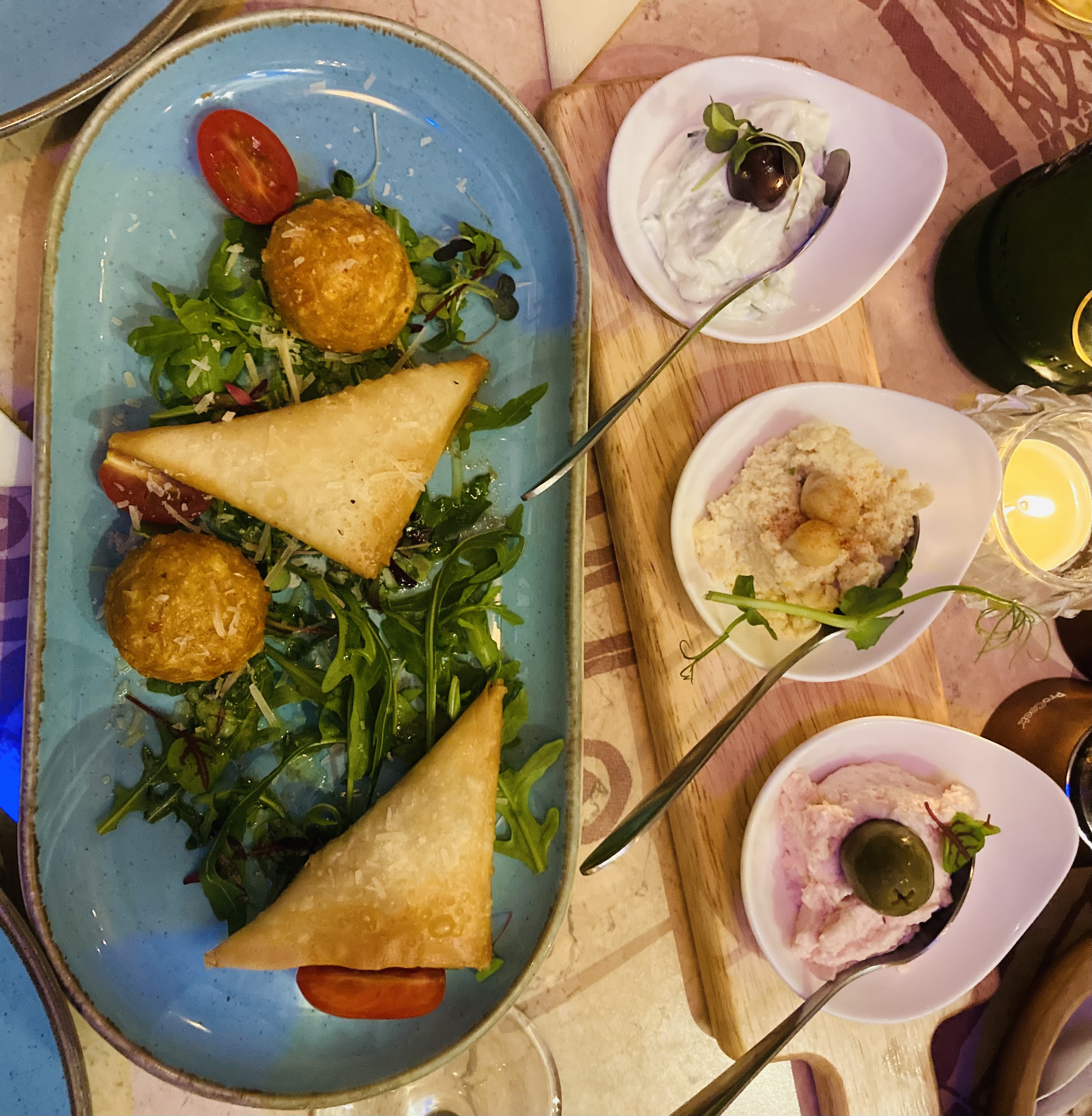
The starters arrive in a cluster because they’re all designed to go together. There’s a delectable trio of dips, freshly made hummus, tzatziki and taramosolata, with a bowl of fresh bread and a grilled pitta .There are kaserokoketes, deep fried croquettes stuffed with mixed cheeses, there’s sarmadakia, vine leaves stuffed with rice and raisins, as well as a bowl of fasolia fournou, a delightfully spiced stew of butter beans with tomato, chilli and oregano. Of course, I’ve eaten all of these before – usually on Greek holidays – but they are perfectly executed and mouthwateringly indulgent. We polish them off very quickly indeed.

The main courses follow swiftly on. There’s a generous platter of barbecued chicken on skewers, succulent and delicately spiced, and a beef stifado, slow-cooked until it virtually melts in the mouth. There’s moussaka (of course there’s moussaka!) but this is better than most I’ve sampled over the years, full of flavour and splendidly aromatic. Then there’s a wonderful Horiatiki – a Greek salad, which features chunks of some of the best feta I’ve tasted on this side of the Mediterranean, and just in case we can find room for it, there’s also a bowl of saffron rice.

We’ve often observed that it’s generally the puddings that let a restaurant down, but happily this is not the case here. The final platter features chunks of baklava, given a festive twist by the inclusion of mincemeat. This is a substance I usually dislike but not so here, because the result is gorgeously gooey and rather splendid. So are the karydopita, slices of walnut and cinnamon sponge soaked in vanilla and lemon syrup and topped with crushed walnuts. Add a couple of scoops of homemade ice cream and a selection of soft fruit and we are struggling to finish, but reluctant to leave so much as a crumb.

Alexandro’s is a family-run business that nails its objectives with aplomb. The staff are friendly and informative, and the atmosphere is relaxed. I really have no complaints. Should you find yourself in Carlisle with time on your hands, a visit to this fabulous Greek restaurant should be high on your ‘to do’ list. It doesn’t entirely make up for being stuck in the wrong city at an awkward time of year, but it certainly helps.

4.6 stars

Philip Caveney

Theatre Bouquets 2022

After the slim pickings of the last two years, 2022 feels like a palpable return to form: finally, emphatically, theatre is back! We’ve relished the wide range of productions we’ve seen over the year. As ever, it was difficult to choose our particular favourites, but those listed below have really resonated with us.


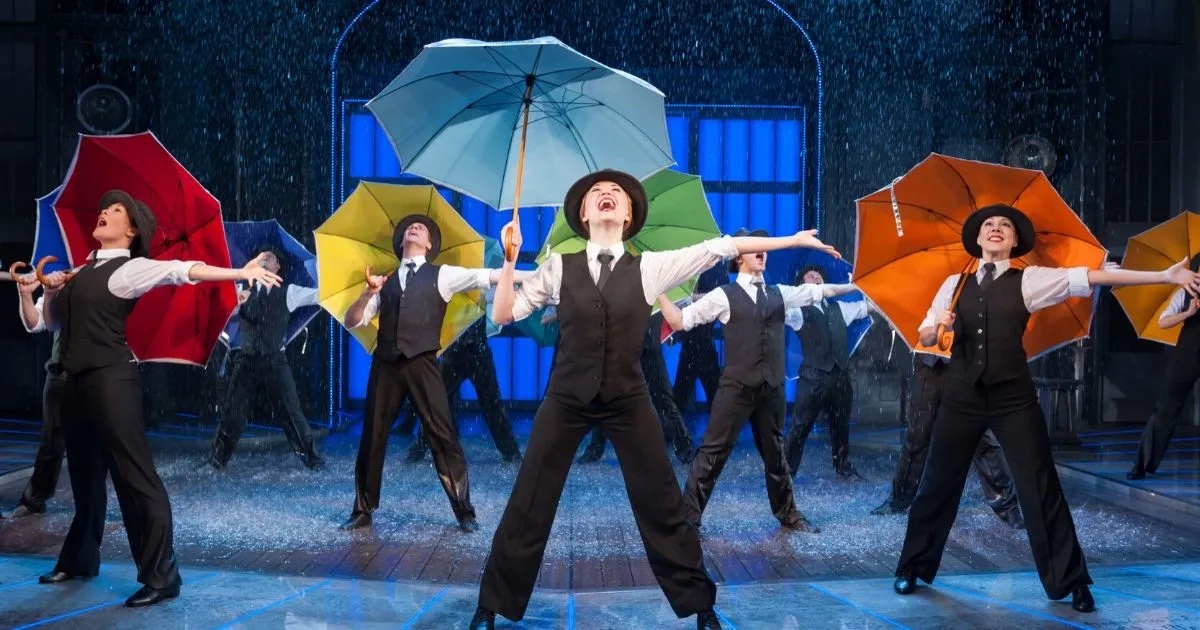
Singin’ in the Rain (Festival Theatre, Edinburgh)

Singin’ in the Rain is a delight from start to finish. It never falters, never loses pace and manages to honour the great film that inspired it. One of the most supremely entertaining shows I’ve seen in a very long time. Slick, assured, technically brilliant – it never puts a hoof wrong.

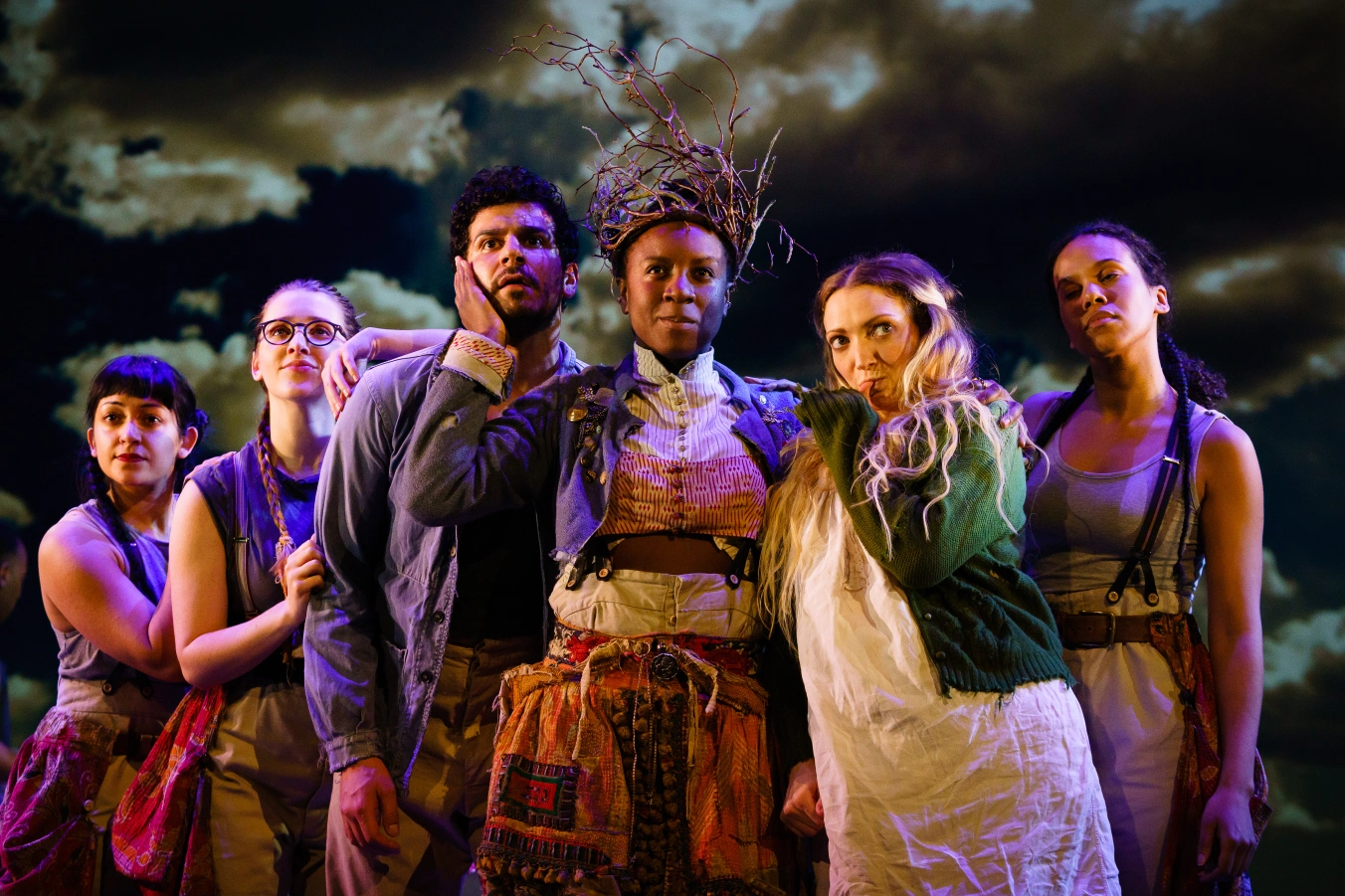
Wuthering Heights (King’s Theatre, Edinburgh)

In this Wise Children production, Emma Rice strips Wuthering Heights down to its beating heart, illuminates its essence. This is a chaotic, frenzied telling, a stage so bursting with life and energy that it’s sometimes hard to know where to look. It’s dazzling; it’s dizzying – and I adore it. 

Red Ellen (Lyceum Theatre, Edinburgh)

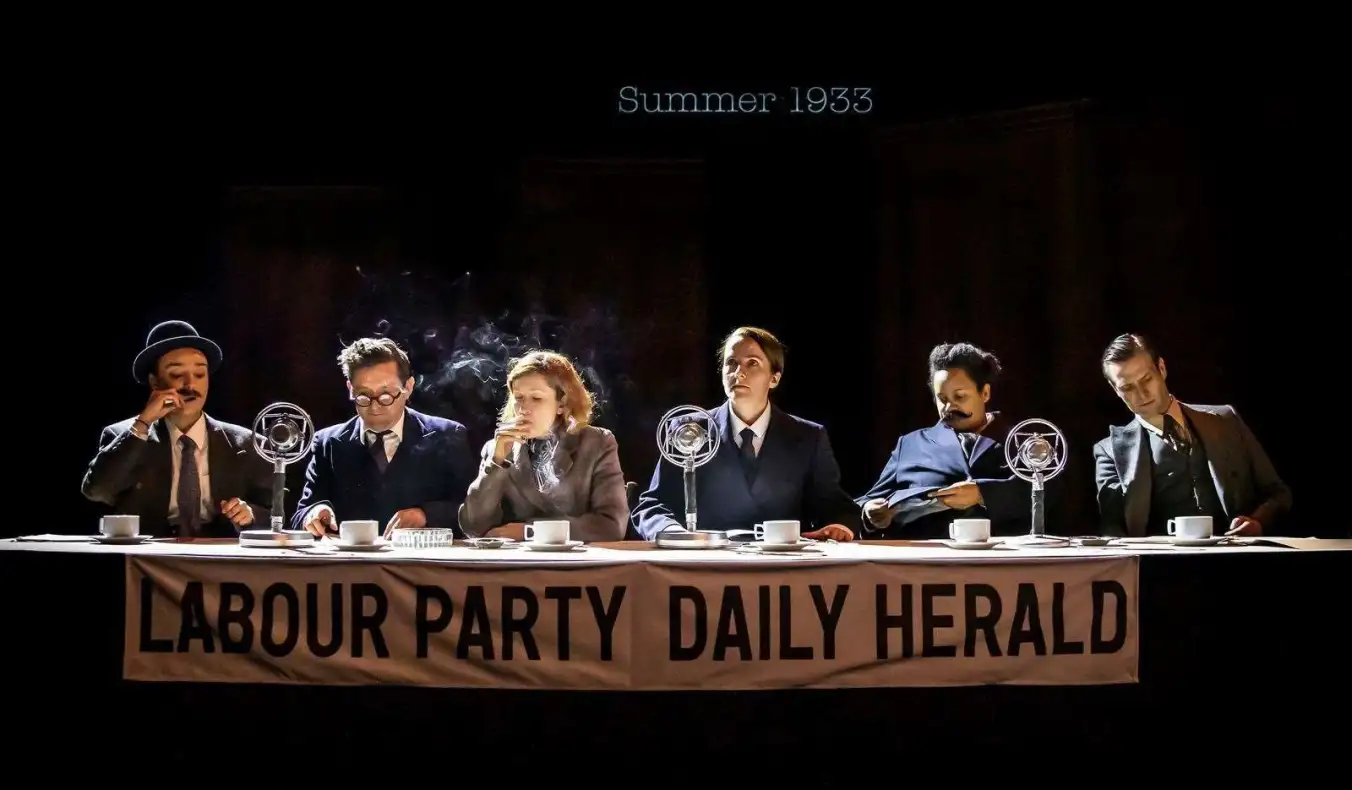
Red Ellen is a fascinating tale, ripped from the pages of political history. Wils Wilson’s propulsive direction has Ellen hurtling from one scene to the next, which keeps the pot bubbling furiously.

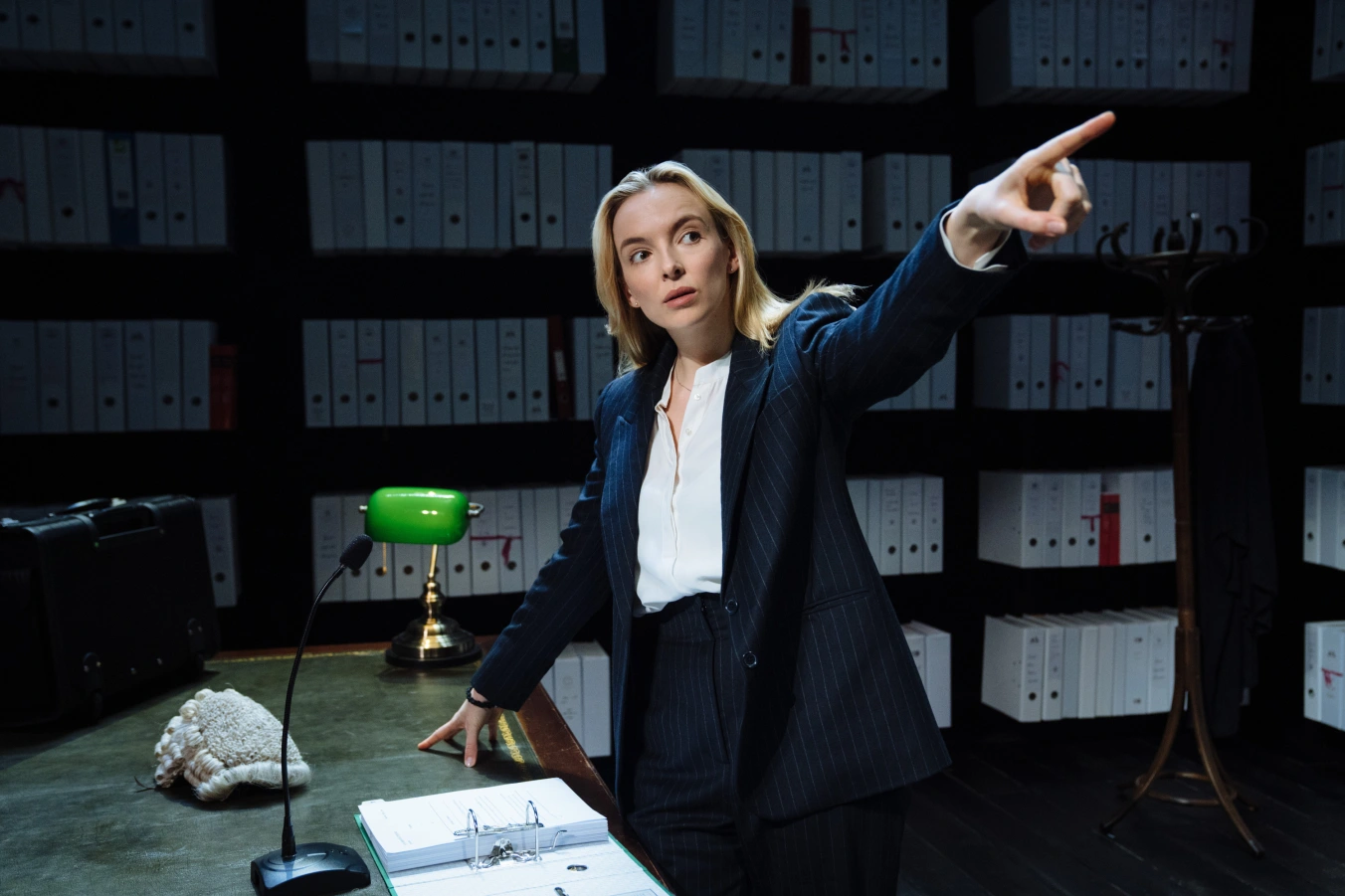
Prima Facie (NT Live, The Cameo, Edinburgh)

This is a call to action that walks the walk, directly supporting The Schools Consent Project, “educating and empowering young people to understand and engage with the issues surrounding consent and sexual assault”. It’s also a powerful, tear-inducing play – and Jodie Cromer is a formidable talent.

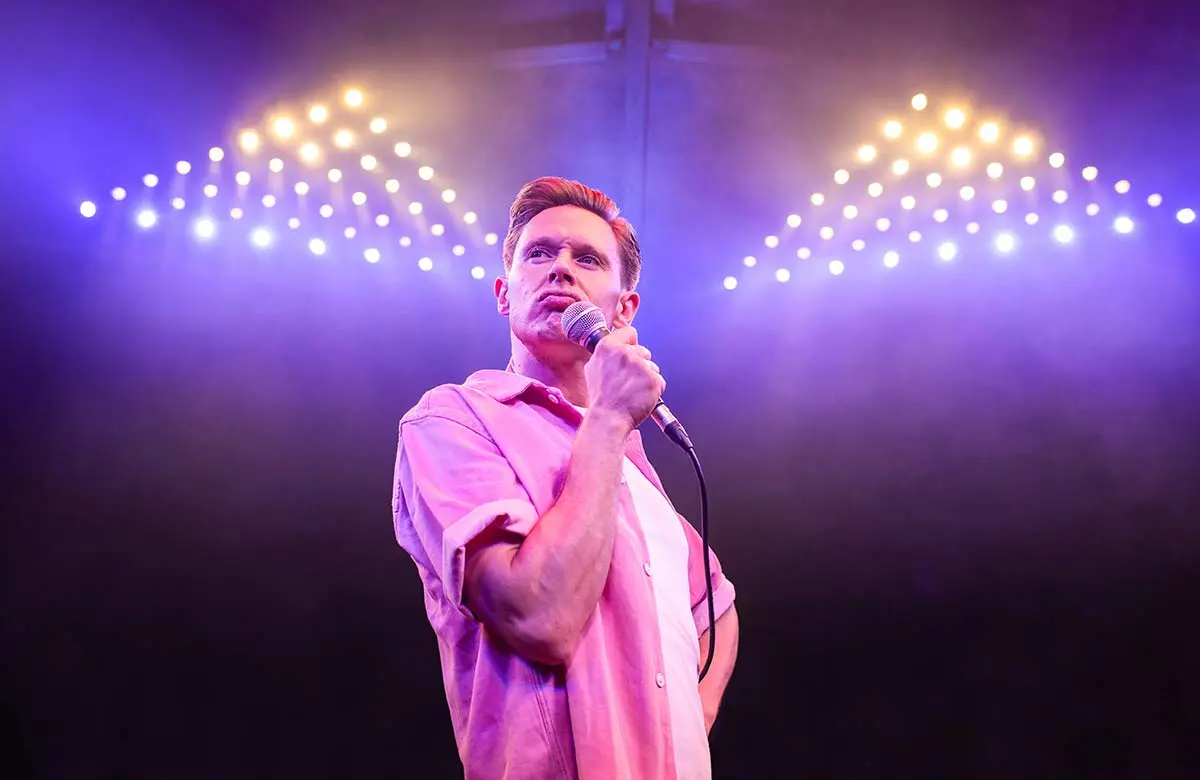
Feeling Afraid as if Something Terrible is Going to Happen (Roundabout @ Summerhall, Edinburgh)

Samuel Barnett inhabits his role completely, spitting out a constant stream of pithy one liners and wry observations with apparent ease. Marcelo Dos Santos’ script is utterly compelling and Matthew Xia’s exemplary direction ensures that the pace is never allowed to flag.

Hungry (Roundabout @ Summerhall, Edinburgh)

This sharply written two-hander examines the relationship between Lori (Eleanor Sutton), a chef from a relatively privileged background, and Bex (Melissa Lowe), a waitress from the local estate. This is a cleverly observed exploration of both class and race, brilliantly written and superbly acted. Hungry is a class act, so assured that, even amidst the host of treasures we saw at this year’s Roundabout, it dazzles like a precious gem.

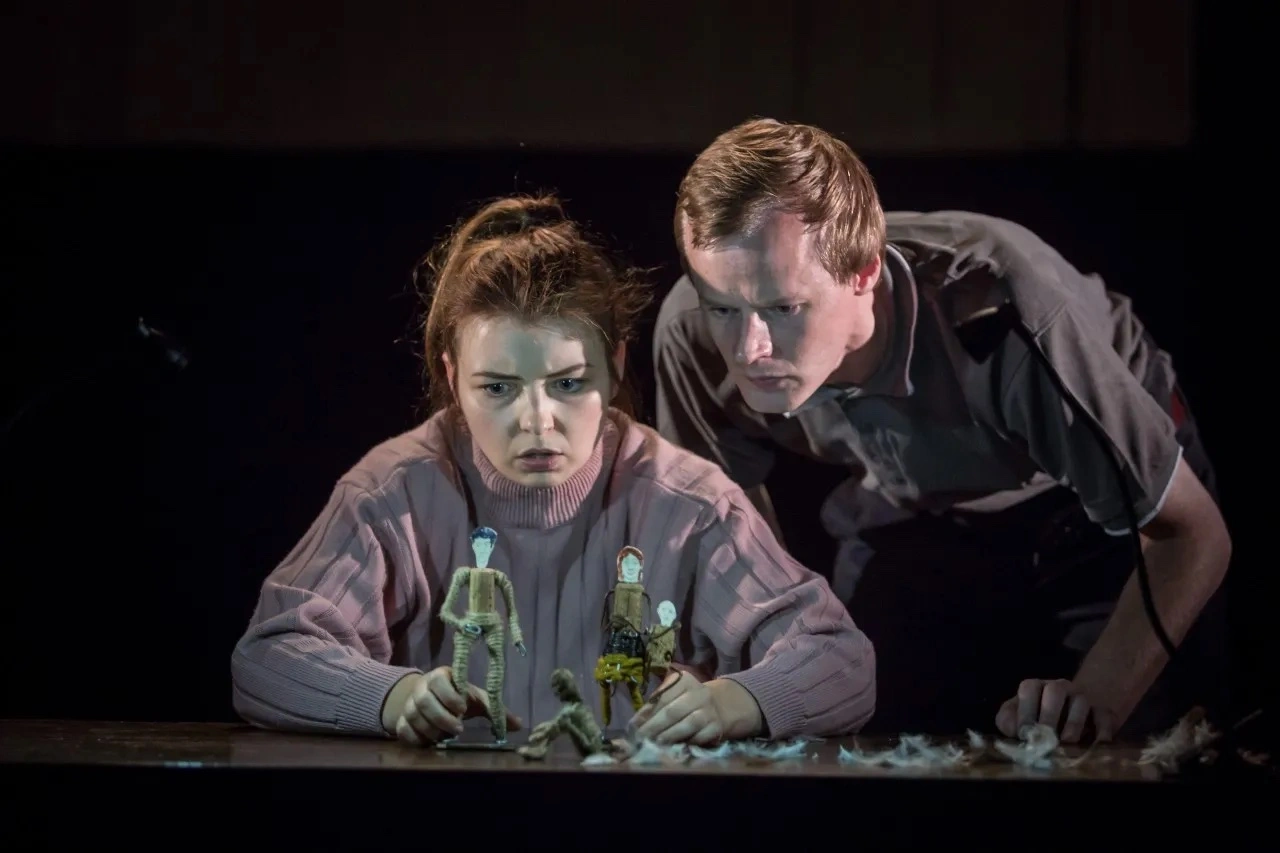
A Very Old Man With Enormous Wings (Summerhall (Main Hall), Edinburgh)

It’s hard to encapsulate what makes this such a powerful and moving experience, but that’s exactly what it is – a spellbinding slice of storytelling, so brilliantly conceived and engineered that it makes the incredible seem real. You’ll believe a man can fly.

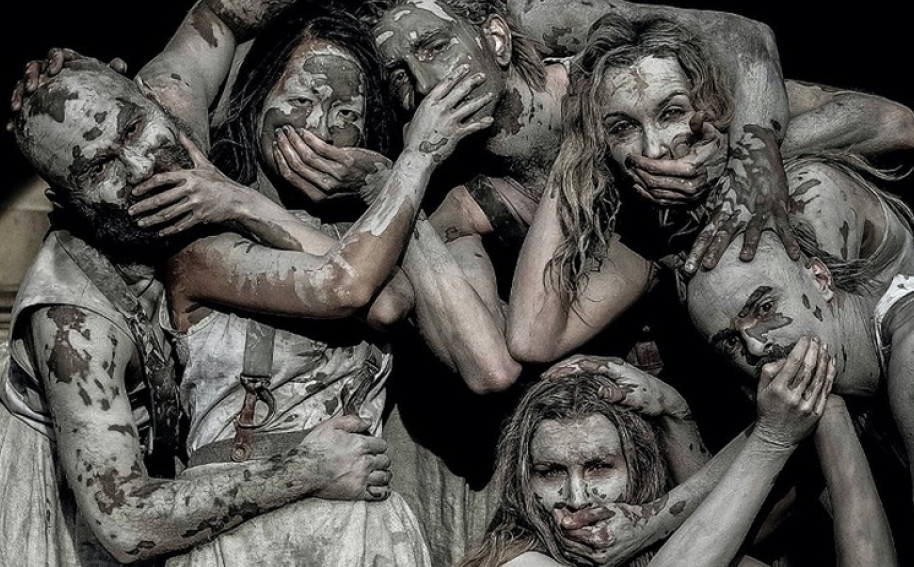
The Tragedy of Macbeth (Assembly Roxy, Edinburgh)

Let’s face it, we’ve all seen Macbeth in its various shapes and guises – but I think it’s fairly safe to say we’ve never seen it quite like this. This raucous, visceral reimagining of the story captures the essence of the piece more eloquently than pretty much any other production I’ve seen.

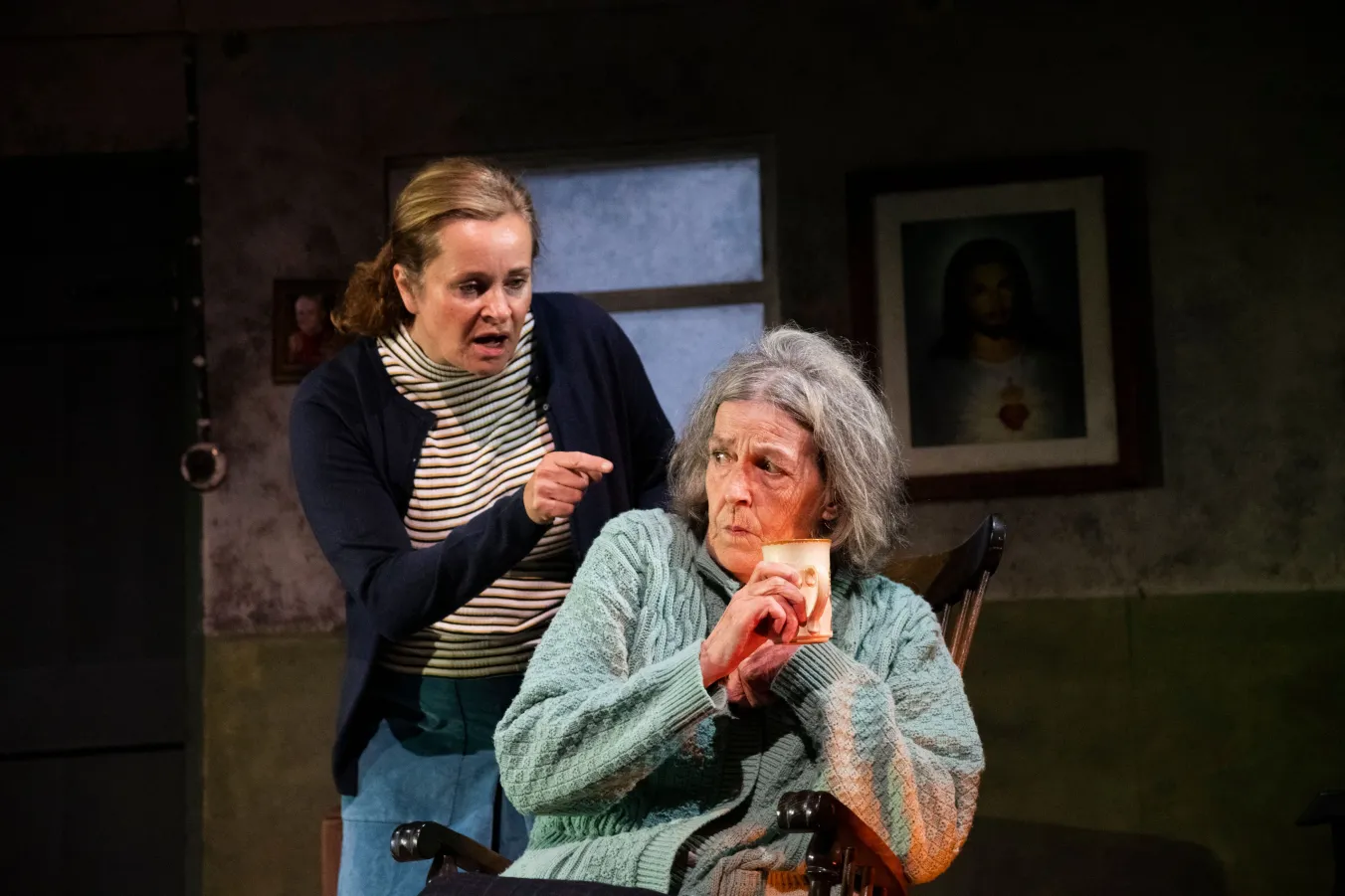
The Beauty Queen of Leenane (Traverse Theatre, Edinburgh)

This was Martin McDonagh’s debut piece and, while it might not have the assuredness of his later works, it nonetheless displays all the hallmarks of an exciting new talent flexing his muscles. The influence of Harold Pinter is surely there in the awkward pauses, the repetitions, the elevation of innocuous comments to a weird form of poetry – and the performances are exemplary.

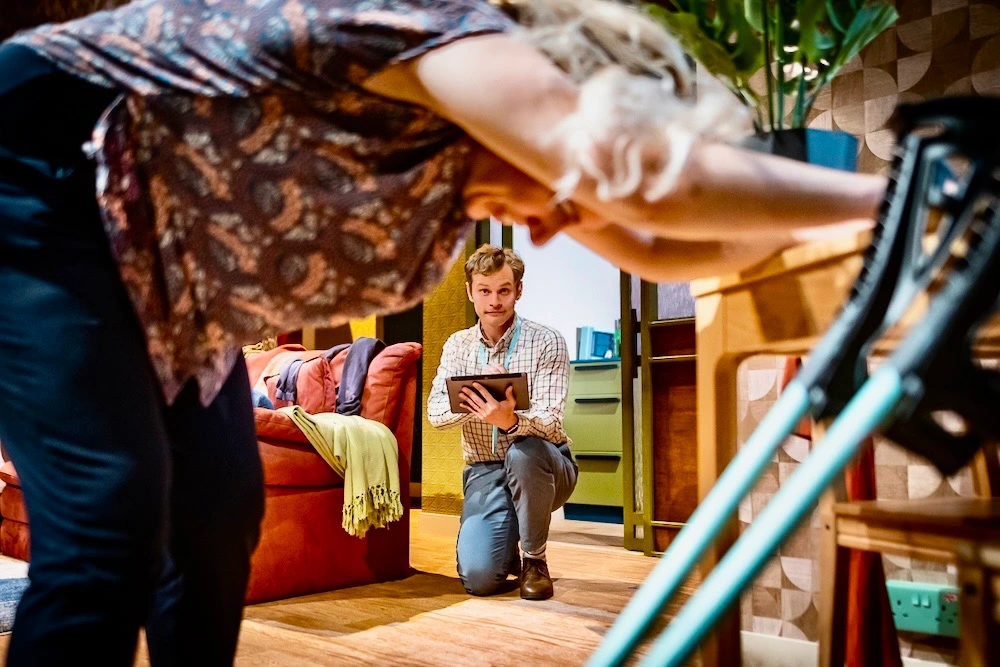
Don’t. Make. Tea. (Traverse Theatre, Edinburgh)

Don’t. Make. Tea. is a dystopian vision of an all-too credible near future, a play laced with dark humour and some genuine surprises. Cleverly crafted to be accessible to the widest possible audience, it’s an exciting slice of contemporary theatre.

Susan Singfield & Philip Caveney

Film Bouquets 2022

2022 was a surprisingly good year for film, although – as cinephiles – it was worrying to note that audiences seemed happy enough to continue watching movies at home after last year’s lockdowns ended. Cinemas were feeling the pinch and there was a lot of talk of this being the end of an era, while others pinned their hope on Avatar: The Way of Water bringing people back in droves. Here at B&B, we’ve always believed that the big screen is the best possible place to watch a movie, so we were delighted to be back in our local multiplex and indie venues. Here’s our selection of the films that have really stayed with us throughout the year.

Belfast

Kenneth Branagh’s semi-autobiographical film was the first must-see of the year – an absolute joy, with a brilliant central performance from newcomer Jude Hill. This film is all about formative experiences, the kind that shape a young boy’s future.

Nightmare Alley

A new film from Guillermo del Toro is always cause for celebration. This bleak, dark tale is the work of a gifted director at the peak of his powers, handling a tricky subject with consummate skill.

Red Rocket

Director Sean Baker’s ability to depict working-class life is his real strength and Red Rocket, powered by astonishing performances by Simon Rex and Suzanna Son, offers a brilliant exploration of Trump’s America.

The Worst Person in the World

Joaquin Trier’s film is a rare beauty, a picaresque tale of life and love in contemporary Oslo. It’s built around a superb, award-winning performance by Renate Reinsve. A film that positively buzzes with invention.

Elvis

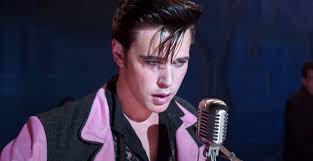
Baz Luhrmann’s biopic is a big, brash, noisy exploration of the late singer’s life and times. Against all the odds, Austin Butler makes the role his own and Tom Hank’s portrayal of the sleazy, manipulative Colonel Tom Parker is also right on the button.

Bones and All

Luca Guadadigno’s visceral tale of love and cannibalism is a brilliant reinvention of a well-worn trope which can be seen as an allegory about drug addiction. It’s brilliant stuff, but not for the faint-hearted – by turns romantic and repugnant.

She Said

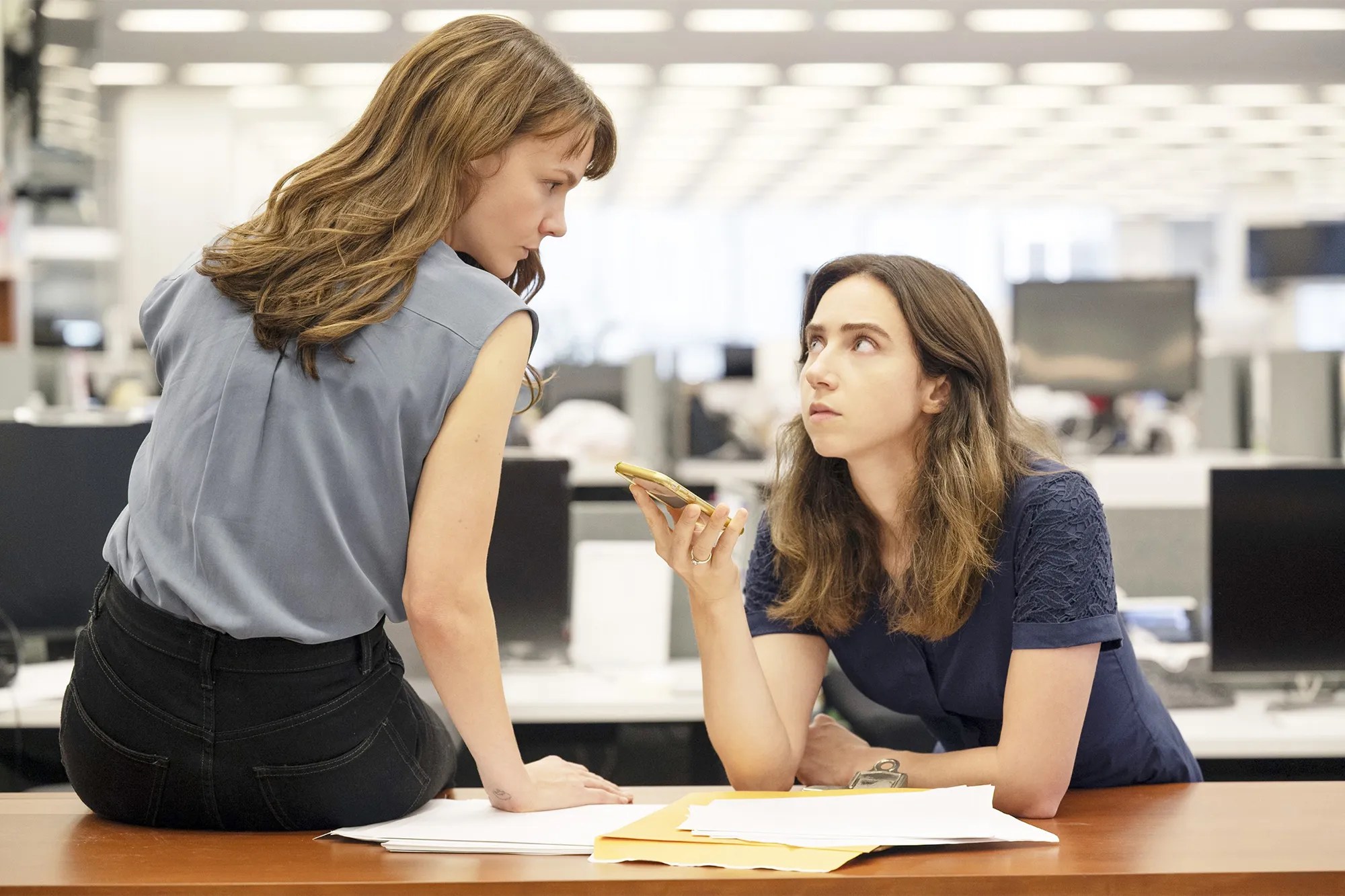
This searing account of the uncovering of Harvey Weinstein’s crimes by two Washington Post journalists is timely and superbly recreated, with excellent performances from Carey Mulligan and Zoe Kazan in the central roles.

The Banshees of Inisherin

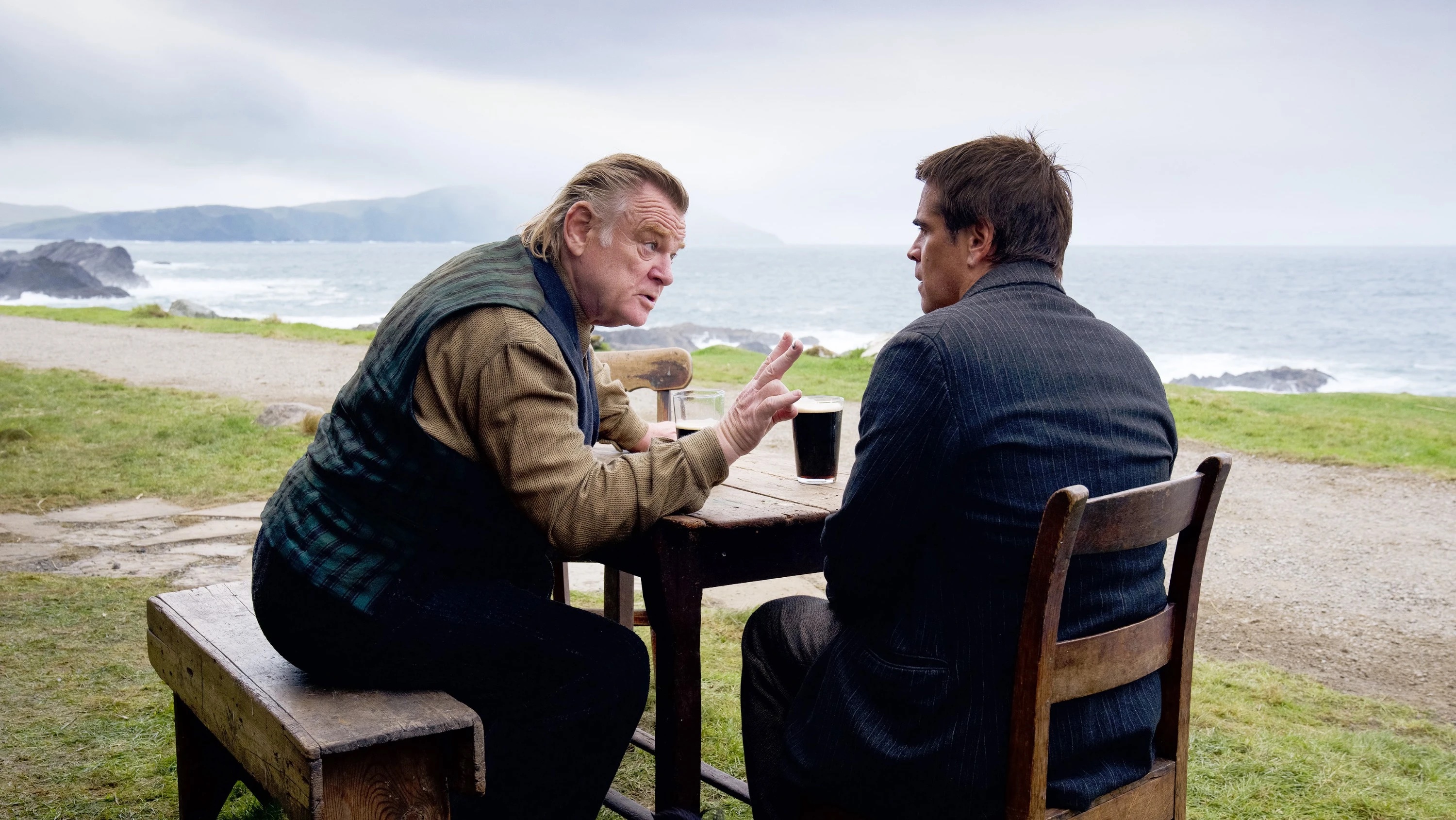
Martin McDonagh’s film is a beautifully observed contemplation of the thankless futility of human existence. This is his best offering since the sublime In Bruges, with wonderful performances from Colin Farrell and Brendan Gleeson.

Aftersun

A gorgeous film, sweetly sad and tinged with tragedy. Debut writer/director Charlotte Wells knocks it out of the park with her first feature, coaxing extraordinary performances from Paul Mescal and Frankie Corio. An absolute must-see.

Guillermo del Toro’s Pinocchio

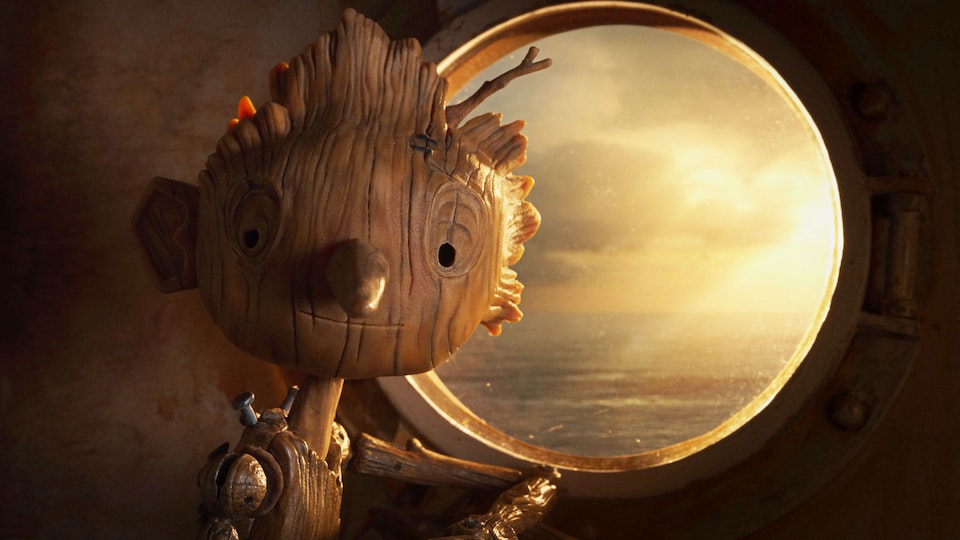
Not content with one title in our selection, del Toro has two – despite the fact that we had to watch Pinocchio on the small screen. Few films deserve the description ‘masterpiece’ as thoroughly as this one.

Philip Caveney & Susan Singfield

Glass Onion: A Knives Out Mystery

23/12/22

Netflix

Rian Johnson’s Knives Out garnered plenty of admirers on its release in 2019, though I felt at the time that it was a case of style over substance. Call me old fashioned, but I’m of the opinion that one of the basic requirements of a whodunnit is that it should be hard to crack and, in this case, it really wasn’t. The sequel (helpfully subtitled A Knives Out Mystery, just in case we’ve missed the connection) recently enjoyed a week in cinemas – at a time when we couldn’t see it. It now appears on Netflix, who financed it and they will also be funding several further instalments. The reviews haven’t been quite so ecstatic this time around, but perhaps ironically, I find this one an improvement on the original, mainly by virtue of the fact that I really can’t guess where it’s headed – though it should also be said that there is a glaring plot hole in there that should have been plugged. (See if you can spot it!)

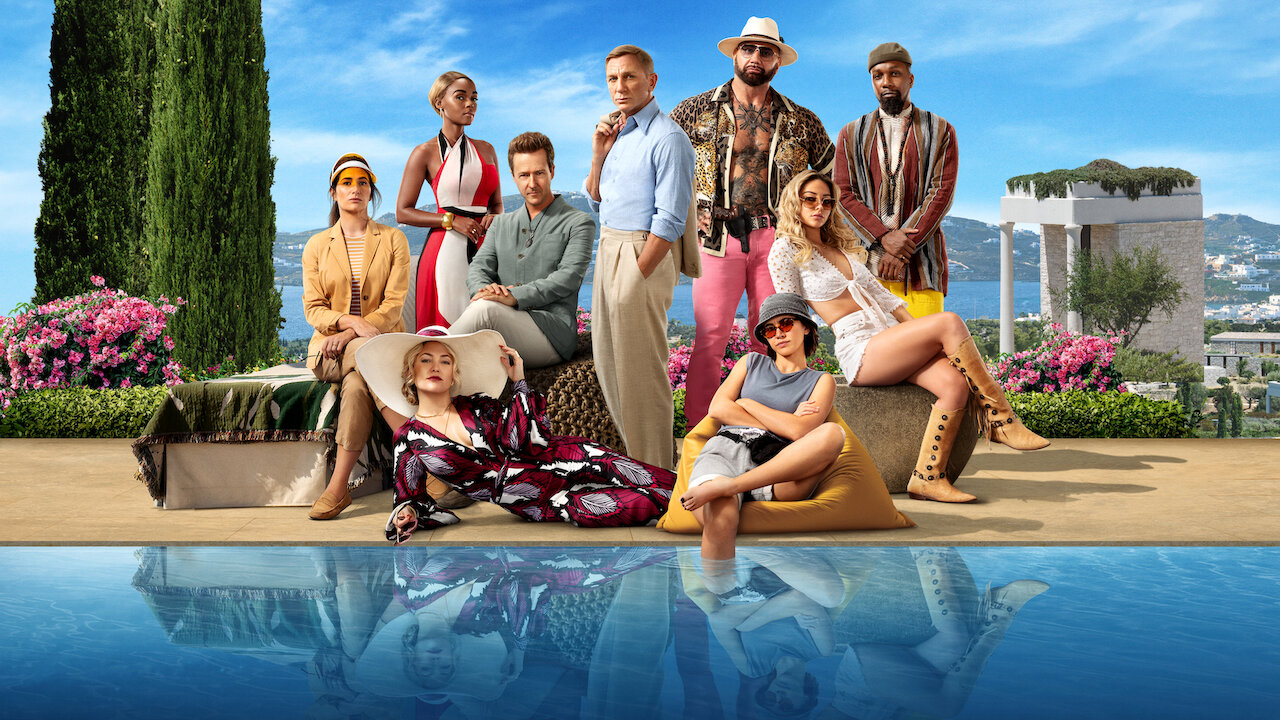
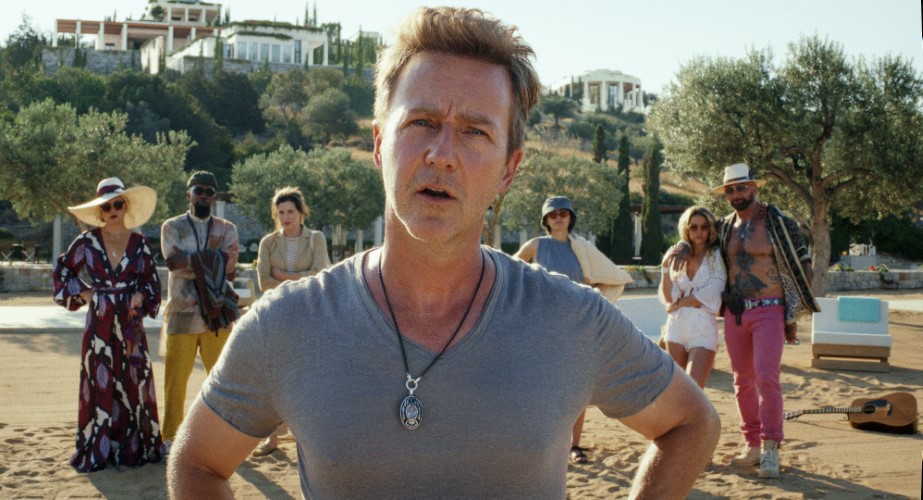
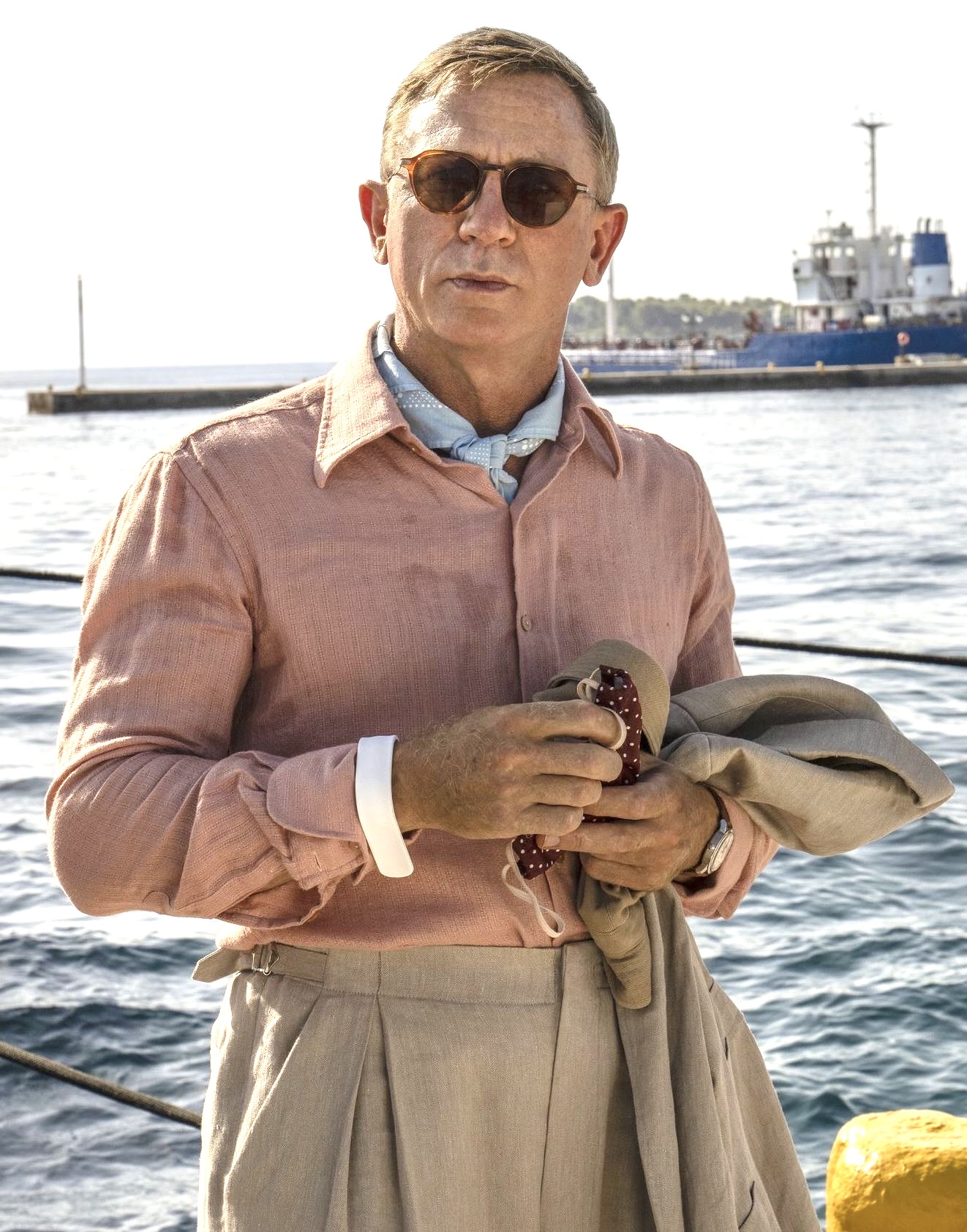
Once again, this is very stylish, bright and kinetic. We’re offered a selection of – mostly repellent – characters who feel more like caricatures than real people. We learn more about ‘the world’s greatest detective’, Benoit Blanc (Daniel Craig), who apparently is fond of sitting in his bath whilst wearing a fez (as you do) and who appears to share his home with a very famous housemate. It all begins with a bunch of seemingly unconnected individuals receiving invitations to an exclusive party on billionaire Miles Bron (Edward Norton)’s private Greek island.

The invites come in the form of elaborate puzzle boxes, which must be deciphered. Soon enough, Blanc is standing on the dockside with the other guests, who include hapless socialite Birdie Jay (Kate Hudson), muscle bound YouTuber, Duke Cody (Dave Bautista) and Bron’s former business partner, Andi Brand (Janelle Monáe). It soon becomes clear that Blanc hasn’t actually been invited to this bash, so his presence is only the first in a whole series of mysteries to be solved.The action is set in 2020, so hats off to Johnson for actually referencing the COVID pandemic, with the characters wearing masks and being all awkward about hugging and shaking hands, something that’s barely ever been referenced in the cinema so far.

Once on the island and inside Bron’s super luxurious home – the centrepiece of which resembles a huge er… glass onion – the host announces that they will all be playing an elaborate murder mystery game. At some point in the evening, he will be ‘killed’ and the guests will have to work out whodunnit…

So far, so Agatha Christie, but it should be said that nothing here goes according to anybody’s plan and, while I feel the early stretches of Glass Onion take some sticking with, once we’ve reached the midpoint, a huge revelation in the form of a series of flashbacks makes everything much more interesting. From here, the proceedings become ever more unhinged, ever more labyrinthine, as Johnson throws aside the conventions of the genre and begins to have fun with proceedings. It’s here too that his central tenet becomes clear. We’re continually reminded that nothing is hidden, nothing is opaque and that the answers to every puzzle are right there in front of us.

It’s clever but, once again, there’s a sense of distance. Because I don’t believe in any of these people, the result is like watching an expert game of chess, with the director manipulating the action like a grandmaster. I’m watching with a sense of detachment rather than being swept up in the proceedings.

Ultimately Glass Onion is an interesting exercise in legerdemain, and Netflix will doubtless do well with it. It will be interesting to see where the series of films goes from here but, for me at least, this feels like a step in the right direction.

4 stars

Philip Caveney
Snow White and the Seven Dwarfs

21/12/22

Festival Theatre, Edinburgh

It’s late December and it’s time for another panto from the King’s Theatre… 

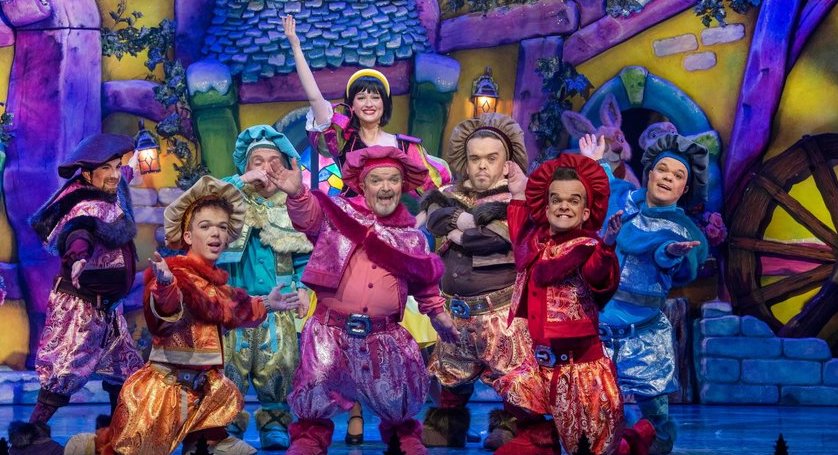
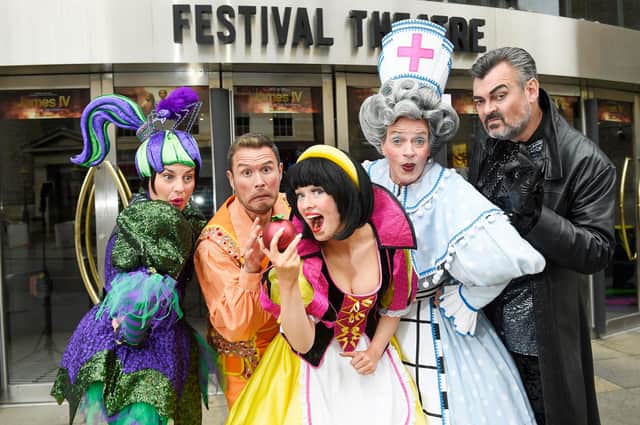
Oh no it’s not! Because of course, the Old Lady of Leven Street is closed, awaiting its much heralded refurbishment, so this time the regular crew have relocated to the Festival Theatre, a much bigger space, but one that they fill with their usual raucous aplomb. This year’s panto is Snow White and the Seven Dwarfs, which has a more complicated plot than most. Perhaps with this in mind, the set designer has usefully created a hi-tech ‘magic mirror’ which offers us a lengthy preamble to set the scene. Unfortunately, a bunch of latecomers troop across in front of me during this sequence, so I’m left to figure things out on that score. 

As usual May (Allan Stewart) is the absolute star of the show (she’s a Nurse this time around). Stewart has his persona fine-tuned to perfection, skipping around the stage in stilettos while offering perfectly-timed put-downs. Grant Stott eschews drag and plays it straight as the evil Lord Lucifer (the clue’s in the name), currently trapped in the magic mirror and hoping to gain his release with the help of the wicked Queen Dragonella (Liz Ewing). Jordan Young returns as Muddles, and has his physical routines down to a T. Muddles, of course,  is in love with the Princess Snow White (Francesca Ross), but she only has eyes for the handsome Prince Hamish (Brian James Leys). Meanwhile, Dragonella’s daughter, Princess Lavinia (Clare Gray), is having second thoughts about being such a thoroughly bad egg…

Look, with these pantos, the plot hardly matters. They are really just an excuse to have a fun time, and it’s clear from the exuberant reception as the curtain goes up that the audience has a lot of love for these seasoned performers and are ready to shout ‘It’s behind you!’ and bellow their best boos every time Stott stalks onto the stage. There’s the familiar check list of sure-fire comedy routines, some new additions (Stott’s song about the Edinburgh trams goes down a storm), plenty of references both topical and regional and, naturally, there are seven talented (and brilliantly costumed) dwarfs – with Kyle Herd even doubling as Nicola Sturgeon for a dance routine.

I laugh, I clap, I cheer, I boo and I genuinely have a great time with this charming production. They’ve started somewhat later than usual, so those who want to grab a generous helping of Ho, Ho. Ho! should book early to avoid disappointment. The show’s on until January 22nd, so come on, what are you waiting for? It’s not Christmas without a good panto. 

(And the first person to say “Oh yes it is” will be politely asked to leave.)

Merry Christmas everyone!

4.5 stars

Philip Caveney
Triangle of Sadness

18/12/22

Amazon Prime Video

Writer/director Ruben Östlund clearly has an axe to grind with the rich and privileged. This film amounts to a pretty effective take-down of such people, skewering their pretensions and their innate sense of ownership. Most of the characters depicted are repellent in their own individual ways, so it’s very much to Östlund’s credit that he actually manages to make me care so much about what happens to them.

Carl (Harris Dickinson) is a male model, already suffering the indignities of casting agents muttering that he ‘may need some botox’ just three years after hitting it big in a series of fragrance ads. His ultra-manipulative girlfriend, Yaya (Charlbi Dean), is an influencer, unable to eat a meal without taking thirty shots of herself supposedly enjoying the food. The two maintain a prickly relationship.

Yaya has recently wangled an invitation for her and Carl to go on an ultra-luxurious ocean cruise, along with a collection of super-rich guests, including oligarch, Dimitri (Zlatko Buric),  who’s made his fortune from selling manure, and charming old couple, Winston (Oliver Ford Davies) and Clementine (Amanda Walker), who have become filthy rich from selling military grade weapons. ‘Our hand grenades are very popular,’ they tell Carl, proudly.
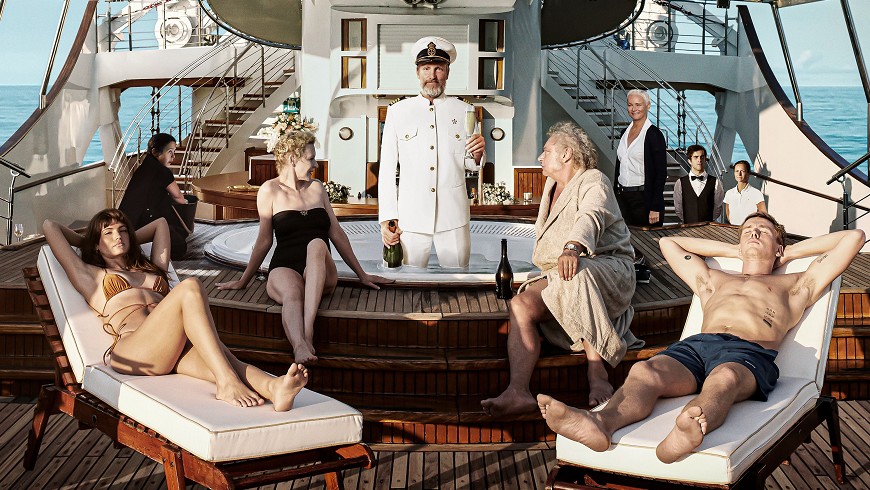
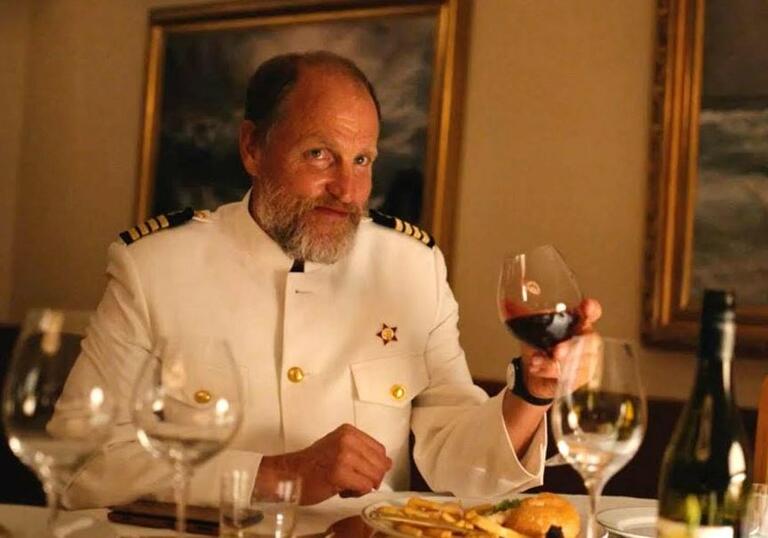
Urged on by head of staff, Paula (Vicki Berlin), the ship’s crew do everything they can to fulfil their guests’ every whim, no matter how demeaning, how utterly facile it might be. Meanwhile, Captain Thomas Smith (Woody Harrelson) skulks alone in his cabin, drinking too much alcohol and attempting to keep his distance from the passengers he clearly despises… 

But a storm is coming and, when it coincides with the Captain’s Dinner, it soon becomes apparent that this trip is going to be anything but plain sailing…

Like an Admirable Crichton for our time, Triangle of Sadness is full of delights, by turns excoriating, hilarious and insightful. At times it’s also unpleasant – scenes where an ocean storm induces an outbreak of mass vomiting amongst the passengers are really not for the faint hearted. While the film admittedly loses a little momentum in its final third, when the action transfers to a desert island, it nonetheless still has plenty to say about the human condition, when former toilet cleaner, Abigail (Dolly Le Leon), spots an opportunity to take on the role of leader, by simple virtue of the fact that she’s the only one capable of doing anything practical. Östlund seems to be pointing out that no matter how much we might hate the privileged, when offered the chance to step into their shoes, few of us are willing to pass it up. And to what lengths are we prepared to go to in order to cling onto it?

A late revelation leaves Abigail with a difficult decision on her hands and brings the film to a breathless conclusion. I’ve always hated the idea of going on an ocean cruise and Triangle of Sadness hasn’t made me change my mind. But this film is well worth embarking on.

4.2 stars

Philip Caveney