Dead Man’s Shoes

16/09/23

Cameo Cinema, Edinburgh

Two men stride purposefully across a picturesque stretch of moorland near Matlock, Derbyshire. They are former soldier, Richard (Paddy Considine), and his younger brother, Anthony (Toby Kebbell), who has learning disabilities. As they walk, gentle music plays and we’re given glimpses of them playing together as toddlers. But what we’re about to see is far from gentle. It’s a harsh and unremitting tale of revenge.

Anthony has been wronged and Richard has returned to his hometown to put things right.

Meadows shows us a run-down rural community that is dominated by local kingpin, Sonny (Gary Stretch), and his sorry henchmen, a bunch of hapless deadbeats who drive around in (of all things) a battered Citroen 2CV. They make easy money selling drugs to the hardscrabble locals and treat anyone who opposes them with contempt. They are the big fish in this tiny pond, simultaneously pathetic yet somehow powerful. It’s clear that Gary and his crew wouldn’t last five minutes in the city but here, they see themselves as players.

But Richard has them squarely in his sights. He begins by confronting them, telling them exactly what he thinks of them and they are instantly dismayed. Nobody ever talks to them like that! Richard knows what they have done to his brother and he will make them pay. As he tightens the screws, he begins to expose them for what they are and they begin to understand the true meaning of fear…

Originally released in 2004, Dead Man’s Shoes is a collaboration between writer/actor Considine and director Shane Meadows and it’s now making a welcome return to UK cinema screens.

Part crime-thriller, part horror story, Dead Man’s Shoes brilliantly utilises Meadows’ flair for eliciting naturalistic performances and improvised dialogue, while Considine displays the hard-edged acting chops that soon launched him into the mainstream. Six years later, he directed the extraordinary Tyrannosaur, which in turn provided Olivia Colman with a star-making vehicle. It’s fascinating to contemplate how much has changed since this film’s release. It seems like a world away.

If you haven’t seen Dead Man’s Shoes, here’s your opportunity to correct the situation. It’s an extraordinary, low-budget gem, that still shines brightly nearly twenty years after its first outing.

4.6 stars

Philip Caveney
A Haunting in Venice

15/09/23

Cineworld, Edinburgh

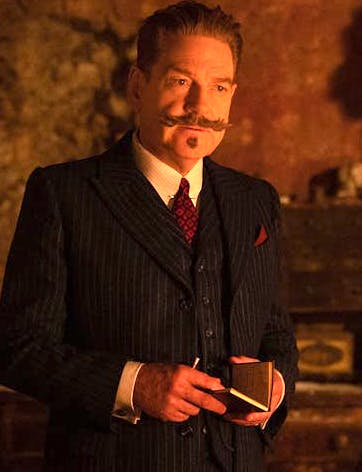
Kenneth Branagh’s third attempt to bring Agatha Christie’s most celebrated detective back to cinema stardom initially feels like every James Wan movie you’ve ever seen: a series of elaborate jump scares designed to unnerve viewers and open them up to the possibility of supernatural goings on.

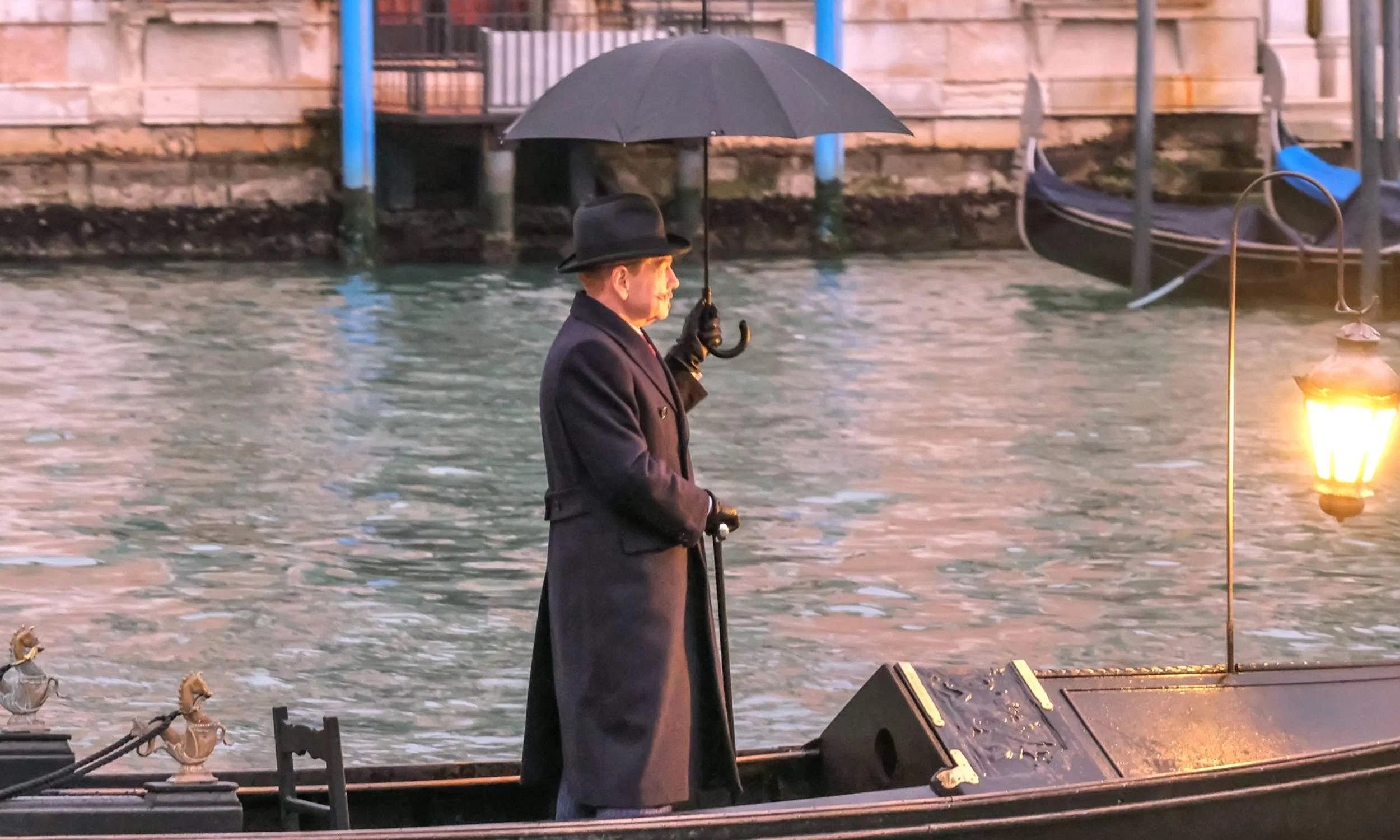
But it isn’t long before we encounter Poirot, recently retired to – well, the clue’s in the title – and apparently finished with the world of sleuthing, happier to fill his spare time with gardening. He’s even hired ex-police officer, Vitale Portfoglio (Riccardo Scarmacio), to act as his bodyguard, ensuring that anybody who comes looking for the services of a sleuth is treated to a quick push off the edge of a canal. But one person does manage to get through. She’s author Ariadne Oliver (Tina Fey), who thinks she’s responsible for Poirot’s fame in the first place by featuring a thinly-disguised version of him in one of her early novels. Now she wants to enlist him to investigate the notorious medium, Mrs Reynolds (Michelle Yeoh), who – Oliver claims – seems to be ‘the real McCoy’.

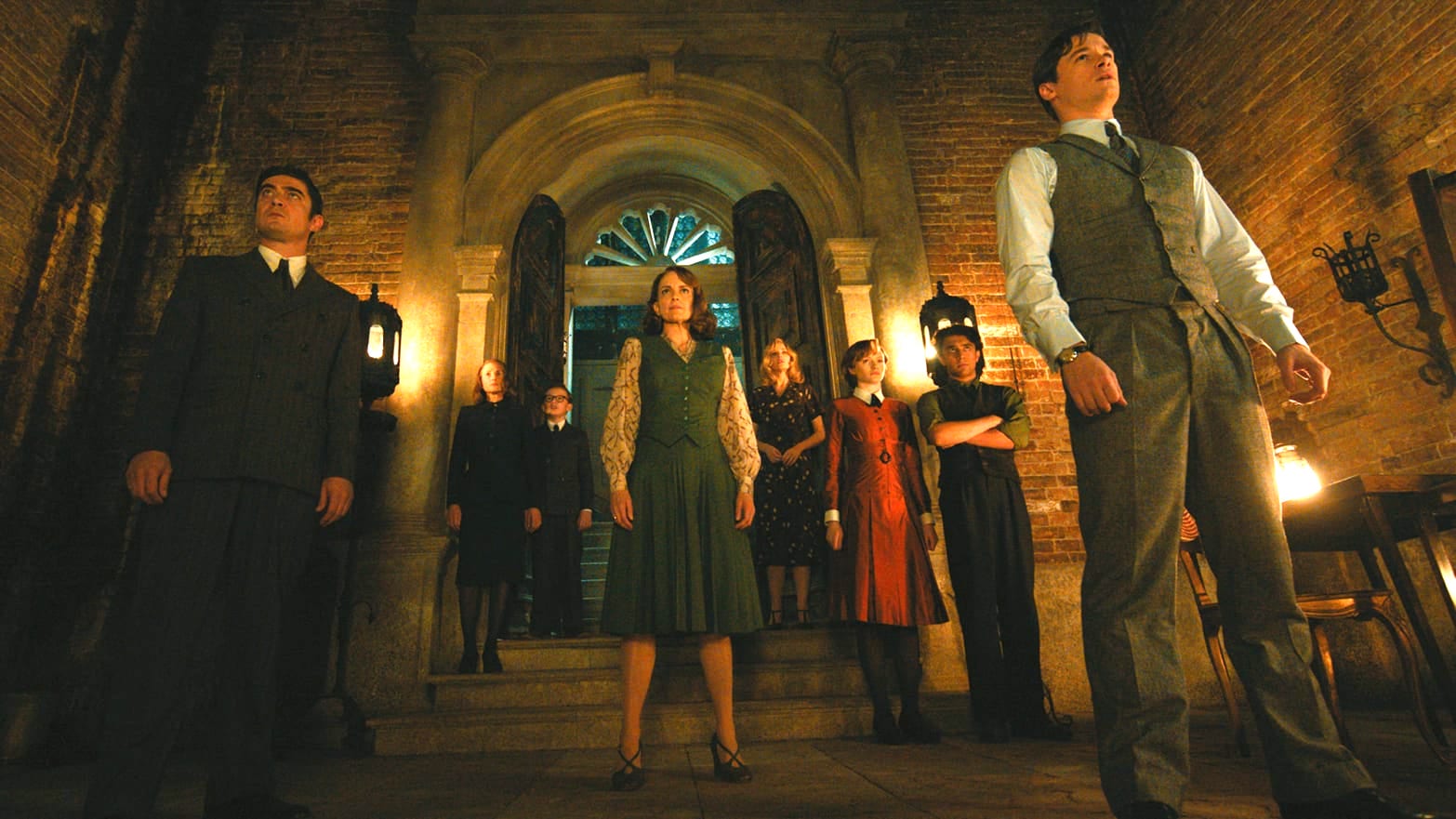
Staunch non-believer Poirot agrees to go along to a Hallowe’en event in a crumbling palazzo, said to be haunted by the ghosts of many lost children. The current owner, Rowena Drake (Kelly Reilly), is keen to contact the ghost of her daughter, Alicia (Rowan Robinson), who committed suicide. Rowena has hired Mrs Reynolds to contact her and find out exactly why she did it.

Poirot is soon happily exposing Mrs Reynolds as a fraud but things take a nasty turn when the medium falls to her death from a high window (bet she didn’t see that coming). And naturally, the killings are not going to end there. A large group of mid-listers find themselves marooned by a violent storm in a building that – conveniently – can only be accessed by boat.

The main problem with A Haunting in Venice is that it’s neither fish nor fowl. The ghost story/horror elements fail to convince, while the plot (if I can call it that) is so risible and convoluted that it’s hard to take any of it seriously. Amidst a sea of familiar faces, the only ones that really connect are a re-teaming of Belfast father and son duo, Jamie Dornan, as a doctor haunted by his experiences in the Second World War and Jude Hill as his somewhat creepy son (who, unfortunately, is a dead ringer for a young Michael Gove). But sadly, they’re not enough to make this turkey fly.

In the latter reaches of the film, some of the sequences are so murky and labyrinthine that I’m occasionally left wondering what is happening to who and where. Screenwriter Michael Green (who has based this farrago on a 60s Christie novel entitled Hallowe’en Party), somehow manages to have his cake and eat it by suggesting that not every supernatural element has been faked. But the intellectual flexing required to solve the case suggests that, by its conclusion, Poirot is back in the game.

After suffering through A Haunting in Venice, I seriously doubt I’ll be back to see the next in the series.

2.4 stars

Philip Caveney
Past Lives

10/09/2

Cineworld, Edinburgh

It’s hard to believe that Past Lives is only the debut film of Korean-Canadian playwright, Celine Song. Here she has created a narrative so assured, so brilliantly handled, it’s little wonder that critics around the world have fallen for its charms. And I am swooning along with them.

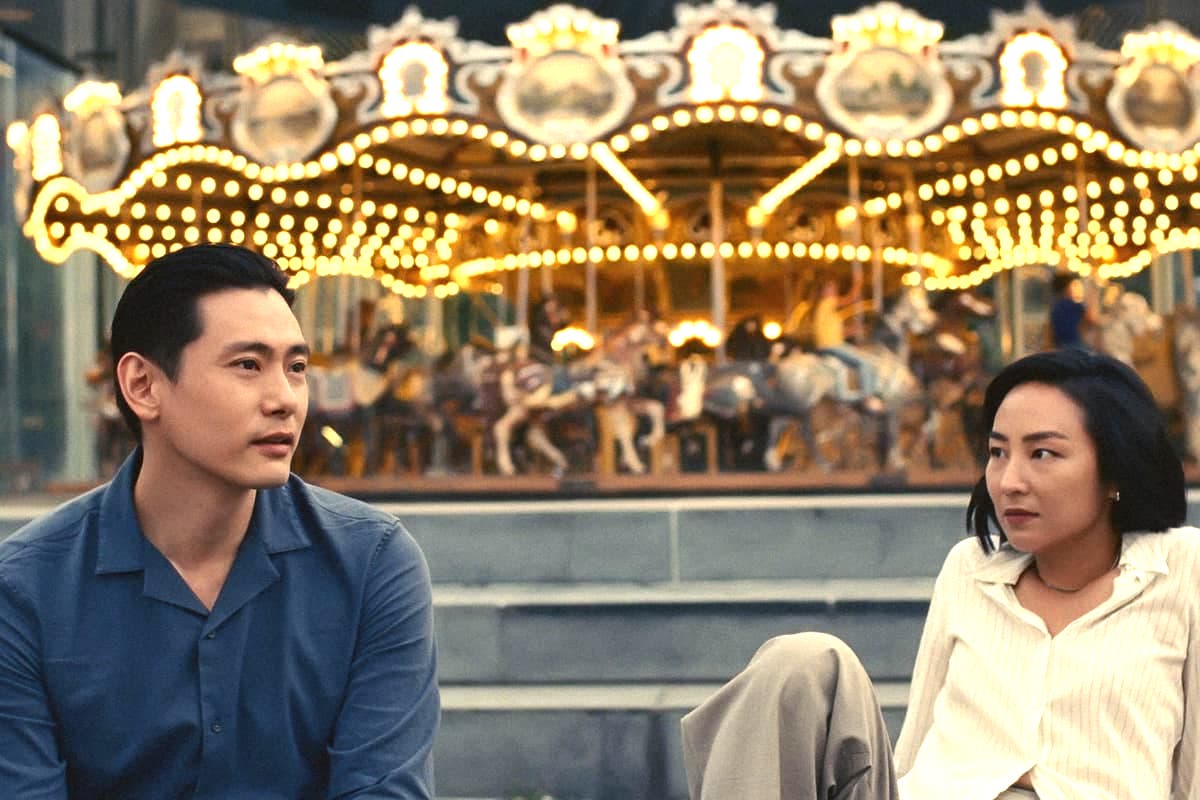
When we first see the three main protagonists, they are chatting together in a bar, while a couple of unidentified voices speculate about what their relationship might be. We learn further down the line that they are playwright, Nora (Greta Lee), her novelist husband, Arthur (John Magaro), and Korean engineer, Jung Hae (Teo Yoo). Their relationship is complicated to say the very least, and the film takes its time unravelling an explanation. But relax, there’s no great hurry.

First we must backtrack twenty-six years to see young Nora (or Na-Young, as she was called then) and Jung Hae, at school together in Korea. They are already inseparable, so much so that their respective mothers take the two of them out on a first ‘date’. But huge changes are looming. Nora’s parents are keen to emigrate to Canada, so that their respective artistic careers can prosper. To help her adapt to her new home, Na-Young adopts the name ‘Nora,’ and is obliged to say goodbye to Jung Hae, but twelve years later, the two of them reconnect online and begin a series of soulful conversations.

Jung Hae tells Nora that he still thinks about her all the time. Sadly, work commitments get in the way and once again the two of them drift apart.

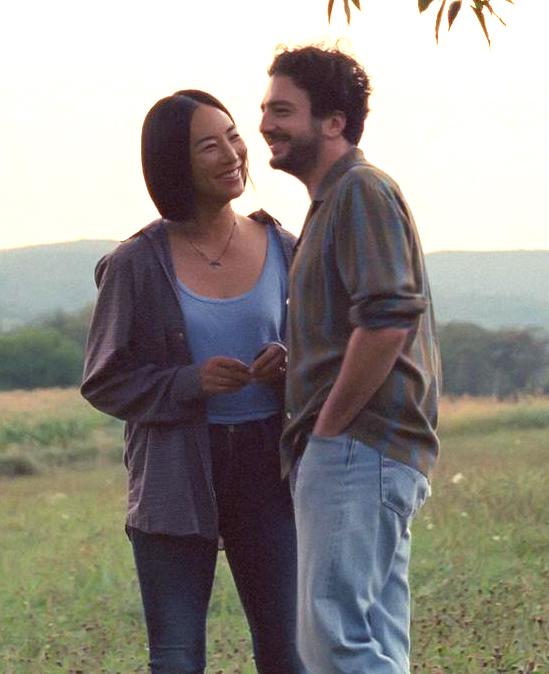
Then, at a writer’s retreat in Montauk, Nora meets Arthur and, almost before they know what’s happening, a decade or so has slipped by and the two of them are happily married and living in a tiny apartment in New York.

And then, Jung Hae travels thousands of miles to visit them…

In clumsier hands the stakes at this point. Nora and Jung-Hae would doubtless realise that they’ve always been meant for each other and Arthur merely an obstacle to be overcome, by force if necessary. But Song’s beautiful and lyrical approach to the story displays a generosity of spirit that takes in all those conflicting emotions and accepts that it’s okay for them to exist – that the three protagonists are all on the same journey through life and can co-exist, without recourse to anger or brutality. Song’s perceptive screenplay makes her characters act and talk like real people actually do.

Shabier Kirchner’s cinematography captures the cities of Seoul and New York in vivid detail and the plaintive music by Christopher Bear and Daniel Rossen is perfectly matched to the film’s languorous, sedate pacing. By the third act I am, quite frankly, spellbound by the story, which is sweet and yearning and deeply affecting, particularly when Jung Hae confesses to Nora that he didn’t realise that liking Arthur would cause him so much pain. The conclusion is so adeptly handled I want to applaud.

If this is Song’s debut, I can only wonder about what she might achieve further down the line. Meanwhile, Past Lives is truly impressive. Miss it and weep… or see it and weep. The choice is yours.

5 stars

Philip Caveney

Keepers of the Light

08/09/23

The Studio at Festival Theatre, Edinburgh

It’s not difficult to understand why the island is a popular symbol in literature. Separate by its very nature, an island always exists as a counterpoint to a known ‘main’ land, allowing a writer to remove their protagonists from their usual environs and – by means of a storm or a lost sea vessel – trap them in a mysterious and unfamiliar place. The dimensions help too: the island serves as both a microcosm and a pressure pot, illuminating and intensifying the characters’ concerns.

Little wonder then that the real-life mystery of three lighthouse keepers who went missing from the Flannan Isles in 1900 looms large in the public imagination. From Wilfred Wilson Gibson’s 1912 poem (still commonly taught in schools), to Kristoffer Nyholm’s 2018 film, The Vanishing, the story continues to intrigue – and Scottish playwright, Izzy Gray, is the latest to be thus inspired. Indeed, as an Orcadian, rooted in island culture, she has a special connection to the subject matter. Lighthouses are in her blood.

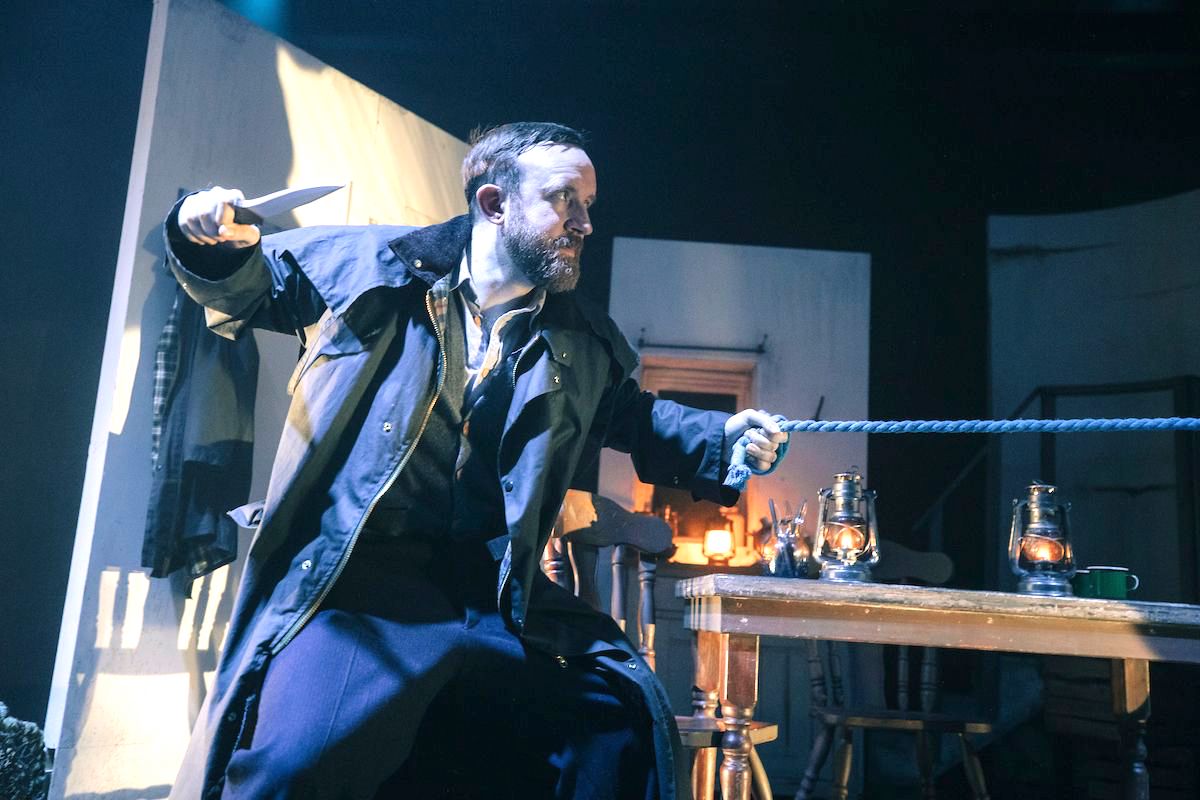
The Flannan Isles lighthouse had only been operational for a year when a terrible storm struck. The light went out, alerting the authorities to the fact that something was amiss, but – by the time a search party made it to the island – there was no trace of the three keepers.

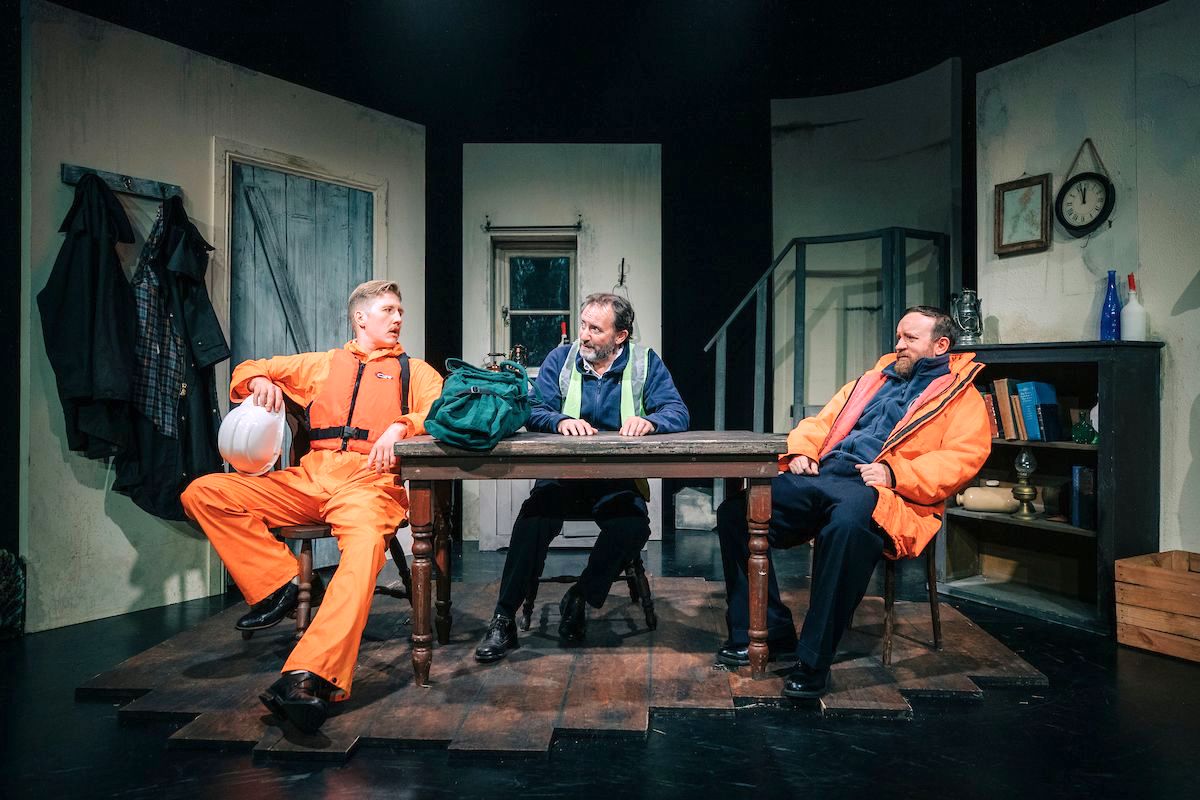
In Keepers of the Light, Gray intersperses the tale of the three lost men, Donald, Tam and Jim (Rhys Anderson, Fraser Sivewright and Garry Stewart respectively), with the parallel narrative of their modern-day counterparts, Mac, Alec and Davie. The lighthouse no longer requires keepers – it’s been automated for more than fifty years – but it does need maintenance, and the three engineers are helicoptered in for what is supposed to be a couple of hours for a routine job. But destiny has other ideas, and the men find themselves stranded overnight with nothing to do but consider the fates of their predecessors…

Gray explores the enduring nature of the mystery, pointing out that the reason the story is so compelling is that there is no answer: all we have is conjecture and gossip, supposition and fantasy. This meta-telling is made explicit by the decision to bookend the play with Alec’s musings, as he contemplates the idea that people are drawn to fill in the gaps. If something is unknown, we make up our own solutions.

It’s not all plain sailing. At times, the dialogue feels a little forced and unnatural, and some of the jokes and themes are hammered home (Davie’s Tic Tac error, for example, is clear; it gets a laugh: we don’t need Mac to add, “No, you mean TikTok!”). The piece would benefit from leaving more unsaid, trusting the audience to infer the meaning from the context.

Another minor niggle: I don’t think the actors need to leave the performance space every time they switch characters. After the first couple of metamorphoses, it’s clear what is happening, and the exiting and re-entering just slows things down. At one point, they do begin to transform on stage, taking off their fleeces and putting on their twentieth-century characters’ hats, which works well, but then they exit anyway, before returning a few seconds (and some minor costume changes) later.

Nonetheless, Keepers of the Light – ahem! – keeps the light shining on this fascinating tale, boldly straddling fact and fiction.

3 stars

Susan Singfield

The Equalizer 3

03/09/23

Cineworld, Edinburgh

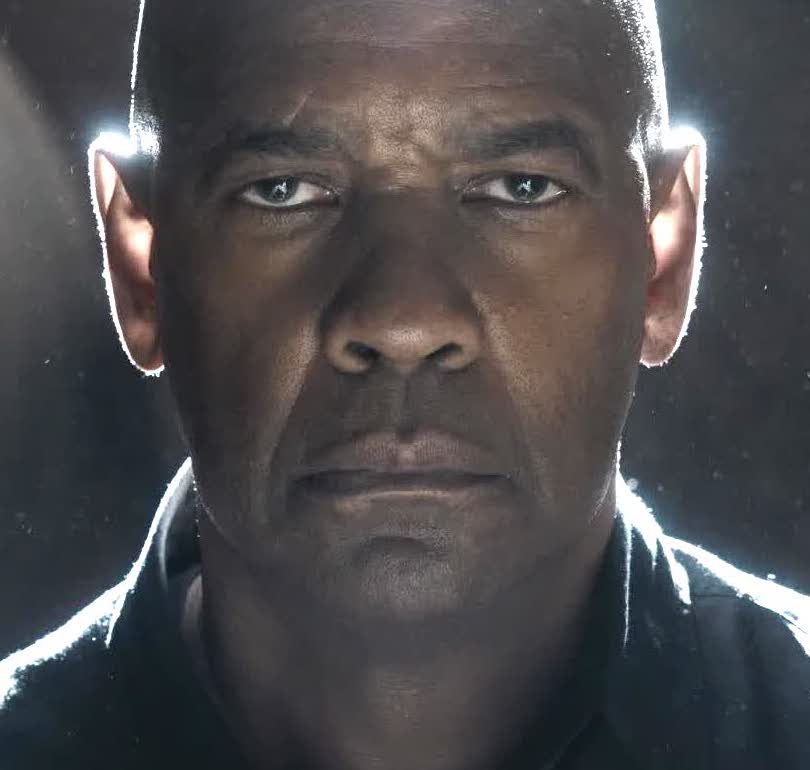
Denzel Washington famously resists doing sequels, but this is his third outing as everybody’s favourite vigilante, Robert McCall, and his fifth film with Antoine Fuqua, with whom he won his second Oscar for 2001’s Training Day. (If you’re wondering, the duo’s other collaboration is the much underrated remake of The Magnificent Seven. You’re welcome.)

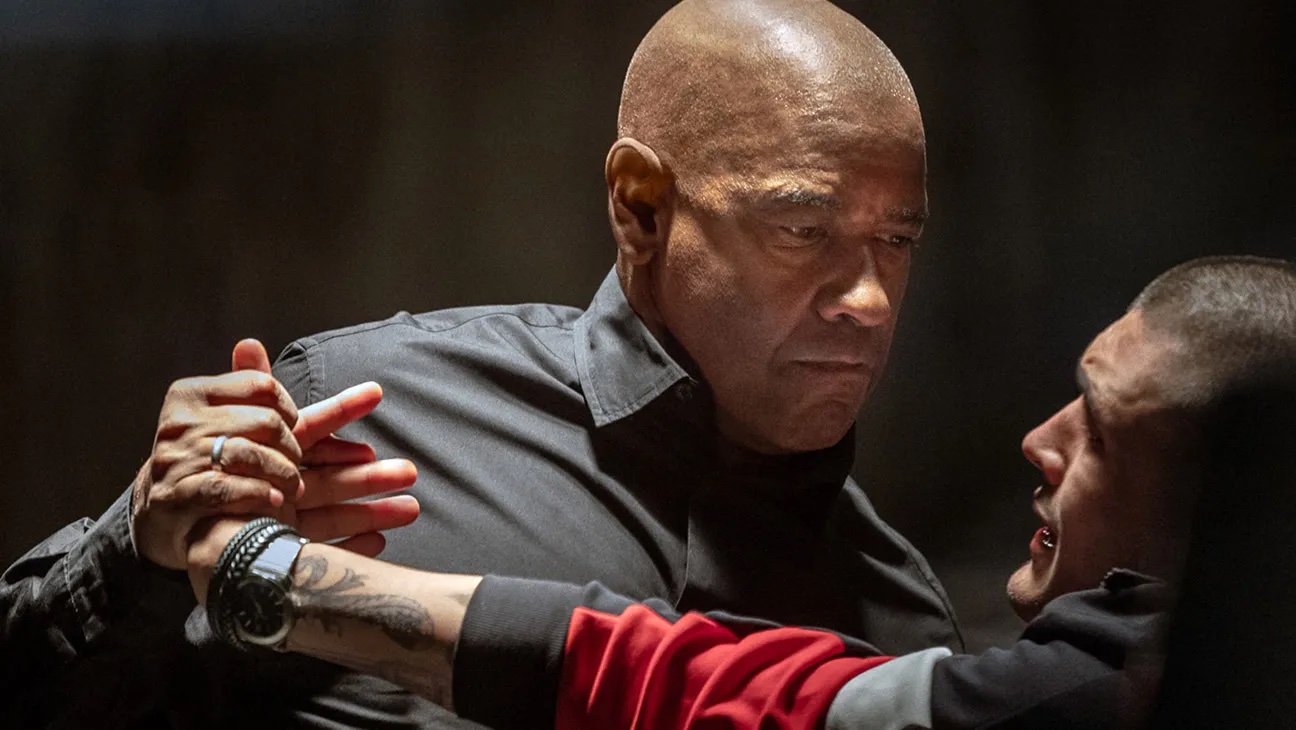
TE3 takes McCall away from his familiar beat and sets him down in Italy, where he’s exacting his usual unflinching version of comeuppance to an elderly farmer, who is not quite the innocent he appears to be – though what he’s actually done to deserve such retribution is kept a secret until the end. On first appearance, McCall has an almost sepulchral look, as though his endless diet of shooting and punching bad people has taken a terrible toll on him.

On his way out, McCall makes an uncharacteristic mistake and winds up with a bullet in his back, but luck is with him and he winds up being taken care of by Enzo (Remo Girone), a charming small-town doctor who doesn’t ask too many questions and who offers McCall a place to lay his head. Filmed in the impossibly picturesque town of Amalfi, it’s hardly surprising that McCall soon starts thinking that he’s finally found himself a home.

But even impossibly picturesque Italian towns have their crosses to bear and here it’s in the form of Mafia thug Vincent Quaranta (Andrea Scarducio), who has his own heinous plans to transform the sleepy little harbour into a convenient place for shipping off regular consignments of illegal drugs. It soon becomes clear that McCall has some more trash to take out before he can happily retire…

Washington is a fabulous actor, with enough gravitas to elevate material like this and take it to another level – and Fuqua too is a skilled director, who never makes the mistake of allowing the violence in his films to look ‘cool’. The physical exchanges between McCall and those who are foolish enough to underestimate him are unflinchingly visceral and (quite literally) pull no punches.

You could argue that the people McCall comes up against are almost cartoonishly evil and that much of the pleasure in watching these films comes from seeing such creatures given the same rough treatment they’re happy to hand out. But I’d be the first to admit that I enjoy TE3 enormously and, on a giant IMAX screen, Washington’s performance looks even more towering than usual.

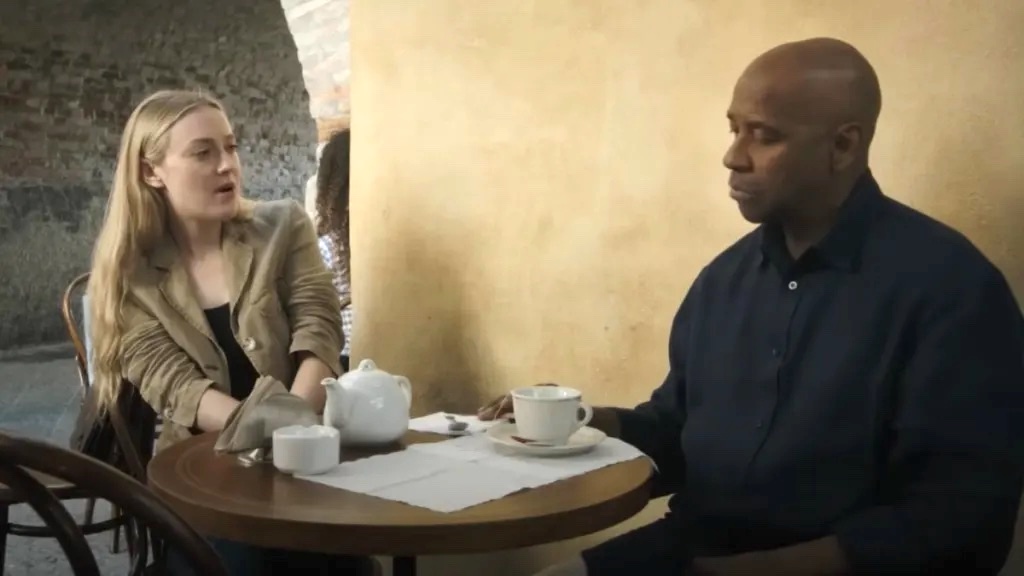
There’s also a labyrinthine quality to the plotting here, including a through-line that brings in Dakota Fanning as CIA operative Emma Collins as a key part of the story – and there are brief glimpses (blink and you’ll miss ’em) of characters from the previous instalments. Stay in your seat till the end and all will become clear.

Will there be a TE4? Probably not. It’s unusual for a franchise to make it to a third outing without jumping the shark, so maybe Washington and Fuqua should quit now, while they’re still ahead. Then again, Robert McCall does seem to have an uncanny knack of moving to locations that need his unequivocal style of rough justice. If one arrives, I’ll be there for it.

4 stars

Philip Caveney
The Blackening

02/09/23

Cineworld, Edinburgh

Spoof horror movies have been around for a very long time – so any new contender in this crowded field, has to offer something radically different. The Blackening manages it. For starters, almost all the characters in this story are Black. Furthermore, they are cine-literate enough to know what generally happens to Black people in such movies. Hence the film’s strap line: ‘We can’t all die first.’

Morgan (Yvonne Orji) and Shawn (Jay Pharoah) have booked a remote cabin in the woods (what could possibly go wrong?) where they plan to host a ten-year reunion with some old school friends. But when said friends turn up, their hosts are nowhere to be found. So they settle down to wait for them.

The guests include promiscuous Lisa (Antoinette Robertson) and – rather awkwardly – her old flame Nmandi (Sinqua Walls). There’s the resourceful Alison (Grace Byers), sassy Shanika (X Mayo), super-snarky King (Melvin Gregg) and nervous Dewayne (Dewayne Perkins, who co-wrote the screenplay with Tracy Oliver.) Dewayne is Black and gay, and has seen enough horror movies to know he is especially at risk. There’s also geeky Clifton (Jermaine Fowler), who the others remember from school – but none will admit to inviting him to this gathering.

In the ‘Games Room,’ the guests are compelled to play the titular board game, which features a really racist-looking mechanical face that asks a lot of difficult questions. How many Black characters appeared in Friends, for example? Tricky… and the stakes are high. Get an answer wrong and one of the hosts will be kaput.

So far, so generic, but what makes The Blackening rise above most of the competition is the fact that, though it’s occasionally quite bloody, it’s the wisecracking dialogue that keeps up the momentum, as the various players snipe, bicker and squabble their way through the ensuing chaos, never losing sight of wanting to be the coolest person in the room. The story heads off in a whole variety of different directions, some of which come as genuine surprises. However, the film is uneven, sometimes propulsive enough to keep me hooked in, but too often slowing right down for long conversations.

There’s a much lower body count than I’m used to seeing in a film like this – and I have to say, it loses a couple of points when a late ‘reveal’ comes as no surprise to me whatsoever… but maybe I simply see too many films. Overall I enjoy The Blackening – and in several scenes, it has be laughing out loud.

3.7 stars

Philip Caveney

Theater Camp

31/08/23

Cineworld, Edinburgh

Joan Rubinski (Amy Sedaris) is a bit of a theatrical legend. She has been running her summer theatre camp for young performers for many years. But, when she suffers a debilitating fit (caused by exposure to strobe lights), her outfit is left without a leader. So it falls to her son, Troy (Jimmy Tatro), to step up to the plate and fill her tap shoes, despite having no experience of drama whatsoever. Troy is an ‘influencer’, who thinks he has what it takes to overhaul the business.

Unfortunately, he has to try to deal with a whole horde of regular teachers, who have been doing this for donkeys years and who clearly view him as an unwelcome addition to the ranks. They include drama coach, Amos (Ben Platt), and his soulmate, music tutor Rebecca-Diane (Molly Gordon). The duo actually met at the camp as students and fell in love – but, since Amos came out, their co-dependency can perhaps best be described as ‘complicated’. There’s Rita Cohen (Caroline Aaron), Joan’s no-nonsense right-hand woman, who seems to have a talent for always saying the wrong thing and there’s new recruit, Janet (Eyo Edebiri), who has as much experience in drama as Troy, but is determined to bluff her way through…

This charming and sometimes very funny mockumentary comes from a team of people who clearly know their subject well. Depicted in a series of short, snappy scenes (but for once eschewing the straight-to-camera interviews that are so often utilised in fake docs), we are witness to the three weeks of frantic work it takes to put together a summer show, a tribute to their beloved leader, entitled Joan, Still. We witness the trials and tribulations of creating a musical from not very much by a cohort of bright, eager students, all of whom have their eyes set on their own individual goals. (I particularly enjoy the diminutive boy who has decided he’s born to be… an agent.)

When Troy is romanced by the villainous Caroline (Patti Harrison), who works with a neighbouring, more upwardly-mobile youth theatre group, bankruptcy hovers in the wings and it’s going to take considerable wheeling and dealing on his part if he’s to save his mother’s camp. Can the team forget their various differences and work towards a solution?

Anyone who enjoyed Summer Heights High, back in the day, will get a kick out of Theater Camp, which shares some DNA with the legendary Mr G. It’s sprightly, silly and a lot of fun. Now, if only there were a rousing singalong to finish it all off… oh, wait a minute, turns out they’ve actually written one!

4 stars

Philip Caveney

Scrapper

29/08/23

Cineworld, Edinburgh

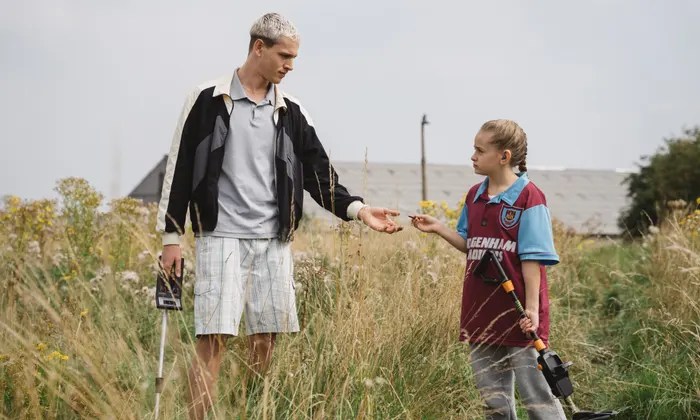
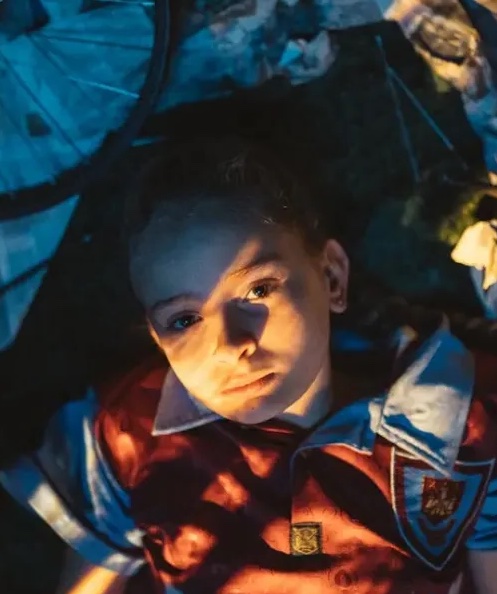
Georgie (Lola Campbell) is just thirteen years old and, since the recent death of her mother, she’s managing to fend for herself in a council flat somewhere in London, all on her own. The neighbours know of her situation but turn a blind eye to it, not wanting to see her engulfed and spat out by the system. Meanwhile, with her best friend, Ali (Alin Uzan), Georgie is making ends meet by stealing second-hand bikes and selling them on to local shopkeeper, Zeph (Ambreen Razia).

Georgie is determinedly self-sufficient and precocious beyond her years, even able to smoothly talk her way out of trouble when a woman finds her trying to remove her bike-lock. But then one day, Jason (Harris Dickinson) climbs over the garden fence and introduces himself to Georgie as the father she’s never met. He’s been over in Spain working as a ticket tout, but has returned with the intention of getting to know his daughter. Georgie is initially suspicious of him, not allowing him to sweet-talk her, the way he’s already doing with Ali – but, bit by bit, her defences begin to crumble…

This is the feature debut of young writer/director Charlotte Regan and it’s been compared to Aftersun, with which it does perhaps share some DNA – though that’s perhaps unfair, because Scrapper is its own beast.

Steadfastly refusing to play to the usual poverty porn clichés, Scrapper depicts the estate where Georgie lives in bright, primal colours and offers us short, direct-to-camera comments from some of the other local inhabitants – even the spiders in Geogie’s house manage to have their say! Campbell’s performance is extraordinary, while Dickinson is totally convincing as Jason, a man who has never really matured but is doing the best he can to meet the demands of fatherhood.

I like too the scenes that are shown from Georgie’s own POV – the weird assemblage of bicycle parts she has constructed in the spare room, which in her mind’s eye assumes gigantic proportions: a dizzy ladder climbing to heaven, where she hopes her mother is waiting for her.

Sweetly sad and often affecting, Scrapper is a delightful low-budget gem from a young director with plenty of potential.

4 stars

Philip Caveney

Edfest Bouquets 2023

August in Edinburgh, and the Fringe was back with a boom! As ever, after seeing so many brilliant productions, it’s been hard to select our favourites, but it’s (virtual) Bouquet time and so, in no particular order, here are the shows that have really stayed with us:

COMEDY

John Robins: Howl (Just the Tonic)

‘Raw and achingly honest….’

The Ice Hole: a Cardboard Comedy (Pleasance)

‘An inspired piece of surreal lunacy…’

Dominique Salerno: The Box Show (Pleasance)

‘One of the most original acts I’ve ever seen…’

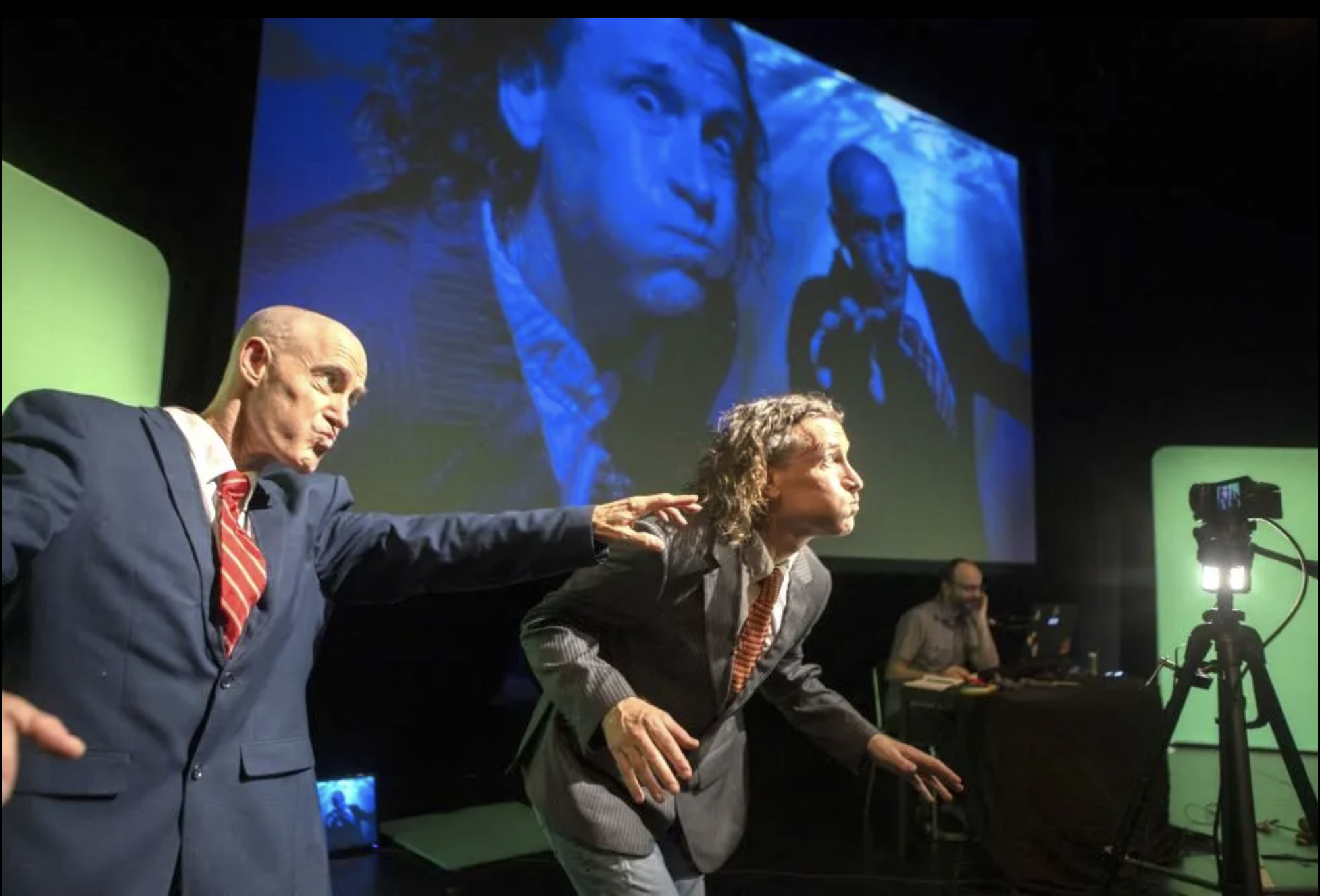
The Umbilical Brothers: The Distraction (Assembly)

‘An amorphous mass of nonsense – but brilliantly so!’

THEATRE

Bacon (Summerhall)

‘A whip-smart, tightly-constructed duologue…’

The Grand Old Opera House Hotel (Traverse)

‘Part slapstick, part comic-opera, part mad-as-a-box-of-frogs spectacle, this is something you really don’t want to miss.’

Salty Irina (Roundabout at Summerhall)

‘Fresh and contemporary, all minimal props and non-literal interpretation…’

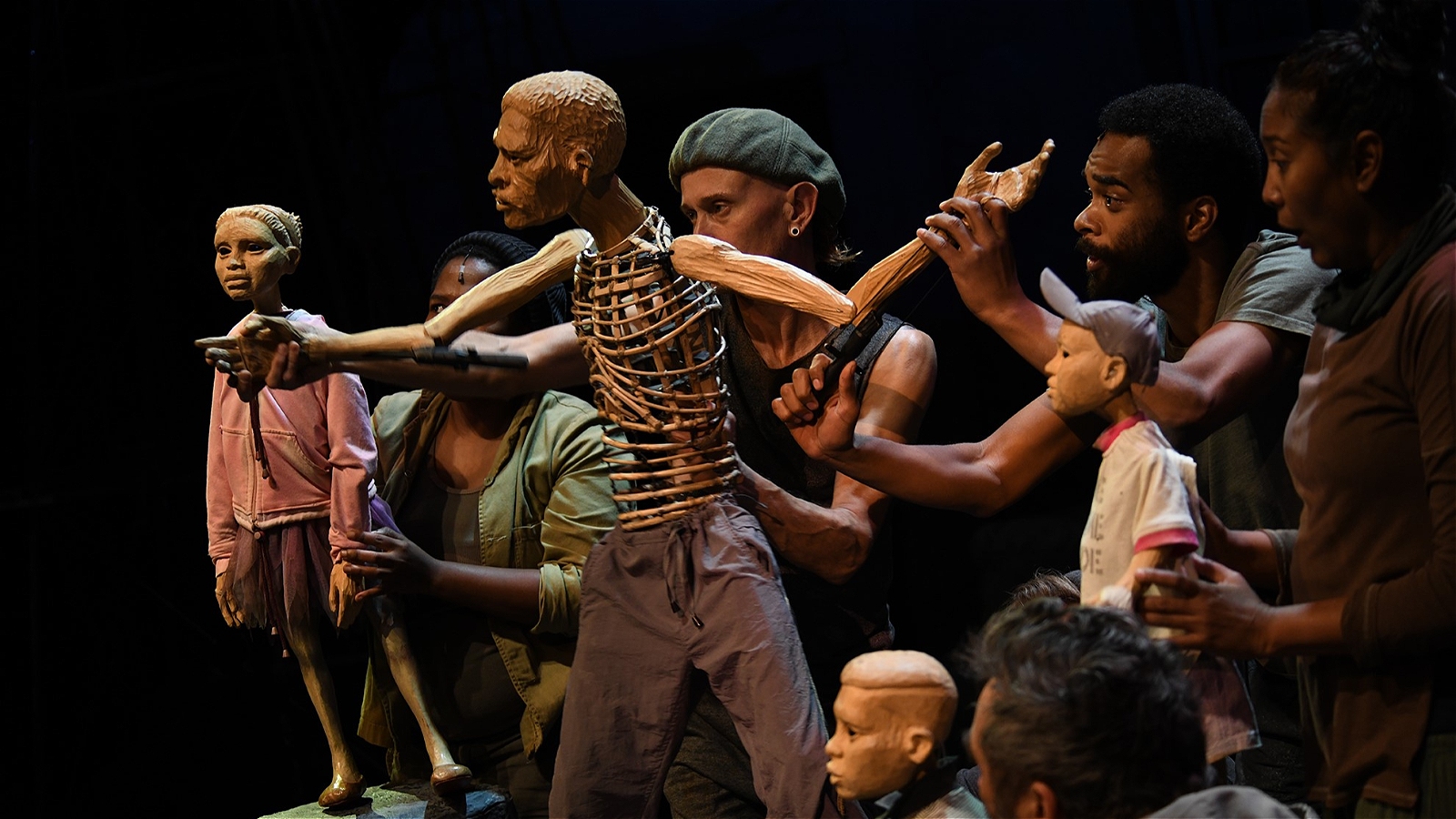
Dark Noon (Pleasance)

‘A unique piece of devised theatre, sprawling and multi-faceted…’

JM Coetzee’s Life and Times of Michael K (Assembly)

‘A gentle but powerful production…’

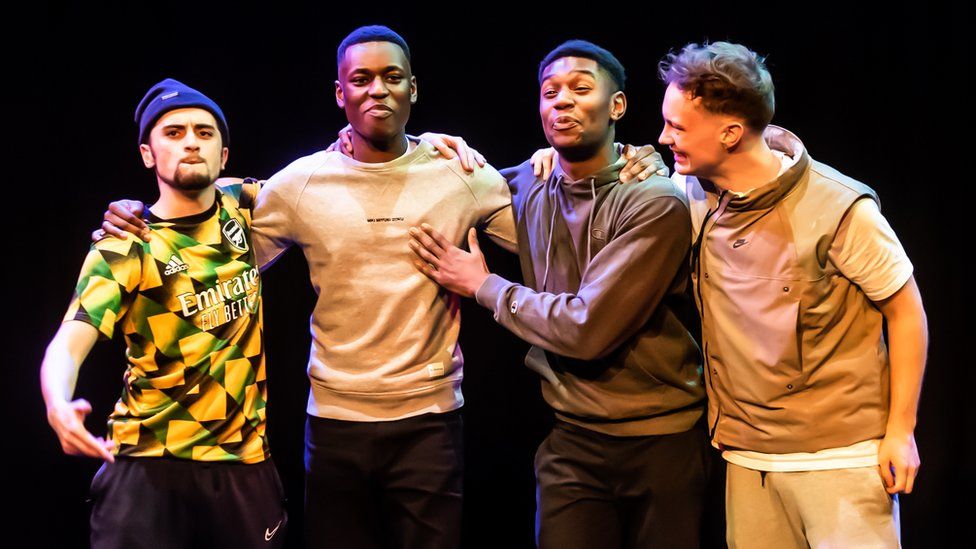
One Way Out (Underbelly)

‘The piece is brave enough not to offer a solution…’

SPECIAL MENTIONS

After the Act (Traverse)

‘We have to learn from what has gone before…’

Woodhill (Summerhall)

‘Though unnervingly bleak, this does offer a glimmer of hope…’

Things Hidden Since the Foundation of the World (Traverse)

‘The closest I’ve ever come to experiencing an acid trip in the theatre…’

Susan Singfield & Philip Caveney

John Robins: Howl

27/08/23

Just the Tonic Nucleus (Atomic Room), Edinburgh

I’m not usually drawn to introspection. My preference is for comedy that looks outwards to what’s happening in the big wide world – but there are exceptions to every rule. I don’t like sci-fi but I love Woman on the Edge of Time. I don’t enjoy watching sport unless it’s tennis. I only like chocolate ice cream if it comes from Mary’s Milk Bar.

And I can get on board with introspection when it’s as well-crafted as Howl.

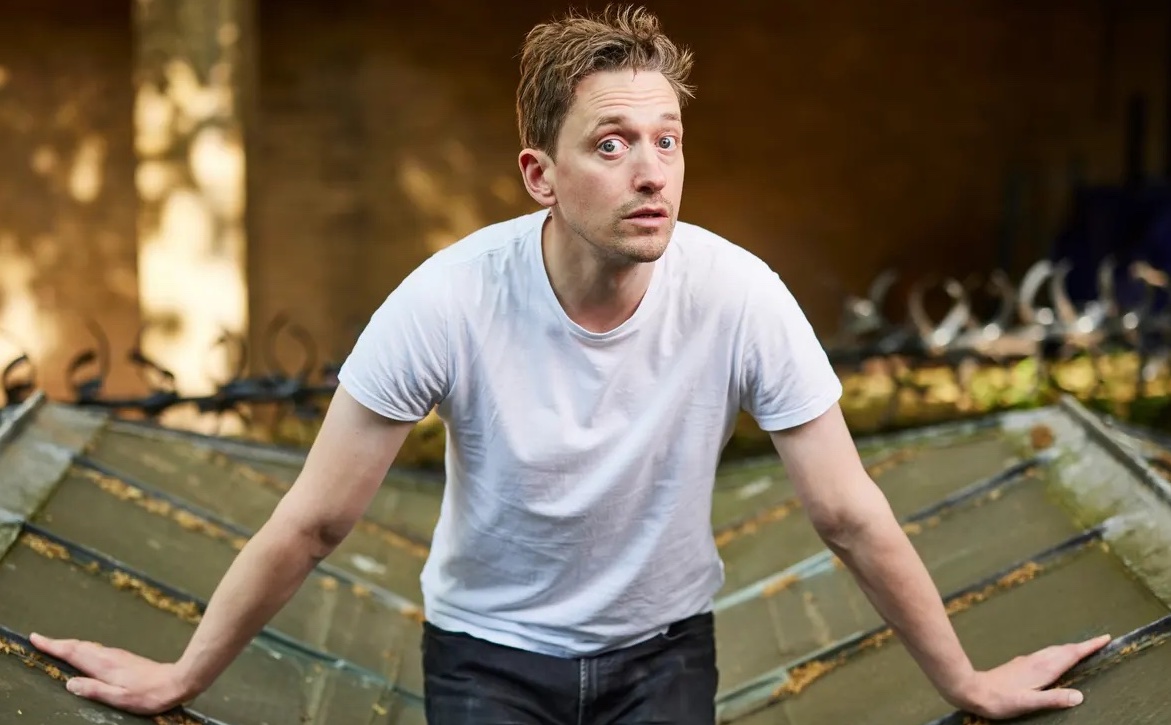
In this raw and achingly honest show, John Robins talks about a mental health crisis that precipitates a life-changing realisation: he’s an alcoholic. Having spent years in denial about his problematic relationship with booze, things finally come to a head when he… tries to buy a slotted spoon.

It’s hard to convey how funny Howl is because there’s nothing intrinsically amusing about a man falling apart. But Robins is a gifted comedian; he knows just how far to push his tragic narrative before undercutting the misery with a well-aimed quip. He’s emotionally intelligent, connecting with the audience by making observations we can all recognise – and then demonstrating how, for him, these relatable foibles can grow into something monstrous and uncontrollable. It’s the extremes that make us laugh – but it’s also the extremes that have driven him to the edge. Robins walks the tightrope well.

As a committed PCD, I thought I knew Johnny JR’s skillset but I hadn’t realised he could act (DI Robbyns notwithstanding). Here, he expertly physicalises the awkwardness of an encounter with his ex’s mum, where he’s desperately trying to make his obsessive thoughts sound rational. It evokes a weird sort of protectiveness: I want to look after him even as I erupt into laughter, and I suspect I’m not alone. It’s rare for someone to expose their vulnerability quite so openly and with so little self-pity.

I’m glad Robins is sober – and long may it last. To have made it through an entire Edinburgh run without a drink is a big achievement. This show is an aptly titled howl of pain, but it’s also strangely inspirational -and thus we end the Fringe on a high and hopeful note.

5 stars

Susan Singfield