Jekyll & Hyde

18/01/24

Royal Lyceum Theatre, Edinburgh

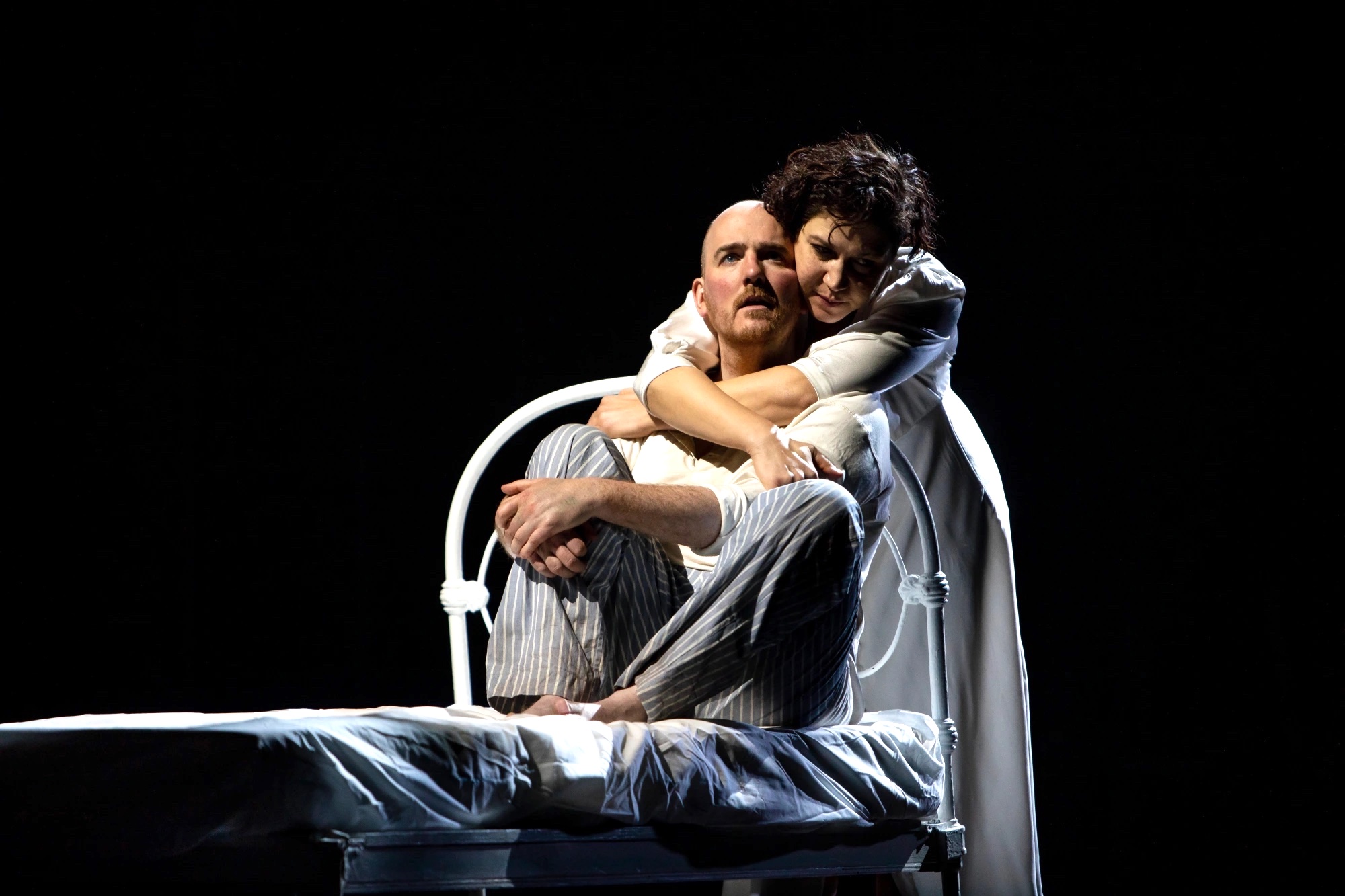
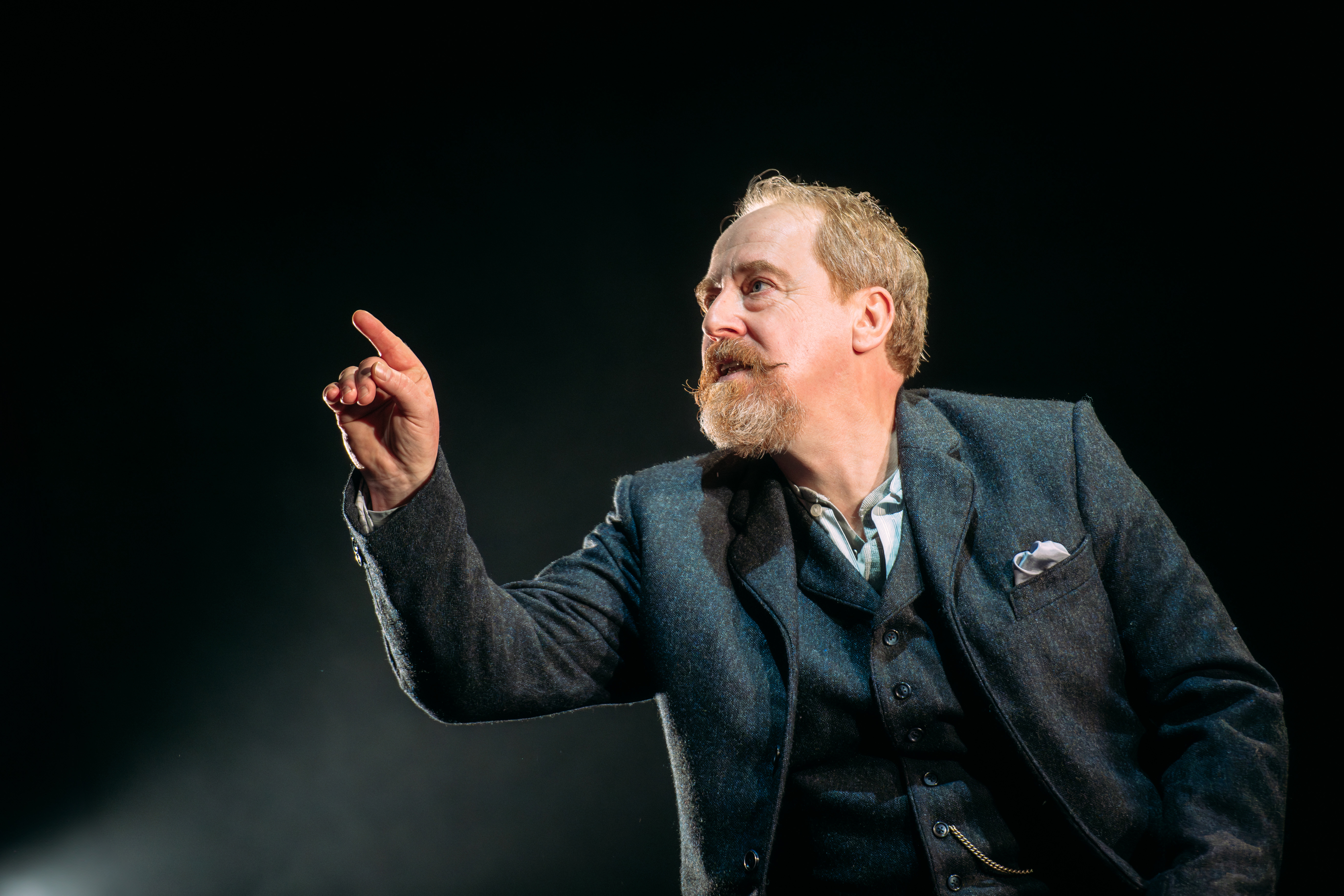
I’ve always thought of Jekyll and Hyde as the quintessential Edinburgh story, so it never fails to come as a surprise when I’m reminded that the original novella was based in London. (And written in Bournemouth to boot!) Gary McNair’s astute adaptation of Robert Louis Stevenson’s iconic story uses the same setting as its illustrious predecessor and strips the story back to its bare essentials. It’s a monologue, performed with gusto by Forbes Masson. Everything about the production feels taut and fleet, a straight seventy-five minute run with no interval.

Masson wanders onstage as the story’s narrator, lawyer Gabriel Utterson, who warns us that he’s not ‘the good guy’ in this tale. With this idea firmly planted, he begins to relate his story: how he learns from his cousin, Richard Enfield, of a brutal attack on an innocent eight-year-old girl by a man called Edward Hyde, whom he describes as “downright detestable.” 

Utterson’s suspicions are instantly aroused because one of his oldest friends and clients, the mild-mannered Dr Henry Jekyll, has recently changed his will in favour of a man with that same name. Utterson soon becomes obsessed with Hyde and spends much of his time hanging around the man’s doorway without ever managing to spot him… 

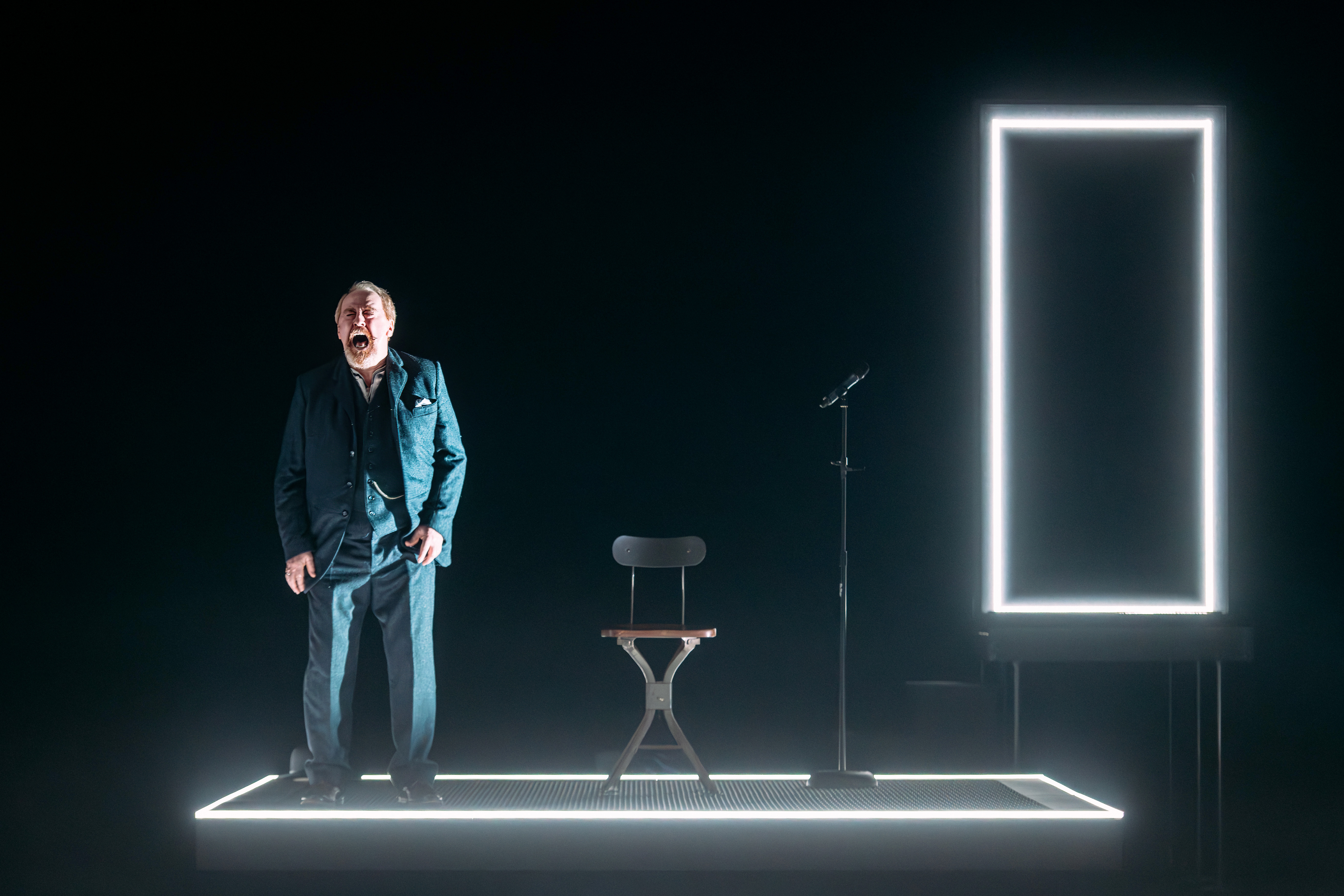
The problem with adapting such a familiar story is, of course, that there can be few real surprises. I admire Michael Fentiman’s direction, Max Jones’ spare set design and particularly Richard Howell’s startling lighting effects, which – combined with the Richard Hammarton’s eerie soundscapes – accentuate the disturbing psychological aspects of the story. I applaud the fact that McNair has dispensed with the mysterious ‘serum’ swigged by Jekyll in order to transform himself into Hyde, an element that has always seemed corny to me. I note too that the plot’s most unbelievable strand – that despite so many visits to Hyde’s doorway, Utterson fails to notice that it connects directly to Jekyll’s house – has been left intact.

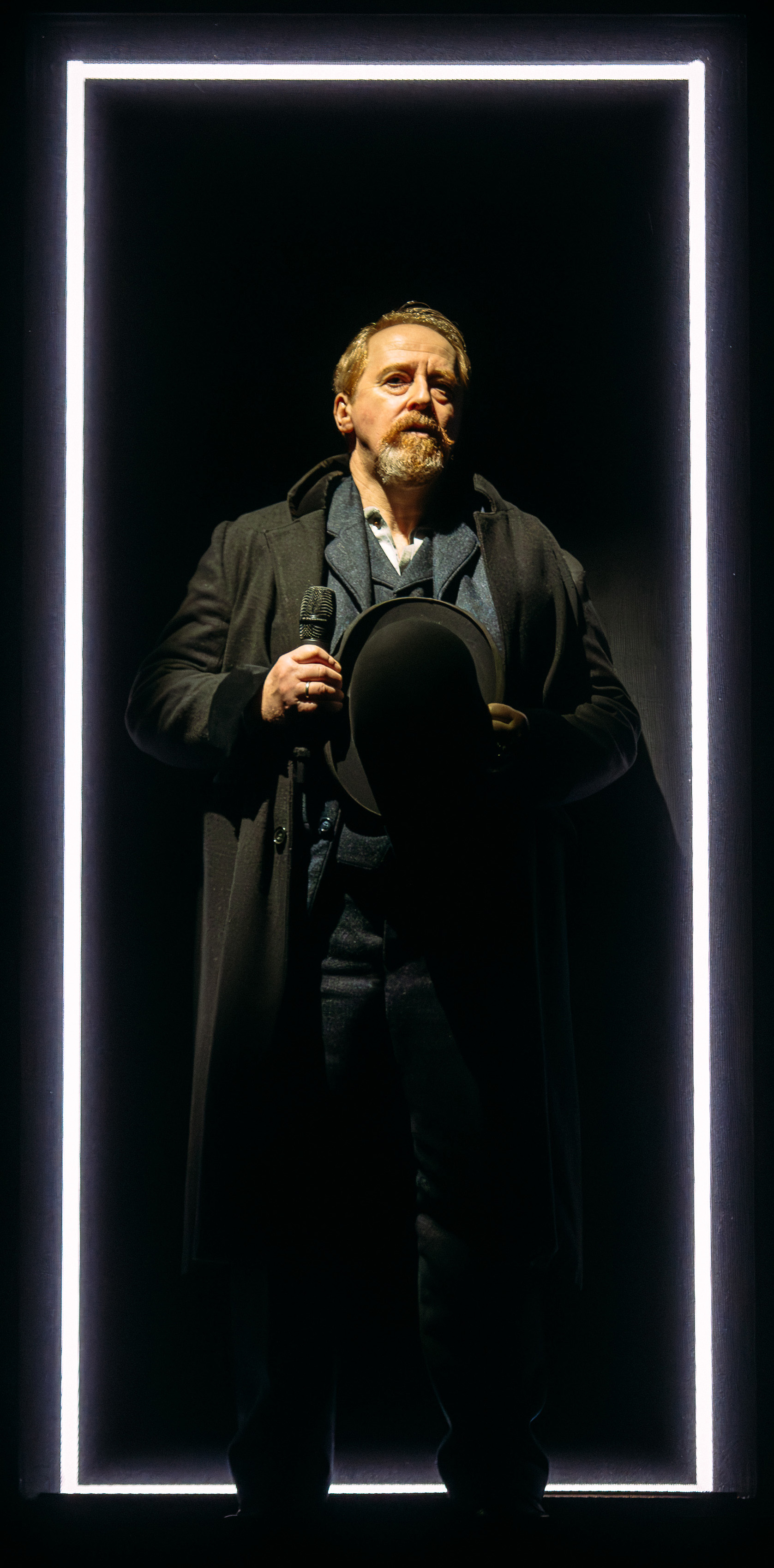
Of course, none of this could fly without Masson’s confident performance and he rises to the occasion admirably, inhabiting every character with consummate skill, switching from one to the other, seemingly without effort. A sequence where he passes a bowler hat from hand-to-hand as he conducts a lengthy conversation with himself feels suspiciously like observing a masterclass in acting. It’s an absolute pleasure to behold.

It’s only in the production’s final moments – when Utterson’s introductory words are re-echoed – that this adaptation’s true strengths are actually revealed. There is, I think, a suggestion here that hasn’t been fully explored before. And that’s reason enough for its existence.

4 stars

Philip Caveney
Poor Things

12/01/24

Cineworld, Edinburgh

What is Yorgos Lanthimos’ secret? Since 2015’s The Lobster, he has released a string of wild, absurdly funny and generally unhinged films, the kind of projects you’d expect to see consigned to little art house cinemas, but – as we saw withThe Favourite – his inventive offerings are pulling in the big crowds and attracting top-flight performers to star in them. Tonight’s early evening screening is packed with a predominantly young crowd, who spill out afterwards, excitedly discussing what they’ve just watched. In an age where predictable comic-book films have ruled the roost for far too long, this is heartening to see.

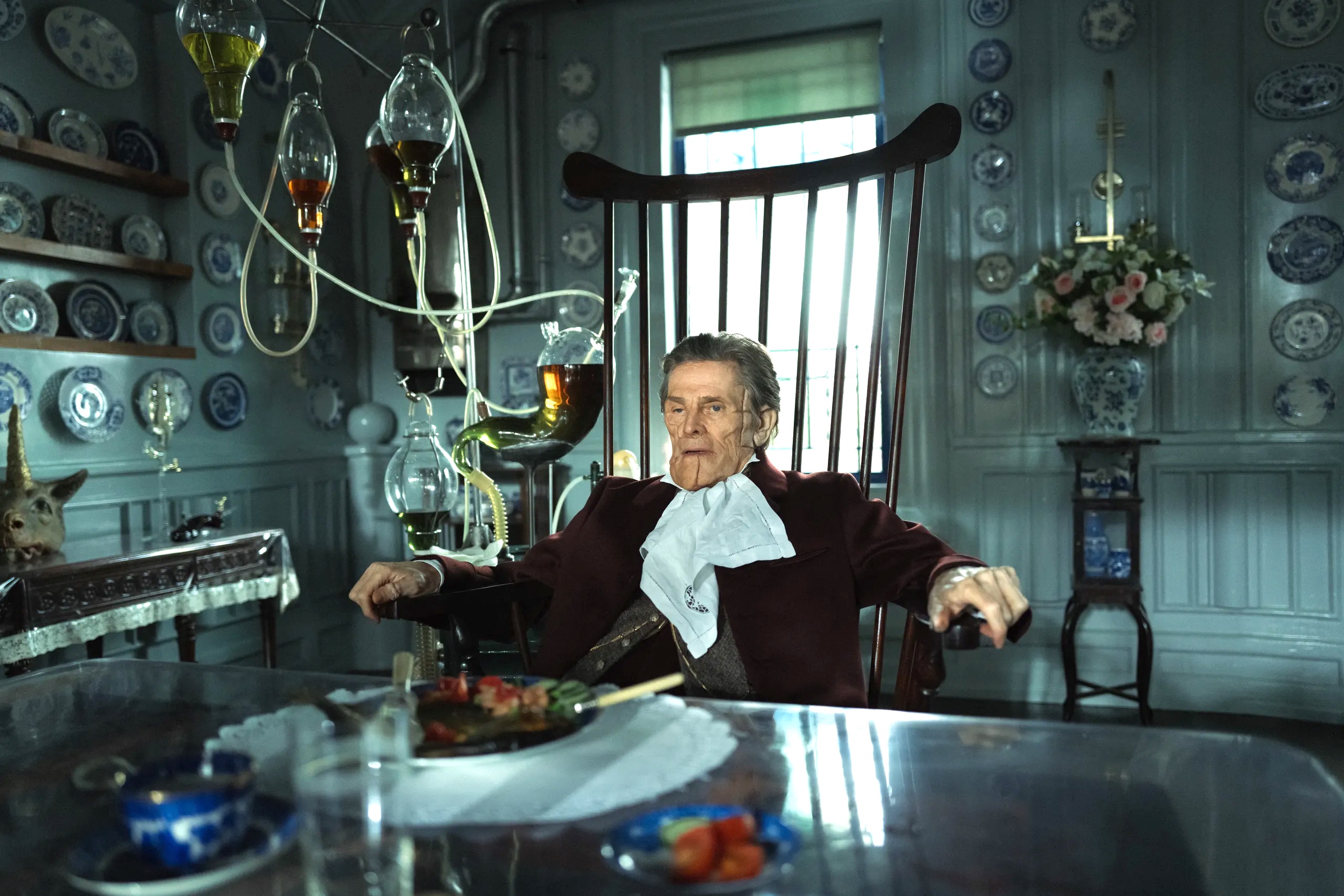
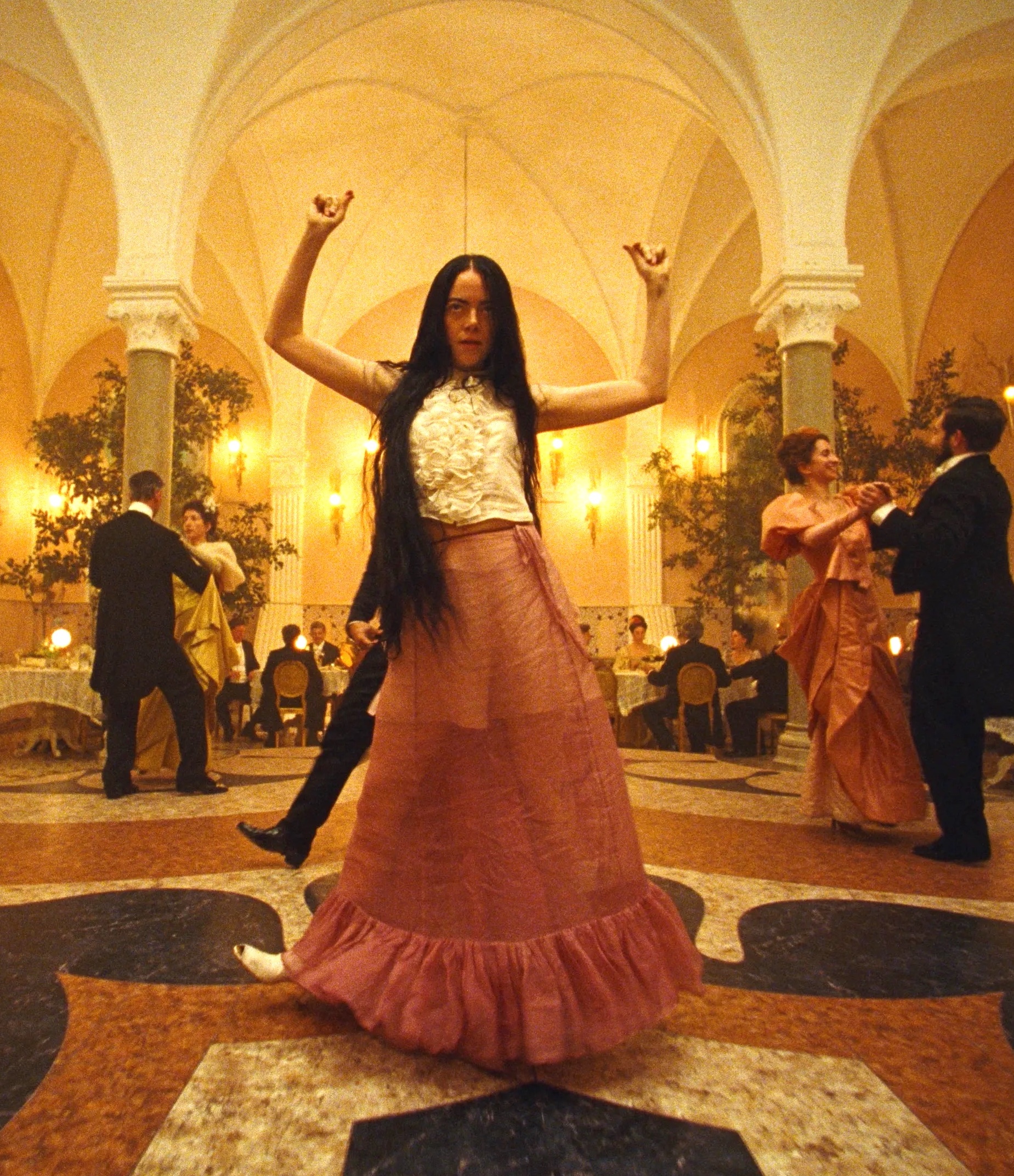
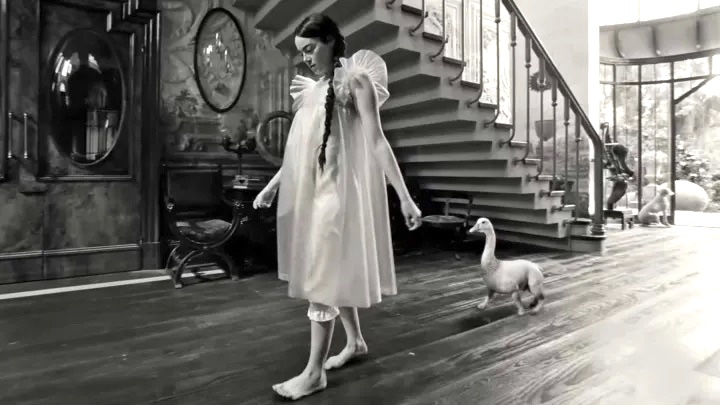
Poor Things, adapted by Tony McNamara from the novel by Glaswegian author Alasdair Gray, is surely Lanthimos’ most surreal piece yet. It’s been relocated to London (much to the ire of Gray’s fans) and relates the story of Bella Baxter (Emma Stone), a woman who, in the film’s opening scene, throws herself from a bridge into the River Thames. Her corpse is found by Dr Godwin Baxter (Willem Dafoe), a scientist in the Victor Frankenstein tradition. He carries her to his laboratory, reanimates her and makes a few radical adjustments, creating a new being who has to completely relearn how to speak, walk and generally comport herself.

Godwin is assisted by his young protégée, Max (Ramy Youssef), who quickly falls in love with Bella, but into this already weird scenario wanders caddish lawyer, Duncan Wedderburn (Mark Ruffalo). He spots an opportunity and promptly purloins Bella for his own nefarious purposes. He whisks her away on a whistle-stop tour of the world, calling in at some of the strangest cities you’ll ever witness on the screen…

It’s hard to know where to start throwing superlatives at this, but I’ll try.

Poor Things simply vibrates and hums with pure invention, switching from black and white, to heightened colour, from fish-eye lens interiors and cramped city streets, to majestic – almost hallucinatory -landscapes, every frame so packed with ideas that I’m convinced I could watch this a dozen times and spot something new with every viewing. Stone, in a performance that has already claimed a Golden Globe and seems a good bet for an Oscar, is extraordinary here, uncannily inhabiting the character of a naïve woman. She is subjugated and exploited by the vicissitudes of toxic males, but somehow manages to assert her own agency and emerge victorious. Dafoe, who could so easily have been a clichéd horror figure, emerges as a sympathetic and weirdly adorable character, who has devoted his life to exploring the mysteries of science but still cares about his ‘daughter”s happiness. Hats-off also to composer Jerskin Fendrix for the suitably eerie score, which complements the action perfectly.

A word of warning: Poor Things has an 18 certificate and some of the content – especially those sections set in Paris – are unapologetically sexual in nature, but the film somehow never feels prurient. These scenes only serve to fuel the essence of the story: how the inherent nature of mankind is to corrupt and destroy everything of value. This may sound po-faced, but I’ve seldom seen a message delivered with such unfettered exuberance.

This is Lanthimos’ best feature yet (after The Favourite, that’s praise indeed). I’m already excited to hear about where he’s headed next. Just name the date, Yorgos; I’ll be first in the queue.

5 stars

Philip Caveney

Society of the Snow

11/01/24

Netflix

The story of the Andes ‘miracle’ plane crash is something I’ve been interested in since reading Piers Paul Reed’s book on the subject, when it was published just a couple of years after the event. Like a lot of people, I also watched Frank Marshall’s 1993 film, Alive, and thought he’d made a decent fist of it, given that the setting was mostly recreated using green screens, and that North American actors like Ethan Hawke and Vincent Spano took the main roles.

So I was initially surprised to learn that JA Bayona had, for a long time, been planning his own take on the story. For Society of the Snow, he also acts as co-screenwriter, using Pablo Vierci’s book of the same name as his source. He’s shot the film in Spanish and filmed much of the story in the actual location where the crash occurred, which must have presented a logistical nightmare for him and his team.

But I’ve loved Bayona’s previous work – The Orphanage and The Impossible are two particular highlights. So I popped a note in my mental diary, promising myself I’d watch it on the big screen at my earliest opportunity. But of course, this is a Netflix production, afforded a limited theatrical release from the 22nd December, a time when I would be far from a cinema, which is why I eventually settle (once again) for watching it on streaming.

Two hours and twenty-four minutes later, I’m a blubbering wreck and fully aware that, if I’d managed to see this when it first came out, it would have been one of my top ten films of 2023, no question.

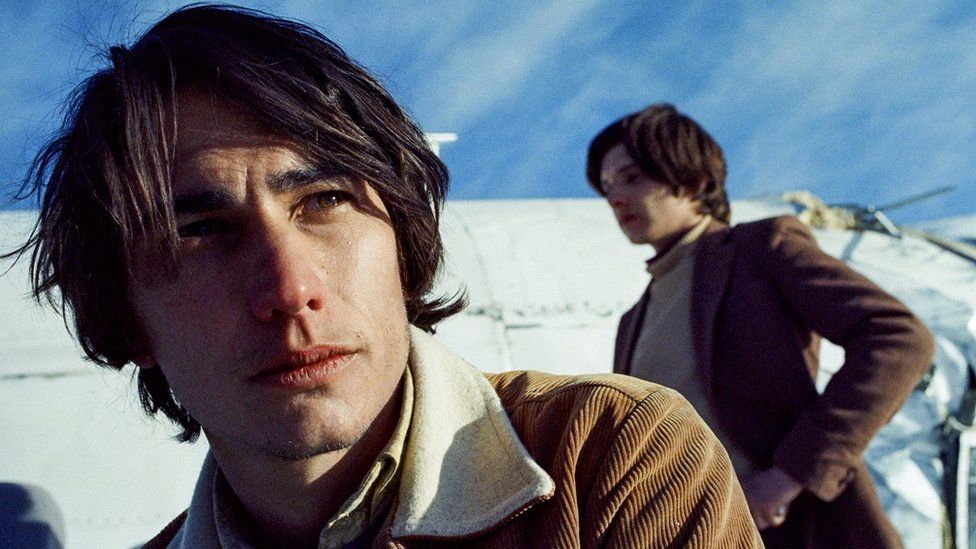
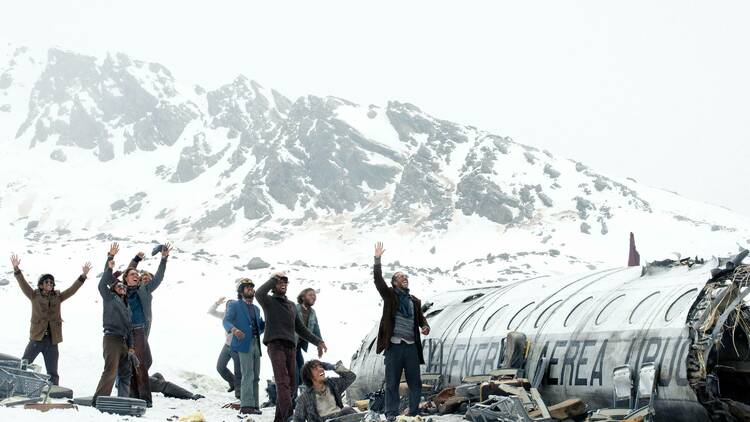
The film opens in October 1972, when a team of young rugby players, together with members of their family and some friends and supporters, are preparing to climb merrily aboard a charter plane in their home town of Montevideo, Uruguay. They are planning to make the relatively short flight across the Andes to Santiago, Chile, where they are due to play a match. But things go disastrously wrong and – in one of the most brutal and horrifying sequences I’ve seen in a long while – crashes onto a remote mountainside. 

Three crew members and nine passengers die in the impact and, for the twenty-three survivors, there’s the awful realisation that they are trapped in sub-zero temperatures, with no source of heating and just a few scraps of food foraged from suitcases.

Hopes of rescue soon fade as the planes searching for them fail to spot a trace of wreckage in the thick snow. The survivors hear a heartbreaking radio broadcast: the search has been called off until the spring. A dreadful  realisation begins to set in. They are going to have to try to survive until the weather improves. Meanwhile, they are horribly aware that the only source of nutrition available to them is the frozen bodies of their friends and family, lying just a short distance from the plane’s fuselage…

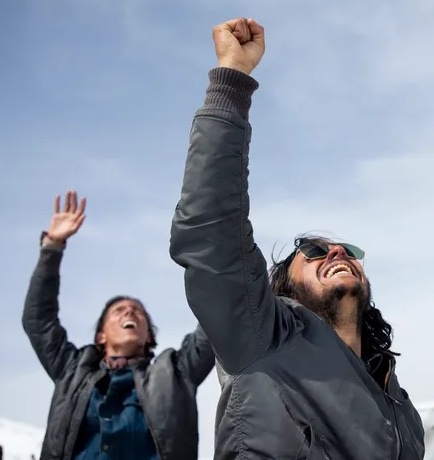
Society of the Snow is a powerful and thought-provoking account of humanity’s impulse to survive, told in unflinching detail, but it is never allowed to become merely the horror story that the media is so keen to promote (try to find an account of the story that doesn’t trumpet the word ‘cannibal’). On the contrary, it’s a testament to the team spirit of the young men who manage to keep themselves alive and motivated in that wilderness for seventy-two days, never accepting their fate, even when nature seems intent on sending them to their doom at every opportunity. 

The story is told from the point of view of Numa (Enzo Vogrincic), a charismatic young lawyer, who is instrumental in inspiring his friend, Nando (Augustin Pardella), to step up and become the team’s leader. That said, this is very much an ensemble piece, with every actor performing their respective roles to with convincing authenticity. There are some heartbreaking exchanges between the survivors and it’s at these moments that the screen in front of me keeps blurring as my eyes fill with tears.

Amidst the bleakness of the story, Pedro Luque’s exquisite cinematography explores the majesty of the location and Michael Gicchino’s score provides an emotive backdrop to the suffering and the eventual hard-won triumph of rescue. This is an immersive film in every sense of the word and watching it makes me fully appreciate the hardship and suffering that the protagonists experienced, but their refusal to capitulate to the slings and arrows that assail them is also inspiring.

Some of the films on Netflix can be underwhelming, but Society of the Snow is an extraordinary achievement and confirmation, if ever it were needed, that Bayona is an exceptional talent. Don’t miss it.

5 stars

Philip Caveney

Night Swim

07/01/24

Cineworld, Edinburgh

As regular cinema-goers, we’ve experienced quite a few haunted locations over the years: haunted cabins, haunted mansions, haunted theatres. But a haunted swimming pool? I think that’s a first. And yes, I can guess what you’re thinking. A haunted swimming pool – how scary is that going to be?

So it’s to writer/director Bryce McGuire’s credit that Night Swim is genuinely unsettling. (Note of caution: if being immersed in water makes you nervous, this film may not be for you).

The swimming pool in question comes included in the knock-down price of the new property purchased by former baseball star, Ray Waller (Wyatt Russell), and his wife, Eve (Kerry Condon). Their kids, Izzy (Amélie Hoeferie) and Elliot (Gavin Warren), are understandably thrilled, mostly because – unlike me – they haven’t watched the film’s opening sequence, which depicts what happened to the little girl who lived there before…

Ray is in the early stages of a degenerative illness and struggling with the thought of not being able to play his beloved sport any more, but a doctor has assured him that swimming is the ideal exercise for him. So having the pool there is a good thing, right? Soon, Ray discovers that his regular swim sessions do appear to be improving his health, so he’s keen to dive in at every opportunity. But we know, don’t we, that in stories like this, apparent good fortune generally comes with a hefty price tag? And the two kids are starting to experience unpleasant things down in those shadowy depths.

Somehow, Night Swim never feels repetitive – and, unlike those films that beggar your belief (no way would they ever dive back in there!) – there are always convincing reasons for the major players to re-immerse themselves. What’s more, these are not the kind of 2D characters that so often inhabit films in this genre. They are well-rounded, likeable people, who we actually care about. The ghostly goings-on are at first just glimpsed or suggested, observing the rule that what we don’t quite see is so much scarier than splatter laid on with a trowel. And yes, there are expertly handled jump scares – though I’m not sure the shuddering, swooping 4DX seats at the screening we attend add very much to the experience.

This is a superior fright flick in almost every respect. Even the eventual explanation for what’s happening in the Wallers’ pool carries water (sorry). Advance reviews suggested that this film was lacklustre but for me, Night Swim keeps delivering the chills right up to its watery conclusion, without ever jumping the shark.

Hey, now there’s an idea. A haunted shark in a swimming pool! Hollywood, give me a call. I’m always open to offers. Meanwhile, Night Swim is a tight little chiller that keeps me hooked. Come on in, the water’s er… unpredictable.

4 stars

Philip Caveney

Pho

06/01/24

St James Quarter, Edinburgh

We’re not usually big on chain restaurants but, after dashing around the city on an ‘escape hunt’, we end up in the vicinity of the St James Quarter. The friend who gifted us the challenge has generously covered our lunch too – and we’re more than ready for it. Post-Christmas, I’m looking to shed a few pounds, so we need to find somewhere offering a healthy range. Pho seems to fit the bill.

I know it’s a contentious issue, but the 2022 law requiring businesses with more than 250 employees to display calorie information on their menus is useful to me today. I’m tracking my consumption, and it’s great to know that I can enjoy two courses without derailing myself.

For my starter, I have cuốn diếp chay (spicy salad rolls), which come in at an almost unbelievable 44 calories. They’re fresh and vibrant: strips of raw vegetables, enoki mushrooms and herbs wrapped in a lettuce leaf and served with a very more-ish peanut sauce. Philip has a Nem hải sản (a seafood spring roll), which is large, crispy and filled with king prawn, crab and pork. He says it’s crunchy, not at all greasy and packs a real punch.

For my main, I want a cauliflower rice bowl with char-grilled chicken, but I’m told there’s no cauliflower rice today. ‘Real’ rice takes me over my allowance, so I opt for the Phở gà instead. This Vietnamese rice-noodle soup (347 calories) is no mean substitute: the broth is fragrant, the chicken nicely cooked and the noodles as slippery and delicious as you’d expect. I especially like the side plate of fresh herbs, allowing me to tailor the dish to my own taste. Philip opts for the phở xào (wok-fried noodles) with chicken and prawn. This is a delightful dish, full of earthy goodness, replete with lemongrass, chilli and Asian greens.

We’re not drinking at the moment, so we’re pleased to see a good range of soft and alcohol-free beverages. Philip samples the Freestar 0.5% lager, while I try a Negroni spritz. Both hit the requisite spots. We enjoy the eclectic juke box too, and the lively, buzzing atmosphere.

All in all, we’re impressed. If you’re looking for a quick healthy lunch in the city, you could do a lot worse than Pho.

4.3 stars

Susan Singfield

Ferrari

04/01/24

Cineworld, Edinburgh

Director Michael Mann has been plying his trade since the late 60s, with varying degrees of success, occasionally coming up with pure gold with films like The Last of the Mohicans and Heat. Recently, he’s concentrated on more personal works and Ferrari is very much a passion project, something he’s been tinkering with for years, based on a screenplay by the late Troy Kennedy Martin.

It’s not the kind of biopic we might have expected, but instead focuses on a single turbulent year in Enzo Ferrari’s life(1957), when his iconic sports car company is speeding dangerously close to extinction, mainly because Enzo (a convincingly-aged Adam Driver) is much more interested in his cars winning races than he is in selling them.

Meanwhile, his domestic life is also a holy mess. Since the untimely death of his much-loved son, Enzo has become estranged from his wife, Laura (a smouldering Penélope Cruz, threatening in every scene to steal the film from its titular hero). Enzo is spending much of his spare time in the company of his mistress, Lina (Shailene Woodley), with whom he has another son. This seems to be an open secret in Enzo’s neighbourhood of Modena, but Laura is yet to find out – and there are sure to be fireworks when she does.

And then Enzo’s business manager gives him an ultimatum. If he wants to sell enough cars to save the company, he must enter – and win – the gruelling Mille Miglia road race, at the same time seeing off his main competitor, Maserati. If he fails, it will be game over.

So, no pressure.

Ferrari is a handsome production, the 1950s era convincingly evoked right down to the last detail. Despite the nominative determinism, Driver doesn’t get to sit behind a steering wheel unless you count the knackered old jalopy in which he putters around the countryside. It’s left to younger men like the ambitious Alfonso de Potago (Gabriel Leone) or old hand Peter Collins (Jack O’Connell) to climb into those vintage cars and send them roaring around the track.

The racing scenes are perhaps the film’s strongest suit, the cars screaming along country roads with such visceral intensity you can almost smell the petrol, feel the wheels juddering beneath you. Incredibly, the cars had no roll bars back then, not even seat belts, so accidents were generally disastrous. One such scene is so brilliantly staged it actually has me exclaiming two words out loud (the first of them being ‘Oh!’). In another sequence, a nerve-wracking race is intercut with scenes of Enzo at a church service, amplifying the point that, in Modena, sports car racing is perceived as a kind of religion. And I Iove the scene on the eve of Mille Miglia where drivers write letters to their partners, for all the world like soldiers about to go into battle.

There’s plenty to enjoy in Ferrari but it won’t be for everyone. Petrolheads will doubtless feel that there isn’t enough actual racing to keep them happy, while the many scenes of marital discord and the various wheelings and dealings behind the scenes can sometimes feel suspiciously like padding. But there’s no doubting Mann’s obsession with his subject and his ability to capture every detail with considerable flair.

Ferrari offers a distinctly bumpy ride, with no opportunity to strap in.

3.6 stars

Philip Caveney

One Life

02/01/24

Cineworld, Edinburgh

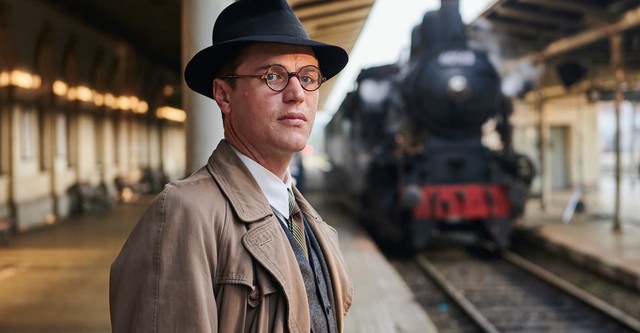
One Life, written by Lucinda Coxon and Nick Drake, is the true story of Nicholas “Nicky” Winton (played at different life stages by Johnny Flynn and Anthony Hopkins), the self-effacing man who orchestrated his own Kindertransport, managing to rescue over six-hundred children from Nazi occupied Czechoslovakia in 1938.

Winton never sought recognition; despite this extraordinary endeavour, he was by all accounts a resolutely ordinary man. But, fifty years on, urged by his wife, Grete (Lena Olin), to tackle the clutter in his study, he finds himself confronted by an old scrapbook, carefully detailing the names and foster homes of the refugees he helped. It’s an important artefact and Winton doesn’t want it to languish unseen in a library. The plight of the Czechs at the start of the war must not be forgotten; the scrapbook must be seen, must be used as a reminder that it’s our duty to help those in need.

Winton approaches his local press but they don’t know what to do with it. Undeterred, he calls on his erstwhile colleague, Martin Blake (Ziggy Heath/Jonathan Pryce), to see if can pull any strings and, before long, Elizabeth Maxwell is on board. From there, it’s not a great leap to the pages of the Daily Mirror, owned by her husband, and thus to wider recognition. Readers of a certain age might remember the 1988 episode of the always tonally-uneven That’s Life! where Esther Rantzen (played with gusto by Samantha Spiro) veered from tittering about nominative determinism to reuniting Winton with some of the youngsters he helped, now middle-aged and keen to meet their saviour.

But Winton was always quick to point out that he didn’t work alone, that he was just one member of a team, so I shouldn’t neglect to mention the others here. Along with Blake, Doreen Warriner (Romola Garai) and Hana Hejdukova (Juliana Moska) worked tirelessly in Prague, identifying those in need of refuge and sorting out their paperwork. Meanwhile, Nicky’s mother, Babette (a rather magnificent Helena Bonham Carter), slogged away in the UK, fundraising, finding foster families and chivvying the government.

Hopkins’ performance is heartbreaking. It’s hard to convey the inner turmoil of a quiet and unassuming man, but Hopkins makes it look easy. In his face, we see how Winton’s sadness about the children he couldn’t save clouds his whole life, even as he’s lauded for what he has achieved. Flynn is a surprisingly good physical match for Hopkins, and he perfectly encapsulates the younger Winton’s clarity and sense of purpose. The children need saving. So he saves them.

I don’t know how anyone can sit through this film without weeping. The cruelty inflicted on the Jews is breathtaking. Director James Hawes doesn’t dwell long on any one act of inhumanity. Instead, he shows us snippets of frightened faces, close-ups of guns, a family huddled together under a blanket, the thin arm of an evacuee stretching piteously towards a parent. Heightened by Volker Bertelmann’s moving score, the cumulative effect is devastating. I don’t want to believe that such evil is possible.

669 only accounts for a small percentage of those who needed help, but every one of those is a person; every one of those matters. Winton’s stoic “Save one life, save them all” mantra stands, and this clear-eyed, unsentimental film shows us why.

4.3 stars

Susan Singfield

Brief Encounter

30/12/23

Royal Exchange Theatre, Manchester

It’s my birthday (hurrah!) and I’m in Manchester, visiting my daughter and her husband, which is already a massive improvement on last year. (In 2022, Susan and I found ourselves stranded in Carlisle for two nights when flooding interrupted our train journey back to Edinburgh. Deep joy.) As an added bonus, we’re also visiting the Royal Exchange Theatre, always a favourite venue when we actually lived in this neck of the woods. 

Tonight, we’re seeing Emma Rice’s adaptation of Noël Coward’s Brief Encounter, perhaps most fondly remembered for David Lean’s iconic 1945 film adaptation. But of course, it began life as a theatre production in a collection of works entitled Tonight at 8.30. Rice has had the brilliant idea of incorporating some of Coward’s songs into the narrative, making it not exactly a musical so much as a play with music cleverly incorporated into the narrative, with four musicians onstage throughout. This is an ambitious move and much more interesting than a straight recreation of its much-adored progenitor.

The plot is so familiar I won’t spend too much time recounting it. Laura (Hannah Azuonye) is awaiting her train at Milford Junction when she gets a bit of grit in her eye. GP Alec (Baker Mukasa), who happens to be having a cup of tea in the café when she stumbles in, comes to her assistance. From this inconsequential incident a friendship develops, which becomes increasingly problematic as the twosome keep bumping into each other. All too soon, they realise they are falling in love. 

But both of them are happily married and are tortured by the thought of deceiving their respective partners. So what should they do for the best?

Anyone familiar with Lean’s film will be aware that Rice sticks fairly close to that script (something that we confirm by rewatching it on the long journey home the following day), but she does some astute restructuring. Some of the film’s minor characters are given more developed roles here: the relationship between railwayman Albert (Richard Graves) and cafe manager Myrtle (Christina Modestou, most recently seen by B & B at the Edinburgh Fringe in the wonderful Grand Old Opera House Hotel) is more prominent and there’s also a developing romance between café worker Beryl (Ida Regan) and porter Stanley (Georgia Frost). The contrast between the polite conversations of the middle-class protagonists and the earthy, working-class station employees is effectively captured.

At key moments, the actors slip effortlessly into one of the ‘The Master’s’ torch songs, giving the proceedings a louche, cabaret feel, and there’s a brilliantly-choreographed routine where the whole cast move around the Exchange’s circular stage to a series of different musical pieces, culminating in a frenzied jitterbug. The performances are all exemplary, but I particularly enjoy Modestou’s soulful rendition of No Good at Love and Regan’s plaintive interpretation of Mad About the Boy

There’s also a delightful coup de théâtre involving the big station clock that hangs over the proceedings, while hats should also be lifted to the versatile Matthew Allen, who handles a whole string of smaller roles, singing, tap dancing and, at one point even playing the flipping saxophone! 

Sarah Frankcom directs with considerable skill – I fondly recall seeing her delightful production of Blithe Spirit in this very theatre, way back in 2009 – and, all in all, this is a delightful and occasionally surprising production that celebrates the spirit of its illustrious predecessor.

4.2 stars

Philip Caveney
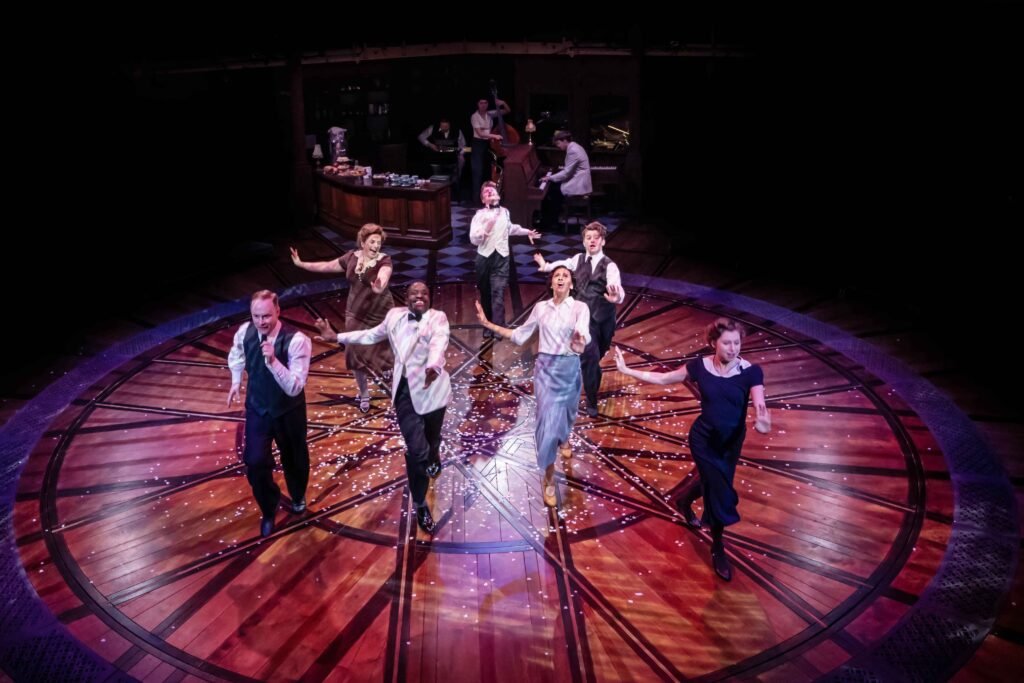
THEATRE BOUQUETS 2023

In 2023, despite the King’s Theatre being out of action due to its long-awaited refurb, Edinburgh still had more than its fair share of exciting shows. We’ve somehow managed to narrow it down to our favourite ten, but if we’ve missed something, be sure to let us know about it!

Macbeth – An Undoing (Lyceum Theatre, Edinburgh)

“Harris’s adaptation is bold, daring and witty. I love the idea of the witches as servants: it makes perfect sense. They’re the eyes and ears of the house, privy to the paperwork the Macbeths have drawn up, witness to intimate moments and careless asides. Invisible. Ignored.”

The Ocean at the End of the Lane (Festival Theatre, Edinburgh)

“A sequence featuring a whole series of illuminated doorways through which Ursula disappears and reappears is so brilliantly played that I find myself gasping aloud at each new revelation.”

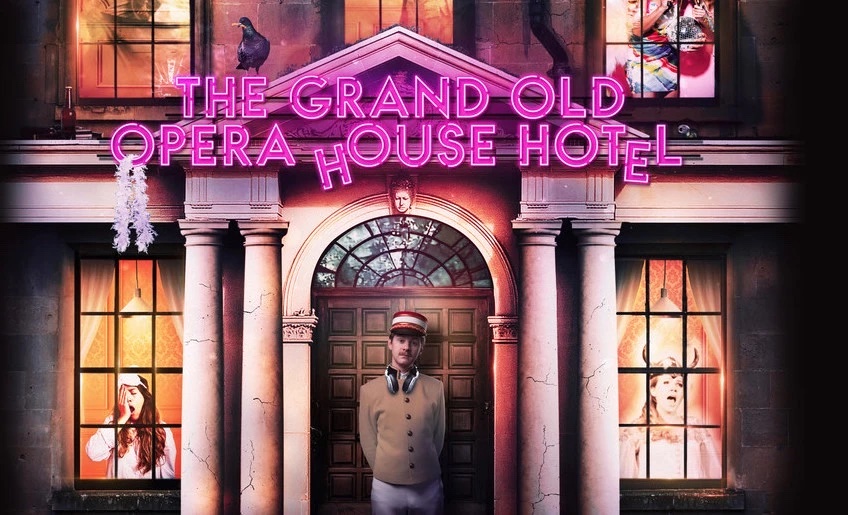
The Grand Old Opera House Hotel (Traverse Theatre, Edinburgh)

“A piece that fearlessly swings for the fences and hits all of its targets bang on. Part slapstick, part comic-opera, part mad-as-a-box-of-frogs spectacle, this is something you really don’t want to miss.”

Bloody Elle (Traverse Theatre, Edinburgh)

“This queer love story offers a wonderful celebration of the affecting powers of first love and Lauryn Redding takes us by the hand and leads us through the experience.”

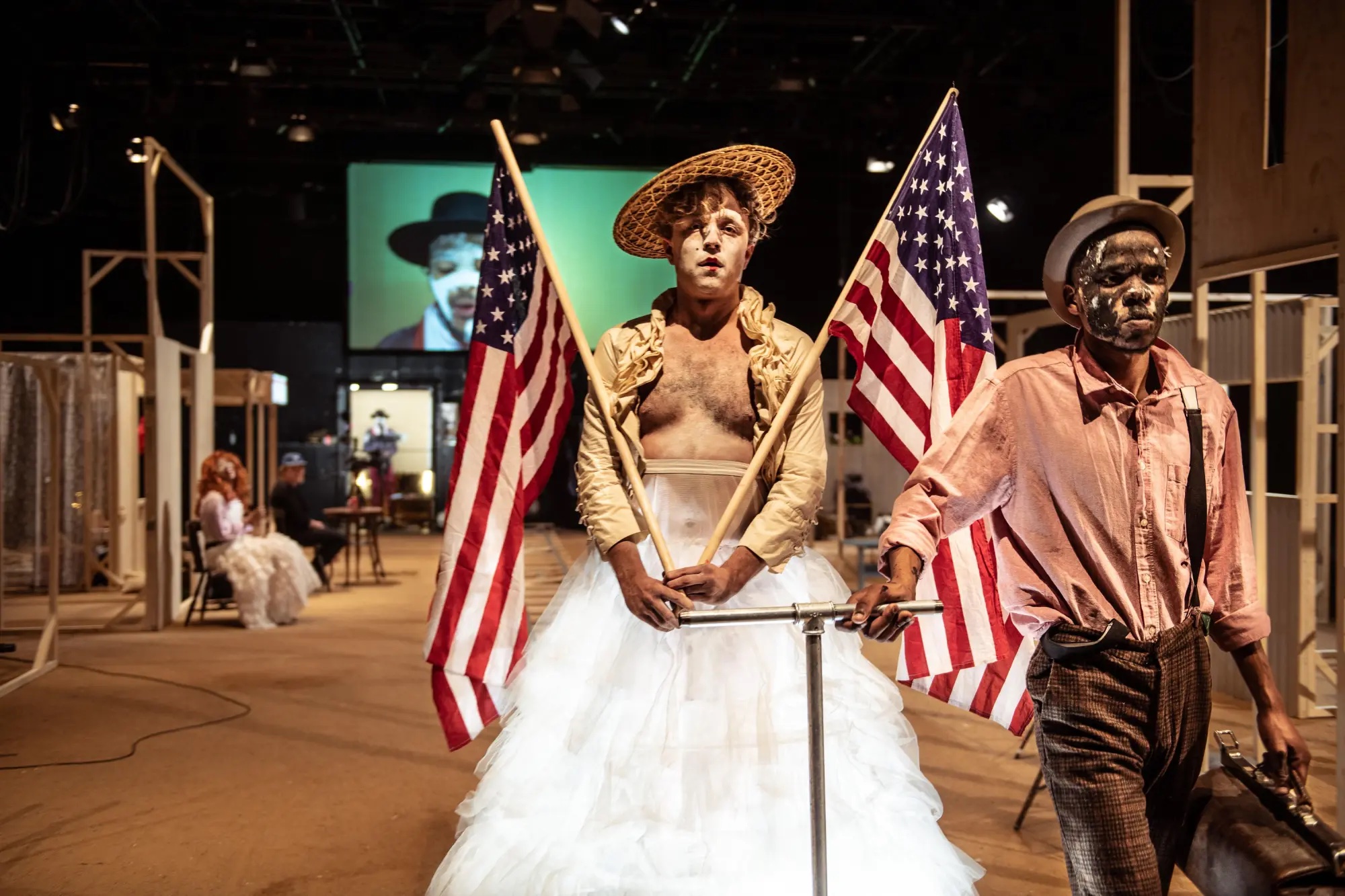
Dark Noon (Pleasance EICC, Edinburgh)

“A unique piece of devised theatre, sprawling and multi-faceted. It’s sometimes funny, but more often it’s shocking and humbling. At the conclusion, the sell-out crowd rises to its collective feet and the applause reverberates around the room like thunder.”

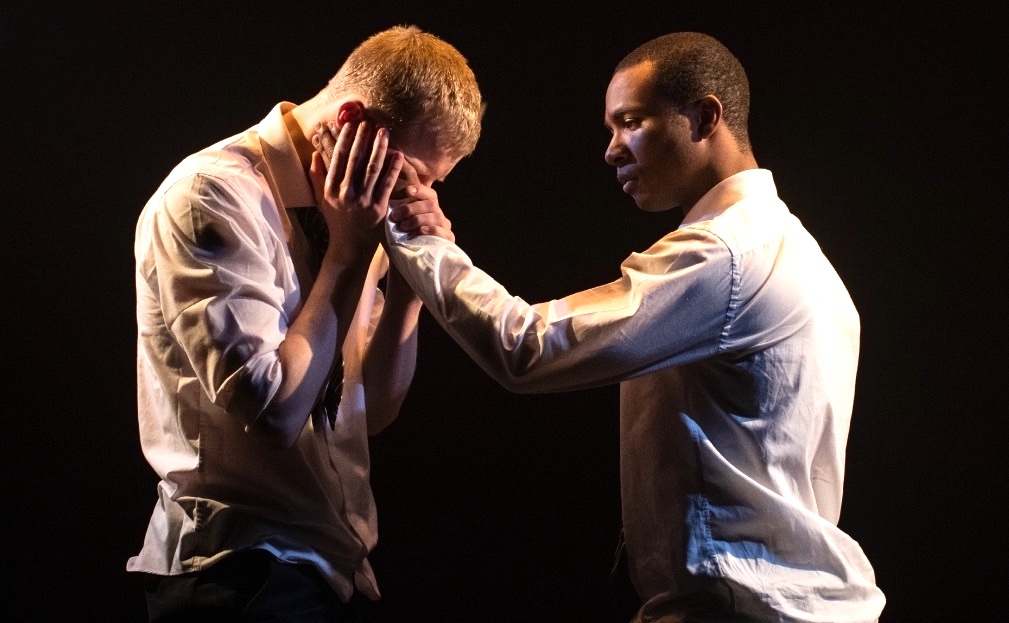
Bacon (Summerhall, Edinburgh)

“A whip-smart, tightly-constructed duologue that pulls me into its tenacious grip and holds me spellbound as the story unfolds, cutting back and forth between the two boys’ home lives, their developing relationship, their triumphs and disasters.”

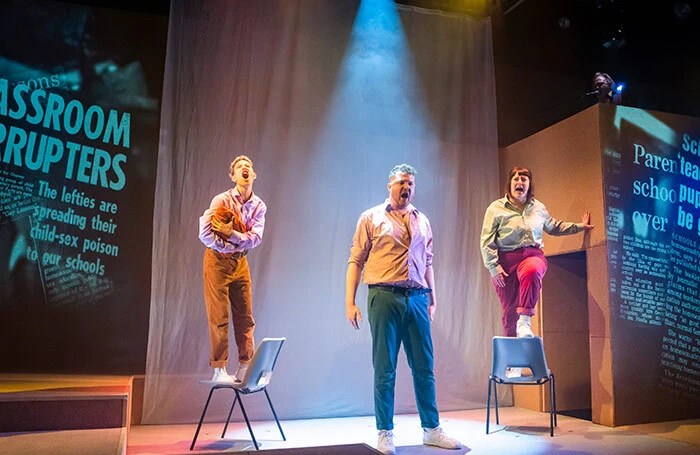
After the Act (Traverse Theatre, Edinburgh)

“A triumphant piece of theatre. Stevens skewers Margaret Thatcher’s self-righteous ignorance in a comical depiction of the ex-PM: if she sounds ridiculous as she defends her nasty law, they’re her own words; she’s hoist by her own petard.”

Moorcroft (Traverse Theatre, Edinburgh)

“A fabulous slice of theatre that moves effortlessly through a whole series of emotions. It swerves from raucous hilarity to visceral anger to heartrending tragedy with all the sure-footed precision of a well-drilled team.

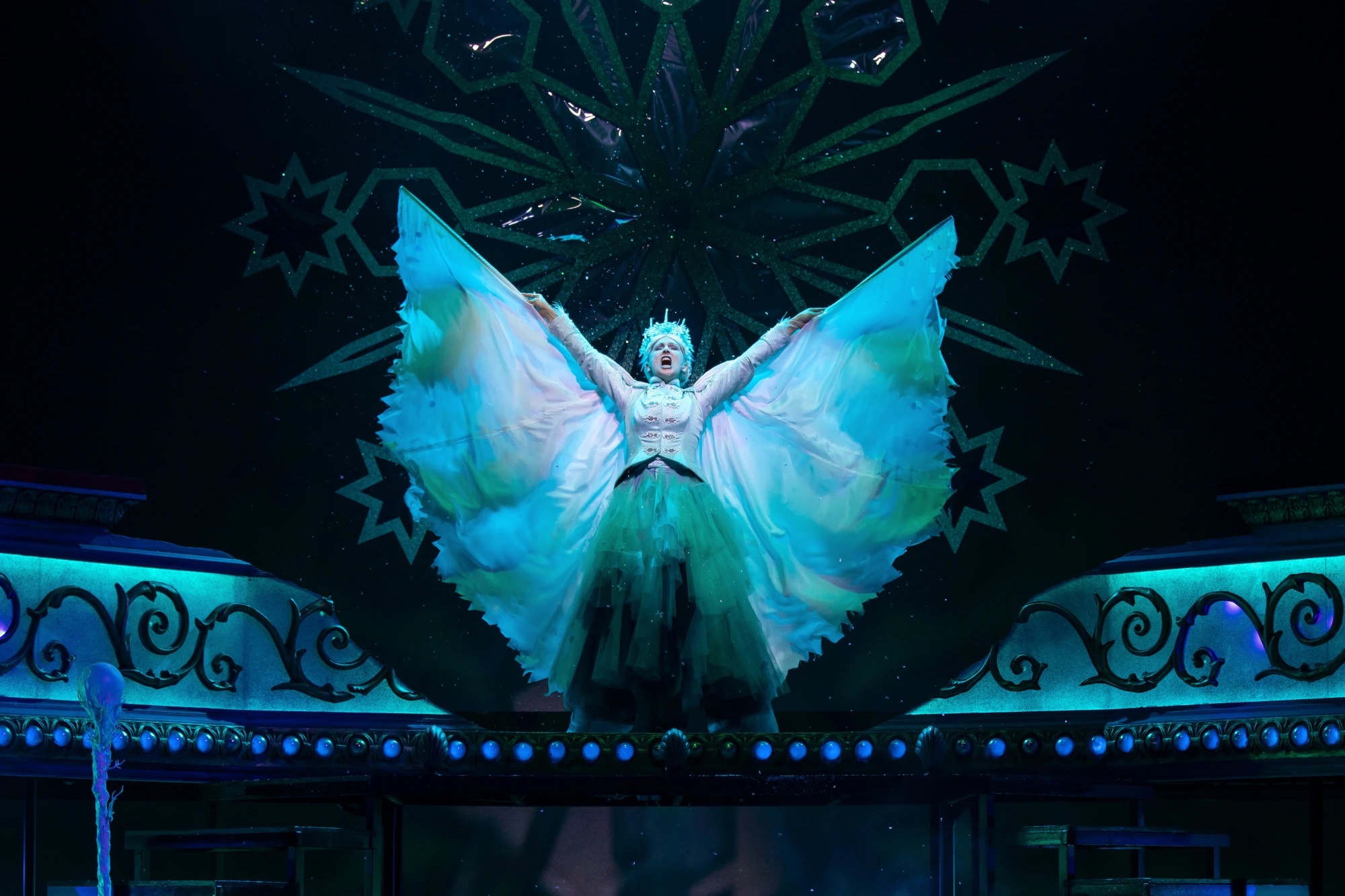
The Snow Queen (Lyceum, Edinburgh)

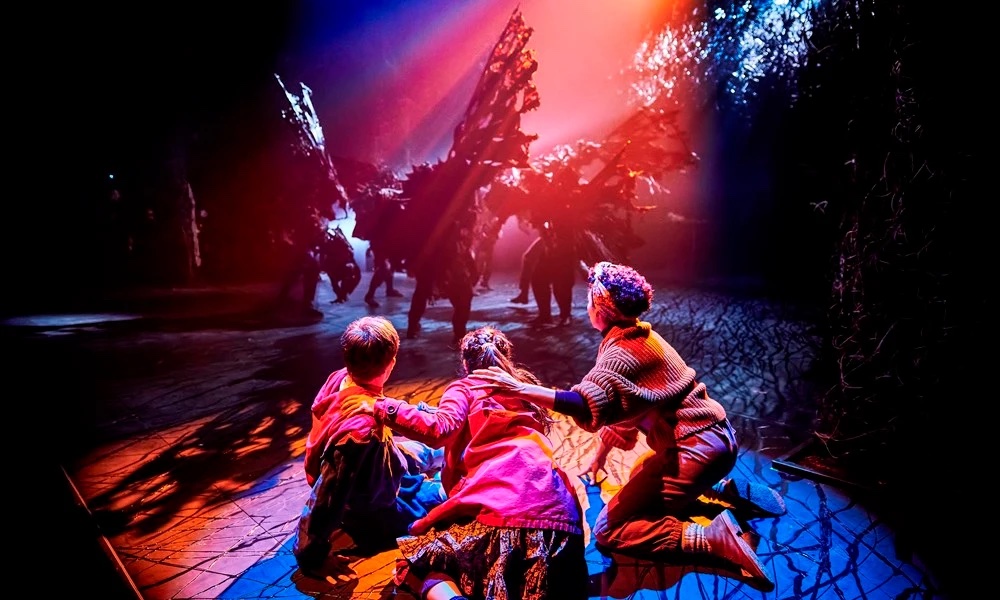
“In this very Scottish adaptation, Morna Young illuminates the story’s season-appropriate warm heart. This production is as bold and vivacious as everything we’ve seen Cora Bissett direct”

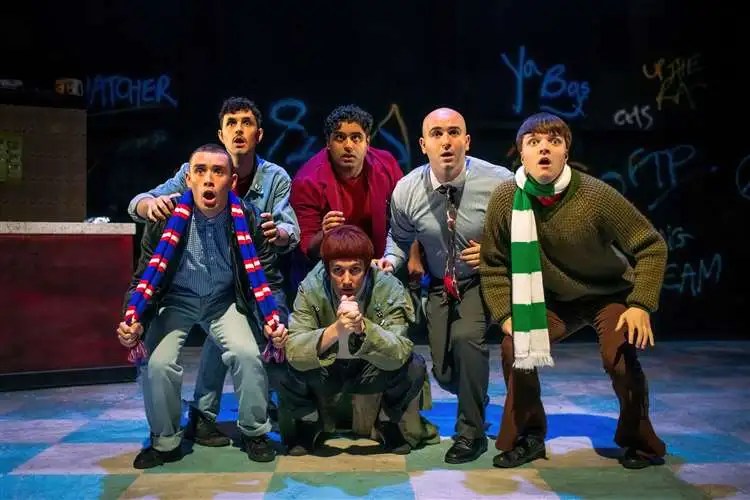
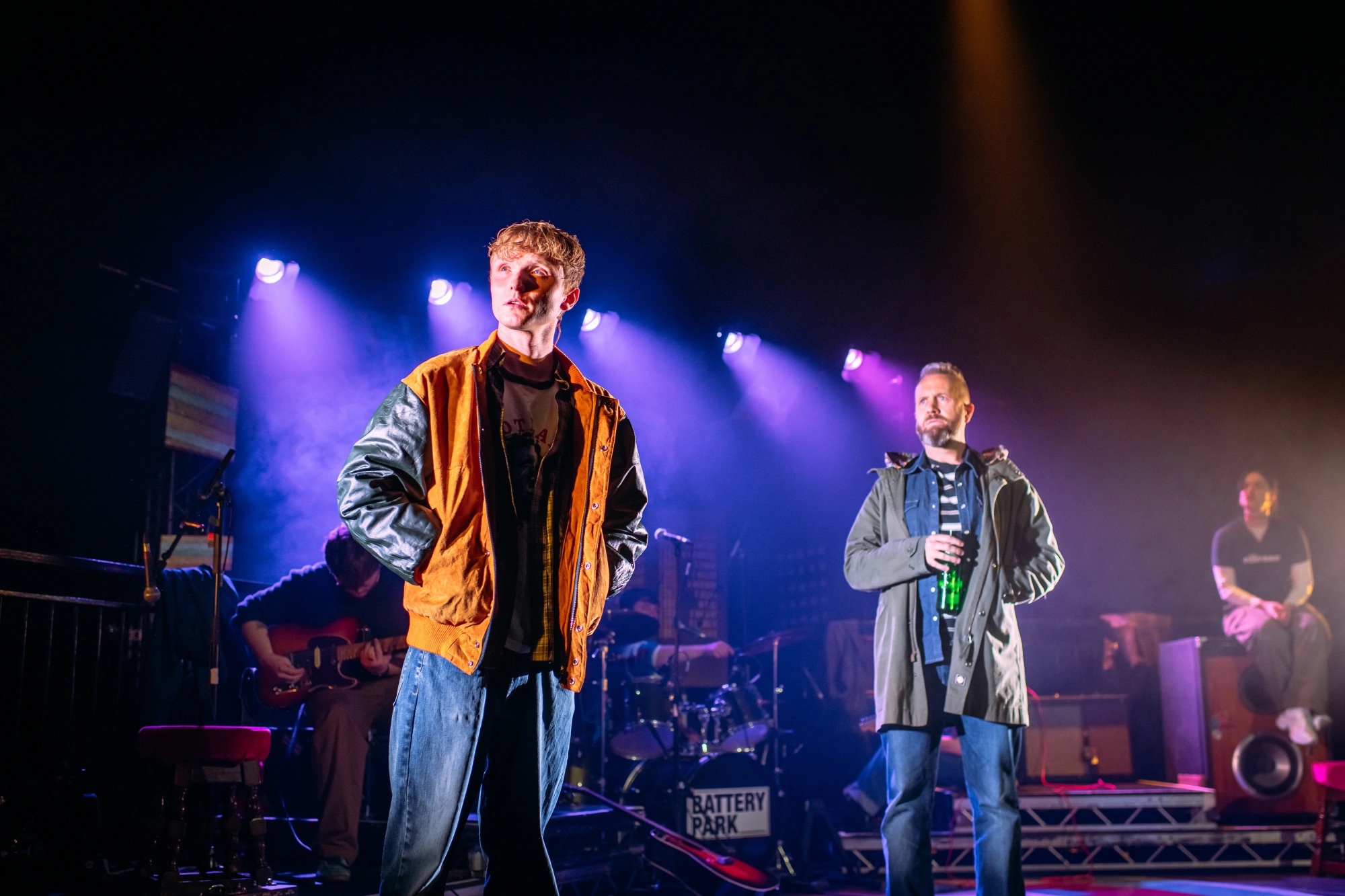
Battery Park (Traverse Theatre, Edinburgh)

Battery Park captures the sweaty exuberance of a band’s early days with absolute authority, providing an inspired mix of drama and high-octane rock. As gig theatre goes, this is a perfect example of the craft.”

Susan Singfield & Philip Caveney
FILM BOUQUETS 2023

In 2023 we were gifted a rich and diverse selection of films. Indeed, there was so much to choose from we’ve had a very hard time picking out our ten favourites, but here they are in chronological order. Did we miss anything? Let us know if your favourite movie of 2023 hasn’t made our list!

Empire of Light

“This charming and affecting movie has me entranced from its opening shot to its final frame, and I suspect that anybody with a genuine love of film is going to have a similar experience.”

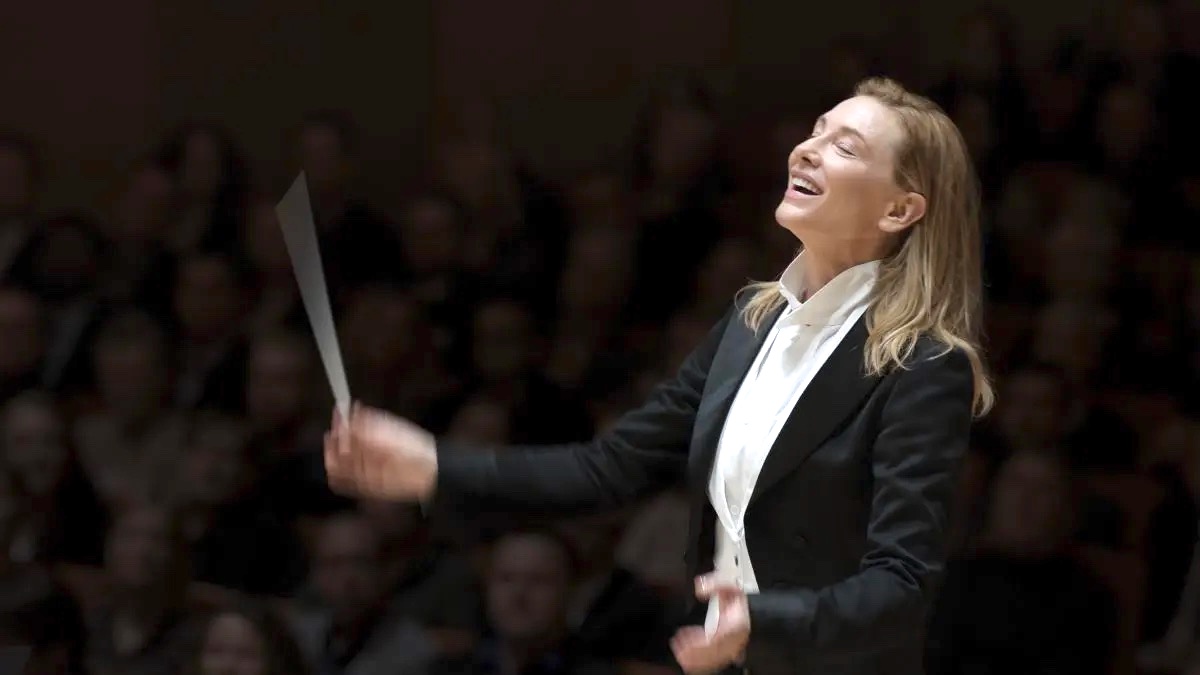
Tár

“This is a fascinating film, so densely packed I know I need to watch it again (something I rarely do). Quite simply, Tár is a masterpiece.”

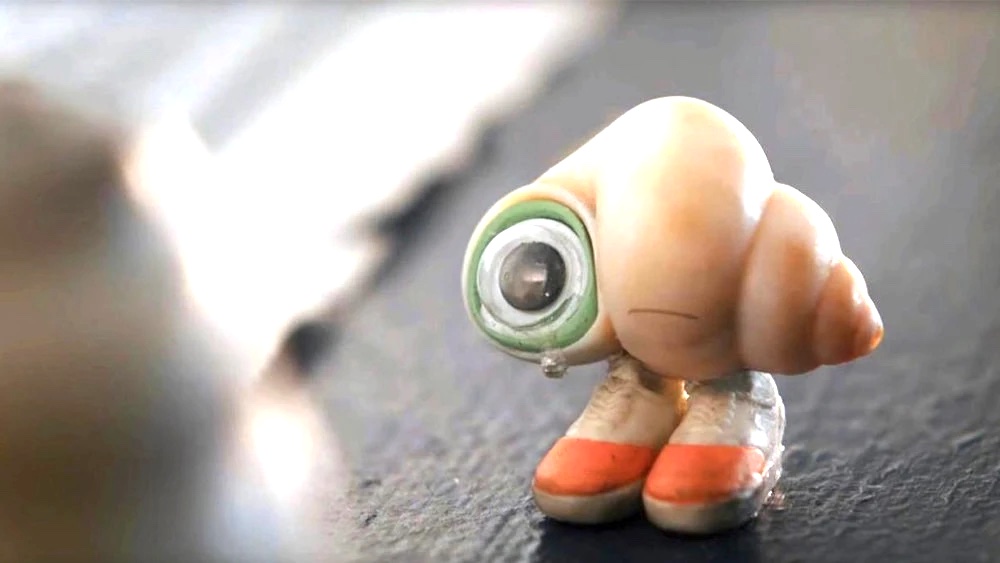
Marcel the Shell with Shoes On

“Be warned: all but the most cynical will be in serious danger of falling head-over-heels for Marcel’s considerable charms.”

Spider-Man: Across the Spider-Verse

“The true triumph is the ever-changing beauty of the many different art techniques used to illustrate the story: from realist to impressionist; from pastel shades to psychedelia.”

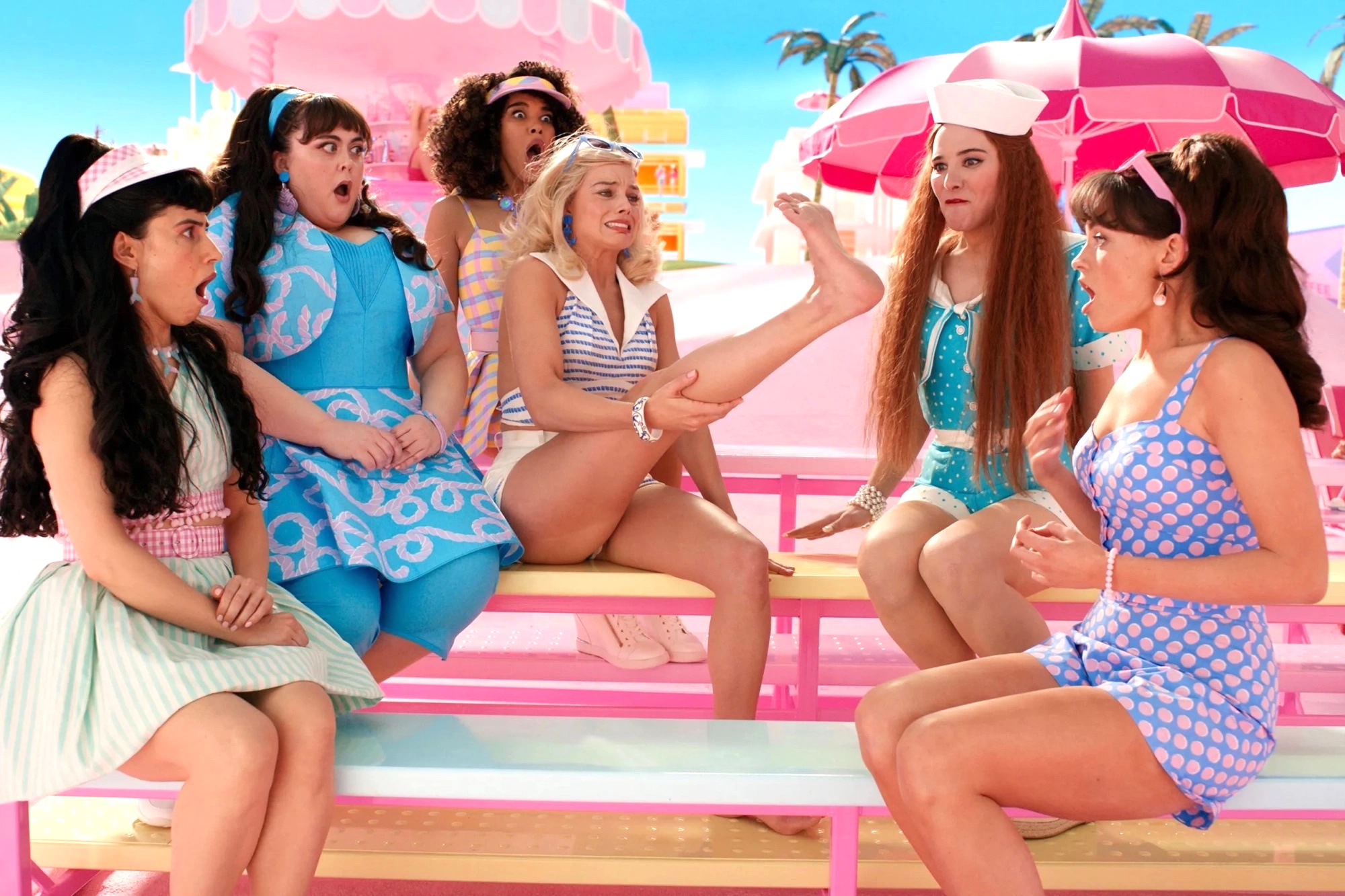
Barbie

“Gerwig doesn’t just walk the thin line between celebrating and critiquing Barbie: she jumps up and down on it, turning somersaults and waving cheekily.”

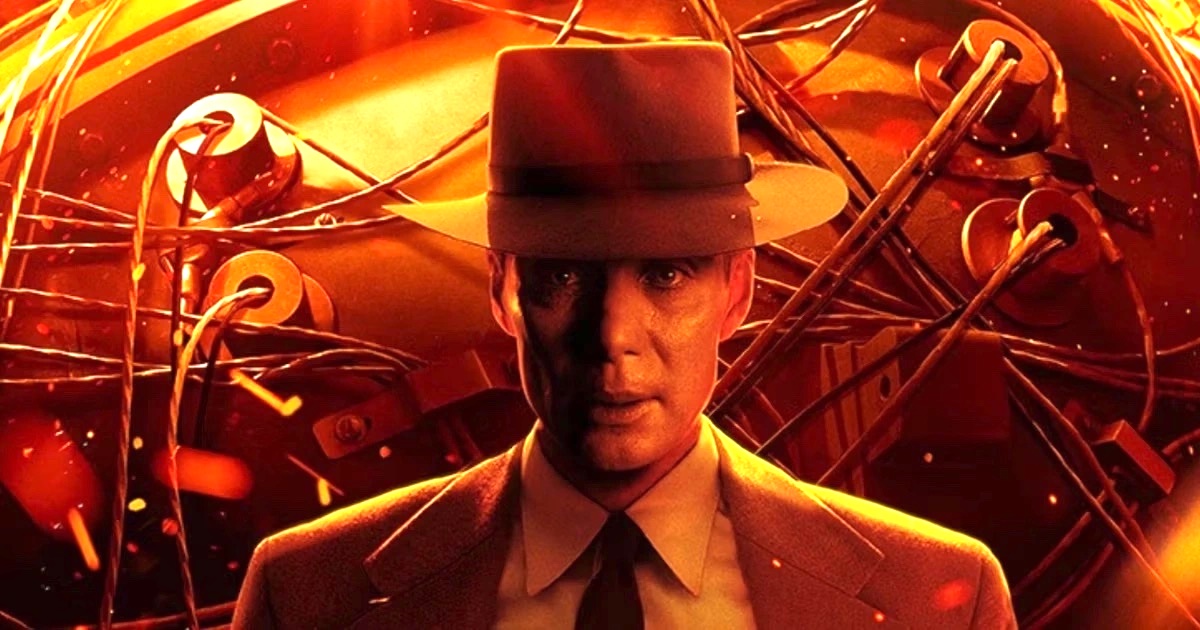
Oppenheimer

“Murphy’s chiselled features seem to stare out of that giant screen as if appealing for understanding for the torture he’s going through, the awful weight of responsibility resting on those narrow shoulders.”

Past Lives

Celine Song has created a narrative so assured, so brilliantly handled, it’s little wonder that critics around the world have fallen for its charms.”

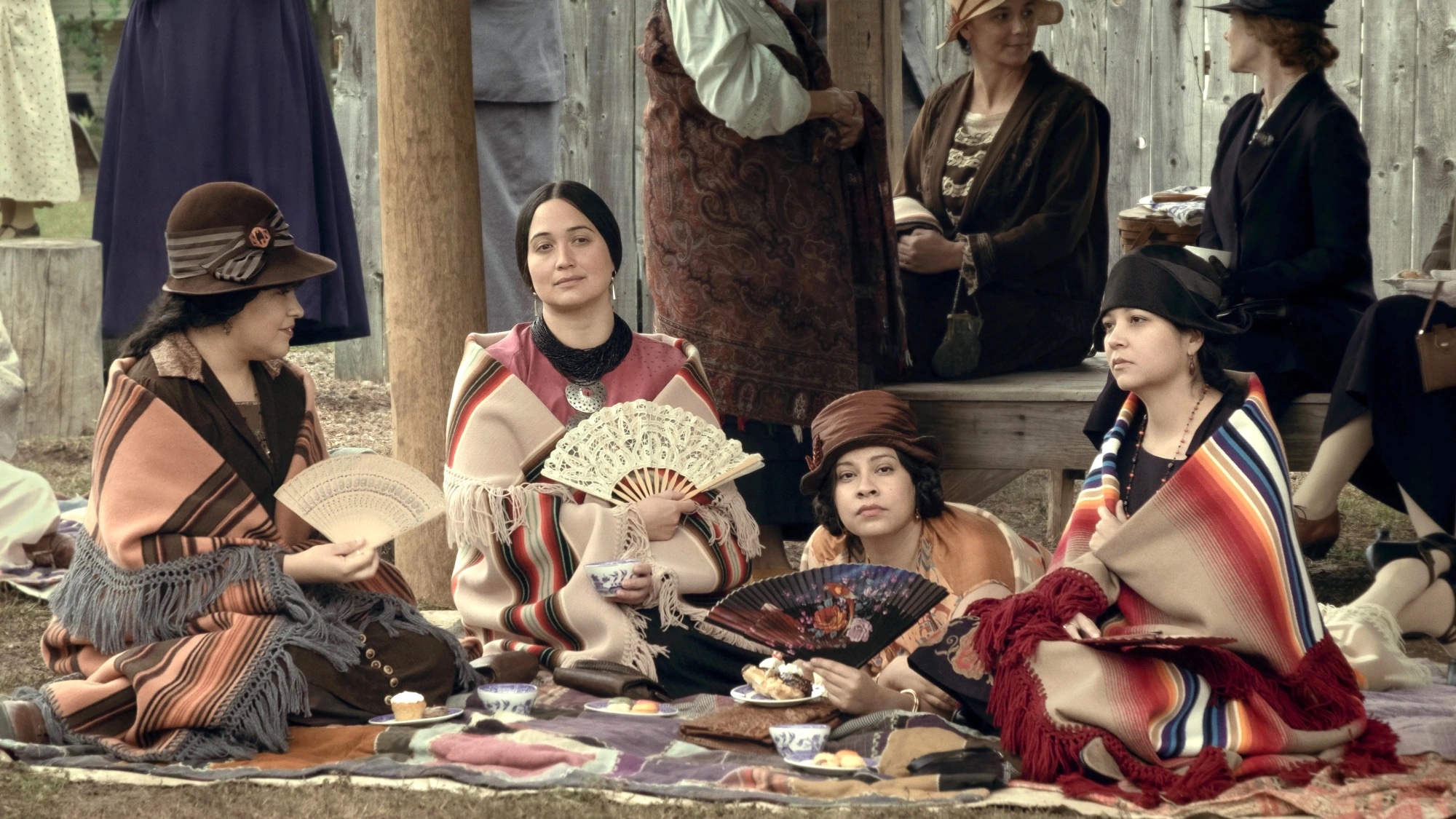
Killers of the Flower Moon

“There’s no doubt that this true story, based on the book by David Gran, makes for compelling viewing – and the film’s two-hundred-million dollar budget ensures that Scorcese’s evocation of the era is beautifully realised.”

The Creator

“Considerably more nuanced than most sci-fi adventures and I find myself constantly impressed by the film’s invention, the grubby reality of the AI creations that populate this imagined world.”

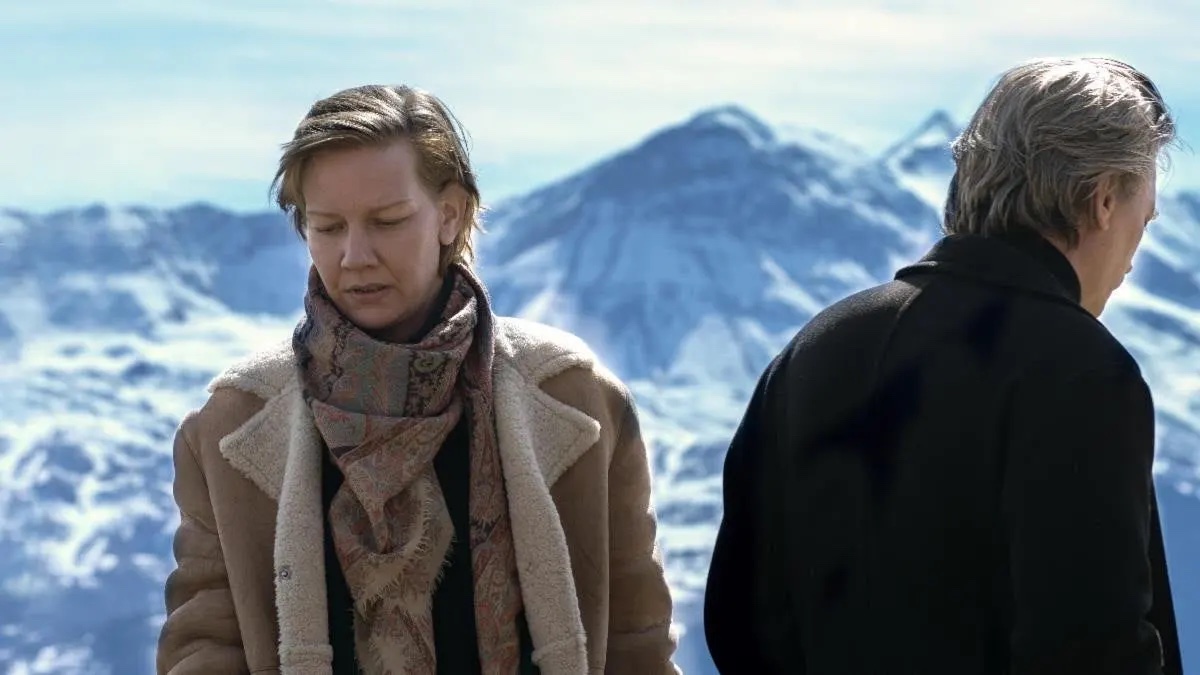
Anatomy of a Fall

“A strange beast indeed, a film that becomes increasingly compelling as it moves ever further away from anything approaching a straightforward resolution.”

Philip Caveney & Susan Singfield