Author: Bouquets & Brickbats

Shook

22/08/21

theSpaceUK Triplex, Edinburgh

It’s easy to see why Samuel Bailey’s Shook won the 2019 Papatango New Writing Prize, and why it garnered so much attention on its debut. It’s a beautifully written piece, full of warmth and humour: a brutal exposé of a society that condemns some people to the scrapheap almost from birth, and – at the same time – a heartbreakingly intimate tale.

Twisted Corner’s production does the material proud. Cain (Kieran Begley), Ryan (Ryan Stoddart) and Jonjo (William Dron) are young offenders. They’re also young fathers – or they’re about to be. Grace (Rebecca Morgan, who also directs) is their new teacher, running weekly parenting classes, hoping to help them break the cycle, to give their children a better start than any of them ever had – and to give them something to look forward to.

It’s an uphill battle. Of course it is. The odds are stacked against these boys. They have to negotiate so much just to get by: it’s a pitiless life, with obstacles at every turn. There’s a pecking order, and other people’s anger to endure – and that’s just inside. Outside, they know, is a world that doesn’t want them, that never wanted them; what is there to go home to, if they ever do get out?

The direction here is spot on: Morgan creates an atmosphere of absolute authenticity. The performances are nuanced and complex, each character fully realised. It’s emotionally draining – I’m laughing, then crying, then laughing again. Begley, in particular, has me on edge, Cain’s jangly, unpredictable energy making me fearful as well as sad. And all the time, I’m just hoping against hope that the boys will find the happy endings I know will elude them.

This is a stunning piece all round: the writing, direction and performances combine to create something really powerful and yet humbling. What we have here, in the end, is a fascinating examination of masculinity and fatherhood, and a tentative step towards redemption.

I have no criticism. None. This is note-perfect.

5 stars

Susan Singfield

Punch, with Johnny

21/08/21

Army@theFringe, Edinburgh

It’s 1946 and, in a backstreet pub in the Gorbals, two Scottish legends meet face-to-face. The first is former world flyweight boxing champion, Benny Lynch (Sam Fraser), once an idol of many fight-fans, now fallen on hard times and descending into alcoholism. The other is infamous career thief, Johnny Ramensky (Conor Ferns), safe-cracker, escape artist and unlikely war hero – he’s only here because he’s hiding out from the cops.

The two men settle down with bottles of the hard stuff and start to exchange notes. The Barman (Gerard Rogan), is occasionally called upon to referee the proceedings and… who is that grim-faced authority figure sitting motionless at the back of the stage?

Punch, with Johnny, written and directed by Paul Moore, is a bruising appraisal of the lives of two real life characters with what would at first appear to be very different career trajectories – but as the story unfolds, those differences increasingly blur. Is it really heroic to punch an opponent to the ground? Or to repeatedly commit crimes and refuse to accept punishment for them? And ultimately, are these men to be admired…or pitied? After all, their glory days are behind them. All that’s left now is a slow slide into the abyss

This is convincingly acted by the two leads, but it’s very much a static ‘tell don’t show’ piece of theatre – I’d like to have seen more action, more movement – and when the nameless authority figure (Paul Wilson) has little to do but pass a series of criminal sentences on Ramensky, his presence starts to feel superfluous. What’s more, having read up on the careers of the two men, I can’t help feeling that there’s so much towards the end of their lives that would make for a more challenging play. Lynch in particular went to some very dark places when his boxing career was over but the script steers clear of them.

As it stands, Punch, with Johnny feels like something of a missed opportunity. It lands a few decent blows but fails to deliver a knock out.

3 stars

Philip Caveney
The Courier

19/08/21

Cineworld, Edinburgh

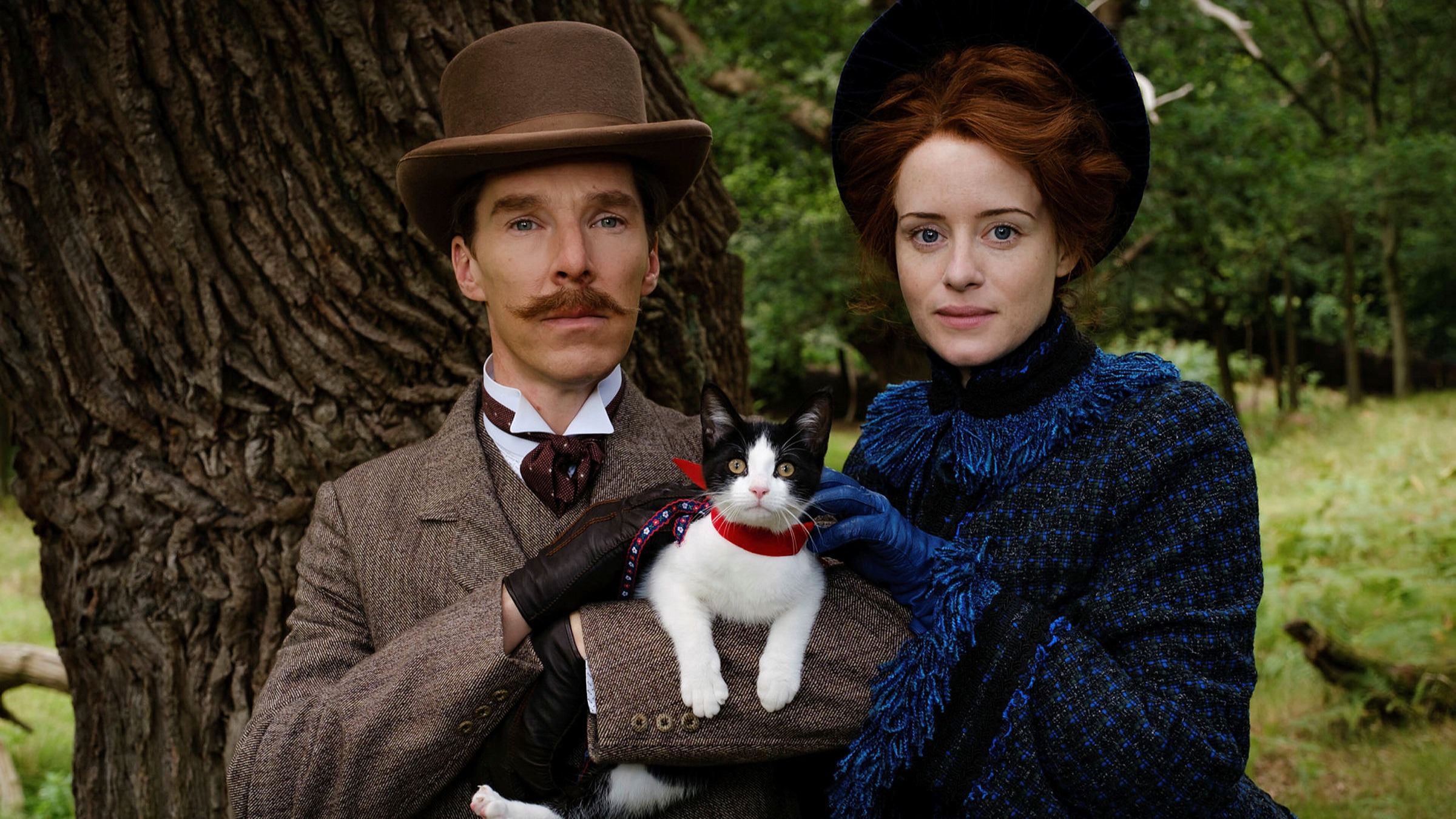
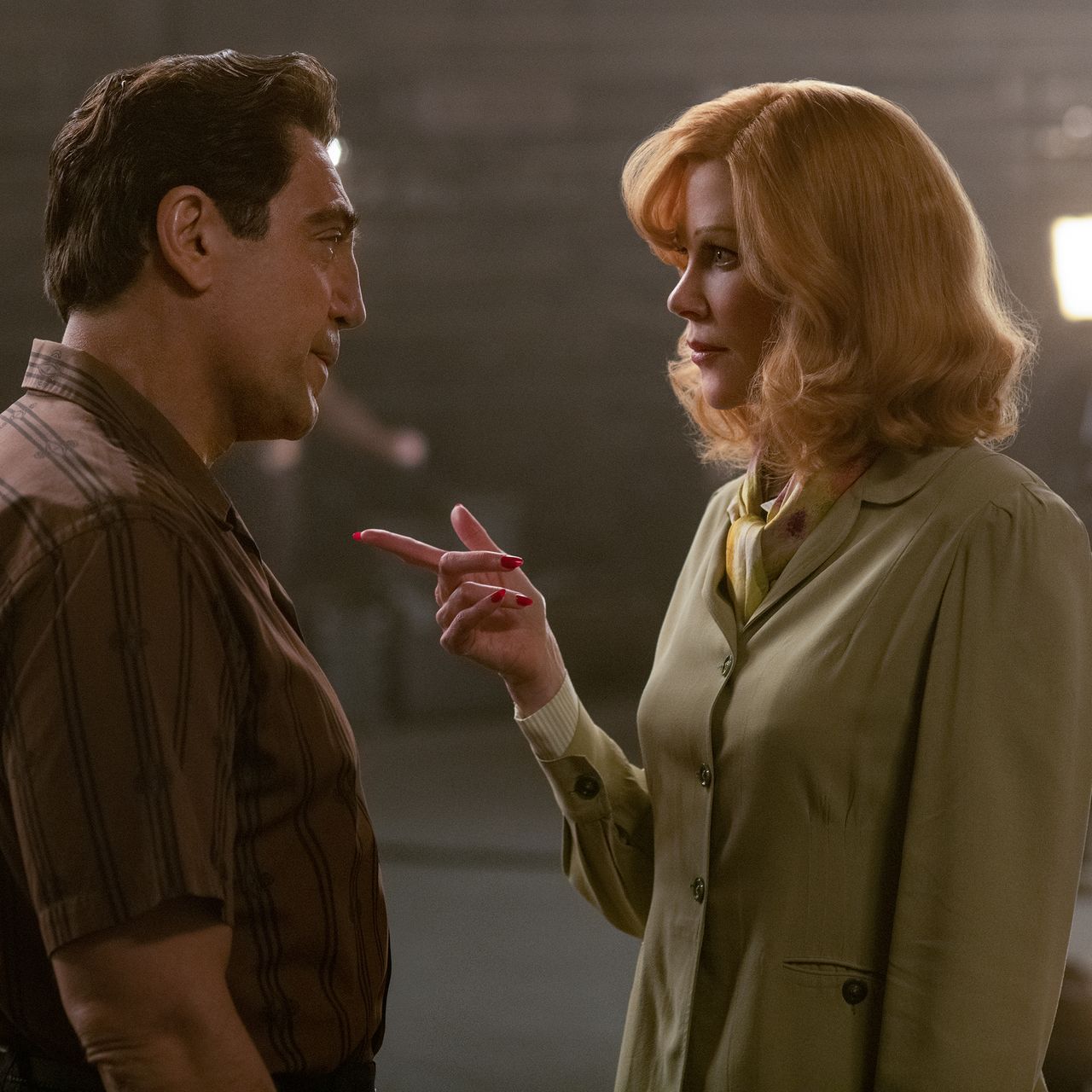
The Courier is a spy movie, so we know what to expect, right? Gun fights, car chases, heart-stopping stunts…

Well no, because this ‘based on a true story’ tale, set in the cinematically-neglected Cold War era, plays it straight and, for the most part, sticks pretty closely to the facts. It’s 1960 and America and the Soviet Union are engaged in the arms race, the two super powers moving inexorably nearer and nearer to nuclear conflict.

High-ranking Soviet intelligence officer Oleg Penskovsky (Merab Ninidze) can see the disaster that lies ahead. He contacts a couple of American tourists and asks them to take a message to the American Embassy, offering to supply the CIA with inside information in exchange for safe passage to the USA for him and his family.

Some time later, CIA agent Emily Donavan (Rachel Brosnahan) approaches MI6, asking if they can suggest somebody who might act as a go-between for them. Agent Dickie Franks (Angus Wright) thinks he may have chanced upon the perfect recruit, innocuous businessman Greville Wynne (Benedict Cumberbatch), who spends most of his time travelling the world, wining and dining potential clients for his various business interests. Wynne would surely be above suspicion? So they ask him if he will be their inside man. At first Wynne is non-plussed, if perhaps a little flattered by their invitation, but, after some prevarication, he accepts their offer. Shortly thereafter, he finds himself making contact with Penskovsky in Moscow and carrying various secret messages back and forth between Russia and Great Britain.

But, of course, while this all might look dreadfully routine on the surface, the dangers of being discovered are just as nerve-wracking and the consequences every bit as deadly.

Director Dominic Cooke ensures that The Courier is strong on period setting: the drab, chain-smoking world of the early 60s is accurately depicted in every shot. Both Cumberbatch and Ninidze nail their roles with aplomb and Tom O’Connor’s script focuses on the developing friendship between the two men, making Wynne’s ultimate actions totally believable. Jessie Buckley takes a thankless role as Wynne’s buttoned-up wife, Sheila, and wrings every ounce of possibility out of it, proving once again what a consummate actor she is.

While the film might be short on action tropes, it never lacks suspense and, as Wynne’s deception begins to unravel, the stakes are increasingly cranked up for maximum tension. Also, this is a film that doesn’t back away from depicting the horrors of Wynn’s subsequent incarceration. (Next time I dine out, I think I’ll skip the soup course.)

Some heroes, it seems, are less showy than the Bonds and the Bournes – and here’s the proof that a spy movie can be thrilling without regular recourse to flashy sports cars and semi-automatic weapons.

4.6 stars

Philip Caveney
Skank

18/08/21

Pleasance Courtyard, Edinburgh

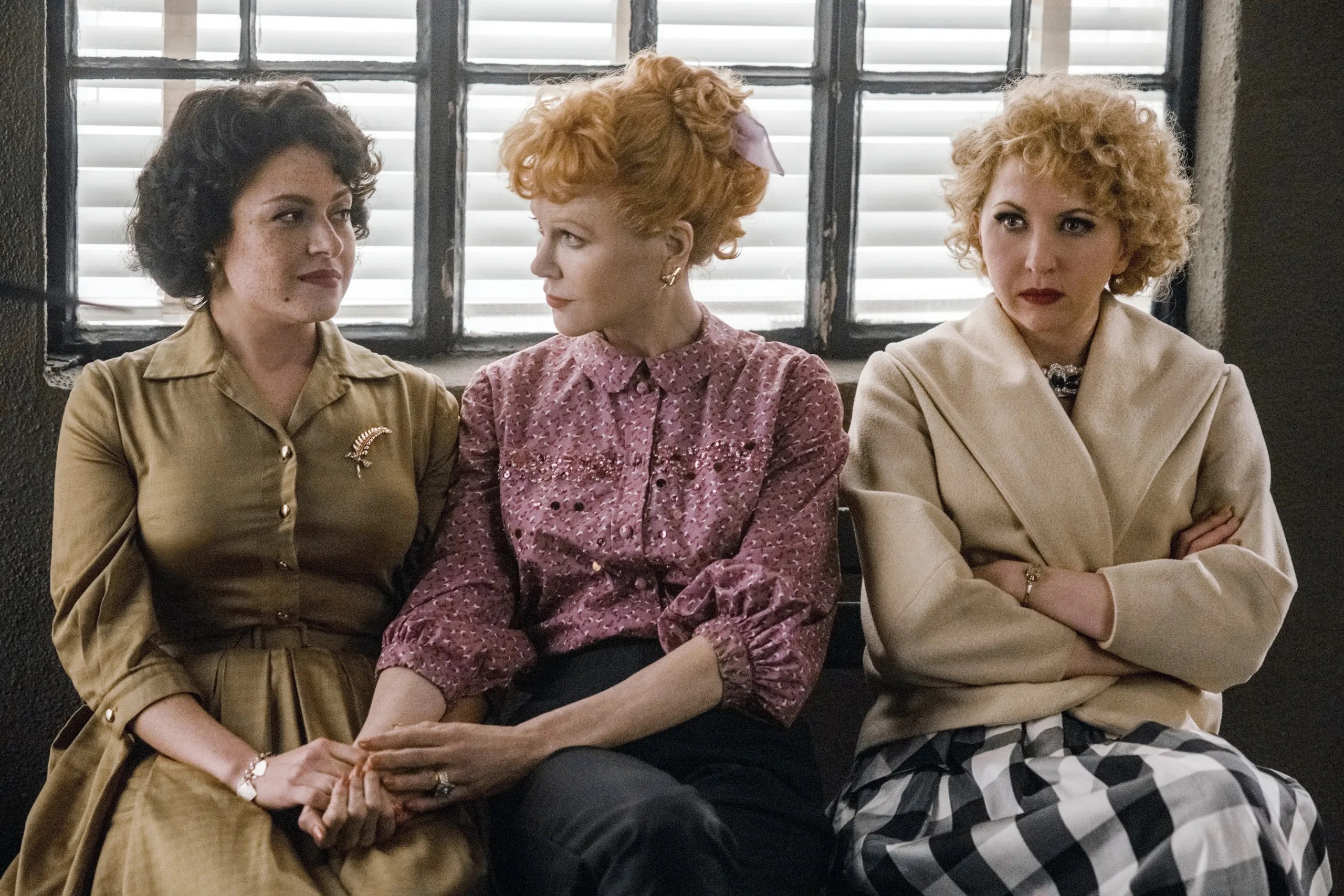
Skank is a surprise. I’m expecting a wry look at Millennial life, and – to some extent – that’s what I get. Clementine Bogg-Hargroves plays Kate, a young woman flitting from one temping job to the next, dreaming of being a writer but hardly ever actually writing anything. She won’t commit to a ‘proper’ job because the thought of it fills her with dread. She has nothing in common with her colleagues, but they seem to like her: she’s funny and sparky, and even has a crush on one of them. But Kate’s real life happens outside the office: in trendy coffee shops and pubs; in too much booze and one-night-stands; in knitting classes and doctor’s appointments.

Ah yes. Doctor’s appointments. Because this isn’t, it turns out, as light as it first seems. It’s a clever realisation of how people conceal their mental health problems. No one in the office can possibly have a clue about how anxious Kate is, all the time, of what her upbeat humour hides. As the play progresses, we see Kate unravel, all the while maintaining that same bubbly persona.

A smear test is the catalyst. An abnormality sends Kate spiralling, her tinnitus is out of control and she doesn’t know what to do. And why is it so bloody hard to recycle a baked beans tin around here?

Bogg-Hargroves truly inhabits the part, which makes sense, as it’s based on her own experience. She’s a charming, engaging performer, easily eliciting laughs from this afternoon’s audience. I cry too, because there is real heart here, and plenty of stuff that resonates. If at times it’s a little too close to home, a little difficult to bear, well, that’s the point, I think. That’s art, doing what art is meant to do.

There’s some lovely direction here (from Bogg-Hargroves and Zoey Barnes). The transformation of Kate’s desk into an examination table is simple and wonderfully offbeat, drawing a laugh all by itself. I like the little bit of puppetry too, and the pre-recorded offstage voices (sound tech by George Roberts) are a quirky and effective touch. (I do wonder, however, why the final voice is different from all the others; apart from this one, they’re all Bogg-Hargroves, who has an impressive range of accents and tones. Is this meant to signify something? If so, I don’t get it.)

Incidentally, the Pleasance Rear Courtyard is my favourite performance space so far this Fringe – the best example of a joyous outside/inside Covid-safe venue I’ve seen. And Skank is a delight too. Make time to see this. It’s a gem.

4.8 stars

Susan Singfield

Bard in the Yard: The Scottish Play

18/08/21

Pleasance Courtyard, Rear Courtyard, Edinburgh

What is the Edinburgh Fringe without a little Shakespeare, I hear you ask? Good question.

At B & B we’re always on the lookout for fresh interpretations of the Bard’s classics and here’s an interesting offering, staged in the well-ventilated confines of the Pleasance’s rear courtyard. The Scottish Play is a lively monologue, in which William Shakespeare (Caroline Mathison) strides onstage and tells us all about his current predicament. He’s been sent to Scotland by James the First to write ‘a Scottish play’ and, if he doesn’t deliver the goods, he could well end up with his head on a spike.

What better incentive could a playwright have?

So far, Will only has one dodgy soliloquy in his notebook – something about a dagger that also includes the word ‘erection’ – so he enlists three members of the audience to help him with the piece. They must make notes of anything he says that seems useable and, hopefully, by the end, he’ll have something that might just work.

Mathison is a confident and energetic performer, who manages to zip between silly and emotive with ease, seizing on the similarities between the pandemic and the plague (which affected so much of Shakespeare’s life) and making much play of it. The bit where she drenches her hands in sanitiser while singing ‘Greensleeves’ is a particular delight and I also enjoy the spirited renderings of several of the better-known soliloquies This is a piece that celebrates Shakespeare’s work and isn’t afraid to take risks with the material

But, what initially promises to be an immersive experience doesn’t really deliver on that score. Those three enlistees don’t actually have very much to do and, when one of them announces that his name is Macbeth, it isn’t picked up on and developed. Overall, the piece never seems entirely sure about what it wants to be – part knockabout comedy, part anguished recollection (as Will recalls his brother Edmund who died of the plague), it veers from one approach to the other and never finds a consistent tone.

By the end, Mathison is cavorting merrily around the stage, accompanied by ‘We Will Rock You’ handclaps from the audience. It’s all very jolly and lots of fun, but, with a sharper script, it could easily be more than that. Great venue though – and what might just be the catchiest title on this year’s fringe.

3.6 stars

Philip Caveney
Catching Up

16/08/21

theSpaceUK, Symposium Hall, Edinburgh

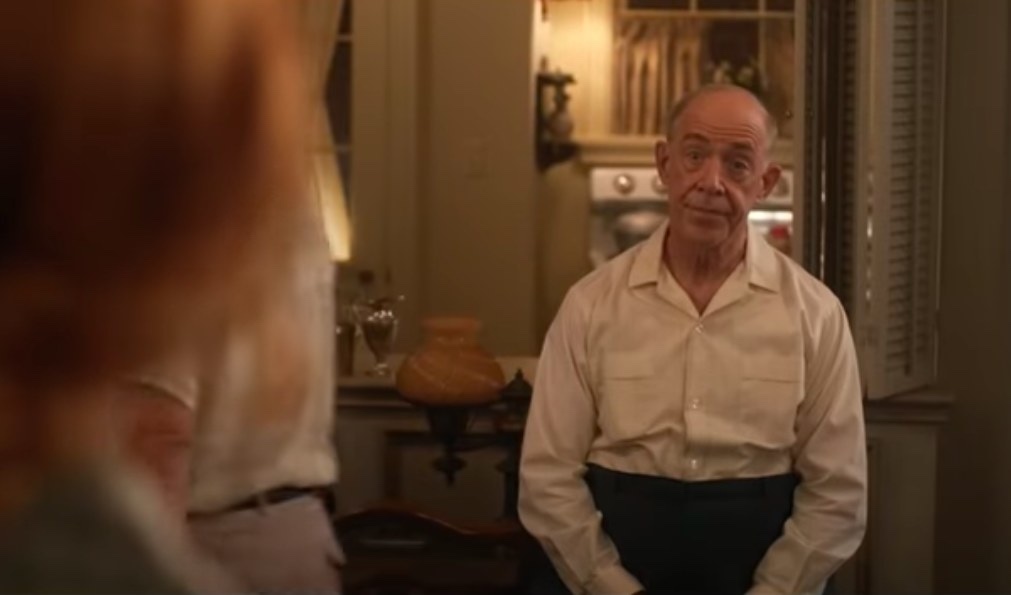
Theatre Paradok’s 2021 Fringe offering is a new play about friendship. Lemon (Lizzie Martin) and her best friend, Sean (Leonardo Shaw), want to write a screenplay. For reasons best known to themselves, they decide that the best way to achieve this is to travel to Norfolk and lock themselves away for a long weekend… Despite their painfully posh accents and the fact that they talk a lot about how privileged they are (they’re middle-class, privately-educated North Londoners, whose coming-of-age stories are all centred in Regent’s Park), they don’t have much money; their train tickets have wiped them out. Still, it’ll be worth it if they can co-write their masterpiece.

But it’s not that simple. Of course it’s not (it wouldn’t be much of a play if it were). Friends since school, Lemon and Sean’s relationship is adversarial to say the least. Sean is bombastic and demanding; Lemon is obviously used to him getting his own way. But there’s a hint of a memory niggling in her mind, and it’s making her uncomfortable. What is it? When Sean insists that vodka and weed are the best catalysts for creativity, Lemon over-indulges, and the past comes rushing back, threatening everything.

The past is very much present in this production, as younger incarnations of Lemon and Sean (played by Freya Wilson and Tom Hindle respectively) are onstage throughout, as is Lemon’s girlfriend, Lily (Florence Carr-Jones). I like this conceit, although a bigger stage would allow the cast to do more with it; it all feels a little cramped and cluttered in the small space available here. Director Isabella Forshaw really embraces the non-naturalistic approach, which works well with the material, underscoring the volatile and unpredictable nature of memory and emotion. I particularly like a rag-doll movement sequence (choreographed by Isla Jamieson-McKenzie), which illustrates the details that Lemon has repressed.

It’s not perfect: in places, the storytelling feels a little opaque and the mirroring sequence could do with a little more precision. Adult Sean needs more to do; although Shaw (who is also the playwright) delivers a strong performance, we don’t really learn enough about his grown-up self.

All in all, however, this is an interesting and thought-provoking piece.

3.7 stars

Susan Singfield

Wish List

16/08/21

theSpaceUK, Triplex, Edinburgh

Tamsin (Chloë Johnson) is struggling to get through the days.

With her parents gone, she is now the sole carer for her older brother, Dean (Michael Robertson), who is housebound by severe OCD, and can’t stop himself from gelling his hair every five minutes and staring moodily at his reflection in the mirror. Attempts to obtain funding for him fall on deaf ears, as Dean’s disability isn’t visible and he’s judged ‘capable of employment.’ Tricky when he can’t push himself into stepping out of the front door.

Somebody has to bring in a wage, so Tamsin takes up a post at an Amazon warehouse, packing goods of all shapes and sizes, under the baleful gaze of the Lead (Jack Elvey), who constantly points out that she’s failing to meet her targets. Somehow, she must push herself to rise above the back ache and the paper cuts and increase her numbers. But how can she settle, when she doesn’t know what trouble Dean is getting into at home? The Lead won’t even let her have a phone for emergencies. Her only consolation is charming fellow-worker, Luke (Josh Dobinson), a good-hearted sort who goes above and beyond the call of duty to help her through her punishing schedule.

This engaging four-hander by Katherine Soper could so easily have been run-of-the-mill, but the script is nuanced and the performances are strong (particularly Robertson, who doggedly stays in character even when he’s merely helping to move the furniture). Scenery changes can be the thorn in the paw of Fringe productions, but these are, for the most part, handled smoothly. Only the scene where Elvey is obliged to double-up as a waiter in a bar seems superfluous.

I love the fact that this is such a nuanced story. Soper resists the temptation to present Lead as an out-and-out villain and, as the play progresses, we learn that he too is just another reluctant cog in the corporate machine. He dislikes having to push his workers to the limit every bit as much as they resent being pushed. I also love the fact that Tamsin and Dean’s situation is never fully resolved and, for that matter, neither is the burgeoning relationship between Tamsin and Luke. Instead, we’re shown the importance of the sibling bond, and the extraordinary resilience that everyday people have to find in order to survive in a brutal world.

Wish List is well worth your attention – and you’ll surely think of it the next time you receive an Amazon delivery.

4.2 stars

Philip Caveney

Styx

14/08/21

Assembly Speigeltent, George Square, Edinburgh

Styx was a palpable hit at the Fringe in 2019, when it featured eight musicians performing in a medium-sized venue. For obvious reasons, this reprise of the show has been severely stripped back and now there’s just singer/ songwriter Max Barton and multi instrumentalist, Jethro Cooke, performing the piece in the much more spacious Spiegeltent. The duo have used low lighting to try and give a cosier feel but, inevitably, there’s a distancing effect for something that requires so much intimacy and, though the production mostly manages to take flight, it occasionally loses impetus and falters.

There are various strands to this elaborate piece of gig theatre: perhaps too many, because they don’t all gel. On the plus side there’s the story of Orpheus and Eurydice (hence the title), which Barton occasionally relates using a voice synthesiser. There’s also the story of his grandmother, Flora, stricken by Alzheimer’s after losing her musician husband, years ago, to the same illness.The recordings of her voice provide some of the production’s most tender and affecting moments.

Less successfully, there are Barton’s memories of a fruitless attempt to track down his grandparents’ old haunt, The Orpheus Club, and also Cooke’s observations about the nature of memory (and the ways in which different parts of the brain store and synthesise it), which feel as though they’ve been lifted directly from a medical textbook.

Luckily, we have Barton’s lyrical, plaintive songs, nicely augmented by Cooke’s pulsing synthesisers and percussion. I’d enjoy them even more if they weren’t punctuated by the sounds of a louder, brasher show drifting in from another venue on George Square.

In the end Styx feels like the curate’s egg – good in parts – and I still have the over-riding conviction that, in a more intimate venue, it would be even better. As if to bear this out, I chat with a barman at the Cameo afterwards who remembers being knocked out by the show in its original incarnation. ‘I remember it,’ he says. ‘It was brilliant. All those musicians onstage, there was hardly room to move.’ Ah well.

The pandemic has enforced many changes, and Styx appears to be another of its victims.

3.6 stars

Philip Caveney

Tunnels

13/08/21

Army@ The Fringe, Drill Hall, Edinburgh

The Edinburgh Tattoo is sadly cancelled for 2021, but the armed forces are still intent on being involved in the Fringe in some capacity – which is why we find ourselves venturing out of the city centre to an Army drill hall near Bonnington. We are greeted at the venue by men and women in camouflage gear, who handle everything with er… military precision. It’s interesting to note that this is one performance where social distancing rules are meticulously applied, and, after witnessing some lackadaisical approaches at other venues, it makes me think that maybe the Army should be handling more shows at the Festival.

But I digress.

Tunnels is a tightly scripted two-hander, written by Oliver Yellop and set in 1968 Berlin. The cold war is at its height. In the West, the sexual revolution is in full swing but, on the other side of the wall, an atmosphere of suspicion holds sway. So cousins Paul (Lewis Bruniges) and Freddy (Yellop), decide they’ve had enough and are attempting a seemingly impossible task. They are tunnelling under the wall in a desperate attempt to escape to freedom.

As the duo work alongside each other, they discuss the very nature of the word ‘freedom’ – and what possibilities might await them in the West. Paul in particular has good reason to worry about his future in East Berlin. An earlier attempt to climb over the wall led to his arrest and imprisonment by the Stasi – and memories of his regular interrogations still haunt him.

Freddy, meanwhile, is keen to bring his girlfriend Lisle along if and when they finally make the break-through, but Paul doesn’t like the idea. After all, he reminds Freddy, this is the age of the Stasi, and nobody can be trusted…

Tunnels is an effective piece of drama, cleverly directed by Colin Ellwood and convincingly acted by Bruniges and Yellop. With minimal props the two actors somehow manage to convey the awful claustrophobic conditions of the tunnel, the countless hours spent inching forward through the darkness, hoping above hope that the whole construction doesn’t come tumbling down on them. Fergal Mulloy’s subtle sound design adds to the oppressive atmosphere and the conclusion of the story is shattering.

All in all, it’s well worth venturing off the beaten track for this assured and thought-provoking production.

4.2 stars

Philip Caveney

Myra DuBois: Dead Funny

13/08/21

Underbelly, George Square Gardens, Edinburgh

Myra DuBois is dead. Except for the fact that she is very much alive. But she wants us to pretend she’s dead, because this is her funeral. Clearly, she has to be here! If she waits until she’s actually dead, there’s no telling how it’ll go. This way, she’s in control, and can ensure it’s a suitably fabulous event.

As a conceit, this works well. It’s silly and audacious, and affords DuBois the chance to posture and self-aggrandise to her heart’s content. Actor Gareth Joyner’s alter-ego is an acerbic delight, bitching and carping her way through the proceedings, and eliciting helpless laughter from her audience along the way.

There’s nothing especially new here: DuBois clearly revels in exploring the old traditions of music hall, drag and cabaret. But it’s all so well done, so consummately performed, that it serves to remind us why these entertainment forms are so prevalent and popular. She’s funny. All the time.

If you’re shy, don’t sit on the front row. The Yorkshire diva’s best moments are when she’s interacting with (okay, picking on) the audience. She’s adept at choosing her victims: they’re lapping it up. Tonight, two men called Ross and Paul are singled out for special attention, along with a woman dressed in leopard print, whom DuBois keeps calling Lyndsey, even though she says her name is Louise (I can’t work out if this is part of the put-down or a genuine error). Someone shouts about a plot-hole in the punchline of a joke, and is told to fuck off, before being treated to the most venomous look I’ve ever seen. It doesn’t sound very funny when I write it down. It is though. The place erupts.

DuBois treats us to a reading, a poem by her sister and a few songs along the way. And oh, that voice. Annie Lennox somehow never managed to make Why sound quite like this…

RIP, Myra. You did yourself proud.

4 stars

Susan Singfield