02/11/26
The Studio at Festival Theatre, Edinburgh
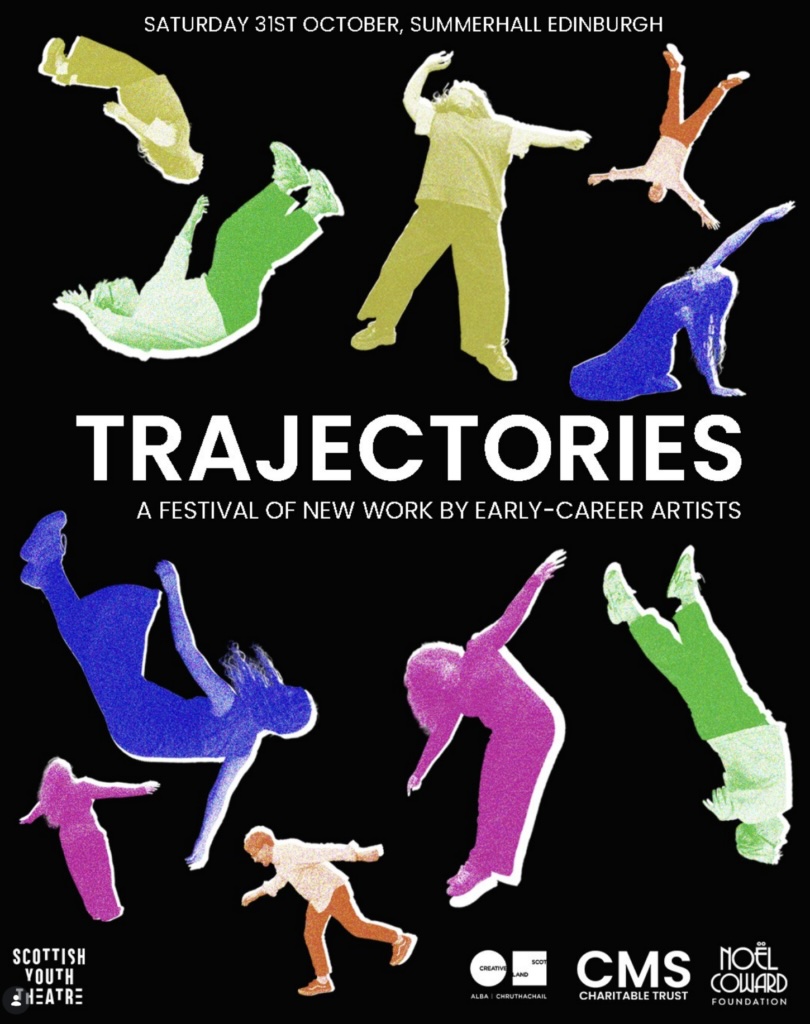
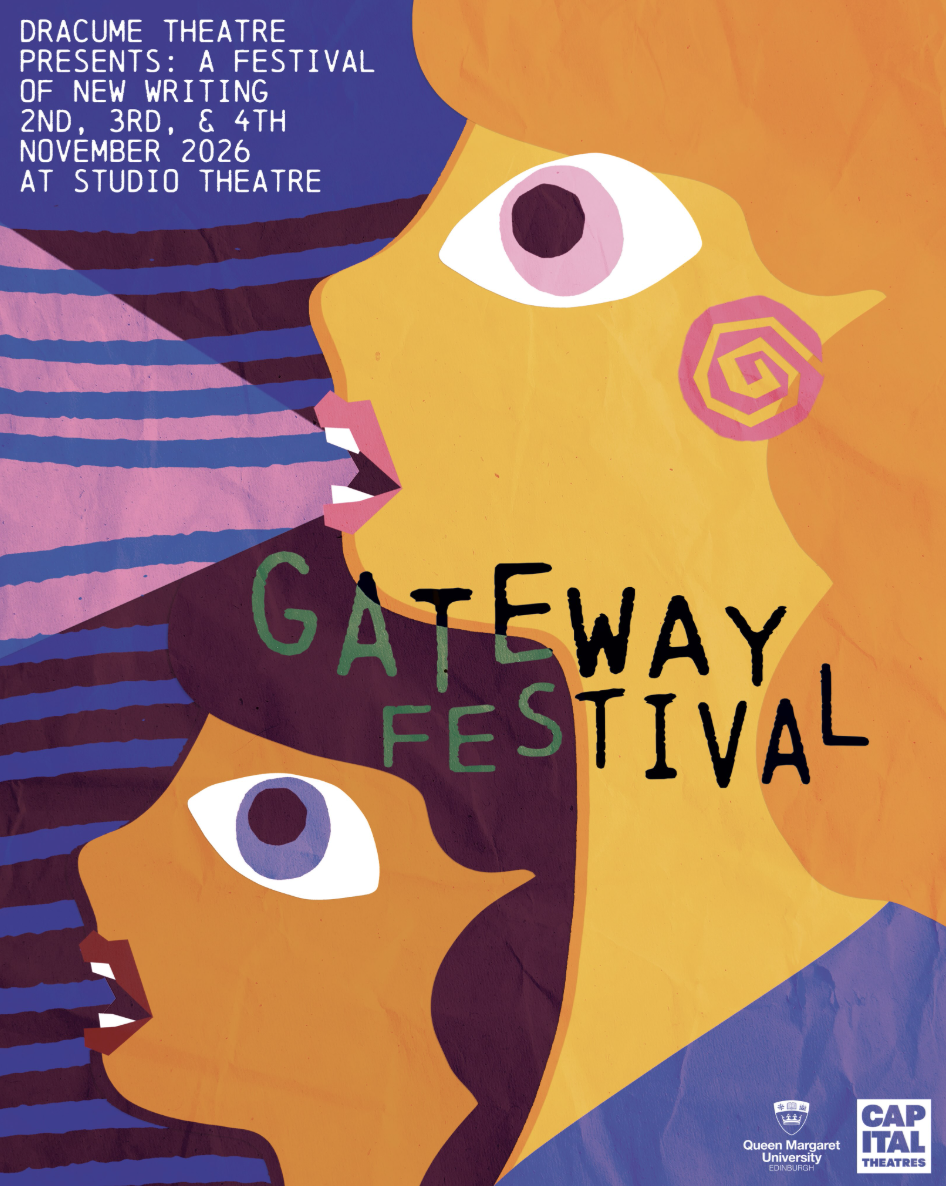
It’s a fecund time for emerging playwrights as, hot on the heels of Saturday’s Trajectories by the Scottish Youth Theatre, comes The Gateway New Writing Festival, where six plays (still in development) will be shown over three evenings in the Festival Theatre’s studio. We’re here on opening night to see the first two.
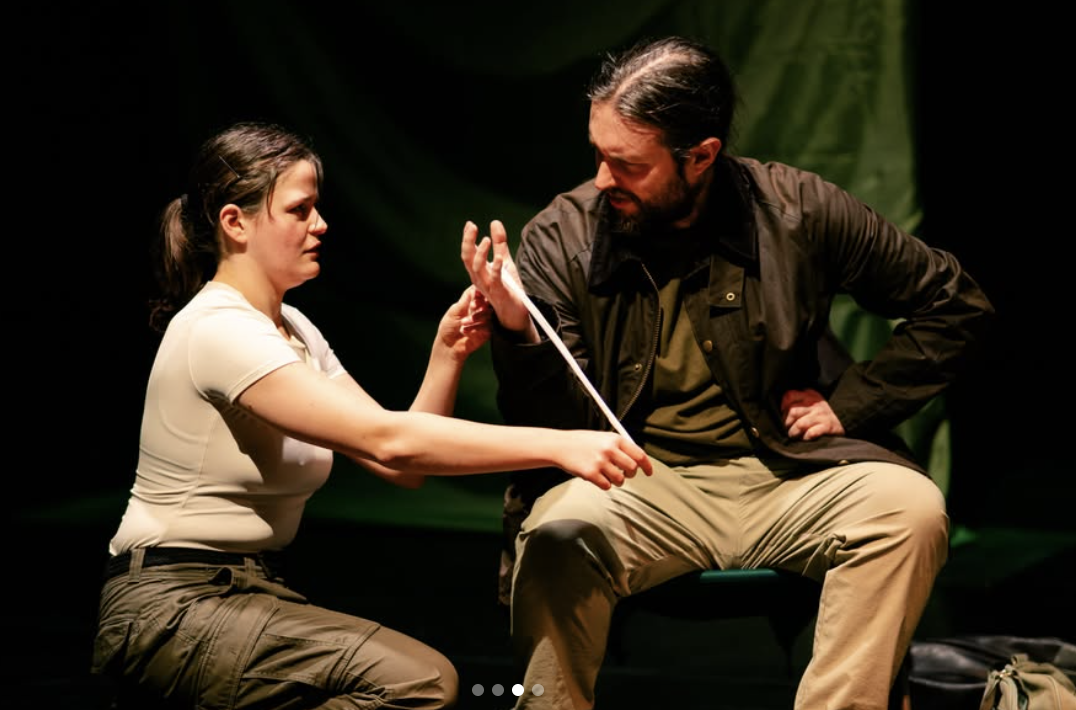
In a Big Country by Ben Ramsay is an unnerving thriller set in a remote area of Scotland, where phone signals are mere phantoms and no one can hear you scream. Young couple James (Frederik Bang) and Maisie (Rachael Campbell) might be broke but that doesn’t mean they don’t want to celebrate their anniversary, so they’re exercising their right to roam and giving camping a go. Maybe a night under canvas will help to heal their troubled relationship? But they’ve reckoned without the overbearing landowner (Jamie Cowan), a strange, despotic man, who invites himself for a drink beside their campfire, armed with a knife and gun…
Directed by Rebecca Russel, Ramsey’s script bursts into life, with James and Maisie making a likeable and convincing couple. Bang and Campbell deliver sprightly, engaging performances, ensuring that we care about both characters, even as James’ insecurities bring out the worst in him. Posh weirdo Richard is perhaps less believably conceived, but Cowan imbues him with a suitably menacing presence, the tension ramping up as the couple’s dream of a romantic getaway slowly turns into a nightmare.
There are a few small issues that still need working out: the duo’s gullibility stretches credulity at times, and the ending is something of a damp squib. Nonetheless, In a Big Country has a lot going for it: the pace is kinetic and the atmosphere chilling. The couple’s problems serve as a microcosm, a commentary on wider social issues that affect us all. Ramsey is certainly one to watch.
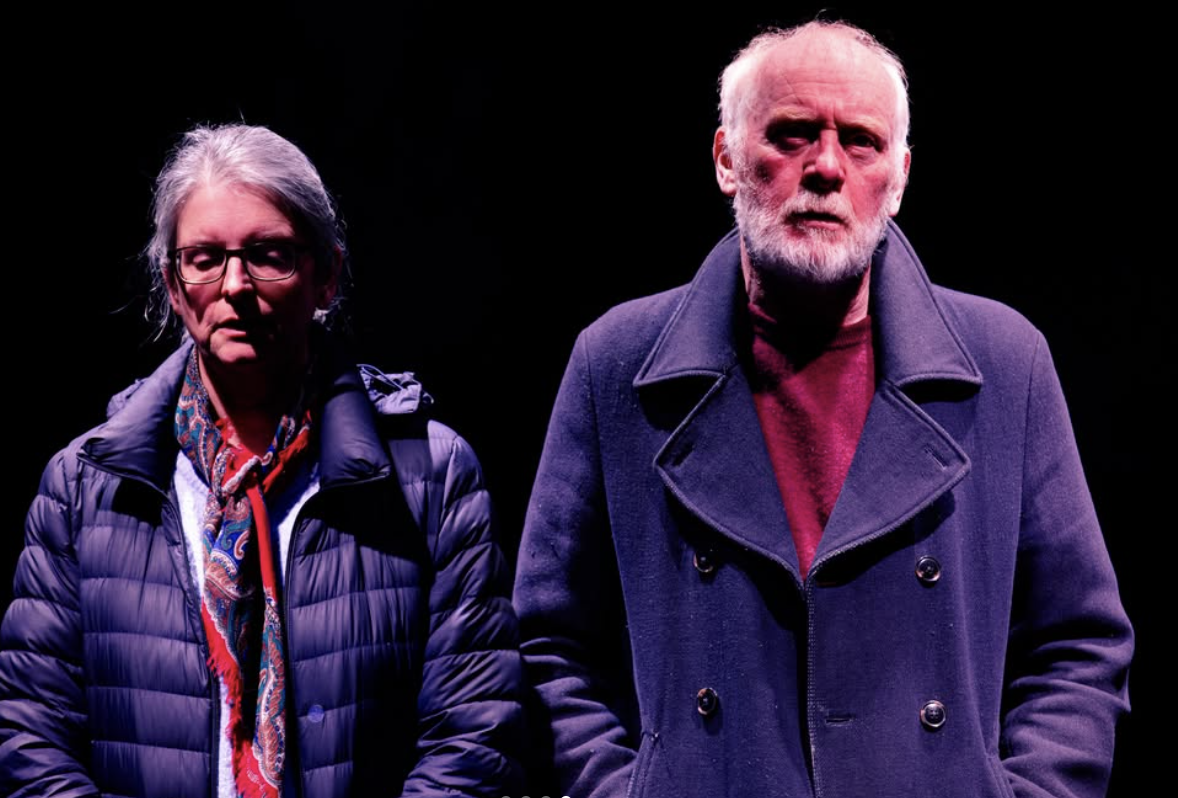
Tonight’s second play, The Tide by Sophie Good, is a story of love and loss. Helen (Kirsten Maguire) and her husband, Grant (Paul Wilson), feel a strong attachment to their seaside town; it holds all of their memories. They had their first kiss in the local chippy and raised their little boy on sandcastles and ice-cream. Not that things are rosy any more: following an argument with his mum, their teenage son ran away and has now been missing for years, while coastal erosion means their clifftop cottage is in imminent danger of collapse. The council has issued an eviction notice, but how can Helen and Grant leave with Tom still unaccounted for? What if he comes back and can’t find them? And anyway, Grant doesn’t want to live in a ticky-tacky new-build. How will he distract himself without any repairs or renovations to do?
I love the premise of this piece: the symbolism of the crumbling home and the couple’s quiet desperation as they wait and wait for their son’s return. Under James Wood’s direction, their sadness is palpable, their fragile hopes almost unbearable.
There are places where the script could do with being pared back (the ‘partial sea view’ from the modern apartment is referenced too often, and we don’t always need words – such as ‘handcuffs’ – to tell us what is clearly visible). In addition, the exits and entrances slow down the pace; I think it would be better to keep the actors on stage throughout. For example, instead of playing to an empty stage, the recorded voices in the flashback would be more powerful if they were juxtaposed with the older iterations of Helen and Grant sadly muddling through their day. Niggles aside, The Tide has a lot of potential and I look forward to seeing more of Good’s work.
New writing festivals like Gateway are integral to the future of theatre, and it’s exciting to see what the next generation of playmakers has to offer. If you’re looking for something to do in the run up to Bonfire Night, why not take a chance on the next four plays (Stomach by Ben Kay, Dead People Don’t Have Data by Laura Tansley, ULTRAVIOLENCE! By Will Osbon and Steam by James Stedman)?
4 stars
Susan Singfield