01/05/26
Central Hall, Edinburgh
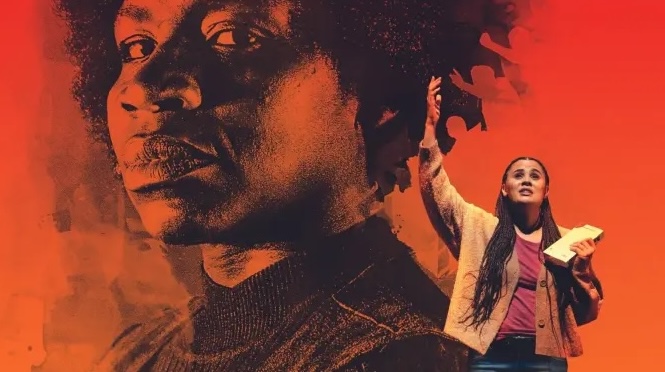
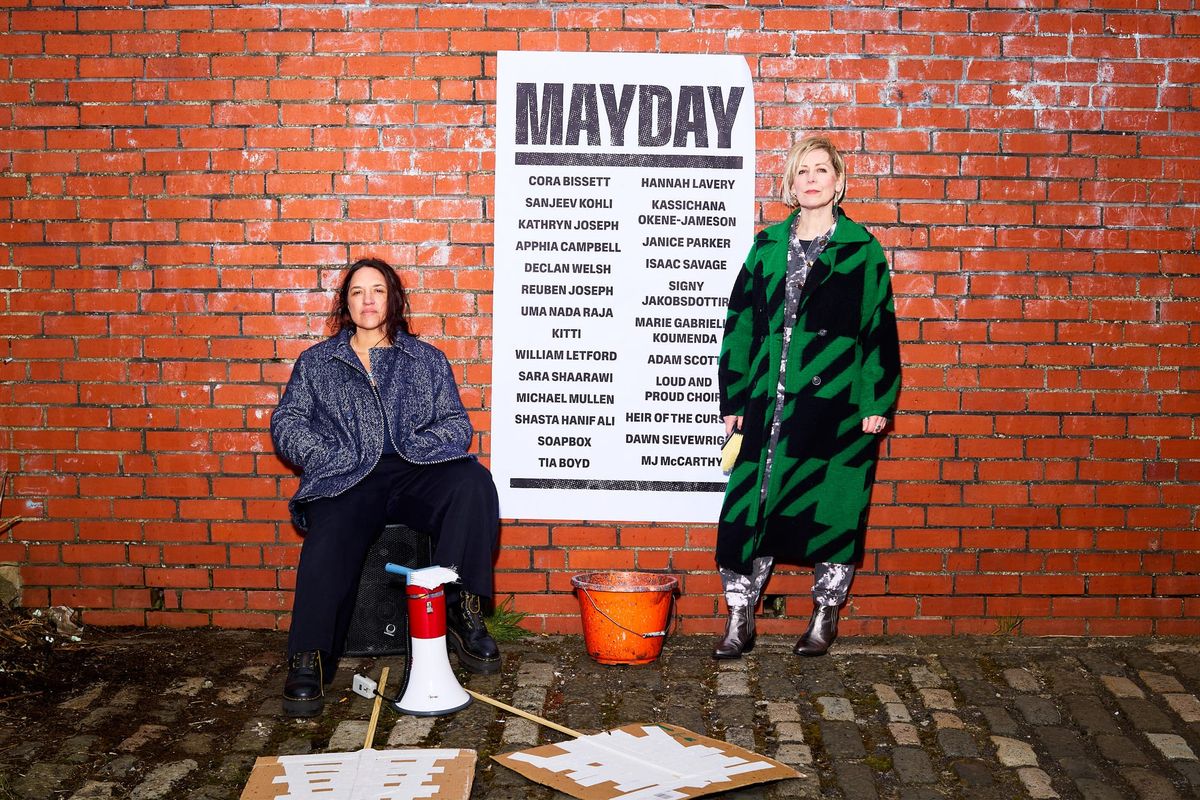
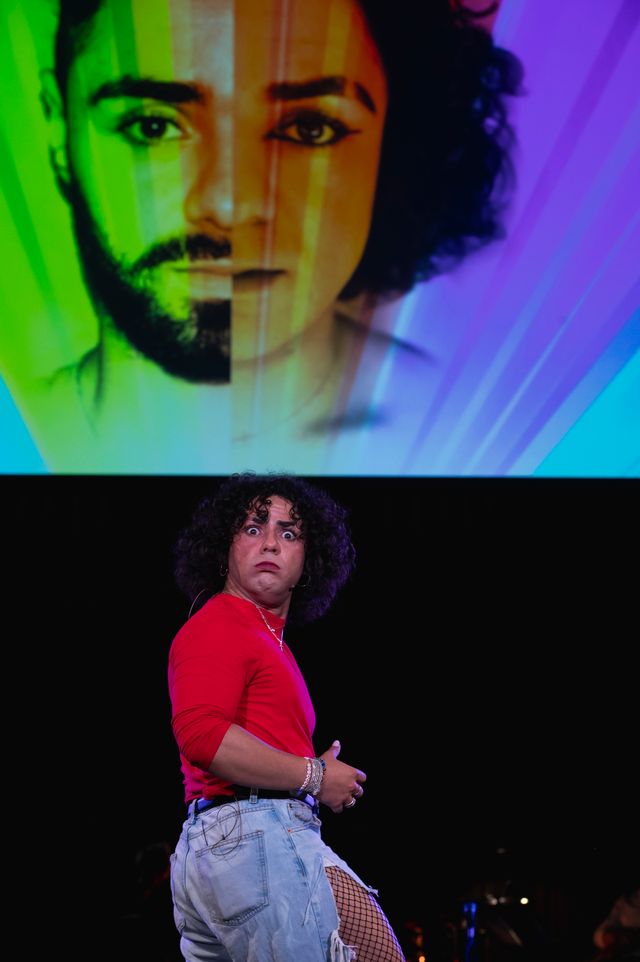
This National Theatre of Scotland production, co-curated and directed by Cora Bissett and Hannah Lavery, comprises live music, theatre, poetry, comedy and dance. Commissioned as a rapid-response project – a reaction to our turbulent political climate – this is part call-to-arms and part howl into the void. Because sometimes we need the catharsis of the latter before we can can put on our big-girl pants and contemplate the former.
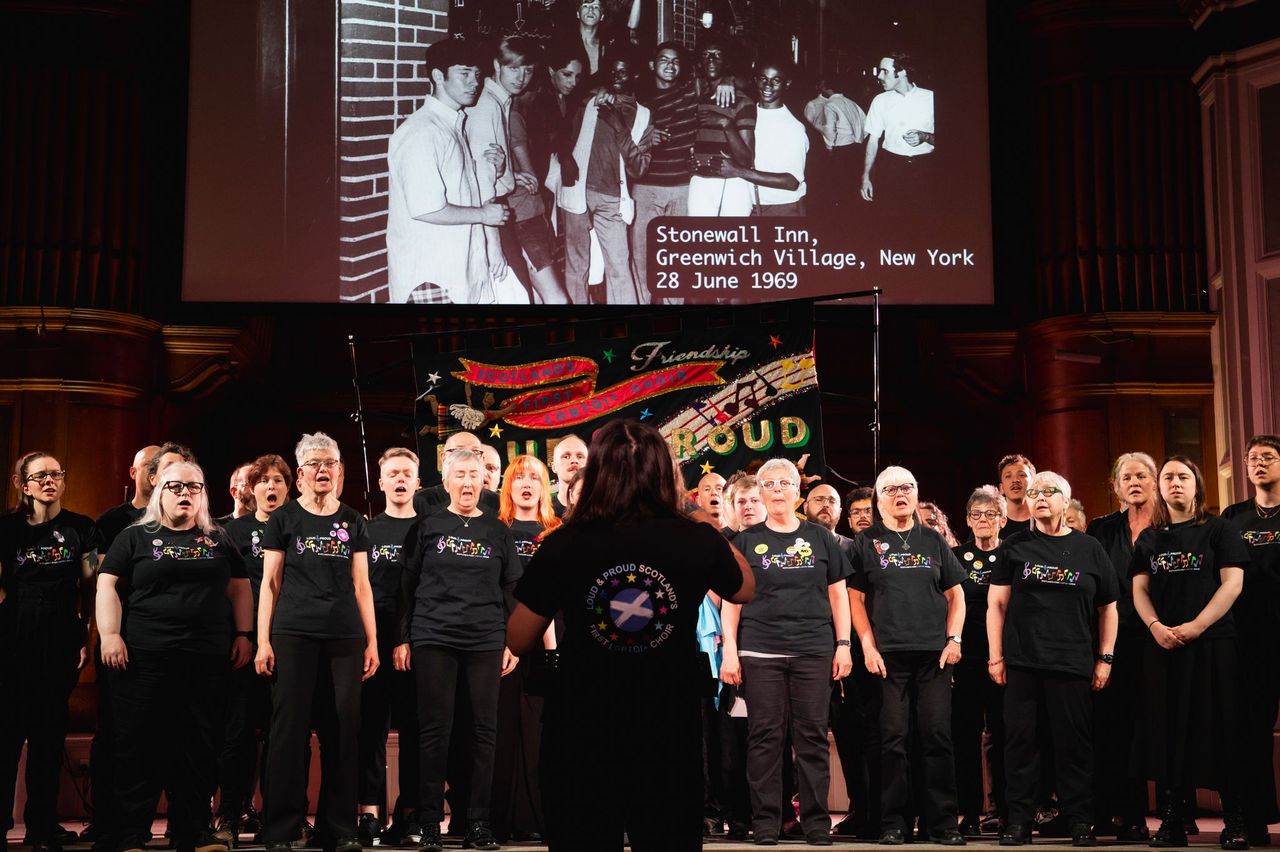
Organisationally, this is a triumph, each act flowing smoothly into the next, even when an ensemble as large as the Loud and Proud choir has to file onto the stage. There’s a lot that could go wrong: as well as the numerous performances, there are short films, set changes and BSL interpreters, not to mention the house band. That it all unfolds without a glitch is mightily impressive.
The auditorium is packed; this is a sell-out. It’s not surprising: we’re all looking for answers and maybe artists are the right people to pose the questions. They have strong voices, diverse audiences and myriad means of expression. Some of us will respond to ideas that emerge from dance; others to music or drama. It doesn’t matter. Anything that makes us pause and think. And act accordingly.
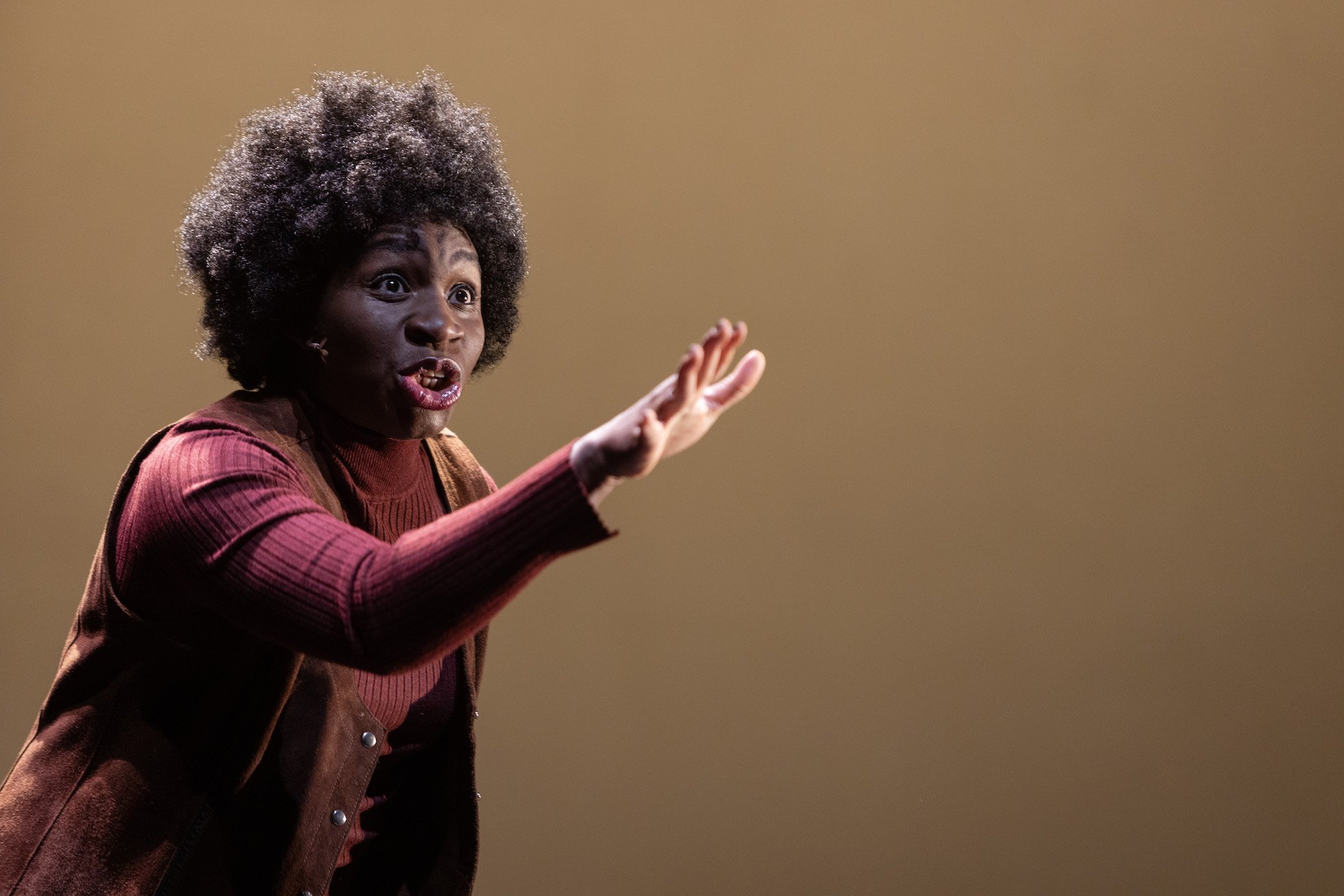
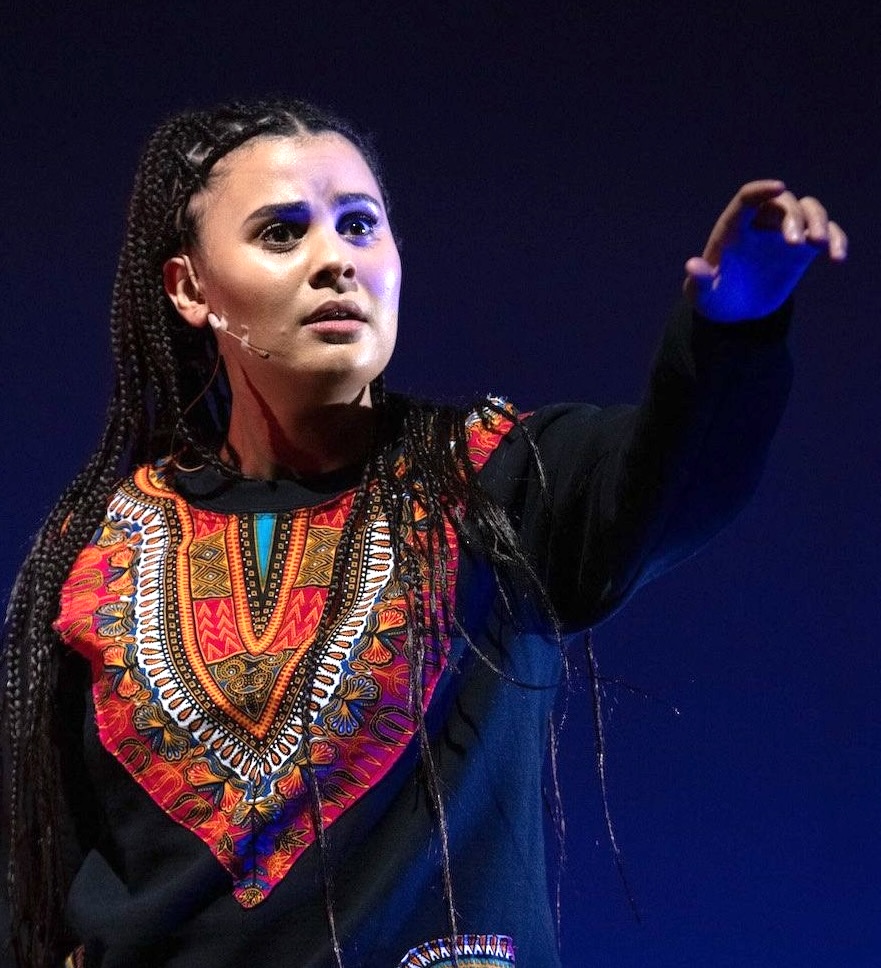
For me, the strongest elements of the evening are the punchiest. The songs – especially Dawn Sievewright’s rendition of Bissett’s It’s No a Wean’s Choice and Kitti’s feminist polemic – are especially stirring, and I also appreciate the insights I gain from both Tia Rey and Sanjeev Kohli’s spoken word sections. The choirs are very affecting, as is the garland of socks that campaign group Mothers Against Genocide Scotland have hung around the venue, each tiny bootee representing a child who has died in Gaza.
Although theatre is usually my favourite art-form, I find the dramatic scenes included here the least effective elements of the evening. Although they’re well-performed (and have been penned by writers I admire, including Apphia Campbell and Uma Nada-Rajah), there isn’t enough time for the arguments to develop or for us to fully engage with the characters.
No matter. Overall, the evening is a resounding success, reminding us that – together – we can make a difference. There are lots of people out there, right now, trying – and, if we join them, we can become part of the solution. Because we really do have to do something, don’t we?
Even if it’s as small as turning out to vote next week, to stop the fascists in their tracks.
Susan Singfield