Pleasance

Theatre Bouquets 2025

Another varied year of theatre-going presents us with the usual problem of choosing what we think were the twelve best shows of the year. But once again, here they are in the order we saw them.

Vanya (National Theatre Live)
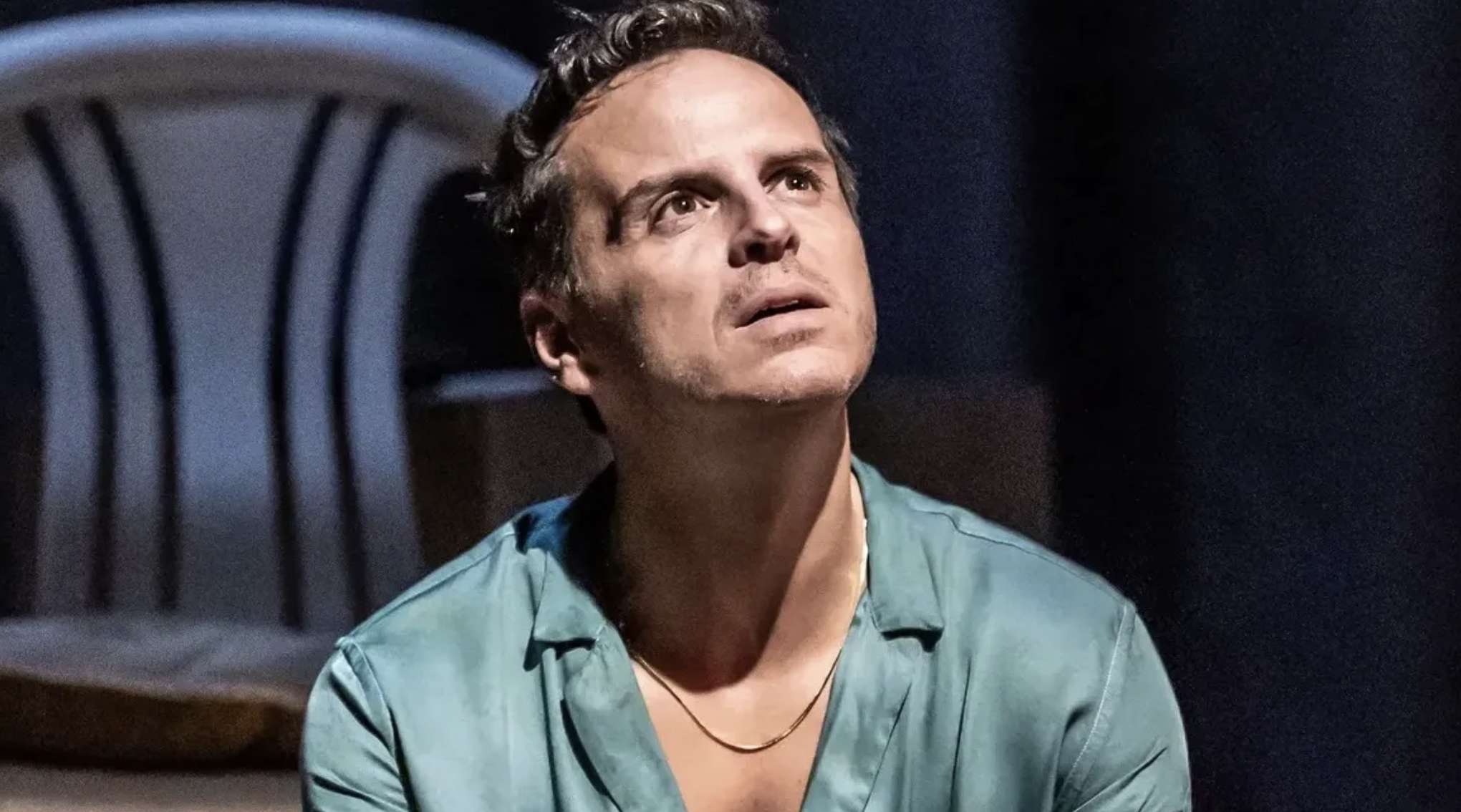
“Glides like gossamer through the cuts and thrusts of a family drama – even a scene where Scott is obliged to make love to himself unfolds like a dream…”

Dr Strangelove (National Theatre Live)
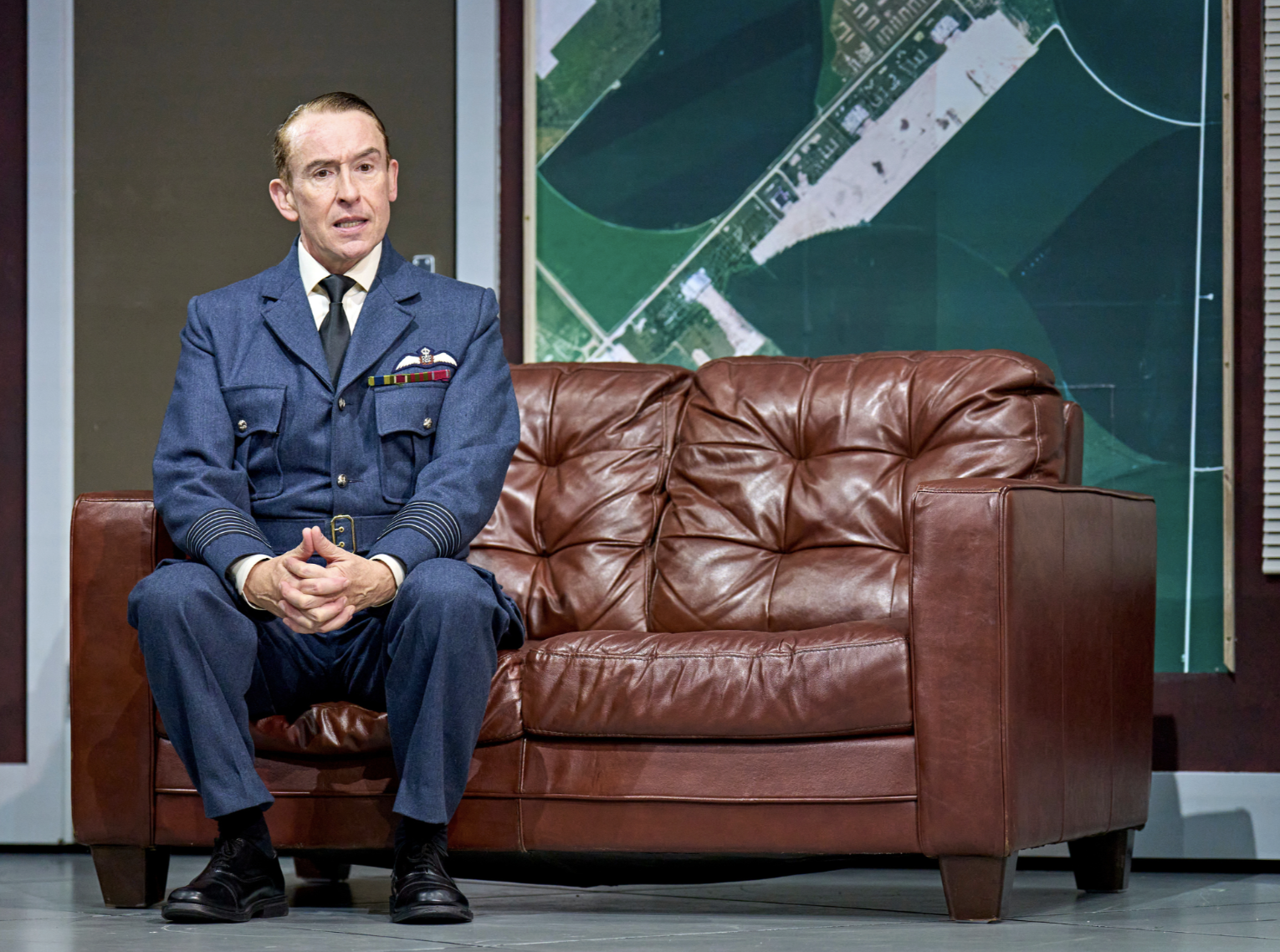
“This brilliantly-staged production is a weird hybrid – part play, part film – and at times astonishing in its sheer invention…”

Wild Rose (Lyceum Theatre, Edinburgh)
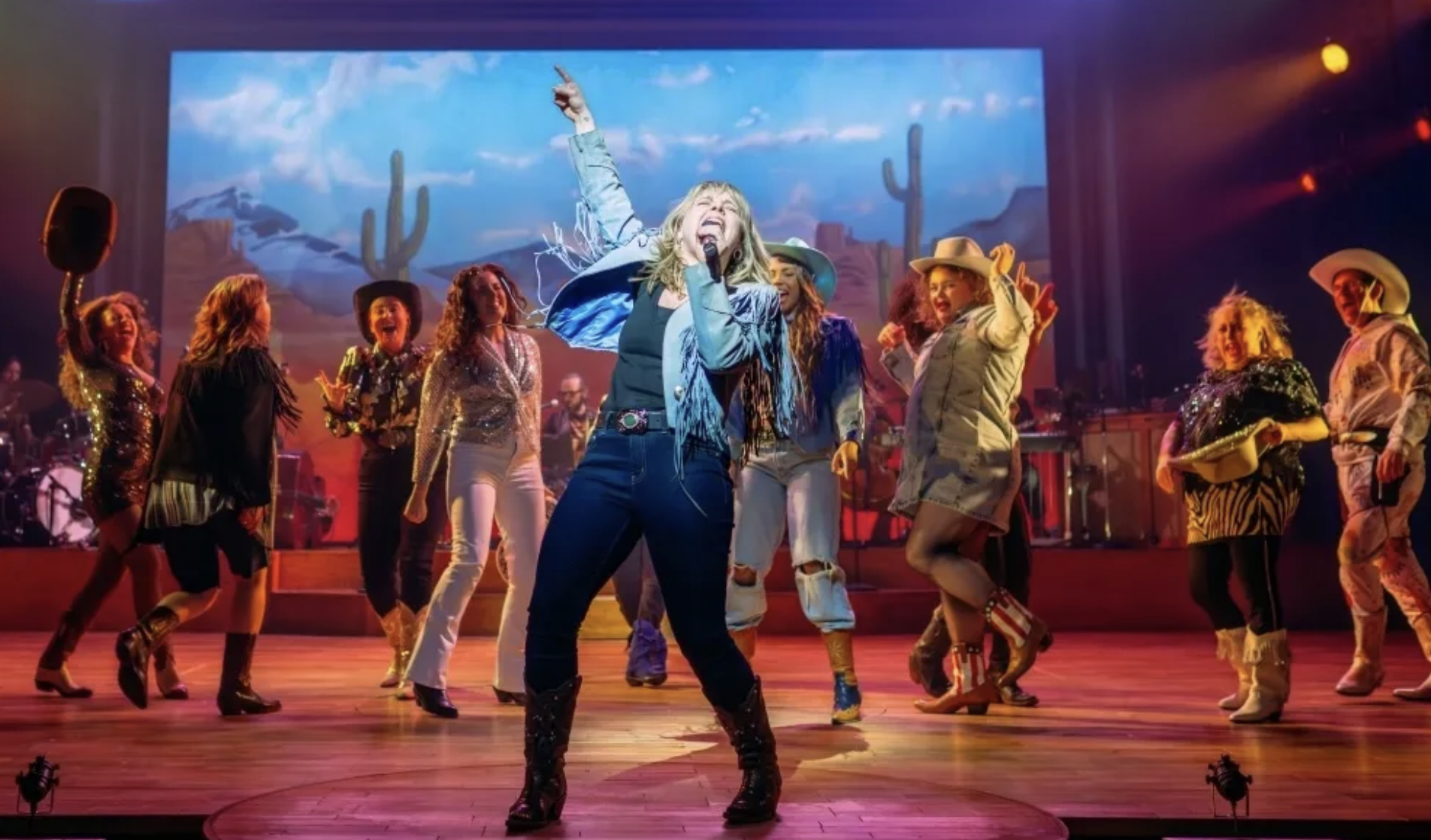
“A fabulously entertaining story about ambition and acceptance, anchored by a knockout performance from Dawn Sievewright…”

Chef (Traverse Theatre, Edinburgh)
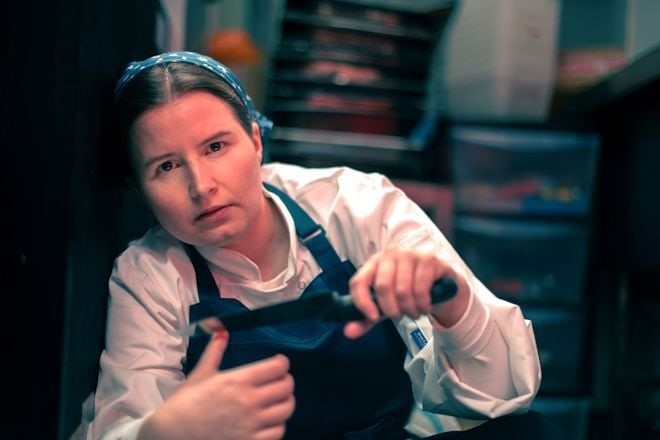
“Sabrina Mahfouz’s Chef is an extraordinary play, a monologue delivered in a lyrical, almost poetic flow of startling imagery…”

Lost Lear (Traverse Theatre, Edinburgh)
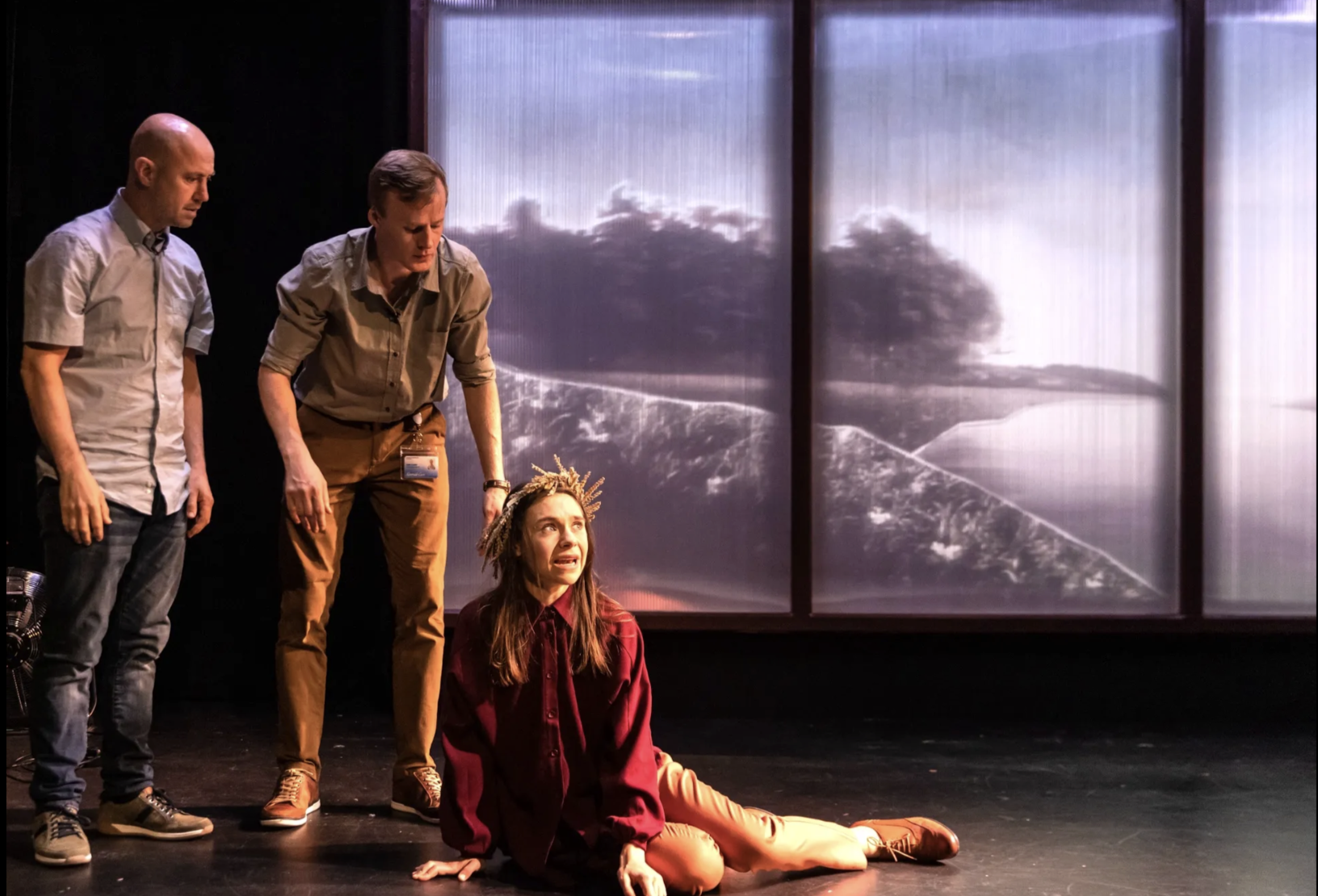
“Dan Colley’s beautifully-conceived script intertwines excerpts from Lear with moments in the here and now, gently but relentlessly uncovering the horrors of cognitive decline…

Alright Sunshine (Pleasance Dome, Edinburgh)
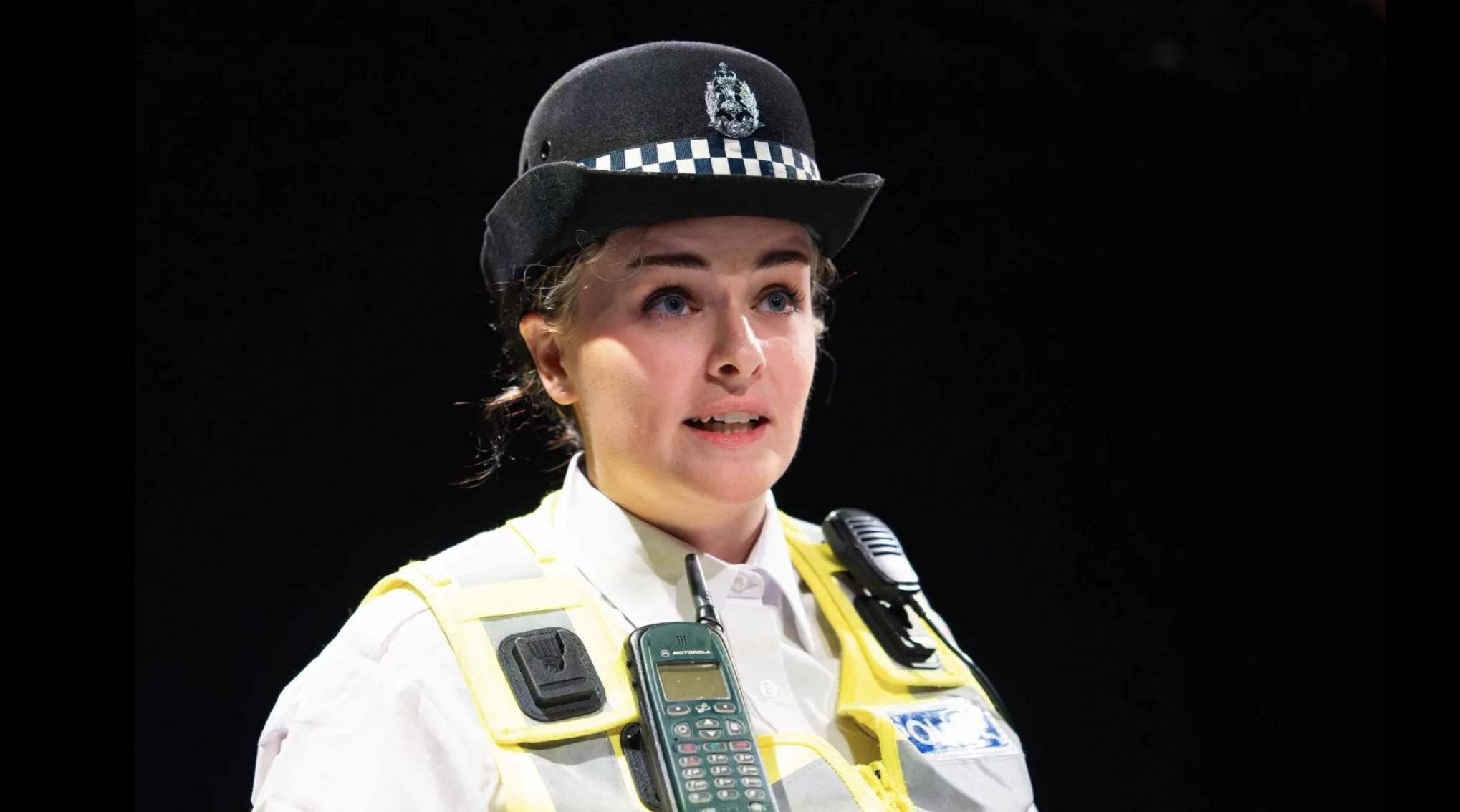
“Directed by Debbie Hannan, Cowan’s taut, almost poetic script is brought powerfully to life by Geddes’ mesmerising performance: a tour de force with real emotional heft…”

A Streetcar Named Desire (Lyceum Theatre, Edinburgh)
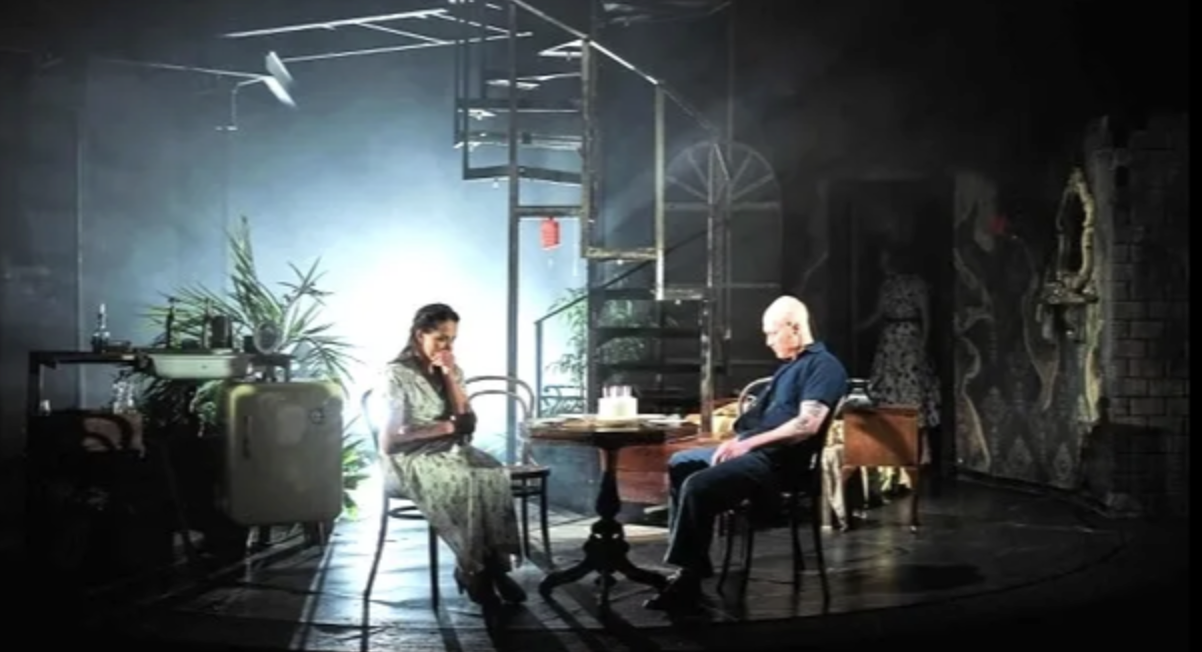
“Eschews the victim-blaming that so often blights interpretations of this play and turns up the heat on the sweaty, malevolent scenario, so that the play’s final half makes intense, disturbing viewing…”

Common Tongue (The Studio at Festival Theatre, Edinburgh)
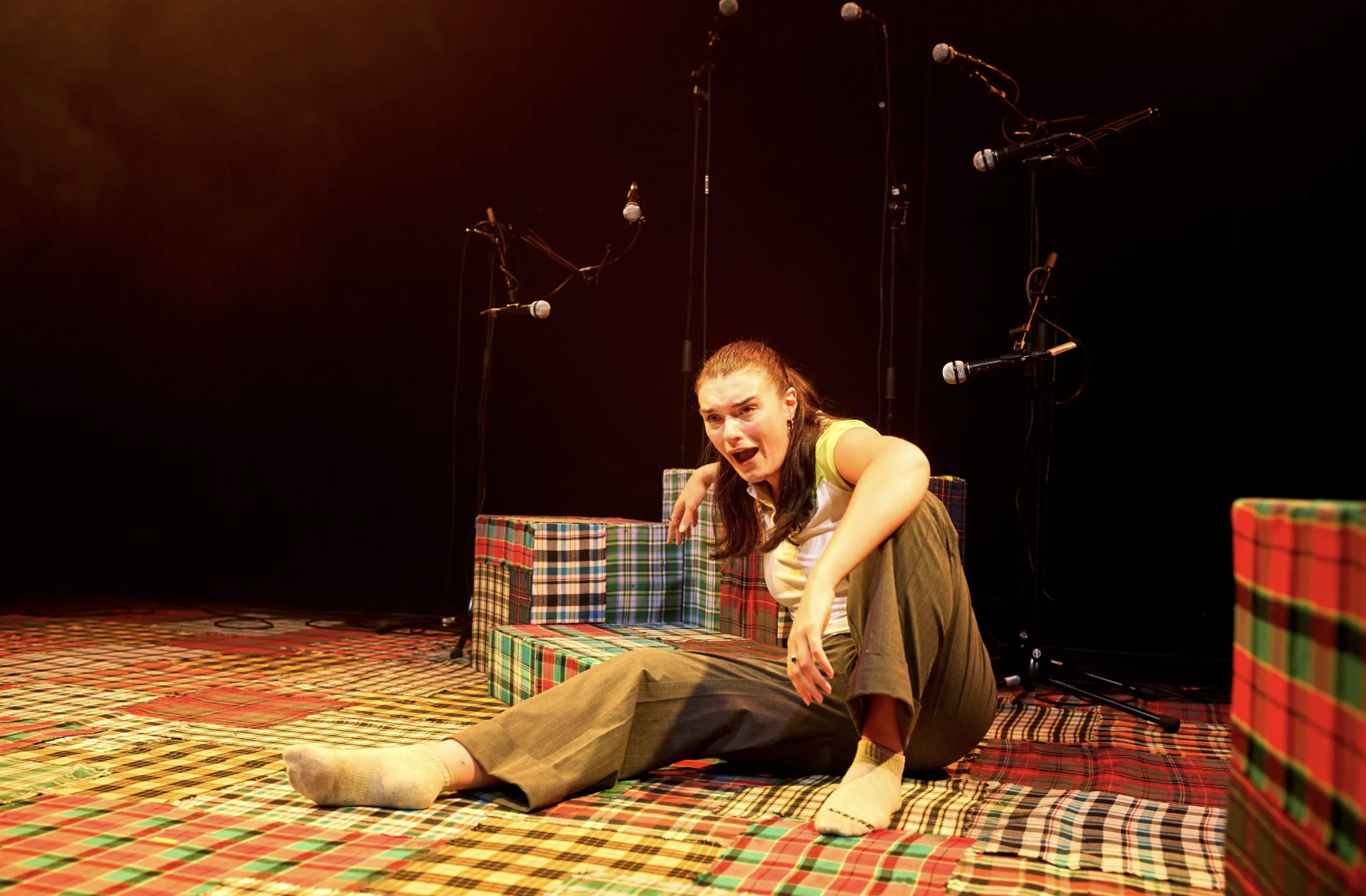
“A demanding monologue, Caw’s performance is flawless, at once profound and bitingly funny: the jokes delivered with all the timing and precision of a top comedian; the emotional journey intense and heartfelt…”

Little Women (Bedlam Theatre, Edinburgh)

“Watching events play out, I feel transported back into the cocoon of my childhood, curled up in bed reading about these faraway adolescents and their travails…”

The Seagull (Lyceum Theatre, Edinburgh)
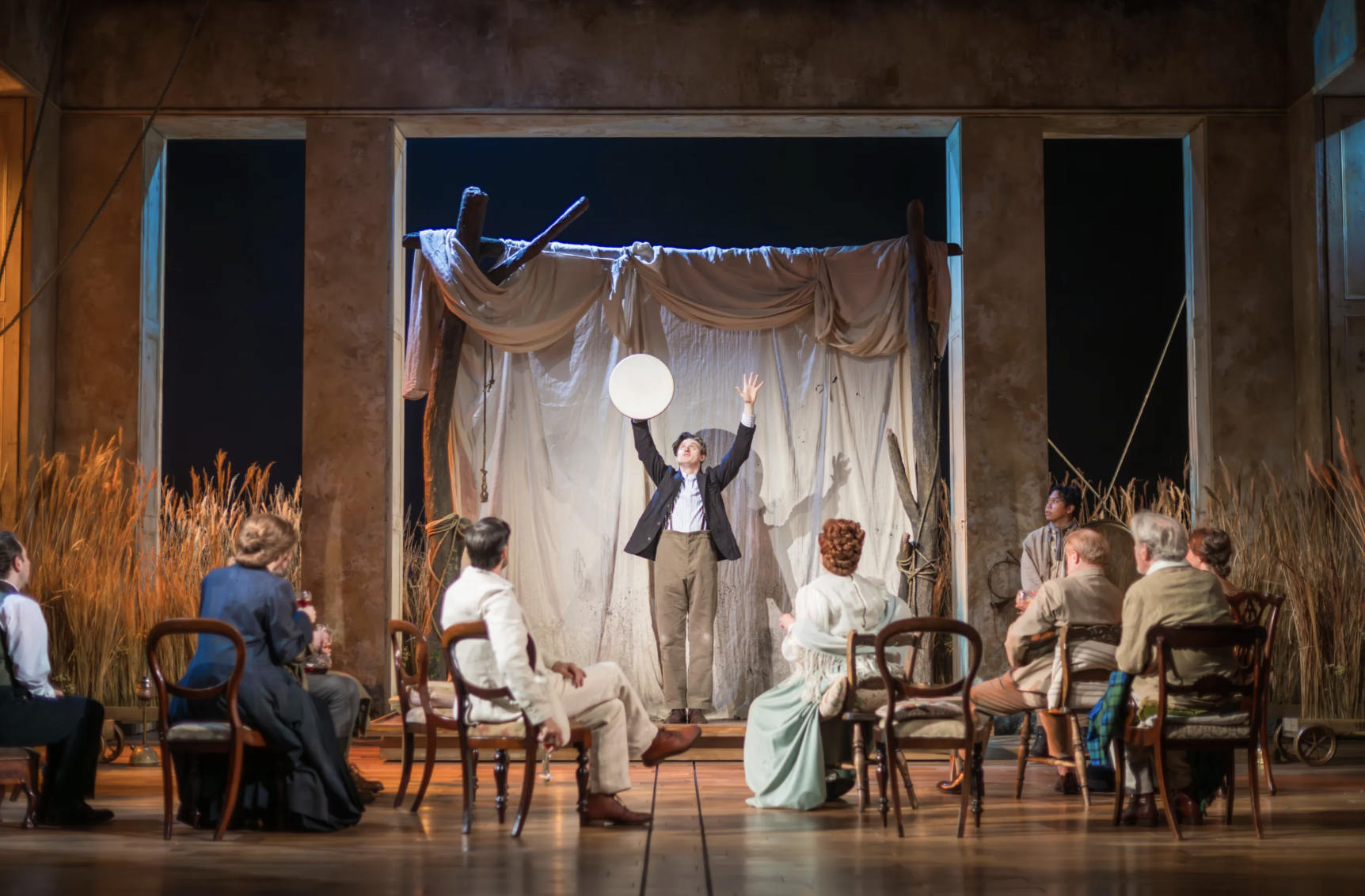
“There’s so much to enjoy here and not just Quentin’s perfectly-judged performance as the conceited, self-aggrandising Irina, intent on making every conversation all about her…”

Wallace (Traverse Theatre, Edinburgh)
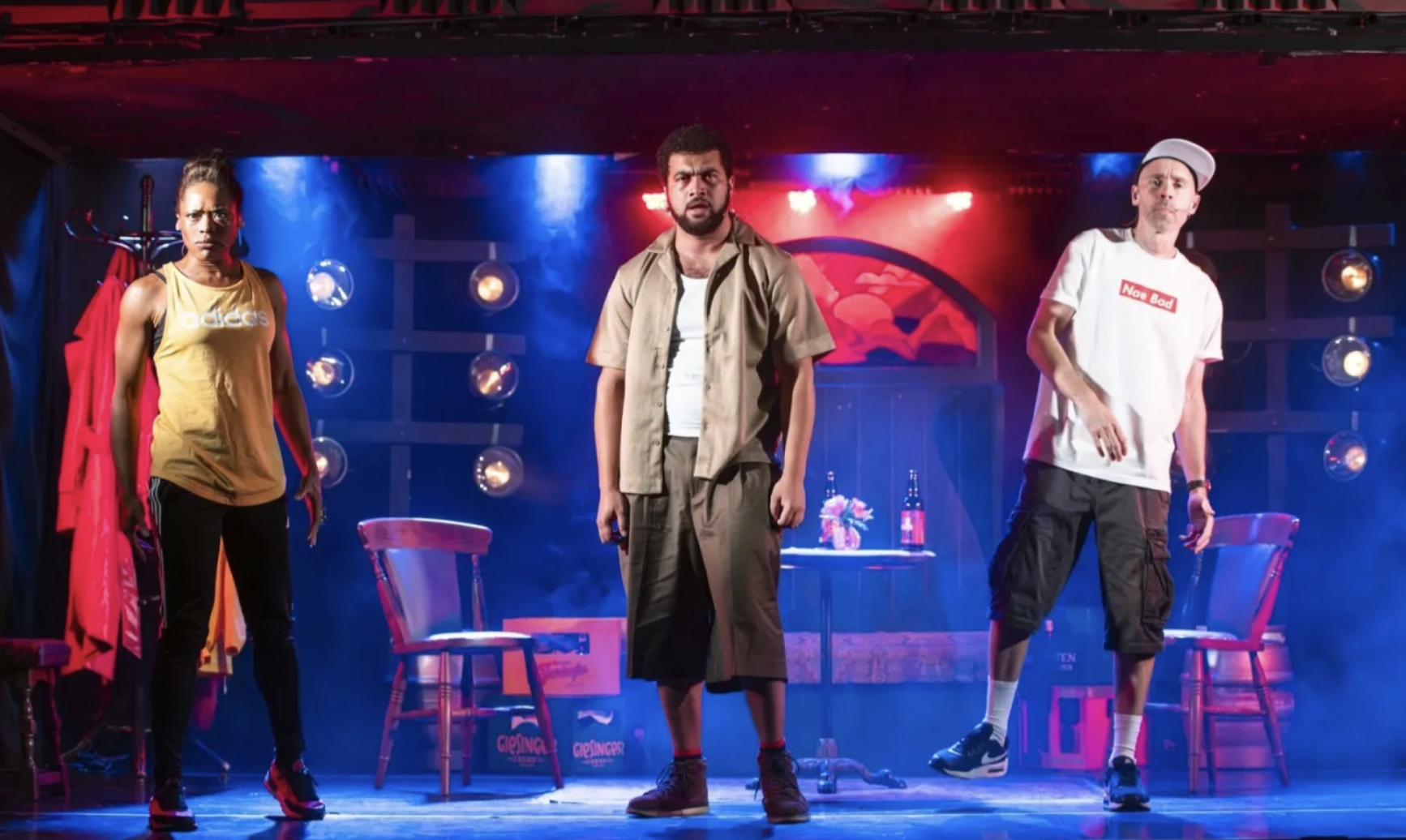
“Whip-smart, caustically funny and actually pretty informative (I come out knowing a lot more about the titular Scot than I previously did), Wallace snaps from song to song and from argument to argument like the proverbial tiger on vaseline…”

Inter Alia (National Theatre Live)
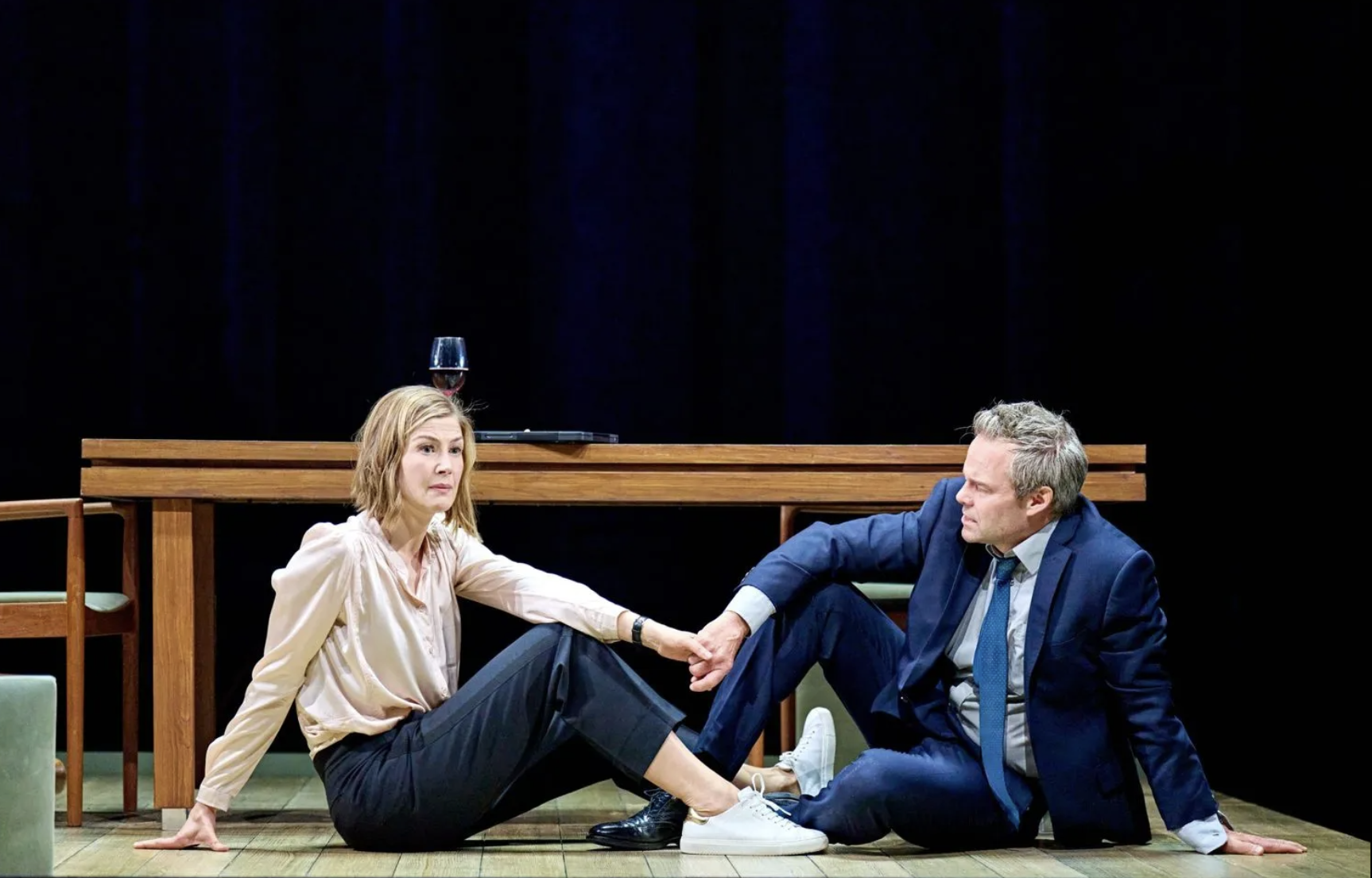
“Doesn’t offer any easy answers or let anyone off the hook, but expertly straddles the fine line between trying to understand assailants without diminishing their victims…”

Susan Singfield & Philip Caveney

Revolver

23/08/25

Pleasance Courtyard (Beneath), Edinburgh

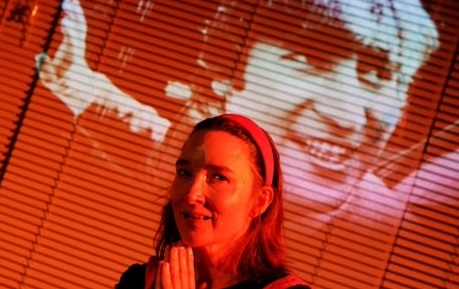
In 1966, when Revolver was released, my mum was 18 years old, and had already been a fan of The Beatles for quite some time. As a Liverpudlian teenager, she’d spent many a lunchtime in the legendary Cavern Club, and was lucky enough to attend the Fab Four’s notorious 1964 homecoming gig at the Empire. She was, naturally, a member of their fan club – and still has her Christmas Flexi Discs to prove it. So, when she was scheduling her visit to this year’s Fringe, it was obvious that there was one production she wouldn’t want to miss…

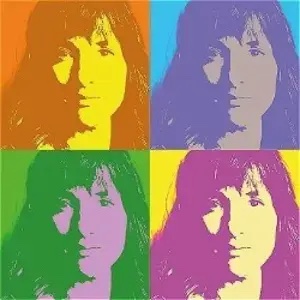
Writer-performer Emily Woof’s play doesn’t disappoint. It’s about three women, the first of whom is Jane Fraser, a former teacher turned TV-researcher, delighted to be working on a documentary about female fandom through the ages. The second is Helen, Jane’s mum, who spent her adolescence dreaming about John Lennon. And the third is Valerie Solanas: writer, activist – and pistol-wielding would-be killer.

Directed by Hamish McColl, Revolver is an intricate piece of theatre, dealing with the very questions Jane thinks the ‘Fangirls’ documentary should address. But, while the protagonist is thwarted in her endeavours by James, the ratings-driven film-maker who hired her, Woof makes her points cogently, drawing salient connections between fame and feminism, reverence and rage.

James’s sensationalist approach to the documentary – he favours the tagline ‘Young, Dumb and Fun’ – undermines the girls who screamed for their pop idols, ignoring the sociopolitical circumstances that gave rise to them. Woof uses Helen and Valerie to illuminate the disconnect between history and herstory, to validate the heightened emotions of teenage fans – and to shed light on the boiling rage that drove Solanas to shoot Andy Warhol.

Tracks from The Beatles album are played throughout, sometimes to mark transitions and sometimes as the soundscape. This works best when there is a clear association between the songs and what is happening onstage, e.g. Tomorrow Never Knows provides the perfect background to an acid trip. Occasionally, the song choices seem a little random, taking me out of the moment while I try to understand the link (Tax Man plays us out, for instance, and I don’t know why), but overall the soundtrack serves the piece well.

I like how knotty this is: Woof doesn’t shy away from the complexity of the issues at hand, and her performance is both bold and nuanced. I’m not entirely convinced by the sexual fantasy sequence (the language seems too sophisticated for an inexperienced young girl), but that’s my only quibble with the writing.

A thoughtful, exacting play, Revolver demands serious consideration from its audience. “Nobody can deny that there’s something there.”

4.4 stars

Susan Singfield

Mariupol

17/08/25

Pleasance Courtyard (Beneath), Edinburgh

Katia Haddad’s two-hander is an epic tale of love and loss spanning thirty years, exposing the quiet horrors of war: the tendrils that insinuate their way into ordinary people’s lives, strangling their hopes for happiness.

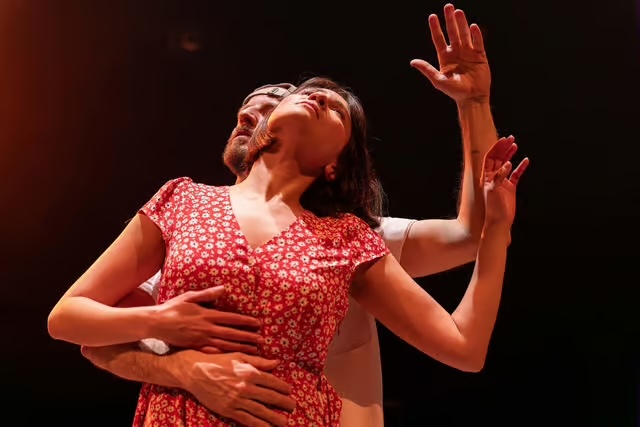
It’s 1992, a year after the dissolution of the USSR, when “Steve” and Galina (Oliver Gomm and Nathalie Barclay) meet at their friends’ wedding in the titular Ukrainian city. Steve (real name: Bondarenko, nicknamed for his karaoke renditions of Stevie Wonder songs) is a well-travelled naval officer, while Muscovite Galina is a literature student, who has so far only dreamed of seeing foreign lands. “You’re in a foreign land,” Steve reminds her, and he’s right: Ukraine is now an independent state. But it doesn’t feel foreign to Galina: “We speak the same language,” she says. And indeed they do, in more ways than one. But, after a whirlwind holiday romance on the picturesque Belosarayskaya Sandbank, it’s time for the two to say goodbye and return to their ‘real’ lives.

Three decades later, Russia invades Ukraine. Galina’s teenage son, a member of the Russian army, is captured by Ukrainian forces in Mariupol. She’s desperate to rescue him – and can only think of one person who might be able to help. But can Steve – who has lost everything and is fighting for his country’s very existence – really be expected to come to the aid of an enemy soldier?

Gomm and Barclay are both perfectly cast, delivering heartfelt but understated performances, which feel totally authentic. They seem to age before my eyes, and it’s impossible not to empathise with these two regular Joes, who ought to be free to focus on more mundane problems. Directed by Guy Retallack, Mariupol is an expertly-crafted piece of theatre, starkly illustrating the brutality of war without ever sensationalising it. Hugo Dodsworth’s monochrome video projections emphasise the awful devastation in Ukraine.

Of course, the ongoing nature of this particular conflict adds real urgency to the production, and I find myself crying as the dreadful human cost is laid bare. But tears are not enough. The play supports the David Nott Foundation, which trains doctors in countries impacted by conflict – including Ukraine – and I feel compelled to make a donation as soon as I get home. If you’d like to do the same, you can do so here: https://davidnottfoundation.com/.

A deeply moving and important play, Mariupol is horribly relevant but beautifully drawn.

4.7 stars

Susan Singfield

Help! I’m Trapped in a One-Woman Show

14/08/25

Pleasance Dome (10 Dome), Edinburgh

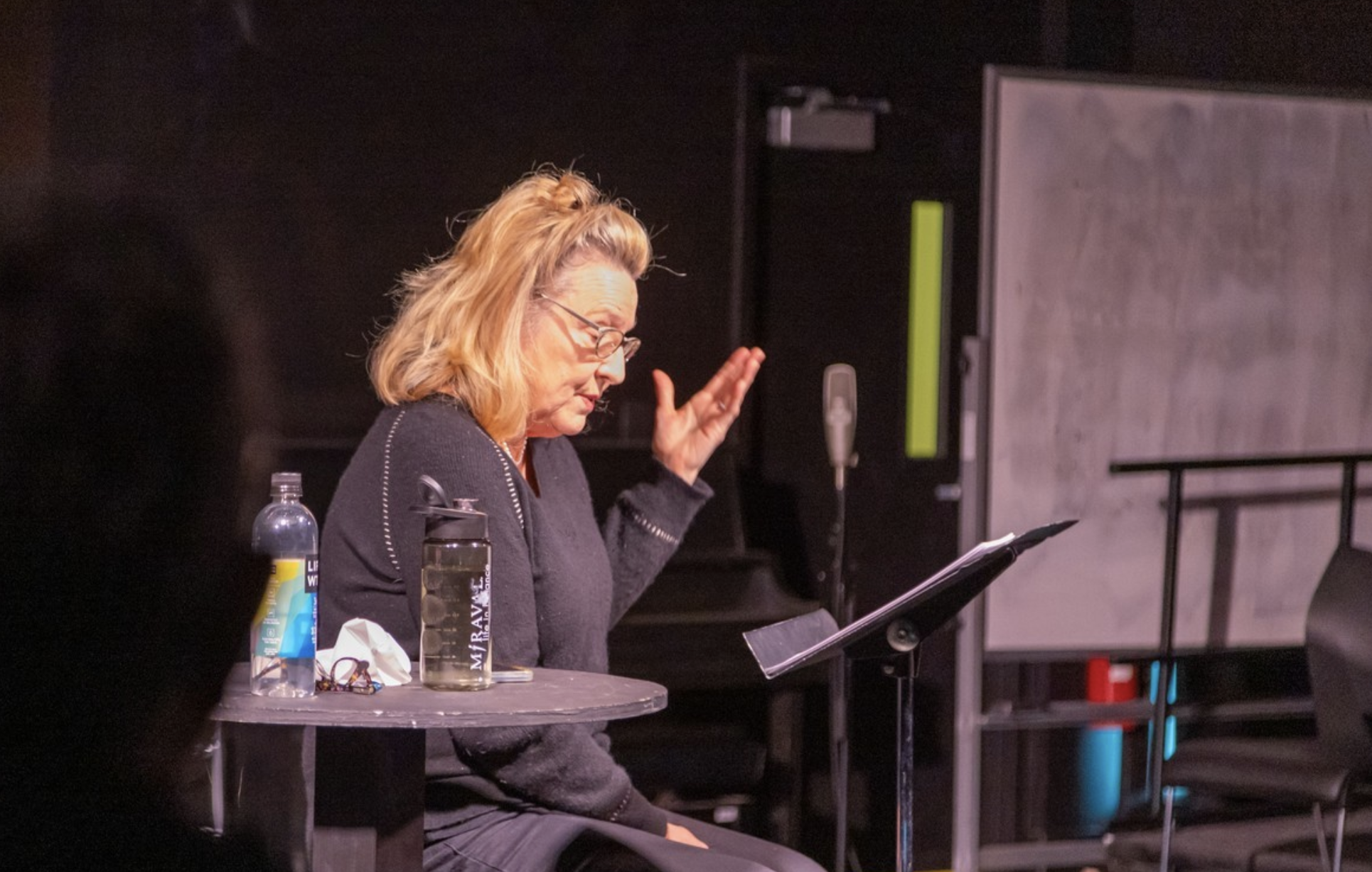
Kate Skinner offers a nuanced perspective on widowhood in this frank one-woman show. The septuagenarian actor lost her beloved husband, Ron McLarty, in 2020, after seventeen years of marriage – and has mourned him ever since. “The thing about closure,” she tells us, “is that it isn’t real. It was made up by Oprah.”

But it’s been five years now and Skinner is torn: she doesn’t want to “move on” into a future without Ron, but she’s still here and she wants to live. Over the course of an hour, we learn how she makes her peace with this dichotomy, accepting that her grief will always be present, while forging new connections for herself.

Make no mistake: there are a lot of laughs to be had here. Skinner is searingly open, divulging every detail of her disastrous foray into online dating. It’s refreshing to hear an older person speak so candidly about sex; so often, these voices are muted. Her occasional bitchiness is also amusing, and she’s a born performer, creating a relaxed and intimate tone, so that we feel we’re being taken into her confidence.

There’s not a lot more I can say: this is a gentle and ultimately life-affirming piece of work. It’s a pleasure to spend sixty minutes in the company of this vivacious woman, who is unafraid to address a complex emotional subject that clearly resonates with many in the audience.

3.5 stars

Susan Singfield

The Unstoppable Rise of Ben Manager

10/08/25

Pleasance Courtyard (Above), Edinburgh

Bunkum Ensemble’s The Unstoppable Rise of Ben Manager is a Kafka-esque nightmare of a play, skewering the emptiness at the heart of many people’s work.

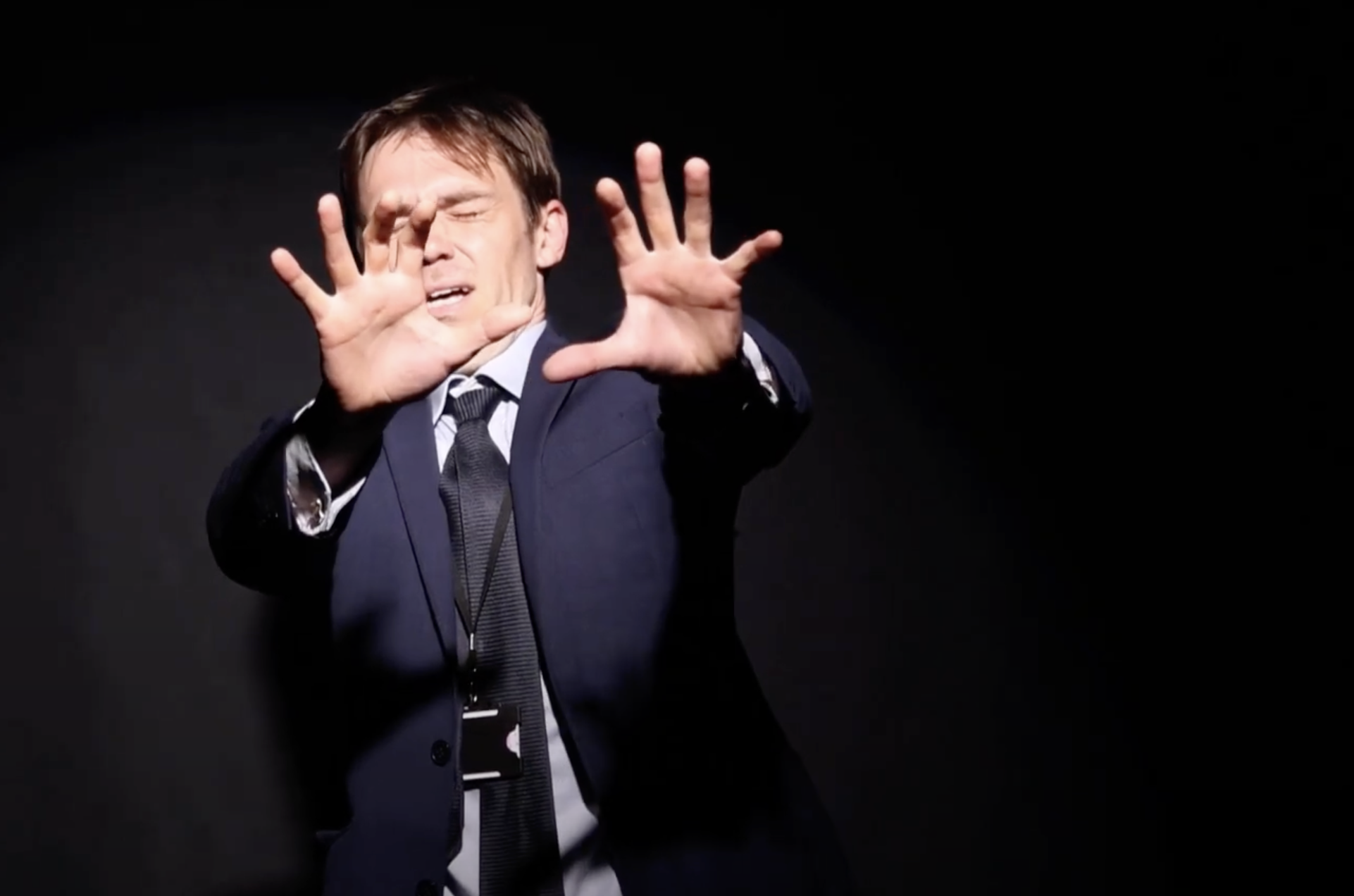
Ben Weaver (Jack Parris, who also wrote the script) is an ordinary kind of guy, an unassuming office drone, who works to live, to pay the bills. As the play opens, we see him suited and booted, in town early for an interview, eating an almond croissant to kill the time. But Fate has something different in store for Ben today: when he picks up a lanyard bearing the name ‘Ben Manager’, he finds himself caught in a Faustian trap…

Ben aces his interview. As Ben Manager, he is king of the vacuous PowerPoint, master of the mindless acronym. He knows his OOOs from his ETDs and he’s great at restructuring (“You’re all fired!”). What’s harder to understand is what it’s all for: what does the company actually do? What exactly is his role? Disoriented, Ben tries to remember what used to drive him. “I think I’d like to be creative,” he muses. “Maybe costume design?” But these half-formed thoughts are nebulous, impossible to grasp, lost to the demands of his daily routine.

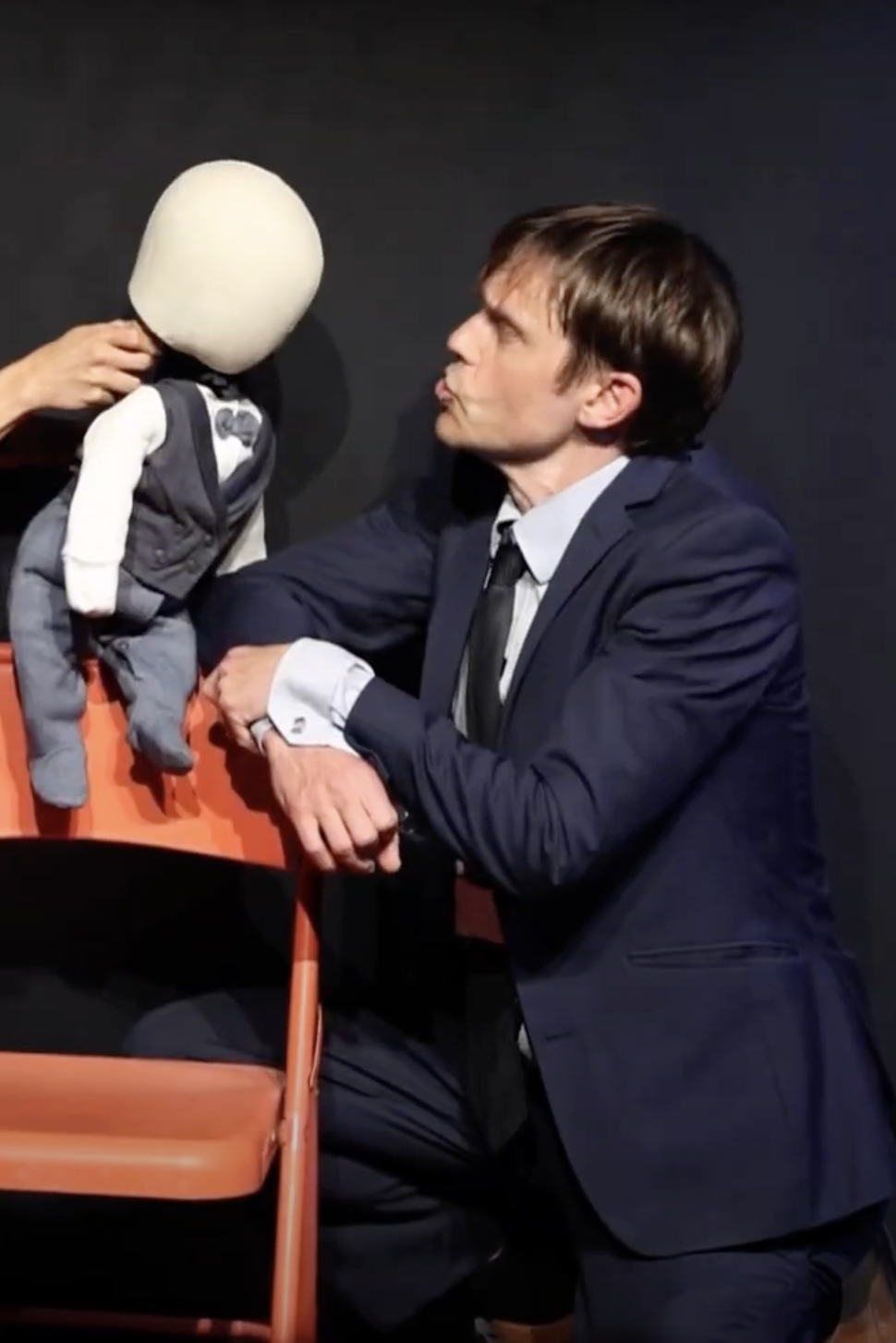
Parris is commanding in the central role, a leaf-cutter ant caught in the corporate machine. As events build to an almost hallucinatory crescendo, his mental unravelling is cleverly physicalised, and I love the disconcerting effect of the baby-sized puppet-colleague (operated by Teele Uustanti), its words spoken into a microphone by musician-performer Mike Coxhead). The audio-visual design is also impressive, adding to Ben’s (and our) growing sense of disconnection from reality.

Although it elicits plenty of laughs from the audience, The Unstoppable Rise of Ben Manager is fundamentally a brutal and discomfiting piece of theatre – and I’m not sure I’d find it amusing at all if I worked a nine-to-five.

4.3 stars

Susan Singfield

Kanpur: 1857

06/08/25

Pleasance Courtyard (Beneath), Edinburgh

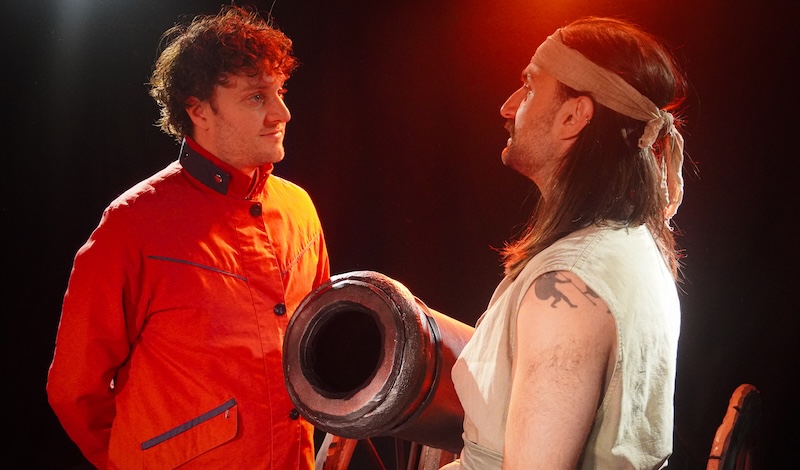
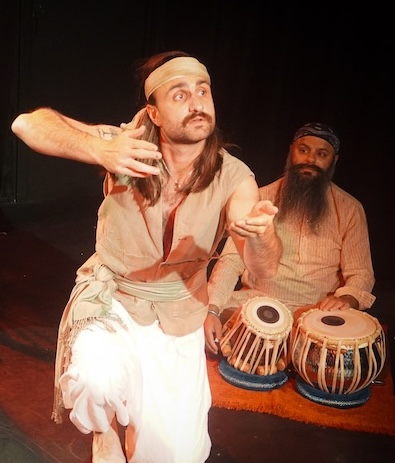
Set in Kanpur, India, in the aftermath of the so-called “Sepoy Mutiny,” an unnamed Indian (portrayed by the play’s author, Niall Moojani) is sentenced to death for insurrection. The captive is a Hijra, often described as ‘the third sex,’ who are traditionally assigned as male at birth, and can decide which gender they wish to assume in the fullness of time. The officer in charge of the execution, played by co-director Jonathan Oldfield, offers his victim an opportunity to speak, or rather demands that they do so. Afterwards, they will be strapped to a cannon and blown apart in front of a crowd of onlookers – or, as we’re known in these quarters, a Fringe audience.

A serviceable-looking cannon has been sourced, and it’s pretty much the only prop in evidence. I can’t help thinking about the difficulties of bringing such a cumbersome weapon down into the Pleasance Courtyard’s ‘Beneath’ performance space, but happily that’s not my job.

Oldfield’s officer serves in a distinguished Highland regiment, though his accent is – perhaps inevitably – cut-glass English. Now, he suggests, is the time for the condemned to explain what has brought them to this awful situation. A garrulous sort, the officer can’t stop interrupting his victim’s narrative, asking awkward questions, offering his own privileged perspectives, even at one point picking up a guitar and lending some lilting accompaniment.

Kampur: 1857 has interesting points to make about the nature of colonialism, reminding us that, during the conflict there have been acts of barbarism on both sides – though these observations come from Oldfield’s character, speaking from the more comfortable point of view of somebody who isn’t about to be evenly distributed across the landscape, and whose side’s reaction to the mutiny has been massively disproportionate.

The piece, which lies somewhere in that strange no-man’s-land between storytelling and drama is at its best when the two characters are exchanging views, bickering, joking, vainly trying to bring each other around to some shared worldview. Oldfield gets the best of it, his sneering superiority played at full-throttle, while Moojani’s dialogue is more reserved and contemplative. Meanwhile, tabla player Hardeep Deerhe provides a rhythmic accompaniment to his words.

It’s impossible not to feel swept up in the play’s final moments, as the victim waits, helpless and silent, their final seconds ticking inexorably away…

3.8 stars

Philip Caveney

Single Use

06/08/25

Pleasance Courtyard (Bunker Three), Edinburgh

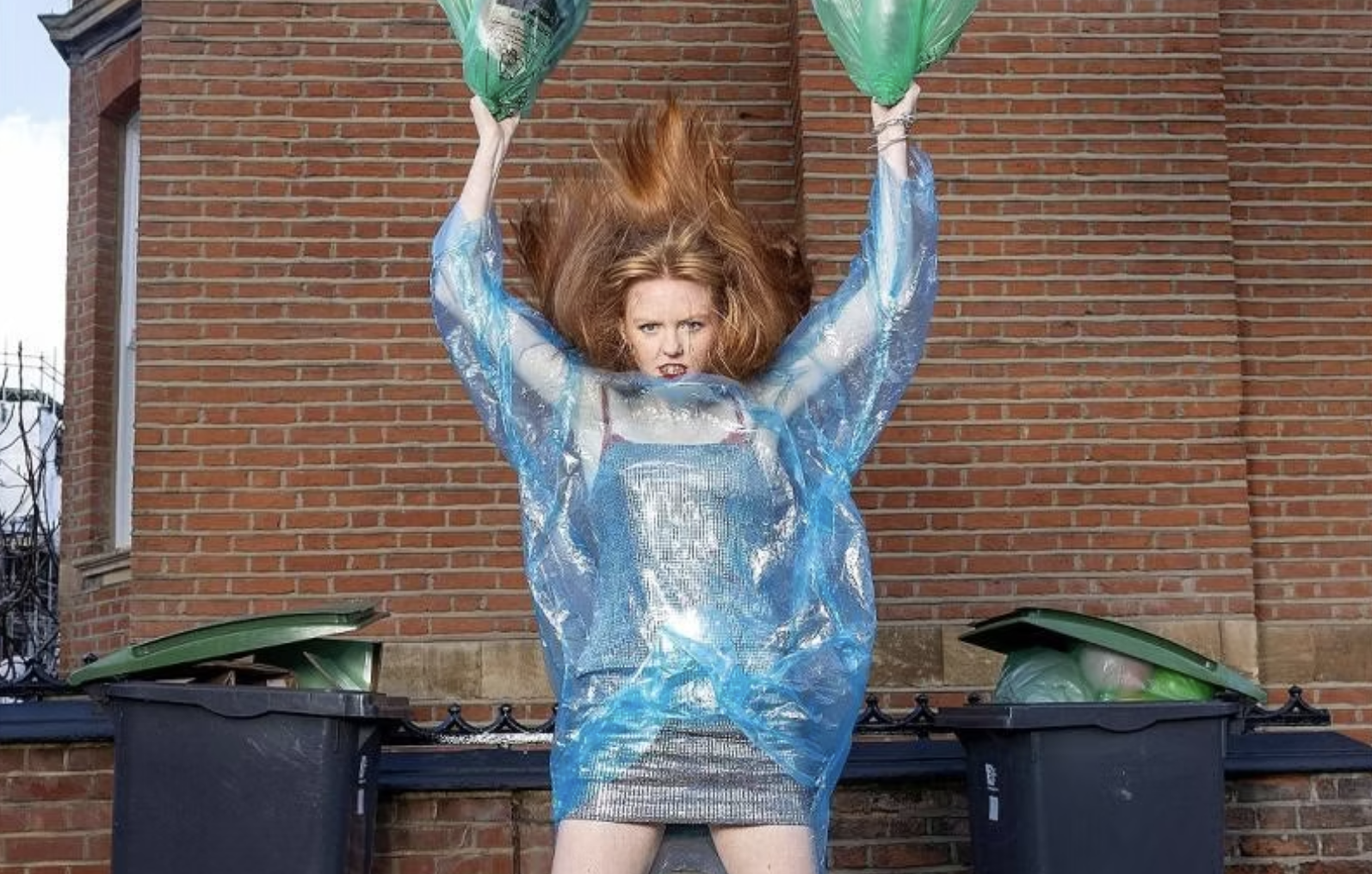
Ella’s life is a muddle: she’s struggling to separate her mounting troubles and figure out how to deal with them. A bit like her recycling.

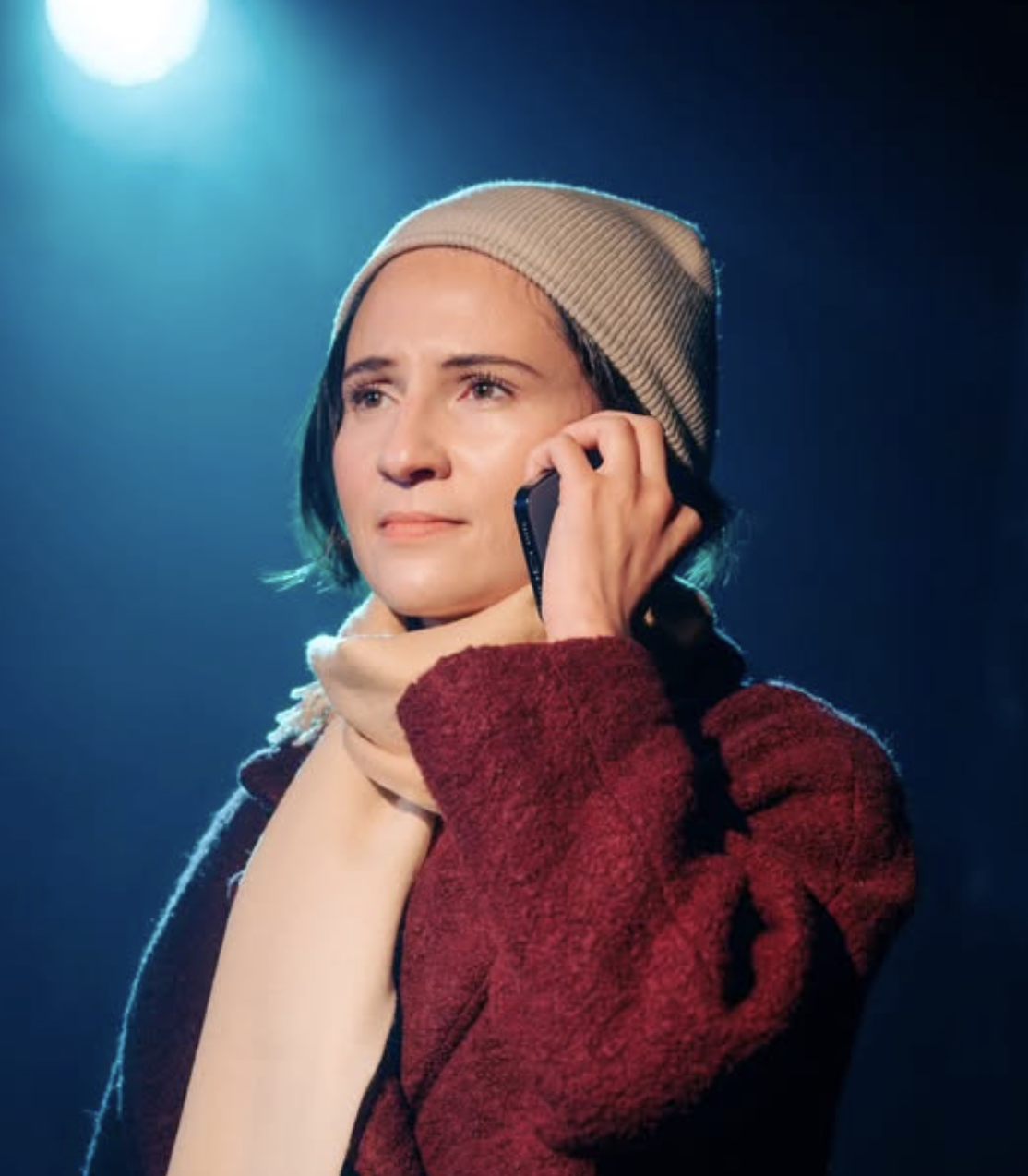
Ella (Verity Mullan) is an expert procrastinator. She’s unfulfilled by her bar job, but can’t be bothered to look for anything else. She likes the idea of her allotment, but tending to it is a step too far. She never pays her rent on time and doesn’t get on with her flatmate anyway. She cares about the planet, but it’s not her fault takeaways are delivered in plastic boxes – and who has the energy to cook? From the outside, it’s clear that Ella is depressed. It’s just that she hasn’t realised it yet.

Written by Mullan and directed by Emma Beth Jones, Single Use works well as a character study. Mullan is an engaging performer, imbuing Ella with a winsome vulnerability and spark. I particularly enjoy the physical comedy – her exaggerated sense of repulsion as she deals with her icky bin bags; the slurping of beer from Tupperware – all perfectly complemented by Flick Isaac-Chilton’s sound design.

However, there are too many disparate plot strands competing for our attention and it’s not always clear who the various voice messages are from. I’m confused by ‘Stusi’ (Ella’s young stepsister), who is first described as someone to whom “puberty has not been kind” – leading me to assume that she is about thirteen years old – but then turns up in a car to give Ella a lift home. The climate crisis element feels particularly under-developed, with the tantalising messages from Malaysia left to fizzle into nothing.

Ultimately, there are some promising ideas here, but they perhaps need a little more cohesion and development for this piece to fully realise its potential.

3 stars

Susan Singfield

Alright Sunshine

03/08/25

Pleasance Dome (Jack Dome), Edinburgh

Edinburgh playwright Isla Cowan is making quite a name for herself in Scottlish theatre – and it’s easy to see why. We’ve watched two of her previous pieces (2023’s And… And… And… and 2024’s To Save the Sea) and been mightily impressed; today’s production of Alright Sunshine is even better: an intense monologue about being a woman, being a police officer, and the darkness lurking behind sunny days on the Meadows. 

PC Nicky McCreadie (Molly Geddes) is dedicated to her job. It comes first: before her family, before her relationships, before her health (who has time for eggs for breakfast when there’s a Greggs on the way to work?). Her dad was polis too, and she’s determined to be the kind of officer he’d be proud of… if he were alive. She’ll be as strong, as focused, as brave as he always urged her to be. She won’t give in to her feelings. She won’t cry. She won’t be weak like her mum. She won’t be a girl.

Directed by Debbie Hannan, Cowan’s taut, almost poetic script is brought powerfully to life by Geddes’ mesmerising performance: a tour de force with real emotional heft. The playful, observational tone of the opening sections – where the park’s ‘timetable’ is humorously detailed – is skilfully undercut by the gradual disclosure that all is not okay in PC Nicky’s world. She’s seen too much, given up too much, suppressed too many emotions in her bid to be the perfect policewoman. Now that carefully-constructed carapace is breaking apart and she has no idea what she’s supposed to do.

It would be a crime to reveal any more than this; suffice to say that this is a compelling play with an important message at its heart. If you can watch it without giving in to your feelings, without crying, without being a girl, then you probably need to talk to someone. Soon.

5 stars

Susan Singfield

Hold the Line

02/08/25

Pleasance Courtyard (Bunker Two)

Hold the Line is the type of theatre that speaks to its time. Right here, right now, when the nation’s beloved NHS has been starved of funds for the past two decades, is exactly the moment for writer/performer Sam Macgregor to shine a spotlight on one of its least glamorous aspects, the 111 non-emergency helpline.

Gary (Macgregor) is a call-handler. The job has more in common with other call-centre work than it does with what we usually think of as healthcare, but with emotional trauma thrown into the mix. In amongst the standard queries there are, of course, the timewasters, ranging from the humorously trivial (“I’ve got a lash in my eye”) to the pointlessly abusive (“Fuck off!”). But there are also desperate people who, unable to get a GP appointment or unwilling to face an eight-hour wait in A&E, stretch the definition of ‘non-emergency’ beyond recognition, forcing Gary to exceed his remit. He’s not a medic: how can he be responsible for matters of life and death? And yet here he is, the only point of contact in a situation he’s not trained for, as his boss tells him there’s no clinician available just yet, so keep the patient on the line… 

Macgregor imbues the protagonist with a raw humanity, while Gabriela Chanova takes on the supporting roles, most notably Tim, calling about his diabetic dad, and Tony, Gary’s supervisor. Regular disembodied tannoy announcements remind Gary (and us) that he has targets to meet, that ‘comfort breaks’ are essentially selfish, causing waiting times to escalate, and that everything he does is being monitored. There is no downtime, no space to process difficult calls and no information available about the outcomes. As so often seems to be the case, the caring professions are not cared for. 

Director Laura Killeen utilises the small space well: Tony’s agitated pacing back and forth along the same path, over and over, serves to underscore the repetitive nature of the work, as well as the  sense of being on a treadmill, going nowhere fast. I also like the simplicity of the design (by Nalani Julien) with its central focus on Gary’s desk, and the cunningly hidden phones, which are used to good effect in the frenetic ‘workout’ routine, highlighting Gary’s inner turmoil. 

I have just one criticism: the section where Macgregor plays ‘Top Brass’, showing how Tony faces the same pressures as Gary, makes some important points, but it’s somehow weaker than the rest of the play, the polemic less artfully disguised. 

That aside, Hold the Line is a tight two-hander, holding up a dark mirror to the state of our health service. Voices like Macgregor’s highlight what’s happening – and hopefully help to bring the change we need. 

4 stars

Susan Singfield

Chloe Petts: Big Naturals

31/07/25

Pleasance Courtyard (Forth), Edinburgh

(Happy to use she or they)

It’s that time again, when Edinburgh explodes with literally thousands of new shows – and for no particular reason that we can determine, first out of the stalls for us this year is Chloe Petts, who has named her show after er… her favourite things in the world (I’ll leave it to you to work out what they might be). She must be delighted with the turnout for her first performance, which sees the capacious Pleasance Forth very nearly packed to capacity. She strolls out and, seemingly without effort, gets the crowd on side.

Okay, it’s not revolutionary stuff, but her confident patter ranges from her formative years – when she found herself avidly embracing the lad culture of the early noughties (and often actually being mistaken for a lad in the process) – to her doomed attempts to hide her sexuality from her straight-laced but well-meaning parents.

As her story unfolds, Petts unleashes a whole barrage of howlingly funny one-liners and, at key moments, conducts a beautifully-timed series of high fives with a young lad in the front row, who doesn’t quite know whether to go with them or cross his arms in mortification.

All in all, it’s a promising start to Fringe 2025 and I leave having enjoyed a really good laugh throughout her sixty-minute set. In a world where such a commodity seems to be in increasingly short supply, what more can you reasonably ask from a stand-up?

4 Stars

Philip Caveney