06/06/26
Cineworld, Edinburgh
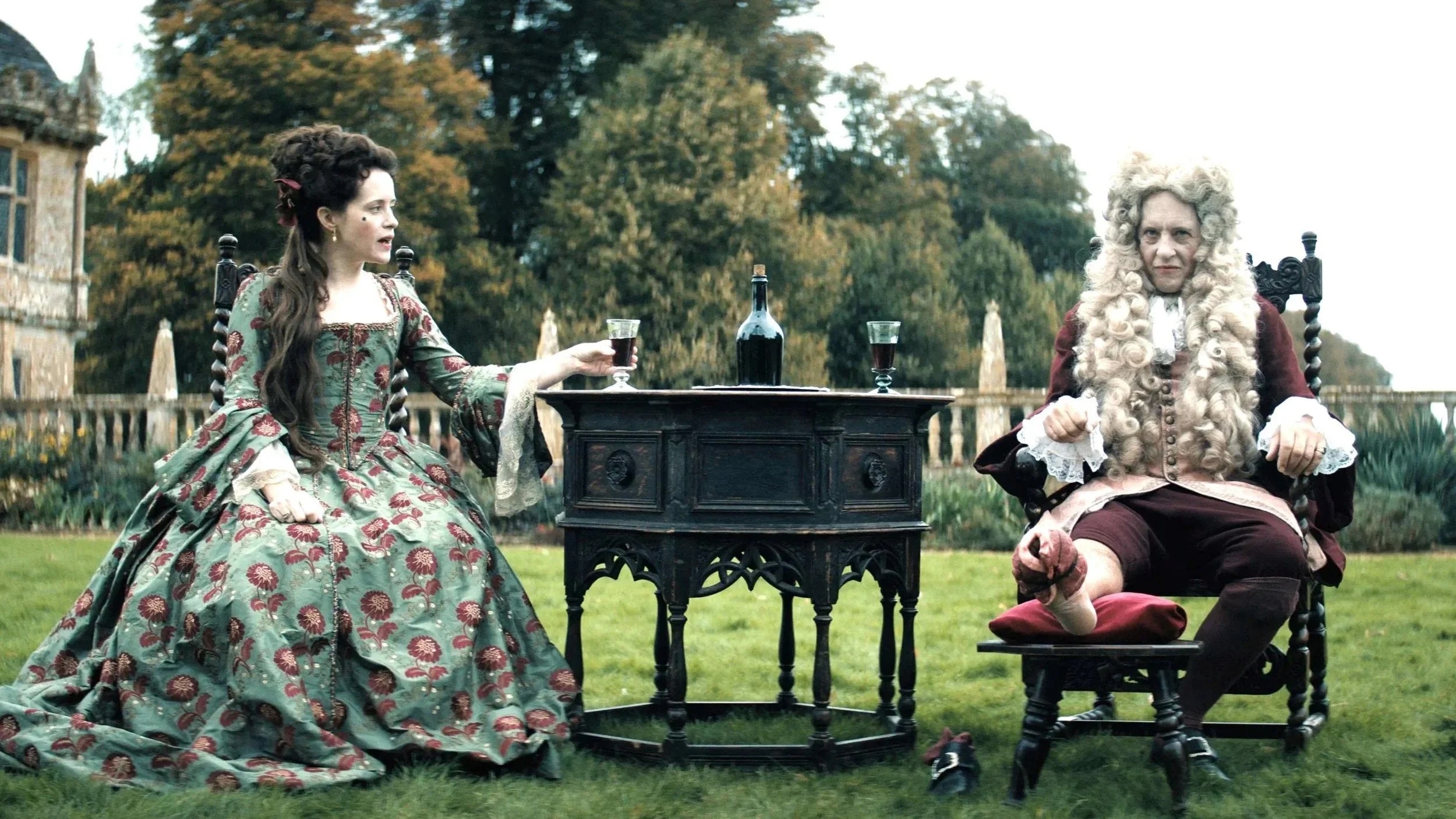
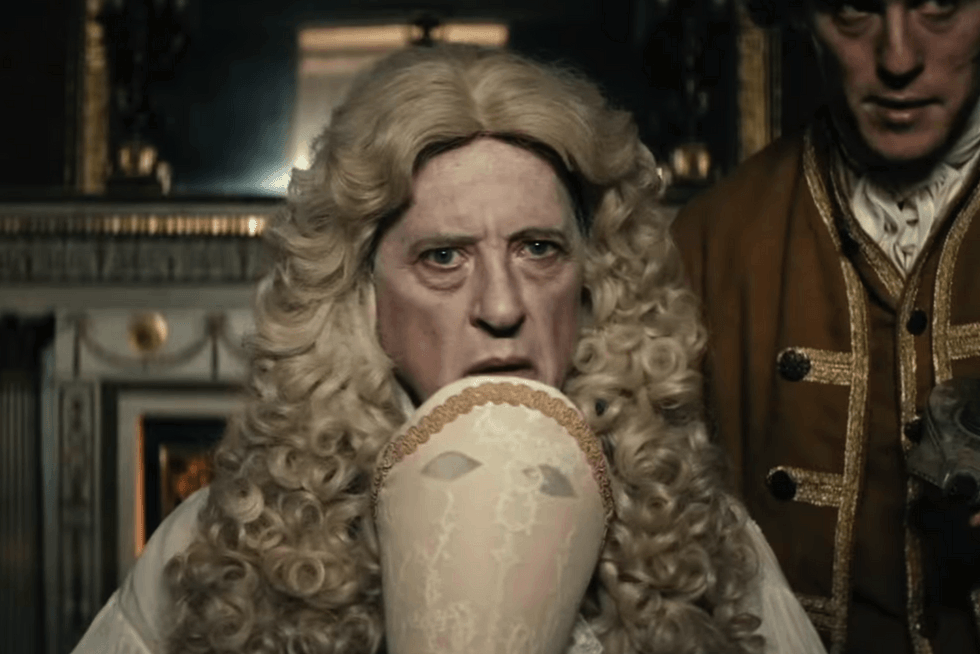
It’s 1817 and England is beset by both a Jacobite uprising and a massive pox outbreak – and the Savages are in dire straits. Oh sure, they live in a great big mansion, replete with massive oil paintings and fancy gardens, but Sir Chauncy Savage (Richard E Grant) is an utter rake and has somehow managed to gamble away all of the land that surrounds the house. Now his creditors are closing in on him.
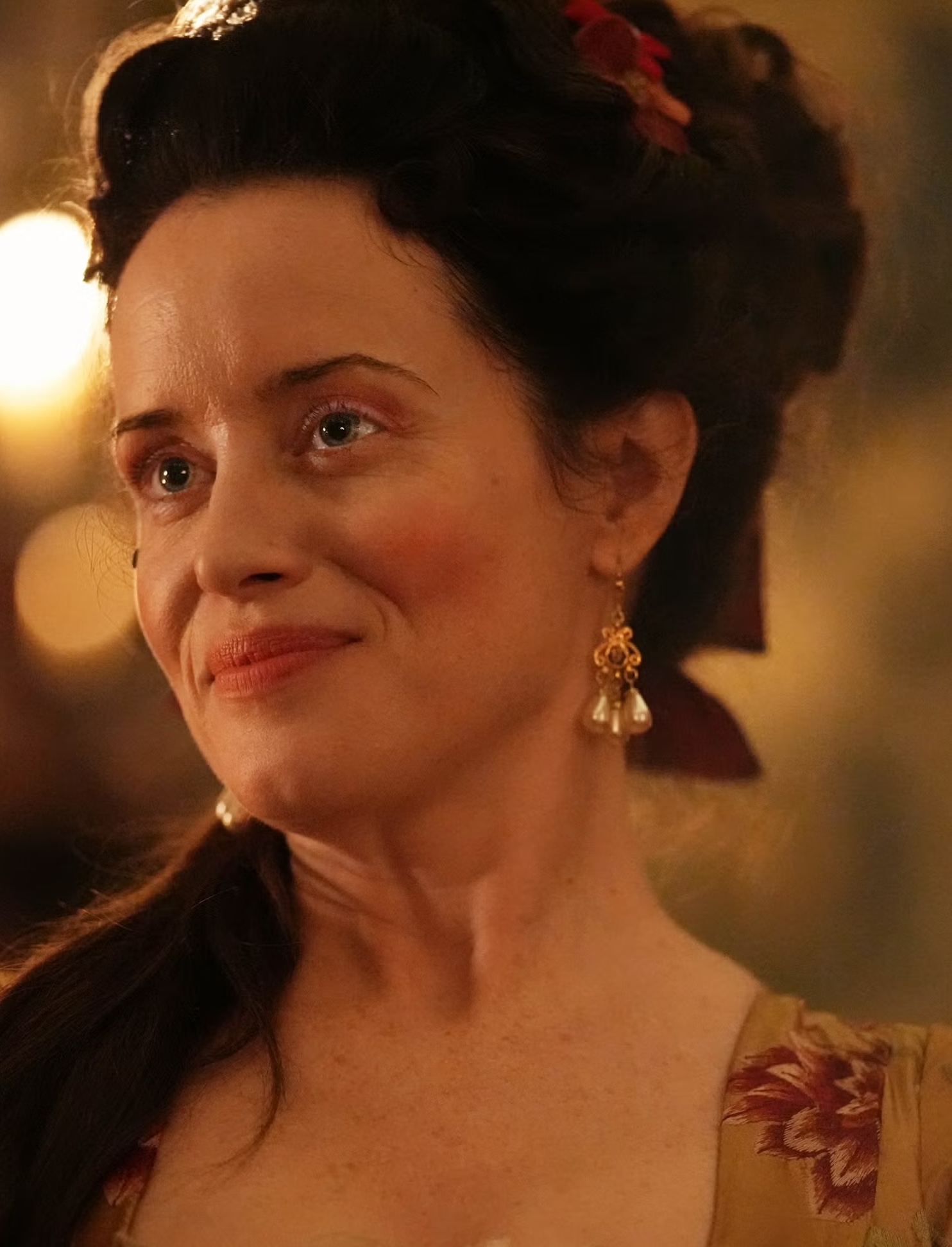
All that’s left of real value are Lady Savage (Claire Foy)’s family jewels. Luckily, despite the couple’s differences – and the fact that they choose to seek sexual gratification with their servants, Dorothy (Bel Powley) and Reginald (Jack Farthing) – the Savages clearly love each other. Meanwhile, their daughter, Fanny (Kila Lord Cassiday), concentrates on tending to the family of mice living in her doll’s house and preparing for an upcoming total eclipse of the sun, which many believe will signal unprecedented changes.
Sir Chauncy, we are told by The Narrator (Robert Bathurst), is something of an imposter, the son of a humble swineherd, while Lady S is from proper aristocracy. (The idea that working-class people aren’t allowed to aspire to nice things is an unpleasant subtext that writer/director Peter Glanz seems to ram home at every opportunity, mostly via the image of a huge pig wandering around the rooms of the Savage’s house.)
Things are beginning to look desperate. Then out of the blue, word arrives that the celebrated Duke and Duchess of Devonshire have requested permission to dine and sleep at Savage House in ten days time. Chauncy spots an all-important opportunity to improve his social standing and persuades his wife that they must not miss out. The aforementioned jewels are sold and Dorothy and Reginald are put to work sprucing the place up – though we soon discover that they have devious plans of their own…
Savage House is something of a mixed bag. Both Grant and Foy are wonderful in their roles, with Grant in particular revelling in the unhinged nature of Chauncy, who invites disaster at every turn. A scene where he performs a drunken dance despite suffering agonising gout is a high point – as is a duelling sequence where Adriano Goldman’s cinematography briefly evokes the grandeur of Kubrick’s Barry Lyndon. There’s also a wonderful orchestral score of classical compositions, though this too reminds me of an earlier (and better) film – Peter Greenaway’s The Draughtsman’s Contract.
The film also seems obsessed with focusing on the most unpleasant aspects of life in the 1800s. It never misses the opportunity to focus on piles of steaming excrement, streams of rancid pus, wriggling leeches and acts of lewd sex. A scene where a gangrenous limb is sawn off is shown in such unflinching detail that I almost feel the need to cover my eyes. Those who are squeamish about vermin may find themselves in similar straits at regular intervals. (Susan, I’m looking at you!)
As one disaster after another assails Chauncy’s boundless ambitions, and his unfettered hubris leads him inexorably to a tragic conclusion, I find myself hoping for a single ray of sunshine to pierce the unremitting gloom. But sadly, that isn’t allowed to happen – and the bleak ending feels disappointingly flat as a consequence.
We leave the cinema discussing potential ways that such illumination might have been achieved, but the film is already in the cinemas where it is sure to divide audiences. Though it occasionally hits the heights, one thing’s for certain. Savage House isn’t short of ambition.
3.4 stars
Philip Caveney