Jude Hill

A Haunting in Venice

15/09/23

Cineworld, Edinburgh

Kenneth Branagh’s third attempt to bring Agatha Christie’s most celebrated detective back to cinema stardom initially feels like every James Wan movie you’ve ever seen: a series of elaborate jump scares designed to unnerve viewers and open them up to the possibility of supernatural goings on.

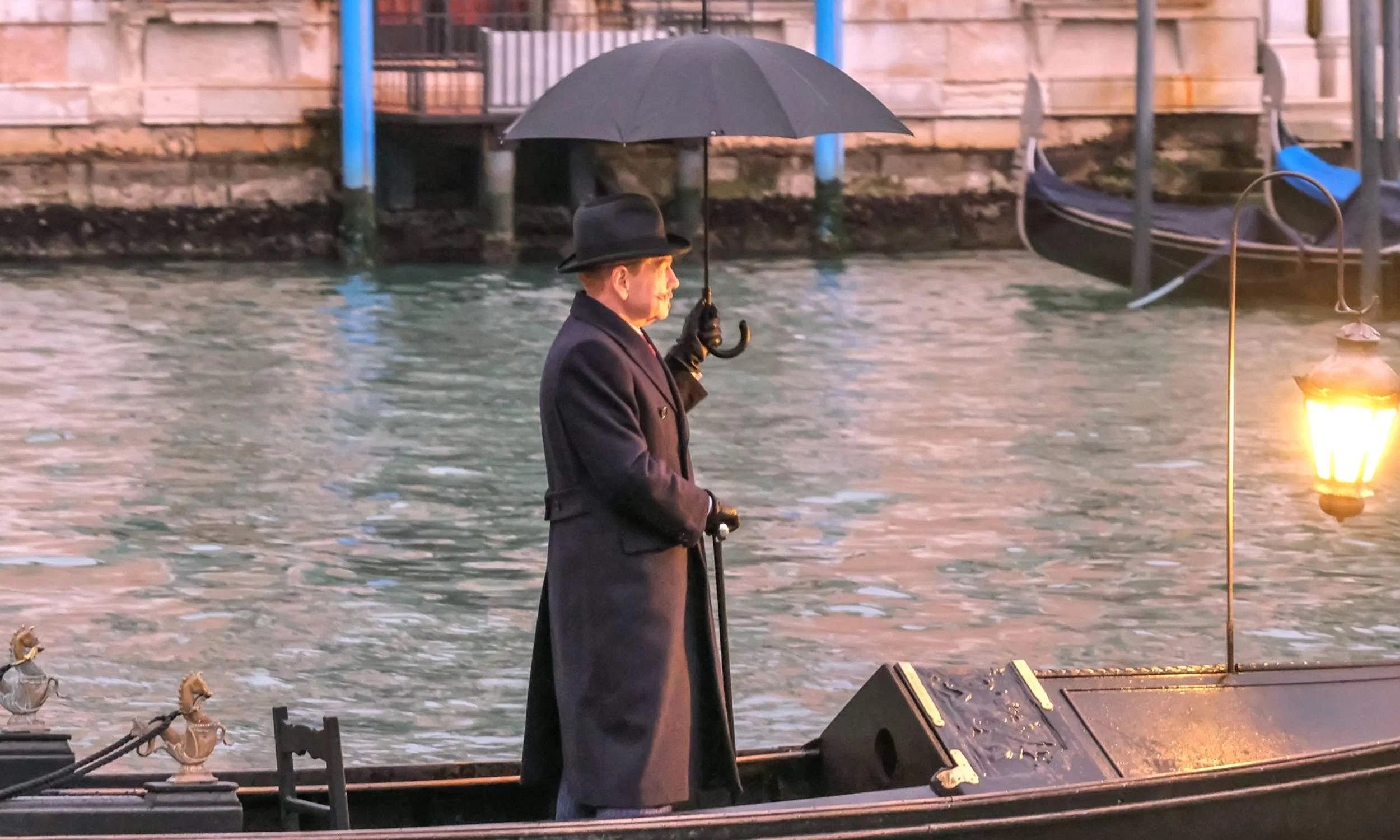
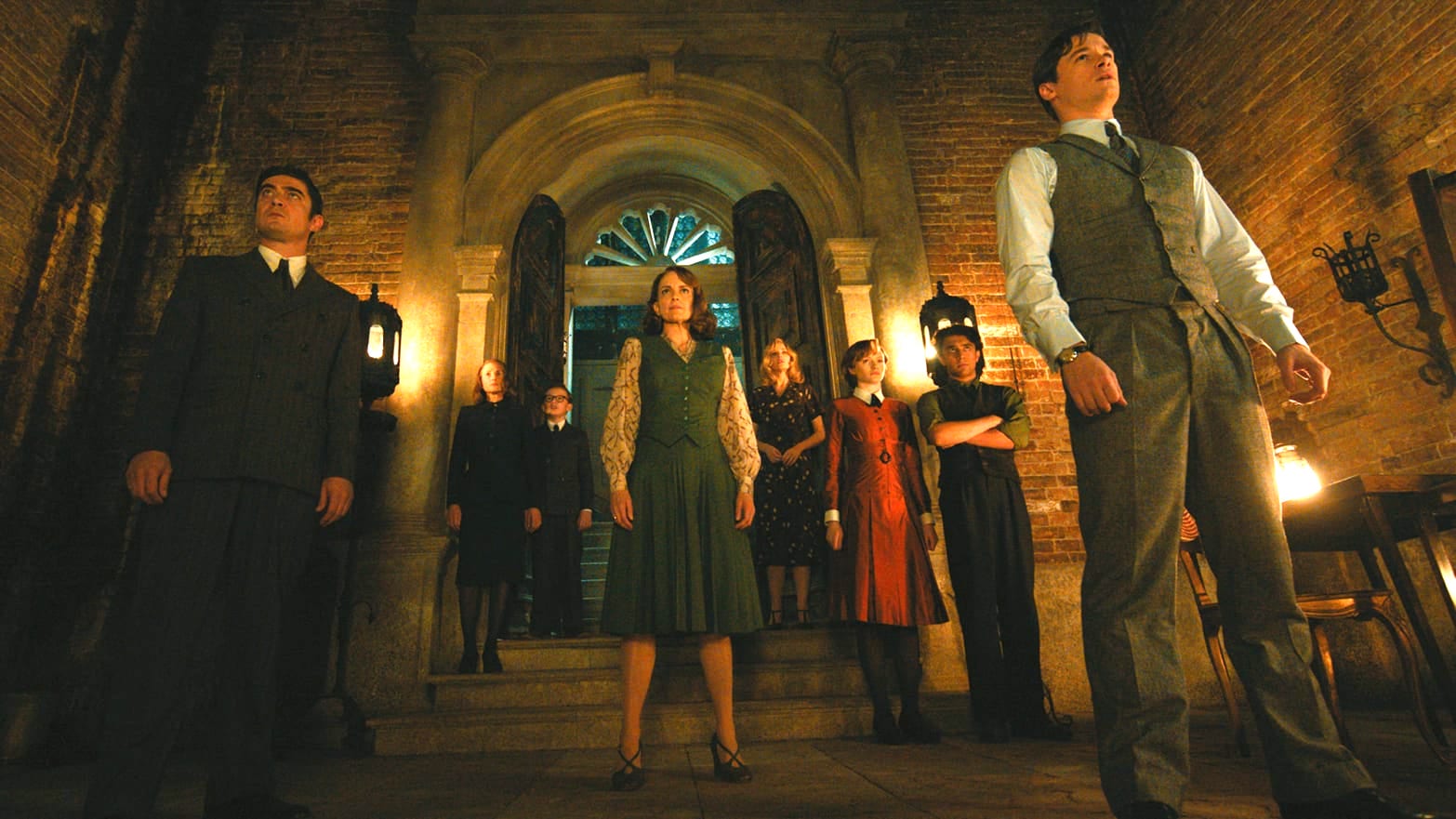
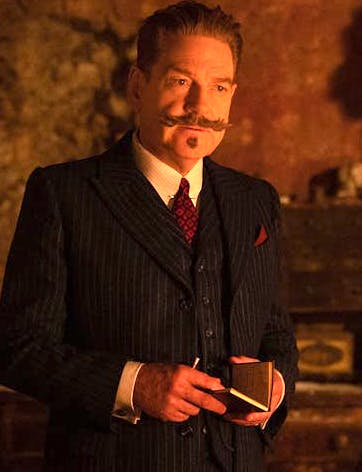
But it isn’t long before we encounter Poirot, recently retired to – well, the clue’s in the title – and apparently finished with the world of sleuthing, happier to fill his spare time with gardening. He’s even hired ex-police officer, Vitale Portfoglio (Riccardo Scarmacio), to act as his bodyguard, ensuring that anybody who comes looking for the services of a sleuth is treated to a quick push off the edge of a canal. But one person does manage to get through. She’s author Ariadne Oliver (Tina Fey), who thinks she’s responsible for Poirot’s fame in the first place by featuring a thinly-disguised version of him in one of her early novels. Now she wants to enlist him to investigate the notorious medium, Mrs Reynolds (Michelle Yeoh), who – Oliver claims – seems to be ‘the real McCoy’.

Staunch non-believer Poirot agrees to go along to a Hallowe’en event in a crumbling palazzo, said to be haunted by the ghosts of many lost children. The current owner, Rowena Drake (Kelly Reilly), is keen to contact the ghost of her daughter, Alicia (Rowan Robinson), who committed suicide. Rowena has hired Mrs Reynolds to contact her and find out exactly why she did it.

Poirot is soon happily exposing Mrs Reynolds as a fraud but things take a nasty turn when the medium falls to her death from a high window (bet she didn’t see that coming). And naturally, the killings are not going to end there. A large group of mid-listers find themselves marooned by a violent storm in a building that – conveniently – can only be accessed by boat.

The main problem with A Haunting in Venice is that it’s neither fish nor fowl. The ghost story/horror elements fail to convince, while the plot (if I can call it that) is so risible and convoluted that it’s hard to take any of it seriously. Amidst a sea of familiar faces, the only ones that really connect are a re-teaming of Belfast father and son duo, Jamie Dornan, as a doctor haunted by his experiences in the Second World War and Jude Hill as his somewhat creepy son (who, unfortunately, is a dead ringer for a young Michael Gove). But sadly, they’re not enough to make this turkey fly.

In the latter reaches of the film, some of the sequences are so murky and labyrinthine that I’m occasionally left wondering what is happening to who and where. Screenwriter Michael Green (who has based this farrago on a 60s Christie novel entitled Hallowe’en Party), somehow manages to have his cake and eat it by suggesting that not every supernatural element has been faked. But the intellectual flexing required to solve the case suggests that, by its conclusion, Poirot is back in the game.

After suffering through A Haunting in Venice, I seriously doubt I’ll be back to see the next in the series.

2.4 stars

Philip Caveney
Film Bouquets 2022

2022 was a surprisingly good year for film, although – as cinephiles – it was worrying to note that audiences seemed happy enough to continue watching movies at home after last year’s lockdowns ended. Cinemas were feeling the pinch and there was a lot of talk of this being the end of an era, while others pinned their hope on Avatar: The Way of Water bringing people back in droves. Here at B&B, we’ve always believed that the big screen is the best possible place to watch a movie, so we were delighted to be back in our local multiplex and indie venues. Here’s our selection of the films that have really stayed with us throughout the year.

Belfast

Kenneth Branagh’s semi-autobiographical film was the first must-see of the year – an absolute joy, with a brilliant central performance from newcomer Jude Hill. This film is all about formative experiences, the kind that shape a young boy’s future.

Nightmare Alley

A new film from Guillermo del Toro is always cause for celebration. This bleak, dark tale is the work of a gifted director at the peak of his powers, handling a tricky subject with consummate skill.

Red Rocket

Director Sean Baker’s ability to depict working-class life is his real strength and Red Rocket, powered by astonishing performances by Simon Rex and Suzanna Son, offers a brilliant exploration of Trump’s America.

The Worst Person in the World

Joaquin Trier’s film is a rare beauty, a picaresque tale of life and love in contemporary Oslo. It’s built around a superb, award-winning performance by Renate Reinsve. A film that positively buzzes with invention.

Elvis

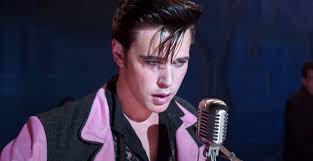
Baz Luhrmann’s biopic is a big, brash, noisy exploration of the late singer’s life and times. Against all the odds, Austin Butler makes the role his own and Tom Hank’s portrayal of the sleazy, manipulative Colonel Tom Parker is also right on the button.

Bones and All

Luca Guadadigno’s visceral tale of love and cannibalism is a brilliant reinvention of a well-worn trope which can be seen as an allegory about drug addiction. It’s brilliant stuff, but not for the faint-hearted – by turns romantic and repugnant.

She Said

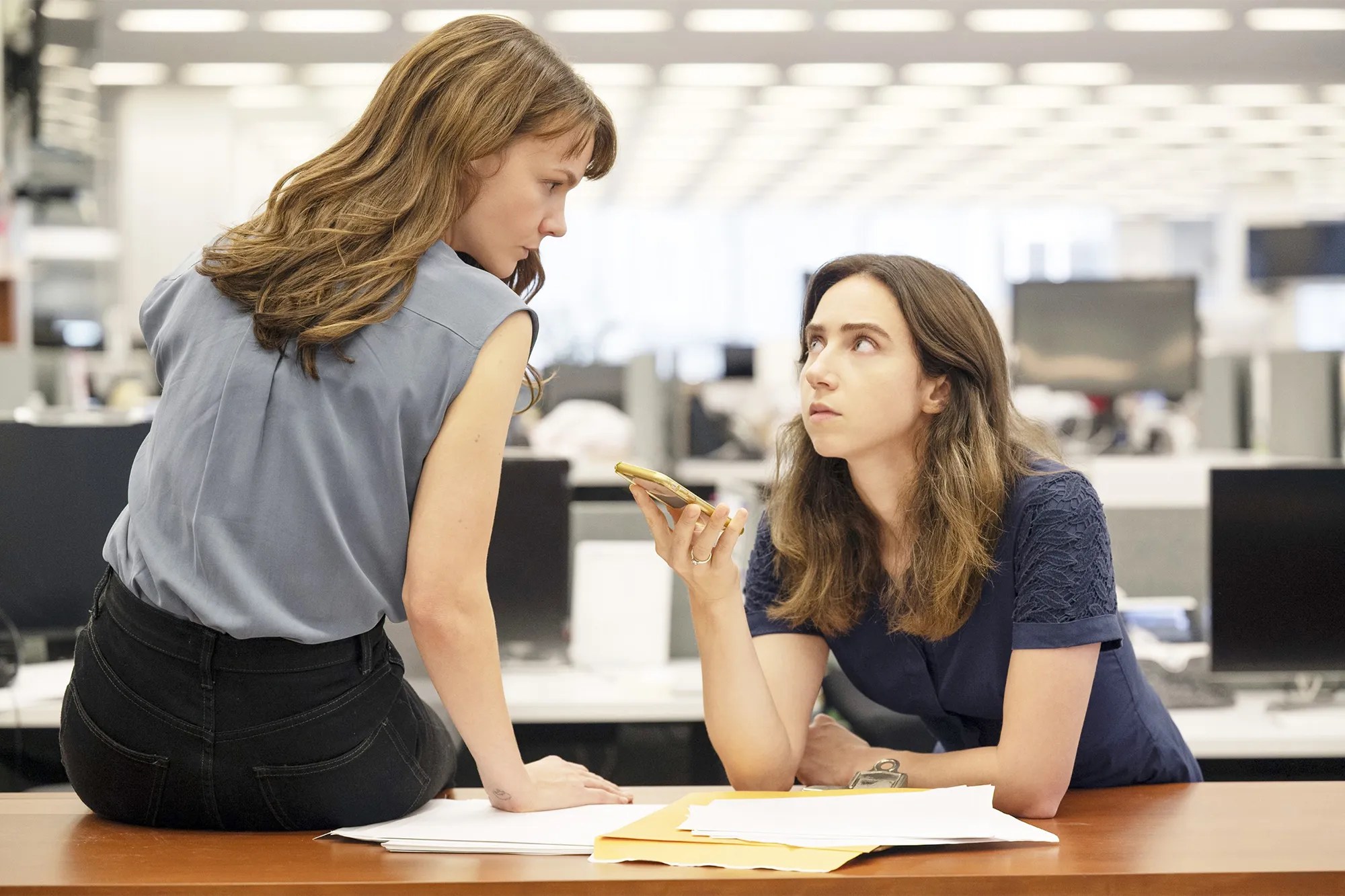
This searing account of the uncovering of Harvey Weinstein’s crimes by two Washington Post journalists is timely and superbly recreated, with excellent performances from Carey Mulligan and Zoe Kazan in the central roles.

The Banshees of Inisherin

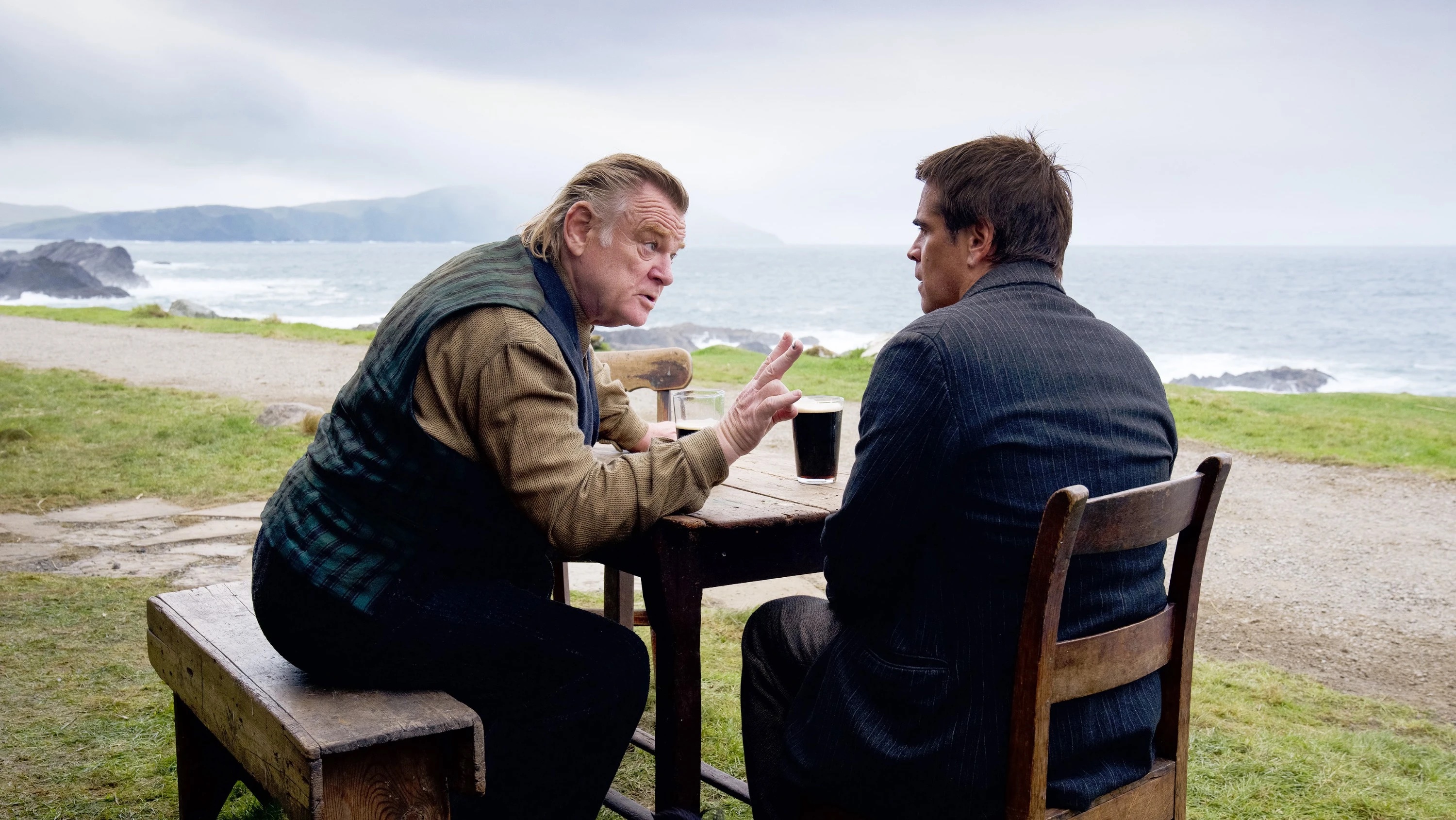
Martin McDonagh’s film is a beautifully observed contemplation of the thankless futility of human existence. This is his best offering since the sublime In Bruges, with wonderful performances from Colin Farrell and Brendan Gleeson.

Aftersun

A gorgeous film, sweetly sad and tinged with tragedy. Debut writer/director Charlotte Wells knocks it out of the park with her first feature, coaxing extraordinary performances from Paul Mescal and Frankie Corio. An absolute must-see.

Guillermo del Toro’s Pinocchio

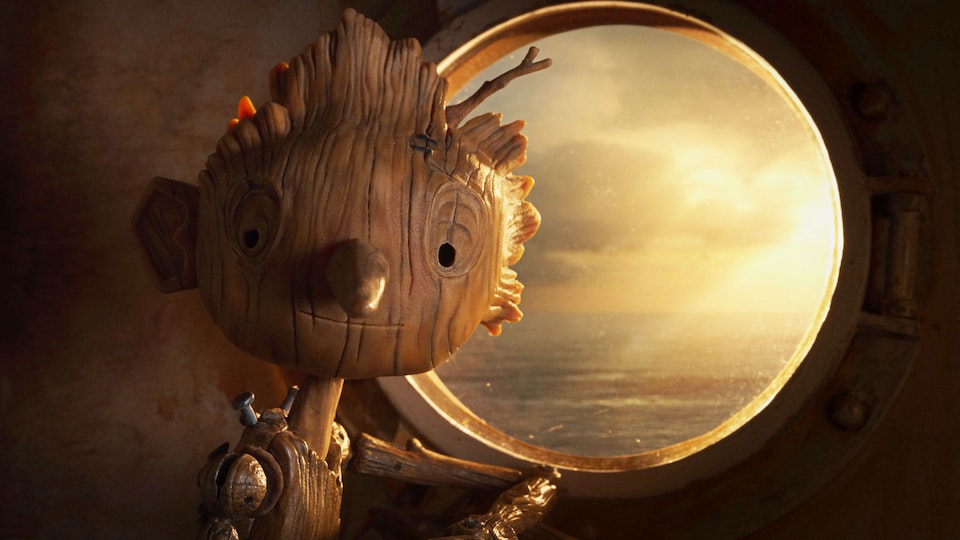
Not content with one title in our selection, del Toro has two – despite the fact that we had to watch Pinocchio on the small screen. Few films deserve the description ‘masterpiece’ as thoroughly as this one.

Philip Caveney & Susan Singfield

Belfast

21/01/22

Cineworld, Edinburgh

Kenneth Branagh’s semi-autobiographical film, Belfast, opens in supremely confident style.

We are presented with sleek, full-colour images of the city as it is now – the kind of scenes that might grace a corporate promotional video. And then the camera cranes up over a wall and, suddenly, we’re back in the summer of ’69, viewing events in starkly contrasting monochrome, as children run and play happily in the streets of humble terraced houses.

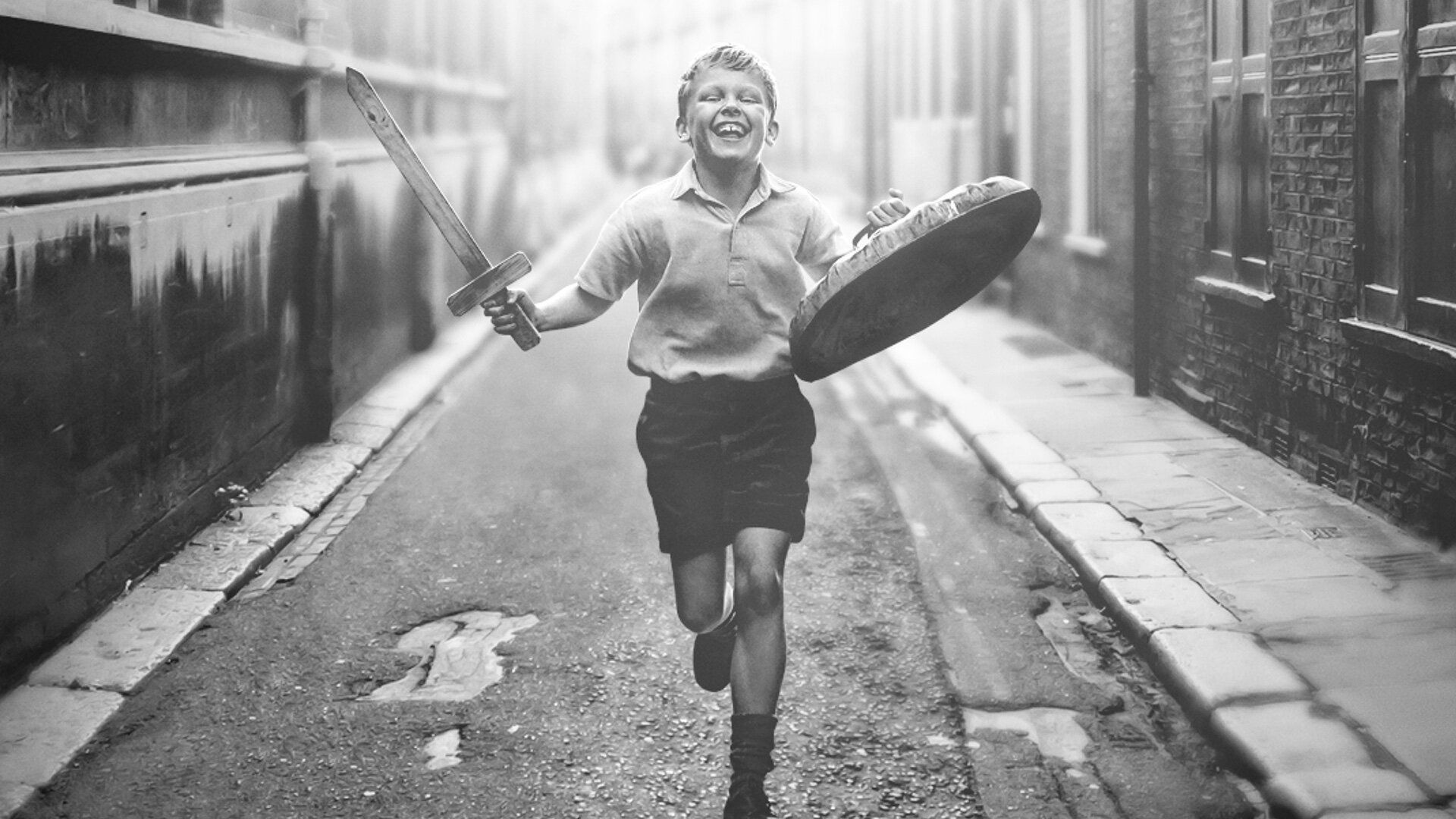
Amongst them is Buddy (Jude Hill), eight years old, wielding a wooden sword and a dustbin-lid shield. But the serenity of the scene is rudely disrupted by the arrival of a gang of masked men brandishing blazing torches and Molotov cocktails, extremist Protestants come to oust the Catholics who have dared to dwell on these streets. Buddy and his family are Protestant too and have happily lived alongside their Catholic neighbours for years, but now find themselves swept up in the ensuing violence.

It’s a powerful moment as we witness Buddy’s terror, the unexpected suddenness of this sea change literally freezing him in his tracks.

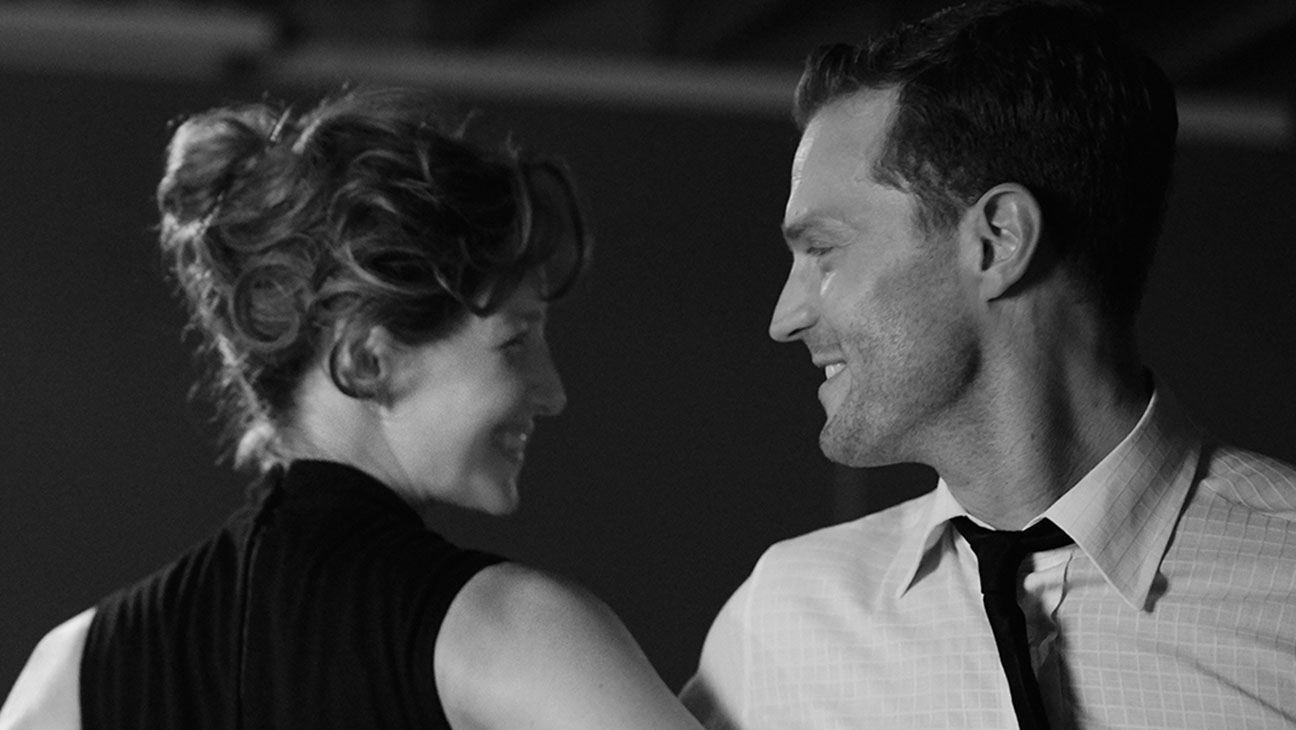
Then a gentler story begins to unfold, and we witness key events through Buddy’s naïve gaze. We are introduced to his Ma (Caitriona Balfe), to the father he idolises (Jamie Dornan), to his grandparents (Judi Dench and Ciarán Hands), and to the various neighbours and acquaintances who live in his familiar neighbourhood, a world he cherishes, suddenly transformed into something ugly and unpredictable.

Buddy’s father, a joiner by trade, works away from home in England, struggling to pay off his crushing tax debts. He’s keen to leave the city of his birth, to forge a new life for the family in England – but his wife is reluctant to leave and Buddy is obsessed with staying close to the girl at school he’s fallen in love with and hopes to marry one day.

Besides, how could he even think of leaving his beloved grandparents behind?

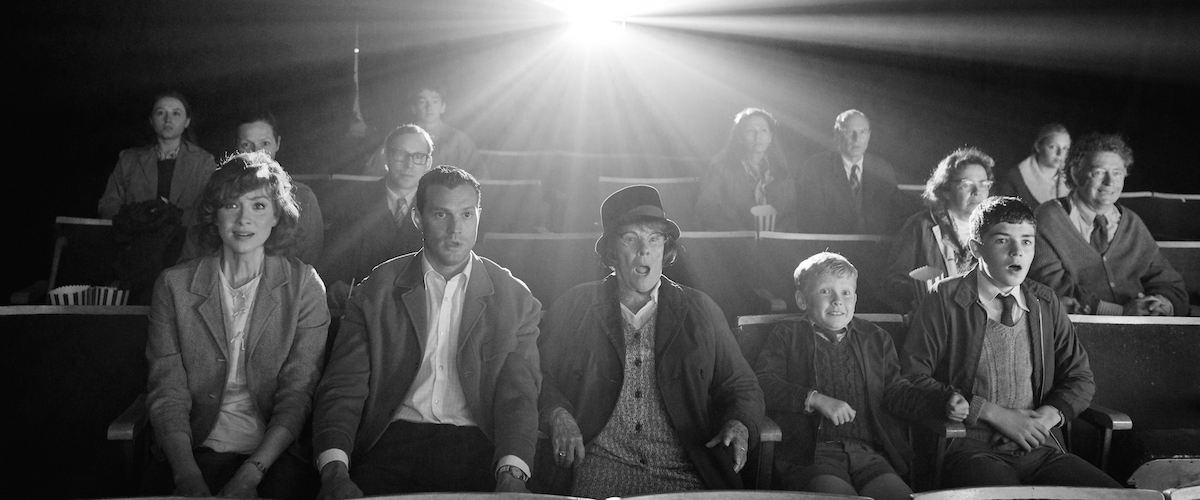
Branagh writes and directs here and handles both crafts with consummate skill, walking with ease the perilous tightrope between affection and sentimentality. Happily, he rarely puts a foot wrong. Buddy’s formative experiences include a visit to the theatre to see A Christmas Carol (with a lovely final performance from John Sessions – to whom the film is dedicated) and regular forays to the cinema, where we see extracts from Westerns High Noon and The Man Who Killed Liberty Valance. (If a cinema showing of One Million Years BC doesn’t exactly tie-in with the year in which the film is set, well no matter. Buddy is an unreliable narrator and his memories are built on uncertain foundations.)

I love Belfast. It’s a classy production, from the vintage Van Morrison soundtrack to the brilliant performances from the supporting cast. Young Jude Hill is simply perfect as Buddy, offering up a range of emotions that challenge the abilities of veteran performers Dench and Hinds. Watch out for some delicious Easter eggs that point to Branagh’s destiny. This film is all about formative experiences, the kind that shape a young boy’s future forever.

Belfast is an absolute joy, ready to be sampled at cinemas across the UK.

4.6 stars

Philip Caveney