In Bruges

Film Bouquets 2022

2022 was a surprisingly good year for film, although – as cinephiles – it was worrying to note that audiences seemed happy enough to continue watching movies at home after last year’s lockdowns ended. Cinemas were feeling the pinch and there was a lot of talk of this being the end of an era, while others pinned their hope on Avatar: The Way of Water bringing people back in droves. Here at B&B, we’ve always believed that the big screen is the best possible place to watch a movie, so we were delighted to be back in our local multiplex and indie venues. Here’s our selection of the films that have really stayed with us throughout the year.

Belfast

Kenneth Branagh’s semi-autobiographical film was the first must-see of the year – an absolute joy, with a brilliant central performance from newcomer Jude Hill. This film is all about formative experiences, the kind that shape a young boy’s future.

Nightmare Alley

A new film from Guillermo del Toro is always cause for celebration. This bleak, dark tale is the work of a gifted director at the peak of his powers, handling a tricky subject with consummate skill.

Red Rocket

Director Sean Baker’s ability to depict working-class life is his real strength and Red Rocket, powered by astonishing performances by Simon Rex and Suzanna Son, offers a brilliant exploration of Trump’s America.

The Worst Person in the World

Joaquin Trier’s film is a rare beauty, a picaresque tale of life and love in contemporary Oslo. It’s built around a superb, award-winning performance by Renate Reinsve. A film that positively buzzes with invention.

Elvis
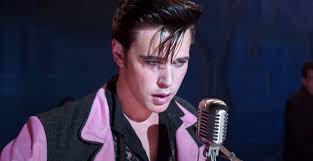
Baz Luhrmann’s biopic is a big, brash, noisy exploration of the late singer’s life and times. Against all the odds, Austin Butler makes the role his own and Tom Hank’s portrayal of the sleazy, manipulative Colonel Tom Parker is also right on the button.

Bones and All

Luca Guadadigno’s visceral tale of love and cannibalism is a brilliant reinvention of a well-worn trope which can be seen as an allegory about drug addiction. It’s brilliant stuff, but not for the faint-hearted – by turns romantic and repugnant.

She Said
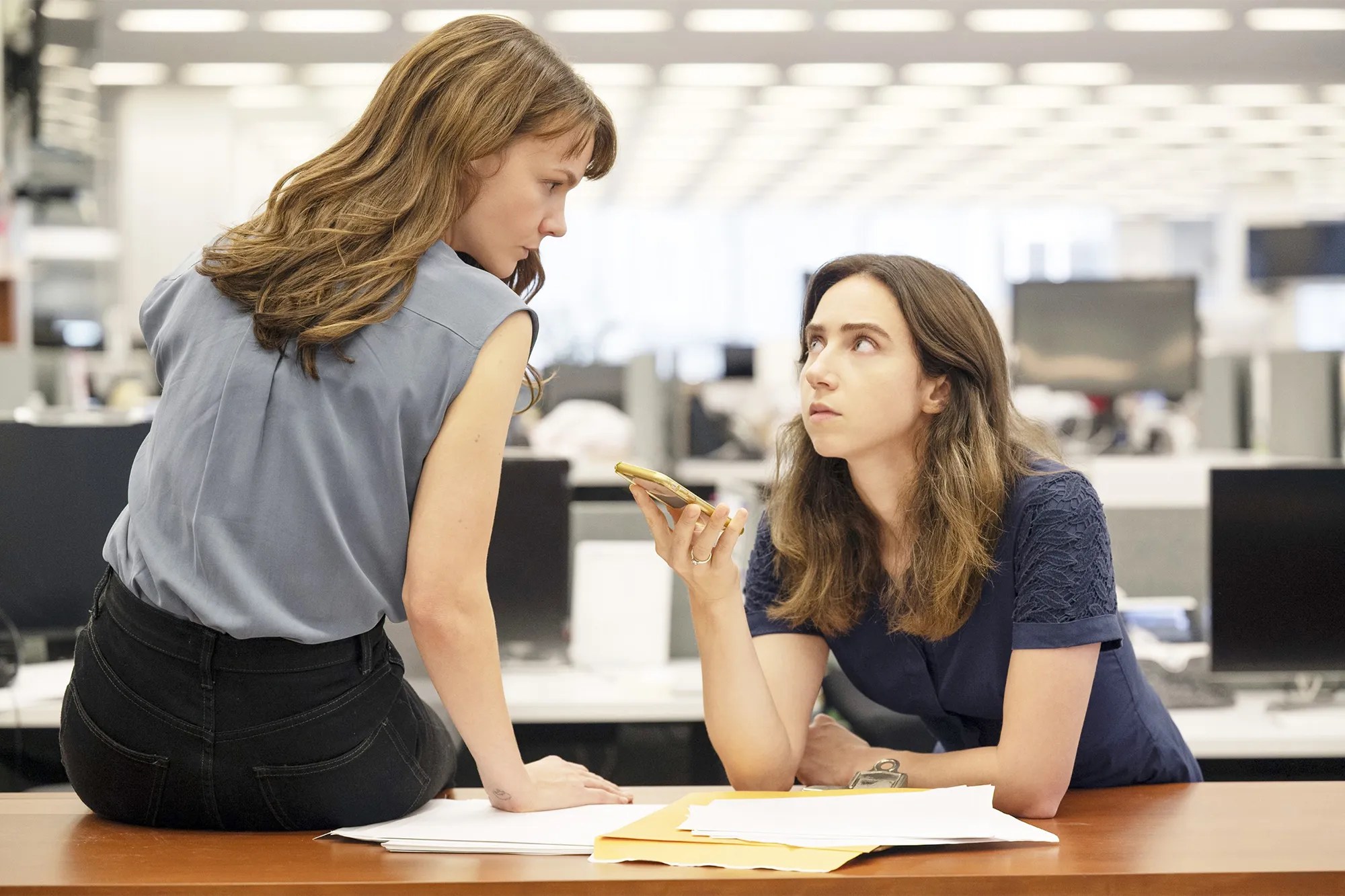
This searing account of the uncovering of Harvey Weinstein’s crimes by two Washington Post journalists is timely and superbly recreated, with excellent performances from Carey Mulligan and Zoe Kazan in the central roles.

The Banshees of Inisherin
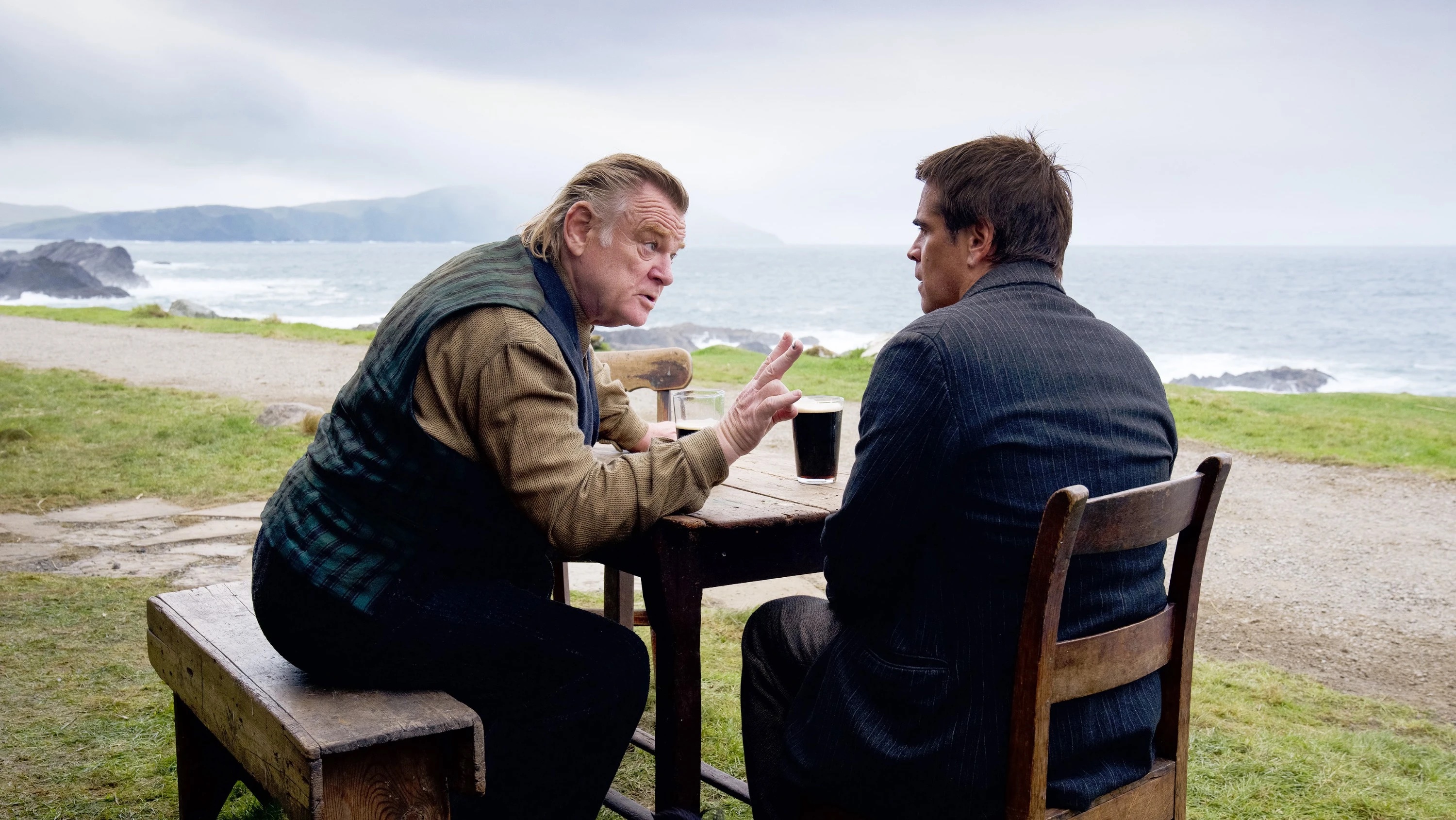
Martin McDonagh’s film is a beautifully observed contemplation of the thankless futility of human existence. This is his best offering since the sublime In Bruges, with wonderful performances from Colin Farrell and Brendan Gleeson.

Aftersun

A gorgeous film, sweetly sad and tinged with tragedy. Debut writer/director Charlotte Wells knocks it out of the park with her first feature, coaxing extraordinary performances from Paul Mescal and Frankie Corio. An absolute must-see.

Guillermo del Toro’s Pinocchio
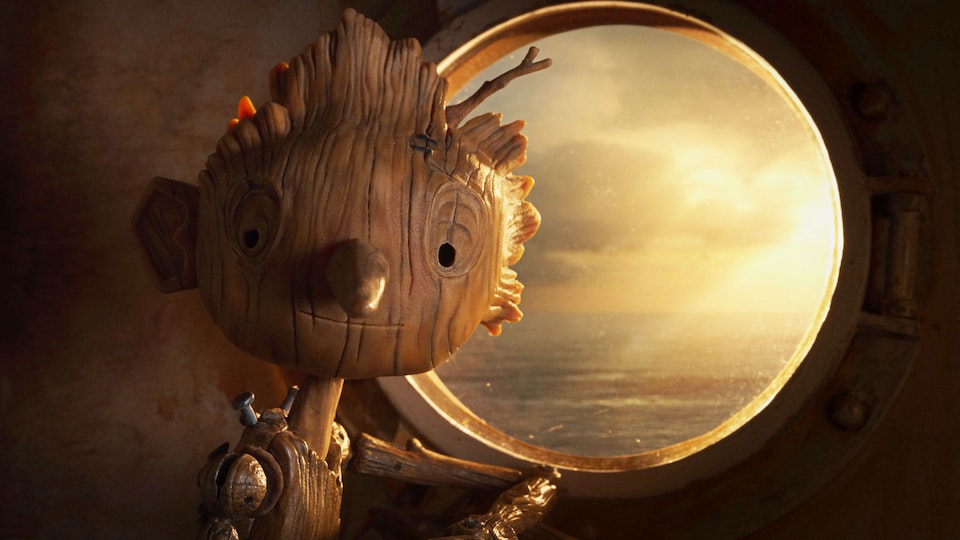
Not content with one title in our selection, del Toro has two – despite the fact that we had to watch Pinocchio on the small screen. Few films deserve the description ‘masterpiece’ as thoroughly as this one.

Philip Caveney & Susan Singfield
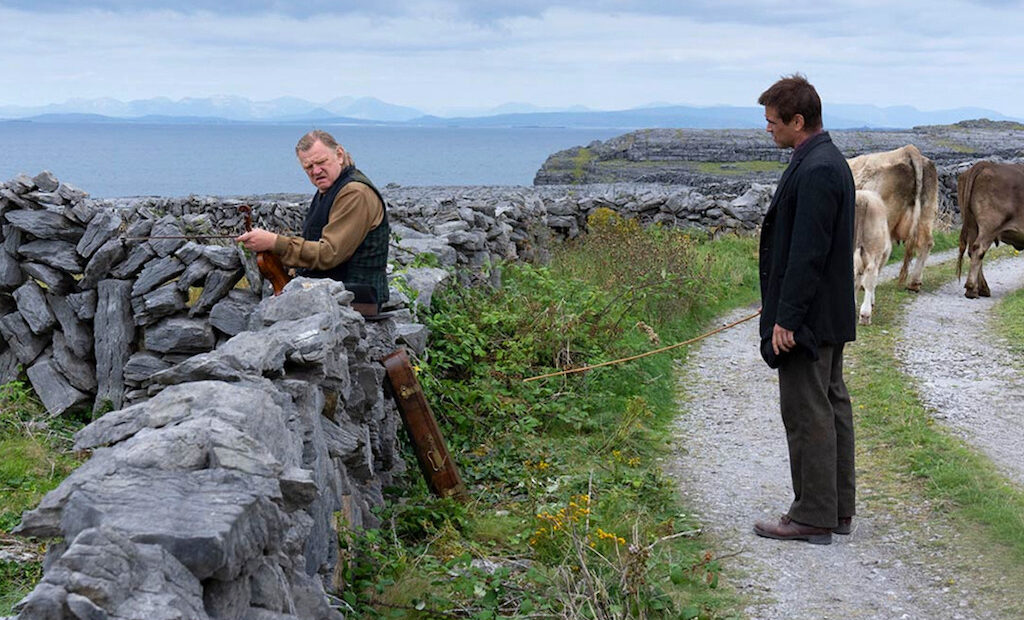
The Banshees of Insisherin

25/10/22

Cineworld, Edinburgh

Last week, I finally managed to catch up with Martin McDonagh’s debut play, The Beauty Queen of Leenane, at the Traverse Theatre – and now here’s his latest cinematic offering, which itself started life as a play, the projected third piece in his Aran Islands trilogy. For various reasons, McDonagh wasn’t happy with it in its original form, so it was never released. He should be delighted, however, with the critical reception for The Banshees of Inisherin, where important voices have been talking about potential Oscar nominations.

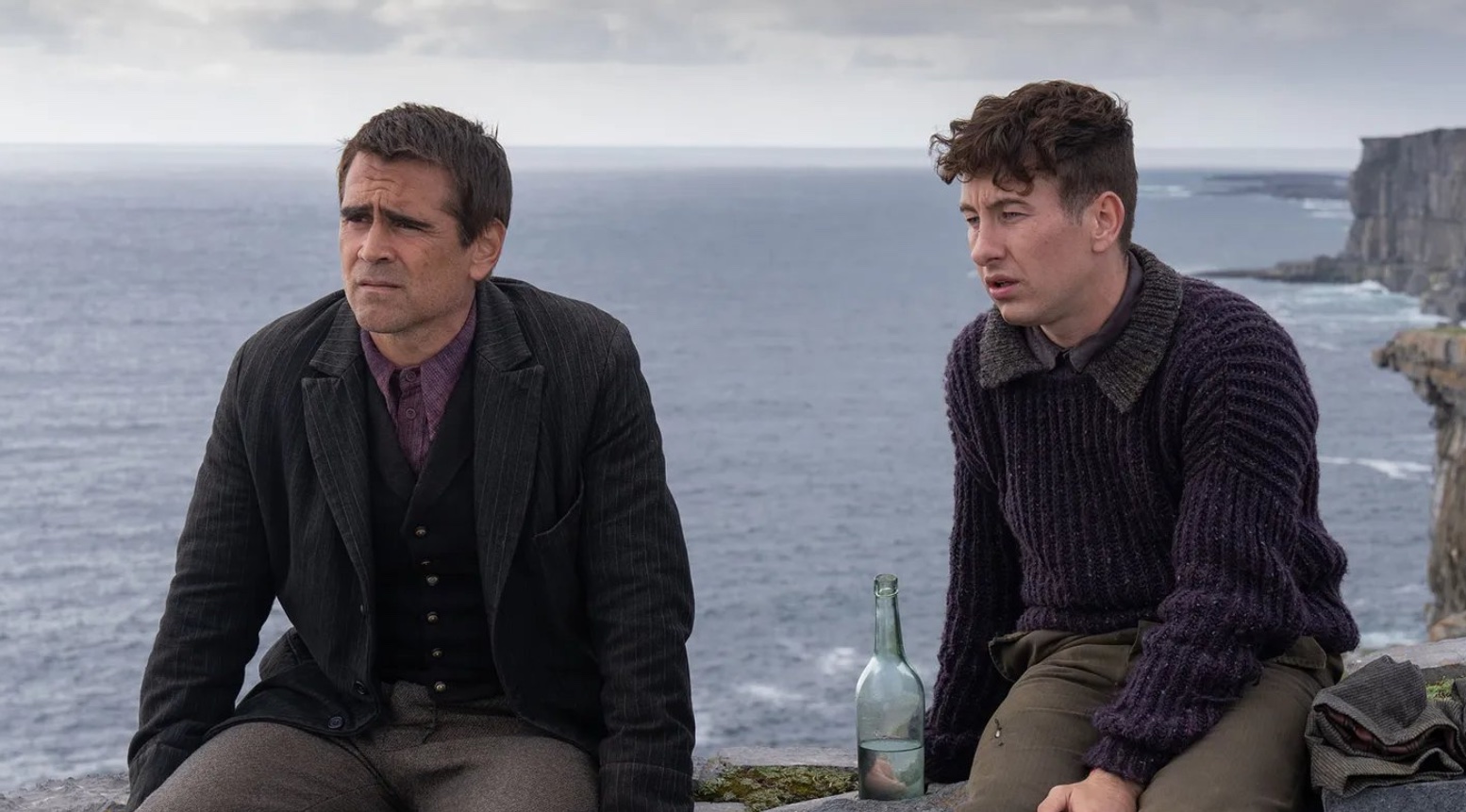
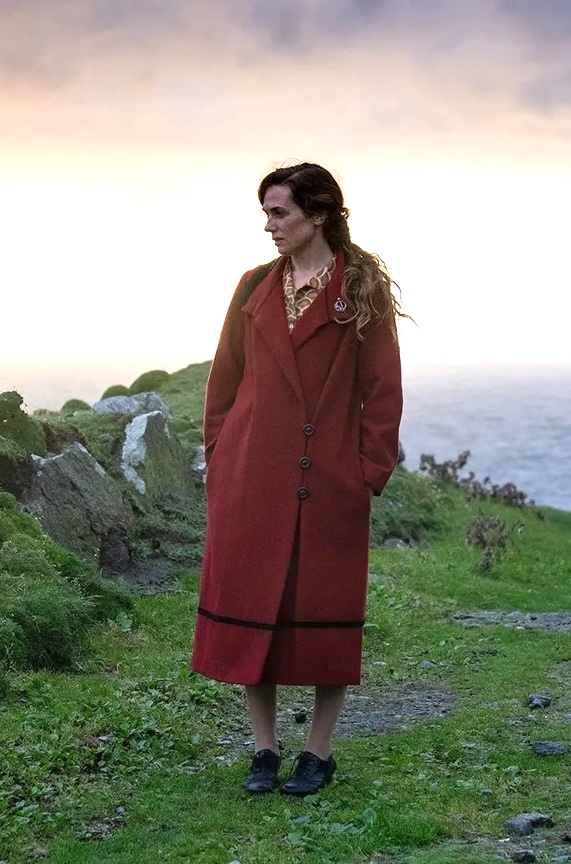
It’s 1923 and the titular island is a remote and inaccessible place. Across the water on the mainland, a civil war is raging and, even from a distance, the sound and fury can be overheard. But here there’s precious little to occupy the inhabitants, who spend their days trying to grub some kind of living from the soil. Pádraic Súilleabháin (Colin Farrell) lives with his sister, Siobhan (Kerry Condon), and he’s a man who likes to follow a routine. Every day at 2 pm, it’s his custom to call on his best friend, Colm Doherty (Brendan Gleeson), and accompany him to the local pub for a couple of pints.

He’s understandably shocked when one day Colm announces that he doesn’t want to be friends with Pádraic anymore. Colm claims that his regular drinking companion is the dullest man on the island and that he wishes to devote the rest of his life to writing his music. Pádraic is never to speak a word to him again – and, if he does, there will be terrible consequences…

Pádraic is hit for six by this announcement and haplessly tries to rescue the situation – but he has no idea how far Colm is prepared to go in order that his edict is followed.

Banshee’s theatrical origins are evident from the opening scenes and it’s clear that here is a piece that could work very effectively on stage, though the beautiful rural settings do help to open the story up to wider horizons. McDonagh’s ear for absurdist black humour has rarely been better and the plot, which sounds slight on paper, is filled with fascinating nuance. McDonagh has plenty to say about the insular psyche of island communities, an unforgiving world where everyone knows everyone else’s business and is happy to discuss it in public. Both Farrell and Gleeson make the most of their acting reunion, fourteen years after In Bruges, though I would suspect Farrell’s performance as the vulnerable Pádraic is the most Oscar-worthy of the two. Both Condon and Barry Keoghan (as, respectively, Siobhan and the tragic Dominic) may be worthy of ‘best supporting’ nods.

The Banshees of Inisherin is a beautifully observed contemplation of the thankless futility of human existence. Colm is stubborn and self-aggrandising, locked in hopeless dreams of being remembered after his death. Pádraic, meanwhile, is incapable of dealing with anything that compromises his preferred schedule.

Only Siobhan has the courage to change her life, but even that simple act – it turns out – has dark consequences.

4.6 Stars

Philip Caveney

The Beauty Queen of Leenane

19/10/22

Traverse Theatre, Edinburgh

I’m a huge fan of Martin McDonagh, both as a playwright and a film director. In Bruges may just qualify as my favourite movie of all time and, on one memorable occasion, I travelled from Manchester to London to catch his play, Hangmen, where I very nearly witnessed the accidental hanging of actor Johnny Flynn. But somehow, in all my years of reviewing, I’ve never managed to see a production of McDonagh’s debut play, The Beauty Queen of Leenane. Until now. To say that I’m excited about seeing it would be an understatement. So… no pressure, Rapture Theatre.

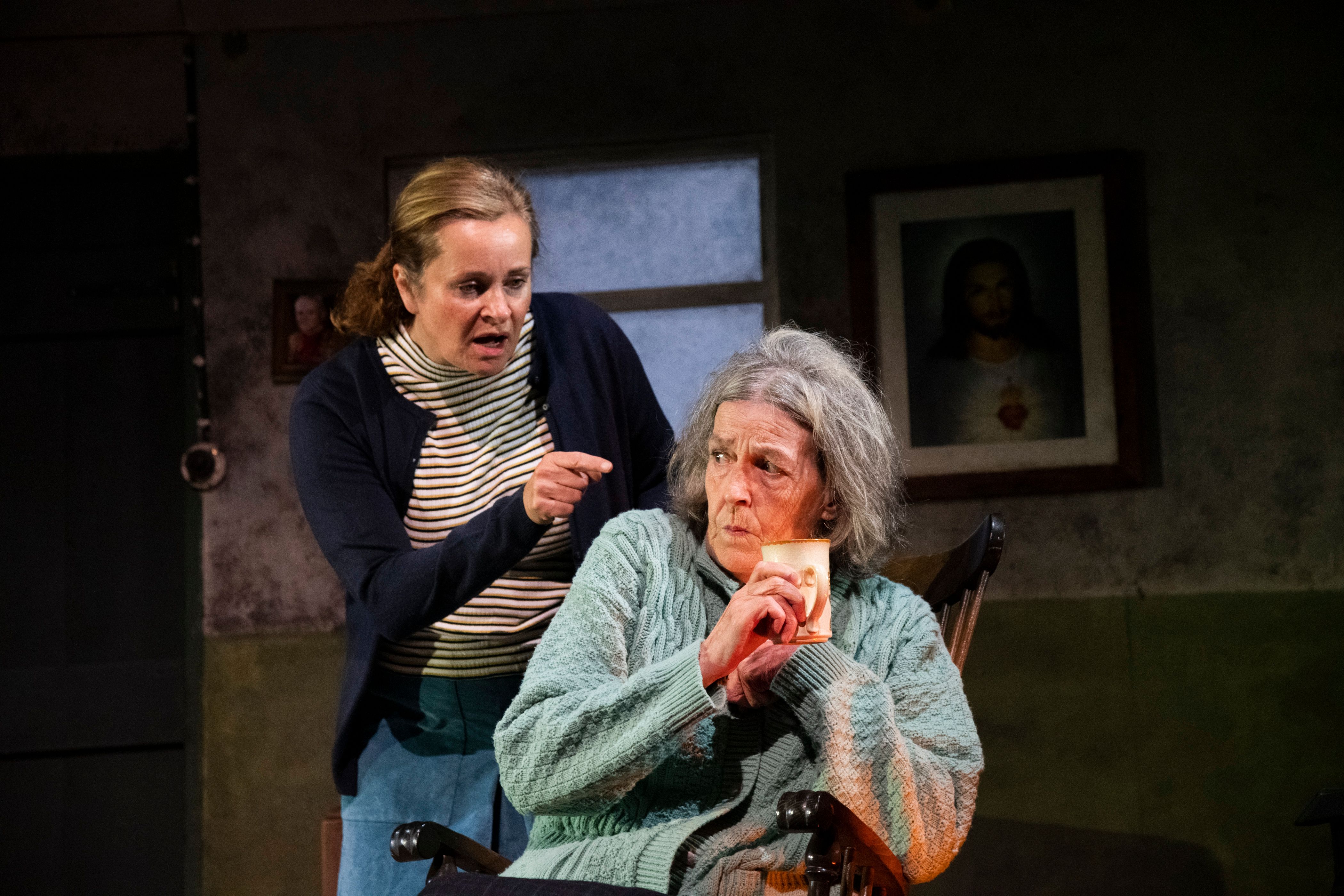
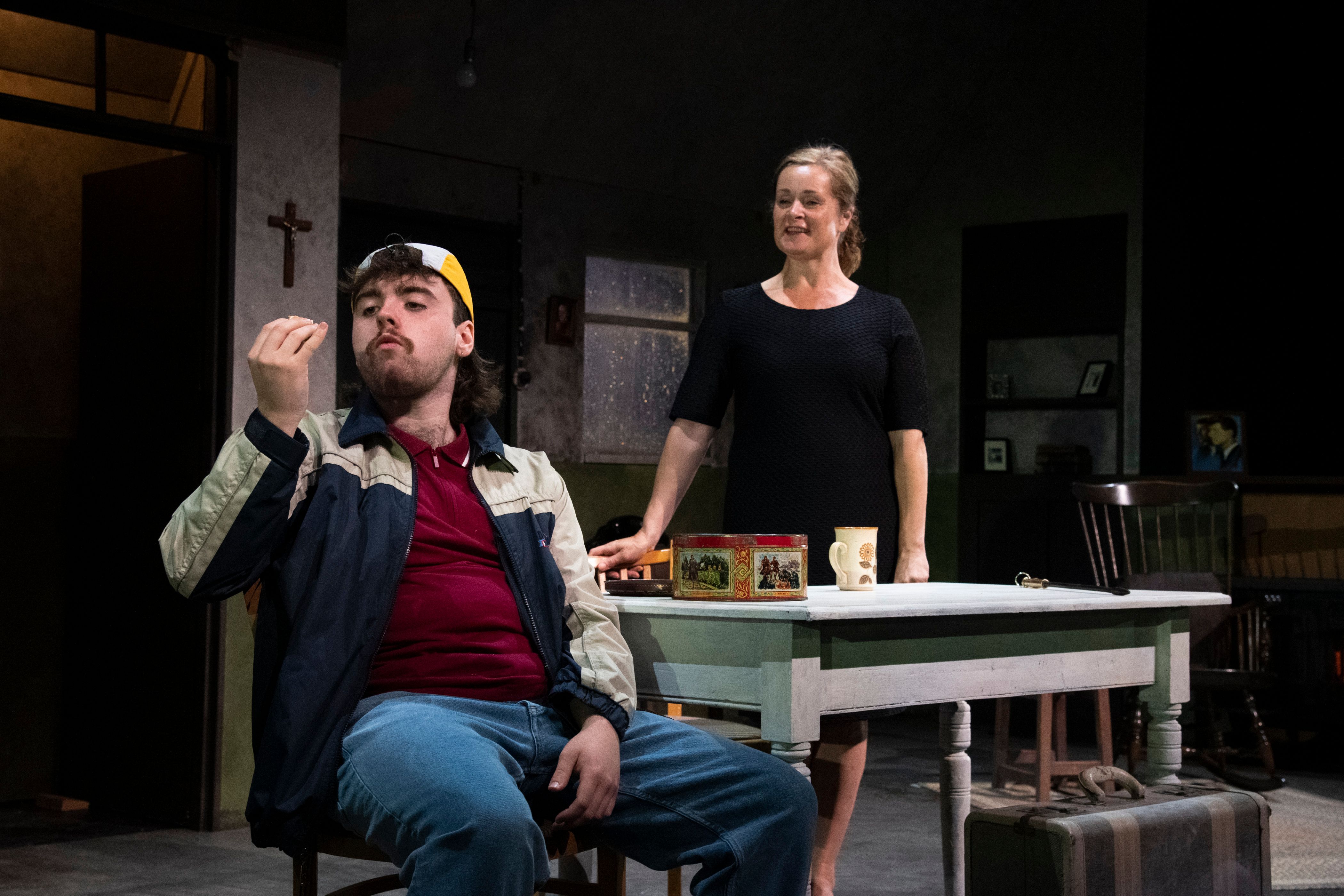
Maureen (Julie Hale) is forty years old, and living with her elderly mother, Mags (Nuala Walsh), in a grubby cottage in the wilds of Connemara. It’s a thankless existence, forever mashing up her Ma’s daily Complan and preparing bowls of lumpy porridge, while listening to the stream of malignant chatter the old woman spews out. Then one day, their obnoxious neighbour, Ray (Ian O’ Reilly), drops by with what passes for exciting news in these parts. Ray’s older brother, Pato (Paul Carroll), is coming over from London to attend a family celebration, and Maureen and Mags are invited along.

Maureen has long had a soft spot for Pato. Could his presence offer the possibility of romance she’s always dreamed of? Decked out in a brand new dress and some high heeled shoes, Maureen makes her play for Pato and it begins to look as though all her prayers might be answered. But then there’s the awkward question of what will happen to Mags, should Maureen decide to leave Leenane…

This is a debut piece and, while it might not have the assuredness of some of McDonagh’s later works, it nonetheless displays all the hallmarks of an exciting new talent flexing his muscles. The influence of Harold Pinter is surely there in the awkward pauses, the repetitions, the elevation of innocuous comments to a weird form of poetry – and McDonagh’s ear for the Irish vernacular is already finely tuned. As if setting out his territory for future exploration, there’s a shocking moment of violence that comes out of left field in unflinching detail.

There’s also a moment of revelation, which obliges me to go back and reconsider something I thought I already knew…

The performances here are exemplary and it’s perhaps unfair to single out one in particular, though I do relish Walsh’s personification of Mags: forever watchful, sly, and secretive, simultaneously Maureen’s warden and her tragic victim. This is an elegy about loneliness and subjugation, the perils that lie in wait for those who seek to escape – and a warning to be very, very careful what you wish for.

For me, The Beauty Queen of Leenane has been a long time coming, but it is well worth the wait.

4.3 stars

Philip Caveney

The Dumb Waiter

07/07/21

Old Vic: In Camera

Some questions are no-brainers. Would I like to see The Old Vic’s production of The Dumb Waiter by Harold Pinter? Well, as I consider it to be among the finest one-act plays in history, the answer to that is a resounding yes.

Am I able to be part of the socially-distanced audience for one of its live performances? Well, no, that’s awkward. It’s a long way from Edinburgh to London – but luckily, for a small fee, I can choose to watch it online as it is transmitted live, so it’ll be the next best thing to actually being there.

And who are the chosen performers for this production? David Thewlis as Ben and Daniel Mays as Gus. When I think about it, I can’t come up with two more appropriate actors for those roles. Thewlis promises to be a perfect fit for the snappy, irritable Ben, while Mays, with his perpetual hangdog look, is just right for his hapless subordinate, Gus.

The tickets are duly booked and a reminder is popped into the diary. All good.

The Dumb Waiter first arrived on the London stage in 1960 and, in many ways, it’s the play that first cemented Harold Pinter’s reputation. It’s the tale of two hit-men, sequestered in a grubby room, waiting to kill whoever walks through the doorway. The room is pretty featureless apart from the titular dumb waiter, and the men’s rambling conversation is punctuated by a series of seemingly meaningless instructions that are delivered within it.

Of course this antiquated piece of machinery is a metaphor for something – and the beauty of the play is that a viewer’s interpretation of what it might actually represent can be wide-ranging and inventive. Across the years, I’ve seen this performed in various venues and, back in the dim and distant past, have even been part of a youth theatre production of it. The play has been a huge influence on so many other productions – Martin McDonagh’s wonderful film In Bruges, for instance, clearly owes it a considerable debt.

So, the play begins at the appointed time, and yes, Thewlis and Mays are every bit as good as anticipated. Perhaps it doesn’t help that I know the script so well I could probably be working as a prompt – so there was never any chance of surprising me here, since director Jeremy Herrin has opted to play it straight, sticking to the original staging. What’s missing, of course, is the subtle electricity that’s generated by being present at the actual event, the indefinable frisson of watching the play unfold right in front of my gaze without the inevitable distancing that ensues whenever a play is turned into a movie.

In short, I’m still longing to return to the theatre for real. Until that time, The Dumb Waiter is a fine way to pass an hour and I urge you to watch it while you still have the chance. You’ll find the link here: https://www.oldvictheatre.com/whats-on/2021/live-stream-from-home/old-vic-in-camera-the-dumb-waiter

4 stars

Philip Caveney