Edinburgh

Macbeth (An Undoing)

08/02/23

Lyceum Theatre, Edinburgh

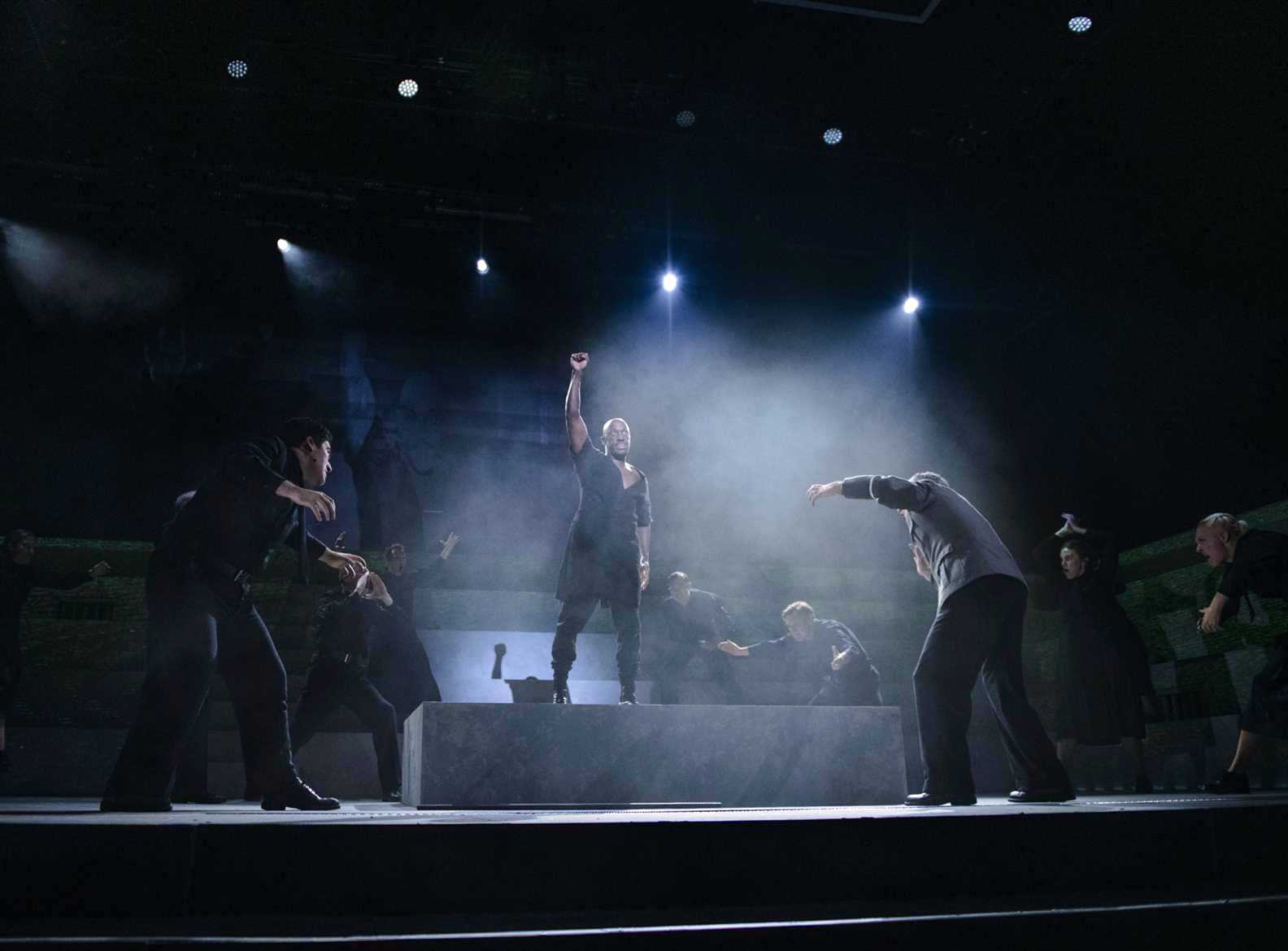
Unlike the monarchs he wrote about, Shakespeare has reigned supreme for more than four hundred years: his plays, rich with examples of human fallibility, are endlessly relevant. But you’d think, wouldn’t you, that we’d run out of different ways to retell the same stories? I mean, the first time I ever saw Macbeth, way-back-when on a sixth-form theatre trip, it was set in a concentration camp (courtesy of Braham Murray at Manchester’s Royal Exchange). Next, I fell in love with Penny Woolcock’s 1997 film, Macbeth on the Estate, which transported the action to a maze of contemporary council flats, and I even enjoyed TV’s ShakespeaRe-Told, where chefs James McEvoy and Keeley Hawes killed off their rivals to take over a restaurant empire. More recently, Flabbergast Theatre’s wonderfully physical, visceral adaptation had me hooked, and there’s been a slew of others along the way. What I’m saying is: I know Macbeth. We all know Macbeth. It’s been done, right? What else is there to say?

And then along comes Zinnie Harris with An Undoing – and the whole thing is turned on its head.

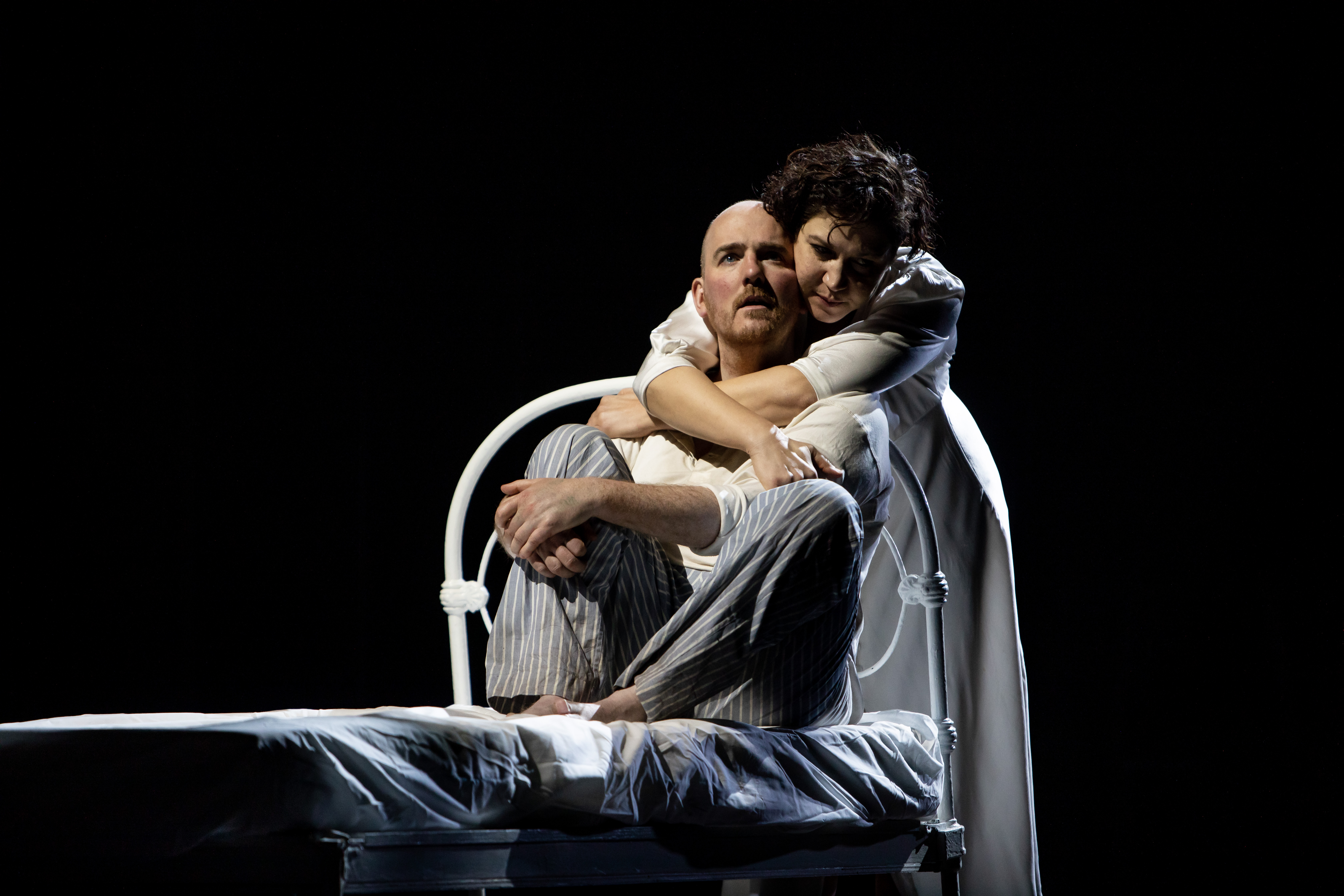
Macbeth (An Undoing) starts from a simple premise: what happens if Macbeth and Lady Macbeth follow their natural trajectories? Because, let’s face it, although Lady M is arguably the best of Shakespeare’s female characters, she’s also the most frustrating, initially a force to be reckoned with – an interesting, complex woman – before disappearing for an age and then returning broken, for a brief goodbye, with very little to tell us why. What if, asks Harris, it’s Macbeth who crumbles? What if it’s Macbeth – whose conscience troubles him from the start – who unravels, while his wife continues unabashed, for a while at least, determined to make their plan succeed? It makes perfect sense, given their starting points.

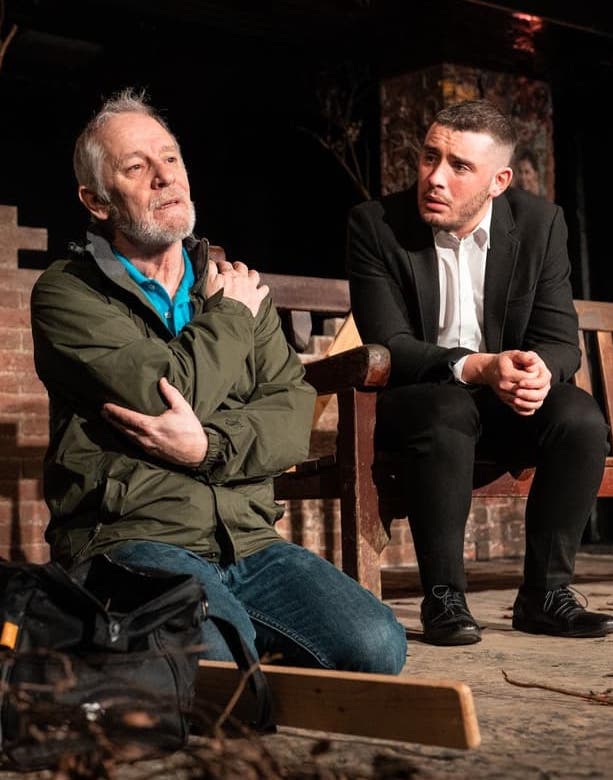
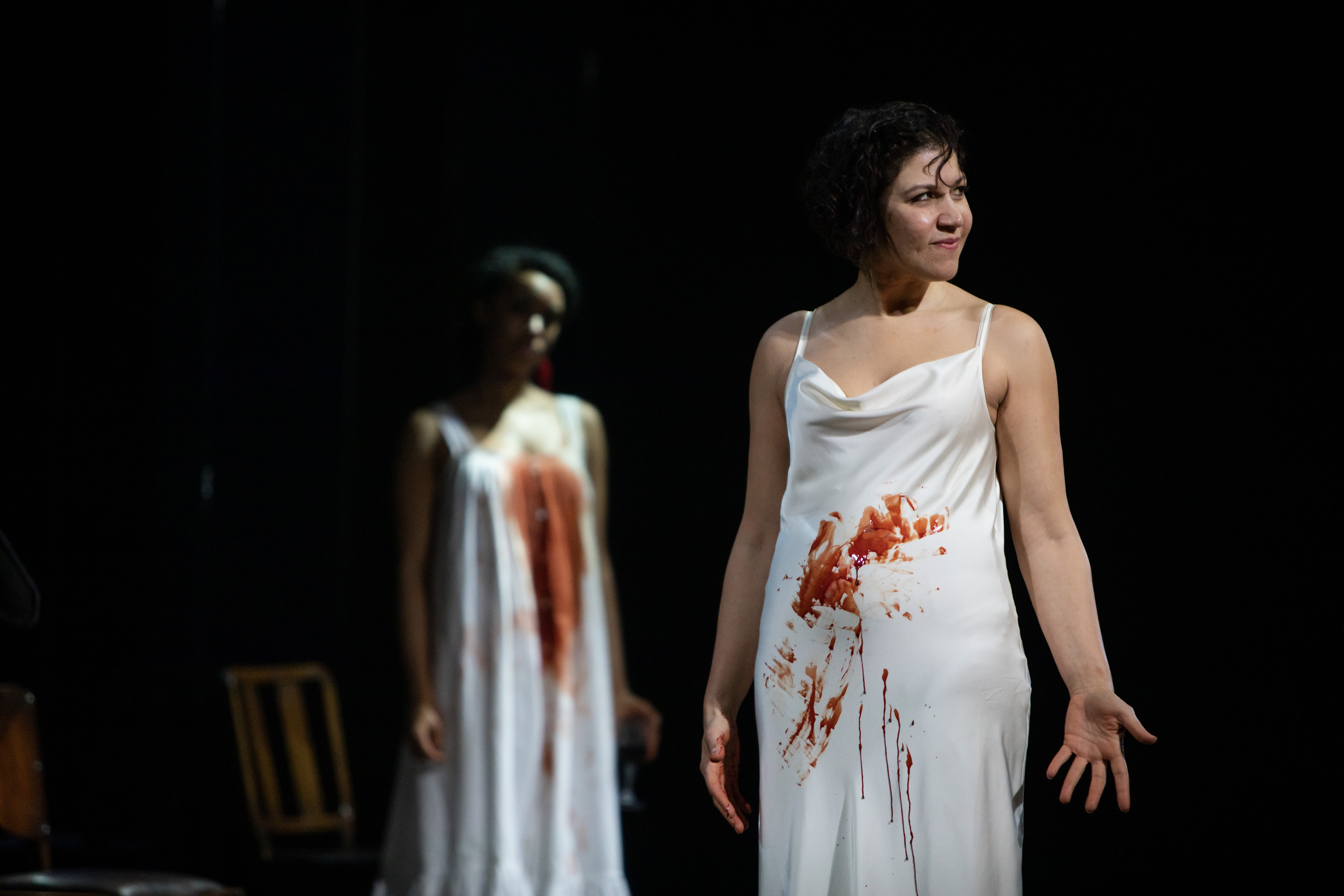
At first, when the curtains open on a blank stage, and we’re treated to servant/witch Carlin (Liz Kettle)’s fourth-wall-breaking opening gambit, I think perhaps this will be a relatively straightforward version of the play, with just a little mischievous tinkering here and there. After all, “This story will be told, the way it has always been told. What use is it otherwise? The hags on the heath. The woman who went mad. The man who became a tyrant,” she tells us. And, for the first half, that’s sort of what we get: Macbeth at a gallop, mostly in the Bard’s own words, step-by-step through the plot. There are a few changes: we’re in the 1920s, or the early 1930s perhaps; Ladies Macbeth and Macduff (Nicole Cooper and Jade Ogugua respectively) are reimagined as sisters, and share some revelatory new scenes (An Undoing easily passes the Bechdel test); Lady Macbeth and her husband (Adam Best) don’t just want power for power’s sake – they have a meticulously-planned vision for a utopian Scotland. But, in the main, it’s as it’s always been, so that, in the interval, I find myself musing aloud, “How can there still be an hour and a bit to go? There’s not much story left…”

But then we get to the undoing…

Harris’s adaptation is bold, daring and witty. I love the idea of the witches as servants: it makes perfect sense. They’re the eyes and ears of the house, privy to the paperwork the Macbeths have drawn up, witness to intimate moments and careless asides. Invisible. Ignored. These witches are also a family – in fact, Kettle and Star Penders, along with impressive young actor Farrah Anderson Fryer, form the most functional family we see on tonight’s stage, with clear bonds uniting them. I also like the depiction of Malcolm (Penders again) as a petulant youth, patently ill-equipped for leadership and ripe for exploitation by the ruthless Macduff (Paul Tinto).

But this is, without doubt, Lady Macbeth’s play. It’s the part of a lifetime, and Cooper makes the most of it, imbuing her with strength and vitality – and just a hint of vulnerability. She’s ambitious and single-minded, but never merely cruel or heartless. We believe in her love for her husband and sister, and we believe in her idealism too. She’s angry when the lairds misgender her, referring to her as the King because they can’t conceive of a woman behaving as she does (even though, to be fair, she does ask to be ‘unsexed’). In a well-aimed swipe at other interpretations of the role, she’s also angry at being reduced to her infertility.

The set (by Tom Piper) is simple but extraordinarily effective, with warped mirrors concealing as much as they reveal, offering us multiple perspectives, and highlighting the Macbeths’ interdependence and duality. We’re there too, shimmering in the background, complicit and agog, just as Carlin accuses at the start.

The Lyceum is busy tonight – some of the boxes have even been pressed into use – and deserves to be so for the next month. You’ve probably seen Macbeth, but I doubt you’ve seen anything quite like An Undoing before.

4.7 stars

Susan Singfield
The Ship on the Shore

28/01/23

The Shore, Leith

It’s a Saturday night and friends have invited us to dine with them at The Ship on the Shore, a bustling, friendly venue in Leith which describes itself as a ‘seafood restaurant and champagne bar.’ I don’t have anything in particular to celebrate, so I eschew the champagne and settle for a couple of pints of Peroni, but seafood? Hell, yes – lead me to it!

As you might expect, the place is packed but the team here are friendly and efficient so ordering and receiving our food is no bother. We make our selections and settle down for a convivial chat, which – let’s face it – is an important element in most meals.

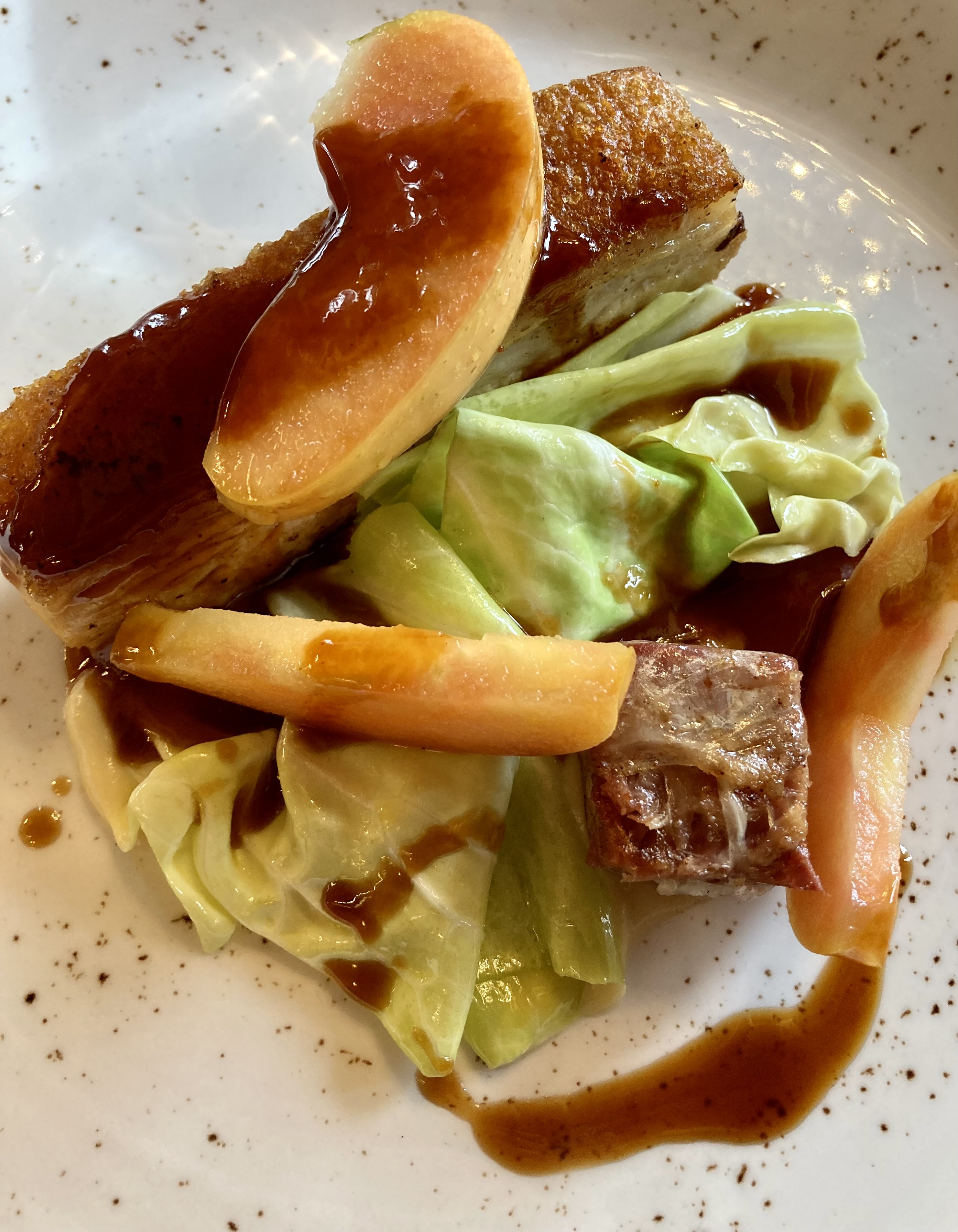
 For starters, I opt for the salmon and smoked haddock fishcakes. There’s something so innately comforting about fishcakes, isn’t there? And these are splendid examples of their kind, large, perfectly cooked and full of flavour, served with a mixture of mushy peas and tartare sauce. Susan opts for steamed Shetland mussels, another generous portion, nestled in a golden broth of cider, garlic and herbs. As ever, we sample a mouthful of each other’s food. We’re also impressed by the hot and cold Scottish smoked salmon, ordered by one of our companions – so much so that we decide to use a photo of it, because it’s much more photogenic than my main course!

It might not look much, but my seafood pie ‘Royale is perfectly delicious. Some so-called ‘pies’ can comprise a few scraps of fish hiding in mounds of mashed potato, but, happily, this is not the case here. Beneath that crisp, buttery surface there are chunks of smoked haddock and salmon, there are king scallops and big, juicy prawns. Susan’s seafood chowder is also a bit of a wonder: thick, creamy and featuring all the usual suspects plus some less obvious ones. Added to the salmon, smoked haddock and queen scallops and prawns, there are also mussels and squid. It’s like an aquarium in there!

You’d think, wouldn’t you, that after such a feast, we wouldn’t be able to face up to pudding? But here’s the thing. I’ve deliberately eaten barely anything all day in preparation for this. Plus, there’s a sticky toffee pudding on the menu and I don’t know what it is about me, some kind of inbuilt reflex, but whenever those words appear on a menu, I nearly always have to try it (though, in this case, I do manage to negotiate replacing the vanilla ice cream accompaniment with a scoop of salted caramel, because… why not?) Suffice to say, that I take the dish on and utterly vanquish it, which is, I think, a testament to my determination. Susan’s berry cheesecake is also pretty sumptuous – and so rich she can’t quite finish it, but we’ll let her away with that one.

Anybody who relishes good seafood will be glad they visited this cheery, welcoming restaurant – and those who ‘don’t do seafood’ should bear in mind that The Ship on the Shore also offers a rib eye steak, and, for the vegetarians, there’s a butternut squash risotto with blue cheese and toasted pine nuts. Seafood fans, though, will have an absolute field day.

4.4 stars

Philip Caveney

The Crucible

26/01/23

NT Live: Cineworld, Edinburgh

It’s a Thursday night, and a bit of a scramble getting to the cinema after work for a 7pm start. There’s certainly no time for anything so trivial as say, food, this evening. Sure, it’s The Crucible, and we’ve read a lot about this latest production from the National Theatre. But is it worth skipping a meal for?

Thankfully, Lyndsey Turner’s interpretation of Arthur Miller’s timeless classic is so absorbing that we forget our empty bellies: we’re right there in Salem, Massachusetts, drawn into the destructive hysteria of the seventeenth century witch trials.

The story is well-known. A restrictive society collapses in on itself; petty grievances escalate into accusations of witchcraft; accusations of witchcraft further escalate into a feverish cull. Powerful men exploit vulnerable children, and women pay the price.

In this production, power imbalance is given centre stage. Erin Doherty’s Abigail Williams is no feisty seductress; instead, she’s a troubled teenager, all stroppy self-absorption and wounded spite. I like the way the girls are styled – as artless kids, kicking against a regime that affords them little in the way of entertainment, let alone autonomy. Proctor’s attempt to blame Abigail for their affair is shown as fundamentally flawed. It is his transgression, because he is the adult.

But he’s a victim too, and Turner’s direction highlights class warfare as well as misogyny. Hathorne (Henry Everett) and Danforth (Matthew Marsh) represent the ruling elite, issuing diktats and seizing ever more control. Reverends Parris and Hale (Nick Fletcher and Fisayo Akinade respectively) are the useful middle-class idiots, serving up the workers to the toffs. They’re very different men, but they fulfil the same role: condemning the villagers to their dreadful fates.

Es Devlin’s roofed set is wonderfully oppressive, a sheet of rain acting as an extra barrier, showing how cut off and isolated the villagers are, making their implosion all the more credible. The costumes (by Catherine Fay) also work well to create a sense of timelessness: they’re sort-of period, sort-of modern; not-quite-now but not-quite then. And what is The Crucible if it’s not a play for all ages, exposing our ongoing susceptibility to witch-hunts, both literal and metaphorical?

Brendan Cowell’s John Proctor is fascinating. He’s a shambling contradiction of a man: an honest cheat; an exploitative victim. I think he might be my favourite of all the Proctors I’ve seen, illuminating the character’s complexities. Here, he’s styled almost as a lone cowboy – a broken maverick, who comes good in the end. “Because it is my name” is such a weighted line, fraught with audience expectation (akin to Lady Bracknell’s “A handbag?” or Hamlet’s “To be or not to be?”) and it’s nice to see it being played down, spoken softly, as if it’s a simple, self-evident thing.

I’ve said it before and I’ll no doubt say it again: hurrah for NT Live. It means that our ‘national theatre’ really is national – easily accessible and (relatively) affordable. And definitely worth one missed evening meal.

4.7 stars

Susan Singfield
Tár

13/01/23

Cineworld, Edinburgh

Todd Field’s Tár is a complex, demanding film. And yet, despite its difficult themes and its contemptuous, autocratic central character, it’s also engaging and exciting.

At first, I’m not quite sure. The film begins with the credit sequence. This feels pretty audacious in itself. They’re called ‘end credits’ for a reason, right? They’re for putting your coat on and fumbling your way down the stairs in the dark, not for actually watching. I mean, I don’t care who provided the catering truck, or who the post-production supervisor is. Here, I’m forced to watch, and to listen to the music (Elisa Vargas Fernandez’s Cura Mente).

Okay, so I’m unsettled, which I guess is the point, but from here we’re into an equally long opening scene, where we meet the eponymous Tár being interviewed. The discussion itself is deferred by an interminable introduction, listing not just the highlights, but every one of the great conductor’s achievements, and – when the questions do begin – they’re dry and academic, the answers a forensic examination of classical music from a maestro’s perspective. I find myself shifting in my seat, wondering how this is the film that’s just won Cate Blanchett a Golden Globe.

And then…

Suddenly, there’s a shift. We’re with Tár at Julliard, where she’s teaching a class. She’s angered by a young student’s dismissal of Bach as ‘irrelevant’, and we’re offered a glimpse of her scathing nature as she belittles his concerns. It’s a shocking moment – and it’s not the last. Because somebody is watching her…

Blanchett is utterly compelling. She towers; she glowers. Lydia Tár is both maestro and monster, impressive and imperious. She’s living her best life: conducting the prestigious Berliner Philharmoniker, launching her autobiography, Tár on Tár, flying first class around the world, and sharing a stunning apartment with her wife, Sharon (Nina Hoss), and their young daughter, Petra (Mila Bogojevic). But she’s also careless of other people’s feelings, and ruthless in her dealings, both personal and professional. She has dalliances with some of the impressionable young women she mentors, then ditches them when she grows bored. Nothing seems to touch her – until it all comes crashing down.

The whole thing is disquieting, elements of melodrama and thriller juxtaposed with the minutiae of how a professional orchestra works. I’ve never seen anything quite like it. Both the story arc and the characters are unconventional, the precise, deliberate nature of the structure mirrored by Tár’s meticulous dissection of Mahler’s fifth symphony.

By the time the end-end credits roll, I’m a complete convert. This is a fascinating film, so densely packed I know I need to watch it again (something I rarely do). Quite simply, Tár is a masterpiece.

5 stars

Susan Singfield


Dulse

08/01/23

Queensferry Street, Edinburgh

The New Year’s festivities are over, the decorations are packed away (in our case into a tiny box), and we’re into the dreary days of early January – a time when not very much happens. So aren’t we glad we took advantage of some Black Friday deals and lined up a couple of gastronomic treats for early 2023? The first of them is for a Sunday roast at Dulse. It’s here that chef Dean Banks has lined up a eclectic menu, all based around seafood. Seafood for a Sunday roast? Does this compute? More of that later.

We’ve dined in this building before, of course, back when it was L’escargot Blanc, a cosy French restaurant, all nooks and crannies, with an authentic country inn kind of feel. Now the place has been opened out and given a brighter, more contemporary look. Somehow it feels as though it’s doubled in size, which can’t be possible. We order a bottle of the house white – a lovely melon-flavoured Languedoc that rejoices under the name of Baron de Badassiere (which we inevitably dub ‘Baron Badass,’ mainly because there’s nobody to stop us). We sip our drinks and peruse the menu.

For starters we order a delightful trout pastrami – sashimi styled slices of fish bursting with flavour and served with rye bread and a dollop of Katy Rodgers creme fraiche. Each bite is a little taste of heaven, the crispy rye bread a perfect foil for the smoky, succulent slices of fish. There’s also a huge bowl of Singapore mussels, which for me are the star of the show, as they reside in a superb, spicy broth, packed with garlic and chillies, each mouthful offering that delightful catch at the back of the throat. We see now why the waitress advised us to also order the bread loaf with sustainable butter, because chunks of this fabulous grain bread dunked into the broth are just heavenly. The plates are cleared in record time and we’re already brighter than we were.

Now for the main course, the Sunday roast. Picture, if you will, the images that those two words conjure in your mind’s eye and then erase them and think again. In place of the meat course, there’s a whole slow roasted plaice, sliced down the middle but left on the bone, the flesh so delicate that it virtually melts in the mouth. I’ve had plaice many times, but this is a revelation. So too are the accompaniments, which are roast new potatoes, perfectly cooked, with a crispy exterior and soft, buttery inside. There’s a also a couple of wedges of charred hispi cabbage, deliciously crunchy and with a couple of sauces to pour over, one flavoured with saffron, the other, lemon. It’s hard to decide which is the best, but eventually we decide on the lemon. I’ve never had a Sunday roast like this before and, unlike the traditional alternative, when it’s finished I don’t feel stuffed to the gills.

Which is great because there’s a pudding (when is there not a pudding?) and, though both of them sound unprepossessing, each in its own way is quietly impressive. There’s a dulce de leche chocolate pave, served with a scoop of vanilla ice cream, and it’s both perfectly executed and perfectly delicious. Then there’s a plum and apple crumble, which in itself seems like a reinvention, the chunks of fruit cooked al dente, the crumble topping light and (dare we use this word?) sort of… healthy. It’s all finished off with a dollop of cream.

Suddenly, January doesn’t seem quite so dreary. Anybody wishing to partake of some stunning seafood should hurry on down to Queensferry Street at their earliest opportunity. This is a game-changer.

5 stars

Philip Caveney

Corsage

02/01/23

The Cameo, Edinburgh

Corsage, for me, is something of a history lesson, albeit one with a lot of fictional elements, so I have to do some frantic reading afterwards, to learn about the source material, and to understand the narrative that is being reimagined here. Austrian writer-director Marie Kreutzer has clearly grown up in a country familiar with Empress Elisabeth, who – along with her husband, Franz Joseph – ruled Austria and Hungary for the latter half of the19th century. It shows. There is almost no exposition: the audience is clearly expected to know Elisabeth, to be aware of her reputation. I’ve never heard of her until today, and I suspect that many others in this cinema are in the same position. This doesn’t spoil the film at all, but it does make me very aware that I am – even as someone who can speak German – experiencing it very differently from its native viewers.

Vicky Krieps plays the Empress. It’s 1877, the eve of her 40th birthday, and she’s desperately bored and unhappy. Her husband (Florian Teichtmeister) tells her that her job is simply to ‘represent’, while his is to, you know, do the actual work involved in heading up an empire. ‘Representing’ mostly means looking beautiful, and looking beautiful mostly means being thin, so Elisabeth’s days are spent exercising, eating tiny slivers of orange and being laced into impossibly tight corsets. No wonder she’s cranky: snapping at the servants, pretending to faint rather than endure another round of meets-and-greets. She’s contemptuous and entitled too – but why wouldn’t she be? Royalty is raised that way. Despite it all, she’s a tragic character, oppressed by the very regime she symbolises, and isolated from her children. I find myself drawn to her, empathising with her sense of entrapment. Krieps imbues her with a vulnerability that softens her, despite never pulling any punches about her capricious nature.

Kreutzer’s direction is interesting. The film moves at a glacial pace, which I find irritating at times, especially in the middle third. But there are many quirky flourishes to admire: the deliberate anachronisms; the audacious fabrications. There are some delicious little jokes (look out for the Emperor’s whiskers), and some very salient points about the nature of celebrity, and the ways in which women are expected to perform. Elisabeth’s straitjacket might be an invisible designer one, cut from the finest fabric, but – in her way – she’s just as trapped as the women she visits in the asylum. Given the opportunity to use her voice where she won’t be heard (in a silent movie reel), her mouth moves to mirror the screams she hears in the hospital. It’s the same gilded cage that did for Diana. And there’s only one way to escape… Let’s hope Meghan and Harry manage to buck the trend.

Corsage, then, is a fascinating piece of cinema. While I don’t exactly enjoy it, I am impressed by it, and I know I’ll be thinking about it for quite some time to come.

3.8 stars

Susan Singfield

Kora by Tom Kitchin

16/12/22

Bruntsfield Place, Edinburgh

We visited Kora a few days after it opened, back in July, and loved it. But then it was in its infancy, and Mr Kitchin was a friendly and visible presence. The perfect storm of Brexit, COVID and cost-of-living crisis means that restaurants are even more vulnerable than they were before, and he was clearly focused on giving this place a decent start. The question is, five months on, with a slightly longer menu and the restaurant staff given more autonomy, is Kora still delivering five star meals?

The answer is: yes. Yes, it is.

It’s a welcoming place, with a cosy, informal vibe; the staff are warm without being overbearing, professional without being stuffy. The diners before us are running a little late, so we have to wait a while for our table, but we’re happy enough to sit at the bar with some wine (a Chilean Sauvignon Blanc), perusing the menu. It’s hard to pick from the delights on offer.

In the end, we both opt for the salmon starter. This comprises two thick slices of smoked salmon, served with a buckwheat galette, spinach, a perfectly poached egg and a buttery hollandaise sauce. It’s mouthwateringly-wonderful: the thick orange yolk cascading over everything; the salmon robust yet still delicate. It’s a great beginning!

My main course is the Sika deer: a venison pithivier with some medium rare roasted loin, both cooked to perfection. I’m worried before it arrives that it’ll be too much, too rich, with all the pastry and red meat, but it’s perfectly judged, so that I feel satisfied rather than bloated. This comes with celeriac, which, although not my favourite vegetable, is beautifully cooked, and complements the meat well. Perhaps it would be better to have something fresh and green to offset all that richness, but this is just a minor quibble.

Philip has the partridge, which comes en croute, with a roasted leg on the side, as well as some salsify. This is succulent, well-spiced and subtly flavoured, the pastry flaky and crisp. He declares it to be ‘faultless’ and relishes every mouthful.

Philip’s pudding is chocolate, i.e. warm doughnut balls, a dark chocolate sauce, and Chantilly cream. It’s one of those dishes that makes you say ‘oooh’ a lot; it feels indulgent and nostalgic in equal measure. My cinnamon is something of an eye-opener, so much more than its description gives away. A real contender for my ‘Off Menu dream meal dessert’, this consists of a cinnamon panna cotta, served with tart, crisp pieces of apple and an apple sorbet, with a small, warm cinnamon bun on the side. I just know I’ll be ordering this again before too long.

We decline coffee, pay our bill, and head off into the cold, night air. Kora is only a ten minute walk from home; what a privilege to live so near a place as stellar as this.

5 stars

Susan Singfield
The Silent Twins

09/12/22

Cineworld, Edinburgh

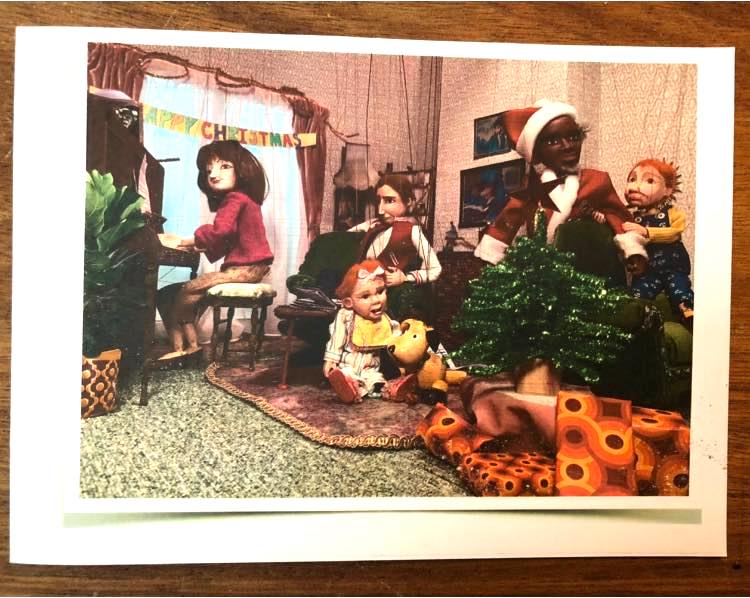
The real-life silent twins of the title are Jennifer and June Gibbons, born in 1963, who refused – for years – to speak to anyone but each other. No one really knows why, but there are myriad theories: they were outsiders – the only Black kids in their small Welsh town; they were bullied; one was controlling the other – or, more crudely, they were ‘disturbed’.

Certainly ‘disturbed’ was the verdict of a baffled legal system, which over-reacted to the girls’ teenage crimes of petty theft and arson, and sent them to Broadmoor high security mental health hospital – a place more commonly associated with hardened murderers than wayward kids. How did they get through the eleven long years they spent there?

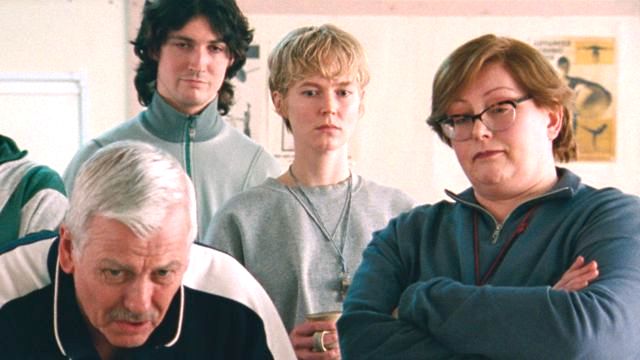
Director Agnieszka Smoczynska shows us how: by retreating into their rich inner lives. In this illuminating biopic, adapted by Andrea Seigel from the book by journalist Marjorie Wallace (played here by Jodhi May), we see that Jenny and June are far from mute and far from short of things to say. They just have a different way of expressing themselves. In reality, their so-called ‘secret language’ was a mixture of Bajan slang and super-fast English, which they used to tell stories to each other; here, their tales are depicted as distinctive animations. The girls are writers, producing countless reams of short stories, poems, even novels, spending their meagre benefits on foolscap, typewriter ink and – eventually – vanity publishing. They refuse to engage with their seemingly lovely family, rejecting any offers of help. Sent to separate schools for kids with special educational needs, they both become further withdrawn, refusing to move or eat, let alone speak. They’re driven by their art: once school is behind them, they realise they need to interact with the outside world – how can they write about romance if they’ve never experienced it? But romance is in short supply in their dalliances with the odious Wayne (Jack Bandeira)…

If only all biopics were as imaginative, engaging and sensitive as this! Jenny and June are not presented here as curiosities, but as troubled young people, let down by a system totally lacking in empathy, keen to other them, to set them apart. We see them as little girls (Eva-Arianna Baxter and Leah Mondesir-Simmonds) and as young women (Tamara Lawrance and Letitia Wright), by turns mischievous and vulnerable, selfish and self-absorbed. The four performances are exemplary, like a house of mirrors, amplifying the twins’ co-dependence, as well as the monstrous cruelty of sending them to an institution destined to destroy them, breaking two butterflies on a barbaric wheel.

Smoczynska imbues the girls’ story with humanity: there is sweetness here, and humour, as well as misery and obsession. It’s a thought-provoking, insightful piece of work.

4.5 stars

Susan Singfield
Once Upon a Snowstorm

09/12/22

Traverse Theatre, Edinburgh

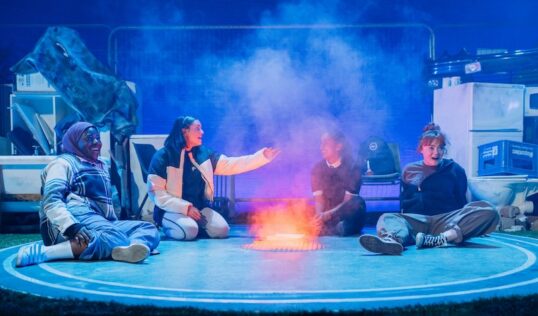
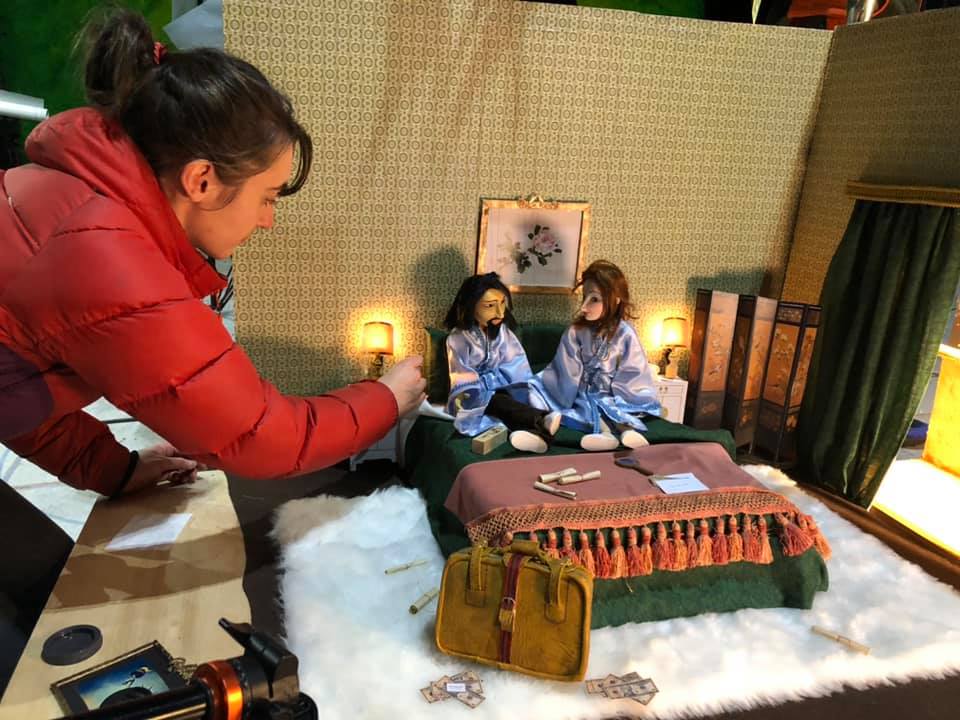
Described as a play for children aged 5-8 and their families, Once Upon a Snowstorm is based on the popular picture book by Richard Johnson. It tells the tale of a boy (Fay Guiffo) and his dad (Michael Sherin), who live in a woodland cottage. One day, they go out to hunt in the snow, but are separated and the boy is lost. Eventually, he ftakes shelter in a cavern and falls asleep. When he awakes, he finds himself surrounded by friendly animals, who teach him all about their ways…

It’s a charming – if slight – tale. Although Jo Timmins’ adaptation includes dialogue, it retains the quiet solemnity of Johnson’s wordless original, as well as the gentle pace. It feels true to the book, capturing its tranquil, earnest tone, and illuminating the boy’s sense of wonder. I’m especially entranced by the music (composed by David Paul Jones), and the way Guiffo’s violin is integrated seamlessly into her performance.

Traverse 2 has been reconfigured for this show, and it’s good to see it being used imaginatively. The acting space is tented with crumpled white sheets, and the seating comprises rows of ‘tree stumps’ (covered stools) and cushions, presumably intended for the wee ones to sit on and, at the back, a single row of adult-sized chairs. On entering, we’re asked to hang up our coats and remove our shoes, which somehow adds to the sense of occasion: something different is happening here. Largely, it works well, although there are some issues with the sight lines. There’s no one organising the smallest children to the front rows, and not enough full-sized seats for the grown-ups accompanying them. I can understand the wish to create something intimate, with no clear boundaries. But it might make sense to place the beautiful model house on a higher plinth, so that we can actually see it, and for the boy not to spend quite so much time sitting or lying on the floor.

Sherin and Guiffo embody all the different animals, and their performances are enchanting. Perhaps there’s a little too much repetition for me (the same route through the audience; three different lots of projected images), but the target audience seem to lap it up and, at forty-five minutes, there’s no time for this to flag.

Once Upon a Snowstorm is a sweet, simple tale, with some beautiful imagery.

3 stars

Philip Caveney

She Said

29/11/22

Cineworld. Edinburgh

She Said sets out its stall in the first few minutes. New York Times journalist Megan Twohey (Carey Mulligan) is about to publish a story about women being sexually abused by a presidential candidate, and the accused man calls to refute the claims. He’s boorish and threatening. The story is published, and the victims learn they were right to be afraid of speaking up. While they get death threats and envelopes of dog shit through the post, Donald Trump gets elected president.

So when Twohey and her colleague, Jodi Kantor (Zoe Kazan), begin to investigate rumours about Harvey Weinstein, they know what an uphill battle they face. The system is skewed in favour of powerful men. Uncovering the truth is relatively easy; acquiring sufficient evidence to publish it is horribly complex. As if persuading understandably anxious women to out themselves to a global audience weren’t difficult enough, there are also NDAs to contend with. How are these malignant settlements even allowed to exist? They’re just get-out-of-jail-free cards for rich arseholes, who can easily afford to spaff megabucks on silencing the people they abuse. But Twohey and Kantor are tenacious, and refuse to give up. It’s not easy for either of them. Kantor has a young family, and Twohey is in the throes of post-natal depression. Calls come at all times of the day and night – both threats from trolls and revelations from sources – but still, they can’t let go. It matters too much. So they grit their teeth and crack on, relying on their partners to do the lion’s share of parenting. (It’s refreshing, actually, to see Ron Lieber and Tom Pelphrey in these peripheral, domestic roles that are usually reserved for women.)

Maria Schrader’s understated direction works well, illuminating the sheer grit required to bring a prolific sex offender to account. The screenplay, by Rebecca Lenkiewicz, draws on the book written by the two journalists, and focuses on the painful process rather than the assaults. This is one instance where telling is better than showing: we don’t need to see these women being abused. Instead, we see the aftermath. We see how, while Weinstein continued to live the high life, perpetuating his attacks over and over again, any woman who dared to reject him or, worse, complain about his behaviour, had her life turned upside down. From Ashley Judd (appearing here as herself) being blacklisted and branded ‘a nightmare to work with’ to Zelda Perkins (Samantha Morton) fleeing to Guatemala, the fallout was immense.

The performances are detailed and meticulous. Kazan and Mulligan both fizz with pent-up energy, and the supporting cast are just as committed. Jennifer Ehle stands out as Laura Madden, attacked by Weinstein back when she was a young assistant, naïve and excited to be working for him. Thirty years later, she has a double mastectomy to deal with, so speaking out seems urgent, not least to show her daughters that they don’t need to internalise abuse.

She Said does a good job of highlighting the inherent power discrepancies in our society, and how ‘consent’ is problematic if one party holds the other’s prospects in their hands. It also shows how we can fight back.

#MeToo.

4.6 stars

Susan Singfield