Edinburgh

Shaun Guff: Enuff is Enuff

12/08/26

Hoots Potterow, Edinburgh

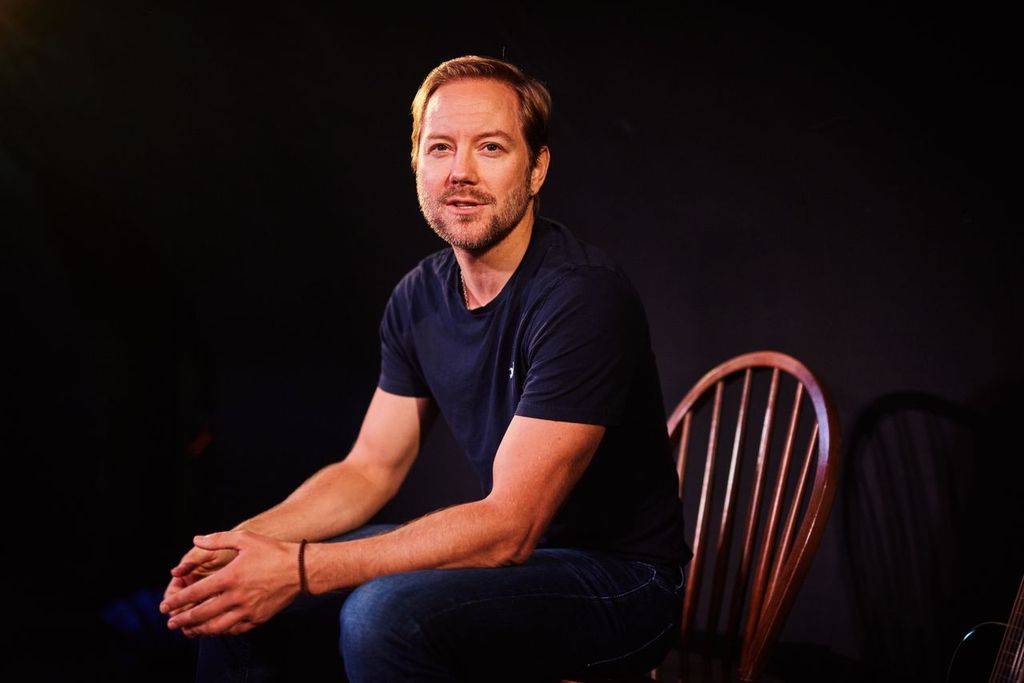
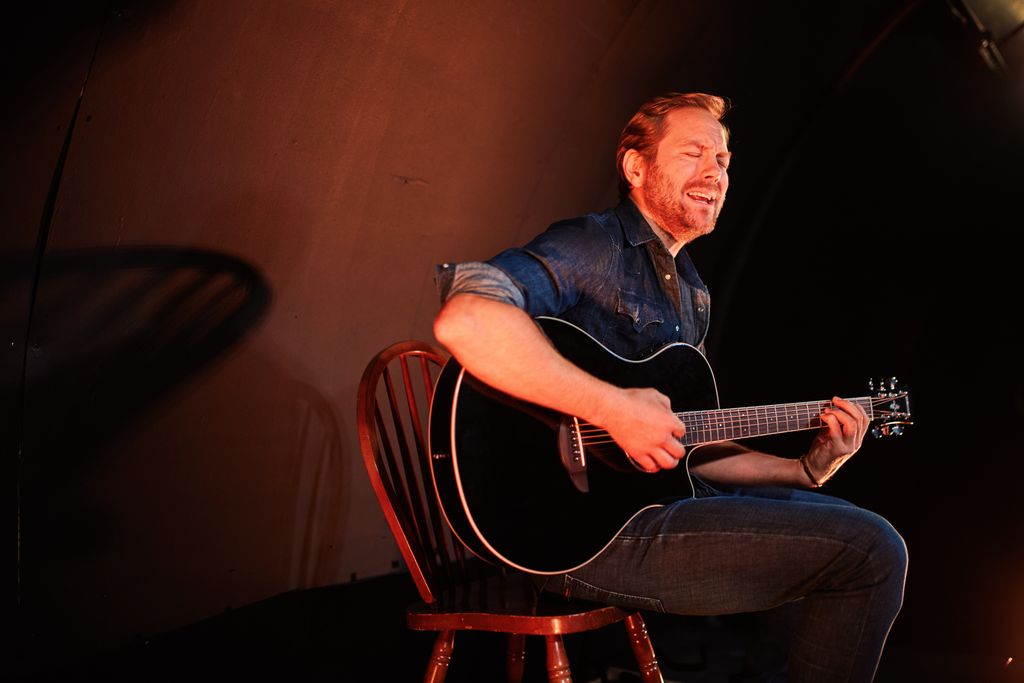
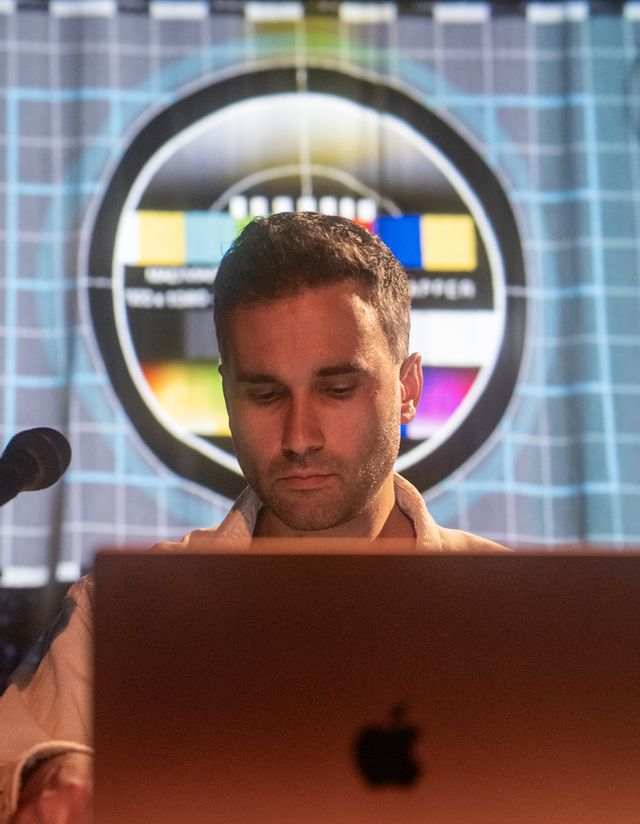
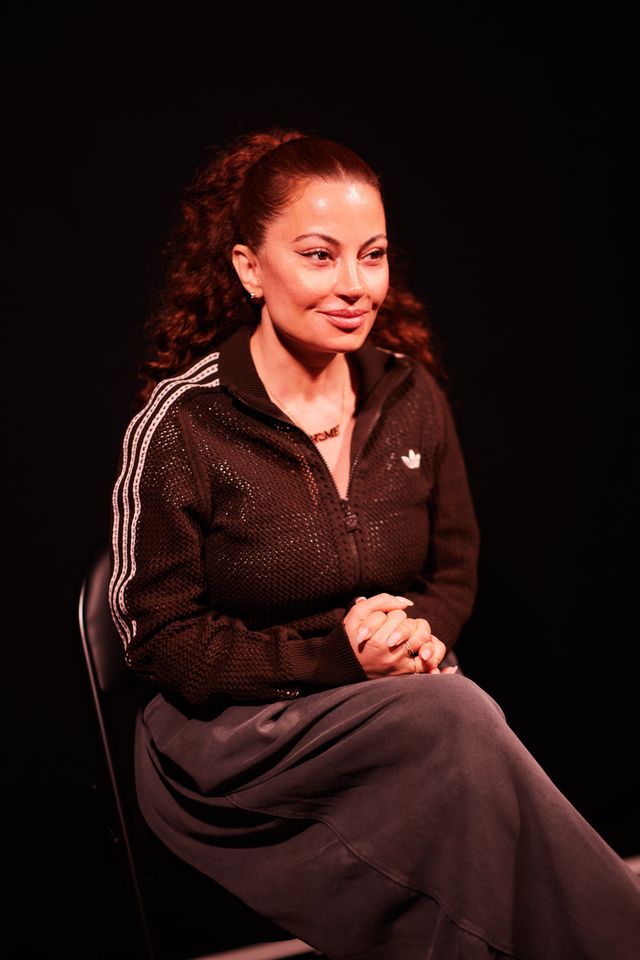
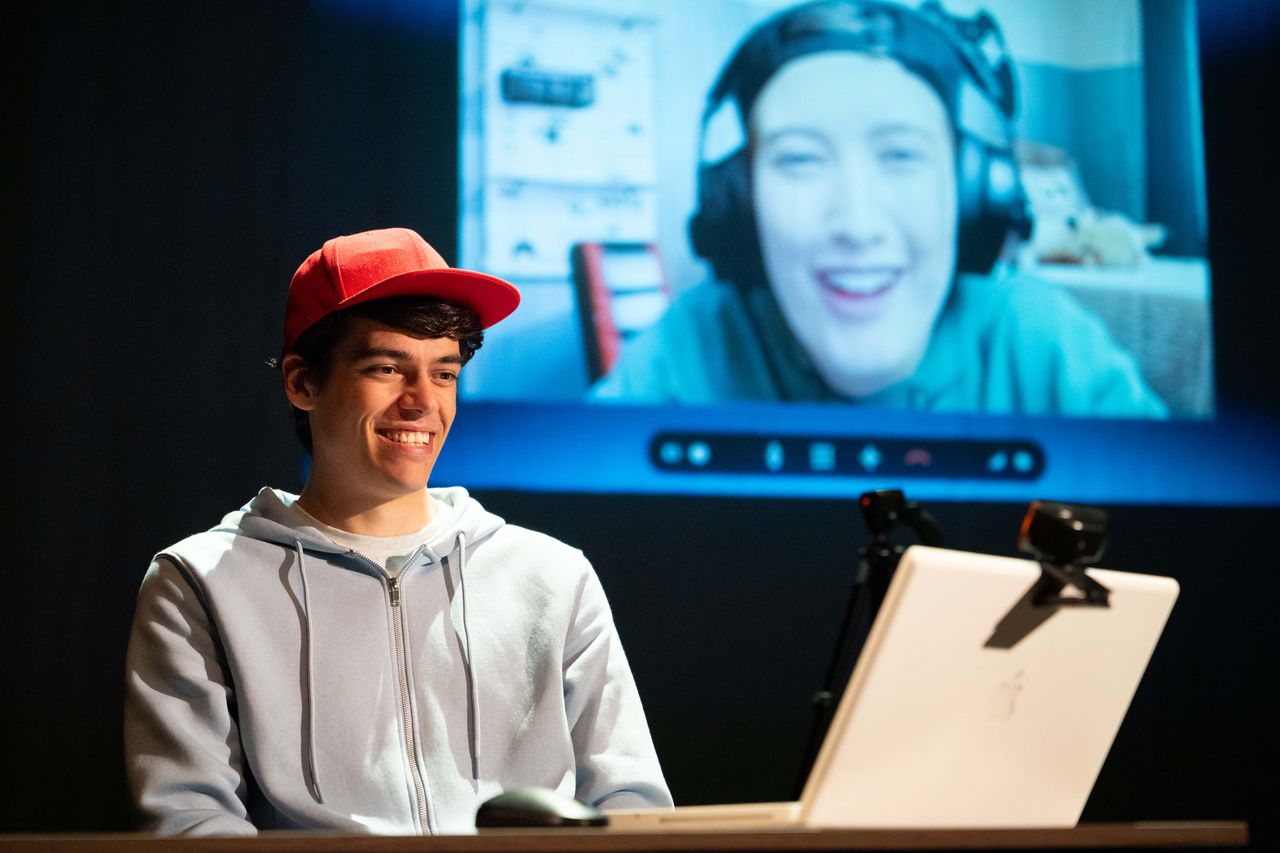
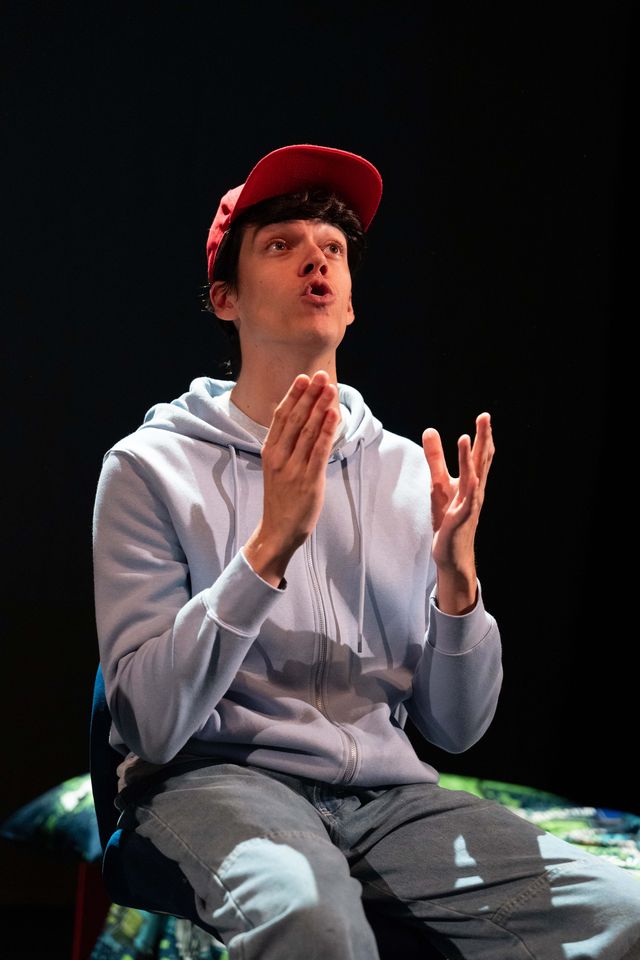
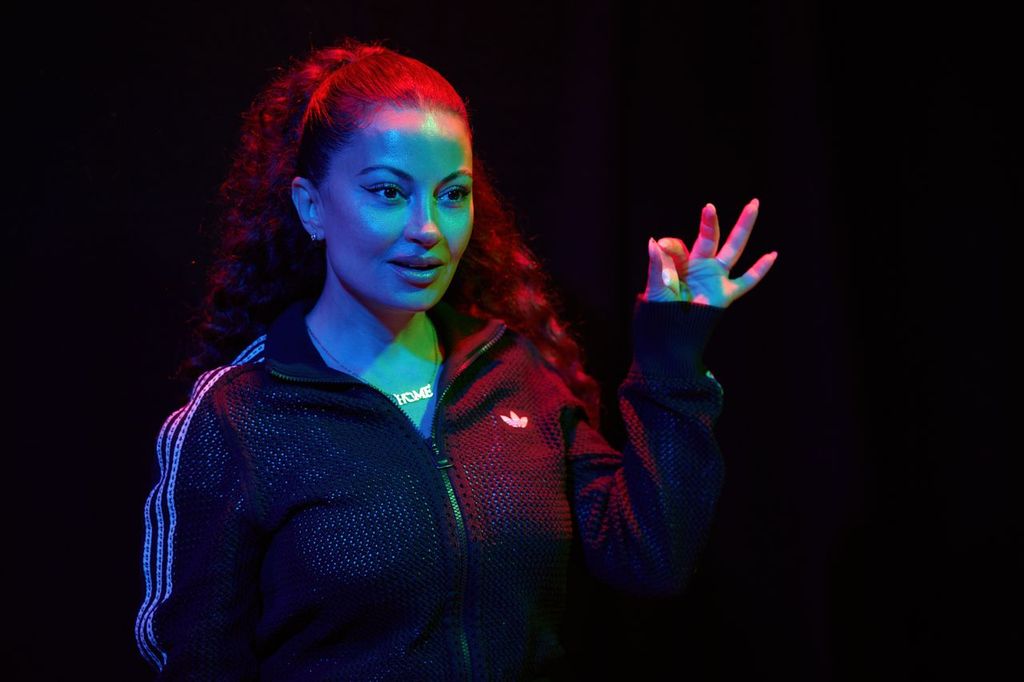
Do you want to be happier? More successful? Have you had enuff? If so, get yourself to Shaun Guff’s self-funded seminar. He’s hit rock bottom so you don’t have to, and he’s ready to share his sensational life lessons via a very Y2K PowerPoint.

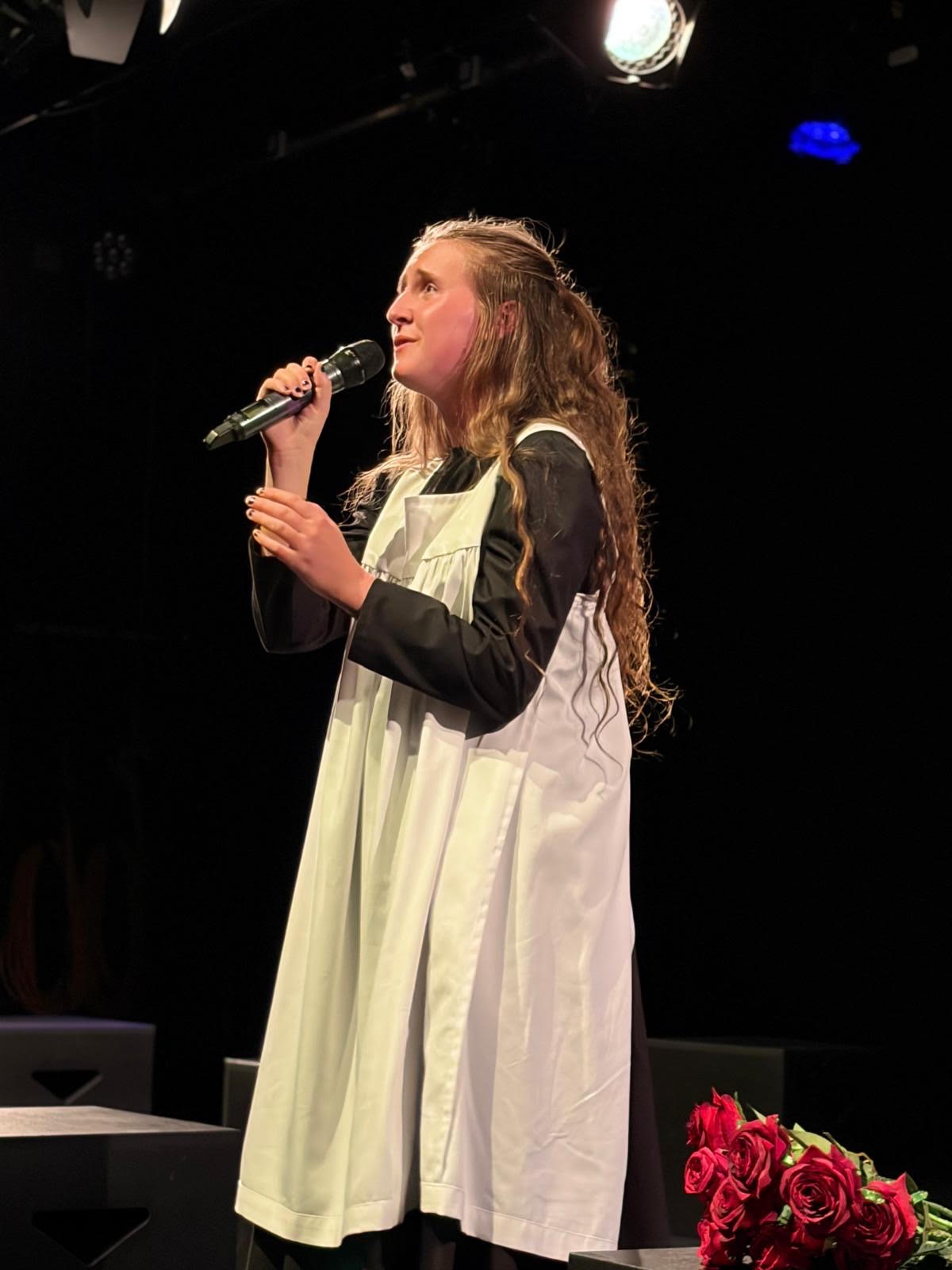
Guff is the third solo show from talented actor-comedian Clementine Bogg-Hargroves, who clearly isn’t one to keep churning out the same old stuff: the three productions could hardly be more different. 2021’s Skank was a heart-wrenching comic drama about a young woman with extreme health anxiety; 2023’s Please Love Me was an exploration of societal expectations, accompanied by pole dancing. And now here’s a character comedy, featuring an unqualified life coach called Shaun Guff, whose pronouncements are, well… You’ll have to pop along and see for yourself.

Created by Bogg-Hargroves and Lewis Coleman, this is cringe-comedy at its best: think Alan Partridge with a dash of David Brent or Larry David. Guff’s lack of self-awareness is cleverly depicted, the moments of social awkwardness he creates are genuinely mortifying. Bogg-Hargroves is an engaging performer anyway, but she turns that up to eleven in this show, forcing eye contact for just a bit too long, standing just that little bit too close. It’s wonderfully excruciating.

There is some audience participation but don’t let that put you off. Bogg-Hargroves is a lot more sensitive than her alter-ego, and she knows how to pick the right people. (And let’s face it, there’s never a shortage of willing performers watching a Fringe show.)

The show is laugh-out-loud funny from start to finish – a joyous, silly hour of nonsense.

And who knows? It might just open the door to a brand new you.

4.3 stars

Susan Singfield

The Longer My Mother Is Dead, The More I Like Her

12/08/26

Greenside (Olive Studio), George Street, Edinburgh

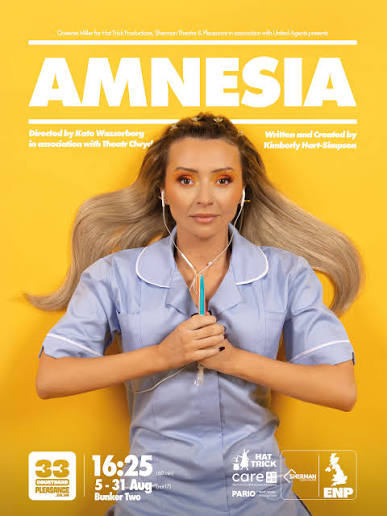
We arrive at Greenside’s George Street venue a little early, so I can’t resist FaceTiming my mum to get her reaction to the poster of the show we’re about to see. Consequently, I take my seat with her laughter still sounding in my ears, a salient reminder of how lucky I am that my relationship with my mum is so straightforward. We have a lot in common; we enjoy each other’s company; I love her – and she loves me.

Deborah Unger, on the other hand, has a lot more to work through. In this autobiographical piece, she shares her lifelong battle to understand her mother, to come to terms with the complex dynamics of their bond. Because resolution matters – even if her mom’s already dead.

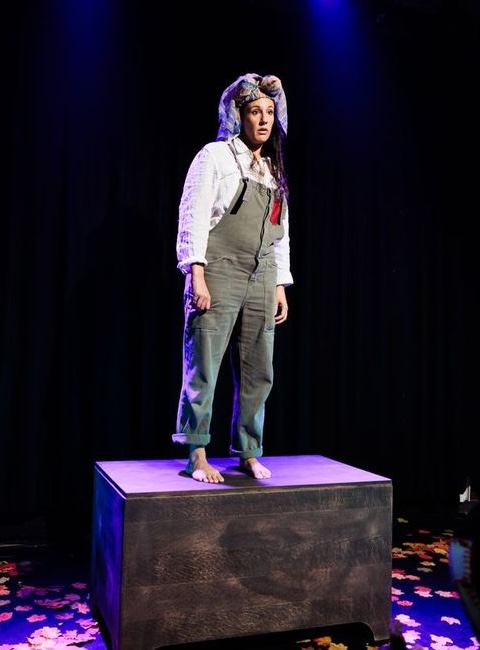
Unger switches between the roles of mother and daughter with practised ease, simply raising her glasses when she’s being herself, and peering through them when she’s being her mom. Sitting on a black box, legs dangling, she takes us back in time to when she’s five years old. Mom is clearly a difficult woman – moody and hard to predict, veering from hot to cold. But young Deborah admires her: she’s uncompromising, secretive, bold and brave, steering her family across continents for her husband’s military career.

There are a lot of threads to this story, and some of them are left dangling, which I find a little frustrating. Nonetheless, TLMMIDTMILH is an interesting exploration of the ties that bind, and there’s something very heartwarming about Unger’s realisation that she is, in fact, very similar to her mom.

3 stars

Susan Singfield

Penelope

11/08/26

Underbelly Cowgate (Belly Button), Edinburgh

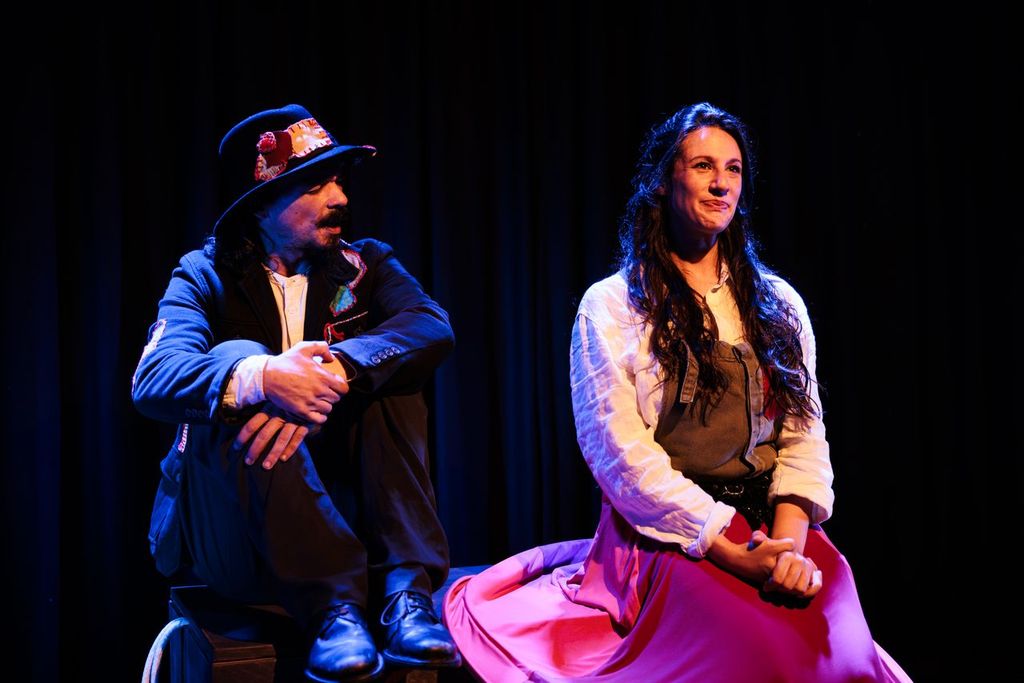
As we file into the dank gloomy confines of Belly Button, Penelope (Grace McLean) is already sitting on a stool, awaiting us with the patient air of somebody who is well acquainted with biding time. As anyone who’s read Homer – or watched Christopher Nolan’s The Odyssey – will be aware, Penelope has been waiting for twenty years for her husband Odysseus to return from his travels. While he’s off battling a Cyclops and negotiating the Clashing Rocks, she’s stuck at home doing some weaving. As you might imagine, she’s getting pretty bored with the process.

As the lights go down, three musicians file in to provide the musical soundtrack. Alex Bechtel, who wrote the music and lyrics, takes a seat at the keyboards and he’s joined by a cello player and a drummer. The sound they create is moody and haunting – and then McLean begins to sing a mournful, soaring ballad. It’s evident after just a few bars that she has an extraordinary voice.

From this point, the story progresses through a wide range of musical styles, sometimes solemn, sometimes frivolous, occasionally edging toward rock. Penelope gets through quite a lot of alcohol as she delivers her tale of woe and, of course, it’s always interesting to hear the story from a different perspective: a woman who was always her husband’s second choice after the legendary Helen; a woman dealing with a son growing into manhood; a woman resisting the advances of those predatory suitors, who are constantly seeking ways to break down her determination not to remarry. We’ve all been there.

For me, the high point in this hour-long musical extravaganza is a lengthy conversation with Pallas Athene, whose voice is supplied by the three musicians talking in unison. It’s interesting to note that the Goddess offers very little in the way of answers.

This is an assured hour of musical theatre, directed by co-creator Eva Stenmetz and impeccably delivered by the four performers. You don’t have to know The Odyssey – or even Margaret Atwood’s The Penelopiad – but it might help to be familiar with the original story.

Or maybe just trot along to Belly Button and soak it all up.

4 stars

Philip Caveney

Goodbye Dandelion

10/08/26

Underbelly Cowgate (Belly Dancer), Edinburgh

It turns out assisted dying is a hot topic at this year’s Fringe. A mere five days in and, not only is this the second show we’ve seen about it, but there’s someone waiting outside with flyers for another one “dealing with the same issues”. Euthanasia, it seems, is in.

But if the theme is redolent of the Traverse production we saw yesterday, the form could hardly be more different. While After Party is a raucous two-act play, Goodbye Dandelion is an altogether gentler affair – a whimsical hour of musical storytelling, charting Maddie Rice’s friendship with the titular Dandelion, aka octogenarian Darcy O’Shea.

Thirty-something Maddie is feeling a bit lost. There’s nothing wrong exactly: she has a steady job, a caring boyfriend, an agreeable flatmate. It’s just… shouldn’t there be something more? When she sees an advert for Run-Relate, she thinks it might be the spur she needs. Simultaneously improving her fitness and helping a lonely pensioner; surely that’ll make her feel fulfilled?

But things don’t go as Maddie expects. For one thing, it turns out she hates running. And for another, Darcy doesn’t want her help. Still, as their spiky, unlikely friendship develops, it’s clear the benefits are mutual. Until, that is, Darcy tells Maddie her deepest, darkest wish…

Maddie narrates her tale with an engaging openness, the language simple but compelling. Her brother, Marcus, provides musical accompaniment and wry asides, knowing exactly when to undercut the more sentimental moments with a witty song or some salient statistics. Everybody Dies is easily my favourite number; who knew a song about death’s inevitability could make an entire audience laugh out loud?

Although it’s about dying, this charming, clever show is ultimately life-affirming. There’s no bold ‘seize the day’ message, no cloying, fridge-magnet platitude. Instead, there’s a clear-eyed, honest appraisal of what it means to live.

4.6 stars

Susan Singfield

Cathy

09/08/26

Traverse Theatre, Edinburgh

Cathy has all the hallmarks of a sitcom: distinctive characters, familiar settings and a serious of humorous conflicts. Like the best of the genre, it also carries some real emotional weight.

The eponymous Cathy (Elaine C Smith) is based on writer-director Eilidh Loan’s own grandmother. She’s a spiky, complicated woman, struggling to deal with the death of her beloved husband, Tommy. She’s angry in her grief, lashing out at everyone she cares for: her daughter, Florence (Michele Gallagher), son-in-law, Colin (Alan Orr), and pregnant granddaughter, Amy (Chloe Hodgson).

She’s furious with God too. She’s been a good Catholic all her life, done everything He’s asked. So where is He when she needs Him? Cathy is adrift, unable to imagine a future without Tommy. But when she takes his clothes to the local charity shop, she meets an unlikely angel of deliverance in the form of Lizzie (Sally Reid), who manages the store. Boho, woo-woo and musically ignorant, Lizzie isn’t the sort of person Cathy normally warms to. But there’s something disarming about the cheerful, crystal-wearing volunteer – and Lizzie has her own experience of devastating loss.

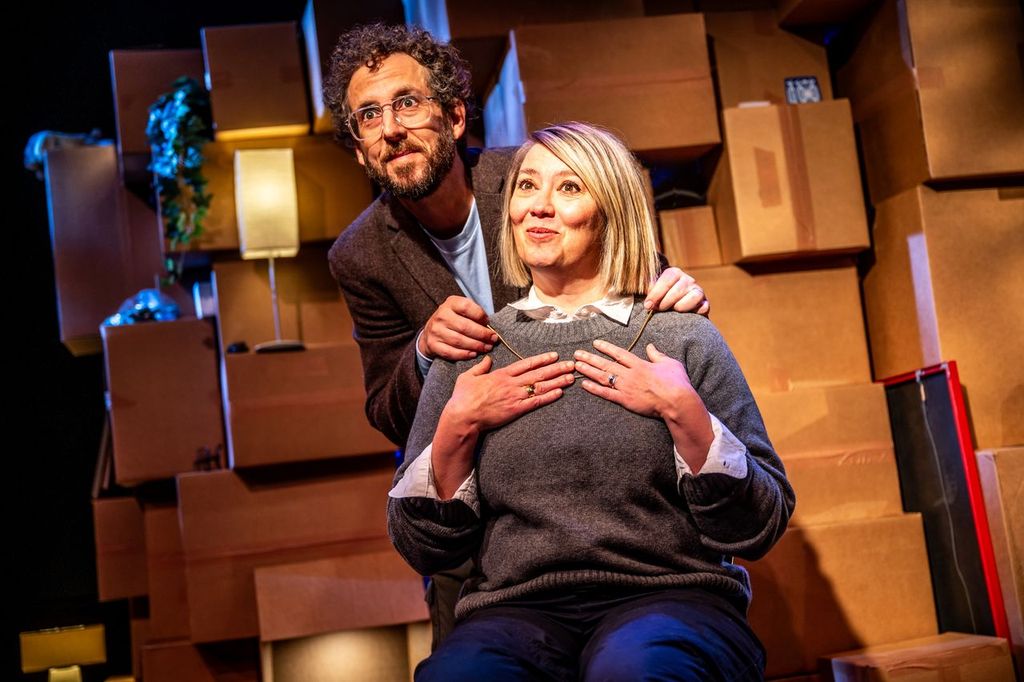
I don’t usually like a stage full of props, but Kenny Miller’s set design perfectly complements the play’s themes: the stuff that accumulates over a long life; the items we cling to and those we have to learn to let go. The transitions are complicated but extremely well-managed, so that we move with ease between realistic sets, from funeral home to Cathy’s dining room to Lizzie’s busy, bustling shop.

Unsurprisingly, this is very much Cathy’s play, and Smith’s performance is flawless, allowing us to see the central character’s hidden warmth and vulnerability, as well as delivering every gag with deadly precision. The supporting cast are very good too, Reid in particular lighting up the stage.

Cathy makes me laugh and cry. Part Christmas play, part family drama, it feels like the start of something bigger, with characters that could easily be drawn out over a series.

If you want all the feels, this is the show for you.

4 stars

Susan Singfield
Bog Witch

09/08/26

Traverse Theatre, Edinburgh

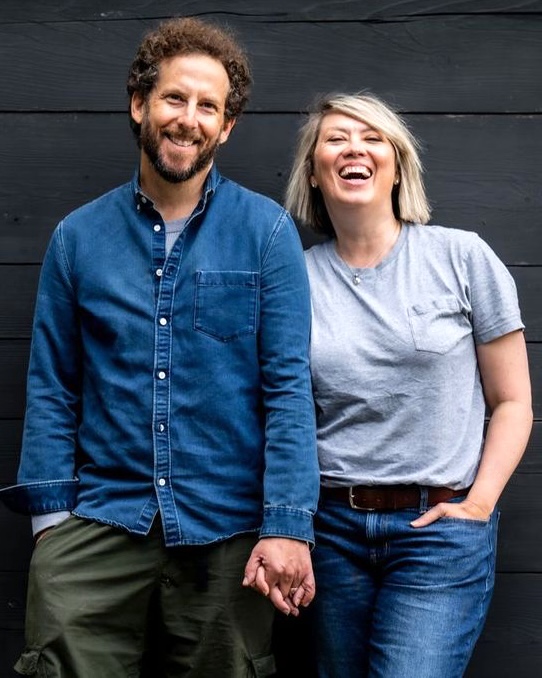
Bog Witch is an elusive concept that initially wrong-foots me. The opening minutes of Bryony Kimmings’ semi-autobiographical show are like a gentle stand-up routine, built around the idea of a contemporary woman, addicted to doom-scrolling and online-ordering, pouring scorn on all those silly people wringing their hands over climate change and plastic pollution. All they really need to do is knock back some alcohol and get out on the dance floor! But happily, as it develops, the story turns out to be much more nuanced than that.

Kimmings relates the events of one year in her life, when she falls in love with ‘Will,’ a man with an urgent need to get back to the soil, where he can grow his own food and live at peace with the land. To Kimmings, it sounds like a perfect nightmare but she loves Will and, against her better judgement, decides to move with him to the countryside. They each have a child from a previous relationship and fresh starts are good, right? What can possibly go wrong? She just needs to ensure that she doesn’t turn into the titular creature…

As the year unfolds, season by season, Kimmings gamely attempts to adapt to her new life – and, despite all her misgivings, she is beginning to change…

Kimmings has clearly put her heart and soul into this, taking the directorial reins and really exploring the possibilities of the central concept – and trust me, it’s a lot more fun than I’ve made that sound. She’s assisted by a whole team of talented individuals: Tom Rogers’ set and costume designs are fabulous, as are the linking animations from Raf Vartanian and Nathan Fernée. In addition, Tom Parkinson has written some suitably plaintive folk songs, which Kimmings sings beautifully.

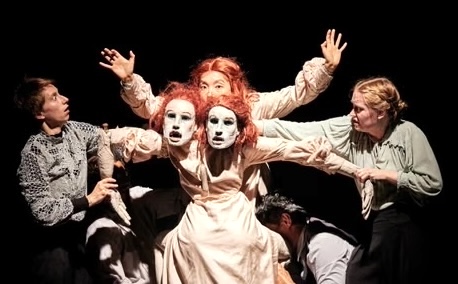
She’s an accomplished storyteller, acerbically funny in the earlier sections and confidently steering her ship into darker waters as a bleak autumn heads inexorably into a tragic winter. My only reservation here is with a concluding section where she invites nine audience members to join her on stage for ‘the great council meeting.’ Though there are some magnificent costumes for the participants to put on (with masks by Kiera Saunders), the lengthy set-up disrupts the momentum and I find myself wondering if it would work just as well with fewer participants. But that’s a niggle, really, because Kimmings does make it work – and naturally two shows are never going to be the same.

Bog Witch is an accomplished production with so much to commend it. Anyone toying with the idea of moving out to the sticks might want to check this out first. Or be like Kimmings and watch that helpful documentary before you head off. You know the one: The Wicker Man.

4.5 stars

Philip Caveney

An Echo in the Void

08/08/26

Assembly Roxy (Upstairs), Edinburgh

Written and directed by Jason Weiss, No Boundaries’ An Echo in the Void deals with the timely topic of AI. When journalist Ivy (Grace Serrano) logs into her regular Sanctuary session, she’s surprised to find three strangers there. It’s supposed to be a private virtual space and should only be populated by those she chooses. But here are soldier Toby (Adam Sinclair), programmer Arthur (Sunkrish Bala) and CEO Miranda (Lee Rodriguez), each as dumbfounded as she is by the others’ presence. What’s happening? Has the tech model gone rogue? And if so, why?

If Arthur is the brains behind the platform, Miranda is the money – and Ivy has long been petitioning to interview them both. As for Toby, he’s the company’s poster boy. Sanctuary offers a safe place, where people can leave their real-world troubles behind for a few hours, so who better to front its ad campaign than a war veteran suffering from PTSD?

But Sanctuary is addictive. If life on-line is so much better than off, why would anyone want to return?

This minimalist production is performed on a bare stage, which works well, echoing the blank canvas of a Sanctuary space. Like the platform’s users, we are invited to create our own imaginary setting. Simple tech is used to good effect, with pinspots emphasising the characters’ isolation, and a repeated sound motif signalling glitches in the machine. The actors inhabit their roles convincingly, and a sense of dread builds steadily.

However, although I applaud Weiss’s decision to eschew set and props, the piece could benefit from some more visual elements. It’s very dialogue-heavy, with a lot of information for the audience to absorb. It would be easier to engage emotionally with some of the more complex sequences if they were played out rather than reported. I also think the actors could change their voices and mannerisms when they are taking on characters from each other’s pasts, in order to clarify exactly who and where they are.

An Echo in the Void questions what it means to be human, when everything we think we are can be so cleverly mimicked by computer code. In the twenty-seven years since the similarly-themed The Matrix was released, the issues have only grown more urgent. It’s hard to imagine a more topical play.

3 stars

Susan Singfield
Badgers

07/08/26

Traverse Theatre, Edinburgh

Malaika Kegode is the storyteller and we, she tells us – gently persuasive – are Meles, a young woman, struggling to make our mark as a podcaster. Our mother looms large: not only is she a famous TV journalist, she’s also dying of corticobasal degeneration (and no, Kegode sighs, a long walk won’t help). We move home, our emotions a mixture of resentment and relief. It’s good to escape the daily hustle and London rents, but it’s hard to be back in our childhood bedroom, aimless and under-occupied, fearing our mother’s death.

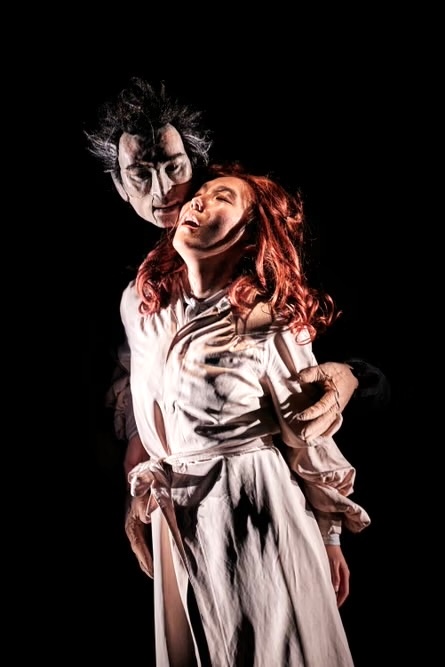
So, when we hear about the mysterious disappearance of a local musician, ten years ago, little wonder that we grasp the opportunity to investigate. A true-crime podcast might just be the thing to finally impress Mum. So off we go, into the woods, to visit an old crone called Dora Brock, who freely shares her tales of secret songs and magical badgers, unaware we’re using her…

Badgers is a harmonious hybrid, Jakabol’s eclectic score perfectly complementing Kegode’s beguiling narration. Rebecca Wood’s set design is ingenious, its colour palette stark, all black, white and red; musicians Joe Williams and Beth Roberts sit in a glass box, centre-stage, a theatre within a theatre, part cage, part display case. It’s very techie, with flickering screens and distorted voices (video by Christopher Harrisson and sound by Jack Drewry), and tonally as slippery as the shape-shifting badger-humans at its heart, switching seamlessly from contemporary online vernacular to fairy tale to folk horror. It’s this last element that allows Mike Gunning and Natalia Chan’s lighting design to shine (sorry), ramping up the jump scares and other-worldliness. And then there’s Kegode again, speaking softly, bringing us back down to earth, helping us to accept Meles’ troubled reality.

If the sound levels are a little off at first, so that I struggle to hear Kegode over the music, this is soon rectified, and I leave the theatre still wearing Meles’ skin, still caught up in her life. Directed by Jenny Davies, this is a spellbinding production, weaving us into its fabric and leaving us utterly disarmed.

4.8 stars

Susan Singfield
Supposing:

07/08/26

Traverse Theatre, Edinburgh

TravFest starts off strong this year with Zinnie Harris’s magical-realist new play, Supposing:, a blend of mythology, contemporary politics and overt theatricality.

Sally (Nicole Cooper) has fallen down a hole. In literal terms, it’s just a small crater in a road outside a theatre, and she’s not seriously hurt. Metaphorically, however, it’s so much more, not least a portal for a Greek chorus, who promptly take up residence inside her head. Awkward. As if that weren’t enough, she’s also been cursed with the ability to see some very specific aspects of the future…

Sally’s husband, Rich (Richard Conlon), doesn’t believe in her newfound prophesying skills. He thinks she’s suffering from depression – again – or maybe it’s the menopause? Either way, he has absolutely no intention of popping next door to warn their racist neighbour that she has an undiagnosed medical condition, however urgently Sally insists.

It’s not just their marriage that’s under strain. The outside world is a pressure-pot too. The town’s hotels are being used to house immigrants and there are right-wing protesters gathering outside. Sally’s internal chorus never lets up its refrain: Trump, Reform, the climate crisis. Madness seems like a legitimate response.

Cooper’s performance is impressive, at first clipped and precise, then – as Sally plummets ever-deeper down the rabbit-hole – excessive, even flamboyant. Conlon provides an excellent foil, a study in baffled defensiveness and disappointment. Deftly directed by Harris, Supposing: is a timely exploration of our post-truth society, albeit one that poses more questions than it answers about how to navigate the shifting sands.

If this sounds like your kind of thing, don’t hesitate to buy your tickets. You don’t have to be Cassandra to see that this well-crafted, thought-provoking production is sure to be a hit.

4.7 stars

Susan Singfield

The Invite

06/07/26

Cineworld, Edinburgh

Married couple Joe (Seth Rogen) and Angela (Olivia Wilde) are locked in a beautifully-gilded cage of an apartment, inherited from his parents. They’re both desperately miserable, but they don’t know how to break free, trapped by social convention and their own inertia. The couple who’ve moved in upstairs, Pina (Penélope Cruz) and Hawk (Edward Norton), are their polar opposites: lively, curious, fresh and uninhibited. So when Angela invites their new neighbours down for drinks, the scene is set for a perfect storm.

Directed by Wilde, with a snappy screenplay by Will McCormack and Rashida Jones, The Invite is a tragicomedy of manners, at times laugh-out-loud funny but also moving and profound. Joe and Angela’s unhappiness is so horribly ordinary; exhausted by disappointment, they blame each other for their broken dreams, unable to break free from the prison they’ve created. Pina is a sex therapist and that’s the function her character performs: Pina and Hawk’s vibrant, overtly sexual relationship shining an unforgiving light on Joe and Angela’s marriage, prompting the joyless couple to examine their feelings and acknowledge that they cannot carry on. The laughs come in the form of toe-curling awkwardness and physical ineptitude, the clash between fantasy and reality. But we’re never allowed to forget that these are real people, their humiliations causing real pain.

A remake of the Cesc Gay’s 2020 Spanish film, The People Upstairs, this is something of a triumph, Wilde perfectly encapsulating the claustrophobic atmosphere of a failing marriage. Although Joe and Angela’s apartment is twice the size of Hawk and Pina’s, their world is so much smaller, the four walls constraining them. We can feel this in the direction, the actors seemingly too big for the space, unable to move without knocking things over and breaking them.

The four actors work well together. None of the characters is especially likeable, but they’re all sympathetically drawn and we want a happy ending for them. Rogen is effortlessly funny, eliciting most of the laughs with his gloomy defeatism and misplaced anger, while Norton somehow manages to imbue the world’s smuggest, most annoying man with enough humanity to save him. Cruz is so charming that Pina’s sharpness becomes an attribute, while Wilde’s quiet desperation is genuinely painful.

This is Wilde’s third feature as a director. I loved her 2019 debut, Booksmart, and also found a lot to admire in 2022’s Don’t Worry, Darling, although the latter was perhaps a little muddled. The Invite is her most sophisticated to date, and I’m already keen to see where she goes next.

4.7 stars

Susan Singfield