
The Woman King

16/010/22

Cineworld IMAX, Edinburgh

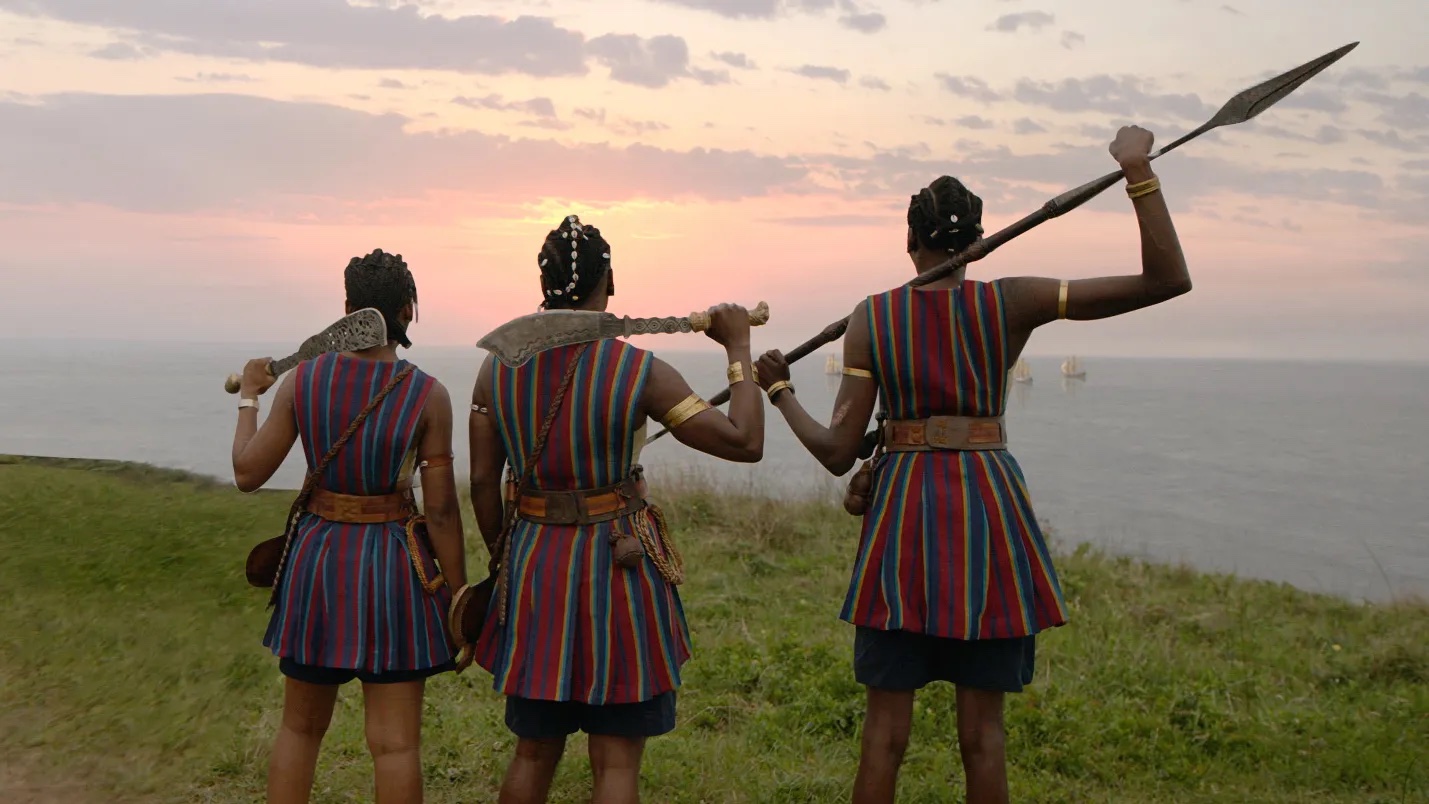
It’s 1823, and in the West African kingdom of Dahomey, King Ghezo (John Boyega) rules over a tribe who are continually being oppressed by their neighbours, the Oyu, who repeatedly take captives and sell them as slaves to the Portuguese traders who have begun to infiltrate their territory. The Oyu have clearly decided that their best chance of survival is to join up with the invaders, but King Ghezo has a powerful weapon: the Agojie, a select group of warrior women, who are pledged to fight to the death to defend Dahomey. They are led by General Ninisca (an impressibly buff Viola Davis), supported by her veteran lieutenants, Izogie (Lashana Lynch) and Amenza (Sheila Atim).

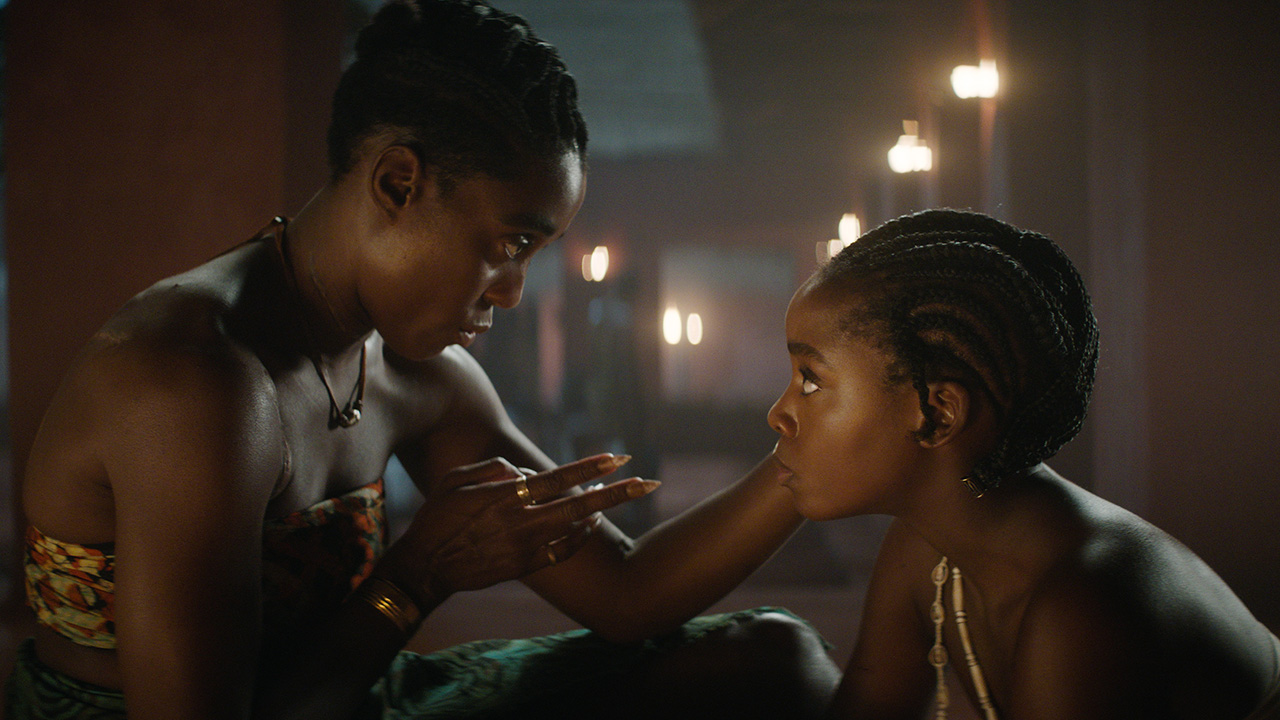
New recruit Nawi (Thusu Mbedu) arrives after her father casts her out for refusing to marry the openly abusive elderly husband he’s lined up for her. She begins the rigorous process of learning the ways of the Agojie. If she is going to be accepted as a warrior she will have to prove her mettle – and the path to acceptance is a hard one.

Meanwhile, General Ninisca is always watching to find her weaknesses…

The Woman King is an epic adventure story with thrilling action set-pieces – but it’s more than just that. It’s also a commentary on the horrors of colonisation and the slavery that goes hand-in-hand with it. It’s a story about kinship and motherhood and it’s a handsomely mounted visualisation of a mostly forgotten era in the history of Africa – a time when women were encouraged to take a leading role in the protection of their people’s way of life.

Davis is always impressive, but she’s rarely been more convincing than she is here, as a hard as nails powerhouse, who stands ready to give her life to her cause. Both Lynch and Atim also offer standout performances in roles that are much more nuanced than you might expect in an action movie, and I’m quite sure we’ll be seeing a lot more of Mbedu in the not too distant future. Gina Prince-Bythewood handles the directorial honours with assurance and Terence Blanchard’s eclectic score is incredibly rousing, his battle anthems stirring enough to make you want to march beside the Agojie. This is definitely one to watch on the IMAX screen if you get the chance, because the world-building here is superbly done and benefits from the immersive qualities of a giant screen, particularly in those powerful battle scenes.

Ironically, before the film, there’s a trailer for upcoming Black Panther sequel, Wakanda Forever, which will be attempting some African world-building of its own on behalf of the Marvel Cinematic Universe (though the society that Ryan Coogler and his team create will be entirely fictional).

No prizes for guessing which of the two films will draw the biggest crowds, and that’s a shame, because the events featured in The Woman King are (however loosely) based on history; and the paltry audience at Cineworld this Sunday afternoon are treated to a big, bold, beautiful slice of cinema, which deserves to be seen by millions.

4.8 stars

Philip Caveney
Dine Murrayfield – Wine Club

12/10/22

Murrayfield Place, Edinburgh

We’re already familiar with the Dine in Saltire Court, conveniently situated above the Traverse Theatre, a three minute walk from our apartment – and okay, when I first receive the invitation to this combined wine-tasting and four course meal, I’m under the impression that’s where I’m actually going. No matter, the Murrayfield branch is just a twenty-five minute stroll away and proves to be as delightful as its sister restaurant. One of the friendly waiters informs me that a new branch has just opened in Cannon Mills, so I make a mental note to check that out in due course too.

Pretty soon, we’re sipping a delicious glass of Loimer Brut Rosé and our host for the evening, Mike from Liberty Wines, sings its praises and points out details like the fact that it has a delicate ‘puff pastry’ aroma. (Weirdly, it actually does!) Mike pops up at regular intervals during the evening, telling us more about the joys of Austrian wines, of which – until now – I know nothing. He’s keen to point out that all but one of tonight’s offerings are certified organic and biodynamic, the latter of which he helpfully describes as ‘organic on steroids’. 

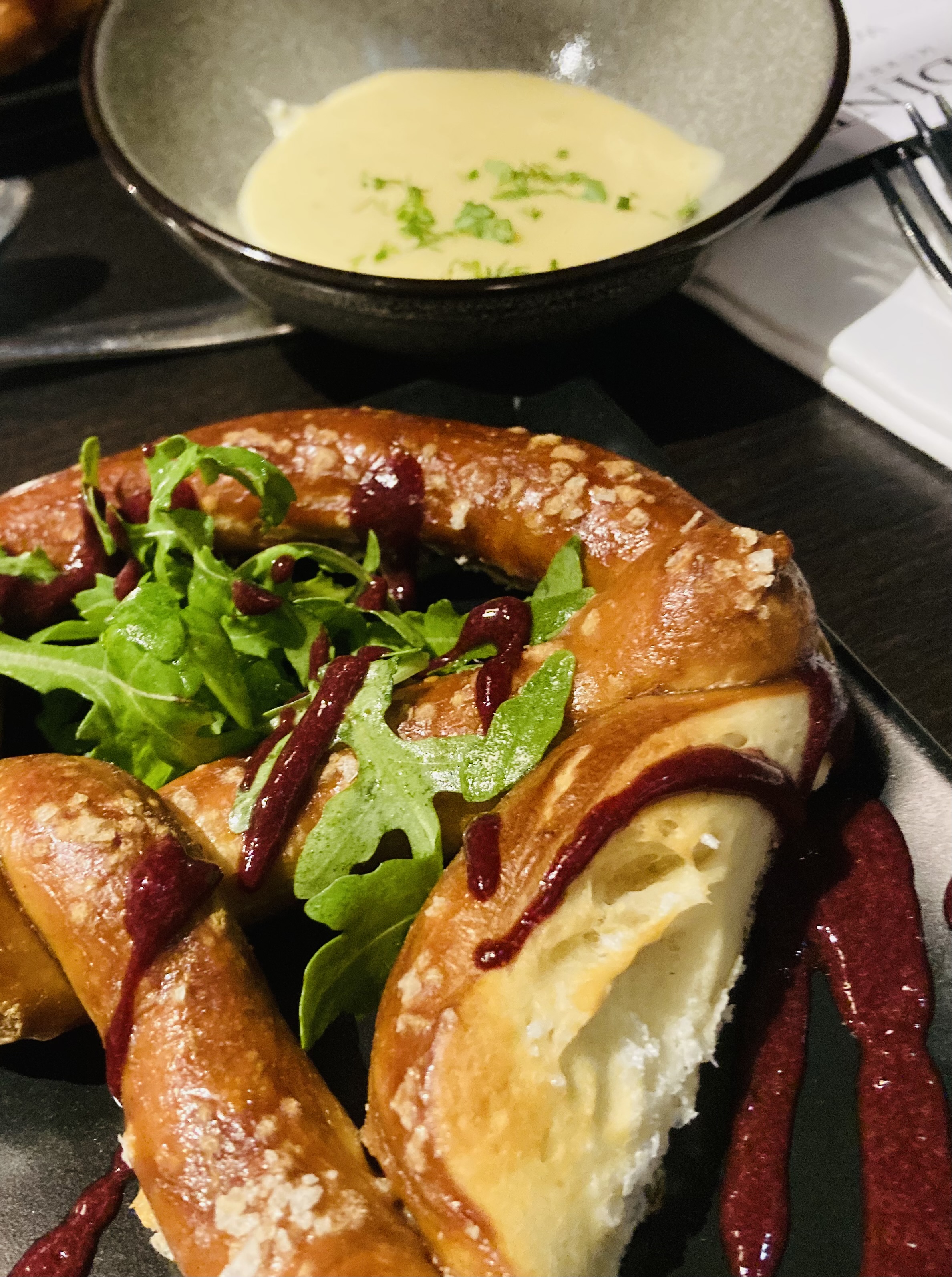
In comes the appetiser, a pretzel cheese fondue, which features a full size pretzel with rocket and port gel and a generous bowl of hot creamy, cheesy dip, which is absolutely delicious. Too big for a starter? Possibly, though I’m certainly not complaining!

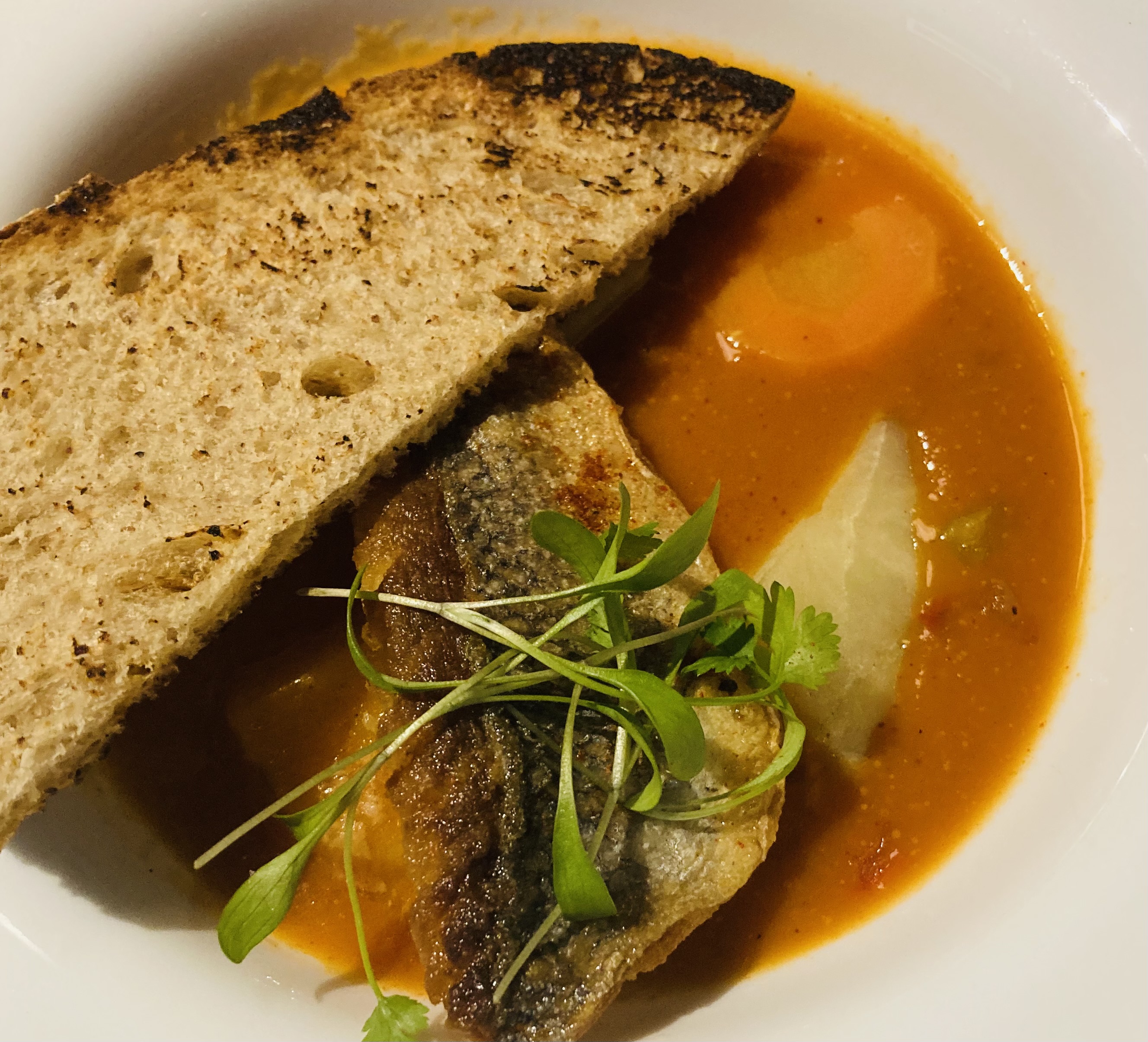
Next up there’s the fish course, a Gulasch sea bream, which turns out to be my star meal of the evening, a mouthwatering stew featuring chunks of potato, carrot and bell peppers and, best of all, a fillet of bream with a delightful crispy skin. The paprika-laced broth causes a delightful catch at the back of the throat. A slice of sourdough is perfect for mopping up the last of it. This course is accompanied by a Südsteiermark Sauvignon Blanc, a subtle but zesty wine with gooseberry and pear notes.

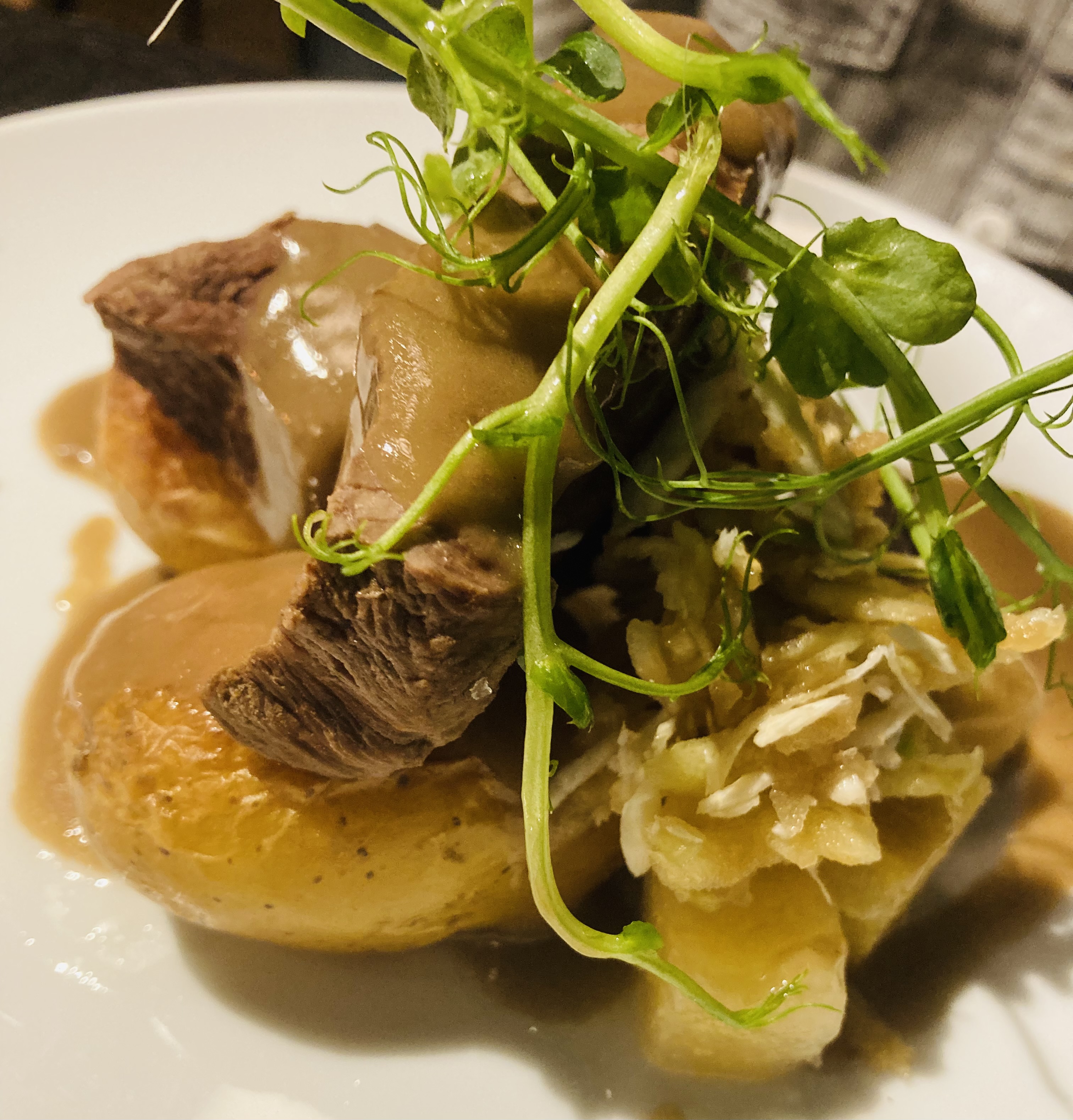
Next up, the glasses arrive charged with Wieninger Pino Noir Select, heralding the fact that a meat course is coming. On paper, the Tafelspiz sounds unprepossessing: boiled beef in a broth of vegetables and spices. Can anybody make boiled beef appetising? It turns out they can. The meat is melt-in-the-mouth tender; there are a couple of perfectly cooked roast potatoes and an accompanying mixture of minced apples and horseradish, which I enjoy despite my initial reservations. What’s more, though I rarely enjoy red wine, the Wieninger’s robust tannin structure with flavours of red and black cherries makes an ideal accompaniment to the dish.

I’ve said it many times before: the pudding is often the crowning glory of many a good meal – but sadly, there’s no pudding here, just an Austrian cheese selection, which – though perfectly agreeable – seems like the one real misstep. Let’s be honest, we began with a cheese dish and Austria has no shortage of great puddings. A fruit strudel would surely be a better companion for the sweet Heidi Schröck Welschriesling that accompanies the final dish. I could also suggest that the courses are all a bit heavy on the carbs and might benefit from the presence of a few greens, but I can’t deny that I find all of this (even the cheese) utterly delicious and, at just £59 per head, exceptional value for money.

Another of these events is planned for the new year. 

Are we going to be there? Hell, yes!

4.6 stars

Philip Caveney

Made in China

11/10/22

Traverse Theatre, Edinburgh

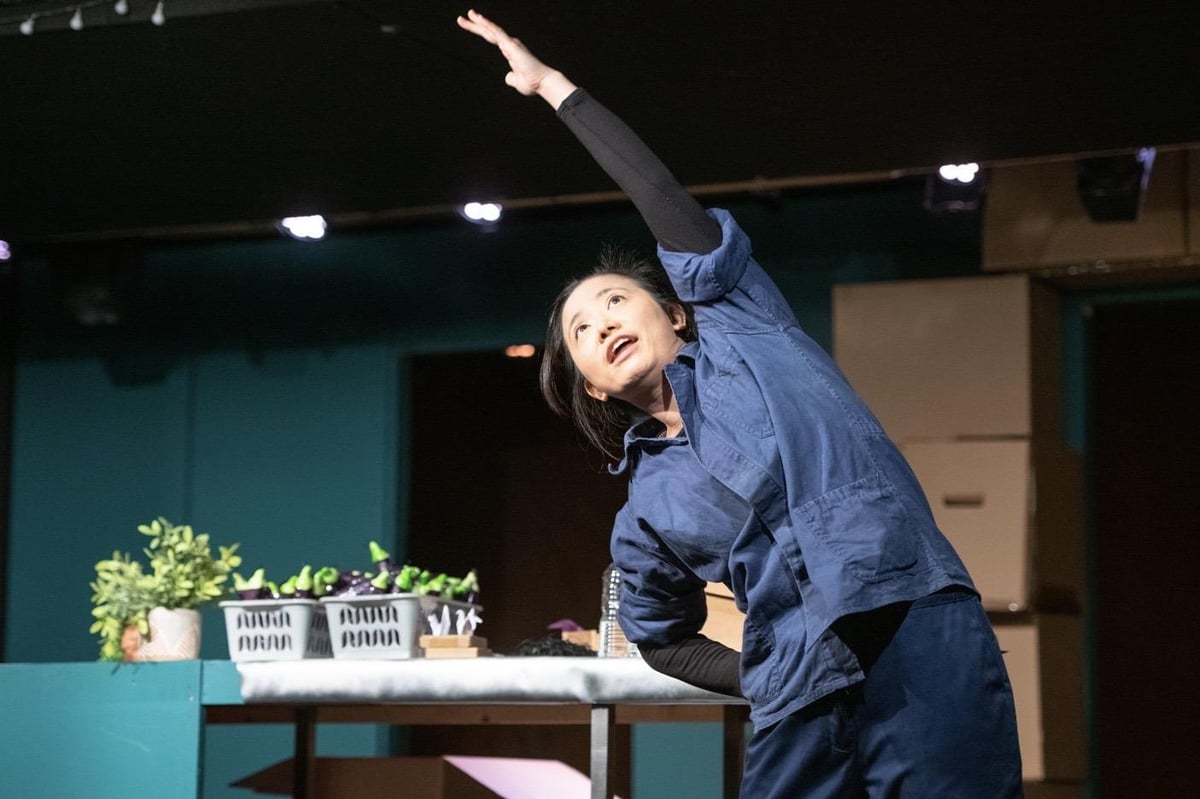
Janet (Jo Freer) lives in Wishaw, near Glasgow. Her daughter Tash’s birthday is fast approaching and Janet is frantically trying to procure the weird selection of fripperies Tash says she simply ‘has to have’ if her party is to be a success. When she demands some novelty lights in the shape of… er, aubergines, who is Janet to argue with her? She obligingly opens the Amazon app and clicks through her order.

Meanwhile, in China, Hui Ting (Amber Lin) is working long shifts at a factory, where such dubious items are produced and packaged, before being shipped all around the world. She has much to contend with, struggling to meet her targets and constantly being fined for trivial matters – even, in one case, for having her period at an inconvenient time. But she has a powerful motive for working around the clock: she doesn’t want her daughter to end up in the same position.

And then Janet discovers a scrap of paper in her latest order, something that Hui Ting has scribbled in a rare free moment and accidentally dropped into the box. Janet decides that she needs to find out what the note means. It takes her a while but, once she has an answer, she’s compelled to reappraise the way she lives her own life…

Made in China is a deceptively simple two-hander, the latest offering from A Play, a Pie and a Pint. On a stage festooned with cardboard boxes, the women appear to work side-by-side, their lives intertwined, even though they never interact. Playwright Alice Clark cleverly draws out the fascinating parallels between the two, and shows the kind of ripple effect that can be initiated by even the most innocuous form of Western consumerism. Both Freer and Lin make their characters utterly believable. I love Janet’s snarky, self-deprecating tone and I love too that Hui Ting is not presented as saintly, but as somebody who has her own agenda and is quite prepared to bend the rules in order to achieve her goals.

Clark’s eloquently written play alternates between harsh reality and the enduring allure of dreams. Philip Howard’s direction brings this prescient piece to a satisfying conclusion. As polemics go, it’s one of the best I’ve seen in quite a while.

4.1 stars

Philip Caveney

Tantra

08/10/22

Castle Street, Edinburgh

Tantra has been on our radar for a while now. Its promise of ‘progressive Indian cuisine’ is alluring, and the restaurant looks enticing too: all glass, shiny surfaces and fancy wine fridges. So, when we’re looking for somewhere to meet friends for a long overdue catch-up, it seems like the obvious choice.

The restaurant’s mission is “to change people’s perceptions of Indian cuisine” and “provide a multi-sensory experience”. I think it succeeds. The food is ambitious, delicious – and certainly different from what I’ve come to expect from a regular curry house.

To begin, we share a Tantra Crisp Board, which comprises a selection of crisps and seven different dips. It’s interesting, and the dips are really tasty – but there’s a problem. We need a well-trained waiter to talk us through what we’ve been given, but what we get is a succession of keen, friendly sixth-formers, all of whom are obviously doing their best, but haven’t been taught to explain the dishes. So I can’t tell you what any of the dips are made of, but I can say that I especially like ‘the tomatoey one’, and that ‘the tamarind one’ is lovely too.

Philip’s starter, the Trio Tibetian Mog, is the standout dish of the evening. It’s just three chicken dumplings, but they’re beautifully presented, and delicately spiced. I have the Fuchka Xplosions, which is as theatrical as it sounds. There’s a pattern emerging though: these stuffed-puffed pooris are served with a glass full of corked test tubes, over which liquid is poured to create a perfumed dry ice. It looks amazing, but I don’t know what to do with it. I guess that the test tubes are just there to create the appetising fruity smell, and I eat the pooris as they stand. They’re fresh and zingy, but later I notice diners at a different table pouring the test-tube contents over theirs, and wonder if I’ve missed a trick. I wish someone had told me…

For my main, I opt for a Dum Hyderabadi Gosht (lamb biriyani). One of our friends asks for the vegetarian jackfruit version. They arrive looking identical, and topped with naan. Breaking open the bread reveals a layer of rice and vegetables, so we’ve both eaten a fair quantity before we delve deeper and realise we’ve been given the wrong meals. Luckily, he’s not actually veggie, so we just accept that we’ve got something different from what we wanted and soldier on. I’m happy to report that the Zafrani Echor Biriyani is a delight: vibrant, hot and full of flavour. Just, you know, not what I ordered…

Philip has the Chemmeen [Prawn] Mappas, which proves to be a luxurious, mild, coconut-milk based curry, and the Plain Naan he orders to go with it is light and well-baked too. This meal is perhaps a bit on the small side, which doesn’t matter as we’re sharing and he has half of my biriyani, but a more alert waiter might have advised him to order rice.

Our other friend orders the Spiced Lamb Rack, which deserves a mention just for being so pretty. She says it’s very good (and I certainly like the sound of the pistachio crumb), if a little difficult to cut.

We all eschew pudding. The dessert menu is intriguing and inventive but we’re full, so we decide to do without. The bill arrives. It’s surprisingly reasonable given the standard of the cuisine, working out at about £40 a head, including drinks (between us, we imbibe two glasses of wine, two Tiger beers, two non-alcoholic lagers and a diet Coke).

So it’s a thumbs up for the food, and a thumbs down for the service. This isn’t a slight on the individual waiters, but on the way they have been trained. Half of the joy of a fancy meal comes from a more holistic approach to the dining experience, and – although we like what we eat and have a lovely time with our friends – something is lacking here (and I don’t just mean the tap water that never appears, despite us asking twice).

3.6 stars

Susan Singfield

The Lost King

07/10/22

Cineworld, Edinburgh

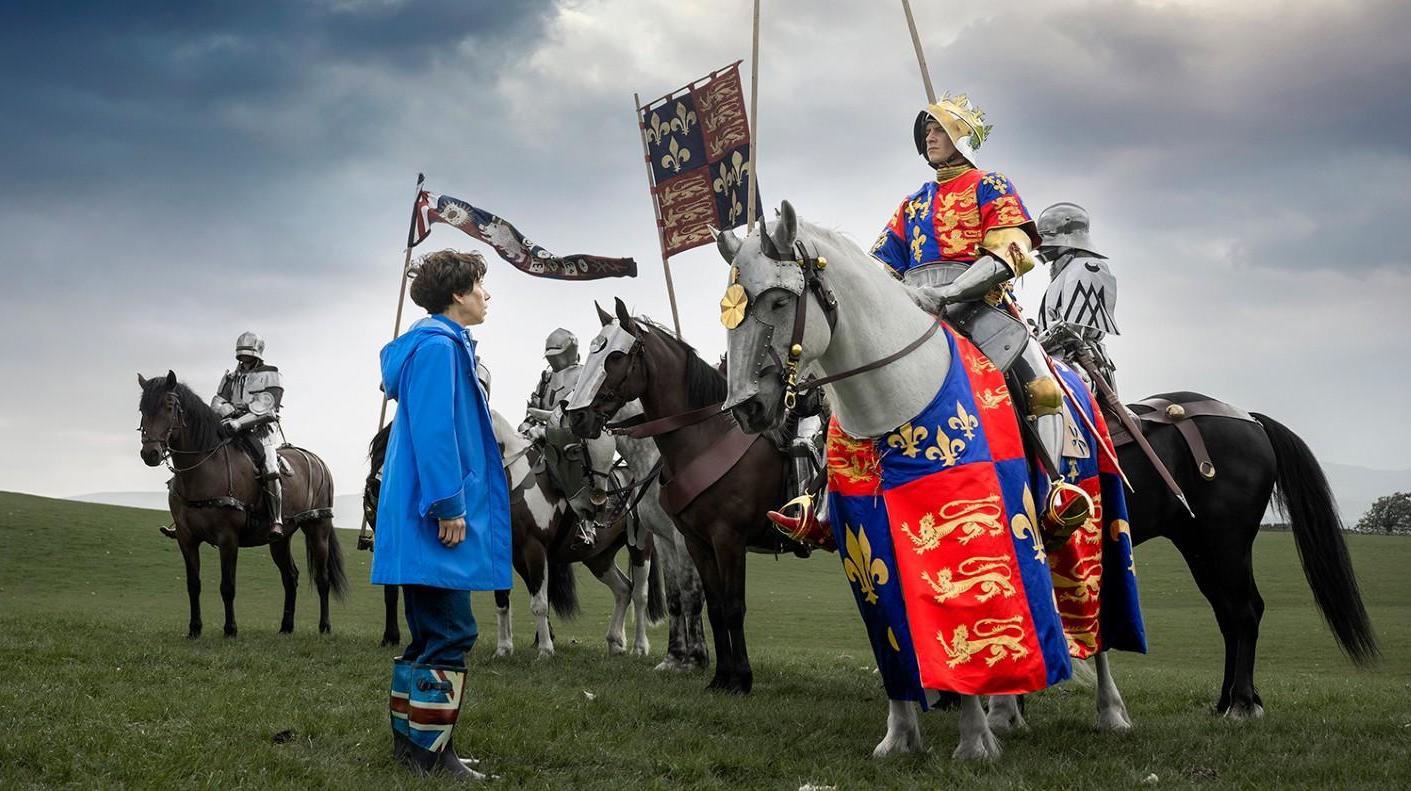
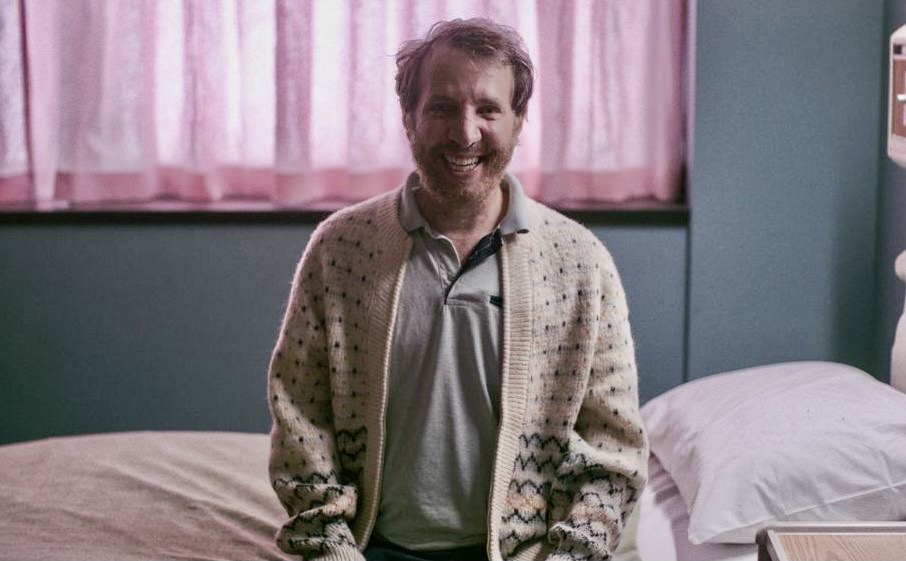
The Lost King is based on a true story – how a woman called Philippa Langley came to be the driving force behind the discovery of the remains of King Richard III… underneath a council car park in Leicester. Written by Steve Coogan and Jeff Pope and directed by Stephen Frears (the team behind the excellent Philomena), the film relates how Langley (Sally Hawkins), an ‘ordinary woman’ living in Edinburgh, first becomes interested in the last of the Plantagenet kings, while watching a performance of Shakespeare’s eponymous play. The titular role is performed by a young actor (Harry Lloyd) and thereafter, Langley experiences visions of ‘Richard’, who seems to be waiting for her to do something.

Much to the bemusement of her ex-husband, John (Coogan), and her two young sons, Langley’s interest quickly develops into a full-blown obsession. She reads everything she can find about Richard, she joins a group of local enthusiasts and, eventually , she finds herself in Leicester and that fateful car park. After making her way a spot helpfully marked by a large letter R, she becomes convinced that she’s standing on Richard’s grave.

I know. If this hadn’t actually happened it would be risible. But it did happen, so get over it.

Convinced she’s right, Langley approaches archeologist Richard Buckley (Mark Addy) at Leicester University, and persuades him to help her to organise an excavation of the car park. But where are the funds going to come from?

The film has stirred up some controversy by suggesting that, although Langley was undoubtedly the prime mover behind the campaign to find Richard – she actually raised most of the money via crowdfunding – she was latterly sidelined by Leicester University, who monopolised the subsequent discovery and dismissed her as an ‘amateur’. One man in particular, Richard Taylor (played here by Lee Ingleby), comes across as especially unpleasant and the real Taylor, former Vice Chancellor of the university, is currently threatening legal action. Surely it would have been kinder at least to give the character a different name? (This would also have avoided having yet another Richard in the story.)

Whatever the truth of the case, this is a fascinating story about self-belief and perseverance. I like the fact that Langley is not deified here, but presented as a far from perfect individual, selfishly devoting everything to her obsession, no matter what the cost to herself or her family. And I like the device of having Richard as part of the ongoing adventure, offering a little more depth to the proceedings.

While the whereabouts of a long-dead body is arguably low-stakes, recent events have shown how pageantry, pomp and circumstance really seem to matter to huge swathes of the population, and it’s always a delight to see Edinburgh (my home city) depicted onscreen in all its glory – even when, in certain scenes, it’s pretending to be Leicester!

3.8 stars

Philip Caveney

Don’t. Make. Tea.

06/10/22

Traverse Theatre, Edinburgh

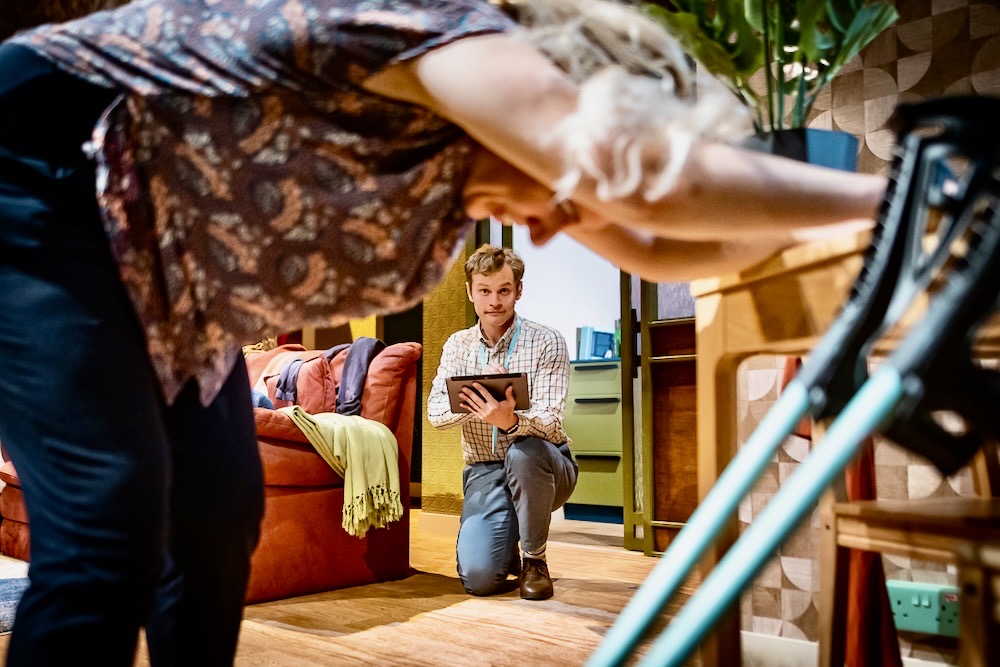
Chris (Gillian Dean) is feeling understandably nervous. It’s the year 2030 and today she’s having her assessment. Chris has OPMD, which means that she is partially sighted, has trouble walking and is in constant pain. This rare condition is degenerative, so things are only going to get worse – but, under a recently implemented system, claimants are assessed ‘positively’, i.e. on what they can do rather than on what they can’t do.

The process will be depressingly familiar to those who have been through a PIP assessment. Points are awarded throughout the frustratingly opaque interview. If Chris scores five, she will be expected to take on part-time work. Score ten and she can go full-time! All Chris knows is that she has no money in her account and her electricity supply is set to switch itself off when the meter hits zero. She’s desperate. Meanwhile, her life is supervised by ‘Able’, an Alexa-like hub that offers a commentary on everything she says and does… and may just be capable of informing on her should she ever step out of line.

Enter Ralph (Aidan Scott), the sly, smirking interrogator who will determine Chris’s future. ‘We listened,’ he keeps telling her, and then proceeds to turn her words against her. His questions are cunningly designed to trip her up and he’s on to all the received wisdom that has served her up to now (‘be you on your worst day’; ‘don’t show them you can make a cup of tea’).

This clever and prescient piece from Birds of Paradise Theatre, written by Rob Drummond and directed by Robert Softly Gale, is designed to be as accessible as possible. Able’s irksome commentary acts as a kind of audio description, while on a huge TV screen that dominates one wall, Francis (the engagingly comic Emery Hunter) helpfully translates everything into sign language. An overhead video display also offers viewers the text. I’ve rarely seen audio-visual aids so skilfully integrated; indeed, they are characters in their own right.

It’s a show of two halves. The first is essentially a taut two-hander as Chris and Ralph go through the various hoops and hurdles of the assessment. The narrative becomes increasingly adversarial and the interview builds to a frantic conclusion. As the lights go down for the interval, I ask myself where this can possibly go next.

The second act is an entirely different kind of beast, a high-powered slice of farce as new figures appear, seemingly out of nowhere. It would be wrong to give too much away but there are some wildly funny moments here, though the piece never forgets that it has an important message about disability rights to get across – something it skilfully manages without thumping me over the head.

Don’t. Make.Tea. is a dystopian vision of an all-too credible near future, a play laced with dark humour and some genuine surprises. Cleverly crafted to be accessible to the widest possible audience, it’s an exciting slice of contemporary theatre.

4.2 stars

Philip Caveney

James IV: Queen of the Fight

05/10/22

Festival Theatre, Edinburgh

For the fourth part of her epic series about Scottish history, Rona Munro chooses to focus her gaze upon a little known episode in the reign of James IV – the influence of two ‘Moorish’ women on the Scottish court and the events that lead to the writing of Ane Blak Moor, a derogatory (and openly racist) poem written by the Makar, William Dunbar (Keith Fleming).

In 1504, Lady Anne (Laura Lovemore) and her servant, Ellen (Danielle Jam), arrive at the Scottish court. Anne is to be lady-in-waiting to James’s young English bride, Margaret (Sarita Gabony), so Ellen is left to form her own alliances. She soon finds a role within the royal household – as an entertainer – and eventually finds herself the confidante/lover of King James (Daniel Cahill). She plays the titular ‘Queen of the Fight’ – a kind of MC – in the symbolic tournaments he leads. But Margaret’s jealousy of the woman she perceives as an interloper will have significant consequences for James and his followers – and shows how, even though the King apparently champions diversity, when push comes to shove, racism rears its ugly head.

The real strength of this production is the way that Munro finds contemporary echoes in these historical characters, who talk and act like the kind of people you might encounter in modern-day Edinburgh. This is particularly apparent in Dunbar, who is obliged to cut his cloth according to the changing mood, in order to eke a meagre living from his writing. His grumpy observations about his precarious existence put me in mind of a typical freelancer, forever having to apply himself to the fickle moods of the court. Clearly some things never change. (No, no, never been there myself…)

This is a handsomely mounted production, from Jon Bauser’s elaborate set designs to the sumptuous costumes by Karen Short. (I love the way the play begins with the characters in contemporary clothes, before they are dressed in their period finery.) There are some wonderfully boisterous fight scenes too, the participants swinging broadswords at each other with wince-inducing gusto.

There’s so much to enjoy here – I’m especially amused by Gabony’s petulant, seventeen-year-old bride, too moody to even get out of bed – and there are Dame Phemy’s delightfully caustic remarks (Blythe Duff); she has worked in the court longer than anyone and has everybody (including the King) dancing to her tune.

Queen of the Fight is proof, if ever it were needed, that historical fiction doesn’t have to be dull and strait-laced. Here is a production that positively thrums and pulses with energy and one that genuinely earns an exuberant and heartfelt ovation.

4.6 stars

Philip Caveney

He Who Opens the Door

04/10/22

Traverse Theatre, Edinburgh

The ‘Play Pie Pint’ season continues, and this week’s offering is a dark comedy by Ukrainian playwright, Neda Nezhdana. The morgue where Vera (Louise Stewart) works is situated in an underground bunker, originally built as a bomb shelter. For Vera, this is just a normal, boring nightshift, babysitting the dead: filling out paperwork, flicking through a magazine and half-heartedly exercising – anything to pass the time. But then Vika (Yolanda Mitchell) stumbles from the freezer into the office, still drunk from the night before. She doesn’t know where she is, or why there’s a tag on her foot. Vera faints at the sight of a walking corpse and, when she comes round, she’s confused. Is Vika alive, or is Vera dead? Suddenly, shockingly, the two women realise the doors are locked and Vera’s phone has no signal. And then the landline rings…

He Who Opens the Door has been adapted by John Faradon, and – although the setting is still Ukraine – there’s a distinctly Scottish flavour to this production. I can see what director Becky Hope-Palmer is aiming for but, for me, this muddies things somewhat. It’s a metaphorical play, “reflecting the limbo for some people in eastern Ukraine, caught between opposing forces”, but I’m not immediately aware of where I am supposed to be: the signs, flags and magazine title tell me one thing, while the tone tells me another. Likewise, the programme says ‘present day’ but that’s not quite true: the script pre-dates the Russian invasion. This adds to my confusion, as I try to piece together what it all means. Not all of the jokes land, either, although the more serious points are eloquently made. I have to confess I’m a bit uncomfortable with Vera’s anti-abortion rhetoric (in particular, the assertion that women are always damaged by the process), and I’m not sure how this particular revelation contributes to the discourse. Still, this is only one idea amid a kaleidoscope of other, more enticing hypotheses about autonomy and independence.

In truth, there’s a lot of good stuff here. Both Stewart and Mitchell deliver strong, compelling performances, and it’s a lively, engaging piece. There are echos of Beckett in the waiting and uncertainty, and of Pinter too: those enigmatic phone calls reminiscent of the notes the dumb waiter delivers to hitmen Ben and Gus. Impressively, Hope-Palmer manages to convey a sense of time passing inexorably, as the women await their fates, while simultaneously offering us a play that gallops along at pace. Amidst the existential dread, there is dancing and singing; in the darkness, there is light.

He Who Opens the Door is not an easy play, but it is a fascinating one, and I can’t think of a more fruitful way to spend a lunchtime.

3 stars

Susan Singfield

Blonde

03/10/22

Netflix

Andrew Dominik’s Blonde, based on a novel by Joyce Carol Oates, is an art film with a capital ‘A’. Given a running time close to three hours and presented in a whole variety of aspect ratios, it purports to be the inside story of Norma Jeane Baker – or Marilyn Monroe, as she’s better known. One overriding message comes through loud and clear: if there were any joyful moments in the star’s life, they were few and far between. This is the tale of a young woman who is repeatedly betrayed and brutalised by just about everybody she comes into contact with.

We first encounter her as a little girl (Lily Fisher), living with her abusive, disturbed mother, Gladys (Julianne Nicholson), who nearly ends both their lives by driving headlong into the midst of a bush fire. As an opening, it’s powerful and arresting – but from this point, the story takes a seismic jump through time, where we discover Norma/Marilyn (Ana de Armas) chasing roles in Hollywood, largely by allowing herself to be thrown down onto the casting couch and horribly abused by unnamed ‘producers’. The problem here is that Dominik, who also wrote the screenplay, seems to assume that everybody watching is going to be so well versed in Monroe’s career that we’ll instinctively know who’s who. It’s not always easy to follow and, for those not in the know, it’s hard work.

The overall theme here is about father issues. From the beginning, Norma Jeane’s Mother shows her photographs of a mysterious man who, she claims, is her father, once a big star in Hollywood movies. Norma Jeane consequently spends most of her life searching for him, even calling her various partners ‘Daddy’. The story leaps back and forth in time and we’re given insights into her doomed marriage to Joe Di Maggio (or ‘Ex-Athlete’, as Bobby Cannavale’s character is billed) and her equally ill-fated relationship with ‘The Playwright’ (Adrien Brody, looking the dead spit of Arthur Miller).

This is hardly a fun-filled ride. We see a harrowing abortion scene, which definitely feels pitched as an anti-abortion polemic, and there’s an equally horrible account of the miscarriage Monroe suffers while married to Arthur Miller. A brief and sordid encounter between Monroe and ‘The President’ (Caspar Philipson) is about as repugnant a sex scene as I’ve ever witnessed.

As if in an attempt to lighten the mix, there are accomplished recreations of several of Monroe’s most iconic film roles, but the swings in tone are extreme and it feels suspiciously like being alternately sprinkled with sugar and dragged through a cess pit.

Ana de Armass offers an accomplished performance in the lead role, inhabiting Monroe’s manic persona with great skill – but Blonde feels increasingly like a big bumper pack of fireworks, occasionally shooting off fabulous cinematic dazzlers but, more often than not, offering a selection of damp squibs. What’s more, the film would benefit I think, from a more stringent edit, cutting out those slower sections where the story is allowed to drag.

It’s worth seeing, but be warned – it’s not the straightforward biopic that you might expect.

3.6 stars

Philip Caveney

Smile

01/10/22

Cineworld, Edinburgh

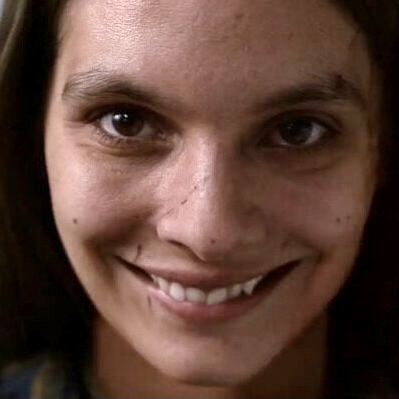
Here’s that rarest of things, a horror movie that considers itself scary enough to actually warrant an 18 certificate. In the case of Smile, a confident debut from writer/director Parker Finn, it seems perfectly justified. It’s a long while since a movie unsettled me quite as effectively as this one – and all because of the simple solid gold truth: you can spend millions on fancy effects, but nothing is quite as terrifying as somebody grinning at you.

Indeed, perhaps Grin would have been a more accurate title.

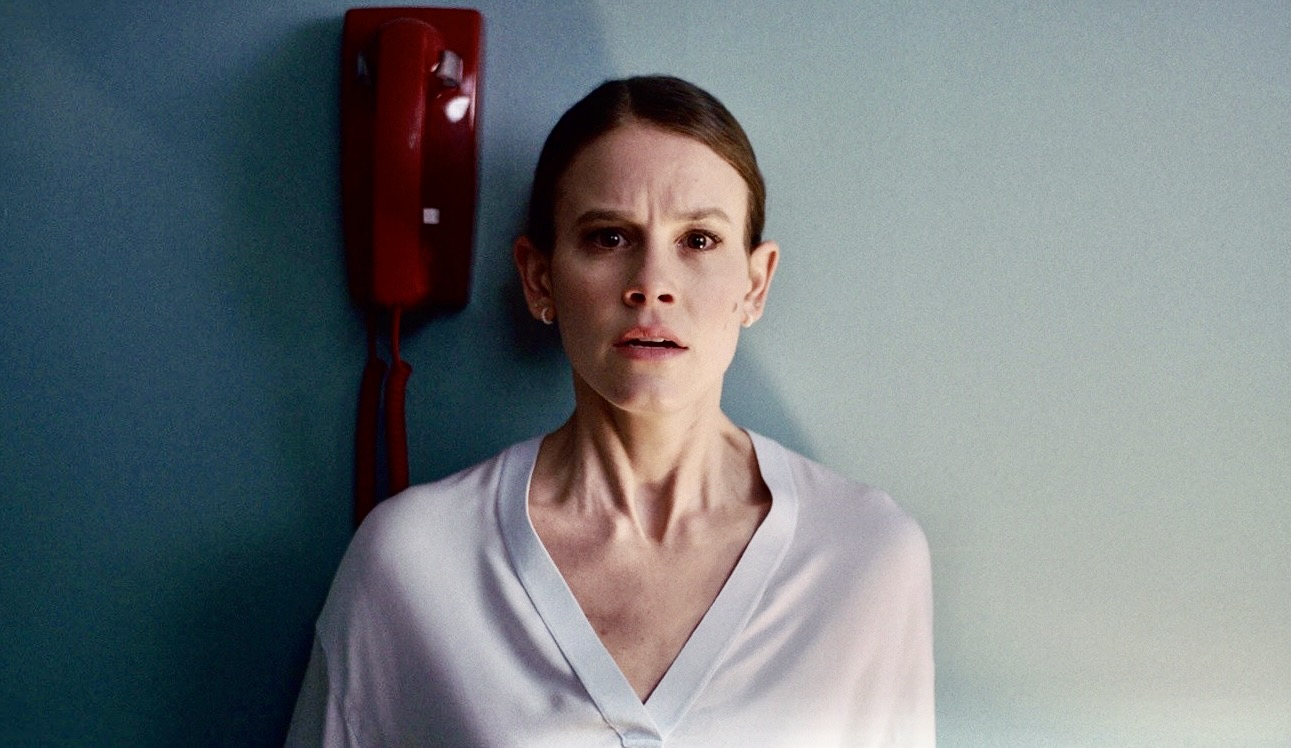
Rose Cotter (Sosie Bacon) is working long hours at an emergency psychiatric unit and, many years after the event, she’s still haunted by memories of her mother’s death from a drugs overdose. One day a young woman called Laura Weaver (Caitlin Sasey) is admitted to the unit, clearly terrified by a series of visions she’s having, in which characters from her past are visiting her.

The people don’t say anything – they just grin at her. Then, before Rose quite knows what’s happening, Laura has committed suicide, right in front of her.

Rose is urged to take time off to rest but, as you might imagine, that’s no easy matter, because now Rose is starting to experience visions of her own. Her partner, Trevor (Jessie T Usher), is decidedly unsympathetic, telling her he hasn’t got time for such nonsense, and her sister, Holly (Gillian Sinster) – who is also troubled by what happened in the past – soon has powerful reasons to be unsympathetic too, after Rose’s memorable visit to her young son’s birthday party. Only Rose’s ex -partner, Joel (Kyle Gadner), a cop, seems to be ready to offer any kind of help…

It would be a crime to give away any more about the plot. Suffice to say that Finn handles the gradually unfolding narrative with consummate skill, aided by strong performances from the cast and a brilliantly nerve-shredding soundtrack by Christobal Tapia de Veer. Jump-scares are often over-used in films like this, but Finn manages to catch me out time and time again. What’s more, while many horror movies stigmatise those suffering from mental illness, Finn manages to use the trope in a more respectful way, walking that tricky tightrope without ever overbalancing. The title is cunningly referenced again and again, and the idea that past events can keep coming back to haunt a person is effectively demonstrated. The result is a narrative that holds me in an icy grip for almost its entire duration.

It’s therefore sad to report that, in the last five minutes or so, the film stumbles slightly, offering a shonky effects sequence that feels like an unnecessary contrivance, and a conclusion that suggests that somebody already has an eye on turning Smile into a franchise. I really hope that doesn’t happen. With such an assured first outing under his belt, I’m interested to see what other ideas Finn has, because – ending aside – this is a superior slice of horror.

Meanwhile, those who like to be terrorised by what they’re watching should strap themselves in for a wild and traumatic experience. As I leave the auditorium, I notice that a member of staff is smiling at me…

4.4 stars

Philip Caveney