
Theatre

Laurel & Hardy

08/06/22

Lyceum Theatre, Edinburgh

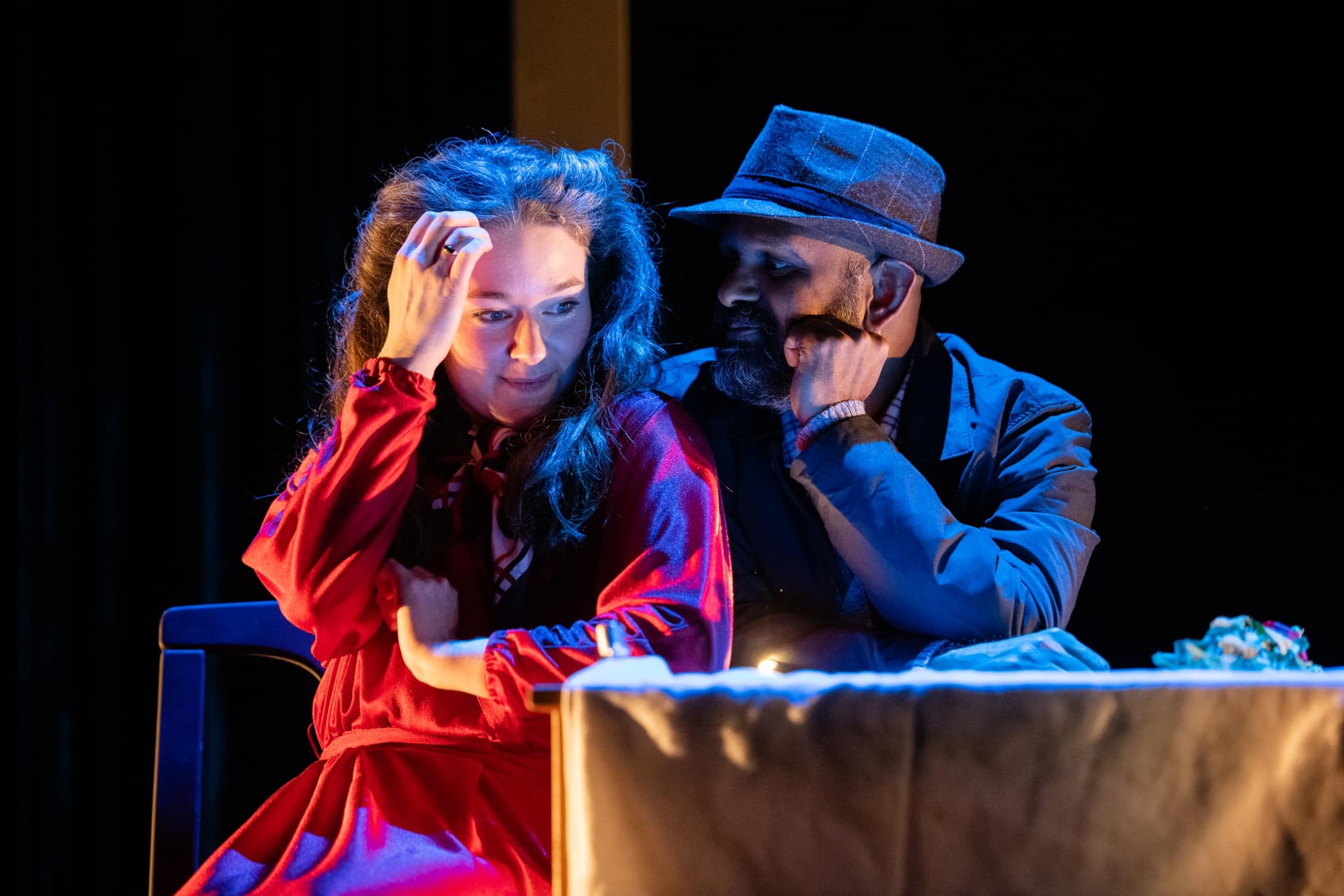
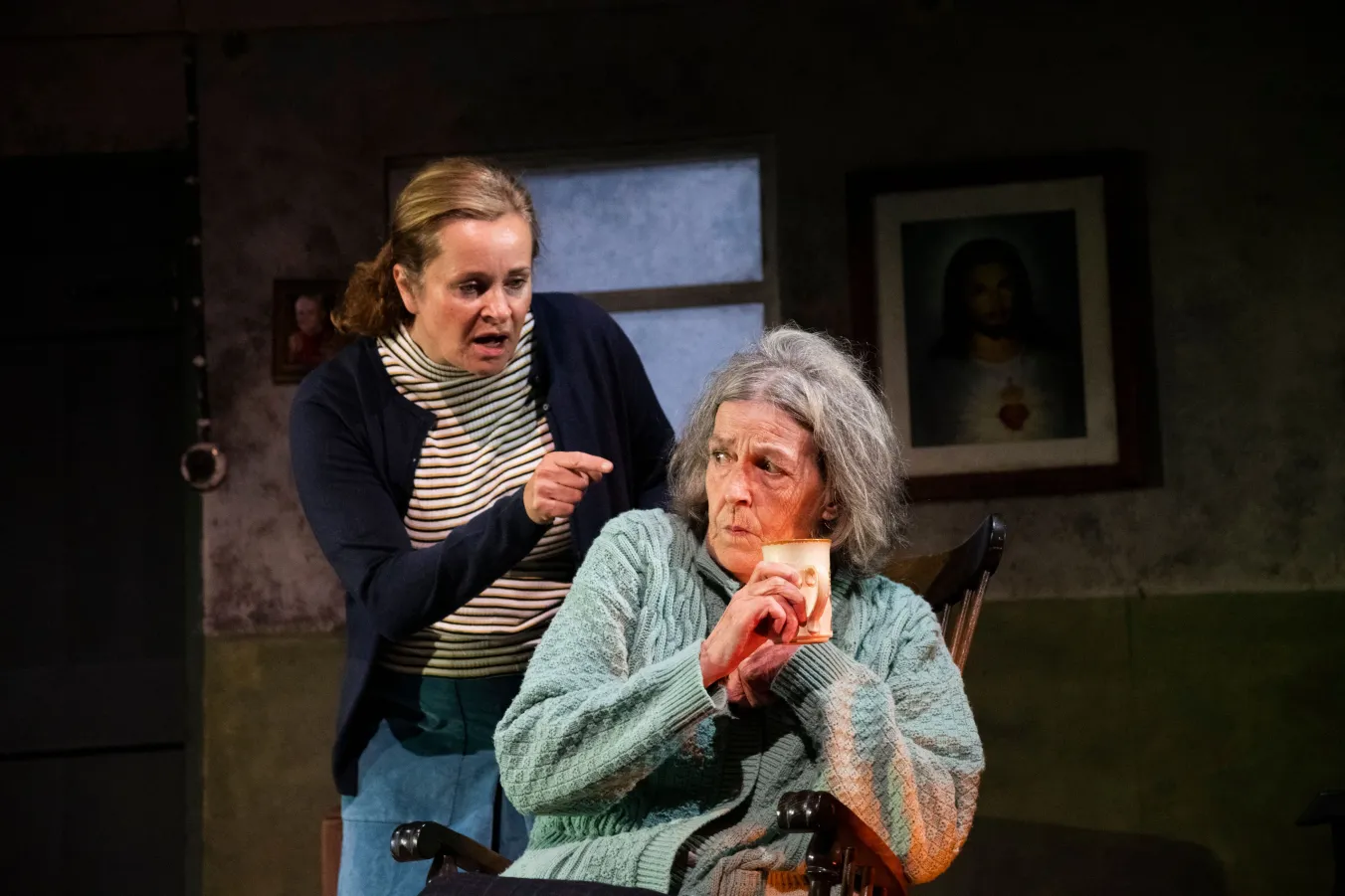
The central figures of the Lyceum’s latest production are incredibly familiar. Their expressive faces and distinctive costumes are known to people who weren’t even born when they were strutting their stuff. In the opening moments of this affectionate play, Stan & Ollie wander onto a grey stage that looks like a representation of limbo, and are quick to remind us that they are now dead (something they’re not particularly happy about) and that it’s high time the public knew about the real men behind their onscreen personas.

It’s ironic then, that the late Tom McGrath’s play, first performed at Edinburgh’s Traverse Theatre in 1976, goes on to tell us very little about their actual lives. There are snippets, told rather than shown, but we see very little of the genesis of these two great comedians, the influences that shaped them as they grew up.

There’s no doubting the authenticity of the performances. Barnaby Power (Stan) and Steven McNicoll (Ollie) are revisiting roles they debuted at the Lyceum back in 2005 and claim that that have relished the opportunity to revisit Stan & Ollie now they are older themselves. They have clearly studied every tic, every mannerism, every nuance of the titular duo. Accompanied by pianist/straight man, Jon Beales, they dutifully run through some of their most iconic scenes. But perhaps it’s possible to be too comfortable in reprised roles.

Laurel and Hardy’s greatest secret was that they made it all look so easy. Considerable effort came disguised as a walk in the park, but it was in there, hiding in plain sight. The comics’ physicality was always disguised by their meticulous timing.

Tonight, something feels a little off. It’s a little too polite, too mannered. There are ripples of laughter from the audience, but not the helpless guffaws you might expect – and while the recreations of past triumphs occasionally jolt into life (a silent-movie sequence animated by the flicker of strobes is a particular highlight), they just as often play out without making enough impact, as though the two actors are simply walking through the action.

Power and McNicholl occasionally have to step out of their main roles to portray other figures from the period, but there’s little to differentiate them and, once again, I am left wanting to know more – about the things we’ve never seen onscreen. Furthermore, it’s also true to say that some of the lines, which may have passed muster in the 1970s (or, indeed, the 1940s), don’t fly too well in this day and age. “How do you keep a married man at home? Break his legs.” Hmm.

Hardline Laurel & Hardy fans will doubtless have fun with this. As an impersonation of two great comedians, it is well executed – but as an occasional fan of their work, I am left wanting to know much more about them.

Laurel & Hardy may run like clockwork – but it doesn’t say enough about what made them tick.

3 stars

Philip Caveney

Sunshine on Leith

08/06/22

King’s Theatre, Edinburgh

In Edinburgh, you’re never more than six feet away from a Proclaimer. Or, at least, from someone proclaiming their love for the Proclaimers. The affection is well-deserved. Craig and Charlie Reid are responsible for a multitude of absolute bangers: deceptively simple tunes, combining heart and anger, warmth and sadness. It was inevitable someone would say, ‘Hey, we could make a musical from these.’ (Cue: Stephen Greenhorn.) And equally inevitable that the resulting project would be a hit, a regular on stage since its 2007 debut, with a successful film adaptation to boot.

So there are no surprises here. We’re familiar with the show; of course we are. Nonetheless, there’s a palpable thrill in the air, because we know we’re in for a treat. This two-venue production – co-directed by Elizabeth Newman and Ben Occhipinti – is laden with symbolism: the first show since Pitlochry Festival Theatre’s revamp, and the last before Edinburgh’s King’s Theatre closes for its own refurbishment. It’s the perfect choice for both, a celebration of Scottish talent and a love song to the people of Caledonia.

There’s a low-key, homespun ambience, which works well, creating a sense of familiarity between the performers and the audience. There are no flamboyant costumes here, no fancy pyrotechnics. Instead, like the Proclaimers’ songs, it’s quietly clever – no showing off. The band doubles as the ensemble, and they appear to be a happy team, grinning at one another and at us, and vibing unselfconsciously. There are no barriers, which cements that feeling of intimacy, enabling us to empathise with the characters. This is no mean feat in a large, traditional theatre like the King’s, with its proscenium arch and imposing loges, all designed to accentuate the separation of stage and auditorium. It’s really very impressive.

The story is a Willy Russell-esque account of working-class life, told with affection and a strong sense of place. Ally and Davy (Keith Jack and Connor Going) are back in Leith, having been honourably discharged from the army, just in time for Davy’s parents’ thirtieth wedding anniversary party. Ally’s been going out with Davy’s sister for years, and he’s hoping now’s the time to settle down, but Liz (Blythe Jandoo) isn’t quite ready for that. She’s been stuck at home while he’s been away, and she’s restless, keen to stretch her wings. Her nursing pal, Yvonne (Rhiane Drummond), meanwhile, has fallen for Davy – and what is Davy’s dad, Rab (Keith Macpherson), hiding from his wife, Jean (Alyson Orr)? It’s a simple tale, but surprisingly affecting, and I find myself tearing up on more than one occasion. No spoilers, but the line “Because they wanted me” just hits me every time, and Orr’s rendition of the titular song is genuinely heartbreaking.

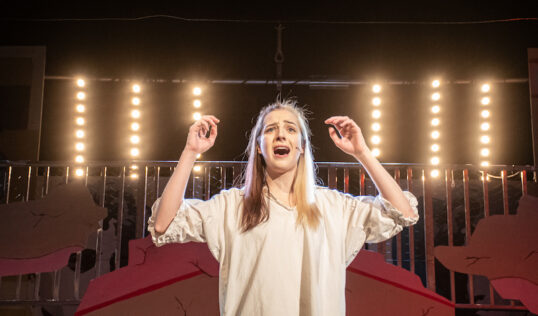
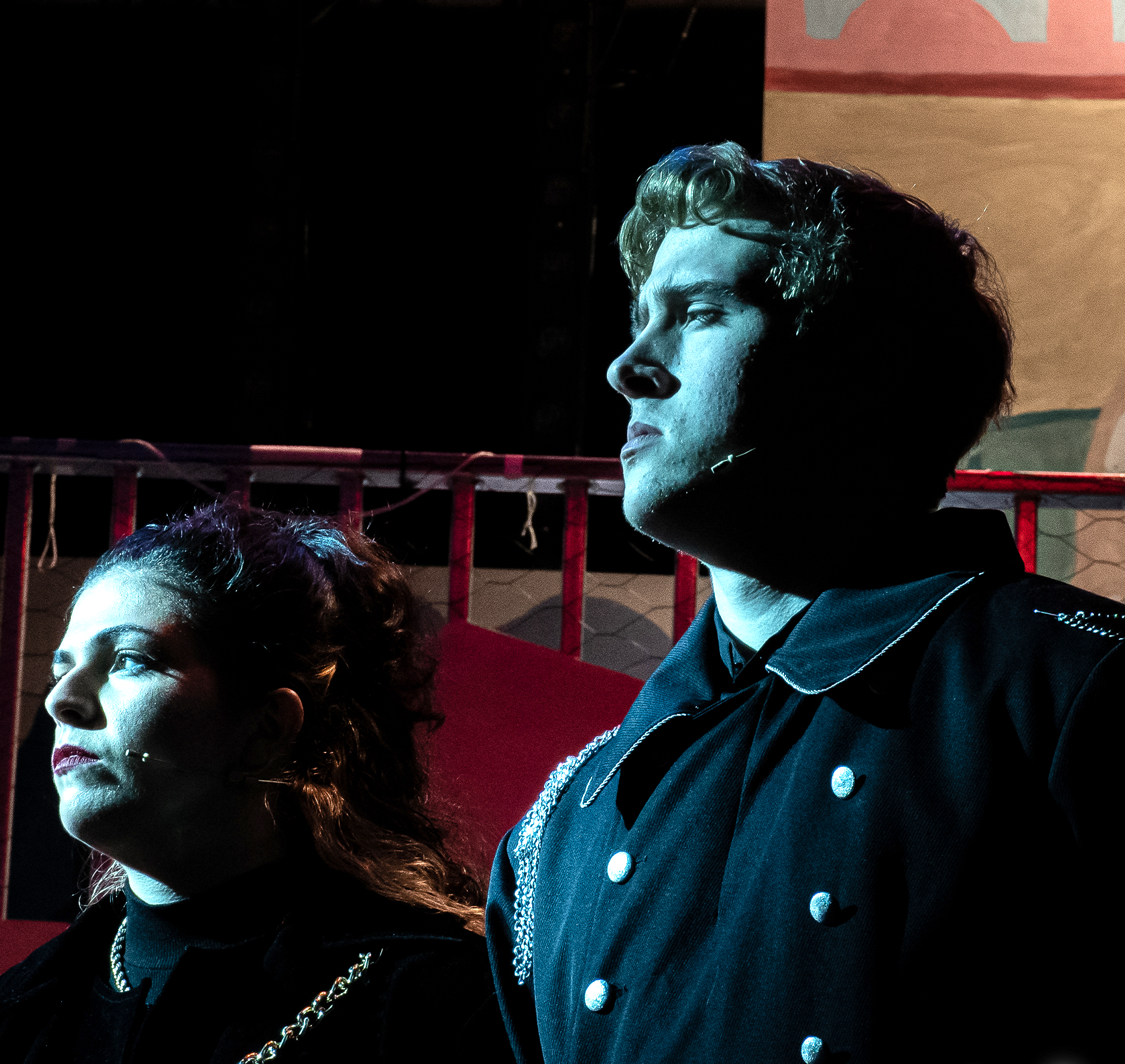
Adrian Rees’ set looks great. A miniaturised Edinburgh skyline is mounted on stilts, while the action occurs below – a neat representation of Leith and Edinburgh, the city looming over the town. There are ladders leading up to Blackford Hill; from here, we join the characters looking down on their home turf, trying to get a handle on their place in the world. The set comes apart, so that sections can be moved to create walls, but this is a distraction for me. It seems unnecessary and, although the transitions are thoughtfully choreographed, there’s too much clutter and stage traffic for very little gain.

In the end, this is all about the music (directed by Richard Reeday), and it’s a fabulous combination of the raucous and the refined. There are some issues with the sound – mics occasionally cutting out, and some imbalance between the vocals and the instrumentals – but none of it really detracts from the serious talent on display.

Sunshine on Leith has a relatively long run, so you’ve got until the 18th June to catch it here in Edinburgh – and to say “bye the nou” to the Old Lady of Leven Street.

4.3 stars

Susan Singfield

Straight Line Crazy

26/05/22

National Theatre Live, The Cameo, Edinburgh

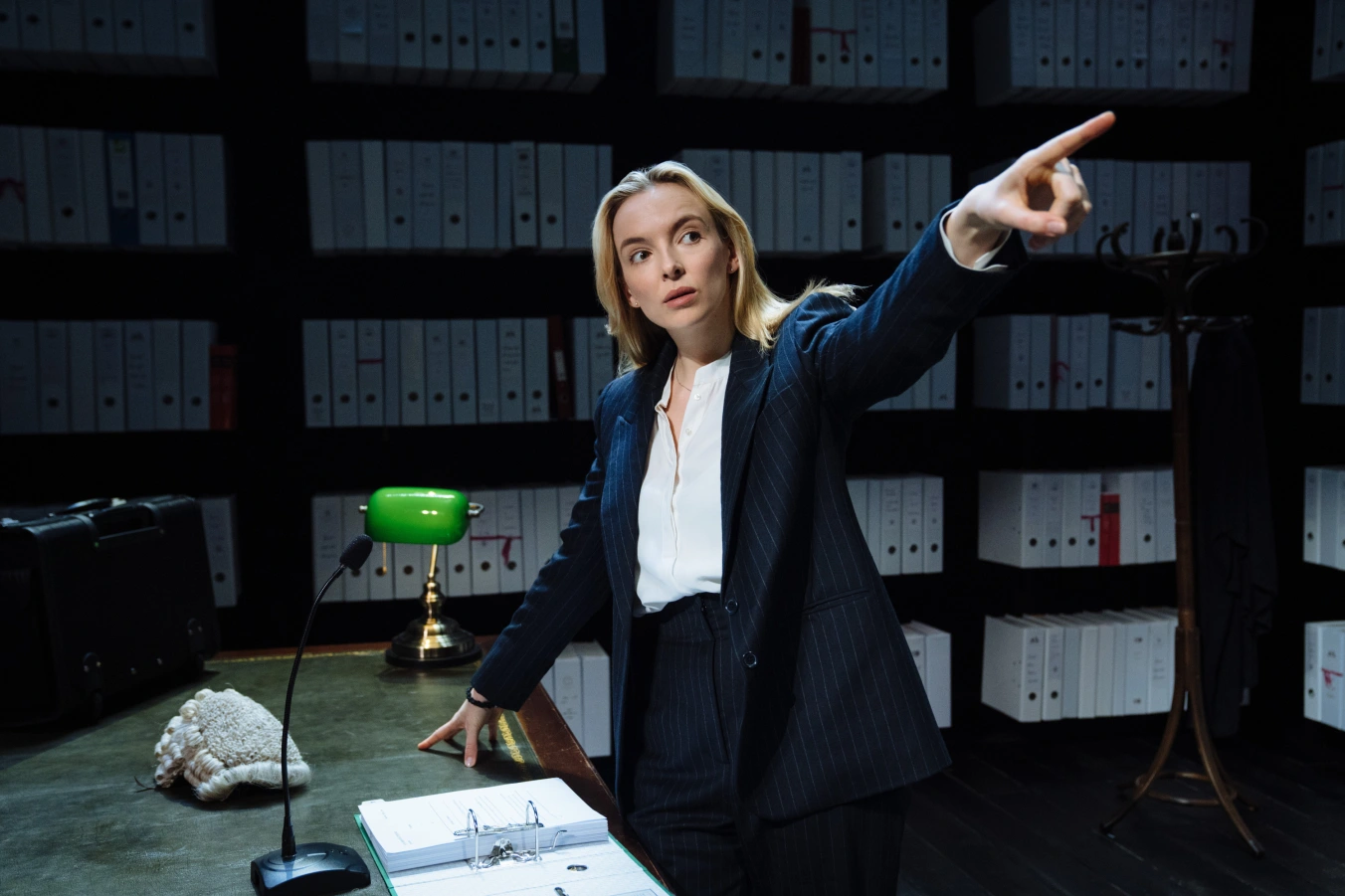
The NT Live broadcasts are a wonderful innovation, an opportunity for viewers across the country to watch live performances beamed direct from the stages of London. We’ve seen some excellent productions in this way and, on paper, Straight Line Crazy sounds really promising. A new offering direct from the Bridge Theatre, written by David Hare, directed by Nicholas Hytner and starring Ralph Fiennes. What can go wrong?

Well, plenty, as it happens. ‘Show, don’t tell’ may be something of a cliché, but these are the three words that are repeatedly drummed into every writer of fiction from the word go. So how has somebody as seasoned as Hare managed to create a play that tells us next to nothing but shows us even less?

The play’s first act is set in 1926, and influential urban planner, Robert Moses (Fines) is working to push through his plans for Long Island, where the various roads and bridges he envisions will allow the masses to travel to what have previously been exclusive beaches. To this end, he has enlisted the likeable Governer Al Smith (Danny Webb), and their resulting banter is overseen by Moses’ employees, Finnuala Connell (Siobhán Cullen) and Ariel Porter (Samuel Barnett). The two men bluster amiably over glasses of bootleg whisky but we learn precious little about them, other than the fact that Moses is prepared to bend the rules in order to see his concept through.

The second act is set thirty years later, when the tide of popular opinion is beginning to turn against Moses. Here at least, the action is opened up beyond Moses’ headquarters, to a public meeting where people have the opportunity to speak out against his single-minded obsession with offering Manhattan up to the dominance of the motor car – but once again we learn very little and, all too soon, we’re back to Moses’ office for more bluster.

And that’s pretty much what you get. Fiennes, to his credit, is a terrific actor, and of course he does his best to imbue Moses with some depth, but we’re reliant on Connell’s character to occasionally step in and tell us key facts about the man – in some cases to actually remind him about things he must already know. It’s all curiously inert and unengaging and, by the play’s conclusion, which points out that Moses is still set in his ways and not about to change anytime soon, I’m left with the conviction that there must be a better story in there somewhere.

Straight Line Crazy might just as well be a radio play – and it doesn’t help that I’m fresh from seeing Wise Children’s Wuthering Heights, an endlessly inventive adaptation that seems to rejoice in finding fresh ways to show an over-familiar narrative. This seems to be its polar opposite, masking rather than illuminating a potentially interesting character.

File this one under D for ‘disappointing.’

2.8 stars

Philip Caveney

Wuthering Heights

25/05/22

King’s Theatre, Edinburgh

I can’t think of a better match than Emily Brontë and Emma Rice: two renegade spirits, purveyors of verve and rebellion; two flawed geniuses, whose work is – love it or loathe it – undeniably compelling.

In this Wise Children production, Rice strips Wuthering Heights down to its beating heart, illuminates its essence. Anyone familiar with Rice’s previous work (at Kneehigh, for example) will know to expect a chaotic, frenzied telling, a stage so bursting with life and energy that it’s sometimes hard to know where to look. And that’s what we get. It’s dazzling; it’s dizzying – and I adore it. This is the sort of theatre that excites me.

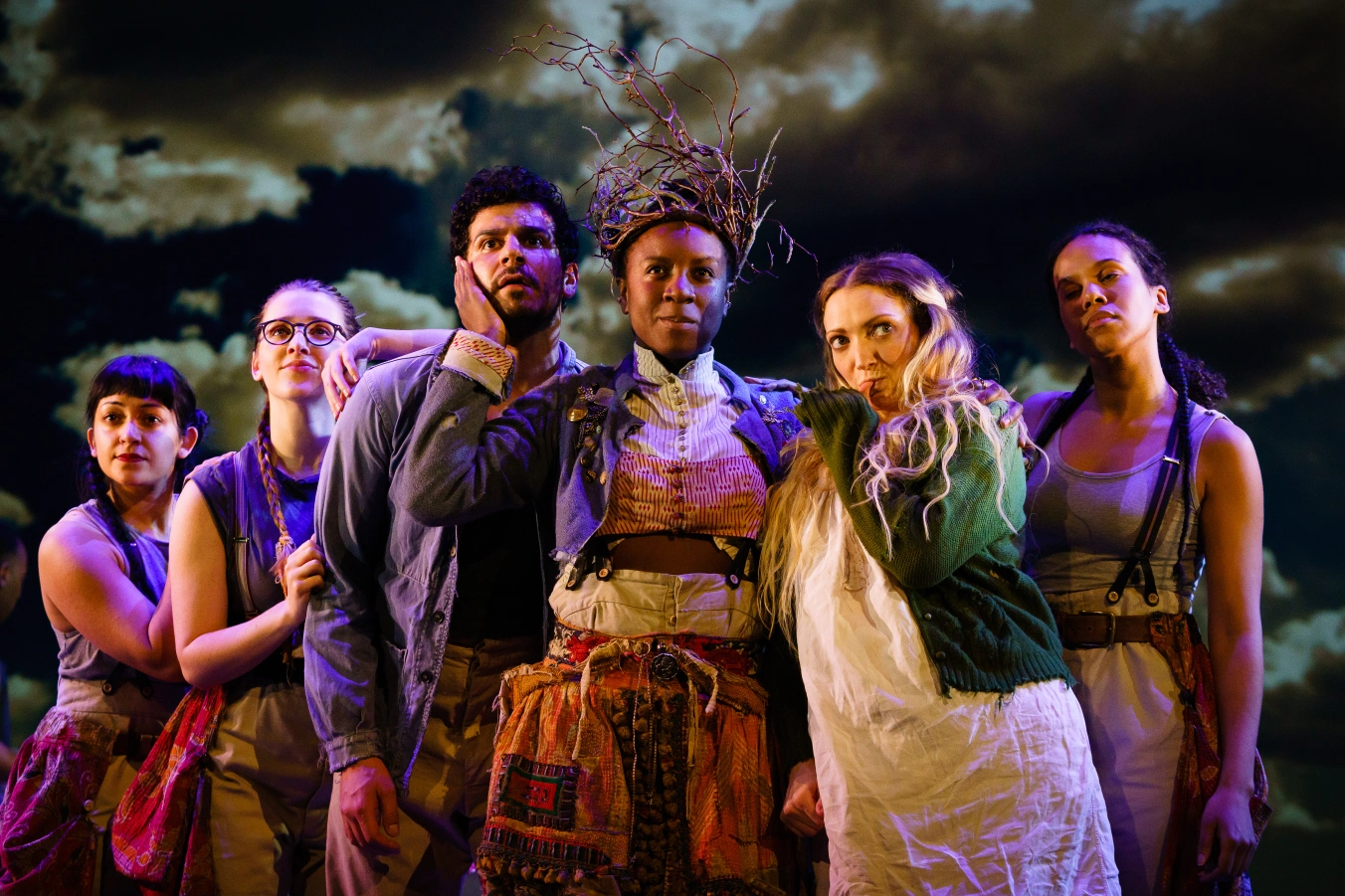
Instead of Nelly Dean, we have The Moor, the landscape personified as a Greek chorus, whose Leader (Nandhe Bhebhe) narrates and placates, while her acolytes sing and dance their embodiments of weather, conscience and commentary. It’s a bold move, but it works. The setting is integral to Brontë’s novel; why not bring it to life? It’s also a neat way of conveying the labyrinthine plot in a mere three hours, so that we’re never in any doubt about who’s who, or how they’re all related, despite the too-similar names and the double-roles.

Adding to the bustle and busyness, there’s a live band on stage throughout (Sid Goldsmith, Nadine Lee and Pat Moran), as well as some stunning back projection, depicting turbulent skies and flocks of birds, which soar noisily into the clouds whenever someone dies. Rice’s signature puppetry puts in a brief appearance too, as the infant cuckoo, Heathcliff, lands in the Wuthering nest.

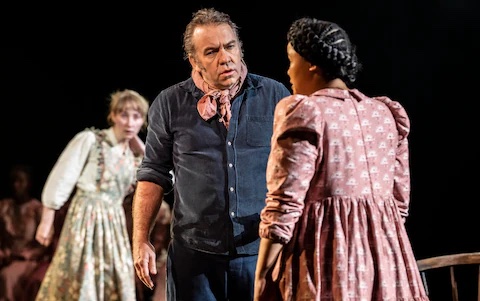
Rice foregrounds the differences between the Earnshaws and the Lintons: Hindley (Tama Phethean), Cathy (Lucy McCormick) and Heathcliff (Liam Tamne) are played as dark, almost monstrous figures, while Edgar (Sam Archer) and Isabella (Katy Owen) are light and clownish. This unevenness of tone serves to highlight how very dangerous the Earnshaws are, and it’s almost unbearable to witness the silly, foppish Lintons veer into their orbit, knowing that every encounter takes them closer to sealing their own dreadful fates. Owen garners many laughs with her cartoonish depiction of adolescent naïvety – she’s a gifted comedian – but Isabella is a petulant shrew in a tiger’s paw, and this is clearer here than in any other adaptation I have seen.

Emily Brontë purists will hate this show; it’ll give ’em the heeby-jeebies. But there’s a row of teenagers sitting behind me at the theatre tonight – they’re on a school trip – and they love it. I can hear them laughing and gasping, even exclaiming out loud. And Wuthering Heights is a YA book, isn’t it? A cautionary tale about a very, very toxic relationship, all raging hormones and melodrama, perfectly encapsulated on this anarchic stage.

5 stars

Susan Singfield
Though This Be Madness

22/05/22

The Studio, Festival Theatre, Edinburgh

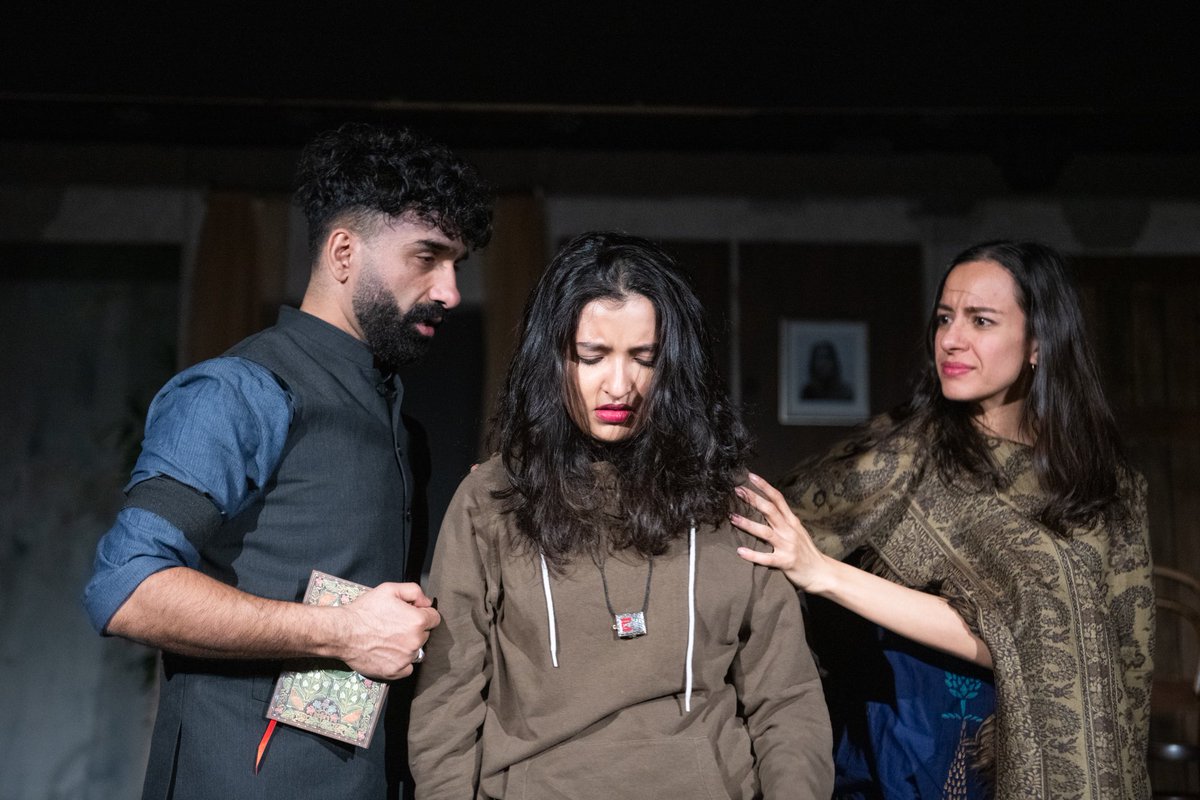
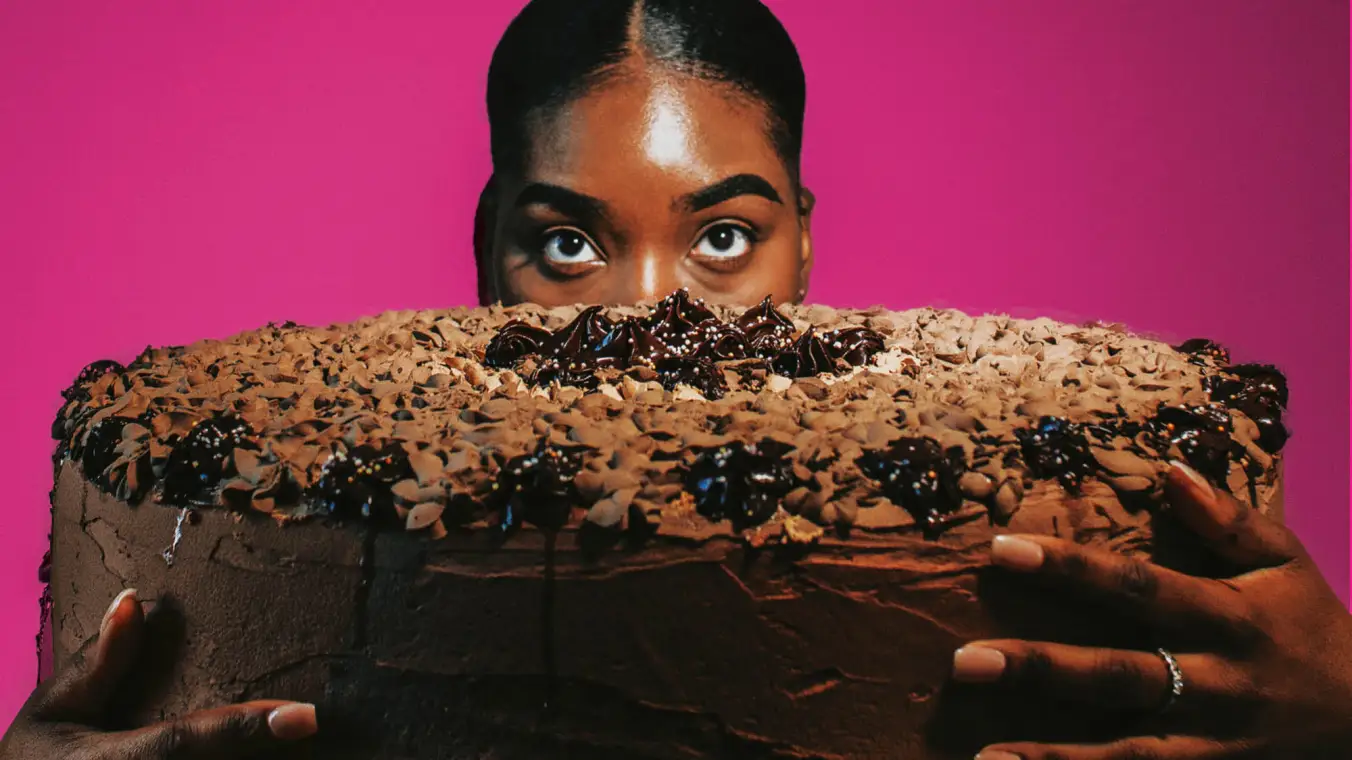
Though This Be Madness deals with both the micro and the macrocosm: a study of one woman’s mental health, and a record of her place in a long line of other women. She is daughter, sister, mother. She is Shakespeare’s heroines.

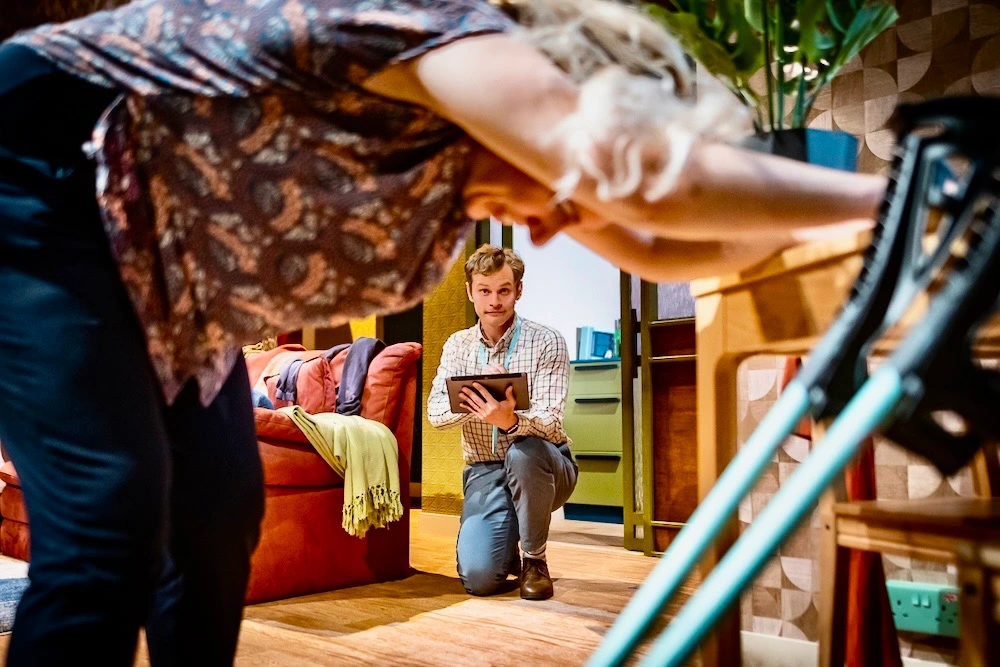
This is Skye Loneragan’s scattershot depiction of a new mother, struggling to finish a sentence without being interrupted by a baby’s cry, and it’s a haphazard, palpably stressful piece. ‘The Land of the Lounge Room’ is messy, with toys strewn everywhere, and our protagonist has given up trying to tidy them away. There’s no point, is there? Her body’s been ravaged; she doesn’t remember what sleep feels like; her doctor’s unsympathetic and her mother thinks she shares too much. Oh, and her sister’s schizophrenic.

There’s a lot to process here. The fragmented, unstructured narrative works well to convey a sense of disconnection and distraction, but it also means that not everything lands, and that some interesting ideas are lost in the chaos. The references to Shakespeare’s women, in particular, feel under-explored.

Loneragan is an engaging performer (with exemplary mime skills). I like the symbolism of the post-it notes and the overt circularity of the piece, and Mairi Campbell’s music lends it an eerie – almost hypnotic – air. In the end, however, I can’t help feeling this piece is both too much and too little: too many ideas for the short running time, and too little made of the best of them.

3 stars

Susan Singfield
Anything Goes

11/05/22

Festival Theatre, Edinburgh

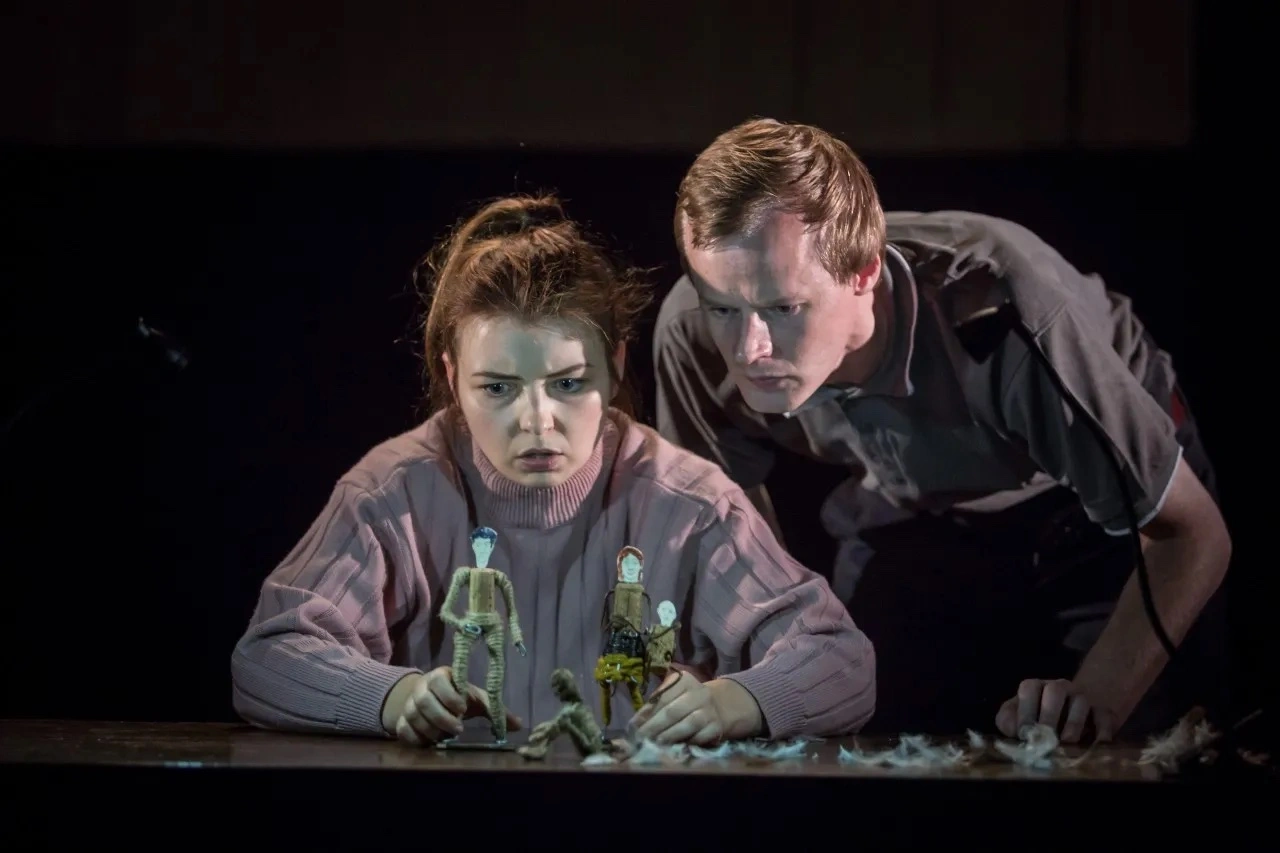
Until tonight, I’m only aware of Anything Goes as the ‘rubbish’ musical that drama teacher Mr G bins off when he’s left in charge of the school play in Summer Heights High – in order to replace it with a highly questionable self-penned piece (Mr G is not a reliable barometer). Of course, I have gleaned a few clues from the poster (definitely nautical) and from Bonnie Langford’s billing (all-singing, all-dancing), although Simon Callow’s presence is more of a puzzle. And, sadly, Simon Callow isn’t present tonight, so I never get to solve that particular enigma. Still, his understudy, Clive Heyward, puts in an excellent turn as boozy gazillionaire Elisha Whitney, truly owning the role.

Anything Goes, it turns out, is exactly the sort of old-fashioned glitz-and-glamour musical I like the best, with lots of big, bold choreography, and a galumphing Cole Porter score. Of course, the story is nonsensical and ridiculously contrived, but it hardly matters: the plot is just a vehicle for the performances.

Reno Sweeney (Kerry Ellis) is a nightclub singer/evangelist, booked to entertain passengers on luxury ocean liner, the SS American. She is infatuated with Whitney’s assistant, Billy (Samuel Edwards), but he’s hopelessly in love with debutante Hope (Nicole-Lily Baisden). Hope loves him too, but she’s betrothed to bumbling English toff, Lord Evelyn Oakleigh (played by the aptly named Haydn Oakley, presumably no relation). Hope’s mother, Evangeline Harcourt (Langford), won’t allow her to call off the engagement, because Evelyn is rich, and the Harcourts are on their uppers. Throw in a couple of gangsters called Moonface and Erma (Denis Lawson and Carly Mercedes Dyer), put ’em all on the ship, and let the mayhem begin…

Reno is a demanding role, but Ellis is a prime example of a ‘triple threat’ – not only imbuing the evangelist with spark and charm, but also showcasing her impressive singing voice – all while hoofing it up with the best of them in some very peppy dance routines. She’s perfectly cast. Oakley is also delightfully amiable as Evelyn, effortlessly winning our sympathy. Co-book-writer PG Wodehouse’s imprint is all over this character, and Oakley makes the most of the opportunity to Bertie Wooster his way through the tale. Mercedes Dyer is another standout, dazzling both ship’s crew and audience alike with her sassy attitude.

The set (by Derek McClane) is pretty awe-inspiring, with a joyful nautical aesthetic and a real sense of scale: the ship feels vast and imposing.

But really, this is all about the big numbers, and director-choreographer Kathleen Marshall has pulled out all the stops. The ensemble cast is huge, and there is a palpable sense of a busy ocean liner, bursting with energy. It’s an unabashed celebration of theatricality, and I am absolutely spellbound by the extended version of the title song that ends the first act: the tap dancing is sublime. The second act quickly leads to another high, the fabulous Blow, Gabriel, Blow: it’s a real spectacle.

There’s nothing deep and meaningful to ponder here – except perhaps the strange nature of what constitutes “celebrity” – but that’s really not the point. If you’re after a bit of pure distraction, with some effortlessly glorious song and dance, then Anything Goes certainly fits the bill. Don’t listen to Mr G!

4.8 stars

Susan Singfield
Red Ellen

04/05/22

Lyceum Theatre, Edinburgh

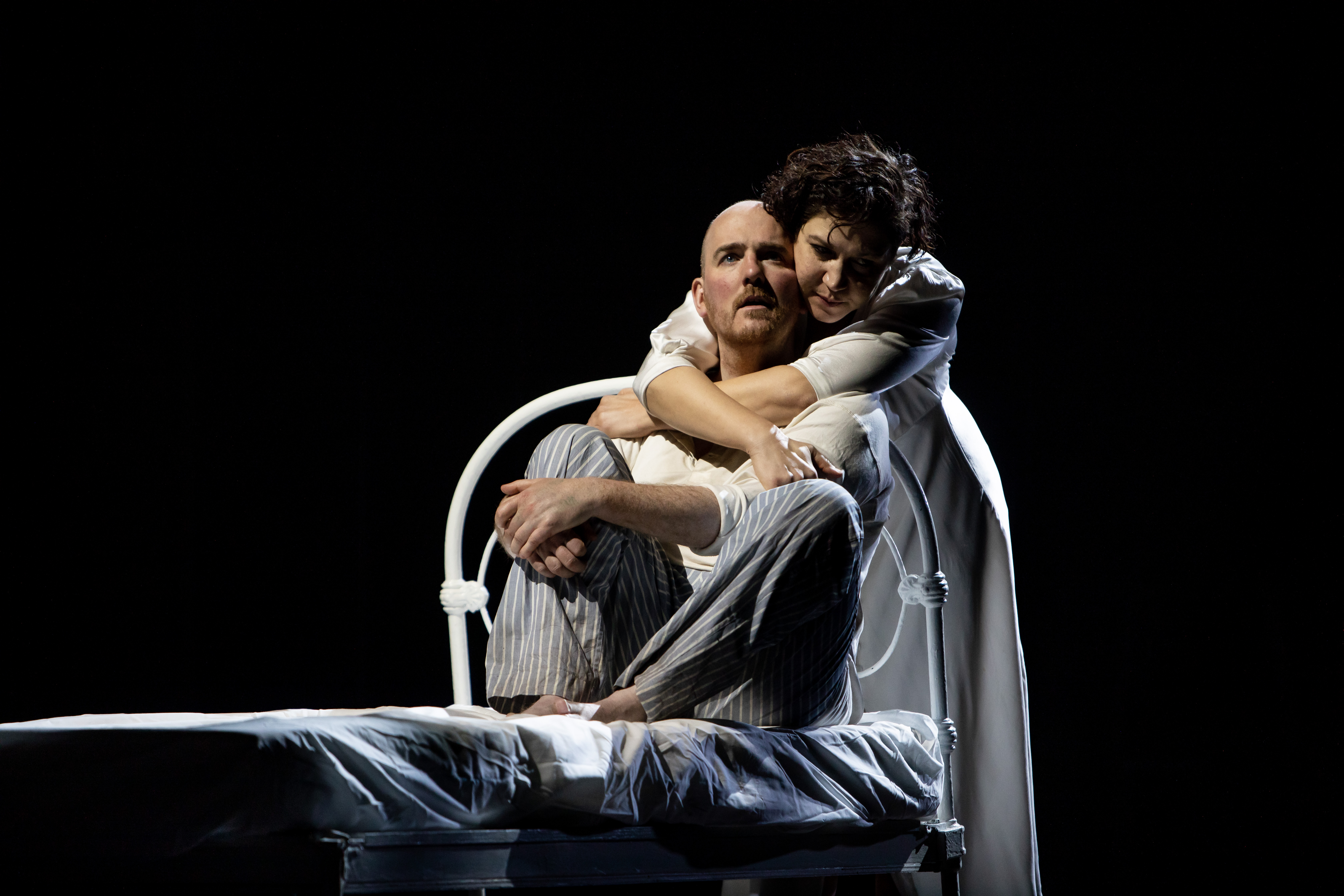
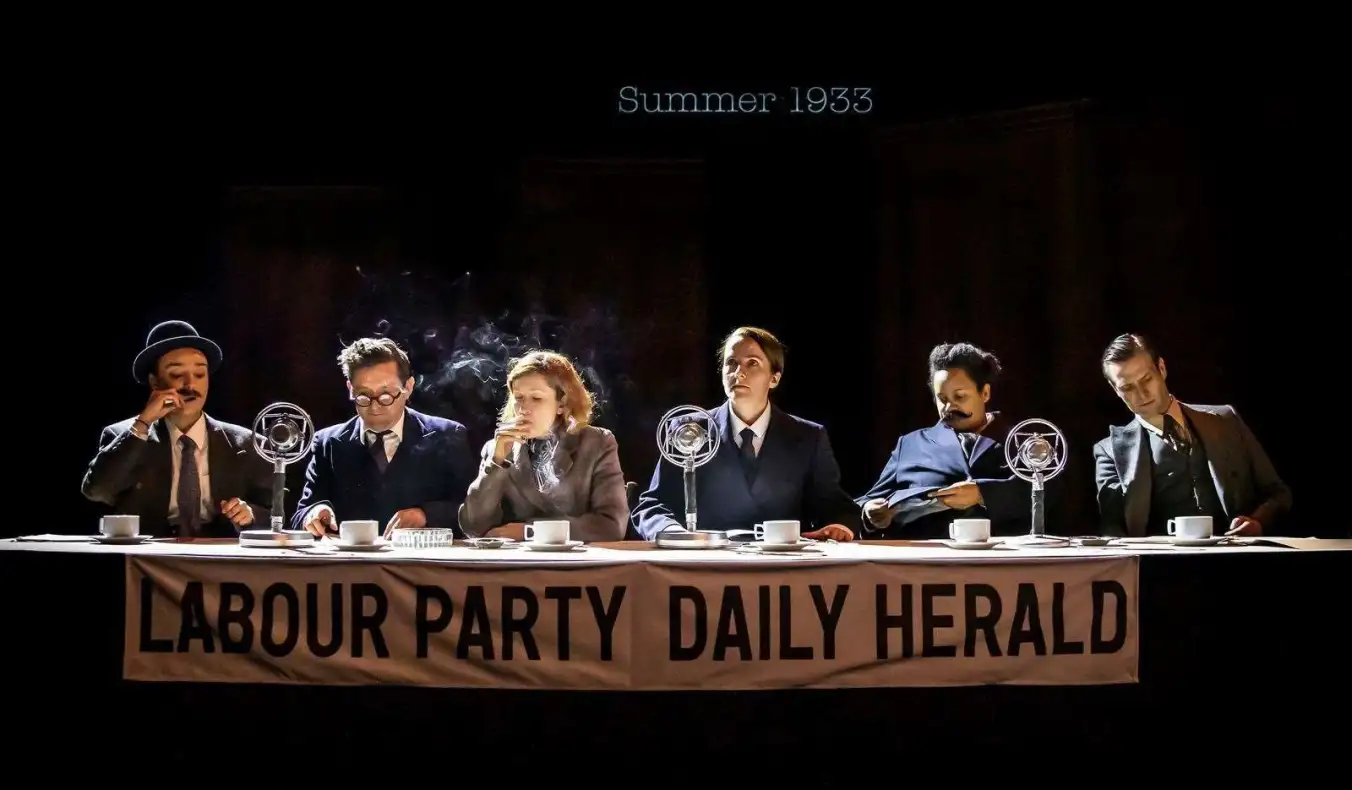
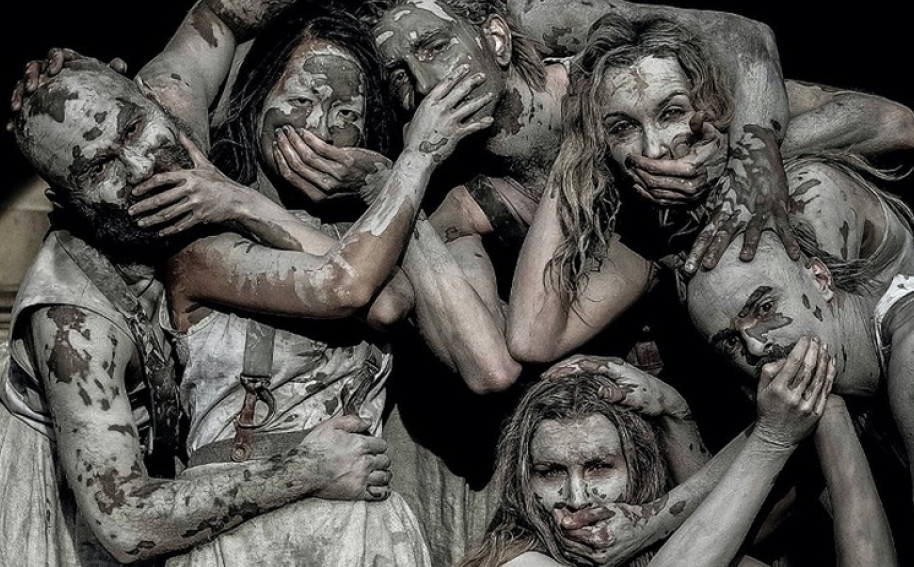
As a long-established advocate of socialism, I’m sometimes embarrassed to realise how little I know about the movement’s history – so Red Ellen proves to be both informative and entertaining. It’s the story of Labour politician Ellen Wilkinson, a woman who spent her life fighting for female suffrage and the rights of the working classes. As portrayed by Bettrys Jones, she’s a fierce little scrapper, a human powerhouse, who – despite her own struggles with ill health – is always ready to fight for her beliefs

Wilkinson is remembered mostly for her involvement in the infamous but ultimately doomed Jarrow Marches, but Caroline Bird’s play delves into other aspects of Wilkinson’s life: an amusing diversion when she meets up with Albert Einstein (Mercedes Assad); her experiences during the Spanish civil war, when she crosses paths with a drunken Ernest Hemingway (Jim Kitson); a look at her chaotic personal relationships with the shady Otto Gatz (Sandy Batchelor) and with married Labour politician, Herbert Morrison (Kevin Lennon). And there’s also a look at the groundbreaking work she did after the the war, when, as Minister for Education, she introduced free milk for all pupils, something that would stay in place until a certain Tory ‘milk snatcher’ finally undid all her hard work.

It’s a complex play but Wils Wilson’s propulsive direction has Ellen hurtling from one scene to the next, which keeps the pot bubbling furiously, whether she’s arguing with long suffering sister, Annie (Helen Katamba), or with her Communist comrade, Isabel (Laura Evelyn). Camilla Clarke’s expressionistic set design creates a bizarre, nightmarish backdrop to the unfolding story, where a bed can suddenly transform into a motor car, where piles of discarding clothing can lurch abruptly upwards to depict the Jarrow marchers. One of my favourite scenes in this turbulent production depicts Ellen as a fire warden during the blitz, frantically fighting a series of blazes in tiny doll’s houses. It serves as the perfect encapsulation of Ellen’s career in politics.

For a historical tale, her story is powerfully prescient. In the opening scene, she bemoans the rising tide of fascism that threatens to overtake the world – and how in-fighting in the Labour party would inevitably hand the reins of power over to the Tory party time and time again. It’s impossible not to reflect that sadly, very little has changed since those challenging times.

Red Ellen is a fascinating tale, ripped from the pages of political history. It’s not to be missed.

4.2 stars

Philip Caveney

A Murder is Announced

03/05/22

King’s Theatre, Edinburgh

‘Cosy mystery’ is a strange genre. The body count is high but the blood loss is minimal; an alarming number of its denizens have murder in mind, but we’re not witness to any physical brutality. Death occurs courtesy of a fast-acting poison or a single, well-placed blow to the head; killers tend to be well-to-do, well-spoken, suburban types, fond of chintz and regular cups of tea – oh, and there’s usually a domestic servant or two.

If the genre has a queen, Agatha Christie wears the crown. And of her prodigious output, the Miss Marple stories are the cosiest of all. Jane Marple looks like a cliché: a nosy, soberly dressed spinster of independent means, living modestly in a sleepy village. But Miss Marple is shrewdly intelligent, and her prying has a purpose: she’s a dab hand at uncovering criminals, and the local constabulary often find her help invaluable.

A Murder is Announced is a classic Miss Marple mystery. It opens with an unlikely premise: someone posts an ad in the Chipping Cleghorn Gazette, announcing that there will be a murder at 6.30pm that night at Little Paddocks, home to Letitia Blacklock (Barbara Wilshere). Letitia is a kindly soul, and she’s opened Little Paddocks to a whole host of friends and relatives, so there’s a raft of potential victims – and killers. Her impoverished old school pal, Bunny (Karen Drury), has lived there for years, and – more recently – Lettie’s second cousins, Julia (Lucy Evans) and Patrick (Will Huntington), have appeared. They’ve been living abroad, but now they’re back in the UK and need somewhere to stay. In addition, Lettie has taken pity on Philippa (Emma Fernell), and invited the young widow to reside in her home too. Housekeeper Mitzi (Lydia Piechowiak) is kept very busy!

And, at 6.30pm that night, a murder does indeed occur. What’s going on? Luckily, a certain Miss Marple (Sarah Thomas) is in the vicinity, visiting her nephew, the local vicar, so Inspector Craddock (Tom Butcher) doesn’t have to figure it out alone…

Despite the convoluted and unlikely plot, there are no surprises here. But that’s part of the appeal, I guess: we know what we’re getting – hence the term ‘cosy.’ Middle Ground Theatre Company’s production is competently done: director Michael Lunney successfully corrals the twelve-strong cast’s tortuous backstories into a comprehensible tale, and the actors deliver solid performances.

I’m a little confused by the lowering of the curtain for an extended period at the end of each scene. The first time, I’m expecting a complex set change, but, when the curtain rises again, only minor adjustments are apparent. A plate of sandwiches has been removed; a newspaper folded. I can’t help feeling this could be achieved a little more dynamically.

In the end, there’s nothing striking here – either good or bad. A Murder is Announced just does what it says on the tin, and there’s no denying its popularity; the theatre is bustling. There are worse ways to spend an evening, but I’d love one day to see new life breathed into this old form.

3 stars

Susan Singfield
Singin’ in the Rain

27/04/22

Festival Theatre, Edinburgh

Of all Hollywood’s great movie musicals, only one has consistently featured in critics ‘best film’ polls down the years and it is, of course, Singin’ in the Rain.

Released in 1952, at a time when the film industry was already starting to look back to its beginnings for inspiration, it had a lot going for it: Gene Kelly at the height of his terpsichorean powers, a nineteen-year-old Debbie Reynolds just beginning her ascent to stardom and the ever-dependable Donald O’ Connor providing inspirational comic relief. (Even now, if I’m down in the dumps, a viewing of his Make ’em Laugh routine is guaranteed to lift my spirits.) Throw in some top flight songs by Arthur Freed and Nacio Herb Brown, a sprightly screenplay by Betty Comden and Adolph Green, and and it’s no wonder that the film is so fondly remembered.

Of course a movie and a play are very different creatures. Suffice to say that any stage adaptation has some very big tap shoes to fill – so I’m delighted to report that this production, directed by Jonathan Church, is one of the most supremely entertaining shows I’ve seen in a very long time. Slick, assured, technically brilliant – it never puts a hoof wrong.

Don Lockwood (Sam Lips) and Lina Lamont (Faye Tozer) are the stars of a series of silent movies, swashbuckling romances beloved by the masses. Thanks to the publicity machine, everybody believes they are lovers in real life but, though Lina is under the impression this is actually true, Don is far from keen on the idea. As he tells his best friend, Cosmo Brown (Ross McLaren), he’s still looking for the right woman. He thinks he might have found her when he bumps into Kathy Selden (Charlotte Gooch), but is dismayed to discover that she’s not at all impressed by his movie star status. She tells him she’s a serious actor, who hopes one day to tread the boards of the New York stage. Ooh, hoity-toity!

But the year is 1927 and Al Jolson’s The Jazz Singer – the first talking picture – has just been released. Don thinks it’s a fad that will soon be forgotten but, of course, it signals a seismic change in the industry. Within days it is breaking box office records and it quickly becomes clear that the latest Lockwood and Lamont epic, The Duelling Cavalier, is going to need some drastic remodelling before it can be successfully released. The only problem is Lamont, who has a broad Brooklyn accent delivered in a screeching tone.

Actually, this is the one part of the story that could raise hackles. Making fun of a regional accent would be a no-go zone in the contemporary world, but the fact that this is a period piece just about excuses it – and Tozer plays her part with such adept comic timing that I find myself laughing uproariously at her mangled intonation, particularly when she’s working with her ‘dialect coach’ (Sandra Dickinson).

But that’s my only caveat. Both Lips and Gooch have splendid chemistry together and McLaren manages to own the Make ’em Laugh routine, without attempting to deliver a carbon copy of the original. There are some very funny film extracts, the ensemble dance numbers are thrillingly executed and even the film’s extended Broadway Melody sequence is lovingly recreated, right down to the vibrant costumes, with Harriet Samuel-Gray handling the Cyd Charisse role with aplomb.

And to have so many memorable songs in one show seems almost unfair on the competition.

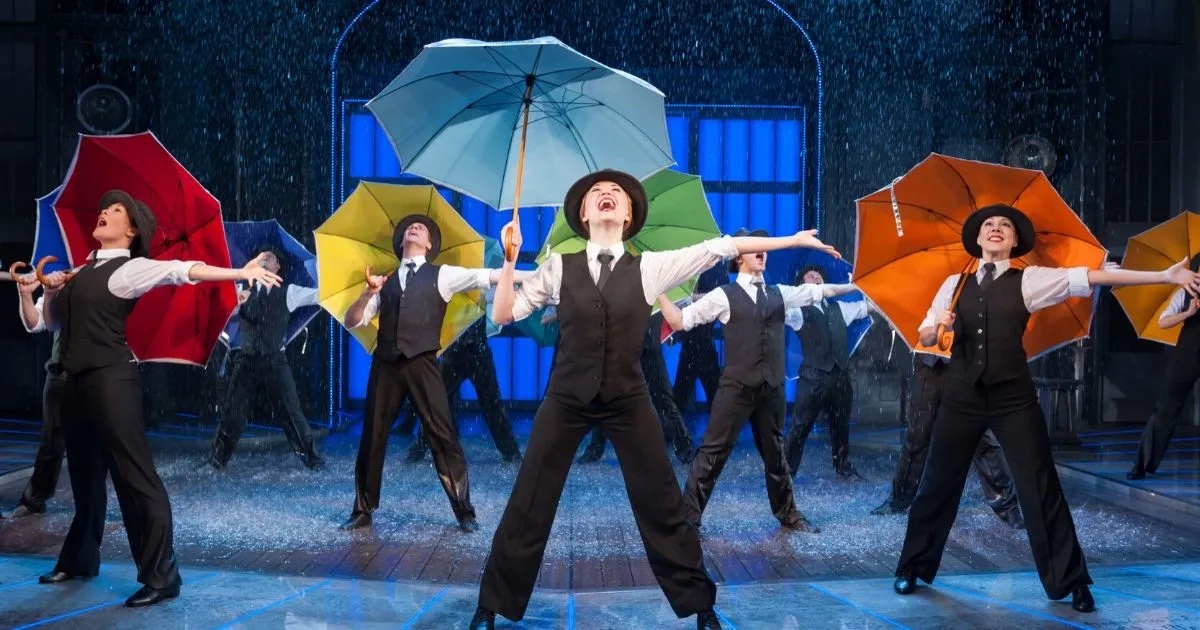
But of course, you might argue, how can this hope to work onstage without any actual rain? Rest assured, rain there is, in abundance. I can only marvel at the ingenuity involved in taking a travelling production around the country and adapting each and every venue so that water can bucket down onto the cast without causing major devastation. It’s no surprise that the orchestra are safely located backstage instead of in their usual pit. Their brief unveiling during the second overture foreshadows Kathy Selden’s famous moment of glory, as well as highlighting the frantic unseen action that underpins any theatrical production.

Singin’ in the Rain is a delight from start to finish. It never falters, never loses pace and manages to honour the great film that inspired it. Wandering out of the Festival Theatre, humming that famous signature tune, I’m almost disappointed to discover that it’s a cold, clear evening, with no hint of rain.

Well, I did say ‘almost.’

5 Stars

Philip Caveney

Fantastically Great Women Who Changed the World

26/04/22

King’s Theatre, Edinburgh

I almost don’t make it to tonight’s production of Fantastically Great Women Who Changed the World. The drama class I’m teaching doesn’t finish until 6.30pm, and FGWWCTW starts at 7pm. That’s half an hour to get from Fairmilehead to Tollcross, which ought to be do-able but – well, this is Edinburgh – there are roadworks. It’s 6.57pm when I park up, and then dash breathlessly to the King’s Theatre, charging into the box office, hollering ‘thanks’ as I hurtle through to the foyer, before racing to the auditorium. I slump into my seat next to Philip, only for the end of an umbrella to appear before my eyes. “Phones off!” says a voice. There’s a woman in a raincoat and glasses, all mock severity, and that’s it. The show’s begun. She marches onto the stage, barking instructions. The lights go down…

Aaand relax?

Well, no. FGWWCTW is not a relaxing show at all. In fact, the frantic urgency of my arrival serves well to set the mood. This is a dynamic, fast-paced gallop of a show, as bold and spirited as can be – like SIX’s little sister. I love it.

Based on Kate Pankhurst’s 2016 nonfiction best-seller of the same name and directed by Amy Hodge, the musical has a simple premise. Jade (Kudzai Mangombe) is on a school trip to a museum. Ever the ‘good girl,’ she has helpfully stopped to retrieve other students’ misplaced items, only to be forgotten in the chaos – and left behind. This, we learn, is typical: Jade’s quiet obedience means that she is often ignored or overlooked. A disembodied tannoy voice tells her that the museum is closing, urges her to leave, and forbids her from entering the Gallery of Greatness she’s standing outside. But Jade has had enough of doing as she’s told. This time, she’s going to do what she wants to do – so into the Gallery she goes.

It’s a good decision. Inside, Jade meets a host of inspiring women, who share their stories with her, and urge her to find her own greatness. There’s Sacagawea, Frida Kahlo and Marie Curie (Jade Kennedy); Amelia Earhart, Rosa Parks and Mary Seacole (Renée Lamb); Gertrude Ederle, Jane Austen and Mary Anning (Christina Modestou) – not to mention Emmeline Pankhurst and Agent Fifi (Kirstie Skivington). Anne Frank puts in an appearance too (she’s played with charm and grace by young actor, Lana Turner, who shares her name, of course, with another ‘fantastically great woman’.) The women are all wise in their own ways: some are funny and some are serious; some are gentle and some are fierce. But they are all, without exception, exceptional. “Take up space,” they tell Jade; “find a way to make yourself heard.” Jade doesn’t know what she’s good at or what she wants to do, but they tell her that doesn’t matter. All she has to do is exist, be true to herself and stand up for what she believes is right – and she will change the world.

The target audience is a young one (6+), and the theatre tonight is full of enthusiastic kids. It’s heartwarming to witness: they’re enraptured by the audacious performances and the maverick message. Even as an adult, I’m totally engaged, caught up in the drama, delighted that Jade is being encouraged to dare. Mangombe’s performance is central, of course, and she’s mightily impressive. When I consult the programme, I’m genuinely shocked to realise she’s an adult, as she embodies a conflicted eleven-year-old so well.

The songs (by Miranda Cooper, Chris Bush and Jennifer Decilveo) and choreography (Dannielle ‘Rhimes’ Lecointe) are great. None of it’s subtle: this is as in-your-face and brazen as it gets. It works. It’s impossible not to feel energised and, yes, empowered.

“A better world for everyone begins with dreams.” And “deeds, not words.” If you have children, there’s an easy first step: take them to see this.

4.3 stars

Susan Singfield