

Author: Bouquets & Brickbats

Wahaca

01/09/21

South St Andrew Street, Edinburgh

We’re slowly getting used to the loosening of Covid restrictions, but it’s tricky, navigating our way through a world that is, still, much riskier than ‘normal.’ We’re desperate to enjoy ourselves, but a little nervous too. We’re deliberately choosing quiet times when we venture out (Wednesday is the new Saturday, right?), and at least Scotland’s approach is more measured than England’s “let’s pretend it’s all over” free-for-all. Thankfully, Wahaca is the perfect place for the Covid-cautious: it’s big, airy and spotlessly clean, with lots of space between groups and perspex screens separating the tables. Phew!

We start with a freebie from the ‘summer specials’ – a cricket salsa served with tortilla chips. It sets the tone: this is going to be fun. The chips are fresh and well-seasoned, and the salsa tastes great, although I’ve no idea what part of the flavour combo is the insect’s doing. Philip orders a bottle of Corona, and I opt for a glass of a Picpoul de Pinet. Both arrive quickly, and we’re soon sipping contentedly.

We’ve decided in advance to try the ‘favourites’ set menu, because we’ve never been here before and want to sample a range of what’s on offer. It’s £42 for the two of us, which is, let’s be honest, great value. It consists of seven small dishes, and each one is, I’m pleased to say, delicious.

The Trealy Farm chorizo quesadillas arrive first, and they’re sumptuous, filled with crushed potatoes and a generous portion of cheese as well as the titular chorizo, the crisply baked tortilla providing a welcome crunch.

The next three dishes arrive at once: crispy cauliflower bites with lime and a roast jalapeno allioli, Devon crab tostadas and buttermilk chicken tacos. I’m quite fussy about deep-fried food; I tend to avoid it usually, because I don’t like it at all if it’s greasy, and can tell immediately if the oil’s not been hot enough. But the cauliflower bites are done just right, and so’s the chicken, so it’s a pleasure to eat them both. The cauliflower in particular is very more-ish. My favourite, though, is the crab; it’s so fresh and absolutely bursting with flavour. It zings. I love it.

The final three dishes arrive, along with a second round of drinks. There are pork pibil tacos, which Philip loves, but which are a bit too rich for me, although I like the intensity of the flavour. I prefer the grilled halloumi ‘Al Pastor’ tacos, which are vibrant and a little lighter on the palate. The chipotle lime slaw is crunchy and ‘clean’ and flavoursome; it’s good.

It’s all good. And, of course, we were never going to leave without sharing a portion of churros with a dulche de leche caramel sauce. It’s sheer indulgence. Oh my.

So, all in all, we’re delighted with the way our Wednesday’s turned out. We’ve put off visiting Wahaca because, you know, it’s a chain, and chains offer bland, uninteresting food, don’t they? But tonight’s dinner proves that Wagamama isn’t the only exception to that rule.

4.2 stars

Susan Singfield

Edfest Bouquets 2021

Once again, it’s time to award our virtual black bouquets to the best performances we saw at this year’s Edinburgh Festival. But of course, it has been a year unlike any other. We were relieved and delighted to see the return of the Fringe, but nobody could ever claim that it was fully back. This was a shadow of its former self.

Still, that said, having fewer shows to choose from did mean that the smaller productions attracted bigger audiences than they might usually hope for – and there was something wonderful about seeing a modest student show pulling in sell-out crowds.

And we did see some brilliant stuff.

So, without further ado, we present our choice of the best shows we saw at Edfest 2021.

THEATRE

Screen 9

Piccolo Theatre’s powerful and compelling slice of verbatim drama was based on the testimonies of four survivors of the 2012 The Dark Knight Rises cinema shooting. Stark and immersive, it was ‘an enervating and thought-provoking theatrical experience, not to be missed.’

Shook

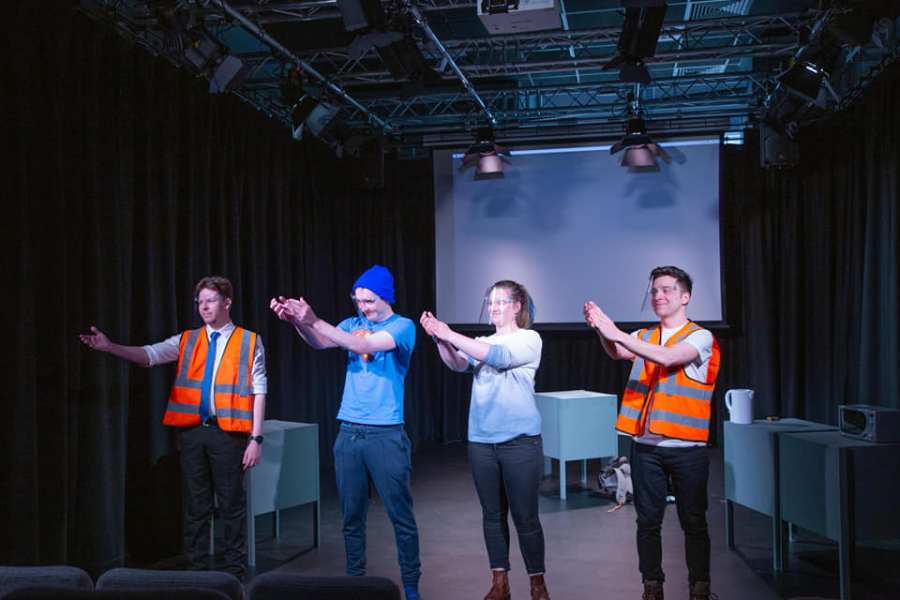
Twisted Corner’s production of Samuel Bailey’s affecting play was handled with aplomb by director, Rebecca Morgan and featured memorable performances as three young offenders attempted to get to grips with parenting classes. ‘Powerful and yet humbling – a fascinating examination of masculinity and fatherhood.’

Wish List

Katherine Soper’s play detailed the travails of a young woman, trying to care for her housebound older brother whilst also attempting to earn a wage by packing goods in an Amazon warehouse. This engaging four-hander, performed by actors from Edinburgh Napier University, showed ‘the extraordinary resilience of everyday people.’

Myra’s Story

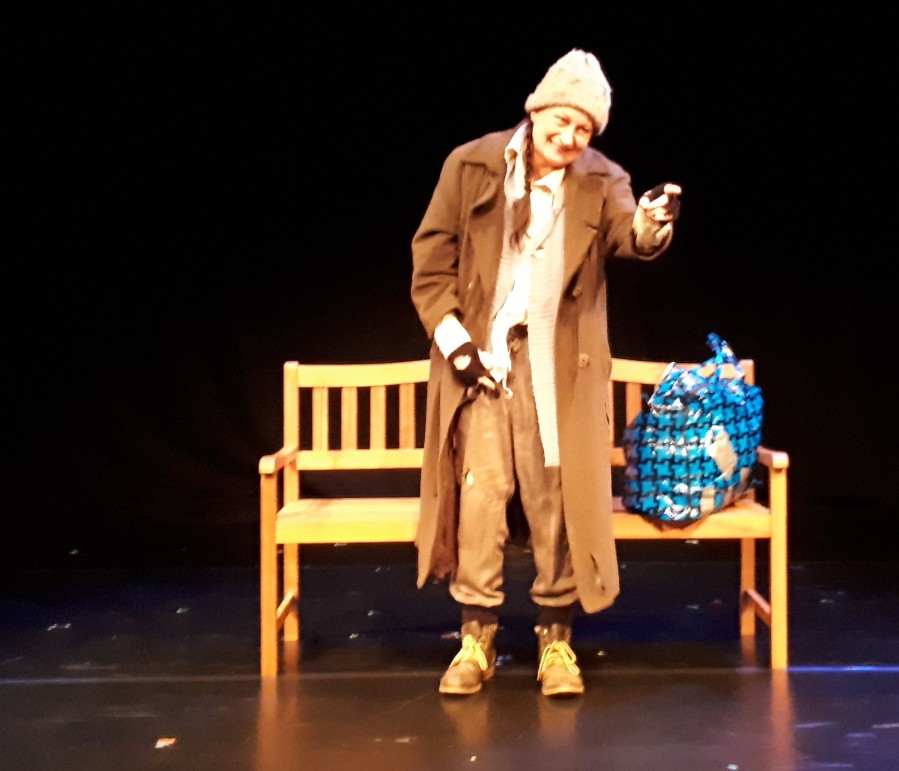
Fionna Hewitt-Twamley’s knockout performance in Brian Foster’s engaging monologue made this one of the festival’s biggest hits, playing to sellout audiences. It was wonderful too to see that it had partnered with two Edinburgh homelessness charities. Twamley delivered her heartbreaking tale ‘with wit and aplomb.’

COMEDY

Skank

Clementine Bogg-Hargrove’s wry look at millennial life, based on her own experiences, was charming and off-beat. Though it was mostly very, VERY funny, it had some tender moments too. Cleverly directed by Hargroves and Zoey Barnes, this was an excellent example of ‘art doing what art is meant to do.’

Myra Dubois: Dead Funny

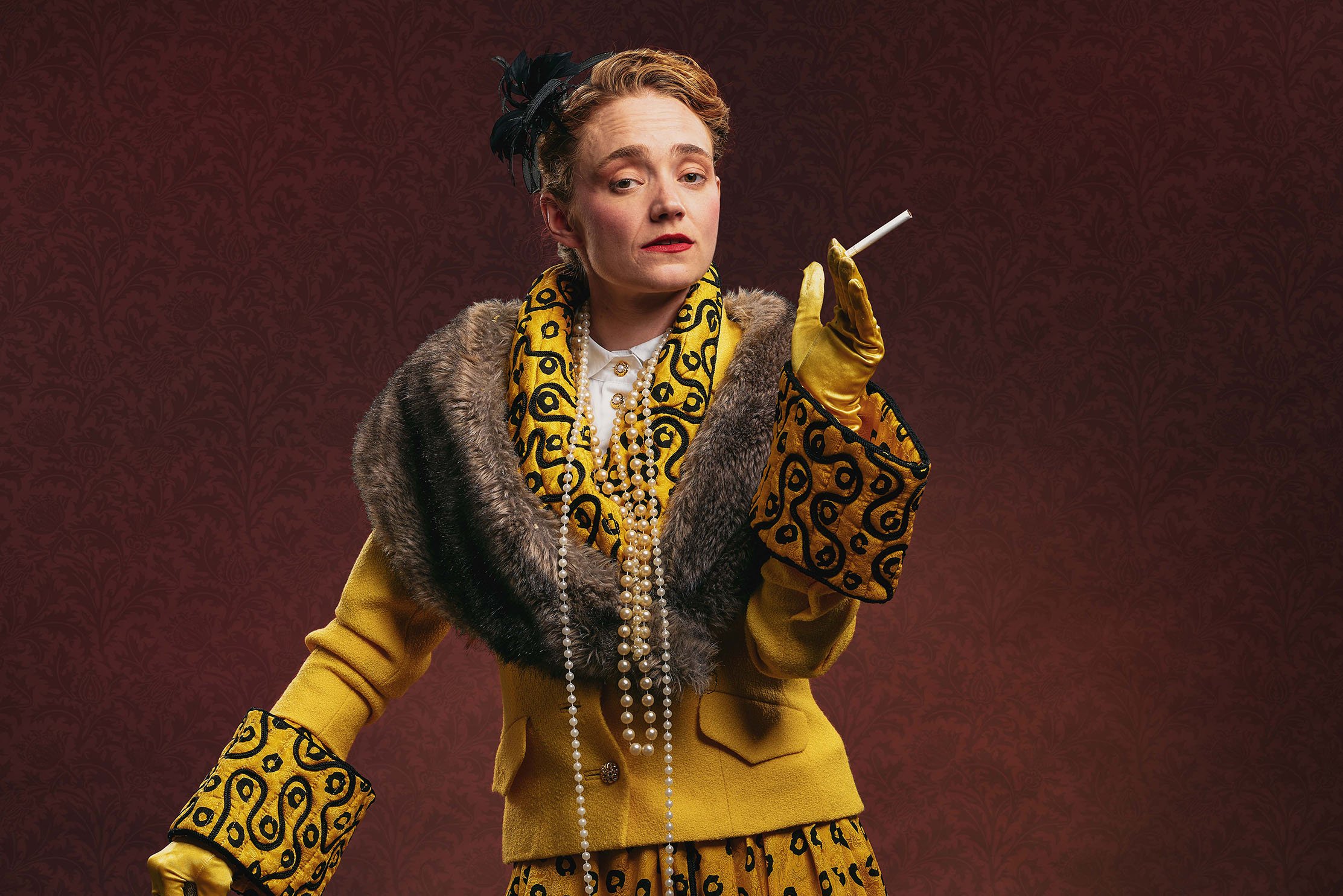
No Fringe is complete without a decent drag act and Myra Dubois was exactly what was required. Providing the oration for her own funeral (why not?), the Yorkshire Diva interacted (or more accurately, picked on) people who sat too near the stage and the result was ‘silly and audacious, eliciting helpless laughter.’

The Importance of Being… Earnest?

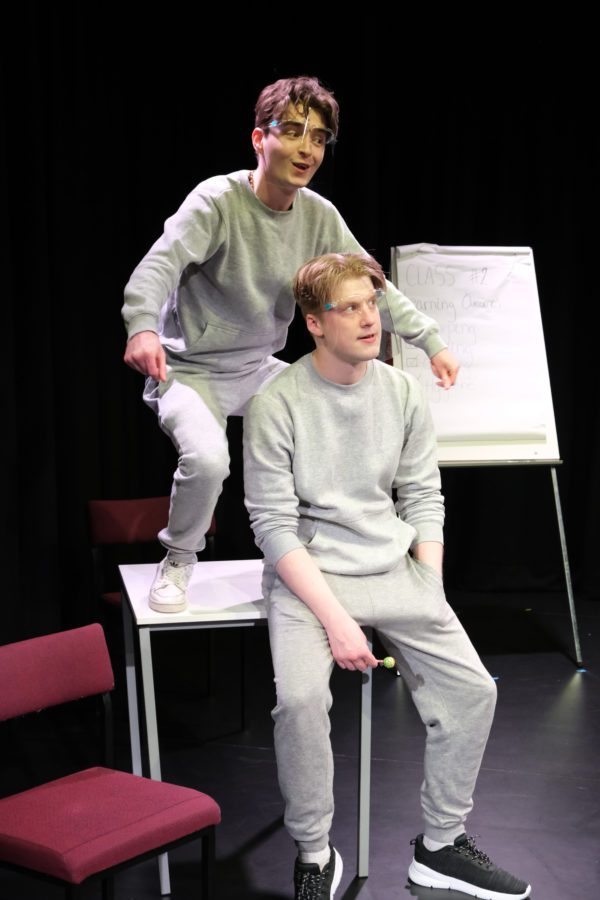
Director Simon Paris offered us a radical interpretation of the classic Oscar Wilde play, where certain members of the cast (including Ernest) were missing and members of the audience cajoled into taking their place. ‘Roistering, good-natured stuff, fast, frenetic and farcical. A truly interactive experience.’

SPECIAL MENTIONS

On Your Bike

This sprightly musical from Cambridge University’s Musical Theatre Society, written by Joe Venable and Ben James, was all about food delivery riders for… ahem… Eatseroo. All the right ingredients were in evidence. ‘Fabulous voices, upbeat zesty songs, humour and tenderness.’

Cameron Cook: It All

There’s always room on the Fringe for a true eccentric, and Cameron Cook was a perfect example. While it’s hard to define, this was a mesmerising piece, as Cook sang, danced, mimed and performed poetry, whilst inhabiting what seemed like a huge cast of characters. At times it felt like ‘the services of an exorcist might be required.’

Philip Caveney & Susan Singfield

The Nest

31/08/21

Cineworld

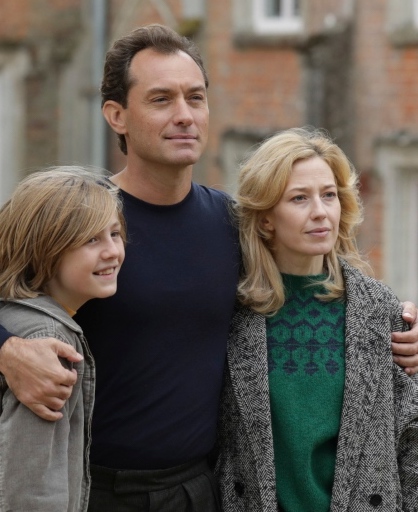
Commodities trader Rory O’ Hara (Jude Law) is an outwardly successful businessman. He is happily married to Allison (Carrie Coon), with whom he has two delightful children, his son, Ben (Charlie Shotwell), and stepdaughter, Sam (Oona Roche). The four of them dwell in a lovely home in New York and Allison is working successfully as a riding instructor. All things considered, Rory ought to be content with his life.

But something is bugging him, something he finds hard to deny. He wants…well, more – and he thinks he’s spotted a perfect chance to achieve it back in London, working for his former boss, Arthur (Michael Culkin). After all, it’s the 1980s, an era when any get-rich-quick scheme should be grabbed with both hands and dragged kicking and screaming into submission. This is an opportunity not to be missed!

Before any of his family can utter an objection, Rory has uprooted them and dragged them off to a mouldering mansion in the dark heart of Surrey. Yes, the place is virtually falling down around them, but Led Zeppelin once recorded an album here! Rory sets to work, purchasing a horse for Allison, building a stable for it and doing his utmost to push Arthur towards a lucrative contract with some America buyers he’s encountered. If it comes off, Rory will be rich beyond his wildest dreams. But what he’s clearly lost sight of is the happiness of his own family. Allison is struggling to tame that new horse. Ben is having trouble at the private school he’s been enrolled at. And Sam just feels as though she’s always having to settle for second best.

As Rory’s overpowering drive to be successful at any cost moves into top gear, the O’ Haras start to unravel, and there’s something about the house they’re living in that feels more and more unsettling…

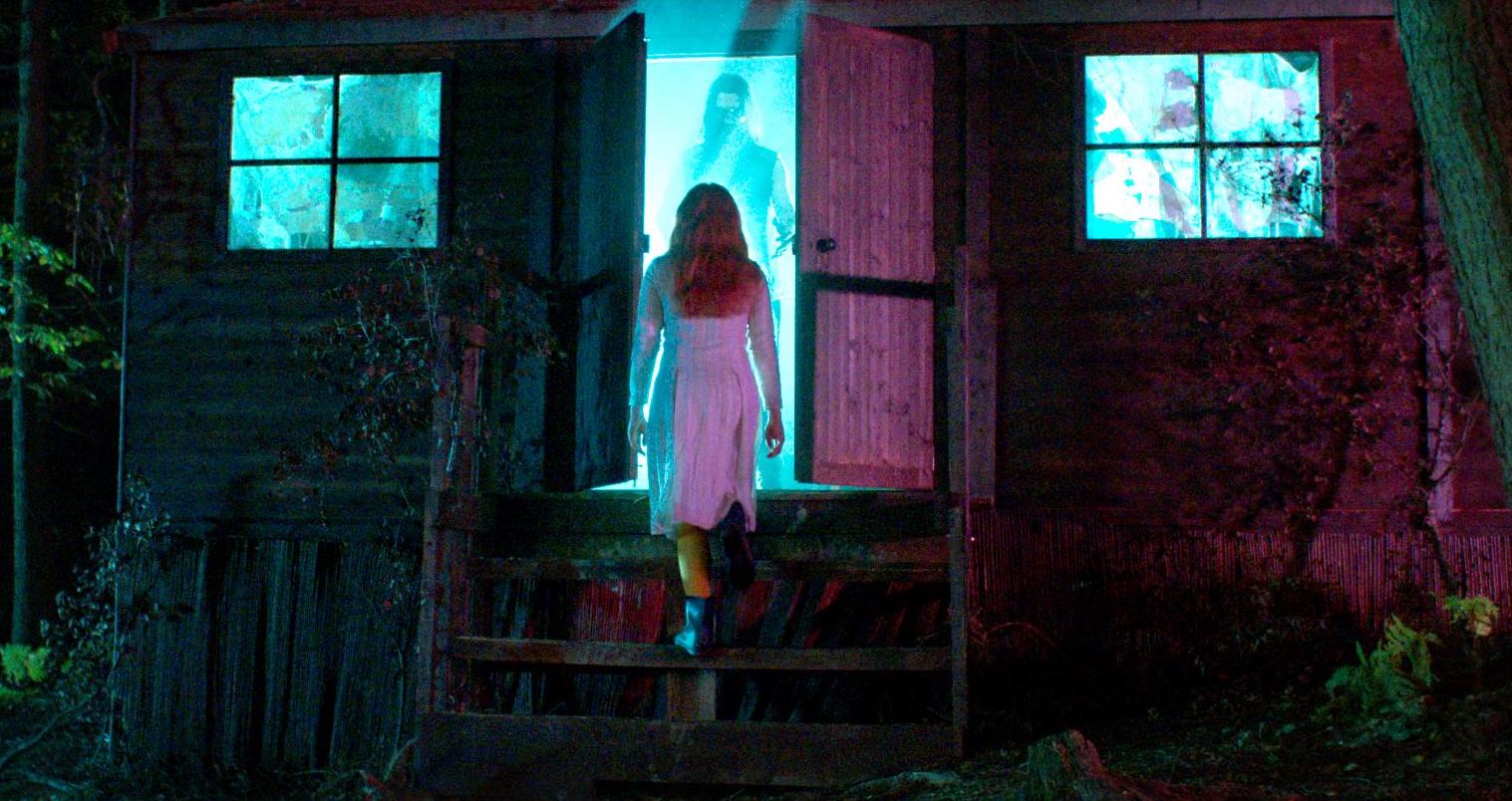
The Nest demonstrates an unusual – perhaps unique – approach to its theme, utilising all the tropes of a contemporary horror movie and applying them to a story about a family in turmoil. The oppressive atmosphere and Richard Reed Parry’s creepy soundtrack continually hint at the possibility of something supernatural lurking in the woodwork, but it gradually becomes clear that the ravenous beast that haunts this home is Rory’s vaulting ambition – that constant yearning for success that he can no longer control.

Rory’s brief visit to his mother (played by the ever-dependable Anne Reid) goes some way to explain how he’s become the venal, boastful creature that he is, but it doesn’t really excuse him, when he can no longer seem to open his mouth without attempting to impress whoever is unfortunate enough to be listening. A horrified Allison witnesses his descent and begins to go off the rails herself.

Both Law and Coon offer superb performances here, capturing the rapid disintegration of the couple’s relationship. Writer/director Sean Durkin helms the piece with great control, gradually racking the tension up another notch as he steers his ship into tragedy. And as for those supernatural possibilities… well, there is one thing here that is never rationally explained – and it will play on your mind after you’ve left the cinema.

4.2 stars

Philip Caveney

Myra’s Story

26/08/21

Palais du Variete, Assembly, George Square Gardens, Edinburgh

Myra’s Story is a compelling play, and Fíonna Hewitt-Twamley is perfectly cast, delivering the ninety-minute monologue with wit and aplomb.

Myra’s story is a commonplace tragedy: she’s an alcoholic on the streets of Dublin, drinking to numb herself, to mask her problems. But, in the words of John Irving (and, later, Voice of the Beehive), ‘sorrow floats’ – and Myra soon discovers that she can’t drown her emotions in vodka. Instead, her troubles multiply, and she finds herself homeless, stumbling from hostel to park bench and back again. She’s the woman on the street from whom we avert our collective gaze, but here, in Brian Foster’s play, we are forced to look. To listen. To learn about the person behind the bottle. To see that she is just like us.

Hewitt-Twamley’s performance is flawless; she has a particular gift for eliciting empathy, as well as for delivering an impressive range of other voices. Foster’s writing is strong, and the story matters (it’s wonderful to see that the production has two Edinburgh homelessness charities as partners, namely Social Bite and Steps to Hope).

There’s only one problem here, and it’s the venue.

This is an intimate but popular play, which always poses a conundrum: it’s difficult to find a space that can accommodate a large audience as well as allowing the personal, confidential nature of the material to shine. Some compromise is needed. However, the Palais du Variete is not a compromise: it’s just wrong. It’s a huge brash place, gorgeously mirrored and with a large bar area, perfect for a late night variety show, and utterly wrong for a lunchtime monologue. There’s a party-vibe that seems at odds with the play; this is surely a piece that demands our full attention, but most people are clearly out for a laugh, knocking back pints of beer or glasses of wine, and there are loads of latecomers, trooping past us again and again, obscuring our view. Then there’s the endless trips to the bar and the toilet, causing further disruption, so we keep missing little moments and nuances.

I’m also irritated, I have to admit, by the fact that there are is no mention (beyond a pre-recorded line that everyone talks over) of the fact that masks are still a legal requirement here in Scotland, and that – apart from when people are actually drinking – they should be worn throughout the performance. Almost every other Fringe venue (including other Assembly sites) has someone on the door politely reminding people, and the vast majority comply. Here, it’s ignored, and the audience take their cue from that. It doesn’t feel particularly safe.

So there’s a disconnect between the quality of the play and the quality of the experience. The star rating below is for an excellent script, delivered with consummate skill. But I won’t be going back to the Palais du Variete.

4.5 stars

Susan Singfield

It All

25/08/21

Assembly, Roxy

There are some shows on the Fringe that seem to defy description. But, I’m a writer, so I’ll give it my best shot.

I really don’t know what to expect from It All – and I’ll confess, when Cameron Cook strides onto the stage dressed as a mime, I fear the worst. Oh dear. Is it going to be one of those shows? You know what I’m talking about, the ones where a performer struts and frets for a weary hour, full of (no) sound and fury, signifying nothing…

Mr Cook launches into a piece of prose poetry, something about the human condition and I mentally prepare myself for something very po-faced. But then, quite without warning, he breaks off, glances at the silent musician in the corner of the stage and then begins to talk to an imaginary director. It doesn’t feel right, he says, the mood’s not there, he’s going to have to start over…

And the pomposity is instantly undercut. I’m chuckling at the absurdity of it. Cook begins again… and I find myself being pulled into his world.

And here’s the thing. The man is an extraordinary performer. He’s… well, the only word that really fits is ‘mesmerising.’ The eerie piece of performance art that unfolds is an extraordinary tour de force. Cook, it turns out, has many characters lurking within him and they have a tendency to hijack whatever he’s saying, wrenching him headlong from one outpouring to another. One instant he’s a sneering CEO explaining his brutal work ethic, how money is the key to everything in life. The next he’s a little girl talking with absolute adoration about her pet dog. In each case he’s utterly convincing, every mannerism, every gesture perfectly executed. A conversation between a little boy and his father is so brilliantly observed, I feel almost breathless as I watch the two disparate characters interacting with each other. And, it’s very funny. I find myself laughing at so many of these people, sometimes because I’m appalled by them, sometimes because there are qualities I recognise that strike too close to home.

The physicality of the performance is also astonishing – at times every muscle in Cook’s body seems to pulsate with energy as he encapsulates whoever is holding him hostage. He sings, he dances, he whirls and twists around the stage in paroxysms of rage and frustration. Sometimes, it feels as though the services of an exorcist might be required.

In the end, I decide that I’m never entirely sure what It All is about, but that it hardly matters, because what I’m being shown is the diversity of humanity, the many personae that lie beneath what an individual is prepared to show to the world – and, whatever Cook is trying to tell us, he does it with such intensity, such control, that the result is frankly riveting. The hour’s running time seems to flash by. As Cook and musician, Clare Parry, take their bows, the audience is mostly on its feet, applauding madly, but I’m sitting there stunned, still trying to assimilate everything I’ve just watched.

There are only three more opportunities to catch this and I’d advise you to grab some tickets while you still can.

4.6 stars

Philip Caveney

Censor

23/08/21

Cineworld, Edinburgh

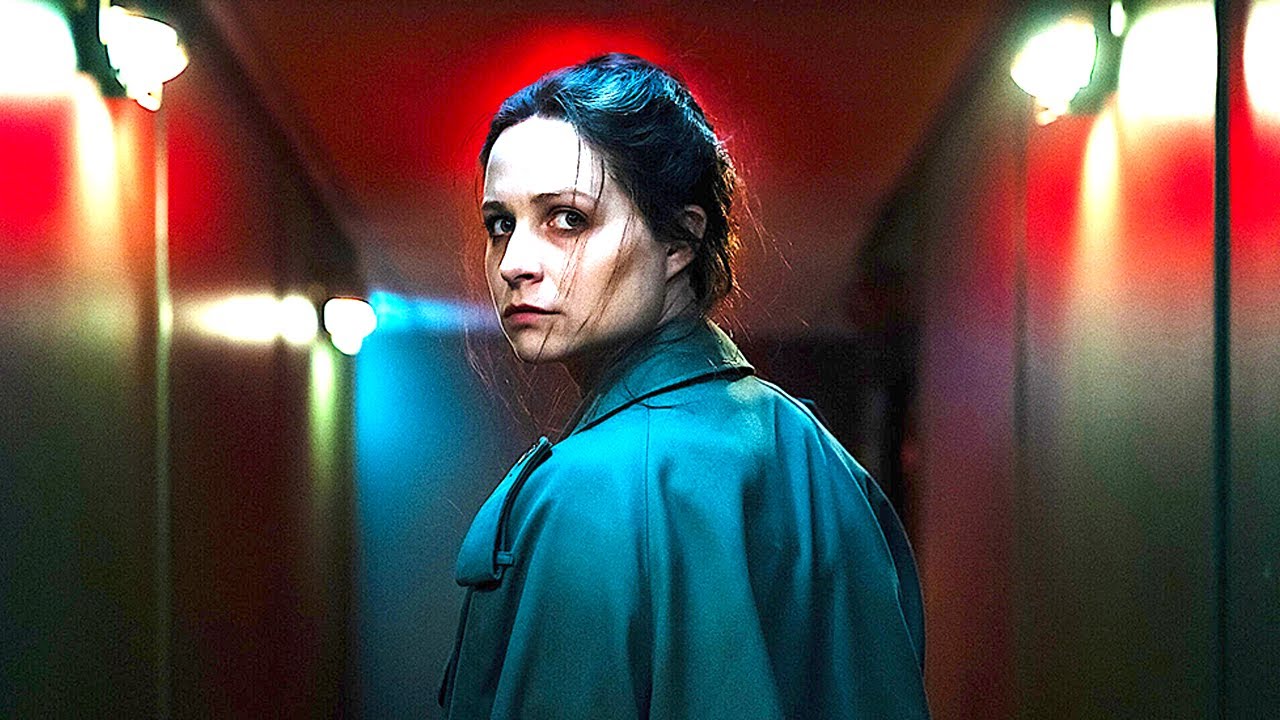
It’s 1985, the UK is in the midst of Thatcherism and the era of the ‘video-nasty’ is casting a pervasive grip on the public imagination. Enid (Niamh Algar) works as a censor – presumably for the British Board of Film Classification, though it’s never spelled out. Enid’s daily routine obliges her to suffer through a seemingly endless supply of filmed rapes, murders and general carnage, occasionally making notes as she does so (such as suggesting that a display of eye-gouging might be cut down a little). Her colleague, Sanderson (Nicholas Burns) tells her she’s too diligent, that if it were down to him, he’d pass the lot without a qualm, but Enid wants to ensure that she takes every care to protect the public. Because such violent images can be harmful, right?

Enid also has something lurking in her past, the mysterious disappearance of her sister, Nina, when they were children, now an unsolved ‘cold case.’ So when Enid is asked to look at a film by mysterious director, Frederick North (Adrian Schiller), she’s deeply disturbed to discover that some of the details in his screenplay seem to eerily recall what actually happened to her and Nina back in the day, details that she has suppressed for years. And then she meets North’s sleazy producer Doug Smart (Michael Smiley), and the memories of her childhood trauma start to crowd in on her consciousness. Soon, she is having trouble differentiating between what she sees on the screen and what’s really happening…

This is writer/director Prano Bailey-Bond’s first full-length feature and she handles it with verve and assurance. My abiding fear was that a twenty-first century feature that clearly references infamous 80s film-makers like Dario Argento and Lucio Fulvi would feel too much like a director trying to have her cinematic cake and eat it – but, while it’s probably fair to say that there is some of that about Censor, it’s to Bailey-Bond’s credit that she manages to navigate those murky X-rated waters without ever getting out of her depth.

Cinematographer Annika Summerson probably deserves much of the praise for managing to uncannily recreate the look of those vintage films, complete with grainy imagery, lens-flare and ever-changing aspect ratios. Algar shines as a woman who has repressed her inner demons for so long, she wears them like a suit of clothes.

Censor is fascinating, both as a memento of an infamous period in cinema history and as a gradually-unfolding mystery with a cleverly handled pay-off.

4.2 stars

Philip Caveney

Shook

22/08/21

theSpaceUK Triplex, Edinburgh

It’s easy to see why Samuel Bailey’s Shook won the 2019 Papatango New Writing Prize, and why it garnered so much attention on its debut. It’s a beautifully written piece, full of warmth and humour: a brutal exposé of a society that condemns some people to the scrapheap almost from birth, and – at the same time – a heartbreakingly intimate tale.

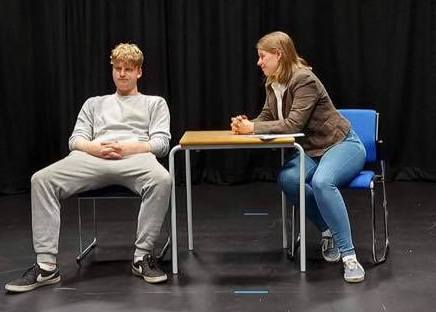
Twisted Corner’s production does the material proud. Cain (Kieran Begley), Ryan (Ryan Stoddart) and Jonjo (William Dron) are young offenders. They’re also young fathers – or they’re about to be. Grace (Rebecca Morgan, who also directs) is their new teacher, running weekly parenting classes, hoping to help them break the cycle, to give their children a better start than any of them ever had – and to give them something to look forward to.

It’s an uphill battle. Of course it is. The odds are stacked against these boys. They have to negotiate so much just to get by: it’s a pitiless life, with obstacles at every turn. There’s a pecking order, and other people’s anger to endure – and that’s just inside. Outside, they know, is a world that doesn’t want them, that never wanted them; what is there to go home to, if they ever do get out?

The direction here is spot on: Morgan creates an atmosphere of absolute authenticity. The performances are nuanced and complex, each character fully realised. It’s emotionally draining – I’m laughing, then crying, then laughing again. Begley, in particular, has me on edge, Cain’s jangly, unpredictable energy making me fearful as well as sad. And all the time, I’m just hoping against hope that the boys will find the happy endings I know will elude them.

This is a stunning piece all round: the writing, direction and performances combine to create something really powerful and yet humbling. What we have here, in the end, is a fascinating examination of masculinity and fatherhood, and a tentative step towards redemption.

I have no criticism. None. This is note-perfect.

5 stars

Susan Singfield

Punch, with Johnny

21/08/21

Army@theFringe, Edinburgh

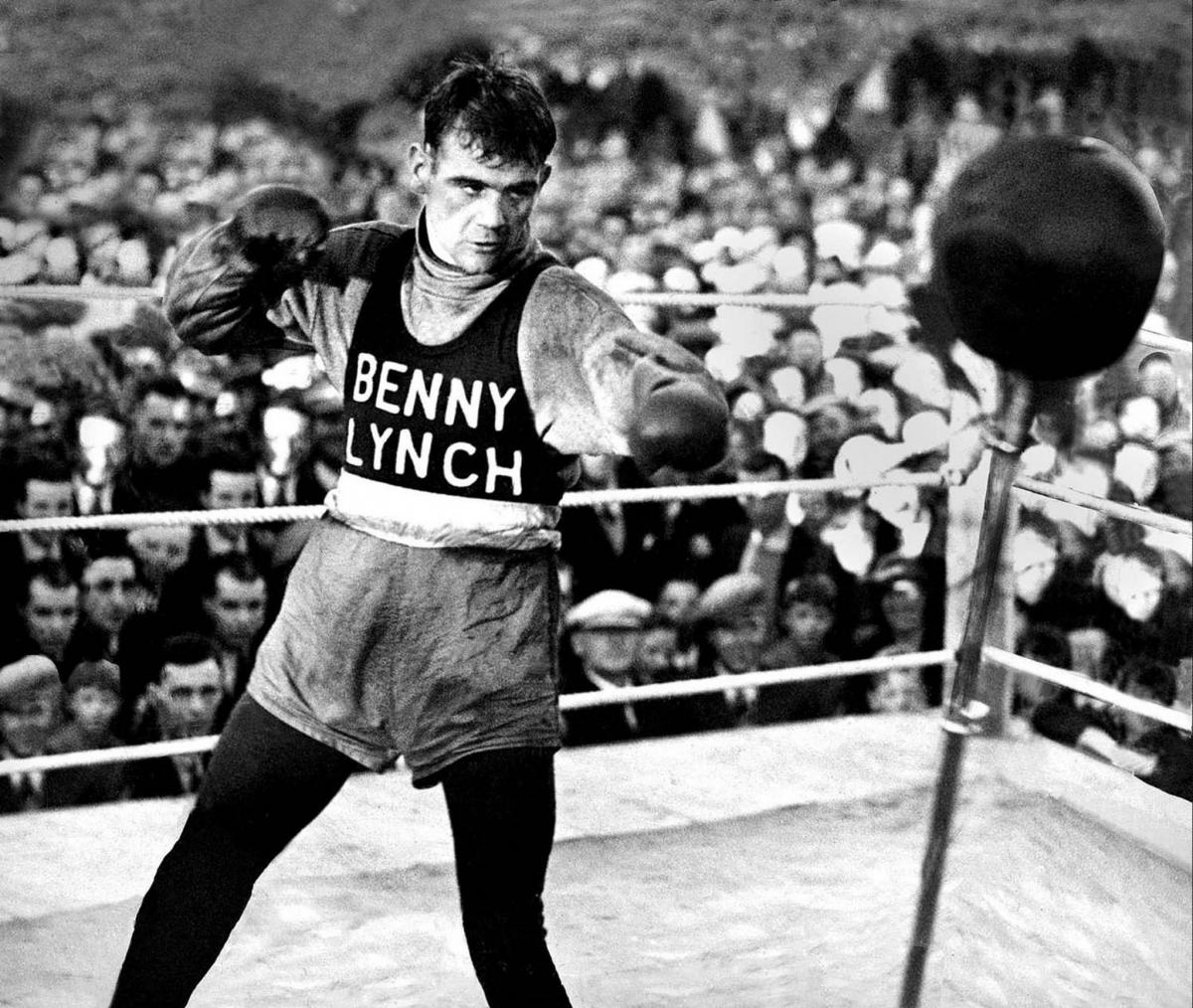
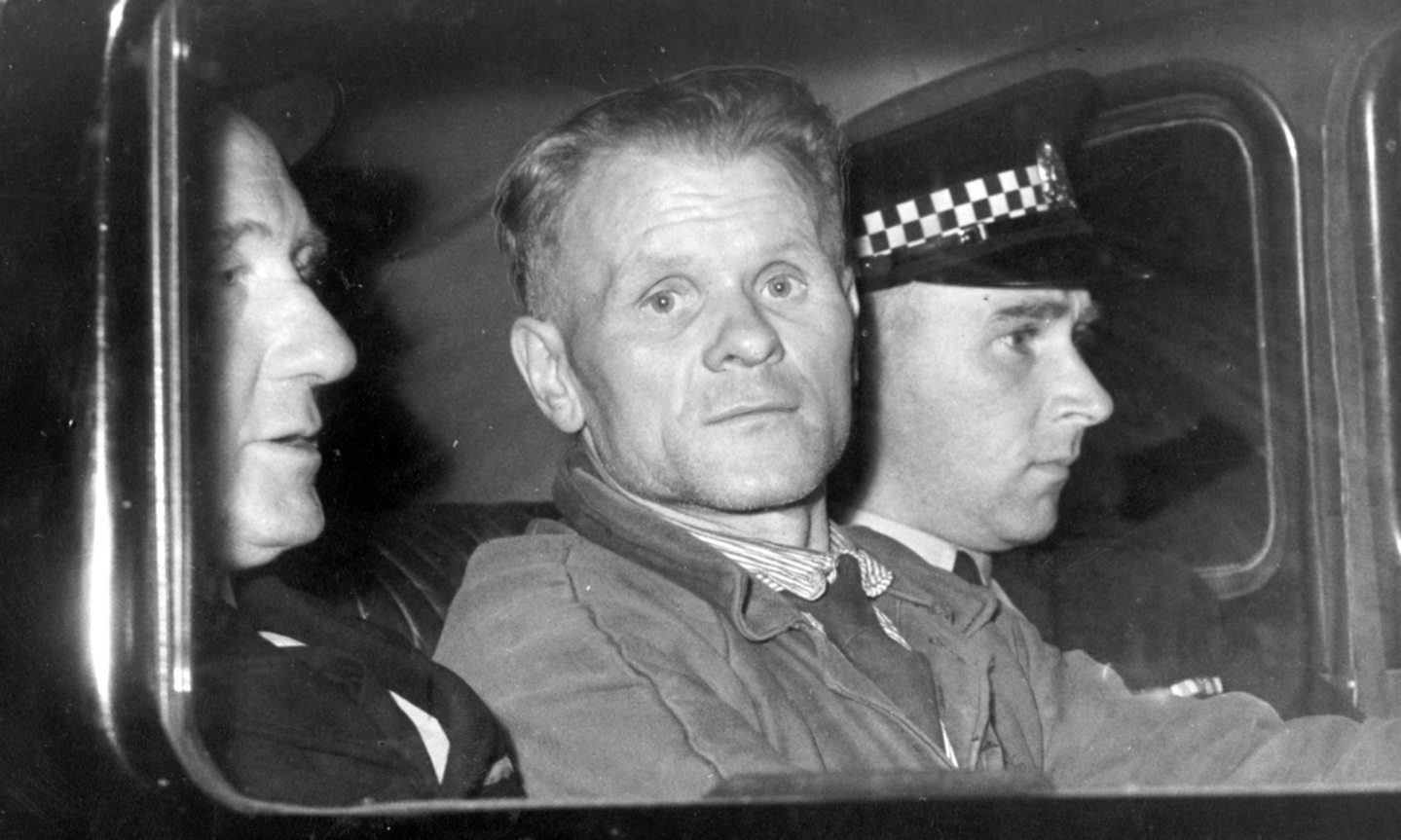
It’s 1946 and, in a backstreet pub in the Gorbals, two Scottish legends meet face-to-face. The first is former world flyweight boxing champion, Benny Lynch (Sam Fraser), once an idol of many fight-fans, now fallen on hard times and descending into alcoholism. The other is infamous career thief, Johnny Ramensky (Conor Ferns), safe-cracker, escape artist and unlikely war hero – he’s only here because he’s hiding out from the cops.

The two men settle down with bottles of the hard stuff and start to exchange notes. The Barman (Gerard Rogan), is occasionally called upon to referee the proceedings and… who is that grim-faced authority figure sitting motionless at the back of the stage?

Punch, with Johnny, written and directed by Paul Moore, is a bruising appraisal of the lives of two real life characters with what would at first appear to be very different career trajectories – but as the story unfolds, those differences increasingly blur. Is it really heroic to punch an opponent to the ground? Or to repeatedly commit crimes and refuse to accept punishment for them? And ultimately, are these men to be admired…or pitied? After all, their glory days are behind them. All that’s left now is a slow slide into the abyss

This is convincingly acted by the two leads, but it’s very much a static ‘tell don’t show’ piece of theatre – I’d like to have seen more action, more movement – and when the nameless authority figure (Paul Wilson) has little to do but pass a series of criminal sentences on Ramensky, his presence starts to feel superfluous. What’s more, having read up on the careers of the two men, I can’t help feeling that there’s so much towards the end of their lives that would make for a more challenging play. Lynch in particular went to some very dark places when his boxing career was over but the script steers clear of them.

As it stands, Punch, with Johnny feels like something of a missed opportunity. It lands a few decent blows but fails to deliver a knock out.

3 stars

Philip Caveney

The Courier

19/08/21

Cineworld, Edinburgh

The Courier is a spy movie, so we know what to expect, right? Gun fights, car chases, heart-stopping stunts…

Well no, because this ‘based on a true story’ tale, set in the cinematically-neglected Cold War era, plays it straight and, for the most part, sticks pretty closely to the facts. It’s 1960 and America and the Soviet Union are engaged in the arms race, the two super powers moving inexorably nearer and nearer to nuclear conflict.

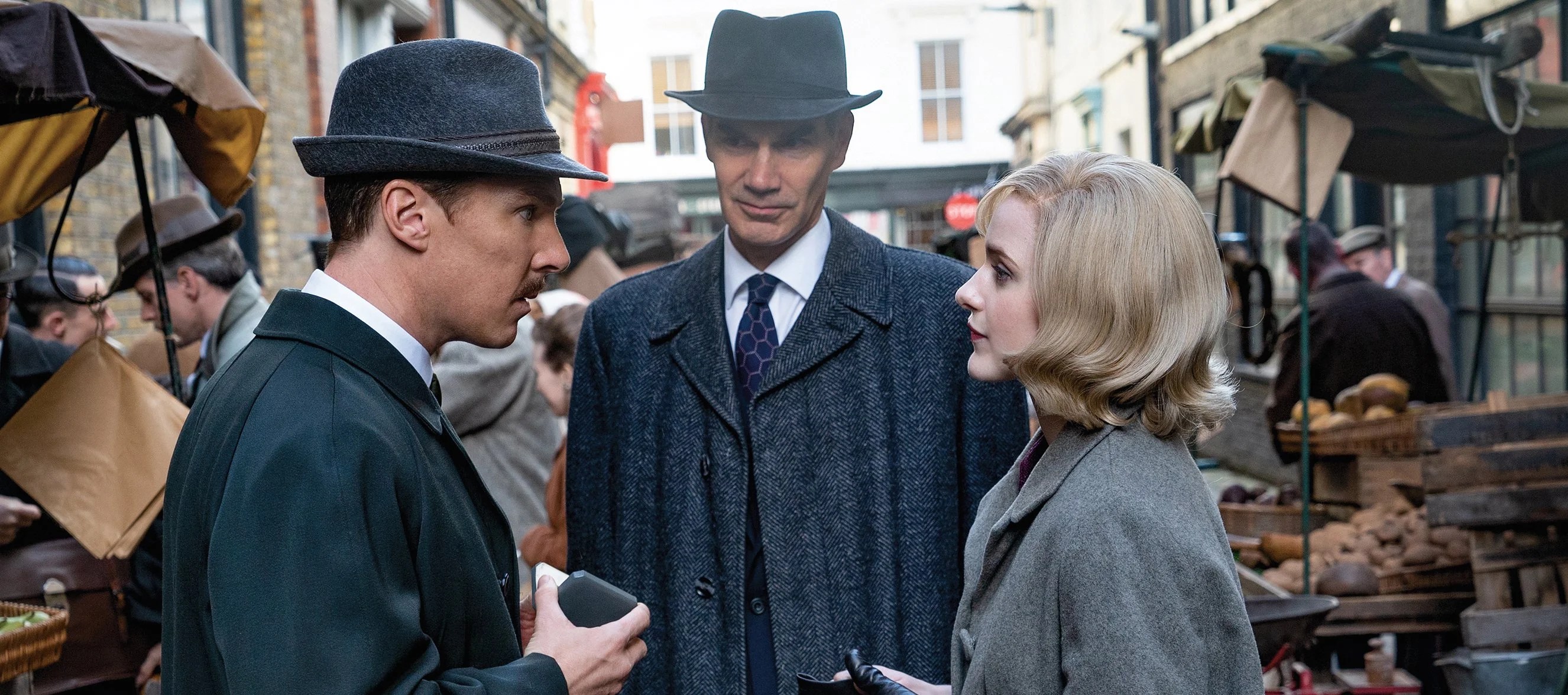
High-ranking Soviet intelligence officer Oleg Penskovsky (Merab Ninidze) can see the disaster that lies ahead. He contacts a couple of American tourists and asks them to take a message to the American Embassy, offering to supply the CIA with inside information in exchange for safe passage to the USA for him and his family.

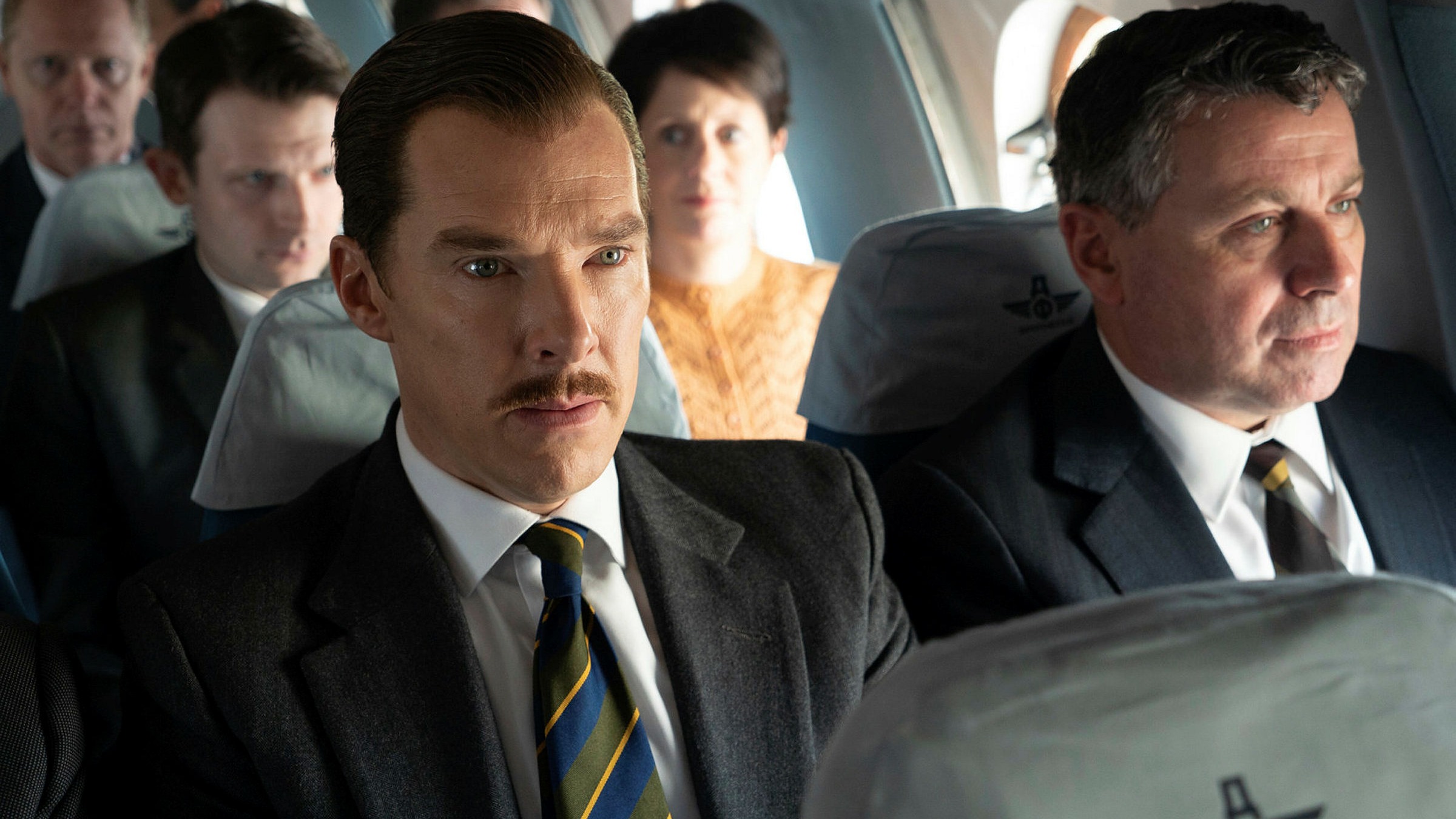
Some time later, CIA agent Emily Donavan (Rachel Brosnahan) approaches MI6, asking if they can suggest somebody who might act as a go-between for them. Agent Dickie Franks (Angus Wright) thinks he may have chanced upon the perfect recruit, innocuous businessman Greville Wynne (Benedict Cumberbatch), who spends most of his time travelling the world, wining and dining potential clients for his various business interests. Wynne would surely be above suspicion? So they ask him if he will be their inside man. At first Wynne is non-plussed, if perhaps a little flattered by their invitation, but, after some prevarication, he accepts their offer. Shortly thereafter, he finds himself making contact with Penskovsky in Moscow and carrying various secret messages back and forth between Russia and Great Britain.

But, of course, while this all might look dreadfully routine on the surface, the dangers of being discovered are just as nerve-wracking and the consequences every bit as deadly.

Director Dominic Cooke ensures that The Courier is strong on period setting: the drab, chain-smoking world of the early 60s is accurately depicted in every shot. Both Cumberbatch and Ninidze nail their roles with aplomb and Tom O’Connor’s script focuses on the developing friendship between the two men, making Wynne’s ultimate actions totally believable. Jessie Buckley takes a thankless role as Wynne’s buttoned-up wife, Sheila, and wrings every ounce of possibility out of it, proving once again what a consummate actor she is.

While the film might be short on action tropes, it never lacks suspense and, as Wynne’s deception begins to unravel, the stakes are increasingly cranked up for maximum tension. Also, this is a film that doesn’t back away from depicting the horrors of Wynn’s subsequent incarceration. (Next time I dine out, I think I’ll skip the soup course.)

Some heroes, it seems, are less showy than the Bonds and the Bournes – and here’s the proof that a spy movie can be thrilling without regular recourse to flashy sports cars and semi-automatic weapons.

4.6 stars

Philip Caveney

Skank

18/08/21

Pleasance Courtyard, Edinburgh

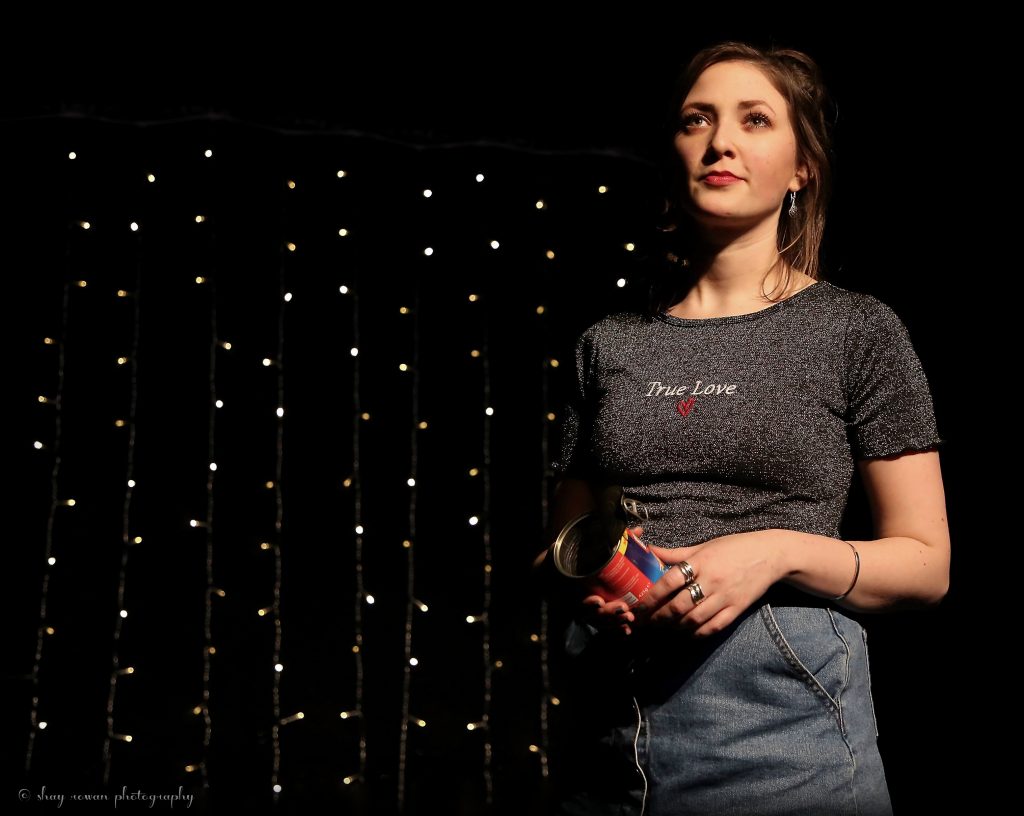
Skank is a surprise. I’m expecting a wry look at Millennial life, and – to some extent – that’s what I get. Clementine Bogg-Hargroves plays Kate, a young woman flitting from one temping job to the next, dreaming of being a writer but hardly ever actually writing anything. She won’t commit to a ‘proper’ job because the thought of it fills her with dread. She has nothing in common with her colleagues, but they seem to like her: she’s funny and sparky, and even has a crush on one of them. But Kate’s real life happens outside the office: in trendy coffee shops and pubs; in too much booze and one-night-stands; in knitting classes and doctor’s appointments.

Ah yes. Doctor’s appointments. Because this isn’t, it turns out, as light as it first seems. It’s a clever realisation of how people conceal their mental health problems. No one in the office can possibly have a clue about how anxious Kate is, all the time, of what her upbeat humour hides. As the play progresses, we see Kate unravel, all the while maintaining that same bubbly persona.

A smear test is the catalyst. An abnormality sends Kate spiralling, her tinnitus is out of control and she doesn’t know what to do. And why is it so bloody hard to recycle a baked beans tin around here?

Bogg-Hargroves truly inhabits the part, which makes sense, as it’s based on her own experience. She’s a charming, engaging performer, easily eliciting laughs from this afternoon’s audience. I cry too, because there is real heart here, and plenty of stuff that resonates. If at times it’s a little too close to home, a little difficult to bear, well, that’s the point, I think. That’s art, doing what art is meant to do.

There’s some lovely direction here (from Bogg-Hargroves and Zoey Barnes). The transformation of Kate’s desk into an examination table is simple and wonderfully offbeat, drawing a laugh all by itself. I like the little bit of puppetry too, and the pre-recorded offstage voices (sound tech by George Roberts) are a quirky and effective touch. (I do wonder, however, why the final voice is different from all the others; apart from this one, they’re all Bogg-Hargroves, who has an impressive range of accents and tones. Is this meant to signify something? If so, I don’t get it.)

Incidentally, the Pleasance Rear Courtyard is my favourite performance space so far this Fringe – the best example of a joyous outside/inside Covid-safe venue I’ve seen. And Skank is a delight too. Make time to see this. It’s a gem.

4.8 stars

Susan Singfield