23/11/26
Filmhouse, Edinburgh
Fjord has attracted a lot of controversy since its Palme d’Or win – and it’s easy to see why. Calling it “a MAGA movie” might be simplistic but it’s not entirely unfounded.
The film is loosely inspired by the real-life story of the Bodnarius, whose children were removed from their care by Norwegian child protection services in 2015. Writer-director Cristian Mungiu’s version of events is fiercely defensive of the Romanian-Norwegian family: the Bodnarius’ fictional counterparts, the Gheorghius, are shown as warm and devout, while the institutions concerned for their children’s welfare are uniformly dispassionate and cold.
Posing the ethical conundrum that plagues progressives everywhere – should a tolerant society tolerate intolerance? – Fjord ought to be a compelling watch. The question is vexed with a wide spectrum of responses to explore. Sadly, Mungui offers us only one answer.
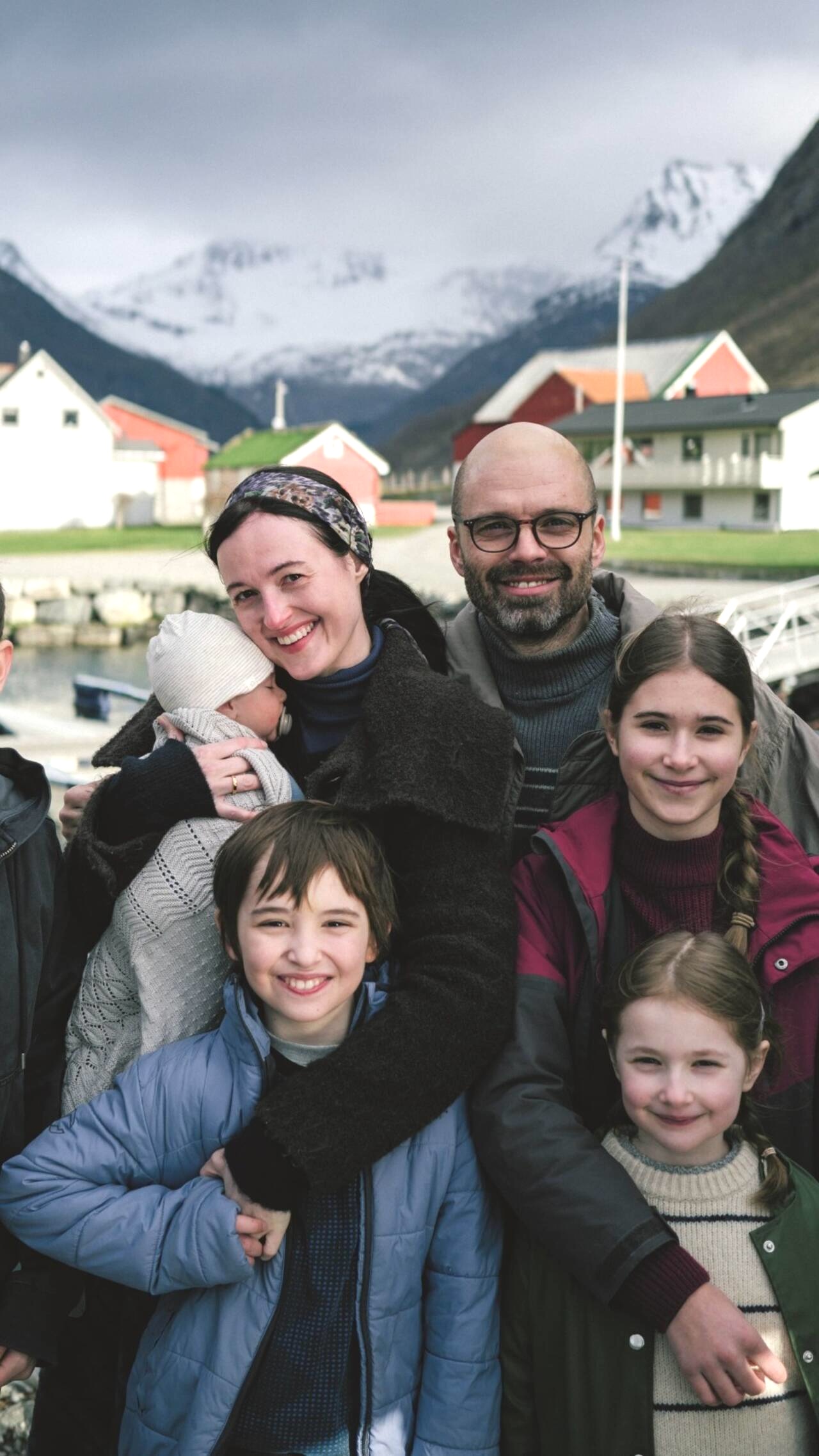
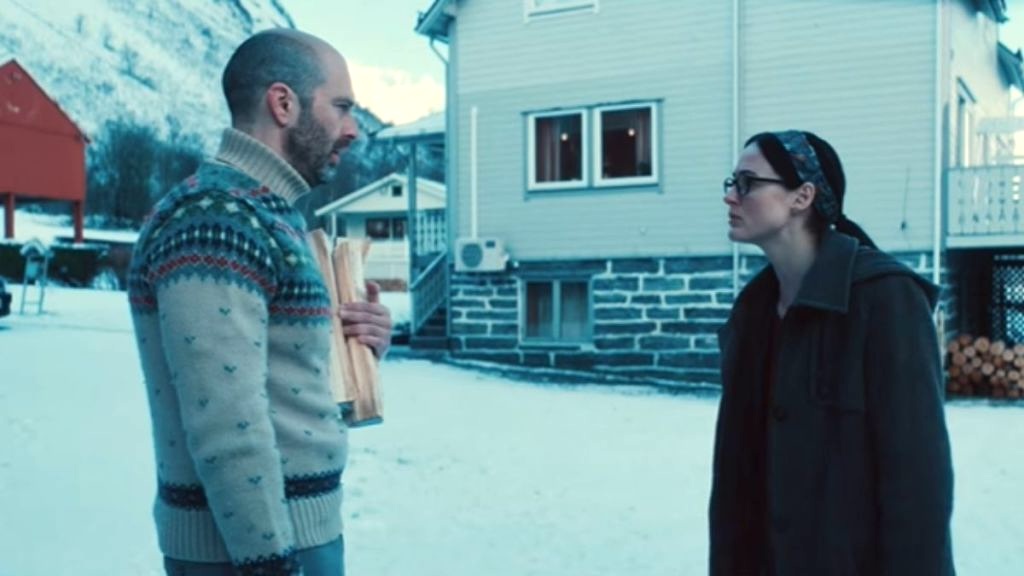
The Gheorghiu parents, Mihai (Sebastian Stan) and Lisbet (Renate Reinsve), are Pentecostals, who have recently moved from Romania to a Norwegian coastal village. Their five children, ranging in age from six months to mid-teens, are accustomed to a strict, religious lifestyle, which sits at odds with their new country’s secular permissiveness.
At school, younger siblings Judith (Teodora Sabina Barau) and Timotei (Filip Sebastian Barau) cause some raised eyebrows with their pronouncements about homosexuality being a sin, but it’s the older two, Elia (Vanessa Ceban) and Emmanuel (Jonathan Ciprian Breazu), who generate real concern. They’re adolescents but they’re not allowed to engage with the modern world: no phones, no TV and certainly no computer games. They’re even forbidden from dancing. More worryingly, Mihai imposes a stringent demerit points system, penalising his kids for such minor infractions as not concentrating fully during prayers.
So when the school’s safeguarding officer, Frida (Lisa Loven Kongsli), not only overhears Emmanuel taunting Elia about being hit by Lisbet, but is also told by the PE teacher about bruises on Elia’s neck, no wonder she panics and calls the barnevernet.
And what follows seems to exemplify the idea of a sledgehammer cracking a nut…
Unfortunately, Mungui’s palpable bias weakens the film. Here, there’s no doubt: the Gheorghius are being persecuted because of their religious beliefs; the courts are biased because he is an immigrant. While these assertions might be true, there’s little attempt here to present another point of view. Instead, we’re called to stand with conservative Christians from around the world, who’ve jumped on an online bandwagon to condemn ‘woke’ liberalism and applaud ‘traditional family values.’
I’m not convinced.
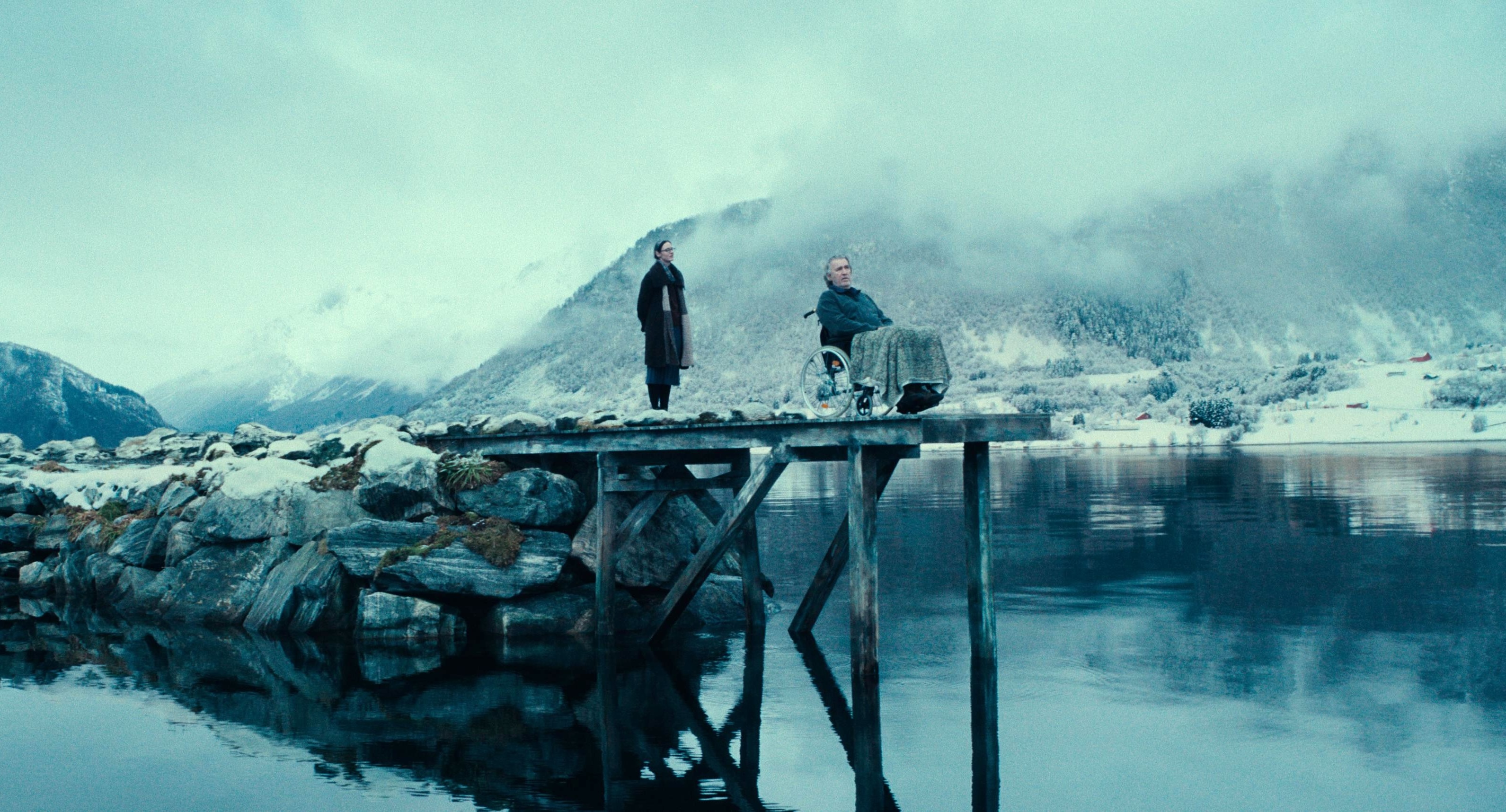
On the plus side, Tudor Vladimir Panduru’s cinematography is sumptuous, showing the titular fjord in all its austere beauty. The actors’ performances are strong, and I like the depiction of teenage friendship, as Elia and neighbour Noora (Henrikke Lund-Olsen)’s mutual attraction transcends their cultural differences.
However, while Fjord is eminently watchable, it’s ultimately frustrating. I’d love to see a more nuanced interrogation of the case, one that challenges all of our preconceptions – including, dare I say it, Mungui’s.
3 stars
Susan Singfield

