Yorgos Lanthimos

Bugonia

02/11/25

Cineworld, Edinburgh

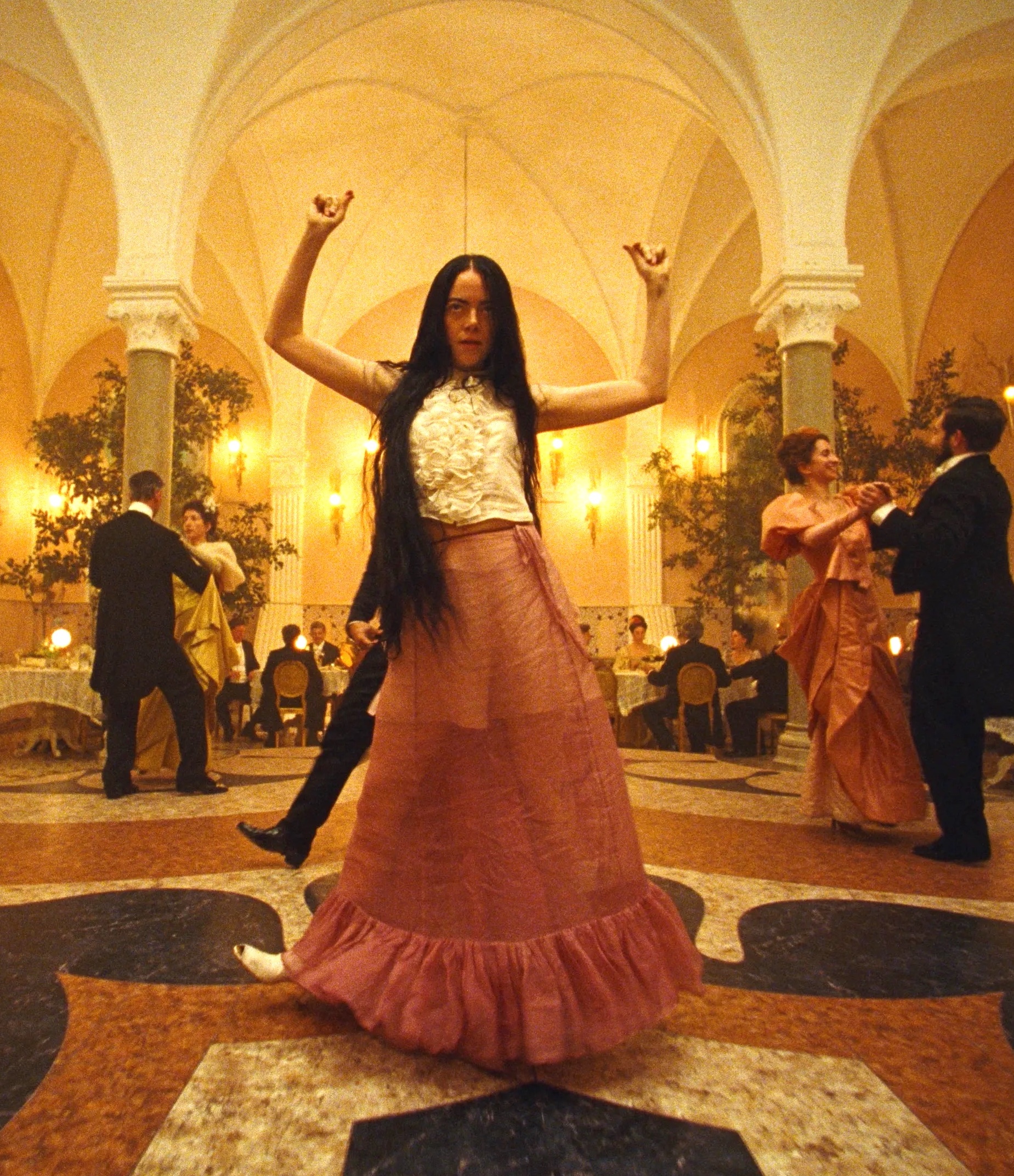
Yorgos Lanthimos must qualify as one of the hardest-working directors in the business – and one of the most consistently brilliant. Since his breakout with The Lobster in 2015, he’s unleashed a whole string of knockout films and, as I’ve observed elsewhere, he has the gift of turning the wildest, most experimental ideas into palpable hits at the box office. If, in its opening scenes, Bugonia seems like his most straightforward story yet, don’t be fooled. Eyebrow-raising revelations are waiting an hour or so further down the line.

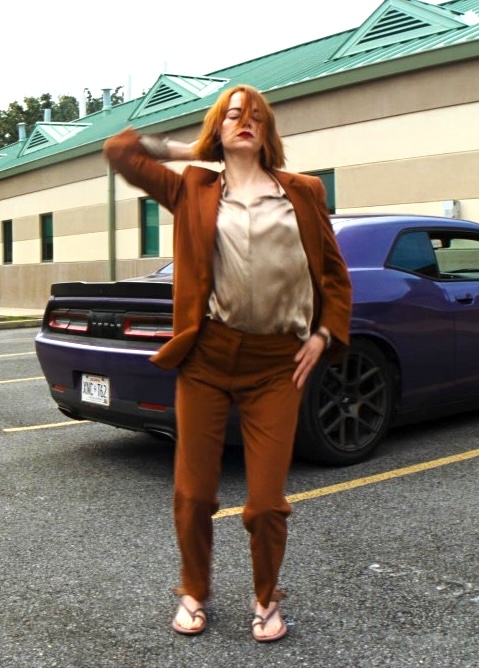
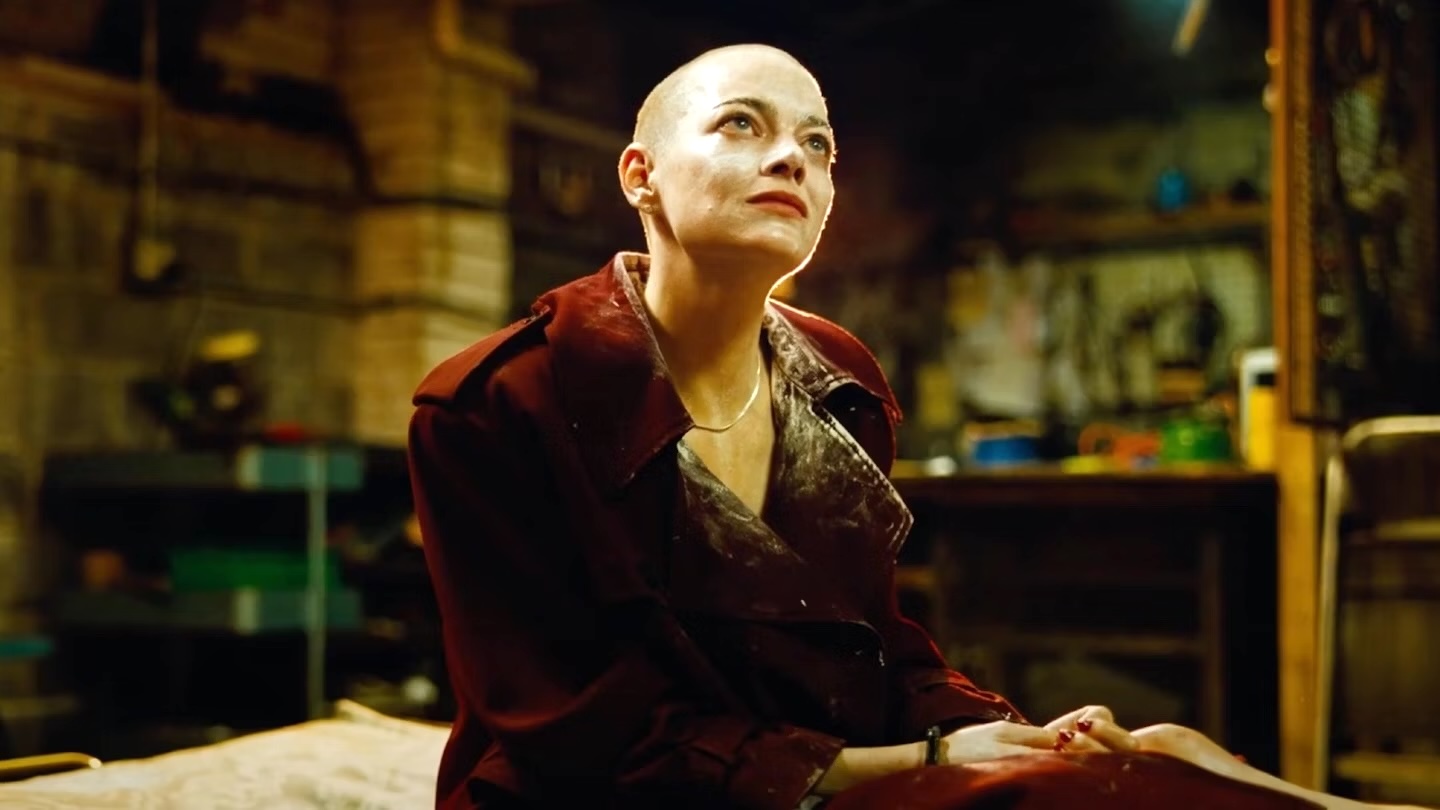
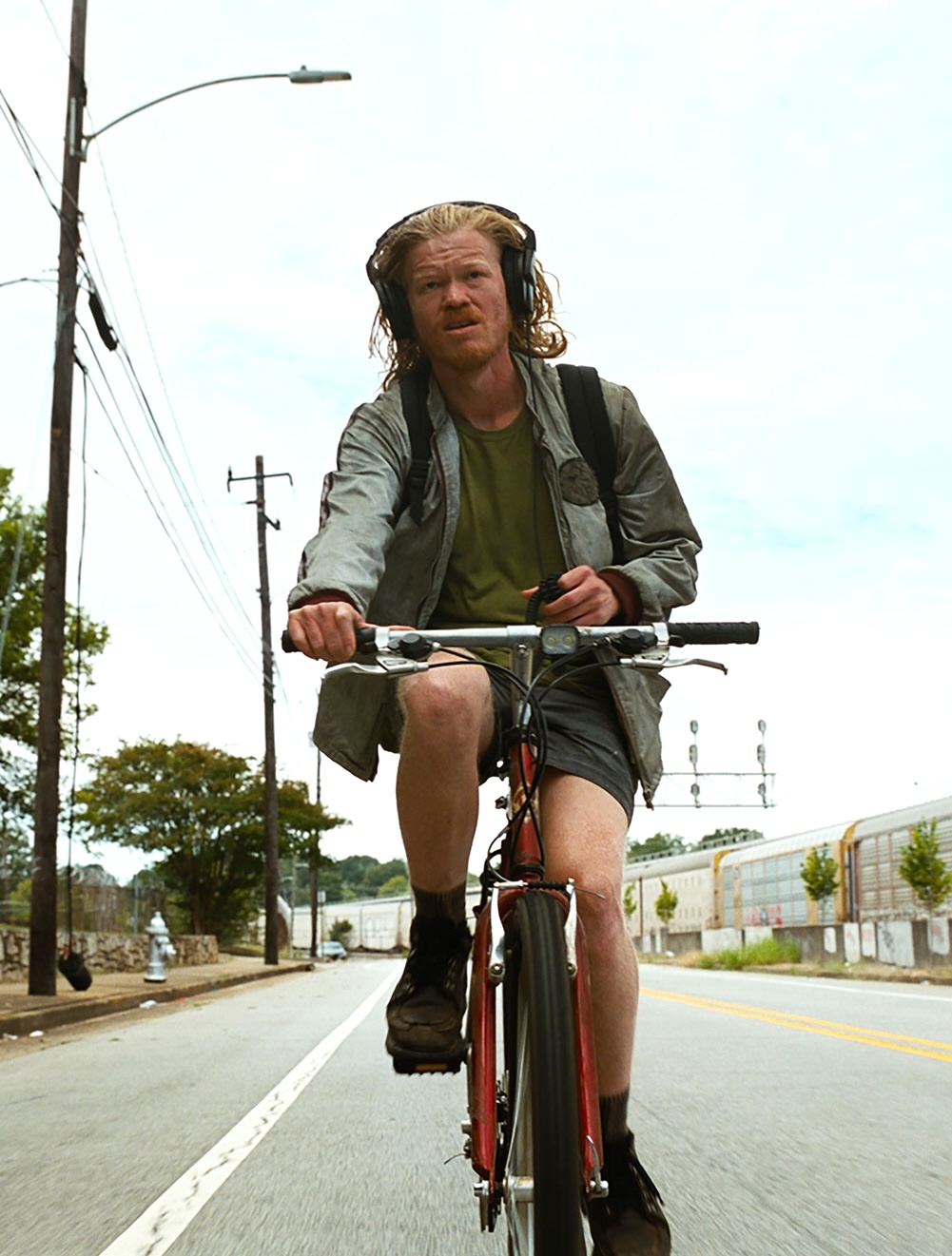
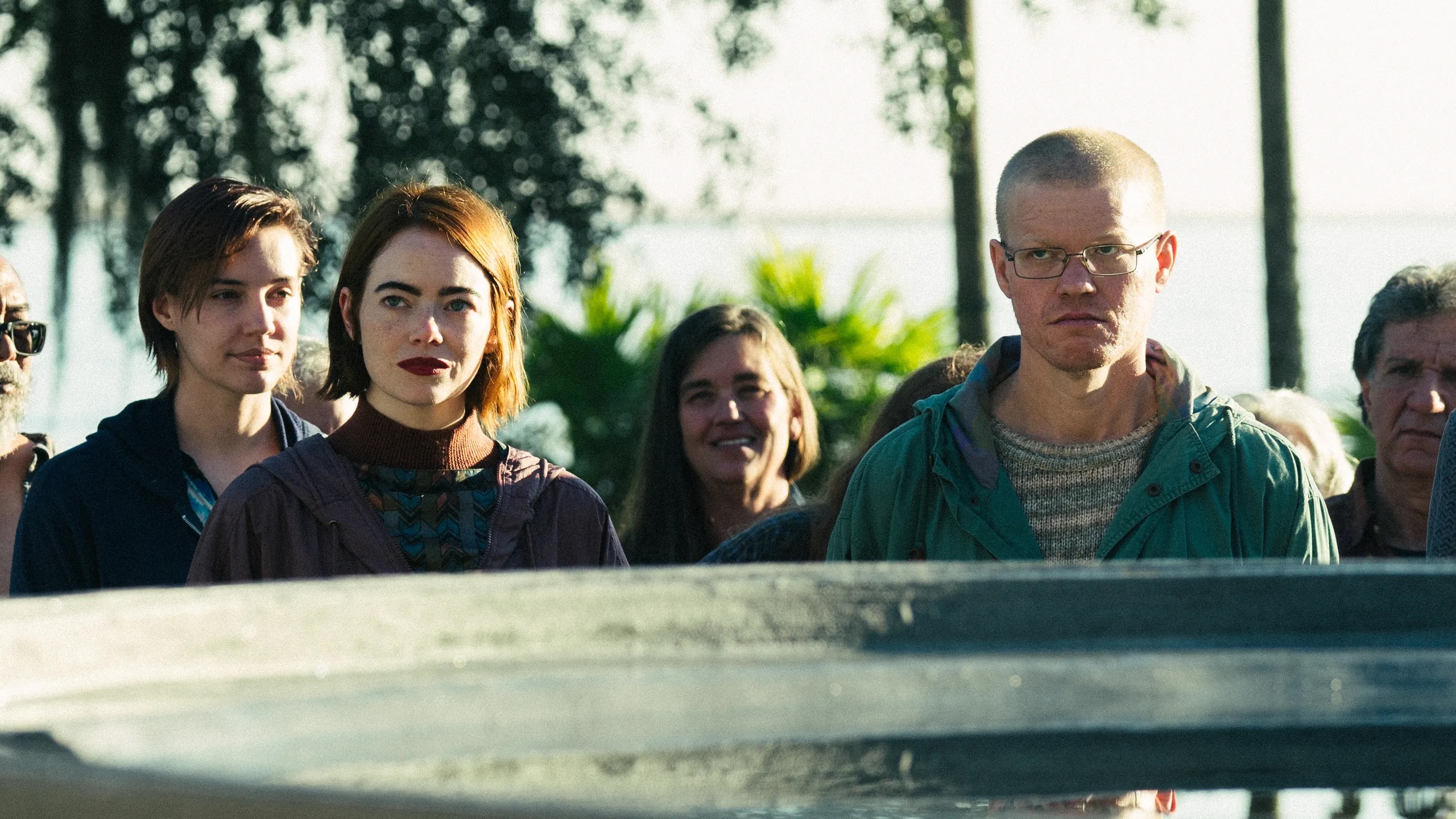
Michelle Fuller (Emma Stone) is the CEO of pharmaceutical megacorporation, Auxolith, located in an unspecified area of the USA – though surprisingly, much of the film was actually shot in and around High Wycombe. As she goes about her business, she’s blissfully unaware that her movements are being studied by Teddy Gantz (Jesse Plemons), a lowly worker at her company’s packaging warehouse.

In his spare time, Teddy studies internet conspiracies and has come to the conclusion that Michelle is actually an ‘Andromedan’ – an alien creature responsible for many of the problems currently facing humanity. She’s also indirectly responsible for the plight of his mother, Sandy (Alicia Silverstone), who is on life support after being used as a test case for one of Auxolith’s experimental drug projects. Worst of all, in Teddy’s mind, is the fact that Michelle is also directly responsible for the decline of the honeybee, which is key to the world’s survival.

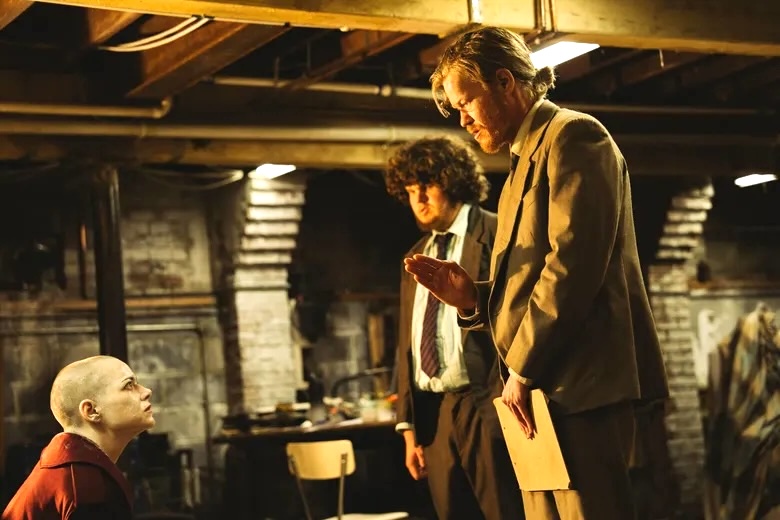
Assisted by his vulnerable cousin, Don (Aiden Delbis), Teddy kidnaps Michelle and the two men take her to their ramshackle home in the middle of nowhere. They take the precaution of shaving her head and covering her with antihistamine cream – to prevent her from contacting her ‘mothership’. Teddy wants to use Michelle as a bargaining tool with the Andromedan Emperor, so he can negotiate freedom for the human race. But first, Michelle must be interrogated…

It would be a crime to reveal any more about the plot but, once again, I find myself marvelling at Lanthimos’s ability to manipulate me as a viewer, leading me first in one direction, then in an entirely different one before dashing all my assumptions. There are moments here where I have to restrain myself from gasping out loud. Inspired by Save the Green Planet by South Korean filmmaker, Jang Joon-hwan (which I haven’t seen), Bugonia has been adapted by Will Tracey and, in its latter sections, incorporates elements of a high-stakes thriller as Michelle is obliged to use all her considerable skills to stay alive.

Both Stone and Plemons are utterly captivating in the central roles and it’s easy to see why they’ve become members of Lanthimos’s repertory theatre – while there’s something utterly adorable about Delbis as the hapless Don, unable to challenge the commands given to him by Teddy, even when it’s evident that they disgust and confuse him.

But the film’s true triumph is only revealed in a final extended sequence, where Lanthimos brings all the different strands of the story together to create a shattering, thought-provoking conclusion. The director has announced that he’s ‘taking a rest’ after this and, following a run that includes The Favourite, The Killing of a Sacred Deer, Poor Things and Kinds of Kindness, I’d say he’s definitely earned one.

5 stars

Philip Caveney
Kinds of Kindness

28/06/24

Cineworld, Edinburgh

You have to hand it to Greek director Yorgos Lanthimos – he doesn’t let the grass grow. His sublime adaptation of Poor Things only aired in January, bringing with it a well-deserved Oscar for Emma Stone – and already, here’s his next creation, a more stripped-back, contemporary tale: a kind of portmanteau featuring three different stories with the same actors playing different roles.

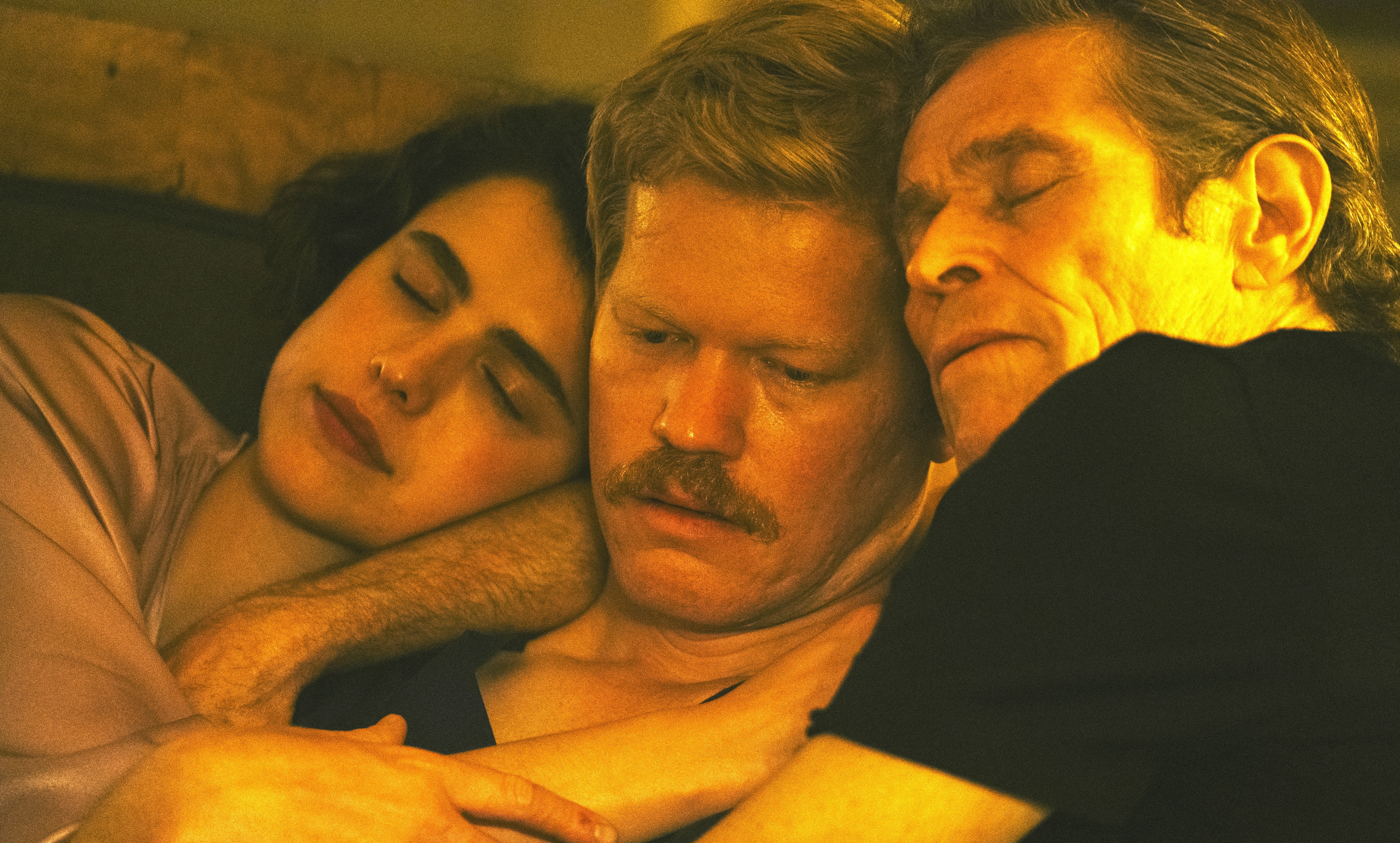
Kinds of Kindness, co-written by Lanthimos with long-time collaborator Efthiminus Filippou, begins with The Death of RMF. This is the story of Robert (Jesse Plemons), a submissive office worker who is compelled by his ruthless boss, Raymond (Willem Dafoe), to carry out a series of humiliating duties. He finally baulks at committing an extraordinary act of violence and is consequently cast out of Raymond’s orbit. Seeking solace, he attempts to forge a relationship with chance encounter, Rita (Emma Stone), but soon makes an unsettling discovery…

In the second tale, RMF is Flying, Plemons plays cop Daniel, whose wife, Liz (Stone), is missing, shipwrecked on a desert island. When she finally returns, Daniel starts to notice changes in her character and, in order to test her, he asks her to to prove her love for him.

In the concluding story RMF Eats a Sandwich, Plemons and Stone play Emily and Andrew, disciples in a weird cult run by Omi (Dafoe again). The two of them have been assigned a difficult task – to locate a mysterious woman who has the power to re-animate the now dead RMF (Yorgos Stefanakos). Could veterinarian Ruth (Margaret Qualley) be the woman to accomplish the impossible?

If this all sounds incomprehensible on paper, fear not, because Lanthimos takes enough time to delineate every character arc with such skill that there is never any confusion about what’s happening onscreen, even when it’s totally mind boggling. These stories are allegories focusing on three of life’s greatest preoccupations: work, marriage and religion – and, as the bizarre events unfold, audiences are led fearlessly through a series of interactions that alternate between harsh reality and haunting dreamscapes.

If I claimed I understood everything that happens here I’d be lying. I only know that this is exciting, unpredictable filmmaking, and – as I was with Poor Things – I’m fascinated to see large numbers of people turning out to see what Lanthimos has come up with. I can think of few other directors who have this ability to push boundaries and simultaneously satisfy the box office. I’m already excited to see what he will come up with next.

While this may not be the exquisite slice of cinematic perfection that was its predecessor, it’s nonetheless the work of a gifted director at the top of his game. Don’t miss it.

4.6 stars

Philip Caveney

Poor Things

12/01/24

Cineworld, Edinburgh

What is Yorgos Lanthimos’ secret? Since 2015’s The Lobster, he has released a string of wild, absurdly funny and generally unhinged films, the kind of projects you’d expect to see consigned to little art house cinemas, but – as we saw withThe Favourite – his inventive offerings are pulling in the big crowds and attracting top-flight performers to star in them. Tonight’s early evening screening is packed with a predominantly young crowd, who spill out afterwards, excitedly discussing what they’ve just watched. In an age where predictable comic-book films have ruled the roost for far too long, this is heartening to see.

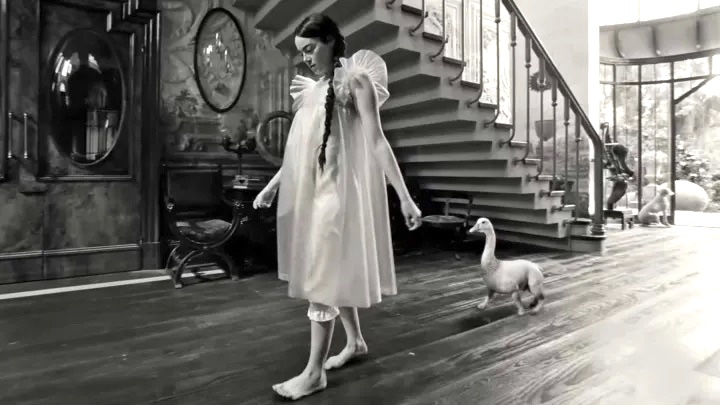
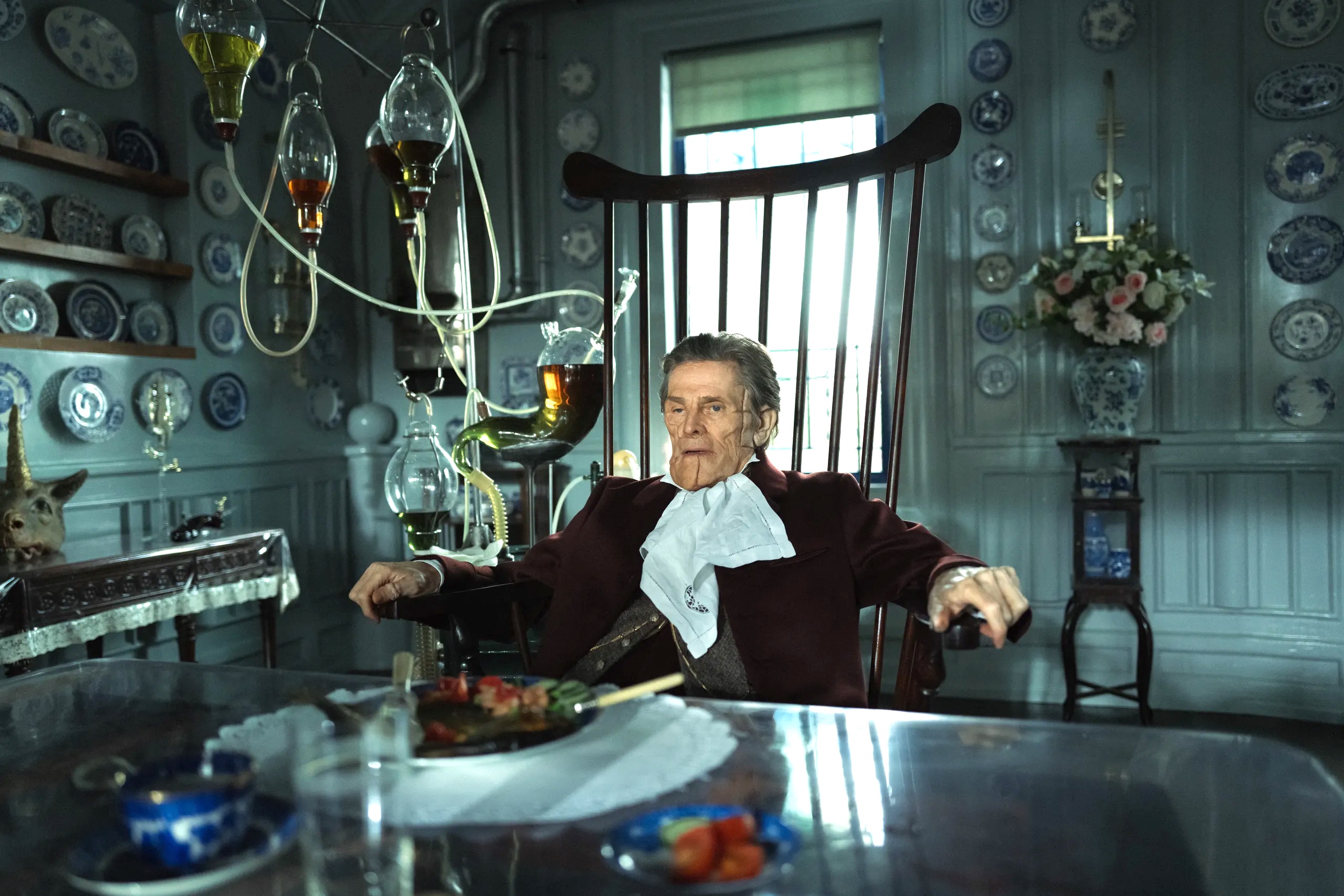
Poor Things, adapted by Tony McNamara from the novel by Glaswegian author Alasdair Gray, is surely Lanthimos’ most surreal piece yet. It’s been relocated to London (much to the ire of Gray’s fans) and relates the story of Bella Baxter (Emma Stone), a woman who, in the film’s opening scene, throws herself from a bridge into the River Thames. Her corpse is found by Dr Godwin Baxter (Willem Dafoe), a scientist in the Victor Frankenstein tradition. He carries her to his laboratory, reanimates her and makes a few radical adjustments, creating a new being who has to completely relearn how to speak, walk and generally comport herself.

Godwin is assisted by his young protégée, Max (Ramy Youssef), who quickly falls in love with Bella, but into this already weird scenario wanders caddish lawyer, Duncan Wedderburn (Mark Ruffalo). He spots an opportunity and promptly purloins Bella for his own nefarious purposes. He whisks her away on a whistle-stop tour of the world, calling in at some of the strangest cities you’ll ever witness on the screen…

It’s hard to know where to start throwing superlatives at this, but I’ll try.

Poor Things simply vibrates and hums with pure invention, switching from black and white, to heightened colour, from fish-eye lens interiors and cramped city streets, to majestic – almost hallucinatory -landscapes, every frame so packed with ideas that I’m convinced I could watch this a dozen times and spot something new with every viewing. Stone, in a performance that has already claimed a Golden Globe and seems a good bet for an Oscar, is extraordinary here, uncannily inhabiting the character of a naïve woman. She is subjugated and exploited by the vicissitudes of toxic males, but somehow manages to assert her own agency and emerge victorious. Dafoe, who could so easily have been a clichéd horror figure, emerges as a sympathetic and weirdly adorable character, who has devoted his life to exploring the mysteries of science but still cares about his ‘daughter”s happiness. Hats-off also to composer Jerskin Fendrix for the suitably eerie score, which complements the action perfectly.

A word of warning: Poor Things has an 18 certificate and some of the content – especially those sections set in Paris – are unapologetically sexual in nature, but the film somehow never feels prurient. These scenes only serve to fuel the essence of the story: how the inherent nature of mankind is to corrupt and destroy everything of value. This may sound po-faced, but I’ve seldom seen a message delivered with such unfettered exuberance.

This is Lanthimos’ best feature yet (after The Favourite, that’s praise indeed). I’m already excited to hear about where he’s headed next. Just name the date, Yorgos; I’ll be first in the queue.

5 stars

Philip Caveney

Film Bouquets 2019

Bouquets&Brickbats

Bouquets&Brickbats

Bouquets&Brickbats

It’s that time again when we award (virtual) bouquets to our favourite films of the year. As ever, the final choice may not always reflect the films that scored the highest at time of viewing, but rather those that have stayed with us most indelibly.

The Favourite (director – Yorgos Lanthimos; writers – Deborah Davis and Tony McNamara)

Capernaum (director – Nadine Labaki; writers – Nadine Labaki, Jihad Hojeily and Michelle Keserwany)

Eighth Grade (writer/director – Bo Burnham)

Booksmart (director – Olivia Wilde; writers – Emily Halperm, Sarah Haskins, Susanna Fogel and Katie Silberman)

Beats (director – Brian Welsh; writer – Kieran Hurley)

Rocketman (director – Dexter Fletcher; writer – Lee Hall)

Animals (director – Sophie Hyde; writer – Emma Jane Unsworth)

Hustlers (director – Lorene Scafaria; writers – Lorene Scafaria and Jessica Pressler)

Joker (director – Todd Phillips; writers – Todd Phillips and Scott Silver)

Monos (director – Alejandro Landes; writers – Alejandro Landes and Alexis Dos Santos)

Honey Boy (director – Alma Har’el; writer – Shia LaBeouf)

Little Women (director – Greta Gerwig; writers – Greta Gerwig and Louisa May Alcott)


Philip Caveney & Susan Singfield


The Favourite

01/01/19

Since 2015’s The Lobster, Greek director Yorgos Lanthimos has established a reputation for quirky and enigmatic films that approach their subject matters from completely unexpected directions. Take The Favourite for instance. This sumptuously dressed costume drama offers us a story that seems as mad as a box of frogs – but it only takes a cursory Google search to establish that most of what happens here cleaves fairly close to established historical truth – proof if ever it were needed that fact can be a lot stranger than fiction. That said, Lanthimos finds ways of amping up the oddness to the max.

We are in the early 18th century, in the court of Queen Anne (Olivia Colman), a troubled monarch plagued by recurring bouts of gout, who wanders about the place like a sulky teenager. She is totally under the control of the manipulative Lady Sarah Churchill (Rachel Weisz), who – as well as being Anne’s secret lover – also uses her to further her strong political ambitions. Into the court comes Sarah’s cousin, Abigail (Emma Stone), whose family have fallen on hard times and who is now looking for gainful employment. Sarah grudgingly takes her in as a servant, but Abigail soon tires of a life of drudgery, and decides instead to insinuate herself into the Queen’s good graces, something she proves to be rather adept at.  It isn’t long before a powerful rivalry is ignited between Sarah and Abigail and it’s clear that both women are prepared to do whatever it takes to gain the upper hand.

Lanthimos manages to convey an atmosphere of cold suspicion beautifully and his regular use of a fish eye lens amplifies the claustrophobic ambiance of this troubled court. The film is built around three superb performances from the female leads, with Colman already nominated for a best actress Oscar, and Stone and Weisz for best supporting actress. Indeed, the three of them dominate the film to such a degree that few of the male characters get much of a look in, though I do enjoy Nicholas Hoult’s sardonic turn as Harley, leader of the Tories, who forms a sneaky alliance with Abigail in order to oust his political opponents from power. Those of a prudish persuasion should note that the film is rumbustious enough to fully earn its 15 certificate – some of the scenes here are a bit saucy, to say the very least.

With a running time of just under two hours, The Favourite positively gallops along, making me laugh out loud and, occasionally, gasp in surprise. It would be very hard to think of a more enjoyable way to begin a new year’s viewing.

4.7 stars

Philip Caveney


Film Bouquets 2017

unknown-18

unknown-18

unknown-18

All things considered, 2017 was a pretty good year for film – so much so that we’ve decided to award twelve bouquets – and it still means leaving out some excellent movies. Here, in order of release, are our favourite films of 2017.

Manchester By the Sea

manchester-by-the-sea-001

This bleakly brilliant film got the new year off to a great start. Powered by superb central performances by Casey Affleck and (especially) Michelle Williams, it was a stern viewer indeed who didn’t find themselves reduced to floods of tears.

Moonlight

Unknown

An affecting coming-of-age movie chronicling the life of a young black man as he gradually came to terms with his own sexuality, this film, of course, beat La La Land to the best movie Oscar in unforgettable style. It absolutely deserved its success.

Get Out

Get Out

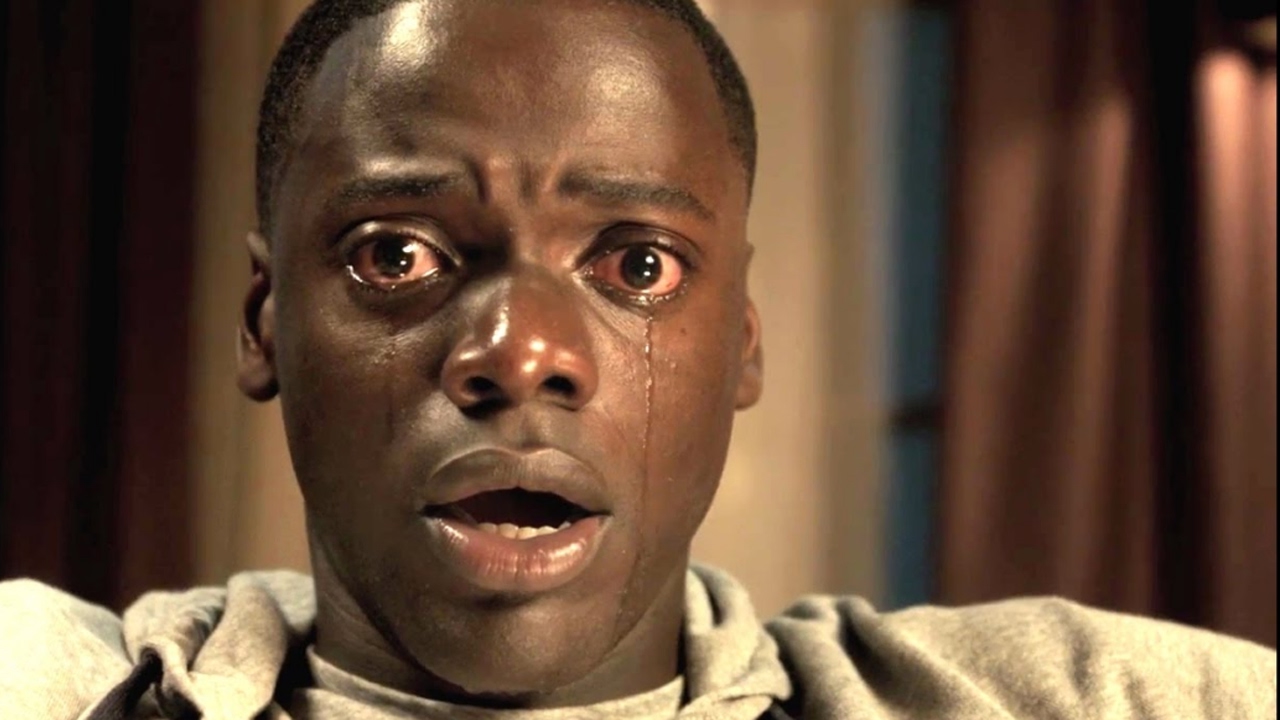
A ‘social thriller’ that, despite it’s serious message, enjoyed a lightness of touch that made it a joy to watch. There were shades of The Stepford Wives and this witty calling card from director Jordan Peele suggested that cinema had found a hot new talent.

The Handmaiden: Director’s Cut

the-handmaiden-2016-movie-review-chan-wook-park-south-korean-film

Park Chan-wook’s masterpiece, loosely based on Sarah Water’s novel, Fingersmith, took us into the Korea of the 1930s and kept us spellbound for nearly three hours. Lush cinematography, a genuine sense of eroticism and fine performances from an ensemble cast – what’s not to like?

The Red Turtle

RedTurtle

This stunning animation from Michael Dudok de Wit, co-produced by Japan’s Studio Ghibli,  exemplified the best artistic traditions of east and west – a beautiful allegory about life and love and relationships. A delight to watch and a story that we couldn’t stop thinking about.

Baby Driver

Ansel Elgort

Edgar Wright’s adrenaline-fuelled chase movie ticked all the right boxes – a great soundtrack, breathless pacing and an intriguing central character in Ansel Elgort’s titular hero. It all added up to an unforgettable movie experience.

God’s Own Country

GodsOwnCountry

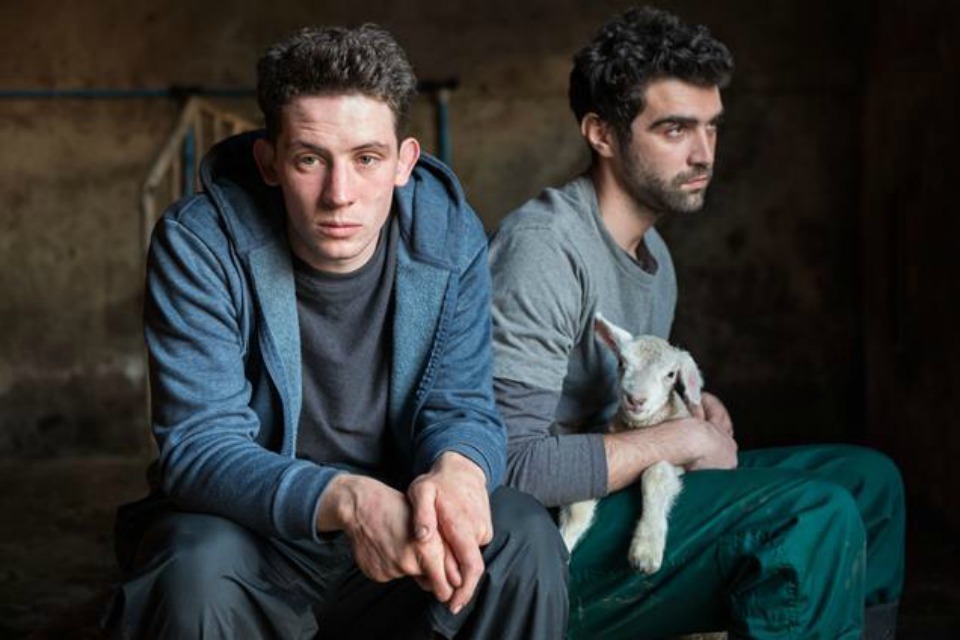
This extraordinarily accomplished debut by writer/director Francis Lee played like ‘Brokeback Yorkshire’ but had enough brio to be heralded in its own right. Beak and brutal, it told the story of two farm hands slowly coming to terms with their growing love for each other. Magnificent stuff.

Mother!

Mother

Darren Aronfsky’s absurd fantasy alienated as many viewers as it delighted, but we found ourselves well and truly hooked. From Jennifer Lawrence’s great central performance to the film’s bruising finale, this was definitely a film not to be missed – and one of the year’s most discussed films.

Blade Runner 2049

blade-runner-2049

We waited thirty years for a sequel to Ridley Scott’s infamous film and I’m glad to say it was worth the wait – a superior slice of dystopian cinema that dutifully referenced the original whilst adding some innovative ideas of its own. Denis Villeneauve handled the director’s reins expertly and Hans Zimmer’s score was also memorable.

The Killing of a Sacred Deer

the-killing-of-a-sacred-deer-ksd_02198_rgb-3000

Another piece of eerie weirdness from director Yorgos Lanthimos, this film also managed to divide audiences, but for us it was a fascinating tale, expertly told and one that kept us hooked to the final, heart-stopping scene. A unique cinematic experience.

Paddington 2

paddington2

Yes, really! The sequel to the equally accomplished Paddington was an object lesson in how to effortlessly please every single member of an audience. Charming, funny and – at one key point – heartbreaking, this also featured a scene-stealing turn from Hugh Grant.

The Florida Project

the-florida-project

Think ‘Ken Loach does Disney’ and you’re halfway there. Sean Baker’s delightful film might just have been our favourite of 2017, a moving story about the tragic underbelly of life in contemporary America. Brooklyn Prince’s performance as six-year-old Moonee announced the arrival of a precocious new talent.

Philip Caveney & Susan Singfield

The Killing of a Sacred Deer

04/11/17

Yorgos Lanthimos’s previous film, The Lobster is a real divider of opinion. Many people love this dark dystopian comedy, while others just can’t get their heads around the surreal craziness of the plot. I suspect the same fate awaits The Killing of a Sacred Deer, which, while it heads into much darker territory than its predecessor, still offers us a story that has very little to do with any kind of perceived reality. And yet, for all that, this bizarre fable about the nature of sacrifice is a powerfully compelling tale that exerts a real grip.

Heart surgeon Steven Murphy (a hirsute Colin Farrell) enjoys a successful career. Married to ophthalmologist, Anna (Nicole Kidman), and the father of Kim (Raffey Cassiday) and Bob (Sunny Suljic), he seems content with his life but talks only in the most banal terms about the dullest subjects – an early discussion with an anaesthesiologist about a watch that Steven is thinking about buying sets the tone.  

We soon learn, however, that Steven has a secret. He is meeting regularly with teenager, Martin (Barry Keoghan) and, inevitably, we suspect that there’s something sinister going on. But the film is full of misconceptions. Martin, it turns out, is the son of a man who died on Steven’s operating table and the surgeon is simply trying to be nice to him, possibly because he feels a sense of guilt about what happened. Steven, we discover, is fond of a drink and may not have been entirely sober when he went into the operating theatre. As the film develops, Martin begins to inveigle his way more and more into the Murphy household and even insists that Steven should come to his house and meet his mother (an unsettling cameo from Alicia Silverstone), who Martin claims ‘has feelings’ for Steven. But then Martin says something that will change Steven’s life forever. It’s in the nature of a prediction – and means the surgeon having to make the most difficult decision of his life…

This is a fascinating tale, expertly told. Though it has no rational explanation, there’s a mounting sense of dread throughout and the story (co-written by Lanthimos and Efthymis Filippou) seems to delight in exploding received wisdoms about how people will act under certain conditions. A mother will always put her children first, right? Siblings will always look out for each other, yes? Well, in this film’s worldview, nothing can be taken for granted.

If I’m honest, the movie overstays its welcome somewhat. With twenty minutes cut from the running time, this would have been stronger, but nevertheless there’s still plenty here to enjoy, not least Keoghan’s wonderfully dead-eyed performance as the teenage boy who comes to exercise complete control over the Murphys. Oh, that title, by the way, refers to the myth of Iphigenia, so those of you who have studied the classics might have some intimation about where the story is headed.

As I said at the beginning, some people will inevitably hate this film. For me, though not perfect, it’s even stronger than The Lobster, and I for one will be fascinated to see where this exciting and highly original film-maker goes next.

4.4 stars

Philip Caveney

The Lobster

MV5BNDQ1NDE5NzQ1NF5BMl5BanBnXkFtZTgwNzA5OTM2NTE@._V1_SY317_CR5,0,214,317_AL_ Unknown-4

18/10/15

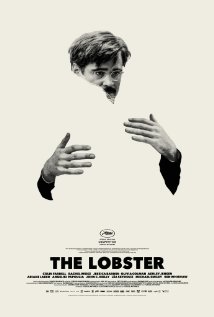
There’s no other way of saying it. The Lobster is weird.

This surreal blend of dark comedy and occasional violence won the Jury prize at this year’s Cannes Film Festival and it represents Greek director Yorgos Lanthimos’s first foray into the English language. It was strangely heartening to see that despite its unabashed art house ambitions, it had somehow managed to pull a decent crowd into a multiplex on a Sunday afternoon. Gratifying too, that only a few people walked out of the showing shaking their heads.

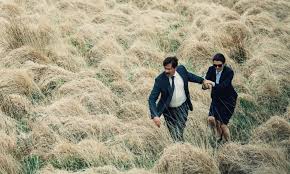
David ( a barely recognisable Colin Farrell) finds himself dumped by his wife of twelve years (well, eleven years and one month, to be exact – the film is very pedantic about things like that). In the dystopian society in which the story is set, this means that he soon finds himself whisked off to a mysterious seaside hotel, where he has just forty five days to find himself a new partner. If he fails in his quest, he will be transformed into the animal of his choice and ‘set free’. David opts to be a lobster, because he’s always been quite good at boating and water sports. Meanwhile, he and his fellow guests go out on daily hunting expeditions in the forest, shooting ‘loners’ in the nearby woods with tranquilliser guns. For every loner they bring back, their time at the hotel will be extended. On his first day there, David meets up with ‘the limping man’ (Ben Whishaw) and ‘the lisping man’ (John C. Reilly) and forms an uneasy alliance with them – in this world, people are defined by their characteristics – David, for instance, is shortsighted. The hotel is presided over by Olivia Colman and her partner, (Gary Mountaine) who can always be called upon to perform a hysterically funny version of a Gene Pitney number, when required (trust me, it works!). Indeed, the first half of the film, is often laugh-oh-loud funny. Whishaw introducing himself to the other guests is a particular delight. In the later sections, when David goes on the run in the forest and falls under the wing of a survivalist leader (Lea Seydoux), the laughs are somewhat harder to find, but the narrative still holds you in its grip, right up to the tense and decidedly unresolved ending.

Yes, you say, but what is The Lobster actually about? Good question.

For me, it’s an allegory about relationships and the immense pressure that is placed upon them by the expectations of society. It’s about the way people have to compromise with each other in order to coexist. And it’s about mankind’s inherent selfishness, the casual cruelty that people will often inflict upon one another. It’s by no means a perfect film – but in its own, unconventional way, it’s more challenging than anything else you’re likely to encounter at the cinema, these days. And one thing’s for sure. You’ll talk about it afterwards.

4 stars

Philip Caveney