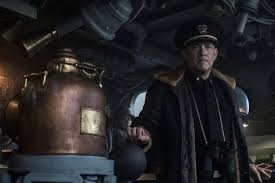
Tom Hanks

The Phoenician Scheme

26/05/25

Cineworld, Edinburgh

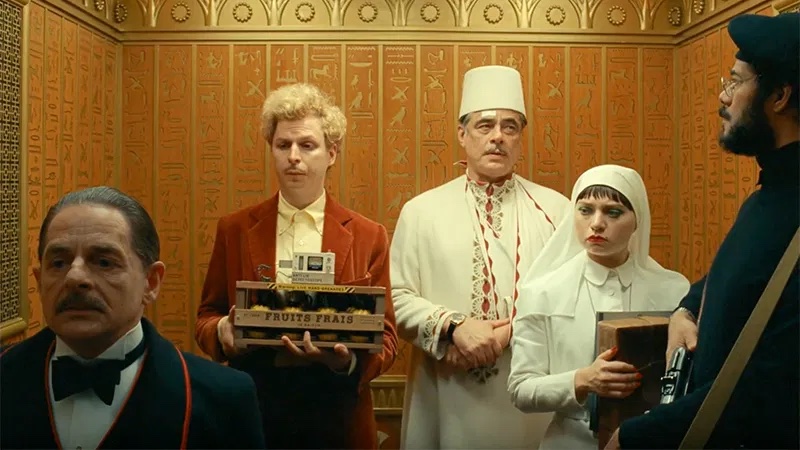
Cinema fans can hardly have failed to notice that a new Wes Anderson movie is on general release. As ever, it features his usual bag of tricks: impeccably-framed images arranged in perfect symmetry on the screen; an extended set of famous faces, all of whom show up for every successive project and seem happy to put in cameo performances for shirt buttons; and, as ever, a plot that appears to have been created simply to redefine the term ‘off-beat.’

Anderson has long been a disciple of Verfremdungseffekt – the distancing technique devised by playwright Bertolt Brecht, employed to prevent an audience from easy identification with his characters. It’s always been there in Anderson’s work to some degree but, this time around, I can’t help feeling that it might have been too enthusiastically applied.

Call me old-fashioned, but I do like a character I can root for. Here, there really isn’t one.

Wealthy and indomitable business magnate Zsa zsa Korda (Benicio del Toro) continues to thrive, despite the many assassination attempts that have been made on him by his rivals. After a near-fatal plane crash, he gets in touch with noviciate nun, Liesl (Mia Threapleton), who may just be his only daughter. (Korda has nine sons, several of them adopted, but he tends to spend as little time with them as possible.) Now, realising that he might be getting close to the end of his life, he has decided to offer Liesl a trial run as the sole heir to his considerable estate. He also takes on a new assistant, Bjørn Lund (Michael Cera), his last sidekick having been blown in half in the aforementioned plane crash.

The threesome must now travel around the fictional country of Phoenicia, where Korda has heavily invested in several major projects. A shadowy cabal of businessmen, led by Mr Excalibur (Rupert Friend), have raised the price of an all-important rivet used in the manufacturing process. This means that, unless Korda can persuade his business associates to take smaller profits, he is at risk of losing everything…

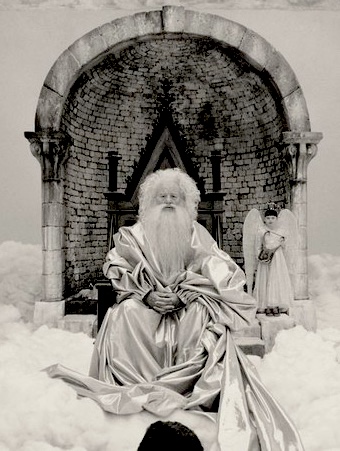
Even as I write this plot outline, I wonder why I’m bothering. Wes Anderson films are like art exhibitions. Some you love, though you cannot exactly pinpoint why. And others leave you flat for no easily-discernible reason. I’m not saying that The Phoenician Scheme is without merit. I sit watching it unfold, approving of its incomparable look and style, occasionally chuckling at some absurd lines of dialogue, even spotting the occasional movie reference. That Moroccan style club run by Marseille Bob (Mathieu Amalric), that’s a nod to Casablanca, right? And the black and white dream sequences, where Korda meets up with God (Bill Murray, naturally), are surely a reference to…

But this is pointless. I loved Anderson’s previous release, Asteroid City, which many viewers dismissed as another exercise in style over content. But this time, even I can’t seem to make myself care enough about the many characters I’m presented with. Korda’s growing relationship with Liesl could perhaps have been the hook that pulled me in, but that element feels somewhat under-developed.

That said, Anderson is one of the few film makers who walks his own path and refuses to compromise his vision. With names like Tom Hanks, Scarlett Johannsson and Benedict Cumberbatch ready and willing to bury their egos in walk-on roles, he’s in the rare position of being free to do exactly as he wishes.

So, why not give this a go? Chances are, you’ll completely disagree with me.

3.6 stars

Philip Caveney
Here

08/01/25

Cineworld, Edinburgh

If a film deserves accolades for originality then Here definitely earns them. I’ve never seen anything quite like it. That said, it does feel very much like an experiment, with director Robert Zemeckis continuing the fascination with movie technology he’s been relentlessly pursuing since 2004’s The Polar Express. Not everything in the film quite comes off – but the parts that do are extraordinary.

Take the opening sequence for instance, where a fixed camera offers a changing view of a particular point on the compass and, through a series of portals, we are offered glimpses of the ever-changing landscape from the world’s inception and onwards across the unfolding centuries. The gimmick of the film – and there’s no better word to describe it – is that the camera never moves its position. Eventually, we see the woodland where it stands being cleared and, later, a house is constructed around it until it is enclosed in a room. Through the window there’s a view of a much grander house, which once belonged to the illegitimate son of Thomas Jefferson, but here, in the more modest home across the street, a series of middle-class families move in and play out scenes from their lives. The aforementioned portals are used to zip the viewer back and forth in time, allowing us to catch glimpses set in different eras.

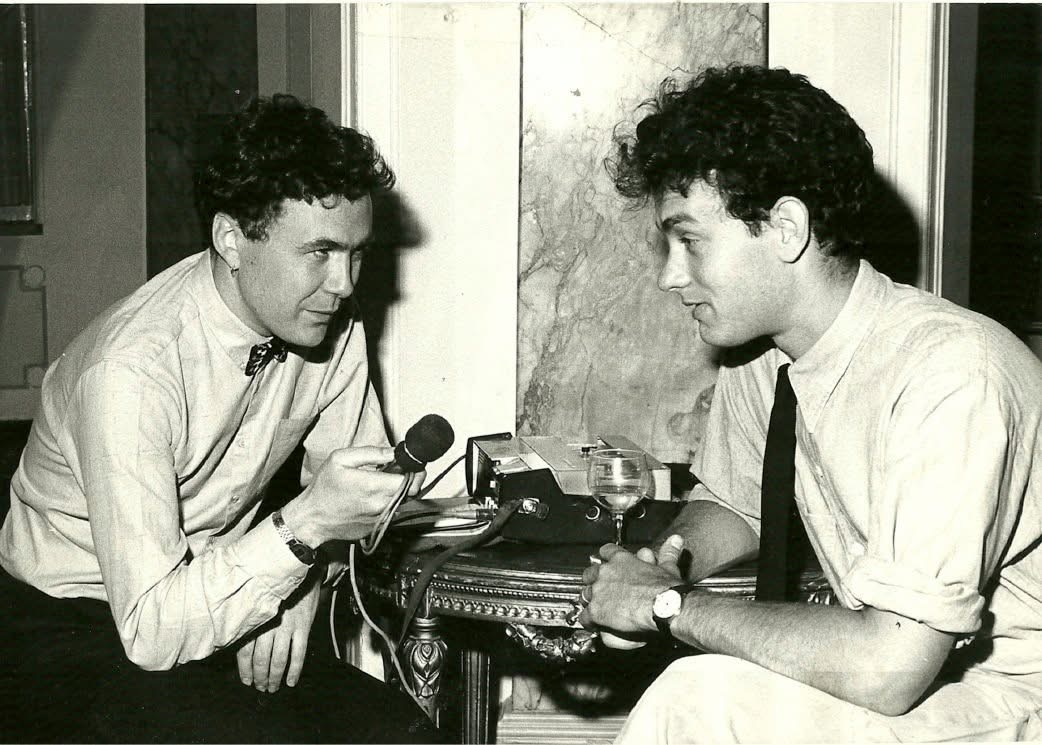
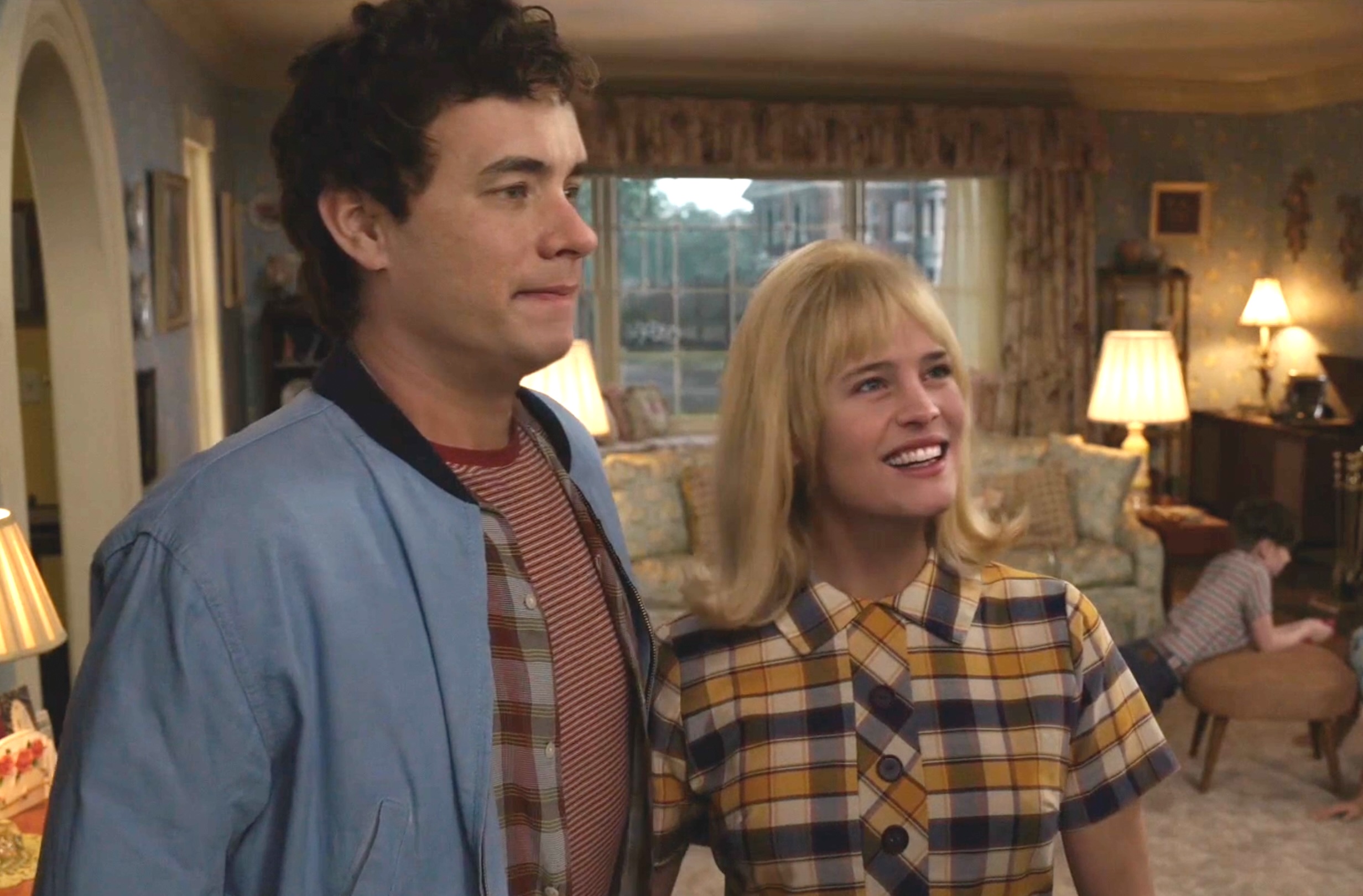
Al (Paul Bettany), who has recently returned from the Second World War, and his wife, Rose (Kelly Reilly), move into the house and start a family. One of their children is Richard, a frenetic, hyperactive sort, played by four different kids before transforming into Tom Hanks. The growing-up process encompasses cowboy hats, drum kits and eventually an obsession with the idea of becoming an artist. (Substitute the word ‘writer’ and I’m pretty much looking at my own youth.) With the use of sophisticated de-aging software, Hanks is exactly how I remember him in 1984 when, as a reporter for Piccadilly Radio, Manchester, I interviewed him for the film Splash. I make no apology for including that image here, because to my mind, this is the quality that Here (adapted by Eric Roth from a graphic novel by Richard McGuire) handles with considerable skill: the ability to transcend the limitations of time.

Richard introduces his parents to Margaret (Robin Wright) and, soon enough, she’s pregnant and Richard is beginning his own journey into adulthood, with all its joys, disappointments and trials. This central thread works well, but some of the other strands are less convincing. A narrative about a romance between a Native American brave and a young woman from his tribe feels too picture-book cute to be convincing – and I’d like to learn more about the Black family that moves in after Richard and Margaret have left the house. A scene where Devon Harris (Nicholas Pinnock) instructs his son Justin (Cache Vanderpuye) about what to do if his car is ever stopped by the police, hints at bigger themes that might have been more challenging than the invention of the La-Z-Boy armchair.

Here won’t be for everyone. The many strands that make up the narrative are occasionally somewhat confusing and that insistence on keeping the point of view so stubbornly fixed occasionally necessitates some unlikely seating arrangements in order to ensure that everybody remains in shot.

Still, I admire Zemeckis’s determination to keep pushing the boundaries of cinema and I think it’s fair to say that the man who gave us Back to the Future, Forrest Gump and Cast Away has earned the right to spend his time playing in the sand box. Here isn’t up there with his best work but it’s nonetheless an intriguing and highly original concept.

3.8 stars

Philip Caveney

A Man Called Otto

05/01/23

Cineworld, Edinburgh

Based on the popular novel, A Man Called Ove by Fredrik Backman – and presumably renamed to avoid problems with pronunciation – A Man Called Otto stars Tom Hanks as the titular Otto Anderson, the kind of character most forgivingly known as a total curmudgeon. When we first encounter him, he’s trudging grumpily around his neighbourhood, firing off hostile remarks to his neighbours at point blank range. They’ve come to tolerate him over the years and it’s clear from early on that some kind of tragedy haunts his past, though the details will only be revealed in flashbacks. In these scenes, the young Otto is portrayed by Truman Hanks (who, it must be said, looks nothing like his father).

But a seismic change is coming with the arrival of a new set of neighbours. Marisol (enchantingly portrayed by Mariana Treviño) is Mexican, the mother of two young girls, with a third child already on the way. Together with her easy-going but hapless husband, Tommy (Manuel Garcia-Rulfo), she immediately launches a charm-offensive, determined to win her gruff old neighbour over – and, bit by bit, she begins to make progress.

The story arc here puts me in mind of A Christmas Carol with all the Christmassy bits cut out. Like Scrooge, Otto has to be reminded of the good things he encountered before a set of unfortunate circumstances transformed him into the miserable, hard-bitten specimen he’s become. He also has to come to terms with a crippling loss that occurred back down the years and to address a long-standing feud he’s had with his other neighbours, Reuben (Peter Lawson) and Anita (Juanita Jennings). Most importantly of all, he has to learn to change his ways before it’s too late.

Meanwhile, he makes regular attempts to end his own life, with decidedly comic results. It’s also interesting to note Otto’s developing friendship with transgender teen, Malcolm (Mack Bayda), kicked out of their house by their father.

If A Man Called Otto occasionally strays a little too close to the lake of sentimentality, screenwriter David Magee and director Marc Forster know exactly when to snatch proceedings back from the edge and the result is a charming tale, by turns funny and poignant. Most of the laughs are generated by Treviño, who displays a wonderful gift for comic timing and of whom I expect to see a lot more in the future. The film’s conclusion will inevitably coax tears from all but the most hardbitten viewers.

Ultimately, this is an enjoyable way to spend a couple of hours. I haven’t read the source novel, so I can’t tell you if it’s a decent adaptation – but I enjoy the film. It marks the point where Tom Hanks officially becomes ‘old.’ And watching it, I’m eerily transported back to the first time I met him, interviewing him for the movie Splash in 1984, when we were both a good deal younger.

3.6 stars

Philip Caveney
Film Bouquets 2022

2022 was a surprisingly good year for film, although – as cinephiles – it was worrying to note that audiences seemed happy enough to continue watching movies at home after last year’s lockdowns ended. Cinemas were feeling the pinch and there was a lot of talk of this being the end of an era, while others pinned their hope on Avatar: The Way of Water bringing people back in droves. Here at B&B, we’ve always believed that the big screen is the best possible place to watch a movie, so we were delighted to be back in our local multiplex and indie venues. Here’s our selection of the films that have really stayed with us throughout the year.

Belfast

Kenneth Branagh’s semi-autobiographical film was the first must-see of the year – an absolute joy, with a brilliant central performance from newcomer Jude Hill. This film is all about formative experiences, the kind that shape a young boy’s future.

Nightmare Alley

A new film from Guillermo del Toro is always cause for celebration. This bleak, dark tale is the work of a gifted director at the peak of his powers, handling a tricky subject with consummate skill.

Red Rocket

Director Sean Baker’s ability to depict working-class life is his real strength and Red Rocket, powered by astonishing performances by Simon Rex and Suzanna Son, offers a brilliant exploration of Trump’s America.

The Worst Person in the World

Joaquin Trier’s film is a rare beauty, a picaresque tale of life and love in contemporary Oslo. It’s built around a superb, award-winning performance by Renate Reinsve. A film that positively buzzes with invention.

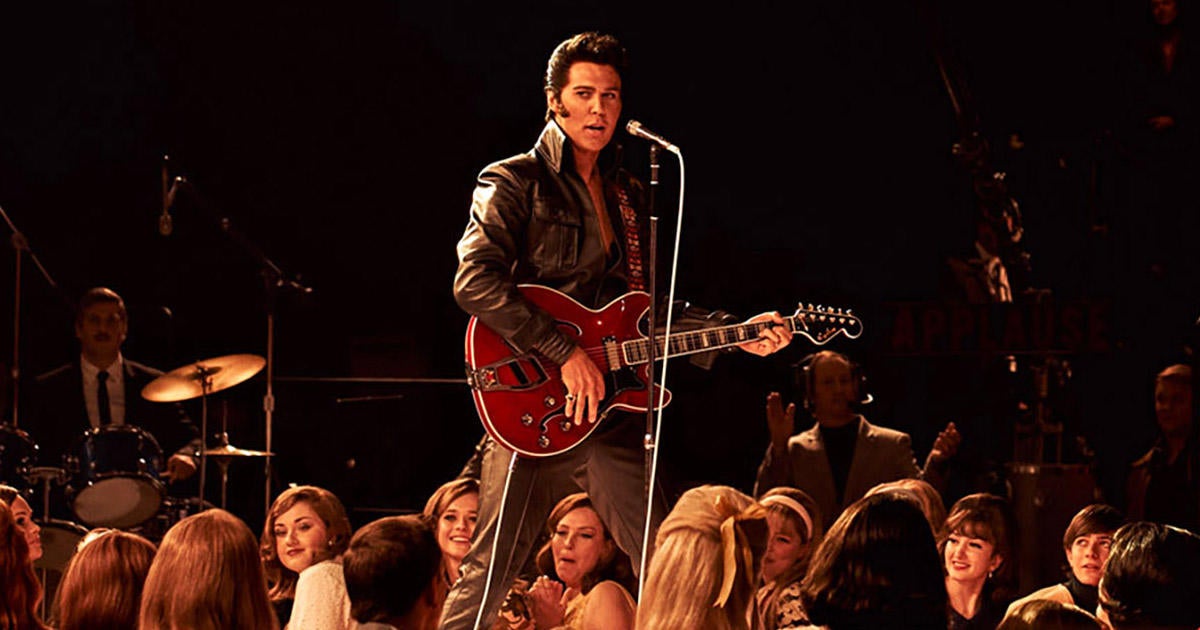
Elvis

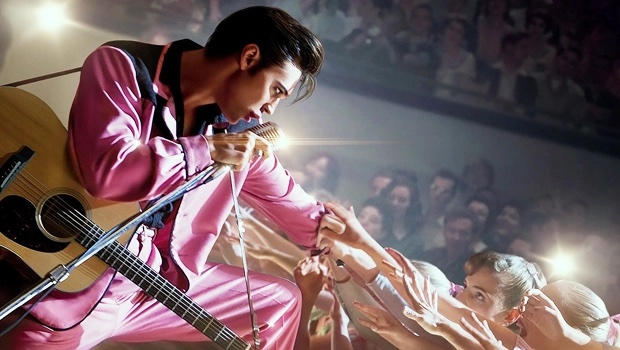
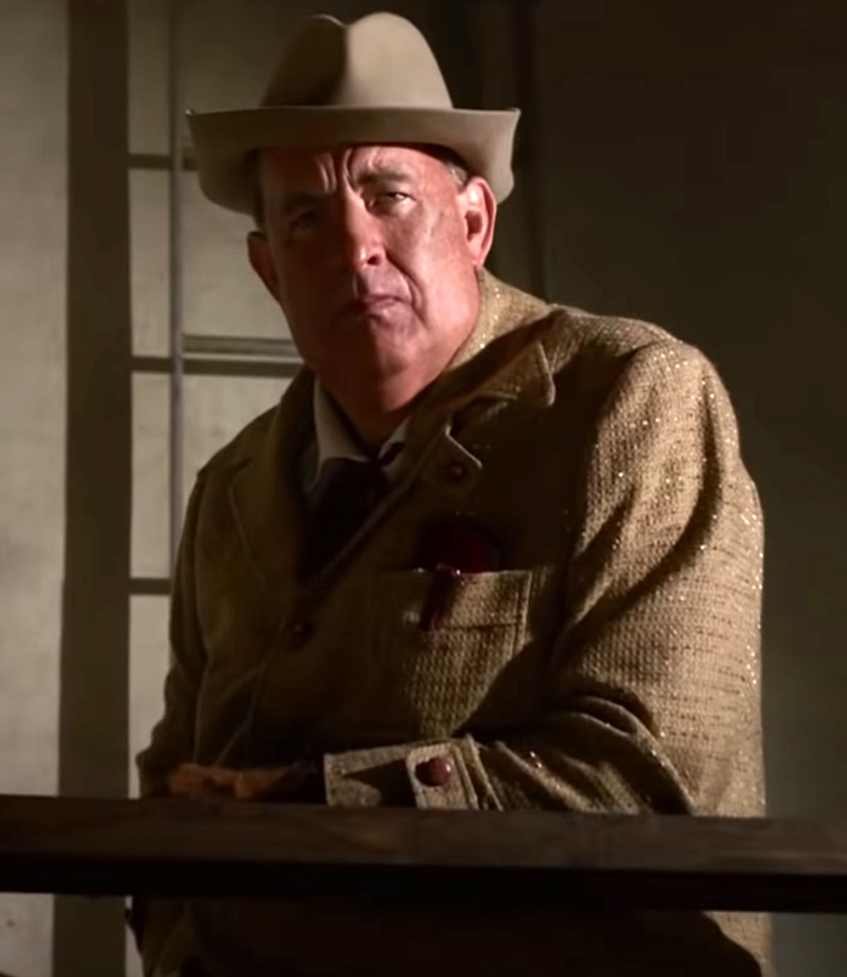
Baz Luhrmann’s biopic is a big, brash, noisy exploration of the late singer’s life and times. Against all the odds, Austin Butler makes the role his own and Tom Hank’s portrayal of the sleazy, manipulative Colonel Tom Parker is also right on the button.

Bones and All

Luca Guadadigno’s visceral tale of love and cannibalism is a brilliant reinvention of a well-worn trope which can be seen as an allegory about drug addiction. It’s brilliant stuff, but not for the faint-hearted – by turns romantic and repugnant.

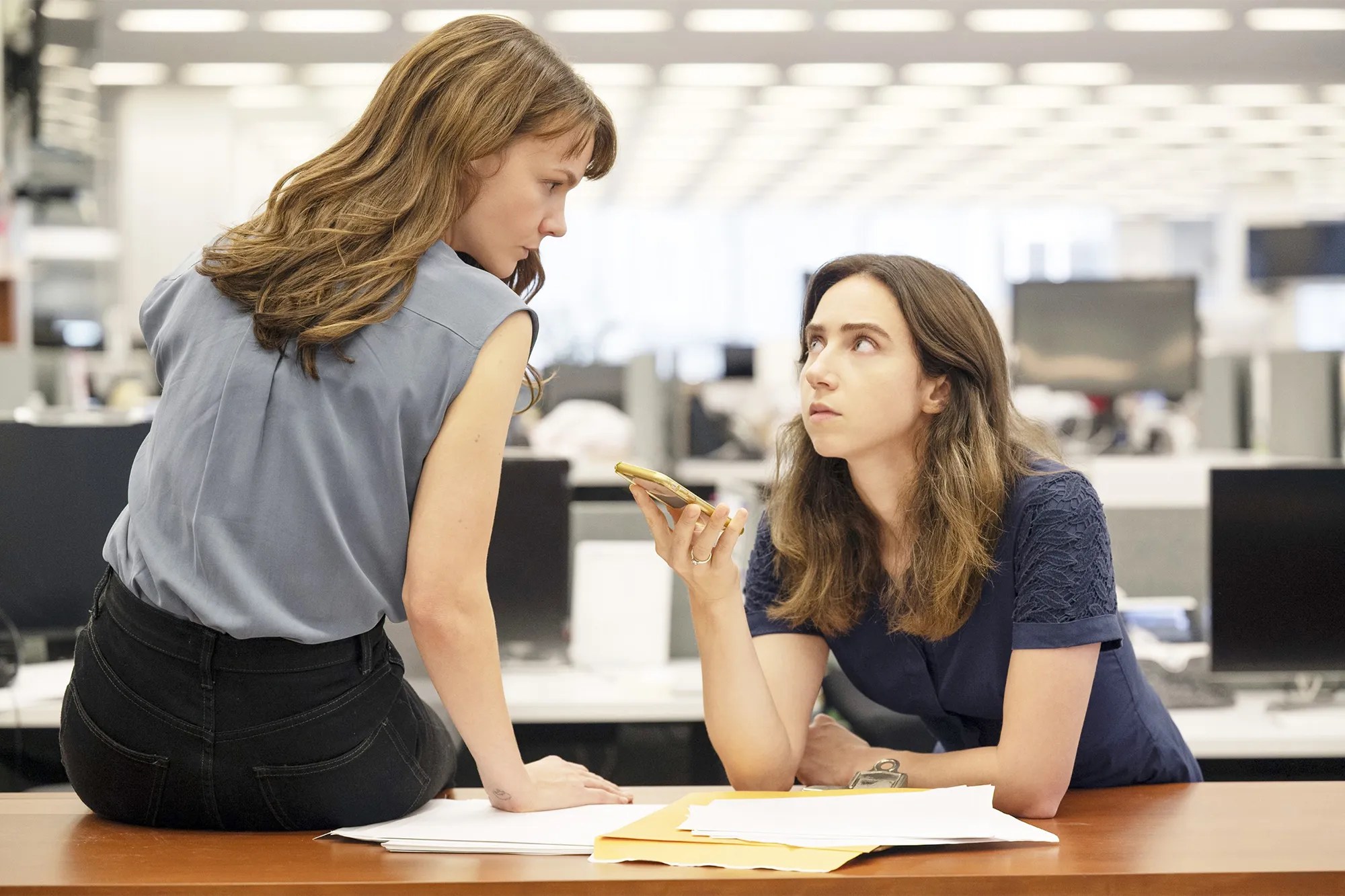
She Said

This searing account of the uncovering of Harvey Weinstein’s crimes by two Washington Post journalists is timely and superbly recreated, with excellent performances from Carey Mulligan and Zoe Kazan in the central roles.

The Banshees of Inisherin

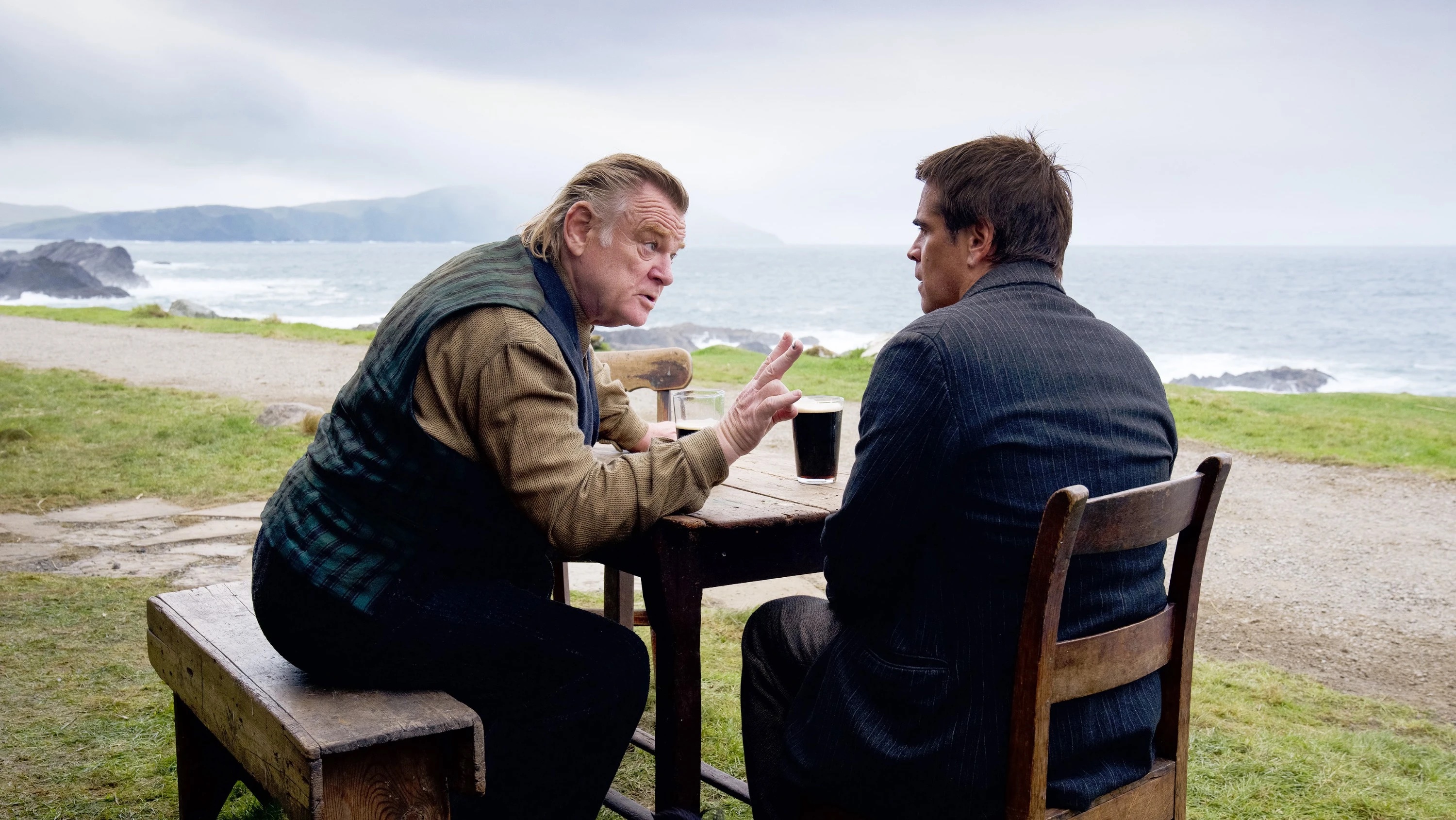
Martin McDonagh’s film is a beautifully observed contemplation of the thankless futility of human existence. This is his best offering since the sublime In Bruges, with wonderful performances from Colin Farrell and Brendan Gleeson.

Aftersun

A gorgeous film, sweetly sad and tinged with tragedy. Debut writer/director Charlotte Wells knocks it out of the park with her first feature, coaxing extraordinary performances from Paul Mescal and Frankie Corio. An absolute must-see.

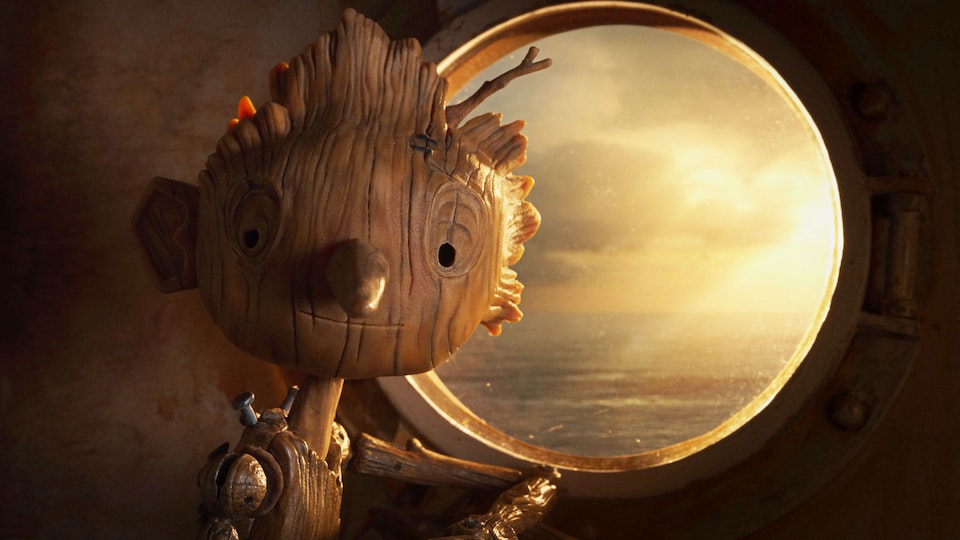
Guillermo del Toro’s Pinocchio

Not content with one title in our selection, del Toro has two – despite the fact that we had to watch Pinocchio on the small screen. Few films deserve the description ‘masterpiece’ as thoroughly as this one.

Philip Caveney & Susan Singfield

Elvis

26/06/22

Cineworld, Edinburgh

Nobody ever goes to a Baz Luhrmann film expecting subtlety – and indeed, from its opening scene onwards, Elvis is a big, brash, noisy exploration of the late singer’s life and times. It’s also an excoriating account of the Faustian deal he made with his manager, the odious ‘Colonel’ Tom Parker, that would keep Presley effectively shackled to him throughout his career. But make no mistake, the ensuing events provide a thrilling cinematic journey that powers through two hours and thirty-nine minutes at an invigorating gallop, flinging out dazzling visual flourishes and exciting musical routines as it goes. Some reviewers have complained about the film’s lack of ‘authenticity,’ but they’re surely missing the point. This is as much about Elvis’s legend as it is about his life.

We start in 1997, at the hospital bed of Parker (Tom Hanks, looking very convincingly fleshed out), who assures us that he has played no part in the untimely death of his most famous client. We then flash back in time to see Parker’s first encounter with Presley (Austin Butler) at a Hayride event in 1955, where the young singer’s onstage gyrations drive the local teenage girls into hysterics. Parker, a long established fairground huckster, smells an opportunity to make money – and promptly signs Presley up to a punishing contract.

Soon enough, Presley is selling records by the millions and can move his beloved mother, Gladys (Helen Thompson), and his ineffectual father, Vernon (Richard Roxburgh), into the big house that will become Graceland. Super-stardom beckons but Parker is determined that whatever transpires must happen on his terms – and all that sexy hip swivelling is drawing too much criticism, as is Elvis’s habit of hanging out with black musicians and assimilating their music into his own routines. Parker is all for dialling down the unbridled sexuality that brought Elvis to the public’s attention in the first place and turning him into a ‘family’ entertainer, but Presley is understandably reluctant to lose his edge…

Elvis is built around two outstanding performances. Hanks is wonderfully slimy as the manipulative Colonel Tom, playing his snake-oil charm to the hilt, but it’s Butler who deserves most of the praise, taking on the near impossible task of personifying an icon and succeeding on just about every level. He may not look exactly like Presley, but he somehow manages to nail the man’s persona and this goes way beyond impersonation, so much so that footage of the real Presley can be slipped in toward’s the film’s conclusion without causing a ripple.

I fully expect an Oscar nomination in due course.

With the passage of time, it’s easy to forget just how repressed and racist America was in the 1950s and the cataclysmic effect that Presley’s arrival had on popular culture. This serves as an eloquent reminder, sweeping us up and dropping us headfirst into those exhilarating waters. It becomes an increasingly heartbreaking journey; nevertheless, Luhrmann’s film serves as a powerful tribute to its illustrious subject. I describe few films as ‘unmissable’ but this one definitely qualifies.

4.6 stars

Philip Caveney
News of the World

11/02/21

Netflix

Director Paul Greengrass is generally considered an ‘action’ director.

With three Jason Bourne films to his credit, Captain Philips and the Anders Breivick movie, 22 July, he’s established a reputation for the use of hand-held cameras, rapid cutting and heart-stopping stunts, all designed to keep his public biting their collective fingernails. News of the World seems an unlikely vehicle for his talents. For one thing, it’s a western. For another, the story unfolds in a slow – one might even say ‘stately’ manner – and, while it’s strong on period detail, handsomely filmed and and nicely acted, there are no real surprises in this narrative.

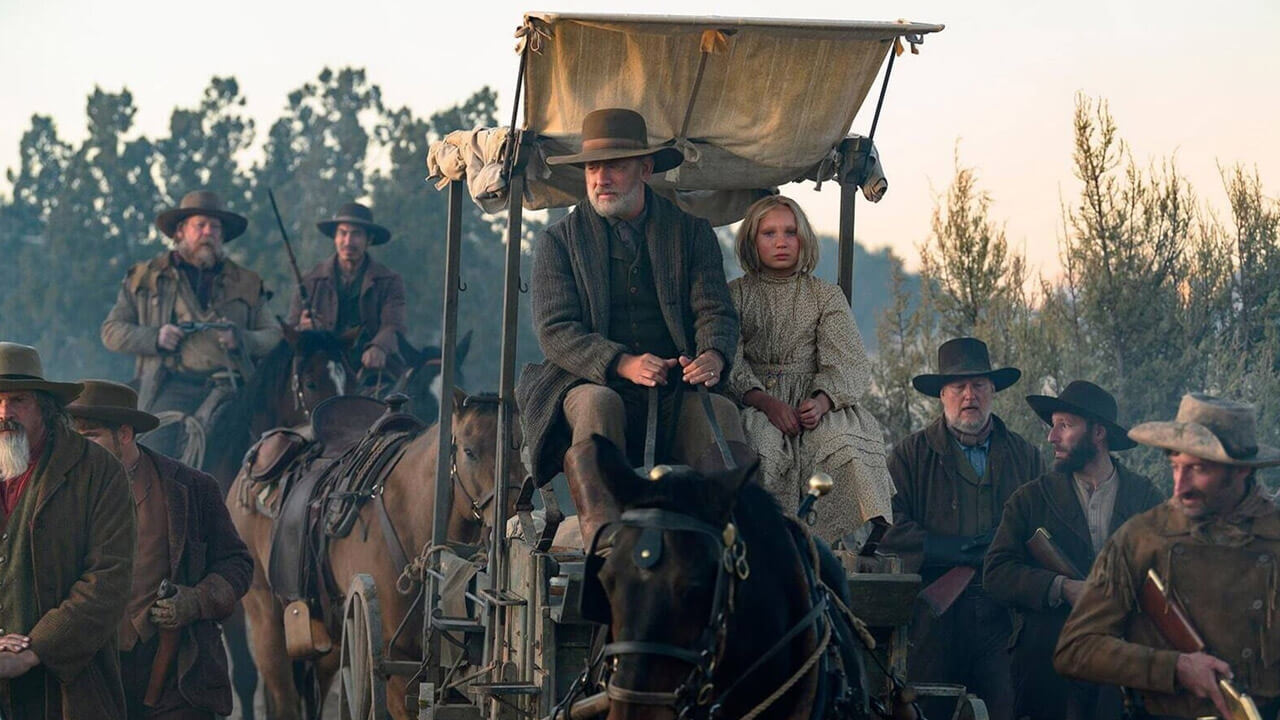
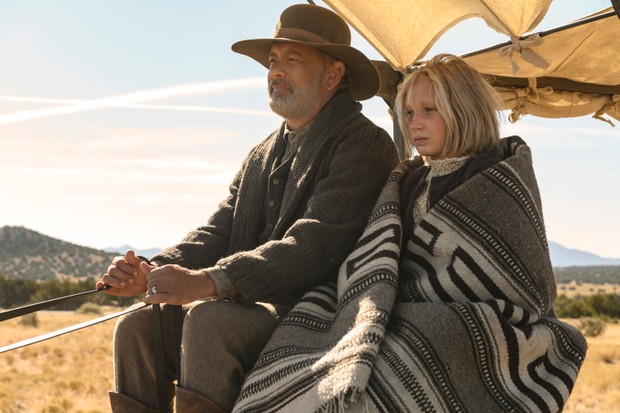
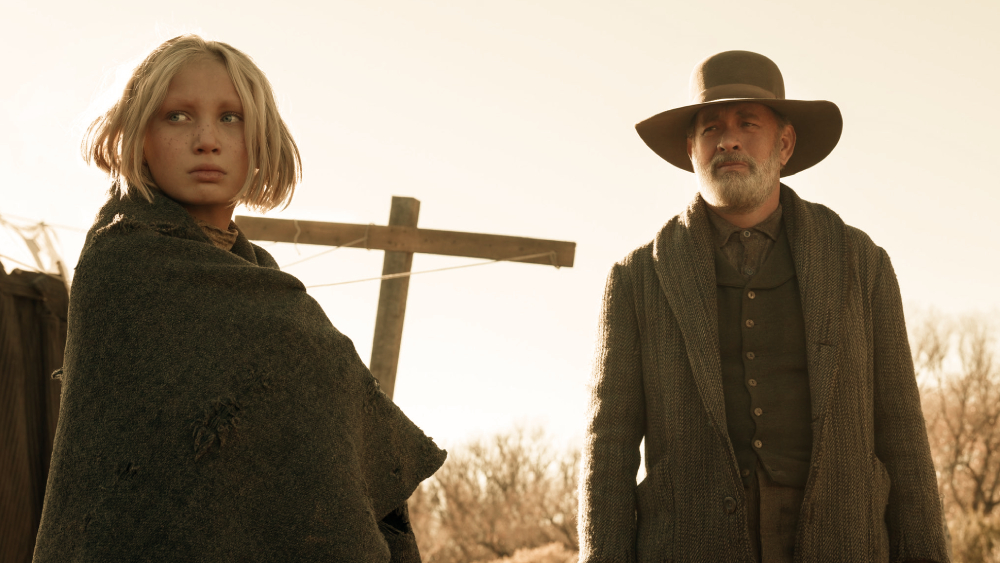
In the years following the civil war, former Confederate officer Captain Jefferson Kyle Kidd (Tom Hanks) plies a humble trade, riding from town-to-town with a selection of newspapers, from which he reads extracts to grateful audiences. His aim is to inform them about the massive changes taking place in this ‘Brave New West.’ As he travels across the land in his ramshackle wagon, we witness some of those changes – and few of them are for the better: buffalo are being slaughtered for profit, Native Americans are herded off the land they’ve owned for centuries, and there are some small town entrepreneurs determined to make Kidd tell the local news in ways that make them look like heroes, no matter how heinous their actions.

But Kidd is steadfast. Facts are facts and he has little tolerance for fantasy, even when sticking to the truth spells danger.

Matters take an unexpected turn, when Kidd chances on Johanna (Helena Zengal), a thirteen-year-old German girl who has been the captive of a tribe of Kiowa for many years – the same Kiowa who murdered her parents when she was little. She has recently been ‘liberated’ and was en route to her surviving relatives in Castroville, Texas, when persons unknown decided to lynch the black trooper who was escorting her. After fruitless attempts to get somebody else to take on the responsibility, Kidd realises his only option is to accompany her himself, a trip of some 400 miles. At first it’s an uneasy alliance – Johanna only speaks Kiowa, so she and Kidd have to rely on signs and gestures to communicate. But as they travel onwards, so the ice thaws, and their friendship begins to develop…

To give the film its due, there is some welcome action in the middle section, when Kidd and Johanna are pursued by three sleazy drifters, determined to ‘acquire’ the girl so they can put her to work as a prostitute. It’s only in the ensuing chase sequence that we see some flashes of Greengrass’s action credentials – but, all too soon, we’re back to that leisurely pace as the odd couple close in on their destination, the point where they must finally part company.

Don’t get me wrong, this is entertaining stuff and Greengrass manages to make the theme of the importance of an impartial press feel relevant to contemporary America. Hanks offers another of his seemingly endless collection of taciturn heroes, and Zengal, who made such an impression in System Crasher, gets the most out of a role where she barely has an opportunity to speak.

But I’d have been happier if some of the events depicted here didn’t have quite such predictable outcomes.

3.8 stars

Philip Caveney
Greyhound

12/11/20

Apple TV

Not only does Tom Hanks star in this Apple Original as the harassed captain of a second World War American destroyer, he also wrote the screenplay, basing it on C. S. Forester’s classic novel, The Good Shepherd.

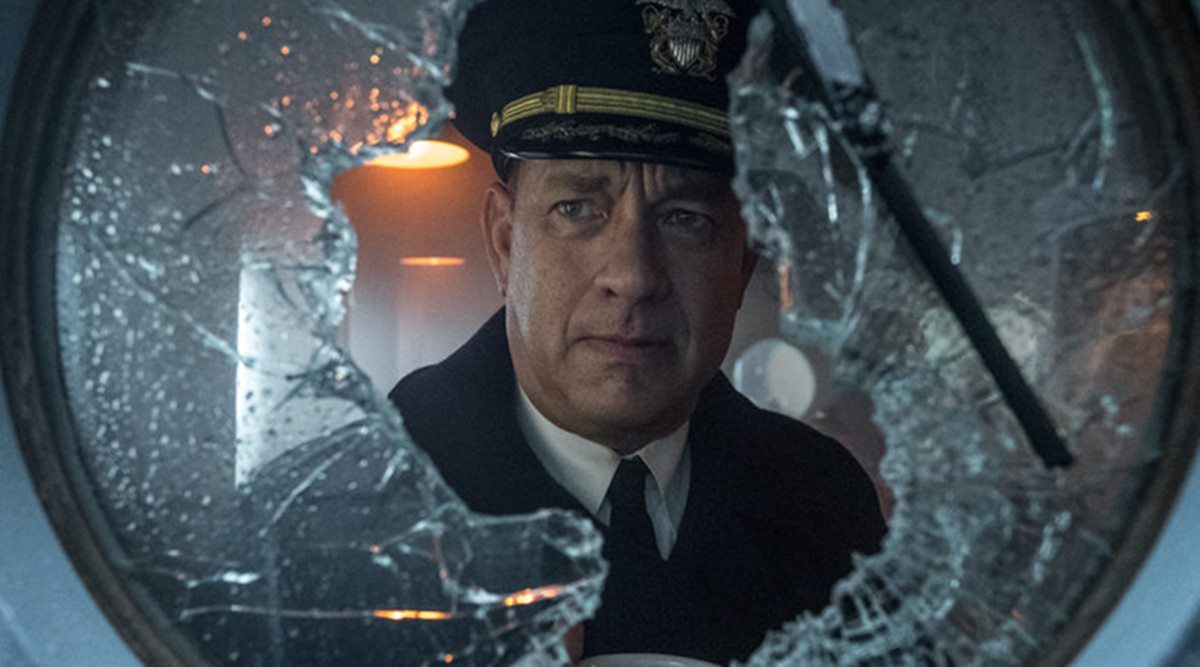
Hanks plays Captain Ernest Krause, charged with the monumental task of leading a huge supply convoy across the Atlantic, carrying much-needed provisions for the allied war effort. Krause knows that every man on the ship is looking to him for leadership and he’s also painfully aware that, beneath those restless waves, German U boats are waiting in ambush with the aim of sinking as many ships as possible. The pressure is palpable.

It’s evident from the start that formidable amounts of money have been lavished on this production. The depictions of life aboard ship are queasily authentic and there’s no denying the steadily mounting suspense that’s generated whenever a torpedo is launched in the general direction of Krause’s ship, The Greyhound. The shock and awe of naval warfare is brilliantly replicated, too, but that dogged dedication to authenticity makes everything a bit too technical for comfort, with Krause’s every directive being repeated ad infinitum by various members of his crew.

If there’s a major failing here, it stems from the fact that we learn precious little about any of the characters in the story. All we really know about Krause is that he prays every morning and that he never has time to eat. The excellent Stephen Graham, second-billed here as the ship’s navigator, has little opportunity to strut his stuff, while the equally excellent Elizabeth Shue, briefly glimpsed in a couple of flashbacks, has even less.

It’s clear that in his screenplay, Hanks wants to concentrate on the notion that the exploits of real heroes are largely unsung: that courage often comes from the most quiet and unassuming people – but the problem is, this leaves me wanting more than this film is ultimately able to deliver. It’s hard to care about people you don’t know and no amount of weaponry can ever hope to make up for that deficit.

There are admittedly some lovely details – a scene where Krause quietly removes his blood-stained shoes and puts on a pair of carpet slippers is strangely moving – and I like the moment when he unwittingly calls a member of his crew by the name of the man’s predecessor, recently killed in action – but such moments are not quite enough to make this cinematic vessel suitably seaworthy.

Don’t get me wrong. This film doesn’t exactly sink without trace, but the beating heart of the story is, sadly, missing in action.

3.4 stars

Philip Caveney
A Beautiful Day in the Neighbourhood

10/02/20

The main problem with Marielle Henner’s A Beautiful Day in the Neighbourhood for UK audiences is one of recognition. TV presenter Mister Rogers was a key part of the formative years of millions of children across America. Imagine if you will, Brian Cant from Play Away and Geoffrey from Rainbow – bundled into one avuncular package – and you’ll have some idea of the kind of person we’re talking about. And who do you get to play one of the nicest guys in history? Well, Tom Hanks, obviously.

But actually this story is mostly about Lloyd Vogel (Matthew Rhys), a journalist for Esquire magazine and a man with deep family issues – the kind that lead to him having a fist fight with his father, Jerry (Chris Cooper) at his sister’s wedding, for example. He’s clearly not a happy bunny. He’s also a new dad, struggling to come to terms with his baby son’s needs and leaving most of the heavy lifting to his wife, Andrea (Susan Kelechi Watson).

When Lloyd is dispatched to interview and write a feature on the aforementioned Fred Rogers, he’s initially horrified. He’s more the kind of writer to pen a character assassination than a puff piece. He’s convinced that Rogers must have some dark and nasty secret. (Looking back at many of my childhood heroes, I’m with him on this one.) So imagine his surprise when it turns out that Fred Rogers is every bit as nice as his TV persona. Indeed, according to Rogers, there is no persona. What you see is what you get.

And the more Lloyd spends time with him, the more the hard-bitten journalist begins to heal…

This is a warm hug of a movie, which attempts to walk a perilous tightrope between emotion and corn (if it occasionally strays into the latter, well perhaps that’s just my cynical Brit personality kicking in). There’s actually quite a lot to like here. I particularly enjoy the use of shonky scale models whenever the proceedings venture outside – models like this were an integral ingredient of Mister Roger’s Neighbourhood – and there are nice performances from all concerned.

But, perhaps not surprisingly, it’s Hanks who takes the lion’s share of the attention here, portraying Fred Rogers as an intense, engimatic and (it must be said) faintly creepy guy, who appears to have the wisdom of the ages simmering quietly within him. Check out the moment when Fred and Lloyd enjoy ‘a minute’s silence’ in a cafe. For a very long space of time, Hanks just stares intently into the camera lens and somehow succeeds in giving me chills. Odd then, that his recent Oscar nomination was in the ‘best supporting actor’ category.

This is by no means a perfect film, and better knowledge of its subject matter would help no end, but it’s nonetheless worth catching, even if (like us, on this snowy Edinburgh afternoon) you have to walk through a blizzard to see it. A Beautiful Day in the Neighbourhood? That’s rich!

3.8 stars

Philip Caveney
 

Toy Story 4

23/06/19

It’s hard to believe that the original Toy Story first graced cinema screens in 1995, back when my own daughter was a little girl. The film was a game-changer in so many ways, pioneering CG animation and launching the start of Pixar’s amazing run of superb features. Along the years, there were – inevitably – a couple of sequels. Toy Story 2 debuted in 1999, introducing a new character, Jessie (Joan Cusack), and the third instalment, which ambled onto screens in 2010, seemed to provide the perfect end to a consistently excellent trilogy.

Like most people, I wasn’t really overjoyed to learn that Pixar were returning to the well one more time. I mean, ask yourself, is there a fourth part of any film franchise that works? All things considered, then, it’s a credit to Pixar’s undoubted production skills that this is as enjoyable as it is.

Since the toys’ original owner, Andy, headed off to college and donated his collection to Bonnie, Woody (Tom Hanks) has come to terms with the fact that he is no longer top dog in the toy closet, often finding himself left in there with the older members of the team, while Bonnie plays with newer acquisitions. But, he’s well aware that toys must move on. After all, Bo Peep (Annie Potts) suffered that fate in the second film, sent to an unknown destination, and Woody often wonders what became of her. However, he still has the love of a child and that’s the most important thing in the world for any toy, right?

I’ll confess that these early stretches, though as skilfully rendered as ever, do not exactly inspire me. It feels as though we’re retracing old ground. However, when Bonnie is sent to her first day at kindergarten, things pick up a little. She fashions a toy of her own out of a plastic spork and  a length of pipe cleaner, naming her creation Forky and falling unconditionally in love with him. Forky (Tony Hale) struggles to accept his new role as a toy. He thinks of himself as trash and spends most of his time trying to throw himself into the nearest litter bin, but – for Bonnie’s sake – Woody takes on the role of Forky’s minder.

Then Bonnie’s parents decide to take her on a road trip and the whole gang get to go along. The family’s RV does a stop over at an amusement park and it’s here that Woody reconnects with Bo, who has been surviving out on her own for years and has become a plucky, independent adventurer with loftier ambitions than simply being a child’s plaything. From here, the film becomes much more interesting, unveiling a sinister side to proceedings with the appearance of Gabby Gabby (Christina Hendricks), a vintage doll with a broken voice box, trapped in a second hand store. She has her own entourage of minders (four incredibly creepy ventriloquist dolls) and, spotting that Woody has the kind of voice box she needs, sees an opportunity to ingratiate herself with the shop owner’s granddaughter, Harmony.

The film has one more trump card to play in the shape of Duke Caboom (Keanu Reeves) a Canadian stunt motorcyclist (clearly modelled on Evil Knievel), who has been haunted all his life by his inability to match up to the promises made in his advertising campaign. This feels like a role that Reeves was born to play and he does it with glee.

So yes, this is enjoyable enough, even if it doesn’t quite measure up to those illustrious predecessors. There are some problems with the story’s internal logic. I find myself  wondering why, despite their advanced years, the toys still manage to look pristine. Shouldn’t they be a bit scuffed and (whisper it!) damaged by now? Wouldn’t that have made for an interesting strand? And, since Woody is now considered a second level toy, how come he even gets to go on that fateful road trip in the first place?

Perhaps I’m just being picky. The scores of well-behaved youngsters at the afternoon screening I attend are proof that Toy Story 4 does exert considerable charms on its intended audience – and at the end of the day, I have to admit that I enjoy it along with them.

But please, Pixar, don’t be tempted to do a part 5! There’s only one direction to go from here and it’s the place where Forky longs to be!

4 stars

Philip Caveney
The Post

21/01/18

In the era of fake news, here’s an interesting concept – a film about real news. More specifically, a film about a newspaper’s quest to tell the truth that doesn’t come across as some kind of hollow joke. There was a time, it seems, when newspapers were prepared to risk everything to fight for the right to free speech, and that time was 1971.

Stephen Spielberg’s The Post may be set in the past but its story couldn’t be more prescient. We’ve recently had the Paradise Papers, but back then it was The Pentagon Papers, a series of purloined documents that proved that President Nixon’s administration – and indeed, many others before it – had lied to the American public about the Vietnam war, insisting that it was a winnable cause even when they all knew full well it wasn’t. This secret sent untold numbers of young soldiers to their deaths.

When reporter Daniel Elisberg (Matthew Rhys) learns of this, he decides to turn whistleblower, stealing a bundle of secret government files and handing them over to the New York Times. They have every intention of publishing the story, but Tricky Dicky gets wind of their plans and serves them with an injunction, forbidding them to go to print. The files subsequently find their way onto the desk of a reporter for the Washington Post. Editor Ben Bradlee (Tom Hanks) is eager to get the scoop, but first he must convince the Post’s owner, Kay Graham (Meryl Streep) to give him the green light. Graham is struggling to assert her authority at The Post just as it prepares itself to float on the stock market. Having inherited her position from her late husband, Kay finds herself continually marginalised, lectured and talked down to by her male employees – and, she’s all too aware that publishing the banned documents could land her and Bradlee in jail and finish off the newspaper once and for all…

The Post is a compelling piece of docudrama, helmed by a director at the peak of his powers – it’s sobering to note that Spielberg made this film largely because he had a few weeks to kill whilst waiting for the special effect shots in his upcoming Ready Player One to be processed. Given the quick turnaround, it’s astonishing that the film is as assured as it is. Furthermore, Spielberg has managed to pull in two of Hollywood’s major power players for his lead roles. Amazingly, Streep and Hanks have never made a film together until now.

What’s most fascinating here is to note how the publishing process has changed over the decades. Spielberg’s cameras linger almost voyeuristically over the process as the ‘hot metal’ printing presses are tortuously put together – and I love the scene where reporter Bob Bagdikien (Bob Odenkirk) attempts to make a covert call from a street pay phone, his nickels and dimes raining onto the pavement as he talks. Hanks is great as the news-hungry Bradlee and Streep gives an object lesson in understatement as Graham. The scene where she finally tells the men in suits what they can do is priceless. Make no mistake, this is also a feminist film in the truest sense of the word.

Having said all this, I don’t see The Post bothering Oscar too much this year – there are simply more exciting offerings to choose from. But – in its quiet, unassuming way – this is an important release that has plenty to say about the way government’s operate and how important it is to preserve the right to bring their actions to the public’s attention. Sadly, these are qualities that we are in danger of losing altogether. The events in this film eventually led to the impeachment of a President. What would it take, I wonder, to achieve a similar outcome now?

4 stars

Philip Caveney