10/10/26
Cineworld, Edinburgh
Director Paul Greengrass has established his considerable reputation with a series of action films based around relatively recent events – so it’s an unusual choice for him to head into the dim and distant past for inspiration. But The Uprising, a gritty, mud-splattered account of the Peasant’s Revolt (Greengrass also wrote the screenplay) features all his signature moves, replete with propulsive and immersive set-pieces shot in that unmistakable ‘shaky-cam’ style.
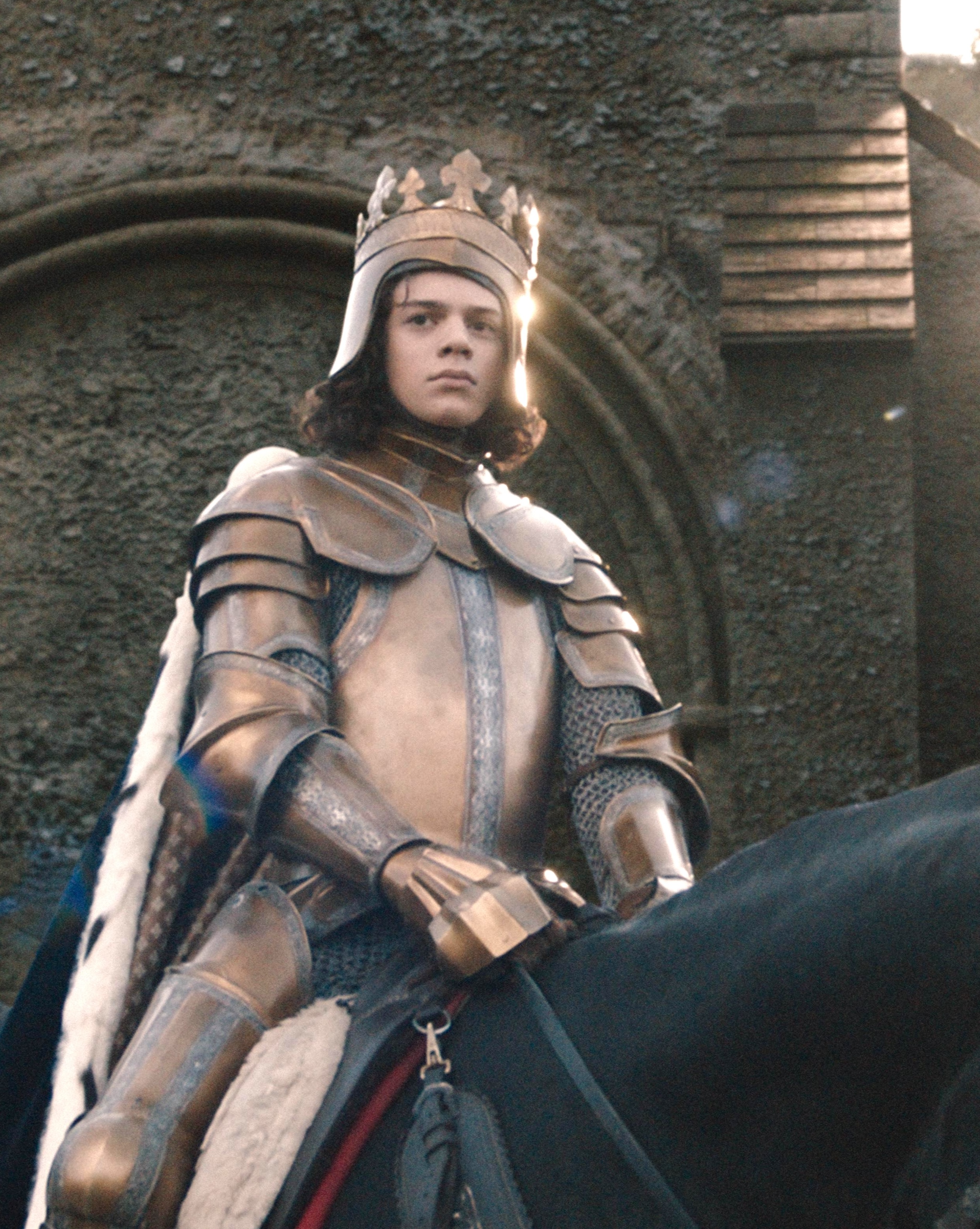
It’s 1381 and ‘Merrie England’ is down in the dumps after a plague that has halved the population and a series of overseas wars that are costing King Richard II (Woody Norman) an absolute packet. He’s only fourteen years old and, when we first encounter him, he’s being haunted by nightmares of something bad approaching. When it comes to ruling, he leaves most of the big decisions to his advisors, who are led by Treasurer Hales (Tom Hollander). Looking to raise some ready funds, Hales eschews the idea of going to the nobles for a handout (they’re sure to kick up a fuss) and decides instead to impose a poll tax on the commoners. (I know, I know, quelle surprise.)
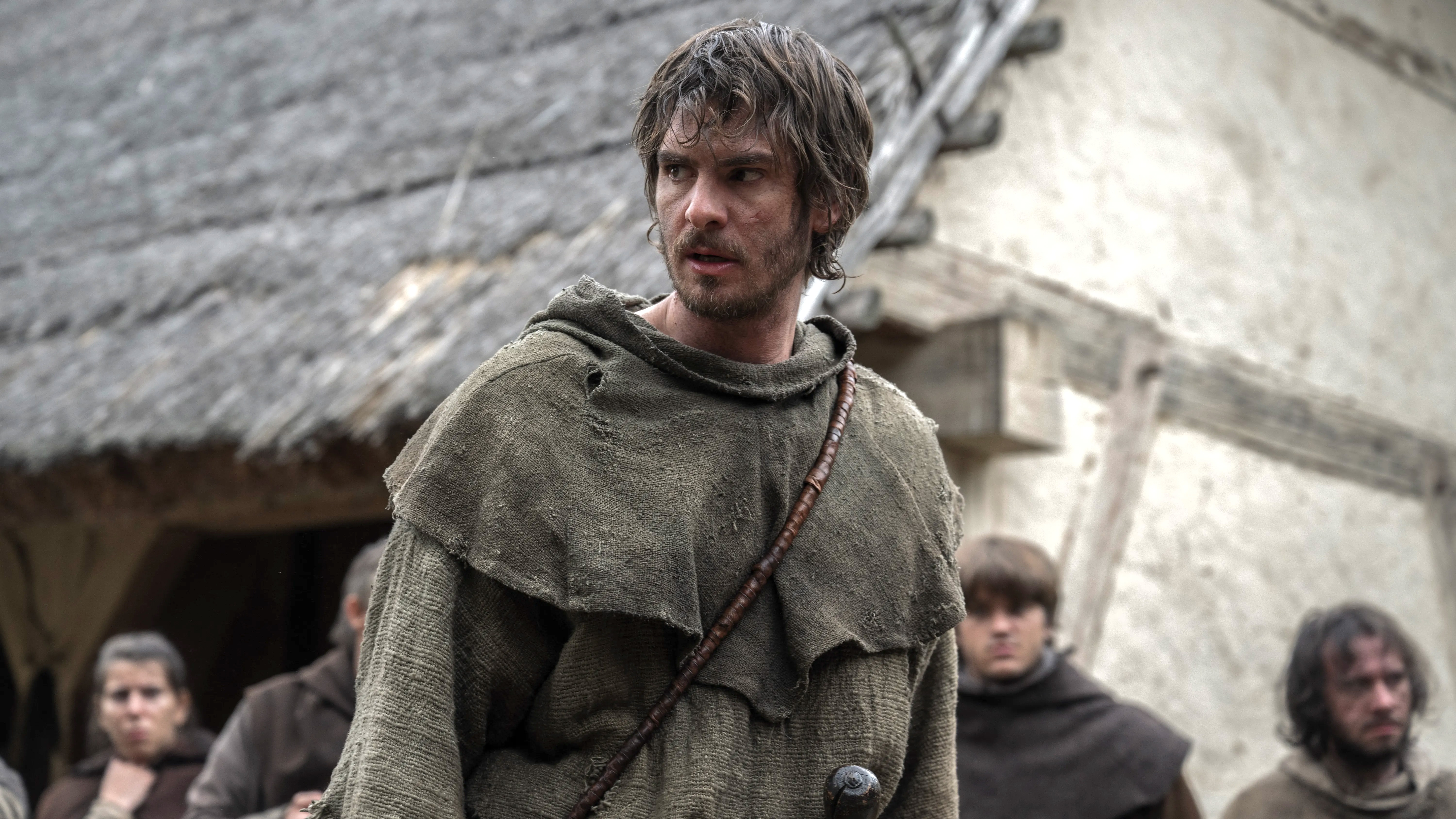
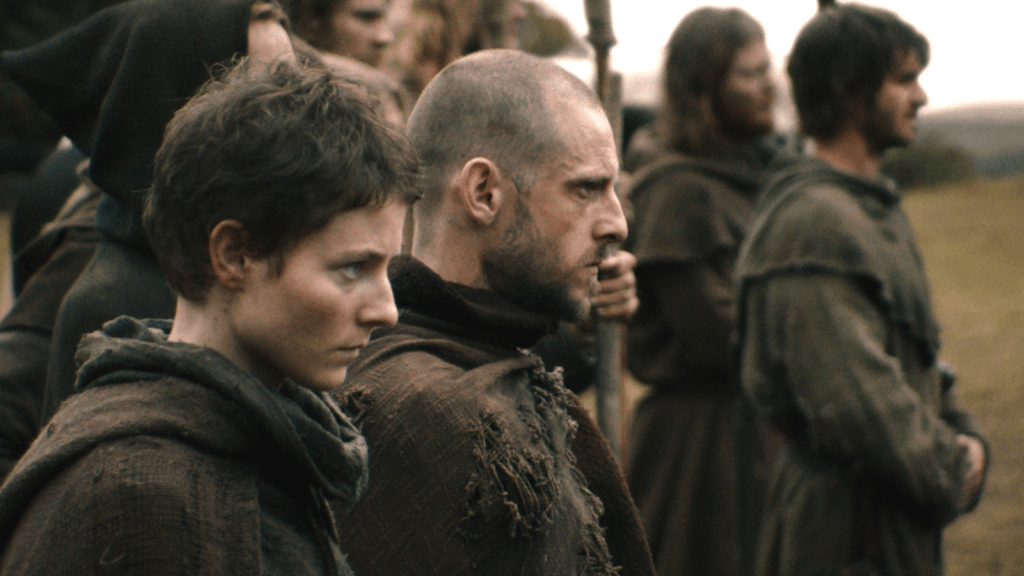
One such commoner is ‘Ploughman’ (Andrew Garfield), who has recently lost his wife and two children to the plague and is feeling pretty desolate. He’s reluctant to give away any more of the pittance he’s earning. When armed men come to his village demanding money (and threatening to take wives away to use as prostitutes when their husbands can’t find any spare dosh), something inside Ploughman snaps – and it turns out he can be pretty handy with that hooked scythe he carries with him. The armed men are quite literally cut down to size and it isn’t long before Ploughman is being followed by lots of other disgruntled commoners. Soon they have joined up with a bigger band of travellers, led by former soldier, Wat Tyler (Cosmo Jarvis), and seditious monk, John Ball (Jamie Bell). The ever-growing tribe marches towards London, where they aim to present their demands to The King…
The Uprising is a grimy, dingy affair that paints a picture of a nation betrayed by the ruling classes. It’s rather worrying that the ensuing events feel so familiar and that the mounting anger and savagery – and the ultimate betrayal suffered by those seeking justice – feels somehow inevitable. But Greengrass manages to milk the events for every bit of tension they contain and the climactic confrontation has me holding my breath as it builds to a thrilling climax.
While this is a story dominated by its male protagonists, there’s also a compelling turn by Thomasin McKenzie as Alyce, a young woman with her own reasons to harbour resentment towards her despotic rulers, and from Katherine Waterston as Richard’s mother, who conveys the woman’s inner conflict through a series of glacial expressions.
While this can hardly be described as an uplifting couple of hours at the cinema, it’s nonetheless a gripping (and, according to Wikipedia, pretty accurate) account of a historical event that for most of us has been allowed to drift into obscurity. But you’ll doubtless leave the cinema reflecting, as I do, that similar iniquities have been allowed to transpire again and again across the centuries and that it’s always the have-nots who are destined to pick up the tab.
This is hard, relentless cinema but Greengrass is an accomplished director who knows exactly what he wants to say and doesn’t hesitate to ram his message home with the impact of a medieval battering ram.
4.2 stars
Philip Caveney

