Summerhall

Theatre Bouquets 2024

It’s been an exciting year for theatre in Edinburgh, so in time-honoured tradition, here are our ten favourite productions from 2024, plus three special mentions.

The House (Traverse Theatre, Edinburgh)
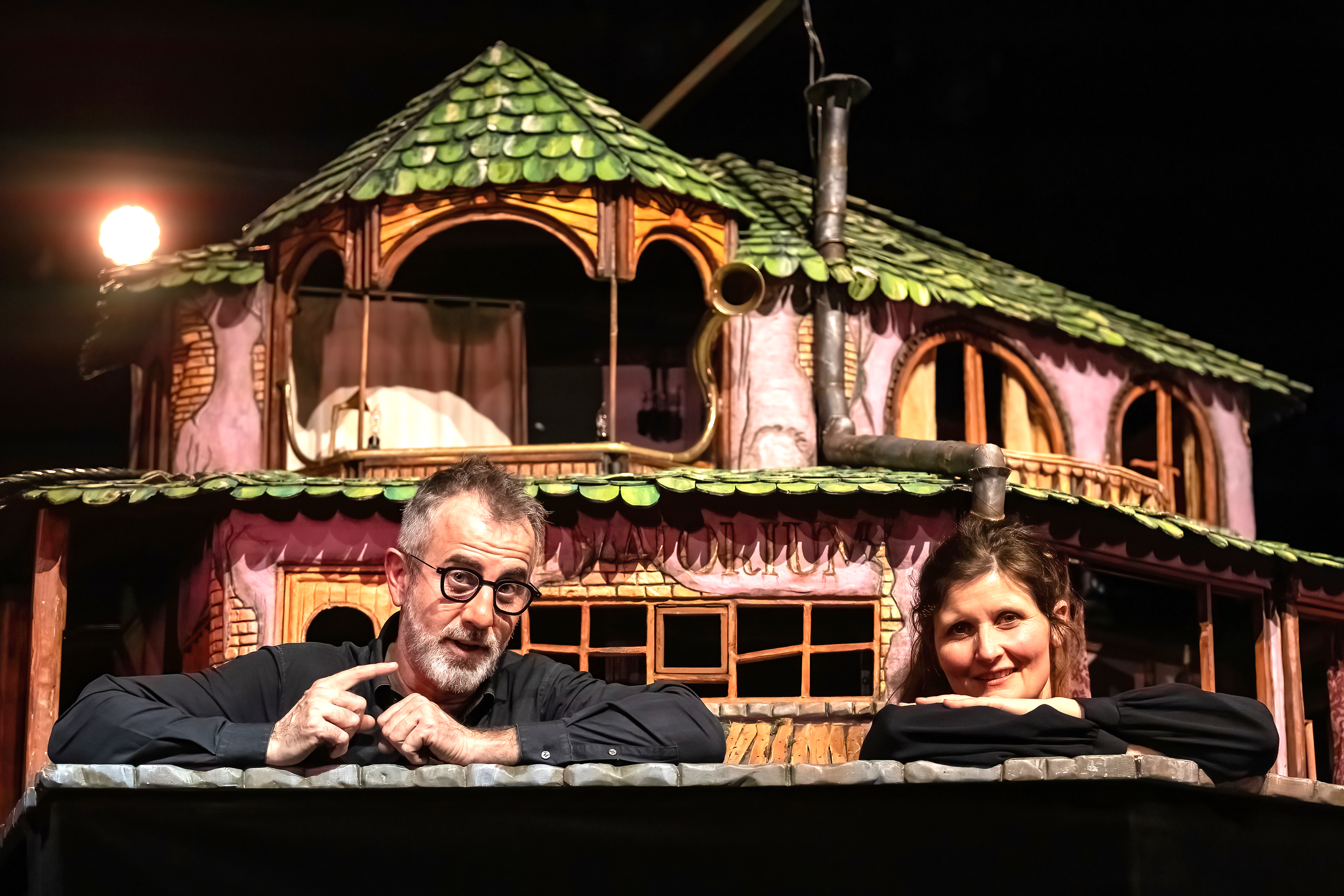
“Everything about this performance – the lighting, the music, the props – is exquisite and I love the piece’s grisly sense of humour, its celebration of the darkness of the human soul…”

The Giant on the Bridge (Traverse Theatre, Edinburgh)
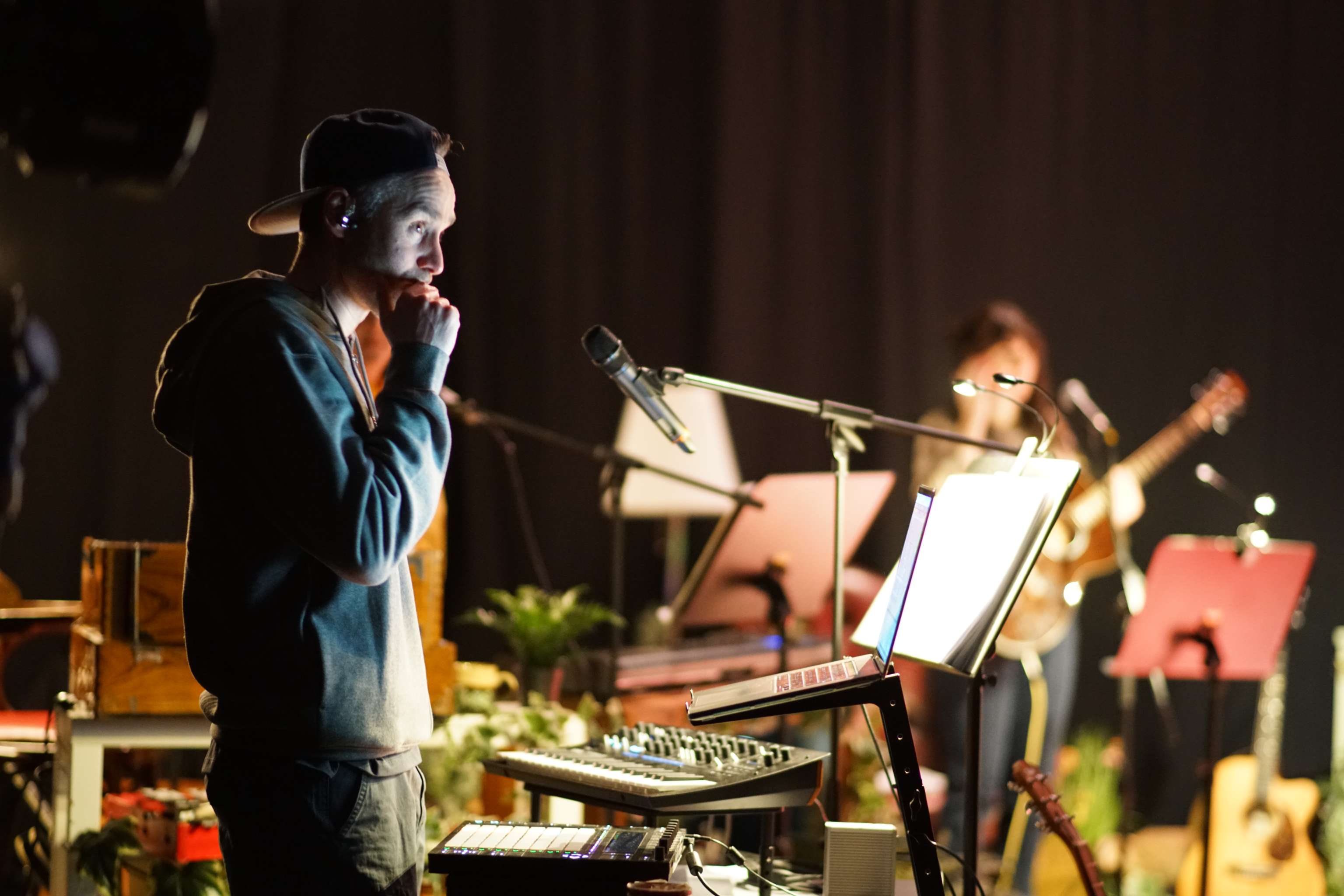
“A complex, labyrinthine piece that explores a whole range of different moods, moving from plaintive acoustic ballads to propulsive electric rock…”

Blue Beard (Lyceum Theatre, Edinburgh)
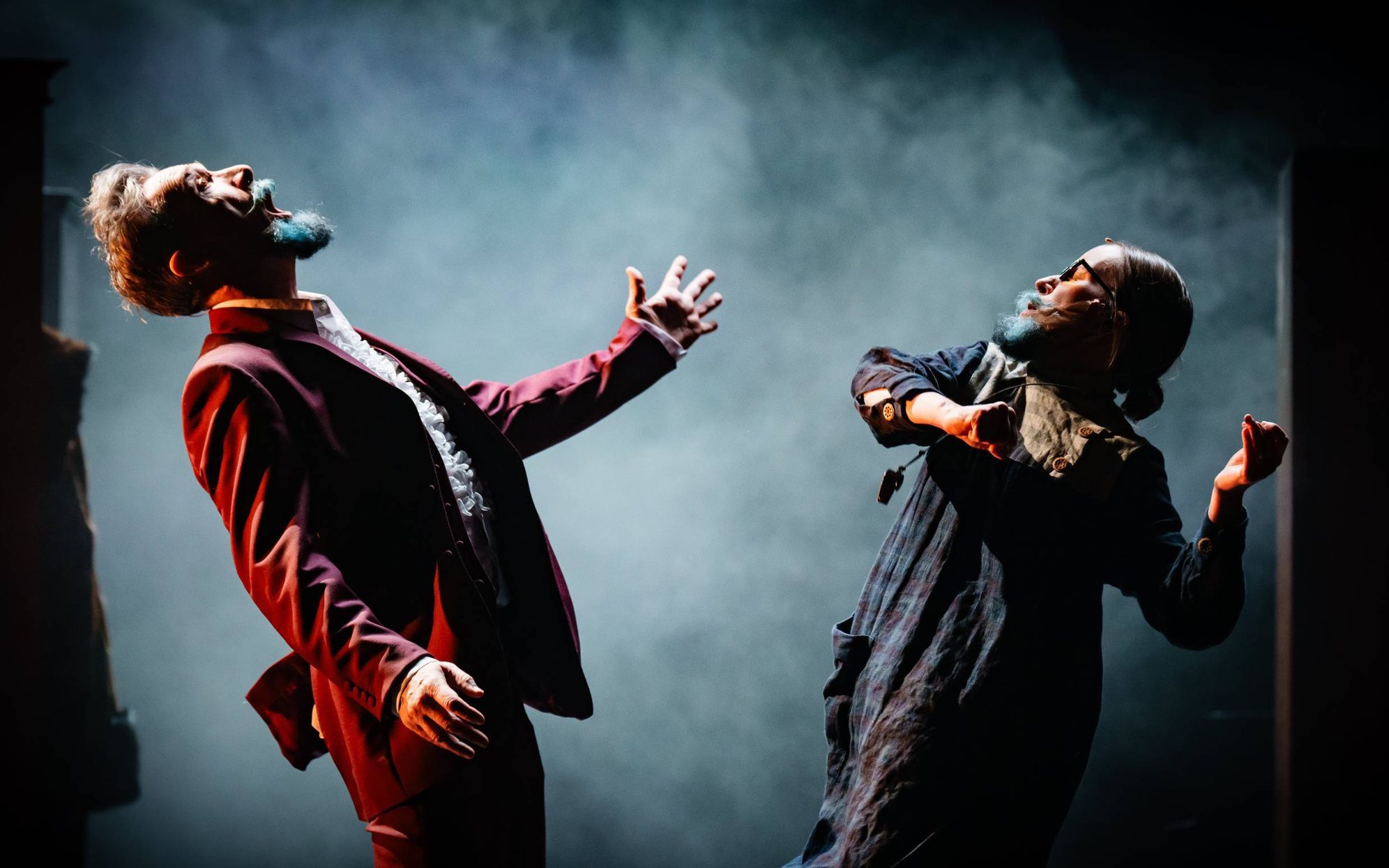
“All about the seductive allure of darkness, the impulse that makes us devour murder-mysteries and glamourise the bad guys…”

The Sound Inside (Traverse Theatre, Edinburgh)
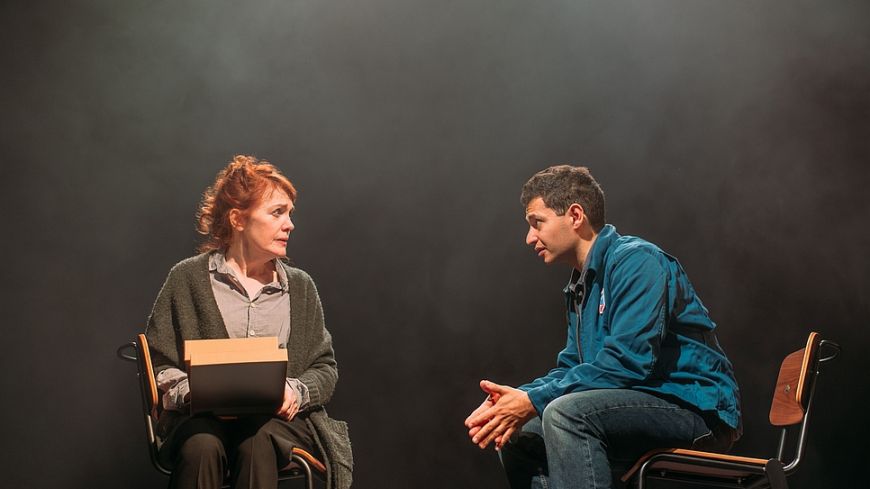
“Adam Rapp’s exquisite play has all the qualities of a great novel, pulling me deeper and deeper into its labyrinthine heart, providing the audience with puzzles to solve and mysteries to ponder…”

VL (Roundabout at Summerhall, Edinburgh)
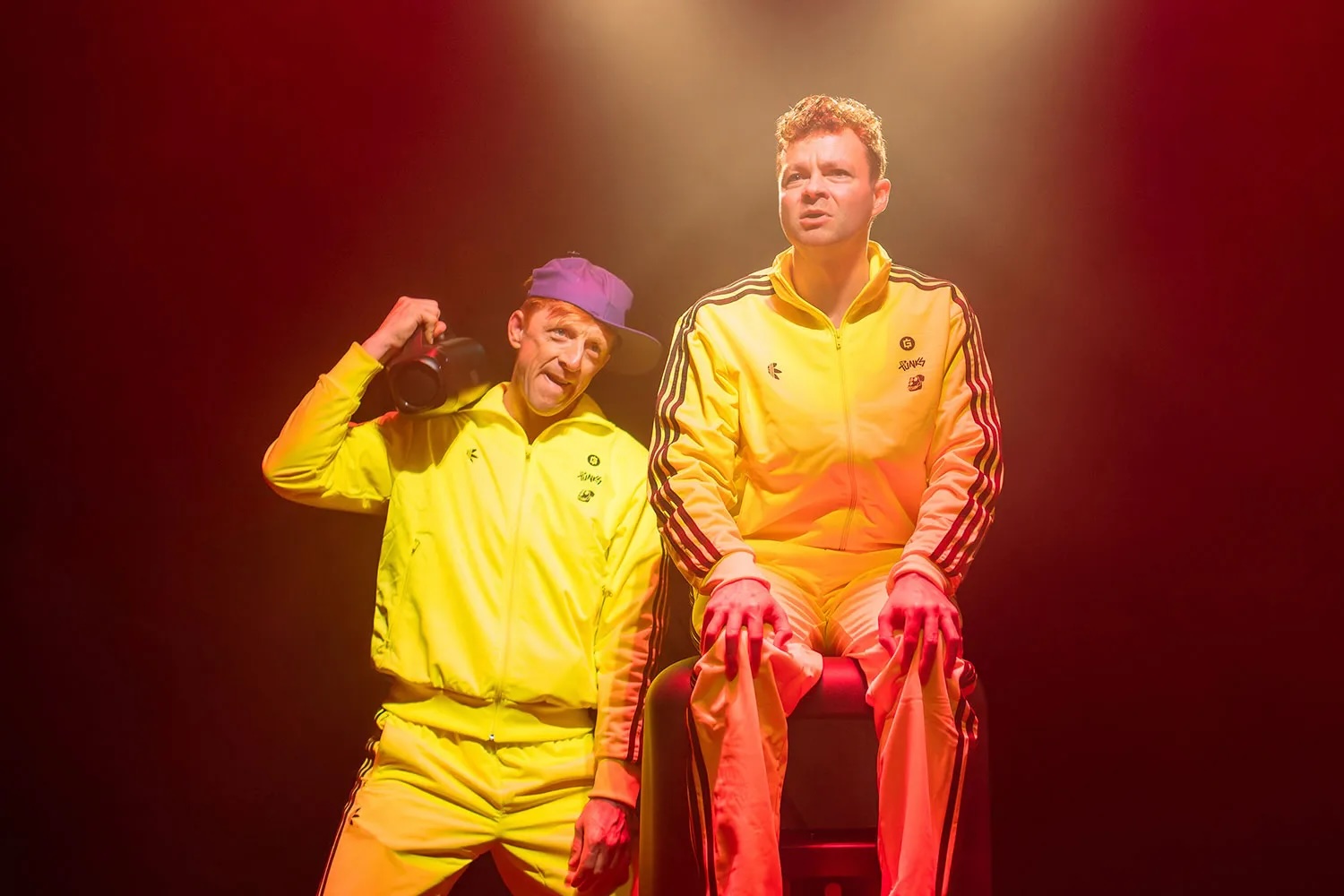
” A whip-smart comedy that also has some incisive things to say about the difficulties of adolescence and the importance of friendship…”

Summer of Harold (Assembly Checkpoint, Edinburgh)
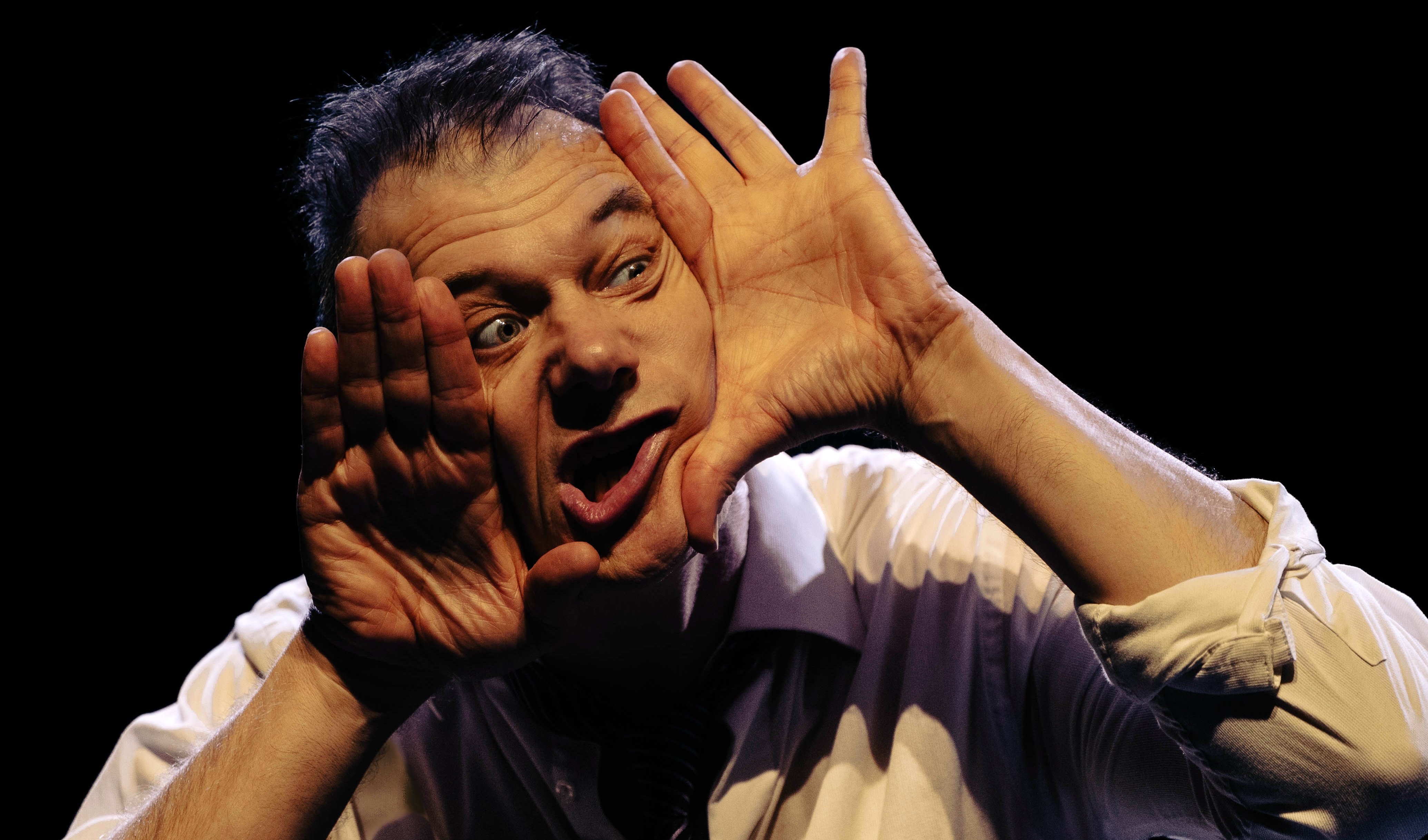
“An hour-and-a-half of impressive theatre, with snort-out-loud humour as well as profound emotional moments…”

The State of Grace (Assembly Rooms, Edinburgh)

“Whenever I thinkI’ve got the measure of the piece, it twists in another new direction, giving fresh food for thought, breaking down the barriers that I’ve carried around in my head for years…”

A Streetcar Named Desire (Lyceum Theatre, Edinburgh)
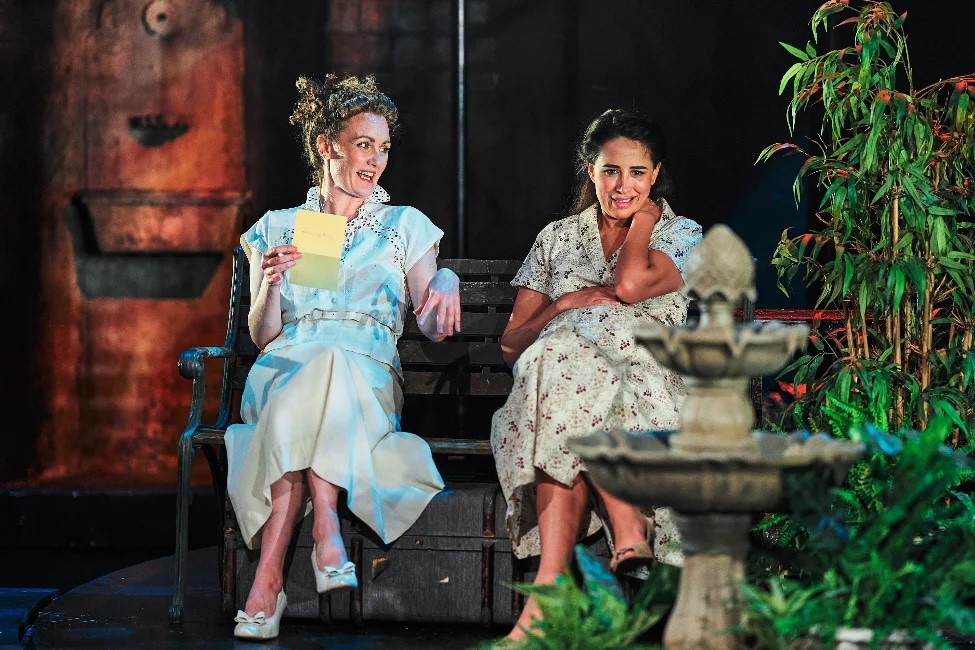
“Increasingly resembles a deranged carousel with the players caught in its unhealthy embrace, unable to get off the ride until it arrives at its ghastly destination…”

Angels in America: Part One – The Millennium Approaches (Bedlam Theatre, Edinburgh)
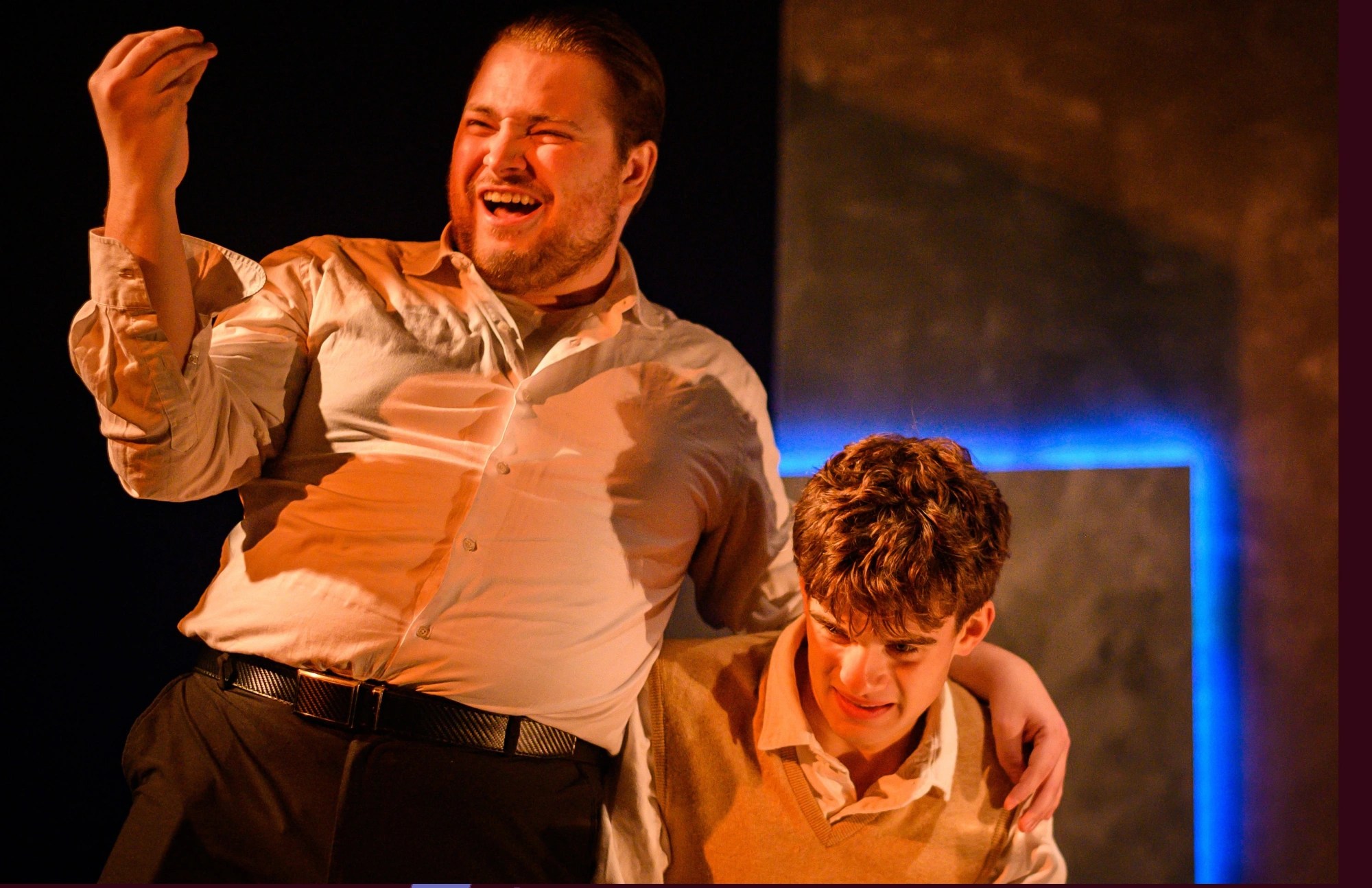
“It’s astounding what EUTC manage to achieve with their limited budget: the final scene in particular is a coup de théâtre…”

Treasure Island (Lyceum Theatre, Edinburgh)
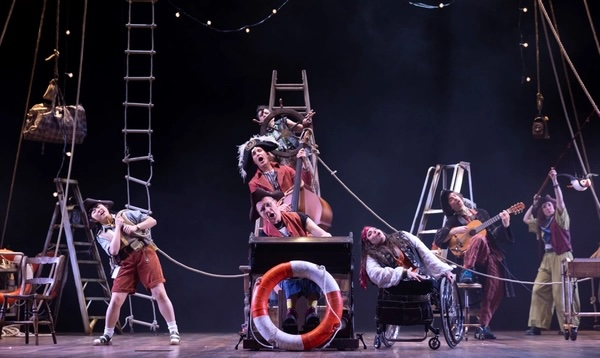
“A must-see for the festive season – you’ll laugh, you’ll tremble, you’ll tap your feet to the jaunty jigs and reels!’

SPECIAL MENTIONS

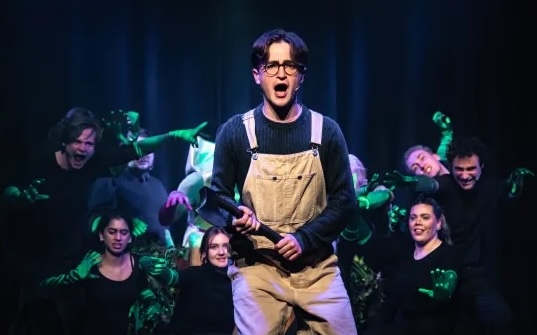
The Little Shop of Horrors (Church Hill Theatre, Edinburgh)

Rebels and Patriots (Pleasance Courtyard, Edinburgh)

Weer (Traverse Theatre, Edinburgh)
Susan Singfield & Philip Caveney
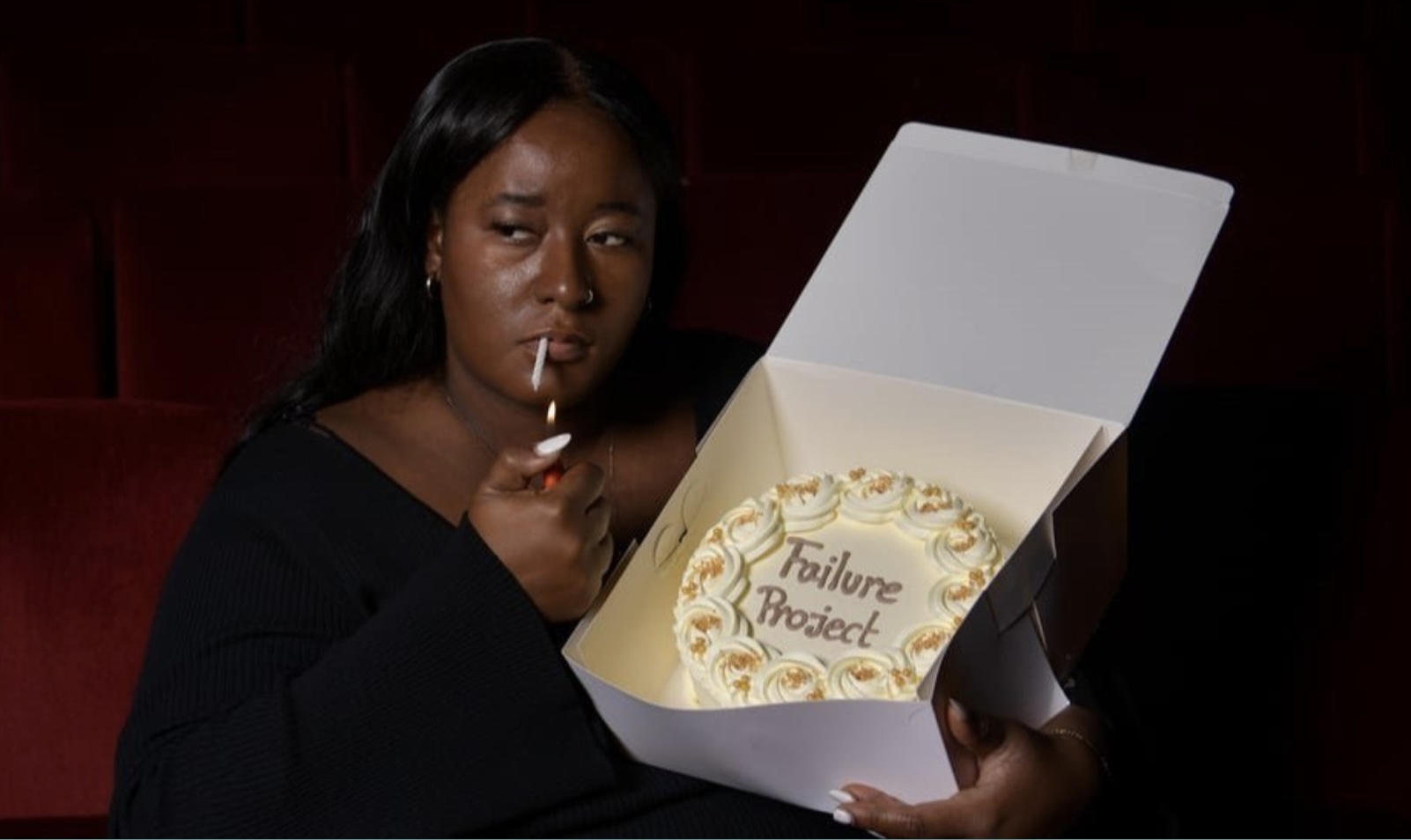
Failure Project

22/08/24

Summerhall (Anatomy Lecture Theatre), Edinburgh

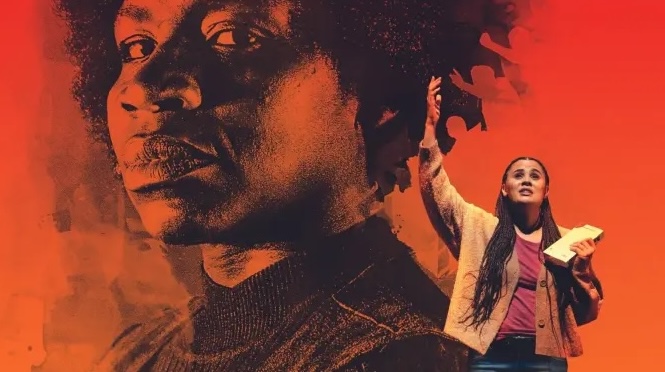
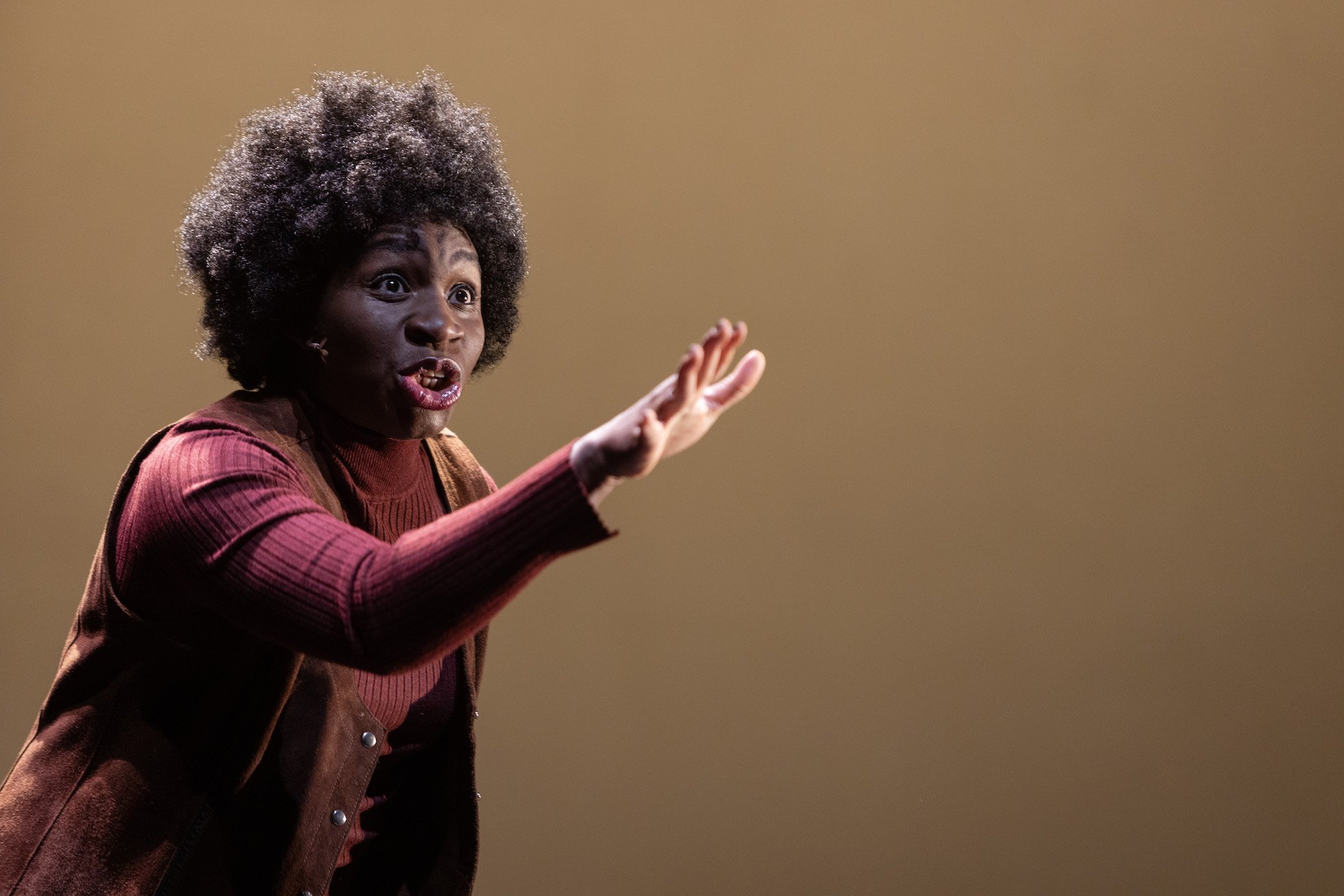
Ade Adeyami (Yolanda Mercy) is an up-and-coming British-Nigerian playwright/actor. Some recent success (including a BAFTA nomination) means that the world is her oyster – or, at least, that’s what people keep telling her. But none of the white theatre execs she meets have any interest in her idea for an uplifting play about Black women scientists; instead, they want something about slavery, some trauma porn that they can wallow in to make them feel – what? Virtuous? The one play she has had commissioned – based on her own experiences as a Black scholarship girl at a prestigious private school – is being systematically torn apart before her eyes: an influencer cast in lieu of Adeyami herself; a director who wants to change some details, so that the bullying refers to class rather than race because “it’s more universal.” Sigh.

Unhappy though she is, Adeyami cannot heave her heart into her mouth. She’s supposed to be grateful for the opportunities she’s being offered. She has to succeed. “You’re doing it for all of us,” another young, Black, aspiring playwright tells her. And so she nods, says nothing. Works on the rewrites, as required.

It’s all too much. The weight of expectation on her shoulders is unmanageable. It doesn’t help that the work she’s doing is all unpaid until someone wants to buy it, nor that her ‘boyfriend’ is so flaky. To cap it all off, her bestie isn’t picking up the phone.

Mercy – who also wrote the script – is an engaging performer, so that – although the piece is undeniably inward-looking, it never feels self-pitying. It’s more like a howl of rage that’s been hammered into shape before being presented to us, allowing us a glimpse into the overwhelming amount of effort and persistence it takes for a Black woman to make theatre – even when she’s hailed as a success. The sense of doom is palpable, Adeyami’s dreams of a glittering future hanging by a thread so delicate that it’s hard to imagine it won’t break.

Mercy talks directly to the audience, making the most of the intimate performance space, drawing us into her orbit and forcing us to feel Adeyami’s pain. The narrative arc is subtle but effective, the conversational tone belying the clever structure. There’s even a twist ending – and I don’t see it coming.

Despite its title, Failure Project is a success: warm and funny on the surface but with some serious depth.

4 stars

Susan Singfield

300 Paintings

18/08/24

Summerhall (TechCube 0), Edinburgh

Aussie comedian Sam Kissajukian had an epiphany in 2021. Okay, so it turns out it was actually a manic episode, but he didn’t know he had bipolar at the time, so he really believed he’d seen the light. It was time, he decided, to turn his back on comedy and become an artist. So what if he’d never painted before? He had a beret. He was good to go.

We have his bipolar to thank for the art we see today: without the high levels of energy, the euphoria and the delusions that come with a manic episode, Kissajukian might never have rented a workshop, moved into it and obsessively painted massive (and tiny) pictures for several months. He might never have created the Museum of Modernia or held exhibitions of his work across Australia – or visited the Edinburgh Fringe with this fascinating show.

Of course, he wouldn’t have had to endure the crippling depression that followed either, but he’s doing well now, he tells us, so we’re allowed to laugh at the crazy, funny stuff he did.

300 Paintings is essentially a story about finding yourself and, although most of us won’t experience periods of transition with quite the same intensity as Kissajukian, the urge to escape our shackles and work out what we really want is very relatable. Unleashed from the need to please a drunken comedy audience, Kissajukian turns out to be extraordinarily creative. His ideas are inventive (literally) and exciting; his artwork primitive but fresh. He pushes every concept beyond its boundaries, so that this show is unlike anything I’ve seen before.

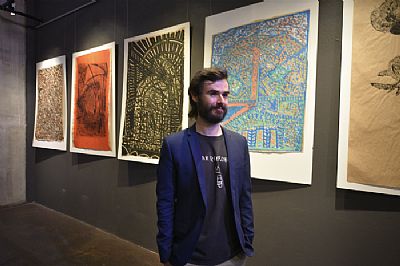
Kissajukian’s previous incarnation as a comic means he’s adept at communicating with the audience, even if the early morning is an unusual time for him to be awake. His easy-going patter makes the complex mental health issues accessible, and the projections of his artwork illustrate the story perfectly. Twenty-five of his paintings are on display here at Summerhall, the performance and exhibition inextricably linked.

Today’s show was sold out but, if you can get a ticket, 300 Paintings is an invigorating way to start your day.

4.2 stars

Susan Singfield

Deluge

15/08/24

Summerhall (TechCube 0), Edinburgh

Deluge typifies what I used to think the Fringe was – way back when, before I’d ever set foot in Edinburgh. I expected every show to be like this: artsy, meaningful and chock-full of expressive dance. Of course, now I’m both an old hand and an Auld Reekie resident, and I know that the 3000+ shows on offer here cover every form imaginable: from the mainstream and family-friendly to the wild and debauched; in venues as varied as traditional theatres, circus tents, tiny broom cupboards and former dissecting rooms. But in fact, there’s not actually a lot that conforms to those youthful preconceptions.

Deluge – a one-woman play by Brazilian theatre-makers Gabriela Flarys and Andrea Maciel – is very artsy, very meaningful and, yes, replete with expressive dance. And I am totally absorbed, lapping up every minute of this quirky, offbeat play.

The protagonist (Flarys) is in mourning. Her lover has left her and she is bereft. She is also covered in jam. What follows is a wonderfully eloquent evocation of loss, the whole grieving process externalised and made concrete. ‘The End’ itself is personified, while the emotions overwhelming her are represented by a cumbersome ladder and a constant drip-drip dripping sound, as inescapable as tinnitus.

The woman takes us back in time, to when she first met her ex-boyfriend. We bear witness to their love, and to the diverging dreams that eventually tear them apart. This is a multi-media production, cleverly utilising a keyboard, video projections and, most impressively of all, Flarys’ extraordinary physical skills, as she contorts herself every which way, a paroxysm of grief. Despite her unhappiness, the protagonist is an expressive and three-dimensional character, extrovert and full of life. She just needs to negotiate her way through this quagmire of misery…

The central metaphor – of grief as water, infiltrating the woman’s home and threatening to drown her – is beautifully realised, not least when she hopelessly tries to plug up the leaks with the jam her partner left behind. We all know bereavement and heartache, one way or another, and I found this section in particular spoke to me and my experiences.

Deluge is a profoundly moving piece of theatre, as ‘Fringey’ as it gets and none the worse for it.

4.3 stars

Susan Singfield

Gamble

15/08/24

Summerhall (Cairns Lecture Theatre), Edinburgh

Hannah Walker greets us as we wander into the Cairns Lecture Theatre. She’s dressed in a sharp suit featuring dollar bills and wearing a pair of snazzy high-heels. Without further ado, she launches into her intro, a razzle-dazzle rant about the joys of online gambling, backed up by a bright and zippy display on the video screen behind her.  She tells us about her youth, spent in a sleepy village in the UK, where the only bright spot was the occasional trip to the bingo. Even at a tender age, she tells us, she was being indoctrinated, taught that ‘having a flutter’ was perfectly acceptable.

But time moves on and she finds herself married to a man with a gambling addiction, unable to resist squandering eye-watering amounts of money on an almost daily basis. This show is Walker’s attempt to highlight the potential dangers of online gambling, the invidious ways in which it can entice and corrupt people into its clutches, convincing us that it’s just a bit of harmless fun. The show alternates between those brash, colourful enticements and clips of addicts, confessing how what originally seemed like a harmless pastime mutated into something utterly destructive. There’s also input from a clinical psychologist and an invitation to attend Zoom sessions, where people with a gambling problem can talk about their situation.

Walker and her co-creator (Rosa Postlethwaite) give this piece their all, but I’m left with the distinct impression that Gamble is trying to be too many things at once and that its potential is somewhat dissipated by a tendency to spread itself too wide and not all of the humour lands. Also, perhaps because Walker is so close to the issue (her husband is an addict, though thankfully in recovery), it doesn’t go hard enough to expose the depth of the potential problems. For example, the number of gamblers committing suicide is mentioned but never explored.

There’s no doubting the sincerity of Walker’s intentions and Gamble is a thought-provoking piece, which has plenty to say about a multibillion dollar industry that hides behind that cheerful, glittering façade. But I’d like to see its focus tightened in order to realise its full potential.

3 stars

Philip Caveney

Outpatient

13/08/24

Summerhall (Anatomy Lecture Theatre), Edinburgh

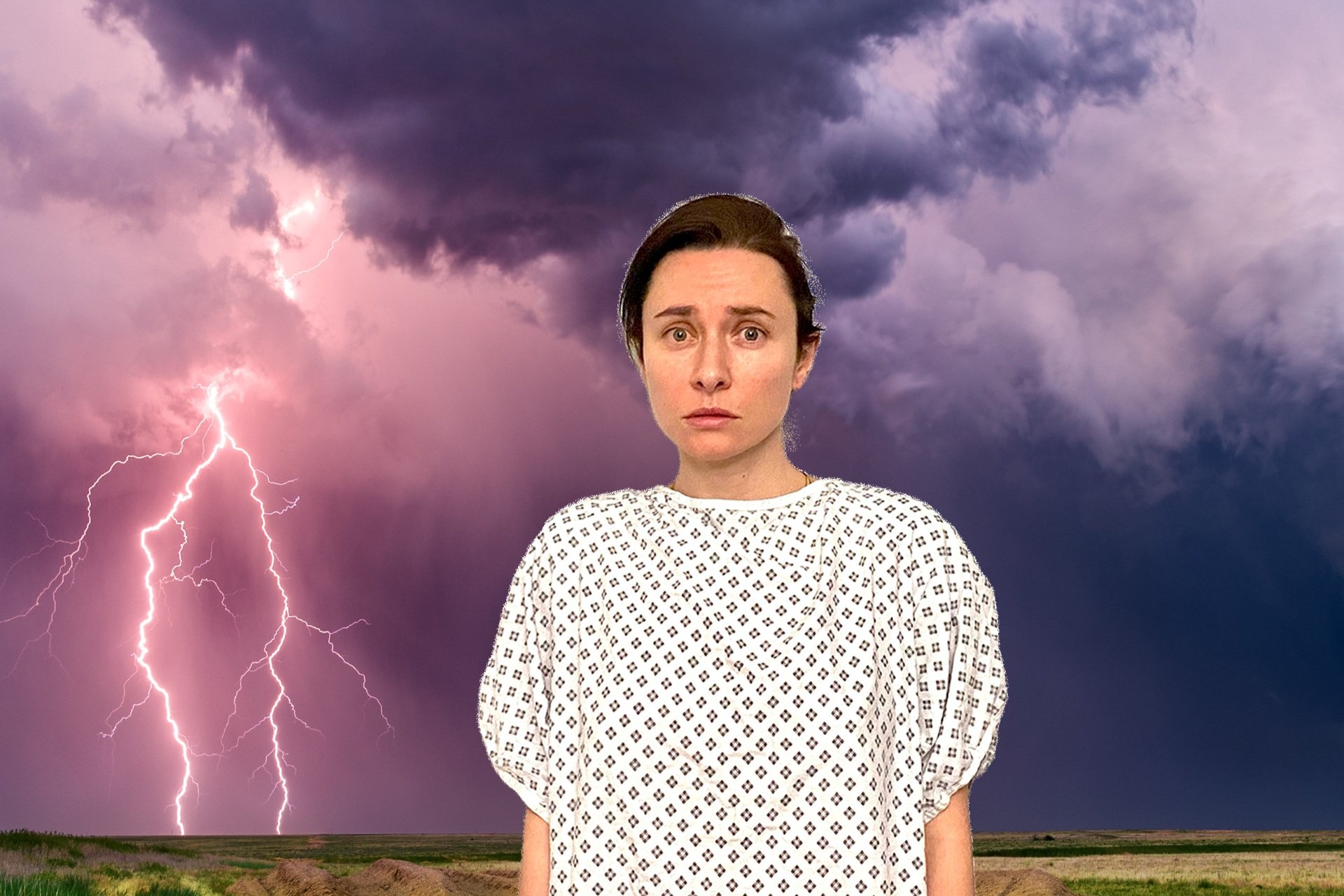
Harriet Madeley’s debut solo show is all about that most popular of subjects… death. I know. Hard sell, right? But when entertainment journalist Olive is searching for the right subject matter for her next big project – you know, the one that will lift her career out of the doldrums and win her the Pulitzer Prize – she keeps returning to that theme. 

But of course, she soon discovers that, although everyone dies, few people are ready to talk about it until the event is imminent. So Olive hits on the idea of booking herself in for a hospital health-check, solely so she can sneak into the palliative care ward and chat to some of the patients. For some inexplicable reason, this doesn’t go down well with the staff. 

Then the results of Olive’s tests come back and, for the first time in her life, she finds herself a lot closer to death than she could ever have anticipated. To say that it puts a different spin on things would be something of an understatement…

Outpatient is a clever, darkly humorous tale, which – it turns out – is based on Madeley’s real life. She relates much of the narrative while pounding along on a running machine or bouncing around on an exercise ball. She explains how the experience makes her reassess everything in her life, leads her (inadvertently) into breaking the law and prompts her to form a new friendship with Evelyn, a woman with a fatal illness. 

If on paper it all sounds a bit grim, don’t be misled. Olive’s narrative is wryly funny, peppered with astute observations about everyday existence and the irony of her unfortunate experience boosting her own chances of literary success. Rather than being a downer, it’s ultimately life-affirming. Madeley’s performance is a delight and the standing ovation she receives at the play’s conclusion is proof that I’m not the only person in the audience with that view.

So live dangerously and go see this play about death. You’ll love it!

4.4 stars

Philip Caveney
Through the Mud

11/08/24

Summerhall (Main Hall), Edinburgh

Plus ça change, plus c’est la même chose

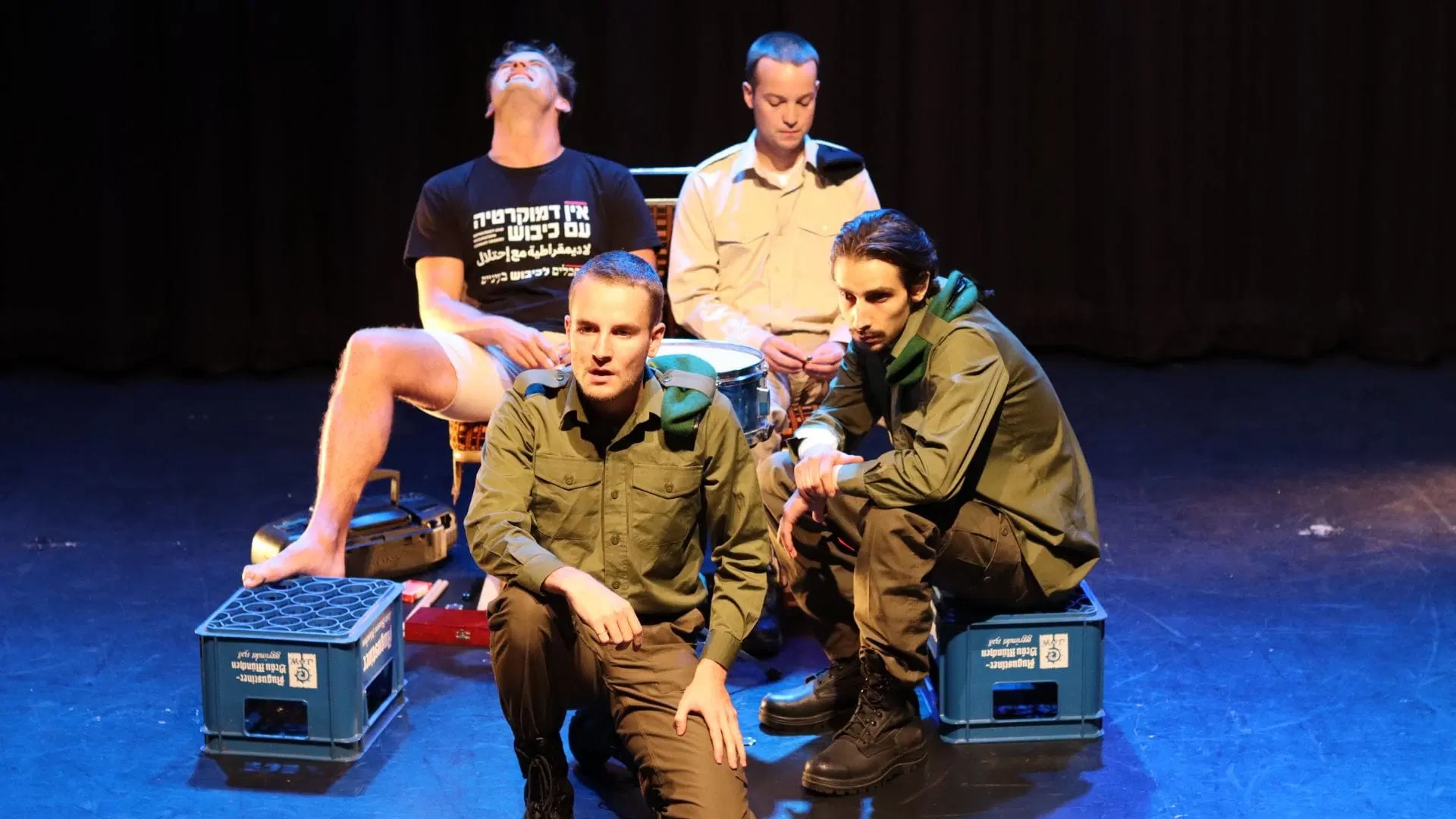
Apphia Campbell’s Through the Mud is a chilling reminder of how little has changed over the years when it comes to Black liberation in America. Campbell plays Assata Shakur, the 1970s civil rights activist, who – convicted of murder – escaped from jail and has been living in exile in Cuba ever since. In a parallel storyline, forty years later, college student Ambrosia Rollins (Tinashe Warikandwa) finds herself caught up in the beginnings of the Black Lives Matter movement.

This is a powerful piece of theatre, as much a call to arms as anything else, and it feels especially apposite as racist riots are breaking out just over the border in England. Of course, Through the Mud pertains specifically to American politics, but bigotry and prejudice aren’t confined to one continent and we have just as much blood on our hands.

Co-produced by Stellar Quines and Edinburgh’s Royal Lyceum Theatre, the production values are as high as you’d expect, and director Caitlin Skinner deftly leads us through the intertwining timelines, allowing the women’s individual stories space to breathe as well as highlighting the connections. The characters contrast and complement one another perfectly: Campbell imbues Assata with a fierce dignity and a fighter’s strength, while Warikandwa’s Ambrosia is altogether sweeter and more naïve – until her first weeks of college coincide with the fatal shooting of Michael Brown by a white police officer, and she can no longer cling to the fair-world fantasy that her parents built for her. 

The sense of outrage at the heart of the play is brought to life by the music, where spirituals and gospel songs give voice to the protest. The women’s vocals are impressive: Campbell deep and powerfully resonant, while Warikandwa’s more plaintive tones offer an enchanting counterpoint. When the two harmonise, the effect is positively thrilling.

In the face of all the awful evidence, it’s to Campbell’s credit that Through the Mud feels somehow hopeful rather than dispiriting. The women’s indefatigable spirits spur us into thinking we ought to act too. 

Not enough has changed – but the fight goes on.

4.5 stars

Susan Singfield

Werewolf

09/08/24

Summerhall (Former Women’s Locker Room), Edinburgh

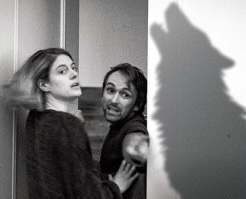
I’m a drama teacher by day (emerging as a theatre critic under a full moon) so I am au fait with the game Werewolf – the teenagers I work with are obsessed with it. For those less familiar with the concept, it’s a role-playing exercise set in a remote village, where the titular lupines feast on one unfortunate inhabitant each night. Every morning, the villagers (who include a doctor, a detective, a chief and – randomly – a Cupid) meet to try to work out who among them is a killer. Think The Traitors or Among Us, depending on your demographic. It’s a little bit like that.

New Zealand’s Binge Culture theatre company brings a heightened version of the game to this year’s Fringe, with extra layers of drama and complexity, and the immersive experience is a lot of fun. Before we’re ushered into Summerhall’s Former Women’s Locker Room, we’re told that we will each find a card on our seats. We should read them and follow the instructions without revealing their contents to anyone else. 

Once we’re seated, three wardens (Joel Baxendale, Hannah Kelly and Stella Reid) inform us that we’re in a containment bunker, and that we need to stay here for seven days to avoid – whisper it – “the contagion.” Post-Covid, this doesn’t actually feel like such a stretch, but things soon start to go awry. Obviously, I can’t give too much away because the element of surprise is key to this production. Suffice to say, the tension steadily mounts…

I love it. The wardens do an excellent job of inhabiting their characters at the same time as managing the narrative, expertly drawing what they need from the participants. The sound design (by Oliver Devlin) is crucial to the piece, creating an unsettling atmosphere and perfectly enhancing the horror elements. Everyone in the room appears committed to the game; we’re all determined to uncover the danger in our midst.

I highly recommend this piece, especially to families with teenagers in tow. If you want something entertaining and immersive, then Werewolf is surely what you’re looking for. It”s an absolute howl.

4.5 stars

Susan Singfield

I’m Almost There

09/08/24

Summerhall (Main Hall), Edinburgh

Todd Almond hails from New York City and I’m Almost There, a song cycle inspired by The Odyssey, begins with him sitting at the piano, his fingers pumping out an urgent and propulsive rhythm – and then his plaintive voice soars over the music as the tale begins.

A friend phones to invite the storyteller to a party in trendy Tribeca, and at first he’s reluctant to venture out from the sanctuary of his apartment block, but his friend is very persistent and eventually he agrees to go. Amongst the ranks of strangers, his friend is nowhere to be found, but the storyteller’s gaze meets the eyes of a man and, almost before he knows it, the two of them have left the party together and are walking through the streets of the city. Eventually they part ways, but the next morning, the storyteller hears his doorbell ring. The stranger is waiting for him below with two cups of coffee and all he needs to do is go downstairs and let him in. But so many things get in the way.

There’s the weird upstairs neighbour who is looking for her lost cat; the odd but sexually-attractive guy across the hall who keeps telling the storyteller that he hates him. And don’t even mention what’s waiting for him down in the basement….

Accompanied by Erin Hill’s distinctive harp and Lucas Macrosson’s slinky bass guitar, Almond weaves an intriguing and compelling tale of urban mystery. It’s a distinctive approach to storytelling and its premise puts me in mind, for some reason, of the short stories of Armistead Maupin, which are themselves so inspired by the author’s adopted city. I’m also thinking of the Australian performer Wil Greenway, who used to be a regular fixture at the Fringe, who is also adept at weaving whimsical tales of everyday existence.

And perhaps too the weird sequence of events is reminiscent of the ways in which authors, chasing that new narrative, find themselves continually distracted by other ideas bubbling to the surface at inopportune moments.

There’s a packed crowd in the Main Hall at Summerhall, hanging on to Almond’s every word and, when the last chord dies away, the applause is heartfelt and appreciative. Those who have yet to experience the talents of this distinctive musical storyteller should grab tickets before they sell out.

4.2 Stars

Philip Caveney

Playfight

08/08/24

Roundabout at Summerhall, Edinburgh

At first, Julia Grogan’s Playfight seems like a pretty straightforward coming-of-age story. The three protagonists, Keira (Sophie Cox), Zainab (Nina Cassells) and Lucy (Lucy Mangan), are fifteen years old, fizzing with adolescent energy and trading wide-eyed misinformation about sex. The characters are nicely delineated and the dialogue is lively and witty. Keira is the bold one, the most sexually aware, proud that she’s lost her virginity before starting sixth form. Lucy is struggling to reconcile her Christianity with her longing for an orgasm, while Zainab is worried about coming out as lesbian. She’s not scared about her friends rejecting her, but she is nervous about revealing exactly who it is she has feelings for. So far, so ground-well-trod.

But there are darker elements at play in Grogan’s script, and – under Emma Callander’s direction – these are gradually revealed. The insouciance with which the girls share news of their sexual exploits and fantasies belies the enormity of some of what they’re saying, the banal and the shocking met with the same innocent acceptance. “It was great,” says Keira about having sex for the first time. “Except for the awkward bit, where he asked to hit me in the face.” My heart aches for these youngsters, whose yearning makes them so vulnerable.

This is nuanced stuff. A movement sequence (choreographed by Aline David) marking the end of their school years recalls The Crucible, as the trio remove their clothes and dance in the woods. Like Abigail Williams and her friends, they are never just victims; they’re also active participants in their own (and others’) destruction. Keira’s lover, Dan, might be eighteen, but he’s as defenceless as she is; Lucy’s masochism is signalled from the start, but does she know enough to give informed consent? If there’s a message here – and I think there is – it’s that we’re failing our young people when it comes to sex education. It’s 2024, but they’re still learning from rumour and porn. Where are the open, frank discussions with well-informed, non-judgmental adults?

Playfight feels authentic. The girls’ home lives exist just out of sight, rarely discussed. What is there to say? They already know each others’ circumstances; of course they’re keener to talk about masturbation – or GCSE results. Still, we glean snippets of information, enough to contextualise their actions. Cox, Cassells and Mangan utterly convince in their portrayal of the kind of all-consuming friendship that means so much when we are young – but often fails to survive into adulthood.

Hazel Low’s simple set design works well: a bright pink ladder surrounded by wood chippings represents the girls’ favourite tree. I like the stylised image, and the connotation of ascension.

Playfight has real emotional heft – and is yet another winner from Roundabout at Summerhall.

4.8 stars

Susan Singfield