Shakespeare

Lady Macbeth Played Wing Defence

09/08/25

Assembly George Square (Studio One), Edinburgh

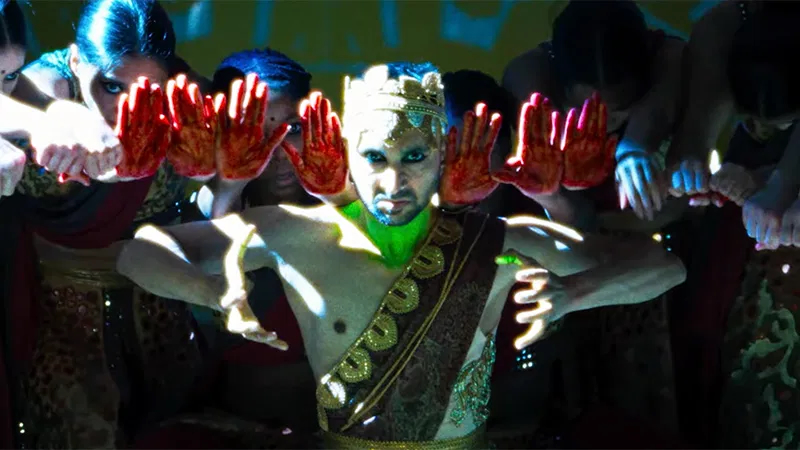
The music’s pumping, the lights are flashing and the Dunsinane Hellhounds are warming up on the netball court. There’s no mistaking what kind of show this is going to be: high-octane, in-yer-face, Barbie-pink and lots of fun.

It’s Macbeth, but not as you know it: Macbeth without the monarchs, without the murder – without the men. Macbeth in an Aussie high school, where captaincy of the Year 12 netball team represents the seat of power, and where the Dagger Divas’ prophecies are streamed from Spotify.

“Mac” Beth (Orla Jean Poole) – wing defence – has always dreamed of leading the team. But Coach Duncan (Courtney McManus, who also wrote the book) has other ideas, and promotes Chloe Macduff (Shannon Rogers) instead. Mac is furious. Her best friend, Summer Banquo (Kate Sisley), tries to placate her, but Mac is too fired up to listen. She’ll do whatever it takes to ensure she gains the throne…

Crash Theatre Company’s Perth production pivots onto the Edinburgh scene via the House of Oz. Composer/director Bec Price’s electro-pop score is vibrant and lively, while the lyrics (co-written by McManus, Price and Ana Ferreira Manhoso) are a playful blend of Shakespearean verse and modern vernacular, with the bard’s most famous quotations all present and correct. The choreography (courtesy of Rogers) is suitably vigorous, while the bold costuming cleverly distinguishes the characters – no mean feat when they’re in matching uniforms.

This is a true ensemble piece, and I love the performers’ energy and vim. However, I do think there’s scope for the story to venture into darker territory, for Mac to engage in more nefarious deeds, as LMPWD stops a long way short of its progenitor’s “direst cruelty”. I’d also prefer a less saccharine ending, more akin to the original…

Nonetheless, there’s no denying the dynamic effect of this production: there’s a discernible buzz in the auditorium and plenty of people singing the catchy ‘Thunder, Lightning, Rain‘ on their way out (displaying the lyrics on the backdrop, karaoke-style, is an inspired idea). I find myself playing the score while I’m making dinner, and I’ve no doubt Lady Macbeth Played Wing Defence will prove especially popular with teens.

All hail, “Mac” Beth, that shalt be a blockbuster hereafter.

4 stars

Susan Singfield

Lost Lear

08/08/25

Traverse Theatre, Edinburgh

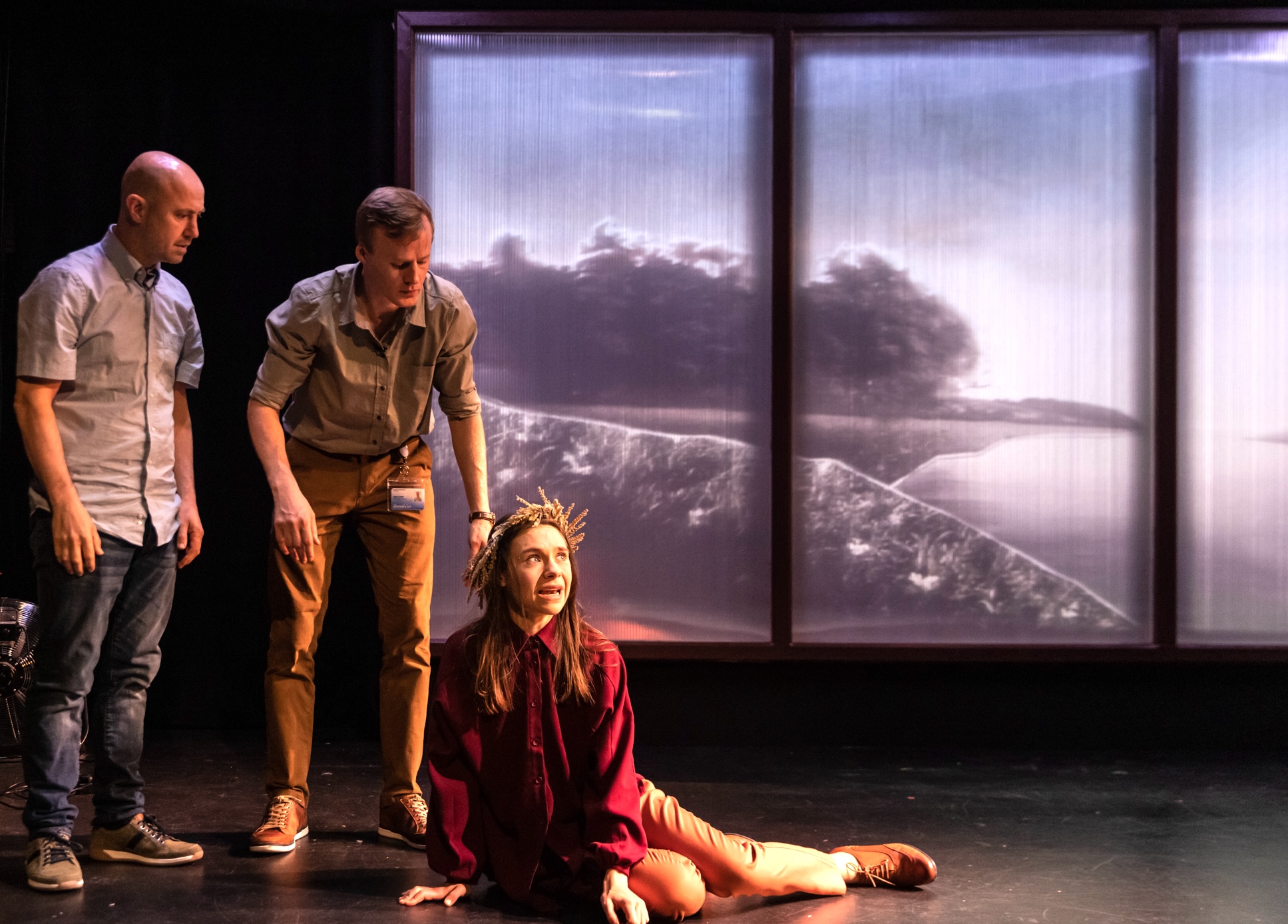
King Lear is my favourite Shakespeare play and, fittingly, Lost Lear is my favourite 2025 Fringe production (so far). Dan Colley’s interpretation of the tragedy sees a retired actor, Joy (Venetia Bowe), who is struggling with dementia, reliving her role as the eponymous monarch. The care home staff accede to Joy’s version of reality, willingly reading in for Goneril, Regan, Cordelia and the fool. It’s kinder than confronting her with the bleak, unhappy truth, says Liam (Manus Halligan) to Joy’s estranged son.

But Conor (Gus McDonagh) takes a little more convincing. He’s uncomfortable playing Cordelia. He doesn’t want to understand the play; he wants answers from the mother who gave him up at birth. Sadly, Joy is largely unreachable, and it’s only through the bard that the pair can connect.

Colley’s beautifully-conceived script intertwines excerpts from Lear with moments in the here and now, gently but relentlessly uncovering the horrors of cognitive decline. There is a stillness at the centre of the piece, belying the chaos of the “cataracts and hurricanoes” as Joy/Lear rages at a world s/he no longer understands. But there is layer upon layer here: this is as much an exploration of stagecraft, poetry and the nature of performance as it is of ageing, care work and the complexities of love. It’s not just a play to watch, it’s one to study too – and I make sure to buy the script as I leave the theatre, so that I can delve into it again after I’ve had some time to think.

Bowe is utterly compelling in the lead role: an imperious, querulous woman, quite difficult to like. But Liam and the other staff (Clodagh O’Farrell and Em Ormonde) treat her with such quiet respect that we take our cue from them, affording her the sympathy that everyone in her position needs. Halligan and McDonagh perform with absolute precision too, but theirs are very much supporting roles, the moons to Joy’s planet.

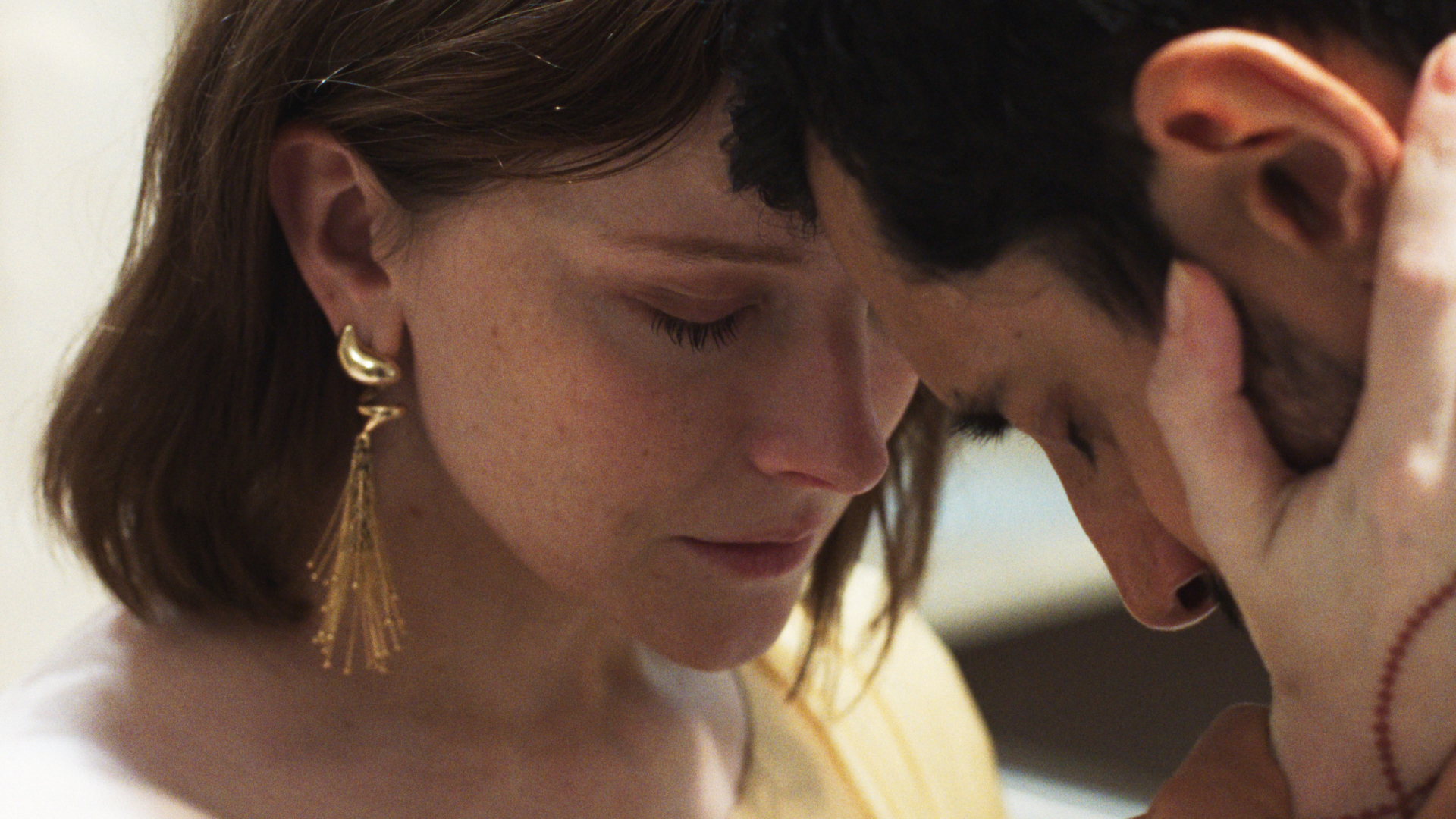
The set design (Andrew Clancy) and tech (Ross Ryder, Suzie Cummins, Kevin Gleeson) are integral to Lost Lear: cameras are used for extreme facial close-ups and there are microscopic projections too, creating the backdrops. I have rarely seen puppetry so well done as it is here, and never with such relevance. The tragedy is both miniaturised and magnified, viewed from inside and out.

As the metaphorical curtain falls, I turn to Philip and find him silently sobbing, his shoulders heaving, tears falling down his face, caught up in memories of his own mother’s battle with Alzheimer’s. Lost Lear feels worthy of its progenitor: a clever, multi-faceted drama; a treatise on the nature of life and death.

5 stars

Susan Singfield

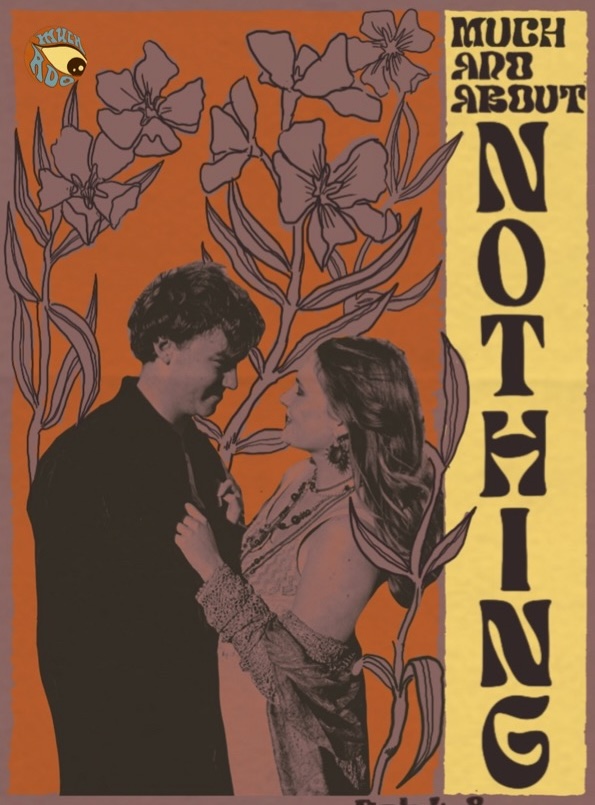
Much Ado About Nothing

06/02/25

Pleasance Theatre, Edinburgh

Let’s face it, judged by plot alone, Much Ado About Nothing is a bit, well… silly. Like most of Shakespeare’s comedies, the humour relies on disguise, misunderstandings and a fickle approach to romance. As an audience, we really have to suspend our disbelief. Would sworn enemies such as Benedick and Beatrice (Benedict Harrison and Verity Mann) really have an immediate change of heart thanks to some very unsubtly orchestrated eavesdropping? Both of them? It seems unlikely. Would a respected celebrant (Dylan Kaeuper) really suggest that a jilted bride should fake her death, or her father embrace the idea – agreeing that “death is the fairest cover for her shame”? Hmm. And would the groom – a mere twenty-four hours later – agree to marry his dead fiancé’s looky-likey cousin without ever setting eyes on her? I mean, that’s a no, right? Meanwhile, we’re also supposed to accept that no one in Leonato (Faolán Ingram)’s household suspects the decidedly dodgy – almost moustache-twirling – Don John (Cameron Broadly) of being a villain, despite the many outward clues. But still. It is what it is, and there’s a lot of fun to be had along the way.

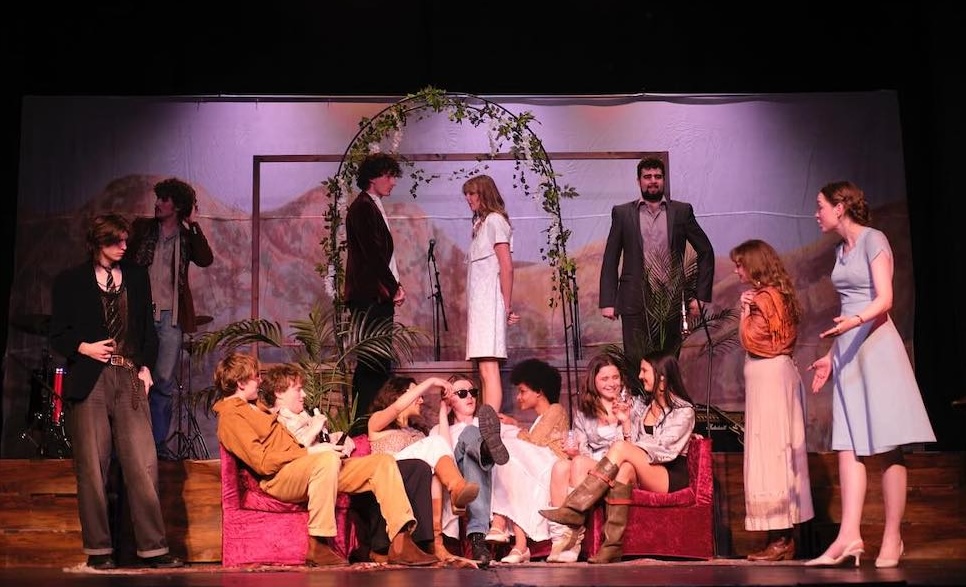
EUSC’s production of this sprawling play is sprightly and engaging. The directors (Madeleine Brown, Marina Funcasta and Anna Simurda) have chosen to emphasise the humour, eliciting larger-than-life performances from their actors rather than aiming for anything subtle – and I think this is a wise move. The action has been moved from Italy to California, from the 16th century to the 1970s but, while the period is clearly-evoked, I’m less certain about the place. There’s certainly a laid-back Summer of Love vibe, but most of the music is British (Bowie, Bolan, The Sweet, The Police) and the majority of characters speak with English accents, so it all feels a bit more Camden Town than Haight-Ashbury.

Leonato’s estate is Party Central as he and his wife, Antonia (Maria Wollgast), play host to the local socialites. What better way to make a match for their beloved daughter, Hero (Francesca Carter)? The dope is plentiful, the drinks are flowing – and love is in the air. Claudio (Rider Hartley) fancies his chances with Hero, and she’s rather keen on him as well. But “the course of true love never did run smooth” (yes, I know – wrong play), and what could go wrong with Don Pedro (Eric Parker)’s complicated plan to woo the girl on his friend’s behalf? Throw in some meddling servants, a fabulously drunken henchman (Fraser Murray), a local constable (Robbie Morris) and a veritable army of liggers – and the scene is set for some merry mayhem.

It’s a great idea to have a live band on stage, although I can’t help feeling they’re under-utilised. Still, the young cast are clearly having a ball, dressed up to the nines in flares and sequins (floppy hats off to costume designers Paloma Leigh-Stevenson, Alex Dunlop and Bea Fitz), their delivery as bold and brash as the script demands. Not everyone has a lot to do, but they all make the most of what there is, and there are some lovely moments of background detail, such as Margaret (Mia Dé)’s horrified realisation that her tryst with Borachio is being used to frame Hero. Harrison (Benedick) and Carter (Hero) are the standouts for me, but all of the actors and musicians perform with gusto, and I am thoroughly entertained.

There are just two more chances to catch this groovy rendition of Much Ado, so why not head on down to the Pleasance and hang loose with the hippies? Be sure to wear some flowers in your hair…

3.4 stars

Susan Singfield
Macbeth

05/02/25

Cineworld, Edinburgh

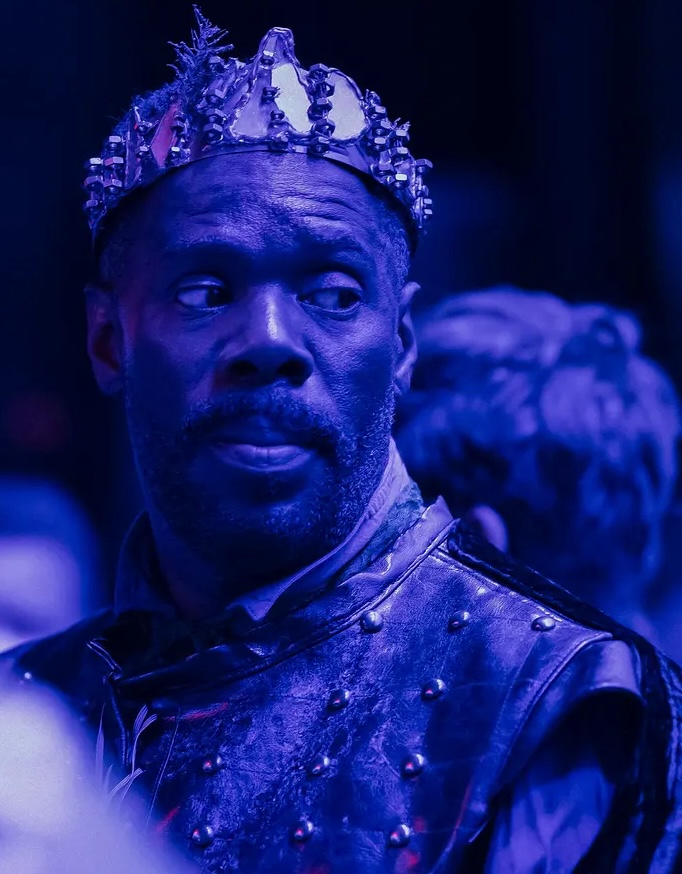
Macbeth is a ubiquitous play. Searching back through the B&B archive, I’m not entirely surprised to find that this is the ninth time we’ve reviewed a version of Shakespeare’s celebrated tragedy and I note too that there are three other related items that reference that infamous surname in the title. It’s easy to understand why it’s such a perennial. One of the bard’s most propulsive stories, it’s a lean, mean tale of aspiration and the overriding lust for power, which – in these troubled times – seems all too relevant. This Olivier-award winning adaptation, filmed live at London’s Donmar Warehouse, features David Tennant in the title role with Cush Jumbo as the manipulative Lady M. The screening we attend is sold out.

It’s a stripped-back production, freed from any issues with costuming or elaborate set design. The actors wear simple, monochrome outfits and the performance space is a stark white rectangular dais. It’s set in front of a transparent screened box, behind which other members of the cast occasionally gather, like a chorus of half-glimpsed ghosts, to comment on the action. Prominent among them is a young boy, who at one point hammers his fist repeatedly against the screen and also reappears in the midst of the final battle. His presence serves to remind me that the Macbeths have earlier lost a child – and that perhaps it is this loss that’s the driving force behind their callous bid to seize the throne and betray their former friends.

Tennant is extraordinary, speaking those familiar lines (often direct to camera, as though sharing confidential material) with such utter authority that I almost feel I’m hearing them for the first time. Jumbo is also compelling. She’s the only one here without a Scottish accent, which seems to emphasise her solitude and her distance from the other characters. Cal McCaninch is a stately Banquo, Nouff Ousellam smoulders powerfully as Macduff and it’s a delight to hear Benny Young’s cultured drawl delivering Duncan’s self-satisfied lines as he arrives at the castle where he is destined to die.

Ros Watt is a delightfully punky Malcolm and Jatinga Singh Randawa offers a rambunctious turn as the Porter. In the only scene that takes a wild swing away from what’s actually written on the page, the latter chats to members of the audience and displays all the symptoms of a man suffering from a raging hangover. It’s a gamble but it pays off. And the witches? In what might be the production’s bravest move, they are barely glimpsed in the first act, only heard in giggling off-stage asides as they arrive and depart with a flap of supernatural wings.

Gareth Fry’s sound design adds extra layers of suspense to the production (I note that the audience at the live performance all wear headphones for a truly immersive experience), while Alistair McCrae’s music offers jaunty reels, Celtic airs and, at one point, a spirited highland fling as a brief respite from that all-pervading air of menace. Director Max Webster brings all these disparate elements together to create a powerful and absorbing drama that dares to experiment with the source material. And, at the conclusion, designer Roanna Vize really does – magically – bring Birnam Wood to Dunsinane. 

The final confrontation doesn’t leave me wanting and the face-off between Macbeth and Macduff is unlike any version I’ve seen before. Of course, the only valid reason for doing this immortal story one more time is to offer audiences something new – an aim that this extraordinary production has clearly taken to its dark heart.

5 stars

Philip Caveney

Sing Sing

31/08/24

The Cameo, Edinburgh

It’s National Cinema Day and picture houses across the country are offering tickets for a mere £4. The Cameo is packed to the rafters. Does this mean that cinemas could sell out regularly if they lowered their prices, or is the mass turnout down to the sense of a special occasion?

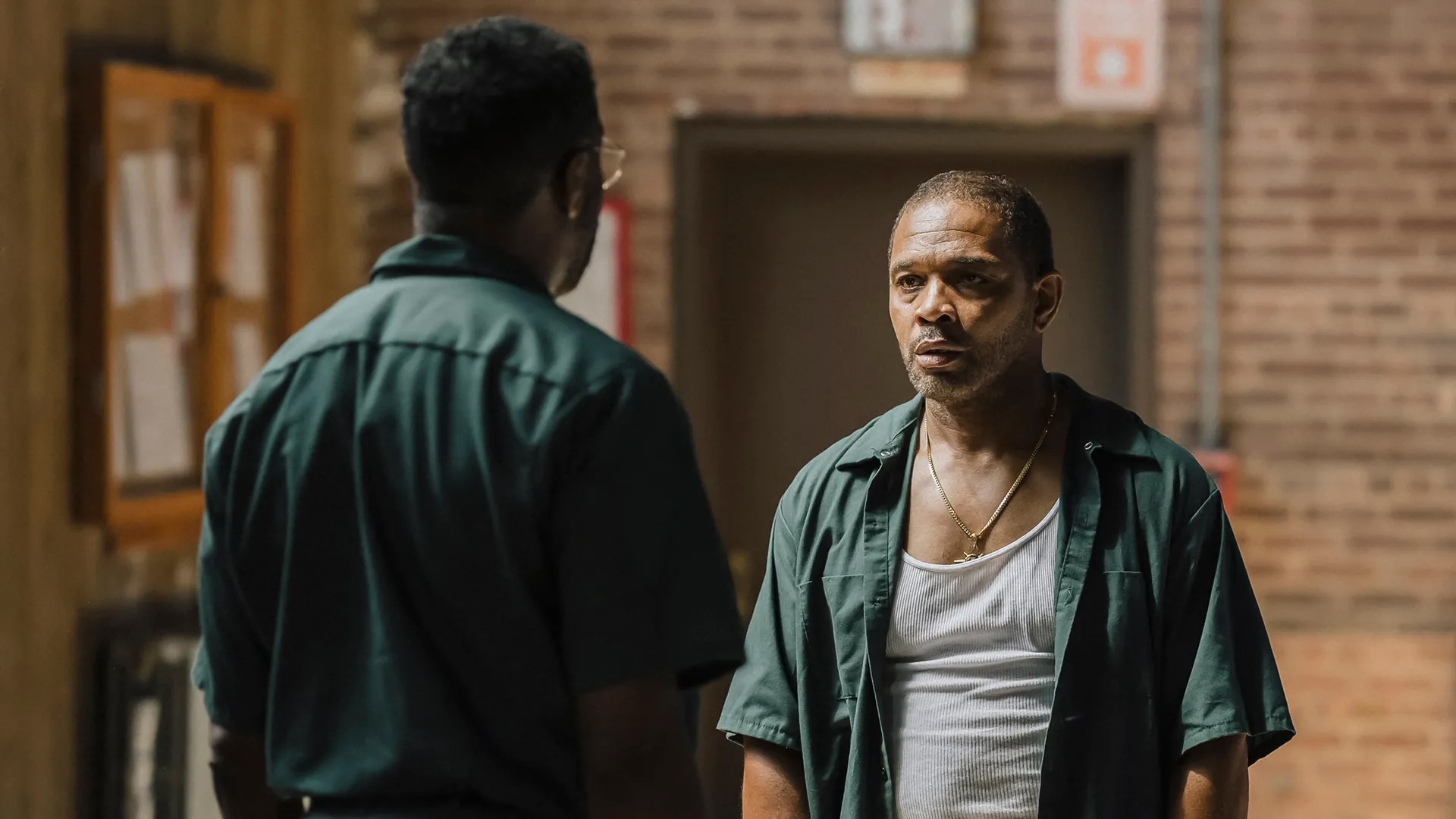
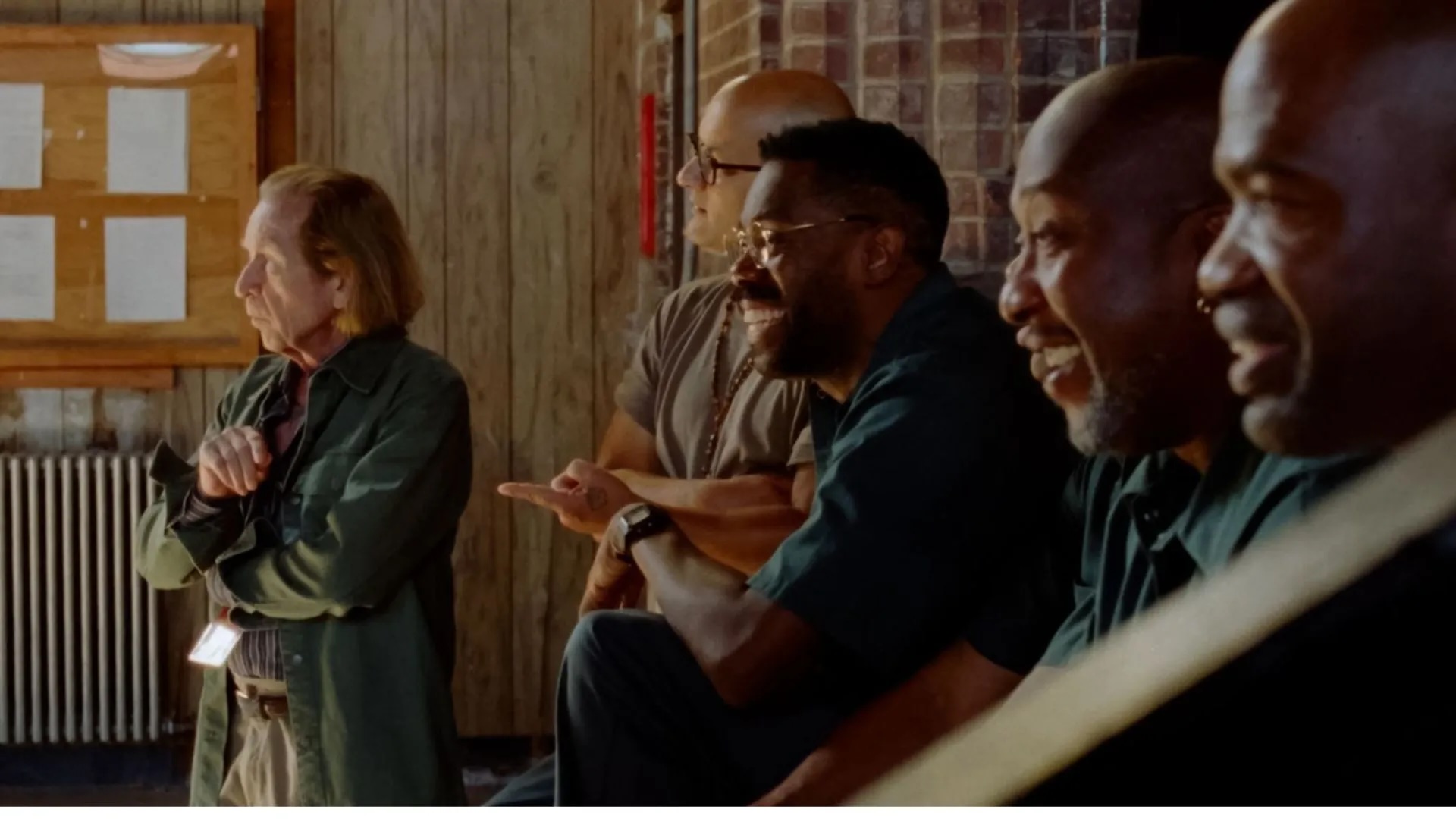
The programming is important too, of course. Sing Sing deserves to draw the crowds, even at full price. It’s a weighty, life-affirming piece of work, humanising the inmates of the titular maximum security prison. It’s also a timely reminder of why the arts are so important.

Based on John H. Richardson’s book, The Sing Sing Follies, Greg Kwedar’s movie is all about the RTA programme (Rehabilitation Through the Arts), which provides customised curricula of theatre, dance, music, etc. in prisons across the USA. Each jail has its own steering committee of prisoners, and external facilitators to help them explore their ideas. The benefits to both inmates and wider society are clear: by offering troubled people hope, allowing them the chance to explore their feelings and develop skills, to improve their self-esteem, the severity of infractions within prisons is reduced – and so is recidivism. The urge to punish, to make correctional facilities as unpleasant as possible, is perhaps understandable but it’s self-defeating. If we want a better world for everyone, we have to accept the evidence and give incarcerated people as many opportunities as possible to improve their circumstances.

Colman Domingo makes a thoughtful, impressive John “Divine G” Whitfield, a central member of Sing Sing’s RTA group. Divine G – who has a cameo appearance – writes plays as well as performing in them, and also works tirelessly to support other inmates with their appeals. Apart from Paul Raci as volunteer drama leader Brent Buell, the rest of the cast comprises ex-prisoners playing themselves. Co-lead Clarence “Divine Eye” Maclin is especially affecting: his transformative journey from bullish gang member to esteemed performer might be predictable but it’s absolutely compelling.

We shouldn’t need reminding that theatre matters: we’ve known it forever. Thomas Keneally’s The Playmaker and Timberlake Wertenbaker’s Our Country’s Good both immortalise the real-life production of The Recruiting Officer performed by convicts deported to Australia in 1789. Margaret Atwood’s fictional account, Hag-Seed, doesn’t just illuminate The Tempest for a contemporary audience, it also advocates for arts in jail. Bertolt Brecht’s Lehrstücke (1920s and 30s) were created precisely to focus on the process of creating drama and the impact it has on actors. Here, in Clint Bentley’s gentle, often funny screenplay, we see again exactly how life-changing theatre can be.

Kwedar wisely steers clear of the violence we are accustomed to in prison movies: the menace is there, but it’s in the wings. Instead, we get to see the men at their best, when they’re engaged in something they really care about. As Sean “Dino” Johnson points out, “We get to be human in this room.”

And human they are. As a teacher of creative drama (albeit with children, not criminals), I’m not at all fazed by Buell’s bonkers-sounding playscript, Breakin’ the Mummy’s Code, which incorporates everyone’s ideas, including time travel, Freddy Krueger, ancient Egypt and, um, a couple of Hamlet’s soliloquies. That sounds just fine to me! It’s heart-warming to see how much it matters to the men, how seriously they take the acting exercises and the director’s notes, how much fun they have when they’re finally on stage.

Sing Sing is an important film, but it’s a highly entertaining one too. Beautifully crafted, with cinematography by Pat Scola, you’re guaranteed to leave the cinema with a smile on your face and a sense of hope for the future.

4.7 stars

Susan Singfield
Rebels and Patriots

05/08/24

Pleasance Courtyard (Upstairs), Edinburgh

“The villainy you teach me, I will execute, and it shall go hard…”

This Israeli-Palestinian-British co-creation, written by Nadav Burstein and co-produced by Floating Shed and Flabbergast, provides a timely discourse on the devastating nature of war, where ordinary people of all stripes are sacrificed to serve the interests of a powerful few.

The play opens with Wonder Woman and Albert Einstein drinking vodka with two friends, as the teenage protagonists prepare for a fancy dress party. This serves to underscore the quartet’s youth, engaging our sympathy as we realise that three of them have been conscripted into the Israeli Defence Forces. The fourth (Harvey Schorah) has an exemption, courtesy of Crohn’s disease.

Burstein’s efficient deployment of the small cast is impressive: through their stories, we see multiple perspectives on the Israeli-Palestinian conflict. There’s the combat pilot (Tom Dalrymple), who’s scared to kill, but believes Israel has no choice but to fight its enemies: “If you wrong us, shall we not revenge?” Then there’s Osher (Tarik Badwan), half-Palestinian and in active service. His name means happiness but he feels torn apart, traumatised by what he’s forced to do. Burstein’s character, meanwhile, is trying every trick in the book to avoid serving in a war he thinks is wrong, even turning to self-harm. It’s all very well for Schorah’s character to go on protest marches and tell his friends that they should rebel: everything he says is right, but they’re in the thick of it, and they’re terrified.

I’m impressed by the openness with which this young company approach this thorniest of topics, gently urging us to interrogate everything we think we know. Shylock’s most famous speech is paraphrased and repeated, refrain-like: “Hath not a Jew…? Hath not an Arab…? If you prick us, do we not bleed?”

Schorah’s character works well as a mirror for the audience. He’s on the outside, like us, making judgements from the comfort of our living rooms. Don’t be misled: the play makes no excuse for genocide. But it does remind us that, when we’re placing blame, we need to focus on the powerful, not the powerless.

Theatrically – as one might expect from Flabbergast – the piece has a fragmented structure, spotlighting first one character and then another. Loosely stitched with a sprinkling of history and Shakespeare, it all adds up to something very thoughtful, and the cast are keen to hear what audience members think. If only the world’s political leaders were as committed to constructive dialogue.

4.5 stars

Susan Singfield

Ophelia Is Also Dead

21/08/19

theSpace at Niddry Street, Edinburgh

Ophelia is also Dead is – as you might infer from the title – Ophelia’s story, given more weight than Shakespeare ever intended. Here, the sketchy image of the deranged drowned girl is developed into a fully-rounded character, with a disctinctive voice.

The script, by Aliya Gilmore, is insightful and inventive, almost a forensic study of Hamlet and Ophelia’s function within it. Dripping with water in a ravaged wedding dress, Ophelia tells us who she really is.

Fionna Monk’s performance is impressive: all anger and anguish, determined to be seen. I like the meta-theatricality, particularly the notion that she is all Ophelias in all productions, facing a never-ending raft of badly-interpreted Hamlets.  She has been Ophelia for four-hundred years; she’s seen herself portayed in many ways.

However, for all its quirky originality, this Durham University play somehow feels a bit too essay-ish, like a student trying to demonstrate everything they know about Shakespeare. And I really think it needs to be a monologue; the rest of the cast are under-used, serving only as a distraction, interrupting Ophelia’s flow. The intensity of Monk’s interpretation is undermined by these pointless cameos.

Still, this offers a new and interesting perspective on a criminally overlooked character.

3 stars

Susan Singfield


The Herbal Bed

English Touring Theatre

The Lowry, Salford

30/03/16

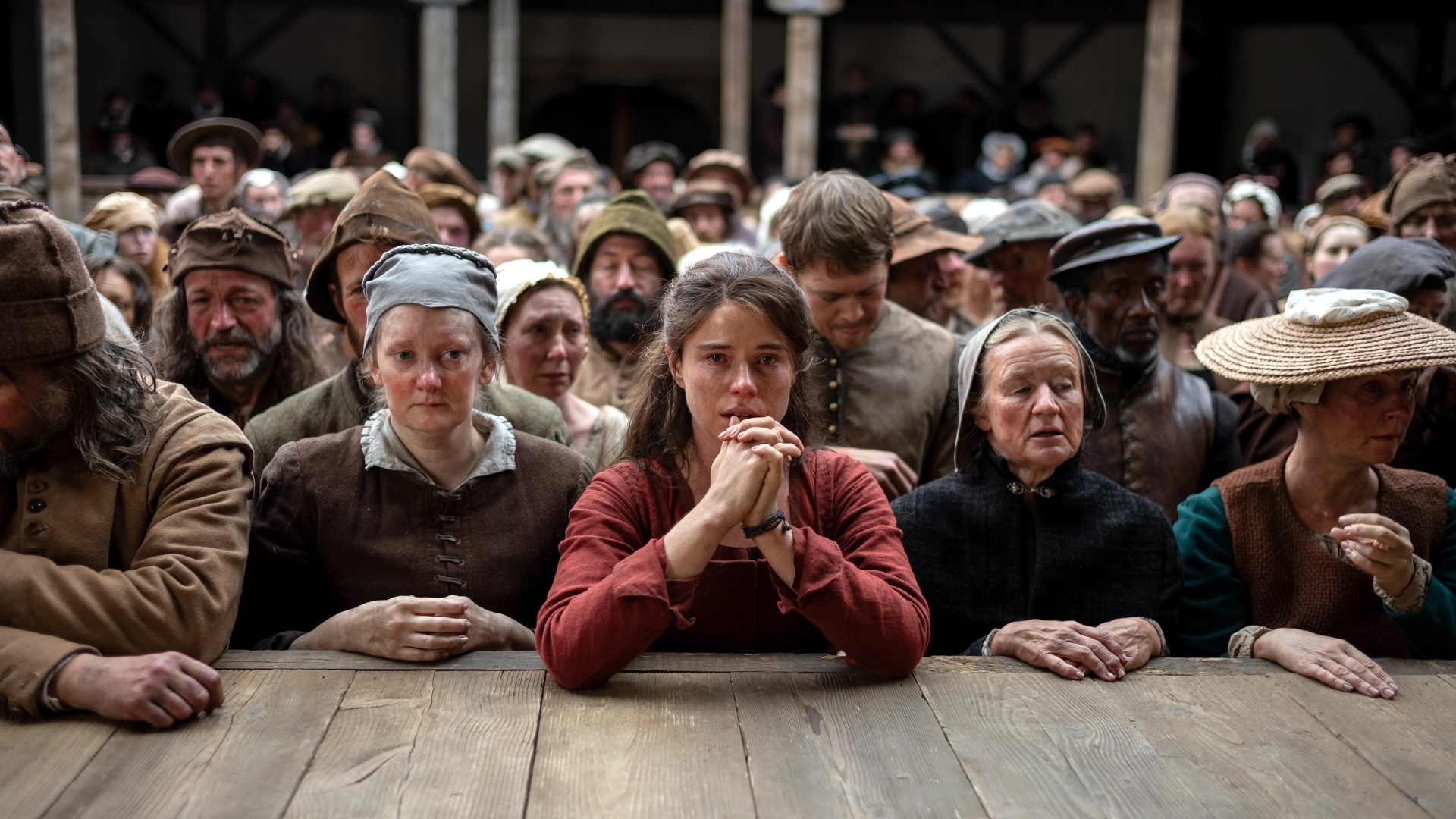
The Herbal Bed: The Secret Life of Shakespeare’s Daughter takes the sparse historical details of a suit for slander and weaves them into an engaging tale. The facts are few: Susanna Hall (Shakespeare’s oldest daughter) was accused, in 1613, of having an affair with a local man, Rafe Smith. The accuser, Jack Lane, was convicted of slander, and excommunicated for his crime.

Playwright Peter Whelan extrapolates a convincing narrative from these scant details; indeed, in this version of events, Lane is telling the truth: Susanna and Rafe have indeed been intimate. But, with help from her reluctant maid, Susanna takes the moral high ground, and Lane is exposed as a spiteful liar.

It’s an interesting play, with strong performances. Michael Mears, as Vicar-General Goche, is a real delight: a perfect incarnation of lugubrious self-righteousness, revelling in the sordid details of the sin he so abhors. Matt Whitchurch, as the hapless Lane, is also very good: a brash, emphatic performance, yes, but also a convincing one, and a welcome relief in what is overall a very measured piece.

If there’s a problem with this production, it’s in the measured tone. There’s no peril here, no real tension. We know the outcome of the case; we know Susanna’s reputation – and her marriage – survive the accusations sent her way. And nobody gets carried away by emotion: apart from one brief moment of passion, Rafe and Susanna behave with sober propriety; Susanna’s husband, John Hall (Jonathan Guy Lewis) remains calm throughout. The affair, such as it is, doesn’t really seem to matter; no one’s heart is broken; no one really cares.

In the programme, director James Dacre says that Whelan “never imposes an unrealistic crisis for the sake of good drama.” And, of course, no one wants to see an unrealistic crisis in a serious play like this. But what would be wrong with a realistic crisis? It’s a fictionalised account; the possibilities are limitless. And a little excitement would go a long way.

Despite this niggle, I enjoyed The Herbal Bed. It’s intelligently conceived, and well delivered – certainly one to watch.

4 stars

Susan Singfield