One Million Years BC

Belfast

21/01/22

Cineworld, Edinburgh

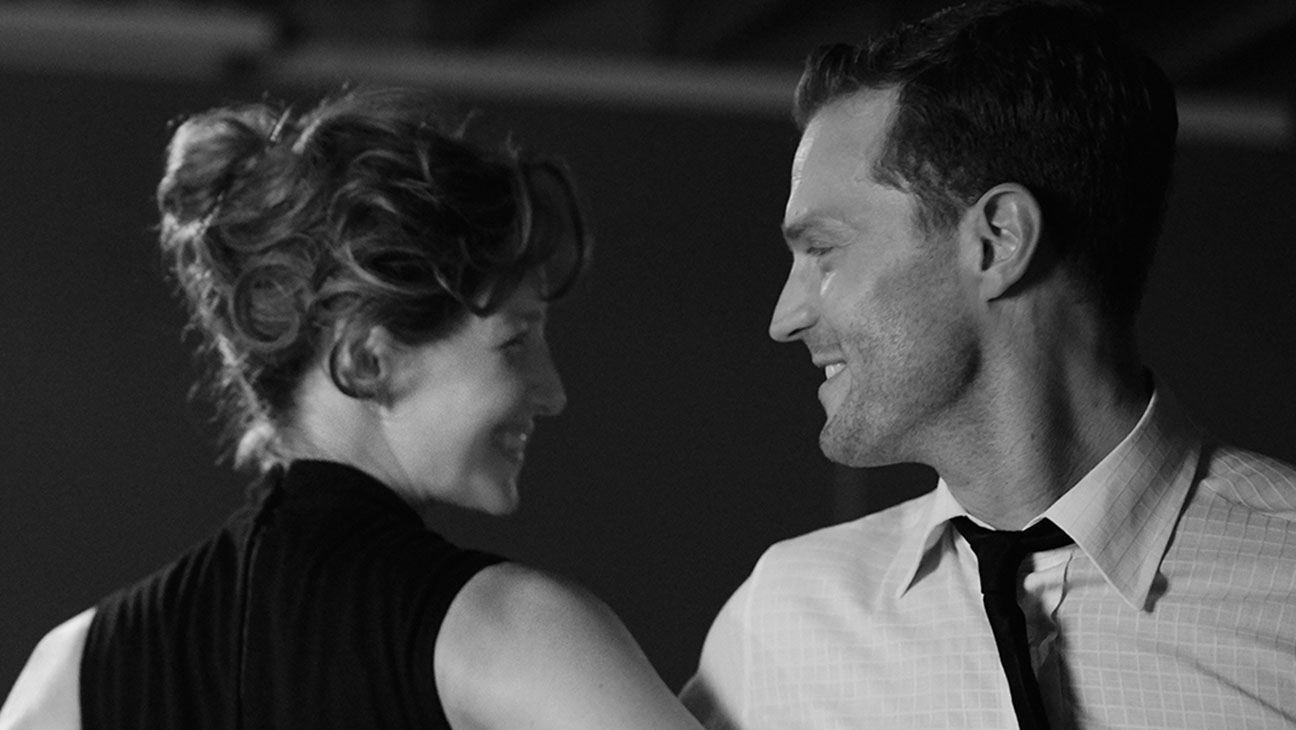
Kenneth Branagh’s semi-autobiographical film, Belfast, opens in supremely confident style.

We are presented with sleek, full-colour images of the city as it is now – the kind of scenes that might grace a corporate promotional video. And then the camera cranes up over a wall and, suddenly, we’re back in the summer of ’69, viewing events in starkly contrasting monochrome, as children run and play happily in the streets of humble terraced houses.

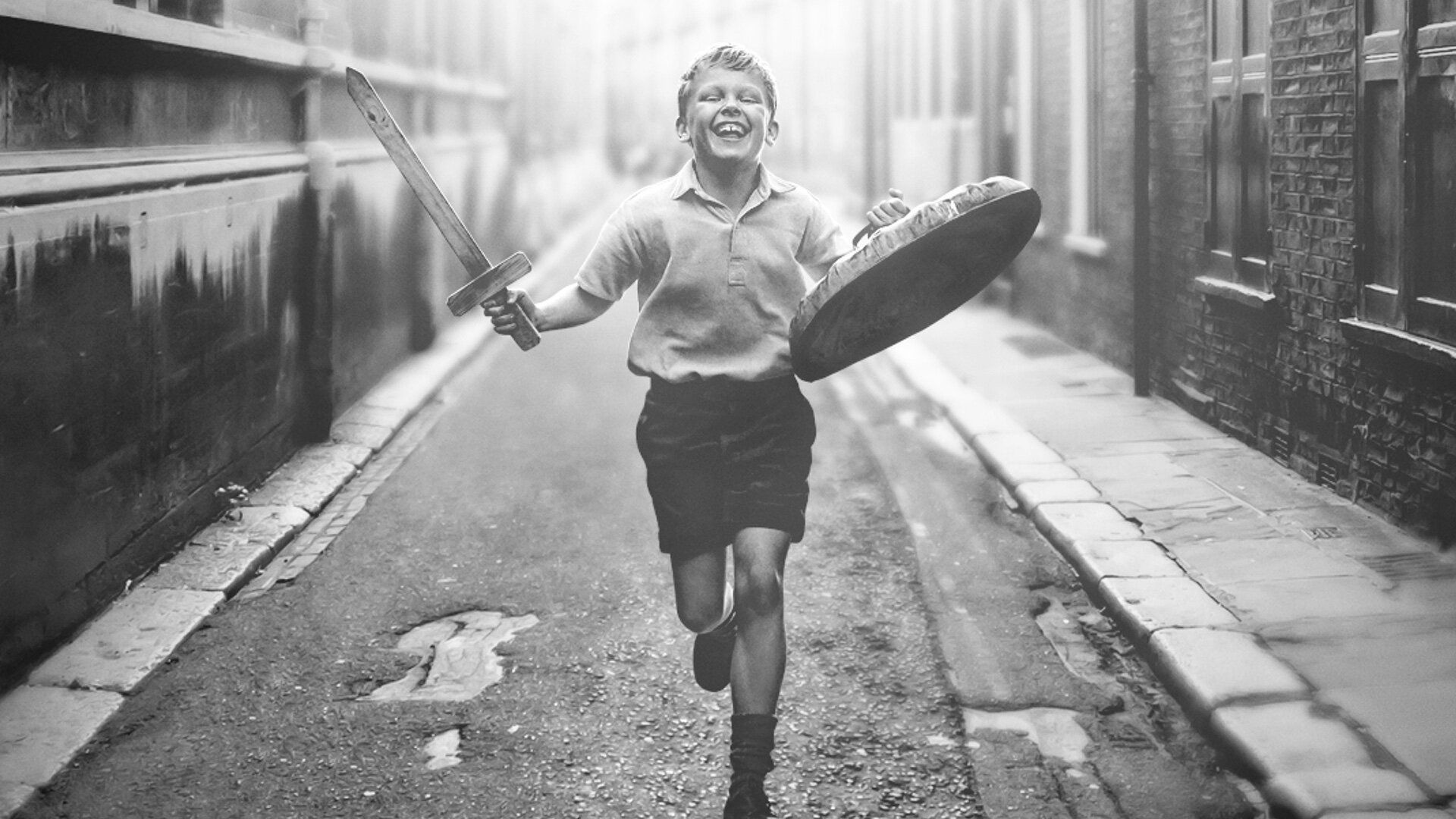
Amongst them is Buddy (Jude Hill), eight years old, wielding a wooden sword and a dustbin-lid shield. But the serenity of the scene is rudely disrupted by the arrival of a gang of masked men brandishing blazing torches and Molotov cocktails, extremist Protestants come to oust the Catholics who have dared to dwell on these streets. Buddy and his family are Protestant too and have happily lived alongside their Catholic neighbours for years, but now find themselves swept up in the ensuing violence.

It’s a powerful moment as we witness Buddy’s terror, the unexpected suddenness of this sea change literally freezing him in his tracks.

Then a gentler story begins to unfold, and we witness key events through Buddy’s naïve gaze. We are introduced to his Ma (Caitriona Balfe), to the father he idolises (Jamie Dornan), to his grandparents (Judi Dench and Ciarán Hands), and to the various neighbours and acquaintances who live in his familiar neighbourhood, a world he cherishes, suddenly transformed into something ugly and unpredictable.

Buddy’s father, a joiner by trade, works away from home in England, struggling to pay off his crushing tax debts. He’s keen to leave the city of his birth, to forge a new life for the family in England – but his wife is reluctant to leave and Buddy is obsessed with staying close to the girl at school he’s fallen in love with and hopes to marry one day.

Besides, how could he even think of leaving his beloved grandparents behind?

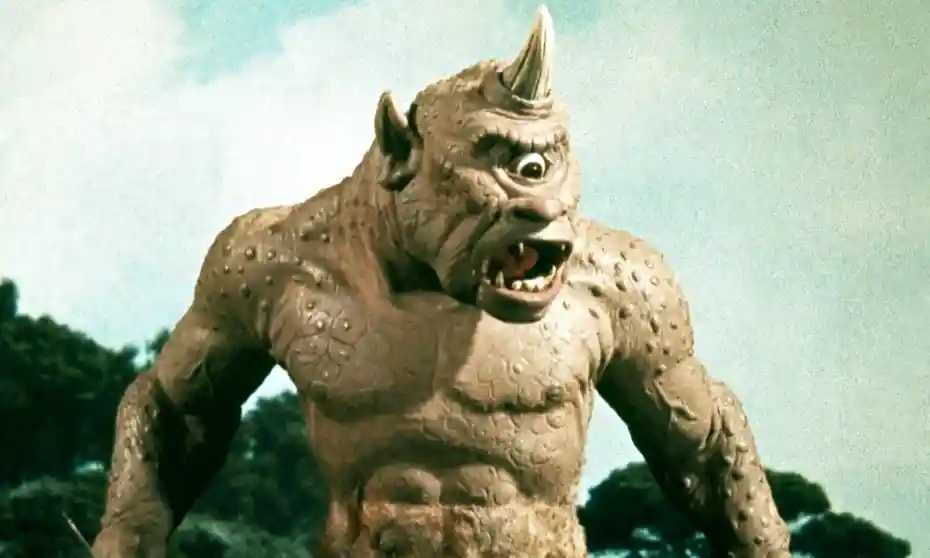
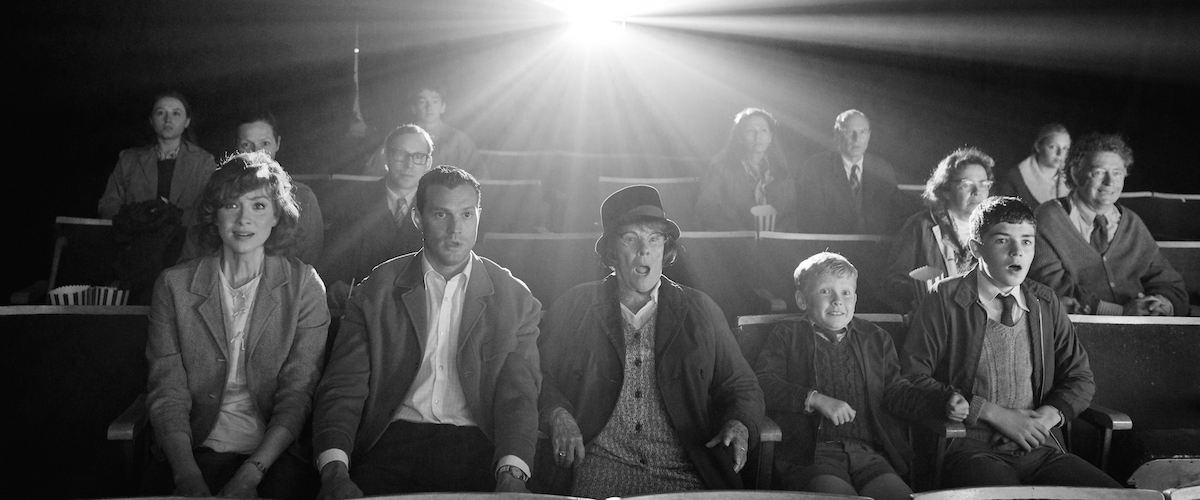
Branagh writes and directs here and handles both crafts with consummate skill, walking with ease the perilous tightrope between affection and sentimentality. Happily, he rarely puts a foot wrong. Buddy’s formative experiences include a visit to the theatre to see A Christmas Carol (with a lovely final performance from John Sessions – to whom the film is dedicated) and regular forays to the cinema, where we see extracts from Westerns High Noon and The Man Who Killed Liberty Valance. (If a cinema showing of One Million Years BC doesn’t exactly tie-in with the year in which the film is set, well no matter. Buddy is an unreliable narrator and his memories are built on uncertain foundations.)

I love Belfast. It’s a classy production, from the vintage Van Morrison soundtrack to the brilliant performances from the supporting cast. Young Jude Hill is simply perfect as Buddy, offering up a range of emotions that challenge the abilities of veteran performers Dench and Hinds. Watch out for some delicious Easter eggs that point to Branagh’s destiny. This film is all about formative experiences, the kind that shape a young boy’s future forever.

Belfast is an absolute joy, ready to be sampled at cinemas across the UK.

4.6 stars

Philip Caveney
Ray Harryhausen: Titan of Cinema

28/04/21

Scottish National Gallery of Modern Art

Picture this.

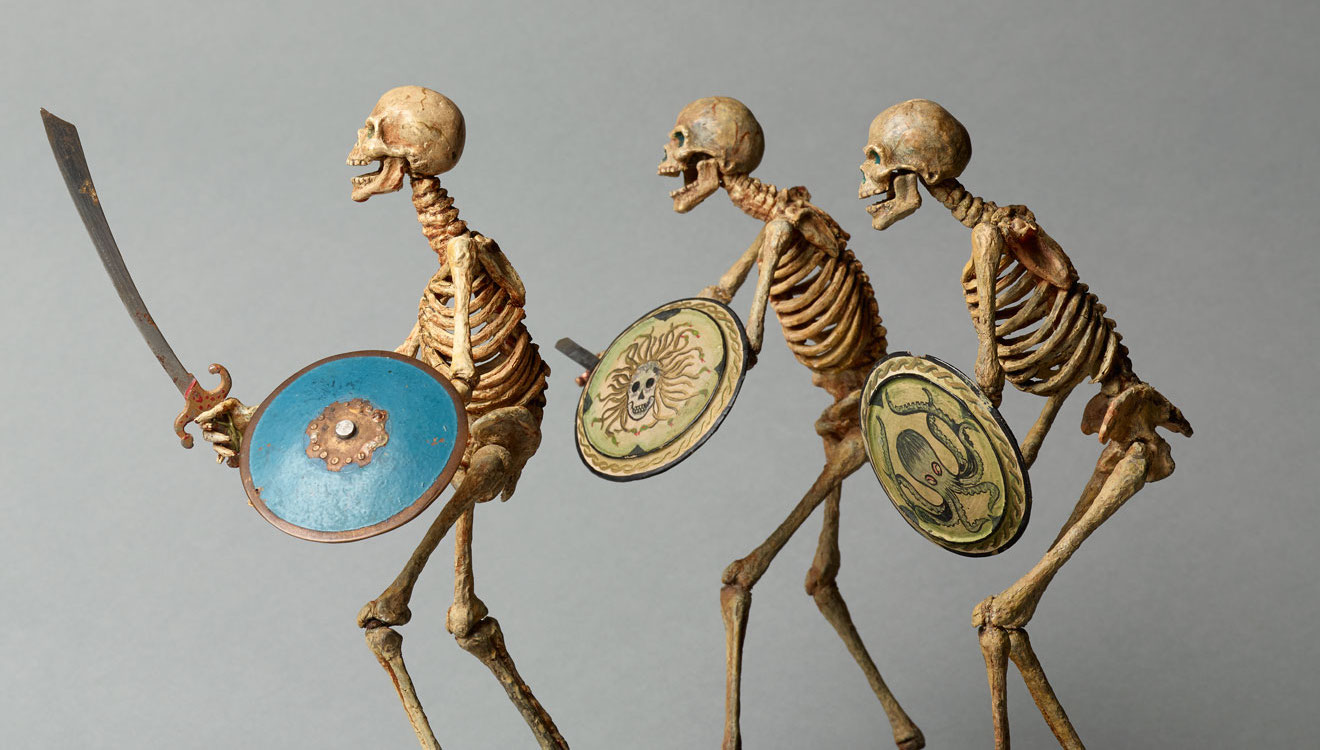
I am twelve years old and I am somewhere in darkest Lincolnshire, sitting in the front row of a cinema, gazing open-mouthed up at the big screen. It’s 1963 and the film I’m watching is Jason and the Argonauts, which I have been lured to after watching a very enticing trailer on television. As I sit there, entranced, Jason and his armoured pals are doing violent battle with a bunch of creepy-looking skeletons, brandishing swords and shields.

And the thought that’s uppermost in my mind is, How have they done this?

Thus far, my experience of movie monsters is mostly actors lurching about in shonky rubber suits… or some latex tentacles held up with lengths of (clearly visible) fishing line. But this is different. This is stop-frame animation. And yes, of course I’ve seen King Kong on the telly, and it’s been kind of explained to me how it all works, but that’s an old black and white effort while this is in technicolour and… it’s something entirely new in my experience, something so thrilling that it sets my burgeoning imagination on fire. This, it turns out, is the work of Ray Harryhausen. He is going to be an influence on my own writing in years to come, but I don’t know that yet.

Over the years, I watch all of his films – and somehow they always belong to him, rather than to whoever happens to be the director. I catch up with his earlier efforts on TV, or on video when that becomes a thing, and I watch each successive new release on the big screen, right up to Ray’s swan song, Clash of the Titans, in 2010. It’s very rare for a special effects man to have his name on the movie poster, but for Ray Harryhausen, they always made an exception. I think it’s fair to say that I am a major fan of his work.

So you can imagine how excited I am when I learn about a forthcoming exhibition. I have it marked in my calendar a full year ahead of time. And then… well, you know what happens next. Covid. Lockdown. End of.

So, here I am, much later than anticipated and finally… FINALLY, it’s deemed safe for me to visit The Scottish National Gallery of Modern Art. As I step through the doorway, I’m thinking: this had better be good.

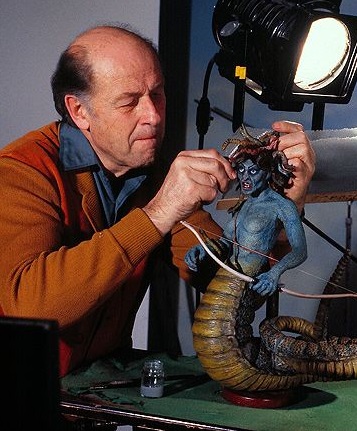
It is good. In fact, it’s VERY good, a comprehensive exhibition that follows Ray’s story chronologically from room to room, covering his early days as assistant to King Kong animator Willis O’Brien, his ‘Puppetoon‘ series for George Pal, his friendship with Ray Bradbury (coincidentally, my writing hero), and then into the glory days of his partnership with producer Charles Schneer – Jason and the Argonauts, the Sinbad films, One Million Years BC...

And I am in a sort of heaven, transported back to my childhood days as I move from exhibit to exhibit in a state of something suspiciously akin to wide-eyed wonder. Oh look! There’s the actual Mighty Joe Young! And there’s the Kraken! And those pesky skeletons, looking exactly as they did back in 1963, swords raised, ready for action.

But there’s much more than just miniature figurines. There’s a really useful set up that shows exactly how the stop-motion system works, arranged in transparent layers that pop up one by one. There’s a sequence showing just how patient and exacting Ray’s working process must have been as he manipulates a figure through a series of poses. There are rarely seen early attempts at animation, put together in his garage, and there are the meticulously rendered storyboards that would put most contemporary efforts to shame, all of them showing the influence of Ray’s main inspiration, Gustave Doré. And right at the end, there’s a green screen set up where you can stand on a cross and be transported into an exotic location, where you will be menaced by some of those iconic monsters from Ray’s fertile imagination.

When you’ve waited a long time for something to happen, the result can often feel anti-climactic. Not so here. The Scottish National Gallery of Modern Art have this gem on show until the end of August, so you’ve plenty of time to book your places. Everything feels very safe, with masks and social distancing scrupulously observed. Go along and marvel at one man’s incredible accomplishments.

5 Stars

Philip Caveney