King Lear

Lost Lear

08/08/25

Traverse Theatre, Edinburgh

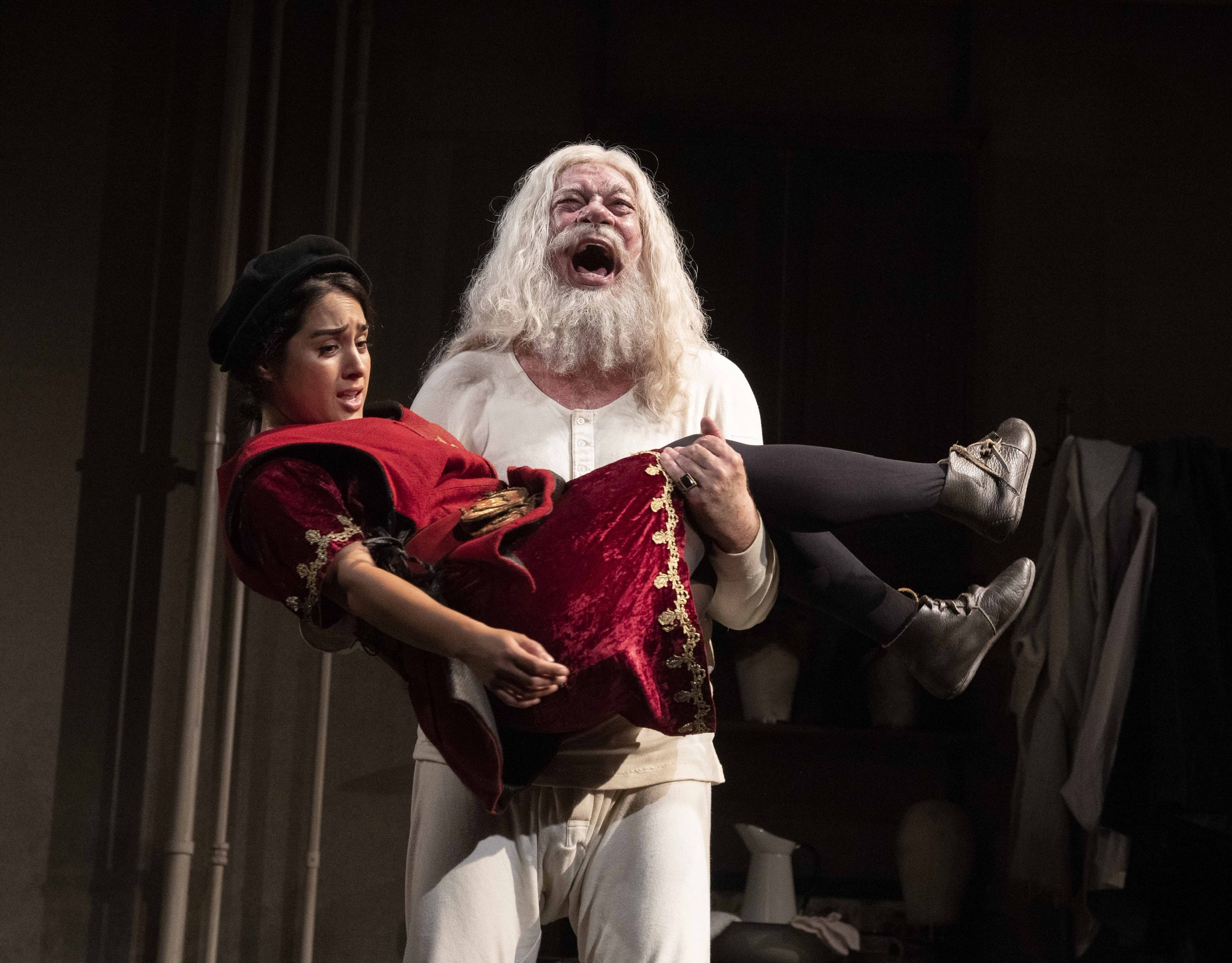
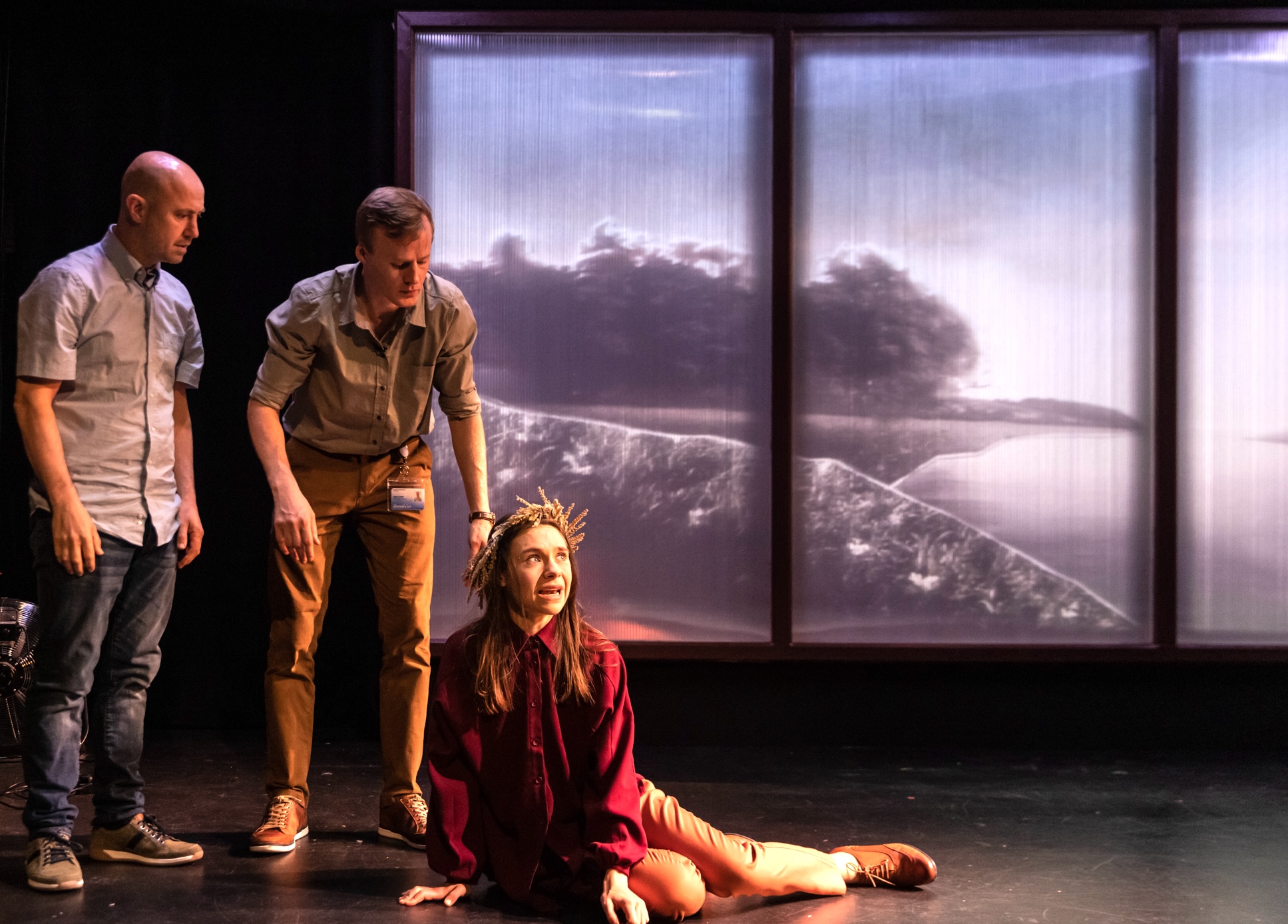
King Lear is my favourite Shakespeare play and, fittingly, Lost Lear is my favourite 2025 Fringe production (so far). Dan Colley’s interpretation of the tragedy sees a retired actor, Joy (Venetia Bowe), who is struggling with dementia, reliving her role as the eponymous monarch. The care home staff accede to Joy’s version of reality, willingly reading in for Goneril, Regan, Cordelia and the fool. It’s kinder than confronting her with the bleak, unhappy truth, says Liam (Manus Halligan) to Joy’s estranged son.

But Conor (Gus McDonagh) takes a little more convincing. He’s uncomfortable playing Cordelia. He doesn’t want to understand the play; he wants answers from the mother who gave him up at birth. Sadly, Joy is largely unreachable, and it’s only through the bard that the pair can connect.

Colley’s beautifully-conceived script intertwines excerpts from Lear with moments in the here and now, gently but relentlessly uncovering the horrors of cognitive decline. There is a stillness at the centre of the piece, belying the chaos of the “cataracts and hurricanoes” as Joy/Lear rages at a world s/he no longer understands. But there is layer upon layer here: this is as much an exploration of stagecraft, poetry and the nature of performance as it is of ageing, care work and the complexities of love. It’s not just a play to watch, it’s one to study too – and I make sure to buy the script as I leave the theatre, so that I can delve into it again after I’ve had some time to think.

Bowe is utterly compelling in the lead role: an imperious, querulous woman, quite difficult to like. But Liam and the other staff (Clodagh O’Farrell and Em Ormonde) treat her with such quiet respect that we take our cue from them, affording her the sympathy that everyone in her position needs. Halligan and McDonagh perform with absolute precision too, but theirs are very much supporting roles, the moons to Joy’s planet.

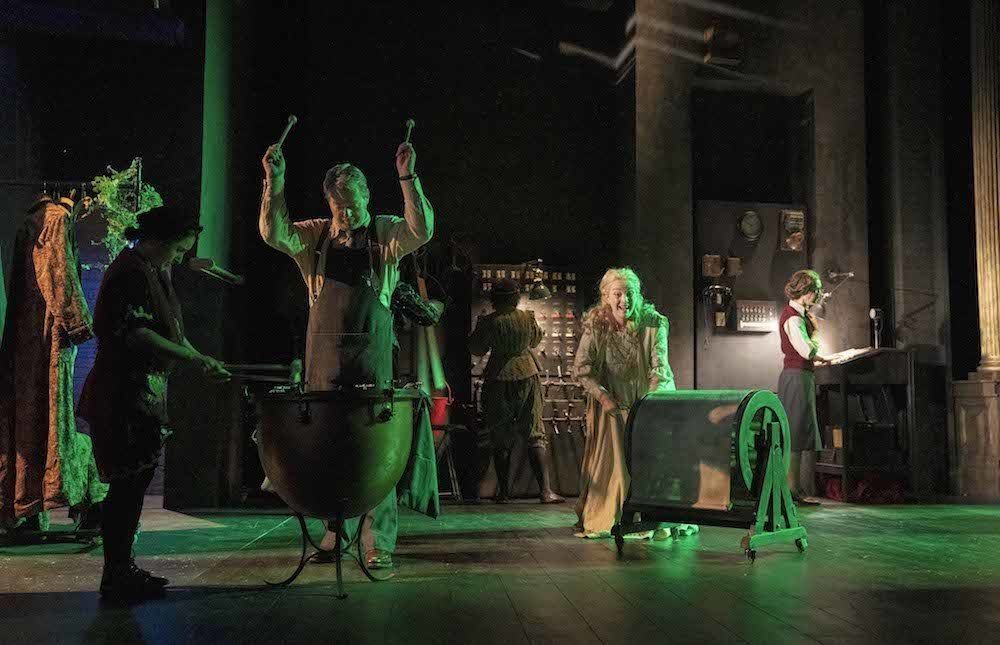
The set design (Andrew Clancy) and tech (Ross Ryder, Suzie Cummins, Kevin Gleeson) are integral to Lost Lear: cameras are used for extreme facial close-ups and there are microscopic projections too, creating the backdrops. I have rarely seen puppetry so well done as it is here, and never with such relevance. The tragedy is both miniaturised and magnified, viewed from inside and out.

As the metaphorical curtain falls, I turn to Philip and find him silently sobbing, his shoulders heaving, tears falling down his face, caught up in memories of his own mother’s battle with Alzheimer’s. Lost Lear feels worthy of its progenitor: a clever, multi-faceted drama; a treatise on the nature of life and death.

5 stars

Susan Singfield

Lear

05/06/25

Traverse Theatre, Edinburgh

It seems at first an act of incredible hubris: to take one of Shakespeare’s most accomplished works, chuck out all those pesky words and attempt to tell the story entirely through movement. But only a few minutes into Raw Material’s adaptation and I am beginning to appreciate what a clever idea this actually is – one that opens out the play’s central story to encompass a whole range of different interpretations. Anybody who has watched helplessly as an aging relative slips inexorably into the fog of dementia, for instance, will find plenty to identify with here.

Anna Orton’s simple set comprises mostly heaps of sandbags, which we will soon discover are stuffed with what look like ashes and which, when scattered around the stage, seem to accentuate the central character’s failing grasp on reality. When Lear (Ramesh Meyyappan) first strides confidently into view, he is fearless, energetic, reenacting his past conflicts for the entertainment of his three daughters.

But we cannot fail to notice that he is already jumping at shadows, reacting to every bump and thud of David Paul Jones’s vibrant score, every flash and flicker of Derek Anderson’s vivid lighting design. Director Orla O’Loughlin keeps him centre stage while his daughters move around its periphery, cooly observing as he begins a slow but steady decline. As his grasp on the war-torn kingdom grows ever more precarious, so he goes to his daughters seeking refuge. Regan (Amy Kennedy) and Goneril (Nicole Cooper) are not the grasping, cruel sisters of the source play, but rather two concerned siblings that strive their hardest to accommodate their Father’s eccentricities. Cordelia (Draya Maria) keeps to the sidelines, always giving way to her more manipulative sisters – but her affection for her father is evident, making it clear that she will love him unconditionally.

And then the fog really begins to take hold as Lear don’s his Fool’s old hat and adopts the gurning, slapstick attitude of his former jester, Meyyappan pantomiming exquisitely as he slips effortlessly between the two characters, bicker and competing with each other for the sister’s affections. His bewildered daughters try their best to cope with their father’s mounting instability but once taken hold, these changes cannot be denied. In Lear’s latter stages, stripped to his underwear and no longer able even to wash himself, the character’s ultimate tragedy really begins to hit home.

Lear’s story is also true of so many people as they begin to slip helplessly into their twilight years – as they succumb to drug addiction – as they are weighed down by advancing depression – the transformation witnessed by their partners and their children. This daring adaptation nails such experiences with considerable skill.

Despite my initial reservations, I have to raise my hat to a fearless and thought-provoking piece of theatre.

4.2 stars

Philip Caveney

Lear Alone

19/08/23

The Space Triplex (Studio), Edinburgh

“Poor naked wretches… How shall your houseless heads and unfed sides […] defend you from seasons such as these?”

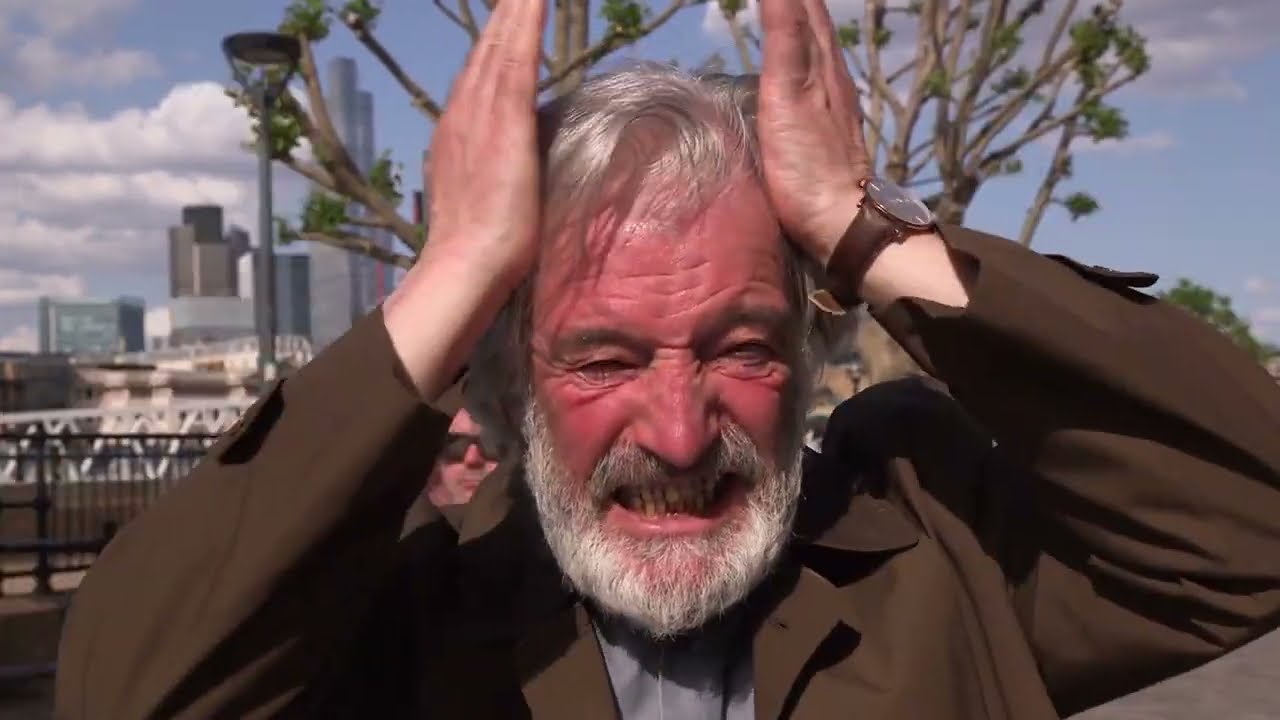
King Lear is probably my favourite Shakespeare play; Lear Alone is a distillation of the titular character’s descent into madness and destitution. This Lear isn’t just isolated from his friends and family, he’s isolated from the rest of the story too, and – with the spotlight turned on him – we see with brutal clarity exactly what is happening. Old age is upon him. The signs of dementia are stark: his judgement is poor; he is capricious and sometimes violent; he’s confused; he struggles to remember things – and he goes off, wandering. 

Created in partnership with Crisis UK, this project began life as a web series, focusing on older people’s homelessness. It’s an inspired notion. Using just Lear’s words from the first Folio, Edmund Dehn plays Lear as a shambling elderly man, ignoring his frantic daughter’s answerphone messages, traipsing the streets and talking to the air. He is Shakespeare’s king from 800 BC, but he is also an ordinary man of the 21st century. The words he speaks belong to his character, but they could just as well be memories, lines from his schooldays, recalled because of their present aptness.

He both is and is not Lear.

Dehn cuts a tragic figure, and it’s easy to empathise with him – as well as with his offstage daughter, who keeps trying to contact him. As he rails against the world, the sadness of his situation becomes ever more apparent. The symbolism is bold and simple and very effective: from the Lidl bag he carries everywhere to the blanket he clutches to him, Lear is desperately clinging to what little he has left, holding on to the familiar in the hope of warding off his demons.

Directed by Anthony Shrubsall, Lear Alone is a thought-provoking piece of theatre – a big performance on a tiny stage.

4.1 stars

Susan Singfield

The Dresser

15/02/22

King’s Theatre, Edinburgh

The Dresser is about a poorly actor. He’s famous – a big draw – and the company fears that his illness might preclude him from appearing on stage as the eponymous King Lear (itself a play where the lead character is afflicted by old age and ill health). It’s somewhat ironic, then, that Julian Clary, in the titular role of Norman, has been obliged to drop out of tonight’s performance, and we have an understudy in his place.

But it’s an ill wind that blows nobody any good and Clary’s absence provides an opportunity for supporting actor Samuel Holmes to step into his shoes and I’m happy to report that he nails the camp, manipulative Norman with aplomb. How would Clary have handled the role? I’ll probably never know. That’s show business.

It’s 1941 and the London theatres are struggling through the rigours of the blitz. As the minutes tick relentlessly by towards yet another performance, actor-manager ‘Sir’ (Matthew Kelly) is nowhere to be found. His wife, ‘Her Ladyship’ (Emma Amos), due to play Cordelia opposite him, tells Norman that she’s just left him on a hospital ward. Stage manager Madge (Rebecca Charles) wants to call off the show but Norman vehemently stalls her, insisting that the man he has been dressing for so many years has never missed a performance yet. He’ll be there.

Sure enough, Sir comes plodding dutifully in, looking like he’s gone ten rounds with a heavyweight boxer. Of course he’ll go on! If only he could remember which of the bard’s plays he’s actually supposed to be doing tonight … and if only he was still strong enough to carry his wife onstage for her final scene.

Ronald Harwood’s play (memorably filmed in 1983 with Tom Courtenay and Albert Finney) is inspired by the five years that Harwood spent working as a dresser to Sir Donald Wolfit – a situation I can relate to, as I worked briefly as a dresser to Sylvester McCoy, when he was Puck in Theatr Clwyd’s A Midsummer Night’s Dream. It depicts an age when the term ‘the show must go on’ really earned its stripes, when actor-managers like Sir really did keep the theatrical wheels turning. It’s cleverly staged: a seedy dressing room rises magically to reveal the wings of a theatre, where anxious cast and crew can look out onto whatever’s happening on stage.

While the play feels rather static, full of complex speeches, it’s nevertheless beautifully written and there are some bitterly funny lines to savour, particularly from Norman, who is adept at slaying his adversaries with acerbic one-liners. He also has a faultless memory of every town the company has played in and seems to reserve special contempt for Colwyn Bay (hailing from North Wales, we’re acutely aware of this one!).

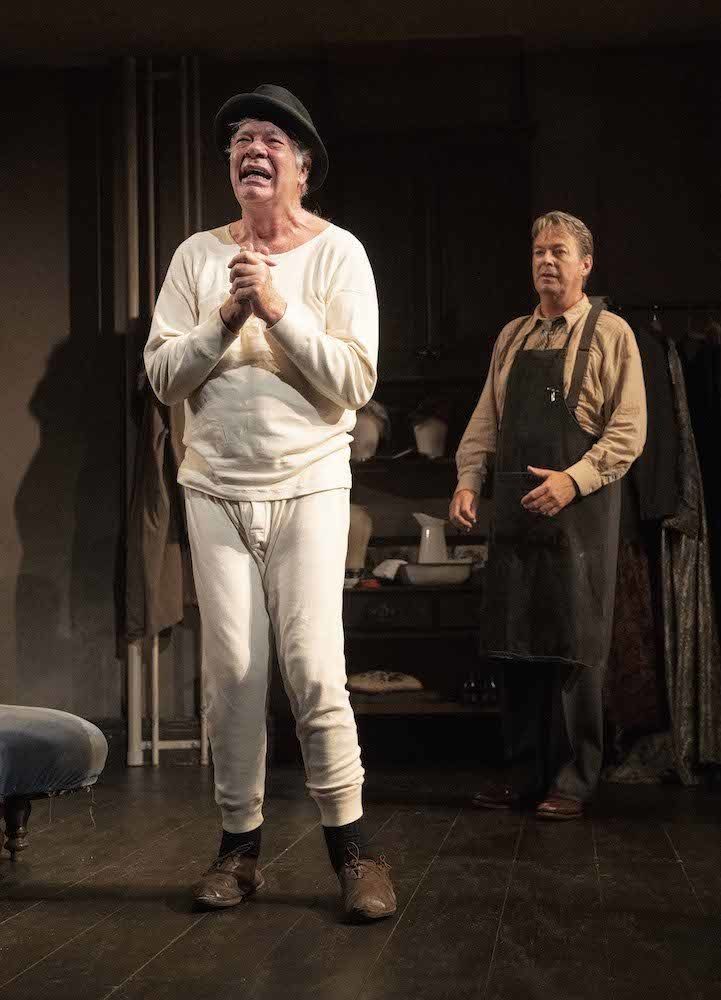
The parallels between Sir’s current situation and those of the character he’s depicting are astutely drawn and there’s a brilliant onstage metamorphosis, where Sir, a rambling shivering figure in grubby underwear, gradually transforms into Shakespeare’s king. And of course, there are also the parallels between Lear and his fool – a relationship that’s echoed in the play’s poignant conclusion.

Kelly is terrific in his role – endlessly self-aggrandising but caught in the headlights of his advancing senility – while congratulations should go to Holmes, who must have been rehearsing those lines up to the opening, and who never fluffs one of them.

All the best to Mr Clary for a swift recovery.

4 stars

Philip Caveney

Theatre Bouquets 2016

unknown-18

unknown-18

unknown-18

We’ve been lucky enough to see some amazing theatre again in 2016. Here, in order of viewing (and with the benefit of hindsight), are our favourite productions of the year.

Hangmen – Wyndham’s Theatre, London

Unknown-1

An excellent start to the year’s theatrical viewing, Martin McDonagh’s play was absolutely superb: funny, frightening and thought-provoking with an outstanding central performance by David Morrissey.

The Girls – The Lowry, Salford

Gary Barlow, Tim Firth and the original Calendar Girls credit Matt Crockett

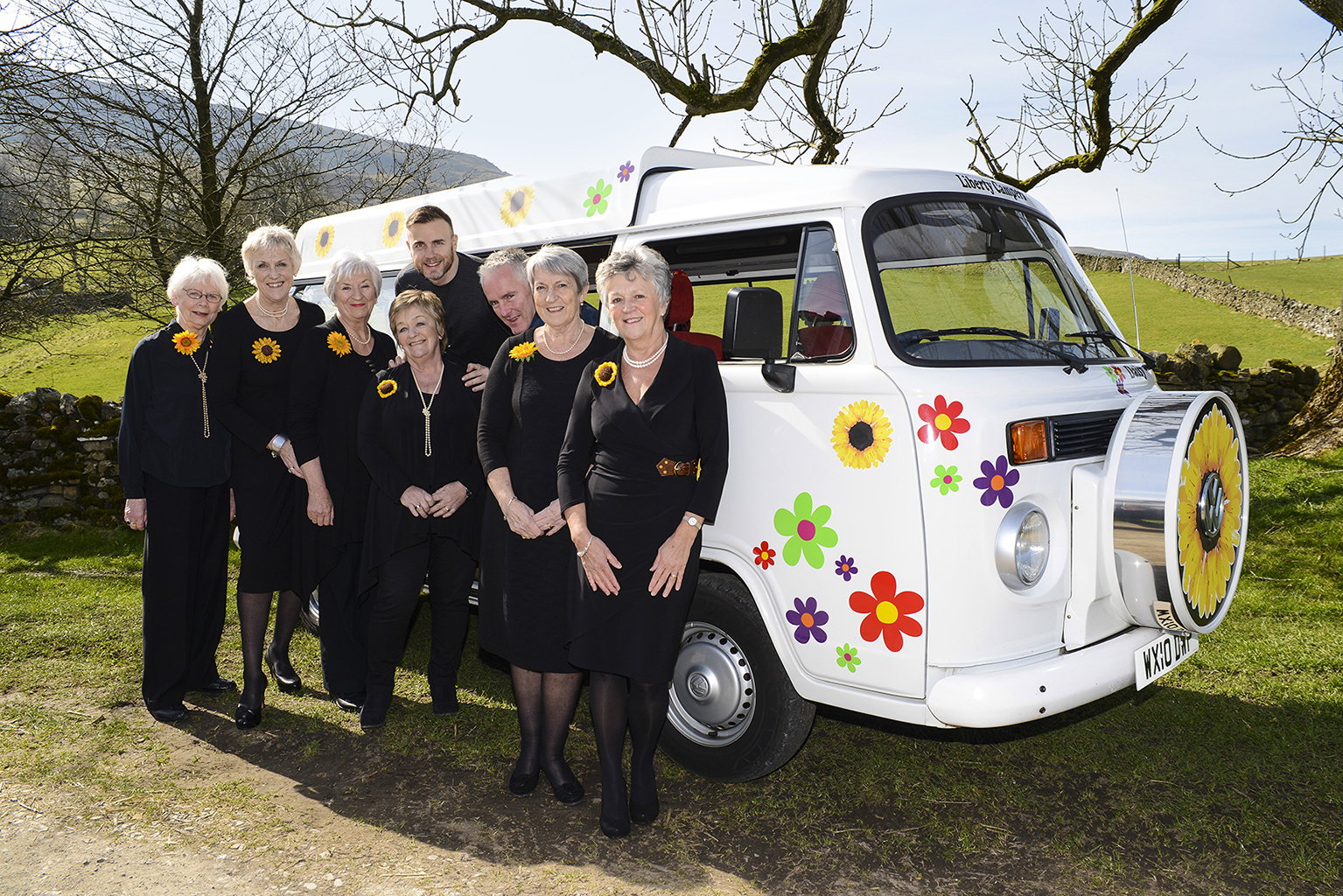
This was the biggest surprise of the year for us: on paper, it sounded a million miles away from the sort of thing we usually enjoy, and we went along reluctantly. But it was a truly delightful production – flawlessly realised.

The Merry Wives – The Lowry, Salford

image

Northern Broadsides version of The Merry Wives of Windsor was a rambunctious, irreverent take on the tale, with the inimitable Barrie Rutter clearly relishing the role of Falstaff.

I Am Thomas – Lyceum Theatre, Edinburgh

I_Am_Thomas_415x800_jpg_300x200_crop_q85

A strange and eclectic production, telling the tale of Thomas Aikenhead, the last person in Scotland to be hanged for blasphemy, this was essentially a series of vignettes and musical interludes, with an ensemble taking turns to play the eponymous role.

King Lear – Royal Exchange Theatre, Manchester

04-KING-LEAR-RET-L-R-Pepter-Lunkuse-Cordelia-Don-Warrington-King-Lear-Photo-Jonathan-Keenan

Michael Buffong’s King Lear was a tour de force, a gimmick-free yet undeniably modern production. Don Warrington was well-cast in the central role, but it was Pepter Lunkuse’s Cordelia who really stood out for us. She’s definitely one to watch!

Stowaway – Home, Manchester

Unknown

Analogue Theatre’s troubling tale of a stowaway falling from a flying aeroplane and landing in the car park of a DIY store was fascinating, depicting a moment where worlds collide and understandings begin to take root. A thought-provoking, political play.

Royal Vauxhall – Underbelly Med Quad, Edinburgh

2016ROYALVA-APJ-300

A quirky and irreverent musical, telling the true story of when Freddie Mercury and Kenny Everett dressed Princess Diana in drag and took her to the Royal Vauxhall Tavern in London for a night out, incognito. We loved this production.

Wonderman – Underbelly Potterrow, Edinburgh

Wonderman_edinburgh_FOURSHEETS-quartersize_final

Based on the short stories of Roald Dahl – and incorporating a true incident from his eventful life – Gagglebabble’s collaboration with the National Theatre of Wales was a sprightly mix of drama and music with a deliciously dark heart.

Cracked Tiles – Spotlites, Edinburgh

2016CRACKED_AVH

This beautifully crafted monologue, written and performed by Lorenzo Novani, was the downbeat tale of a young man who inherits a Glasgow fish and chip shop from his father Aldo. Novani was quite staggering as Riccardo.

Dear Home Office – Underbelly Med Quad, Edinburgh

2016DEARHOM_AXD

This was the story of unaccompanied minors applying for asylum in the UK, performed with touching vulnerability by eight refugee boys. The play was an amalgamation of the performers’ own experiences, blended with fictional accounts. A raw and truthful exposé.

The Suppliant Women – Lyceum Theatre, Edinburgh

29676962992_8e7a020135_b

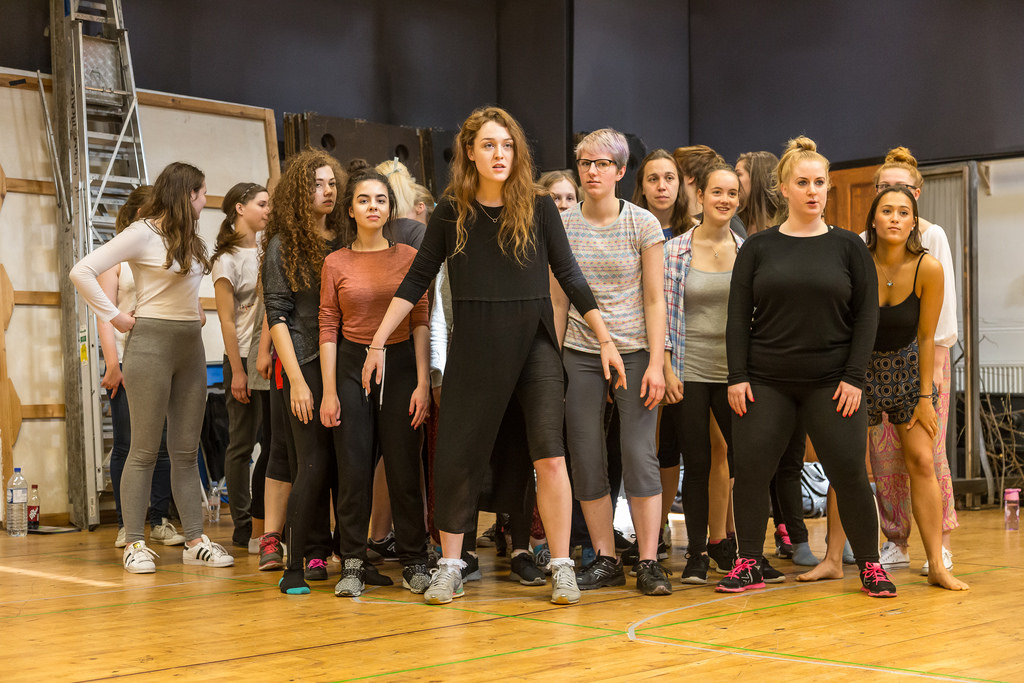
It’s a rare thing indeed when you go into a theatre and are treated to something unique – but that is the word that kept coming to us, as we sat entranced in the stalls of The Lyceum, watching David Greig’s production of The Suppliant Women. Truly brilliant.

Grain in the Blood – Traverse Theatre, Edinburgh

unknown-2

A real one-off, this was a stark, unnerving chiller, at once contemporary and classical, with dialogue that was taut and ultra-modern in style, all fragments and silences and unfinished thoughts. This was a complex, angular, unwieldy play – a fascinating watch.

Jack and the Beanstalk – King’s Theatre, Edinburgh

cfk-panto-beanstalk-header

By far the best panto we have ever seen, this was a standout production, with fantastic performances from King’s Theatre regulars Allan Stewart, Andy Gray and Grant Stott. It brought the year to a celebratory end.

Susan Singfield

King Lear

Royal Exchange Theatre, Manchester

29/04/16

Michael Buffong’s King Lear is a tour de force: gimmick-free yet undeniably modern, a fast-paced production that manages, like all the best Shakespeare, to be at once timeless and of its time.

Don Warrington is the eponymous old man, a case-study in futile bluster, self-destructing in his anger at the ravages of old age. I like the way his impotence is emphasised here: he’s never a magnificent, raging tyrant, just an old man who commands deference only as long as he wears his crown. Pepter Lunkuse’s Cordelia is also a revelation: for the first time, I see why she is Lear’s favourite. She’s as stubborn and destructive as he is, as incapable of compromise. She’s neither sweet nor resolute in this production: she’s a headstrong teenager, with the moral certitude only youth or extreme religion can provide. I love the way her lip curls at her sisters; she’s self-righteous and scathing, a Cordelia for the modern age (maybe this is how she was always meant to be?).

It’s a grim play, one of the Bard’s bleakest, and the comic relief from the Fool (Miltos Yerolemou) and Oswald (Thomas Coombes) is most welcome. They’re witty and engaging, pushing just far enough to undercut the tension and provide those all-important shades of light and dark. While we’re on the subject of grim, the notorious blinding scene is played for horror here; there’s nothing subtle in an eye gouging that results in “vile jelly” flying out across the stage into the audience. It’s so shocking there are gasps and groans – and that’s exactly as it should be, I think.

The storm scene is perhaps a little undermined by the fact that the Exchange’s new water-feature has been enthusiastically showcased in almost all recent productions, so what should be astonishing is more, “Oh, this again.” Still, it’s effective – the lightning strikes, the thunder claps and everyone is drenched.

Lear is a dense and complex play; there’s too much of it to cover in one shortish review. Suffice to say, I loved this production: a pacy, confident interpretation that trusts Shakespeare’s words to do their magic.

4.8 stars

Susan Singfield