03/09/26
Cineworld, Edinburgh
We all know the classic story, right? A merry band of men in tights, who steal from the rich and give to the poor…
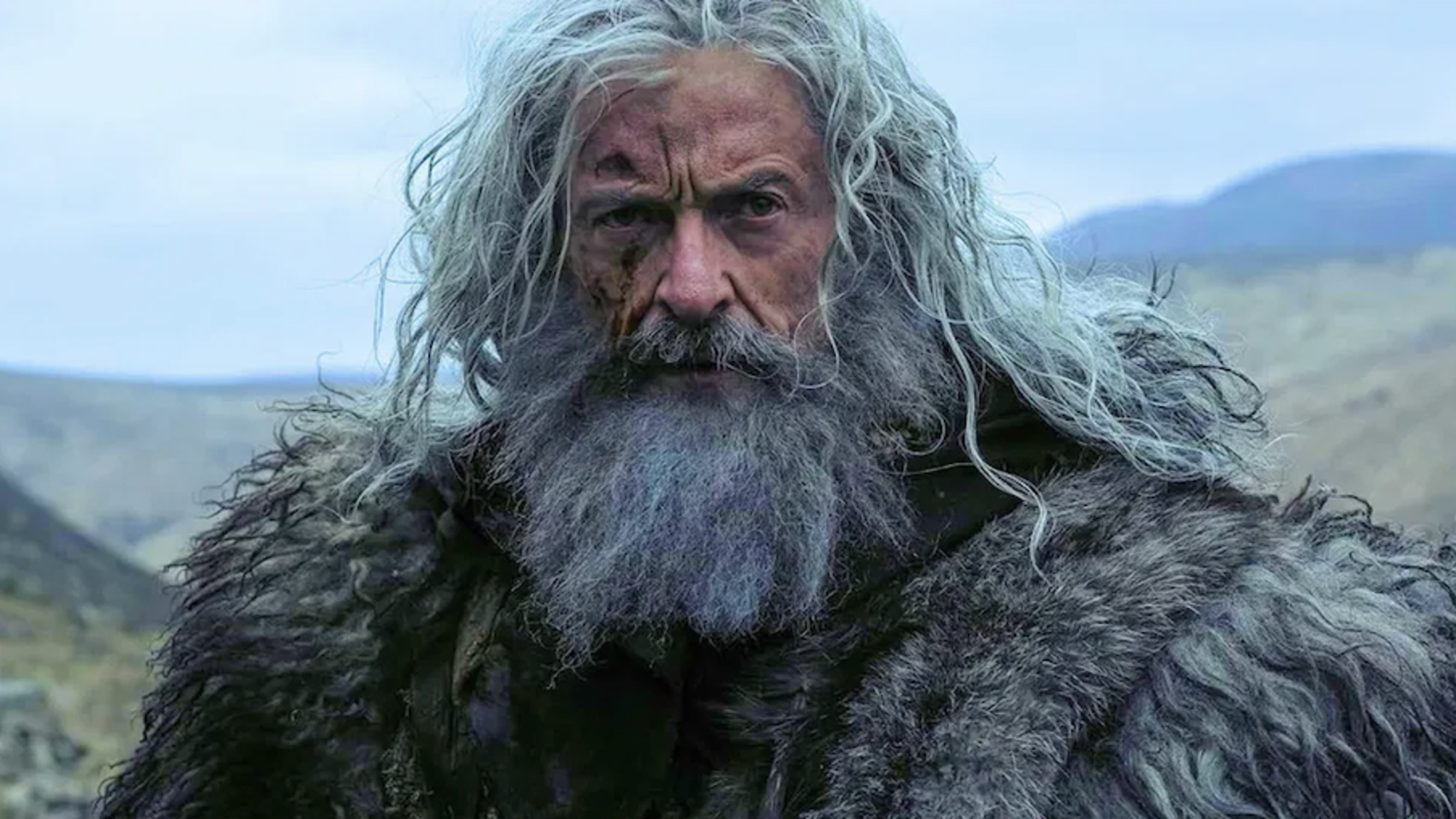
Anyone expecting such elements from The Death of Robin Hood is going to be sorely disappointed. Michael Sarnoski’s film is an unapologetically revisionist take. In this version, set in the 1200s somewhere ‘near Keswick’ (though actually filmed in Northern Ireland), Robin (Hugh Jackman) is a bearded, grumpy, mud-stained villain, who takes whatever he fancies and God help anyone who gets in his way.
And nobody is sicker of those trumped-up accounts of his exploits than he is.
The first third of the film is a grim, unflinching account of where our aging protagonist is now. Set in horrific-looking winter weather, it features more bloodshed and dismemberment than we’re used to seeing in this legend, as Robin teams up with his old comrade Little John (Bill Skarsgård) and sets out to reclaim the house and wife that his friend has had stolen from him. (They weren’t actually John’s house and wife in the first place but we’ll overlook that little detail.) Cue some truly gut-wrenching fight sequences, which actually make me flinch at certain points. And trust me, I don’t flinch easily.
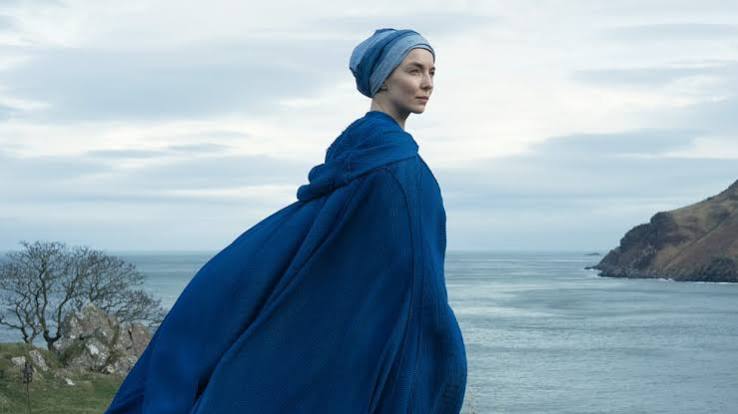
As a consequence of the ensuing carnage, Robin is stabbed and hacked to within an inch of his life, so John promptly rows him across to the Island of St Clement. where it’s claimed that Brigid (Jodie Comer), the mysterious prioress who runs the place, is able to effect miraculous cures. Whereupon the weather suddenly clears up, the sun comes out from behind the clouds and Robin starts the slow process of regaining his health.
When John’s orphaned daughter, Margaret (Katie Breen), turns up on the island looking for Robin, he finally begins to reassess his life of violence…
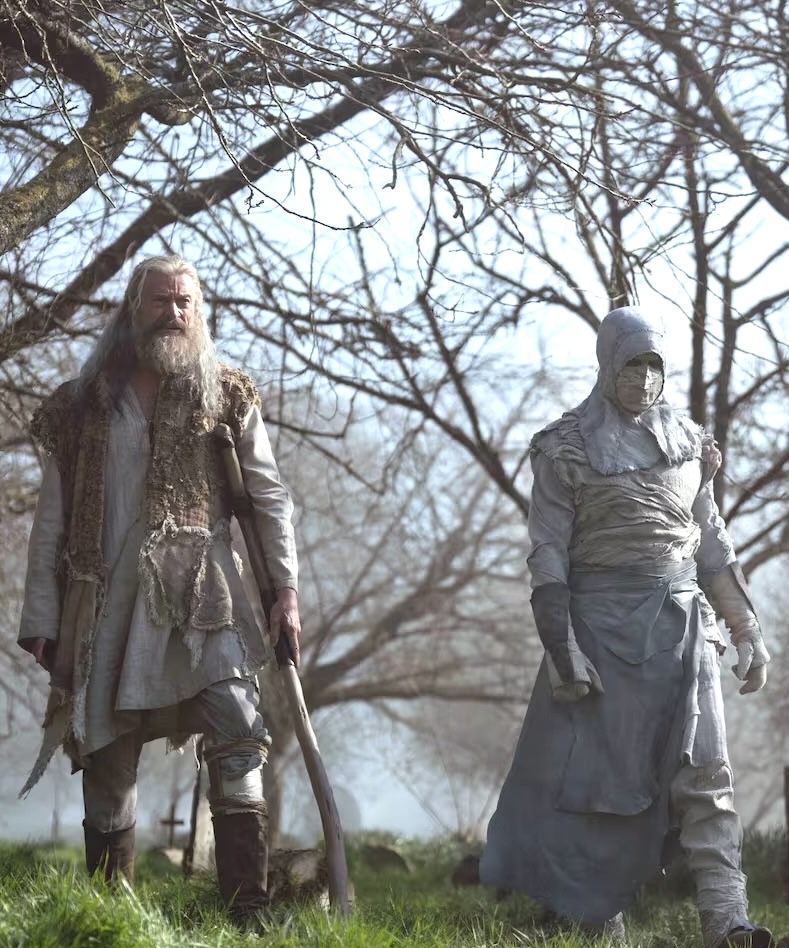
While I applaud Sarnoski’s steadfast intention to strip away the traditional elements of the story, it might have been a good idea to show some of the social injustice that led to people taking the law into their own hands in the first place. As it stands, you get the impression that every man in this neck of the woods is a mindless, violent thug. But, thanks to Pat Scola’s magnificent cinematography and Jim Ghedi’s adaptations of traditional folk songs, this still makes for a satisfying cinematic experience. Jackman has plenty of gravitas in the lead role and even makes a decent fist of his Northern accent – thought Skarsgård’s attempt is so OTT it’s sometimes hard to follow. Comer exerts an extraordinary presence as Brigid, a woman torn between her passion to heal the sick and a perfectly understandable need to seek her own revenge. And Murray Bartlett as ‘The Leper’ somehow manages to make an impression, despite being wrapped head to toe in bandages.
Having systematically destroyed all the mythology of the piece, in the final stretches Sarnoski cleverly shows exactly how myth-making happens – and why it is so important to cherish the process
Which may be a bit like having your bow and drawing it – but it works.
3.8 stars
Philip Caveney

