25/09/26
Cineworld, Edinburgh
If there’s a Jane Austen adaptation available, of course I’m going to see it. The advance press hasn’t been too kind to this latest version, scripted by Diana Reid and directed by Georgia Oakley, but that doesn’t deter me. Am I expecting to love it as much as I do the book? Of course not. Do I think it’ll measure up to Ang Lee and Emma Thompson’s superb Oscar-winner? Again, no. But it’s thirty-one years (THIRTY-ONE YEARS!) since Thompson and Kate Winslet represented the titular traits so it seems reasonable to revisit Austen’s first-published novel and open it up to a whole new audience.
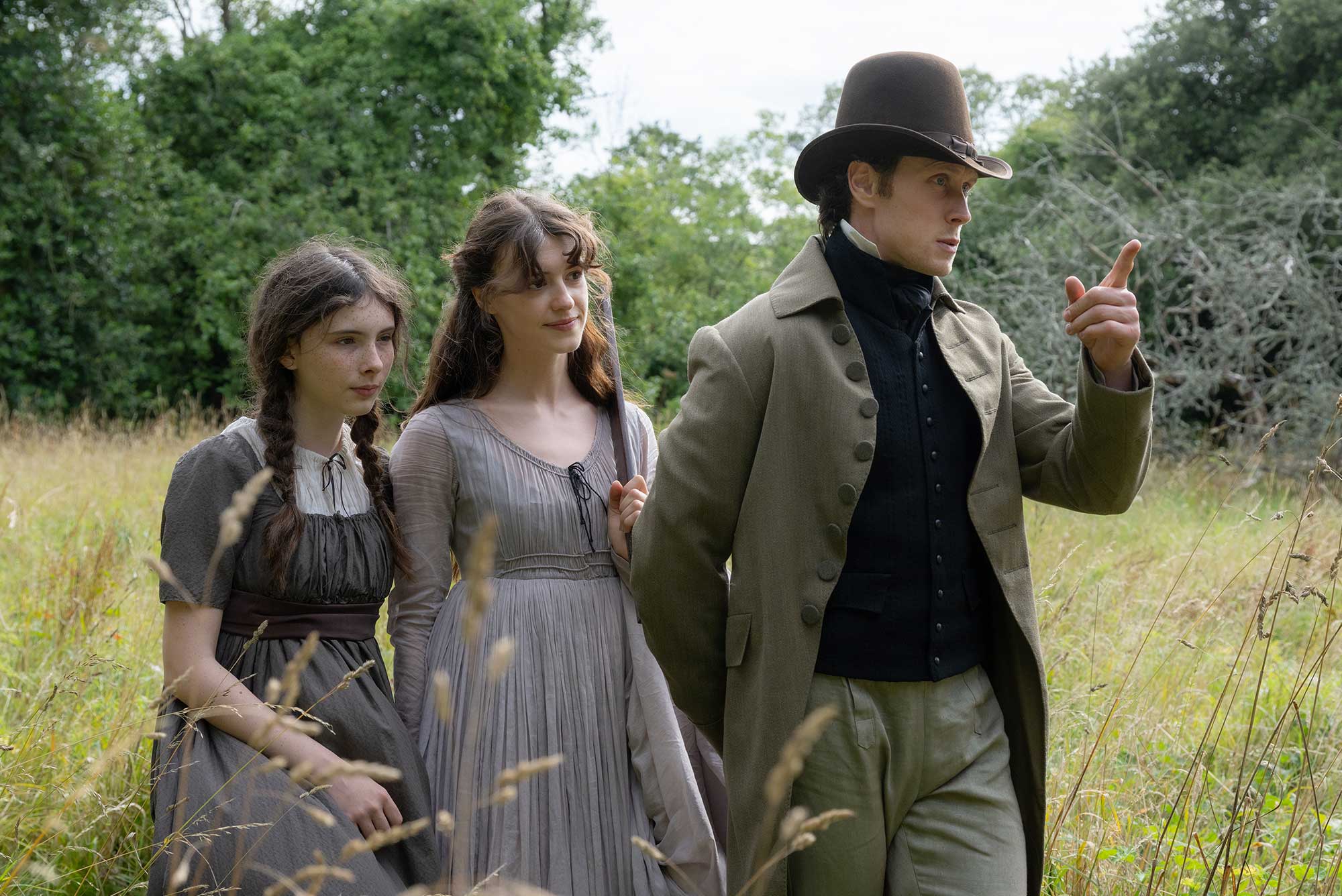
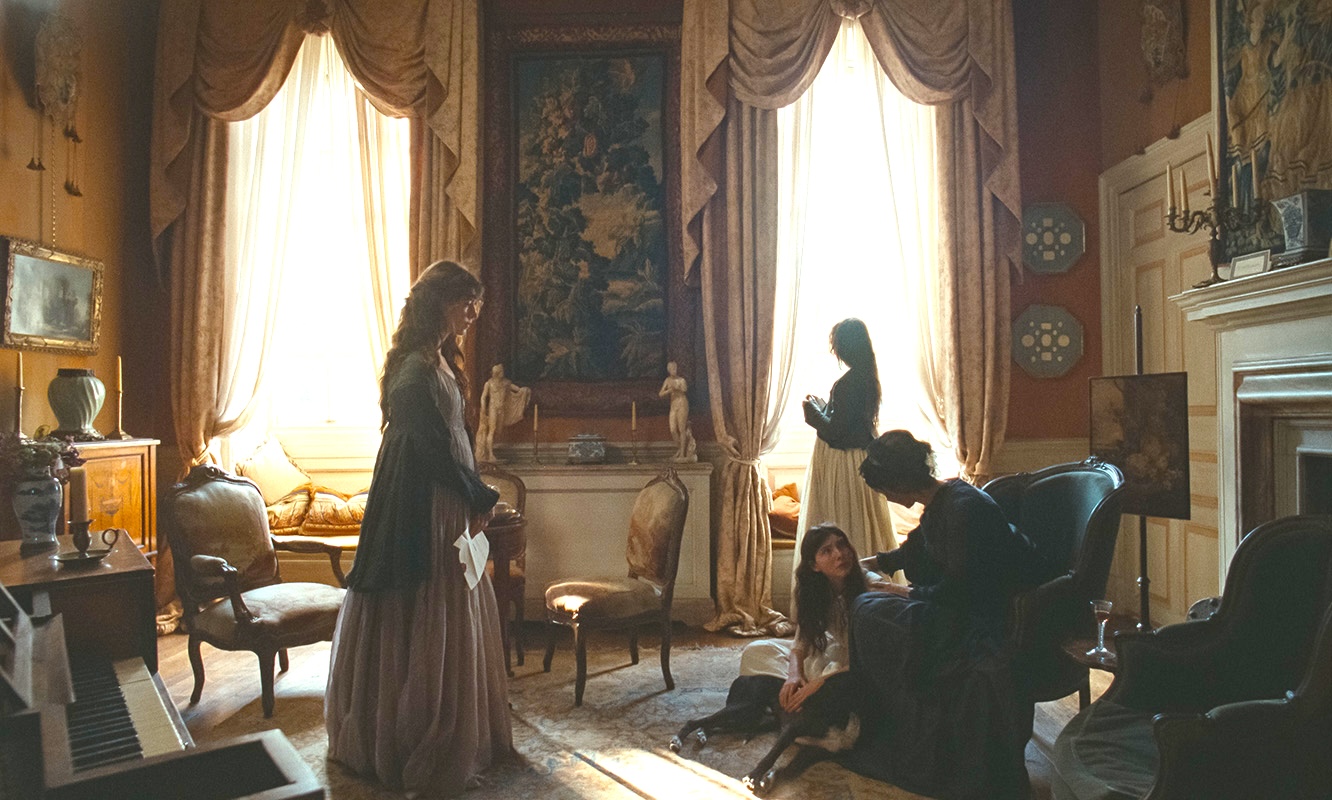
Daisy Edgar-Jones and Esmé Creed-Miles are credible as the older Dashwood sisters, Elinor and Marianne, whose fortunes have taken a sudden tumble following their father’s death. Their half brother, John (Tom Brooke), has inherited Norland Park and, egged on by his ghastly wife, Fanny (Stacy Martin), not only declines to offer his stepmother (Caitríona Balfe) any money but also wastes no time in turfing his three sisters out of the only home they’ve ever known. Thirteen-year-old Margaret (Bodhi Rae Breathnach) is distraught.
Enter kind-hearted distant relative, Mrs Jennings (the ever-fabulous Fiona Shaw), whose son-in-law, Sir John Middleton (Turlough Convery), just happens to have a spare cottage on his Devonshire estate. It’s a bit of a comedown for the Dashwoods but they’re grateful to have somewhere to go, not to mention relieved to escape from Fanny’s mean-spirited carping. All would be well – if it weren’t for Elinor’s unspoken attachment to Fanny’s brother, Edward (George MacKay). Devonshire is an awfully long way away from Sussex…
Still, they soon settle down in Barton Cottage, enjoying the beaches and beautiful countryside and befriending the taciturn Colonel Brandon (Herbert Nordrum). And when Marianne falls (quite literally) for the charming, raffish Willoughby (Frank Dillane), it seems her future, at least, is secured.
Except, sadly, it’s not.
The three sisters are well-cast, and I like the easy, naturalistic way they speak to one another in private. They’re tactile, which cements the realistic nature of their relationship, and their mutual care is palpable. Elinor’s sense (rationality) and Marianne’s sensibility (emotionality) are heightened, the juxtaposition between the two brought into sharp focus. Arguably this is a tad overdone but I don’t really mind.
Reid’s script foregrounds the perilous position of unmarried women in the Regency period, so that we can clearly see what’s at stake for Elinor and Marianne – and how much Elinor is prepared to give up for her principles. I love the party scenes: the dancing is far less mannered and restrained than we’re used to seeing in period drama; instead it’s wild and unfettered, an escape valve for all the lust and passion the characters are forced to repress. I also love the the atmospheric soundtrack by Roger Goula, which draws upon traditional English folk music.
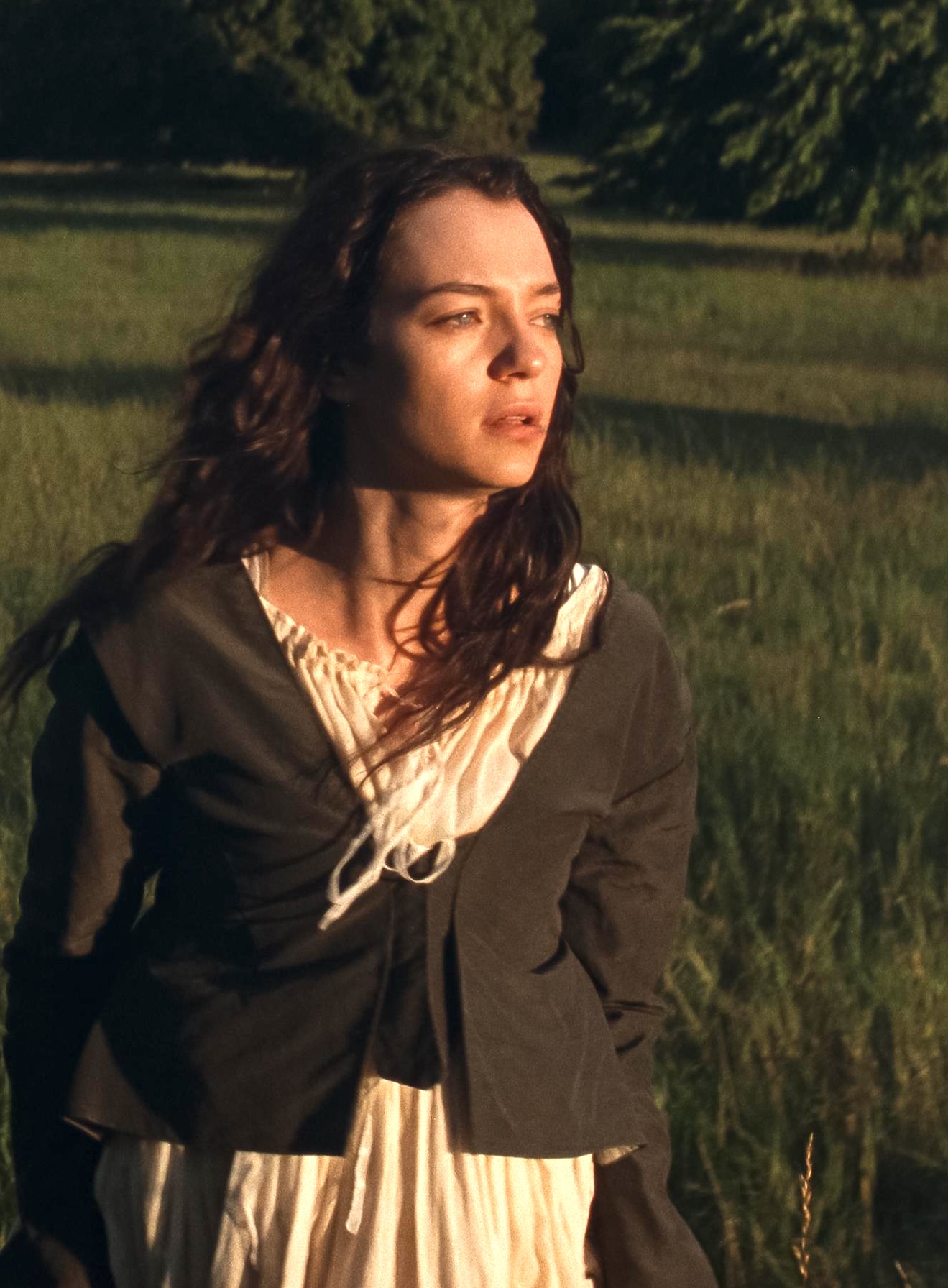
Less successful are the numerous outside scenes. Austen’s interiority is integral to her books, reinforcing the constrained nature of her heroines’ lives. Although the cinematography (shot in 35mm by Arnaud Potier) is undeniably gorgeous, the emphasis on vast woodlands and open vistas belies that somewhat, suggesting an almost Brontë-like connection with the wider, natural world.
In addition, some of the minor characters are criminally underused, most notably Eliot Sumner’s Mr Palmer and Chloe Pirrie’s Lady Middleton. These two intriguing personalities are nicely set up and then given nowhere to go. And don’t speak to me about the barely-contextualised duel, which appears out of nowhere and jars horribly with the rest of the film.
Overall, however, I quite enjoy this iteration of Sense and Sensibility. It’s lively and engaging and successfully embodies the heart of Austen’s novel.
Whatever your persuasion, try to bypass any prejudice. You know it makes sense to see this film.
Sorry (not sorry).
3.8 stars
Susan Singfield

