Cineworld

Origin

10/03/24

Cineworld, Edinburgh

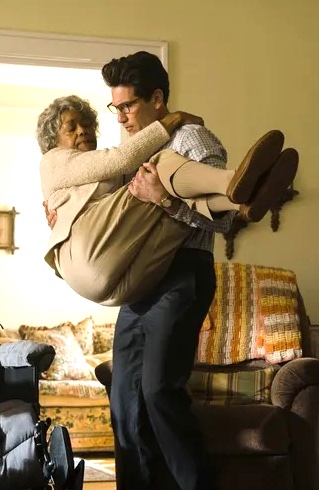
Origin isn’t like any film I’ve seen before. Structurally, it’s akin to a dramatised lecture – but if that sounds dry, then I’m doing it a huge disservice. Writer/director Ava DuVernay has taken an academic text and created an artist’s impression of both the work and its author. The result is multi-layered: at once instructive and provocative – and absolutely riveting.

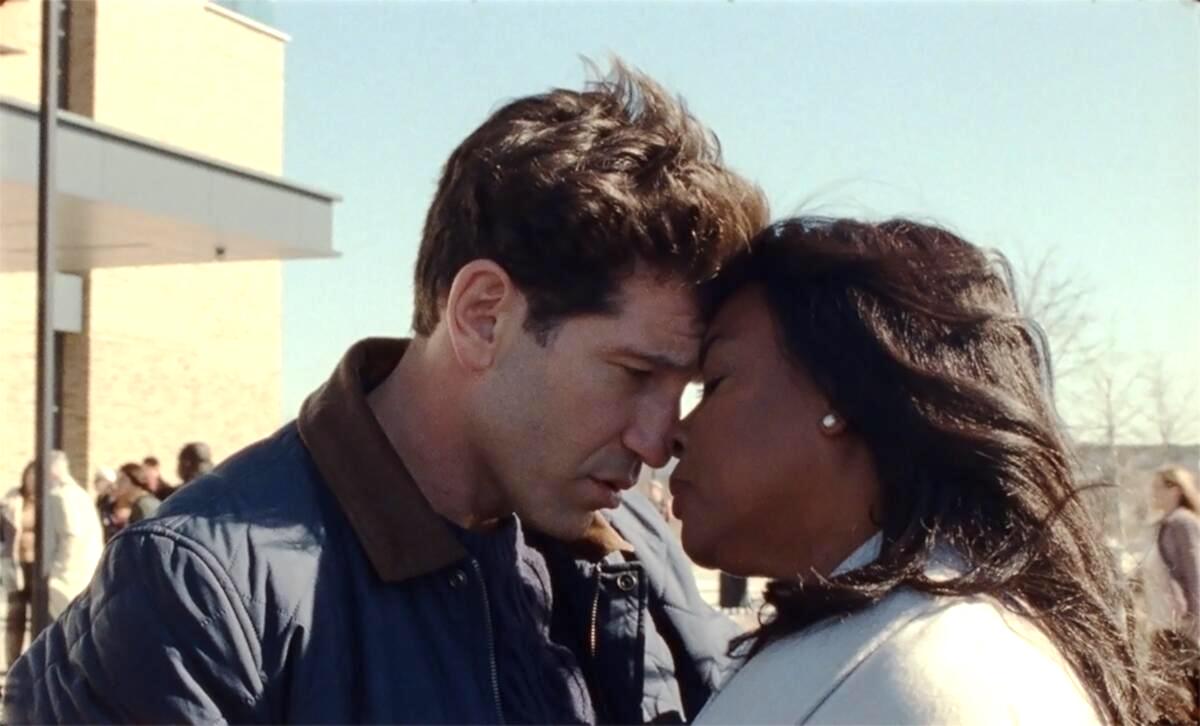
Based on Caste: The Origins of Our Discontents by Isabel Wilkerson (played here by Aunjanue Ellis-Taylor), Origin isn’t an easy watch. Wilkerson’s central conceit is that all oppression is linked – that the Holocaust, US slavery and India’s caste system all stem from the same fundamental practice of labelling one group of people ‘inferior’. This perception is entrenched via eight ‘pillars’, including endogamy, dehumanisation and heritability. DuVernay has done a sterling job of distilling these complex ideas and making them accessible, but the volume of cruelty on display is devastating. Who are we? Why do we keep on letting this happen? Some scenes are particularly heartbreaking, for example the young Al Bright (Lennox Simms)’s humiliating experience at a swimming pool in 1951, and I can hardly bear to mention the visceral horror of seeing people crammed into slave ships.

Ellis-Taylor’s Wilkerson is very engaging. She’s not only fiercely intelligent, but also thoughtful and gentle. Despite the weighty topics that dominate her working life, she finds time to have fun with her husband, Brett (Jon Bernthal), and to look after her mum, Ruby (Emily Yancy). She feels real.

Wilkerson’s personal life anchors the movie, which begins with her looking at retirement homes with Ruby. We see how Trayvon Martin (Myles Frost)’s shooting sows the first seed of her thesis, and then we jump back and forth in time and place, bearing witness to Nazi book burnings and Bhimrao Ambedkar’s ‘untouchable’ status; to Elizabeth and Allison Davis’s undercover work with Burleigh and Mary Gardner, documenting the everyday realities of racism in 1940s Mississippi. It is to DuVernay’s credit that we are never in any doubt about where we are or what point is being made.

There are moments when the concepts need bullet-pointing for clarity, and this is neatly achieved by the addition of a literal whiteboard. We see Wilkerson laboriously erecting it, before covering it in notes about the pillars that hold oppression in its place. This helps to anchor the key arguments, making them easy to grasp and remember.

Origin is a demanding piece of cinema, but it’s worth the effort. I come away feeling both horrified and educated, looking at the world in a different way.

4 stars

Susan Singfield
The Holdovers

20/01/24

Cineworld, Edinburgh

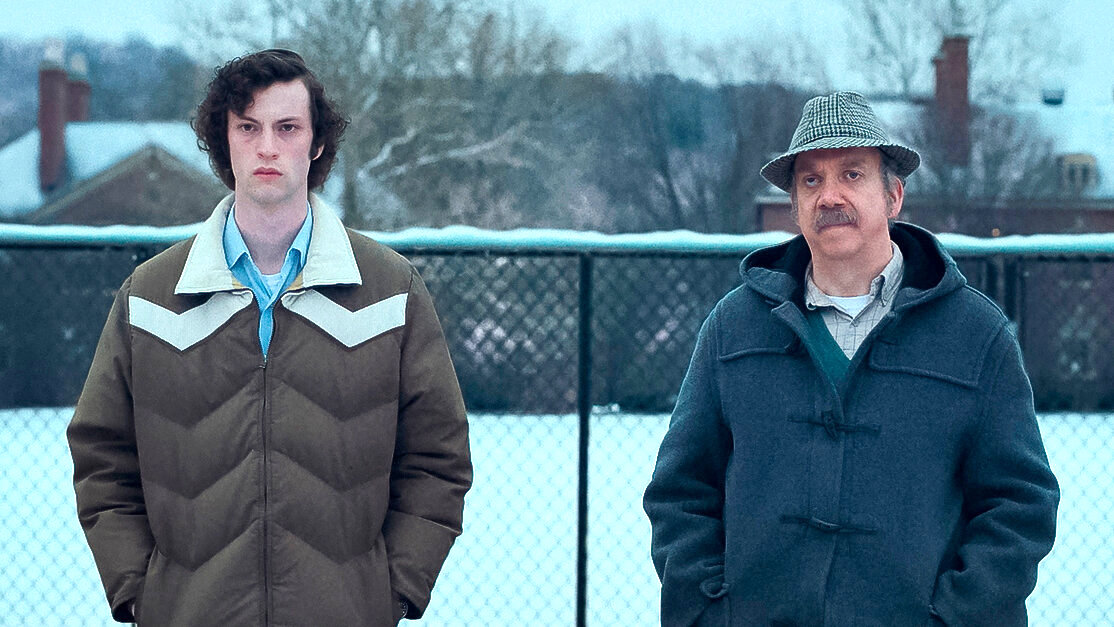
Great Christmas movies are such rare creatures – hard to get right at the best of times – so when one arrives at multiplexes in late January, I can only put it down to circumstances beyond the filmmaker’s control. Alexander Payne’s The Holdovers definitely belongs on Santa’s nice list, and better late than never, I guess. 

The action takes place at Christmas 1970 and tells the story of a grumpy educator, who finds himself thrown into the company of a headstrong young student, and gradually begins to discover the true meaning of the festive celebration. Anybody thinking that this sounds a little like Ebenezer Scrooge is on the right lines, though any similarities to Charles Dickens’ classic tale may be entirely unintentional.

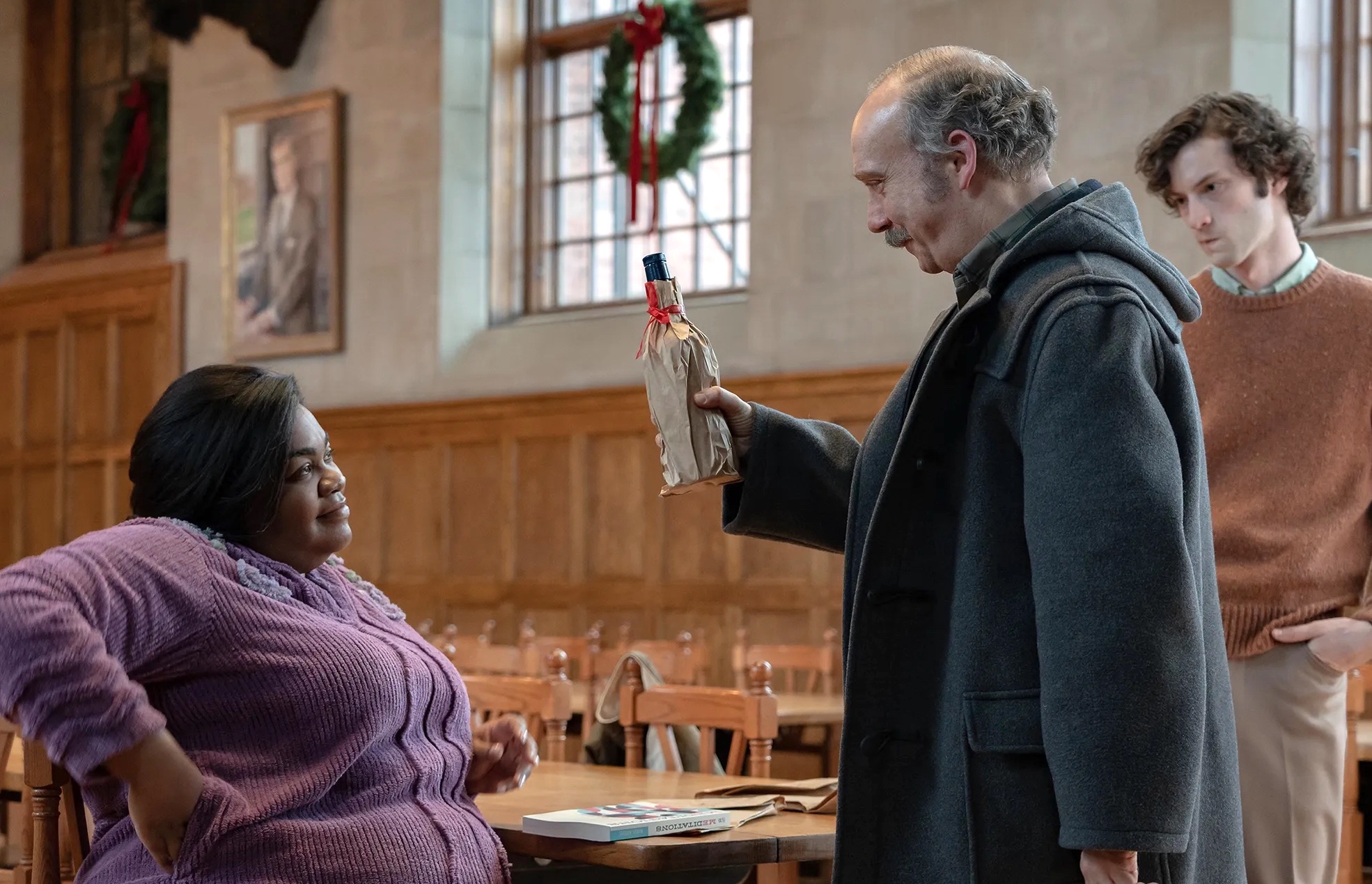
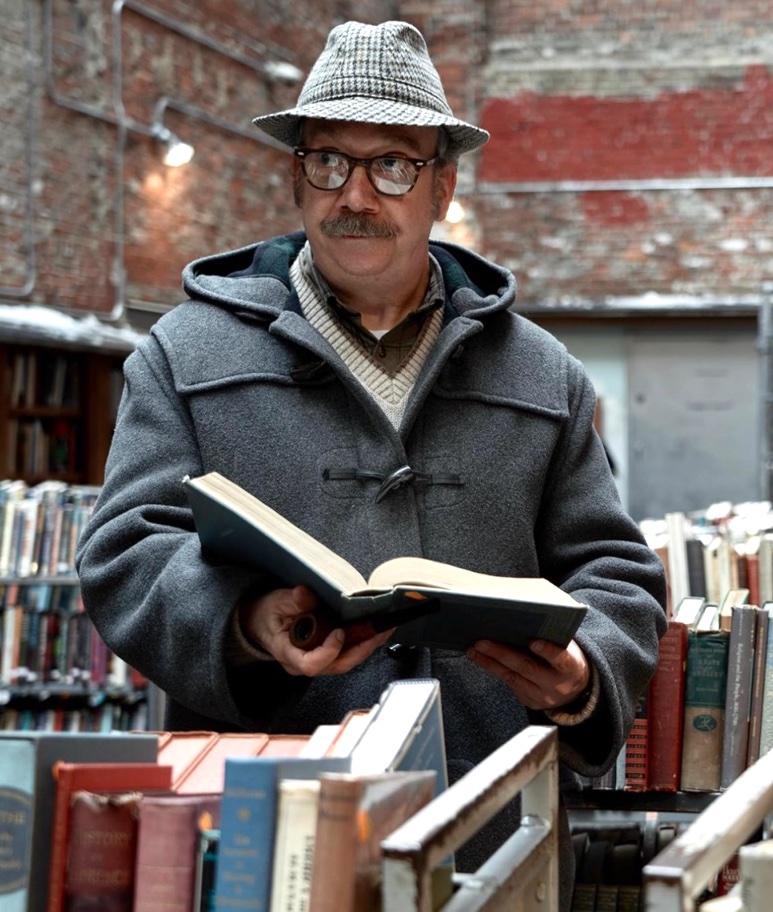
The curmudgeon in question is Paul Hunham (Paul Giametti), a classics teacher at elite New England boarding school, Barton Academy. Paul has taught there for years and is plagued by problems, including an eye condition and a rare syndrome that makes him smell of rotting fish. Perhaps unsurprisingly, thanks to his acerbic manner and his refusal to ever back down on any given subject, he’s disliked by pupils and staff alike. He’s obstinate, even when the school’s head virtually begs him to give a more forgiving exam grade to a boy whose father is one of the school’s most generous patrons.

As the Christmas holidays loom and snow blankets the countryside, Paul is assigned the thankless task of looking after those few pupils who, for whatever reason, are unable to make it home to their families. At first, there are five boys in this invidious position, but, when a wealthy father with his own helicopter intervenes to ferry most of them away on a skiing holiday, there’s only one of them stuck with the prospect of seeing in the New Year with Paul.

He’s Angus Tully (Dominic Sessa), a boy plagued by depression ever since the break up of his parents’ marriage, and currently struggling to make it through each day. The ill-matched duo’s only other companion is Mary Lamb (Da’Vine Joy Randall), the school’s head cook. She’s mourning the recent death of her only son, a former student at Barton, obliged to join the American army, when Mary can’t provide the necessary money to secure her Black son a place at one of the prestigious Universities his white classmates take for granted.

A merry trio indeed.

From these distinctly unpromising beginnings, Payne spins a moving, endearing and sweetly sad story about human interaction. As Paul and Angus begin to learn about each other, so their respective defences are gradually breached. The film, already nominated for several awards, demonstrates what a brilliant performer Giametti is when given the right material, while Sessa and Joy Randall are right there with him. The era is convincingly evoked (down to a set of vintage pre-credit titles) and Eigild Bryld’s stark, snow-bound cinematography captures the story’s bleak setting perfectly. As a former boarding school boy, I find myself constantly reminded of the occasional ‘holdover’ experiences from my own childhood.

Whether this film has the power to make waves against this year’s impressive raft of Oscar contenders remains to be seen, but I suspect that The Holdovers will be the Christmas film of choice for a lot of movie fans in years to come. But maybe I’m putting too much emphasis on the festive setting: a film this good is welcome any time.

4.8 stars

Philip Caveney

The Lesson

24/09/23

Cineworld, Edinburgh

The Lesson is one of those films that’s hugely enjoyable while you’re watching it, but falls apart when you try to analyse it – a bit like the airport novels its antihero, JM Sinclair, so witheringly disparages.

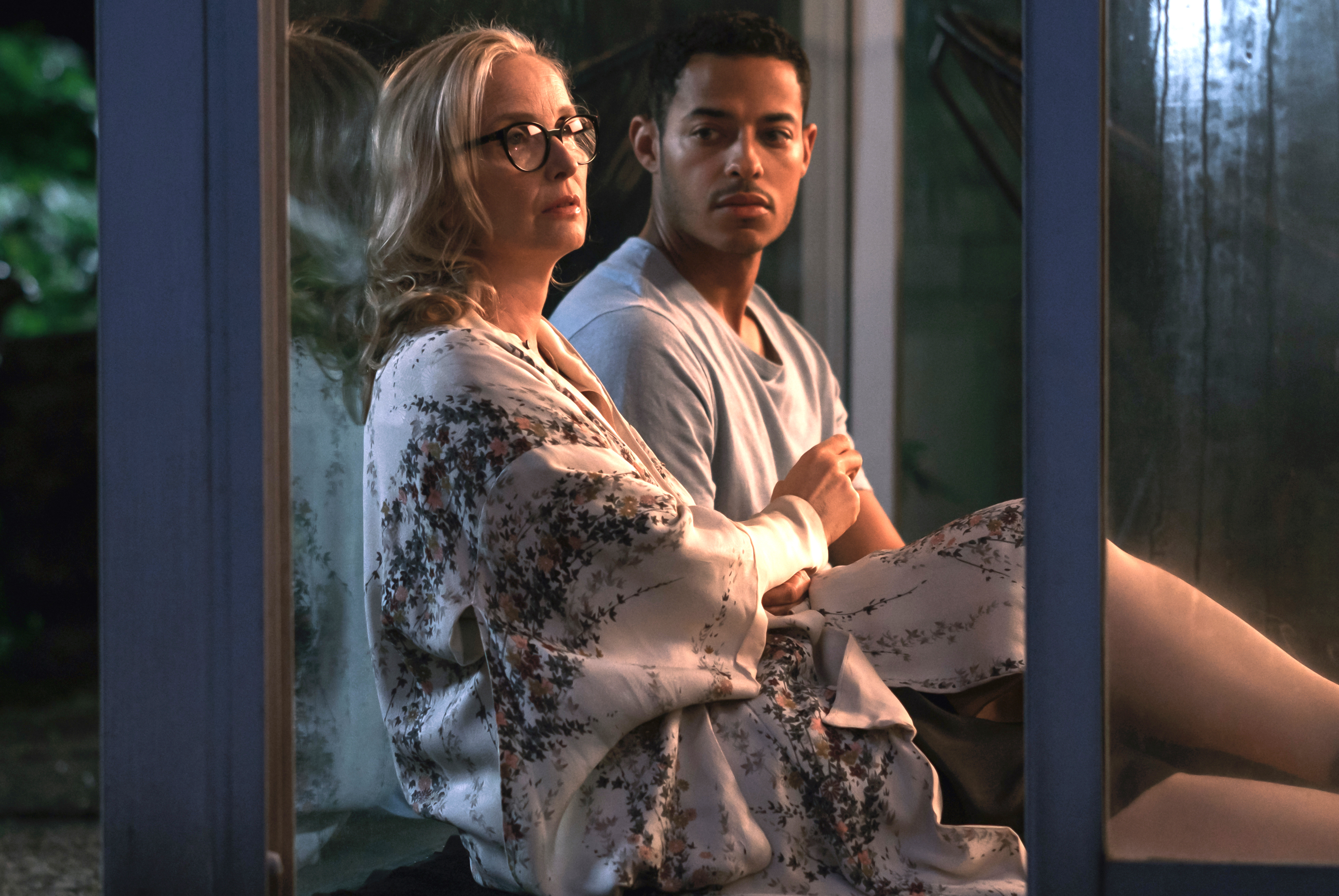
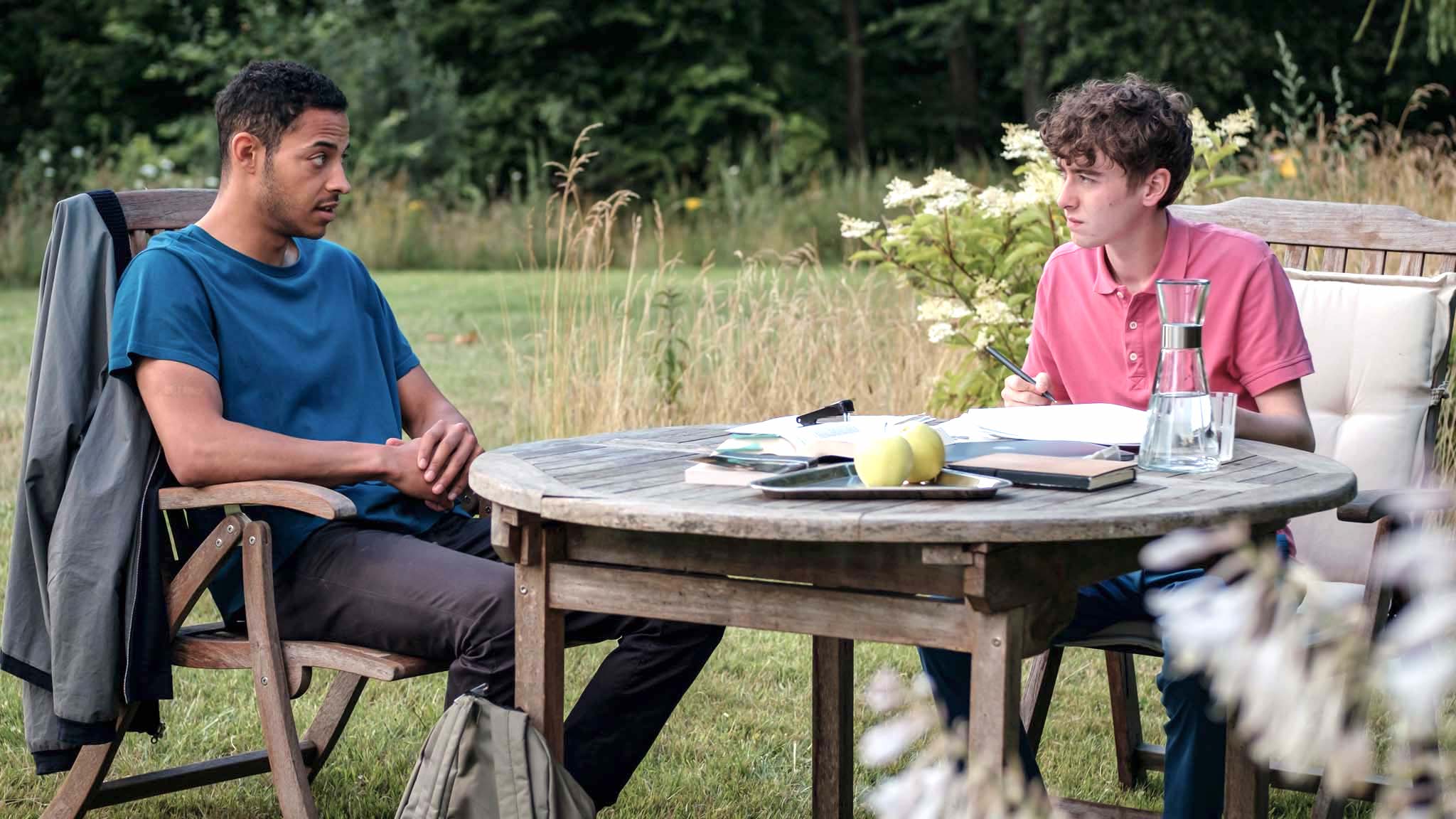
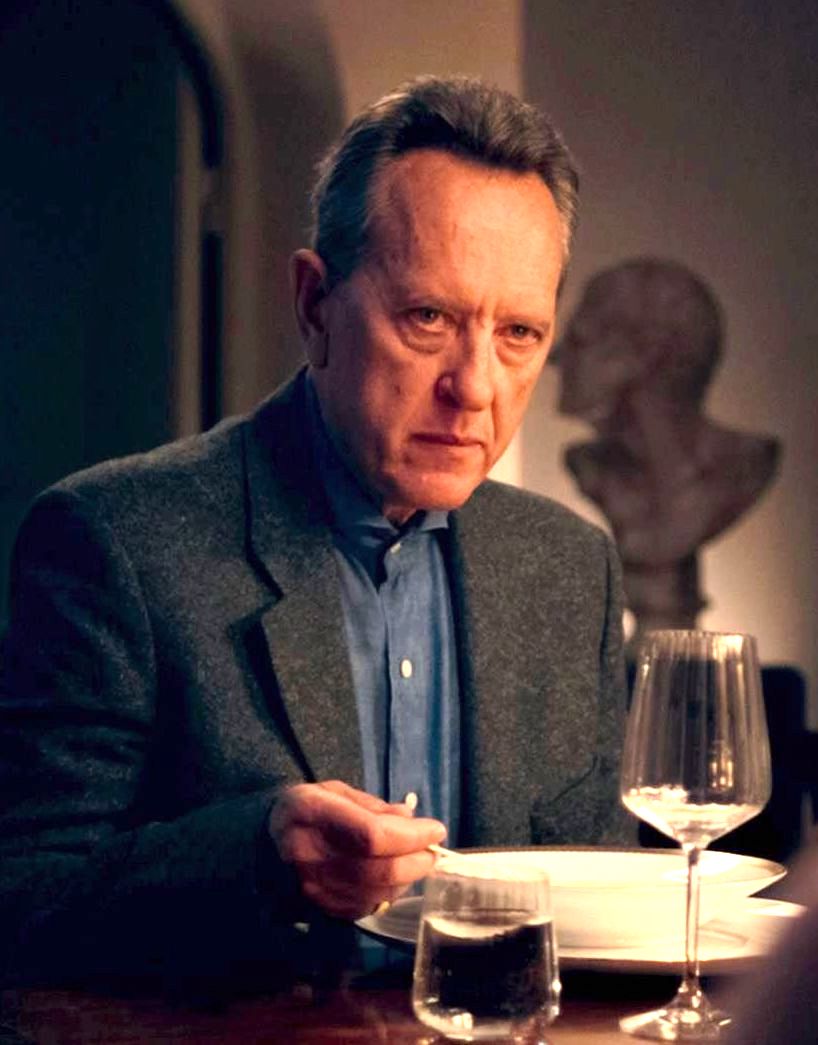
Sinclair (Richard E Grant) is a novelist of some renown – indeed, he is the subject of Oxford graduate Liam (Daryl McCormack)’s PhD thesis – but it’s been five years since he published anything. Since the death of his elder son, Felix, JM has been struggling; he writes daily, late into the night, but he just can’t finish his latest book. Meanwhile, his wife, Hélène (Julie Delpy), is determined that their younger son, Bertie (Stephen McMillan), should get into Oxford to study English literature, a feat which – despite his expensive schooling and obvious intelligence – can apparently only be accomplished by hiring a private tutor.

Enter Liam.

At first, the job seems like a dream come true. The Sinclairs live in the lap of luxury, their large country home filled with impressive artwork and attentive staff. Liam lodges in the guest house, swims in the lake, eats dinner with his idol and gets on well with Bertie; he even has time to finish his own first novel. But JM turns out to be a bruising presence and the family bristles with unhappy secrets; it doesn’t take long for the idyll to sour.

McCormack is a mesmerising screen presence (he surely has a big career ahead of him) and Grant, of course, is never less than interesting. Delpy imbues Hélène with an unsettlingly dispassionate and watchful air, while McMillan plays the innocent very convincingly – so that, no matter what chicanery is exposed, there’s someone we want to see being saved.

Director Alice Troughton does a good job of building the suspense: there’s a genuine sense of threat and the character dynamics are nicely drawn. The script, by Alex MacKeith, has some excellent moments, but also throws up some problems, not least the improbability of Liam’s ability to remember every word he’s ever read, on which the plot hinges. What’s more, although there are some genuine surprises, the main reveal is obvious from very early on, and there are several other details that just don’t ring true.

All in all, although The Lesson has its moments, it doesn’t quite live up to the movie it could be.

3.1 stars

Susan Singfield

The Boogeyman

04/06/23

Cineworld, Edinburgh

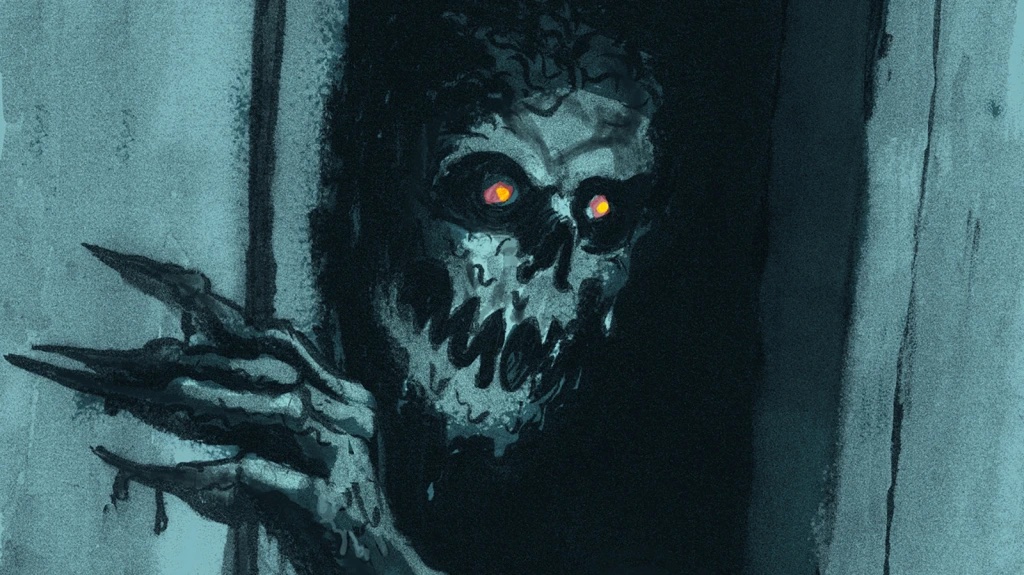
Horror movie The Boogeyman is one huge unsubtle metaphor – but it’s none the worse for it. The eponymous villain represents negative emotions – sorrow, misery, rage, etc. – and he needs dealing with before he kills you.

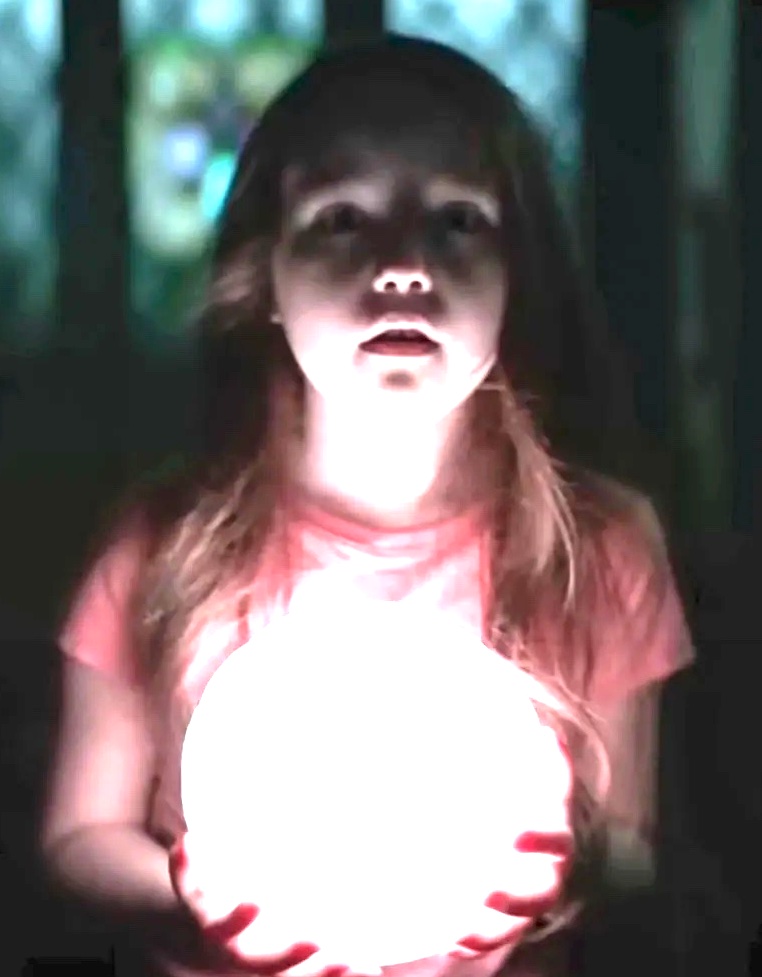
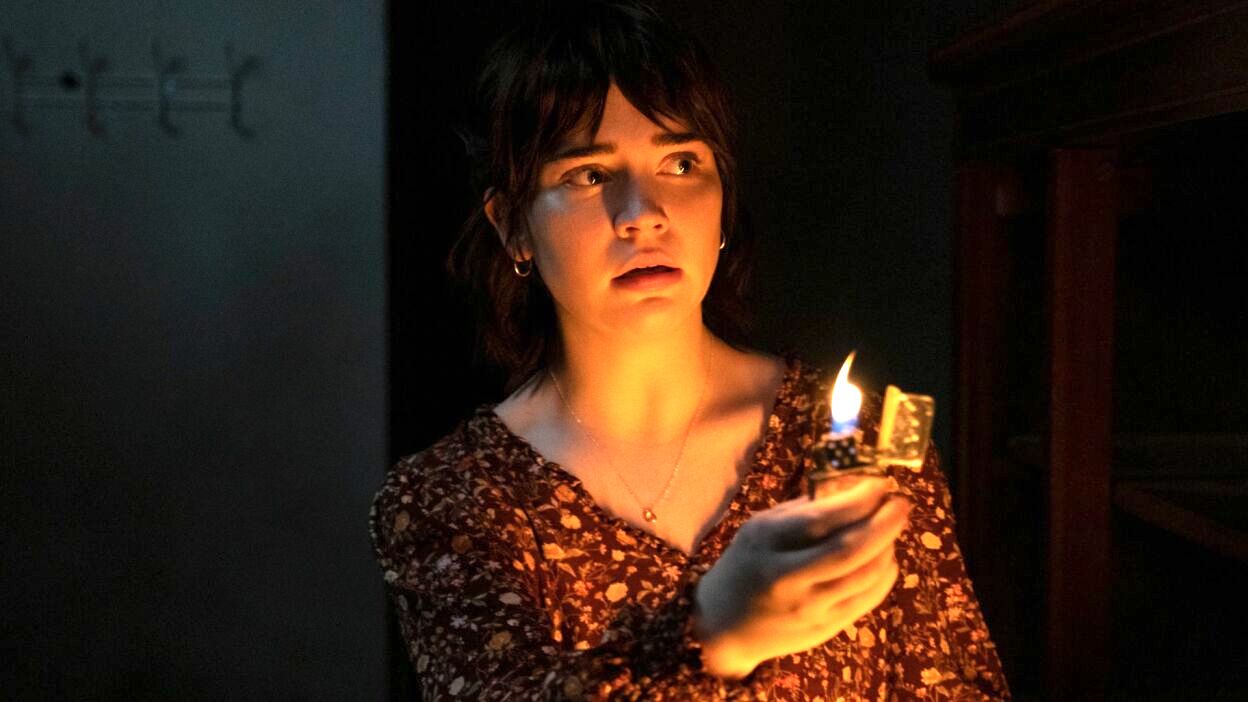
Sisters Sadie (Sophie Thatcher) and Sawyer (Vivien Lyra Blair) certainly know all about negative emotions. It’s only a month since their mother was killed in a car crash, and they’re struggling to adapt. Sawyer can’t sleep until her dad, Will Harper (Chris Messina), has checked her closet for monsters, and even then she needs her ball lamp next to her. Sadie is trying to put on a brave face, but her school friends aren’t really there for her. Meanwhile Will – a therapist, no less – completely refuses to talk about their mom at all.

When Lester Billings (David Dastmalchian) shows up at Will’s home office one day, he brings more than his sadness with him. His children have been killed by a mysterious boogeyman, he says, but the police suspect Lester has murdered them himself. He’s frantic with grief and wants Will’s help to cope. Instead, the insidious monster that’s following him turns its attention to the Harper family and begins to wreak havoc…

Based on a short story by Stephen King and directed by Rob Savage, The Boogeyman builds suspense well. The family dynamics are convincingly drawn, and the just-out-of-sight boogeyman feels genuinely scary (as ever, he’s a little less frightening once made corporeal).

There are a few plot holes that let the film down overall. Lester’s widow, Rita (Marin Ireland), for example, seems to be surviving on candlelight and bullets. No one’s eaten in that kitchen for some time, that’s for sure, and why haven’t the neighbours reported all the gun shots? If the police think Lester’s a killer, why isn’t he in custody? And, if the monster can only get you in the dark, why does no one ever turn on a room’s main light?

All in all, this is a fun little film. It doesn’t bear much scrutiny, but it assuredly entertains.

3.5 stars

Susan Singfield

Life of Pi

31/03/23

Cineworld, Edinburgh

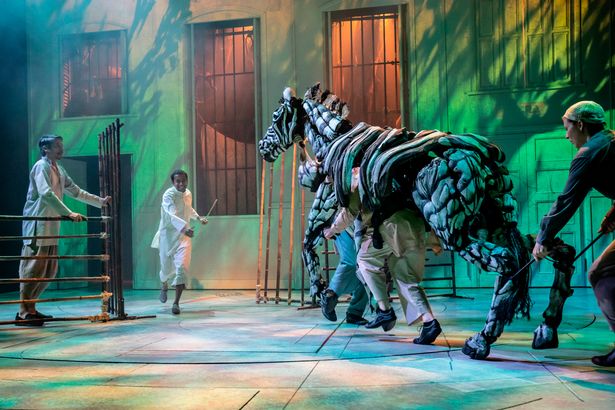
Yann Martel’s novel, Life of Pi, was published in 2001 and won the Booker Prize the following year. In 2012, it was adapted into an impressive film, directed by Ang Lee. Of course, the inevitable next step was to adapt it for the stage, but that’s a very tall order. Would it be possible to convincingly present such a fantastical story in a theatre? Well, never underestimate what can be achieved with a suitable budget and state-of-the-art special effects. This version, beamed direct from London’s Wyndham Theatre as part of the NT Live season, is absolutely eye-popping.

The play opens in a hospital ward in Mexico, where our eponymous hero is being interviewed about his extraordinary survival in an open boat for 227 days, but his recollections are suddenly punctuated by a scene change so slick, I barely notice it happening, – until it has. 

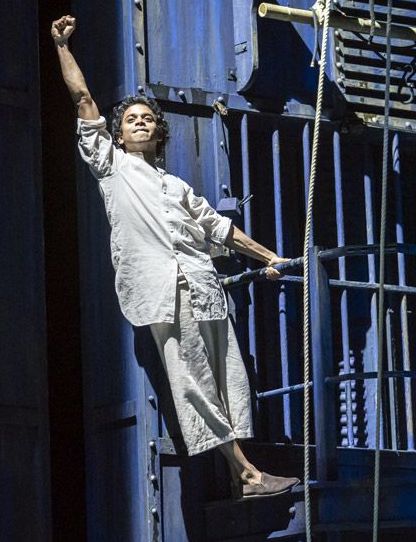
It’s the 1960s and Piscine Molitor Patel (Hiran Abeysekera) lives in Pondicherry, India. Named after a swimming pool in France, he prefers his adopted nickname ‘Pi.’ His parents run a small zoo and Pi and his sister spend much of their time looking after the animals – including the latest arrival, a fierce Siberian tiger called Richard Parker.

And now it’s 1976 and, due to violent political unrest, Pi’s parents have decided to relocate their animals to a zoo in Canada. Pi, his family and all the animals board the Japanese freighter Tsintsum, and set off on a sea voyage. What could possibly go wrong? Well, plenty, as it happens. Pi ends up stranded in a lifeboat with only a zebra, a hyena, an orangutan and er… Richard Parker for company. 

Which is awkward, to say the very least.

To give him his due, Abeysekara offers an extraordinary performance in the lead role but, as you might expect, his efforts and those of his fellow performers are somewhat dwarfed by the aforementioned puppetry and special effects, which are quite frankly, off the scale. 

Let’s begin with Tim Hatley’s ingenious set designs, particularly those that deal with Pi’s adventures in the fateful lifeboat tossed upon stormy seas. Raging torrents of water appear to flood across the performance space, while shoals of fluorescent fish speed along just below the surface. I even gasp out loud at one point when Pi takes a nose dive onto an apparently solid stage… and disappears right through it, only to resurface in an entirely different spot a moment later. How have they done that? (With trapdoors, obviously, but it’s astonishing nevertheless.)

As are the animals – or, more accurately,  the puppets, designed by Nick Barnes, which are so intricately made that I actually keep forgetting they’re mechanical, which is ridiculous because I can quite clearly see the people operating them… and yet… and yet, I still believe they’re real, which is some accomplishment. Richard Parker is, of course, la bête du jour, the very essence of feline power, even able to switch into a comedic role as a fan of haute cuisine and back to a snarling, powerful predator, but – to be fair – every creature I see, right down to the swarms of multi coloured butterflies, is an astonishing creations.

Adapted by Lolita Chakrabarti and directed by Max Webster, Life of Pi is like a magician’s box of tricks. There’s a small part of me that feels sorry for the cast of (mostly excellent) actors struggling to make themselves seen amidst all that sturm und drang, but I guess it’s just – ahem – the nature of the beast.

4.3 stars

Philip Caveney

Othello

23/2/23

NT Live: Cineworld, Edinburgh

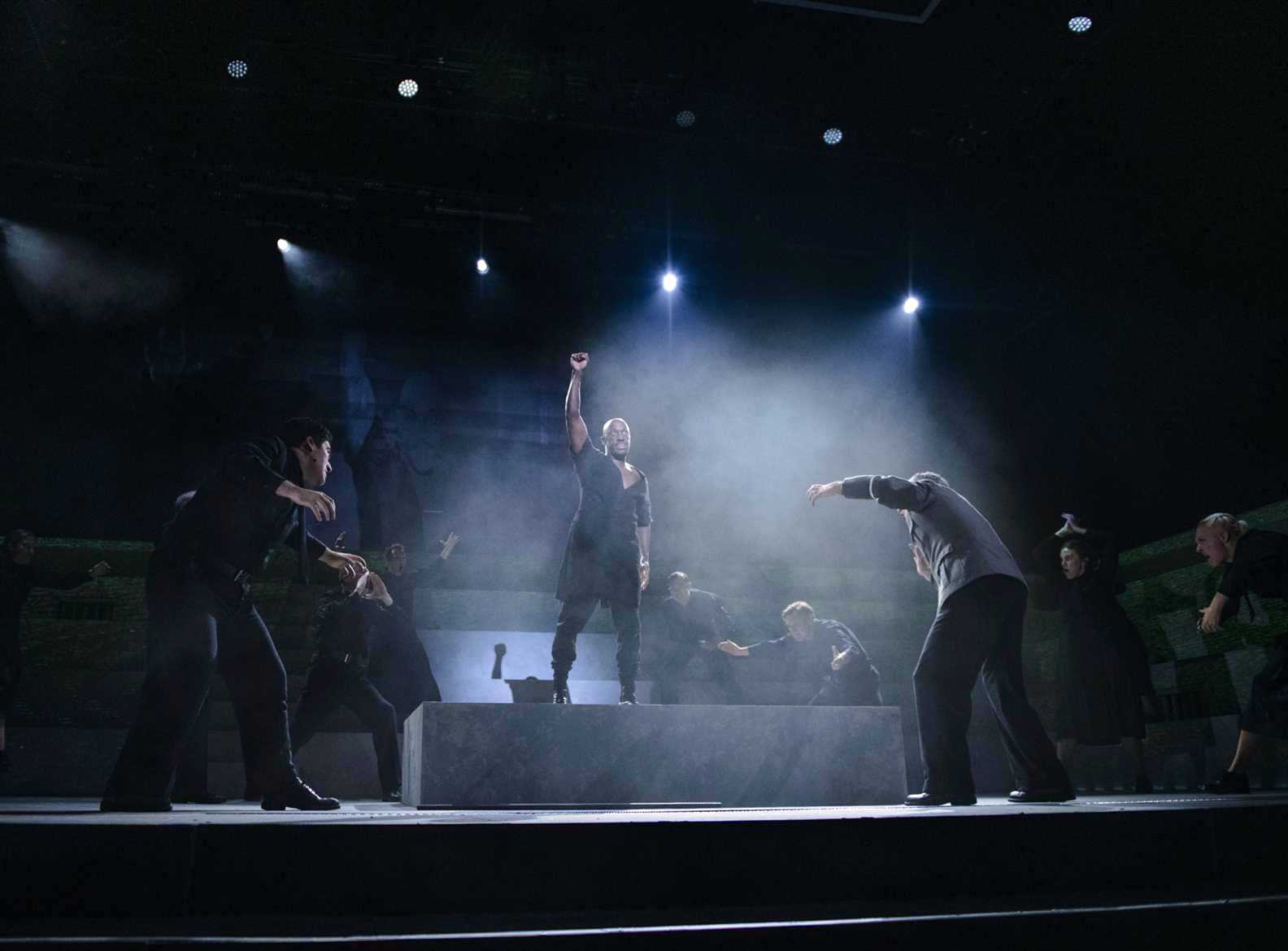
Although we’re watching it in a cinema, Clint Dyer’s Othello is avowedly theatrical, overtly referencing the play’s stage history via a series of projected images as the audience trickles in. It’s a powerful conceit, acknowledging the fact that our interpretations of classic texts change with the times, informing us that this will be an Othello for the 2020s (and far removed from Olivier’s infamous 1960s blackface).

Dyer brings the play’s racism into sharp focus, as well as its sexism. Moving the action to the 1930s means that the widespread bigotry Othello (Giles Terera) endures fits into a recognisable framework of fascism. Brabantio (Jay Simpson), who doesn’t want his daughter to marry ‘a Moor’ – not even a super-soldier, credited with defeating the Turkish army – is far from alone in his prejudice. Indeed, we have a whole System (the chorus), all too willing to endorse his view. Roderigo (Jack Bardoe) is not played here as an amusing fool; instead, he is a jingoist, short on reason but bold in his assertions. Thus, as the only Black actor on stage, Terera’s Othello is isolated and visibly different from those around him, and his relationship with the politically-aware Desdemona (Rosy McEwen) is as much ideological as it is romantic.

In this context, it’s no surprise that an unscrupulous schemer such as Iago (Paul Hilton) can thrive. He is the ultimate embodiment of toxic masculinity, propelled by self-entitlement and envy; Hilton makes this Iago deliciously sinister. He abuses everyone: his wife, Emilia (Tanya Franks) bears the brunt of his frustration, but no one is immune. His bitter resentment sours everything, drags everybody down. Othello doesn’t stand a chance against such an insidious adversary, in such an imbalanced world.

Chloe Lamford’s set is stark and monochrome: a semicircular series of steps, suggestive of a Greek amphitheatre. The chorus heightens this notion, acting as a kind of on-stage audience, reflecting us back at ourselves. We are all the System, it seems to say; we are all complicit. The costumes (by Michael Vale) continue the monochrome theme, highlighting the binary opposition of black and white.

This is an excellent production: bold, contemplative, kinetic and engaging. Terera captures both Othello’s strength and his failings, his dignity and his deficiencies. We see his greatness, but also recognise and despise his misogyny when he tries to justify murdering Desdemona by saying he loved her “too well”. McEwen imbues Desdemona with a steadfast nature, confident and assertive to the end, but it is Franks’ Emilia who really surprises: I’ve never been so aware of her as a victim before, nor of her bravery in finally speaking out.

Dyer’s Othello is a complex, clever piece of work. It’s not a radical reworking – indeed, it’s almost entirely true to Shakespeare’s text – but the lens is very different.

4.5 stars

Susan Singfield

Blue Jean

14/02/23

Cineworld, Edinburgh

It’s hard to remember sometimes, from our current vantage point, just how deeply ingrained homophobia was in 1980s Britain. Writer/director Georgia Oakley’s debut film takes us back to 1988, and the implementation of Margaret Thatcher’s controversial Clause 28, which explicitly banned schools and local authorities from ‘promoting’ homosexuality. I was in sixth form then, and I mostly remember finding it ridiculous – as if, without the clause, there would be advertisements everywhere. “Come on, kids! Be gay! It’s great!” But I only had the luxury of dismissing it as stupid because I was straight. I don’t know how it made the gay kids feel. I didn’t know anyone who said they were gay back then (although, of course, many have come out since). I don’t blame them for keeping schtum. I don’t remember the schoolyard as a place that celebrated difference.

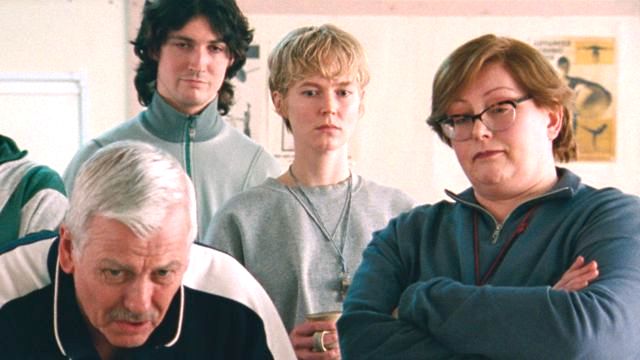
Jean (Rosy McEwen) is a PE teacher. She’s also a lesbian, recently divorced from her husband, and enjoying a new relationship with Viv (Kerrie Hayes). But while Viv is at ease with herself – out and proud and politically engaged – Jean is less confident about her sexual identity. She’s still keen to fit in with the heteronormative world; she doesn’t want to draw attention to herself, either at school or with her family. It’s a matter of survival: however shocking it may seem, she’s right to fear her that job is on the line. She manages by drawing a clear distinction between work and home: she lives in a different town from the one she teaches in, and refuses drinks invitations from her colleagues. Her social life revolves around a gay club and a lesbian commune, and here she’s free to be herself.

Until fifteen-year-old Lois (Lucy Halliday) shows up in the club. She’s belligerent and bold – and she’s also Jean’s student. Suddenly, Jean’s worlds collide. Her carefully segregated life is under threat, and she’s torn between fight or flight.

Oakley’s script gives us a clear insight into the era, and into the overt discrimination that permeated popular culture. McEwen shows us a young woman forced into a choice she doesn’t want to make: she has to be a hero or a failure; she can’t just be; the government’s weird preoccupation with consenting adults’ sex lives has a profound impact on real people. Hayes is heartbreaking as Viv, whose clear-eyed view never dulls her pain, and newcomer Halliday is mesmerising on the screen.

Clause 28 was finally repealed in 2003, and things have certainly improved – although, of course, there’s still a way to go. Blue Jean serves as an important reminder of why we can’t ever relax our vigilance, and why we mustn’t let things slide. People’s lives and happiness depend on it.

4 stars

Susan Singfield

The Crucible

26/01/23

NT Live: Cineworld, Edinburgh

It’s a Thursday night, and a bit of a scramble getting to the cinema after work for a 7pm start. There’s certainly no time for anything so trivial as say, food, this evening. Sure, it’s The Crucible, and we’ve read a lot about this latest production from the National Theatre. But is it worth skipping a meal for?

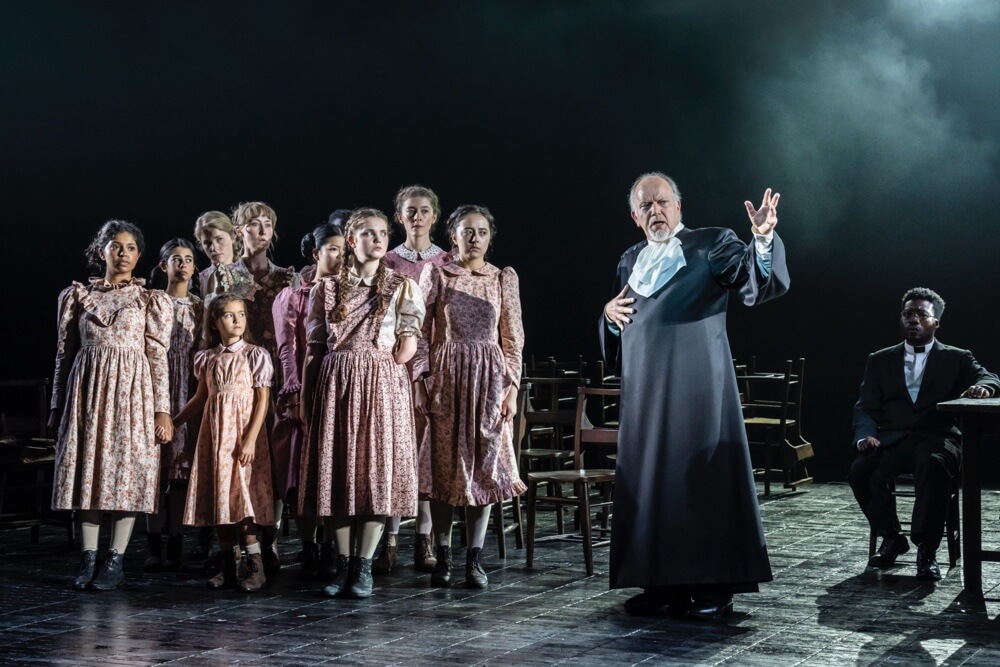
Thankfully, Lyndsey Turner’s interpretation of Arthur Miller’s timeless classic is so absorbing that we forget our empty bellies: we’re right there in Salem, Massachusetts, drawn into the destructive hysteria of the seventeenth century witch trials.

The story is well-known. A restrictive society collapses in on itself; petty grievances escalate into accusations of witchcraft; accusations of witchcraft further escalate into a feverish cull. Powerful men exploit vulnerable children, and women pay the price.

In this production, power imbalance is given centre stage. Erin Doherty’s Abigail Williams is no feisty seductress; instead, she’s a troubled teenager, all stroppy self-absorption and wounded spite. I like the way the girls are styled – as artless kids, kicking against a regime that affords them little in the way of entertainment, let alone autonomy. Proctor’s attempt to blame Abigail for their affair is shown as fundamentally flawed. It is his transgression, because he is the adult.

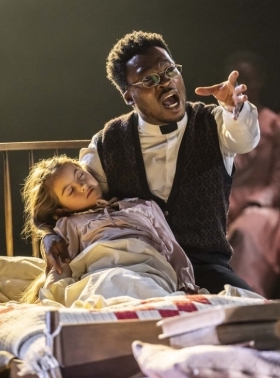
But he’s a victim too, and Turner’s direction highlights class warfare as well as misogyny. Hathorne (Henry Everett) and Danforth (Matthew Marsh) represent the ruling elite, issuing diktats and seizing ever more control. Reverends Parris and Hale (Nick Fletcher and Fisayo Akinade respectively) are the useful middle-class idiots, serving up the workers to the toffs. They’re very different men, but they fulfil the same role: condemning the villagers to their dreadful fates.

Es Devlin’s roofed set is wonderfully oppressive, a sheet of rain acting as an extra barrier, showing how cut off and isolated the villagers are, making their implosion all the more credible. The costumes (by Catherine Fay) also work well to create a sense of timelessness: they’re sort-of period, sort-of modern; not-quite-now but not-quite then. And what is The Crucible if it’s not a play for all ages, exposing our ongoing susceptibility to witch-hunts, both literal and metaphorical?

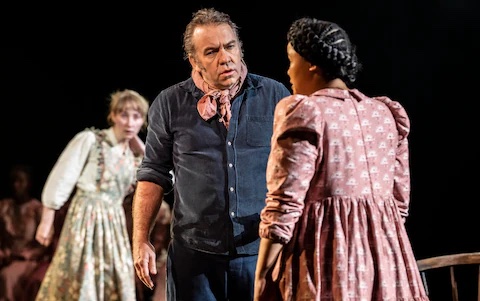
Brendan Cowell’s John Proctor is fascinating. He’s a shambling contradiction of a man: an honest cheat; an exploitative victim. I think he might be my favourite of all the Proctors I’ve seen, illuminating the character’s complexities. Here, he’s styled almost as a lone cowboy – a broken maverick, who comes good in the end. “Because it is my name” is such a weighted line, fraught with audience expectation (akin to Lady Bracknell’s “A handbag?” or Hamlet’s “To be or not to be?”) and it’s nice to see it being played down, spoken softly, as if it’s a simple, self-evident thing.

I’ve said it before and I’ll no doubt say it again: hurrah for NT Live. It means that our ‘national theatre’ really is national – easily accessible and (relatively) affordable. And definitely worth one missed evening meal.

4.7 stars

Susan Singfield
Tár

13/01/23

Cineworld, Edinburgh

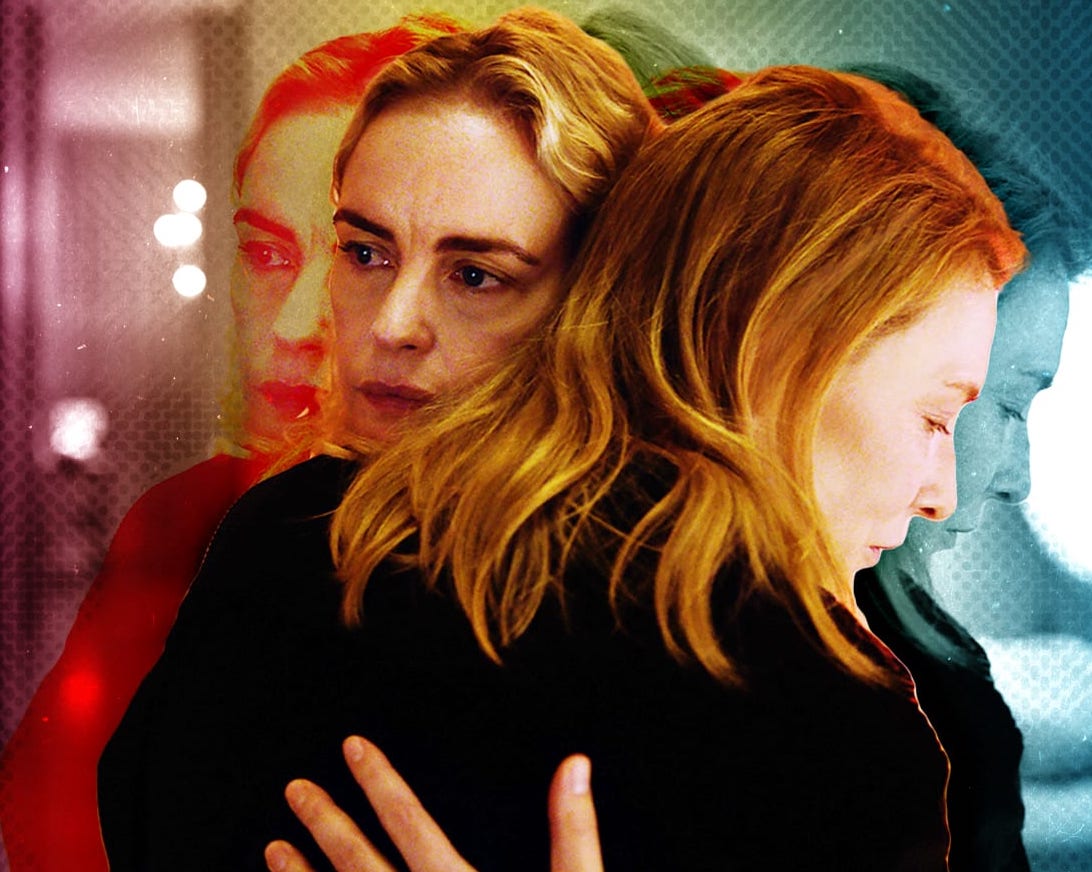
Todd Field’s Tár is a complex, demanding film. And yet, despite its difficult themes and its contemptuous, autocratic central character, it’s also engaging and exciting.

At first, I’m not quite sure. The film begins with the credit sequence. This feels pretty audacious in itself. They’re called ‘end credits’ for a reason, right? They’re for putting your coat on and fumbling your way down the stairs in the dark, not for actually watching. I mean, I don’t care who provided the catering truck, or who the post-production supervisor is. Here, I’m forced to watch, and to listen to the music (Elisa Vargas Fernandez’s Cura Mente).

Okay, so I’m unsettled, which I guess is the point, but from here we’re into an equally long opening scene, where we meet the eponymous Tár being interviewed. The discussion itself is deferred by an interminable introduction, listing not just the highlights, but every one of the great conductor’s achievements, and – when the questions do begin – they’re dry and academic, the answers a forensic examination of classical music from a maestro’s perspective. I find myself shifting in my seat, wondering how this is the film that’s just won Cate Blanchett a Golden Globe.

And then…

Suddenly, there’s a shift. We’re with Tár at Julliard, where she’s teaching a class. She’s angered by a young student’s dismissal of Bach as ‘irrelevant’, and we’re offered a glimpse of her scathing nature as she belittles his concerns. It’s a shocking moment – and it’s not the last. Because somebody is watching her…

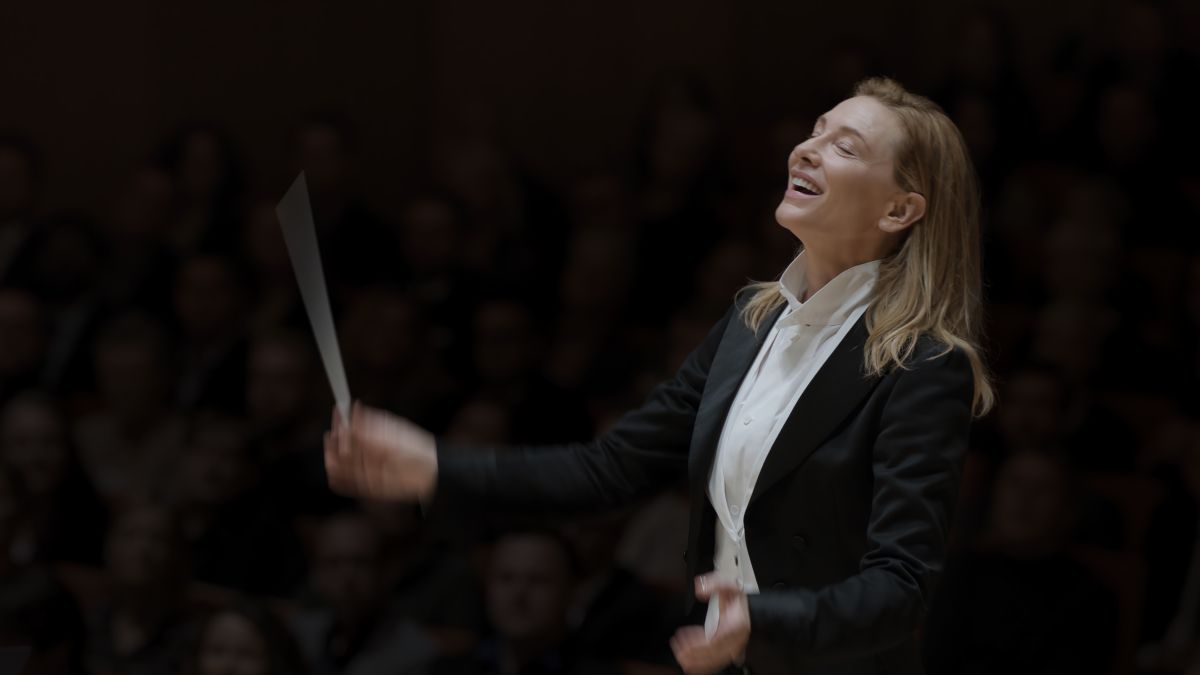
Blanchett is utterly compelling. She towers; she glowers. Lydia Tár is both maestro and monster, impressive and imperious. She’s living her best life: conducting the prestigious Berliner Philharmoniker, launching her autobiography, Tár on Tár, flying first class around the world, and sharing a stunning apartment with her wife, Sharon (Nina Hoss), and their young daughter, Petra (Mila Bogojevic). But she’s also careless of other people’s feelings, and ruthless in her dealings, both personal and professional. She has dalliances with some of the impressionable young women she mentors, then ditches them when she grows bored. Nothing seems to touch her – until it all comes crashing down.

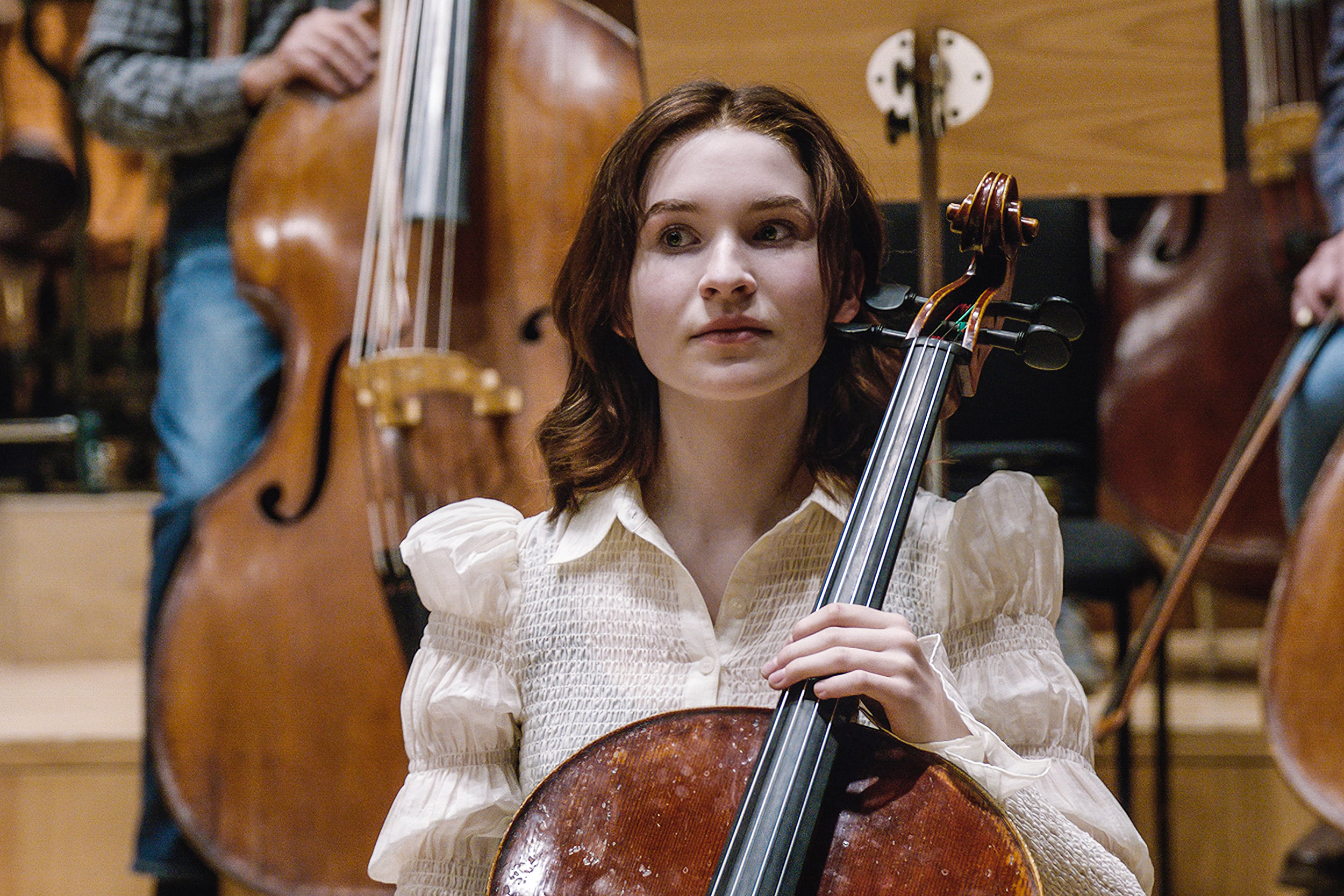
The whole thing is disquieting, elements of melodrama and thriller juxtaposed with the minutiae of how a professional orchestra works. I’ve never seen anything quite like it. Both the story arc and the characters are unconventional, the precise, deliberate nature of the structure mirrored by Tár’s meticulous dissection of Mahler’s fifth symphony.

By the time the end-end credits roll, I’m a complete convert. This is a fascinating film, so densely packed I know I need to watch it again (something I rarely do). Quite simply, Tár is a masterpiece.

5 stars

Susan Singfield

The Silent Twins

09/12/22

Cineworld, Edinburgh

The real-life silent twins of the title are Jennifer and June Gibbons, born in 1963, who refused – for years – to speak to anyone but each other. No one really knows why, but there are myriad theories: they were outsiders – the only Black kids in their small Welsh town; they were bullied; one was controlling the other – or, more crudely, they were ‘disturbed’.

Certainly ‘disturbed’ was the verdict of a baffled legal system, which over-reacted to the girls’ teenage crimes of petty theft and arson, and sent them to Broadmoor high security mental health hospital – a place more commonly associated with hardened murderers than wayward kids. How did they get through the eleven long years they spent there?

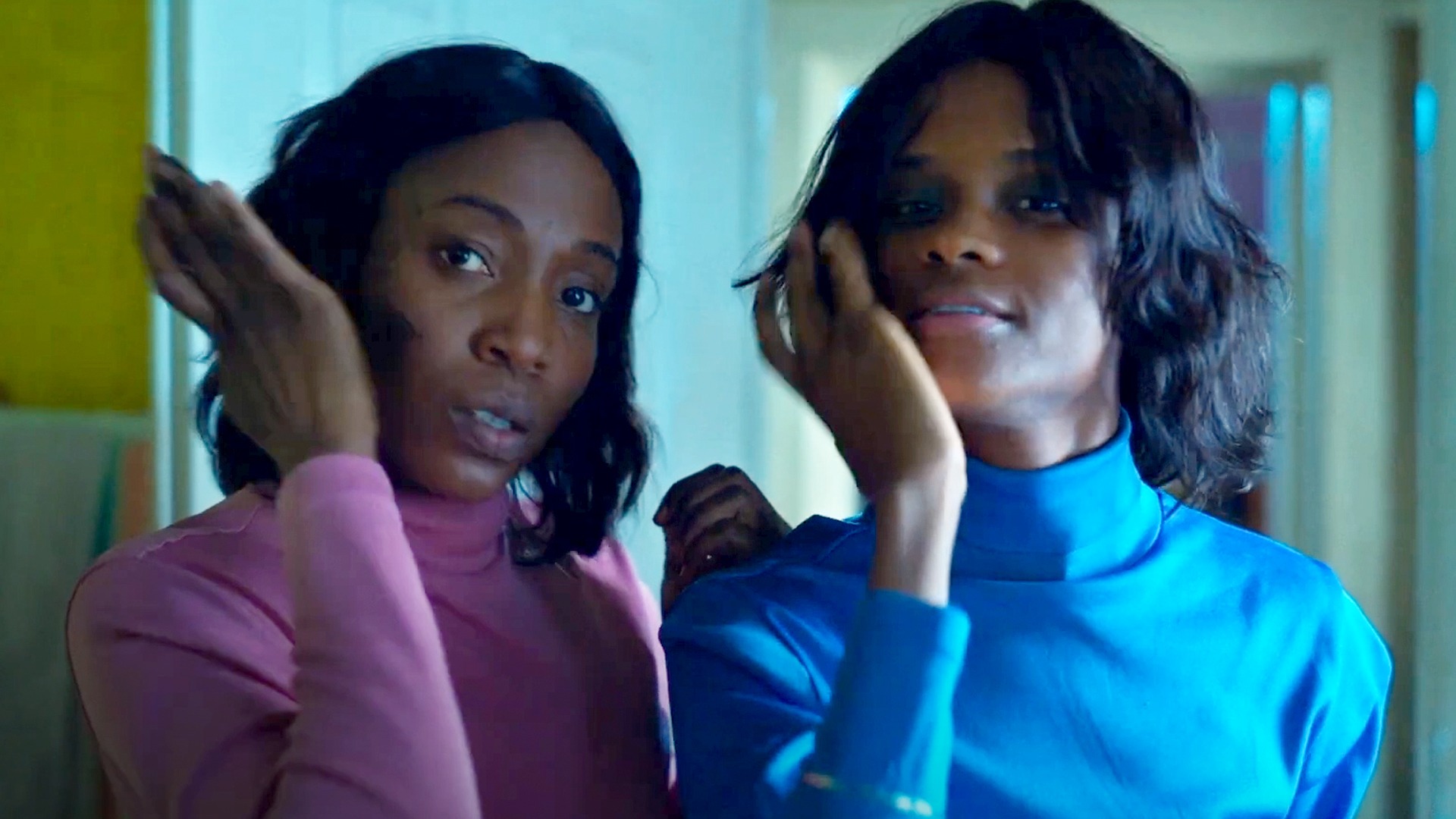
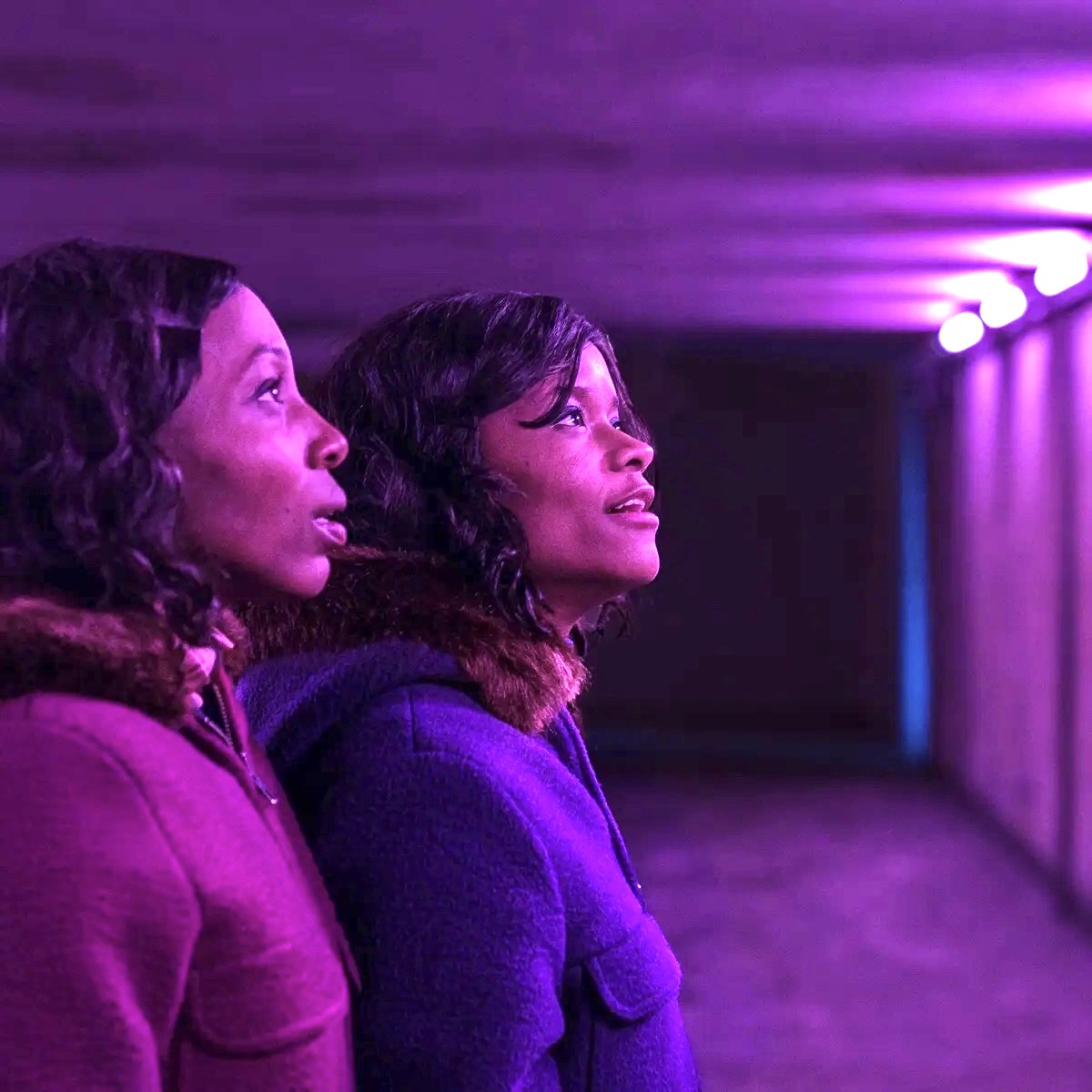
Director Agnieszka Smoczynska shows us how: by retreating into their rich inner lives. In this illuminating biopic, adapted by Andrea Seigel from the book by journalist Marjorie Wallace (played here by Jodhi May), we see that Jenny and June are far from mute and far from short of things to say. They just have a different way of expressing themselves. In reality, their so-called ‘secret language’ was a mixture of Bajan slang and super-fast English, which they used to tell stories to each other; here, their tales are depicted as distinctive animations. The girls are writers, producing countless reams of short stories, poems, even novels, spending their meagre benefits on foolscap, typewriter ink and – eventually – vanity publishing. They refuse to engage with their seemingly lovely family, rejecting any offers of help. Sent to separate schools for kids with special educational needs, they both become further withdrawn, refusing to move or eat, let alone speak. They’re driven by their art: once school is behind them, they realise they need to interact with the outside world – how can they write about romance if they’ve never experienced it? But romance is in short supply in their dalliances with the odious Wayne (Jack Bandeira)…

If only all biopics were as imaginative, engaging and sensitive as this! Jenny and June are not presented here as curiosities, but as troubled young people, let down by a system totally lacking in empathy, keen to other them, to set them apart. We see them as little girls (Eva-Arianna Baxter and Leah Mondesir-Simmonds) and as young women (Tamara Lawrance and Letitia Wright), by turns mischievous and vulnerable, selfish and self-absorbed. The four performances are exemplary, like a house of mirrors, amplifying the twins’ co-dependence, as well as the monstrous cruelty of sending them to an institution destined to destroy them, breaking two butterflies on a barbaric wheel.

Smoczynska imbues the girls’ story with humanity: there is sweetness here, and humour, as well as misery and obsession. It’s a thought-provoking, insightful piece of work.

4.5 stars

Susan Singfield