21/11/26
Cineworld, Edinburgh
You Can See Everything – a nearly three hour long documentary co-directed by Nathan Fielder and Lance Oppenheim – has enjoyed a seismic release in America, where audiences were virtually fighting for tickets. Made on a modest budget of around seven million dollars, it has already taken in excess of $100 million and that figure keeps rising. While it might not be quite as cataclysmic an event in the UK, the big auditorium where we watch it on a cold Saturday morning is nevertheless three-quarters full, which suggests that people here are taking notice too.
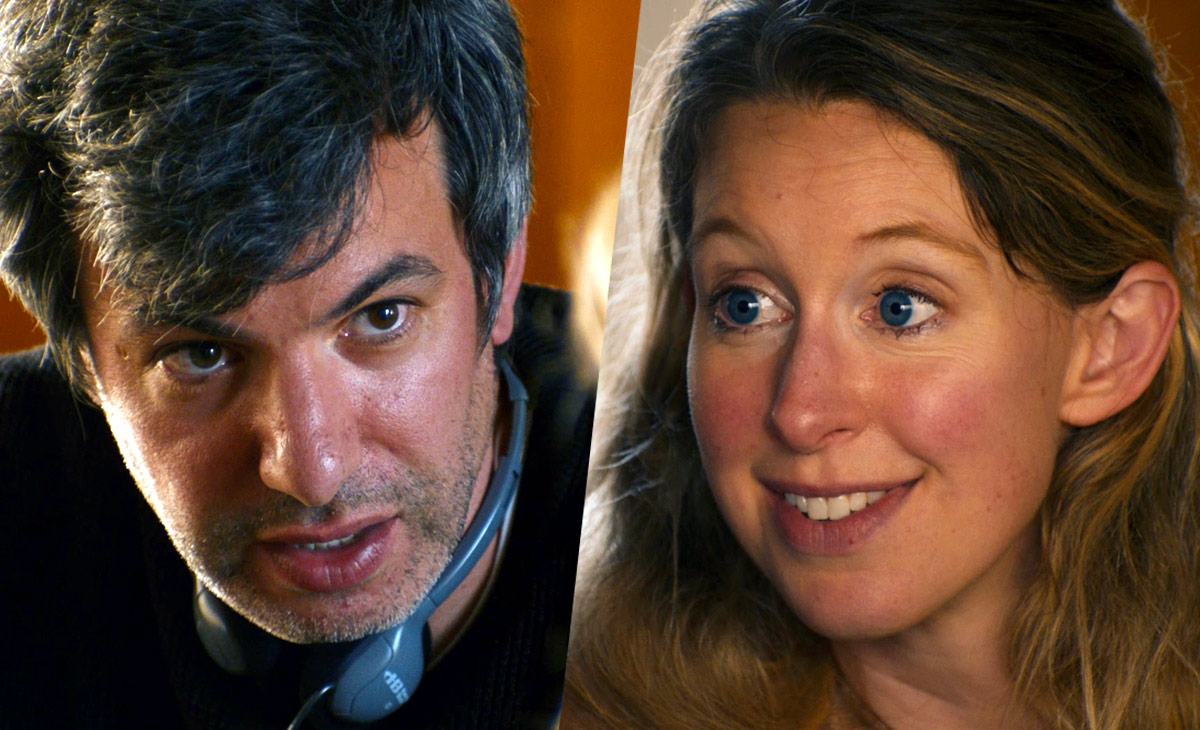
Fielder, best known for his spoof television shows and weird drama series, The Curse, receives a telephone call from one Billy Evans, the husband of disgraced Theranos CEO Elizabeth Holmes, who is fast approaching the time when she must head off to prison to serve an eleven-year sentence for fraud. For those who don’t know, Theranos was a healthcare innovation based around an iPhone-sized medical gadget which, Holmes claimed, could detect all kinds of illnesses from a single drop of blood. It received millions of dollars from potential investors, the only problem being that, well… it didn’t actually work. Which was awkward to say the very least. (Interested parties who know nothing of the story might want to investigate the excellent Apple TV biopic, The Dropout, where Holmes’ rise and fall is brilliantly portrayed by Amanda Seyfried.)
Evans suggests that Fielder might like to move in to the seafront apartment where he, his wife and their two young children are currently spending their time as Holmes readies herself for her imminent incarceration. Fielder and his film crew, Evans promises, will have access to every aspect of the couple’s lives. They will indeed be able to ‘see everything.’
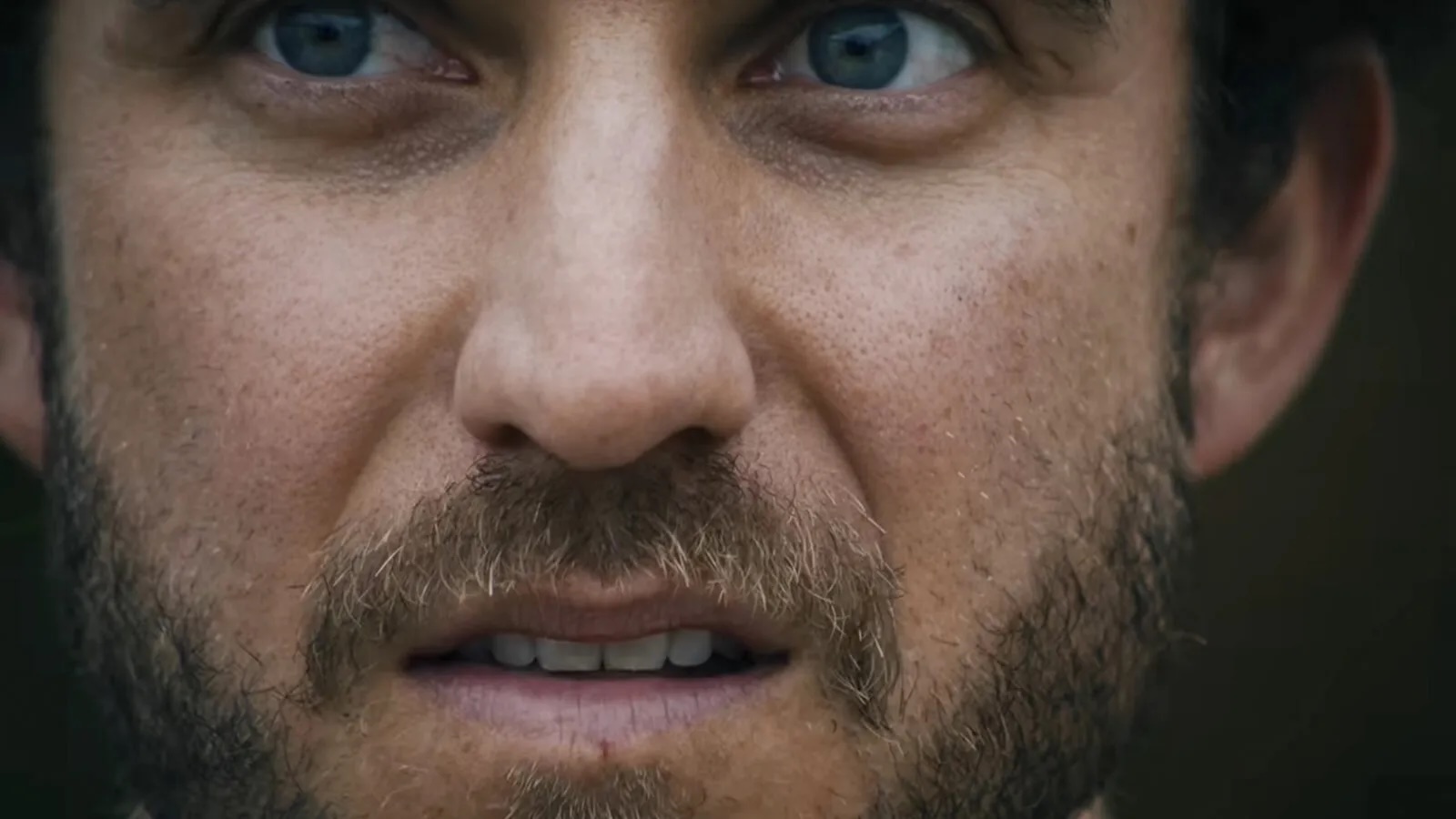
The result is frankly mesmerising. Holmes maintains a wide-eyed, grinning demeanour throughout, insisting that she has done nothing wrong and even claiming that she has never told a lie in her entire life. Evans, a professed fan of Charlie Kirk, has the manipulative, controlling air of a man intent on creating his own egocentric narrative and is a little too ready to expose every aspect of himself – including a sequence where he takes a long shower. And Fielder meanwhile has the confused air of someone trapped in the midst of an enigma, asking wince-inducing questions and watching suspiciously from dark corners as he hopelessly attempts to get a handle on what really happened with the Theranos debacle.
The abiding sense of menace is astutely heightened by Ali Balouzian’s oppressive musical score and Oppenheim manages to give the enterprise the same forbidding tone that he used in his recent release, Primetime, imbuing the proceedings with the heft of a compelling crime mystery.
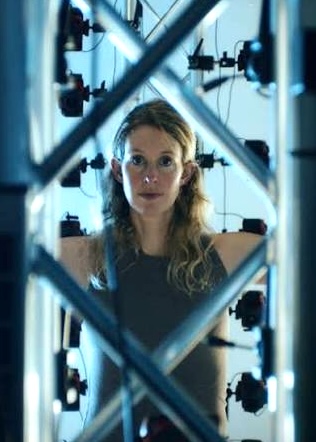
And then Holmes goes to prison, which you might think would signal the end of the project – but instead, two years after her departure, Fielder adopts a meta approach to the project, recreating scenes and using actors to embody characters he no longer has access to – and an already compelling story edges into the realms of a baffling riddle. The film raises questions about the nature of the documentary genre itself – including who should profit from it – and that three-hour run time seems to positively flash by.
Is Holmes guilty of fraud – or is she just a compliant stooge, manipulated into the hot seat to take the rap for another domineering man, her then partner Sunny Balwani, who is also languishing in jail?
You Can See Everything will have you discussing the baffling questions it raises long after you’ve left the cinema. The latest talk is that it’s being hotly-tipped for an Oscar and I won’t be one bit surprised if that comes to pass. Whatever the outcome, this is unmissable cinema at its most thought-provoking.
5 stars
Philip Caveney

