Uma Nada-Rajah

Mayday: Rapid Responses to Our Times

01/05/26

Central Hall, Edinburgh

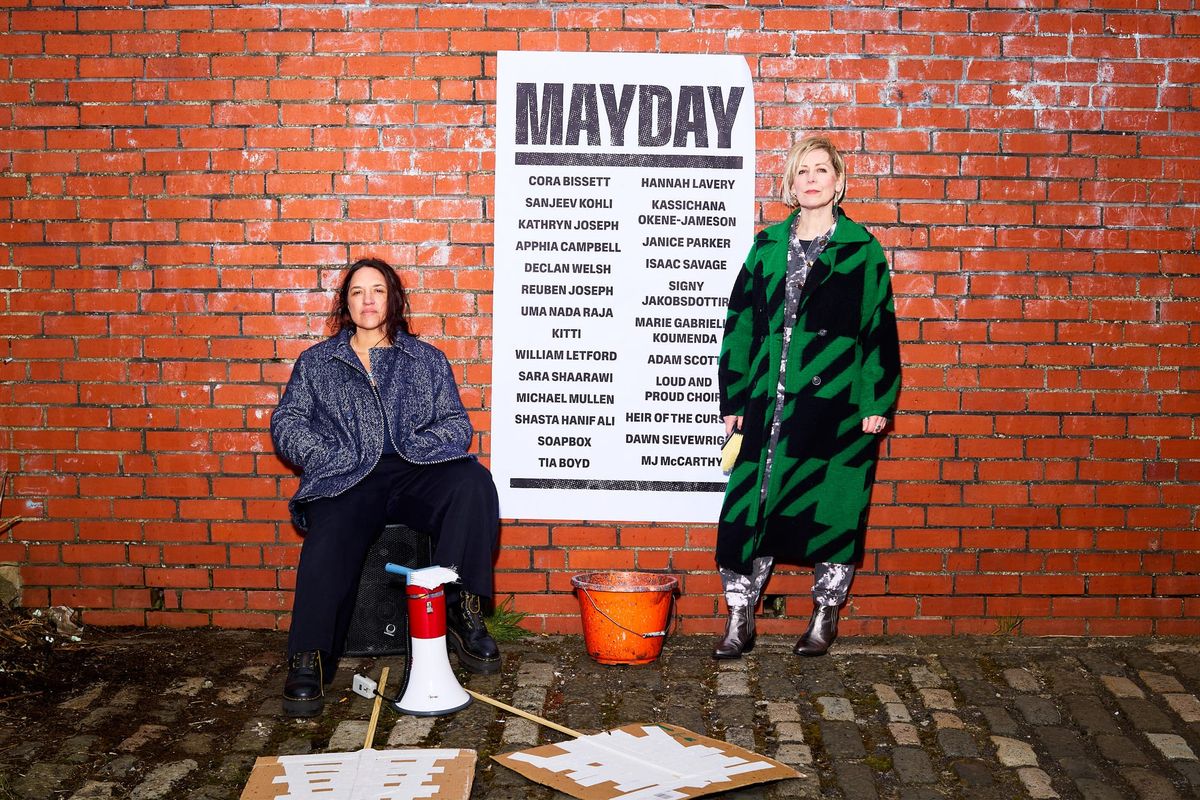
This National Theatre of Scotland production, co-curated and directed by Cora Bissett and Hannah Lavery, comprises live music, theatre, poetry, comedy and dance. Commissioned as a rapid-response project – a reaction to our turbulent political climate – this is part call-to-arms and part howl into the void. Because sometimes we need the catharsis of the latter before we can can put on our big-girl pants and contemplate the former.

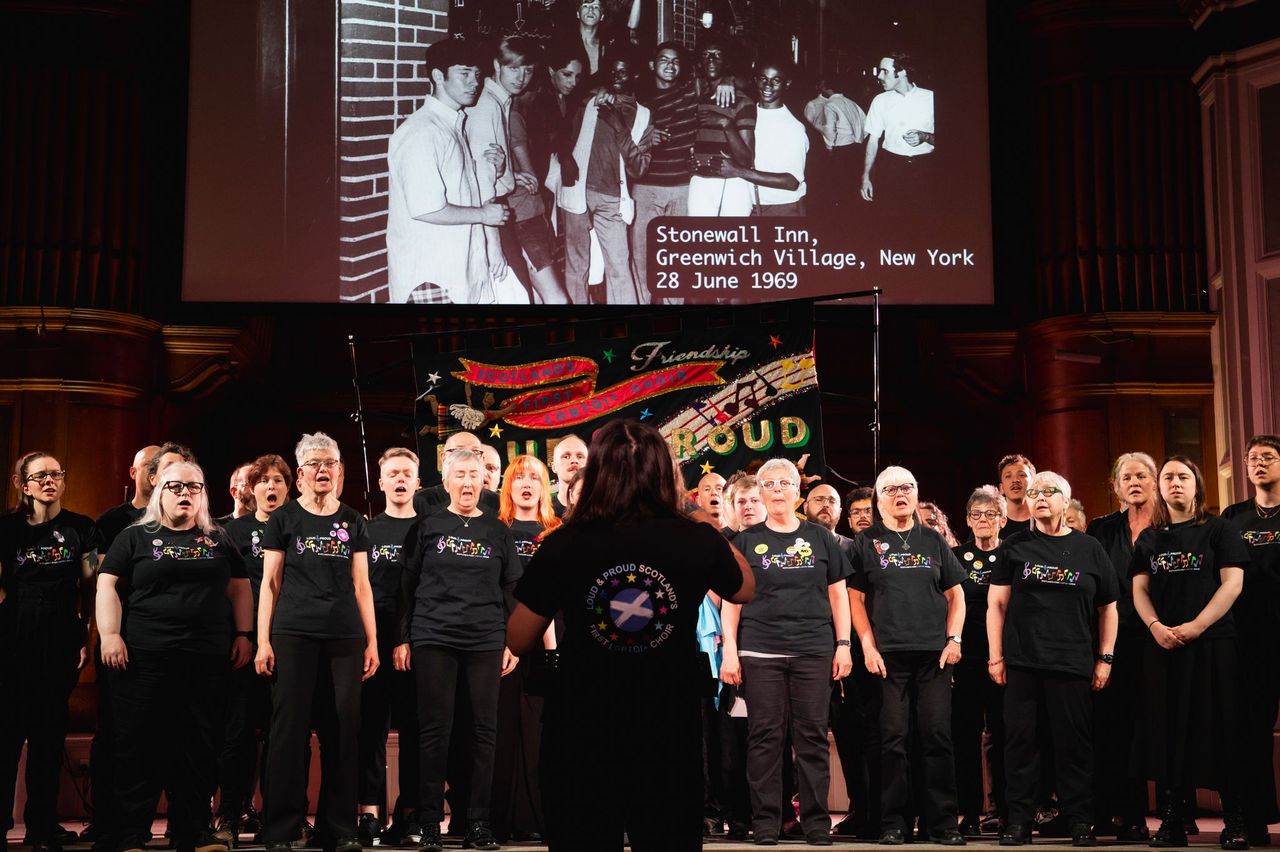
Organisationally, this is a triumph, each act flowing smoothly into the next, even when an ensemble as large as the Loud and Proud choir has to file onto the stage. There’s a lot that could go wrong: as well as the numerous performances, there are short films, set changes and BSL interpreters, not to mention the house band. That it all unfolds without a glitch is mightily impressive.

The auditorium is packed; this is a sell-out. It’s not surprising: we’re all looking for answers and maybe artists are the right people to pose the questions. They have strong voices, diverse audiences and myriad means of expression. Some of us will respond to ideas that emerge from dance; others to music or drama. It doesn’t matter. Anything that makes us pause and think. And act accordingly.

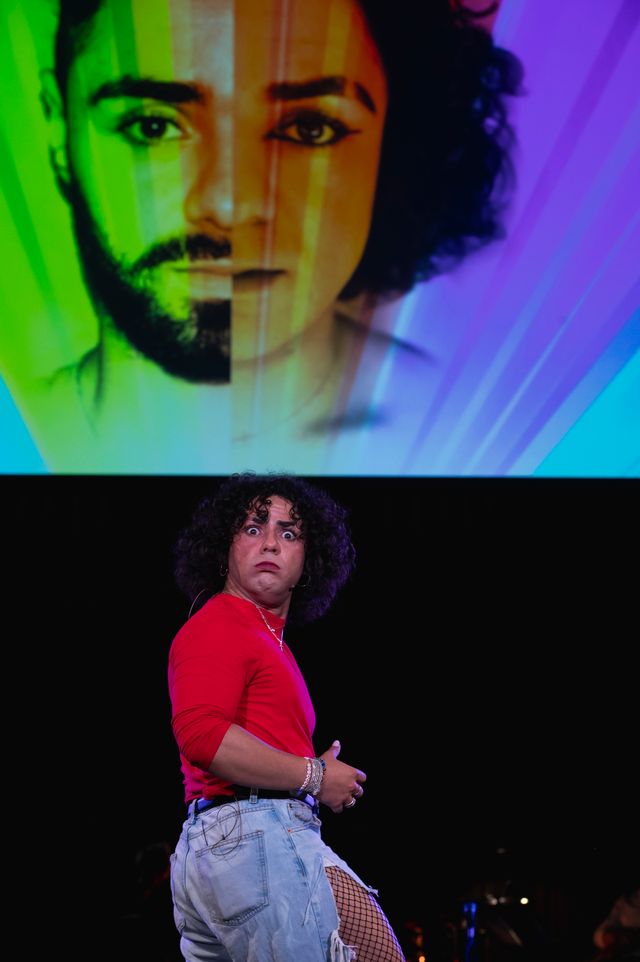
For me, the strongest elements of the evening are the punchiest. The songs – especially Dawn Sievewright’s rendition of Bissett’s It’s No a Wean’s Choice and Kitti’s feminist polemic – are especially stirring, and I also appreciate the insights I gain from both Tia Rey and Sanjeev Kohli’s spoken word sections. The choirs are very affecting, as is the garland of socks that campaign group Mothers Against Genocide Scotland have hung around the venue, each tiny bootee representing a child who has died in Gaza.

Although theatre is usually my favourite art-form, I find the dramatic scenes included here the least effective elements of the evening. Although they’re well-performed (and have been penned by writers I admire, including Apphia Campbell and Uma Nada-Rajah), there isn’t enough time for the arguments to develop or for us to fully engage with the characters.

No matter. Overall, the evening is a resounding success, reminding us that – together – we can make a difference. There are lots of people out there, right now, trying – and, if we join them, we can become part of the solution. Because we really do have to do something, don’t we?

Even if it’s as small as turning out to vote next week, to stop the fascists in their tracks.

Susan Singfield
Black Hole Sign

08/10/25

Traverse Theatre, Edinburgh

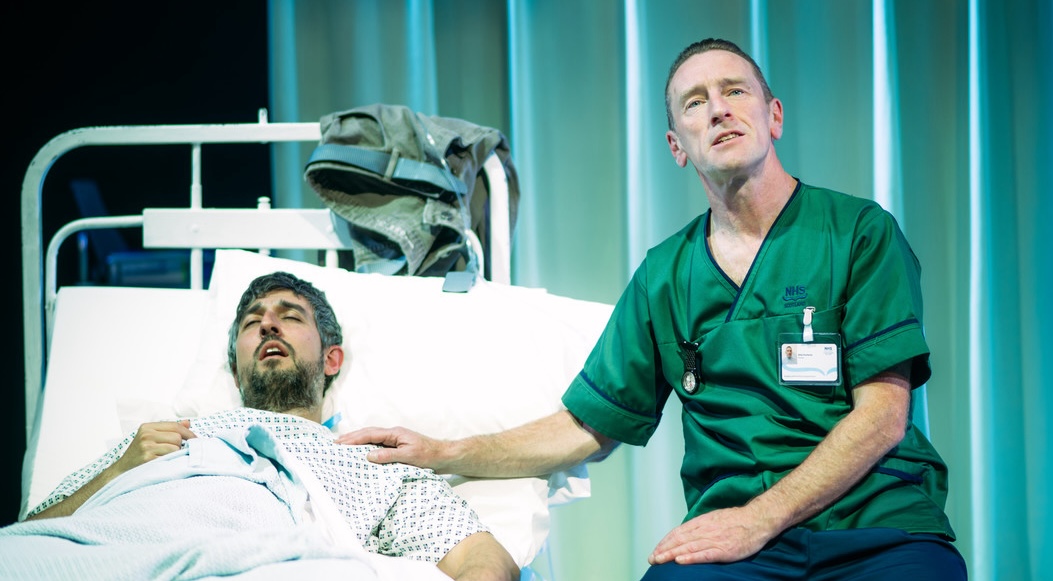
There’s a great big metaphor hanging over the unnamed hospital where this dark comedy takes place. A hole has appeared in the roof of A&E and water is dripping down onto the floor. As the story progresses, so the problem steadily worsens, the ingress ever more destructive. 

But senior charge nurse Crea (Helen Logan) and her team can only soldier on regardless, doing their best for their patients, no matter what. Crea has phoned for help about the roof only to be told (by a recorded voice) that she is number 74 in a queue. Her team include her right-hand woman, Ani (Dani Heron), currently doing a bit of soul-searching about her own future; affable porter, Tommy (Martin Docherty), who has long carried a torch for Crea; and Lina (Betty Valencia), an almost cartoonishly helpless student nurse, who arrives chewing gum to ‘help her anxiety’ and who seems incapable of walking past a litter bin without knocking it over.

It’s clearly going to be a tricky night. Mr Hopper (Beruce Khan), a former alcoholic, is admitted with the fatal condition that gives the play its title, an inoperable affliction of the brain that is going to keep deteriorating and will cause his death in a matter of hours – but there’s no sign of anybody visiting him. Meanwhile, octogenarian Tersia  (Ann Louise Ross) is suffering from a urinary infection and is causing havoc as she experiences hallucinatory episodes that make her think that she is at a 1970s disco. The silver glittery shoes she’s wearing are all too real though.

At various points the play keeps cutting to an enquiry, some time later, where the members of staff have been called as witnesses and we learn that something really bad happened on that fateful night, resulting in a tragic death. It’s all too clear that somebody is going to have to pay the ultimate price for this disaster.

Playwright Uma Nada-Rajah is herself a staff nurse, who works in critical care, so it’s little wonder that, despite the sometimes slapstick levels of humour on display, the piece feels authentic, clearly inspired by events that the writer has actually experienced. It’s not the eviscerating howl of despair I came in expecting but then, such grim polemics can sometimes make for difficult viewing, so here the bitter pill has been sweetened with a shot of humour. Amidst the laughter, important points are being driven home.

It’s clear from the outset that tonight’s audience is on board with this fast-moving production, cleverly directed by Gareth Nicholls, though I must confess to being somewhat puzzled by a lengthy blackout, which – considering how little has changed when the lights come back up – seems unnecessary.

This niggle aside, the hearty applause at the play’s conclusion suggests that everyone present is in agreement with the story’s subtext. The National Health Service – one of the greatest institutions of modern times – is on its last legs and anything that forces this pressing concern into the spotlight is more than worthy of our attention.

4 stars 

Philip Caveney