Alys Williams

Thrice

24/10/26

Traverse Theatre, Edinburgh

“Thrice to thine, and thrice to mine, and thrice again, to make up nine. Peace! The charm’s wound up.”

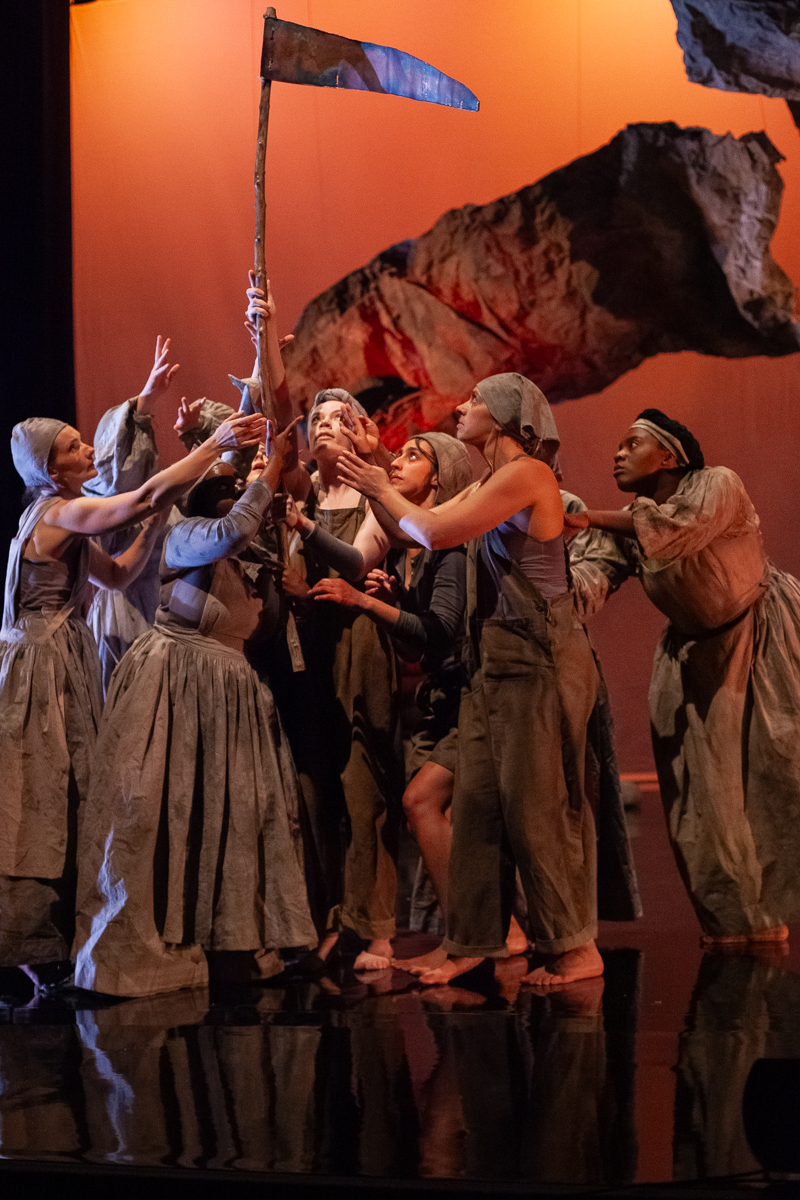
Thrice is a visually compelling hour of dance theatre, set – according to Al Seed Productions – in the aftermath of Shakespeare’s Macbeth. The king is dead; long live the witches!

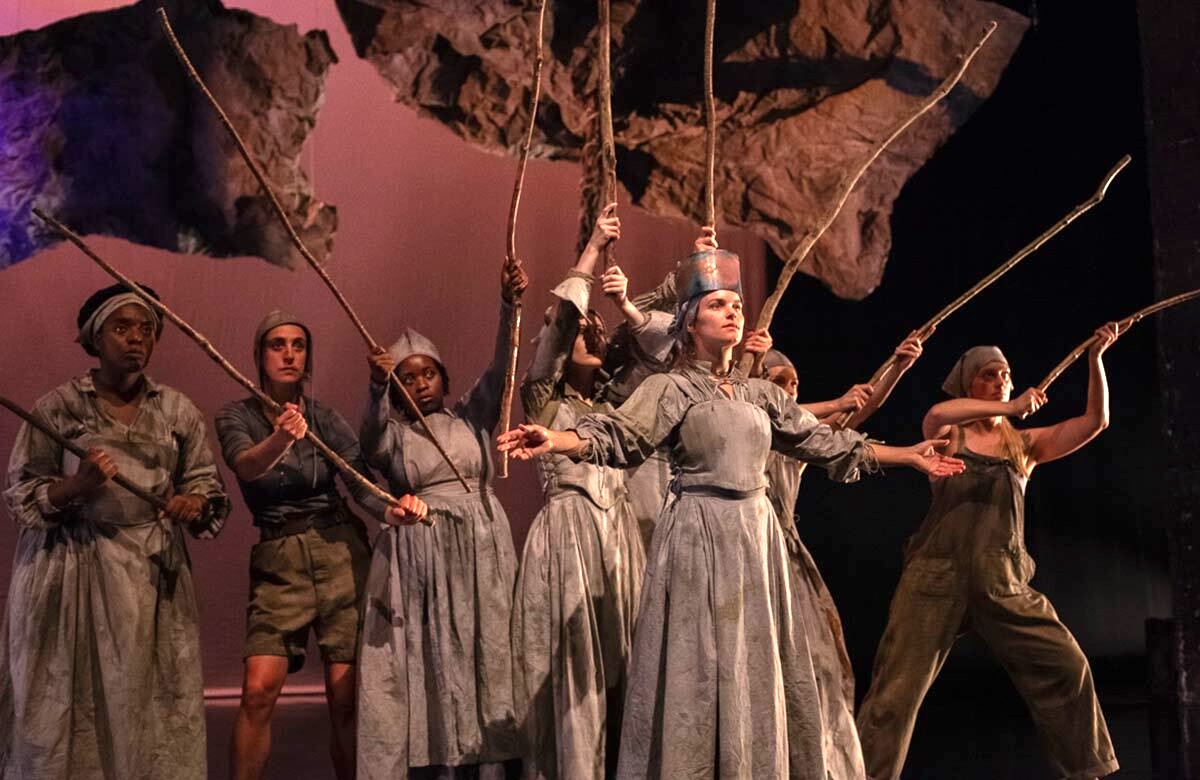
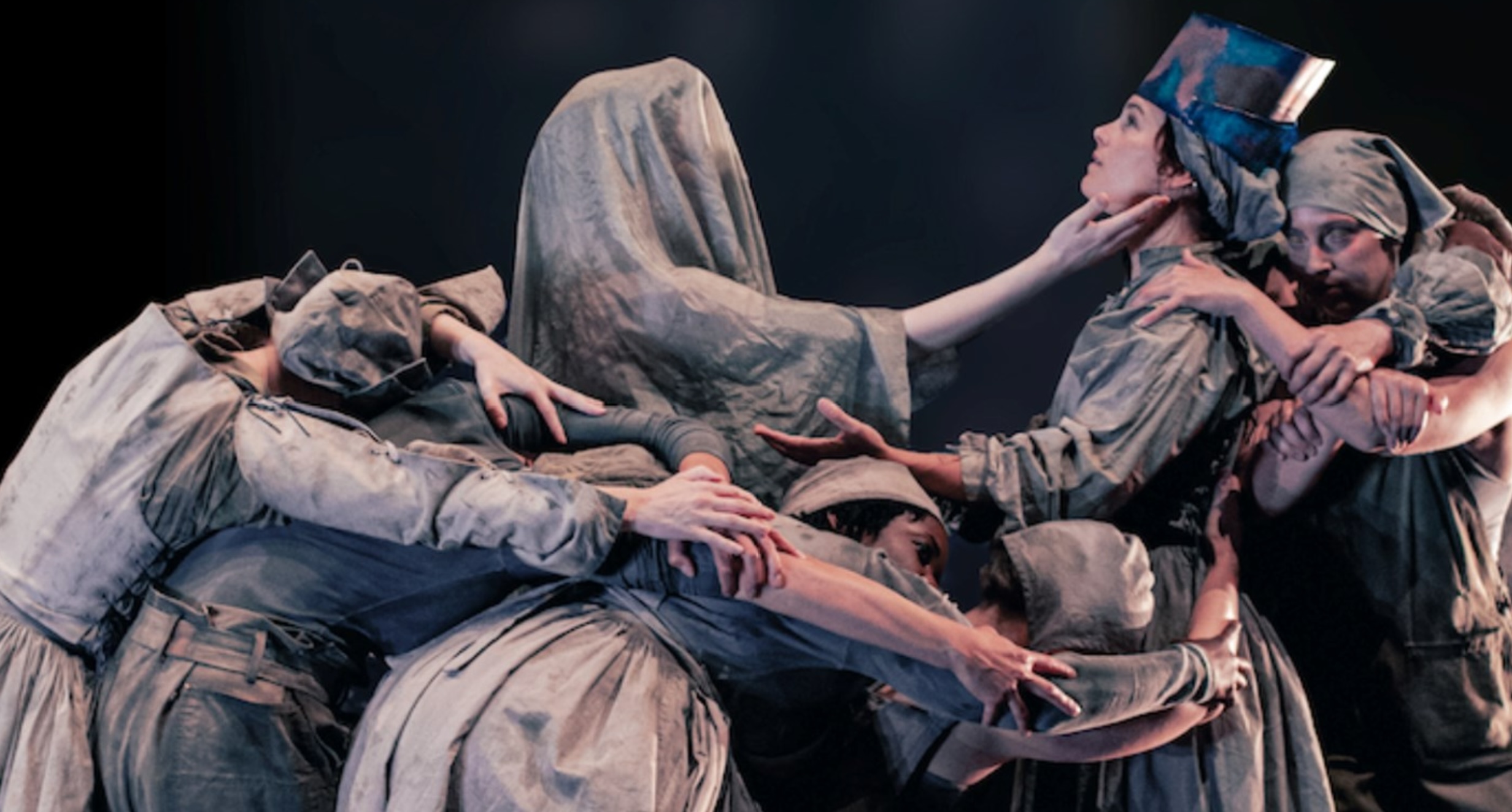
Lina Limosani’s choreography is impeccable, the nine-strong ensemble moving with eerie precision, first in perfect unison, then spinning out of control. They writhe, they twist, they play – and they march. These women are moving from the margins and claiming centre stage.

Although there is no clear narrative, Judith Milligan has directed some arresting scenes. I like the repeated chanting of Lady Macbeth’s lines (“The Thane of Fife had a wife. Where is she now?”), suggestive of the way that nursery rhymes often originate in response to turbulent times before being stripped of their context and transformed into children’s songs. The sequence where the witches re-enact Macbeth’s beheading is another highlight.

Set, lighting and sound design (courtesy of Frankie Collier-Prickett, Alberto Santos Bellido and Guy Veale respectively) are the keystones of this piece, creating a suitably weird environment for the witches to inhabit. The set comprises two huge tree-like sculptures, as well as a circular stone structure, which seems to symbolise both water well and burial cairn. All the while, the pulsing soundscape ebbs and flows from pretty birdsong to pulsing menace. It’s a compelling mix.

However, without the anchor of a story arc, this feels fragmented and untethered, too slippery for me to hold on to. It’s like the films they show in art galleries: cleverly conceived and fascinating to watch, but a little of it goes a long, long way. Some of the later sections overstay their welcome, particularly the one where the women perform a kind of never-ending progressive folk dance.

Despite these misgivings, the production has much to commend it – and I’d truly love to see these particular witches as part of a production of Shakespeare’s Macbeth.

3.2 stars

Susan Singfield
The Light House

28/03/26

Traverse Theatre, Edinburgh

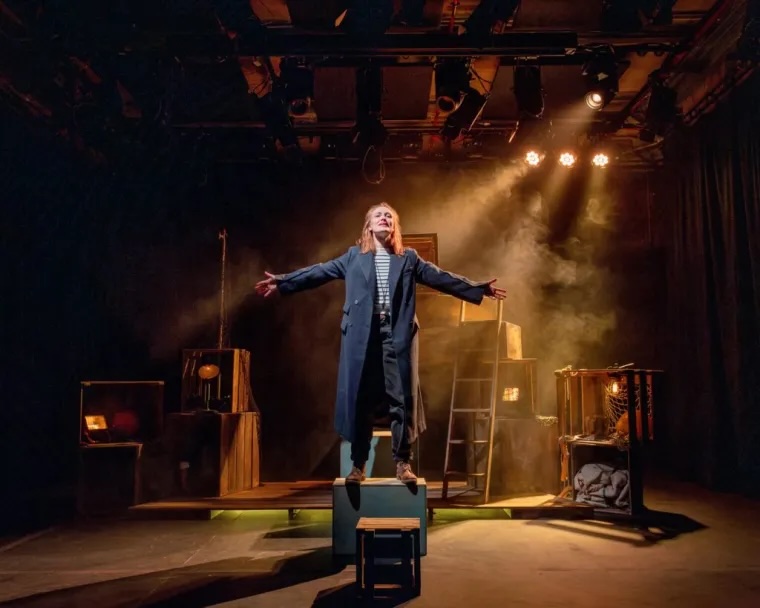
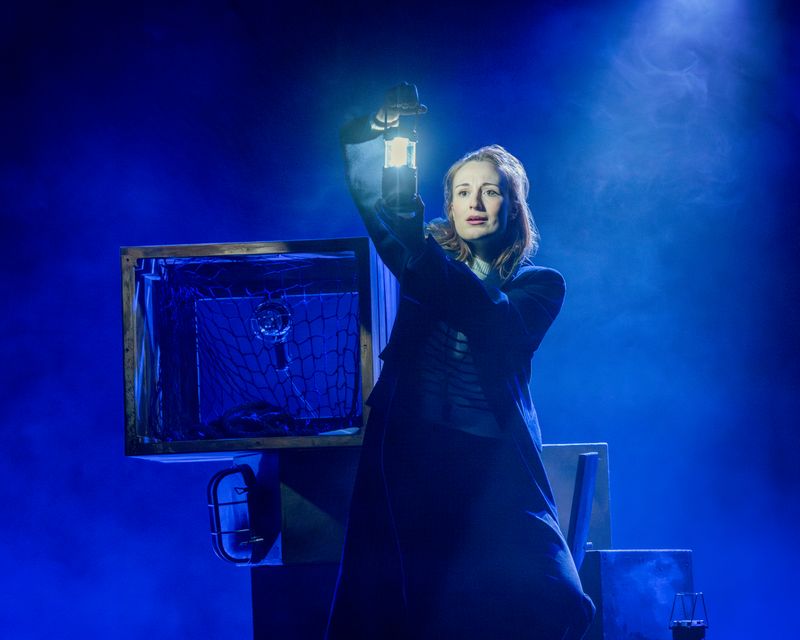
Alys Williams’ one-woman show raises some important issues about caring for someone who is struggling with their mental health. The play opens with a boat on a stormy sea – and the terrifying realisation that someone has fallen in. “Man overboard!” yells Williams. “Man overboard!” echo the audience members she has previously primed. “Call the bridge!” Williams says. “Blow the whistle! Throw the lifebuoy! Point!”

The final instruction is the hardest to follow, because she has to keep pointing without looking away until someone else comes to take over.

No matter how long that takes.

The metaphor soon becomes clear. The protagonist’s boyfriend experiences suicidal ideation. When he’s found on a Dublin bridge, contemplating throwing himself into the Liffey, she tries her best to rise to the occasion. She sounds the alarm: “Man overboard!” She doesn’t let him out of her sight. But no one comes to her assistance, and her own wellness begins to suffer.

It’s interesting to see this story from the caregiver’s point of view. However, although this is very much Alys’s tale, I think the piece would benefit from a deeper exploration of Nathan’s experience, offering us more insight into his illness than the superficial assertion that he’s ‘depressed’. Without this, it’s hard to appreciate the extent to which Alys’s care is needed.

From a dramatic point of view, there’s not a lot of jeopardy. Williams assures us at the beginning that everything turns out okay, and it does – with nary a bump on the road. Aside from the initial incident – where Nathan thinks about killing himself and then decides not to – everything progresses relatively smoothly. Sure, there are the long waiting lists for psychiatric care, his parents’ worries about their medical insurance and Alys’s spiralling anxiety. But none of these potentially serious complications ever amounts to anything, which makes the play feel strangely anticlimactic.

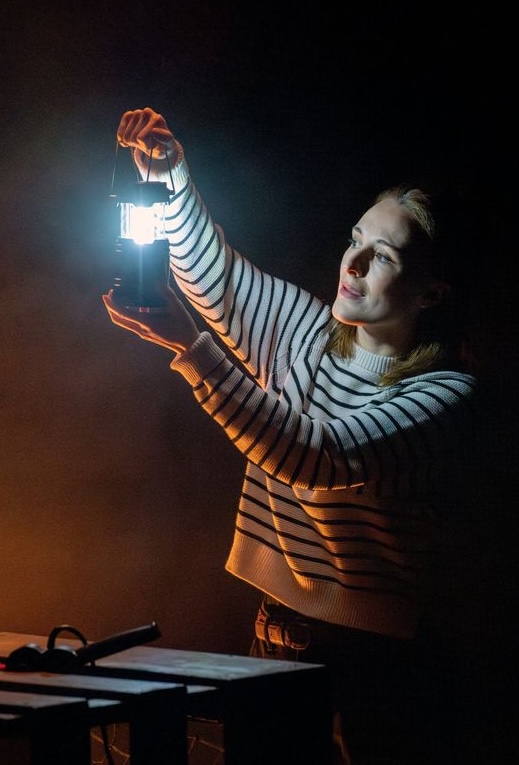
Nonetheless, Williams is a very engaging performer. Directed by Andrea Heaton, her gentle, inclusive demeanour makes the audience participation work well. I also like her use of puppetry and clowning; in fact, I think Williams could make more of these to amplify the emotional impact. The set (by Emma Williams) is effective, conjuring both boat and bedsit, its many ladders and hiding places allowing for dynamic movement.

A nicely-told drama about a vital subject, The Light House is on tour until the 24th May.

3 stars

Susan Singfield