The Meaning of Zong

20/04/22

Lyceum Theatre, Edinburgh

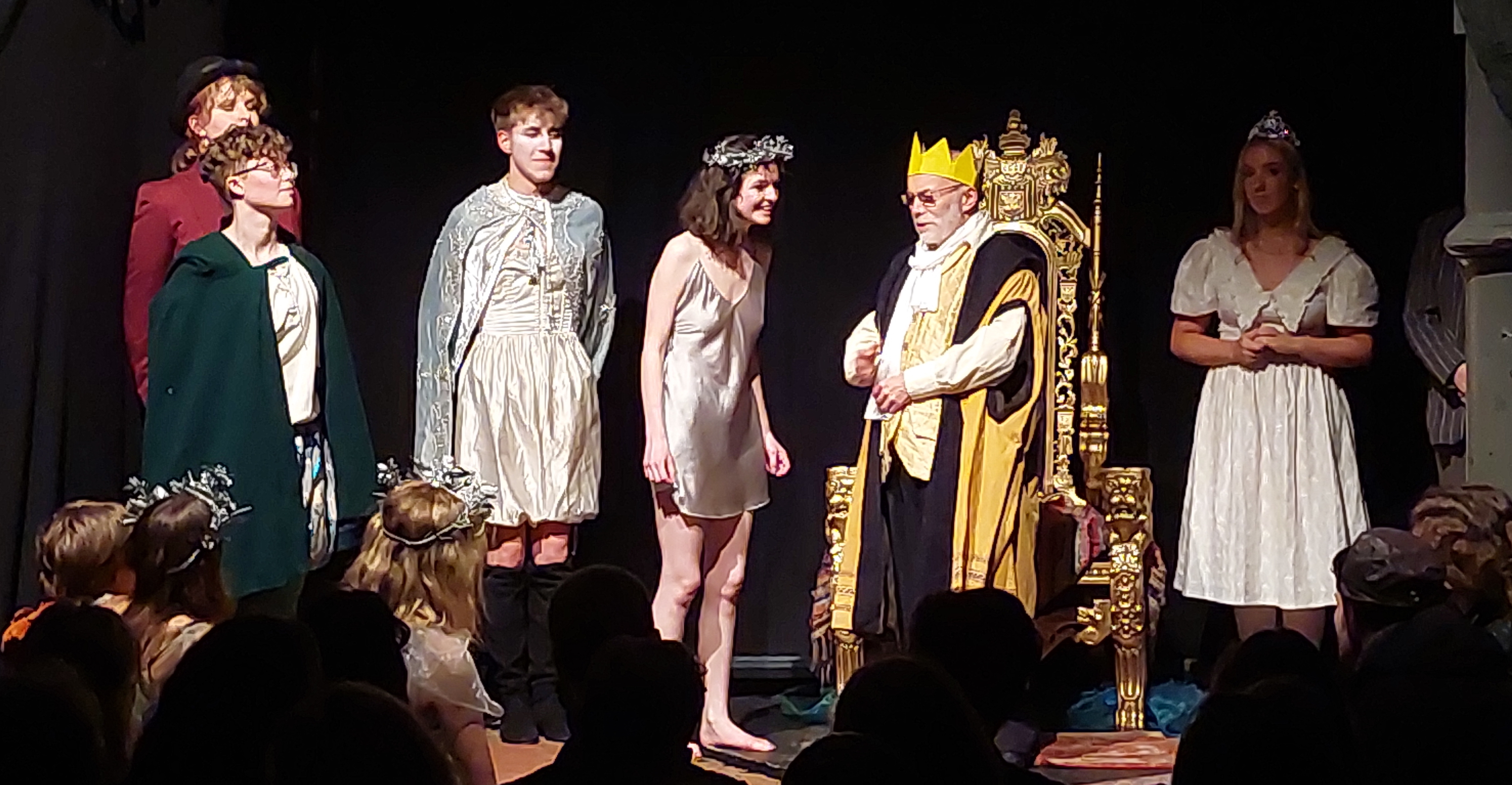
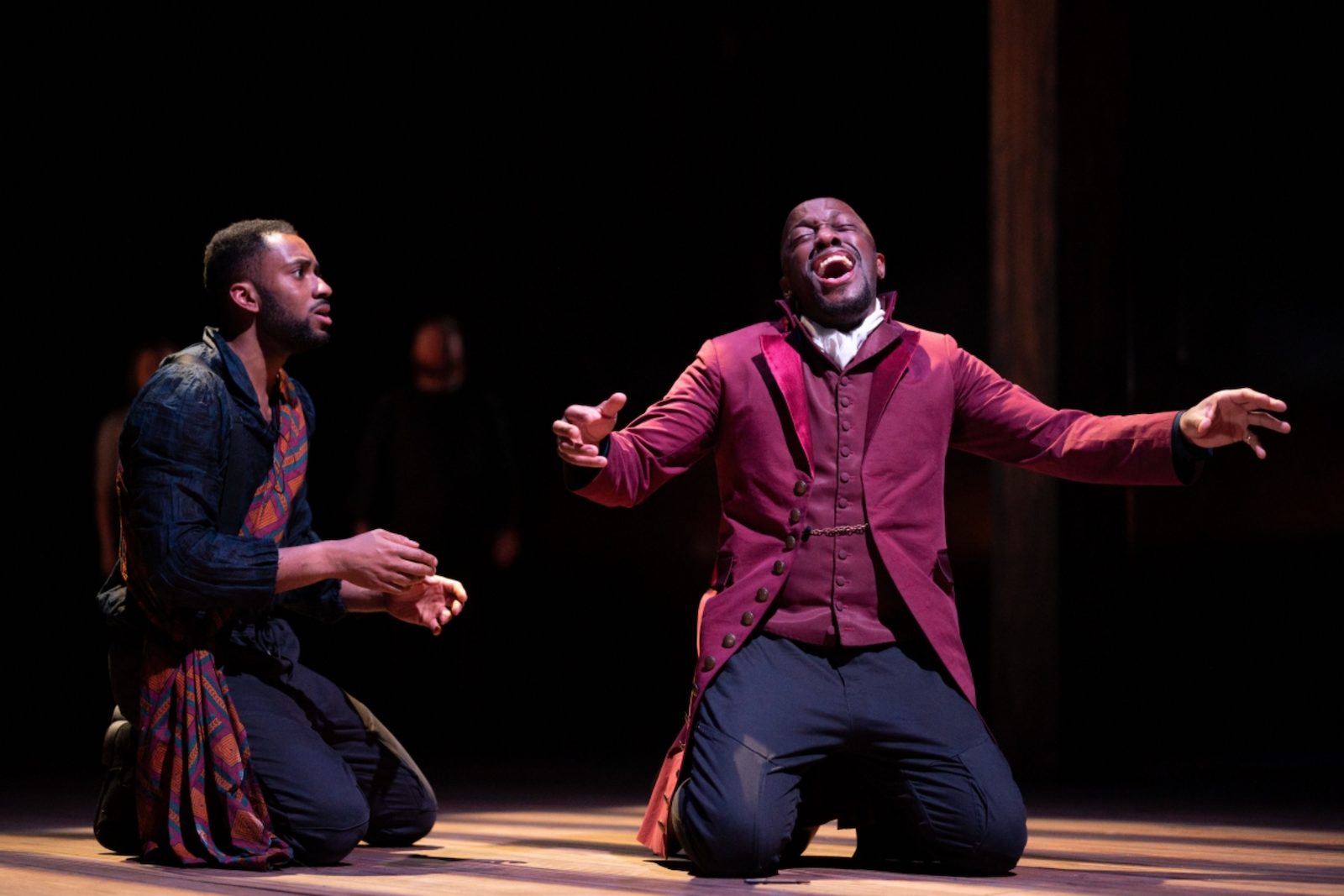
The Meaning of Zong opens in a contemporary UK bookshop, where Gloria, a young black woman (Kiera Lester), attempts to tell the white staff that they have misclassified a book about the Atlantic slave trade. They’re mystified. “It’s in African history,” they tell her. “But it’s British history,” she replies. They don’t understand, prevaricating with platitudes about ‘being allies,’ while vaguely insinuating that such decisions are taken by a distant boss. Gloria’s frustrated, but help is at hand, in the form of Olaudah Equiano (Giles Terera), a former slave, who steps out of the history book to tell Gloria (and us) his tale.

And the tale he tells is truly shocking: a shame-inducing account of an event so appalling it ought to be common knowledge. That it is not speaks volumes, illuminating the importance of that opening scene. If we don’t even acknowledge our history, how can we hope to learn from it?

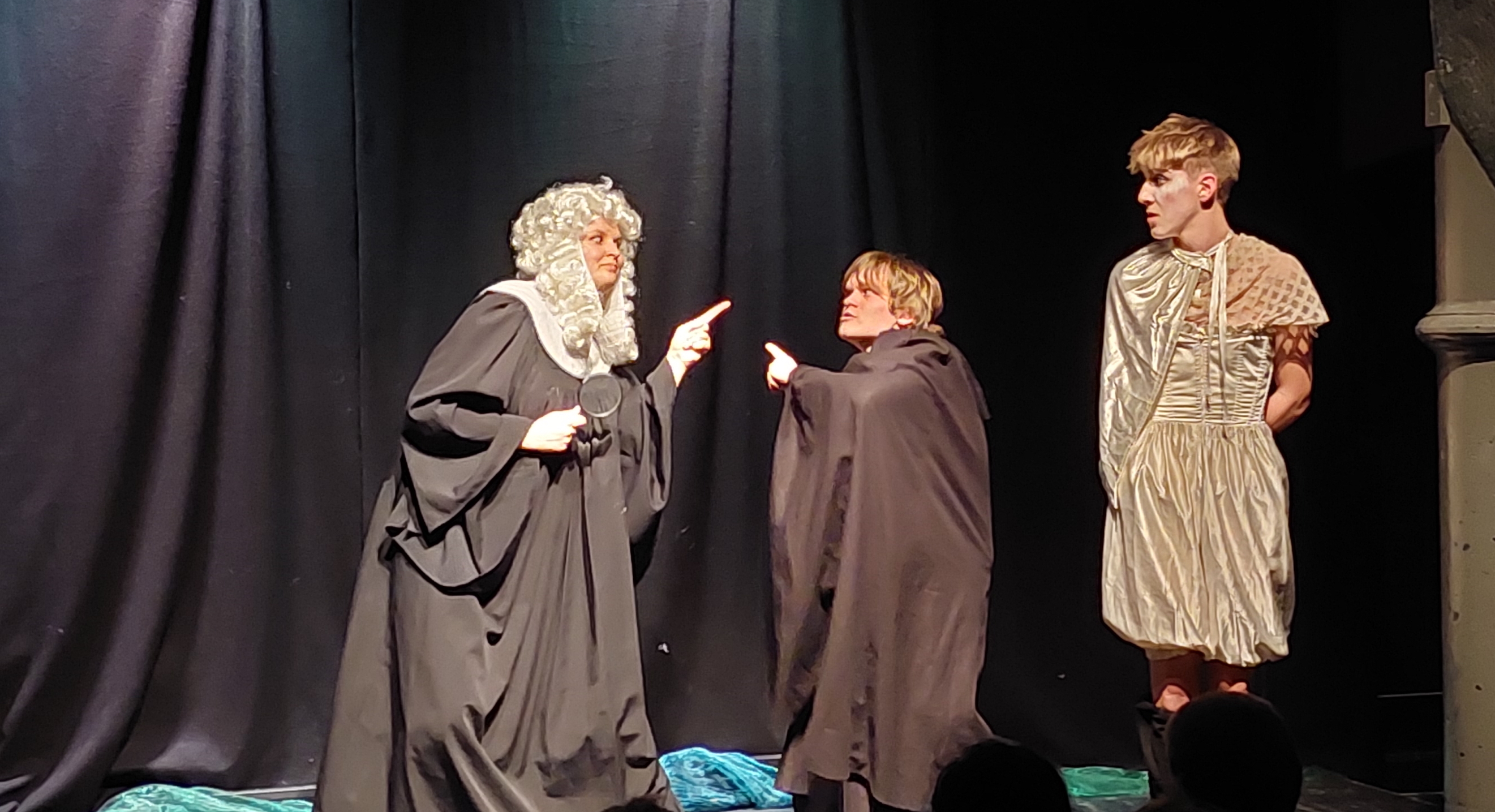
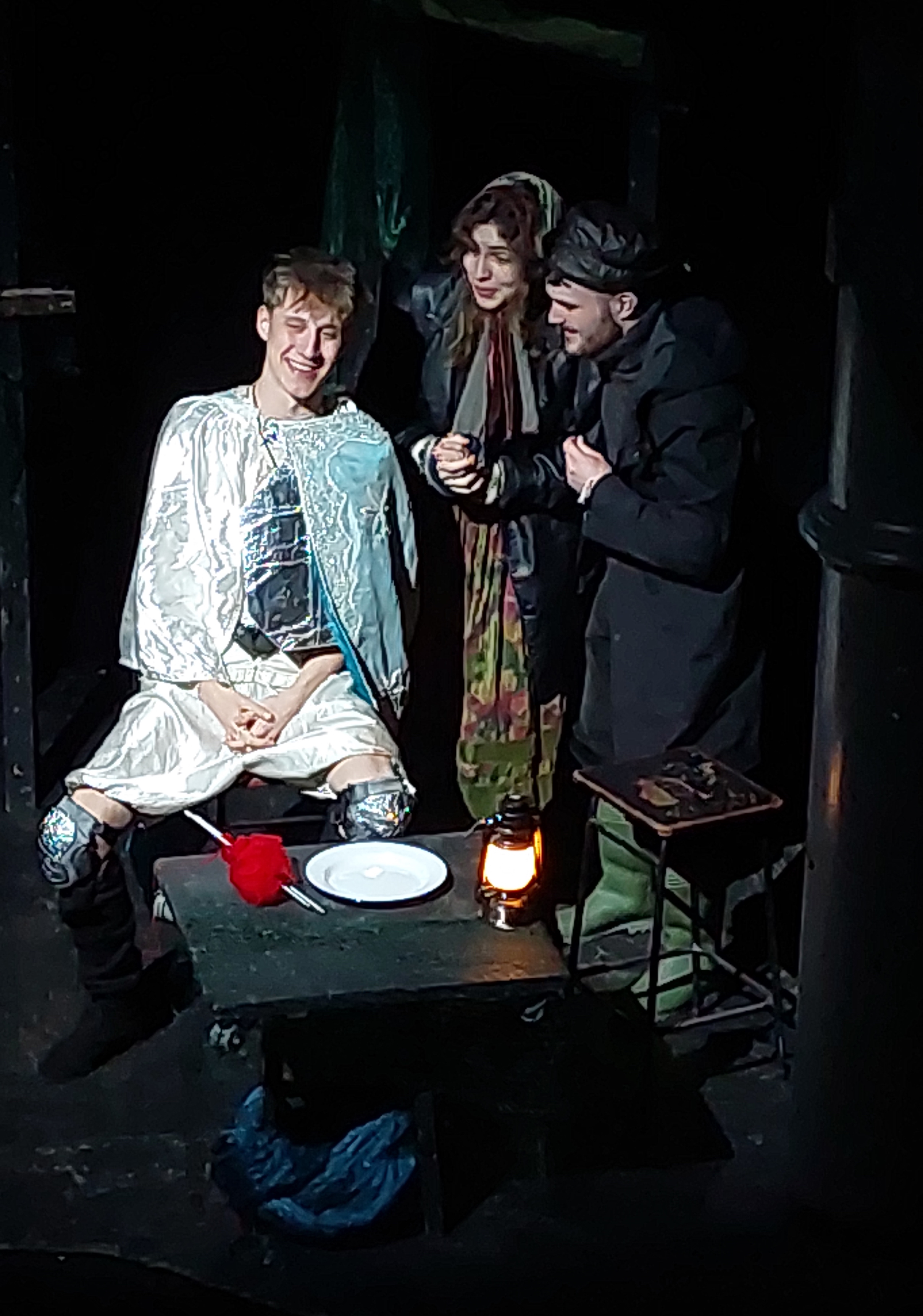
In 1793, Oloudah tells Gloria, there was a massacre on board a British slave ship called The Zong. 132 slaves were thrown into the sea and left to drown, jettisoned because – so it was claimed – there was a shortage of drinking water, and so their killing was a “necessary” act. Not only did they commit murder, the ship’s owners also put in an insurance claim for the loss of their “property.” The insurers disputed the claim, of course (because some things are immutable), but not before Oloudah chanced upon the case, and joined forces with anti-slavery campaigner Granville Sharp (Paul Higgins) and shorthand secretary Annie Greenwood (Eliza Smith) to ensure the case was brought to public attention. The slave owners’ blatant dismissal of human beings as “cargo” caused outrage, and proved to be a significant step on the path towards abolition.

Although it’s an ensemble piece, this is very much Terera’s project: as well as playing Oloudah, he is both writer and co-director (along with Tom Morris). It’s a spectacular achievement, making bold social and political points, while still being playful and overtly theatrical. He pulls no punches and yet we’re on his side; he never lets us off the hook, but we feel galvanised rather than defensive.

We never witness the massacre. Instead, we are shown the legal struggle Oloudah and Granville mount to have the court’s ruling overturned. Instead, we are shown the strength of three female slaves (Lester, Bethan Mary-James and Alice Vilanculo), recounting the story of Anansi, the spider god, calling on the spirits to save them. And one of them – unnamed – is saved, clinging to a rope, reaching through the years to become Terera’s inspiration for this devastating reminder of our collective guilt.

Jean Chan’s set is a thing of beauty, reinforcing the notion that everything is connected, that we can’t escape our past just by shutting our ears and hiding things away. Thus Westminster Hall’s magnificent wooden ceiling is also the slave ship’s hull; the judge’s bench is also a Waterstones bookshelf. The furniture we sit on, the cutlery we use, the sugar we sprinkle in our tea: these things are all linked to slavery, Oloudah tells Gloria – and the truth will out.

Sidiki Dembele’s onstage drumming is both powerful and provocative, first bringing the audience together then silencing us with its force. It’s the perfect accompaniment to a story that demands to be heard.

The Meaning of Zong has already finished its run at the Bristol Old Vic, and only has a few more days here in Edinburgh before it moves on to Liverpool. It’s worth seeking out. We mustn’t let this story fade away. It belongs in the bookshop’s window, not relegated to a forgotten shelf.

4.7 stars

Susan Singfield

The Northman

19/04/22

Cineworld, Edinburgh

It seems suspiciously like fate. Here I am – only just returned from a week in Shetland, where I’ve been researching Vikings – and this film is waiting for me at the local cineplex. Of course I have to see it. I can’t not see it. But I have some reservations. For one thing, despite the film’s almost indecent rash of five star reviews, I haven’t been exactly enamoured by Robert Egger’s previous offerings, The Witch and (more especially) The Lighthouse, both of which felt like cases of style over content.

It’s clear from the get-go, that The Northman is a big step up for Eggers (who co-wrote the screenplay with Sjon). His evocation of Viking life is vividly painted in freshly-spilled viscera across a massive landscape. The world-building here is dirty, ugly and thoroughly convincing. In the opening scenes, we meet young Prince Amleth (Oscar Novak), welcoming his father, King Aurvandil (Ethan Hawke), back from his conquests. Amleth’s mother, Queen Gudrún (Nicole Kidman), is rather less welcoming and the reason for that soon becomes clear. She has secretly allied with Aurvandil’s brother, Fjölnir (Claes Bang), who is determined to kill Aurvandil and his son, and take Gudrún as his wife.

If the story seems familiar, it ought to. The ancient Scandinavian legend of Amleth is the tale that initially inspired Shakespeare to write Hamlet.

Amleth manages to escape from the bloody mutiny and, when next we meet him, he’s grown into a thoroughly buff Alexander Skarsgård, who, adopted by another tribe, has become a fully-fledged wolf warrior, a berserker. An ensuing battle sequence leaves no femur unshattered, no skull uncleft. Those viewers who wince at bloody violence may prefer to avoid this film at all costs – or spend a lot of time looking away from the screen.

Amleth learns that his uncle Fjölnir has had his stolen kingdom taken from him and has been exiled to Iceland, where he’s attempting to make a new life for himself as a sheep farmer. Gudrún has gone with him and Amleth knows that he must follow. So he disguises himself as a slave (by first branding his chest with a hot coal) and stows aboard a boat taking a consignment of workers over to Fjölnir. On the hazardous journey across the ocean, he meets up with Olga of the Birch Forest (Anya Taylor-Joy), a self-professed earth witch, and quickly falls under her spell.

But can this new love quell the thirst for vengeance that has consumed him since childhood?

The Northman is by no means perfect. It’s at its best when depicting the savage lifestyle of the Vikings and I also love the hallucinatory images that often flood the screen, particularly Amleth’s repeated visions of the legendary Tree of Yggdrasill, where family members are suspended like ripening fruit from its entwined branches. There’s also a spectacular Valkerie ride that carries me headlong to Valhalla.

Kidman, though initially underused, does get one scene that puts an entirely different spin on circumstances and makes me appreciate why she’s a director’s go-to for so many difficult roles. I would also have liked to see more of Willem Dafoe who, as Heimar the Fool, has clearly been drafted in to fill the Yorrick-shaped hole in the piece.

If I have a criticism, it’s simply that the age-old theme of revenge offers little in the way of surprise – indeed, there’s one point in the film’s later stages that seems to offer a braver and less conventional solution to Amleth’s torture, should he be man enough to take it – but, perhaps inevitably, it’s thrown aside and our rugged hero goes back to the well-worn path he’s always been destined to tread. Which makes the final fiery confrontation a little underwhelming.

Still, there’s no doubt that this is Eggers’ most assured film thus far – and I’m definitely interested to see where he goes next.

4.2 stars

Philip Caveney

The Hermit of Treig

14/04/22

Mareel, Lerwick, Shetland

When we book our tickets for the The Hermit of Treig, it seems very fitting: we’ll be watching a documentary about a recluse living in a remote Scottish location, while we’re in a remote Scottish location! Such perfect symmetry! And it’d be a good idea, if it weren’t for the fact that Mareel – despite being the UK’s most northerly music, cinema and creative industries centre – doesn’t feel remote at all. It’s a bustling, vibrant place, and the Thursday evening showing is all but sold out.

Not that we’re complaining. We feel right at home. (In fact, Mareel is very much like HOME, one of our favourite Manchester venues). We sit in the sun-soaked, glass-walled bar for an hour before showtime, sipping beer and Prosecco, enjoying the buzz. The staff are friendly and the place pristine. It’s a real find.

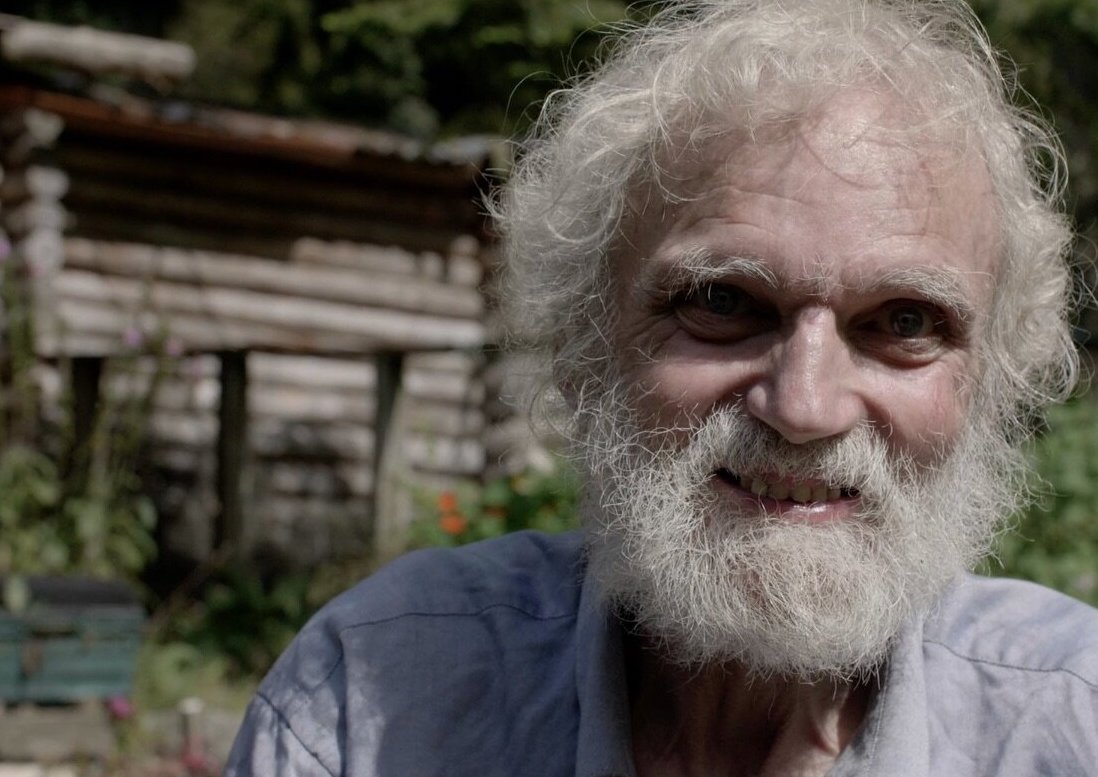
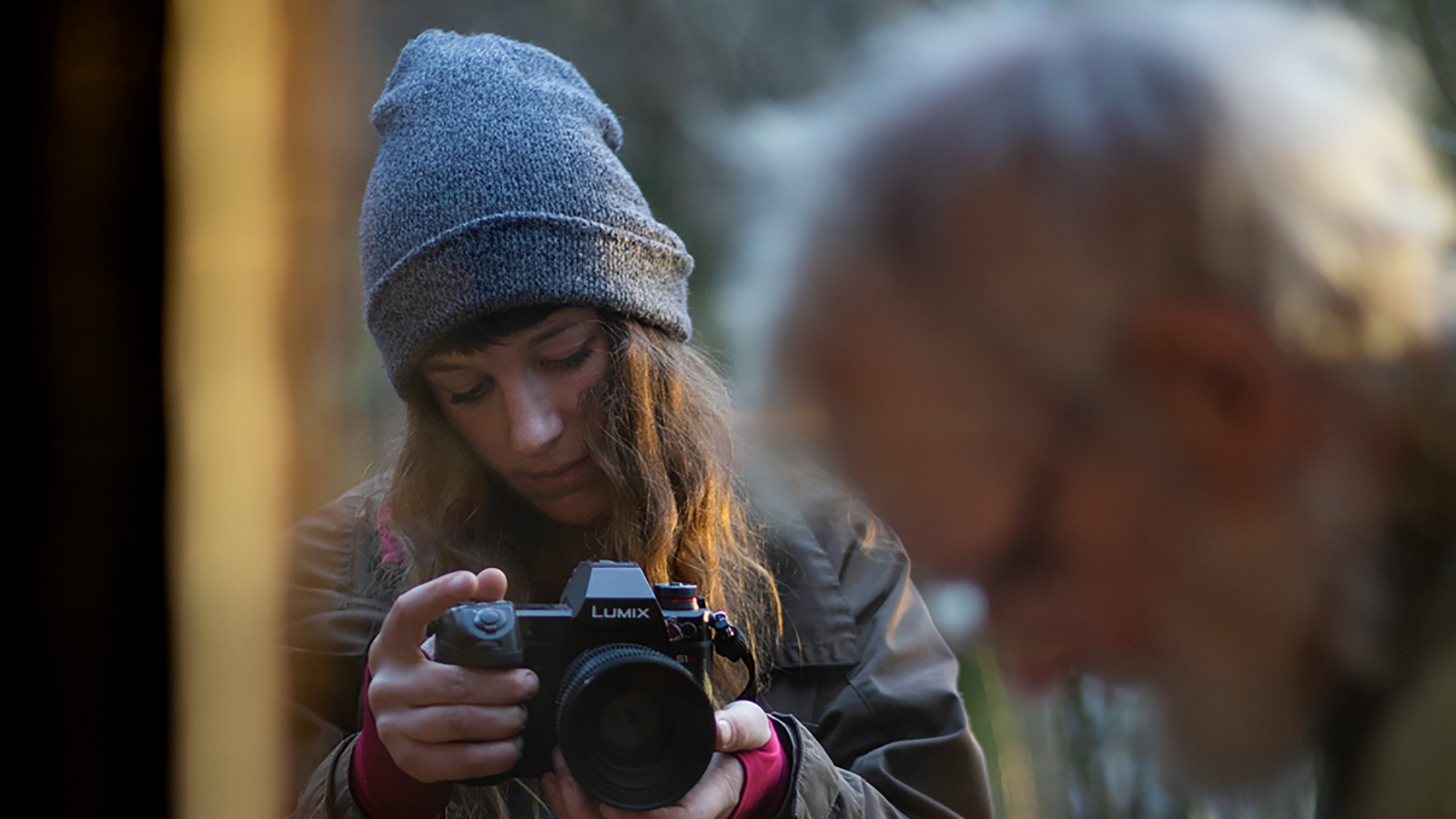
And Lizzie MacKenzie’s debut film is a find too. She’s spent ten years following Ken Smith, the eponymous hermit. And, over those years, a real friendship seems to have emerged. He may have turned his back on civilisation, but he’s an amiable sort: chatty and engaging and happy to share his musings.

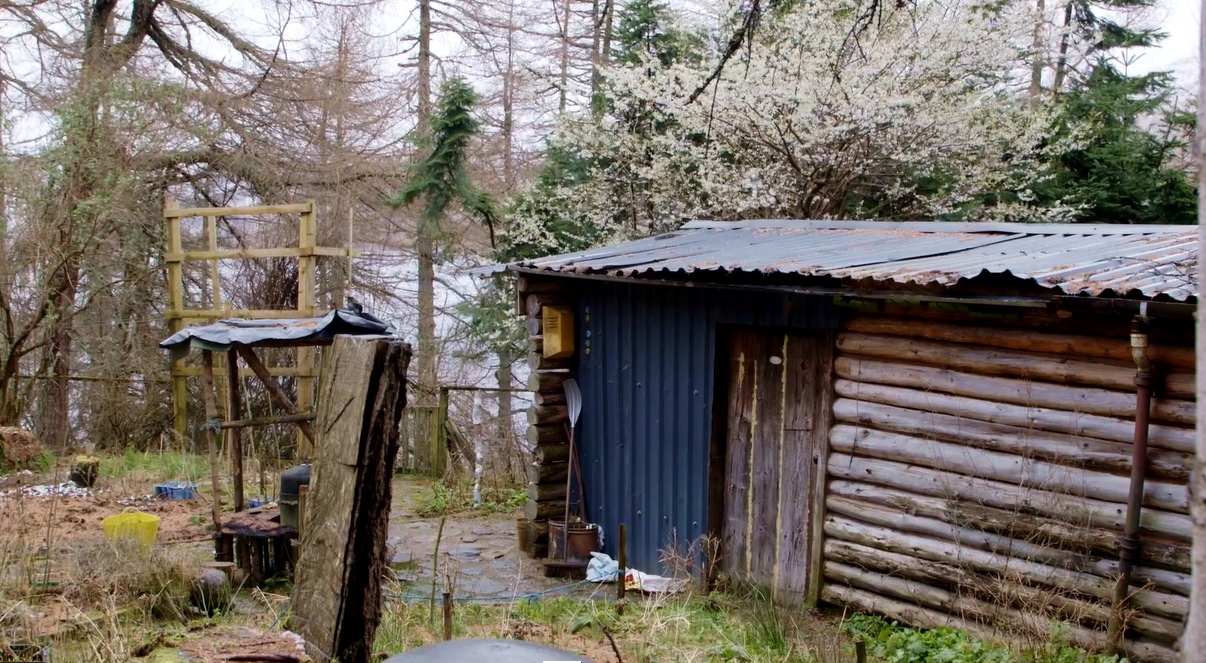
When he was twenty-six, Ken was viciously attacked, and suffered a brain haemorrhage as a result. His doctors feared he would never speak or walk again. But Ken pulled through and, as soon as he was well enough, he set off to live his life on his own terms. He went to Canada and lived wild in Yukon for a few years, before returning to the UK and heading north to Scotland. He walked the length and breadth of the country he says, before finally deciding to stay put near Loch Treig. And this is where the young film-maker finds him, living off-grid in a home-made wooden cabin, far far from any beaten track, foraging for food and revelling in his splendid isolation.

It’s a lovingly crafted film, with a tender heart; it’s easy to see why MacKenzie won the audience award at this year’s Glasgow Film Festival. It’s not just the cinematography (MacKenzie’s) and photography (Smith’s) that dazzle with their natural beauty; the documentary shimmers with kindness and humanity too. Ken is seventy-two years old now. He’s not as strong as he was. He’s had a stroke. How long will he be able to manage?

It’s heart-warming to see the local (okay, local-ish) community rally round. Everyone’s so respectful of Ken’s way of life. They try to help him, but they don’t dictate; they don’t attempt to change him. And Ken’s pretty accepting too: hopeful that he’ll be able to continue living independently in his beloved hut, but pragmatic about the possibility that he might not.

There are some gaps in the narrative that I’d like explained. Is Ken allowed to just build a home in the woods? How does he get his photographs developed? What was the story behind his first cabin being destroyed? There are tantalising hints at avenues left unexplored.

Still, just like Mareel, The Hermit of Treig isn’t what we expect. And, like Mareel, that’s absolutely a good thing.

4 stars

Susan Singfield

The Dowry

12/03/22

Commercial Street, Lerwick

We’re in Shetland, mainly for the purposes of researching a book I’m working on. But it would be rude, wouldn’t it, to pass up the opportunity to try out some of the local dining venues? We’re based in Lerwick and a wander around the town doesn’t reveal anywhere that looks particularly promising. However, an online check reveals that a place called The Dowry has several good reviews, and it turns out the place is only a short walk away from where we’re staying.

It’s a lively cafe bar, run by friendly young people and we’re soon enjoying a convivial drink while we peruse the menu and listen to a selection of Manchester music. Hang on, isn’t that Blossoms? Susan used to teach drama to the keyboard player! A case of synchronicity, I suppose.

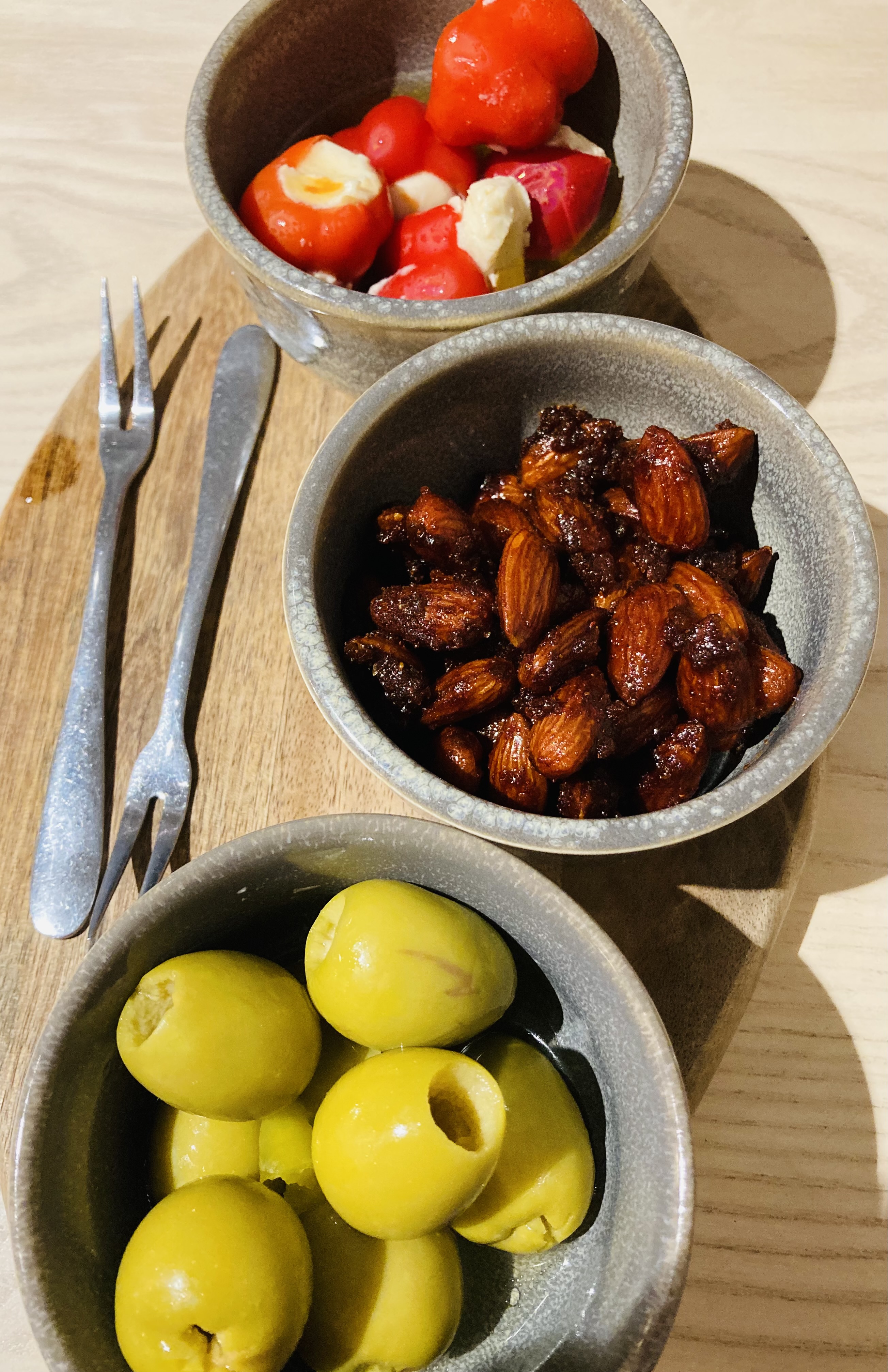
The concept here is shared plates so we order a starter of Gordal olives, sweet bell peppers and smoked almonds. Of course, there isn’t much preparation involved here but it’s a little triumph, the huge firm smoked olives making all other olives seem meh by comparison, the bell peppers sweet and stuffed with a creamy cheese filling and the almonds – though the first spicy/salty mouthful is disconcerting – quickly grow on me until they’ve become incredibly more-ish.

Next up we share a small plate of sesame Halloumi, which comes on a bed of Tabouleh, and is liberally decorated with blobs of yoghurt. There are two generously-sized chunks of cheese and, while this is a little bland, it’s more than made up for by the rich Moroccan flavours of the tabouleh and that tangy yoghurt.

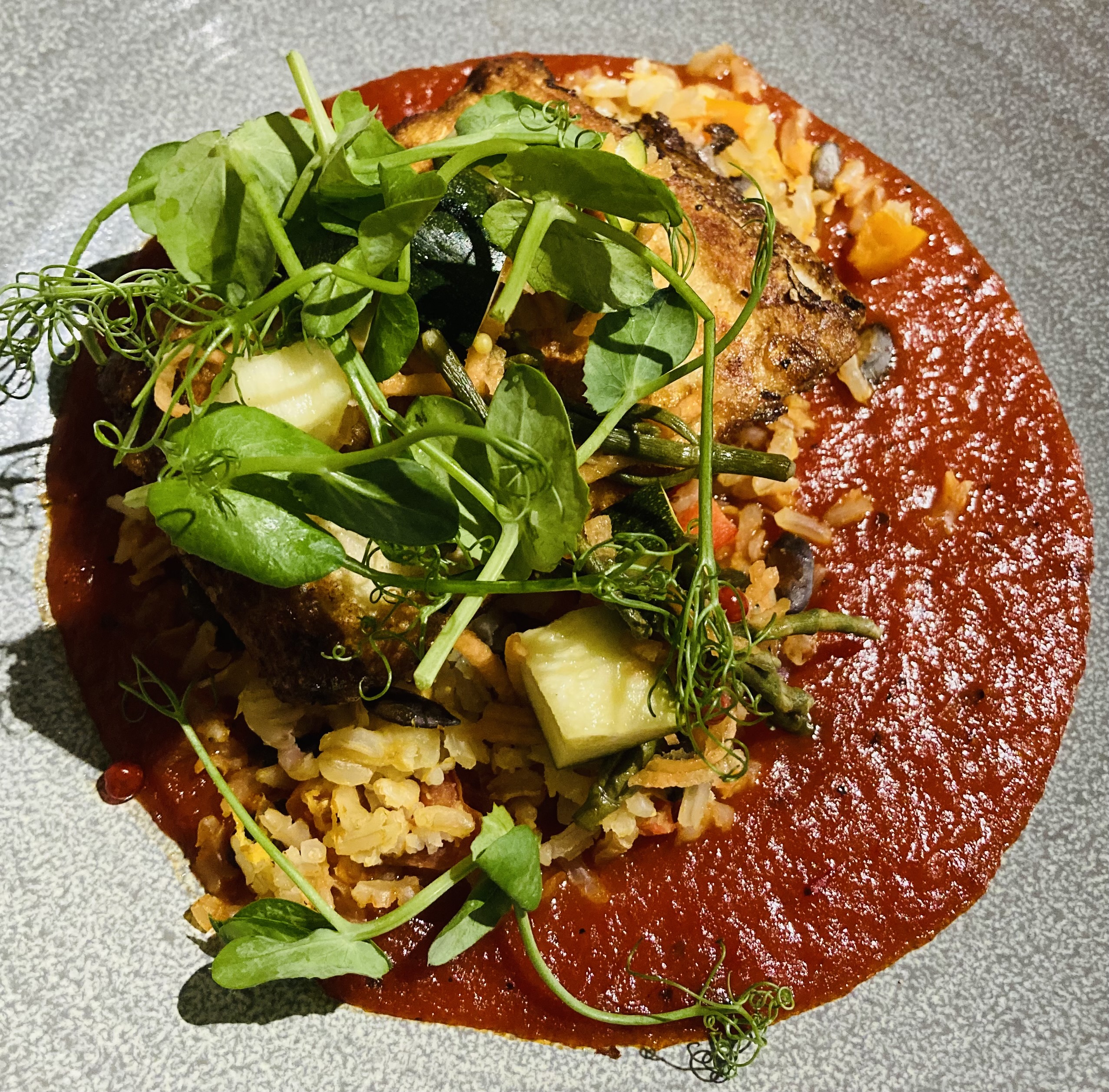
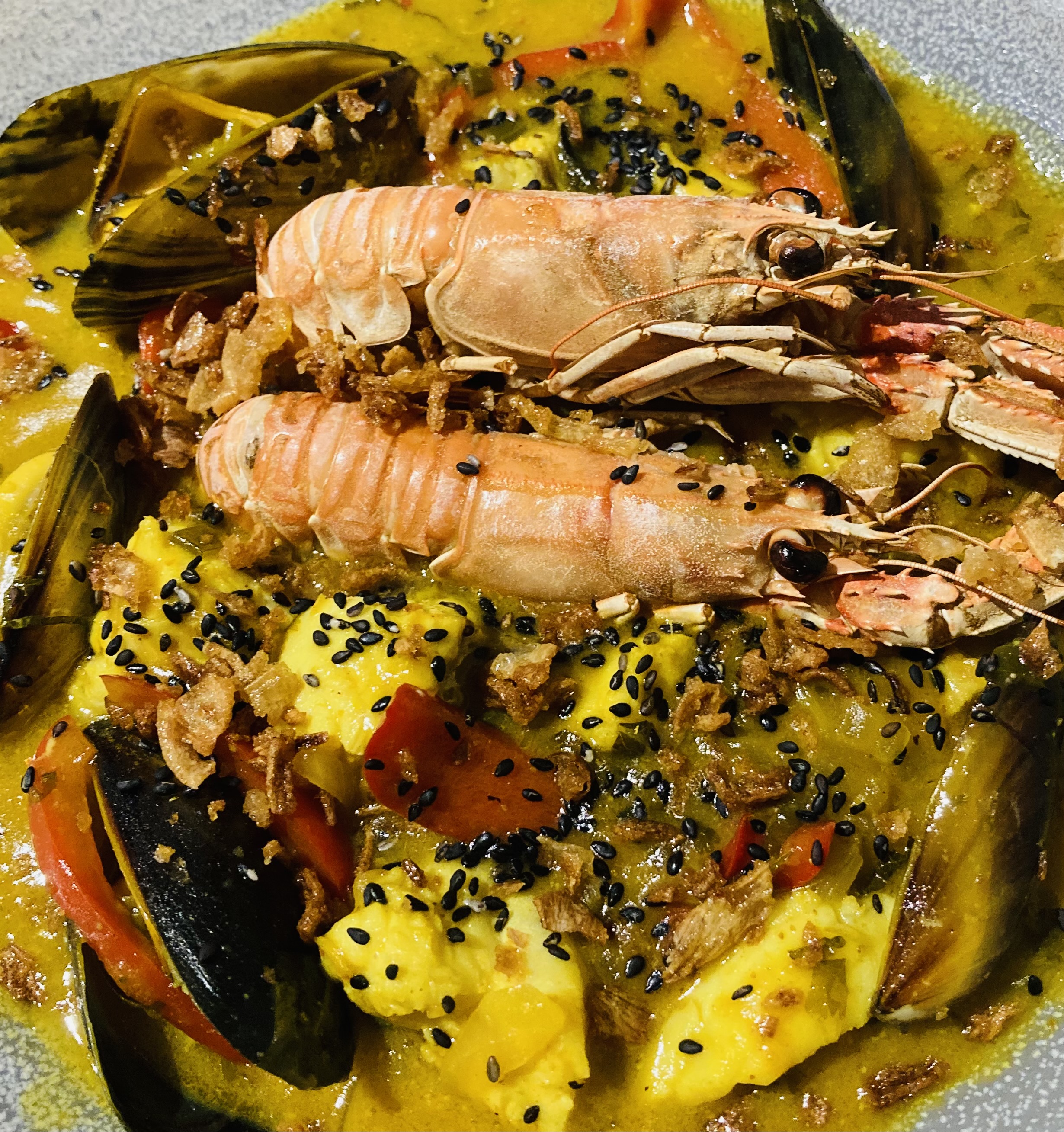
Two large, colourful plates follow. There’s a lovely pan-fried halibut which comes with brown rice, pickled veg and a deliciously sweet red pepper purée. The fish is perfectly cooked, a delightful flakiness under the crispy fried coating. There’s also a seafood stew, which features a couple of langoustines, some exemplary mussels, several beautifully cooked scallops, ling and monk – all ladled with a sublime lemongrass and coconut sauce. Everything on the plate is good save for the langoustines (and this is by no means the fault of The Dowry), which offer the usual dispiriting evisceration of heads, legs, carapace, only to leave an insubstantial scrap of flesh, which is gone in seconds. I’m beginning to feel the same way about lobster. It always looks so imposing on the plate yet hardly seems worth the effort. But I digress.

Overall, this is a thoroughly enjoyable dining experience: the food adventurous, the atmosphere buzzing and it’s excellent value for money. Unusually, we’re both too full to sample the puddings, though they sound worthy of further investigation another time.

So, if in Lerwick, do check out the Dowry. It’s worth your while.

4.2 stars

Philip Caveney

True Things

07/04/22

Cineworld, Edinburgh

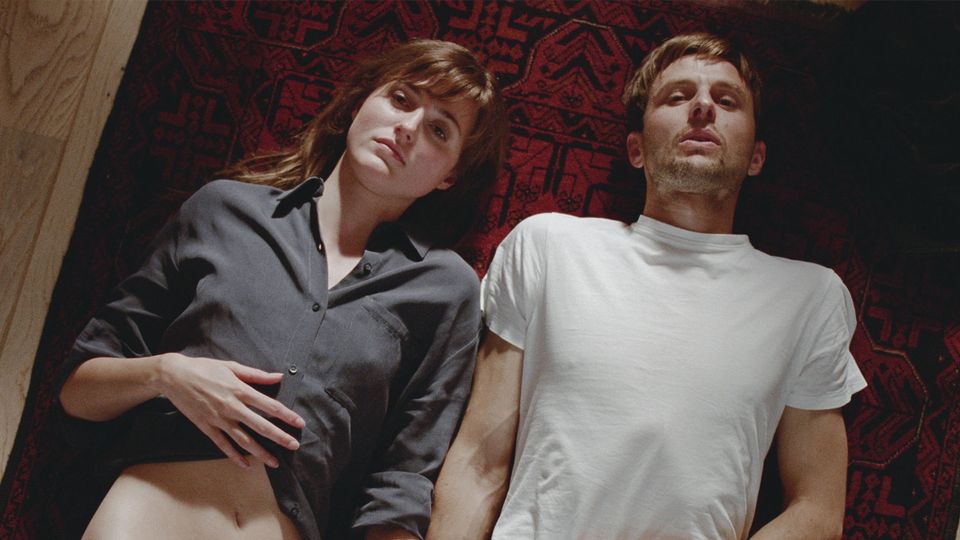
Kate (Ruth Wilson) has reached a difficult point on life’s highway. 

She’s somewhere in her thirties and struggling to hold down a thankless job at a benefits office in Ramsgate, where her customers seem to specialise in hurling abuse at her. She has no significant other in her life, no real interests and spends much of her free time gazing wistfully at exotic locations on her computer screen. Her work colleague, Alison (Hayley Squires), is trying to hook her up with one of her male friends, telling her that she needs to start playing the field if she doesn’t want to be a spinster all her life – while Kate’s mum (Elizabeth Rider) criticises her daughter’s ‘difficult nature,’ which – apparently – makes her come across badly to others. Kate’s dad (Frank McCusker) just seems obsessed with giving her home-grown vegetables from his allotment.

It’s clear that Kate is badly in need of new horizons – and things change dramatically when she conducts an interview with ‘Blond’ (Tom Burke), a handsome stranger, who freely admits to having done time in prison and cheekily wants to know if she’s free for lunch later on.

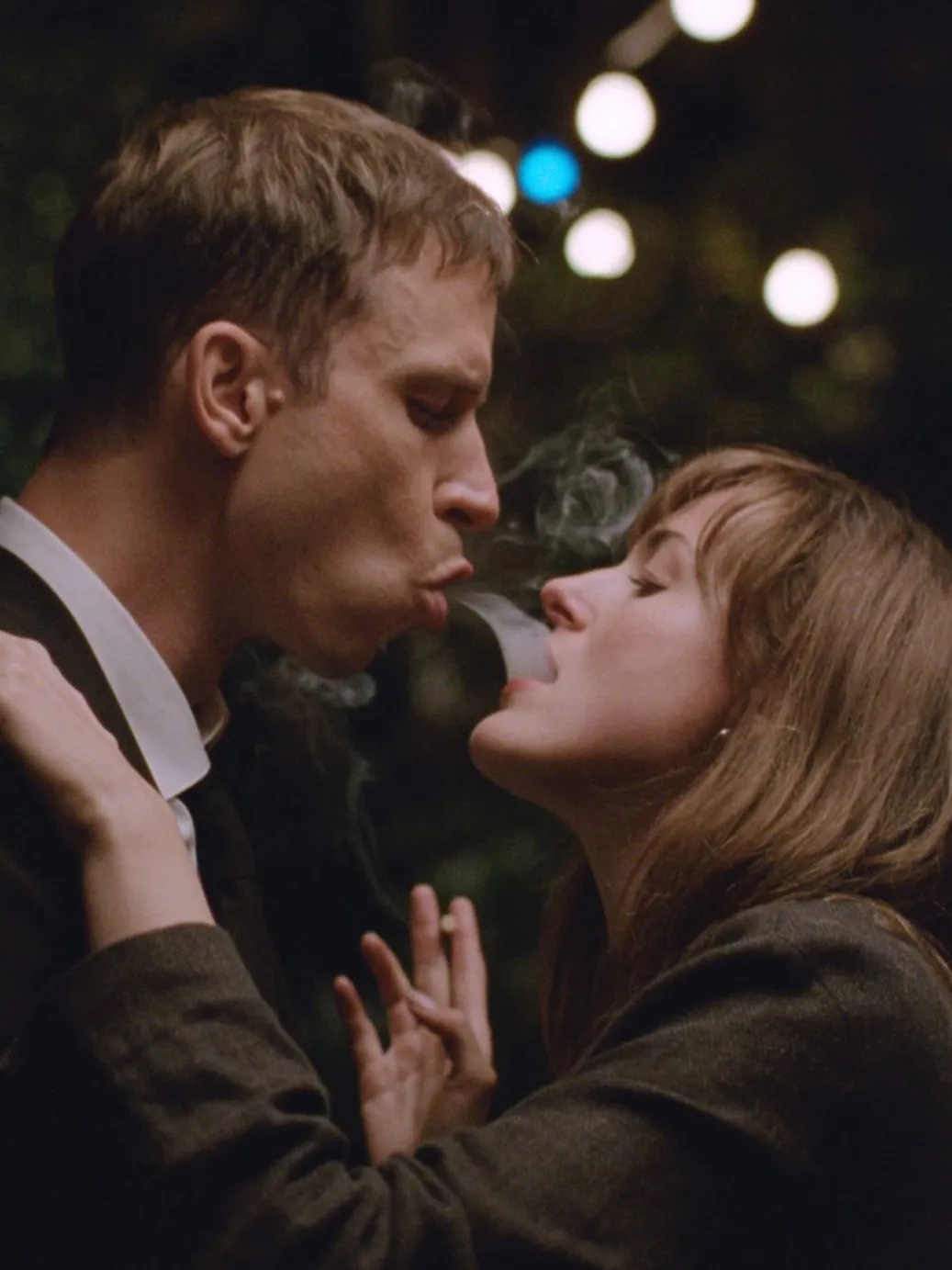
Against all better judgement, Kate accepts the invitation and shortly thereafter finds herself engaged in frantic sex in a high rise car park. To say that she’s smitten by Blond would be something of an understatement. She becomes instantly obsessed with him, unable to function properly when he’s not there, constantly waiting for a call or a text or… something. 

The trouble is, Blond is in complete control of this dangerous liaison and careful to give nothing away about his situation or his intentions. As viewers, we learn as little about him as Kate does. He’s an enigma and a pretty toxic one at that. It’s crystal clear that, if Kate cannot break the powerful hold he has on her, she is destined for heartbreak.

Harry Wootliff’s powerful little film is a veritable powder keg of longing, a symphony of doomed ambition. It’s as much a meditation on the theme of loneliness as it is an examination of the powerful pull of sexuality. Wilson is terrific here, offering yet another of her bruised outsiders struggling to survive the vagaries of life. She takes Kate through a maelstrom of subjugation until she finally seizes agency on a Spanish dance floor, thrashing ecstatically around to the sound of PJ Harvey’s Rid of Me

Burke, meanwhile, makes me understand exactly why Kate is in Blond’s thrall, even when he’s being obnoxiously vague about his intentions or heartlessly exploiting her utter devotion to him. He is powerfully charismatic. The film is essentially a two-hander, with an underused Squires doing the best she can with the thankless role of Alison.

It could be argued that True Things is relentlessly one-note, but if that’s the case, then it’s a note played with utter perfection by skilled artists. The characters here feel absolutely genuine and the slow-burn, languorous atmosphere is further intensified by Ashley Connor’s woozy cinematography, which often depicts events in an out of focus haze. A scene where Kate reels drunkenly around at a house party almost has me reaching for the alka seltzer. Furthermore, there’s a delicious duality to what’s depicted onscreen. I’m not always certain that scenes I’ve just watched have actually happened or are simply imaginings plucked from within Kate’s troubled head-space 

This could easily be annoying but, in the case of True Things, it gives the film added depth.

4 stars

Philip Caveney

The Da Vinci Code

05/04/22

King’s Theatre, Edinburgh

Ah, The Da Vinci Code. That preposterous juggernaut of a 2003 novel: badly written, controversially researched, ludicrously convoluted – and yet, somehow, as popular as can be, selling more than eighty million copies worldwide. 

Dan Brown’s tale leans on other people’s cleverness: his protagonist, Robert Langdon, is a Harvard professor, whose sidekick, Sophie Neveu, is a brainy cryptographer. Their enemies are equally learned, and the murder at the heart of this high-octane mystery takes place in the highbrow setting of the Louvre. Indeed, the whole plot is reliant on the duo’s impressive understanding of theology, symbology and Renaissance art. All of this, of course, is just smoke and mirrors, obscuring what is – essentially – a cryptic crossword given legs. Nevertheless, it’s undeniably engaging; there’s a reason the novel was a runaway hit. 

This stage adaptation (written by Rachel Wagstaff and Duncan Abel) doesn’t shy away from the schlocky nature of the source material. Instead, director Luke Sheppard uses more smoke and mirrors, this time in the form of impressive technical effects and slick production values. If touring shows can sometimes seem a little lazy, this is anything but, and Brown’s silly story is elevated by some damn fine theatrics. 

The plot is pared back, so that there’s less obfuscation and greater clarity. There are fewer chases (thank goodness). Nigel Harman imbues Langdon with a credible seriousness: it’s an unshowy, subtle piece of characterisation that serves the production well. In many ways, he’s the still centre of it all: bemused at finding himself involved, but quietly determined to sort things out. Hannah Rose Caton’s Sophie is somewhat livelier, as suits the role, but neither she nor Harman dominate the stage. That’s not what this is about, after all. 

The focus here is on the clues, on the elaborate treasure hunt that sees the pair wielding guns and crossing continents, challenging religious doctrines and theorising about everything from the Mona Lisa to the Holy Grail. David Woodhead’s bold set – all gauze panels and moments of revelation – is complemented by Andrzej Goulding’s stunning video design, with luscious projections filling every wall. It’s a dazzling spectacle (and, naturally, there’s an extra frisson for us as an Edinburgh audience, when the depiction is of nearby Rosslyn Chapel).  

I like the chorus too: the company sits, blank-faced and hooded at the side of the stage, rising occasionally in sporadic chants and rituals, all precisely choreographed by Tom Jackson Greaves. 

So – admittedly somewhat to my surprise – watching this production is a real pleasure. And not even a guilty one. 

4 stars

Susan Singfield

The Eyes of Tammy Faye

28/03/22

Disney +

The Eyes of Tammy Faye never made it to ‘a cinema near us,’ despite being relentlessly trailed. Still, as previously documented, we’ve signed up to Disney+ for a short spell, thanks to their dastardly decision not to release Turning Red anywhere else – and the presence of Tammy Faye on the platform makes us slightly less aggrieved about it.

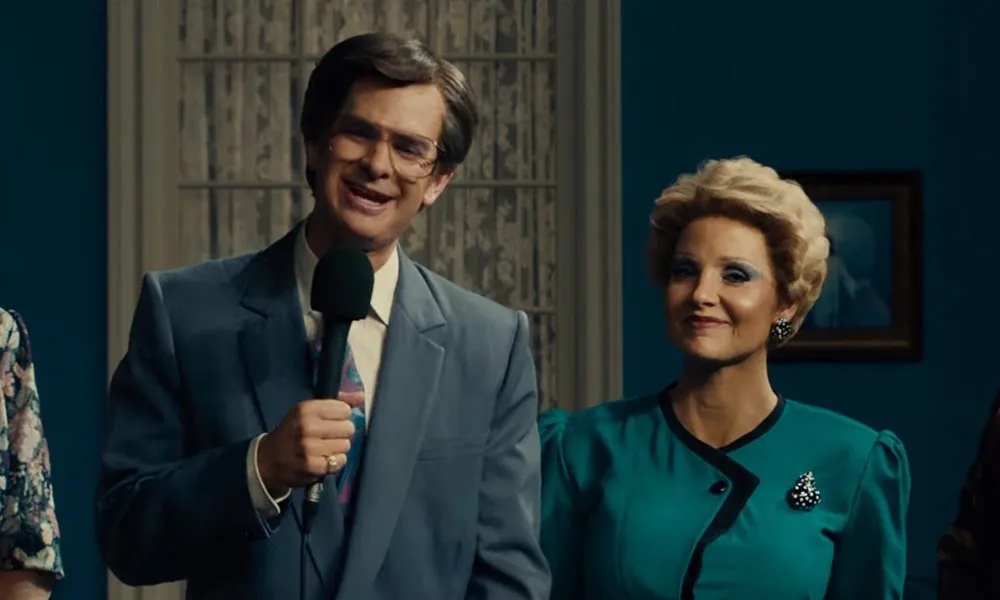
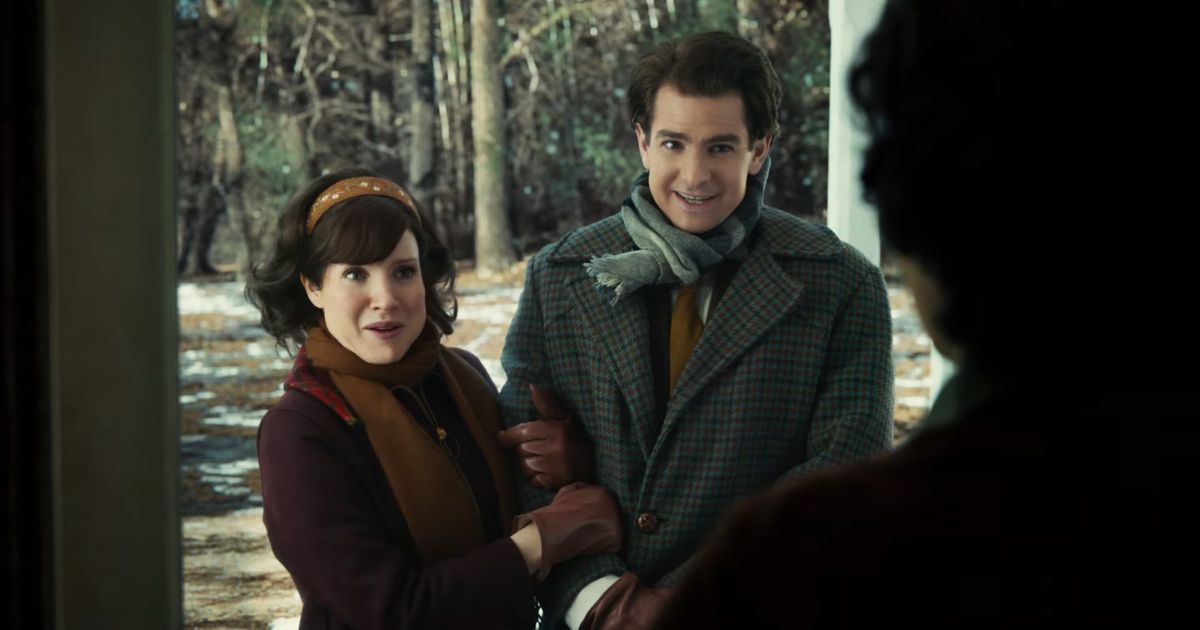
Michael Showalter’s film works just fine on the small screen; it’s about TV after all: an intimate biopic of one of the USA’s most infamous televangelists, based on a documentary by Fenton Bailey and Randy Barbato. After hosting a successful Christian puppet show for their local channel, Tammy Faye (Jessica Chastain) and her husband, Jim Bakker (Andrew Garfield), co-founded The PTL Club in 1974, and soon found they had a TV hit on their hands. By 1978, they were ready to embark on a new money-making project: a Christian theme park called Heritage USA, all funded by their fans/parishioners – or ‘partners’ as they referred to them.

The couple’s finances burgeoned along with their popularity, and they were soon splashing the cash, luxuriating in fur coats and art-filled mansions. Tammy gained notoriety for her outspoken support for the LGBT community, and particularly HIV/AIDS sufferers. Other high-profile evangelists disapproved of her convictions, but Tammy’s public preaching of love and acceptance made a real difference to the popular discourse. Jim, on the other hand, was causing controversy in other ways, and – in 1989 – found himself convicted on several counts of fraud and conspiracy, and was imprisoned for his crimes.

If Tammy is a woman of contradictions (and she is), then so is the film. There are some glorious sequences (the final rendition of Hallelujah, for example, and Tammy’s disarming approach to a group of teenage hoodlums poking fun at her). But there are also glaring omissions. The couple’s early path to local TV is never shown, and Richard’s extra-marital dalliances and abuses – both hetero and homosexual – are only tangentially referred to. Of course, we are seeing things through Tammy’s eyes, as the title makes clear, but her ignorance means that we miss some of the most compelling aspects of the tale.

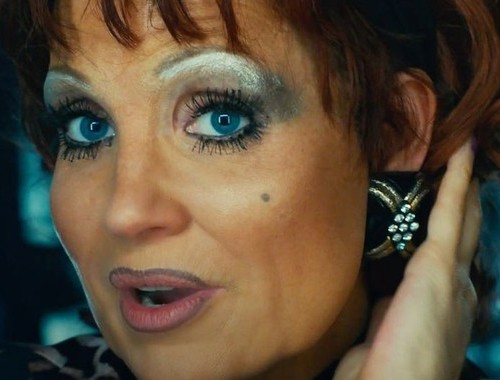
Make no mistake, Chastain is exceptional in the titular role: this is a truly stellar performance. Her Tammy is a wonderfully appealing woman, a heady mix of strength and vulnerability, naïvety and nouse. Even when she’s ridiculous – with her tattooed make-up and desperate smile – she’s somehow dignified and commands respect. Chastain pulled the Oscar for this last night, and it’s not hard to see why.

Still, a perfect performance doesn’t always equate to a perfect film, and this one sadly falls short.

3.7 stars

Susan Singfield
Ondine

27/03/22

Teviot Underground, Edinburgh

We’re at another student production, down in the Teviot Underground, where we’ve seen many excellent Fringe shows over the years. It’s here that Theatre Paradok have taken on Ondine, a fascinating play by Jean Giradaux, first performed in 1938 (and which, in the 1960s, famously featured Audrey Hepburn in the title role).

All the usual problems are in evidence tonight: a tiny, oddly-shaped stage; a selection of cobbled-together costumes and ramshackle props. There’s also a background buzz of voices coming from the bar next door, and yet the sizeable cast overcome these problems with admirable skill and determination. 

In a remote cottage, Fisherman Auguste (Huw Turnbull) and his wife Eugenie (Sophie Craig) await the return of their ‘daughter,’ Ondine (Clare Robinson). They are fully aware that she’s not their real child, but a changeling, substituted for their infant years ago, and now running wild in the midst of a storm. Ondine is a nature spirit who, though supposedly fifteen years old, has actually been around for centuries and is immortal.

Into this weird scenario wanders Hans (Kristjan Gudjonsson) a knight-errant, currently in love with and betrothed to Princess Bertha (Alice Humphries). He’s ridden into the country to contemplate his upcoming nuptials, but one look at Ondine and he is entranced. She too seems impetuously keen to be his bride.

But by the play’s second act, it’s already clear that the new union is beset by insurmountable problems, not least the fact that, in order to become Hans’s bride, Ondine has been forced to make a draconian pact with The Old One…

To suggest that Ondine is a weird play would be something of an understatement. It occasionally borders on the deranged. But its themes seem powerfully prescient today – the frailty of mankind, the ways in which we have lost touch with the healing powers of nature – and are right there in the story’s subtext. There are some terrific performances here, particularly from Robinson, who manages to keep the feverish intensity of the central character blazing throughout and whose inability to tell lies is the cause of much humour. Gudjonsson is also terrific, imbuing Hans with a sardonic wit and a sense of fatalism, which make his final scenes genuinely poignant. I also enjoy Adam Wu’s double role of The Old One and The Illusionist, managing to slip effortlessly from silent threat to cheerful swagger, while Angus Morrison and Trudy Kalvynaite offer a cheerfully knockabout double act as the two pompous magistrates called in to judge Ondine’s ‘infidelity.’

Director Philomène Cheynet has worked wonders with the uncompromising performance space, making me forgive its shortcomings and allowing me to focus on the strength of the performances. 

Ondine continues until the 30th March, and those looking for something quirky and absolutely unique should definitely seek it out.

4 stars

Philip Caveney

The Worst Person in the World

26/03/22

Cineworld, Edinburgh

I have to confess to an almost total ignorance of Norwegian cinema before the good word-of-mouth for Joachim Trier’s latest film prompts me to give it a try.

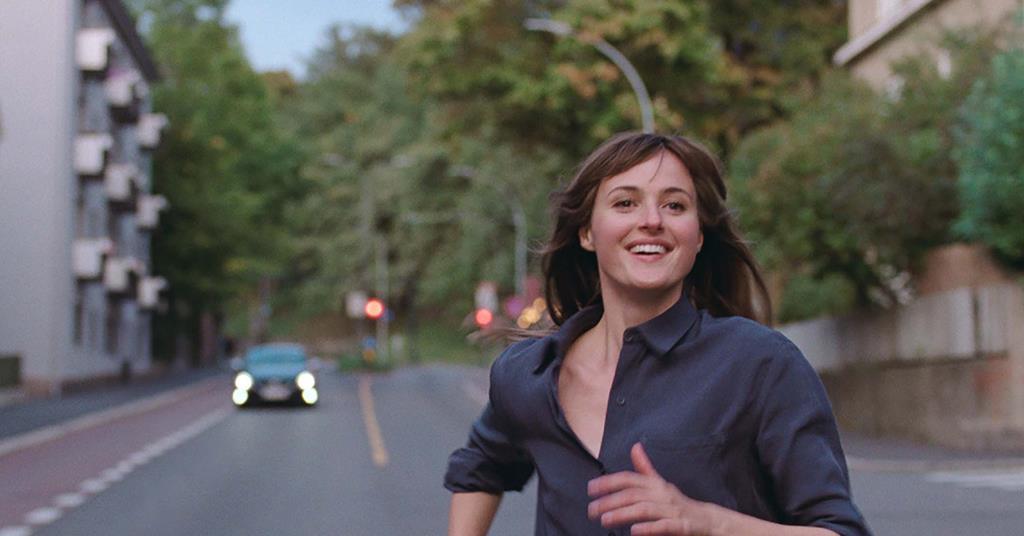
The Worst Person in the World is a rare beauty, a picaresque tale of life and love in contemporary Oslo, built around a superb, award-winning performance by Renate Reinsve. She’s Julie, who, when we first encounter her, is a medical student, bored by the reality of slicing up bodies and fast coming to the conclusion that’s she’s chosen the wrong subject.

Shortly thereafter, she breaks up with her boyfriend, decides to study psychology instead, and then jumps ship again in favour of a photography course.

Until she starts dabbling with writing…

Fast approaching her thirtieth birthday, Julie realises that, despite all her best endeavours, she still doesn’t have a game plan for the future and, when she meets acclaimed comic artist, Aksel (Anders Danielsen Lie), the two of them hit it off immediately. Soon they’re sharing an apartment. But Aksel is older than her and already talking about the possibility of starting a family. Julie appreciates she’s supposed to want that too, but is painfully aware that she still hasn’t found her own path.

And then one night, she skips out of a dull launch for Aksel’s latest book and recklessly crashes a stranger’s wedding party, where she has a chance encounter with Eivind (Herbert Nordrum), an easygoing barista. The two of them share their darkest secrets and Julie begins to realise, to her dismay, that she is falling for him…

If this all sounds like something you’ve seen a thousand times before, don’t be misled. TWPITW, co- written by Trier with Eskil Vogt, is a multi-faceted creation. Broken down into a kind of visual novel, it’s related in twelve ‘chapters,’ along with a prologue and an epilogue. The film positively buzzes with invention – from the magical scene where Julie runs through an Oslo where every other character is frozen into immobility to a weird magic mushroom experience at a house party – and on to a conclusion that is both heart-breaking yet, somehow, life-affirming. It’s all brilliantly paced and thoroughly entertaining. An eclectic soundtrack featuring a whole variety of performers only adds to the ‘whatever next?’ atmosphere.

I love the fact that Julie is an unreliable character, struggling to find her way in the world. Is she the ‘Worst Person’ of the title? Well, it’s actually Aksel who uses the phrase, but he’s referring to himself when he says it. But really he’s just a little out of touch in a world where all his long-held views are increasingly perceived as controversial. And Julie isn’t terrible either; she just wants to find her own identity and won’t settle for anything less.

This feels uncannily like real life, with all its messy complications, many of which can never be resolved, only put down to the twisted trials of human experience.

It’s hard to remember a film that has nailed the convoluted path to maturity with such absolute conviction. If you’re tired of the conventional (and happy to read subtitles), The Worst Person in the World may be just the cinematic experience you’ve been waiting for. However you feel about this film, I’m pretty confident you won’t be bored by it.

4.7 stars

Philip Caveney

Turning Red

24/03/22

Disney +

The House of Mouse’s decision to release all new Pixar films directly to their in-house streaming service seems incredibly short-sighted – and not just because this is a time when cinemas are really struggling to tempt viewers back into seats. Mostly, it’s because the gorgeous animation that exemplifies Pixar is made to be shown on the biggest screens available. However, Disney seem not for turning, so it’s time to renew that monthly subscription.

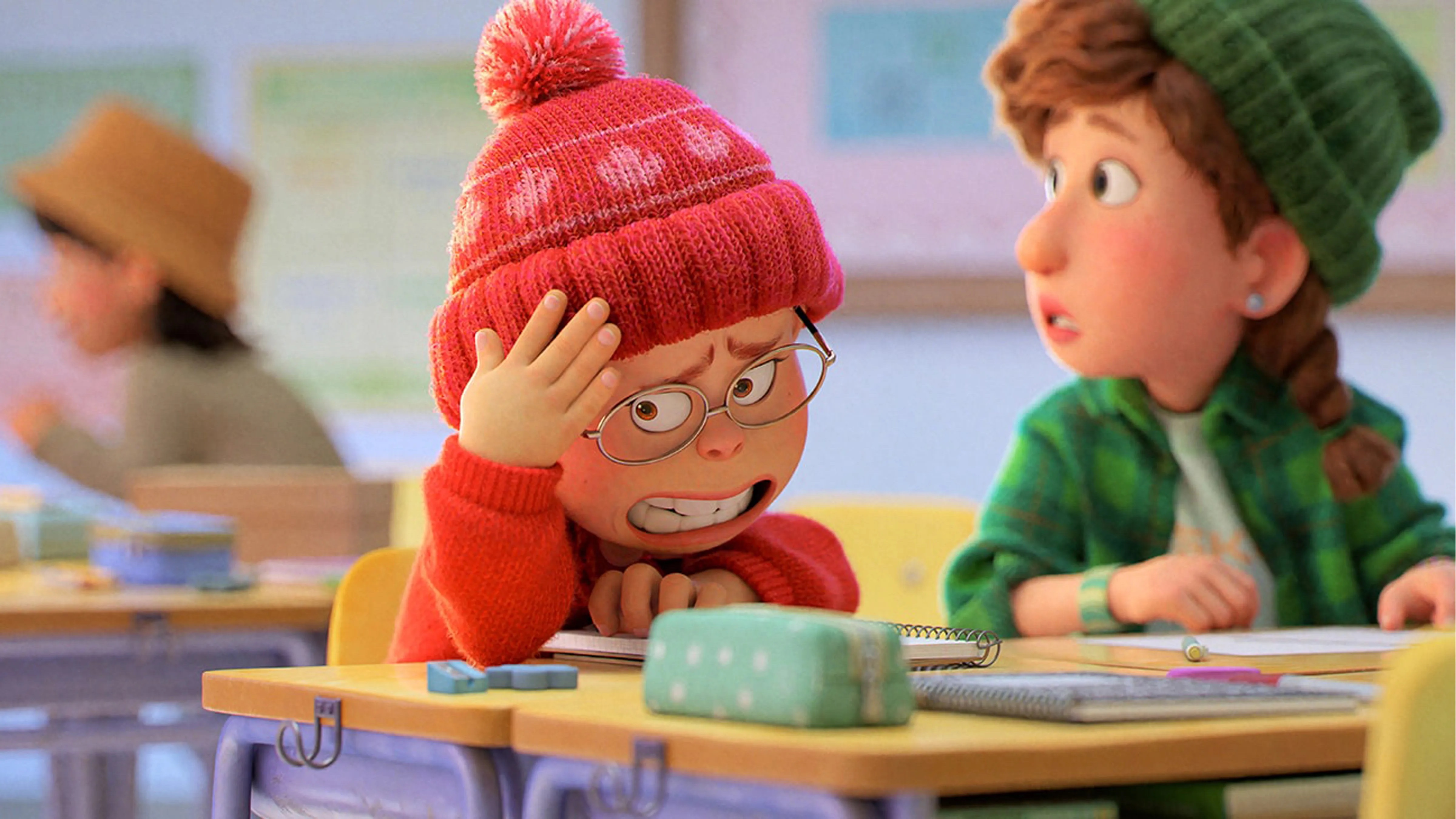
Turning Red is set in Toronto in 2002 . Meilin (Rosalie Chiang) is thirteen years old, a good girl who excels as a scholar and spends most of her spare time helping her domineering Mother, Ming (Sandra Oh), to run the family temple, a place dedicated to their illustrious ancestor, Sun Yee. Meanwhile, Meilin’s father, Jin (Orion Lee), cooks up some amazing food. In scenes that could have come straight from a Studio Ghibli feature, his dishes are enough to make this reviewer’s mouth water.

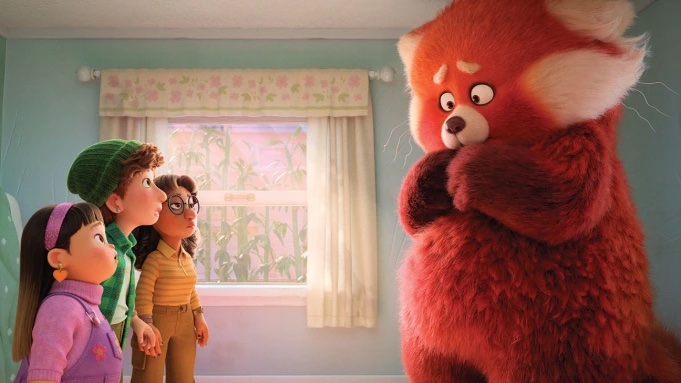
With her three bosom buddies, Miriam (Ava Morse), Priya (Maitreyi Remakrishnan) and Abby (Hyein Park), Meilin is a fan of the hot new boy band, 4*Town. She also discovers, to her dismay, that she’s developing a crush on handsome local store clerk, Tyler (Tristran Allerick Chen), who she has always professed to hate. She is hurtling headlong towards puberty and the resulting rush of hormones has an unfortunate effect on Meilin. She finds herself suddenly transforming into a giant red panda at the most inopportune moments (although I’m not sure when would be a good time). This is the result of an ancient transformation that every young woman of her family must undergo.

It can be cured, Ming assures her daughter, but not until a month has passed. Awkward.

And then news reaches Meilin that 4*Town are going to be performing at a huge concert in Toronto and she and her friends know that, whatever else comes or goes, they will have to be there in order to ‘become women.’ So how are they ever going to raise the hefty price of admission?

From the outset it’s clear that Pixar, already the most innovative of animation studios, is setting out to walk a path where no other cartoon makers have dared to venture. The Red Panda is clearly a metaphor, standing in for the turmoil and confusion of adolescence – the film even manages to cover the subject of menstruation without raising so much as an eyebrow. All credit to director Domee Shi, who has clearly used her own youth in Canada as inspiration for the story, co-writing the screenplay with Julia Cho and Sarah Streicher. Hats off also to songwriters Billie Eilish and Finneas, who manage to capture the vapid tosh that is 4*Town’s music with ease.

This is a gorgeous film, all about the power of womanhood and the healing properties of friendship. The fact that it’s wrapped up in a pretty parcel of jaw-dropping animation doesn’t dilute its message one jot – and the climactic showdown at the 4*Town arena concert – where events begin to feel a little like Pandazilla – brings everything to a suitably powerful conclusion.

Even on our modest screen at home this looks dazzling, so how it would have looked on IMAX can only be wistfully imagined.

4.4 stars

Philip Caveney