Wuthering Heights

25/05/22

King’s Theatre, Edinburgh

I can’t think of a better match than Emily Brontë and Emma Rice: two renegade spirits, purveyors of verve and rebellion; two flawed geniuses, whose work is – love it or loathe it – undeniably compelling.

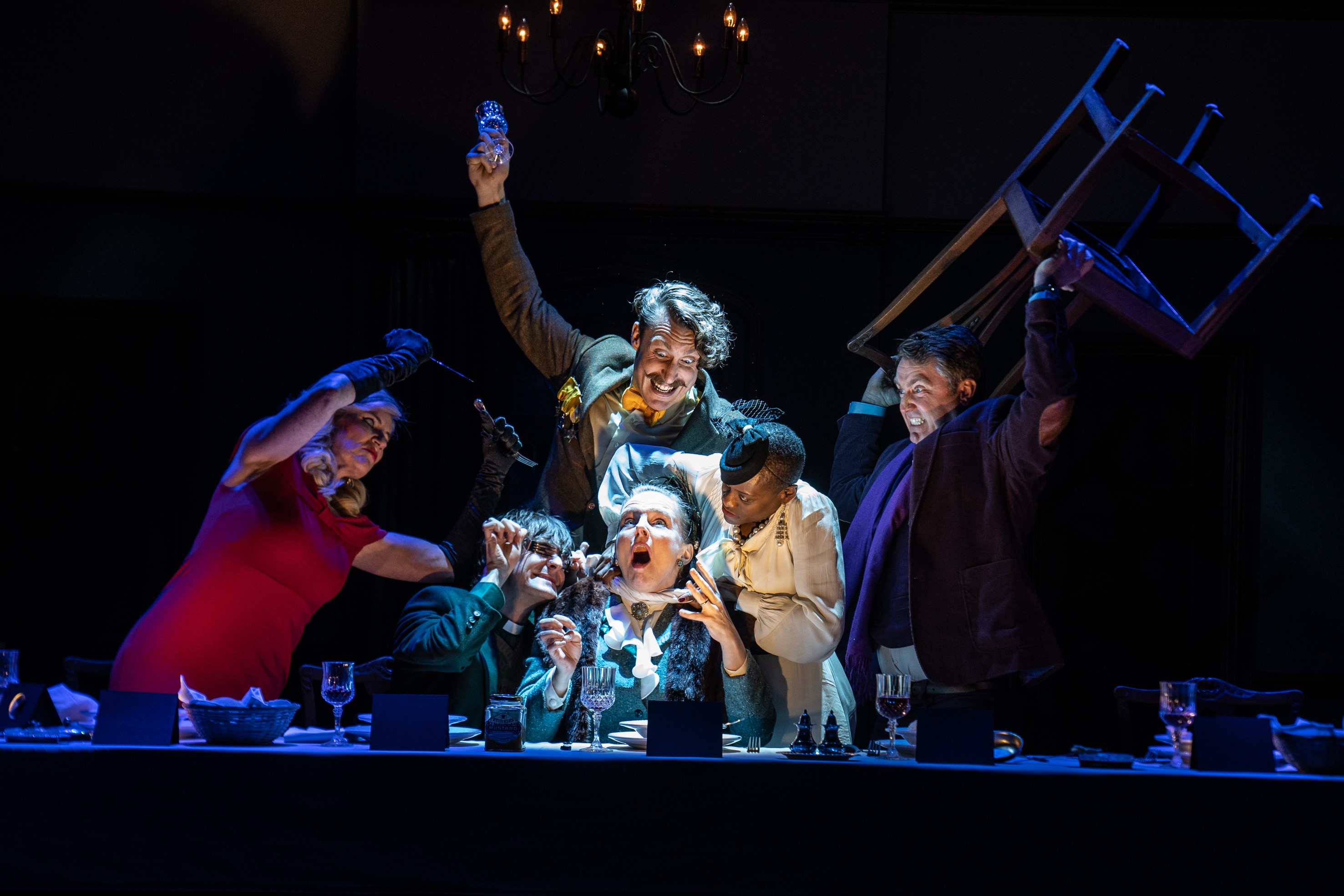
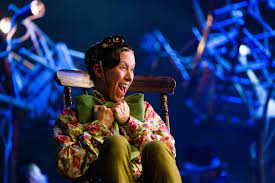
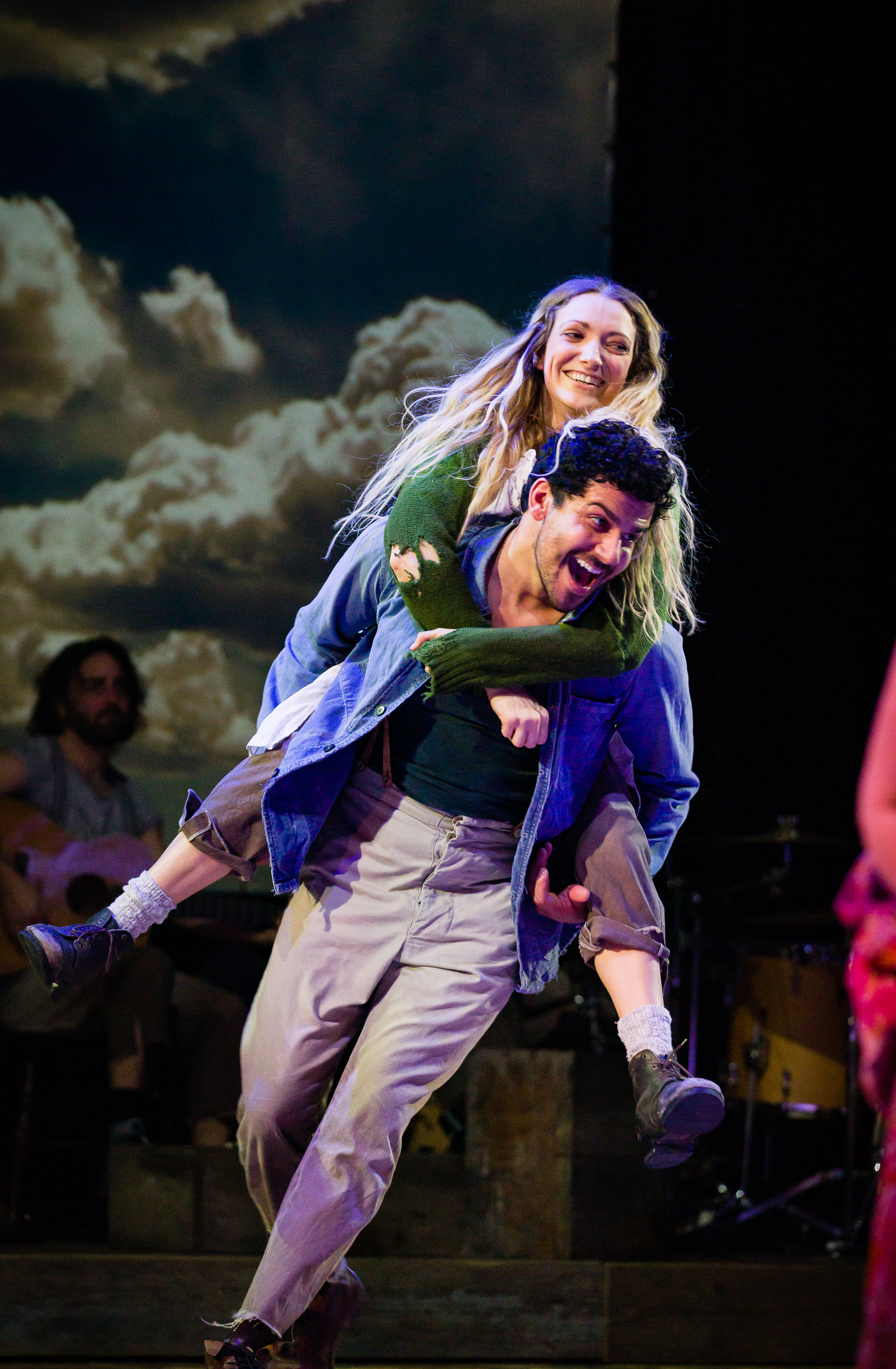
In this Wise Children production, Rice strips Wuthering Heights down to its beating heart, illuminates its essence. Anyone familiar with Rice’s previous work (at Kneehigh, for example) will know to expect a chaotic, frenzied telling, a stage so bursting with life and energy that it’s sometimes hard to know where to look. And that’s what we get. It’s dazzling; it’s dizzying – and I adore it. This is the sort of theatre that excites me.

Instead of Nelly Dean, we have The Moor, the landscape personified as a Greek chorus, whose Leader (Nandhe Bhebhe) narrates and placates, while her acolytes sing and dance their embodiments of weather, conscience and commentary. It’s a bold move, but it works. The setting is integral to Brontë’s novel; why not bring it to life? It’s also a neat way of conveying the labyrinthine plot in a mere three hours, so that we’re never in any doubt about who’s who, or how they’re all related, despite the too-similar names and the double-roles.

Adding to the bustle and busyness, there’s a live band on stage throughout (Sid Goldsmith, Nadine Lee and Pat Moran), as well as some stunning back projection, depicting turbulent skies and flocks of birds, which soar noisily into the clouds whenever someone dies. Rice’s signature puppetry puts in a brief appearance too, as the infant cuckoo, Heathcliff, lands in the Wuthering nest.

Rice foregrounds the differences between the Earnshaws and the Lintons: Hindley (Tama Phethean), Cathy (Lucy McCormick) and Heathcliff (Liam Tamne) are played as dark, almost monstrous figures, while Edgar (Sam Archer) and Isabella (Katy Owen) are light and clownish. This unevenness of tone serves to highlight how very dangerous the Earnshaws are, and it’s almost unbearable to witness the silly, foppish Lintons veer into their orbit, knowing that every encounter takes them closer to sealing their own dreadful fates. Owen garners many laughs with her cartoonish depiction of adolescent naïvety – she’s a gifted comedian – but Isabella is a petulant shrew in a tiger’s paw, and this is clearer here than in any other adaptation I have seen.

Emily Brontë purists will hate this show; it’ll give ’em the heeby-jeebies. But there’s a row of teenagers sitting behind me at the theatre tonight – they’re on a school trip – and they love it. I can hear them laughing and gasping, even exclaiming out loud. And Wuthering Heights is a YA book, isn’t it? A cautionary tale about a very, very toxic relationship, all raging hormones and melodrama, perfectly encapsulated on this anarchic stage.

5 stars

Susan Singfield
Top Gun: Maverick

25/05/22

Cineworld, Edinburgh

I wasn’t a big fan of the original Top Gun.

Reviewing it for City Life Magazine in 1986, I complained that the film felt like a glossy advertisement for the US Navy – and I wasn’t in the least bit surprised when the American military elected to instal enrolment booths in cinemas showing the film, so that pumped-up youngsters could walk straight out of a viewing and sign themselves up for active service.

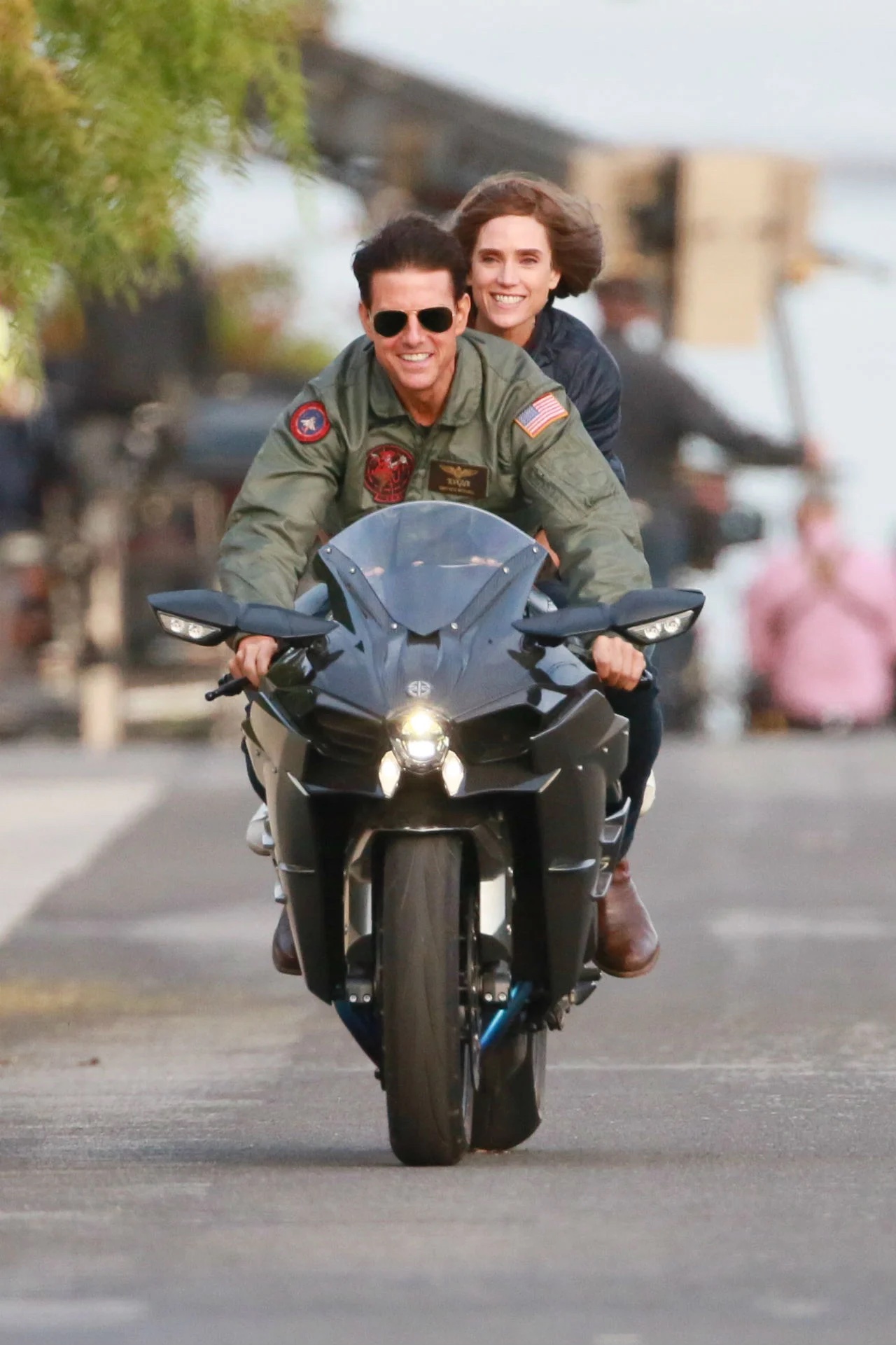
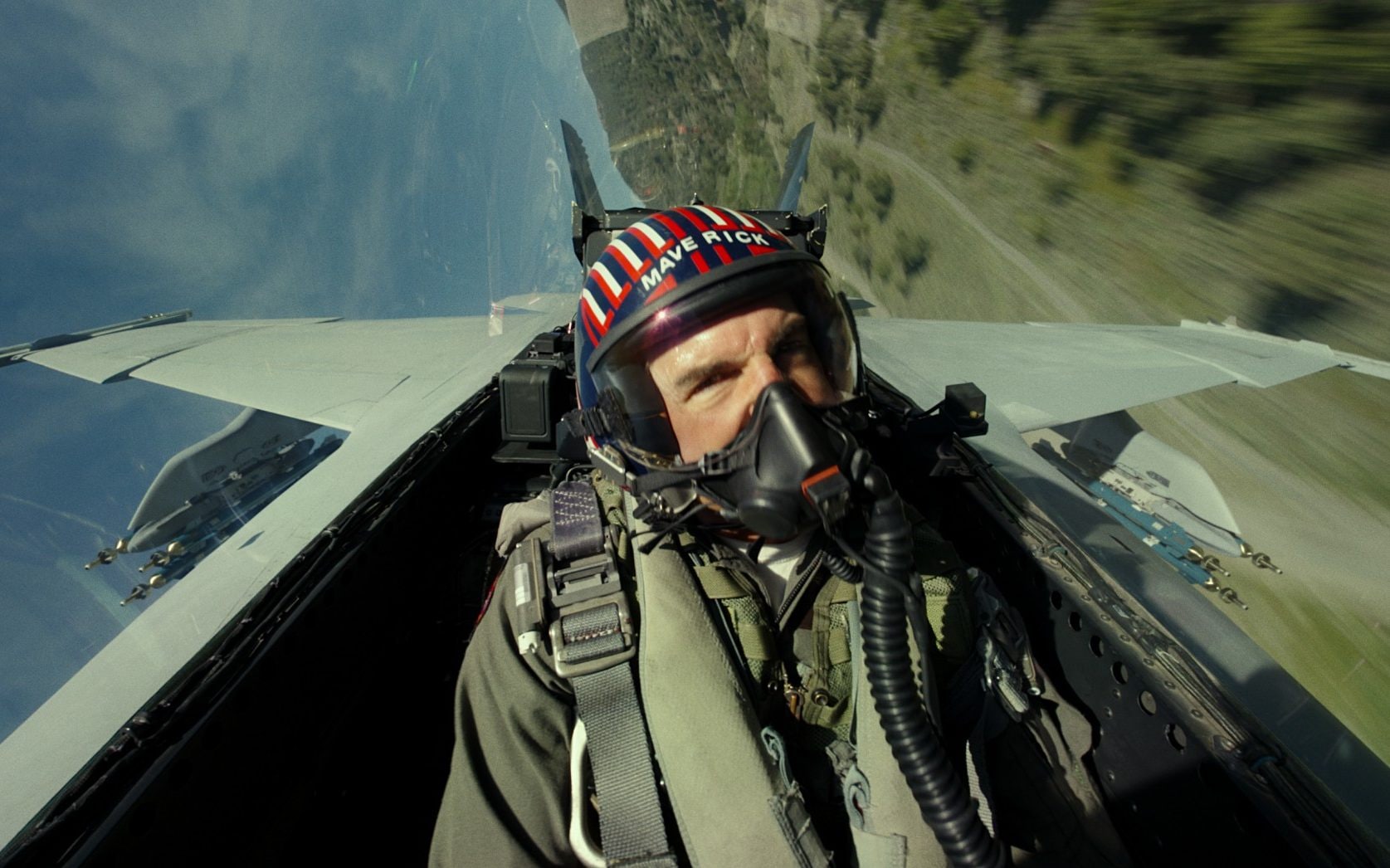
This sequel had already been a long time coming before the pandemic obliged its release date to be pushed back several times. Finally, here it is, with Tom Cruise still looking perfectly serviceable in the hunky action man role and with Joseph Kosinski taking up the directorial reins on behalf of the late Tony Scott.

Years after the events depicted in the first movie, we meet Pete ‘Maverick’ Mitchell, still a mere Captain, while most of his contemporaries are either dead or have risen through the ranks. He’s now working as a test pilot and is still more than ready to bend the rules when the powers-that-be threaten to close down his current project.

Close to facing a court martial, he’s ‘rescued’ by his former teammate Tom ‘Iceman’ Kazansky (Val Kilmer), who gets him assigned as instructor to an elite group of young pilots, training for a dangerous mission in Iran.

Mitchell soon discovers that one of his students is Bradley ‘Rooster’ Bradshaw (Miles Teller), the son of his old wingman ‘Goose.’ Bradshaw blames Mitchell for the death of his father – and for the the fact that he chose to hold him back in his training for several years. Can Maverick somehow bury the hatchet with Rooster and, at the same time, teach him to become a valuable member of his young team?

Hey, does the Pope shit in the woods?

Maverick is, I’m glad to say, a major improvement on the original film. Yes, it’s still pumped full of testosterone and yes, there’s still (inevitably) some major dick-swinging on display, but this story is considerably more nuanced than its predecessor and at least here the female characters are allowed to be more than just compliant love interests. There is still some romance, of course: Maverick hooks up with an ex, Penelope Benjamin (Jennifer Connelly), now conveniently divorced and running the local bar. It’s hardly a plot spoiler to say that, yes, old sparks are destined to fly.

As with the first movie, there are some extraordinary flight sequences here and they are given extra oomph when I remember that Cruise is doing it all for real, which is a mark of the man’s commitment to his craft. Unlike its perfectly honed lead, the film does get somewhat lumpen around the mid section, when a series of training sequences go into rather more detail than is necessary. It could do with a little less of that.

But things rally magnificently for a genuinely pulse-quickening final half hour and (yes, I admit it) a heartwarming conclusion. While you could argue that plot-wise it’s all faintly ridiculous (and you wouldn’t be wrong on that score), this is nonetheless a slice of highly polished entertainment that largely succeeds in taking its original premise to unexpected new heights.

3.8 stars

Philip Caveney

Though This Be Madness

22/05/22

The Studio, Festival Theatre, Edinburgh

Though This Be Madness deals with both the micro and the macrocosm: a study of one woman’s mental health, and a record of her place in a long line of other women. She is daughter, sister, mother. She is Shakespeare’s heroines.

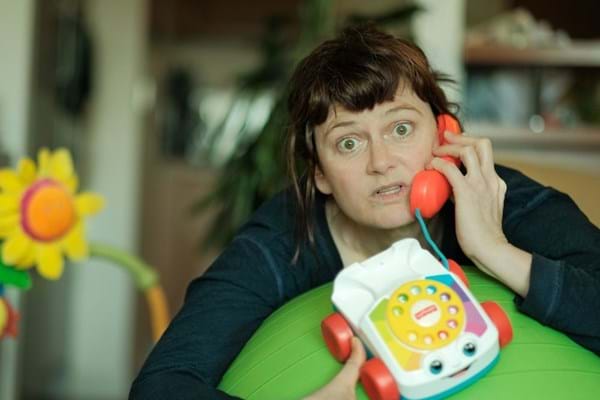
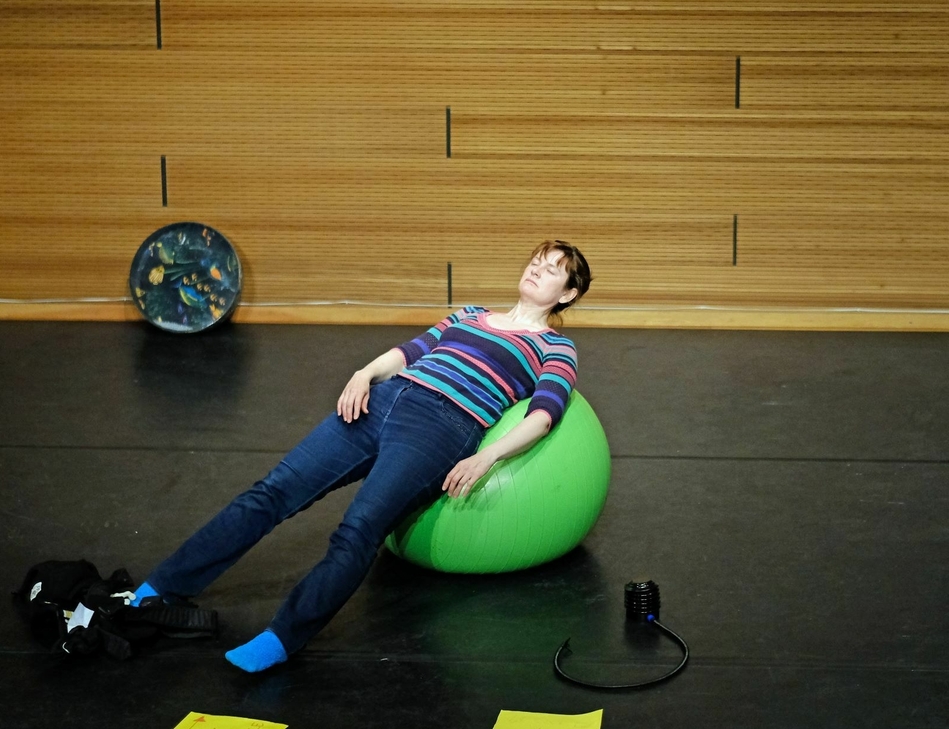
This is Skye Loneragan’s scattershot depiction of a new mother, struggling to finish a sentence without being interrupted by a baby’s cry, and it’s a haphazard, palpably stressful piece. ‘The Land of the Lounge Room’ is messy, with toys strewn everywhere, and our protagonist has given up trying to tidy them away. There’s no point, is there? Her body’s been ravaged; she doesn’t remember what sleep feels like; her doctor’s unsympathetic and her mother thinks she shares too much. Oh, and her sister’s schizophrenic.

There’s a lot to process here. The fragmented, unstructured narrative works well to convey a sense of disconnection and distraction, but it also means that not everything lands, and that some interesting ideas are lost in the chaos. The references to Shakespeare’s women, in particular, feel under-explored.

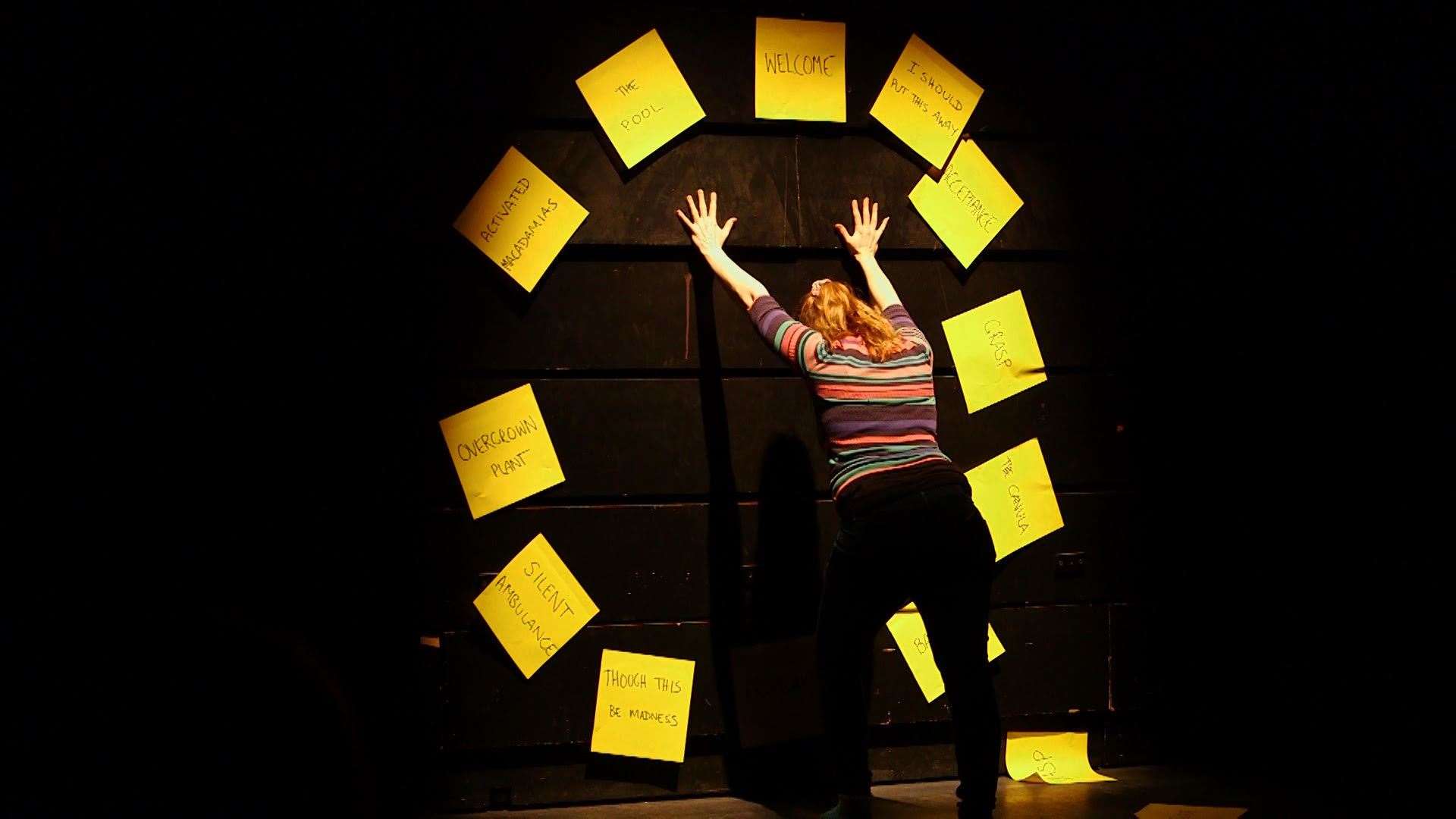
Loneragan is an engaging performer (with exemplary mime skills). I like the symbolism of the post-it notes and the overt circularity of the piece, and Mairi Campbell’s music lends it an eerie – almost hypnotic – air. In the end, however, I can’t help feeling this piece is both too much and too little: too many ideas for the short running time, and too little made of the best of them.

3 stars

Susan Singfield
Benediction

21/05/22

Cineworld, Edinburgh

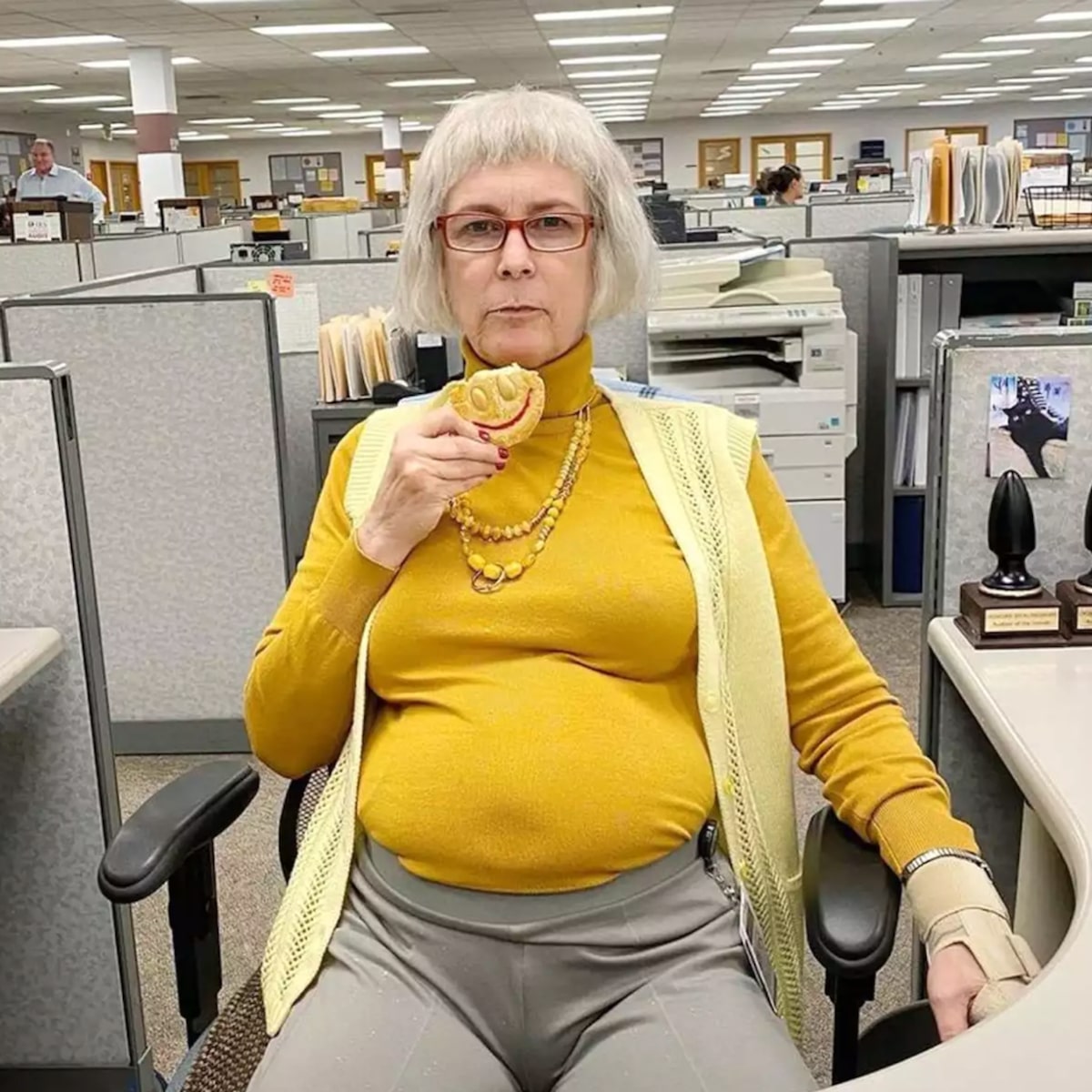
Once thought of as the foremost chronicler of British working-class life, writer/director Terence Davies turns his attention to the more privileged world of the poet and novelist, Seigfried Sassoon, in a bleak but affecting account of his life. When we first meet Sassoon (Jack Lowden) he’s already a decorated war hero, who has publicly announced his hatred for the political machinations of the conflict and his refusal to have anything more to do with it.

He’s duly packed off to Craiglockheart, Scotland, to undergo ‘therapy’ and is issued with an armband which identifies him as suffering from mental health issues, rather than as a conscientious objector. The latter, of course, generally tended to end up in front of a firing squad.

At Craiglockheart, Sassoon finds himself under the sympathetic care of Dr Rivers (Ben Daniels), who – like Sassoon – is secretly homosexual; it’s also here that he meets young poet Wilfred Owen (Matthew Tennysson), to whom he becomes a friend and a mentor – whilst wistfully observing that Owen is the greater talent. Owen, of course, is soon declared to be ‘cured’ and despatched back to the trenches, where he is destined to die at just twenty-five years old.

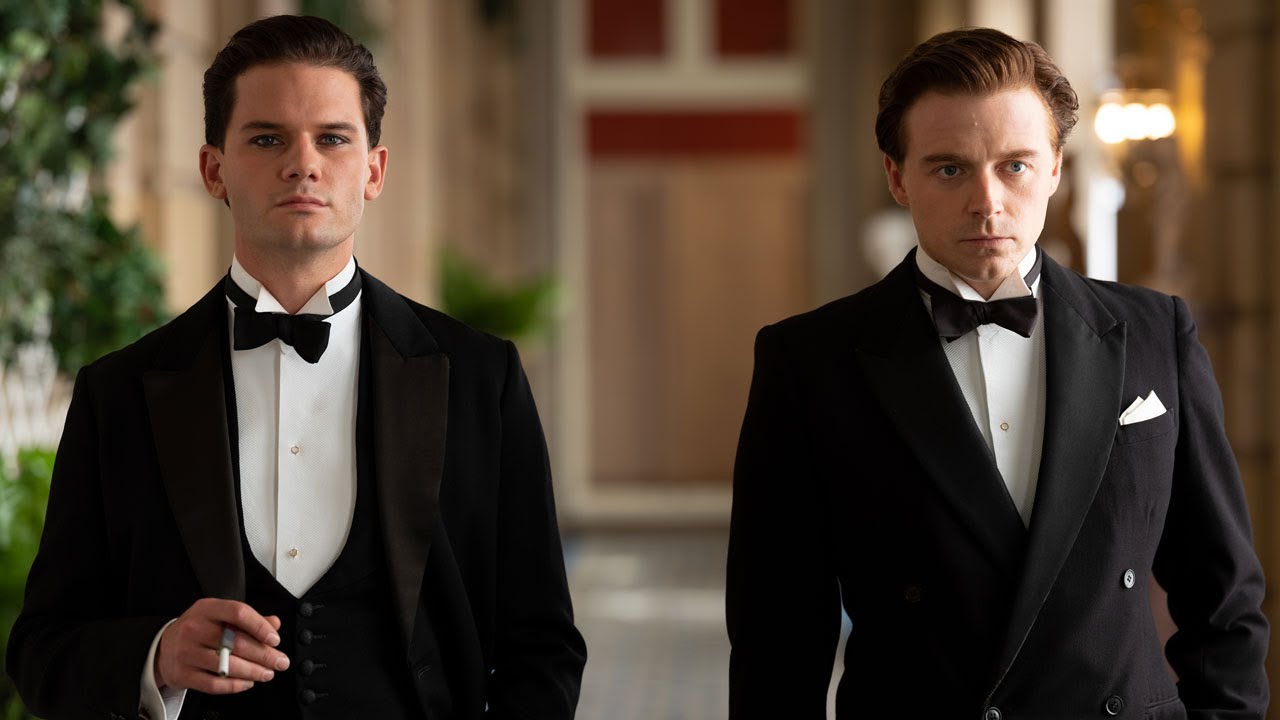
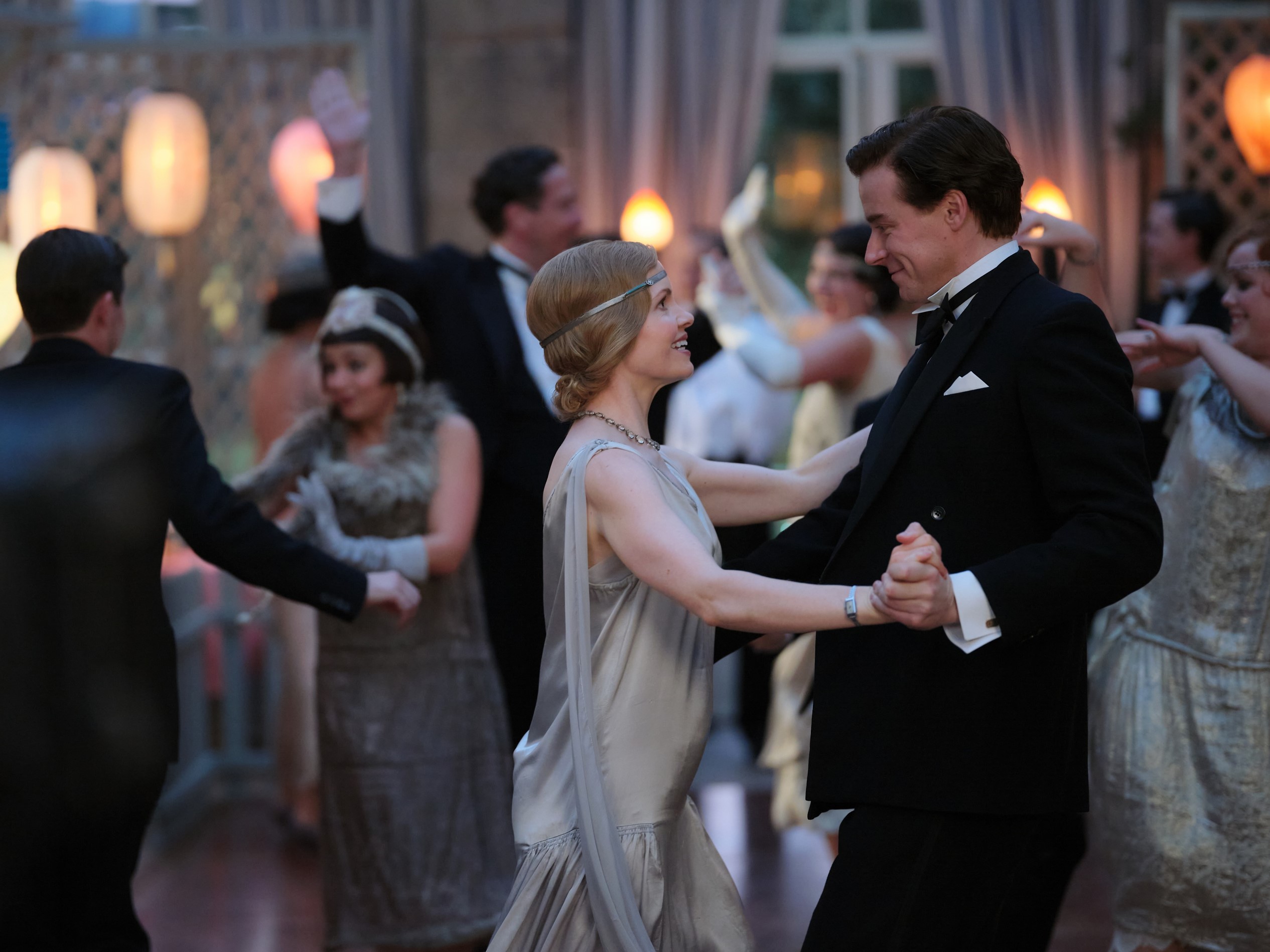
As the years roll by and the jazz age seems to offer the promise of a more permissive society, Sassoon moves through a series of relationships with unsuitable men. These include Ivor Novello (Jeremy Irvine), depicted here as a thoroughly odious piece of work – and Stephen Tennent (Calam Lynch), who despises the very concept of fidelity. Davies captures the spirit of the age with great skill and the marvellously bitchy banter deployed by Sassoon’s acquaintances is endlessly entertaining. There’s also an uncomfortable scene where Sassoon is invited to recite a poem at a soirée and manages to destroy the evening with the literary equivalent of an articulated lorry smashing through a plate glass window.

Again the years roll by and another war ensues. In an ill-advised attempt to achieve outward respectability, Sassoon decides to marry Hester Gatty (Kate Philips), and it’s clear from the outset that their marriage is not going to end well. In later scenes, the poet has transformed into a bitter, guilt-wracked recluse – this version played by Peter Capaldi – struggling to connect with his son, George (Richard Goulding), and haunted by the fact that he has never found the acclaim he feels is his due. Capaldi looks nothing like Lowden, but perhaps that’s the point. Isolated in a world he no longer identifies with – a straight world of pop music and disposable trivia – Sassoon really does seem like an entirely different person.

Austere and elegiac, Benediction won’t be for everyone, but for poetry lovers there are readings of some of Sassoon’s finest works, often recited over harrowing black and white sequences from the First World War – the spectre that shaped his talent and from which he never really escaped. It’s perhaps ironic that the film’s moving climax is handed over to Wilfred Owen, whose shattering poem, Disabled, provides the soundtrack for Sassoon’s greatest moment of self-realisation.

Benediction is a fascinating piece – an evocation of a period that seemed to offer the possibility of sexual freedom, but somehow never truly delivered on that promise – and the life story of a man haunted by his own ghosts.

Horror of wounds and anger at the foe,
And loss of things desired; all these must pass.
We are the happy legion, for we know
Time’s but a golden wind that shakes the grass.

4.2 stars

Philip Caveney

A-ha: The Movie

20/05/22

The Cameo, Edinburgh

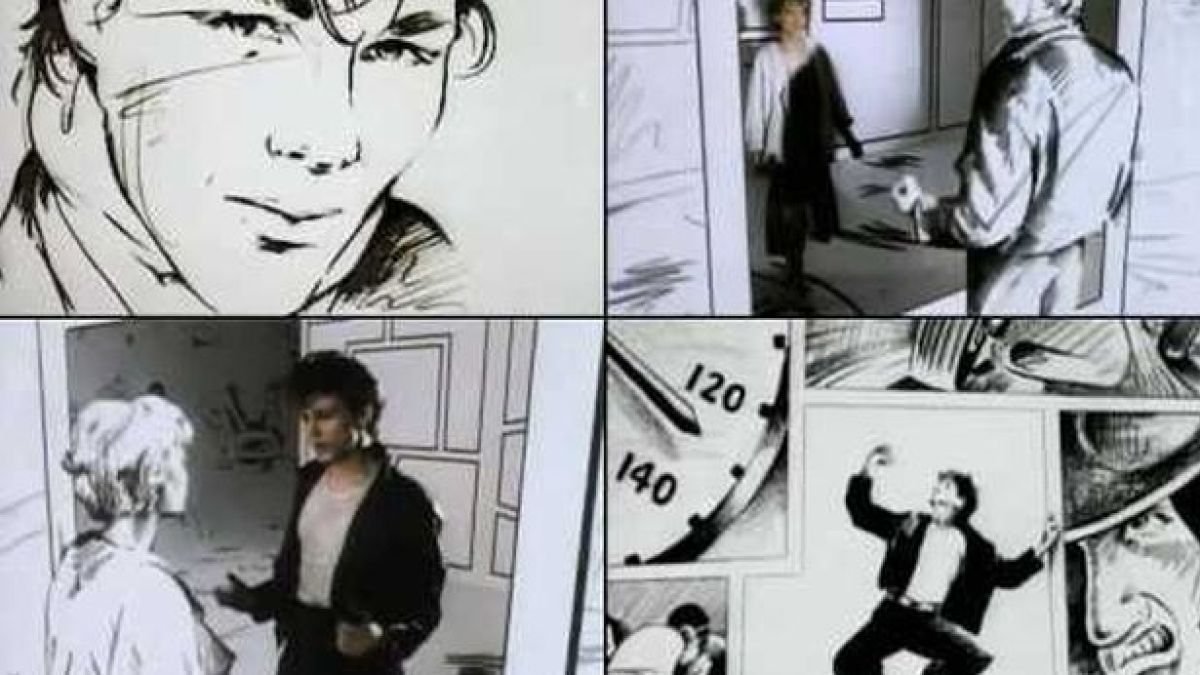
I was never a big A-ha fan, but I was a teenager in the 80s, so I couldn’t miss them – and there was never any denying that Take on Me was a banging tune with a mightily impressive video. And yes, a few plaited leather bands might have made their way onto my wrists and, okay, I might have covered my French book with a Smash Hits centrefold of Morten Harket – I mean, I had to cover it in something, right? But I didn’t know much about them, apart from their names and that they were Norwegian. I wasn’t interested.

But now, I discover, there’s more to them than met the eye.

Until now, I’ve never realised that they had real musical ambition. I’ve filed them under ‘pretty boy band’ in my mind, and paid them little heed. This fortieth anniversary documentary reveals my ignorance: there’s some serious musical ability here, obscured by the way they were marketed back in the day.

I hadn’t known they were still going – have been going all along, albeit with breaks. They seem tethered to one another, despite some pretty serious tension.

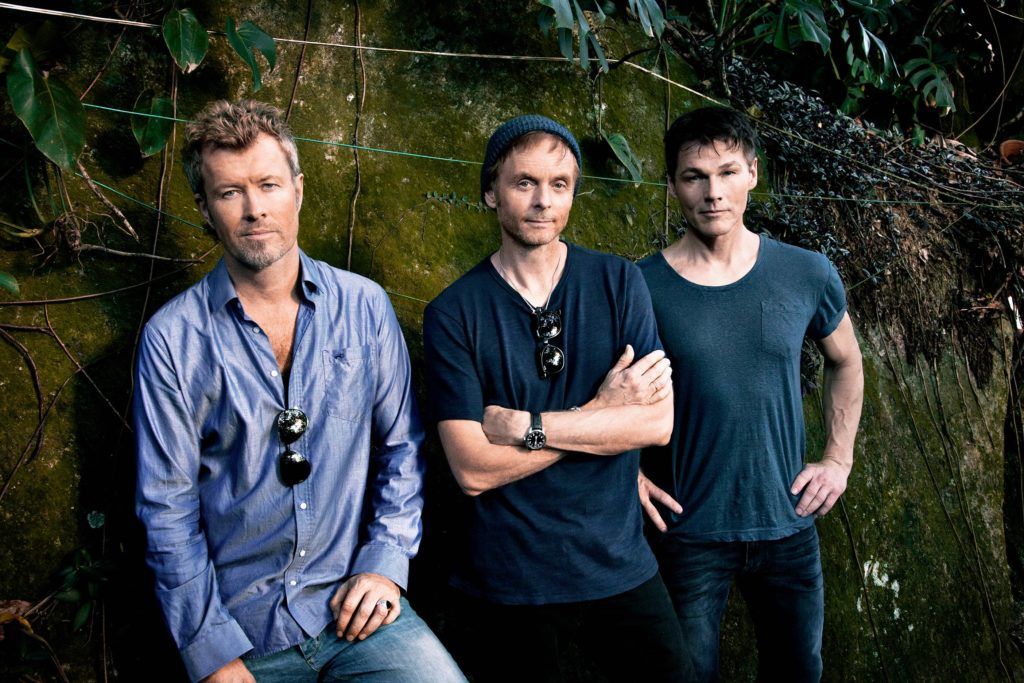
Magne Furuholmen (or ‘Mags’) emerges as the most compelling character. He’s in thrall to songwriter/guitarist Pål Waaktaar, who’s been his friend and bandmate since they were twelve. He’s resentful of him too: Pål insisted Mags should relinquish his beloved guitar in order to play keyboards, and then refused to give him a writing credit for Take on Me, despite the fact that the catchy synth riff was indisputably Mags’ creation. The rancour has clearly been festering for years, but there’s respect and nostalgia and maybe even love in the mix; they’re like brothers, I suppose, bound together by something bigger than any grievance. Still, Mags’ broken heart is more than just a metaphor.

Morten is the glamorous outsider, with a beautiful face and the voice of an angel. Pål knows exactly how to write for his voice, to showcase his skill. Harket seems more content than the others, despite his self-avowed perfectionism and constant self-criticism. He knows where to draw the line – when to remove himself from the fray; how to remain level-headed, even in the presence of two-hundred-thousand adoring fans.

Thomas Robsahm and Aslaug Holm’s film provides a fascinating insight, not just into the band themselves, but also into the industry around them: I’ve never seen a producer’s impact so clearly depicted. Nor have I ever been so aware of a PR machine shaping the way celebs are seen: at the height of their fame, there was a huge chasm between A-ha’s projected image and how they saw themselves.

In the end, I’m left feeling sad for these three seemingly lovely men, none of whom seems to be enjoying life, despite their indisputable success in a field they all profess to love. Maybe this is why they keep returning: hoping against hope that the next tour, the next album, will finally be the one to bring them that elusive happiness.

4 stars

Susan Singfield
Grazing by Mark Greenaway

14/05/22

The Caledonian Hotel, Princes Street, Edinburgh

After sampling a note-perfect tasting menu at Dean Banks’ Pompadour, we’re keen to try a similar offering from Grazing by Mark Greenaway, which is located in the same building. The Pompadour’s offer was for lunch time, while this is available in the evening, so along we dutifully trot at the appointed time to find the place busy and bustling, which – after so long in the doldrums of the lockdown – is gratifying indeed.

The staff are charming – particularly the bubbly waitress who handles our table – and we opt to try the matched wines. We’re in good spirits.

Things get off to a great start with Greenaway’s signature treacle and stout sourdough, accompanied by whipped butter. (Yes, I know it’s only bread and spread but, seriously, it’s absolutely gorgeous.) We also have the crab toast, which is served in a shell and features melt-in the-mouth crab meat with shellfish butter and almond cream. It’s light, delicious and we make very short work of it.

Up comes the first wine, a Californian chardonnay. We’re normally ABC people (Anything But Chardonnay) but, when sipped with the next course, a salt cod croquette, the astringent flavour really cuts through the intense tomato fondue and goat’s cheese that accompanies the fish. This course is faultless.

Next up there’s a wild mushroom and hazelnut ragu and this too is just fabulous. It’s topped with celeriac, which neither of us is wild about, but this version tastes terrific and a glass of Riesling-style wine proves to be the ideal match. So far, so impressive.

But the main course – slow roast chicken – proves to be a little bland. It comes with haggis crumble and roscoffe onions, the latter a little undercooked and chewy. It’s not terrible, you understand, but after such perfection, it feels like a false note. The pinot noir we drink with it helps to boost the flavours a little.

Next, there’s cranachan ice cream, which is sweetly vibrant but neither of us is mad about the little doughnut which encloses it. It’s served cold and has a chewiness about it.

We’ve added a cheese course to the basic offering and, when it arrives, it turns out to be the evening’s biggest disappointment, a postage stamp-sized affair comprising a couple of soggy crackers and some tiny nodules of cheese in a tangy source. It’s tasty enough, but is gone in a single bite like an amuse bouche – but we’re not feeling particularly amused, considering we’ve paid a £9 per person supplement. Happily, a glass of champagne arrives to lift our spirits.

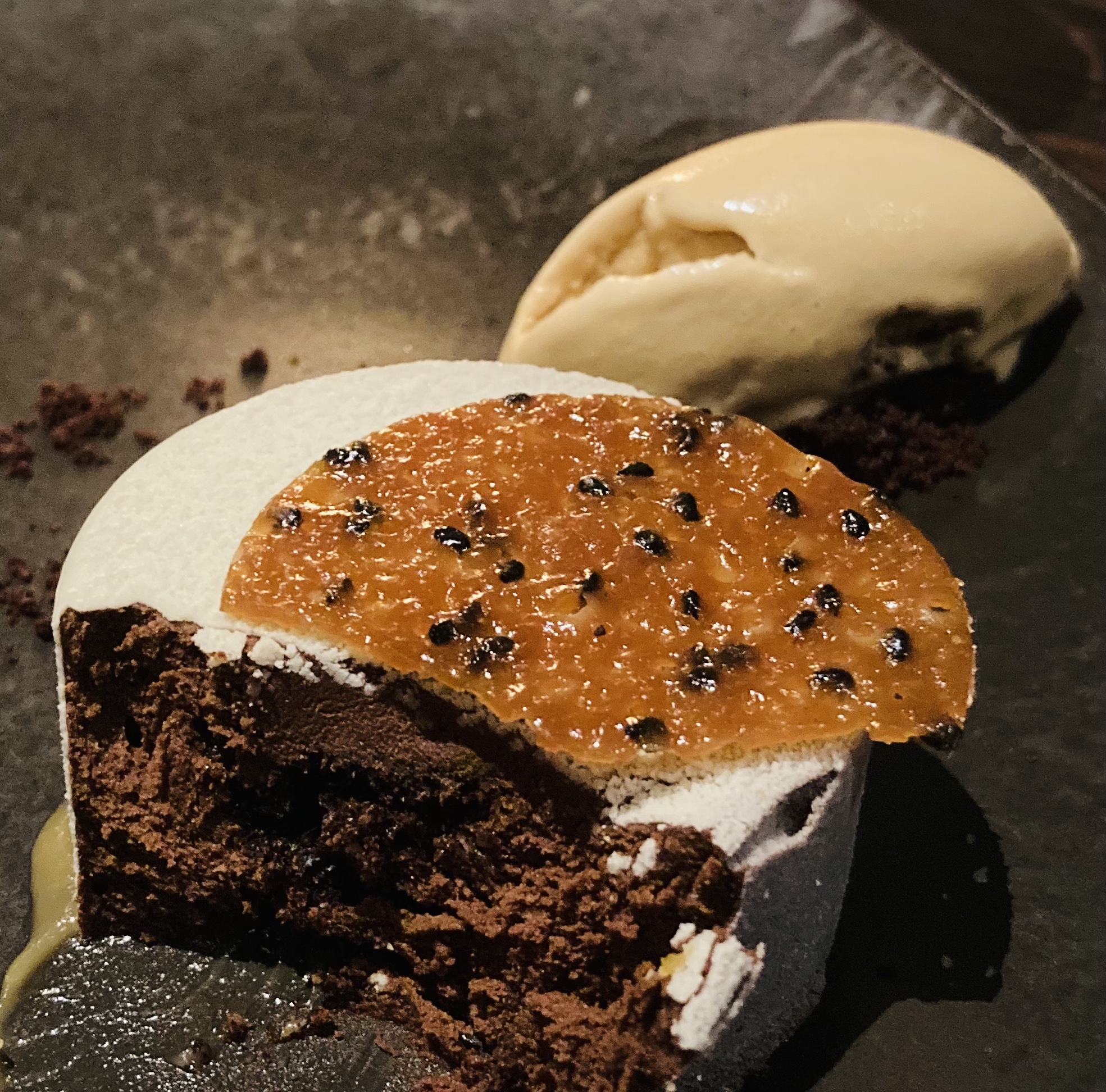
Finally, there’s a second pudding, a chocolate and stout cake served with malt ice cream and honey. Again, we’re not bowled over by a ‘sweet’ that tastes predominantly of beer – and, lest we forget, Grazing is the home of what is probably our all time favourite dessert, a sticky toffee pudding soufflé, the closest thing to heaven on a plate that I’ve personally encountered. This boozy creation frankly isn’t in the same league. Our final drink of the evening is a robust port, which does at least help to disguise that slightly odd flavour.

A game of two halves then. Three absolute winners, followed by a series of steadily declining misfires. One thing is for certain: when it comes to tasting menus, consistency is key – and in the ‘Battle of the Caledonian,’ Dean Banks wins by a knockout.

4 stars

Philip Caveney

Everything Everywhere All at Once

13/05/22

Cineworld, Edinburgh

Cinematic multiverses seem to be coming thick and fast at the moment. No sooner has Dr Strange shuffled his way through one, then this arrives. Everything Everywhere All at Once is the sophomore effort from the directorial partnership known as ‘The Daniels.’ (I didn’t catch their debut, Swiss Army Man, but I know it has its followers.) EEAAO is currently receiving enthusiastic buzz and has already been garlanded with glowing reviews, but – though it undoubtedly has moments of genuine brilliance – it often feels as though the directors aren’t as in control of their concept as they ought to be.

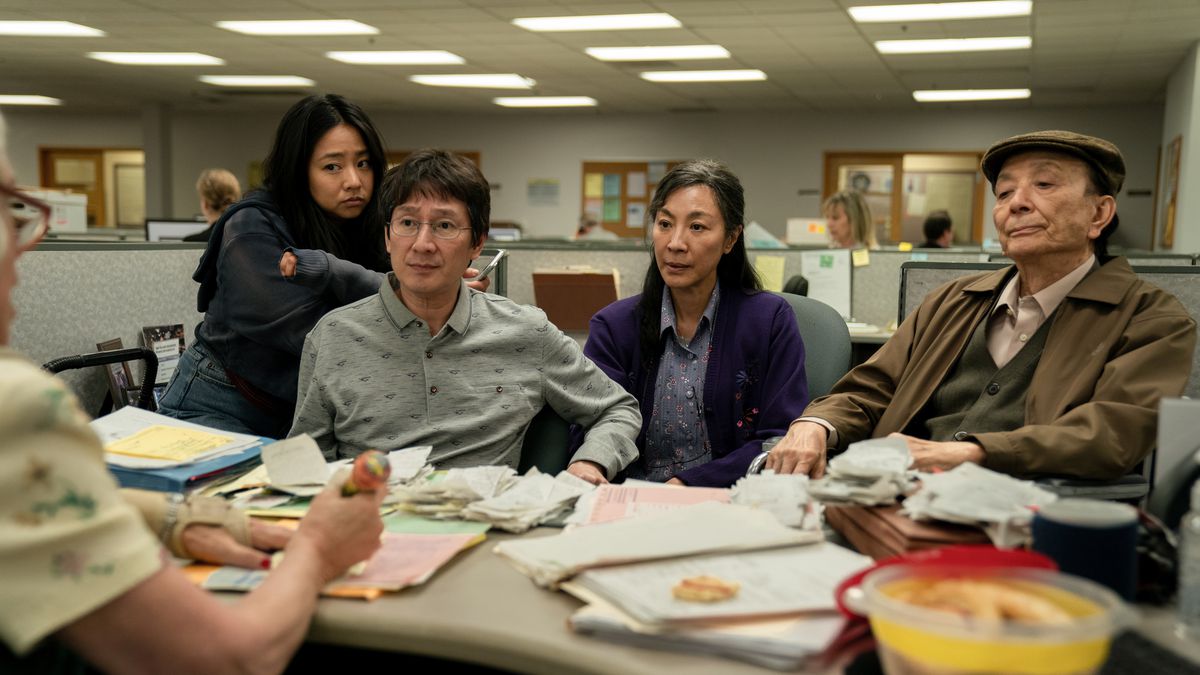
Evelyn Wang (Michelle Yeoh) and her timid husband, Waymond (Ke Huy Quan), run a chaotic laundromat in Simi Valley, California. Evelyn isn’t happy with her life and she’s constantly at odds with her daughter, Joy (Stephanie Hsu), who is gay, something that Evelyn tries to hide from her father, Gong Gong (James Wang). The family are summoned to the IRS office where they are subjected to an interrogation by ruthless tax inspector, Deirdre Beaubeirdre (Jamie Lee Curtis). Evelyn has tried to claim a karaoke machine as a legitimate business expense and Deirdre isn’t at all happy.

It’s round about this point that Waymond reveals that he’s not actually who he seems, but a Waymond from an entirely different reality. He’s come here to try to prevent Evelyn from being destroyed by an evil entity who looks very like her own daughter.

It would be pointless to try to give any more plot details because from hereon in – as the title might suggest – what ensues is a breathless free-for-all, as Evelyn stumbles helplessly in and out of her various incarnations, acquiring skills along the way. One minute she’s a skilled martial artist, the next a trained chef, then she’s an opera singer and, in what must be the film’s most bizarre sequence, a lesbian with hot-dog sausages for fingers. Along the way, there are references to other movies – 2001: A Space Odyssey, In the Mood for Love and er… Ratatouille, to name but three.

But it’s an exasperating journey. One moment, I’m genuinely impressed by what I’m watching, the next I’m just… confused. Where are we? What’s happening?

Yeoh is splendid in what must be the most eccentric role-choice of her career, while Huy Quan (who has barely graced cinema screens for more than four decades) makes a decent fist of Waymond. It’s interesting to note that The Daniels did first consider Jackie Chan for this role (a kung-fu punch-up where Waymond uses a bumbag as a set of improvised nunchuks could have stepped right out of one of Chan’s films). There are some comedy sequences in the mix too, and the crowd at the screening I attend are laughing throughout.

But all too often if feels as though The Daniels are deliberately going for cheap shots. Another fight scene involving butt plugs and oversized dildos just feels exploitative – and do we really need to see Evelyn eating her father’s snot? Furthermore, with a running time of two hours and nineteen minutes, EEAAO definitely overstays it’s welcome.

This then, is the curate’s egg multiverse – good in parts, but occasionally indigestible.

3.8 stars

Philip Caveney

Anything Goes

11/05/22

Festival Theatre, Edinburgh

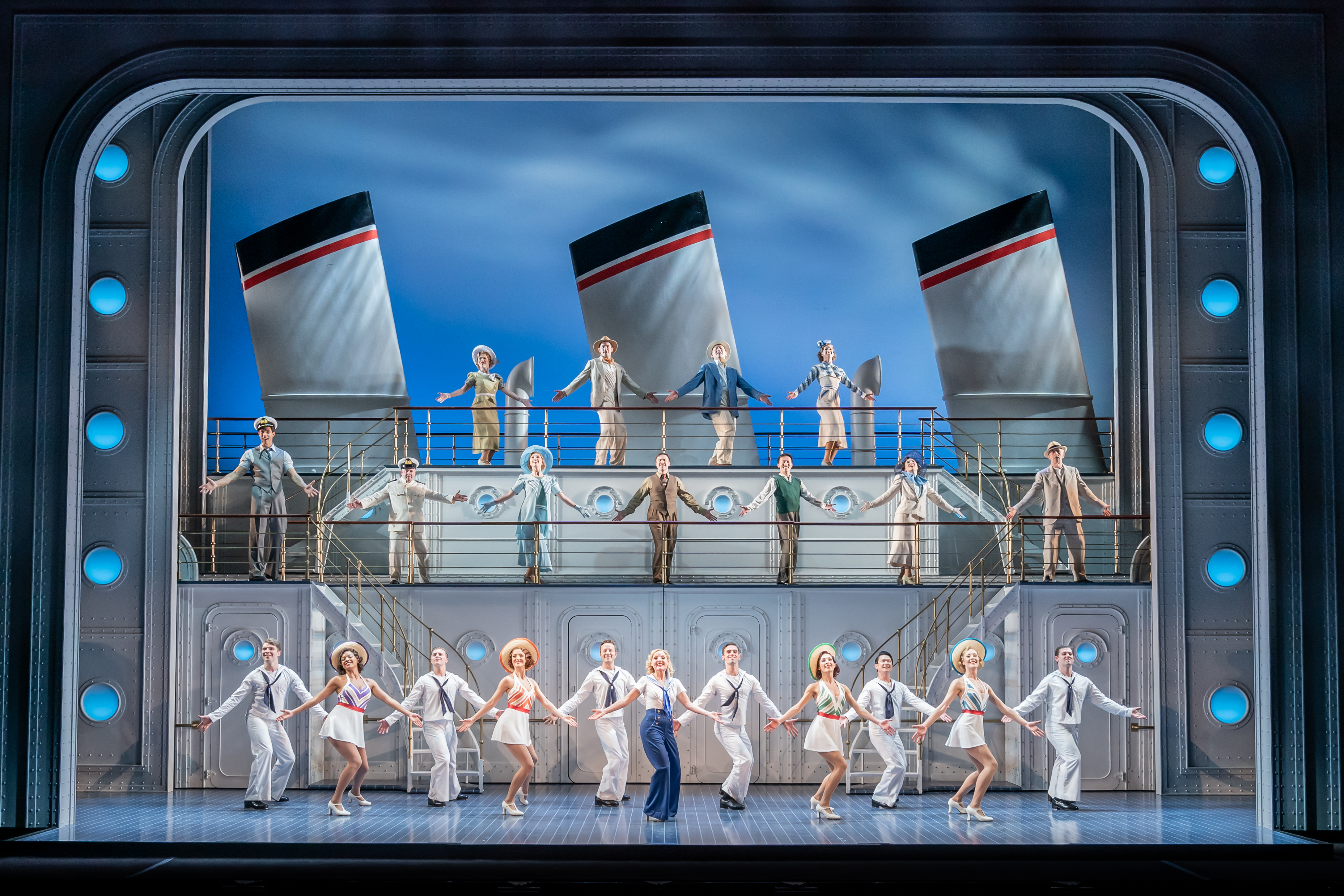
Until tonight, I’m only aware of Anything Goes as the ‘rubbish’ musical that drama teacher Mr G bins off when he’s left in charge of the school play in Summer Heights High – in order to replace it with a highly questionable self-penned piece (Mr G is not a reliable barometer). Of course, I have gleaned a few clues from the poster (definitely nautical) and from Bonnie Langford’s billing (all-singing, all-dancing), although Simon Callow’s presence is more of a puzzle. And, sadly, Simon Callow isn’t present tonight, so I never get to solve that particular enigma. Still, his understudy, Clive Heyward, puts in an excellent turn as boozy gazillionaire Elisha Whitney, truly owning the role.

Anything Goes, it turns out, is exactly the sort of old-fashioned glitz-and-glamour musical I like the best, with lots of big, bold choreography, and a galumphing Cole Porter score. Of course, the story is nonsensical and ridiculously contrived, but it hardly matters: the plot is just a vehicle for the performances.

Reno Sweeney (Kerry Ellis) is a nightclub singer/evangelist, booked to entertain passengers on luxury ocean liner, the SS American. She is infatuated with Whitney’s assistant, Billy (Samuel Edwards), but he’s hopelessly in love with debutante Hope (Nicole-Lily Baisden). Hope loves him too, but she’s betrothed to bumbling English toff, Lord Evelyn Oakleigh (played by the aptly named Haydn Oakley, presumably no relation). Hope’s mother, Evangeline Harcourt (Langford), won’t allow her to call off the engagement, because Evelyn is rich, and the Harcourts are on their uppers. Throw in a couple of gangsters called Moonface and Erma (Denis Lawson and Carly Mercedes Dyer), put ’em all on the ship, and let the mayhem begin…

Reno is a demanding role, but Ellis is a prime example of a ‘triple threat’ – not only imbuing the evangelist with spark and charm, but also showcasing her impressive singing voice – all while hoofing it up with the best of them in some very peppy dance routines. She’s perfectly cast. Oakley is also delightfully amiable as Evelyn, effortlessly winning our sympathy. Co-book-writer PG Wodehouse’s imprint is all over this character, and Oakley makes the most of the opportunity to Bertie Wooster his way through the tale. Mercedes Dyer is another standout, dazzling both ship’s crew and audience alike with her sassy attitude.

The set (by Derek McClane) is pretty awe-inspiring, with a joyful nautical aesthetic and a real sense of scale: the ship feels vast and imposing.

But really, this is all about the big numbers, and director-choreographer Kathleen Marshall has pulled out all the stops. The ensemble cast is huge, and there is a palpable sense of a busy ocean liner, bursting with energy. It’s an unabashed celebration of theatricality, and I am absolutely spellbound by the extended version of the title song that ends the first act: the tap dancing is sublime. The second act quickly leads to another high, the fabulous Blow, Gabriel, Blow: it’s a real spectacle.

There’s nothing deep and meaningful to ponder here – except perhaps the strange nature of what constitutes “celebrity” – but that’s really not the point. If you’re after a bit of pure distraction, with some effortlessly glorious song and dance, then Anything Goes certainly fits the bill. Don’t listen to Mr G!

4.8 stars

Susan Singfield
Cluedo

10/05/22

King’s Theatre, Edinburgh

The game of Cluedo was something I only played occasionally as a kid – and, because I had an annoying habit of disobeying the rules (why would I answer questions honestly if I might be the murderer?), I was rarely asked to play a second time, as my presence tended to plunge every game into chaos.

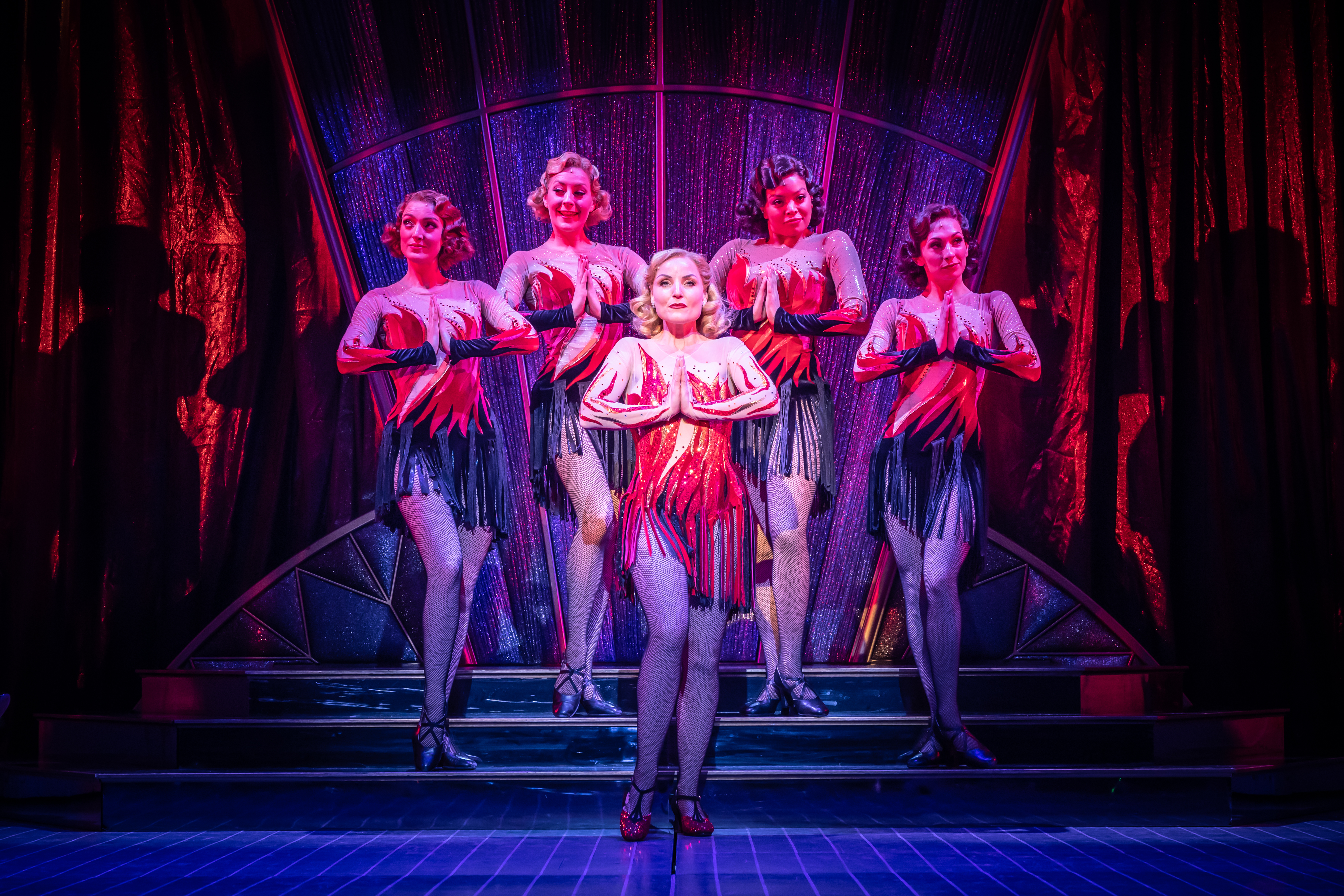
This stage version, based on an original screenplay by Jonathan Lynn and adapted by Sandy Rustin, is pretty chaotic too. It’s directed by Mark Bell (of The Play That Goes Wrong) and, as you might expect, leans heavily into the absurd.

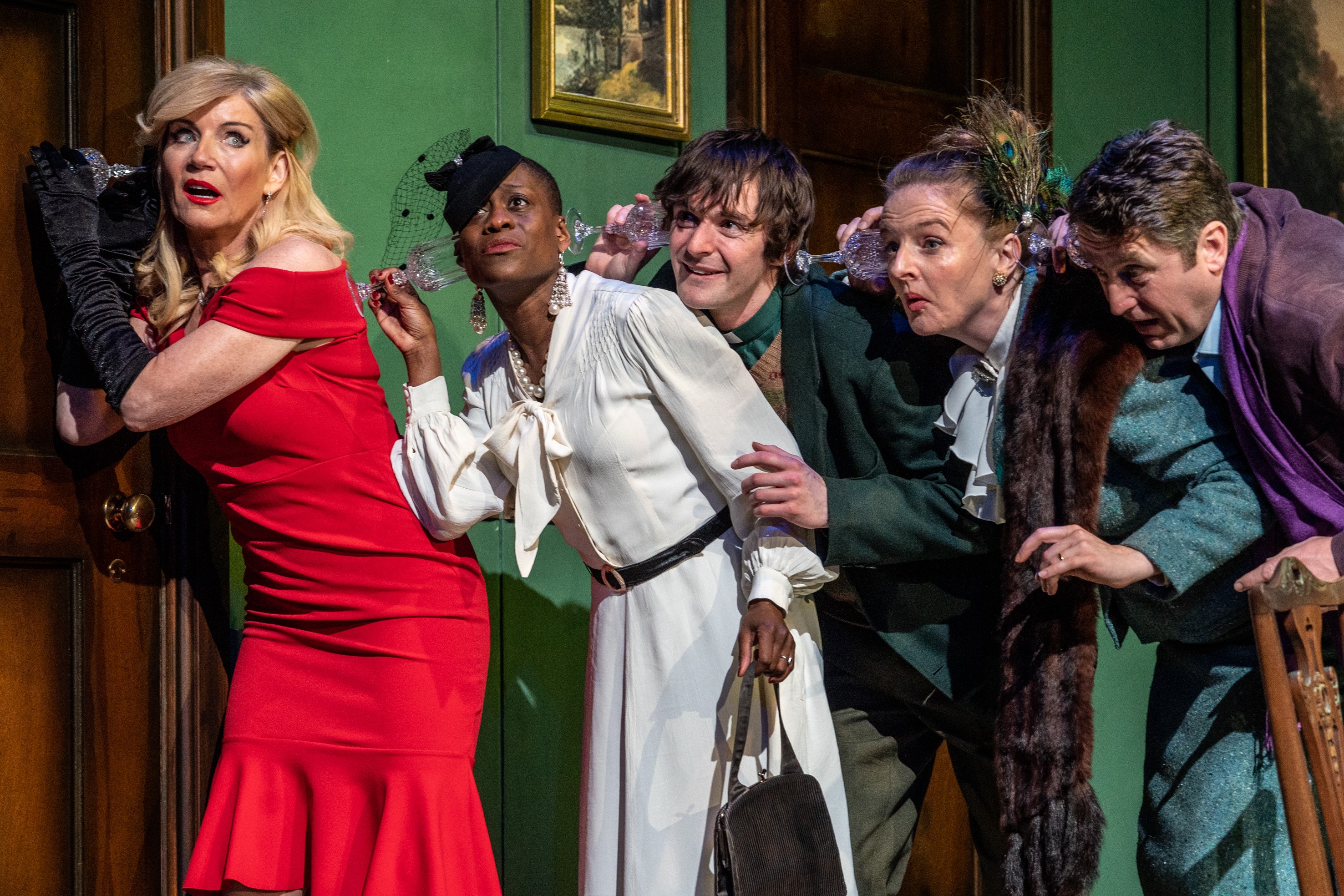
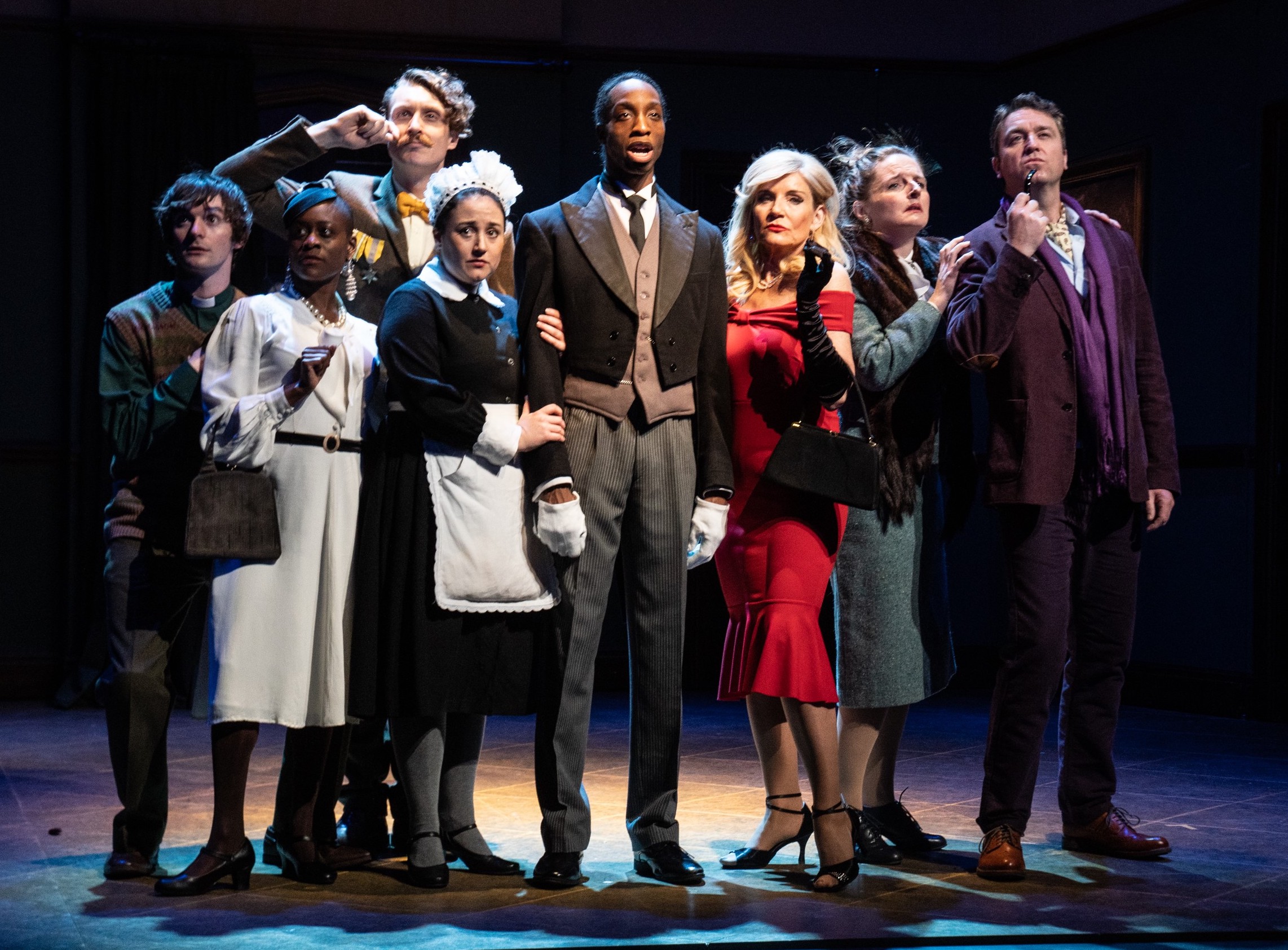
All the usual suspects are in evidence: the mysterious Miss Scarlett (Michelle Collins), the accident-prone Reverend Green (Tom Babbage) and the dim-witted Colonel Mustard (Wesley Griffith). Throw in the pompous Professor Plum (Daniel Casey) the enigmatic Mrs White (Etisyai Philip) and the boozy Mrs Peacock (Judith Amsenga) and we have the full set. Of course there’s a butler, Wadsworth (Jean Luke-Worrell), who acts as our guide and explains that those colour-coded names are simply pseudonyms. The six guests have been invited here by a certain ‘Mr Boddy’, who has information about their nefarious goings-on. Each of them is issued with their own unique murder weapon (you all know what they are) and the fun dutifully ensues.

And it is fun, provided you don’t pause too long to consider the sheer improbability of it all. Without wasting any time, the story galumphs happily from one unlikely event to another. A cunningly devised set is repeatedly opened up like a puzzle box to reveal secret corridors and adjacent rooms and there’s plenty of silly, tongue-twisty wordplay – particularly from Luke-Worrell: his rapid fire replay of ‘what’s happened so far’ is the play’s best sequence and earns a round of applause all of its own. Hats off to Harry Bradley, who keeps popping up in a variety of guises only to be promptly murdered – it’s a living of a kind, I suppose. A repeated motif where a character utters another character’s name ad infinitum is also the cause of much mirth and it’s clear that tonight’s audience are having great fun with the proceedings.

And that’s pretty much what Cluedo is – fast, funny and frenetic, it does what it says on the Waddington’s box.

3.4 stars

Philip Caveney

Doctor Strange in the Multiverse of Madness

06/05/22

Cineworld, Edinburgh

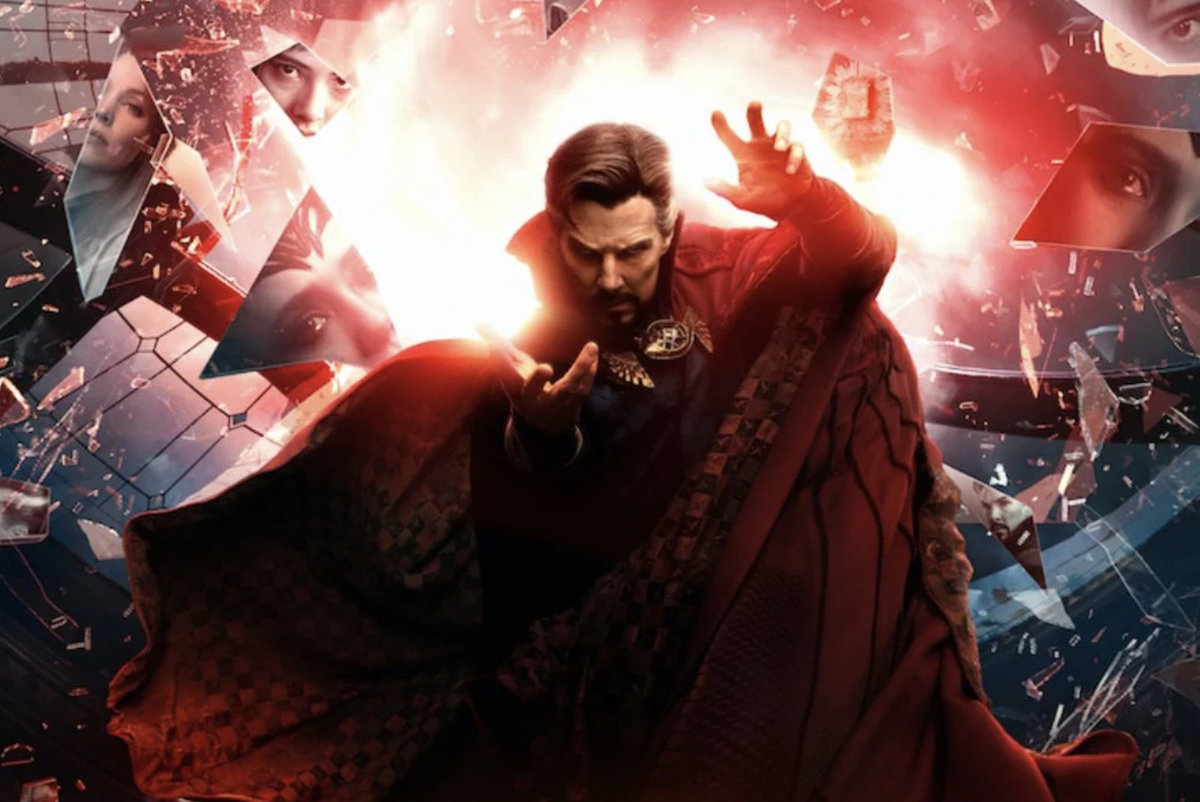
Another Marvel, another Multiverse – and am I the only one who’s growing a little weary of this device? It worked wonders in the Spider-Man franchise, but can it do the same for my other old go-to comic favourite, Doctor Strange? Well possibly, but I have to admit the main thing that draws me to this is the presence of Sam Raimi in the director’s chair.

Raimi has released some great movies over the years: The Evil Dead and its super-charged sequels, as well as A Simple Plan and Drag Me to Hell – but it’s a while since he’s had a chance to strut his cinematic stuff. While he’s always been a director who dances to his own tune, can he successfully apply those considerable talents to Marvel’s famously constricting template?

The answer is, ‘sort of.’

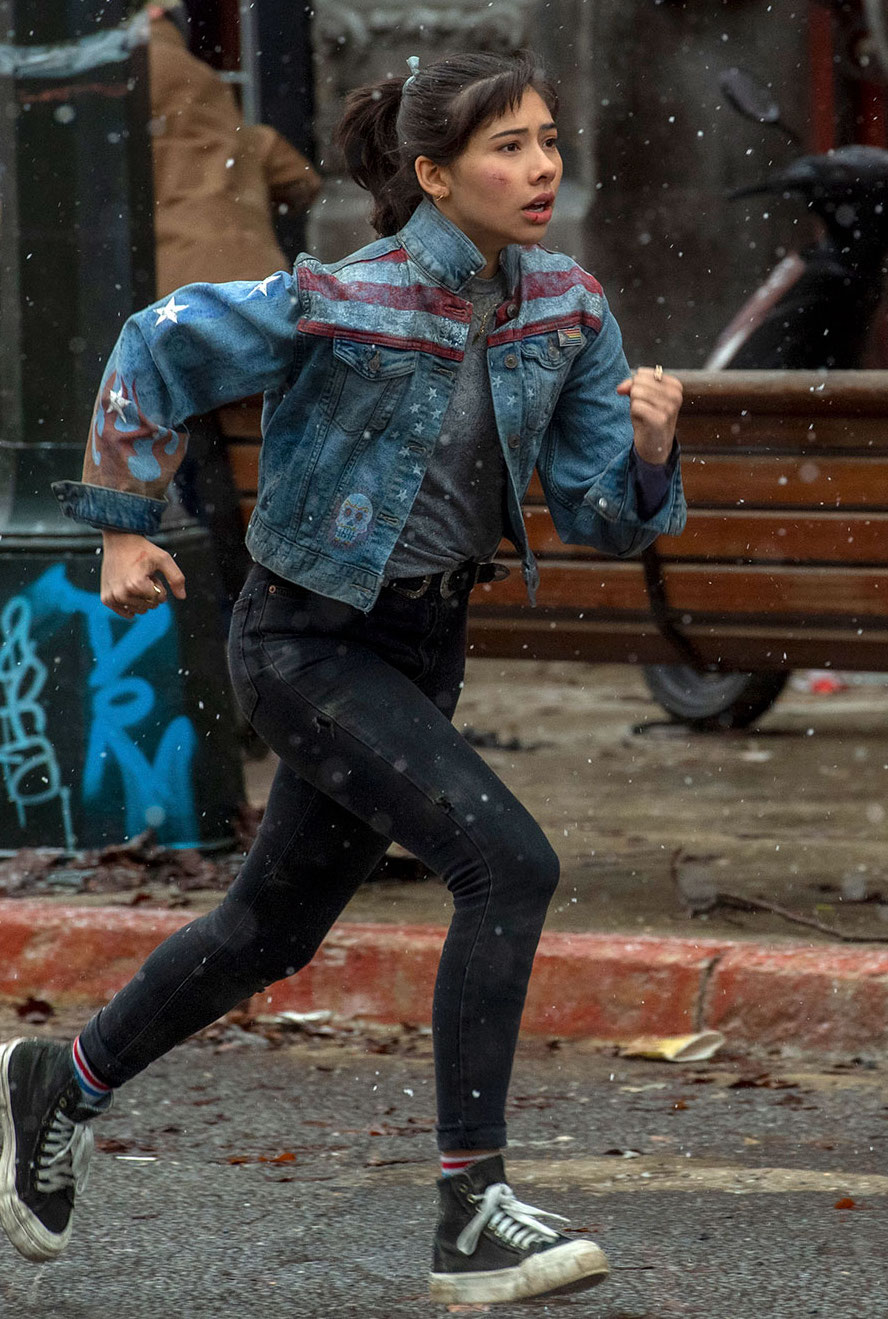
DSITMOM starts, appropriately enough with a dream sequence, where Stephen Strange (Benedict Cumberbatch) witnesses a twisted, evil version of himself attacking a teenage girl. But is it a dream? When, shortly afterwards, Strange encounters the girl in real life, she turns out to be America Chavez (Xochitl Gomez), who has the ability to travel across the multiverse with ease, though (rather conveniently) she doesn’t know how she does it. Or, for that matter, why. Nor can she explain why she’s being pursued by a giant one-eyed octopus. But hey, these things can happen, right?

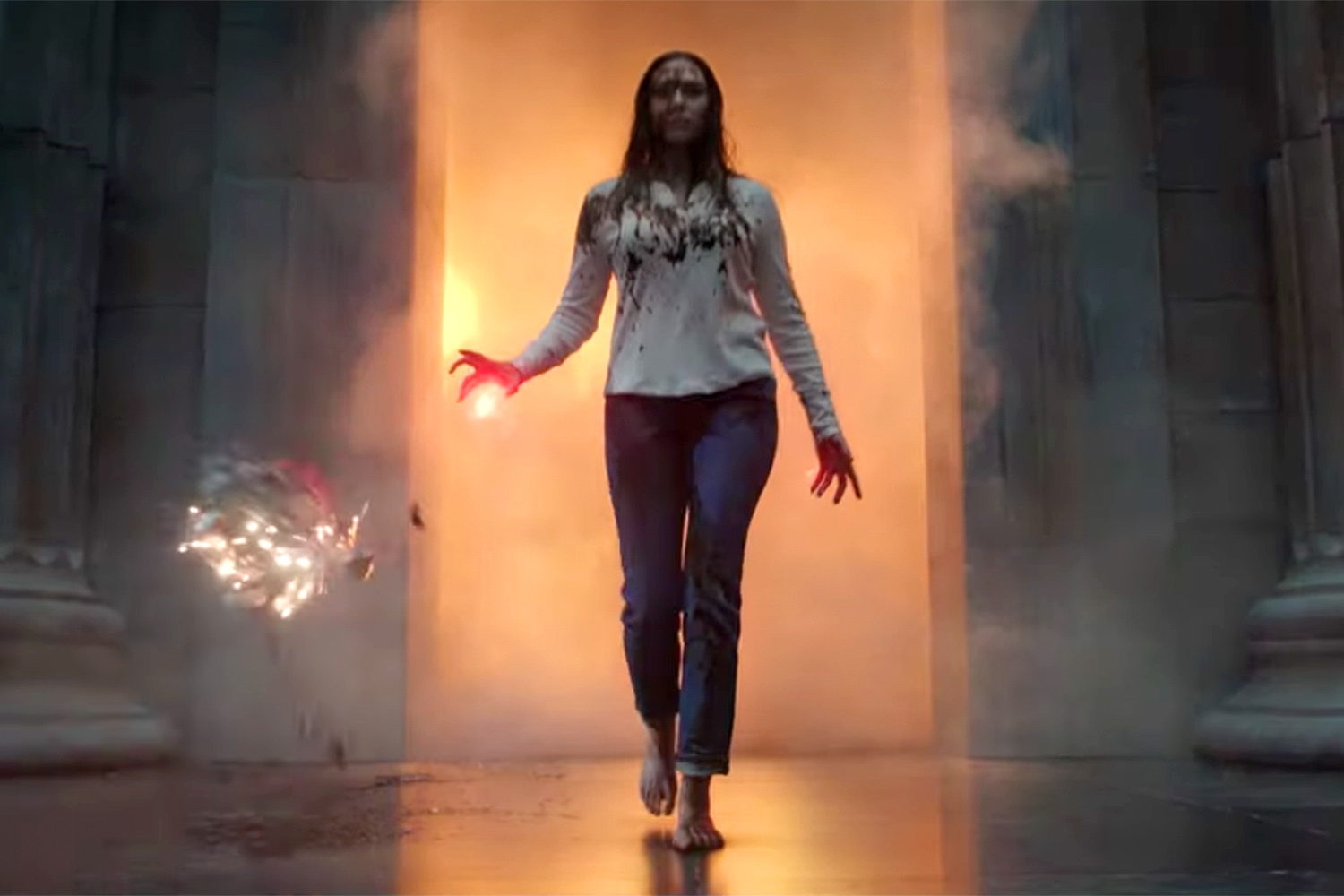
Sensing that she’s in danger (no shit, Sherlock), Strange seeks help from Wanda Maximoff (Elizabeth Olsen), only to discover that she’s not going to be any help at all. Demented by the recent death of her partner and terrified she might lose the two children she loves so much (the ones who don’t actually exist), Wanda decides to steal America’s power for her own wicked ends, an action that will cause the girl’s death. (Incidentally, for someone who’s supposed to be a genius, Strange seems to be very adept at putting his foot in things. He’s the one who messed everything up in No Way Home – and now this.)

I’m not going to relate any more of the plot because, frankly, it’s as mad as a box of frogs (I suppose the title should have warned me), but the more important question is, can this nonsense hold together as a movie, and the answer is ‘just about.’ DSITMOM is essentially a series of frantic action set-pieces, loosely strung together. Though they are occasionally eye-popping and sometimes make me feel that I’ve inadvertently dropped a tab of acid, they never really gel into a convincing story arc.

Different versions of popular Marvel characters keep popping out of the woodwork and in many cases are actually killed, but because we know they’re not the real McCoy, there’s no real sense of threat here. Cumberbatch gets to portray several different Stephens, which was probably more fun for him than it proves to be for an audience. The parts that work best for me are the Sam Raimi moments, the few scenes where he’s allowed to employ the tropes of low budget horror – and of course there’s the inevitable cameo from Bruce Campbell, which is always welcome. But too often Raimi’s singular vision is swamped in the sturm und drang of state-of-the-art special effects.

Elsewhere, actors of the the calibre of Benedict Wong, Chiwetel Ejiofor and Patrick Stewart are called upon to utter some truly naff dialogue, courtesy of screenwriter Michael Waldron.

The usual post-credits sequence suggests that Strange will be even stranger in the next instalment, if and when it happens. The enthusiastic applause from the mainly teenage audience at the end of this screening suggests that I may well be in the minority here.

Doctor Strange (and possibly Mr Raimi) will be back. Watch this space.

3.4 stars

Philip Caveney