Ghostbusters: Frozen Empire

23/03/24

Cineworld, Edinburgh

Back in 2021, Ghostbusters: Afterlife felt like a sizeable step in the right direction. Director Jason Reitman (son of Ivan Reitman, who created the original Ghostbusters) had somehow managed to pull off an effective reboot, introducing a new cast of players and putting two of the youngest members at the helm. This sequel, written and directed by Gil Kenan, wants to have its cake and eat it, employing the new cohort, and bringing in some fresh faces, whilst handing large dollops of screen time to the veteran cast from the first two films. The inevitable result is that Ghostbusters: Frozen Empire feels overstuffed as too many characters slug it out to get their stories across.

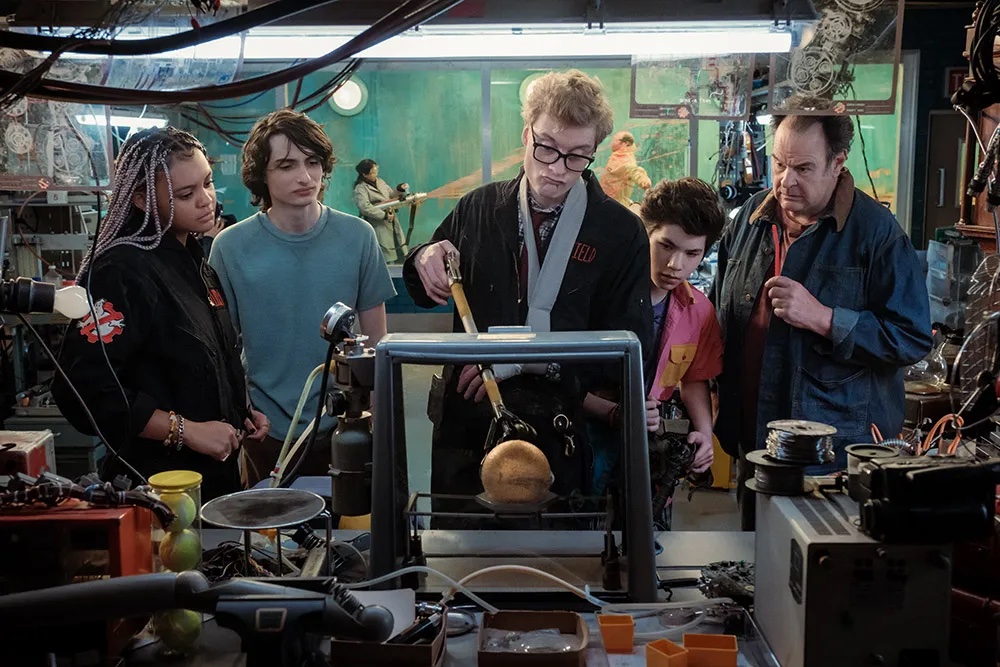
There’s a creepy prologue set back in 1904 and then we’re brought bang up-to-date as we join the Spengler family – Phoebe (McKenna Grace), Trevor (Finn Wolfhard), their mum, Callie (Carrie Coon), and ‘step-teacher’ Gary Grooberson (Paul Rudd) as they pursue the Hell’s Kitchen Sewer Dragon through the streets of New York. The Spenglers now operate from the iconic fire station where the franchise began, but the team have been so industrious that they are in serious danger of running out of storage space for ghouls. Then Phoebe (who is only 15) is banned from working with the team by old adversary, Mayor Peck (William Atherton) and has to watch in frustration as the others head off on their ghost-busting duties without her.

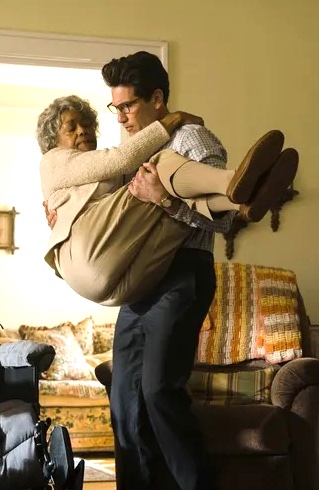
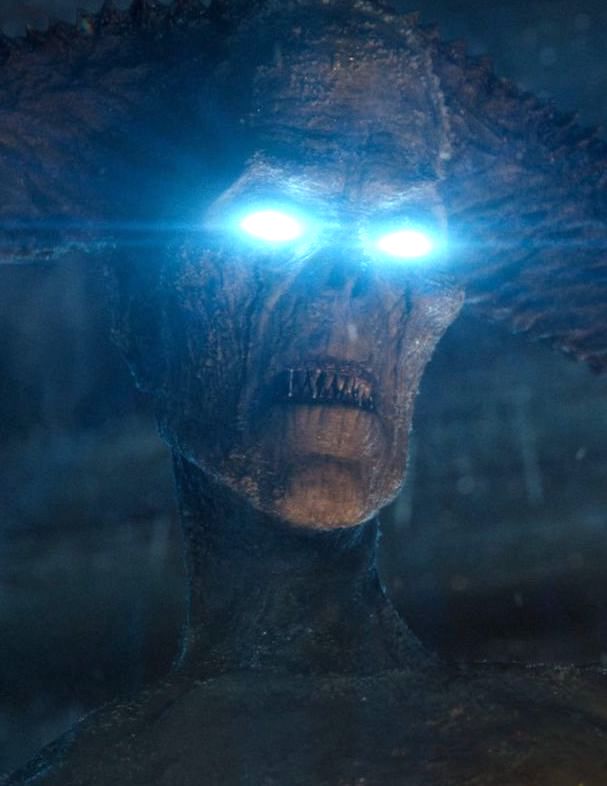
Things take a sinister turn when new arrival, Nadeem (Kumail Nanjiani), wanders into the second-hand shop run by Ray Stantz (Dan Akroyd) and sells him a mysterious sphere which used to belong to his late Grandma. It turns out that said sphere is cursed and is the key to releasing an evil spirit called Garakka, who has laid dormant for thousands of years – and is capable of unleashing a second ice age that will turn the world into a frozen wasteland…

This plot-line seems to belong more in the realms of cosmic horror than fun-filled family entertainment. It feels unnecessarily complex and convoluted – and I’m disappointed to report that some of the main characters from Afterlife – Trevor (Wolfhard), Podcast (Logan Kim) and Lucky (Celeste O’ Connor) – have hardly anything to do here other than draw breath. Meanwhile, every actor who enjoyed as much as a walk-on part in the first film is afforded the opportunity to return and strut their respective stuff.

Comedian James Acaster as scientist Dr Lars Pinfield shows some promise as an actor but Nanjiani gets the few funny lines on offer. A promising link-up between Phoebe and teenage ghost, Melody (Emily Alyn Lind), really doesn’t have enough space to fully develop. Time and again, we find ourselves back with the original cast, who really don’t have a valid reason to be there. Bill Murray as Peter Venkman and Ernie Hudson as Dr Winston Zeddermore look like they’re acting in their sleep and, in one scene during the climactic punch up with Garakka, I count thirteen characters, which significantly dilutes the impact.

Most damning of all is the fact that long stretches of the film are just plain dull, spending far too long on exposition, striving to tell us things rather than show them.

This is a shame, because Afterlife rescued a tired formula and gave it the kiss of life. Frozen Empire makes me suspect that this franchise has now flatlined.

2.8 stars

Philip Caveney
The Motive and the Cue

21/03/24

Cineworld, Edinburgh: National Theatre Live

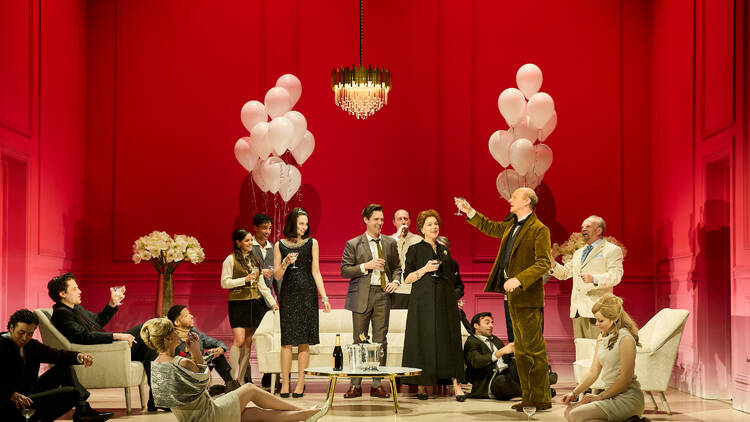
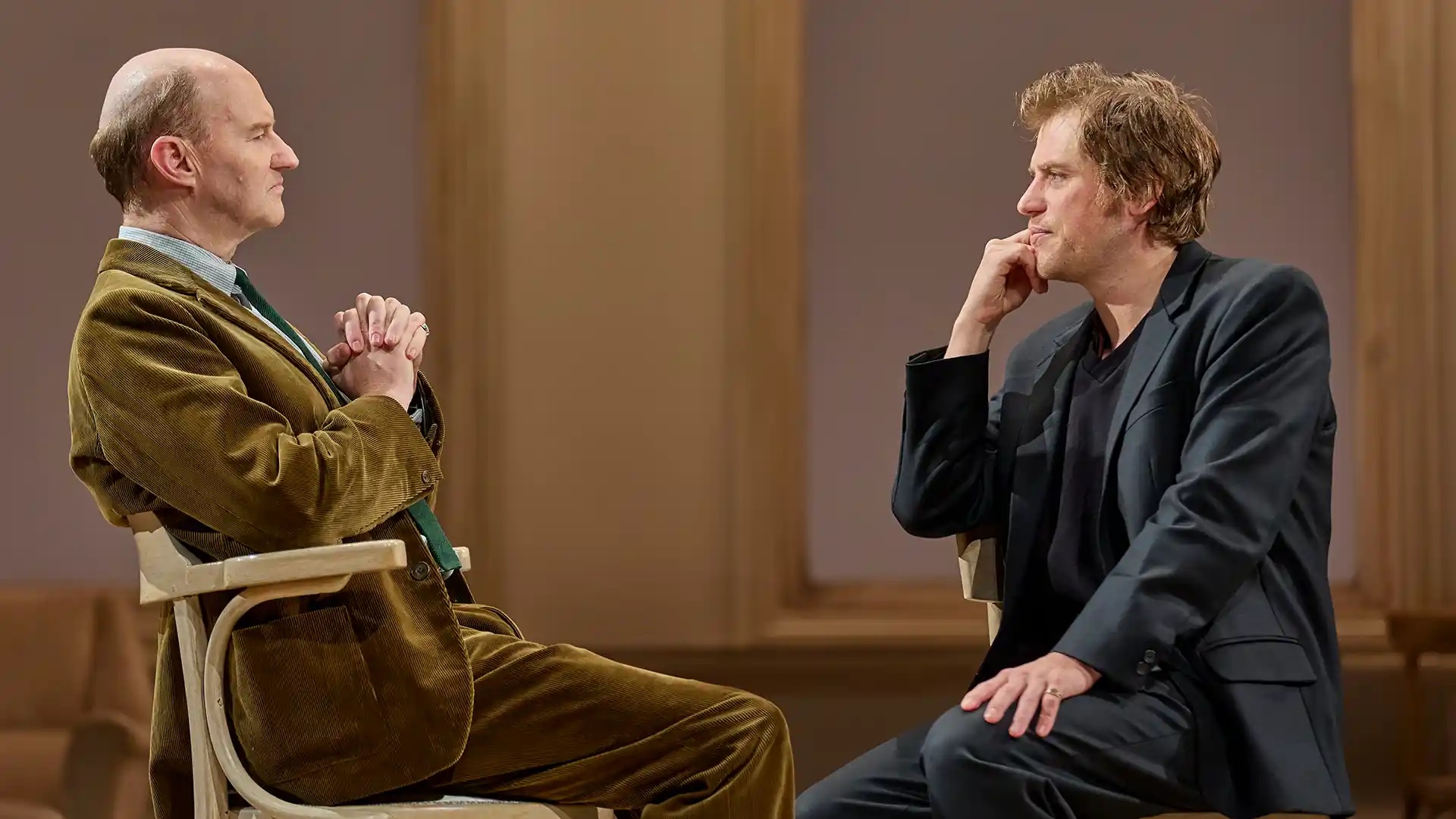
It’s 1964 and Welsh superstar Richard Burton (Johnny Flynn) has decided to turn down some lucrative film offers in order to perform Hamlet on Broadway. (We’ve all been there.) He’s decided that the director should be John Gielgud (Mark Gatiss). Now in his sixties and considered something of a has-been, he famously played the Danish prince to great acclaim as a young actor.

To complicate matters, Burton has recently married Elizabeth Taylor (Tuppence Middleton) – for the first time – and she reluctantly accompanies him, but finds herself banished from the rehearsal space and sequestered in a swish hotel room with an endless supply of alcohol, while her husband grapples with his role.

Jack Thorne’s fascinating play, beautifully directed by Sam Mendes, never shows us the finished production but lingers instead on successive rehearsals as director and star bicker and feud their way to a fresh vision of Shakespeare’s most-performed play. There’s a large ensemble cast at work – some eighteen of them – but most of the other actors are relegated to supporting roles, though both Allan Corduner as Hume Cronyn and Luke Norris as William Redfield manage to make an impression. Meanwhile, Gatiss and Flynn joust entertainingly with each other to sometimes hilarious effect, Gatiss perfectly embodying Gielgud’s sly and snarky manner, while Flynn turns up the bombast as the hubristic Burton, his working-class-lad-made-good bluster deliciously rendered.

Middleton too does well with her character, capturing Taylor’s earthiness and her uncanny ability to cross all boundaries, particularly in the scene where she acts as a kind of intermediary when Gielgud and Burton (inevitably) end up at each other’s throats. I love the scene where Gielgud reflects on the tragedy of achieving stardom at twenty-three, to which Taylor points out that she was just twelve when National Velvet became a runaway hit.

The production is also blessed with an extraordinary set by Ed Devlin, where scene changes are revealed using an ingenious expanding letterbox arrangement. I have no idea how this is achieved, but the effect is remarkable, the transformations so slickly done it feels almost like a series of magic tricks.

This is a play that will delight anyone who loves theatre and the way it works, a glimpse at the nuts and bolts that lie behind the glittering façade. It’s fascinating to see the players experiment with the source material as they gradually inch their way to what will eventually become one of the most successful theatre productions in history.

4.6 stars

Philip Caveney
Pushin’ Thirty

19/03/24

Traverse Theatre, Edinburgh

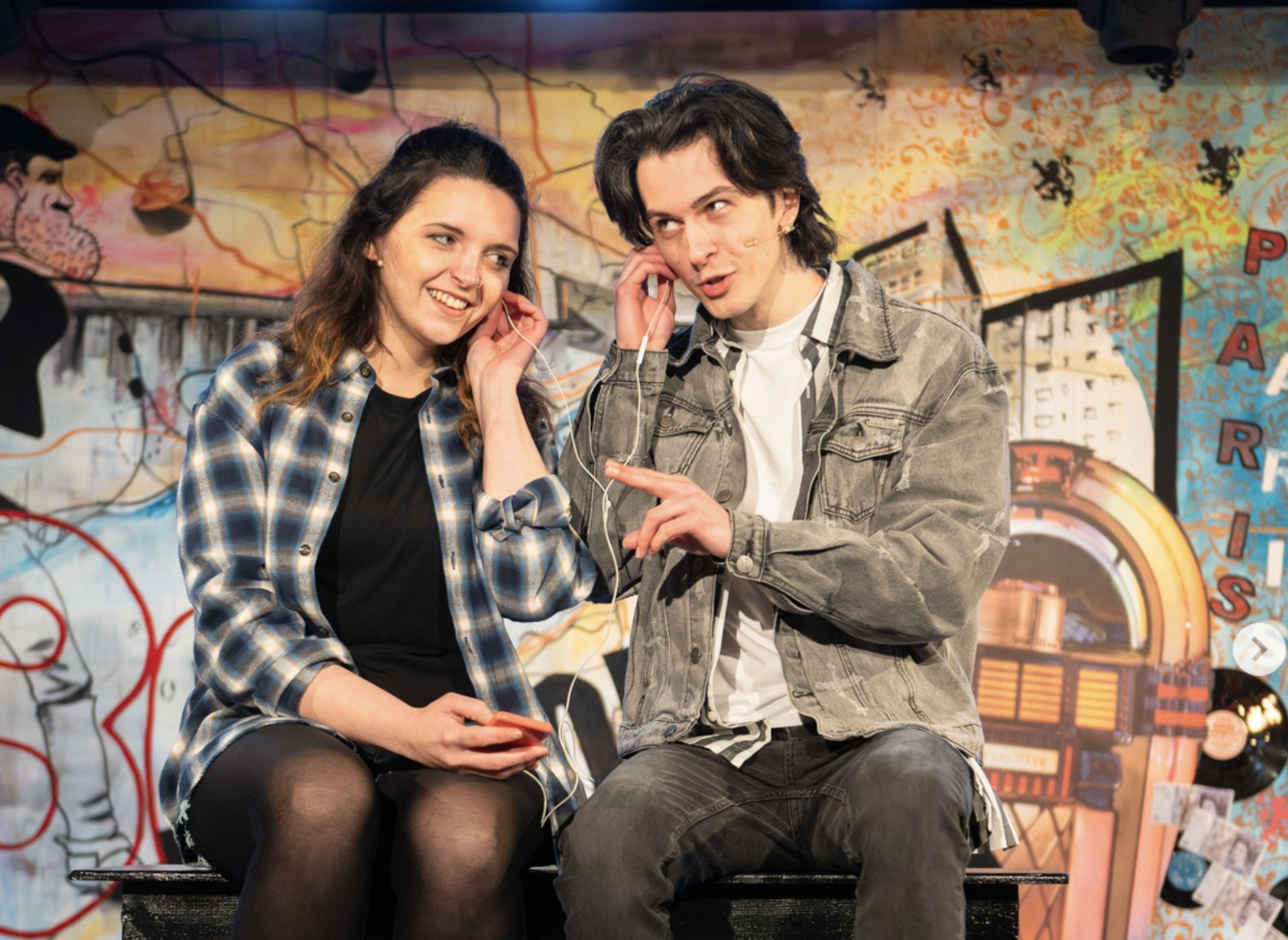
It’s 2011 and Eilidh (Taylor Dyson) and Scott (Sam James Smith) have just won their school talent show with a brand new song. Like plenty of other teens, they dream of pop stardom, but they live in Dundee, not a place renowned for its entertainment opportunities. Scott impulsively announces they should pack their bags and head for London, where fame surely awaits them – but Eilidh is reluctant to leave while her mum is ill, so Scott grabs his guitar and jumps aboard the Megabus without her.

Now it’s 2023 and they’re both fast approaching the dreaded three-o. Eilidh is living with her widowed dad and working at a local bakery. The two former friends haven’t exchanged so much as a word over the passing years, not even a Facebook post. When Scott returns out of the blue, his dreams of stardom in tatters, Eilidh is somewhat nonplussed to learn that he wants to pick up where they left off…

The latest addition to the A Play, A Pie and A Pint season, Pushin’ Thirty by Taylor Dyson and Calum Kelly is a gentle, whimsical tale about missed opportunities and the enduring importance of friendship. It’s a deceptively simple piece, laying bare the types of hurts and insecurities we so often bury. Anchored around two vivacious performances from Dyson and James Smith, this is compellingly told, the actors inhabiting their roles with ease so that we totally believe they really are old pals. There’s a steady stream of witty banter (never ask Scott why he doesn’t sing!) interspersed with some memorable songs from Dundee-based company, Elfie Picket. Beth Morton’s direction is sprightly: the pace never flags and the music is seamlessly incorporated.

Anyone who has ever picked up a guitar and dreamed of making it big will identify with this story. By my reckoning, that covers most of the people I know – and I’m sure they’d all enjoy this funny, heartwarming production.

4 stars

Philip Caveney
Monster

17/03/24

Cineworld, Edinburgh

After his Korean-set story Broker, director Kore-Eda Hirokazu returns to his Japanese homeland for Monster, working alongside screenwriter, Yûji Sakamoto. The result won the Best Screenplay award at the Cannes film festival and it’s easy to see what entranced the judges. This masterful Rashomon-style story offers us the same set of circumstances from three different perspectives and, as each successive layer is revealed, our perceptions are radically changed and confounded.

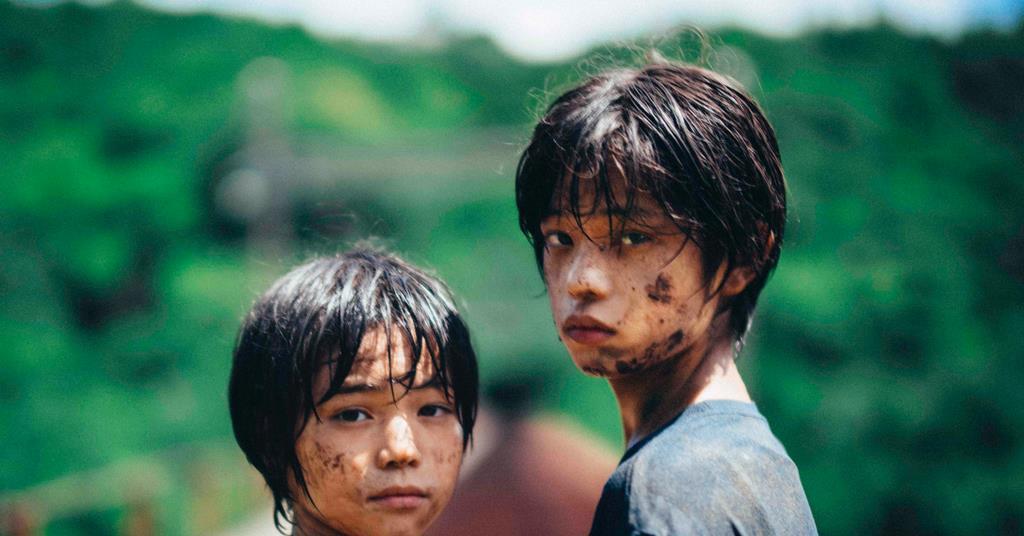
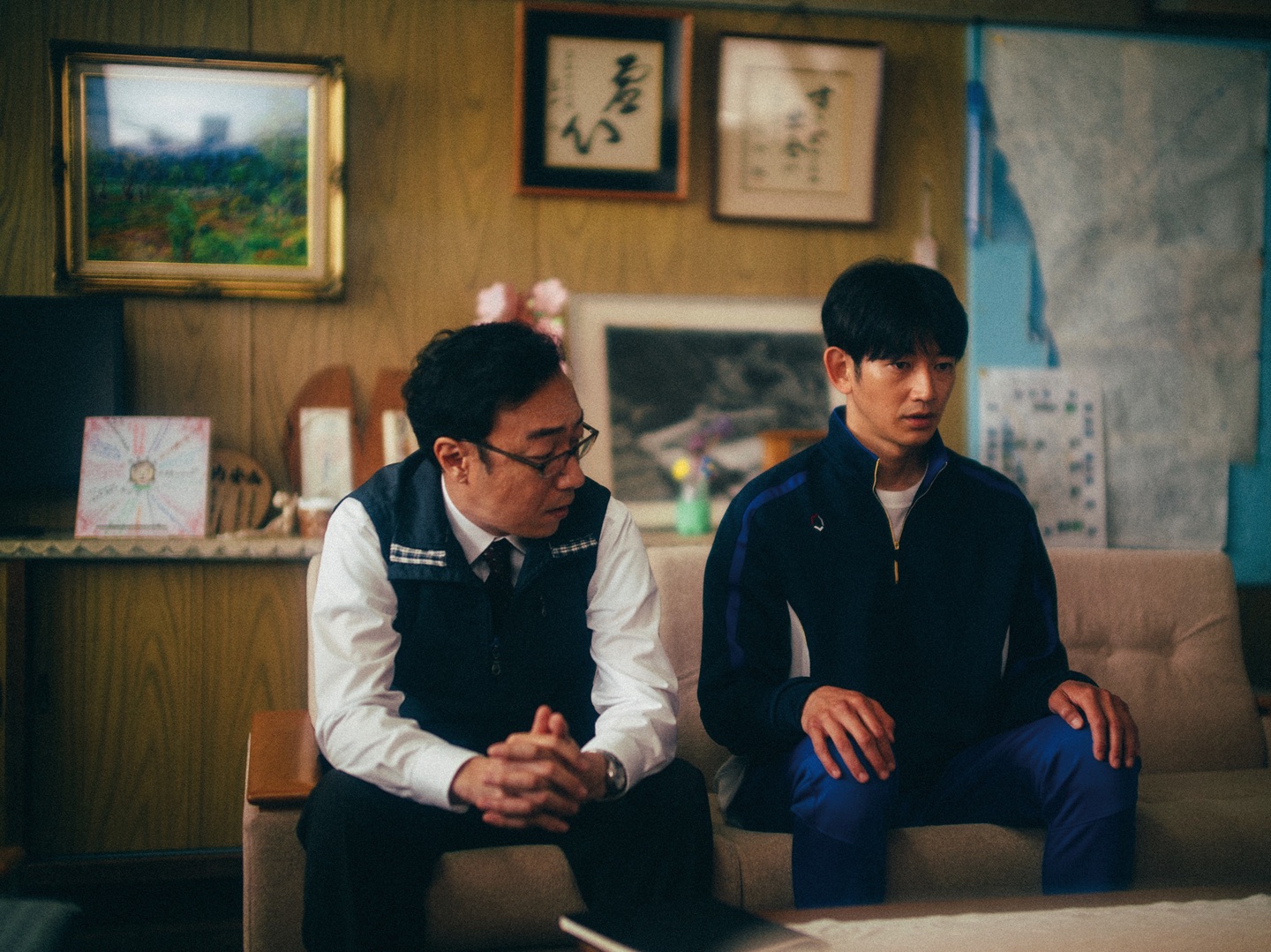
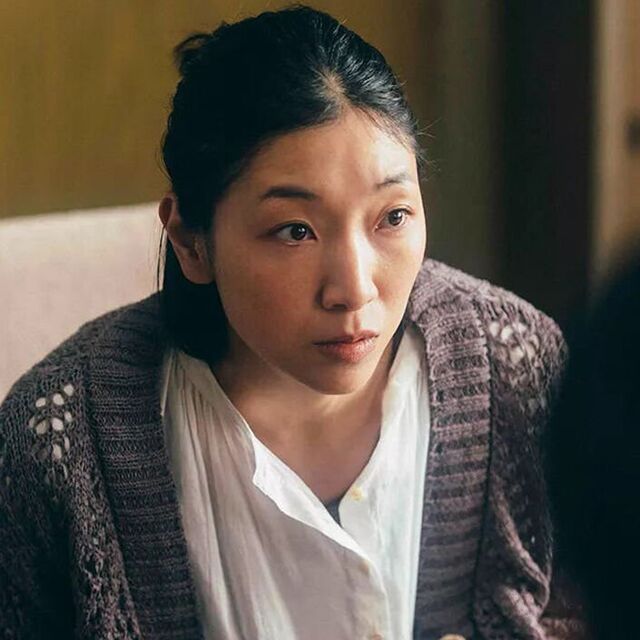
The story is set in an unnamed Japanese suburb and begins with a devastating fire at a local hostess bar. Rumours fly about who might have been there at the time, and suspicion falls on Hori (Eita Nagayama), a young teacher at the local primary school. Single mother Saori (Sakura Mugino) becomes increasingly concerned by some of the things that her young son, Minato (Sōya Kurokawa), says to her and she develops the suspicion that Hori may be bullying him. But when she makes enquiries, she is met with an ultra-polite wall of apologies from Yori’s fellow teachers, headed up by the school’s inscrutable principal (Yūko Tanaka). And what is Saori to make of Yori’s claim that Minato has himself been bullying fellow pupil, Hoshikawa (Hinata Hiragi)?

As the plot unravels, a question arises: who exactly is the titular monster of the tale?

But in this story, appearances can be deceptive. As soon as I settle upon one explanation, I am obliged to drastically rethink it – and it would be criminal to reveal anything more about this sly, gently paced and decidedly labyrinthine film. Suffice to say that, as it it moves sure-footedly towards a thought-provoking, open-ended conclusion, it generates a powerful grip.

There are wonderful performances here, particularly from the young leads, who perfectly embody the awful uncertainty of pre-adolescence – and from Mugino, whose baffled incredulity is palpable as she struggles through the hoops and hurdles of bureaucracy. There’s also a gentle, melancholy soundtrack courtesy of the legendary Ryuichi Sakamoto – sadly his last.

Monster is an accomplished film and Kore-Eda clearly a director at the top of his game.

4.6 stars

Philip Caveney
Drive-Away Dolls

16/03/24

Cineworld, Edinburgh

Since their auspicious debut with Blood Simple way back in 1984 (when I had the honour of interviewing them for Manchester’s City Life magazine), Joel and Ethan Coen have unleashed a whole barrage of brilliant films. OK, so there have been one or two misfires in there, but few filmmakers have been so consistently prolific and on the button.

A few years ago they decided to take a sabbatical and work on their own individual projects. Older brother Joel landed first with The Tragedy of Macbeth, which – despite having possibly the most self-aggrandising screen credit in history – turned out to be one of the finest Shakespeare movie adaptations ever. Now it’s Ethan’s turn and Drive-Away Dolls, co-written with his wife, Tricia Cooke, is the result. The central story is so sniggeringly phallus-obsessed it might just as easily have been written by Beavis and Butthead.

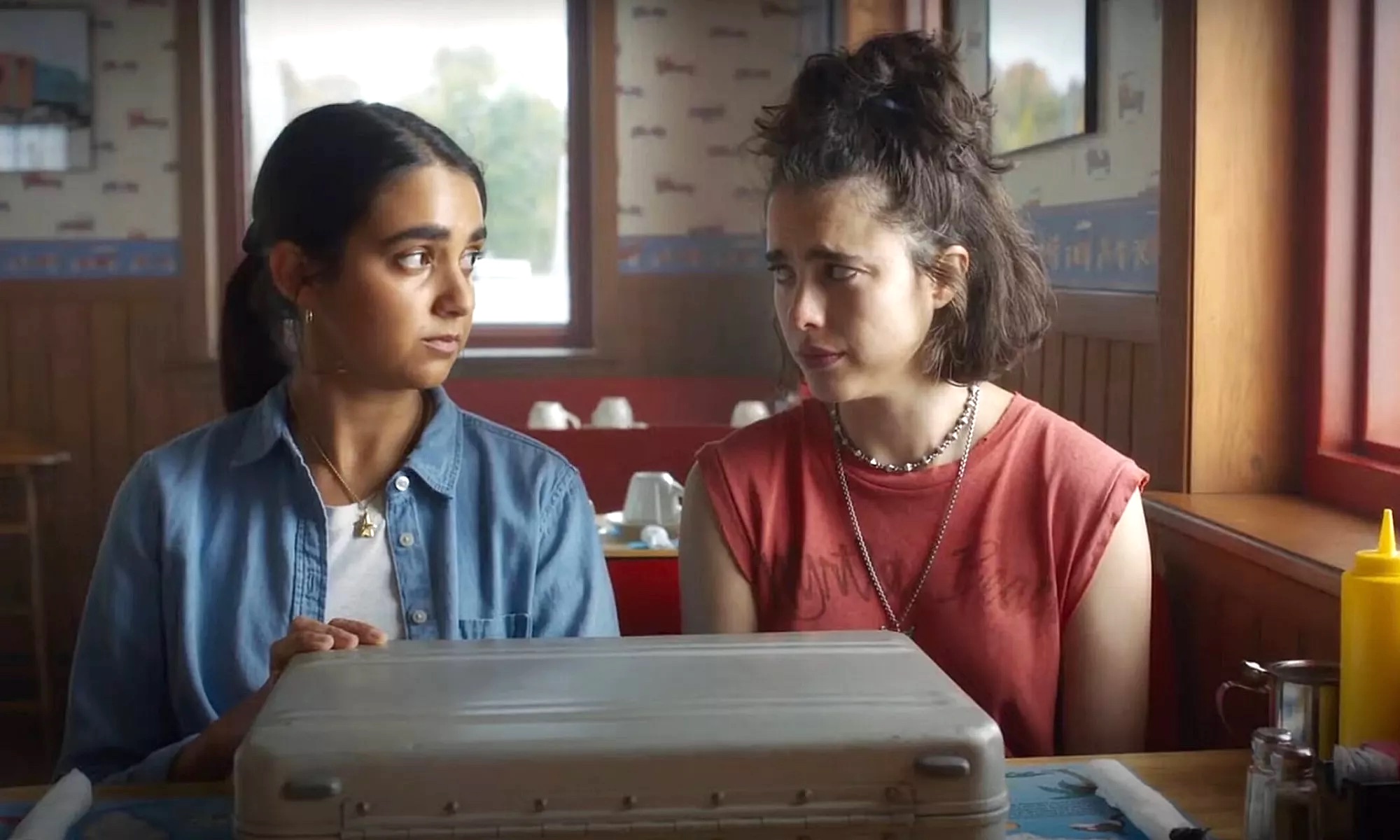
The ‘dolls’ in question are Marian (Geraldine Viswanathan) and Jamie (Margaret Qualley), two lesbian besties. Marian is reserved and socially awkward. She spends most of her spare time reading highbrow literature. Jamie is her polar opposite, with a propensity for raucous and ill-fated relationships. She’s in the process of messily breaking up with policewoman, Sukie (Beanie Feldstein), and urgently needs a change of scenery, so she talks Marian into taking her on a road trip to Tallahassee.

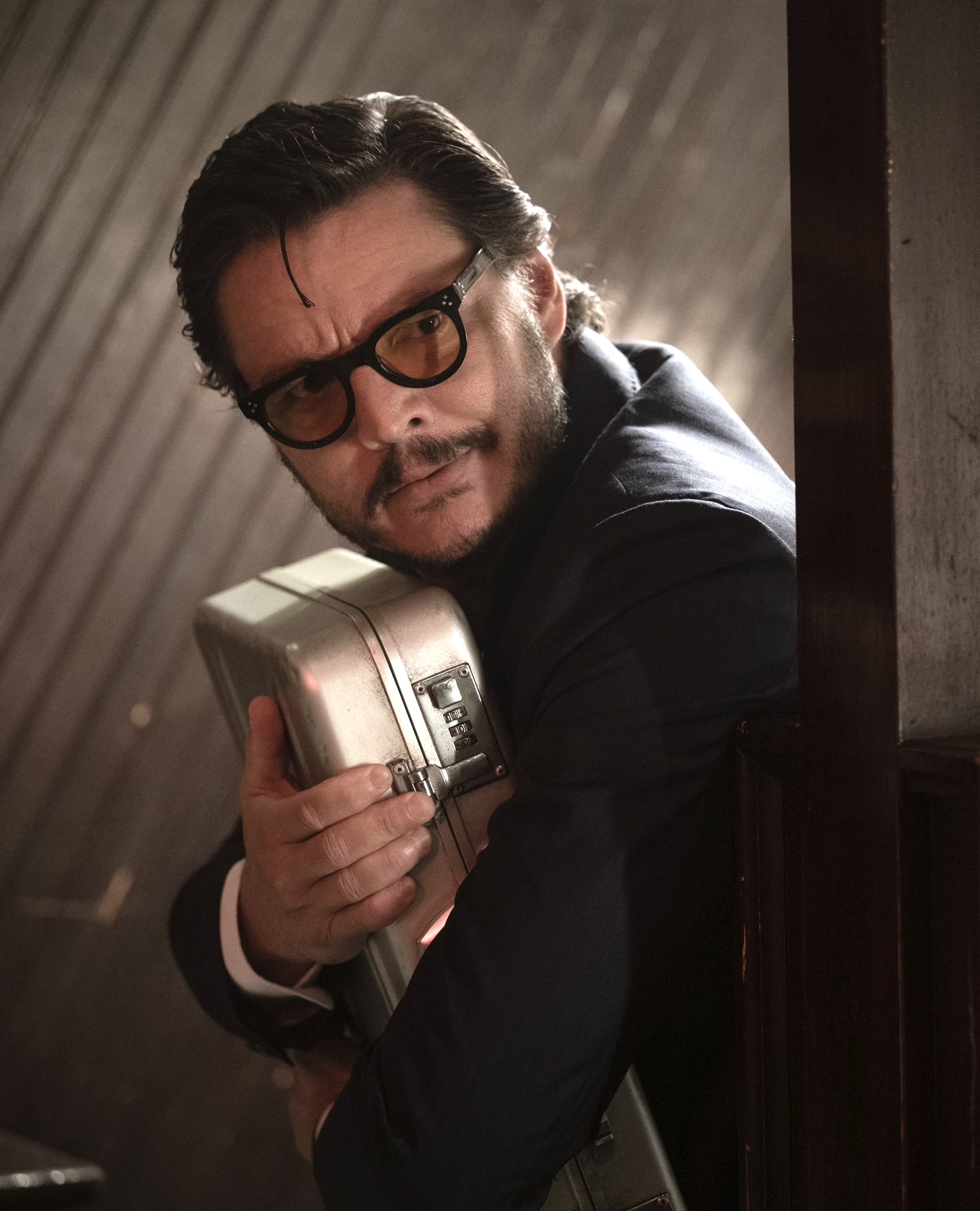
The women hire a drive-away vehicle from Curlie (Bill Camp) and set off on the long drive, blissfully unaware that they have got their wires badly crossed and that the boot of their car contains a metal attaché case containing something of great value. (This device feels so like the MacGuffin in Pulp Fiction, it surely has to be intentional.)

At any rate, Marion and Jamie are being pursued by a trio of bad guys, led by ‘The Chief’ (a criminally underused Colman Domingo), who want what’s in that briefcase. Rough stuff inevitably ensues…

While Drive-Away Dolls feels closer to familiar Coen territory than Shakespeare ever could, it’s exasperating to witness how consistently this fails to hit any of its chosen targets. Viswanathan and Qually are both engaging performers, but Qually in particular is stuck with the unenviable task of delivering slabs of frankly unbelievable dialogue, the kind of lines that no human character would ever utter. Furthermore, the women’s lesbianism is viewed purely through the male gaze: they are incongruously penis-fixated and the camera lingers on their bodies in a salacious fashion, which makes the whole thing feel dated as well as puerile. The villains are so inept that they fail to generate any sense of menace and, meanwhile, a string of A listers, including Matt Damon and Pedro Pascal (who presumably signed up for this on the understanding that it had the name ‘Coen’ attached), are reduced to cameo roles that give them little to do except die.

There are a few funny lines. A couple of weird psychedelic sequences, which seem to have drifted in from an entirely different movie, occasionally attempt to shift this ailing vehicle into a higher gear, but Drive-Away Dolls is a resounding failure that feels hopelessly stuck in first.

The news that the Coens are back together and already working on their next project can only come as a welcome relief.

2.5 stars

Philip Caveney
Blue Beard

15/03/24

Royal Lyceum Theatre, Edinburgh

I’m a massive fan of writer/director Emma Rice – and also of fairytales. I even wrote my own version of Blue Beard some years ago, a short story currently languishing in the proverbial drawer where unpublished fiction goes to die. So, co-produced by Wise Children, Birmingham Rep, HOME Manchester, York Theatre Royal, and – of course – Edinburgh’s Royal Lyceum, this adaptation promises to be a delight. It doesn’t disappoint.

We all know the story. Blue Beard is a charming villain: rich, handsome and very popular. Sure, he’s had more wives than Henry VIII, but he doesn’t pretend to be a saint, and it’s no surprise when a naïve young woman agrees to marry him. The surprise comes later, when he gives his new bride a key but prohibits her from using it, placing a temptation in her way that he knows she can’t resist. When, inevitably, she opens the forbidden door, she finds the dismembered corpses of his previous wives and understands immediately that she is next. Luckily, she has brothers, and they come riding to the rescue. And then – spoiler alert! – she lives happily ever after.

Naturally, things pan out a little differently here. Rice embraces the anarchic heart of the fairy tale, while simultaneously tearing it apart. The result is as chaotic and brash as anyone who knows her work will expect: maximalist and frantic and as unsubtle as the protagonist’s cerulean facial hair. I love it.

The music (by Stu Barker) is integral to the piece. It’s enthralling, and beautifully performed by the impressive cast, all of whom turn out to be quadruple-threats, not only dancing, singing and acting with aplomb, but also playing a range of instruments and, in the case of Mirabelle Gremaud, adding gymnastics and contortion to the mix.

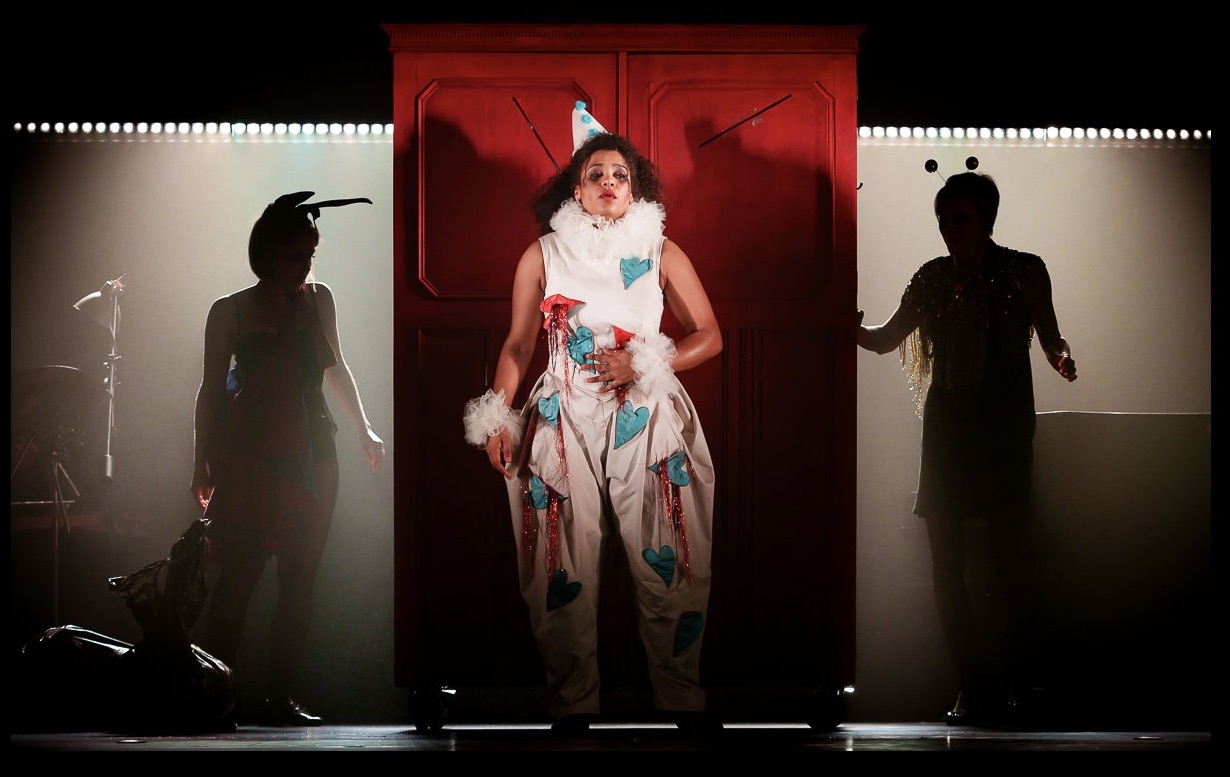
Vicki Mortimer’s ingenious set comprises boxes within boxes: indeed, the whole play is a magic show, all dazzling mirror-balls and sleights of hand. The cabaret glitz enhances the plot: no wonder Lucky (Robyn Sinclair) finds Blue Beard (Tristan Sturrock) spellbinding; he’s a magician, after all; illusions are his stock-in-trade. The thrilling, illicit pleasure draws us in: we too are seduced by Blue Beard’s ostentation and flair; excited as he conjures a horse race from nowhere; throws knives at his assistant (Gremaud); saws Lucky in half. This first act is all about the seductive allure of darkness, the impulse that makes us devour murder-mysteries and glamourise the bad guys.

But Rice’s Blue Beard comes with a warning, in the form of Mother Superior (the fabulous Katy Owen), whose Convent of the Three Fs reminds us that real women – as opposed to their fairytale counterparts – are at once fearful, fucked and furious. She’s both narrator and chorus, veering between humour and rage, first undercutting the tension with a perfectly-placed “fuck off”, then skewering Blue Beard’s dangerous pomposity.

The second act draws all the disparate strands together. Lucky doesn’t have brothers who can rescue her, but she does have Treasure and Trouble, her mum and sister (Patrycja Kujawska and Stephanie Hockley), and Blue Beard is no match for this formidable trio.

Out in the real world, the Lost Sister (Gremaud) is not so lucky. A screen showing black and white CCTV footage of a man following a woman is a theatrical gut-punch, less visceral than the slo-mo, gore-spattered, cartoon battle we’ve just enjoyed, but much more chilling. The auditorium, which just a moment ago was a riot of whoops and claps, is silent, aghast. The Lost Brother (Adam Mirsky) weeps; the Mother Superior sheds her habit. The smoke clears; the illusion breaks.

This is theatre with a capital T.

5 stars

Susan Singfield

Escaped Alone

14/03/24

Traverse Theatre, Edinburgh

First performed at the Royal Court in 2016, Caryl Churchill’s Escaped Alone is a fascinating piece, revealing some essential human truths despite the brevity of its running time.

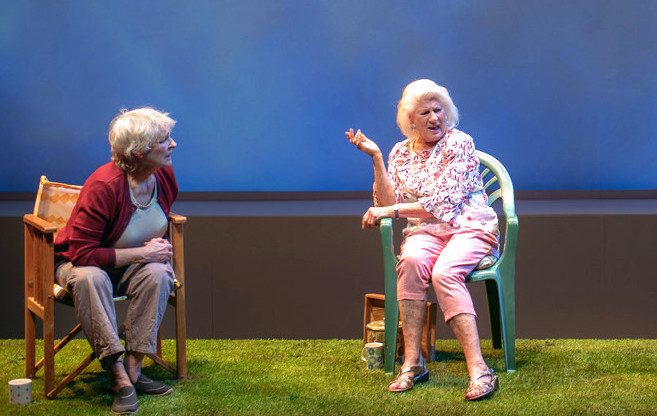
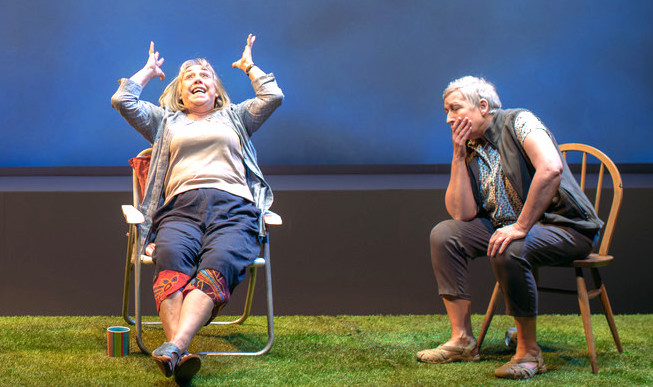
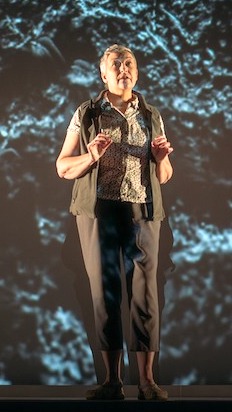
Three retired women – neighbours – sit in a garden, chatting inconsequentially. Mrs Jarrett (Blythe Duff) calls out a greeting as she passes by and is invited to take a seat. On the surface, she fits in, joining in the conversation. But she’s plagued by her knowledge of what’s happening in the news. At regular intervals, while the other women freeze, Mrs Jarrett rises and stands before Lewis den Hertog’s bleak black and white video projection, monologuing about apocalyptic events in the world beyond the garden. It’s like she’s zoning out, and we’re inside her head – and then she’s back again, making small talk, as if nothing has happened.

Although the catastrophes Mrs Jarrett describes are absurd in their extremity – all food has been diverted to TV channels; the hungry only know breakfast as an image on their screens; obese people sell their flesh, cutting rashers from their own bodies – the situation is depressingly normal. Just this morning, listening to the radio, I hear that 300 kidnapped Nigerian schoolchildren are still missing. In Gaza, shots have been fired at starving Palestinians waiting for a food truck. War still rages in Ukraine. It’s horrible. “Should we have curry or pasta for dinner tonight?” I ask my husband. We’re all fiddling while Rome burns.

The set, designed by Anna Orton, heightens the feeling of pretence. The grass is too green, the sky too blue; it’s what the women want to see, not what’s really there.

But, however fervently they cling to the façade they’ve created, real life keeps creeping in. “I’d love to go to Japan,” muses the agoraphobic (Anne Kidd). “Get yourself to Tesco first,” advises the caustic former GP (Joanna Tope), puncturing the daydream. Most resolutely cheerful of all is the ex-hairdresser (Irene McDougall), fresh out of prison for killing her husband. She went down for manslaughter, “but it might have been murder, in actual fact.” Nothing is what it seems.

Under Johanna Bowman’s direction, the performances are pulsing with vitality. There’s an urgency to proceedings that underscores the latent horror. Churchill’s script offers no real plot or character progression and this Tron Theatre production makes sense of that. It’s a snapshot of the way we’re stuck: a never-ending cycle of looking away; distracting ourselves from what’s really happening; ignoring the overpowering emotion consuming us.

“Terrible rage. Terrible rage. TERRIBLE RAGE.”

4.3 stars

Susan Singfield

Starving

12/03/24

Traverse Theatre, Edinburgh

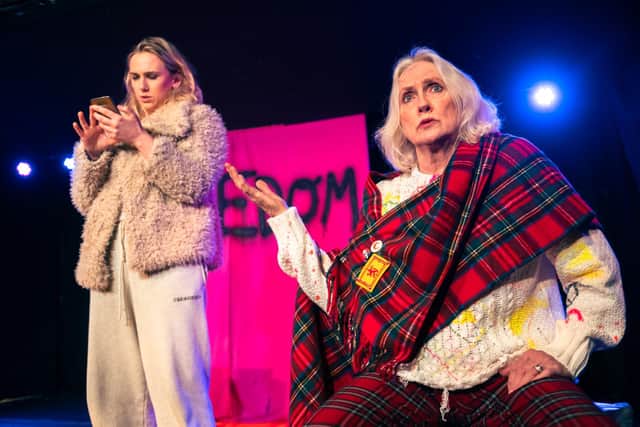
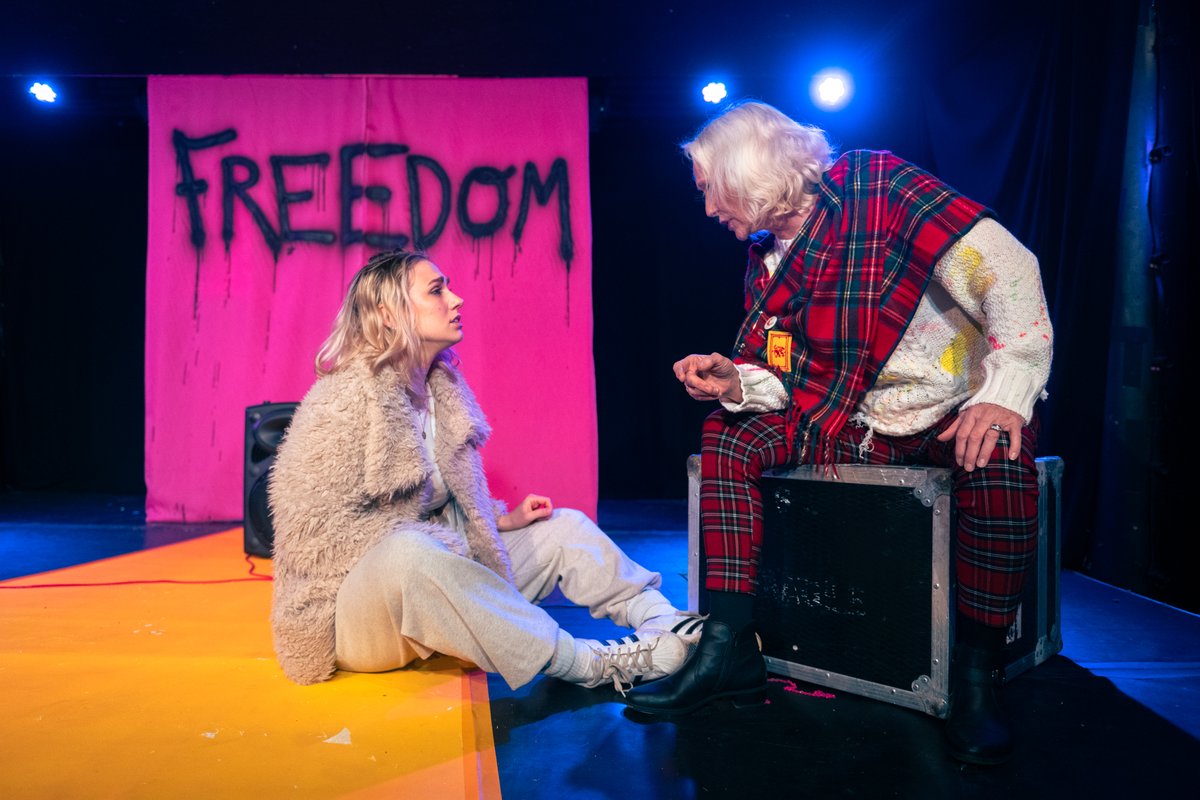
It’s December, 1972 and Scottish independence campaigner and all-round firebrand, Wendy Wood (Isabella Jarrett) is preparing to enter the fifth day of her hunger strike. She’s seventy-eight years old and this is just the latest in a long string of adventures.

It’s also December 2024 and, at the age of thirty, copywriter Freya (Madeline Grieve) is stuck in her Edinburgh flat, crippled by insecurity and afraid to venture out into the world she finds so overwhelming. She too hasn’t eaten for a while – but her hunger has more existential beginnings.

Somehow the two women find themselves occupying the same time and space. Which is all fine and dandy, until Freya checks out her companion on Wikipedia and discovers that A. She’s famous and B. She died in 1981.

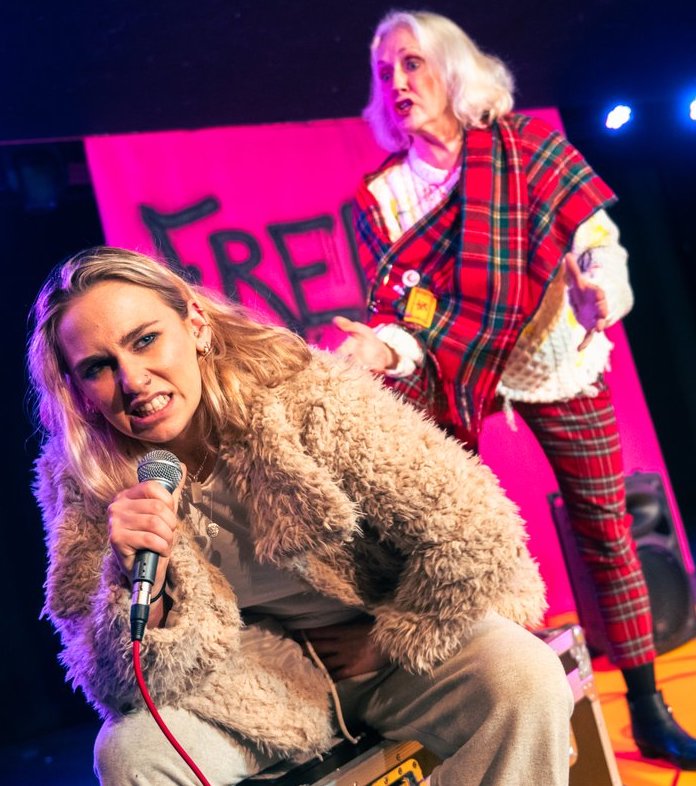
Imogen Stirling’s sprightly debut play (we previously saw her performing in the fabulous Love the Sinner) flings these disparate characters together and explores what makes them so different. At the same time, it uncovers the qualities that they have in common. Director Eve Nicol has the good sense to keep the proceedings all stripped back, just a bright banner and a couple of microphones for those moments when the women need to vent their feelings – which they both do, volubly and admirably.

Jarrett is quite awesome as Wendy, staunch, bold and ever resistant to the idea of being told ‘no!’ (After the show, I also look Wood up on Wikipedia, and it’s quite the eye-opener). As Freya, Grieve handles her more nuanced character with absolute assurance. I find myself alternately amused and amazed by the breadth of the material covered here, and there’s plenty to make me think about the various political issues that are touched on. I also love the play’s exuberant conclusion, the two protagonists joining together in a rousing rap about the need for freedom.

Once again, A Play, A Pie and A Pint have come up with a production designed to brighten your afternoon. Don’t miss your chance to share it.

4.5 stars

Philip Caveney
Origin

10/03/24

Cineworld, Edinburgh

Origin isn’t like any film I’ve seen before. Structurally, it’s akin to a dramatised lecture – but if that sounds dry, then I’m doing it a huge disservice. Writer/director Ava DuVernay has taken an academic text and created an artist’s impression of both the work and its author. The result is multi-layered: at once instructive and provocative – and absolutely riveting.

Based on Caste: The Origins of Our Discontents by Isabel Wilkerson (played here by Aunjanue Ellis-Taylor), Origin isn’t an easy watch. Wilkerson’s central conceit is that all oppression is linked – that the Holocaust, US slavery and India’s caste system all stem from the same fundamental practice of labelling one group of people ‘inferior’. This perception is entrenched via eight ‘pillars’, including endogamy, dehumanisation and heritability. DuVernay has done a sterling job of distilling these complex ideas and making them accessible, but the volume of cruelty on display is devastating. Who are we? Why do we keep on letting this happen? Some scenes are particularly heartbreaking, for example the young Al Bright (Lennox Simms)’s humiliating experience at a swimming pool in 1951, and I can hardly bear to mention the visceral horror of seeing people crammed into slave ships.

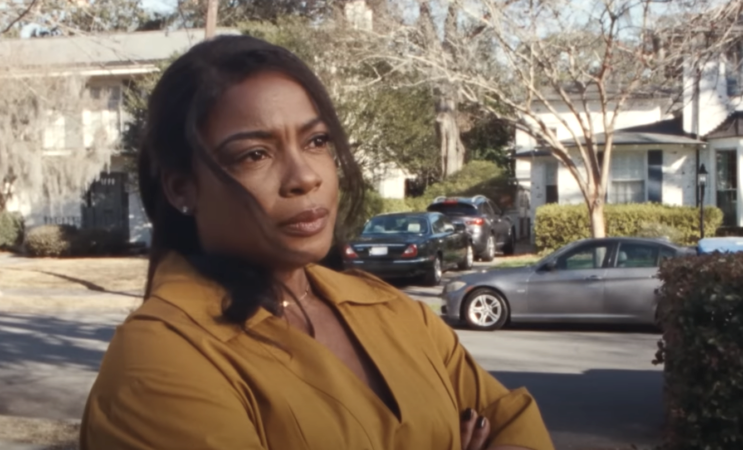
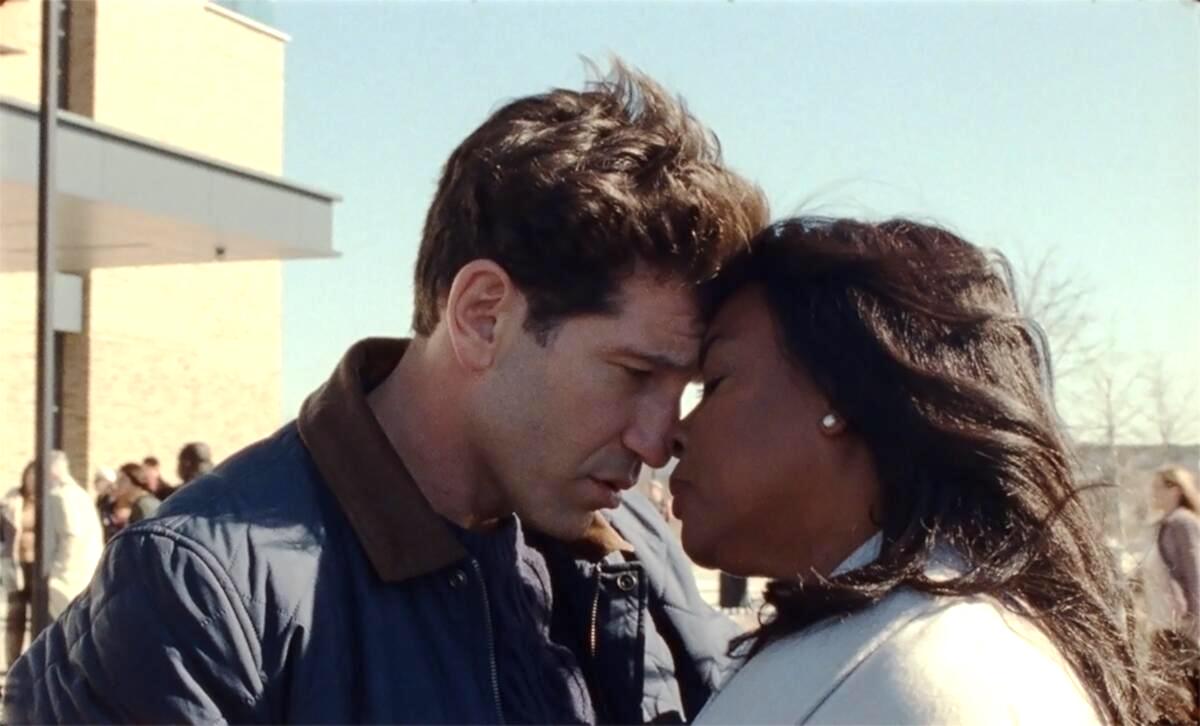
Ellis-Taylor’s Wilkerson is very engaging. She’s not only fiercely intelligent, but also thoughtful and gentle. Despite the weighty topics that dominate her working life, she finds time to have fun with her husband, Brett (Jon Bernthal), and to look after her mum, Ruby (Emily Yancy). She feels real.

Wilkerson’s personal life anchors the movie, which begins with her looking at retirement homes with Ruby. We see how Trayvon Martin (Myles Frost)’s shooting sows the first seed of her thesis, and then we jump back and forth in time and place, bearing witness to Nazi book burnings and Bhimrao Ambedkar’s ‘untouchable’ status; to Elizabeth and Allison Davis’s undercover work with Burleigh and Mary Gardner, documenting the everyday realities of racism in 1940s Mississippi. It is to DuVernay’s credit that we are never in any doubt about where we are or what point is being made.

There are moments when the concepts need bullet-pointing for clarity, and this is neatly achieved by the addition of a literal whiteboard. We see Wilkerson laboriously erecting it, before covering it in notes about the pillars that hold oppression in its place. This helps to anchor the key arguments, making them easy to grasp and remember.

Origin is a demanding piece of cinema, but it’s worth the effort. I come away feeling both horrified and educated, looking at the world in a different way.

4 stars

Susan Singfield

A Giant on the Bridge

08/03/24

Traverse Theatre, Edinburgh

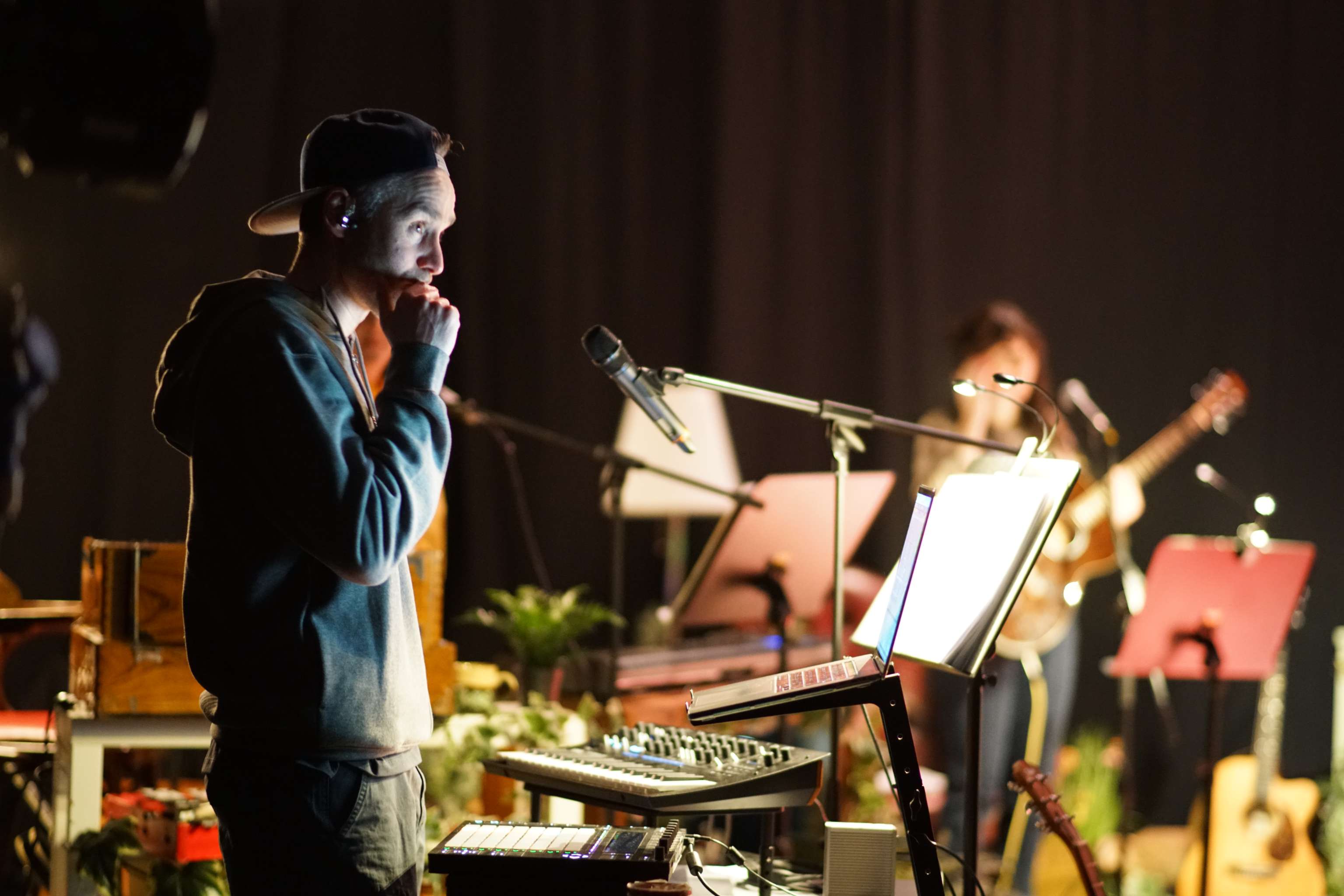
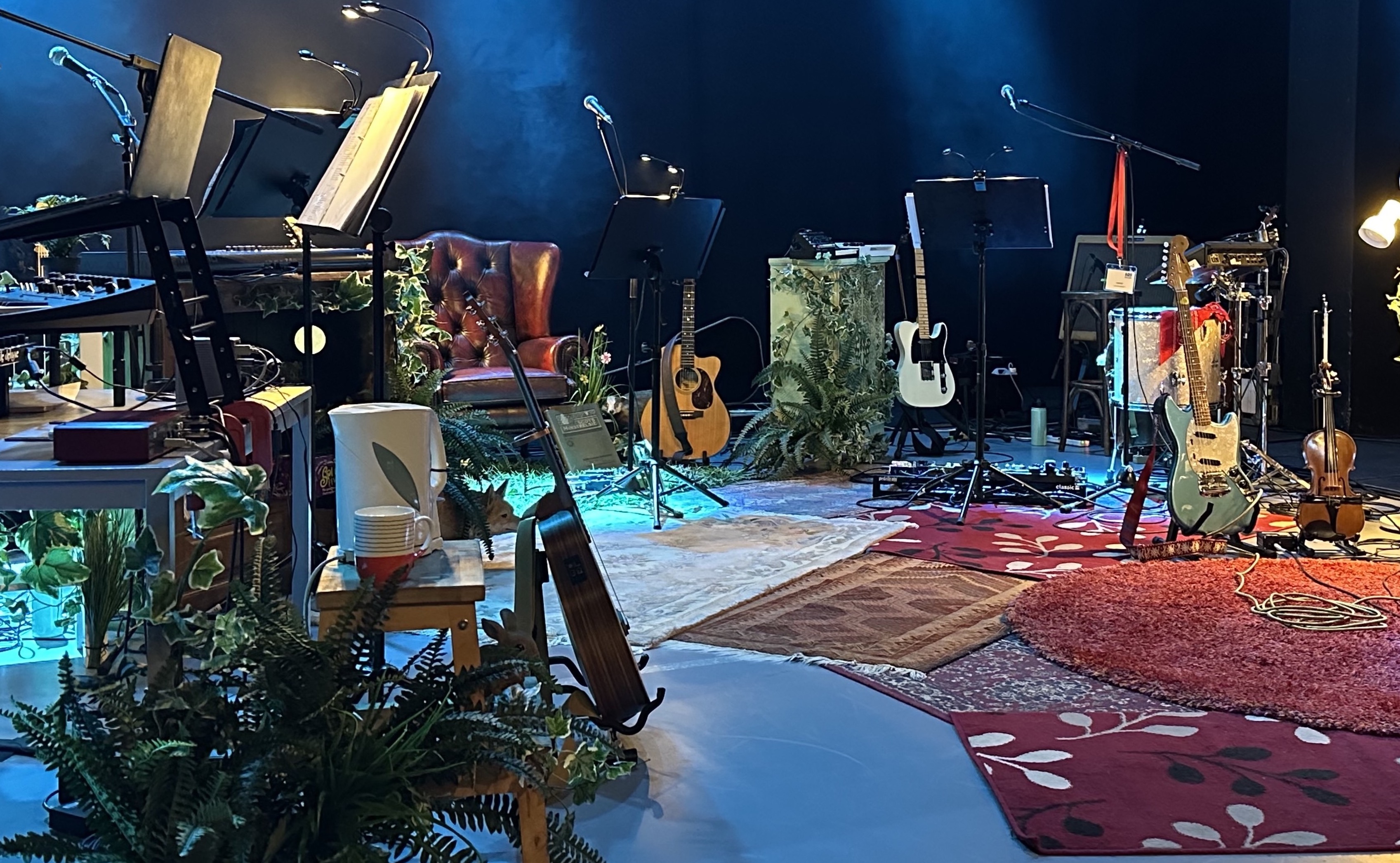
One look at the stage in Traverse 1 is enough to convince me that tonight, I’m going to witness some serious musicianship. There’s a complex arrangement of guitars and drums on display, as well as electronic keyboards, a violin, a harmonium and other instruments I cannot even name. They’re all connected by a jumble of leads and microphones that make me wonder how anyone will negotiate their way through it without tripping up. Then six musicians emerge from the wings, pick up their respective instruments and launch headlong into an extended piece of gig theatre that pretty soon has me in raptures.

Devised by Liam Hurley and Jo Mango, A Giant on the Bridge is created from a collection of songs written in Vox Sessions by the inmates of prisons across Scotland. It’s heartening to acknowledge that this joyful music has emanated from such grim beginnings, but here it is: a complex, labyrinthine piece that explores a whole range of different moods, moving from plaintive acoustic ballads to propulsive electric rock.

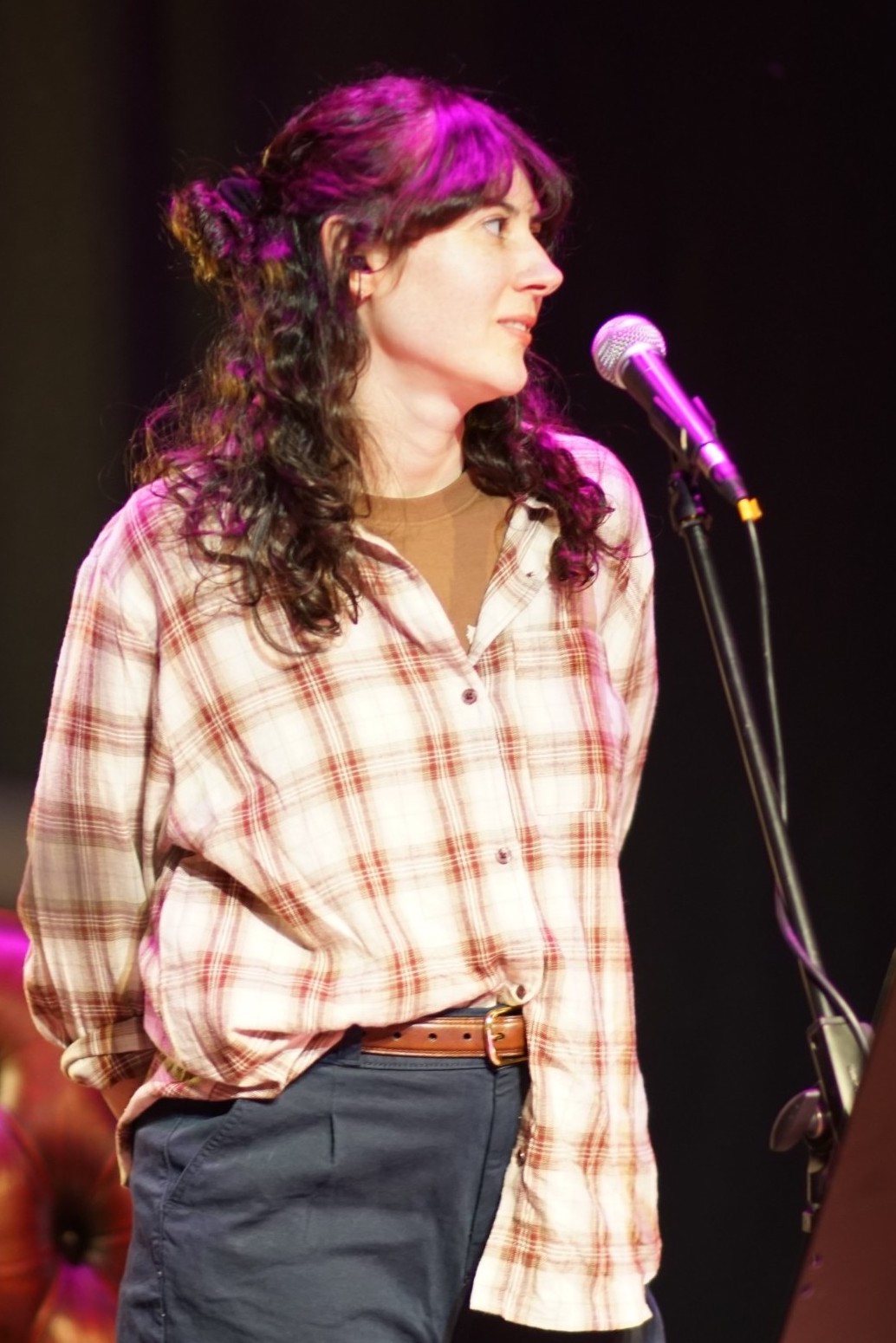
There are five different narratives here, the performers often breaking the fourth wall to speak directly to the audience. Louis Abbot delivers The Songwriter’s Story, telling us in essence about his daily routine, trying to coax music from troubled prisoners. Kim Grant delivers her Giant Story, a traditional tale about an imprisoned giantess, who has lost her heart to a ruthless king. Jo Mango gives us Clem’s Story; she’s a social worker and poet whose interactions with the daughter of an inmate unlock her own past trauma, while Jill O’Sullivan shares June’s Story, playing the role of a young woman looking after the daughter of her twin brother, D, and preparing for his imminent release from prison. And finally, Solareye relates D’s Story; he’s a man who sees and translates everything that happens to him into a distinctive form of rap.

If this description makes it all sound like a complex jumble, make no mistake: the various story threads are brilliantly interwoven, the narratives cunningly echoing and reinforcing each other, before the strands are drawn together into a heartfelt and uplifting conclusion. I find myself constantly thrilled by the sheer ambition of this production and the way its various goals have been so consummately achieved. The musicians also take on acting roles with aplomb.

It’s not just me who loves this show.. The wild applause from a packed audience is confirmation of how successful – and how unique – this musical experiment is. If you can grab a ticket to see it before it moves on, I urge you to take the opportunity. This is something very special.

5 stars

Philip Caveney