
Warfare

19/04/25

Cineworld, Edinburgh

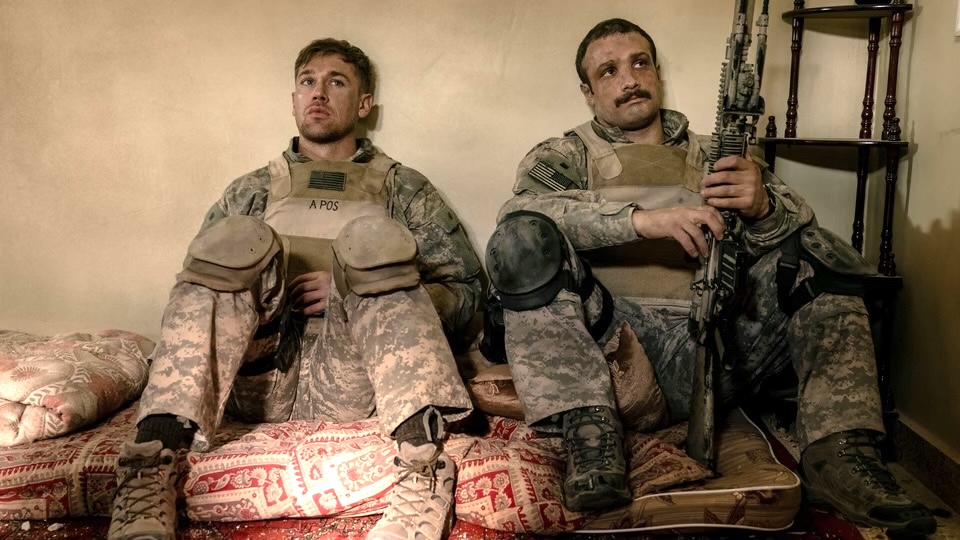
After the ferocity of Civil War, perhaps it was inevitable that Alex Garland’s next project would see him heading further into the world of military action – though it must be said that Warfare, co-written and co-directed with former marine Ray Mendoza (depicted in the film by D’Pharoah Woon-A-Tai), may qualify as the most realistic slice of it ever recreated on camera. Based on a real event, which took place in November 2006 in Ramadi, Iraq, it follows a platoon of Navy SEALS into action, as they occupy a house and await incoming Iraqi forces.

We first meet the platoon in their downtime as they watch an Eric Prydz workout video featuring some statuesque women and one man, bobbing about to the strains of Call On Me. The men laugh along and react to each other’s antics, letting off steam before heading into action. But the fun is short-lived. All too soon, they’re sneaking down darkened streets, singling out the house where they are going to hole up overnight while they wait for things to kick off. Two Iraqi families live there and are taken captive and secured in one room ,while the troops take up their positions, keeping watch for the insurgents they are told are gathering in this area.

As a new day dawns, I begin to recognise some of the actors. That’s Will Poulter as Erik and Joseph Quinn as new recruit, Sam. And there’s Cosmo Jarvis as the sniper, Elliott. But I can’t recall seeing a film where recognising the actors matters less, because this is a true ensemble piece, the characters’ identical uniforms making it difficult to tell them apart, just as it must be in reality. 

Warfare does exactly what it says in the title. It takes you from your safe seat in the cinema and plonks you down in the midst of the action – and it’s not somewhere you really want to be. There are none of the tropes that we so often associate with movies about war. There are no heroes here, no villains, no miraculous dodging of incoming bullets, no conveniently-timed lulls in the action.

At first what there is in abundance is waiting. The troops sit around, bored, longing for the action to start but only so it will eventually be over. And I share that awful anticipation with them. I flinch at every unexpected sound; I hold my breath whenever a radio crackles into life. And, when the action does come, it occurs with such unexpected shock that I find myself wincing at every explosion, every unexpected rattle of gunfire. 

The real-life event I spoke of is actually a tragedy. This is not the story of a platoon of soldiers who act with extraordinary valour and emerge with everything intact. It’s the story of a bunch of guys who have their asses handed to them in a string bag. It’s hard to watch and occasionally even harder to stomach, because there’s very realistic injury detail here and the troops who went through the experience have contributed all their memories to ensure that nothing is left out.

Warfare is truly game-changing. Does it qualify as entertainment? The truth is, I’m really not sure that it does, but it feels to me like an important film and a unique achievement, a construct that doesn’t try to tailor its narrative in an attempt to make it more palatable, preferring to depict warfare as it really is: bloody horrible. 

Those of a nervous disposition may want to give this one a wide berth – and anybody out there who harbours illusions about the nobility of war is about to have them well and truly shattered.

4.6 stars

Philip Caveney 
Drop

18/04/25

Cineworld, Edinburgh

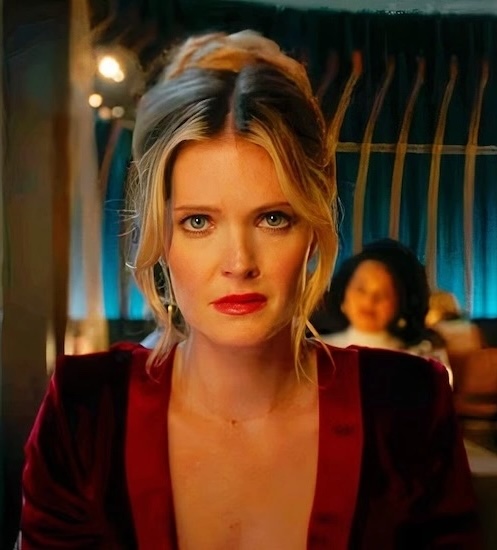
I’m not at all sure about Drop at first. It begins with a woman trying to escape a brutal attack from a violent man, the camera lingering on her battered face, so I’m worried it’s going to tread the ‘female suffering as spectacle’ path – and that, therefore, I’ll hate it. Thankfully, this approach is limited to the opening scene, and things quickly take a turn for the better.

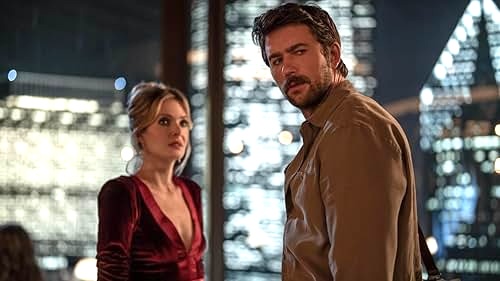
The woman, Violet (Meghann Fahy), is a psychotherapist, specialising in survivors of domestic abuse. She knows what they’ve endured because she’s been there too. Since her ex’s death, dating hasn’t exactly been her priority: she’s been focusing on raising her son, Toby (Jacob Robinson), and building her career. But her sister, Jen (Violett Beane), thinks it’s time that Violet had some fun, and persuades her to meet up with the guy she’s been chatting to via social media. He seems nice, and Jen’ll babysit Toby. What’s the worst that can happen?

Henry (Brandon Sklenar) is almost too good to be true. He’s handsome, charming and easy to talk to. Sure, the fancy restaurant he’s suggested for their date is situated on the top floor of a soaring skyscraper, but how is he supposed to know that Violet’s afraid of heights? Palate has an excellent reputation and a lovely atmosphere. Surely this is the start of something promising…

But then Violet begins to receive mysterious ‘digi-drops’ (airdrops), which gradually grow more threatening in tone. Digi-drops can only be sent within a fifty-metre radius, so she knows they’re coming from within the restaurant. But, of course, there are countless people glued to their phones; how can she identify who’s responsible? And anyway, that’s soon the least of her worries because, before she knows it, she’s being instructed to murder her date – and, if she refuses, her tormenter says he will kill her son.

If the premise sounds preposterous, that’s because it is, but the script – by Jillian Jacobs and Chris Roach – is genuinely thrilling, the tension ramped up with each passing minute. Fahy convinces as the desperate woman, fighting an unseen enemy with everything she’s got, and the plot is twisty, turny and delightfully unpredictable. Indeed, under Christopher Landon’s direction, Drop exhibits as much sophistication as Palate‘s Michelin-starred dishes – until we reach the final scenes, where ‘bold’ segues into ‘bonkers’ and ‘believability’ flies out of the smashed window.

In the end, the good outweighs the bad, and I leave the cinema more than satisfied by this exciting whodunnit with its appealing central duo and intriguing cast of suspects.

4 stars

Susan Singfield

The Penguin Lessons

16/04/25

Cineworld, Edinburgh

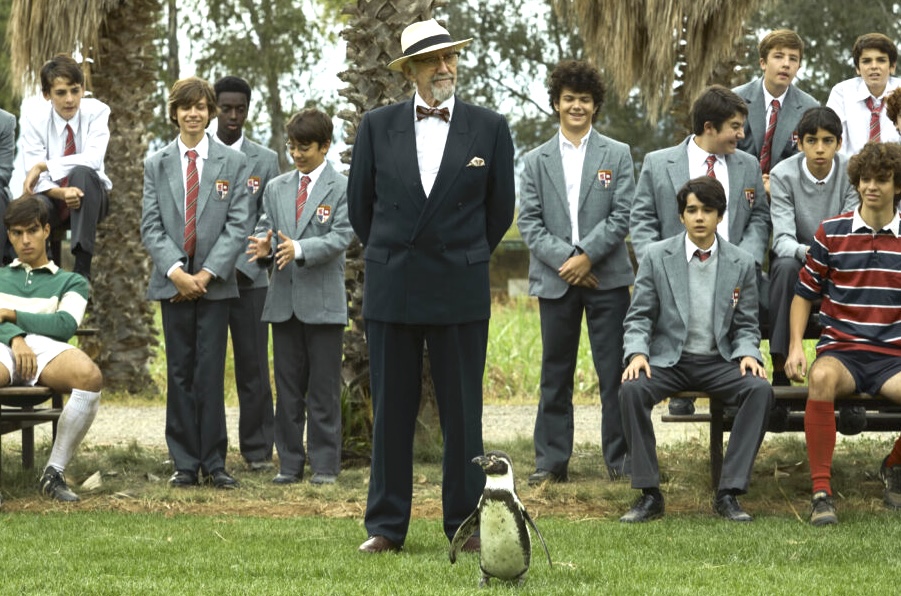
Adapted from Tom Michell’s memoir by the ever industrious Jeff Pope, The Penguin Lessons begins in 1976, when Michell (Steve Coogan) is a somewhat disaffected English teacher, beginning a new post in a private school in Argentina. He arrives in a country that has recently undergone a brutal coup and takes up his post under the watchful gaze of Headmaster Buckie (Jonathan Pryce), a man who prefers to put the needs of the school first and pretend that the current political upheaval is of no consequence. The only friend Tom makes on the staff is Tapio (Björn Gustafsson) a well-meaning but humourless Finlander, who seems to have the knack of saying the wrong thing every time he opens this mouth.

On a brief visit to Ecuador, Tom chances upon a group of oil-covered penguins washed up on a beach. One of them is still alive and – mainly because he’s trying to impress a young (married) woman he’s met in a dancehall – Tom takes the luckless bird back to his hotel room and cleans him up. Having acquired the penguin – Tom dubs him ‘Juan Salvador’ – he finds it impossible to get rid of it, the penguin following him hopefully everywhere he goes. Eventually, Tom has no option but to take Juan Salvador back to the school and keep him hidden in his room… until, in a moment of madness, fuelled by the indifference of his privileged pupils, Tom is prompted to bring the creature into the classroom…

The Penguin Lessons could so easily descend into a mawkish comedy at this point – and there’s no denying that Juan Salvador (or at least the penguin actor who portrays him) is impossibly cute, coaxing adoring sighs from the audience every time he waddles engagingly onto the screen. But Pope’s script skilfully touches on darker themes, dealing with the brutal regime of the Junta and the plight of the ‘disappeared,’ the thousands of people arrested by Perón’s forces. Tom manages to distance himself from the situation until Sofia (Alfonsina Carrocio), the daughter of the school’s housekeeper, Maria (Vivian El Jaber), is arrested on the street and taken away to be ‘interrogated.’

Coogan is on impressive form here, portraying Tom as a cynical, hardbitten loner with something lurking in his past. The short scene where we discover the reason for his remoteness is affecting because it is so understated and yet so utterly believable; likewise, the scene where Tom is prompted to confess to Maria that he could have tried to help Sofia as she was being arrested but was ‘too scared.’

Peter Cattaneo directs with a lightness of touch that effortlessly fuses the film’s disparate elements. There are many who will criticise its ambition but, to my mind it’s beautifully handled: a funny, touching story set against a tumultuous background.

And now, if you’ll excuse me, I’m off to p-p-p-pick up a penguin.

4 stars

Philip Caveney

Ivor

15/04/25

Traverse Theatre, Edinburgh

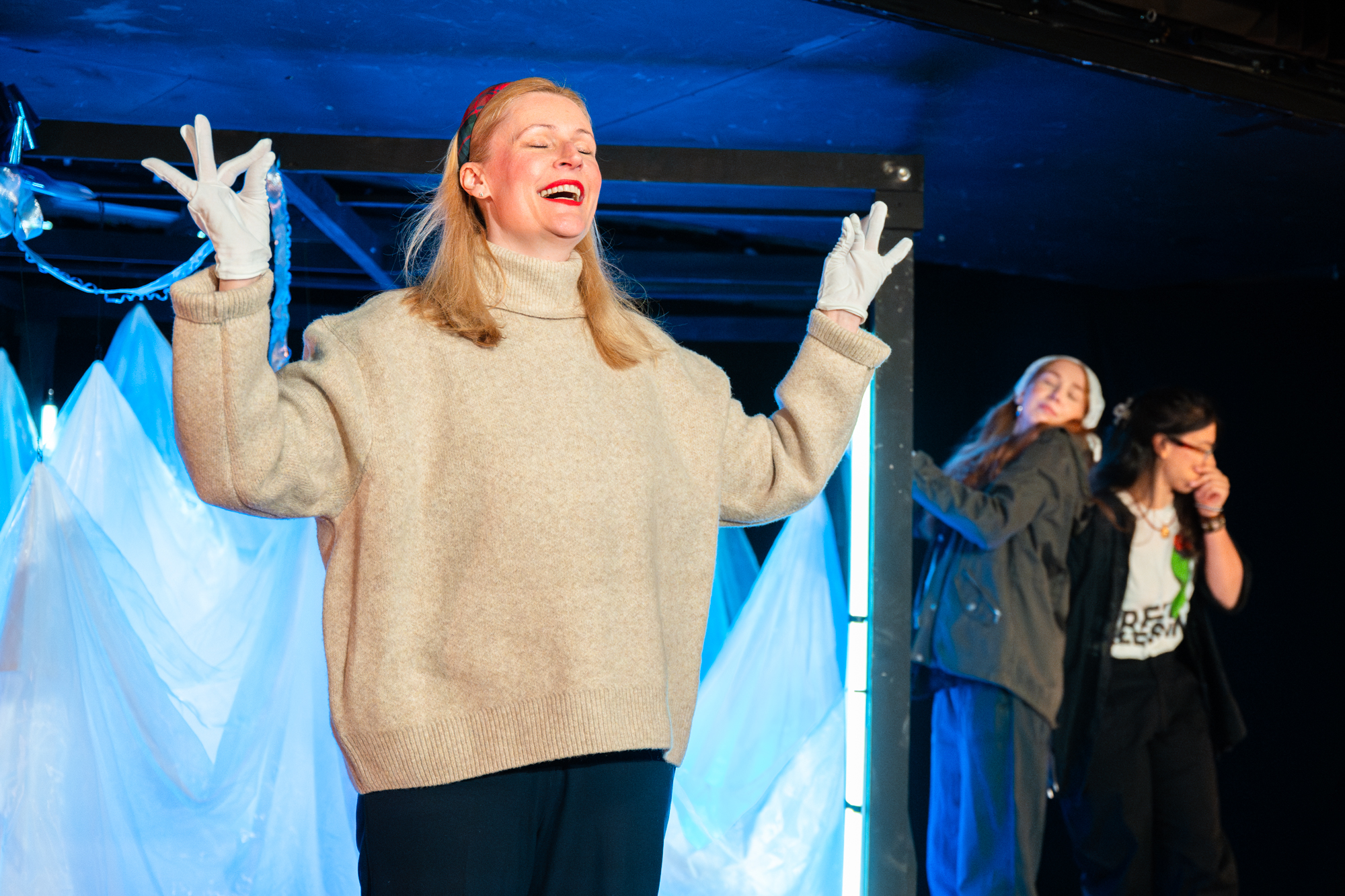
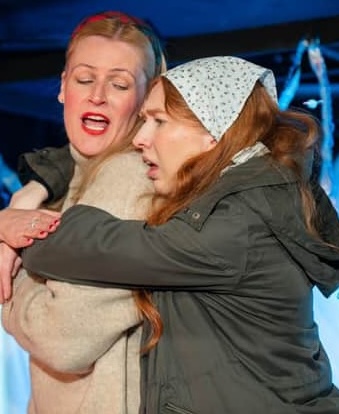
It’s Scarlet’s twenty-first birthday, and she’s promised to spend it with her mum. Single-parent Sarah (Laura Harvey) is beyond excited: she’s not enjoying her empty nest, and is determined to go the extra mile for her student daughter (Alice Glass). A landmark occasion requires a significant gift – and what could be more significant than an actual iceberg?

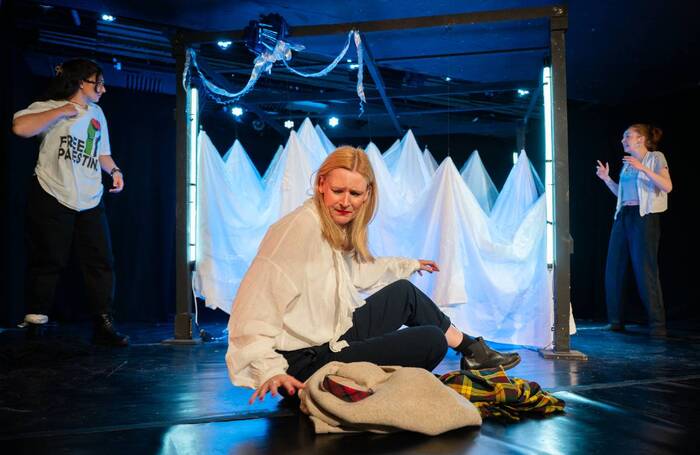
The titular piece of polar glacier – “Ivor” – dominates both the family kitchen and the Traverse 2’s stage: a great big hulking metaphor, displaced and dangerous.

Scarlet’s not exactly delighted by the surprise. Not only is it weird, it’s also way too much. She feels suffocated by her mother’s ridiculous largesse. How now can she break the news that, in fact, she won’t be staying here after all? That she’s planning to go to London with her girlfriend, Jude (Betty Valencia), and has only popped in to collect something…

Jennifer Adam’s sprawling script encompasses ecological disaster, terrorism and helicopter parenting. The creaking, leaking iceberg symbolises more than the melting ice caps: it’s a reminder of the enormity of the task ahead for Jude and Scarlet, young women determined to save the world. Meanwhile, the petty squabbles and hypocrisies between the three loom just as large. It’s a lot to pack in to fifty minutes’ playing time and, although director Catriona MacLeod succeeds in pacing it well, I can’t help wishing there were a little less here. Valencia’s performance is strong, but I think the play would be more compelling without Jude, with a tighter focus on the mother-daughter dynamic, set against the ever-looming climate crisis.

Heather Grace Currie’s clever design almost fills the small stage with an Ivor comprising huge white sheets teased into peaks, which is quite an achievement on a small budget. Unfortunately, this affects the sight-lines, and I wonder if a more abstract construction – an up-lit empty frame, for example – might serve the piece better.

The idea behind Ivor is pleasingly quirky but, in its current form, it doesn’t really suit the PPP running-time. Given longer to develop its themes – Jude’s family’s experiences in Colombia in particular need a lot more attention – this could be a really fascinating play, with much to say about the troubled times we live in.

3 stars

Susan Singfield

Calamity Jane

15/04/25

Festival Theatre, Edinburgh

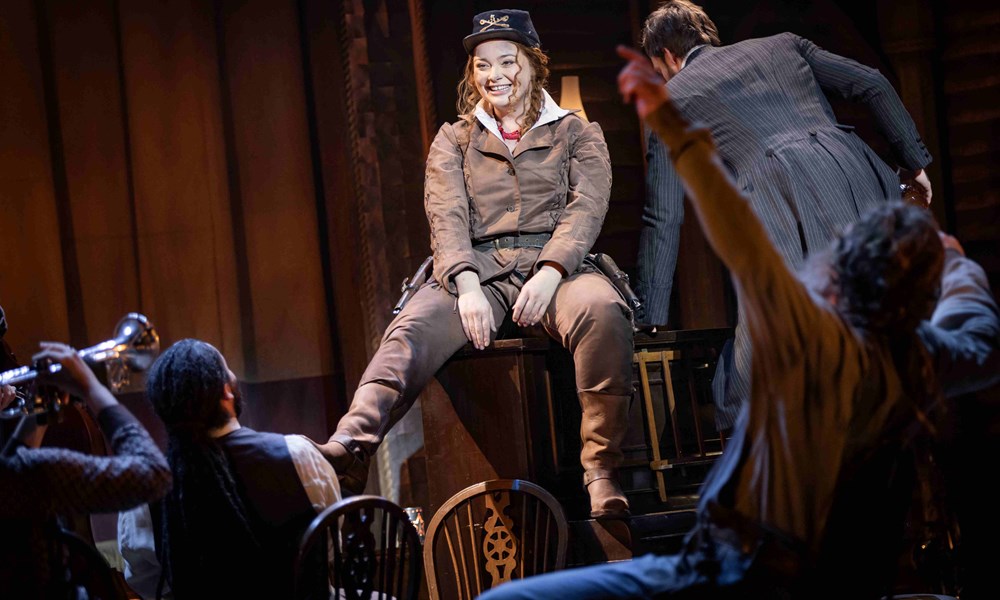
As a kid, I was a little bit obsessed with Western movies and I still have a powerful recollection of sitting in a UK cinema, watching enthralled as Doris Day rode a stagecoach across a desert landscape belting out a stirring rendition of The Deadwood Stage. (Checking on the dates, I can see that I was only three years old when Calamity Jane was released, so clearly this was some time after that. I’m guessing I was maybe nine or ten.) When I hear that a touring version of the stage musical is coming to Edinburgh, I’m naturally eager to revisit it.

If Calamity (real name Martha Jane Canary) hadn’t actually existed, she’d seem an impossibly far-fetched invention: a cross-dressing stagecoach driver/gambler/gold prospector/rodeo star, she really did have a relationship with the legendary Bill Hickok, before going on to star in Buffalo Bill’s Wild West Show. Adapted from Hames O’ Hanlon’s 1953 screenplay by Charles K Freeman and featuring songs by Sammy Fain and Paul Francis Webster, this is a rootin’ tootin’ barnstormer of a show, that has no higher ambition than to entertain an audience, an aim which it effortlessly achieves.

Carrie Hope Fletcher dons the buckskins to play the larger-than-life title role, attacking the more upbeat numbers like Windy City with absolute gusto and bringing a thrilling resonance to the show’s most enduring song, Secret Love. Tomas Wolstenholme handles the role of Wild Bill Hickok with panache and submits a lovely acoustic version of Higher Than a Hawk. There are assured performances from Samuel Holmes as effete song-and-dance man, Francis Fryer, and from Seren Sandham-Davies as Katie Brown, both of whom are victims of mistaken identity. But this is a true ensemble piece, with just about every member of the large cast ready and able to play an instrument at the drop of a stetson. This approach gives the show a propulsive energy that never falters, racing from one roistering set-piece to the next.

The episodic storyline is based around a series of misunderstandings, each perhaps too readily resolved by the indefatigable Calamity, but it would be hard to imagine a more downright enjoyable night at the theatre. Tonight’s packed audience rises to the occasion, clapping enthusiastically along to the final hoedown at a volume that threatens to blow the roof off the theatre. You could grumble that songs like A Woman’s Touch and Tis Harry I’m Planning to Marry are a tad reductive, but this piece is completely unapologetic about its origins and, apart from a few minor tweaks, sticks closely to the original screenplay.

I come out humming The Black Hills of Dakota; if you can manage to resist the impulse, then you’ve clearly got a lot more control than I have. If you’re looking for simple, unfettered fun, then why not mosey on down to the Festival Theatre where Calamity and her posse will be kicking up a storm every night until the 19th of April?

4.4 stars

Philip Caveney

Night, Idiot

12/04/25

Traverse Theatre, Edinburgh

Night, Idiot promises to be a breezy comedy of manners, with a strong focus on inter-generational differences. Dani (Zoë Bullock) and her boyfriend, Paul (Andrew Barrett), have just moved into a new flat, and they’ve barely started unpacking when Paul’s mum, Ruth (Pauline Lynch), announces a visit. Zoë’s nervous: she’s only met Ruth once before and that didn’t go well. After all, it’s hardly Zoë’s fault that Paul is still working in a coffee shop, or that his great novel remains a concept rather than anything as concrete as a finished manuscript. So it’s Zoë’s job as a paralegal that pays the rent and bills; so what? That’s up to her and Paul. But Ruth has other ideas: she wants her son to fulfil his potential. And, more importantly, she wants grandchildren. Soon.

The first third is very funny, if sometimes a little far-fetched (surely no one is ever as blunt as Ruth in their criticism of their child’s partner?). But something is clearly troubling Dani…

And then things take a darker turn…

Directed by Shilpa T-Hyland, Night, Idiot is a dynamic piece of theatre: poignant, engaging and full of twists and turns. The script – by Bullock – is clever, offering clear insight into Dani’s mental anguish as she obsessively replays events, dwelling on every Sliding-Doors moment and pondering what might have been. These glimpses into the hypothetical are slick, and I like the fact that Bullock doesn’t offer any easy answers for us or Dani, and nor does she shy away from difficult themes.

Bullock and Lynch make an appealingly-fiery central duo, while Barrett ensures Paul is a sympathetic character, despite his uncommunicative nature and ultimate cowardice. Bullock in particular gets to show off her acting chops: watch out for her so-heavily-signposted-this-isn’t-a-spoiler rendition of Shrek and you’ll see exactly what I mean.

Night, Idiot is an ideal piece for A Play, A Pie and A Pint, with lots packed into the short running time. There’s emotional heft here and I find myself really rooting for the characters. Zoë Bullock is clearly one to watch.

4.3 stars

Susan Singfield

Mr Burton

11/05/25

Cameo Cinema, Edinburgh

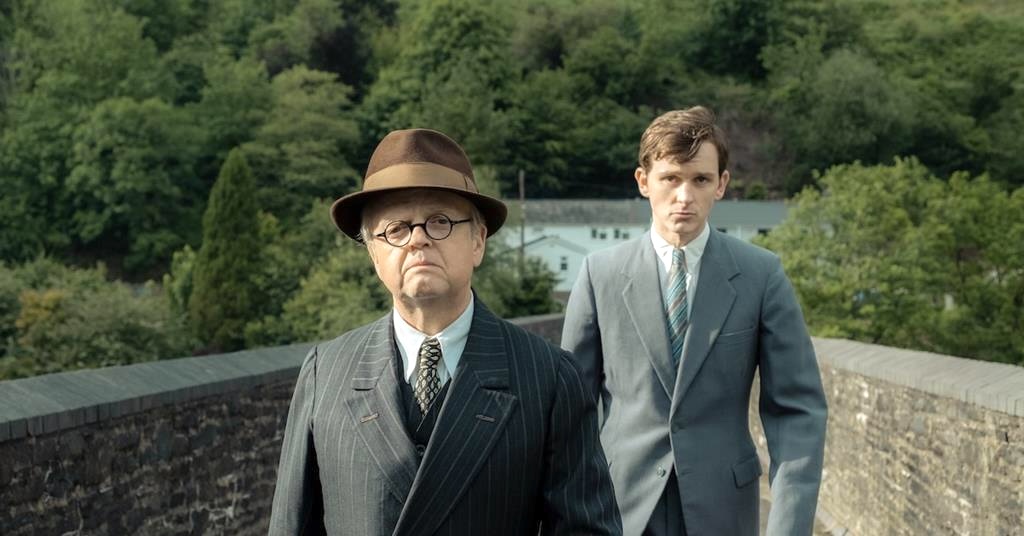
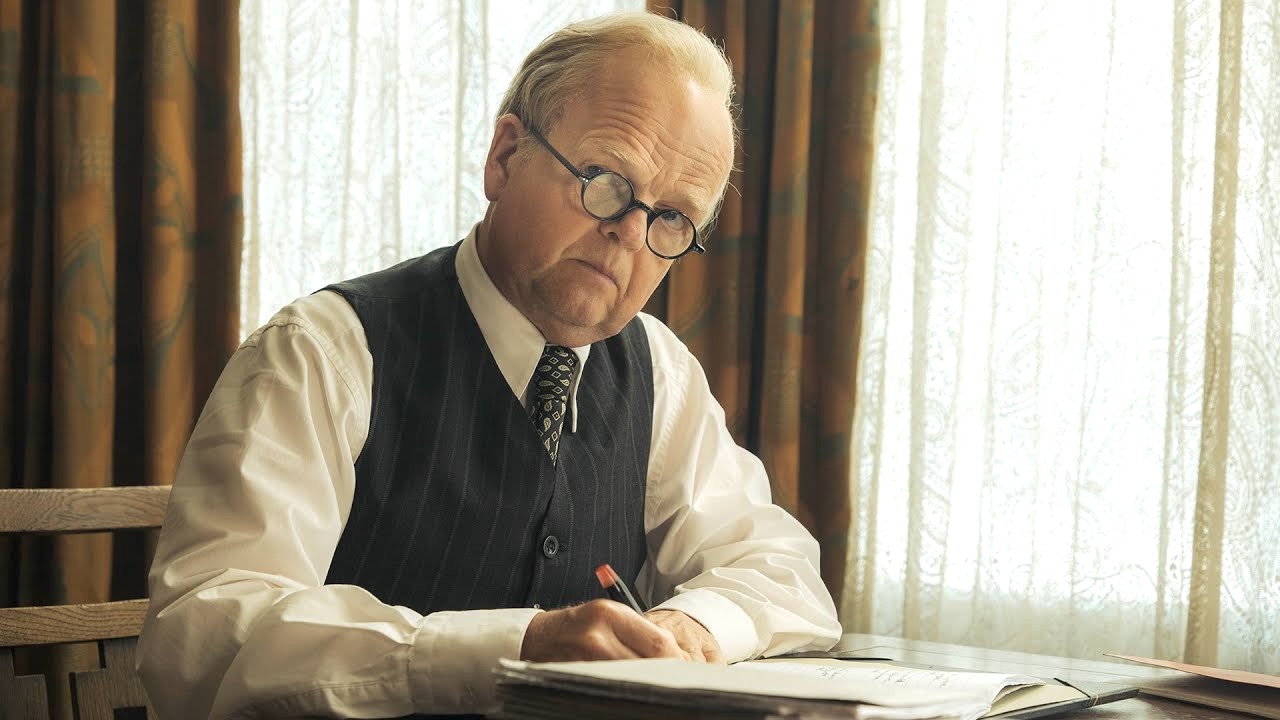
The theme of the ‘inspirational teacher’ is a well-worn cinematic device but, in the case of Mr Burton, it does have the advantage of being true. The titular Mr B (impeccably played by Toby Jones) is a quiet, but authoritarian teacher in a little school in Port Talbot, a man nursing his own thwarted ambitions as a playwright.

We join the story in 1942, when Mr Burton is doing his level best to instil a love of Shakespeare into his students, despite the glowering presence of the coal mines that threaten to claim those young men who are not thrown into the maelstrom of the Second World War. Burton is somewhat bemused to discover that the pupil who has the strongest response to his English literature lessons is Richard Jenkins (Harry Lawtey), a boy all-but abandoned by his coal miner father, Dic (Steffan Rhodri). Richard is obliged to live in the overcrowded home of his sister (Aimee Ffion-Edwards) and her resentful husband, Elfed (Anuerin Barnard).

When Richard shows considerable promise in a amateur production set up by Burton, the teacher is prompted to take the boy under his wing, giving him lessons in elocution in an attempt to erase his local accent, even finding him (and paying for) accommodation with his landlady, Ma Smith (Lesley Manville). Inevitably, tongues begin to wag as suspicious observers cast doubt on Mr Burton’s intentions.

When he takes the step of adopting the boy and lending him his surname, in the hope of getting him a scholarship at Oxford, the gossip intensifies…

Written by Tom Bullough and Josh Hyams and directed by Marc Evans, Mr Burton is an atmospheric period piece that captures the hardscrabble era in which it’s set. Jones is as assured as ever in a role that allows him to give little away, while Leslie Manville is a perfect foil for him – and makes a very decent fist of the Welsh accent. But it’s Lawtey’s star-making turn as Richard Jenkins/Burton that provides the heart and soul of this film. He’s utterly convincing as a shy, vulnerable teenager in the first half and then, when the action skips onward several years, convincingly nails Richard Burton’s sonorous tones and lithe sexuality, as he struggles to come to grips with his breakthrough role as Prince Hal in Stratford.

Lawtey’s astonishing transformation – and the astute comparison with the way that Hal shrugs off his former mentor, Falstaff in Henry IV – ensures that Mr Burton is a riveting piece about the importance of nurture and the many ways in which teaching can provide that all-important first step on the path to greatness.

4.4 stars

Philip Caveney

Alas! Poor Yorick

08/04/25

Studio Theatre, Edinburgh

As the name suggests, Alas! Poor Yorick is a reimagining of Hamlet, which centres on the minor characters of the gravediggers, those fellows of infinite jest who seem to revel in making the simplest actions long and needlessly complicated. John Gorick (as well as rhyming nicely with Yorick) doubles as the first gravedigger and a recalcitrant donkey, forever chasing an elusive carrot. Jon Haynes plays his assistant and (at one point) Hamlet himself, eager to orate over the burial place of the long-deceased jester, even if he does keep picking a soliloquy from the wrong blooming play.

Ridiculusmus enact their long-established brand of clowning, a Godot-like exploration of repetition, occasionally punctuated by absurd observations and deliberately naff jokes, though it must be said that tonight’s performance isn’t as sprightly as I would like, the extended riffs on the futility of existence feeling a little too creaky for comfort.

In the latter stages of the narrative, the arrival of players from the Lung Ha Theatre Company do lend the piece a splash of vigour and a startling change of pace. Emma McCaffrey plays a priest with an unGodly liking for the bottle, while Gavin Yule offers an interesting spin on Laertes. We’ve seen these performers in several very different productions over the years and their versatility is impressive.

If there’s a sticking point here, it’s that the clowning is a little muted and reserved and I’m not convinced that it quite comes off – and the vivacity of the final section only serves to highlight this.

Still, it’s always interesting to explore the possible backstories of Hamlet’s minor characters, and those particular Shakespearean fools/gravediggers will never seem the same again.

3 stars

Philip Caveney

Kanpai

06/04/25

Grindlay Street, Edinburgh

We’ve lived in Edinburgh for around a decade, yet for a variety of reasons, have never eaten at Kanpai – only a few steps away from where we live – until a couple of friends suggest meeting there for dinner. First impressions are certainly promising. Behind that modest, unassuming doorway, there’s a relaxed and convivial dining room that exudes good vibes. Kanpai means ‘cheers’ and the name seems a good fit, even if we are still on the wagon. There’s an initially bewildering array of dishes to choose from but the friendly staff are more than happy to offer advice.

The recent boom in sushi restaurants around the city means that there are now plenty of venues offering this kind of cuisine, but it’s clear from the word go that Kanpai’s offerings are a step up from the low-budget eateries we’ve previously visited. There are four of us to dine so we opt to share everything, which means that a riot of dishes, each more colourful than the last, keeps arriving at short intervals before being promptly despatched.

Everything is perfect: the California and Tokyo hand rolls faultlessly assembled; the tuna and avocado maki melt-in-the-mouth delicious. ‘Pace yourself,’ I keep thinking, but then the next platter arrives and I can’t quite hold myself back. Amidst a plethora of excellence, a few dishes stand out from the rest, but I have to say, it’s a pretty high bar.

There’s a delicious plate of pan-fried chicken and vegetable dumplings, perfect when dunked in the bowl of accompanying sauce, and there’s a portion of Tappoyaki octopus fish cakes that are absolutely bursting with flavour. A mizo-glazed aubergine cooked in its skin is as soft and caramelised as you could possibly wish for – indeed, it’s impossible to resist scraping out the skin with a spoon to get those last flecks of goodness into your mouth.

There’s a platter of tempora king prawns, and though tempora can sometimes be my sticking point – the crispy batter tending towards greasiness – this is exactly as it should be: light, dry and crunchy, an object lesson in the fine art of deep frying. A teppan terriyaki salmon is the final course to arrive, perfectly cooked and wonderfully aromatic, the skin finished to an exquisite crisp, the flesh beneath soft.

Would we care to finish off by trying one of Kanpai’s ice creams? Hell, yes! I opt for white sesame flavour (black sesame is also available), while Susan tries the soba, which has a delicate nutty texture. It’s the perfect way to finish off a note-perfect meal and we leave Kanpai feeling that this is up there with the best Japanese food we’ve eaten in the city. One thing’s for certain, we’ll be back.

5 stars

Philip Caveney

Restless

05/04/25

Cineworld, Edinburgh

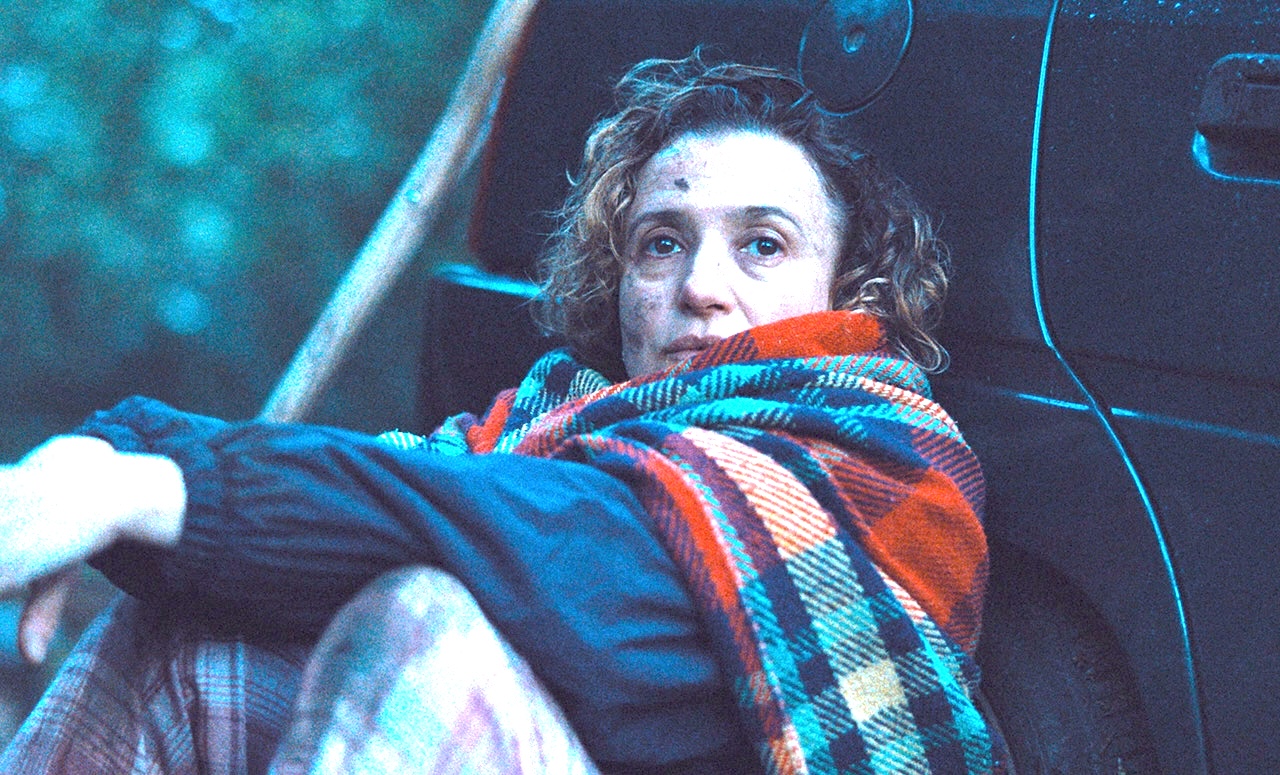
Writer/director Jed Hart’s debut feature uses the tropes of a psychological thriller to tell the mundane tale of a woman driven to distraction by her noisy neighbours. It’s a clever conceit and the resulting film is funny, tense and very engaging.

Nicky (Lyndsey Marshal) is lonely. First her mum died and then her dad; since then, their house – adjoined to hers – has lain empty. She puts on a brave face for her son when he calls from uni, and bats away her sister’s concern. She’s fine. After all, she’s got plenty to keep her occupied: her job (she’s a carer in a home for the elderly), her hobbies (baking and listening to classical music), and, of course, her beloved cat, Reggie. 

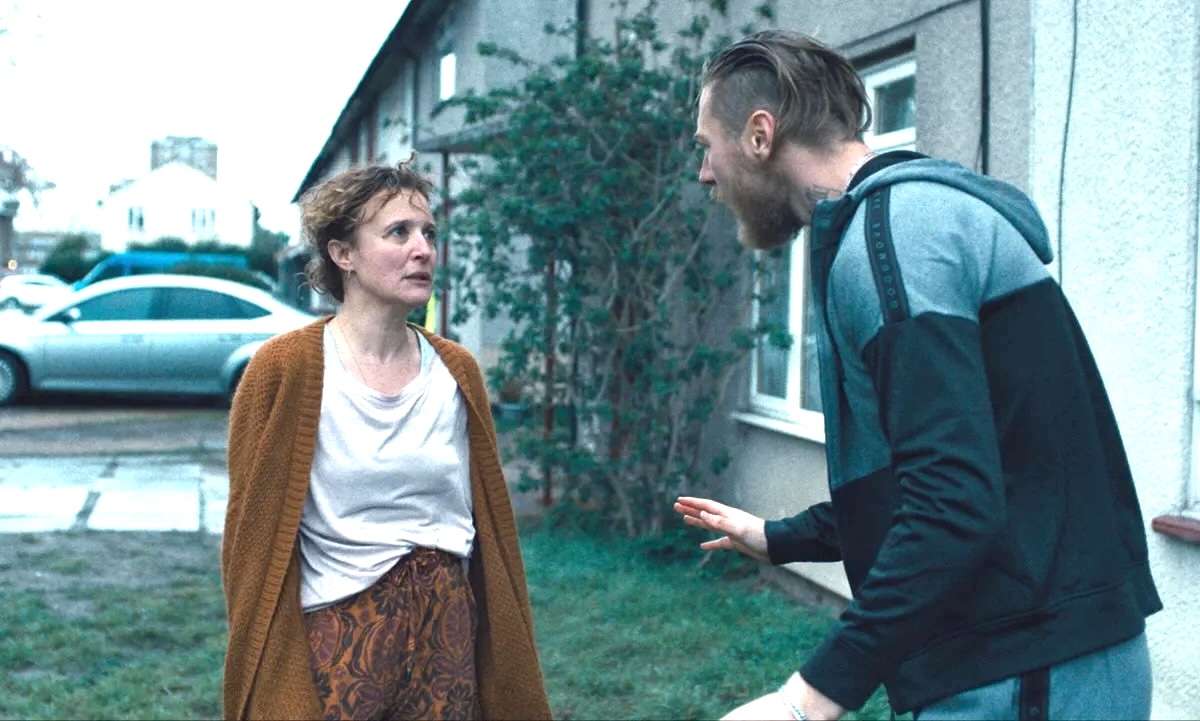
But then Deano (Aston McAuley) moves in next door, and Nicky’s fragile peace is shattered. He’s a sociable guy – way too sociable for Nicky’s liking. It’s an affront to her parents’ memory to have this loutish brute living in their house, playing loud dance music all night long. She needs to sleep…

At first, Nicky tries to be friendly, politely asking if he can keep it down. Sadly, Deano does not take well to criticism, and things soon escalate out of control. But, as Nicky starts to fight back, we find ourselves wondering: who’s the real nightmare neighbour here?

Hart’s script is well balanced, with moments of laugh-out-loud humour undercutting the tension just as it becomes unbearable. Marshal is utterly convincing as the put-upon Nicky, struggling to cope with her empty nest, while McAuley is deliciously boorish without ever straying into caricature. Barry Ward provides the comic relief as Kev, Nicky’s traffic warden pal and potential love interest. Again, despite the heightened characteristics, Kev is never a cartoonish figure; he’s a flawed but sweetly-charming bloke. 

With its moody gloominess, David Bird’s cinematography borrows horror motifs to excellent effect, ramping up the fear factor and turning a domestic dispute into something much more elemental. 

At its core, this is a story of learning to cope with grief – of digging deep to find the strength required for letting go and moving on.

But don’t overlook the fearsome battleaxe, Jackie (Kate Robbins), whose intervention is the final straw… 

4 stars

Susan Singfield