Uncategorized

The Rocky Horror Show

21/02/22

King’s Theatre, Edinburgh

‘It’s just a jump to the left… and then a step to the righ-hi-hi-hight!’

It’s hard to believe that Richard O’Brien’s shlock-horror musical began its theatrical journey way back in 1973. Like many others, I didn’t actually witness it until The Rocky Horror Picture Show hit cinema screens in 1975. I can honestly say I’d never seen anything like it. The sexual politics were startling to say the least, Tim Curry’s Frank N Furter virtually burned up the screen, and yet the film didn’t make much of an impact at the box office. Go figure.

It wasn’t until much, MUCH later that it began to build its dedicated cult following.

Die-hard fans are only slightly in evidence at the King’s Theatre tonight, a few brave souls sporting French maid outfits, stockings and suspenders – which may have more to do with the Scottish weather than anything else. But the elderly couple sitting in front of me are clearly longtime fans, singing along with every single number and helping each other into the aisle to smash The Time Warp.

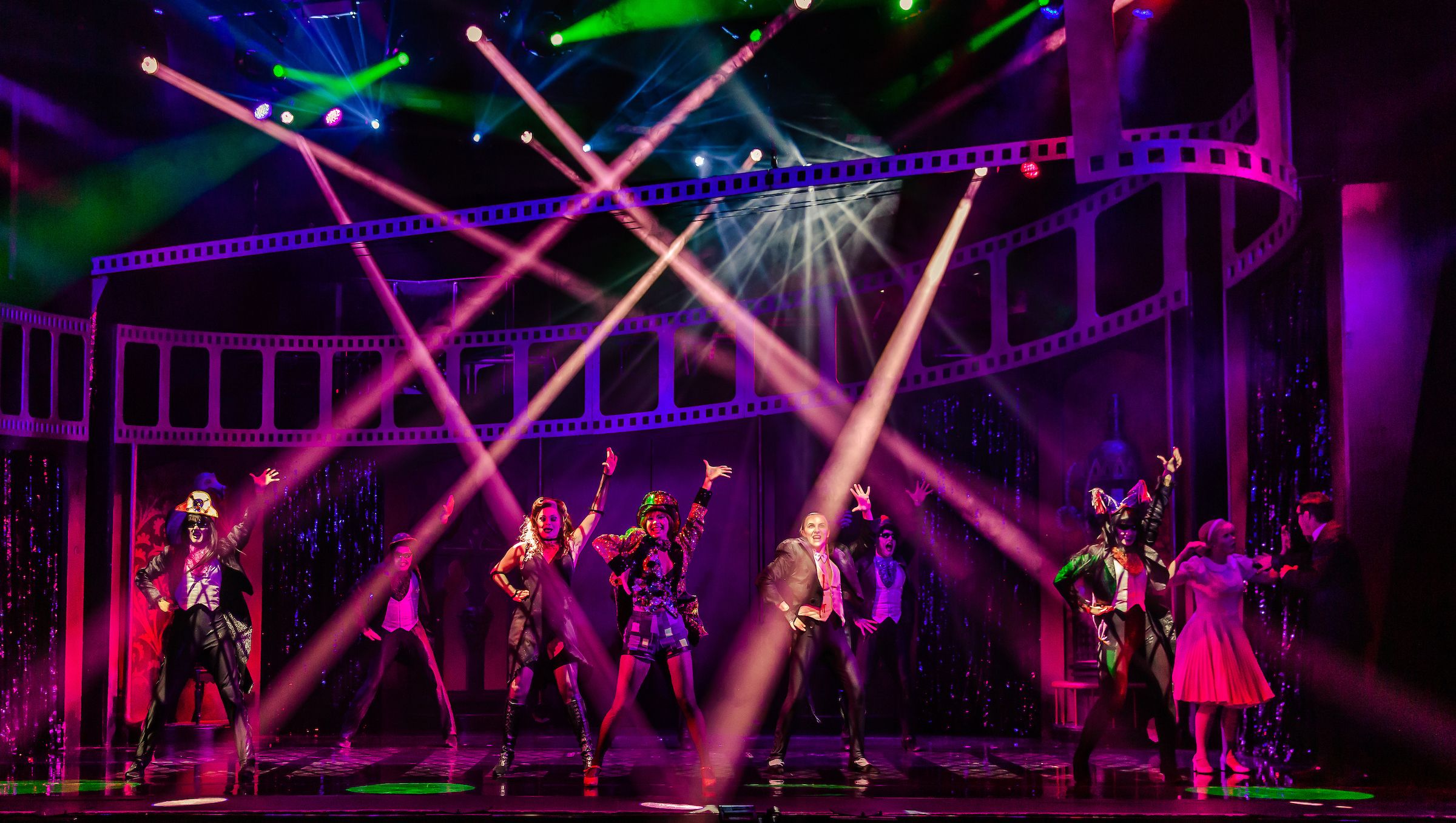
Rocky Horror is just a gloriously silly romp with canny sci-fi references, backed up by a whole string of banging songs. From the opening chords onwards, I’m hooked.

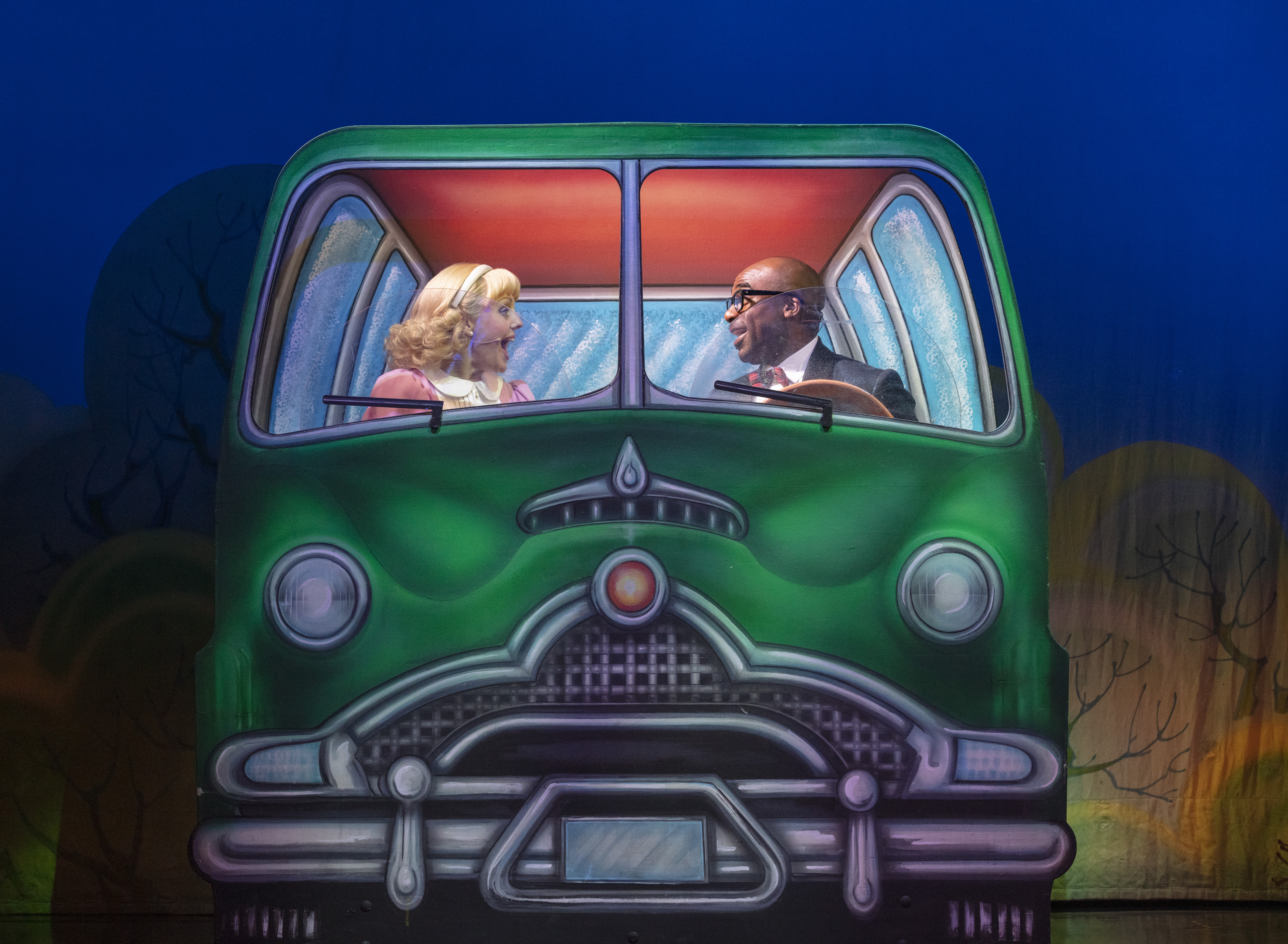
Brad (Ore Oduba) and Janet (Haley Flaherty) are two wholesome (okay, repressed) people, whose car breaks down one stormy night. They take refuge in that creepy-looking castle they passed a couple of miles back. Here they meet their unconventional host, Frank N Furter (Stephen Webb), his handyman, Riff Raff (Kristian Lavercombe), his maid Magenta (Suzie AcAdam) and a whole gaggle of deranged characters with a propensity for dissolute behaviour.

Furter, it transpires, has been working on a special project and Brad and Janet have arrived on the very night he plans to unveil Rocky (Ben Westhead), the perfect sexual companion.

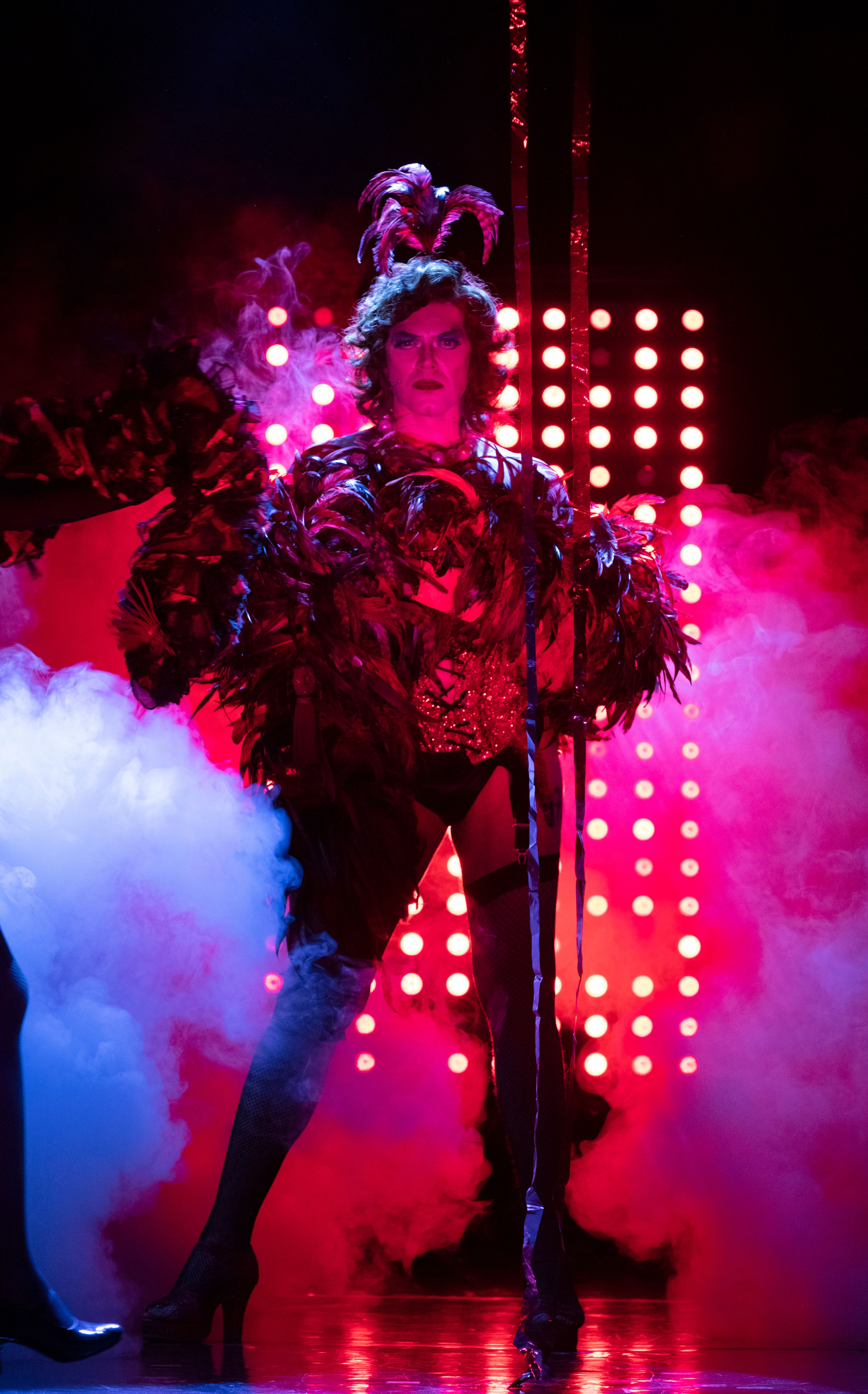
This production, directed by Christopher Luscombe, moves like the proverbial tiger on vaseline – the dance routines are brilliantly executed, Webb is wonderfully flamboyant as Furter and, of course, the presence of The Narrator (Philip Franks) is the production’s trump card. Suave, sophisticated and delightfully potty-mouthed, he fields interjections from the more vocal followers and offers a few pithy observations in return. One of them, about Prince Andrew, has the entire audience applauding.

Okay, so the first half still features the lion’s share of the best songs – which has always slightly unbalanced the production – and there are a couple of scenes in the second half that, viewed through a contemporary gaze do feel a bit… well, rapey… but of course, this was written at a time when the subject of sexual politics was in its infancy. O’ Brien’s main theme – that people should embrace and celebrate their sexual identities – still seems somehow ahead of the game forty-nine years after the show’s birth. And it seems highly unlikely that anybody is going to attempt an update this late in the game.

This is an absolute delight. As the performers thunder into a reprise of the show’s two best songs, the entire audience is up on its feet, clapping, dancing and singing along. Few nights out at the theatre are as deliriously enjoyable as this – and as we wander out into the night, we’re still humming The Time Warp.

After so long shut away in glum silence, we all deserve a large helping of Rocky. If this doesn’t put a great big stupid grin on your face, then nothing will.

4.6 stars

Philip Caveney
The Dresser

15/02/22

King’s Theatre, Edinburgh

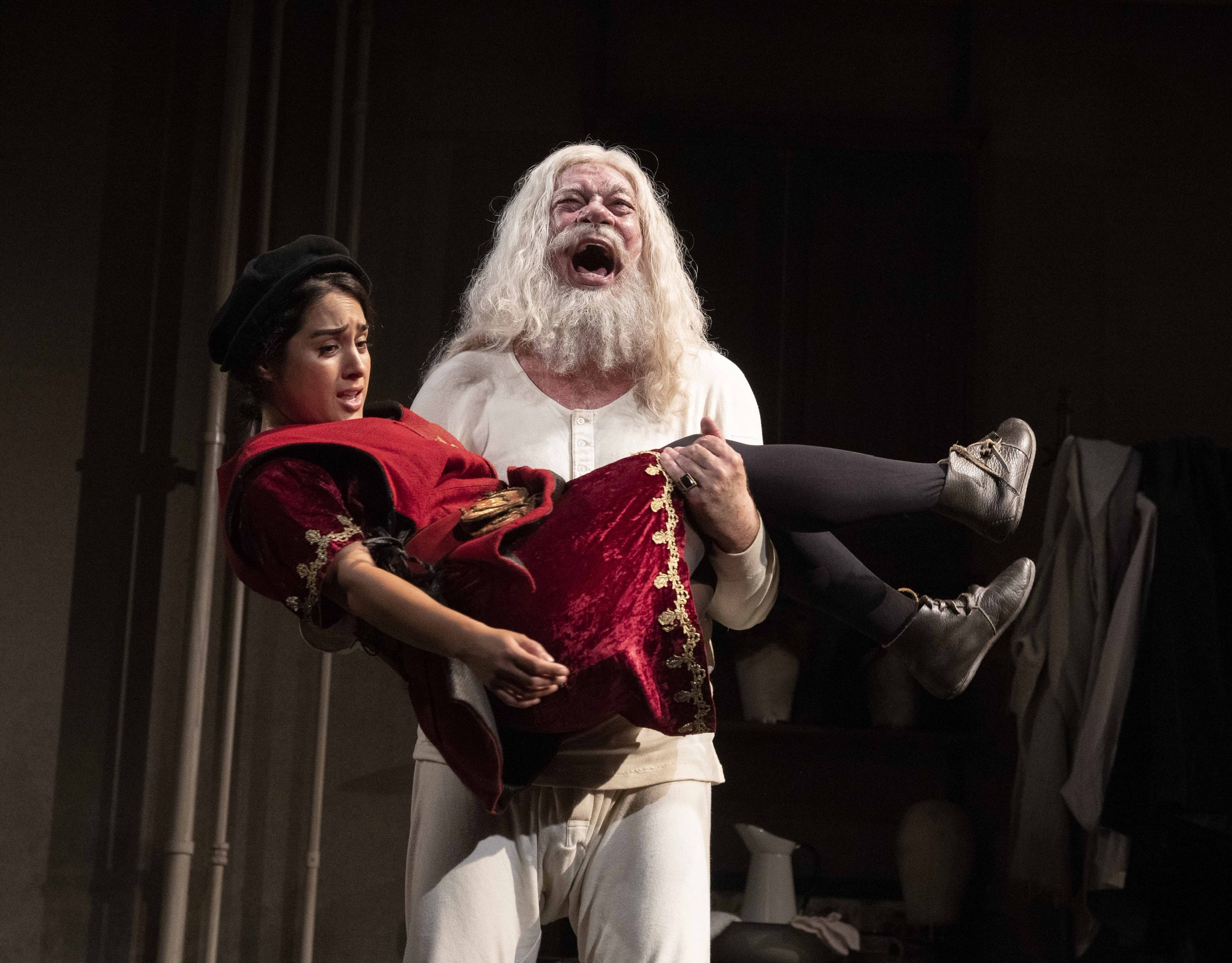
The Dresser is about a poorly actor. He’s famous – a big draw – and the company fears that his illness might preclude him from appearing on stage as the eponymous King Lear (itself a play where the lead character is afflicted by old age and ill health). It’s somewhat ironic, then, that Julian Clary, in the titular role of Norman, has been obliged to drop out of tonight’s performance, and we have an understudy in his place.

But it’s an ill wind that blows nobody any good and Clary’s absence provides an opportunity for supporting actor Samuel Holmes to step into his shoes and I’m happy to report that he nails the camp, manipulative Norman with aplomb. How would Clary have handled the role? I’ll probably never know. That’s show business.

It’s 1941 and the London theatres are struggling through the rigours of the blitz. As the minutes tick relentlessly by towards yet another performance, actor-manager ‘Sir’ (Matthew Kelly) is nowhere to be found. His wife, ‘Her Ladyship’ (Emma Amos), due to play Cordelia opposite him, tells Norman that she’s just left him on a hospital ward. Stage manager Madge (Rebecca Charles) wants to call off the show but Norman vehemently stalls her, insisting that the man he has been dressing for so many years has never missed a performance yet. He’ll be there.

Sure enough, Sir comes plodding dutifully in, looking like he’s gone ten rounds with a heavyweight boxer. Of course he’ll go on! If only he could remember which of the bard’s plays he’s actually supposed to be doing tonight … and if only he was still strong enough to carry his wife onstage for her final scene.

Ronald Harwood’s play (memorably filmed in 1983 with Tom Courtenay and Albert Finney) is inspired by the five years that Harwood spent working as a dresser to Sir Donald Wolfit – a situation I can relate to, as I worked briefly as a dresser to Sylvester McCoy, when he was Puck in Theatr Clwyd’s A Midsummer Night’s Dream. It depicts an age when the term ‘the show must go on’ really earned its stripes, when actor-managers like Sir really did keep the theatrical wheels turning. It’s cleverly staged: a seedy dressing room rises magically to reveal the wings of a theatre, where anxious cast and crew can look out onto whatever’s happening on stage.

While the play feels rather static, full of complex speeches, it’s nevertheless beautifully written and there are some bitterly funny lines to savour, particularly from Norman, who is adept at slaying his adversaries with acerbic one-liners. He also has a faultless memory of every town the company has played in and seems to reserve special contempt for Colwyn Bay (hailing from North Wales, we’re acutely aware of this one!).

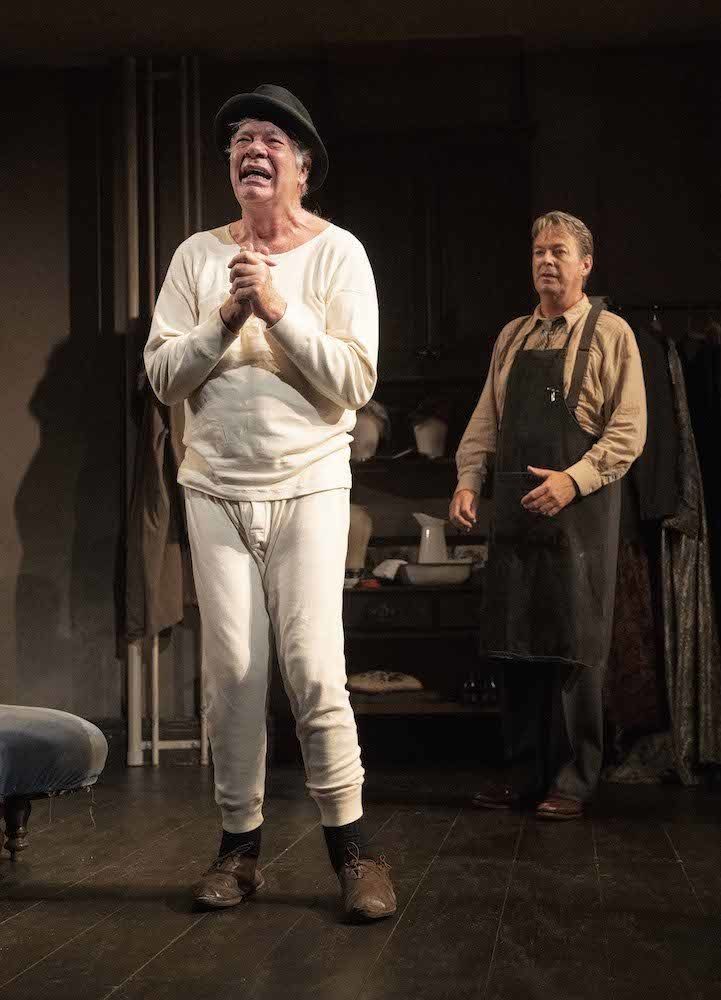
The parallels between Sir’s current situation and those of the character he’s depicting are astutely drawn and there’s a brilliant onstage metamorphosis, where Sir, a rambling shivering figure in grubby underwear, gradually transforms into Shakespeare’s king. And of course, there are also the parallels between Lear and his fool – a relationship that’s echoed in the play’s poignant conclusion.

Kelly is terrific in his role – endlessly self-aggrandising but caught in the headlights of his advancing senility – while congratulations should go to Holmes, who must have been rehearsing those lines up to the opening, and who never fluffs one of them.

All the best to Mr Clary for a swift recovery.

4 stars

Philip Caveney

The Lion, the Witch and the Wardrobe

08/02/22

King’s Theatre, Edinburgh

And, we’re back!

After the disappointment of seeing the King’s Theatre close its doors shortly after the launch of the Christmas pantomime, it’s wonderful to return once more to the stalls of the ‘Old Lady of Leven Street’ – and what a fabulous offering to kick things back into motion! I’ve seen several adaptations of CS Lewis’s celebrated book over the years, but few have handled the material quite as skilfully as in this powerful show, directed by Michael Fentiman and based upon Sally Cookson’s original production.

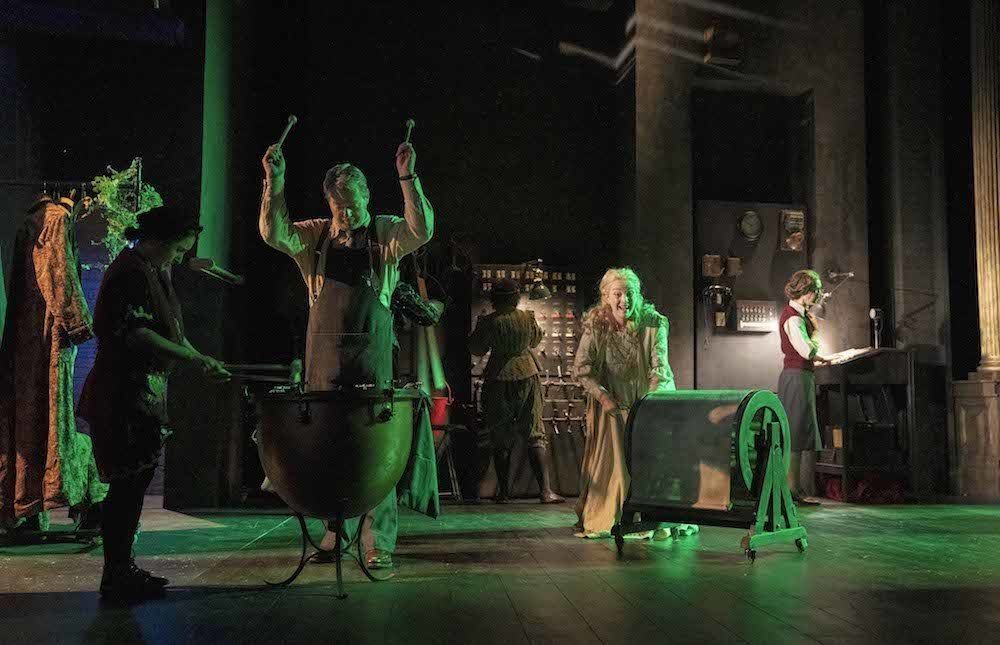
The four Pevensie children – Susan (Robyn Sinclair), Lucy (Karise Yansen), Peter (Ammar Duffus) and Edmund (Shaka Kalokoh) – are sent away from home as evacuees and, in a brilliantly staged opening , find themselves whisked off by train to a remote house somewhere in the wilds of Scotland. Here they meet their host, Professor Kirk (Johnson Willis), the owner of a curious cat and an ancient wardrobe that provides a convenient portal to the forever-winter world of Narnia…

From the outset here is a production that dazzles with enchantment. There’s a big cast, all of whom are given their chance to shine as they dance, play music and slip from character to character with apparent ease. This isn’t so much a full blown musical as a play with songs and the occasional burst of foot-tapping music. Of course, all the familiar faces are in place. There’s the imperious white witch (Samantha Womack), the messiah-like lion (Chris Jared), the flute-tootling faun (Jez Unwin) and the two of rebellious beavers (Sam Buttery and Christina Tedders), intent on returning Narnia to the way it used to be, before the snow began to fall.

There are several moments here that actually make me gasp in surprise: simply but effectively staged flying sequences; genuinely mind-twisting magical effects; and a brilliantly engineered set, where circular panels move smoothly aside to reveal fresh wonders, looking for all the world like Renaissance paintings. The audience sits spellbound as the performers leap and whirl across the stage in a riot of sound, colour and spectacle. The character of Aslan, simultaneously a real actor and a huge puppet, is an absolute masterstroke.

If you’ve been missing the buzz of live theatre, The Lion, the Witch and the Wardrobe offers a feast of delights for all the family – and, if you’ve been waiting for just the right production to lure you back, this must surely be the one to do it.

4.6 stars

Philip Caveney
Belfast

21/01/22

Cineworld, Edinburgh

Kenneth Branagh’s semi-autobiographical film, Belfast, opens in supremely confident style.

We are presented with sleek, full-colour images of the city as it is now – the kind of scenes that might grace a corporate promotional video. And then the camera cranes up over a wall and, suddenly, we’re back in the summer of ’69, viewing events in starkly contrasting monochrome, as children run and play happily in the streets of humble terraced houses.

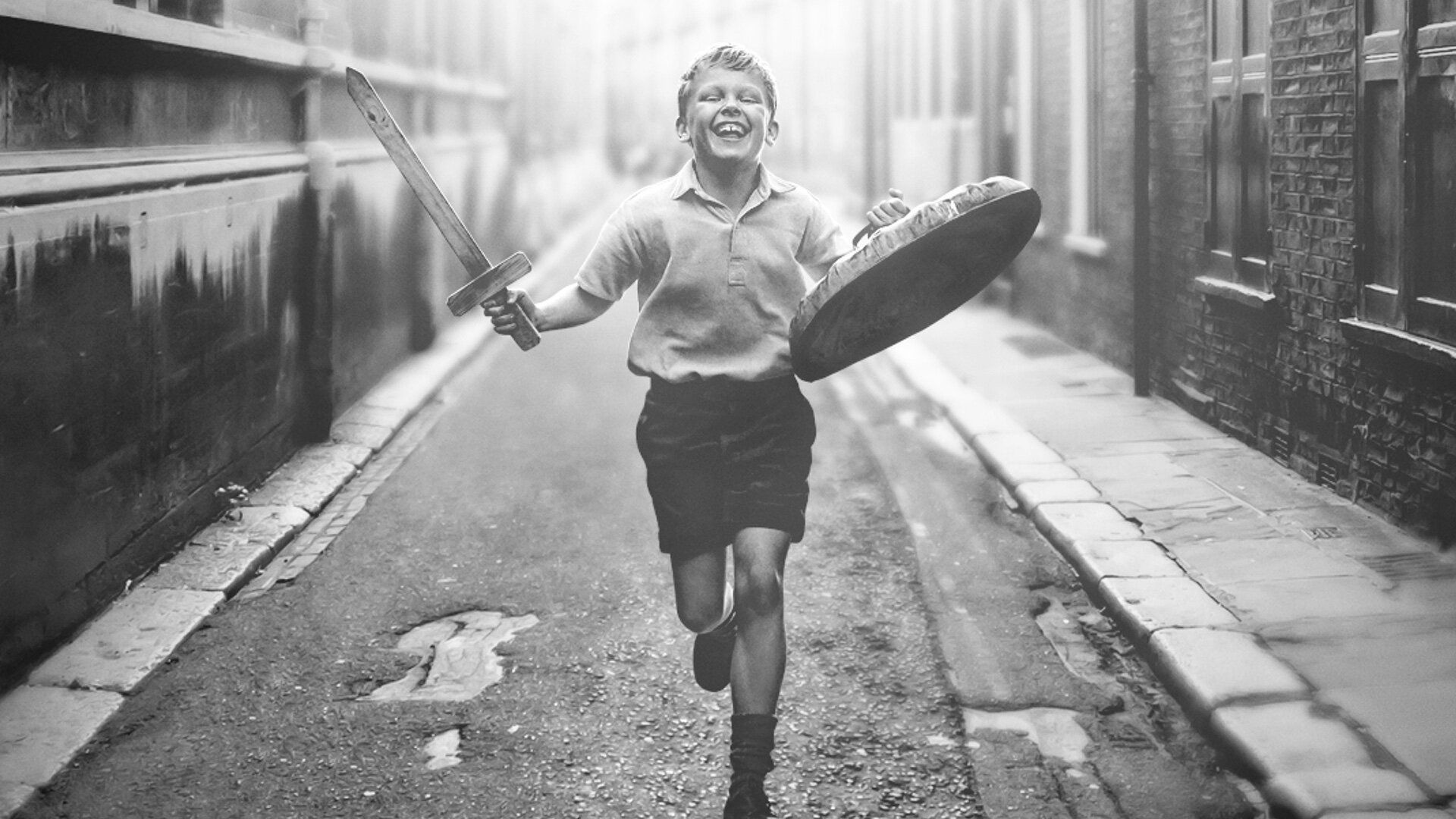
Amongst them is Buddy (Jude Hill), eight years old, wielding a wooden sword and a dustbin-lid shield. But the serenity of the scene is rudely disrupted by the arrival of a gang of masked men brandishing blazing torches and Molotov cocktails, extremist Protestants come to oust the Catholics who have dared to dwell on these streets. Buddy and his family are Protestant too and have happily lived alongside their Catholic neighbours for years, but now find themselves swept up in the ensuing violence.

It’s a powerful moment as we witness Buddy’s terror, the unexpected suddenness of this sea change literally freezing him in his tracks.

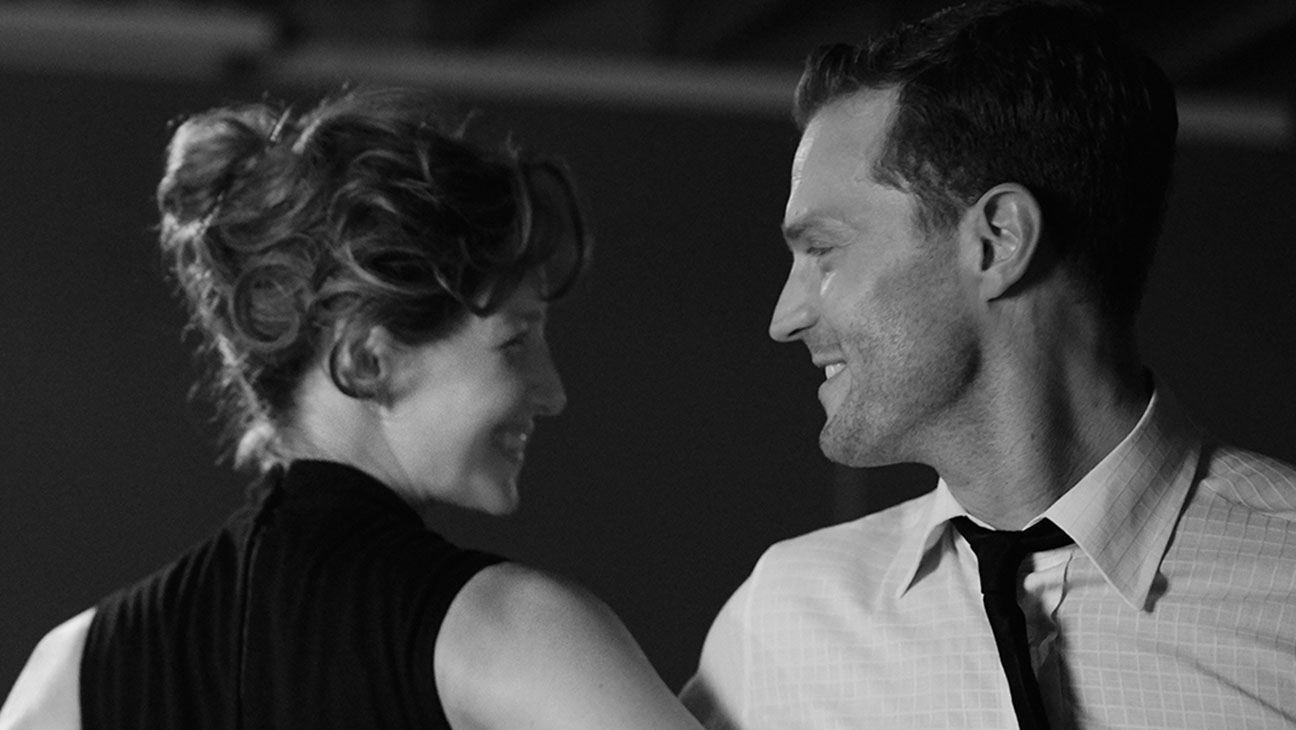
Then a gentler story begins to unfold, and we witness key events through Buddy’s naïve gaze. We are introduced to his Ma (Caitriona Balfe), to the father he idolises (Jamie Dornan), to his grandparents (Judi Dench and Ciarán Hands), and to the various neighbours and acquaintances who live in his familiar neighbourhood, a world he cherishes, suddenly transformed into something ugly and unpredictable.

Buddy’s father, a joiner by trade, works away from home in England, struggling to pay off his crushing tax debts. He’s keen to leave the city of his birth, to forge a new life for the family in England – but his wife is reluctant to leave and Buddy is obsessed with staying close to the girl at school he’s fallen in love with and hopes to marry one day.

Besides, how could he even think of leaving his beloved grandparents behind?

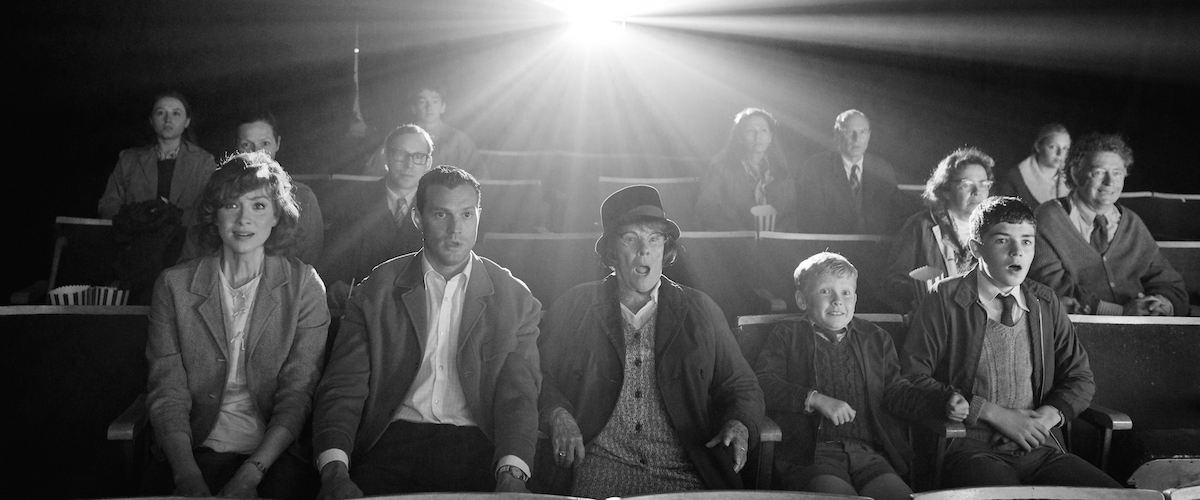
Branagh writes and directs here and handles both crafts with consummate skill, walking with ease the perilous tightrope between affection and sentimentality. Happily, he rarely puts a foot wrong. Buddy’s formative experiences include a visit to the theatre to see A Christmas Carol (with a lovely final performance from John Sessions – to whom the film is dedicated) and regular forays to the cinema, where we see extracts from Westerns High Noon and The Man Who Killed Liberty Valance. (If a cinema showing of One Million Years BC doesn’t exactly tie-in with the year in which the film is set, well no matter. Buddy is an unreliable narrator and his memories are built on uncertain foundations.)

I love Belfast. It’s a classy production, from the vintage Van Morrison soundtrack to the brilliant performances from the supporting cast. Young Jude Hill is simply perfect as Buddy, offering up a range of emotions that challenge the abilities of veteran performers Dench and Hinds. Watch out for some delicious Easter eggs that point to Branagh’s destiny. This film is all about formative experiences, the kind that shape a young boy’s future forever.

Belfast is an absolute joy, ready to be sampled at cinemas across the UK.

4.6 stars

Philip Caveney

Theatre Bouquets 2021

2021 was a disappointing year for theatre lovers. The venues were dark for many months and, when they finally opened again, there was an understandable tendency to go with surefire hits that had already established their ability to put bums on seats. In August, the Edinburgh Fringe – usually packed with new material – was a shadow of its former self. But, against all the odds, some playmakers still managed to make their mark, and we were able to enjoy some exciting material. Here are the standouts:

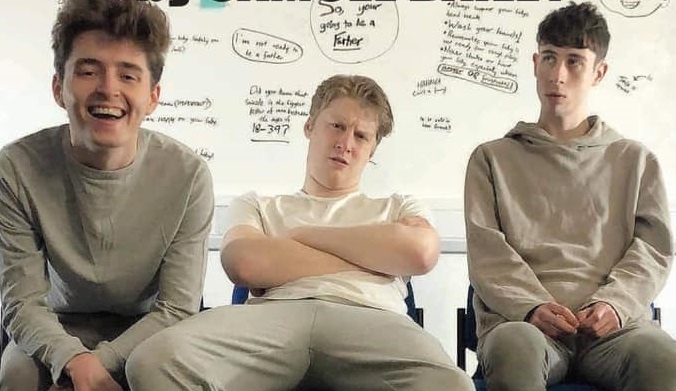
Shook – theSpaceUK

‘… a stunning piece all round: the writing, direction and performances combine to create something really powerful and yet humbling. A fascinating examination of masculinity and fatherhood.’

Screen 9 The Pleasance

‘… While this is nobody’s idea of a fun night out at The Fringe, it’s nonetheless an enervating and thought-provoking theatrical experience, not to be missed.’

The Enemy – King’s Theatre

‘… combines Ibsen’s timeless appeal with something bold and fresh. It’s almost guaranteed to get bums on seats, while simultaneously allowing playmakers a chance to experiment. Good call!’

Life is a DreamThe Lyceum

‘… what comes across so powerfully here is the magical feel of the production and the excitement of seeing something new, fresh and innovative.’

Sleeping Beauty – King’s Theatre

‘…as warm and comforting as a comfy cardy or a mug of hot chocolate – exactly what’s needed on a cold winter’s night.’

Film Bouquets 2021

It’s that time again – time to look back and select our favourite films of the past year. It’s been more difficult than usual, because of course, many of the films we saw in the early months of 2021 had to be watched on small screens at home. But we gave it our best shot. It’s probably also worth pointing out that the movies we’ve chosen are not necessarily based on their original scores, but on how much they’ve stayed with us since first viewing them.

Promising Young Woman

‘Emerald Fennel’s debut film is fresh, funny, terrifying and compelling…. and Mulligan is perfect for the central role: one minute she’s all sweet vulnerability, the next a steely avenging angel.’

Minari

‘… gentle, lyrical and beautifully understated, yet in those lovingly crafted twists and turns lies a powerful message about the importance of family and the folly of blind ambition.’

Nomadland

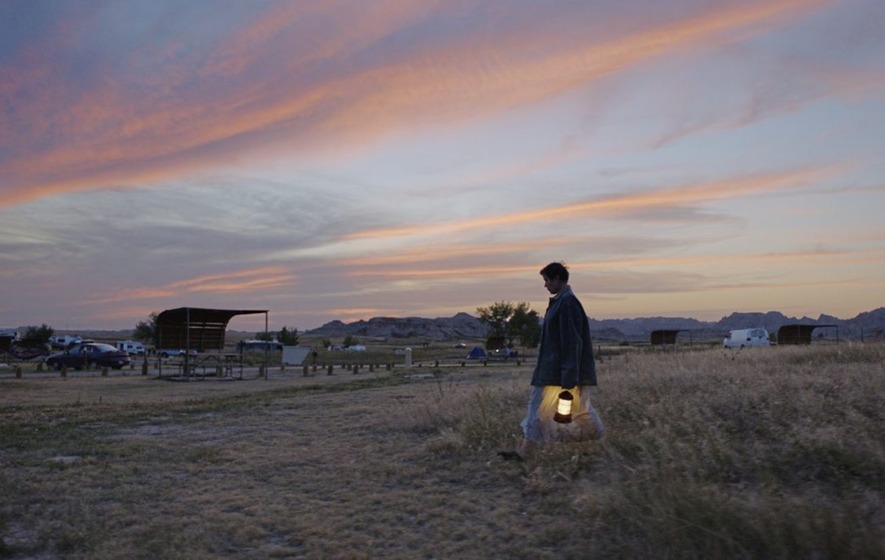
‘Chloe Zhao’s extraordinary film draws a line that can be traced back to the pioneers of the Old West – or perhaps more accurately to the migrant workers of Steinbeck’s Of Mice and Men…’

The Father

‘… Hopkins takes his character through a range of moods and manifestations – from grandstanding showoff to sly insinuator – before delivering a final, desperate scene that is absolutely devastating.’

Another Round

‘This is a film that highlights the powerful allure of alcohol, a film that makes you understand why so many of us can’t help but dance to its tune.’

Limbo

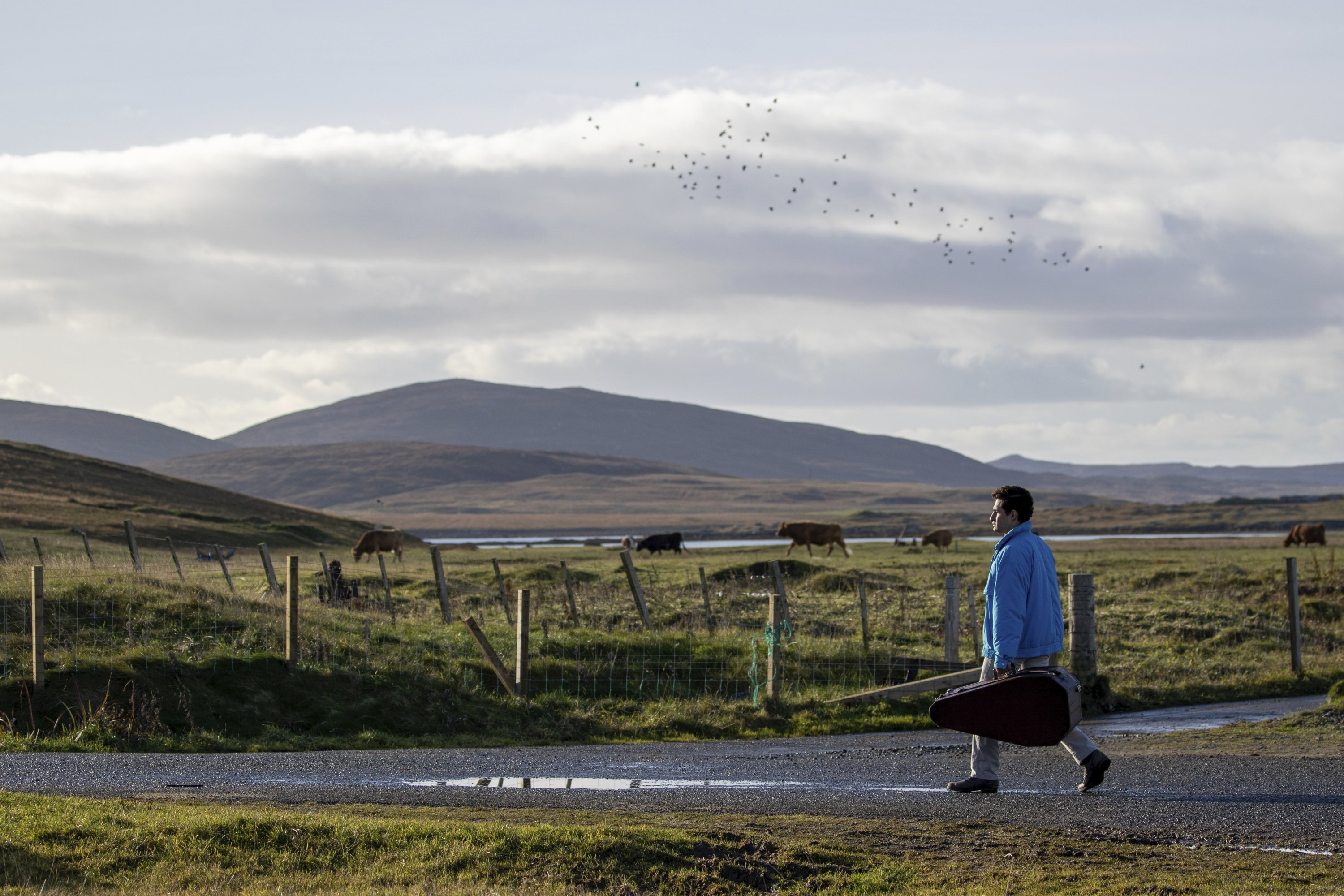
‘Ben Sharrock has created a mesmerising, slow burn of a story, the bleakness undercut by moments of humour and genuine poignancy. The result is curiously heartwarming.’

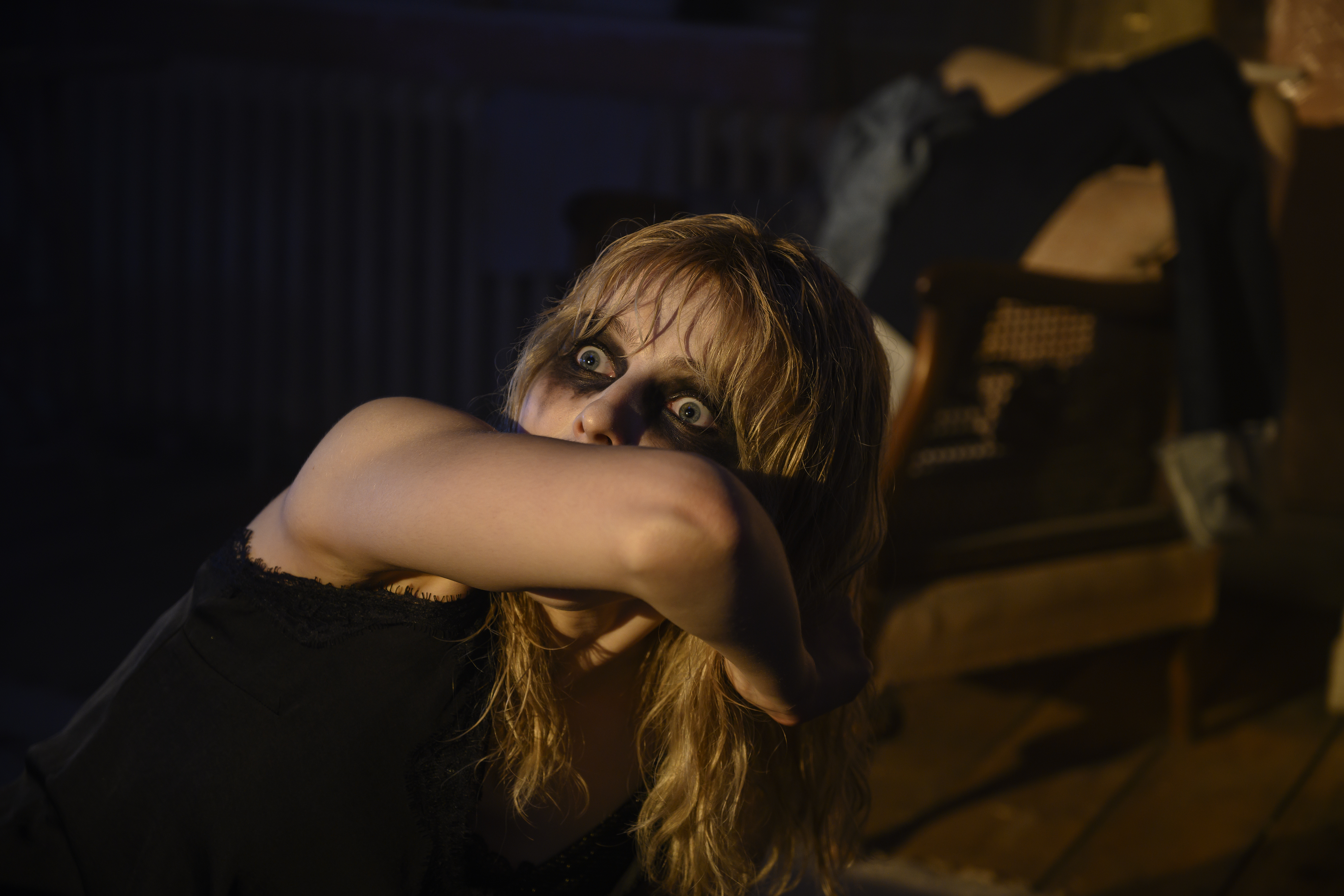
Last Night in Soho

‘Edgar Wright swoops and soars and segues through the various unearthly set pieces with consummate skill and, while terrible things happen to Ellie, she is never allowed to be ‘the victim.’

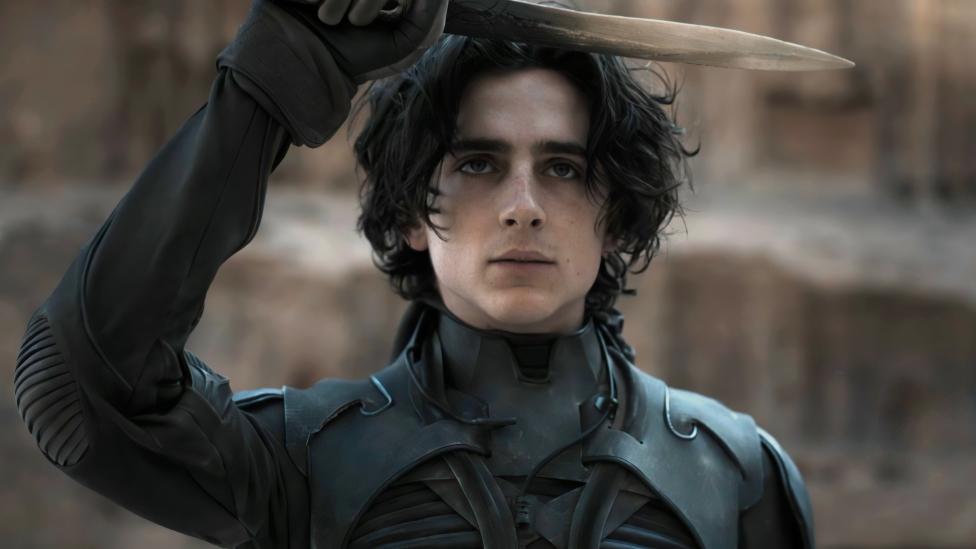
Dune

‘After the long shutdown of the pandemic, what we need next is an epic – a big sprawling sci-fi adventure with stunning alien landscapes and awe-inducing special effects…’

The Last Duel

‘Both Damon and Driver excel as men driven by their own overbearing privilege, while Comer dazzles in every frame, clearly on the verge of becoming a major star of the big screen.’

Petite Maman

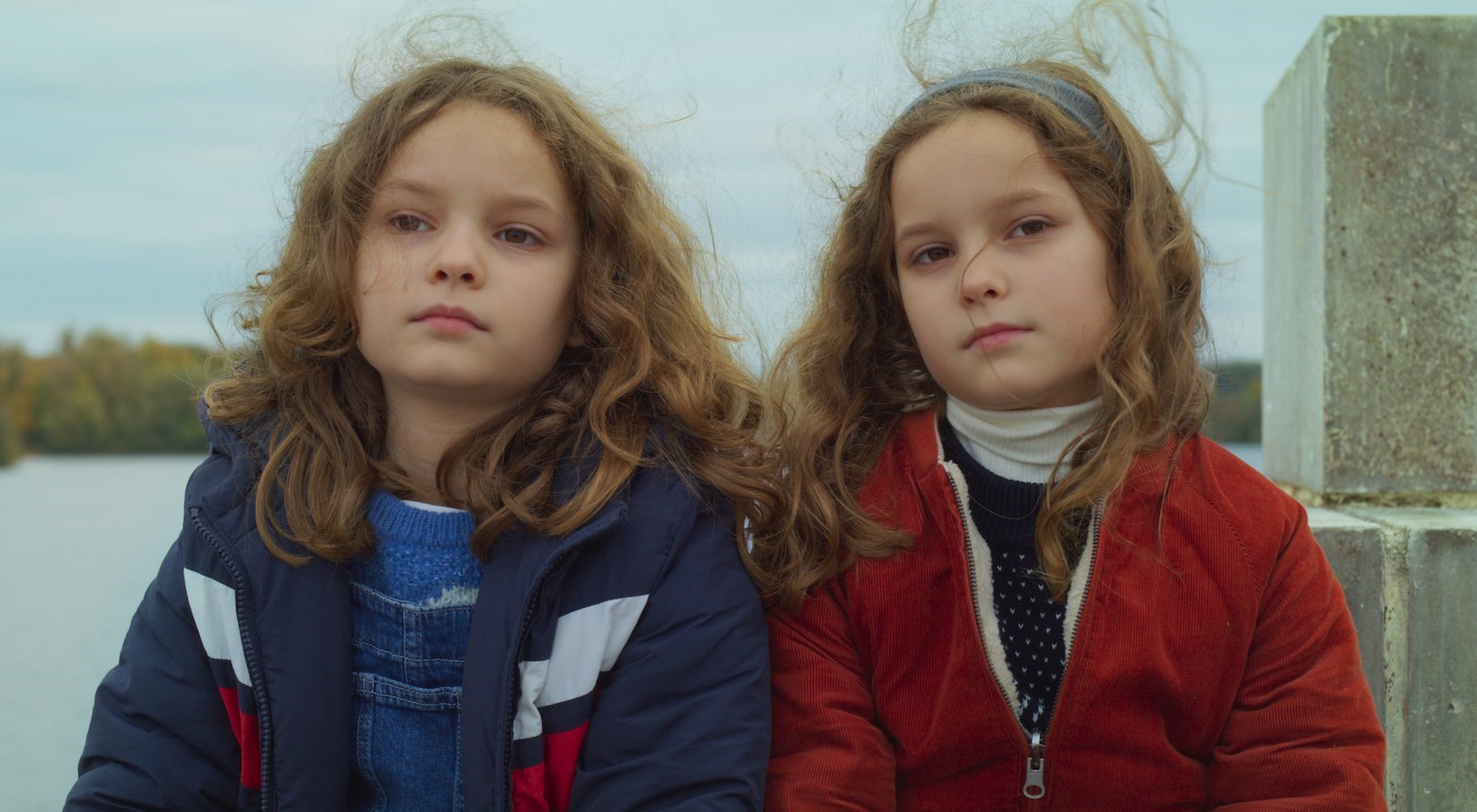
‘… relates its intimate story over just seventy-two minutes and yet, in its own muted way, it’s a magical experience, with a central premise that stays with me long after the credits have rolled.’

Dune

21/10/21

Cineworld, Edinburgh

After the long shutdown of the pandemic and the recent Bond-led ‘resurrection’ of cinema, what we need next is an epic – one of those big, sprawling sci-fi adventures replete with stunning alien landscapes and awe-inducing special effects. So Dune really couldn’t come at a better time, but director Denis Villeneuve must be all too aware of the potential pitfalls. A previous attempt to put Frank Herbert’s source novel onto film – in 1984 – almost stopped David Lynch’s burgeoning career dead in its tracks. And while Lynch attempted to pack the entire contents of the book into one film, Villeneuve adds the extra gamble of shooting just the first half of the story, trusting to providence that the resulting movie will be successful enough to bring him sufficient revenue to make the second part.

The jury is still out on that but initial worldwide box office figures look promising.

It’s the year 10,191 and Duke Leto Atreides (Oscar Isaac) has recently been assigned – by the Emperor of the Universe, no less – to become the fief ruler of the desert planet of Arrakis (Or Dune, as it’s sometimes known). He and the rest of House Atreides will be taking over from its previous overlords, House Harkonnen, led by the corrupt Baron Vladimir (a hideously bloated Stellan Skarsgård). Arakis is the source of spice, a mysterious substance that pretty much runs the entire solar system, so of course the Harkonnens are far from pleased about being ousted from their exalted position.

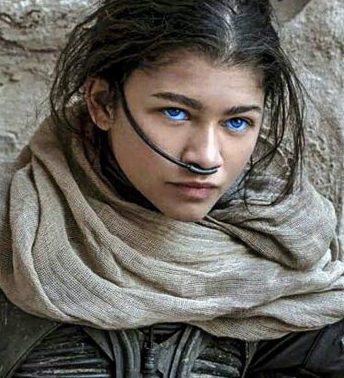
Meanwhile, Leto’s son, Paul (Timothée Chalamet), has been having recurring dreams about Arakis, or – more specifically – about a young woman who lives there, Chani (Zendaya). She is one of the indigenous Fremen, who have always endured a precarious existence under the yoke of their despotic rulers. Paul begins to think that he’s destined for something important and, when he learns his friend, Duncan Idaho (Jason Momoa), is setting off on a preliminary reconnaissance of the planet, Paul begs to be allowed to accompany him. But he’s told he must wait until Leto and the others can go with him.

So it is not until he and the rest of House Atreides set foot on the sun-blasted sands of Arakis that they discover they are venturing into a carefully laid trap….

James Herbert’s novel has an almost messianic following and I imagine most of its readers will be pleased with what’s on offer here. Villeneuve’s direction, combined with the almost hallucinatory qualities of Greig Fraser’s cinematography and Hans Zimmer’s eerie score, makes for a memorable experience. The casting is impeccable, with Rebecca Ferguson excellent as Paul’s mother, Lady Jessica, and Josh Brolin a perfect choice as the dour warrior, Gurney Halleck. And then, of course, there are those infamous sandworms, one of the elements that really didn’t work in Lynch’s movie, but they certainly generate lots of tension here…

Villeneuve keeps everything bubbling along at a sedate pace, taking enough time to set out his stall. The world-building is beautifully done and the theme of colonialism convincingly explored. And if Paul Atreides is just another in a long list of Christ figures, a popular conceit in science fiction, well it hardly matters. Dune carries us along on a tidal wave of sensory overload until we dimly register that the first instalment is over and we’ll have to wait another year to see how things turn out for Paul.

Quibbles? Well, yes, and it’s one that’s becoming increasingly common. Dune has a 12A certificate, which means that some of the more violent elements of the tale have been downplayed. While I understand there’s a wish to maximise the potential audience for the film, this was never going to be another Star Wars (Dune comes from a much more po-faced universe than Obi Wan and his merry gang). So I think a 15 would be a much better fit. But I absolutely understand why it is what it is.

That said, I enjoy the film enormously and I’m sure I won’t be the only one eager for a second helping, which… all being well… will be coming to a universe near you in the not-too-distant future.

4. 6 stars

Philip Caveney
The Plough at Lupton

19/09/21

Cow Brow, Carnforth

We’ve been in Manchester for a joyful occasion – my daughter’s wedding, thanks for asking – and we’re all too aware that, after our enthusiastic celebrations of the previous night, we’ll be somewhat delicate and in poor shape for the long drive back to Edinburgh. So it seems eminently sensible to break up the journey with a relaxing stopover somewhere in the Lake District. We put out an enquiry on the Elis James and John Robins Podcast Devotee Facebook group and The Plough, just an hour’s drive out of Media City, is heartily recommended to us.

Which is why, the following morning, we find ourselves heading off the M6 in search of the place.

It’s ridiculously easy to find and turns out to be a charmingly rustic establishment, nestled invitingly amidst the greenery. Our suite – The Torsin – turns out to be positively palatial with a bathroom big enough to house the entire room where we’ve spent the previous night (The Holiday Inn, Salford Quays, whose idea of luxury is a couple of sachets of Nescafe and an ironing board). At The Plough, there’s a proper espresso machine, and the massive bathroom contains a shower, a freestanding bath and a pair of wash basins. There are cotton bathrobes, comfortable sofas and a level of design that both pleases the eye and offers supreme comfort. (Maybe I’m not mad about the dining table mounted on a bronze horse’s head, but it really is my only niggle.) What’s more, here, a fabulous breakfast is included in the price, whereas, at the Holiday Inn, mediocrity is an extra eleven pounds a head. There are even some delightful country walks beginning just a few steps from The Plough’s front door. I’m already regretting that we didn’t book in for longer.

Ah, but what of the food?

There’s many a charming location that’s let down by the standards of its cuisine – but not so here. After a couple of bracing aperitifs in the beer garden, we wander into the dining room and order our evening meals. We both go for fishy starters. There’s a splendid prawn salad served on crunchy toasted sourdough and a crab, avocado and tomato creation that’s zesty and mouthwatering. It’s a promising start.

It’s a Sunday, so we’re in the mood for a roast dinner and we both opt for the lamb. I have a few misgivings about missing out on the huge Yorkshire puddings I spot on somebody else’s table, but it turns out that they aren’t reserved just for the beefeaters in the room. The lamb is suitably succulent, the selection of vegetables nicely al dente and there’s even an accompanying bowl of cauliflower cheese. The portions, though generous, are just enough to allow me to finish everything on the plate.

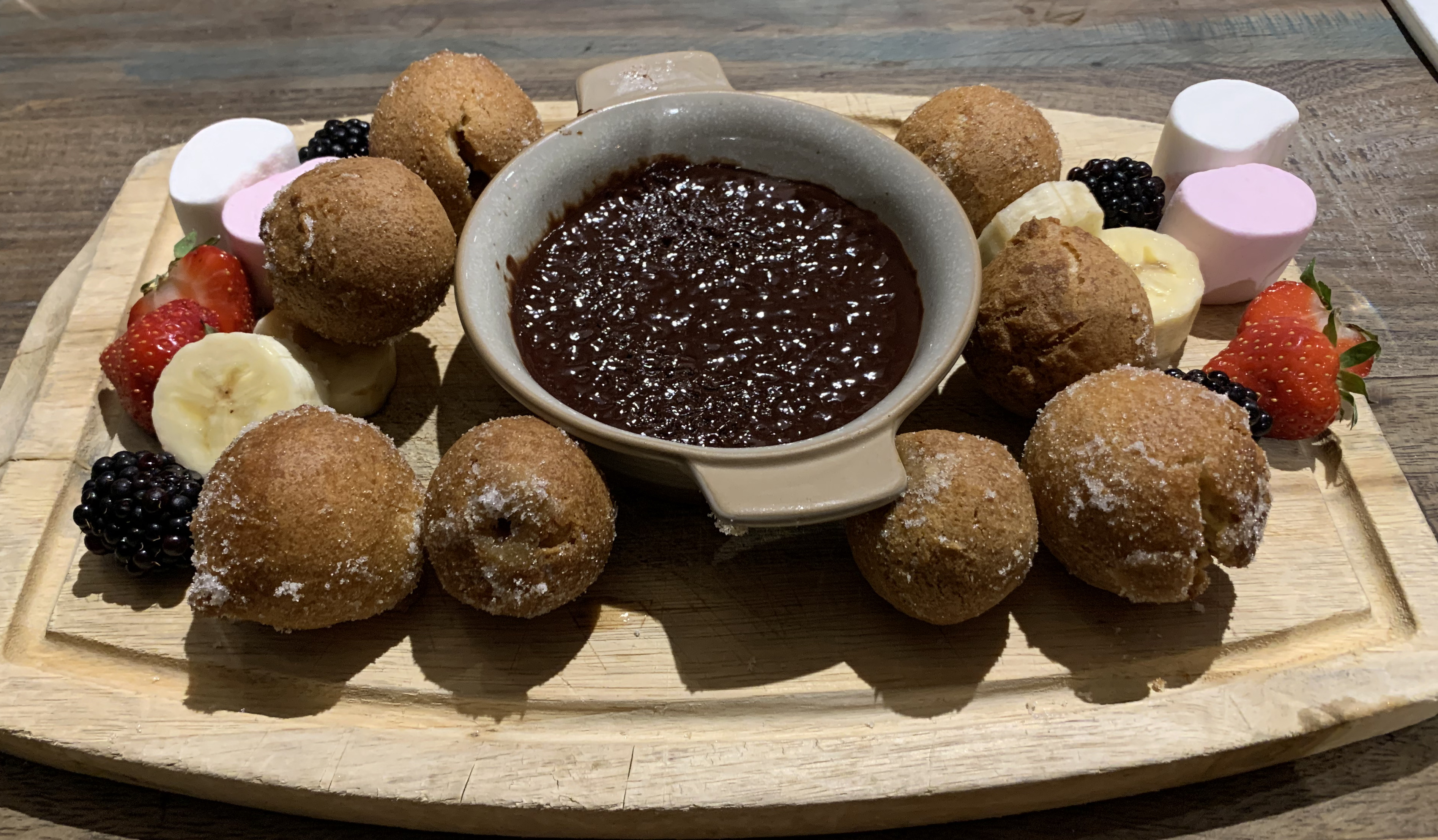
We take a wee break and share a bottle of Sauvignon Blanc and then, purely because we feel no place can be properly judged unless a pudding is sampled, we eventually order a sharing fondue, with doughnuts, a selection of fruits, some marshmallows and a delectable chocolate dipping sauce. We make short work of it and it provides a satisfying ending to an enjoyable meal.

So, those in need of a luxurious break in the Lake District, should look no further than The Plough. I really can’t recommend it highly enough.

5 stars

Philip Caveney

Edfest Bouquets 2021

Once again, it’s time to award our virtual black bouquets to the best performances we saw at this year’s Edinburgh Festival. But of course, it has been a year unlike any other. We were relieved and delighted to see the return of the Fringe, but nobody could ever claim that it was fully back. This was a shadow of its former self.

Still, that said, having fewer shows to choose from did mean that the smaller productions attracted bigger audiences than they might usually hope for – and there was something wonderful about seeing a modest student show pulling in sell-out crowds.

And we did see some brilliant stuff.

So, without further ado, we present our choice of the best shows we saw at Edfest 2021.

THEATRE

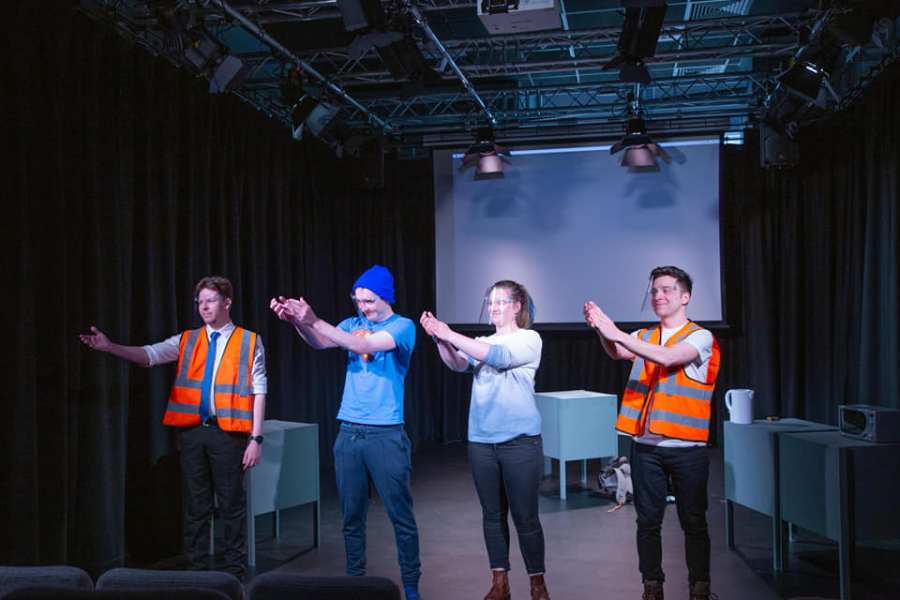
Screen 9

Piccolo Theatre’s powerful and compelling slice of verbatim drama was based on the testimonies of four survivors of the 2012 The Dark Knight Rises cinema shooting. Stark and immersive, it was ‘an enervating and thought-provoking theatrical experience, not to be missed.’

Shook

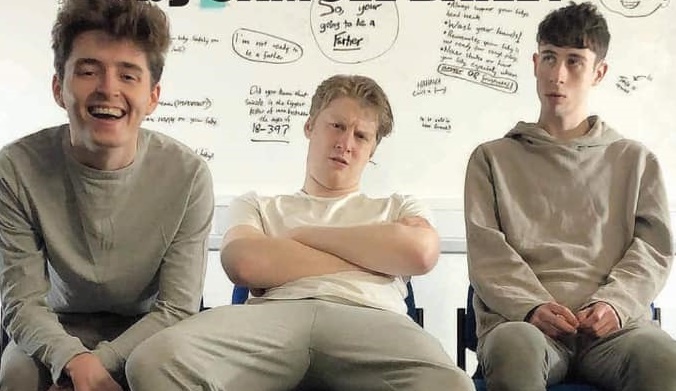
Twisted Corner’s production of Samuel Bailey’s affecting play was handled with aplomb by director, Rebecca Morgan and featured memorable performances as three young offenders attempted to get to grips with parenting classes. ‘Powerful and yet humbling – a fascinating examination of masculinity and fatherhood.’

Wish List

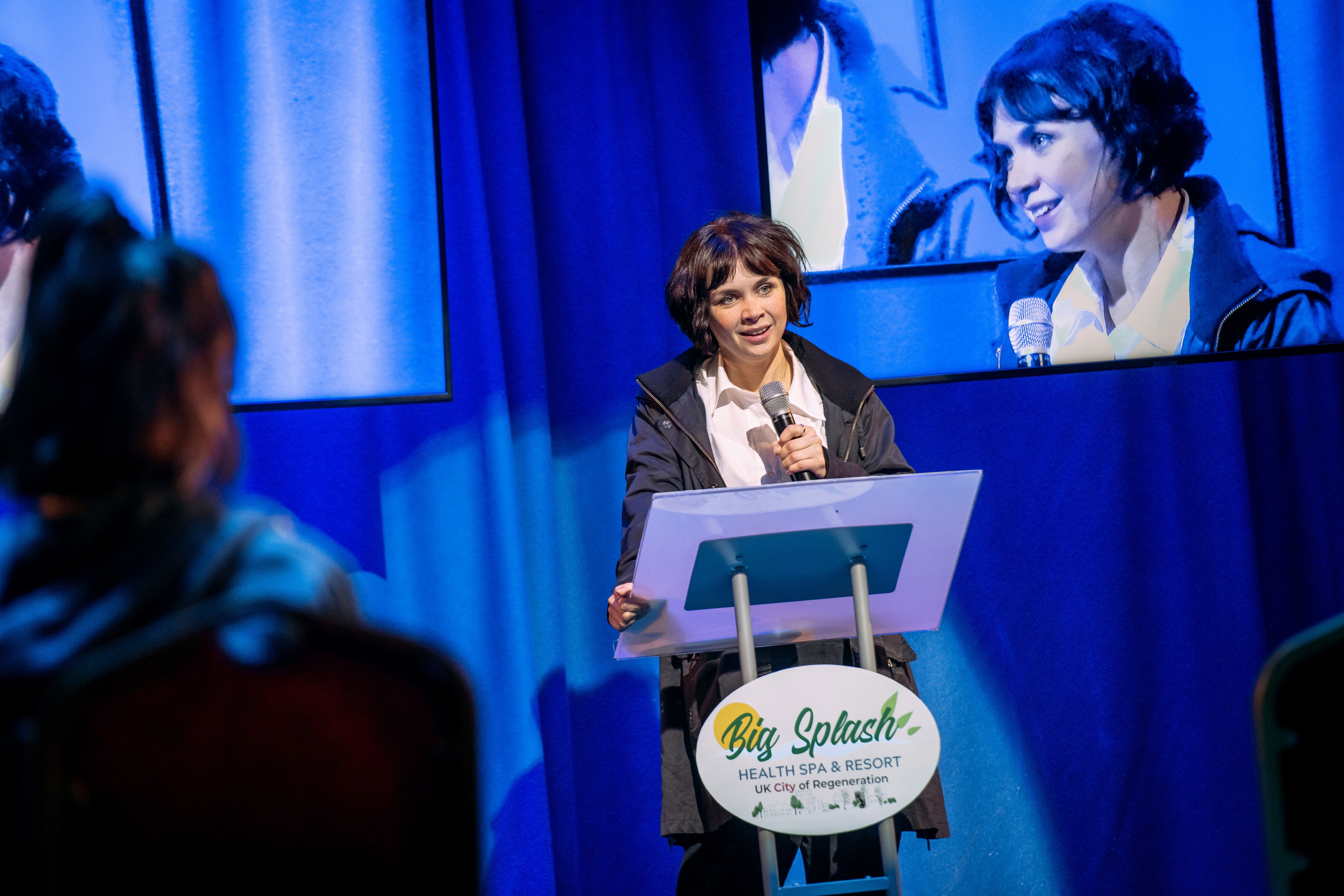
Katherine Soper’s play detailed the travails of a young woman, trying to care for her housebound older brother whilst also attempting to earn a wage by packing goods in an Amazon warehouse. This engaging four-hander, performed by actors from Edinburgh Napier University, showed ‘the extraordinary resilience of everyday people.’

Myra’s Story

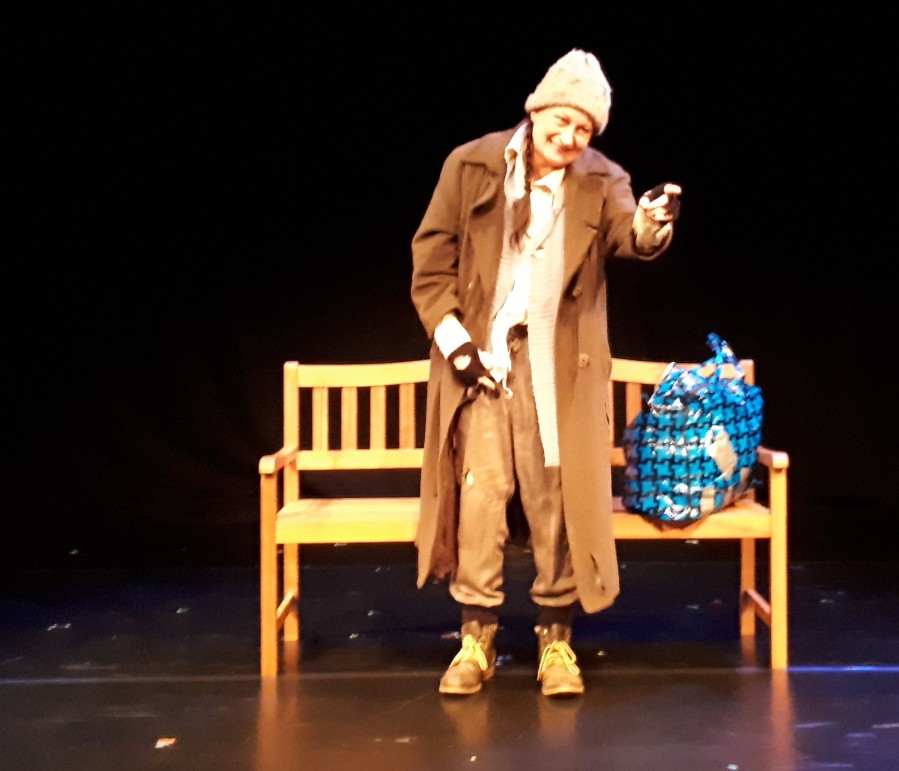
Fionna Hewitt-Twamley’s knockout performance in Brian Foster’s engaging monologue made this one of the festival’s biggest hits, playing to sellout audiences. It was wonderful too to see that it had partnered with two Edinburgh homelessness charities. Twamley delivered her heartbreaking tale ‘with wit and aplomb.’

COMEDY

Skank

Clementine Bogg-Hargrove’s wry look at millennial life, based on her own experiences, was charming and off-beat. Though it was mostly very, VERY funny, it had some tender moments too. Cleverly directed by Hargroves and Zoey Barnes, this was an excellent example of ‘art doing what art is meant to do.’

Myra Dubois: Dead Funny

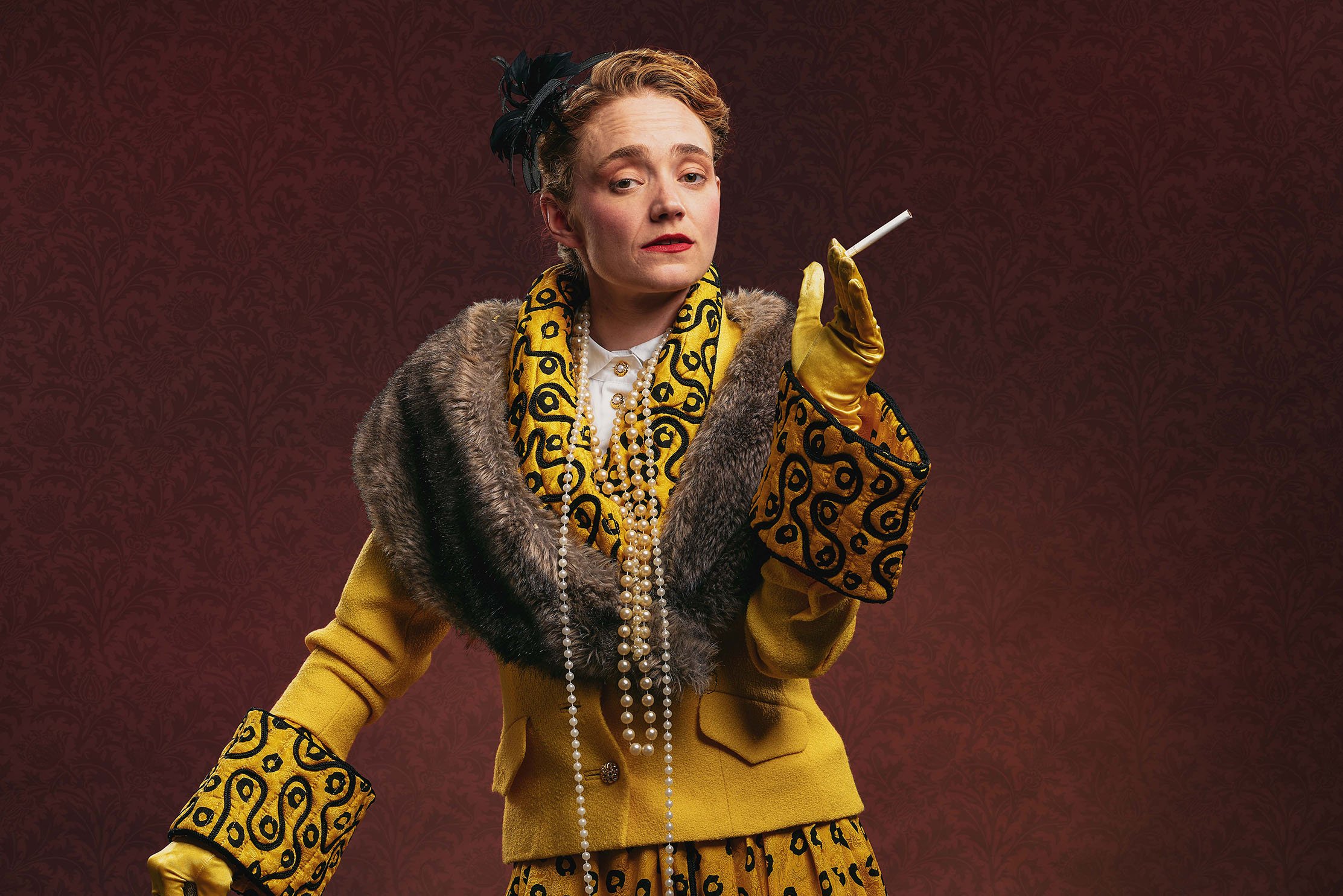
No Fringe is complete without a decent drag act and Myra Dubois was exactly what was required. Providing the oration for her own funeral (why not?), the Yorkshire Diva interacted (or more accurately, picked on) people who sat too near the stage and the result was ‘silly and audacious, eliciting helpless laughter.’

The Importance of Being… Earnest?

Director Simon Paris offered us a radical interpretation of the classic Oscar Wilde play, where certain members of the cast (including Ernest) were missing and members of the audience cajoled into taking their place. ‘Roistering, good-natured stuff, fast, frenetic and farcical. A truly interactive experience.’

SPECIAL MENTIONS

On Your Bike

This sprightly musical from Cambridge University’s Musical Theatre Society, written by Joe Venable and Ben James, was all about food delivery riders for… ahem… Eatseroo. All the right ingredients were in evidence. ‘Fabulous voices, upbeat zesty songs, humour and tenderness.’

Cameron Cook: It All

There’s always room on the Fringe for a true eccentric, and Cameron Cook was a perfect example. While it’s hard to define, this was a mesmerising piece, as Cook sang, danced, mimed and performed poetry, whilst inhabiting what seemed like a huge cast of characters. At times it felt like ‘the services of an exorcist might be required.’

Philip Caveney & Susan Singfield
Cruella

02/05/21

Cineworld

When Disney announced this release, my anticipation barely registered on the ‘need to see’ scale. I mean, ho hum, how good can an origin story for a two-dimensional Disney character be, anyway?
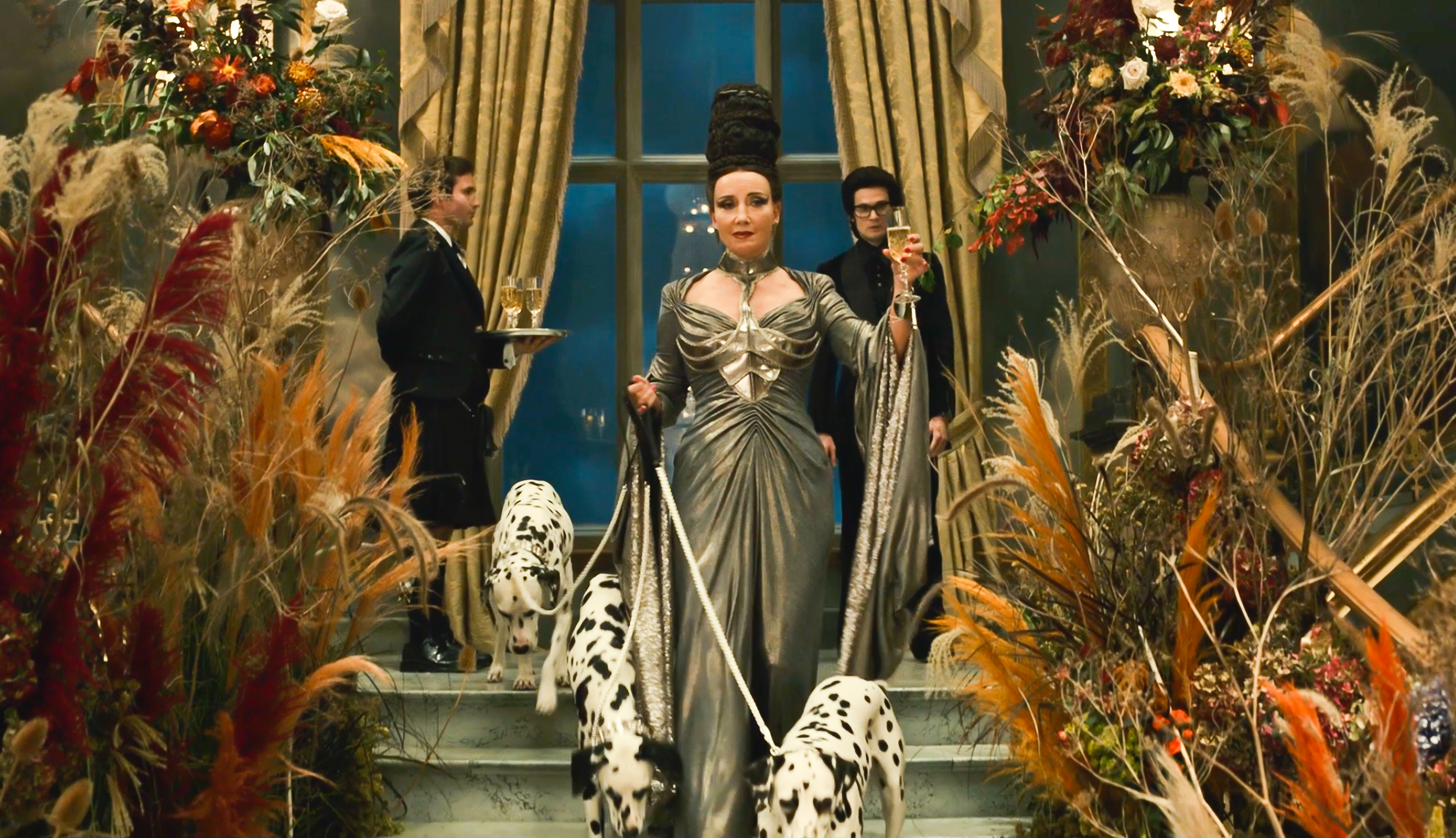
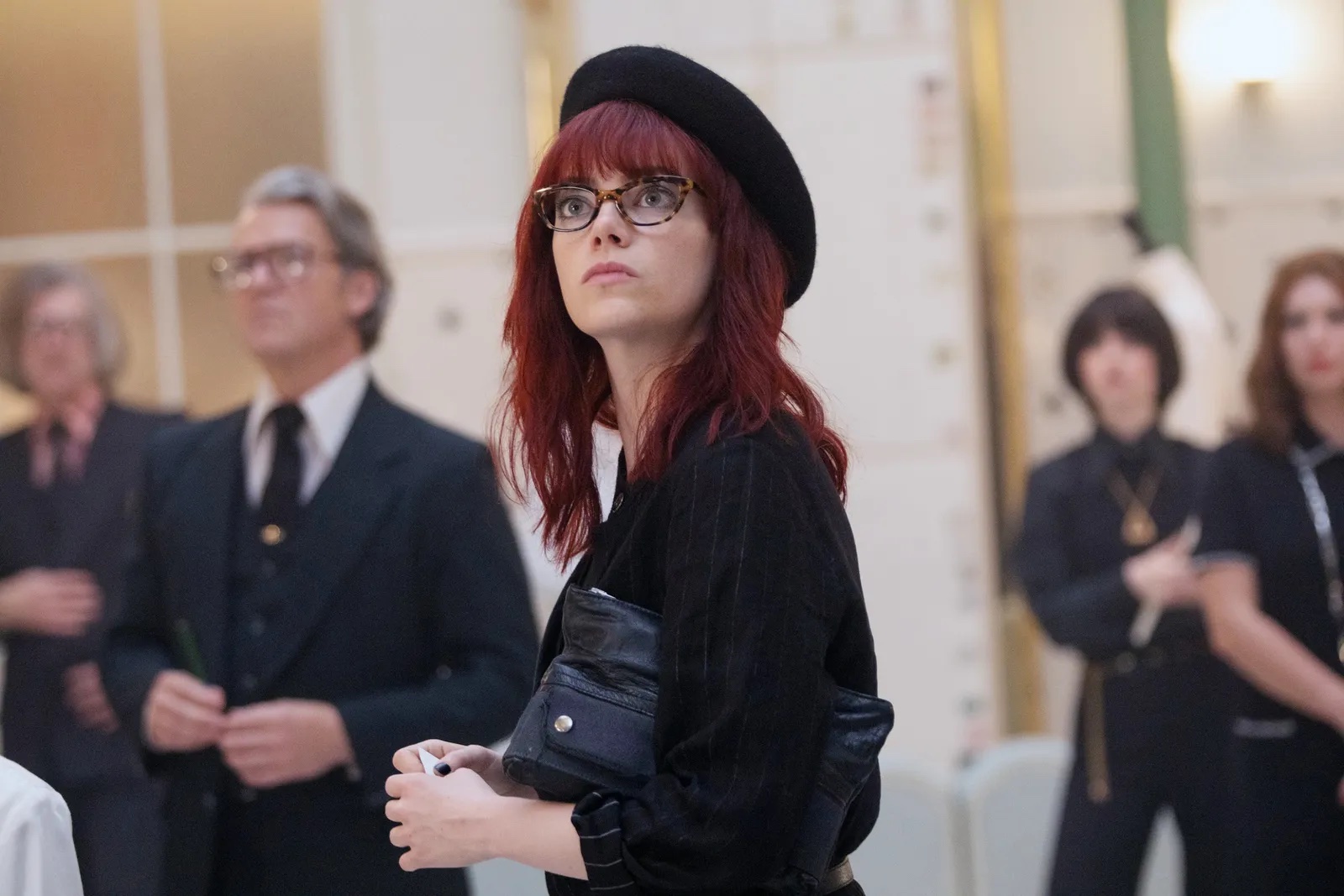
The answer is: very good indeed. It only takes ten minutes or so to convince me that this is, in fact, a brilliant notion – and indeed, Cruella is genuinely the most fun I’ve had in a cinema since the reopening of these hallowed portals (admittedly, it’s only been a few weeks). While it might not fully explain why a seemingly lovely woman would turn into a puppy-hating psychopath, it’s nonetheless an absolute delight from start to finish, featuring eye-popping haute couture, a superb ensemble cast and all backed up by a soundtrack of stone cold 60s classics from the Stones to the Zombies. What’s not to like?

Our story begins in the 1950s, with the birth of Estella Miller, a child with shockingly distinctive hair. It’s not long before she’s grown a bit and is making a name for herself at school – as a cocksure, arrogant rebel with total self-belief. She never fails to fuel the ire of her teachers and fellow pupils. Estella (Tipper Seifert-Cleveland) harbours a burning ambition. She longs to be a fashion designer just like her idol, the infamous Baroness (Emma Thompson). Estella also has a dark side – a character her Mother, Catherine (Emily Beecham), calls ‘Cruella,’ and who she insists must be kept hidden from the world. However, when her daughter is thrown out of yet another school, Catherine resolves to take her to London where she’ll have a chance of achieving the career she longs for. But the two of them must first make a brief stop en route…

Then, in a bizarre twist of fate – one that I really can’t give away – Estella is orphaned and she falls in with a couple of artful dodgers, who introduce her to a life of crime in the big city and who also provide her with some much-needed companionship. Before very long (the film seems to hurtle along at a breathless pace), it’s the swinging 60s. Estella has grown up to be Emma Stone and her friends Jasper (Joel Fry) and Horace (Paul Walter Hauser) have somehow managed to wangle her at job at Liberty’s of London… okay, so she’s only cleaning toilets, but you have to start from the bottom, right?

And then her talents come to the attention of The Baroness herself and Estella’s life takes a massive step up. Now she is being called upon to create a whole series of stunning designs for the The Baroness’s fashion house, designs that her new employer is only too happy to take all the credit for.

But how long before the dark persona hidden inside this ambitious young woman comes clawing her way back to the surface, intent on grabbing the limelight for herself?

What ensues is a delicious war between Cruella and The Baroness. Stone is effortlessly cool both as Cruella and as her slightly more subdued other half, handling an upper crust English accent with aplomb and looking like she’s setting the screen ablaze with the merest smirk. Thompson is wonderfully evil, making Meryl Streep’s turn in the inferior The Devil Wears Prada (a film that Cruella shares some DNA with) look positively cuddly by comparison. Thompson is also very funny in the role.

As the decade hurtles towards the 70s, so the fashions become ever more trashy (bin lorry chic anyone?) and the cinematic jukebox offers us the likes of The Clash and ELO. Seriously, you’ll be dancing in your seat. All we need is a big, brash conclusion and, happily, director Craig Gillespie dutifully gives us one, pulling all the final strands together in great style.

Oh, and don’t get up too soon. There’s a gentle post-credits coda that features a sly nod to Disney’s 1961 original.

I really had the lowest possible expectations for Cruella, but I’m happy to admit that I was wrong.

This film is a blast.

4.6 stars

Philip Caveney