
Author: Bouquets & Brickbats

Ruckus

07/08/22

Cairns Lecture Theatre, Summerhall, Edinburgh

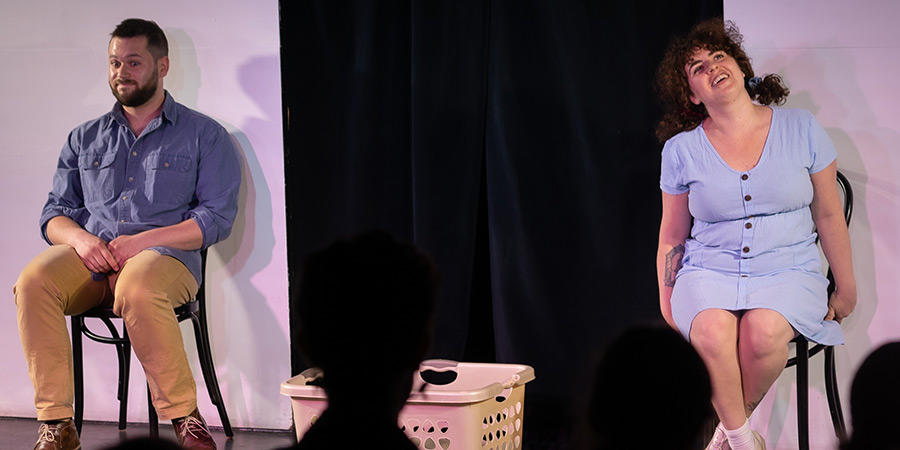
Louise is a confident, vivacious character: an ambitious young primary school teacher with a kick-ass attitude. But her best mate’s impending marriage spells the end of their flat-share, and Lou finds herself adrift. When she meets Ryan, he’s funny, sweet and considerate; he seems like the answer to all her problems. Sure, he’s a bit possessive, but that’s just because he’s insecure, and, yeah, it’s a shame he’s not more welcoming when her mum comes to visit, but he doesn’t get on with his own family, so it’s difficult for him. Lou shrugs off these early warning signs; she wants the relationship to work. And slowly, drip by inexorable drip, Ryan exerts his control…

A one-woman show, Ruckus, written and performed by Jenna Fincken, explores this horribly toxic relationship in unflinching detail. And when I say ‘horribly toxic’, I mean ‘depressingly familiar’ and ‘all too common’, because we’ve all at least known someone who’s experienced something like this; we’ve all shuddered at the red flags, even if we’ve been luckier in our own entanglements.

It’s a cleverly crafted piece: the writing is both bold and nuanced. We hear the story from Lou’s point of view, so even though we recognise that things aren’t right, it takes some time to realise just how bad they really are. Standout moments include the tragic irony of Lou supporting an at-risk child at school, then coming home to face a similar situation.

The change is gradual and unsettling; its unfolding is beautifully handled by director Georgia Green. By the end, there’s not much of Lou’s spark left; she’s a shadow, who has to ask permission to see her friends, who doesn’t have her own money or even her own door key.

The simple set comprises an empty white stage with a small raised platform, but it transforms into myriad places (a nightclub, a car, a house, a school), thanks to the sound and light design (by Tingying Dong and Simeon Miller respectively), which really help to create a disorienting and sometimes dangerous atmosphere.

If I have a quibble, it’s a very minor one, and it’s with the countdown clock. I like the idea of including the days, of building tension by letting us know how far we are from an unknown-but-definitely-scary climactic event, but the numbers are too big, and I find them hard to hold in my mind, which makes it difficult on occasion to know where I am in the timeline as it shuttles back and forth. I think it would be less confusing if, instead of 832 days, it said 2 years, 9 months and 3 days, for example, because it’s easier to keep track of that.

But that’s a small thing, and definitely not a game-changer.

Fincken’s performance is remarkable; she retains absolute control throughout, and the piece seems almost choreographed. She mimics rather than inhabits the minor characters, so that it’s always Lou’s impression of Whiny Briony, or Lou’s impression of her over-anxious mum. These impersonations are often funny, and provide welcome shafts of light, as well as reminding us of the life Lou could have had, who she still is inside.

Matthew Durkan voices Ryan (we hear him a lot, although we never see him). He has a gentle Mancunian voice; he always sounds reasonable, likeable, which is another clever touch.

Ruckus is a timely, artful piece of work, and Jenna Fincken is a name to watch.

4.7 stars

Susan Singfield
The Tragedy of Macbeth

07/08/22

Assembly Roxy, Edinburgh

We first encountered Flabbergast Theatre at the Fringe in 2018 with their wonderfully immersive project, The Swell Mob, a site-specific evocation of a Victorian drinking den. Now the company returns to the Fringe to take on one of the bard’s most celebrated plays and we’re really excited to see what they do with it. Let’s face it, we’ve all seen Macbeth in its various shapes and guises – but I think it’s fairly safe to say we’ve never seen it quite like this.

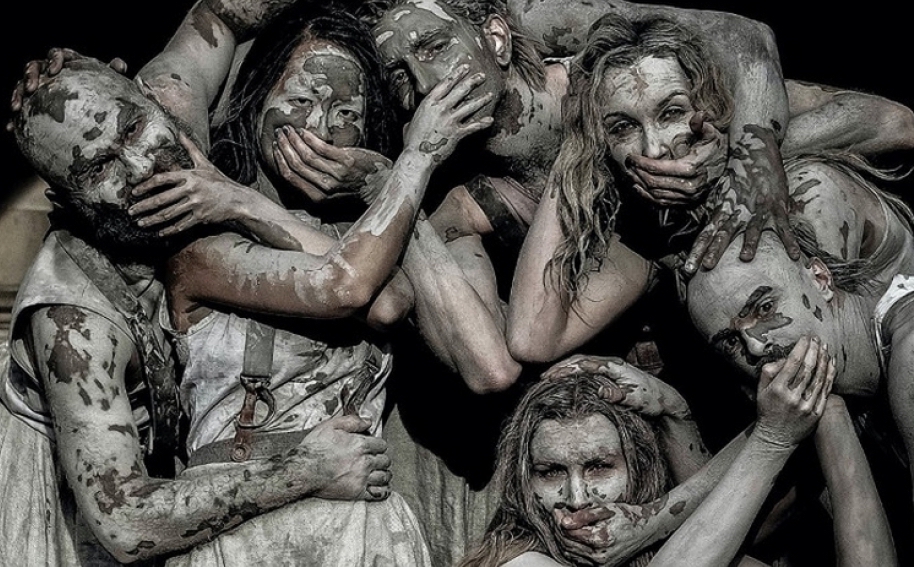
When we enter the venue, the eight-strong cast are already reeling around the stage, plastered in mud and raving and flailing around like demented beings. After all, this is a play about the madness brought on by the seductive power of hubris, so it feels entirely appropriate. The lights go down and, one by one, the players slip into their roles, switching effortlessly from character to character, but that sense of lunacy is always lurking at their sleeves, ready to take over at any moment.

I don’t need to relate the plot, because it’s ingrained into most people from high school onwards – but this raucous, visceral reimagining of the story captures the essence of the piece more eloquently than pretty much any other production I’ve seen.

It explodes, it capers, it struts its fretful stuff upon the stage and signifies plenty, while the austere stone arches of The Roxy provide the perfect setting for its excesses.

Simon Gleave gives a powerful performance in the lead role and Briony O’Callaghan’s Lady Macbeth is also extraordinary. But Flabbergast are essentially an ensemble troupe and every single member of the cast gives one hundred percent to this, with the volume dialled up to eleven. My initial fears that, with such ferocity, the piece could become one-note are neatly sidestepped, with a brilliantly clownish diversion from Dale Wild in the role of the Porter – and, after an explosive climax, there’s a delicate, musical a cappella song to bring everything gently back to earth.

The Tragedy of Macbeth ends with a heartfelt standing ovation from the crowd and it is fully deserved. Don’t miss this, it’s a wonder to behold.

5 Stars

Philip Caveney

Jake Cornell and Marcia Belsky: Man and Woman

06/08/22

Assembly George Square Studios (Studio 4), Edinburgh

Jake Cornell and Marcia Belsky play “Jake” and “Marcia”, two narcissistic actors determined to change the world. Jake’s certain he’s written a masterpiece, finally giving women the voice they’ve been denied for so long, and Marcia is thrilled she’s got the chance to showcase her skills. In an introductory speech, Jake mansplains what women need, while Marcia gamely smiles and tries to elbow her way in to the conversation. It’s very funny.

And then we get to the show-within-a-show, a histrionic tale of doomed love and misery – with lots of blood and shouting. The characters are called Man and Woman because, you know, they represent the whole of humanity. The hubris is delightfully drawn, and Jake in particular is a wonderful creation: we all know a Jake (although, thankfully, we don’t all have to work with him).

Cornell and Belsky are both effortlessly droll, and I find myself laughing a lot at the silliness and audacity of Jake’s ambition, and the way it’s always undermined by his lack of profundity. Marcia’s no feminist saviour either: she’s just paying lip-service to Jake’s professed ideals because she wants to be a star, and doesn’t realise until it’s too late just how doomed the project is.

For me, this piece works best when we’re with “Jake” and “Marcia”, so I’d like to see more of this and less of Jake’s creation, entertaining though it is.

This is an engaging and likeable show, poking fun at wannabe radicals as well as worn theatrical tropes.

3.8 stars

Susan SIngfield

Autopilot

06/08/22

Pleasance Courtyard (Forth), Edinburgh

Rowan (Cassie Bradley) is a geospatial engineer, working on the development of a driverless car. Nic (Hannah van der Westhuysen) is a freelance illustrator, who is struggling to forge a career in a notoriously difficult field. Autopilot chronicles the history of their relationship, from tentative beginnings to bittersweet conclusion. Playwright Ben Norris relates the two women’s history in a series of non-chronological episodes that cleverly entwine with each other.

This could so easily be baffling, but the story is expertly told, and it only takes a short while to connect with what’s happening. As the hidden truths about both characters are gradually revealed, so the story becomes ever more intriguing. Rowan and Nic, it becomes clear, are products of their respective upbringings, unable to shrug off the shackles that have claimed them since childhood – and each of them is concealing things from their partner for very different reasons.

I love the simplicity of the staging here, the two actors pacing restlessly around an empty stage with only light and sound to indicate the abrupt switches in time and place. Bradley and van der Westhuysen offer impressive performances, handling their roles with authority and somehow managing to convey the most intimate moments without ever physically touching. And I love the fact that ‘Alexa’ is somehow a third character in this story, ever present and presiding over the action as the tale unfolds.

Deceptively simple, but emotionally charged and ultimately compelling, Autopilot is well worth your attention.

4.5 stars

Philip Caveney

The Ultimate Pickle

06/08/22

Roundabout at Summerhall, Edinburgh

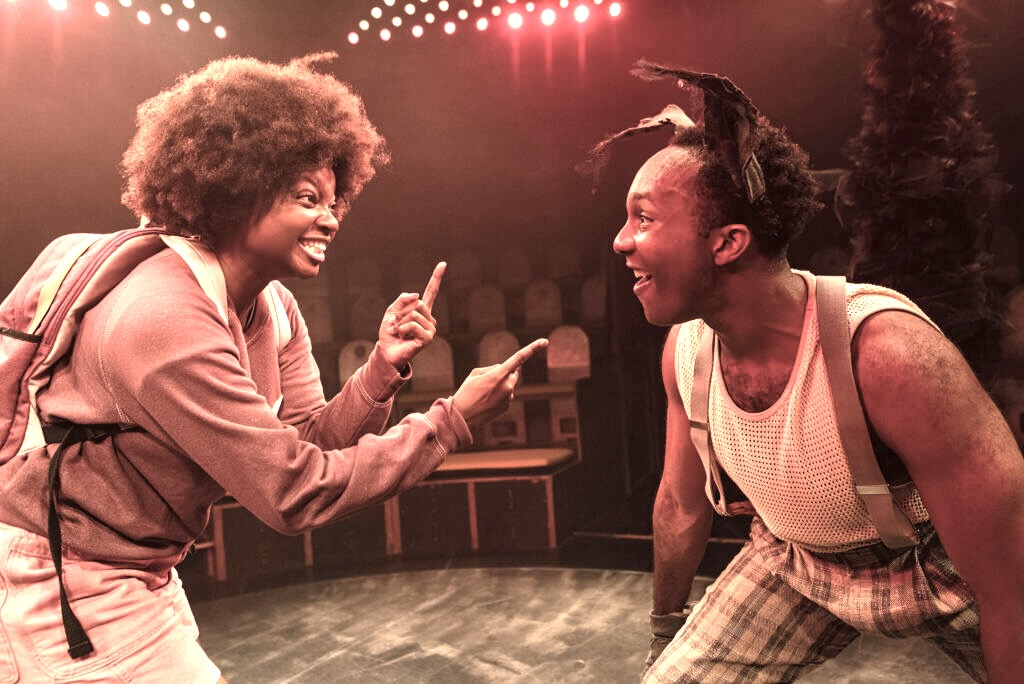
The Ultimate Pickle is our first show of Fringe ’22 (previews and showcases aside), and it’s a corker, albeit intended for an audience many decades our junior. Touring theatre company Paines Plough is dedicated to new writing and, as we’ve come to expect, this latest offering is a lively, imaginative and thought-provoking piece, played deftly and with precision.

This play, by Laura Lindow, is ostensibly for children, but there’s plenty here to keep us entertained. Princess Khumalo plays Dill Pickleton, an almost-eleven-year-old whose life is turned upside down when her granddad – or Gran-Ted – dies. Her mum (Sara Hazemi) goes to pieces and, before long, the duo are facing a financial crisis, necessitating a move from Gran-Ted’s beloved ‘lighthouse’ by the sea. For Dill, this also means a new school, and she struggles to keep a lid on her feelings. And then the wolf (Samuel Tracy) emerges from her story book, and Dill’s adventures really begin…

It’s a simple tale, and the metaphor isn’t exactly subtle, but that doesn’t matter because it’s beautifully told. Paines Plough’s “pop-up, plug-and-play” theatre, Roundabout, is well-equipped with state of the art LED lighting (Rory Beaton) and surround sound (Roly Batha), and so the tech does a lot of the heavy lifting: there’s no set and very few props, but we always know exactly where we are, and the atmosphere is vibrant.

The three actors play the parts with sincerity and commitment: these are endearing performances that don’t trivialise Dill’s feelings. It’s too easy for children’s shows to talk down to their audiences; this one, directed by Eva Sampson, respects them, and I think any similarly-troubled young person watching it would feel understood rather than patronised.

The Ultimate Pickle is funny and moving – and perfectly-pitched for the whole family to enjoy. This trio of actors are also performing in two other (not-for-children) plays, and I’m looking forward to seeing more of their work.

A lovely reminder of the joy of Fringe, and of how much we’ve missed it for the past few years. What a way to herald a new beginning! Bravo.

4.5 stars

Susan Singfield
The Sea Beast

24/07/22

Netflix

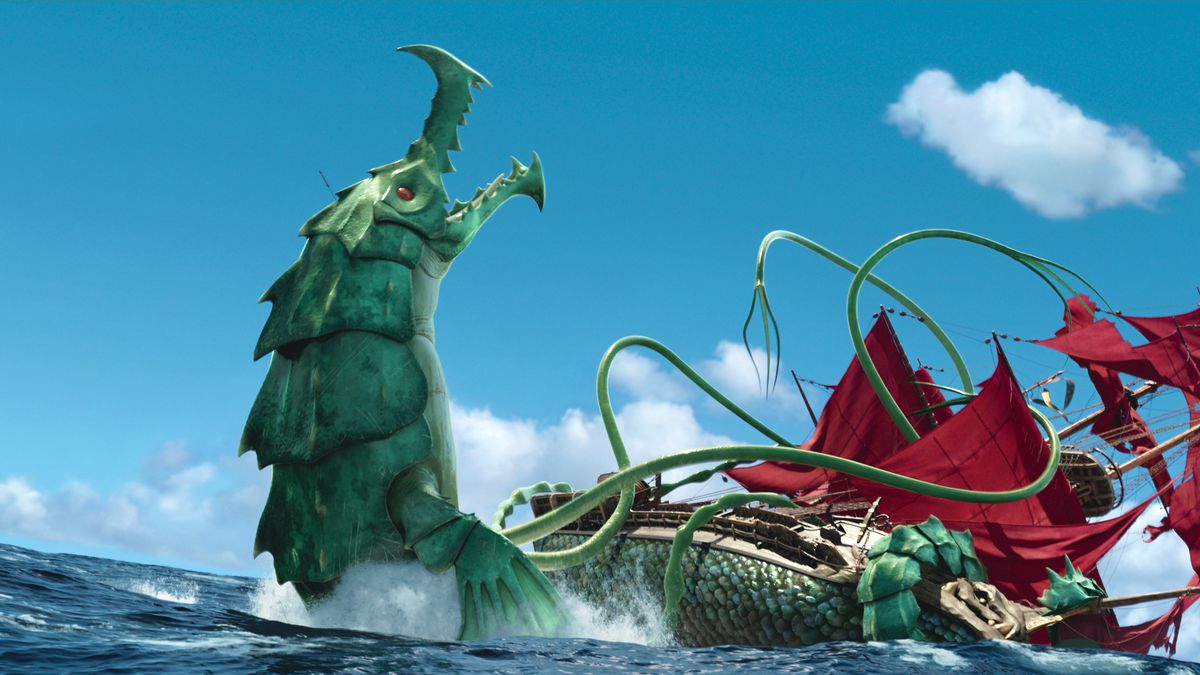
While Netflix might not be the cinematic treasure trove it was during lockdown, there are still some rewards to be found lurking in its lockers. The Sea Beast is a great case in point, a delightfully inventive family film, a collaboration between Sony Pictures’ Imageworks and Netflix Animation. This is an assured production that comes close to challenging the best of Pixar and Dreamworks. While other Netflix animated projects have been summarily axed after recent losses of revenue, this one has thankfully made it to the finish line – and it’s fabulous.

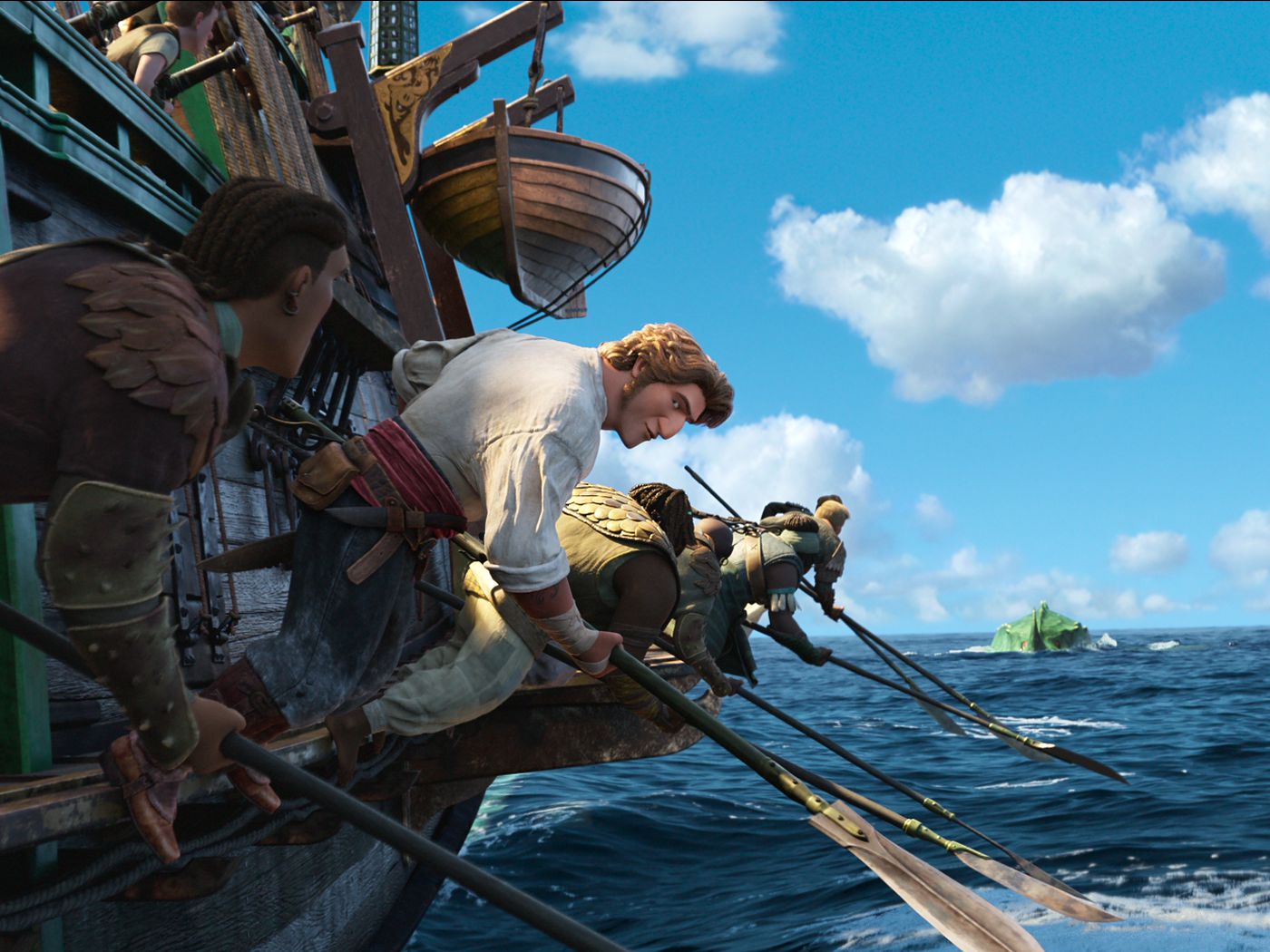
The story is set in an imaginary world where humanity has been at war for centuries with a whole variety of semi-mythical sea creatures. Leading the fight is ‘The Inevitable’, a red-masted schooner commanded by the legendary Captain Crow (voiced by Jared Harris). Crow, though still formidable, is growing older and looking for somebody to succeed him. The obvious choice is Jacob Holland (Karl Urban), found drifting on a piece of wreckage as a child and now grown up to be a consummate hunter of the ocean’s denizens. He is, in many ways, the son that Crow never had.

But when a plucky little girl called Maisie Brumble (Zaris-Angel Hator) stows aboard The Inevitable, Jacob’s conversations with her soon have him questioning aspects of his life that he’s always taken for granted. Why must this endless slaughter perpetuate? Are the sea creatures really the monsters that popular literature has painted them as? And is Captain Crow – fixated on his endless search to vanquish the ‘Red Bluster’ that blinded him in one eye many years ago – just as duped as everybody else?

Those who detect a reference to Melville’s Captain Ahab are not mistaken, but this is more than just a seafaring yarn with literary ambitions. It’s also a clever allegory about humankind’s endless quest to vanquish everything and anything it doesn’t properly understand.

There are some superb characterisations here – Maisie is a particularly delightful creation and there are some adorable little blue creatures that have, perhaps inevitably, already made the transition into plush toys. The world building here is extraordinarily accomplished, with every aspect of this imagined civilisation thought through and delivered with absolute authority. Frantic action sequences are balanced by gentler, heart warming scenes and the pace is never allowed to flag.

But best of all is the animation itself, especially the depictions of the ocean in its ever-changing forms, from tranquil turquoise to turbulent indigo. Not for the first time, I find myself wanting to watch this on a giant screen, which really is where it deserves to be viewed. Helmed by former Disney big-hitter, Chris Williams, this is well worth your consideration and, happily, the adults are likely to be every bit as entranced as their offspring.

4.2 stars

Philip Caveney

Where the Crawdads Sing

23/07/22

Cineworld, Edinburgh

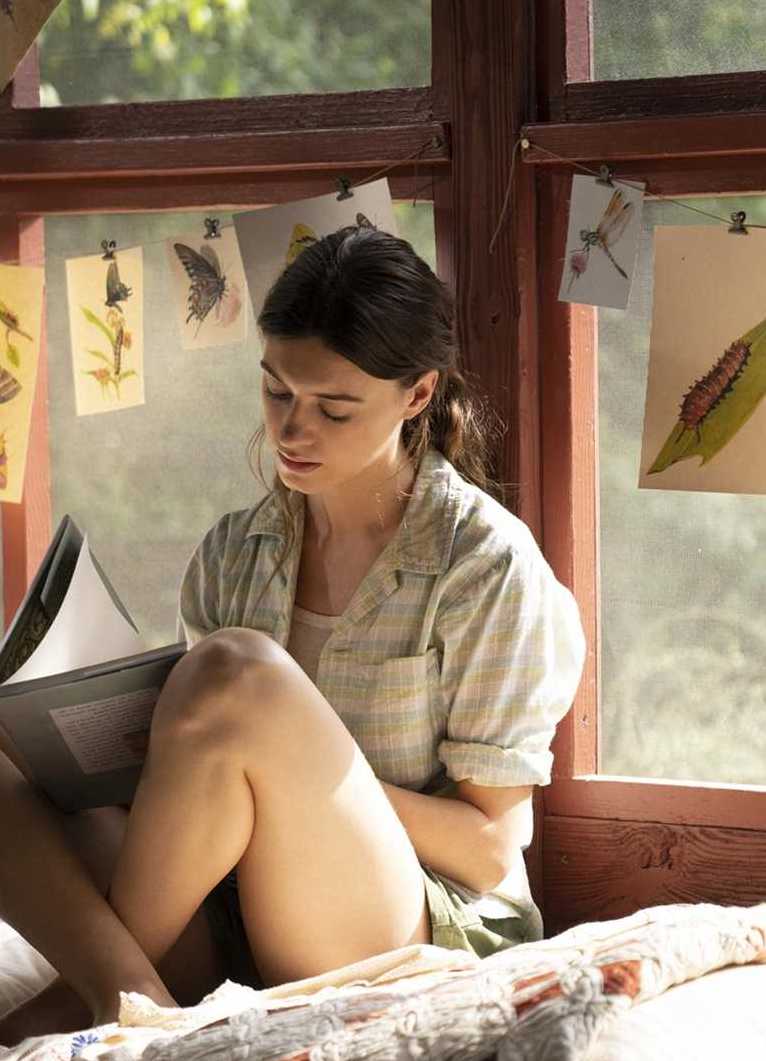
Delia Owens’ blockbuster novel Where the Crawdads Sing makes the transition into film, thanks to Reece Witherspoon’s production company, Hello Sunshine. I’ve never read the book but it’s probably just as well. The fact that it’s sold twelve million copies worldwide would make anything I have to say about it sound suspiciously like sour grapes. Suffice to say, I really hope it’s more convincing than the film.

This is the story of Kya Clark, a little girl living with her family in a remote shack, deep in the marshes of North Carolina. Kya’s Pa (Garret Dillahunt) is a violent drunk, a man so odious that first his wife leaves him, then his two daughters, then his son. None of them bothers to take poor little Kya, so she has to look after him on her own (thanks, guys!) Then Pa abandons Kya and she is obliged to fend for herself, grubbing a living by digging up mussels and selling them to the nice couple who run the local store. She tries a day in school, but is subjected to so much sniggering and cruelty from the other pupils that she runs home and never goes back. Somehow she manages to evade the authorities for… well, years. Mind you, this is the 1960s. It was a different time.

Quite how grubby little Kya metamorphoses into the impeccably turned-out Daisy Edgar-Jones is only one of the many mysteries here, but perhaps it’s something to do with washing your hair in swamp water. Eventually, Kya has a romantic dalliance with ‘nice’ Tate (Taylor John Smith) who teaches her to read (apparently in a matter of weeks). Then, when Tate heads off to college, she hooks up with the rather less cuddly, Chase (Harris Dickinson), who seems to be on a mission to be even more toxic than Kya’s Pa. We know from the film’s opening that Chase has ended up dead at the bottom of a lookout tower and that Kya is on trial for his murder. Luckily, she has the help of ‘nice’ lawyer Tom Milton (David Strathairn), who has come out of retirement in order to defend her…

If I’m making this sound unbelievable that’s because it really is – and it doesn’t help that its all painted in such broad brush strokes that nuance doesn’t get a look in. The people are overblown caricatures and the eyebrow-raising events just keep right on coming. Kya, it turns out, has the ability to draw and paint like a pro (without any formal training) and her very first submission to a publisher results in a life-changing publishing deal! Yeah, right. Apparently, there’s a massive demand for a book about swamp shells.

Edgar-Jones does the best she can with the thankless lead role, but she struggles as her character progresses through a series of dull events, which have the eerie ability to make a two-hour movie feel more like three. It’s not just me. The audience starts filtering out long before the final scene but I stick resolutely in my seat to see the film’s final – heavily-signposted – ‘twist’.

Of course, crawdads can’t actually sing, so Taylor Swift steps in with a specially-written ballad over the credits. Which is arguably the best thing here, but it’s a very low bar. Those who enjoyed the book might want to give this a go, but be warned: it’s underwhelming to say the least.

2.6 stars

Philip Caveney

Prima Facie

21/07/22

NT Live, The Cameo, Edinburgh

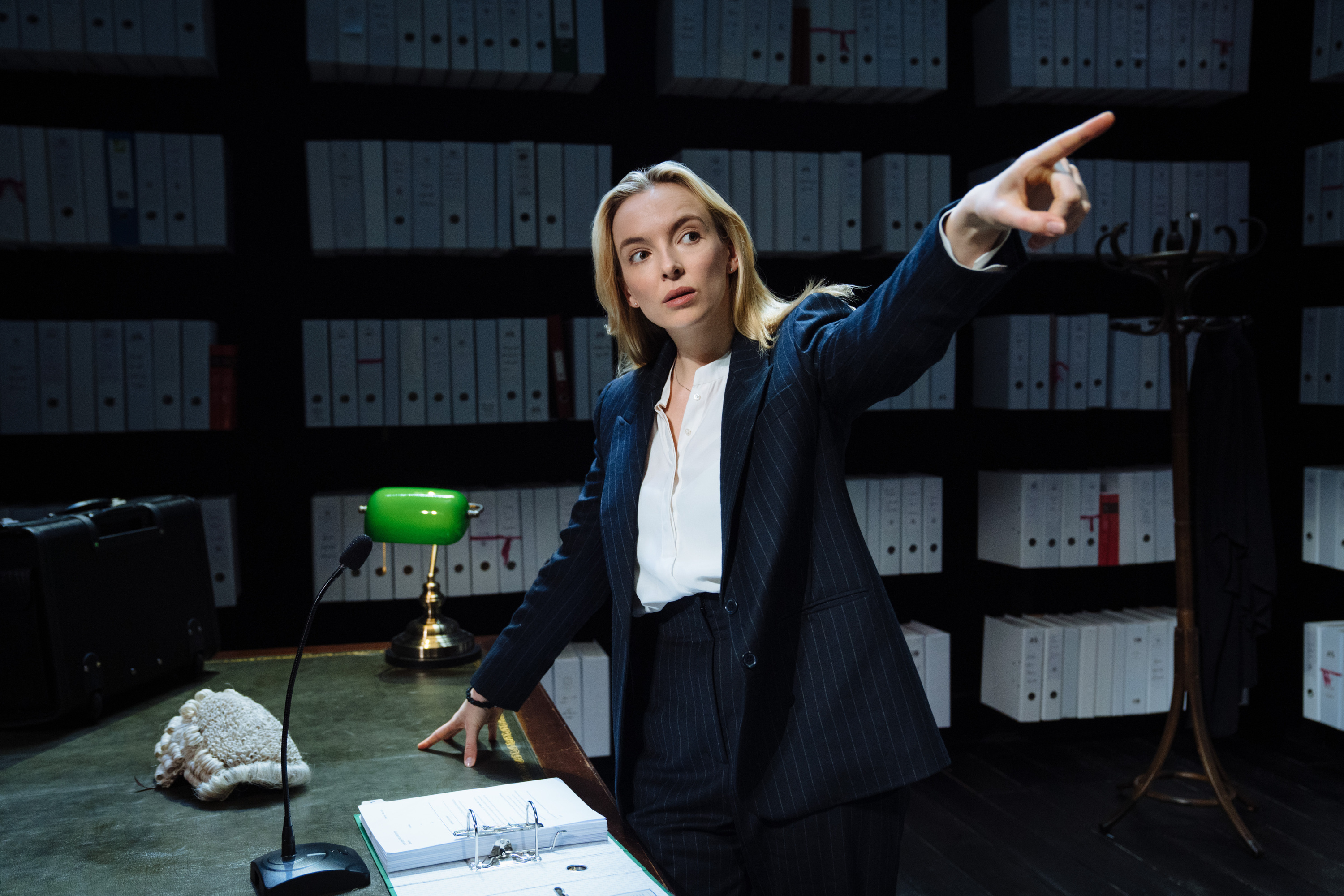
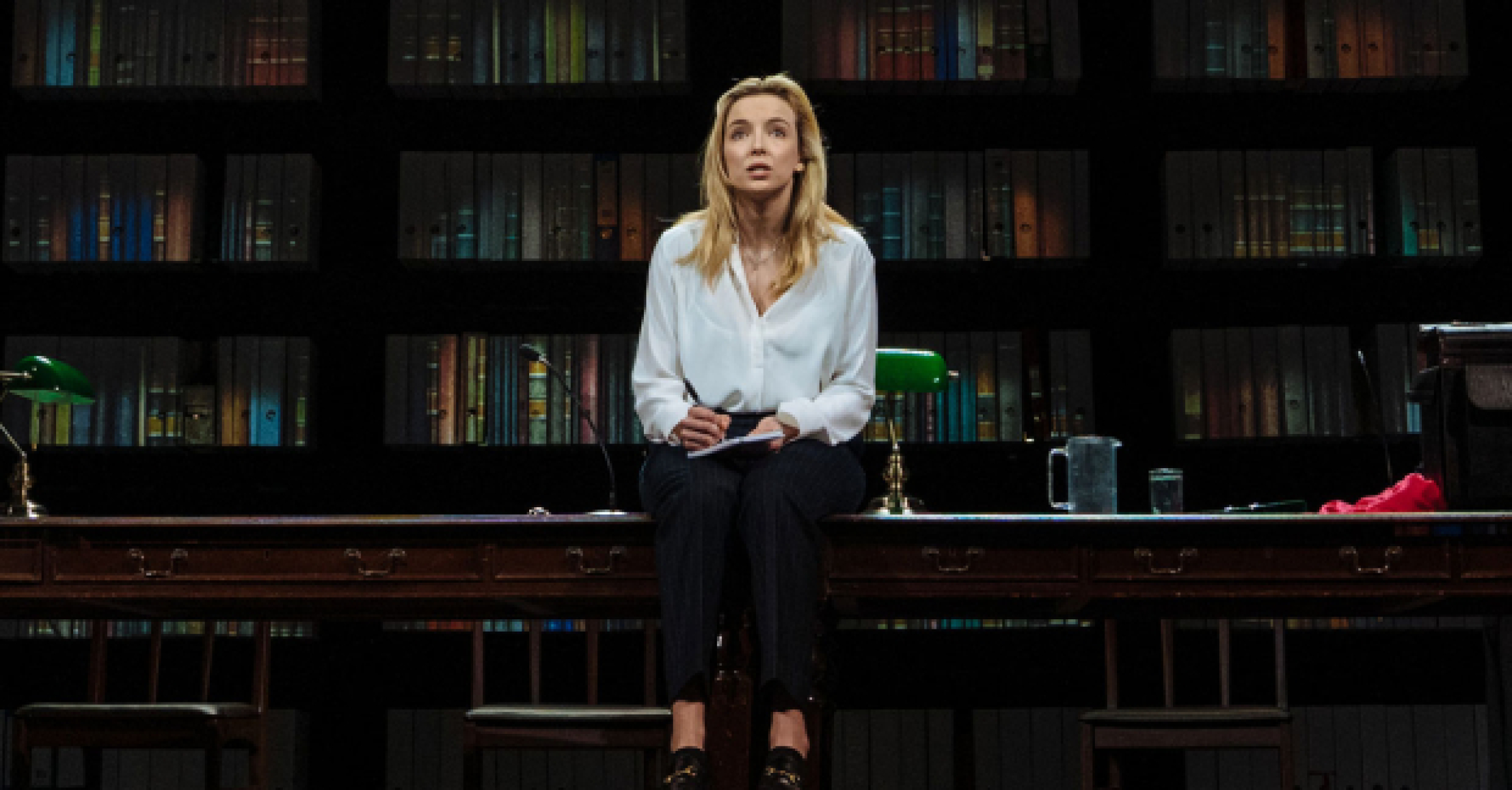
It is a truth universally acknowledged that Jodie Comer is a formidable talent, and I am more than happy to add my voice to the fangirl choir. Not only is she a chameleon, she’s also bristling with charisma, and she’s perfectly cast to play this complex, demanding role. The only difficulty is in believing this is her stage debut – because she seems born to it. She is a theatrical tour de force.

Prima Facie is, essentially, a feminist polemic, and a much-needed one. Art, as Aristotle sort of said, is multi-purpose, and can be used to educate as well as simply entertain. And boy, do we need educating. In the UK, a shocking 99% of reported rapes don’t even make it to court, and – of those that do – fewer than a third lead to a guilty verdict. When we take into consideration the enormous number of sexual assaults that are never reported at all (an estimated 83%), there’s only one conclusion to draw: the system isn’t working. Rape is a horrendous crime, but it’s one you’re likely to get away with.

Australian playwright Suzie Miller is on a mission to address this. She used to be a criminal defence lawyer, specialising in human rights, and she realised then that something was amiss. The law, she says, is built on assumptions that don’t acknowledge the realities of rape, without any real understanding of what consent looks like in practice, nor of how a victim might present. And so Prima Facie, directed by Justin Martin, comes howling into the void, forcing us to consider the urgency of change. The sold-out run at London’s Harold Pinter theatre, and the packed live-streamings at cinemas across the land, suggest there’s a lot of support for the idea (as well as a lot of Killing Eve fans, of course).

Comer plays Tessa, a brilliant young woman, who’s made it against the odds. Her first battle – as a state-educated Scouser – was getting into Cambridge law school; her second was graduating; her third becoming a barrister. She’s on the up, winning, sniggering at a young wannabe who asks of a rapist, ‘But is he guilty?” – because objective truth isn’t what she seeks. It’s “legal truth” that matters, which lawyer is best at playing the game. And she’s a fine player, one of the best. Lots of accusees are walking free because of her.

Until, one day, Tessa is raped. It’s a messy, complicated case, the type she knows she’ll never win. She was drunk; she’d had sex with the perpetrator before; she hasn’t any evidence. The whole legal edifice – the thing she’s dedicated her life to – comes crumbling down; the scales fall from her eyes. Her rapist will get off scot-free, thanks to someone like her, just doing their job. And the change in her is utterly and devastatingly believable. She’s always been determined. This might be a losing battle, but she’ll go down fighting.

The staging (by Miriam Buether) is an interesting blend: the piece opens in the naturalistic confines of a stuffy, traditional chambers, but the tables are soon being utilised as a courtroom, the chair as a toilet; costume changes happen slickly, on stage: Comer is her own dresser, as well as her own stage hand. Out on the street, after the assault, rain falls almost literally on her parade, washing away her former swagger. The lights change, the stage becomes a suffocating black box, and a projected calendar reveals the shocking truth of just how many days it takes to get your case to court. Years are lost.

The score, composed by the ever-fabulous Self-Esteem (Rebecca Lucy Taylor) perfectly complements the piece – it’s an intelligent marriage of art forms.

I won’t reveal whether Tessa wins; you can consider the statistics and place your bets. What she does do is deliver a final speech that, while it isn’t necessarily believable, is a perfect piece of wish-fulfilment. It’s all the conversations she’s had in her head during the three years she’s been waiting; it’s her fantasy moment, raising her voice and finally being heard.

This is a call to action that walks the walk, directly supporting The Schools Consent Project, “educating and empowering young people to understand and engage with the issues surrounding consent and sexual assault”. It’s also a powerful, tear-inducing play.

More, please.

5 stars

Susan Singfield
The Railway Children Return

15/07/22

Cineworld, Edinburgh

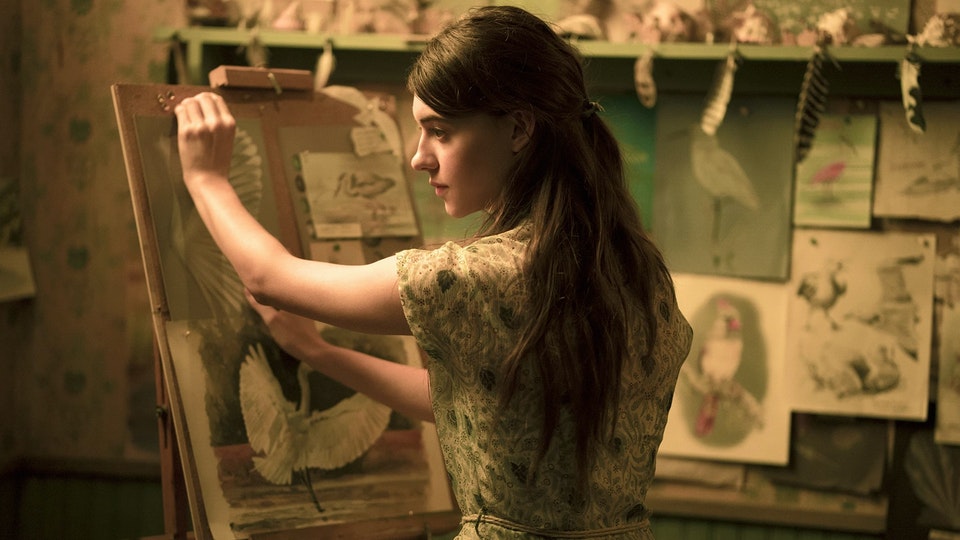
As a child, I loved Edith Nesbit’s books. I read and re-read the Bastables’ treasure-seeking adventures, and was totally immersed in the magical world of Five Children and It (although, because I borrowed them from our small village library, I never managed to read any of the series in the correct order). But it was The Railway Children that really stole my heart, and I know I’m not alone. It’s a lovely book, and Lionel Jeffries’ 1970 film adaptation really captured its essence. Both book and film deserve their classic status.

Sequels, though, are tricky things. Sometimes they spill out, one after another, quickly diluting the potency of the original (Home Alone, I’m looking at you). And sometimes it’s fifty-two years before one shows its face. Is it worth the wait?

In the main, I’d say the answer’s ‘yes’. Although The Railway Children Return will never match its progenitor, it’s nonetheless a charming tale, and remains true to the spirit of Nesbit’s novel.

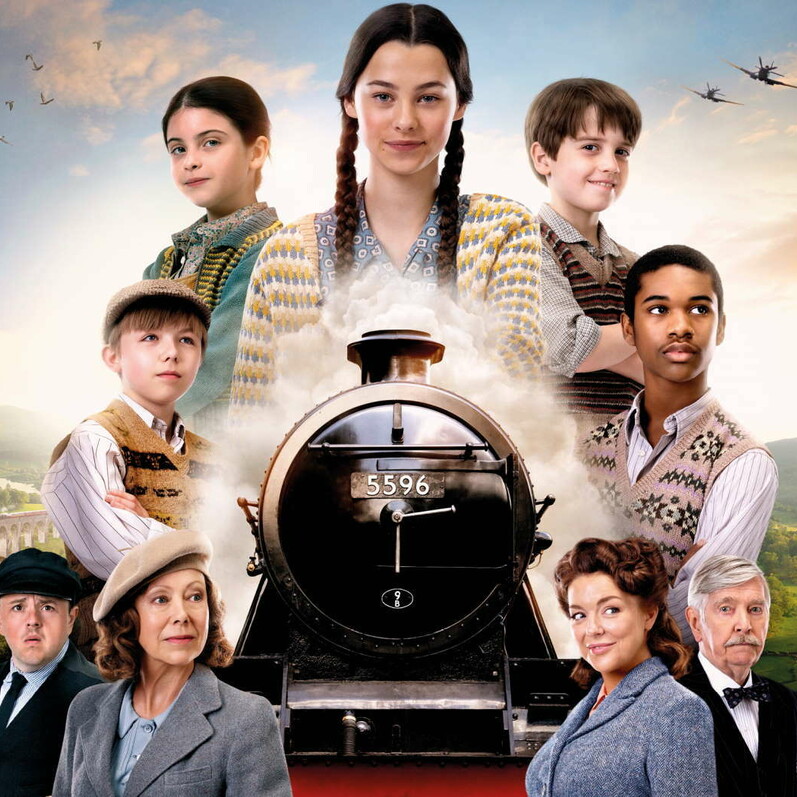
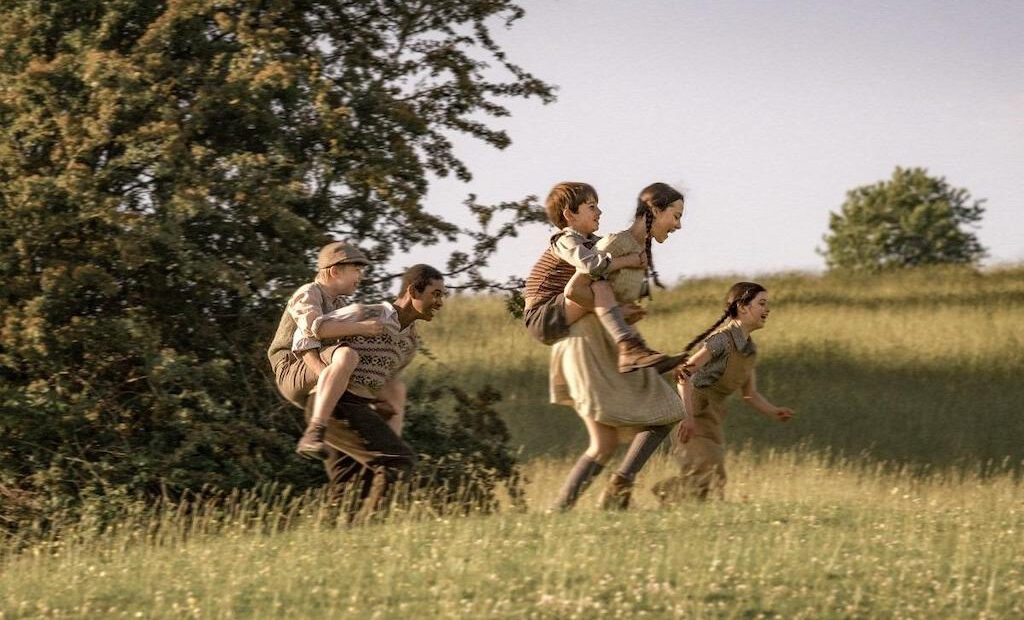
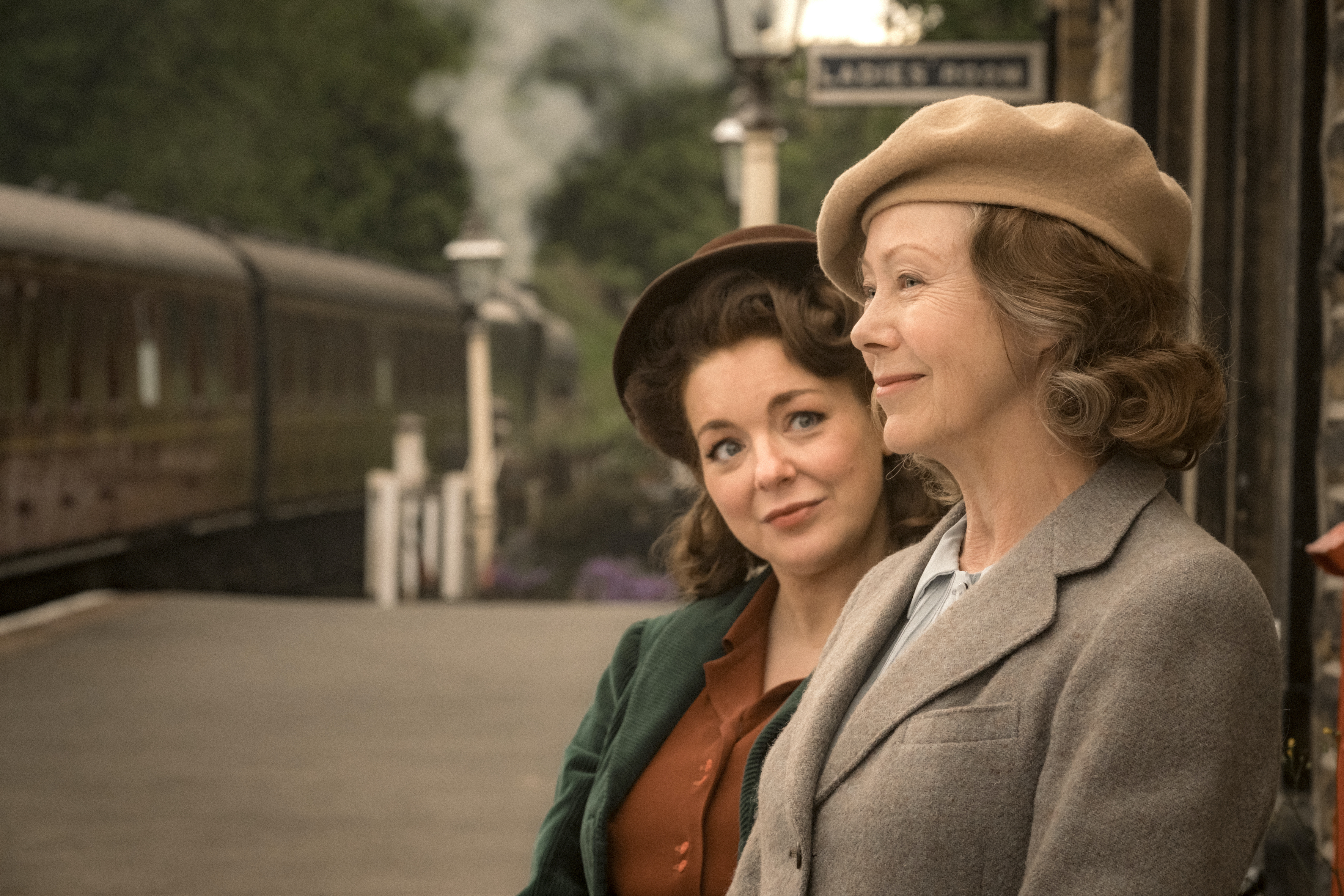
Time has marched on since a trio of young children first arrived at Three Chimneys, reeling from their father’s sudden absence and their resulting change in circumstance. But, hey – plus ça change, plus c’est la même chose. It’s 1944 and, although Bobbie (Jenny Agutter) is a grandma now, history is about to repeat itself. Lily (Beau Gadson), Pattie (Eden Hamilton) and Ted (Zac Cudby) are evacuees from Manchester – and Bobbie can’t help but empathise. Her daughter (Sheridan Smith) was only planning to accept one child; she’s very busy, after all, as headteacher of the local school, and how is she supposed to feed three hungry mouths? But she acquiesces; of course she does. Her son, Thomas (Austin Haynes), is a sweet-natured boy, and quickly befriends them all. If it weren’t for the constant background rumble of the war and their separation from their real family, this would be an idyll. But the real world keeps intruding: bombs fall; fathers die. And one day, whilst playing Hide and Seek in the railway station, the children make a startling discovery: an American soldier on a secret mission. Can they help Abe (Kenneth Aikens) achieve his goal?

The Railway Children Returns is a lot earthier than the original: Lily, Pattie and Ted are tough, working-class, city kids (although Danny Brocklehurst’s script avoids any obvious Goodnight, Mr Tom-style clichés), very different from the privileged Bobbie, Phyllis and Peter, for whom Three Chimneys – with its single, not even live-in servant – was quite the comedown. These kids scrap and tell mucky jokes, and they don’t mind lying to protect themselves. “You can’t kid a kidder,” says Lily.

Politically, the issues are different, but the tone is similarly liberal and progressive. In The Railway Children, Mrs Waterbury empathises with Russian dissidents, and takes in a refugee. In this sequel, the focus is on racism, particularly among the US troops, improbably stationed in the village. Abe is black, and has suffered horribly at the hands of his fellow officers. The message is a good one (‘racism is bad’), but it’s all very superficial, and it’s more than a little disingenuous to suggest that only the Americans are prejudiced, while the local British community refuses, as one, to accept such bigotry. I know it’s a children’s tale, but children aren’t stupid, and they can deal with more nuance than this.

For the most part, though, director Morgan Matthews competently straddles the line between the bucolic dream and the wider-world nightmare, with moments of genuine sadness piercing the children’s fun. This, at least, feels very believable. It’s a shame, though, that Agutter isn’t given more to do.

Gadson’s Lily is the perfect successor to Bobbie: she has the same lively, attractive nature; the same determination and chutzpah. I think Beau Gadson is a name we’ll hear again. Who knows, maybe she’ll even appear as a granny in The Railway Children 3: Full Steam Ahead, coming to a cinema near you in 2074.

3.6 stars

Susan Singfield
Thor: Love and Thunder

14/07/22

Cineworld, Edinburgh

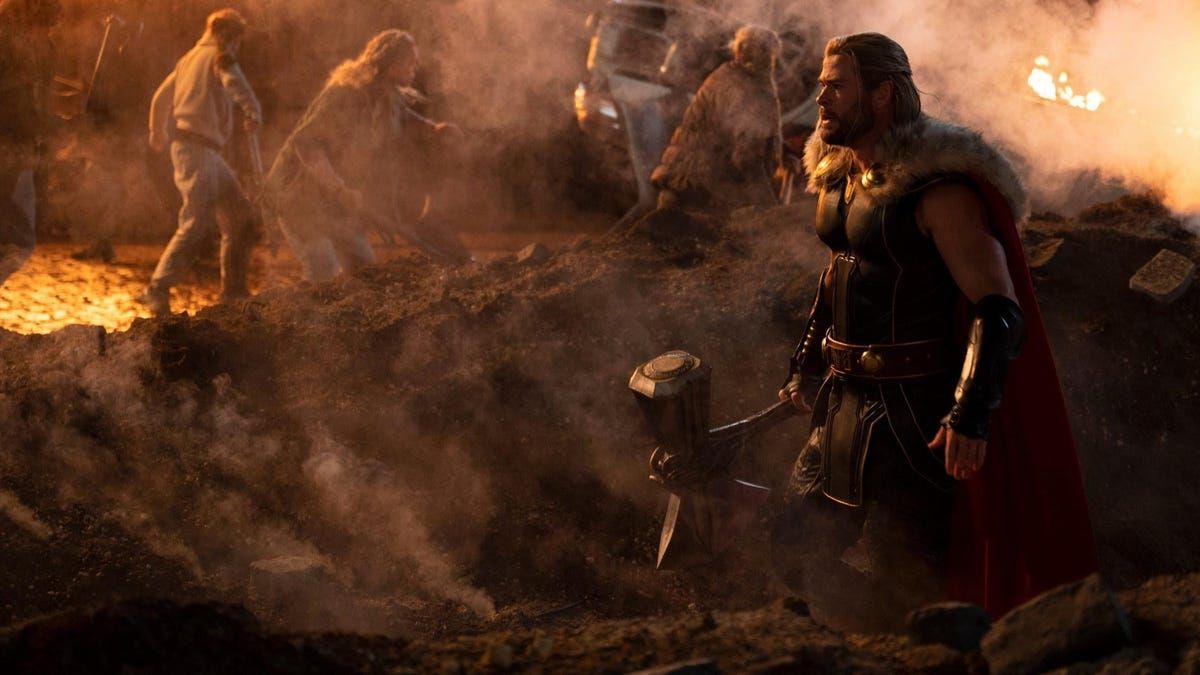
The MCU is a variable place. Sometimes its offerings can be po-faced and terribly earnest and, then again, they can occasionally be played for laughs. I tend to prefer the latter, which makes Thor: Ragnarok – in my humble opinion – one of Marvel’s better efforts. Writer/director Taika Waititi did a great job with the Thor franchise, amping up the laughs and throwing in fistfuls of surreal nonsense, just because they let him. So I go along to Thor: Love and Thunder with high expectations. For the film’s first half, I’m happy enough, though it’s probably true to say that, despite Chris Hemsworth’s best efforts, many of the jokes here don’t land quite as well as they did in the first film.

And then, in the second half, there’s an attempt to swing the mood towards more serious subject matter and I find myself less enamoured.

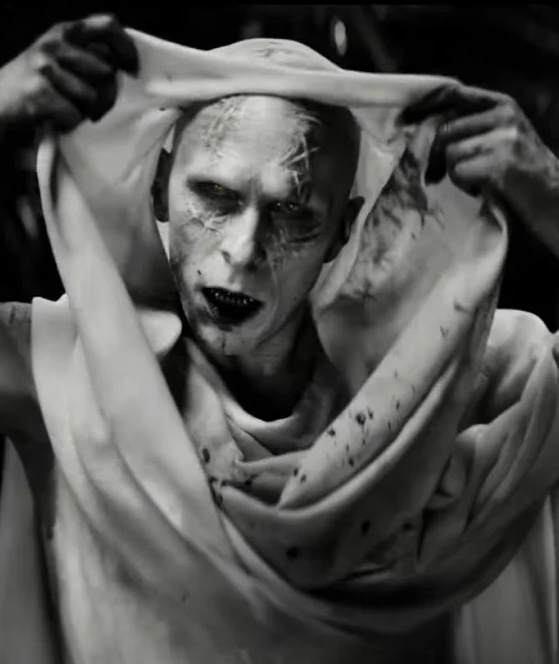
The events of the story are related by the rock-warrior, Korg (voiced by Waititi), who explains that – after much time spent voyaging with the Guardians of the Galaxy (who appear briefly but don’t get much of a look-in) – Thor parts company with them and answers a call for help from the citizens of a little village back on earth. It’s under attack by the sinister Gorr, the God butcher (Christian Bale, quite the most memorable character here), a man who has acquired a powerful sword and who has the intention of killing off every god in existence. Who shouted ‘hooray?’

Thor arrives at the same time as his old flame, Jane Foster (Natalie Portman), who is now calling herself ‘The Mighty Thor.’ She’s dressing like her former beau and, annoyingly, has control of Mjolnir, Thor’s mighty hammer. This is one really weird love-triangle.

A mighty punch-up dutifully ensues – though, due to the inevitable 12A rating, it’s a curiously bloodless affair. Gorr eventually makes his escape, taking all the local children captive – and now Thor, Jane, Valkyrie (Tessa Thompson) and Korg must launch a rescue mission… but first they need to enlist the help of the mightiest god of all, Zeus (Russell Crowe), who might just lend them his thunderbolt and who, for reasons best know to Waititi, talks like an Italian waiter…

If the plot sounds like drivel, well, it pretty much is, but Hemsworth plays the central role with such knowing charm and swagger that he almost manages to make me overlook it. There’s lots of Guns ‘n’ Roses-style guitar noodling on the soundtrack and some neat tricks are played with the film’s colour palette (Gorr has a habit of draining everything to monochrome whenever he appears), but – for me – this lacks the sheer brio of Ragnarok and various attempts to twang at the viewers’ heartstrings feel a tad too cynical for comfort.

For those who like these things, there are, of course, a couple of post credit sequences. Whether they’re worth hanging on for is a matter of debate, but they don’t add much to what is, ultimately, a somewhat disappointing exercise.

3.4 stars

Philip Caveney