Author: Bouquets & Brickbats

Blonde

03/10/22

Netflix

Andrew Dominik’s Blonde, based on a novel by Joyce Carol Oates, is an art film with a capital ‘A’. Given a running time close to three hours and presented in a whole variety of aspect ratios, it purports to be the inside story of Norma Jeane Baker – or Marilyn Monroe, as she’s better known. One overriding message comes through loud and clear: if there were any joyful moments in the star’s life, they were few and far between. This is the tale of a young woman who is repeatedly betrayed and brutalised by just about everybody she comes into contact with.

We first encounter her as a little girl (Lily Fisher), living with her abusive, disturbed mother, Gladys (Julianne Nicholson), who nearly ends both their lives by driving headlong into the midst of a bush fire. As an opening, it’s powerful and arresting – but from this point, the story takes a seismic jump through time, where we discover Norma/Marilyn (Ana de Armas) chasing roles in Hollywood, largely by allowing herself to be thrown down onto the casting couch and horribly abused by unnamed ‘producers’. The problem here is that Dominik, who also wrote the screenplay, seems to assume that everybody watching is going to be so well versed in Monroe’s career that we’ll instinctively know who’s who. It’s not always easy to follow and, for those not in the know, it’s hard work.

The overall theme here is about father issues. From the beginning, Norma Jeane’s Mother shows her photographs of a mysterious man who, she claims, is her father, once a big star in Hollywood movies. Norma Jeane consequently spends most of her life searching for him, even calling her various partners ‘Daddy’. The story leaps back and forth in time and we’re given insights into her doomed marriage to Joe Di Maggio (or ‘Ex-Athlete’, as Bobby Cannavale’s character is billed) and her equally ill-fated relationship with ‘The Playwright’ (Adrien Brody, looking the dead spit of Arthur Miller).

This is hardly a fun-filled ride. We see a harrowing abortion scene, which definitely feels pitched as an anti-abortion polemic, and there’s an equally horrible account of the miscarriage Monroe suffers while married to Arthur Miller. A brief and sordid encounter between Monroe and ‘The President’ (Caspar Philipson) is about as repugnant a sex scene as I’ve ever witnessed.

As if in an attempt to lighten the mix, there are accomplished recreations of several of Monroe’s most iconic film roles, but the swings in tone are extreme and it feels suspiciously like being alternately sprinkled with sugar and dragged through a cess pit.

Ana de Armass offers an accomplished performance in the lead role, inhabiting Monroe’s manic persona with great skill – but Blonde feels increasingly like a big bumper pack of fireworks, occasionally shooting off fabulous cinematic dazzlers but, more often than not, offering a selection of damp squibs. What’s more, the film would benefit I think, from a more stringent edit, cutting out those slower sections where the story is allowed to drag.

It’s worth seeing, but be warned – it’s not the straightforward biopic that you might expect.

3.6 stars

Philip Caveney
Smile

01/10/22

Cineworld, Edinburgh

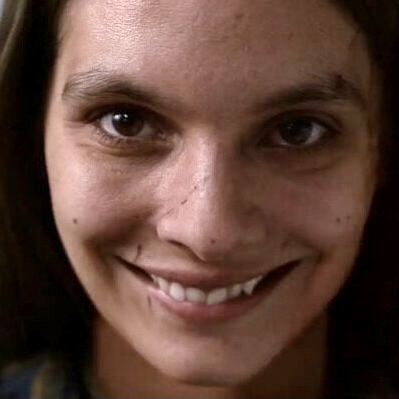
Here’s that rarest of things, a horror movie that considers itself scary enough to actually warrant an 18 certificate. In the case of Smile, a confident debut from writer/director Parker Finn, it seems perfectly justified. It’s a long while since a movie unsettled me quite as effectively as this one – and all because of the simple solid gold truth: you can spend millions on fancy effects, but nothing is quite as terrifying as somebody grinning at you.

Indeed, perhaps Grin would have been a more accurate title.

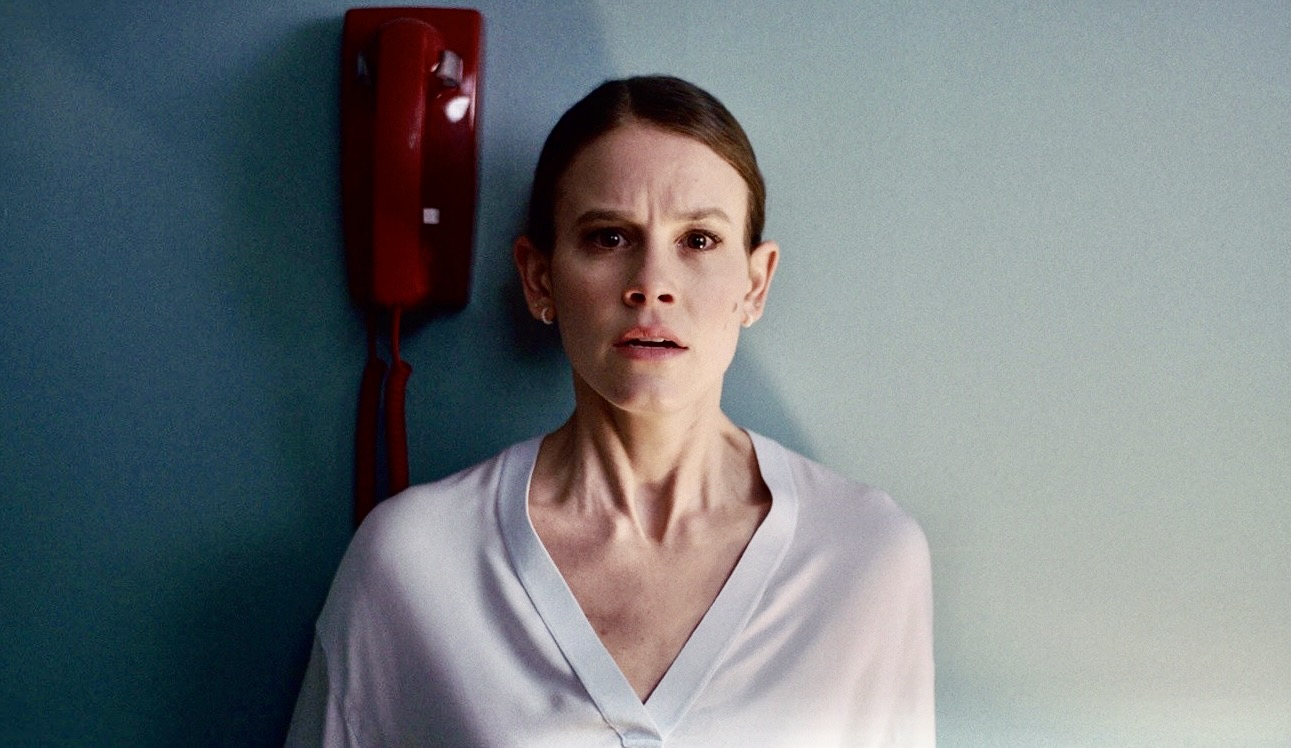
Rose Cotter (Sosie Bacon) is working long hours at an emergency psychiatric unit and, many years after the event, she’s still haunted by memories of her mother’s death from a drugs overdose. One day a young woman called Laura Weaver (Caitlin Sasey) is admitted to the unit, clearly terrified by a series of visions she’s having, in which characters from her past are visiting her.

The people don’t say anything – they just grin at her. Then, before Rose quite knows what’s happening, Laura has committed suicide, right in front of her.

Rose is urged to take time off to rest but, as you might imagine, that’s no easy matter, because now Rose is starting to experience visions of her own. Her partner, Trevor (Jessie T Usher), is decidedly unsympathetic, telling her he hasn’t got time for such nonsense, and her sister, Holly (Gillian Sinster) – who is also troubled by what happened in the past – soon has powerful reasons to be unsympathetic too, after Rose’s memorable visit to her young son’s birthday party. Only Rose’s ex -partner, Joel (Kyle Gadner), a cop, seems to be ready to offer any kind of help…

It would be a crime to give away any more about the plot. Suffice to say that Finn handles the gradually unfolding narrative with consummate skill, aided by strong performances from the cast and a brilliantly nerve-shredding soundtrack by Christobal Tapia de Veer. Jump-scares are often over-used in films like this, but Finn manages to catch me out time and time again. What’s more, while many horror movies stigmatise those suffering from mental illness, Finn manages to use the trope in a more respectful way, walking that tricky tightrope without ever overbalancing. The title is cunningly referenced again and again, and the idea that past events can keep coming back to haunt a person is effectively demonstrated. The result is a narrative that holds me in an icy grip for almost its entire duration.

It’s therefore sad to report that, in the last five minutes or so, the film stumbles slightly, offering a shonky effects sequence that feels like an unnecessary contrivance, and a conclusion that suggests that somebody already has an eye on turning Smile into a franchise. I really hope that doesn’t happen. With such an assured first outing under his belt, I’m interested to see what other ideas Finn has, because – ending aside – this is a superior slice of horror.

Meanwhile, those who like to be terrorised by what they’re watching should strap themselves in for a wild and traumatic experience. As I leave the auditorium, I notice that a member of staff is smiling at me…

4.4 stars

Philip Caveney
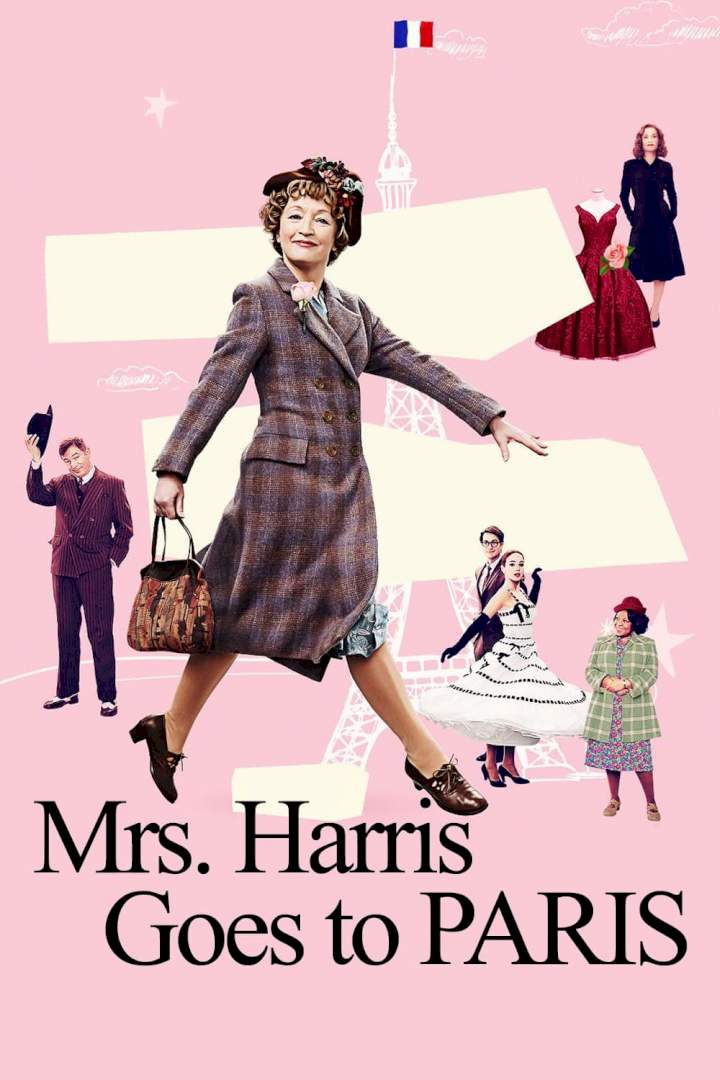
Mrs. Harris Goes to Paris

30/09/22

Cineworld, Edinburgh

I am poorly when I see the 1992 teleplay, Mrs ‘Arris Goes to Paris, nursing a cold. I am lying on my sofa with the TV on, drifting in and out of sleep. At one point, I wake up, and there are Angela Lansbury, Diana Rigg, and, wait, is that Fred from Corrie? Is this a fever dream? I find myself engaging with the story, and watching through to the end. On occasion, I mention it to friends, but nobody has ever heard of it. They look at me sceptically. I let it go…

So I’m weirdly excited about this latest iteration of the tale, which I now know is based on a novel by Paul Gallico. Lesley Manville stars as the titular Mrs Harris (her ‘H’ restored), with Isabelle Huppert and Jason Isaacs as the big name support.

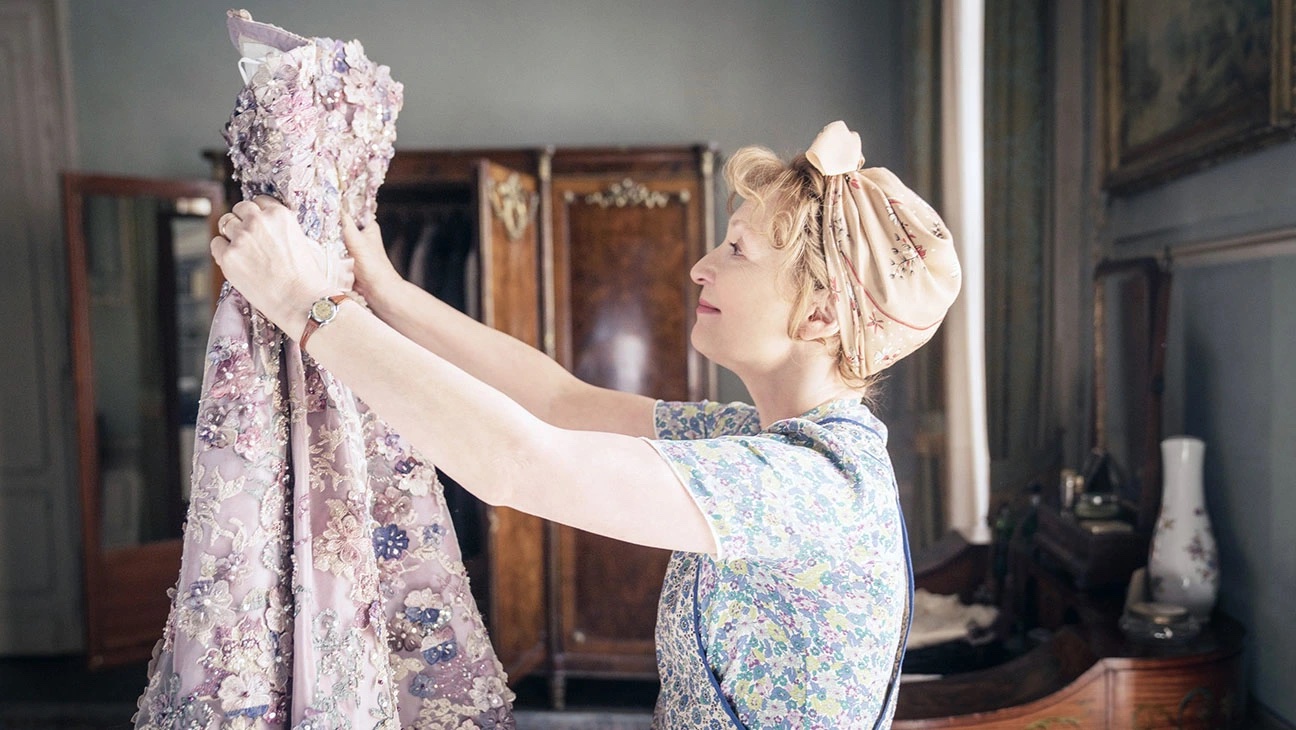
It’s London, 1957. Ada Harris knows in her heart that she’s a war widow, but she’s been waiting years for Eddie’s death to be confirmed. In the meantime, she’s working as a charwoman, cleaning up after a succession of indolent rich folk. She’s not unhappy exactly: she has a busy social life, drinking, dancing and ‘going to the dogs’ with her friends, Violet (Ellen Thomas) and Archie (Isaacs). But something is missing and, when Ada catches a glimpse of an exquisite couture gown in Lady Dant (Anna Chancellor)’s bedroom, she realises exactly what that missing something is…

A posh frock from Paris is beyond Mrs Harris’s slender means, but she’s a determined woman, and sets to with admirable grit, making savings wherever she can. Take the bus to work? No, not when she can walk. And what does she need with evenings out? Better to spend the time altering and repairing people’s clothes, bringing in a few extra shillings. Despite her hard work, however, that Dior dress is still way out of reach.

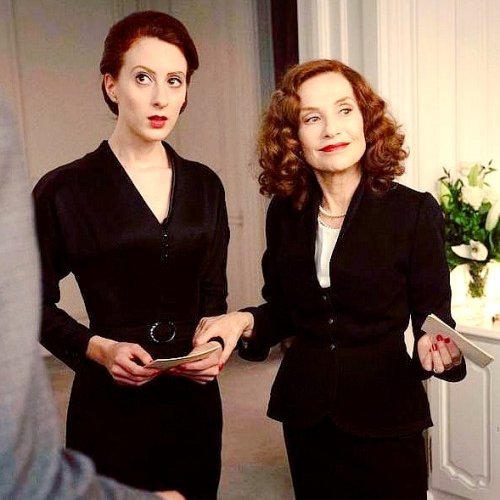
Until a series of fortunate events occurs, and – of course – she’s off to Paris! (Come on, that’s hardly a spoiler; it’s literally in the title.) The streets of the French capital appear to be paved with litter (there’s a bin strike, which we citizens of Edinburgh can certainly relate to), but Ada rises easily above the stink. She’s having the time of her life, and – with the help of André (Lucas Bravo), Natasha (Alba Baptista) and the dashing Marquis de Chassagne (Lambert Wilson) – she’s rediscovering her mojo. Sure, Mme Colbert (Huppert) is a bit sneery, and Mme Avallon (Guilaine Londez) seems to view her as an enemy, but so what? A couture gown is on its way; what could possibly go wrong?

Mrs Harris Goes to Paris is essentially a fairytale, although it’s not very grim. It’s a frothy concoction, signifying little, but it’s eminently watchable, with warm, engaging characters, and a satisfying (if predictable) story arc. Under Anthony Fabian’s direction, this primarily Hungarian production (no, I don’t know why either) is beautifully shot, and Felix Wiedemann’s cinematography really captures the ethereal beauty of the clothes, so vital to the tale. It’s refreshing to see a love story that doesn’t patronise an older woman, and I’m pleased that the ‘fish out of water’ stuff is played down. Ada is independent: she has lived alone through a war and is used to city life, and she mixes with all kinds. It’s no surprise that she can hold her own in a Parisian restaurant, nor that she’s unfazed by the unfamiliar etiquette of a Dior fashion show. Perhaps the most important theme is one of societal change: just as the political elite in Paris have to accept that the workers won’t settle for poverty wages any more, neither will Ada continue to put up with late payments and disrespect from her employers. The war was a real turning point, and its longterm implications are starting to be felt.

I don’t really know how this compares to the teleplay, because I wasn’t fully compos mentis when I was watching that, but I do know that it’s more enjoyable to see Mrs Harris finding her dream dress when I’m not in a Lemsip fug. And at the cinema too, which is always better (true fact, no counter-arguments accepted).

3.8 stars

Susan Singfield

Break My Windows

27/09/22

Traverse Theatre, Edinburgh

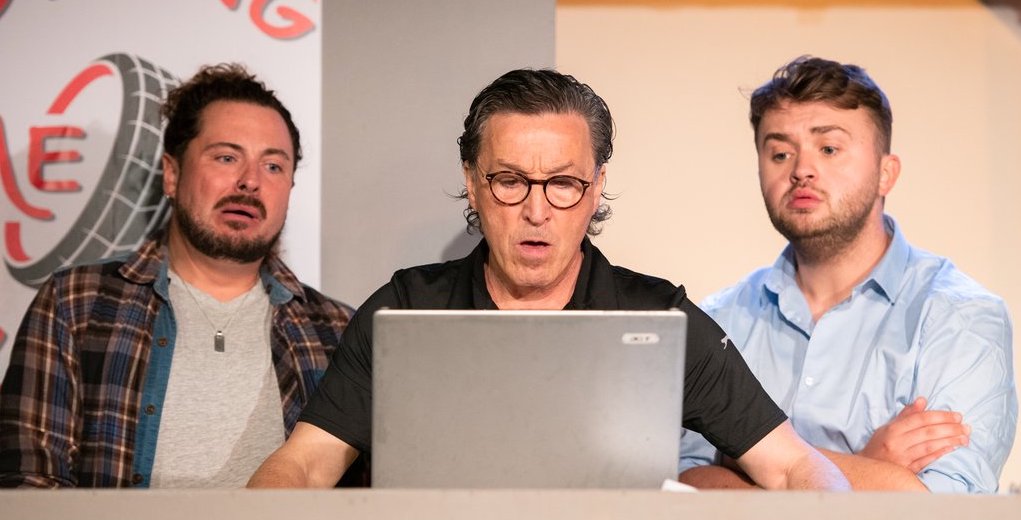
In an economy dominated by ‘funnel the capital upwards’ juggernauts like Uber, Yodel and Deliveroo, Eric (Tom McGovern)’s new company, Bring Me Wheels, is the logical conclusion. They all require drivers, right? So why not combine them, and concentrate even more money in a single pair of hands?

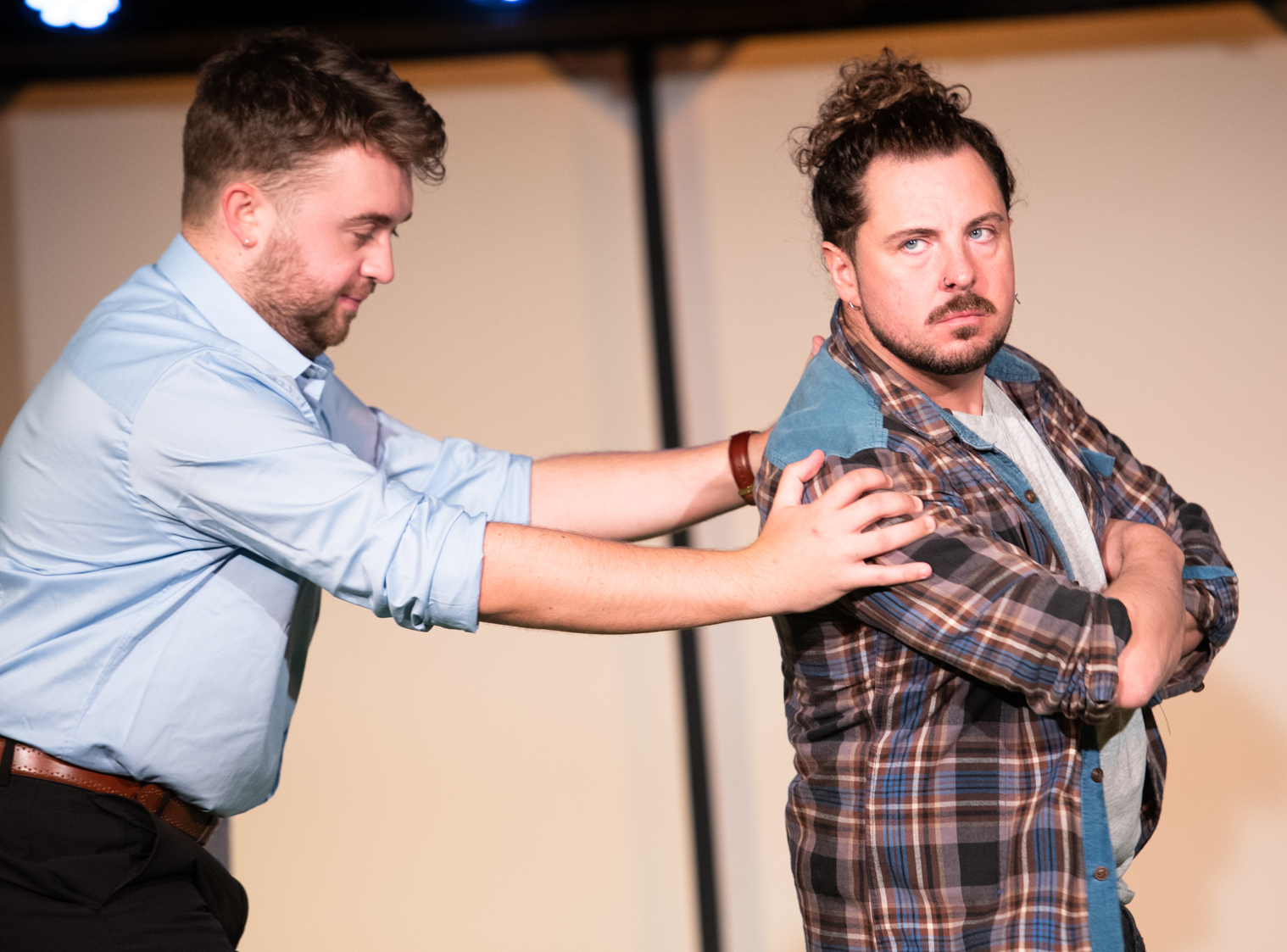
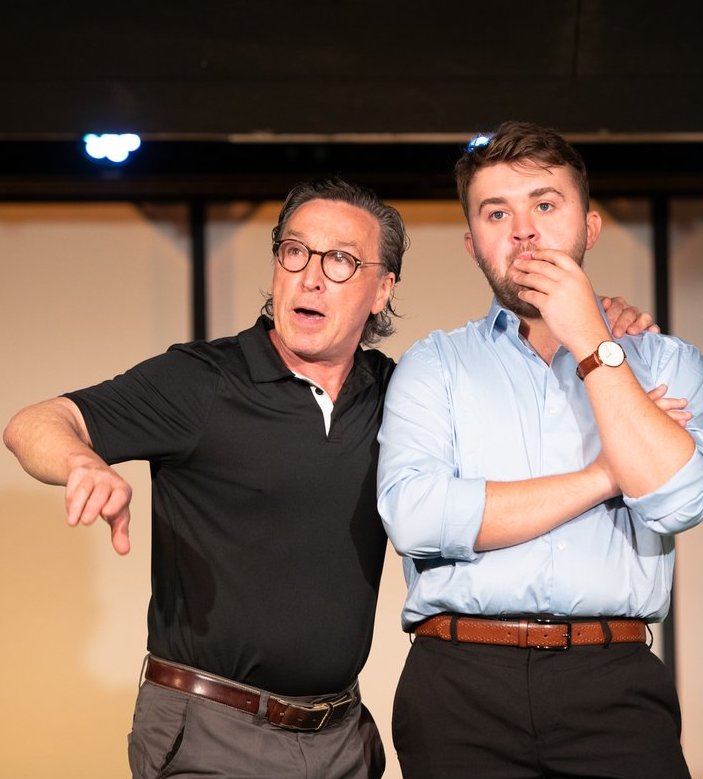
Speaking of hands, Eric has his fingers in a lot of pies, but Bring Me Wheels is especially close to his heart. He’s using it as an excuse to rebuild his relationship with his twenty-three-year-old son, Brandon (Ross Baxter), who hasn’t – as yet – got much to boast about on his CV. What better way to set him up than to make him manager of his dad’s shiny new start-up? But Brandon’s boyfriend, Sam (Jamie McKillop), has a lot to say about the inequities of late-stage capitalism, which puts a spoke in the Bring Me wheel. A bit of reading soon convinces Brandon that he’s not too keen on the business’s exploitative practices, although he does like living in a fancy flat and driving a brand new Tesla…

David Gerow’s script is nicely paced, and there’s plenty of humour to lighten the outrage. Directed by Ken Alexander, Break My Windows is as much an exploration of relationships as it is of the gig economy, and the chemistry between the three actors is palpable. At times it’s horribly tense, with Eric and Sam both entrenched in diametrically opposed views, and Brandon caught unhappily in the middle, snarked at by both of them, and repeatedly told to “keep your feelings out of this”. The politics are a little simplistic, perhaps, but that seems realistic too: you don’t have to spend too long on Twitter to see how binary and glib so-called debate can be. McGovern’s Eric is particularly funny – and strangely appealing, despite the odious views he espouses.

This thought-provoking piece is part of the latest A Play, a Pie and a Pint season, and it’s very fitting for a slice of lunchtime theatre.

3.7 stars

Susan Singfield

Prey

25/09/22

Disney+

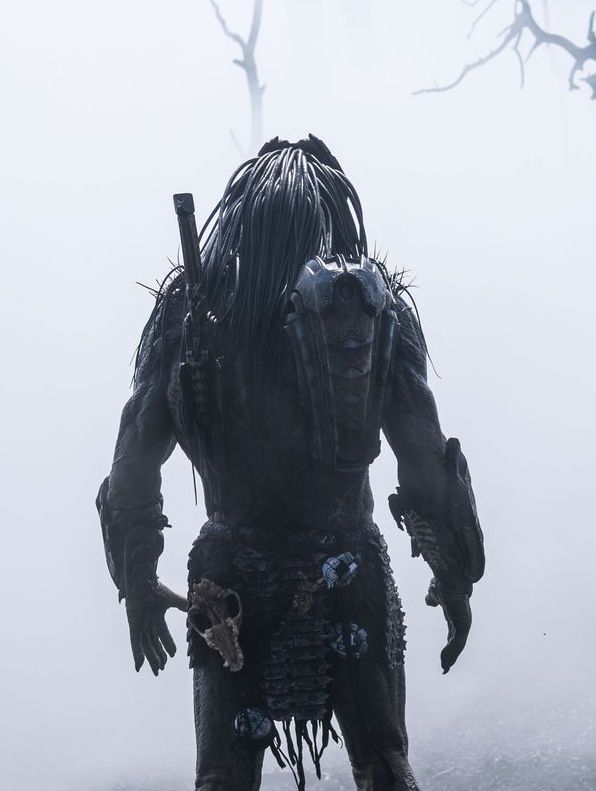
In 1987, Predator was a palpable hit for Arnold Schwarzenegger, a sci-fi action adventure so stuffed full of testosterone it felt like it was going to explode off the screen. Its titular villain, an alien hunter sporting dreadlocks and a face like a shellfish casserole, was memorable enough to prompt a series of sequels, each one less satisfying than the last. Eventually, the creature was pitted against the villain from Alien, which really should have been the end of the story. It seems obvious: if you haven’t got anything new to add to a franchise, why bother?

And then writer/director Dan Trachtenberg has a great idea. What if the alien hunter has been around for a long time? What if he visits Earth in the 1700s? What if he has all those same hi-tech weapons at his disposal but his adversaries are native Americans, armed with nothing more deadly than knives, spears, bows and arrows?

It sounds like a brilliant premise and, from the moment I hear about it, I’m in. But annoyingly, Prey doesn’t get a cinematic release and is exclusively shown on Disney+. Which more or less explains how I wind up viewing it months after its initial release.

No matter, late is better than never, right?

This is the story of Naru (Amber Midthunder), a young Commanche woman who cannot see why she is expected to stay in the tipi with her mother, Aruka (Michelle Thrush), cooking and being practical, while her brother, Taabe (Dakota Beavers), gets to head off on hunts, killing rabbits and deer for the larder and even taking on the occasional larger animal, like the pesky mountain lion that’s been causing havoc amongst the tribe. Naru practises with her weapons at every opportunity, even devising a brilliant technique employing an axe on a length of home-made rope. She wants to be ready if Taabe ever grants her the opportunity to hunt alongside him.

Then one day she sees something in the sky, something she thinks is a vision of the Thunderbird. Of course, it really marks the arrival of the alien hunter, dropping by for another of his brutal safaris. Pretty soon, he’s attacking and killing everything that moves – and it’s only a matter of time before Naru and he are engaged in a desperate struggle for survival…

There’s so much to enjoy here – Midthunder is terrific in the central role (it will be interesting to see where she goes next) and Jeff Cutter’s sumptuous location cinematography sets the scene perfectly. The action sequences are brilliantly devised and filmed, but, unlike the original film, Prey has plenty to say about the nature of hunting, how different it is when people depend upon it in order to stay alive. This point is eloquently enforced when Naru chances on a whole field of skinned buffalo, the victims of a large group of French hunters, who we meet later in the film and who clearly embody the true nature of savagery. Furthermore, there’s a cleverly constructed plot here. Everything that happens to Naru is shown for reasons that will only become fully evident in the film’s final moments. Keep an eye out for Chekov’s quicksand!

Most critics have placed Prey as the second best film in the Predator franchise, but I’d go further than that. For my money, this effort leaves Arnold’s macho swagger in the dust.

4.2 stars

Philip Caveney

Don’t Worry Darling

23/09/22

Cineworld, Edinburgh

Don’t Worry Darling. Well, it’s hard not to worry. Specifically, it’s hard not to worry about the missing comma. You know, the ‘direct address’ comma? I don’t like writing Don’t Worry Darling without it. It looks wrong, but I can’t add it in because it’s not there in the official title. Don’t tell me it’s not important or not to sweat the small stuff. I can’t help it. Punctuation matters, Grandma.

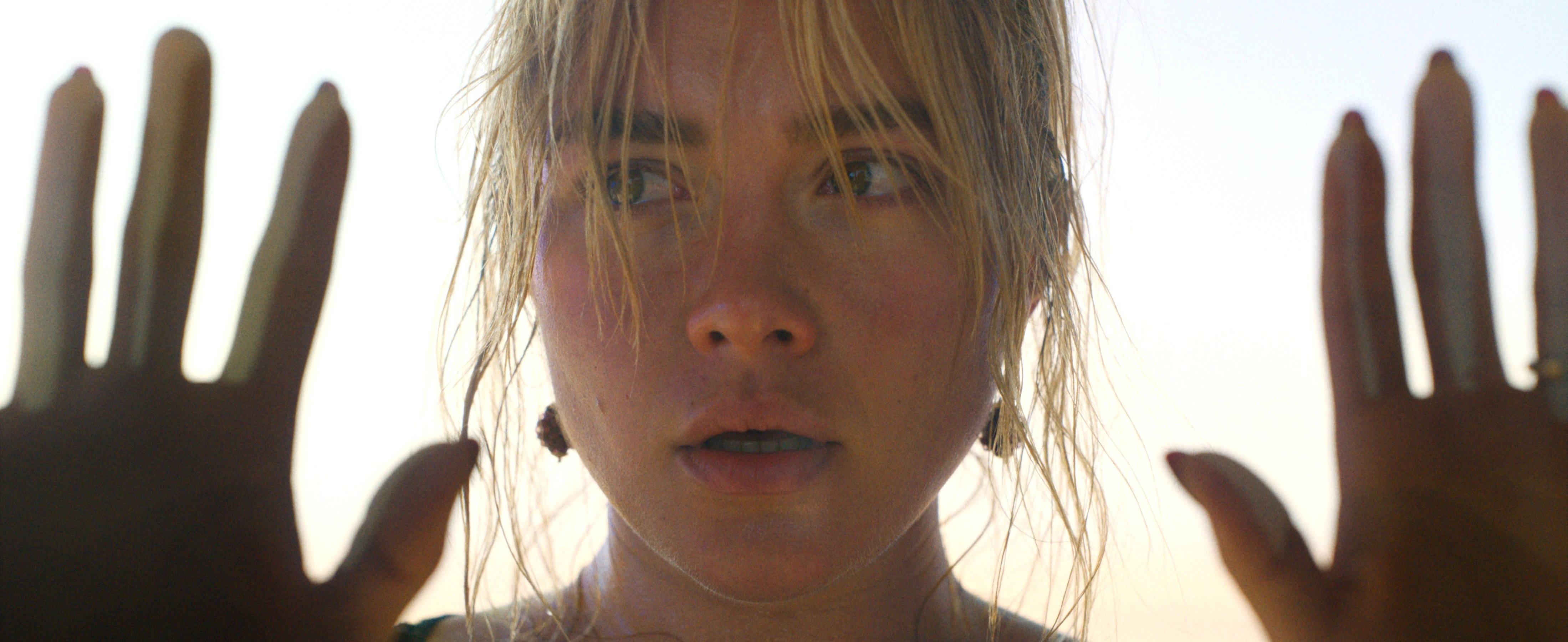
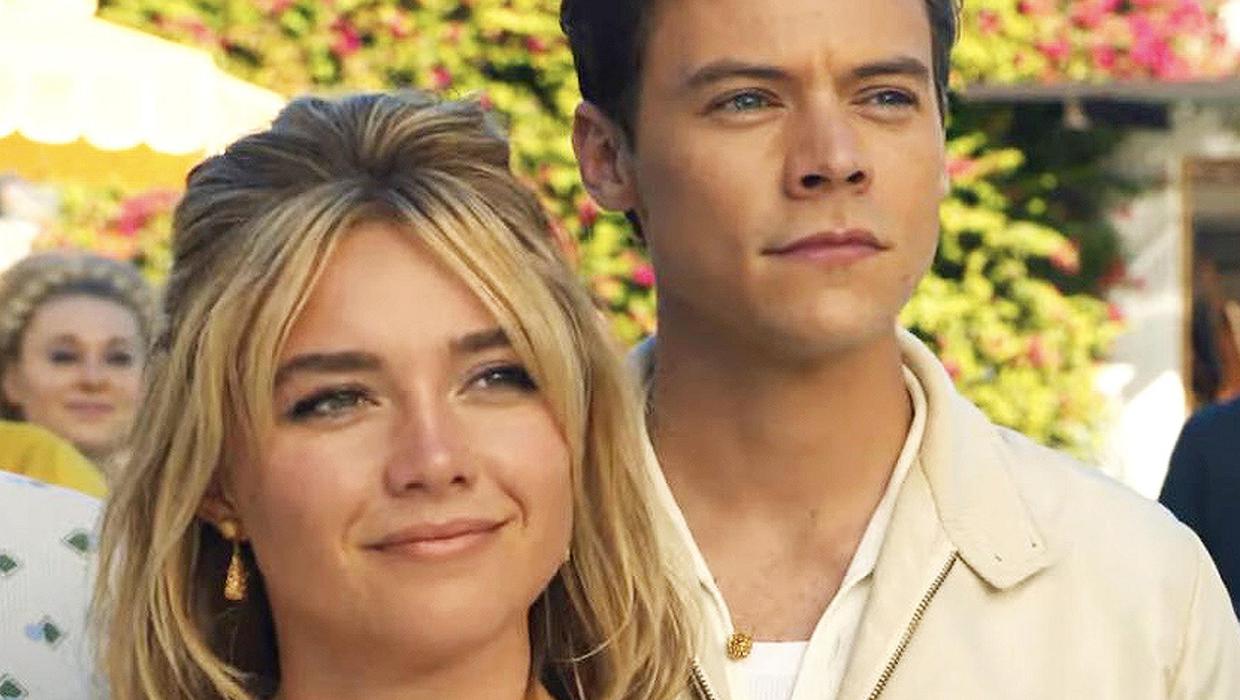
Still, taking a deep breath and moving past the title, Don’t Worry, Darling (sorry) is – for the most part – a very engaging film. Florence Pugh stars as Alice, a Stepford-style wife living in the Stepford-style town of Victory, an idyll in the middle of an unforgiving desert. That is, if your idea of an idyll is the sexist 1950s, where the men go to work (all at the same place, the – er – top secret Victory project) and the women stay at home, their daytime hours spent shopping, boozing and ballet dancing. Oh, and cooking and cleaning, which might sound like a downside, but these women really, really enjoy their household chores…

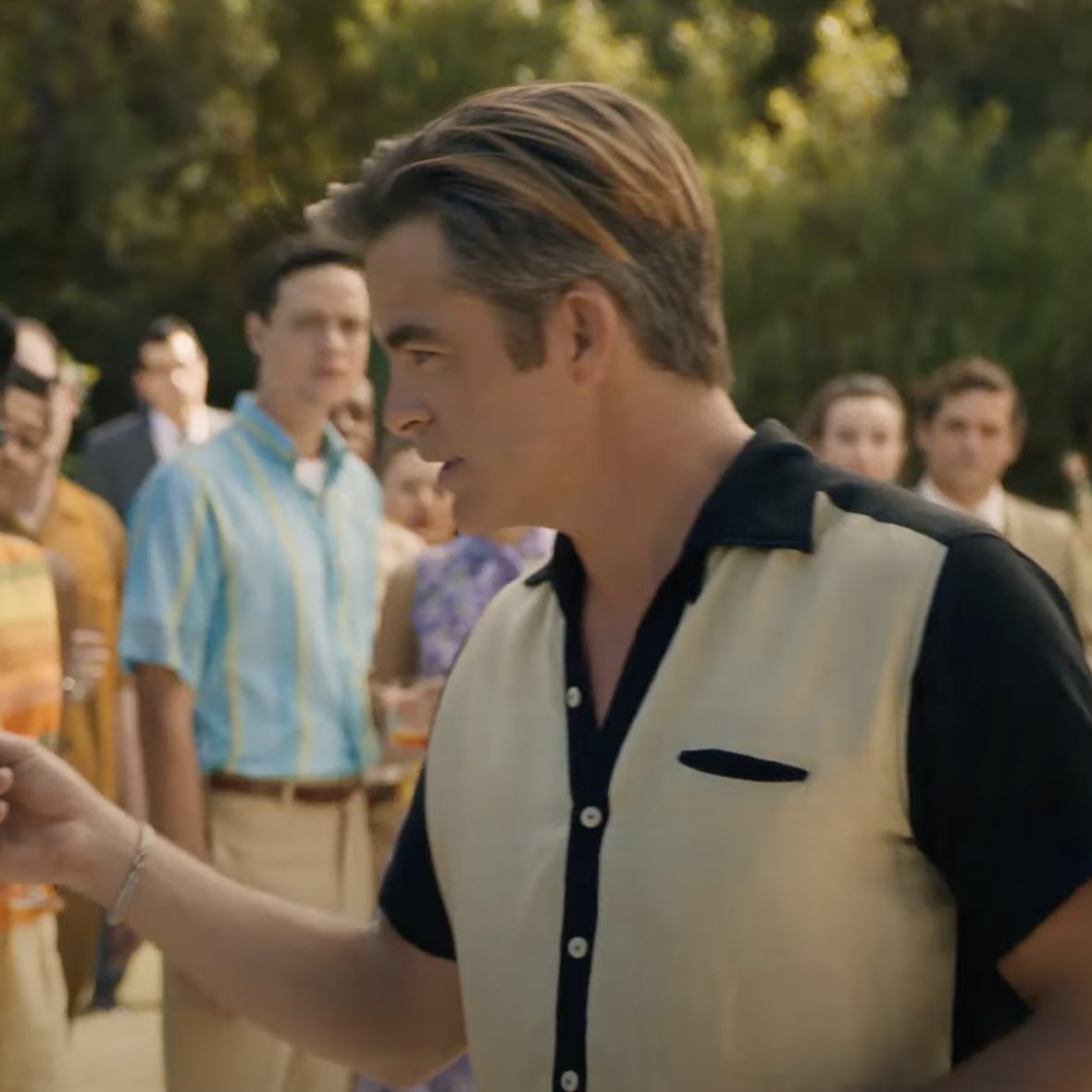
Alice and her husband, Jack (Harry Styles), seem even happier than all the other happy people – they can’t keep their hands off each other, and who cares if dinner ends up on the floor, when there’s frantic sex on the menu? Okay, so there are regular small earthquakes disrupting their peace, and Alice’s friend, Margaret (KiKi Layne) keeps trying to tell everyone that something’s wrong, but Dr Collins (Timothy Simons) assures them all that she’s not well; there’s nothing to worry about. Darling. Victory’s founder, Frank (Chris Pine), has everything in hand. Aren’t they lucky to be here? They can trust him. Can’t they?

But then Alice witnesses a plane crash, and – desperate to help – she ventures up to the forbidden Victory HQ. And what she sees there changes everything…

Olivia Wilde’s sophomore movie isn’t quite up there with Booksmart, but there’s a lot to admire here. It’s an ambitious project, riffing on The Matrix as much as the aforementioned The Stepford Wives, as well as The Truman Show and Valley of the Dolls. The script (by Katie Silberman) is also thematically close to Laura Wade’s similarly-titled stage play, Home, I’m Darling, in that it exposes the myth behind the glamorous image of the 1950s – the pastel colours, stockings and champagne cocktails (perfectly evoked by cinematographer Matthew Libatique) mask myriad miseries, particularly for women trapped in the domestic realm.

Pugh’s performance is flawless, and Styles does well in the supporting role. Pine is genuinely scary, his slick smile doing little to conceal Frank’s coercive nature, and Gemma Chan, as his wife, Shelley, is a suitably chilling accomplice. Wilde herself plays Bunny, a playful, hard-drinking woman, and Alice’s closest friend. It’s an interesting dynamic, and the set up is beautifully managed.

Unfortunately, the unravelling is less well-handled, and several gaping plot holes emerge along with the revelations. This is a shame, because the first two thirds promise so much, but the complex unveiling is too quick, too told. I am left with too many questions, and not in a good way.

Another half hour, a little more detail, some attention paid to the ‘but how?’ and Don’t Worry Darling could be much better than it is.

3.6 stars

Susan Singfield

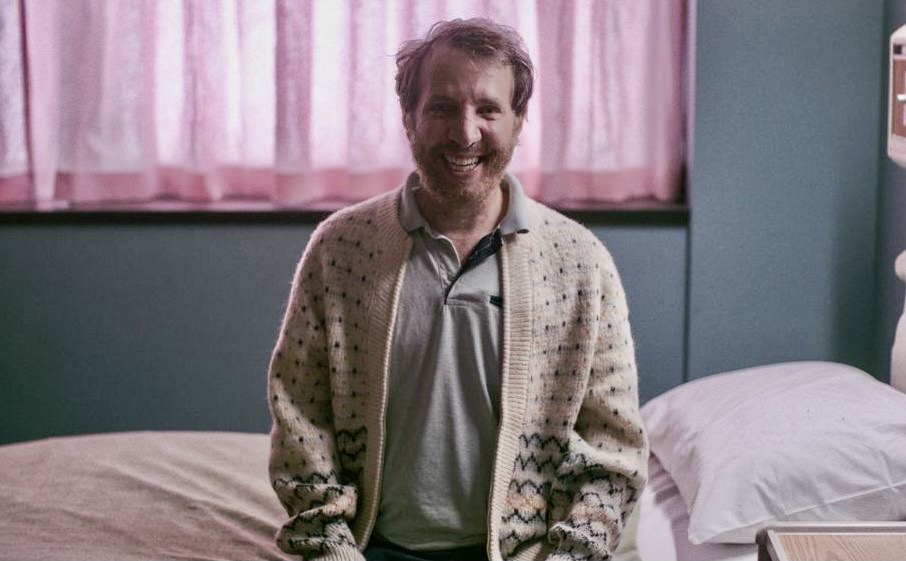
The Osmonds: A New Musical

22/09/22

Festival Theatre, Edinburgh

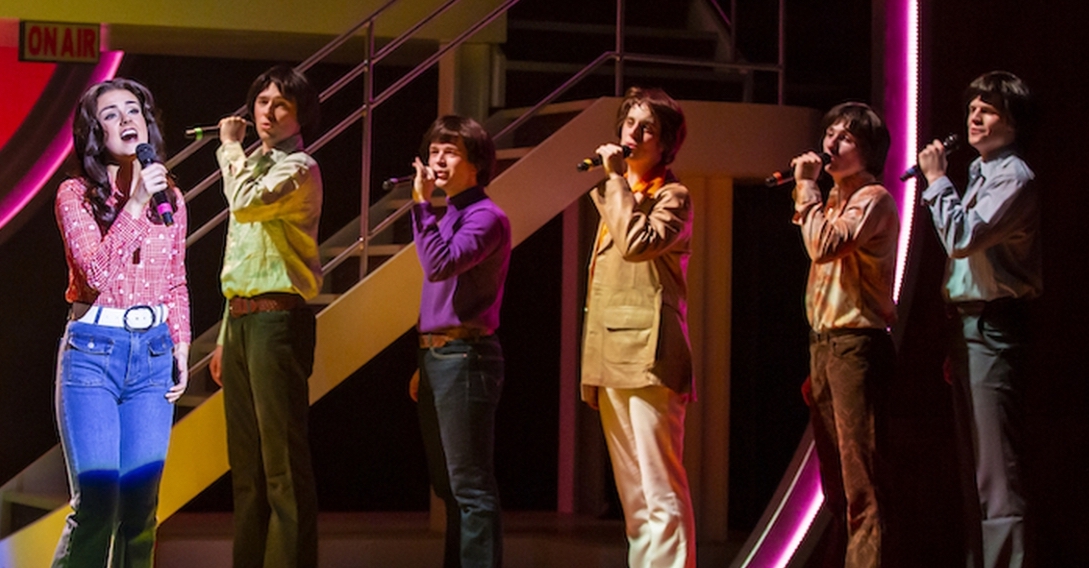
It’s late September, the theatres have been dark for the best part of a month, and we finally come back to… this. It’s probably fair to say that I’m not in the ideal demographic for The Osmonds: A New Musical but, looking down into the stalls of the Festival Theatre, it’s clear at a glance that a lot of women are here tonight, revisiting their teenage crushes – and they are having a great time. Some of them are even wearing the T shirts.

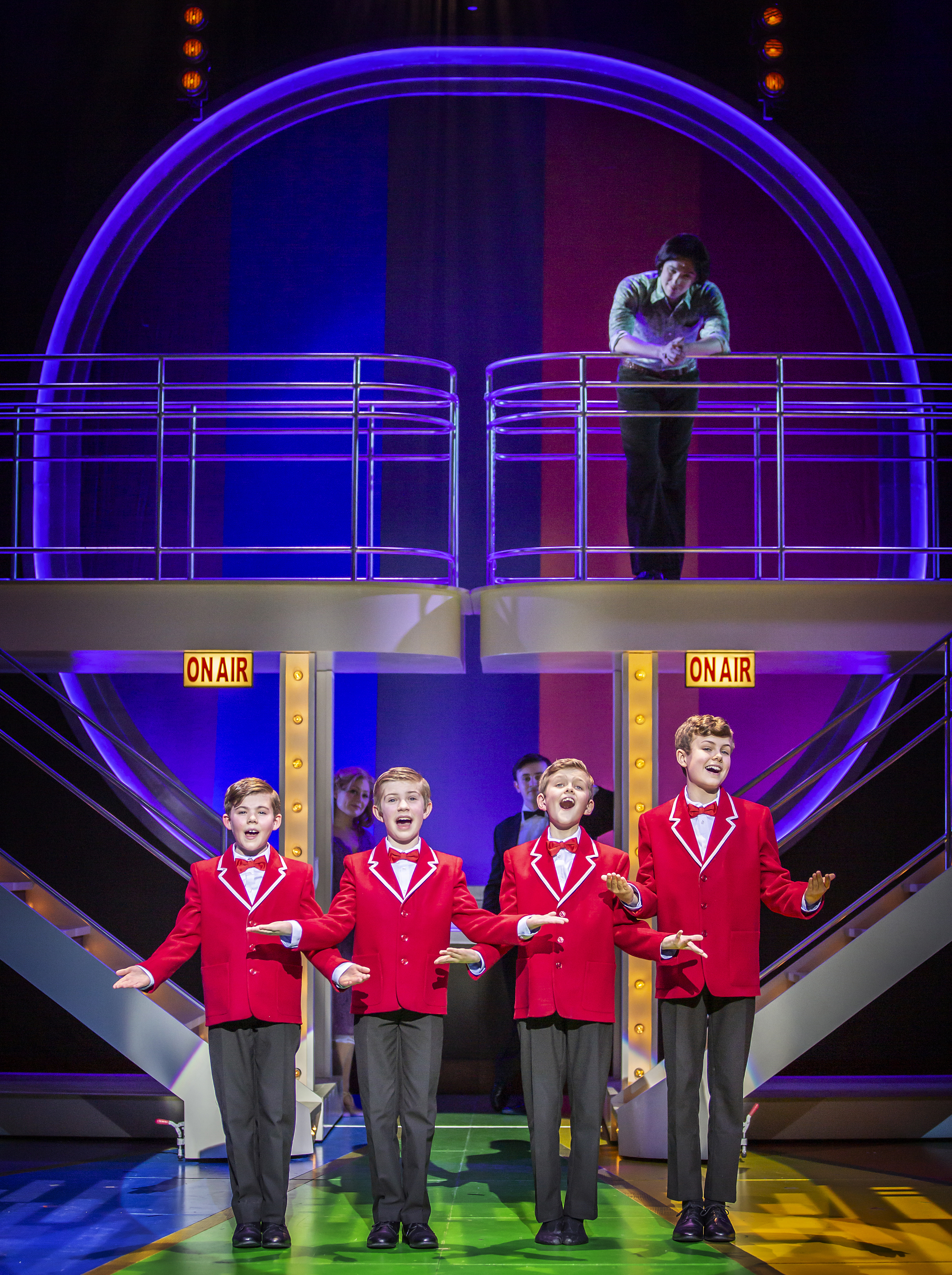
I was never an Osmonds fan. I was aware of them, of course, and – whichever way you look at it – they were a phenomenon, a seemingly unstoppable pop juggernaut. Originally a foursome of squeaky clean school kids, drilled to perfection by their army veteran father, George (Charlie Allen), and occasionally comforted by their Mom, Olive (Nicola Bryan), the boys were taught that family was everything and that it didn’t matter who was leader, as long as it was an Osmond. These were the kids who were ‘discovered’ in 1962 by family crooner Andy Williams, and who eventually signed a five-year contract for weekly appearances on his TV series. They consequently grew up in the unforgiving glare of a massive spotlight and, over the years, they sold over one hundred million records. Think about that for a moment.

One. Hundred. Million.

It really ought to be a fascinating tale but the clunky storytelling means it’s never really allowed to take flight; there’s far too much telling and not enough showing. Too often, we cut away from the more interesting stuff for a (very accurate) rendition of one of a long list of songs – although I can’t fault the performances, which nail with aplomb the brothers’ respective singing styles. 

The story is told from the perspective of Jay (Alex Lodge), the tall one who was usually positioned in the middle. It’s his spin on the tale – as transcribed by Julian Bigg and Shaun Kerrison – that powers this version of events and it’s interesting to note that George’s relentless approach to childcare is barely criticised, and that there’s barely any mention of the family’s Mormon religion. Naturally, towards the end, there’s a bit where the other brothers acknowledge that Jay was right about everything and they should have listened to him. Of course there is.

Most of us know the trajectory of the group: how Donny (Joseph Peacock) and his kid sister, Marie (Georgia Lennon) became TV stars in their own rights, and how the other brothers were eventually relegated to backing band status, obliged to goof around in hokey costumes behind their younger siblings – and how, in the 1980s, the family’s attempt to set up their own production company back home in Utah resulted in devastating financial ruin, obliging them to tour the world for two years in order to pay back every cent they owed. 

The first half works well enough, moving slickly along like a well-oiled machine, as the boys rapidly ascend to stardom. The costumes are spot on, the choreography is inventive and the hits keep on coming. The second half, however, feels somehow rather inert, with the brothers quarrelling, suffering from emotional distress and trying to apportion blame for their predicament. Time after time, more songs are offered as fillers (though to see Peacock perform Puppy Love to hordes of screaming women is certainly something to behold). 

Sensibly, they hold Crazy Horses till the end. That uber-heavy riff that wouldn’t have disgraced Motörhead in their prime even has me jiggling in my seat.

As the curtain falls, there’s no doubting the excitement of those fans down in the stalls, who are up on their feet applauding. The Osmonds is an accomplished jukebox musical, but I’m left with the distinct conviction that, with a better script, it could be more than that.

3 stars

Philip Caveney
Moonage Daydream

20/09/22

Cineworld IMAX, Edinburgh

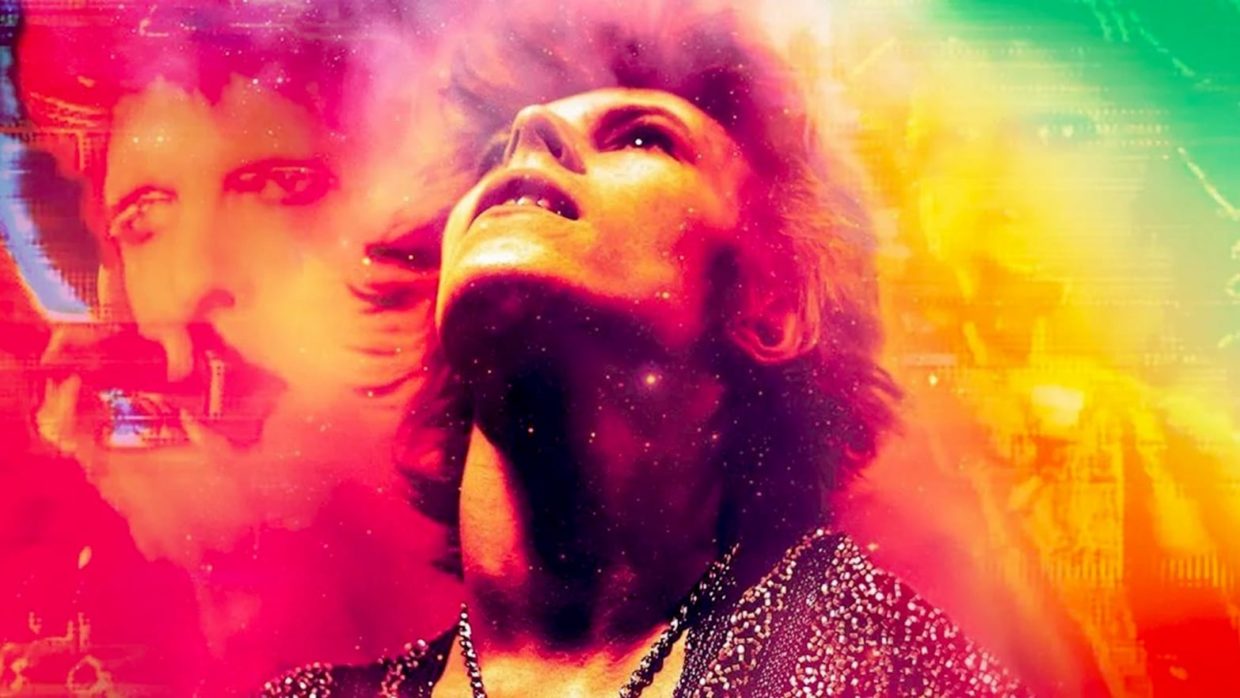
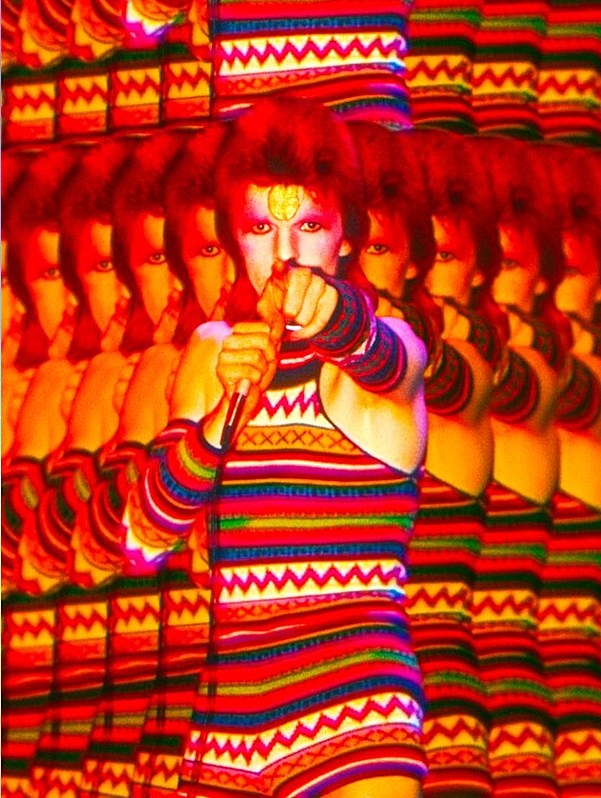
Anyone expecting a straightforward biography of the late David Bowie is in for a surprise. Brett Morgan’s art film (I hesitate to use the word ‘documentary’) is as experimental as anything I’ve seen in a very long while, a pulsing kaleidoscopic collection of vivid images and found footage, propelled by some of the most memorable rock songs ever committed to acetate.

In its peculiar way, it’s as elusive and enigmatic as its subject.

I was twenty when I first heard The Rise and Fall of Ziggy Stardust and the Spiders From Mars, already a little too old to be completely captivated by his androgynous alter ego, but it’s here that the film opens – with Bowie at the height of his fame, pursued everywhere by adoring fans, working-class kids doing their level best (and mostly failing) to appropriate his ‘look’. We learn only a little about his earliest years and there’s no mention of the infamous Angie, to whom he was married for a tumultuous decade. Morgan prefers to let the music do the talking, while the screen explodes with a myriad visual references: the films; the books; the paintings; the actors; the locations that influenced Bowie, that made him what he became – a rock chameleon, inhabiting a whole series of different personae, constantly reinventing ways to take an audience by surprise.

Viewed on the IMAX screen, the result is immersive, hypnotic, even overwhelming at times and, on the few occasions when Bowie is allowed to deliver an entire song, I’m thrilled by how contemporary it sounds. Of course his gender-fluidity was way ahead of the curve, but so too was the music, visiting places where few others dared to tread. And his presence here seems predominantly to be that of the wanderer, always on the move, visiting an endless list of new locations, always on the lookout for what can be assimilated into his ‘new’ sound. It’s interesting to note that it’s only when he finds happiness (through his marriage to Iman) that his music finally begins to lose its dangerous edge.

Some will find this too much of an assault on the senses, but for my money it serves as a fitting – and long overdue – tribute to one of the most remarkable performers in music history. And those who choose to come along simply to hear his best songs performed in Dolby stereo won’t be disappointed.

4.4 stars

Philip Caveney
Bodies Bodies Bodies

18/09/22

Cineworld, Edinburgh

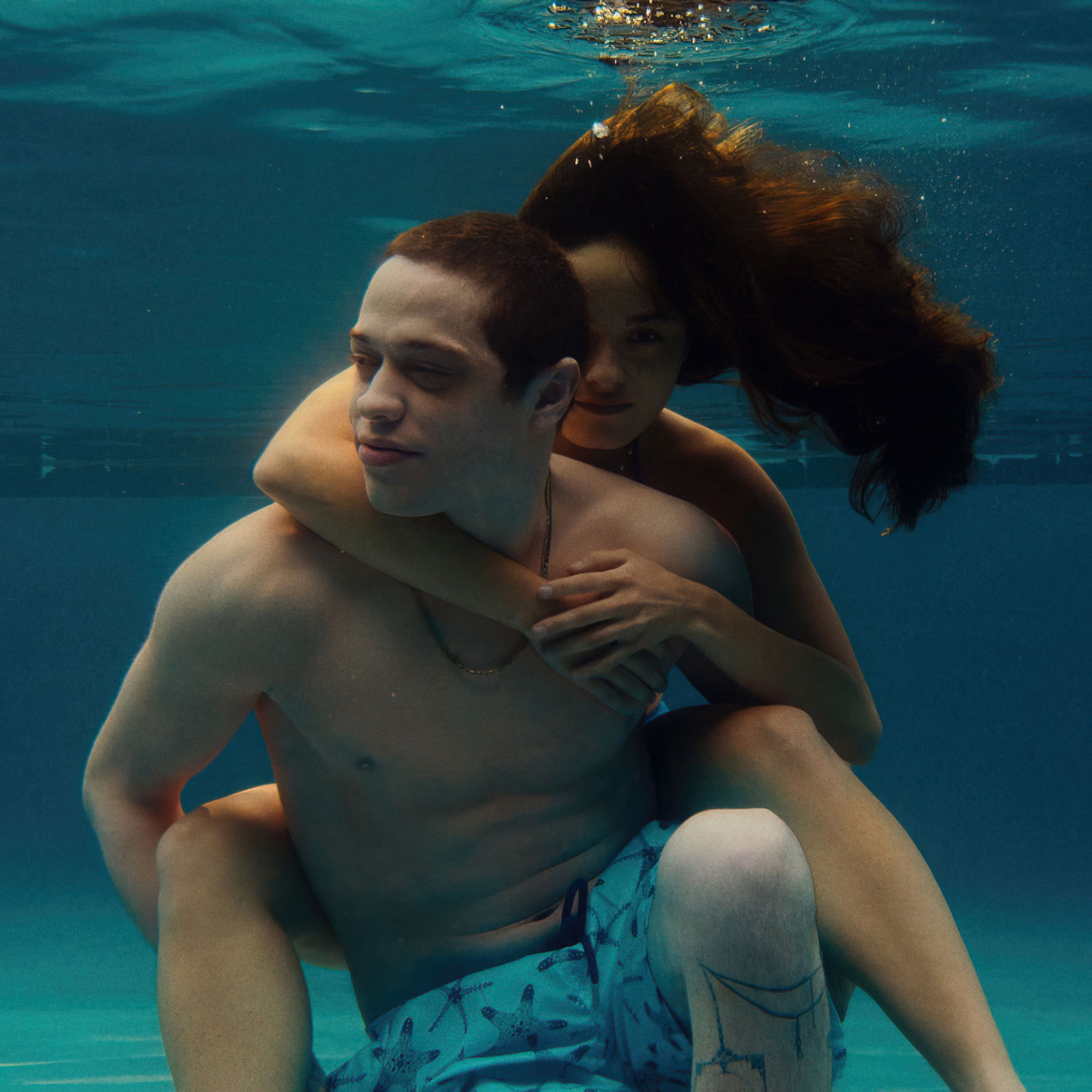
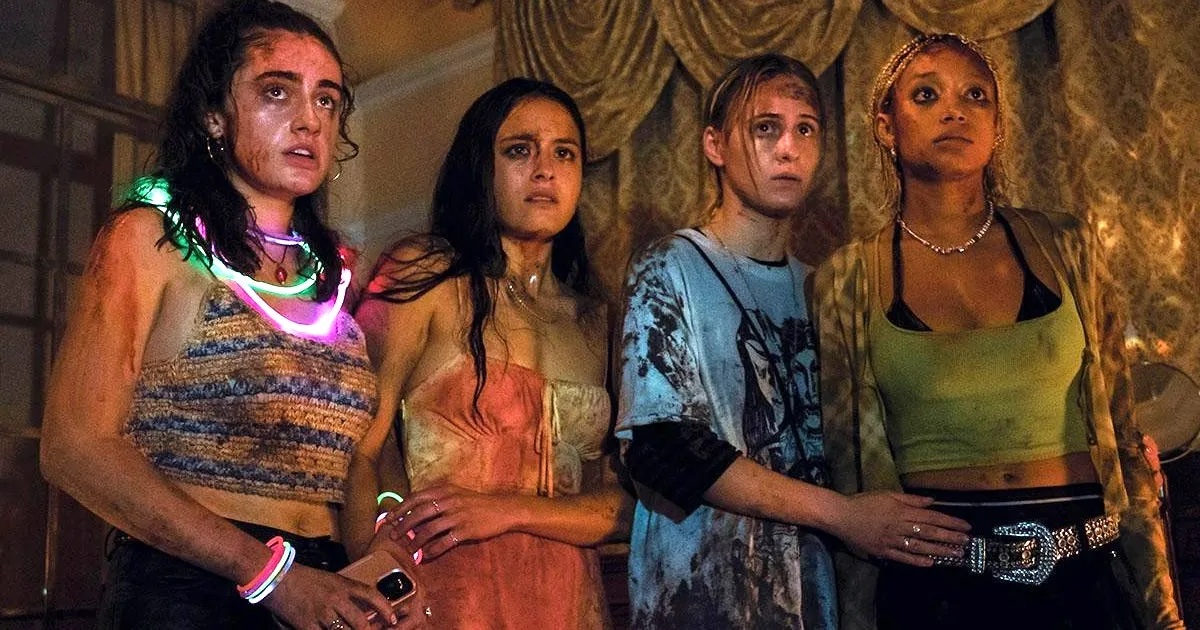
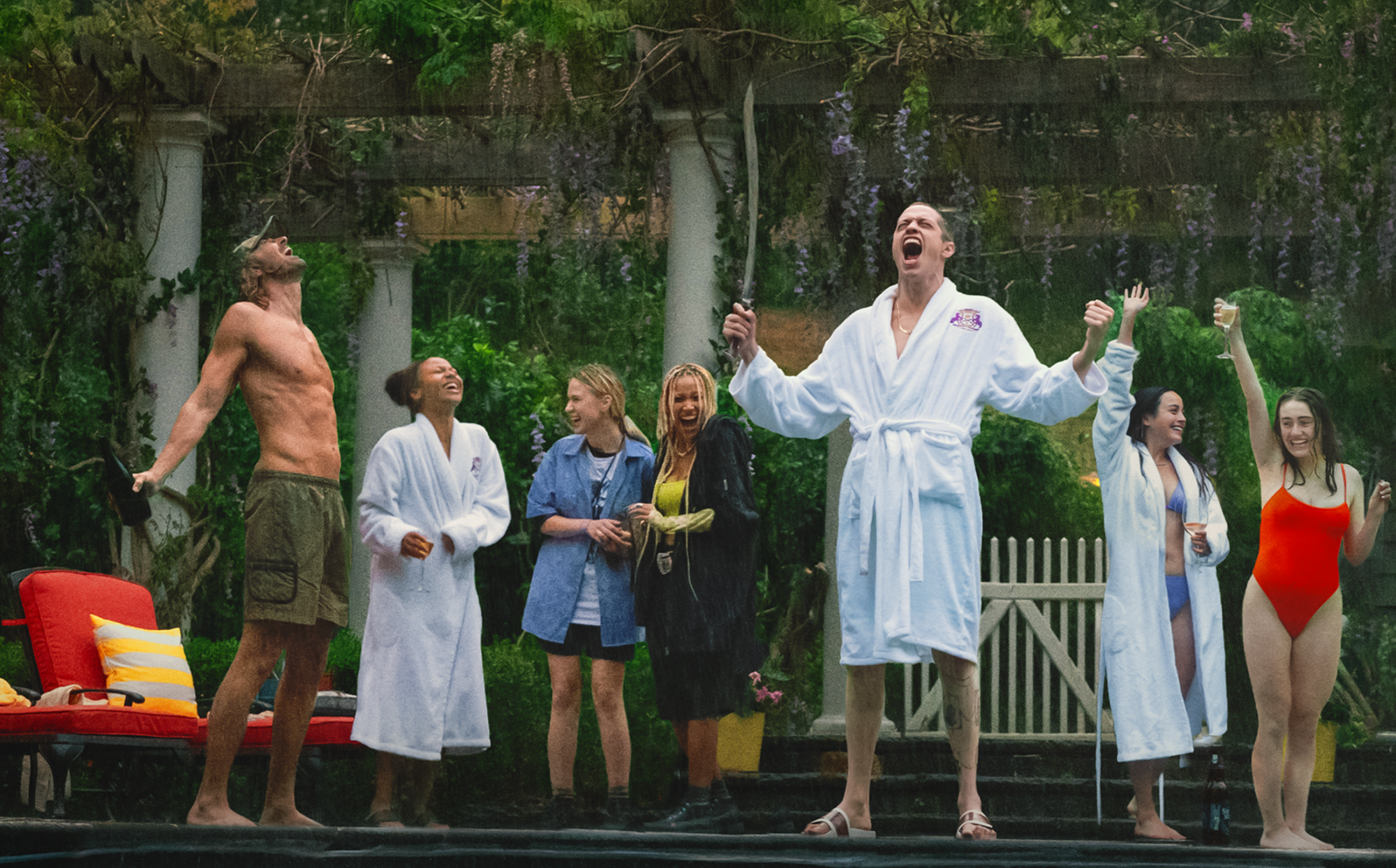
Sophie (Amandla Stenberg) brings her new squeeze, Bee (Maria Baklova), along to a house party at the family home of her old friend, the odious David (Pete Davidson). From the outset, it’s kind of awkward because it’s clear that David and his other house guests haven’t been expecting Sophie, let alone her new partner. In fact, the others – Alice (Rachel Sennot), Emma (Chase Sui Wonders) and Jordan (Myha’la Herrold) – all have their own reasons for not wanting to see her.

The final member of the group is Greg (Lee Pace), a traveller who has been picked up by Emma somewhere along the way. He’s that most dangerous of things: an unknown quantity.

When Sophie suggests a game of Bodies Bodies Bodies (a version of Murder in the Dark), everybody seems ready to give it a go, but – as a tropical storm descends on the area and the electricity and WiFi cut out – old tensions and rivalries start to bubble to the surface. And it doesn’t help that David clearly feels threatened by Greg’s overt masculinity.

And then one of the guests stumbles out of the night with a severed jugular vein…

If the premise of Bodies Bodies Bodies sounds depressingly ‘seen it all before’, take heart because Halina Rejign’s tightly directed feature, written by Sarah DeLappe and Kristen Roupenian, puts a new spin on a very familiar scenario. Shot mostly using only the lights of mobile phones and torches, this somehow manages to make you care about the fates of a bunch of pretty unlikable characters and the snarky dialogue is often unexpectedly funny. As the weather worsens and the body count rises, so the characters’ paranoia steadily mounts – and it’s only when the slay-ride reaches it’s final destination that I realise I’ve been cleverly misdirected.

While it won’t linger in the memory for long, Bodies Bodies Bodies is a fun-filled hour and a half that keeps me gripped right up to its conclusion. What more can you ask of such a slim premise?

4 stars

Philip Caveney
Hatching

17/09/22

Cineworld, Edinburgh

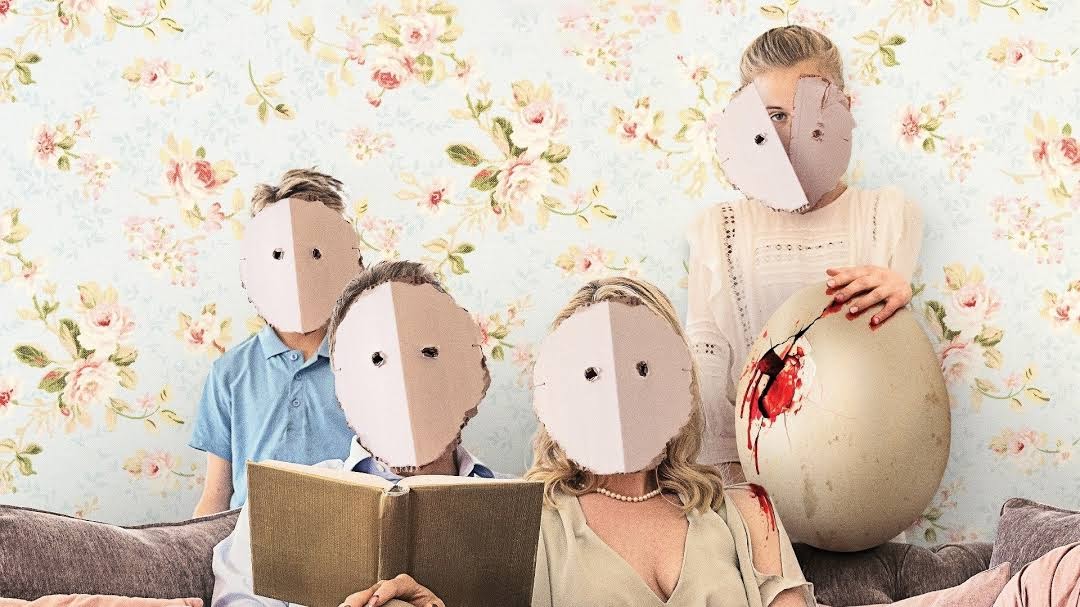
Hatching (or Pahanhautoja) is Finnish writer/director Hanna Bergholm’s feature debut, a coming-of-age horror that follows a well-trodden path, but also positions us firmly in the here and now – and does so with panache.

Tinja (Siiri Solalinna) is a sweet-natured tween gymnast. We first encounter her via her mum (Sophia Heikkilä)’s Lovely Everyday Life vlog, where Tinja is shown smiling as she practises, stretching and bending, before cuddling up on the family sofa in their beautifully decorated suburban home. But the carefully curated perfection is brutally disrupted by the appearance of a bird, which wreaks destruction as it flaps, terrified, around the room, breaking all manner of delicate glass ornaments. Not to worry: Tinja’s mum knows exactly how to deal with things that don’t suit the image she wants to project. “We can crop it out,” she says, of Tinja’s foot, when it isn’t pointed properly. It turns out her ruthlessness extends to birds – and their necks.

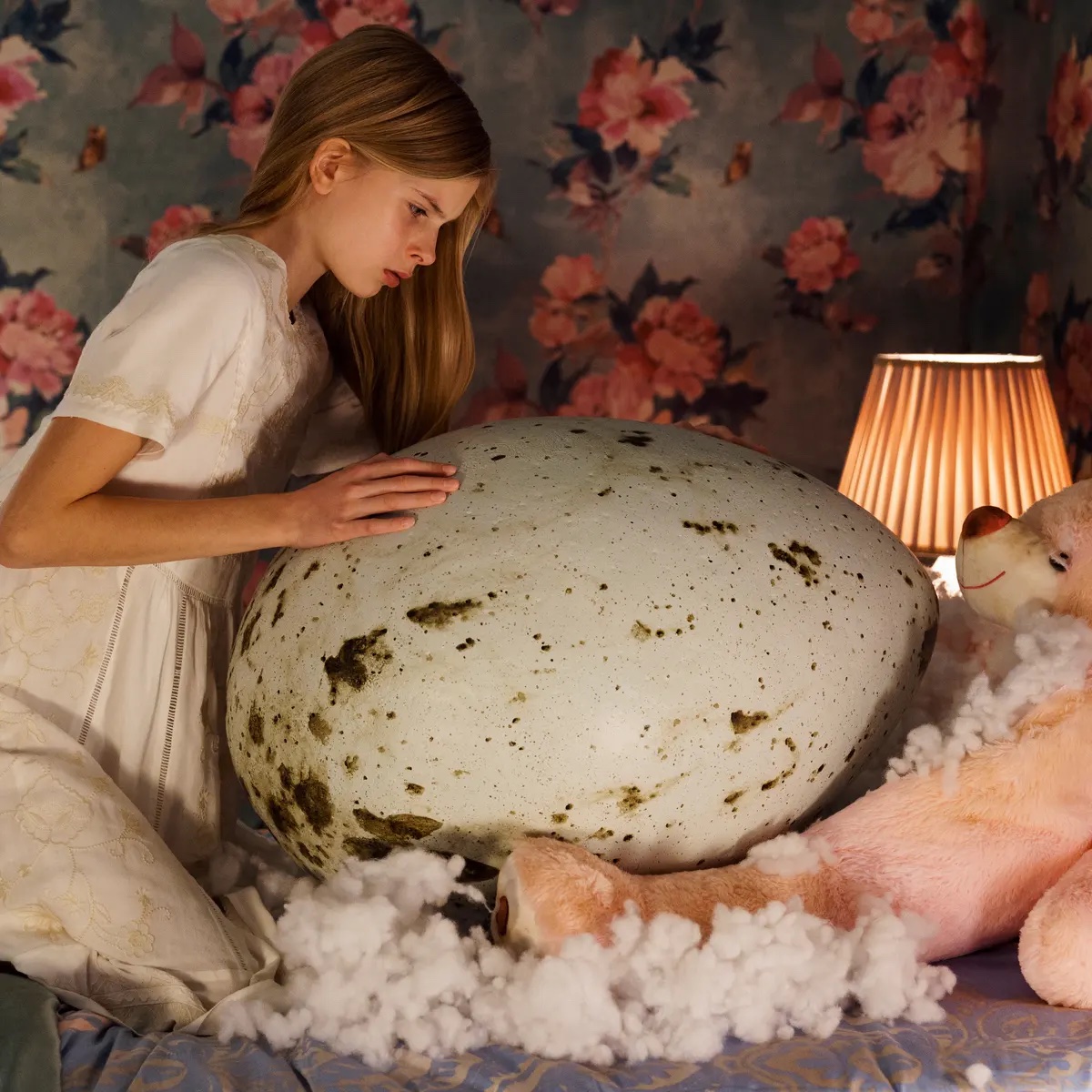
As Tinja struggles to reach the standard required for a big gymnastics competition, we start to see just how pushy her mum really is, and her dad (Jani Volanen) is too weak to help. Her little brother, Matias (Oiva Ollila), only makes things worse, teasing and goading his sister, as younger siblings are wont to do. So when Tinja catches her mum kissing Tero (Reino Nordin), the guy who’s come to repair their chandelier – broken by the bird – it’s all a bit too much. “It can be our secret,” says her mum, making Tinja complicit in the affair. Tinja nods and blinks back tears – then heads out into the forest, where she finds an egg. And now she has a secret of her own…

It’s not too much of a spoiler to say that what hatches is a doppelgänger – because that’s the whole point of the tale. “Alli” is Bertha, Mr Hyde and Frankenstein’s monster: she is Tinja’s rage made flesh. And, try as she might, Tinja can’t control Alli…

Hatching is a stylish, unsettling film, and the cinematography (by Jarkko T. Laine) really cements the disconnect between the lavishly filtered vlog and murky reality. The soundtrack (by Stein Berge Svendsen) is eerie and haunting: it’s discomfiting, and disrupts any sense of harmony, however carefully Tinja’s mum tries to manufacture it. And Solalinna is mesmerising in the lead role: at once innocent and steely, victim and victor.

There are some issues though. The allegory feels a little heavy-handed at times, and some of the imagery is a bit on the nose. Alli’s early incarnations look, well, silly, rather than frightening, and the horror diminishes in intensity over the course of the story, rather than building. The ending comes with a whimper rather than a bang and, because we’re never shown how events impact either on the family or the outside world, the stakes just aren’t high enough.

In the end, Hatching feels like exactly what it is: an imperfect but promising first attempt. I’ll certainly be keen to see what Bergholm comes up with next.

3.4 stars

Susan Singfield