Author: Bouquets & Brickbats

Wake Up Dead Man : A Knives Out Mystery

04/01/26

Netflix

Early January is traditionally a time for catching up with those films we didn’t manage to see at the cinema. Wake Up Dead Man, Rian Johnson’s third entry in the Knives Out franchise, has been sitting patiently on Netflix for quite some time, but I’ll confess that I haven’t been in a great hurry to tick it off the list, not having been as enchanted by the two previous instalments as many others. So it’s perhaps inevitable that I enjoy this one more than its predecessors, mostly because of its caustic sense of humour.

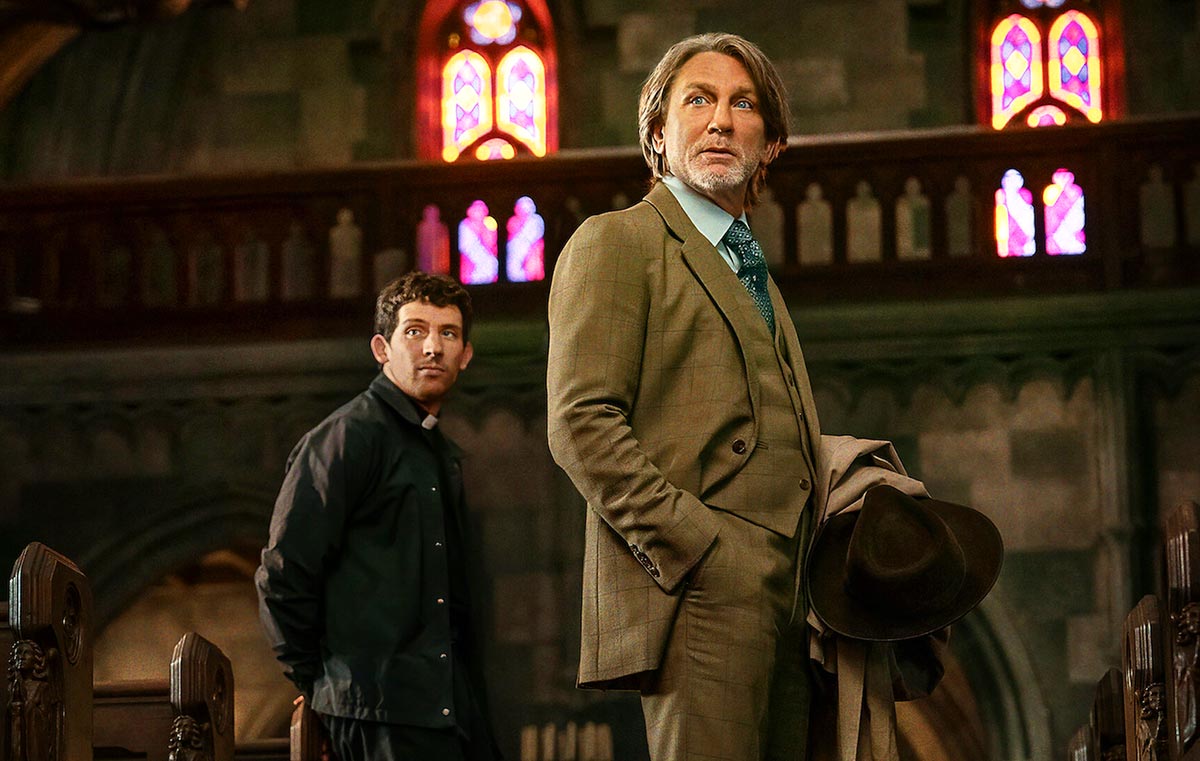
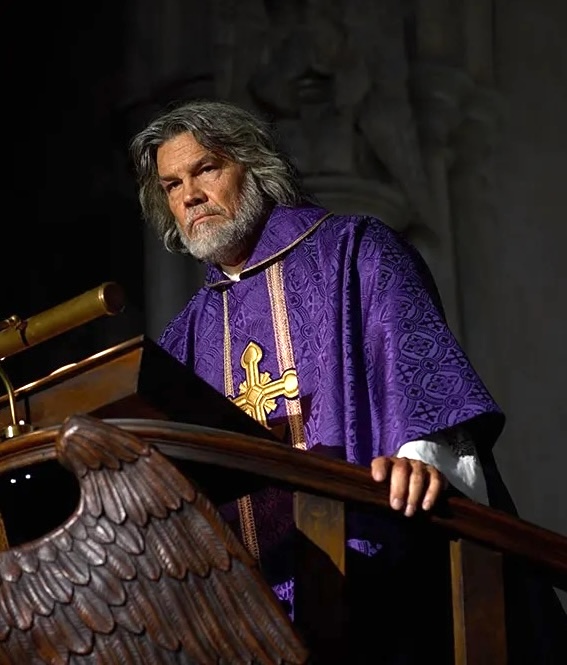
Catholic priest, Jud Duplenticy (Josh O’ Connor), is hastily despatched to a rural parish in upstate New York. A former boxer, he has punched out an obnoxious fellow priest in an argument and now needs to keep a low profile. He’s clearly come to the wrong place. The parish is run by Monsignor Jefferson Wicks (Josh Brolin), who runs Our Lady of Perpetual Fortitude in a dictatorial fashion, though his fire and brimstone approach to sermonsing means that his congregation grows ever sparser.

So perhaps it’s little wonder that it’s Wicks who is mysteriously murdered and Duplenticy who appears the most likely culprit. But of course, after a decent interval, along comes ‘the world’s greatest detective’, Benoit Blanc (Daniel Craig), to investigate a story that has more twists and turns than a snake on a bed of itching powder…

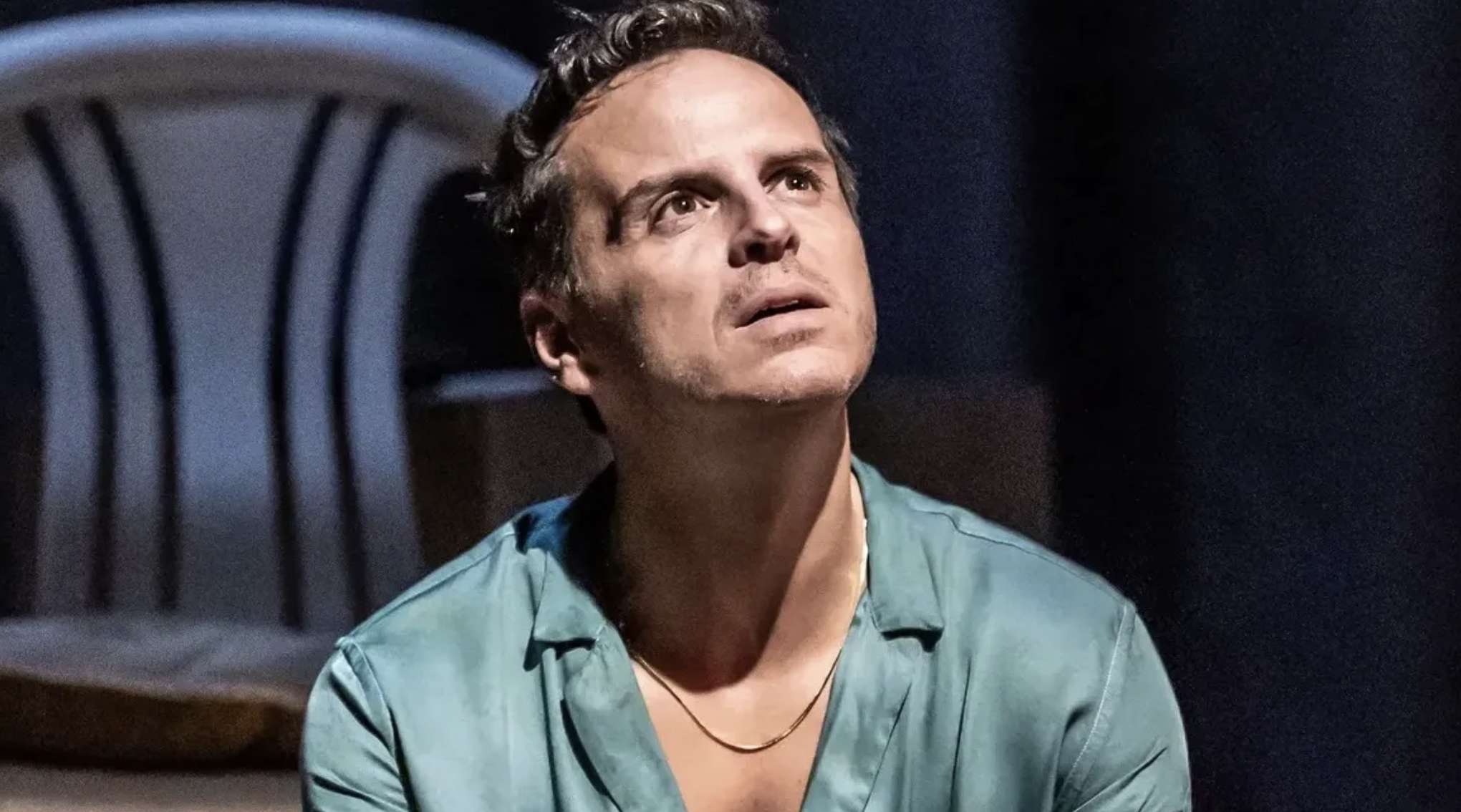
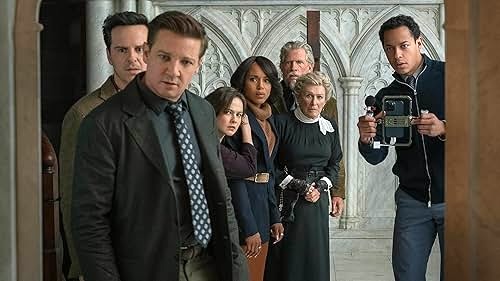
All the usual suspects are in place, portrayed by a starry cast of A-listers, this time including Glenn Close, Andrew Scott, Jeremy Renner and Cailee Spainey. I have fun trying to come up with possible solutions to the central mystery even if the story grows ever more unlikely as it progresses. In this endeavour I’m only partially successful – I spot some possibilities but apply them to the wrong suspect. I also think I spy a sizeable plot-hole in there, but perhaps I’m being too picky. I’m suitably entertained by the snarky, anti-Catholic digs and the anti-Trump snipes sprinkled through proceedings .

Will there be more Knives Out films? I hope so. Because, for my money, this is the best of the series so far.

4 stars

Philip Caveney
Train Dreams

03/01/26

Netflix

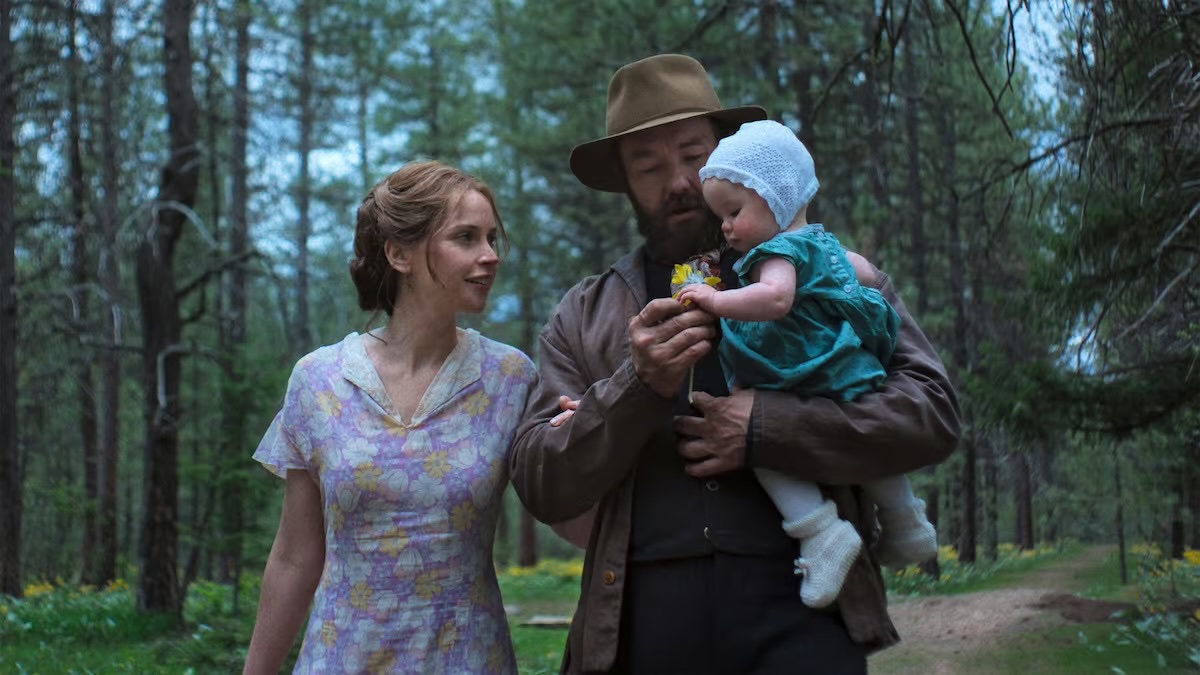
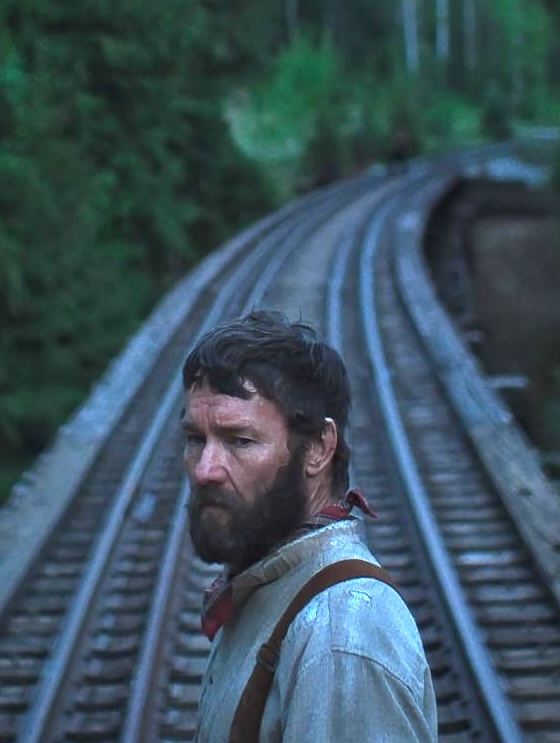
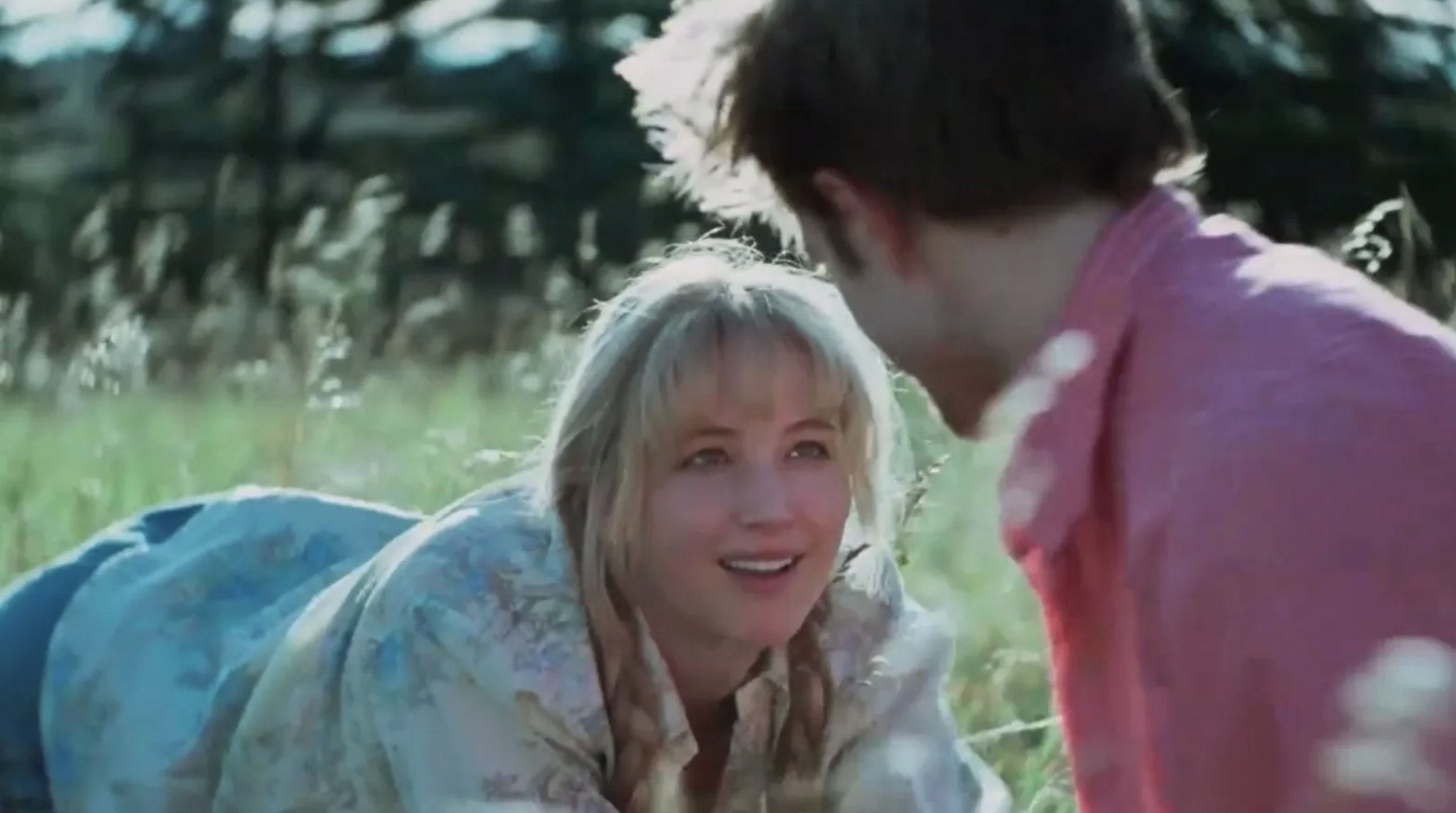
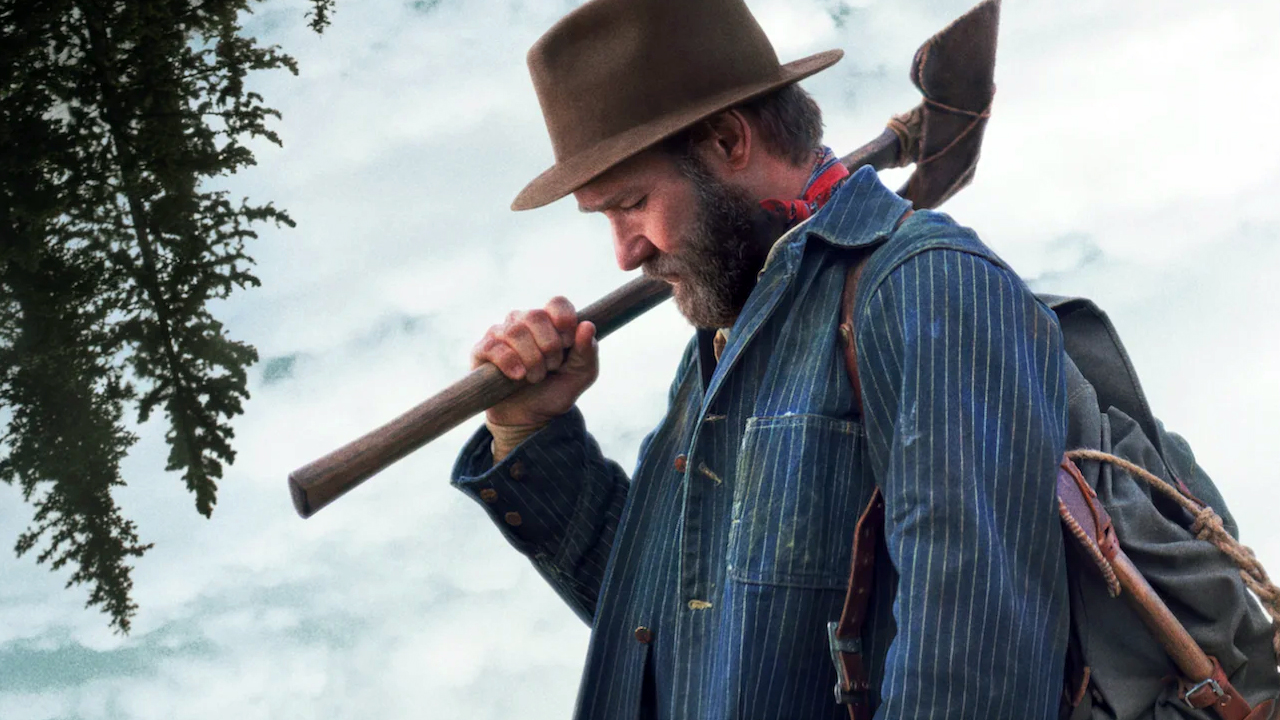
Adapted from Denis Johnson’s 2011 novella of the same name, Clint Bentley’s Train Dreams is set in the Pacific Northwest during the first half of the last century. More character study than story, this beautifully-contrived film proves a difficult watch.

Idaho orphan Robert Grainier (Joel Edgerton) is born in poverty, destined to a hard-scrabble life. An itinerant worker, he toils uncomplainingly, felling trees to make way for the expansion of the American railroads. He is watchful and taciturn, but nonetheless forms strong bonds with his fellow loggers. These include Arn Peeples (William H Macy), a sagacious old man concerned about deforestation, and Fu Sheng (Alfred Hsing), shockingly murdered in a racist attack by his colleagues – while Robert silently looks on.

The only glimmer of cheer in Robert’s life is Gladys (Felicity Jones). For a brief period, they enjoy a happy marriage, buying an acre of land, building a cabin, having a baby. But they’re poor, and Robert’s work takes him away from home, so he’s not with Gladys when a forest fire sweeps the region, taking everything – and everyone – he cares about.

From hereon in, Robert becomes even more introverted. It’s as if he’s frozen in time, living hermit-like in his rebuilt cabin, haunted by dreams, flashbacks and premonitions. His occasional brushes with the outside world are jarring: the twentieth century’s brash progression at odds with his pioneer lifestyle. While he’s stuck in the past, stubbornly homesteading, other people are buying motor cars, going to the cinema, landing on the moon.

Edgerton’s performance is undeniably impressive, albeit in an understated, muted way. Here is a man who expects hardship and bears his pain in silence – all of which Edgerton communicates effectively through very little dialogue. Adolpho Veloso’s cinematography is admirable too: the Washington vistas are both beautiful and bleak, the perfect backdrop to Grainier’s grief.

But this is a depressing piece of cinema, with barely any lighter moments to alleviate the misery: no redemption; no hope. It’s clever and moving and has excited much interest from the Awards Academy – but it’s not an enjoyable ride.

3.6 stars

Susan Singfield

Song Sung Blue

02/01/26

Cineworld, Edinburgh

It’s a fact universally acknowledged that the most unlikely film plots are those based on true stories. Take the tale of Mike and Claire Sardina for example, whose adventures have already made it to the screen in Greg Kohs’ 2008 documentary (also called Song Sung Blue). Writer/director Craig Brewer spotted its potential as a feature film and has adapted it into a heartwarming – and occasionally heartbreaking – feature. And should some of the events portrayed here raise your eyebrows, well, it only takes a quick Google search to establish that all this really did happen.

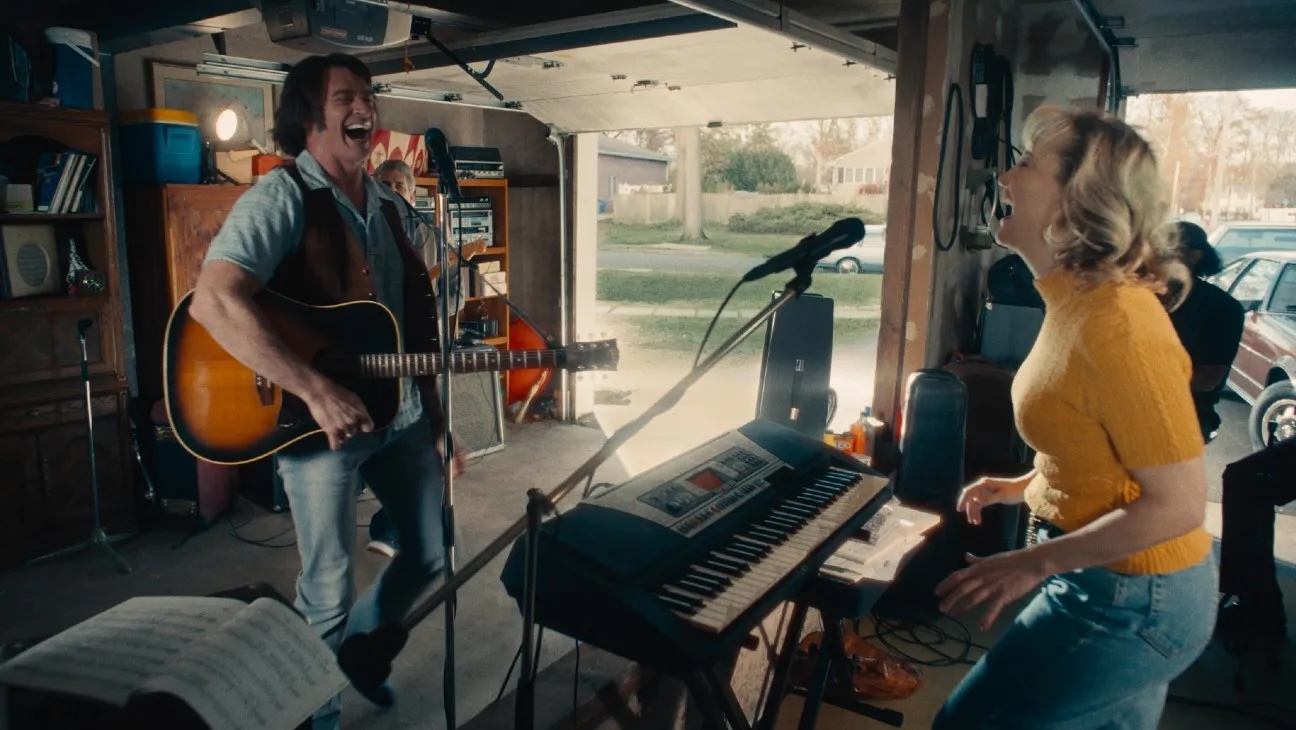
We first meet Mike Sardina (Hugh Jackman) in the early noughties as he performs an appealing song and chat routine… at his local AA meeting. He’s not had a drink for twenty years, but still considers himself an alcoholic. Divorced from his wife, he plies a precarious trade as a mechanic and makes a few dollars on the side performing songs in tribute acts to various rock stars – though he resists a powerful impulse to impersonate his idol, Neil Diamond, whom he feels he could never do justice to.

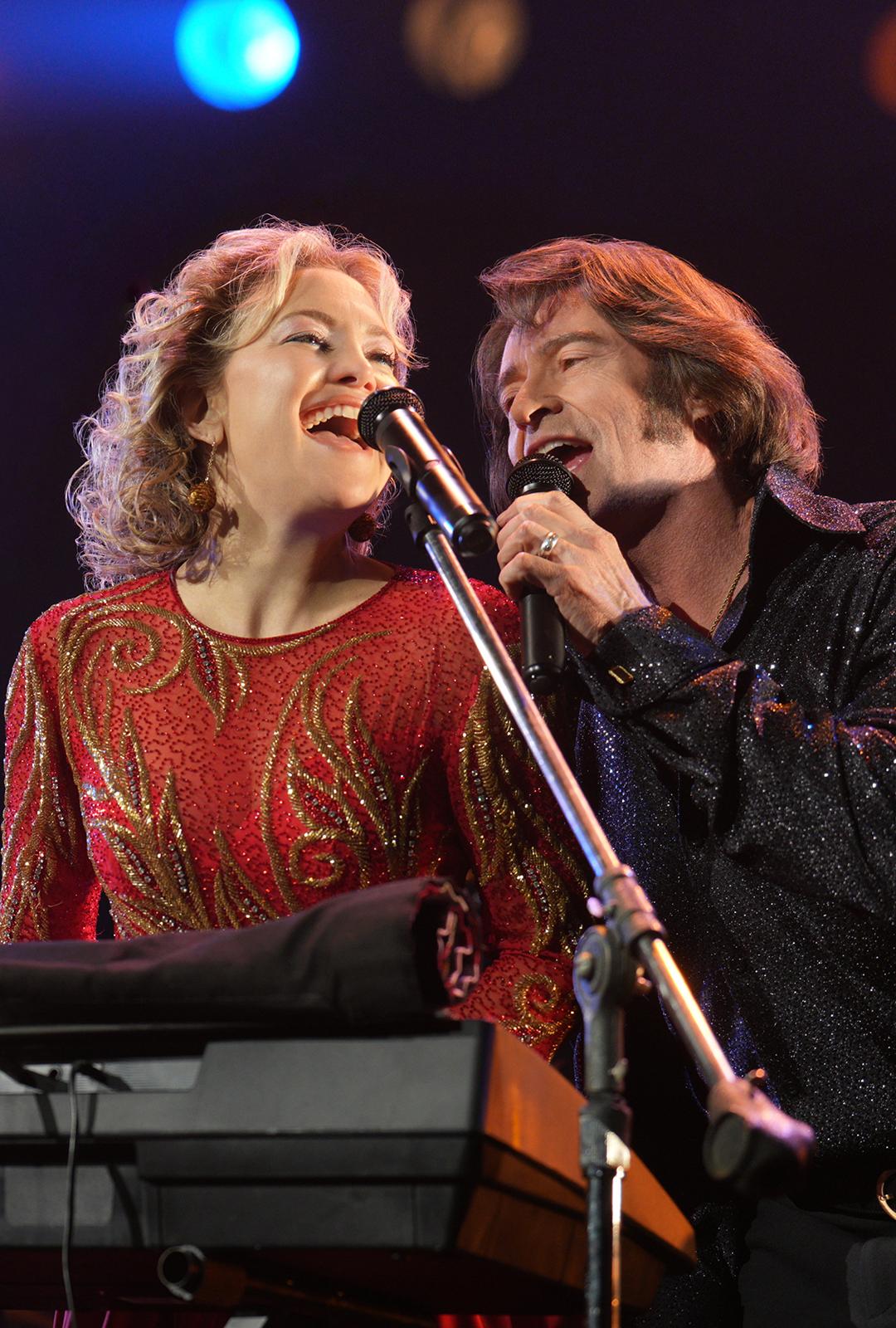
At a tribute night organised by his Buddy Holly-worshipping pal, Mark (Michael Imperioli), Mike sets eyes upon Claire (Kate Hudson), who is performing as Patsy Kline and there’s an immediate attraction between them. It isn’t long before they are dating and Claire soon persuades Mike to pursue those Neil Diamond ambitions, offering backing vocals and keyboards in support. Very soon after that, the two of them are married and their act, Lightning and Thunder, is having a lot of success in their native Milwaukee. But as their musical career soars like a meteor, something darker is waiting in the wings…

Song Sung Blue is an appealing story that easily sweeps me up and keeps me hooked throughout. It could so easily be unbearably mawkish but Brewer handles the material with great skill, so that what comes through is a genuine warmth and a sense of community, particularly from the various other tribute acts, who work alongside the central duo to ensure their success. Of course, it’s no surprise that Jackman can sing up a storm but Hudson is something of a revelation in this department, her distinctive, slightly husky vocals nailing every song with aplomb.

It’s lovely to watch the couple’s relationship enduring through the slings and arrows of outrageous fortune and there’s also a winning sub plot in which Claire’s daughter, Rachel (Ella Anderson) and Mike’s daughter, Angelina (King Princess), develop a supportive friendship. Claire’s young son, Dana (Hudson Hensley), also makes a big impression simply by expressing open enthusiasm for everything his parents do and documenting much of what happens on his video camera.

If the first half is mostly joyful stuff, the second moves ever deeper into tragedy and I spend the latter stages of Song Sung Blue dreading what fresh disaster is going to assail the Sardinas next. I’m not ashamed to say that I watch some of the film’s scenes through a fog of tears.

And for those of you wondering, ‘Do I have to be a Neil Diamond fan to appreciate this?’ I can only point out that I would never class myself as a devotee, but I still have a lovely time with the film. And I come out singing Sweet Caroline.

4.2 stars

Philip Caveney
Marty Supreme

01/01/2026

Cineworld, Edinburgh

Our first film of 2026 was supposed to be our last film of 2025. But we were in North Wales where, for some inexplicable reason, Marty Supreme simply wasn’t yet available in cinemas and we were obliged to watch The Housemaid instead. So obviously, when it came time to start the process anew, there was only one logical choice.

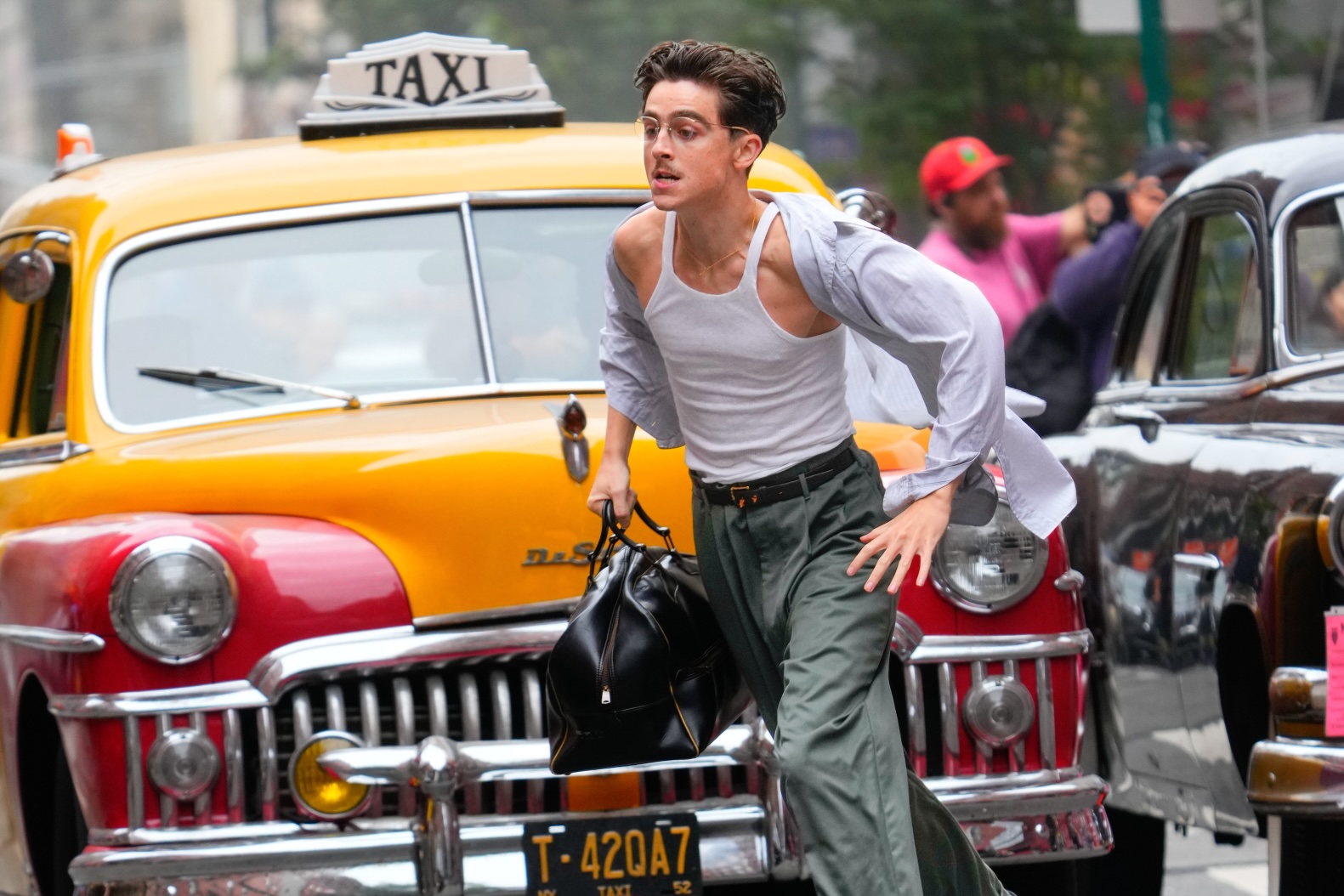
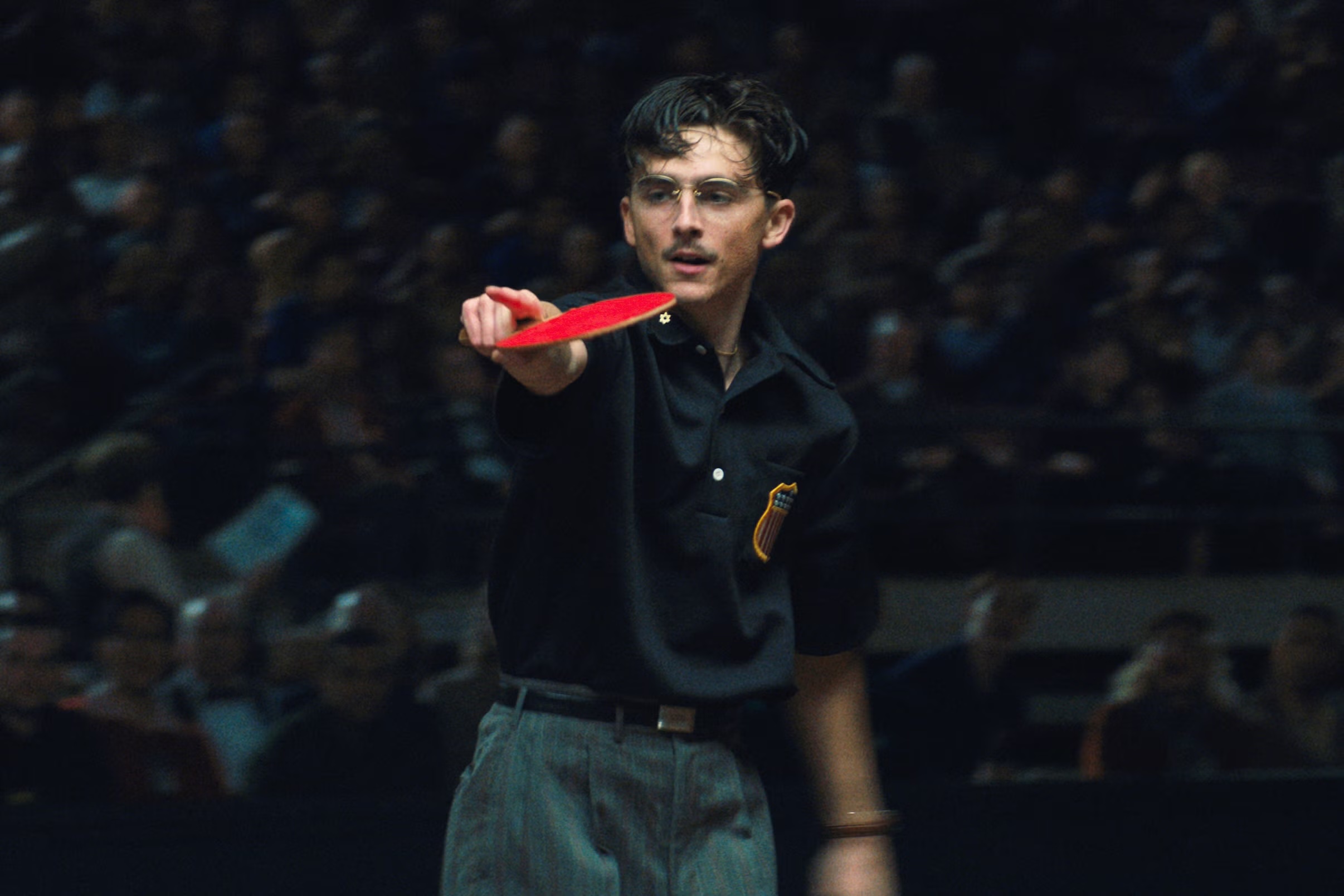
It’s clear from the opening scenes that Josh Safdie’s frenetic odyssey about ambitious young table tennis player, Marty Mauser (Timothée Chalamet), is going to be something very special. The titular character is loosely based on a real-life ping pong star, the late Marty Reisman – though whether the man who inspired this story was the swaggering, single-minded, motor-mouthed huckster portrayed here is up for debate. 

Certainly, many of the incidents portrayed in the script – co-written by Safdie and Ronald Bronstein – echo real life events, though the filmmakers are quick to point out that it’s all fictional.

When we first encounter Marty, he’s grudgingly working at his Uncle Murray’s shoe shop in New York City. This is solely to fund his upcoming journey to England, where he’ll be competing in the 1952 World Table Tennis Championship. He’s also enjoying a clandestine affair with Rachel (Odessa A’zion), an unhappily-married woman who works in the shop next door, and whom Marty soon manages to impregnate. In fact, we actually witness this biological process over the film’s opening credits.

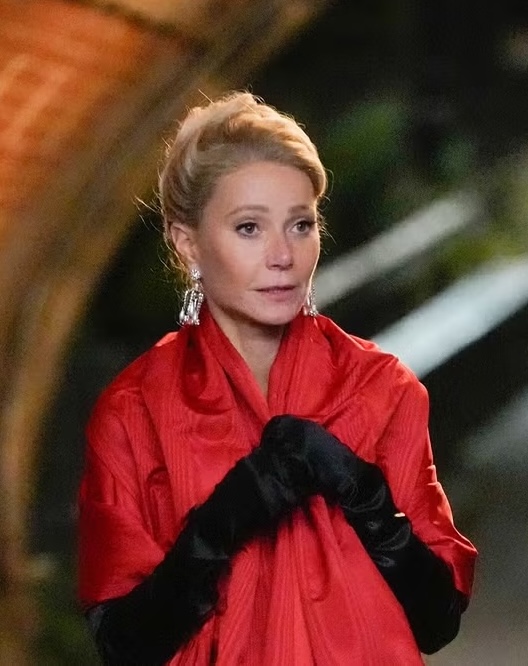
Once at the championships, Marty hooks up with former movie actress, Kay Stone (Gwyneth Paltrow). He sees her as a possible source of funding for his future endeavours and, after a swift telephone seduction, he enjoys a quick dalliance with her. Her husband is wealthy industrialist Milton Rockwell (Kevin O’ Leary), a manufacturer of fountain pens.

Meanwhile, as the ping pong tournament progresses, Marty easily vanquishes all the opposing players until, in the final, he’s matched against Japanese player, Koto Endo (Koto Kawaguchi). The newcomer’s idiosyncratic style of play utterly throws Marty. He loses the match and is obliged to return to America humiliated – but his determination to win turns into an overwhelming obsession…

To label Marty Supreme as ‘a film about table tennis’ would be something of an understatement. Yes, it is that – and the many sequences that depict the sport are undeniably gripping – but it’s also a multi-faceted examination of ambition, greed and the almost pathological need to win at all costs. Chalamet has always been an accomplished actor but here he delivers a performance of such staggering intensity, it just might be the one that finally steers him in the direction of that coveted Oscar podium.

I also want to mention production designer Jack Fisk, who came out of retirement for this film, and captures the dark squalor of 1950s America with exceptional skill. A technical Oscar for his work would also seem a likely fit.

As for the director, anyone who saw Uncut Gems – which Safdie co-directed with his brother, Benny – will know that he has a penchant for ramping up anxiety to almost unbearable levels. That quality is certainly very much in evidence here as the film careers from one stress-inducing set piece to the next, barely allowing me time to draw breath. The movie is also packed with legions of oddball characters who surge onto the screen, capture my interest and just as swiftly vanish. The film is sometimes weird, occasionally startling and always heart-stoppingly brilliant.

If the self-aggrandising Marty isn’t the kind of character who usually inspires a viewer’s allegiance (he’s self-centred and utterly convinced of his own talent), Safdie is wise enough to surround him with even more despicable people, chief among them oily fat-cat Rockwell, who, at one point, takes the greatest pleasure in humiliating Marty for the entertainment of his friends. The result is that I’m always rooting for our antihero, even when I’m horrified at the depths he’s prepared to sink to.

This is quite simply a gobsmacking film – and I have no doubts whatsoever that it’s destined to feature in our ‘best of’ list for 2026. Make sure you catch it where it belongs, on the biggest screen you can find.

5 stars

Philip Caveney
Singin’ in the Rain

30/12/25

Royal Exchange Theatre, Manchester

It’s Philip’s birthday, and his lovely daughter and her husband have treated us to a night out at our favourite theatre. We were press-night regulars at Manchester’s Royal Exchange before we relocated to Edinburgh a decade ago, and we’ve never lost our love for the alien-like glass pod, squatting improbably amid the opulence of the old corn exchange. But we’re here for more than just the bricks and mortar, of course, and director Raz Shaw’s revival of Singin’ in the Rain offers a whole lot of nostalgic fun – as well as another chance to see the venue’s well-used water feature in action.

The show’s lead, Louis Gaunt, is off sick tonight, so understudy Adam Davidson steps into Don Lockwood’s black and white Gatsby brogues, impressing with his slick performance of this incredibly demanding role. He and Danny Collins (as Cosmo Brown) make a formidable duo, hoofing up a storm and delighting the audience with their dance moves.

Laura Baldwin plays Lockwood’s silent movie co-star, Lina Lamont, who refuses to accept two major facts: she doesn’t have the requisite talent to succeed in the newfangled ‘talkies’ and her engagement to Don is just a PR stunt. Baldwin nails the character of the petulant diva, imbuing Lina with just enough vulnerability to make us sympathise with her, despite her cruelty and hubris. Meanwhile, Carly Mercedes Dyer dazzles as Lina’s nemesis, Kathy Seldon, who is not only an accomplished singer and actor, but also Don’s true love. Dyer’s vocals are soaringly beautiful, making it easy to believe that studio boss RF Simpson (Julius D’Silva) wants to hire her, even if it means betraying Lina, his most bankable star.

The movie clips are cleverly staged, designer Richard Kent perfectly utilising the in-the-round performance space to suggest the rotating of the cinema reels. Captions are projected onto semi-circular boards framed with vanity lights, while Alistair David’s exuberant choreography reinforces the circularity. The use of blackouts and freeze-frames is wonderfully comic: this is a very playful musical, gently satirising not only the characters but also the theatrical conventions they employ.

It’s no mean feat to take a well-loved classic and render it so fresh and appealing. But Shaw’s sprightly production manages to do just that, allowing each of the big numbers (by Nacio Herb Brown and Arthur Freedby) enough space to shine. My only slight criticism comes courtesy of Betty Comden and Adolph Green’s original screenplay: I think the Broadway Ballet sequence at the start of the second act is far too long. Although the dancing is magnificent, I can’t help feeling it interrupts the narrative, akin to a self-indulgent drum solo in a live performance of a song. That niggle aside, I have nothing but praise for this sparkling show. Collin’s rendition of Make ‘Em Laugh is comic perfection, while the titular number is a vibrant spectacle. But be warned: if you’re in the first two rows, you’re really gonna feel the effects of that infamous water feature…

We couldn’t have asked for a better way to see out 2025. Happy New Year!

5 stars

Susan Singfield

Theatre Bouquets 2025

Another varied year of theatre-going presents us with the usual problem of choosing what we think were the twelve best shows of the year. But once again, here they are in the order we saw them.

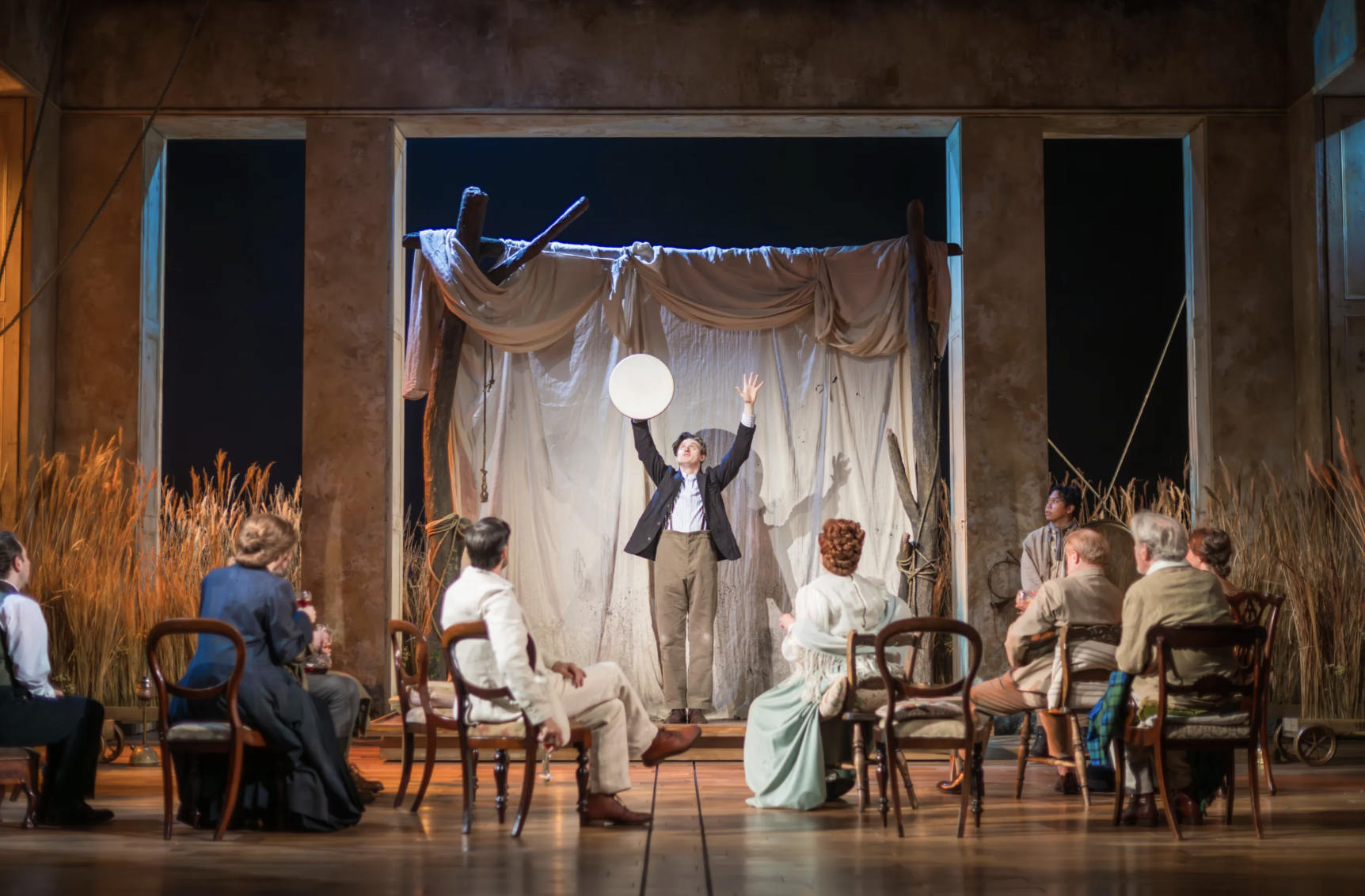
Vanya (National Theatre Live)

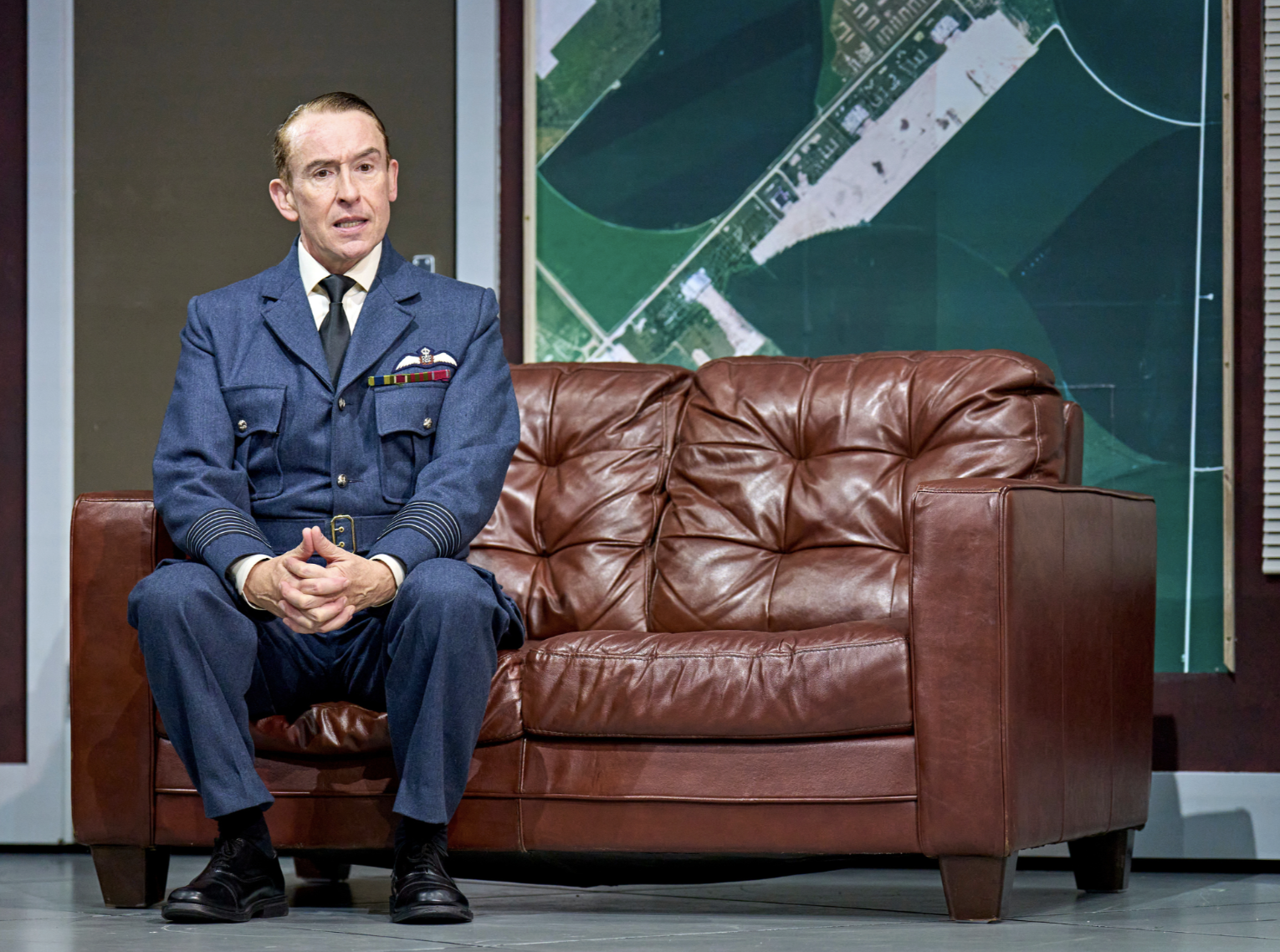
“Glides like gossamer through the cuts and thrusts of a family drama – even a scene where Scott is obliged to make love to himself unfolds like a dream…”

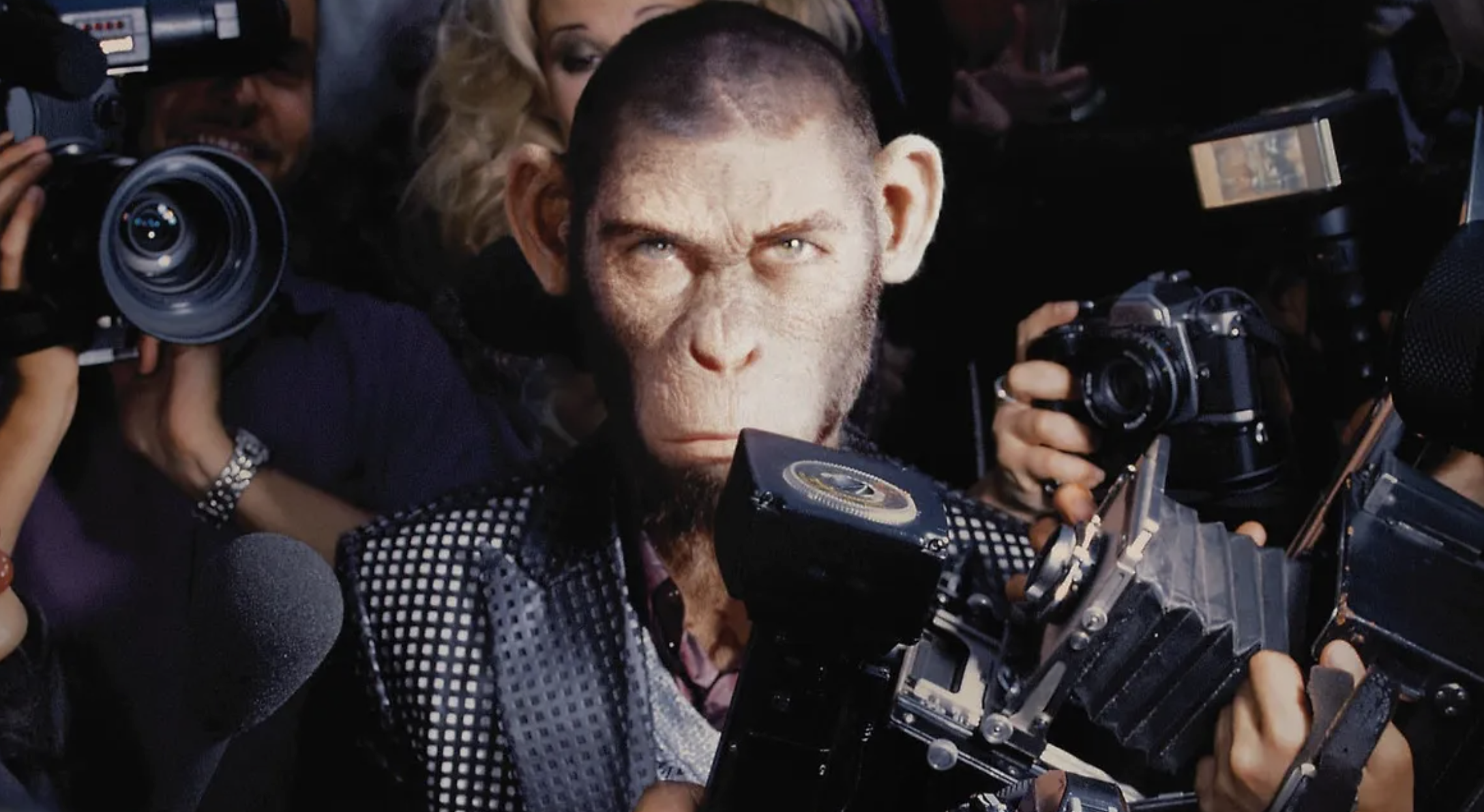
Dr Strangelove (National Theatre Live)

“This brilliantly-staged production is a weird hybrid – part play, part film – and at times astonishing in its sheer invention…”

Wild Rose (Lyceum Theatre, Edinburgh)

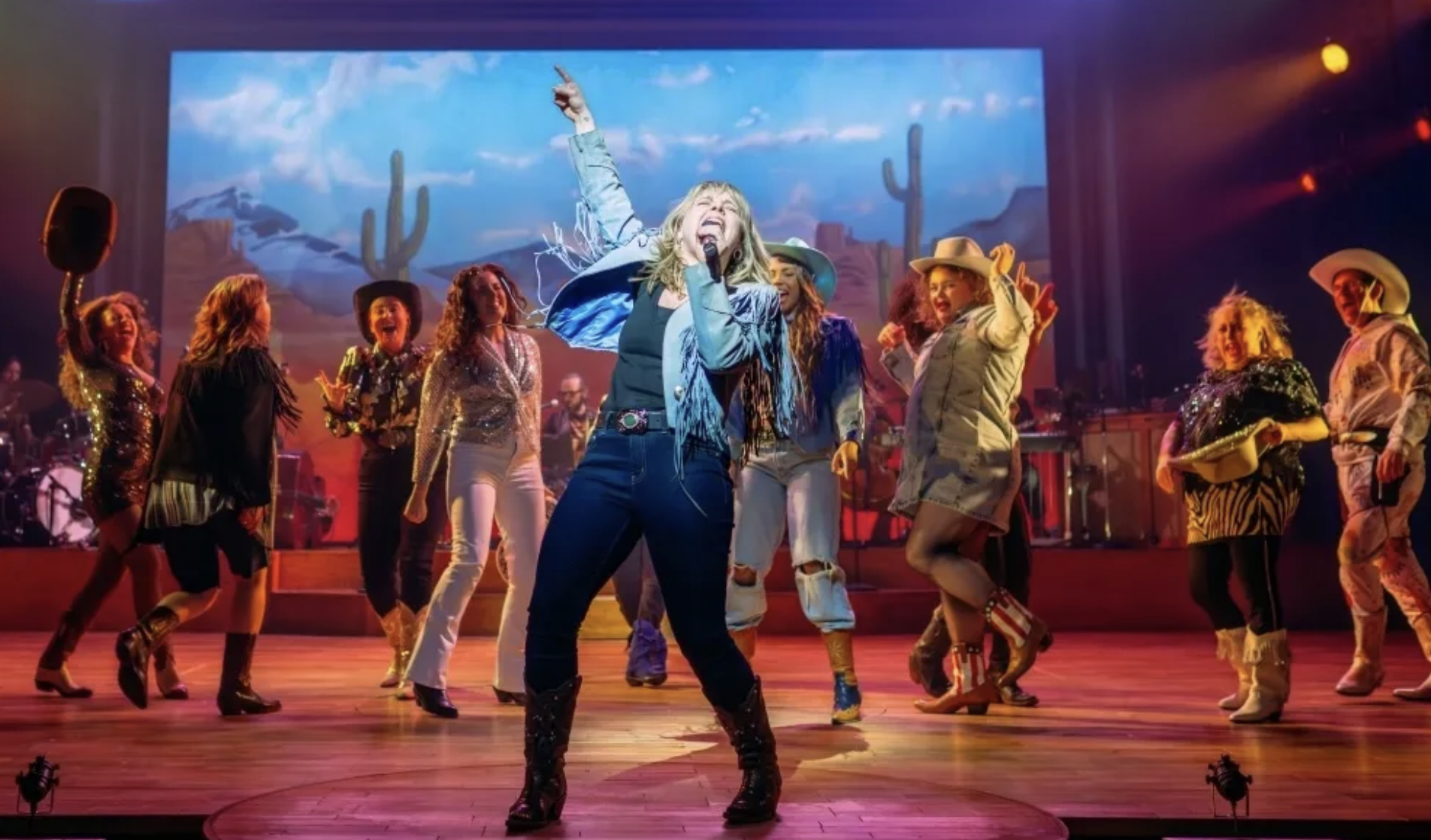
“A fabulously entertaining story about ambition and acceptance, anchored by a knockout performance from Dawn Sievewright…”

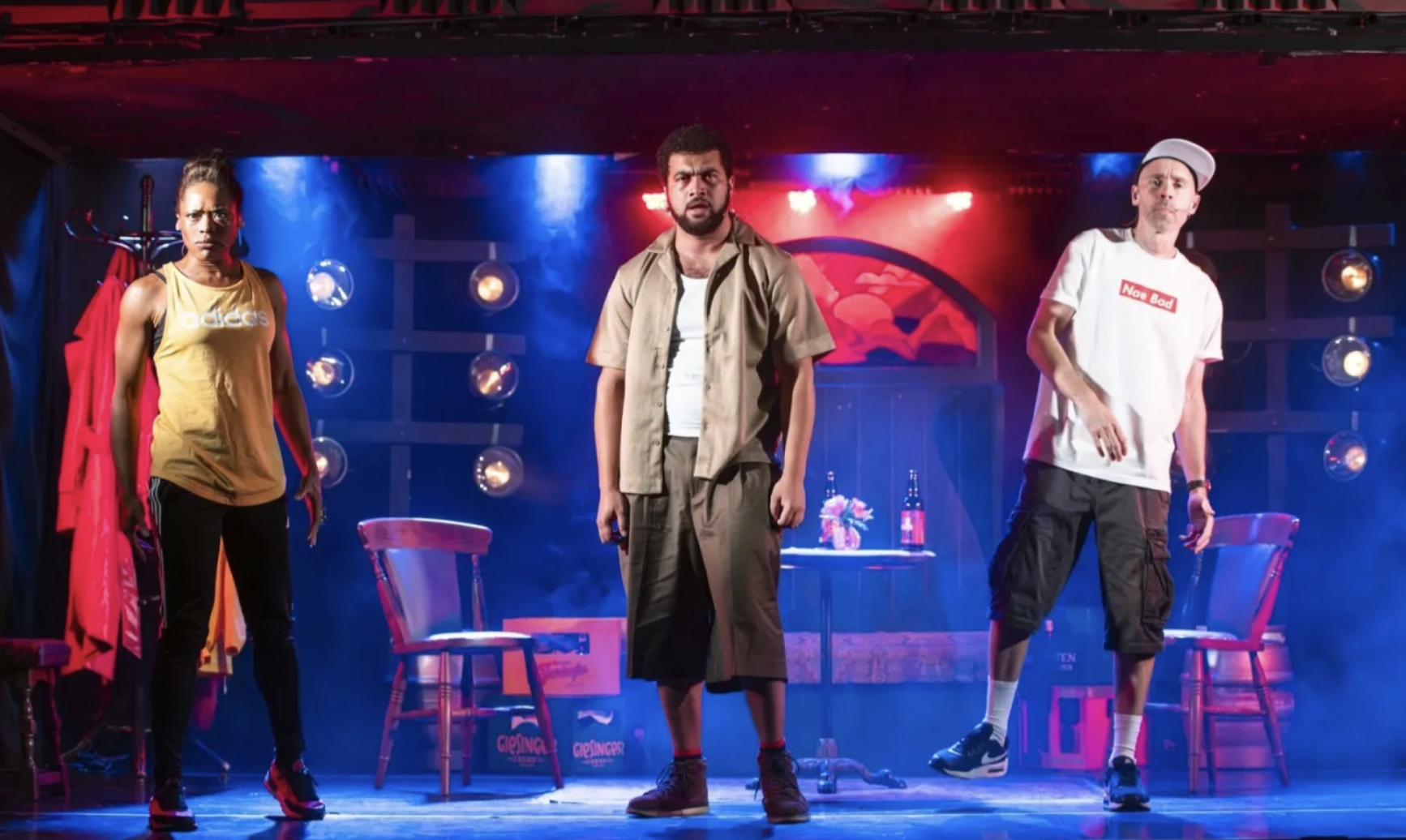
Chef (Traverse Theatre, Edinburgh)

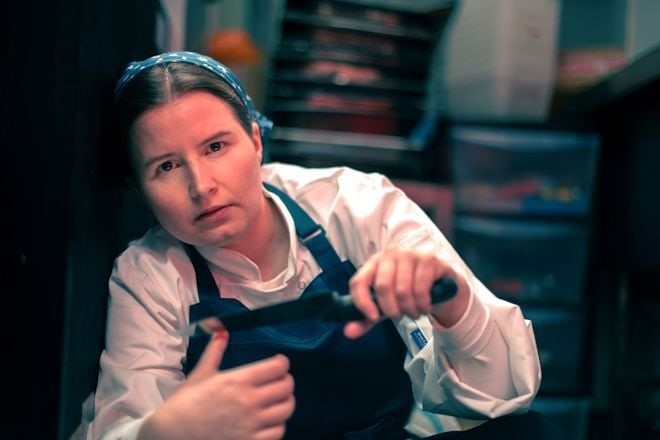
“Sabrina Mahfouz’s Chef is an extraordinary play, a monologue delivered in a lyrical, almost poetic flow of startling imagery…”

Lost Lear (Traverse Theatre, Edinburgh)

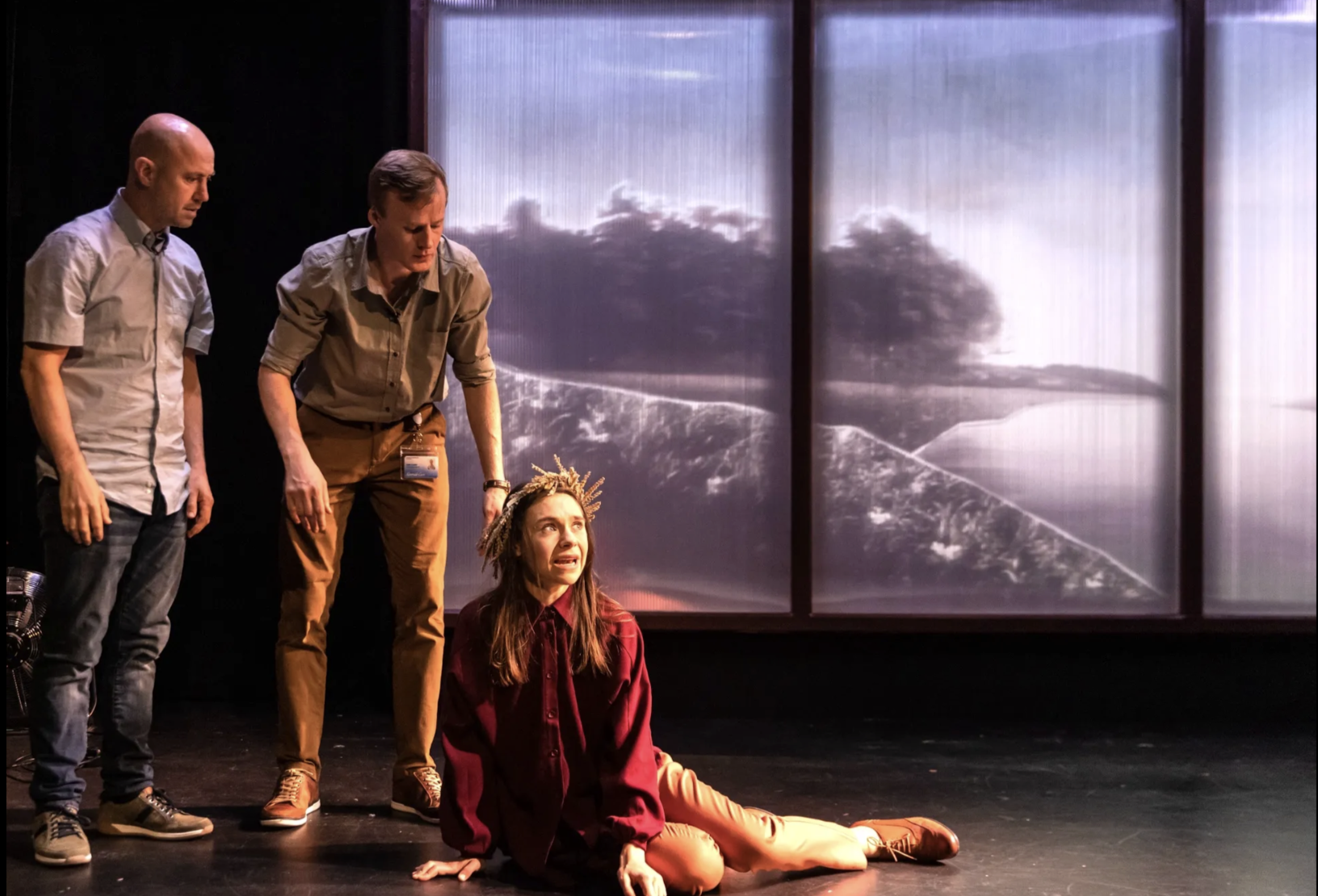
“Dan Colley’s beautifully-conceived script intertwines excerpts from Lear with moments in the here and now, gently but relentlessly uncovering the horrors of cognitive decline…

Alright Sunshine (Pleasance Dome, Edinburgh)

“Directed by Debbie Hannan, Cowan’s taut, almost poetic script is brought powerfully to life by Geddes’ mesmerising performance: a tour de force with real emotional heft…”

A Streetcar Named Desire (Lyceum Theatre, Edinburgh)

“Eschews the victim-blaming that so often blights interpretations of this play and turns up the heat on the sweaty, malevolent scenario, so that the play’s final half makes intense, disturbing viewing…”

Common Tongue (The Studio at Festival Theatre, Edinburgh)

“A demanding monologue, Caw’s performance is flawless, at once profound and bitingly funny: the jokes delivered with all the timing and precision of a top comedian; the emotional journey intense and heartfelt…”

Little Women (Bedlam Theatre, Edinburgh)

“Watching events play out, I feel transported back into the cocoon of my childhood, curled up in bed reading about these faraway adolescents and their travails…”

The Seagull (Lyceum Theatre, Edinburgh)

“There’s so much to enjoy here and not just Quentin’s perfectly-judged performance as the conceited, self-aggrandising Irina, intent on making every conversation all about her…”

Wallace (Traverse Theatre, Edinburgh)

“Whip-smart, caustically funny and actually pretty informative (I come out knowing a lot more about the titular Scot than I previously did), Wallace snaps from song to song and from argument to argument like the proverbial tiger on vaseline…”

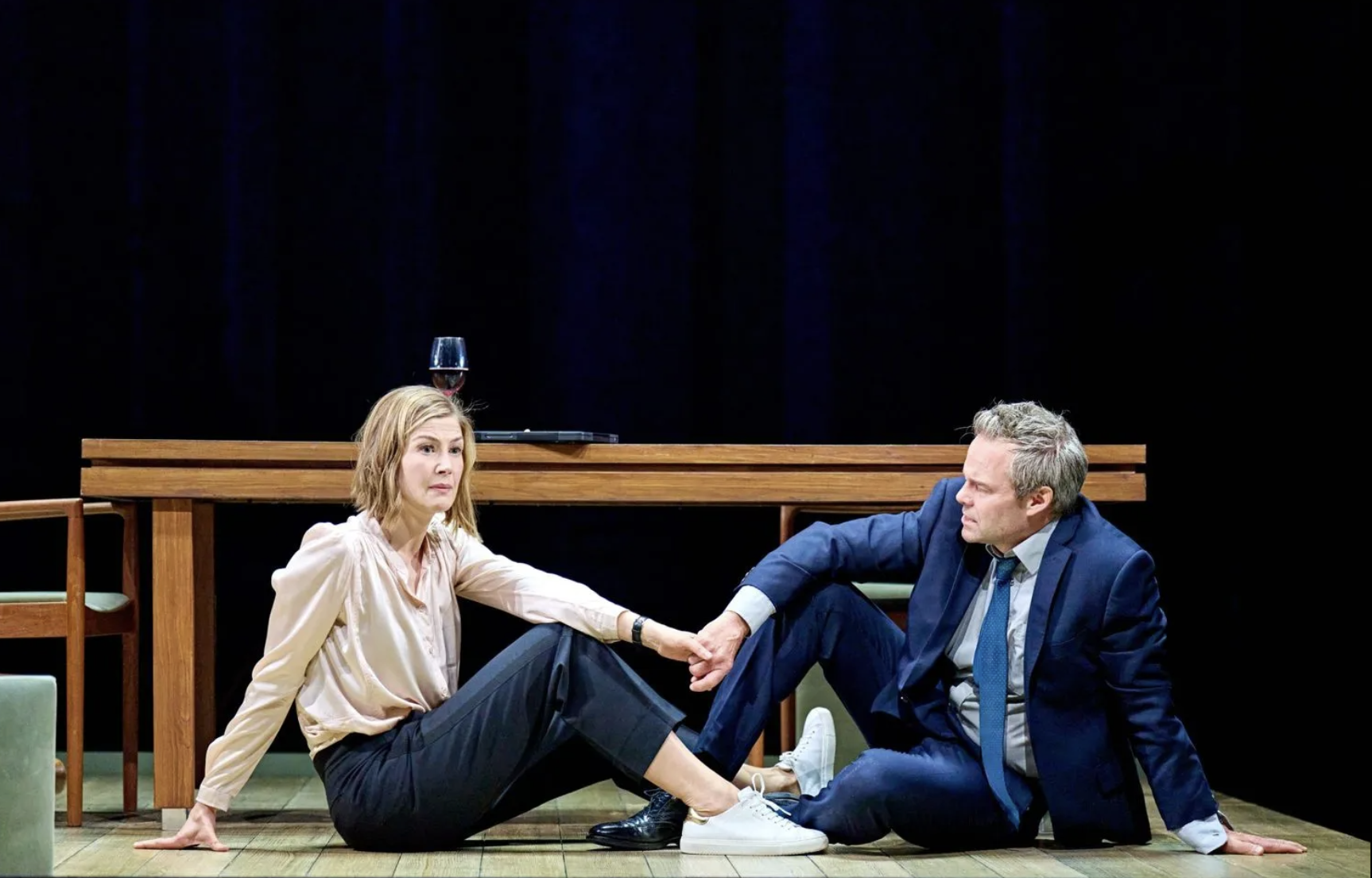
Inter Alia (National Theatre Live)

“Doesn’t offer any easy answers or let anyone off the hook, but expertly straddles the fine line between trying to understand assailants without diminishing their victims…”

Susan Singfield & Philip Caveney

Film Bouquets 2025

2025 has been a rewarding year for cinema-goers, with enough great movies to make it especially difficult to narrow our list down to just twelve favourites. But here they are in the order that we watched them. As ever, we invite you to pitch in with your comments.

Better Man

“A fabulous piece of filmmaking that effortlessly oversteps the relative simplicity of its subject to create something genuinely spectacular…”

The Brutalist

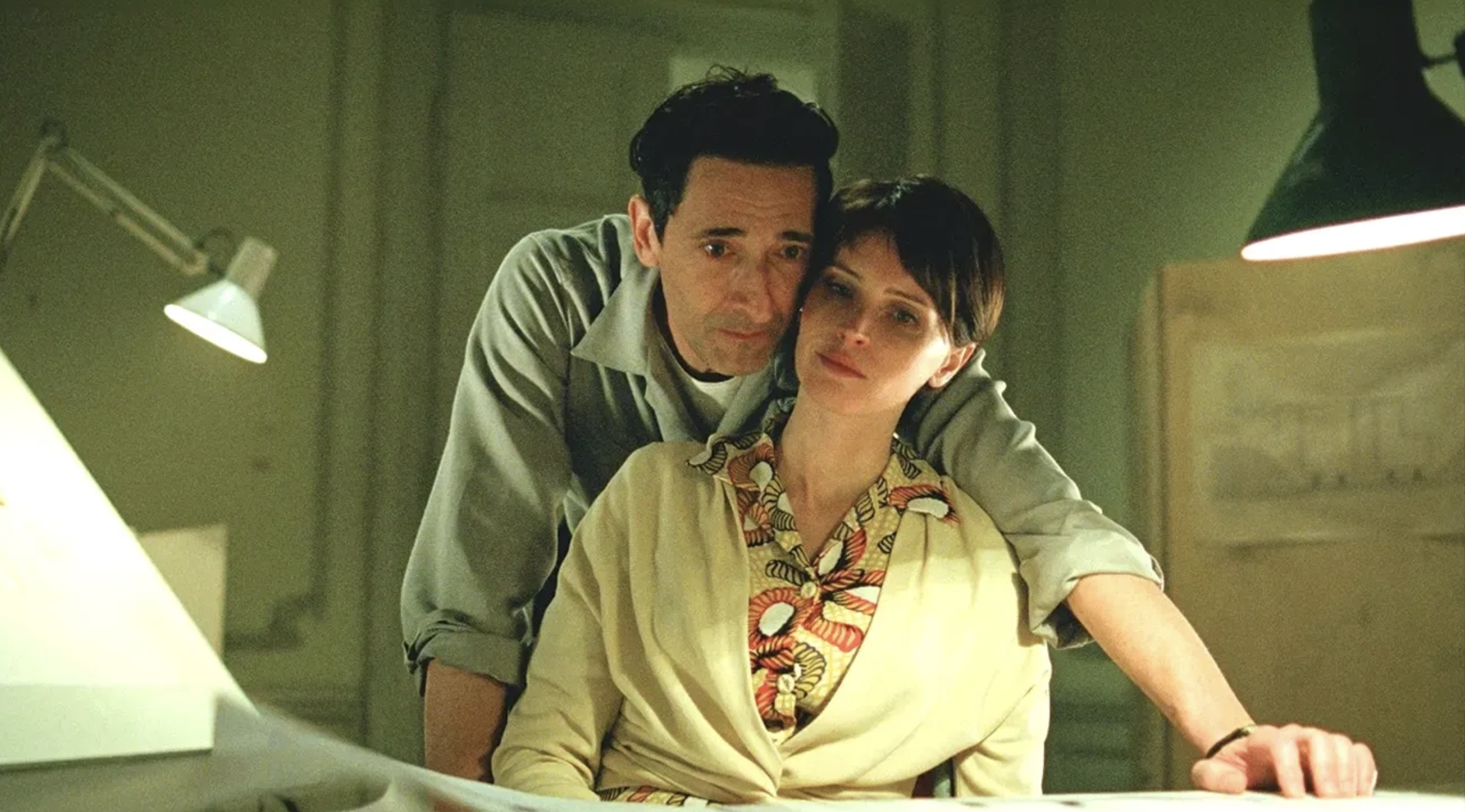
“Has plenty to say about the creative process and nails perfectly the powerful seduction that success offers to any artist – the fateful allure of patronage and its unpalatable compromises.”

Flow

“The word ‘masterpiece’ is overused but this groundbreaking animation by Latvian director Glints Zilbalodis is so accomplished, it’s all too easy to see why it was handed an Oscar.

Hallow Road

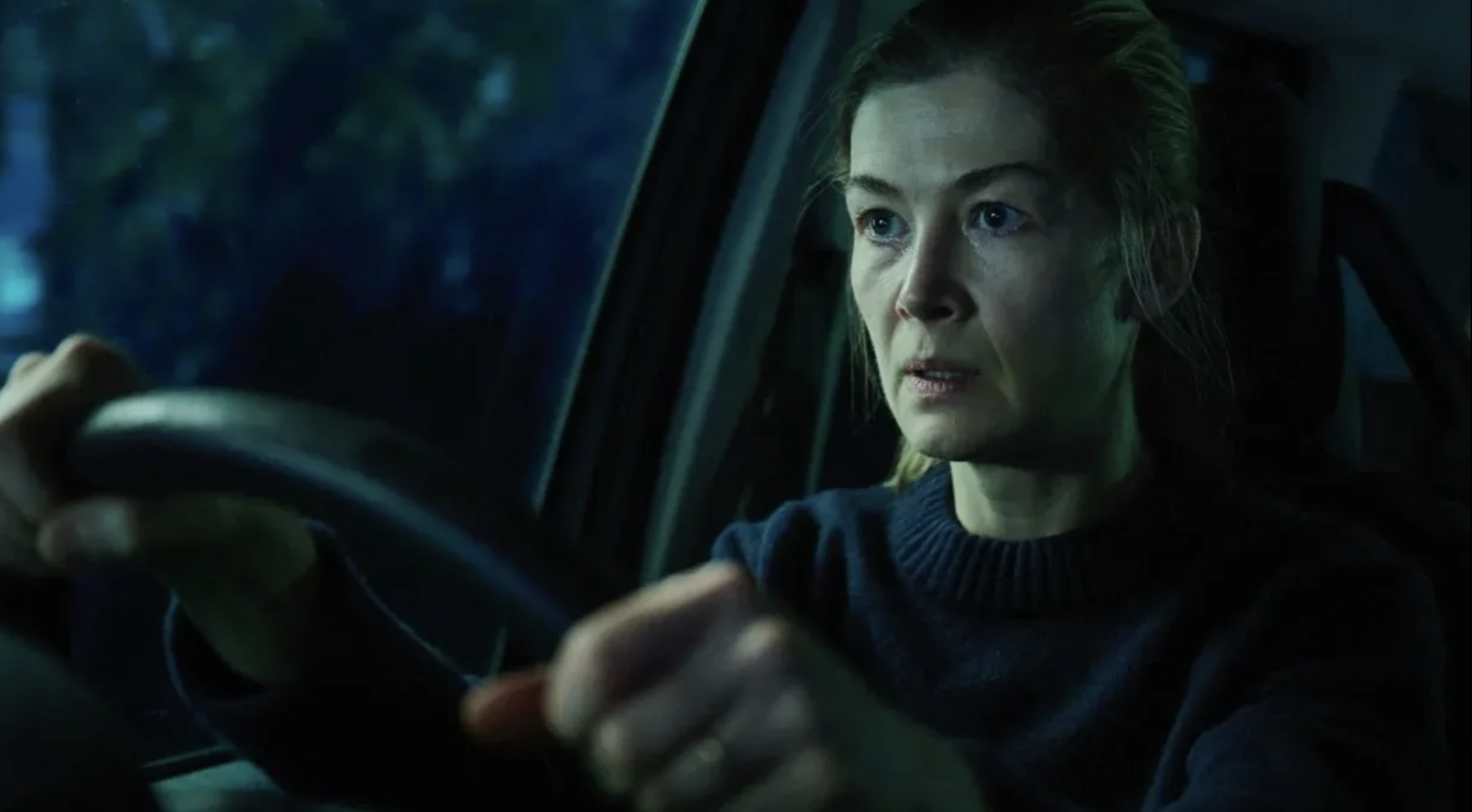
Hallow Road ticks all the boxes, amping up the suspense with every passing mile, until I am almost breathless with anxiety…”

28 Years Later

“There are elements of folk horror woven into the script and the eerie atmosphere is beautifully accentuated by the music of the Young Fathers and the use of an old recording of Rudyard Kipling’s militaristic poem, Boots…”

The Ballad of Wallis Island

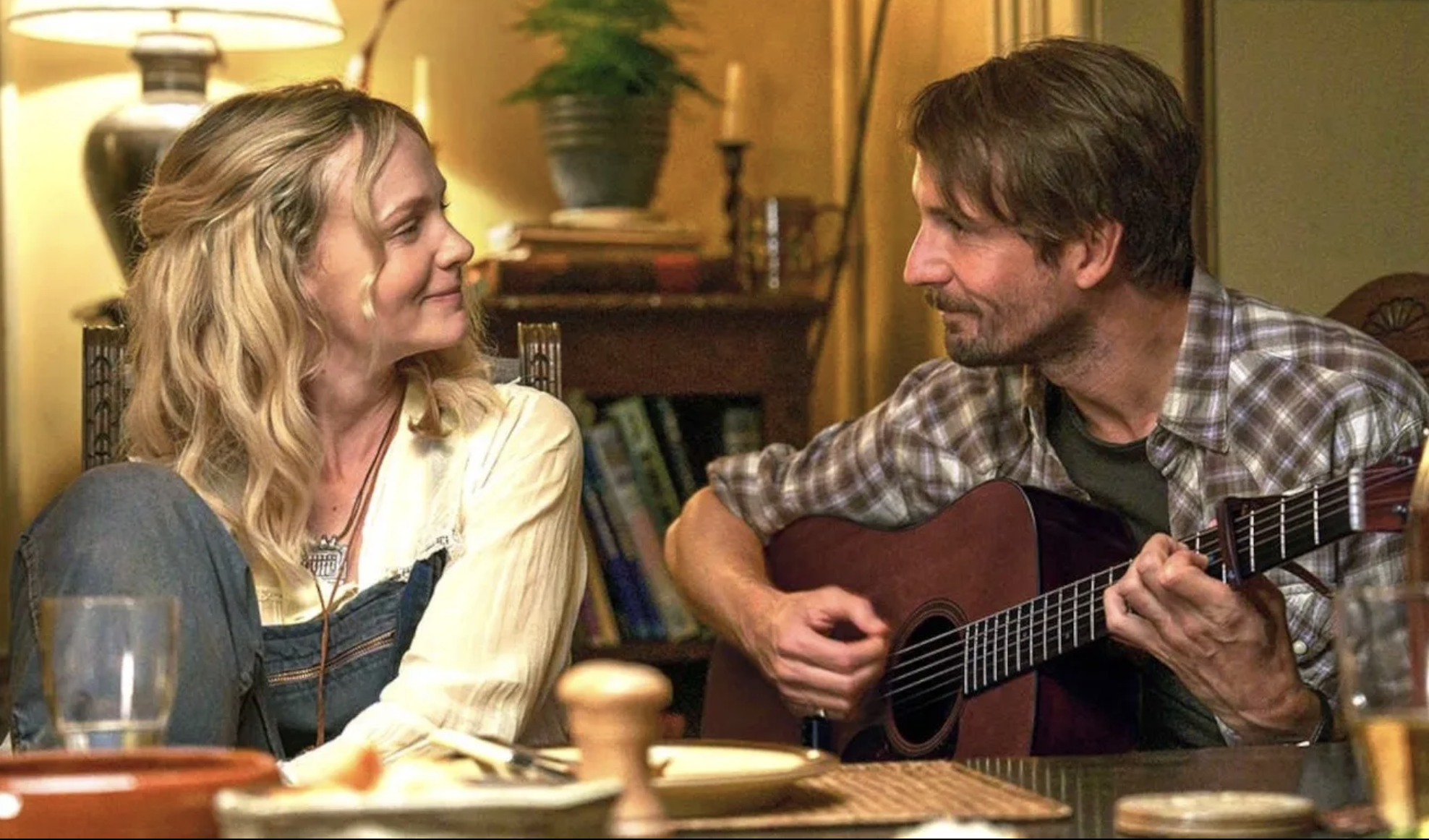
“A warm, gentle hug of a film, one that takes a long look at the subject of relationships and the many ways in which memories can still affect people long after an initial attraction has gone…”

Weapons

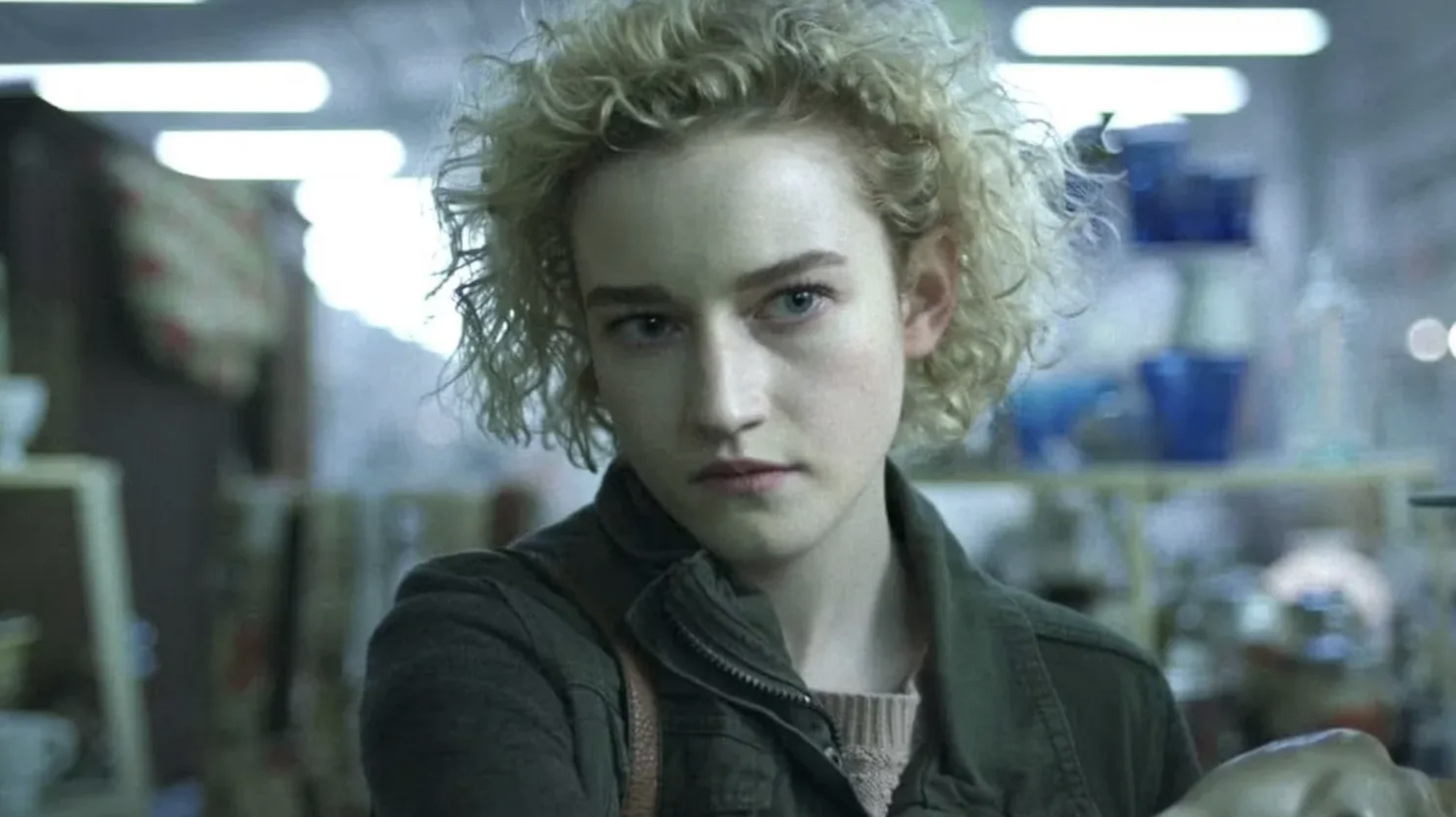
“An absolute smorgasbord of delights, by turns poignant, tense, bloody and, in its later stretches, darkly comic…”

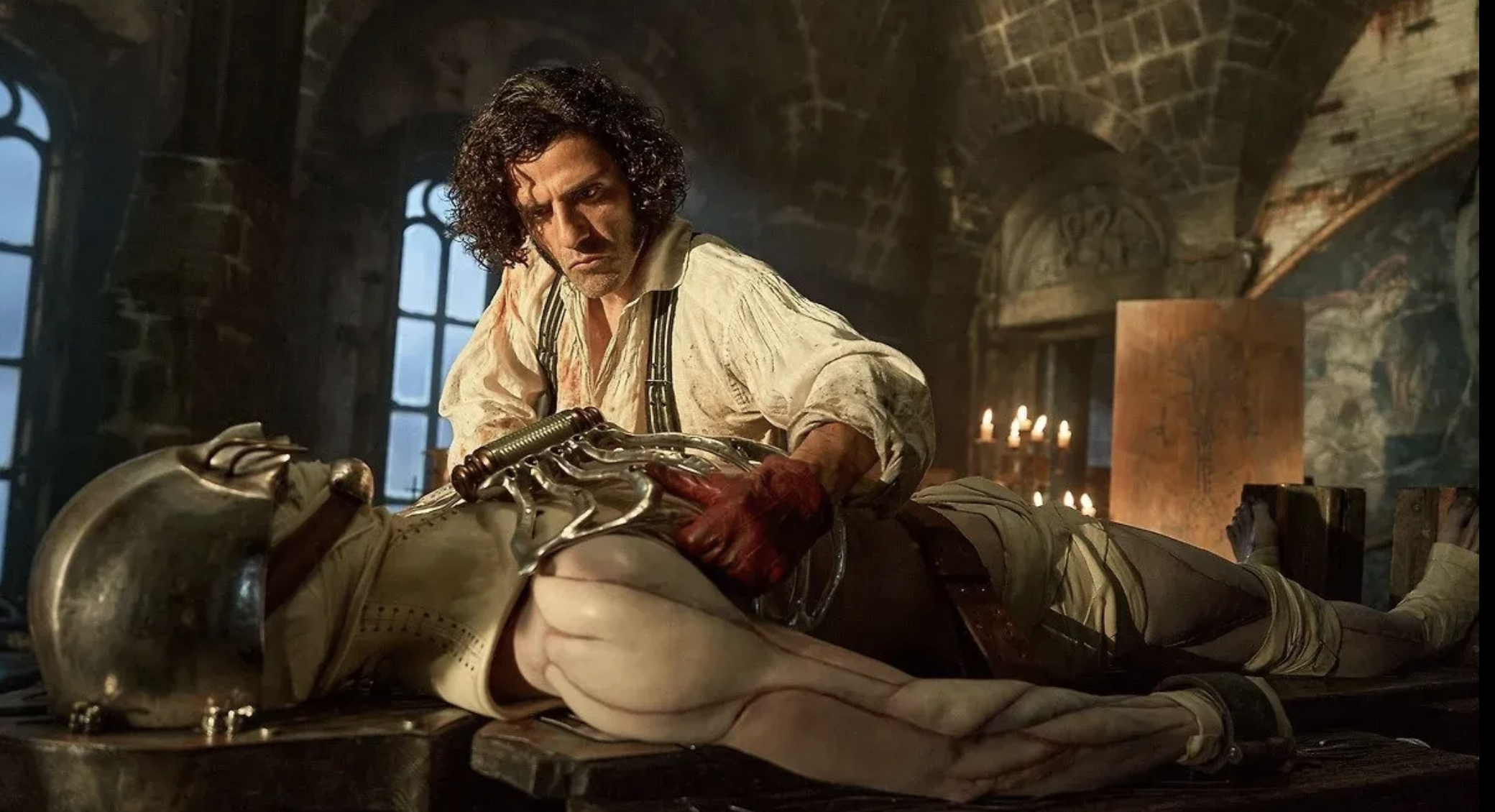
Frankenstein

“Packed with sumptuous locations and thrilling action set-pieces, that have it hurtling through its lengthy running time…”

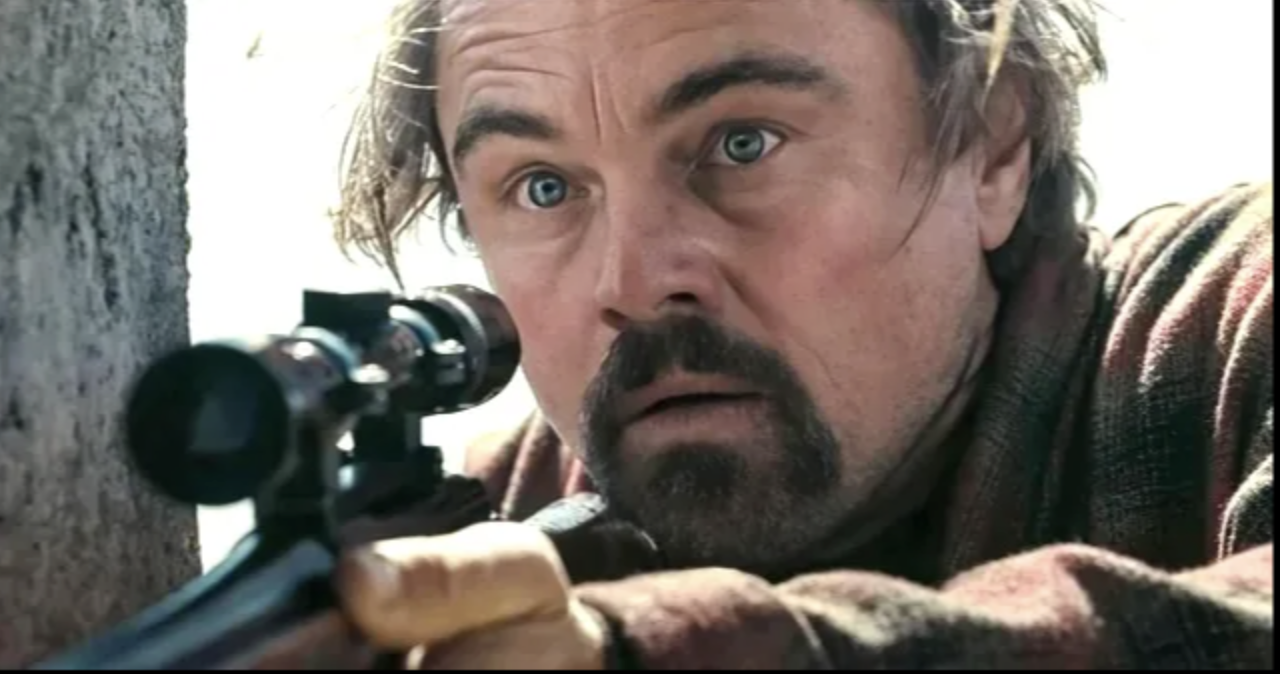
One Battle After Another

“Even the car chase is given a mesmerising makeover, as vehicles glide silently through a shimmering waterfall of desert roads like some kind of LSD-induced hallucination…”

Sorry, Baby

“Film-making of the highest order, assured and nuanced, highlighting the myriad moments that mark Agnes’s darkest hours as well as their recovery…”

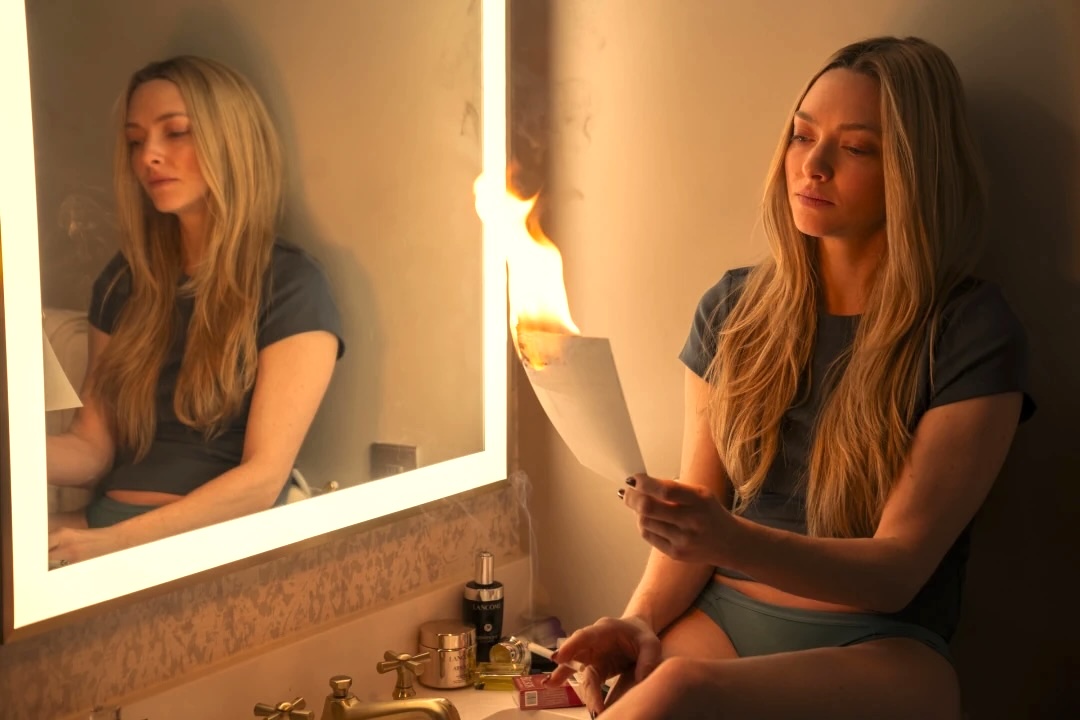
Die, My Love

“This unflinching study of a woman’s postpartum psychological breakdown is as compelling as it is harrowing – and Jennifer Lawrence is frankly wonderful in the lead role…”

Bugonia

“The film’s true triumph is only revealed in a final extended sequence, where Lanthimos brings all the different strands of the story together to create a shattering, thought-provoking conclusion…”

Philip Caveney & Susan Singfield

The Housemaid

28/12/25

Strand Cinema, Rhyl

It’s the dying days of 2025 and, mostly due to an apparent absence of Marty Supreme in Wales, we plump for The Housemaid as our post-Christmas watch. Directed by Paul Feig and adapted by Rebecca Sonnenshine (from Freida McFadden’s 2022 novel), The Housemaid is a twisty-turny sado-thriller, where everything’s dialled up to 11 and any hint of subtlety has gone straight through the nearest attic window. This isn’t necessarily a criticism, so much as an observation.

Millie Calloway (Sydney Sweeney) is desperately seeking employment. Ten years into a fifteen-year prison sentence (it’s a long time before we find out what she actually did to get there), she’s been released on good behaviour and is now living in her car and finding work where she can. When she lands an interview as housemaid at the swanky residence of the Winchester family, she’s desperate to get the job, though her expectations are understandably low.

Her potential employer, Nina Winchester (Amanda Seyfried), seems like the perfect easygoing boss, though Nina’s daughter Cerce (Indiana Elle) gives every indication of being a sour little grump-bucket. Nina’s husband, Andrew (Brandon Sklenar), on the other hand, seems like a regular saint: handsome, ripped and blessed with a perfect grin. But no sooner has Millie landed the job of her dreams than Nina starts to reveal a very different side to her personality. She’s prone to flying into angry fits and taking every opportunity to make Millie look bad in front of her friends.

And then the first of several major plot twists occurs and it becomes clear that nothing in this scenario is quite as straightforward as it initially appears…

Okay, so The Housemaid isn’t destined to win any prizes for nuance, preferring instead to keep upping the ante at every opportunity, joyfully ramping up the anxiety, the sadism and the nasty injury detail. (Delicate viewers may feel compelled to look away at key moments.) The central trio offer colourful interpretations of their roles, with Seyfried in particular revelling with relish in Nina’s unfettered gear changes, and just about managing to stop herself from chewing the scenery.

If some of the story’s later developments test my credulity, well, at least I’m never bored and – as the film thunders into its final furlong – I find myself laughing out loud at its absurdities. Rhyl’s new Strand Cinema offers customers a choice of five crystal-sharp screens with clean, loud Dolby stereo and plenty of legroom. Those looking to blow away the post-prandial fug of too much Xmas excess, may find this to be just the ticket.

3.5 stars

Philip Caveney

Beyond Monet/Van Gogh

23/12/25

Royal Highland Centre, Edinburgh

Beyond Monet: The Immersive Experience offers visitors the chance to see “Monet like they’ve never seen him before.” This isn’t quite true for us though: we’ve been to the Carrières des Lumières in Provençe about a dozen times, and – unsurprisingly – many of those exhibitions have focused on the famous impressionist’s work, particularly those pieces that depict the area. So, although we’re keen to see what this travelling showcase has to offer, we don’t really expect images projected onto the interior walls of the Royal Highland Centre – where we went to get our Covid jags – to wow us in the same way as they do in the disused quarry beneath Les Baux’s castle.

We’re pleasantly surprised. Despite the conference-venue vibes of the building, the immersive experience has been so cleverly curated that we soon forget where we are. What we lose in size and majesty, we gain in subtle animation and a clear visual narrative. Beyond Monet is showing ‘in rep’ with Beyond Van Gogh and, in all honesty, we’d have chosen to see Vincent if we could have made the dates work. That didn’t pan out, so we’ve settled for Claude – and we’re delighted with the result.

We already knew we loved Van Gogh, but we’ve tended to dismiss Monet as a bit too pretty, a bit too safe. But under Mathieu St-Arnaud’s creative direction, we see just how transgressive the artist really was, not only for the ‘unfinished’ look of his art, but also in his obsession with painting the same scene over and over, in order to capture it in different weathers, different lights. Seeing the various giant iterations of the Haystacks and the Houses of Parliament – sometimes side by side, sometimes layered over one another – really helps to illustrate his aim of capturing his immediate sensory reaction to a particular scene.

The Waterfall Room, which we enter first, gives us an eight-minute ‘starter’, where we stand, enraptured by the fleeting impressions (sorry!) of what is coming up, with glimpses of Monet’s paintings projected onto the walls and floor. In the Infinity Room next door, people are sitting on benches and cushions, settling in for the ‘main course’ – which runs on a thirty-five minute loop. Combined with Jean-Sébastien Côté’s hypnotic soundtrack, the hallucinatory imagery wraps itself around us, creating an intense auditory and visual experience that keeps us entranced for the whole running time.

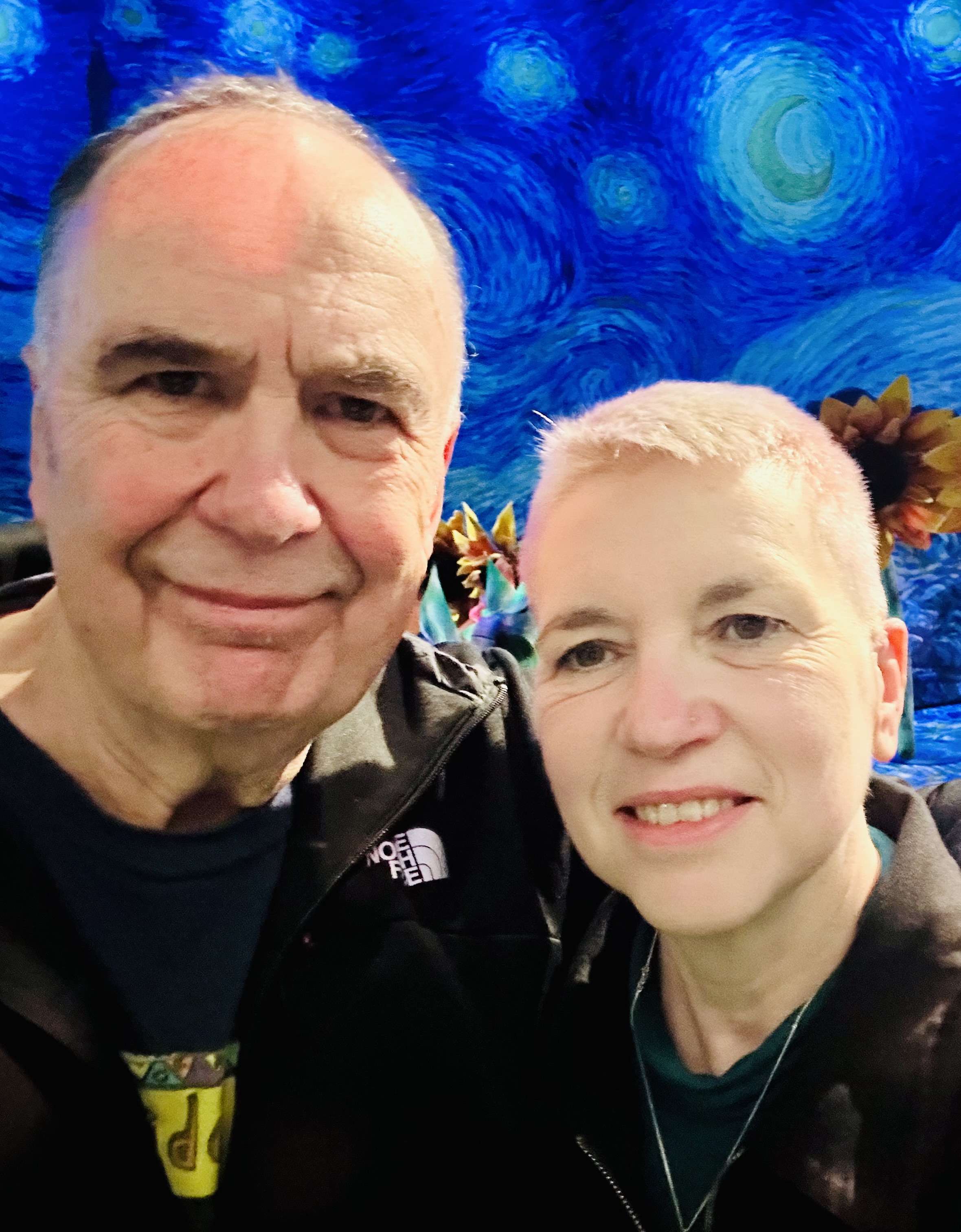
Finally, we enter the Reflection Room, which has been mocked up on one side to look like the Giverny gardens, while the other features Van Gogh’s starry night skies looming over a field of giant sunflower sculptures. Like all the best desserts, it’s fun and light – and gives us an opportunity to take a selfie or two.

If it’s showing near you, I highly recommend you visit this extraordinary exhibition – and take the chance to see Claude Monet in an entirely new… ahem… light.

4.5 stars

Susan Singfield

Sunset Boulevard

21/12/25

Filmhouse, Edinburgh

Hard on the heels of seeing one Billy Wilder masterpiece, The Apartment, comes an opportunity to see another, his 1950 film, Sunset Boulevard. I’m eager to watch it, as I haven’t seen it since I viewed it on TV in my youth. Whereas The Apartment looks forward to the new permissive era of the 1960s, this one takes its inspiration from the movies of the silent years, and the vast sea-changes that came in 1927, when Al Jolson became the first actor to talk onscreen in The Jazz Singer.

While the silent era has been revisited in a more lighthearted manner in movies like Singin’ in the Rain, Wilder casts a more meditative light on the previously-bankable stars suddenly left stranded by arrival of the talkies.

The movie is narrated by Joe Gillis (William Holden), a once promising young screenwriter, now struggling to make his way in the highly-competitive world of 50s Hollywood and quickly running out of options. Trying to evade some guys who are attempting to repossess his car, he pulls into the garage of a crumbling Hollywood mansion, assuming that the place is abandoned. But here he meets up with faded silent-movie megastar, Norma Desmond (Gloria Swanson) and her devoted butler, Max (Erich Von Stroheim). When Norma learns that Joe is a writer, she immediately invites him to stay in the guest room, telling him that she’s working on a screenplay of Salome, which she plans to star in when she makes her “return” (for some reason, she hates the term “comeback”). Joe realises she hasn’t a hope in hell of getting the movie financed, but he needs somewhere to kick his heels, so he reluctantly takes her up on her offer and agrees to help her write the script.

But as the days pass, he becomes her constant companion, and he starts to appreciate the full depths of her obsession – and realises that walking away from this situation isn’t going to be as straightforward as he initially supposed…

Of course, Wilder is writing about the same studio system that he himself progressed through, and his sharp, witty screenplay (co-written with Charles Brackett and DM Marshman Jnr) has about it the utter veracity of lived experience. Swanson had actually been a silent-movie star back in the day and exerts an extraordinary screen presence, portraying her possessive, vulnerable and ultimately-tragic character with consummate skill. Von Stroheim, meanwhile, was himself an influential director of silent films. There are also cameos from other real stars, like Cecil B DeMille and (very briefly) Buster Keaton. Holden, of course, is just embarking on his own long and monumental screen career and he makes the perfect foil, calm and measured despite all the madness that surrounds him.

The film’s final scene is one of the most enduring in movie history, as Norma Desmond takes her final prowl down a staircase for the camera and prepares for her close-up, so caught up in her own fantasy, that all the surrounding cops and news reporters somehow become her acolytes.

Sometimes, you return to a classic film after a long absence and wonder what all the fuss was about. But Sunset Boulevard is still a powerful and bitterly-spiced cinematic confection, as fresh and hard-hitting as it was all those years ago – and I feel privileged to have the opportunity to see it on the big screen.

5 stars

Philip Caveney