Month: November 2025

She Rides Shotgun

29/11/25

Prime Video

Now and then (and more increasingly in these troubled times) a film deserving of a theatrical release finds itself unceremoniously shunted straight onto streaming. She Rides Shotgun is one such production. While it doesn’t exactly reinvent the wheel, this tautly-paced action thriller has all the ingredients required to keep a viewer hooked to the final frame, not least impressive performances from Taron Egerton and newcomer, Ana Sophia Heger.

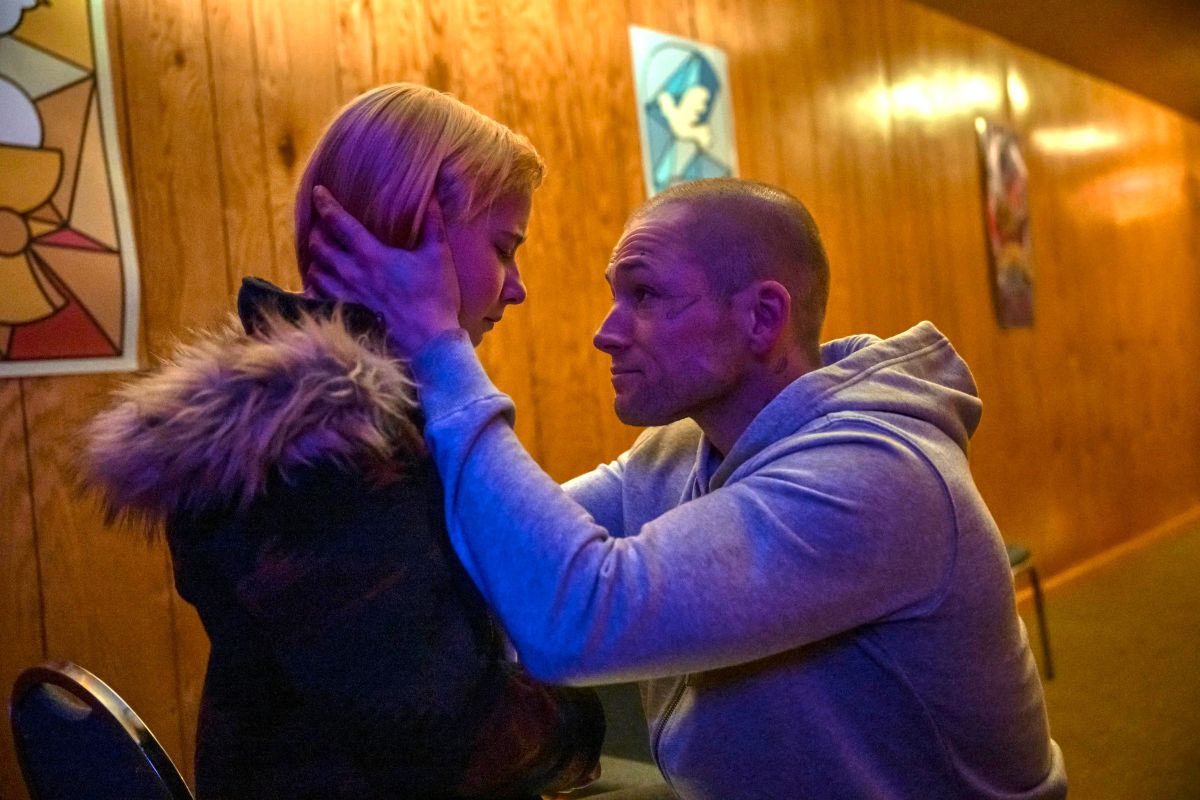
10-year-old Polly Huff (Heger) is waiting patiently outside her school in Los Angeles (though the film is mostly shot in and around Alberquerque), fully expecting to be picked up by her mom. She’s understandably bewildered when her estranged father, Nate (Egerton), turns up at the wheel of a stolen vehicle and bundles her into the passenger seat. Polly knows that Nate has only recently been released from prison and is also aware that her mother has moved on with her life and now has a new partner. 

But once installed in a seedy motel room, Polly overhears a television news report informing her that both her mom and stepdad have been murdered, and that Nate is the main suspect for the crime. What’s more, the killings have been linked to a white supremacist movement called Aryan Steel.

Before Polly quite knows what’s happening, Nate is cutting and dying her hair and preparing to take her off on a desperate run for the Mexican border.

As I said, She Rides Shotgun doesn’t have the most original premise – indeed, with those New Mexico locations and that evocative title, it feels suspiciously like a contemporary Western – but director Nick Rowland ensures that the unfolding events are seen through Polly’s POV, and he somehow manages to imbue the resulting mix of gun fights, punch-ups and car chases with enough verve to keep me on the edge of my seat.

Events get more complicated when it transpires that nearly every police officer the duo encounter on their travels is linked to the aforementioned Aryan Steel. It’s hard to know who they can trust – though Detective John Park (Rob Yang) seems the likeliest contender for that role – and he says he has a plan that can secure their future…

Egerton (looking like he’s ingested a mountain of protein shakes since his last screen outing and sporting a ripped physique that’s seemingly carved from granite) manages to convey a father’s desperate need to protect his daughter. Heger’s performance is extraordinary, her evident vulnerability bringing me close to tears, especially at the film’s heartbreaking conclusion.

So, job done: this is well worth catching, even if those vast desert landscapes do deserve to be seen on a much bigger screen.

4.2 stars

Philip Caveney

Cinderella: A Fairytale

29/11/25

Royal Lyceum Theatre, Edinburgh

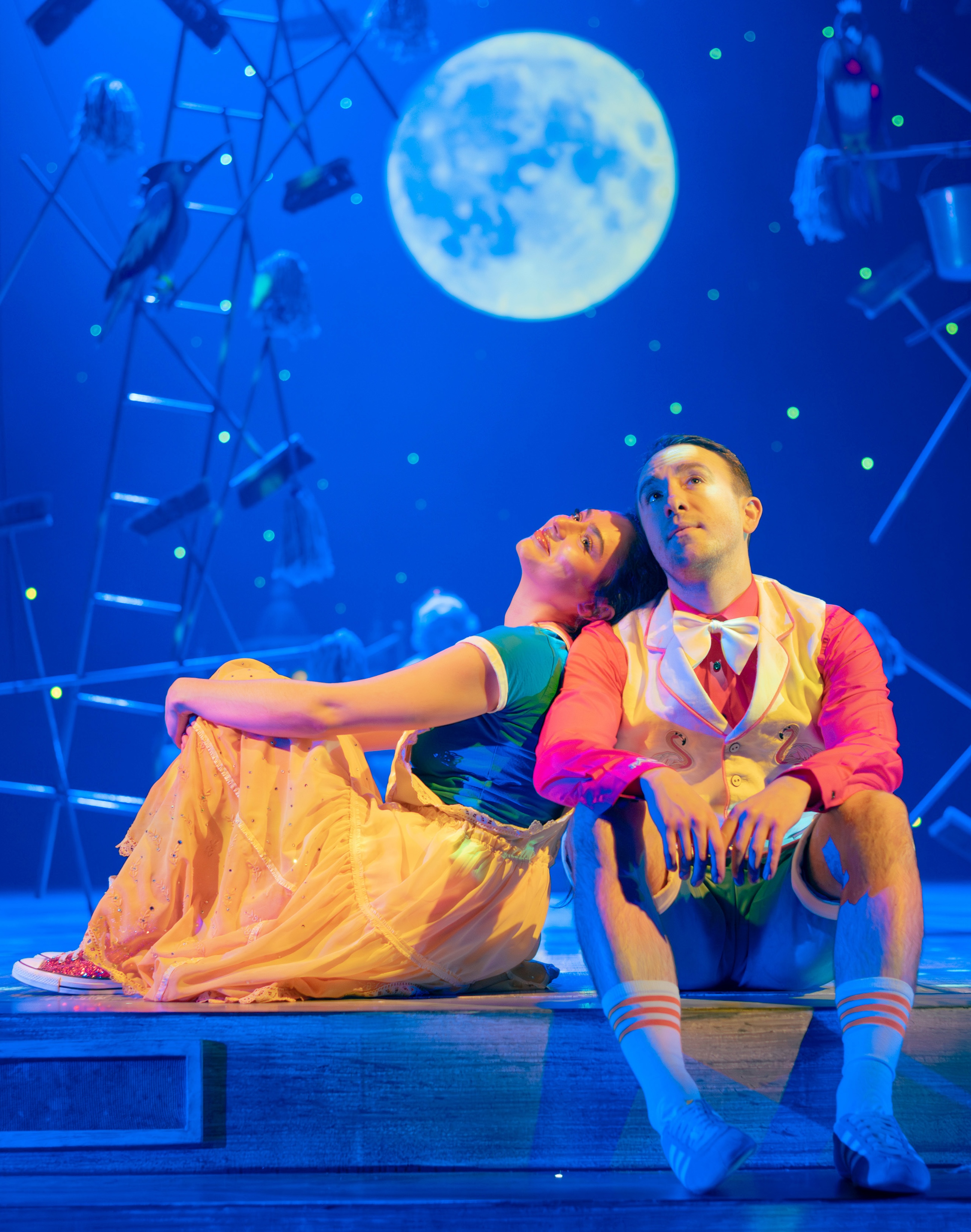
Look, I love a good panto as much as the next drama queen. Still, I have to admit there is something very special about this chance to see a Christmassy rendition of one of the world’s most famous fairy-tales without the distraction of all the boo-hiss-he’s-behind-you-wink-wink-nod-nod stuff. Cinderella‘s plucky orphan narrative is a compelling one, not least because of its moral certainty, where the good are rewarded and the bad are well and truly punished: there’s vengeance at play here, as well as virtue. And, in this version by Sally Cookson, Adam Peck and the Original Company, that dichotomy is writ large.

Ella (Olivia Hemmati) lives in a gloriously-realised enchanted forest, all dappled sunlight and multi-coloured birds. The home she shares with her dad (Richard Conlon) is one of those idyllic, romantically-ramshackle cottages where poor people live in story books, and she’s happy there. But when Father marries Mother (Nicole Cooper), everything changes: not only does her step-mum impose a whole raft of irritating rules, she also brings along her own two children, Sister (Christina Gordon) and Brother (Matthew Forbes), who are so priggish and uptight that Ella can’t stand them. And then, just as she’s getting used to the new regime, Father dies, leaving a grieving Ella at Mother’s mercy…

The strength of this show lies in its aesthetic: Francis O’Connor’s set and costume design evoke an ethereal other-worldliness, where magic feels eminently possible. The bird puppets (directed by Forbes and manned by Leo Shak, Stephanie Cremona and the cast) are fabulous, their rainbow plumes as appealing as they are fantastical. Even as a middle-aged woman, I’m completely captivated; how alluring must this staging be for the children in the audience?

The love story element is underplayed: Prince (Sam Stopford) is a nerdy teenage ornithologist and he and Ella strike up such a lovely, convincing friendship that the idea of their marriage seems jarring and incongruous. Director Jemima Levick wisely eschews any overt wedding pageantry, but I do wonder if it would be better to remove the romance entirely, focusing instead on the simple affection between the pair. After all, it’s not as if there’s the same financial imperative for this Ella, who seems to be living in a whimsical approximation of the contemporary world, as there was for her Grimm progenitor, who needed a husband to escape her servitude.

Cooper is obviously having a whale of a time as the odious Mother, camping up her tantrums and cruelty to create a deliciously-devilish interpretation of the character. The protracted toe-chopping sequence – the production’s only real nod to the folk story’s dark heart – is a gruesome highlight. Meanwhile, Gordon and Forbes’ Ugly Siblings are more sympathetic and nuanced than their traditional counterparts, frightened and corrupted by their toxic mum – and clearly redeemable. Carly Anderson has less to do as Queen, who appears here as a slightly-sozzled, benignly-bemused socialite. It’s an interesting take on the role but she is under-used.

Jon Beales’ music and Emily Jane Boyle’s choreography complement each other perfectly, enhancing the story and ensuring the pace never flags.

All in all, this is a delightful production, and one that is sure to enthral audiences of all ages this festive season.

4.2 stars

Susan Singfield

Inside No. 9: Stage/Fright

27/11/25

Playhouse Theatre, Edinburgh

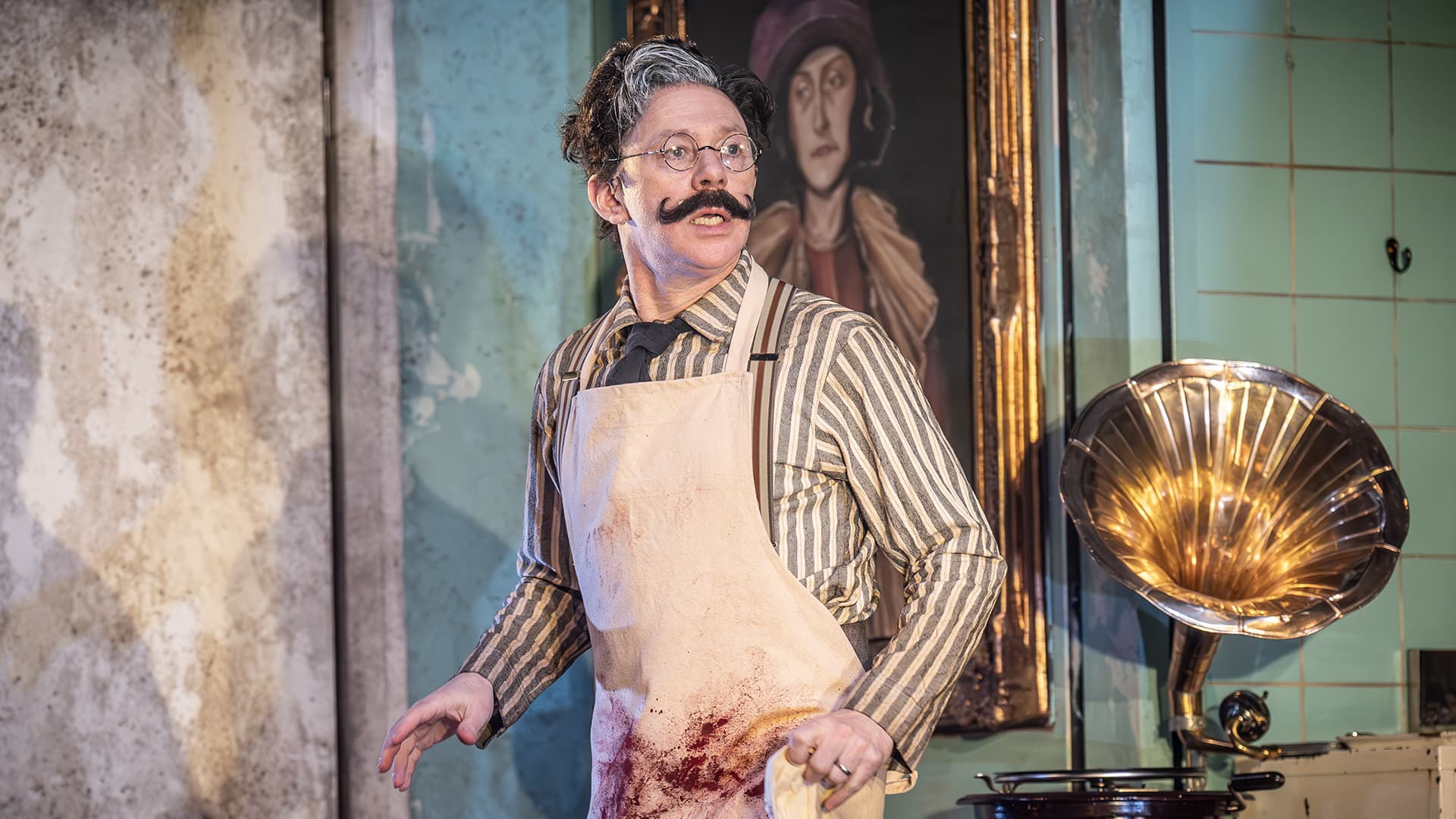
I’m rarely excited to see theatre inspired by television but I was keen to secure tickets for Inside No. 9 as soon as this tour was announced. Like so many others, I’ve been an avid fan of Reece Shearsmith and Steve Pemberton ever since I first saw them (along with Mark Gatiss) in 1999’s The League of Gentlemen. And, more recently, No. 9 has been one of the few television series I’ve watched avidly, through all nine of its seasons, marvelling at the sheer ingenuity of these two men, who are masters of the tricky art of horror comedy.

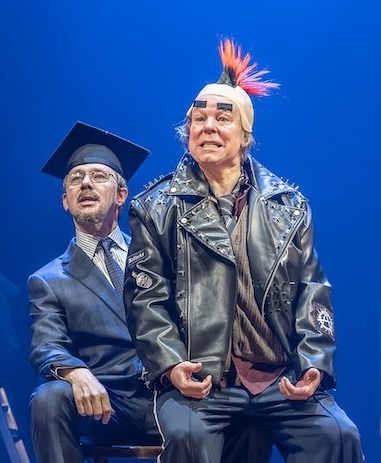
It’s clear that they have many other faithful followers because the capacious Playhouse is a complete sell-out tonight. The audience is somewhat restless so the opening sketch, in which we are confronted by rows of theatre seats looking straight back at us, is an inspired choice, while the subject – the ways in which noisy audience members can incur the wrath of somebody trying to watch a play – is doubly so. And even if a large section of the first act is overly-familiar – based around the classic TV episode Bernie Clifton’s Dressing Room – well, that’s only like your favourite rock band smashing out some of their established hits before introducing you to their new material.

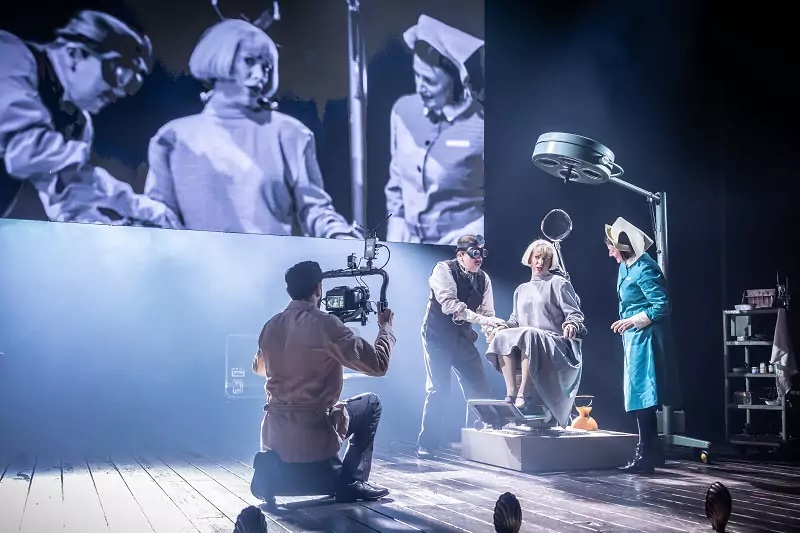
In the second act, the duo, assisted by a sizeable cast, do exactly that. What initially appears to be a group of characters enacting a delicious slice of grand guignol theatre in a Victorian asylum is revealed to be… ah, but that would be telling. Like so much of their output, Shearsmith and Pemberton have woven elements of surprise into the piece and it would be a crime to reveal too much. Suffice to say that this extended sketch utilises cinematic elements, somehow blending the two distinct disciplines of theatre and film into one satisfying whole. While there’s much here that is deliciously, darkly funny, there are also moments of extreme tension and some genuinely effective jump-scares.

A word of warning: don’t be like those members of tonight’s audience who leap up from their seats the moment the house lights come up and race for the exits – because there’s more to come and you don’t want to miss the further revelations that unfold.

This is yet another assured collaboration from the gruesome twosome. Where will Shearsmith and Pemberton venture next? Your guess is as good as mine, but wherever it is, bring it on! I’m keen to see whatever they’ve got up their sleeves.

4.6 stars

Philip Caveney

Sisu: Road to Revenge

23/11/25

Cineworld, Edinburgh

I missed Sisu on its first release, but caught up with it on streaming some time later. It was easy to see why it was such a hit in its native Finland and why so many people had raved about it. This simple, action adventure in which a near-silent old man single-handedly despatched an entire battalion of Nazis in ever-more inventive ways was a thoroughly decent watch. And who doesn’t want to see Nazis get their comeuppance?

But of course, Sisu’s success meant that there would be the inevitable sequel. And what’s left to say?

Writer/director Jalmari Helander has fallen back on the age-old technique of telling the same story again but making it bigger, louder and even more unbelievable. He’s switched out those pesky Nazis for some caricatured Russians and thrown in a George Miller-esque vehicle chase and an aerial sequence for good measure. Plus some very big explosions.

It’s 1946, the war is done and dusted, and Helander’s silent hero, Aatami (Jorma Tormilla), has decided to nip across the newly-instigated border to take his old home apart plank by plank so he can transport it back to a new location, where he plans to rebuild it… as you do.

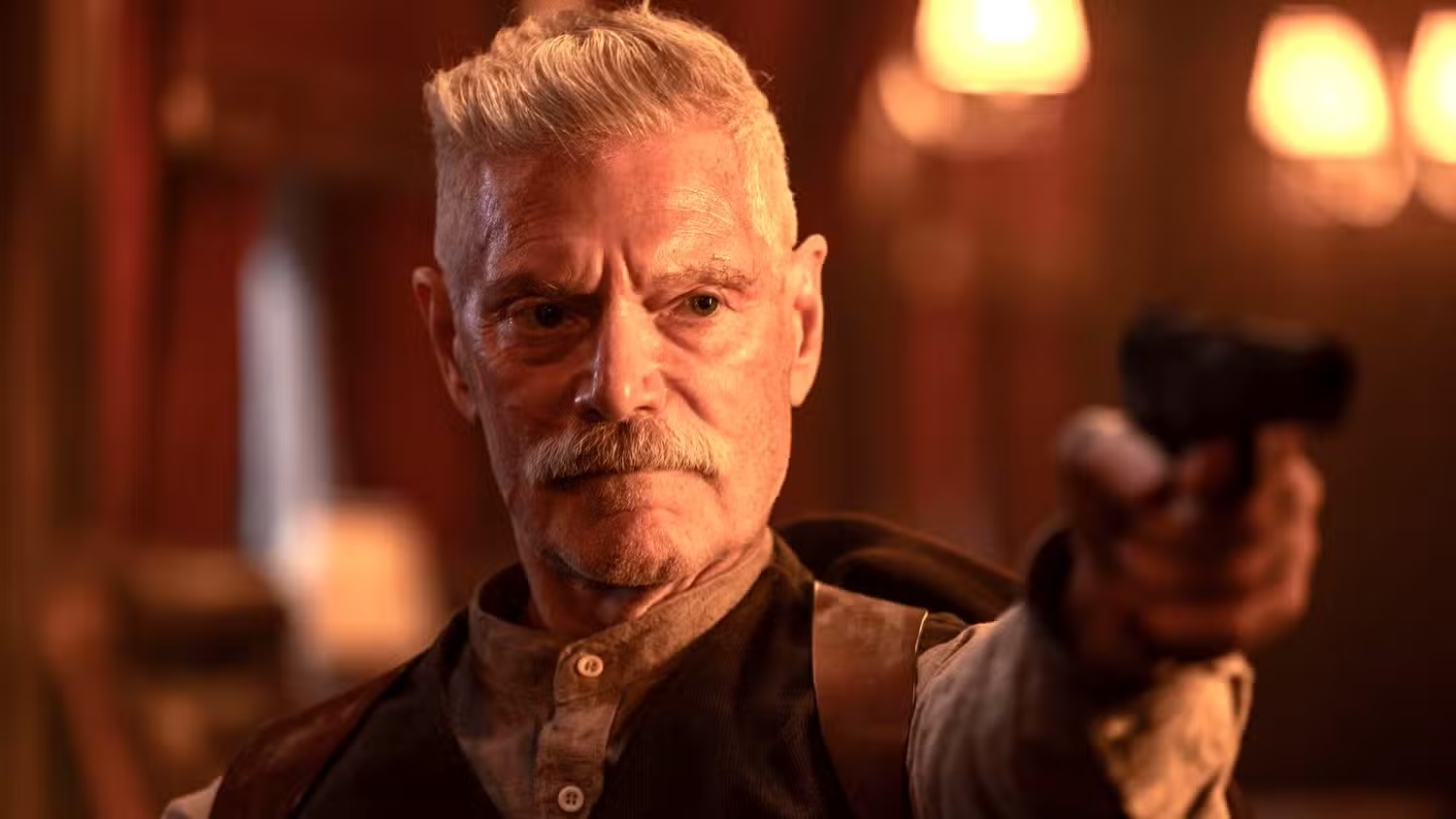
But when a top-rank KGB officer hears what’s happening, he releases imprisoned Red Army leader Igor Draganov (Stephen Lang) and instructs him to go in pursuit of Aatami and.. ahem… finnish him off. Draganov is, of course, the man who killed Aatami’s wife and two children, utilising the unusual method of cutting them to bits with a spade, something he’s so proud of he mentions it twice.

All this information is imparted in the film’s opening fifteen minutes and the rest of it (aside from a short coda) is devoted to the ensuing mayhem as Aatami slaughters what feels like the entire male population of Russia with a series of increasingly outlandish improvised weapons. This is a man capable of turning a paper handkerchief into something with the killing potential of an AK47. While I’m happy to suspend my disbelief to a certain level, I have to draw the line at watching him deflect an approaching fighter plane with a length of roof timber, or propelling a train along a track at super speed simply by igniting the rocket it’s carrying on a flatbed.

Yes, I know, it’s not meant to be realistic – but neither is it a superhero film and Aatami’s abilities somehow feel more suited to that genre.

More worrying to my mind are the later scenes where Aatami is captured and brutally tortured by the people who have simply been instructed to kill him. The damage inflicted upon his bare flesh borders on the prurient. And God forbid if at some point we had flashbacks to earlier days and his memories of that family he spends all his time trying to avenge. It’s almost amusing to learn that Tormilla is a respected theatrical actor in his homeland, when all he’s required to do here is bleed copiously, grunt when he’s obliged to walk barefoot on glass and occasionally decapitate one of his many opponents. But hey, that’s showbiz.

Looking desperately around for something to enthuse about, I will say that cinematographer Mila Orasmaa does a creditable job of capturing all the madness on film and that the music of Juri Seppä and Tuomas Wäinölä has a stirring Ennio Morricone quality that sometimes makes me feel I’m watching a Sergio Leone western. (Not that we’re anywhere near that exalted league.)

And then there’s the aforementioned coda, which – against all the odds – is poignant and strangely moving. Though in the case of Sisu: Road to Revenge, it does feel suspiciously like too little, too late.

3 stars

Philip Caveney
Keeper

22/11/25

Cineworld, Edinburgh

In 2024 Longlegs established Osgood Perkins as a horror auteur. If 2025’s The Monkey felt more like an audacious splatter comedy than anything else, it still delivered a fresh approach to his chosen genre. Keeper is perhaps closer in tone to the first film, a brooding atmospheric piece that takes its own sweet time to offer the viewer any real clues as to what’s actually going on. For reasons best known to Cineworld, it’s only offered in a late night screening, but I’m interested enough by what’s gone before to seek it out.

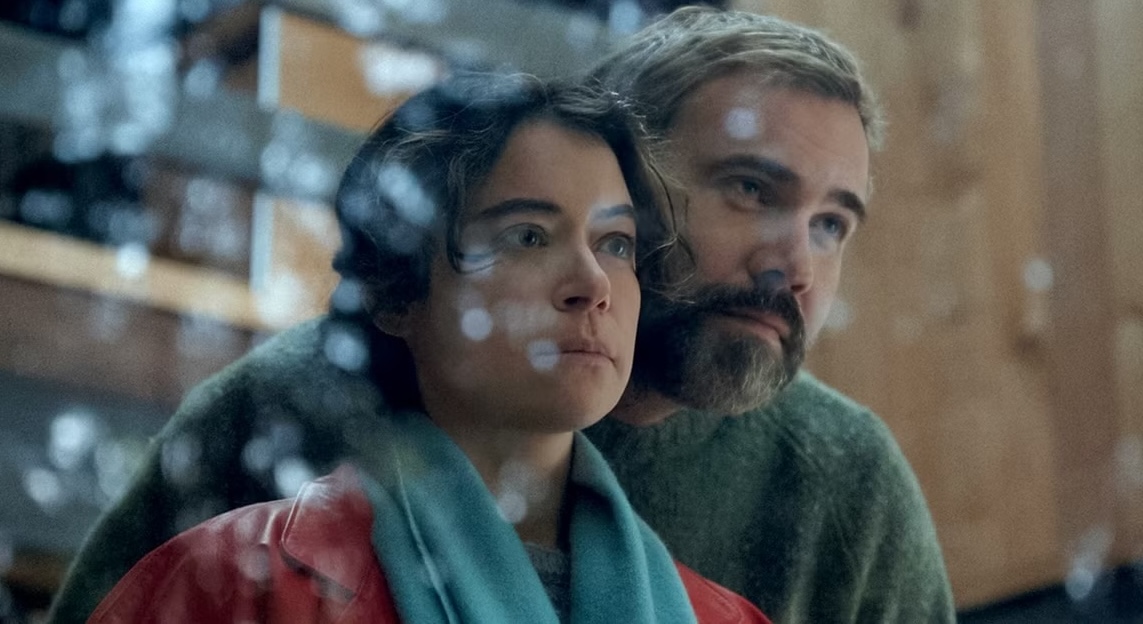
Liz (Tatiana Maslany), an artist, and Malcolm (Rossif Sutherland), a doctor, have been going out together for a year and, as a treat, he takes her to his secluded cabin in the woods for a leisurely weekend. As ever in these scenarios, Liz has no qualms about accompanying him, seemingly unperturbed by the fact that, despite being with him for quite some time, she really doesn’t know very much about him.

When they arrive, a chocolate-smeared package is waiting for them. Malcolm explains that the cabin’s ‘caretaker’ has baked them a special cake as a welcome present. Liz is understandably dismayed to discover that the cabin isn’t quite as remote as she’s been led to believe. There’s another one nearby, which – Malcolm explains – belongs to his cousin, who he rarely ever speaks to. But shortly thereafter, Darren (Birkett Turton) pays them an unscheduled visit and turns out to be a smirking, obnoxious creep. He’s accompanied by Minka (Eden Weiss), a young model who Darren claims can’t speak a word of English. But in a rare moment when they’re alone, Minka warns Liz – in English – not to eat the cake.

But Malcolm is insistent that she should sample a piece – it would be rude not to, he tells her – so she complies and, later, waking in the night, finds herself compelled to sneak downstairs and devour the rest of it…

Keeper is a weirdly compelling story written by Nick Leppard and inspired, I suspect, by the myth of Bluebeard. This is a film that exerts a powerful sense of dread throughout, one that chooses to derive its chills from things only half-heard and half-seen. Unexplained shadows move inexplicably across a scene, blurred visions exist somewhere between sleep and wakefulness and occasionally we’re unsure of what’s actually happening and what belongs in Liz’s dreams.

What is that out-of-focus shape lurking in the background of a scene? Who is that talking somewhere upstairs? And who are the mysterious women from different time zones who we keep catching glimpses of? Whoever they are, they’re clearly not happy.

Perkins handles the various elements with considerable skill and, for the first hour, manages to keep this pressure cooker of a tale bubbling nicely – but an attempt in the final third to offer a coherent explanation for what’s actually going on places the story in the realms of folk horror and is arguably not quite as assured as what’s gone before. 

Still, this is nonetheless big steps ahead of the usual slice-and-dice-cabin-in-the-woods fare we’ve seen so many times before and, even if I don’t get home till after midnight, it’s worth the price of admission. News that Perkins has another film arriving shortly confirms that he’s not one to rest on his laurels. I’ll be interested to see whatever he comes up with next.

3.8 stars

Philip Caveney

Nuremberg

22/11/25

Cineworld, Edinburgh

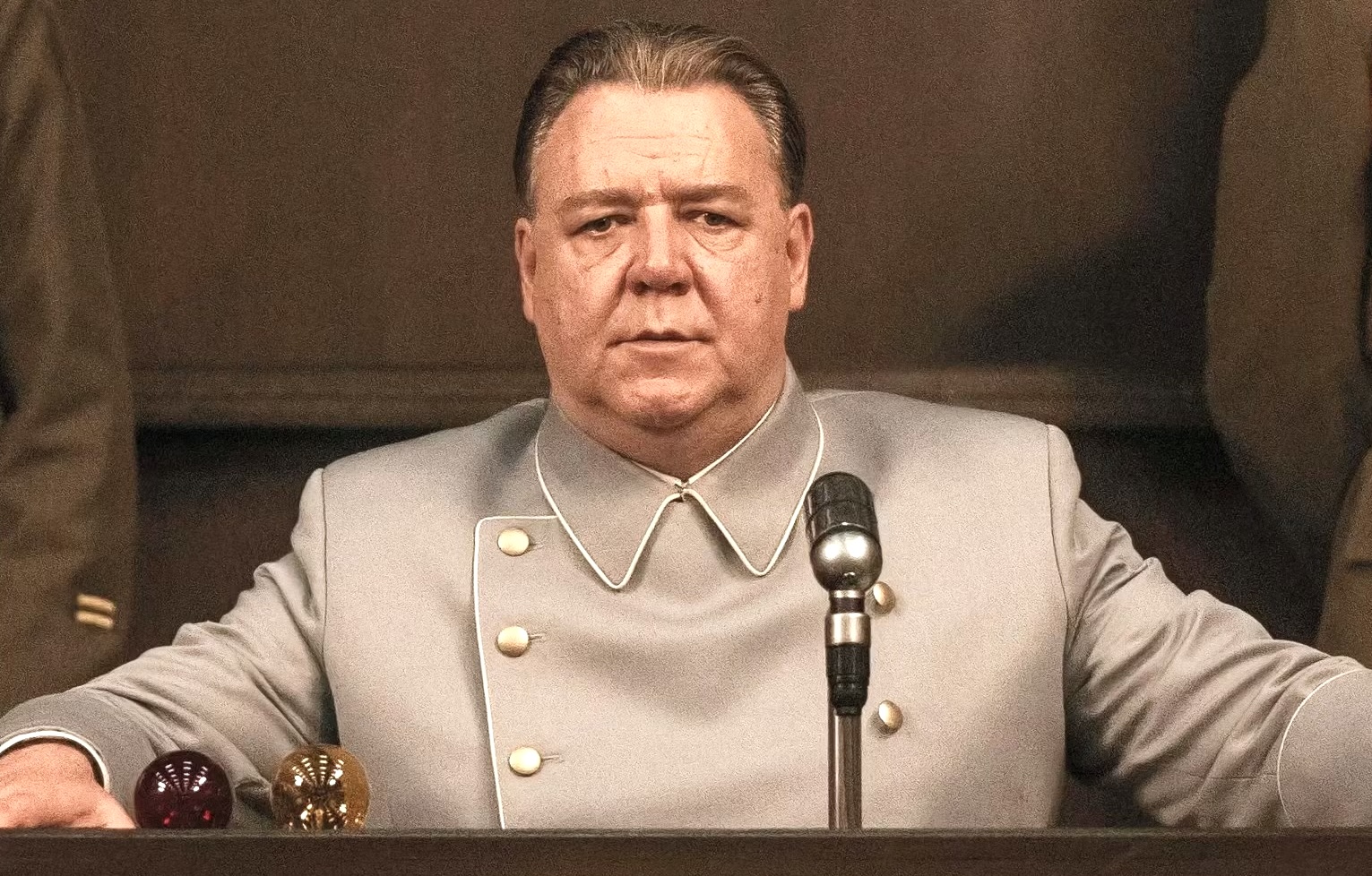
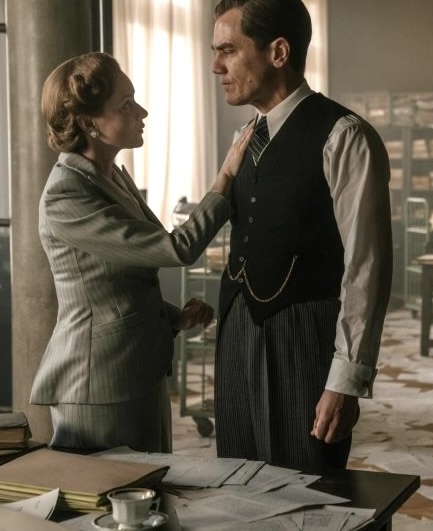
It’s 1945 and, in the midst of the chaos following the end of World War 2, Reichsmarshall Herman Göring (Russell Crowe) surrenders to American troops (although he makes it blatantly clear that he still expects them to carry his suitcases). When the news reaches United States Supreme Court Justice Robert Jackson (Michael Shannon), he begins to draw up plans for an International Military Tribunal, which will charge Göring and other surviving Nazi leaders with war crimes – and what better place to enact this than in the venue where the late Adolf Hitler held his infamous rallies in the 1930s?

Jackson takes a leave of absence from the supreme court and meets up with British prosecutor, Sir David Maxwell Fyfe (Richard E. Grant), who will assist him in trying the case. He also enlists the services of army psychiatrist, Douglas Kelly (Rami Malek), who – assisted by German-English translator, Sergeant Howie Triest (Leo Woodall) – will attempt to get to know Göring and the other captured Nazi leaders before the trial begins. Maybe the old proverb about knowing your enemies will be useful. Besides, Kelly has ideas about writing a best-selling book afterwards.

He begins to make progress with Göring and tells himself that the two of them have established the basis of a genuine friendship – but he will come to learn that Göring has his own agenda…

Nuremberg, written and directed by James Vanderbilt, has some big boots to fill. Many people remember Stanley Kramer’s 1961 movie, Judgement at Nuremberg, long regarded as a cinematic milestone – and I have to admit that, based on his recent screen outings, I have big doubts about Russell Crowe taking on such a difficult role. So I’m both surprised and delighted to say that I’m impressed by the film and by Crowe’s performance which captures Göring’s smirking, confident persona with genuine skill. Shannon is quietly magnificent in his role and Grant is handed a fabulous cameo courtroom scene, which he handles with his usual aplomb. Malek is often accused of over-acting but he does a good job here too, showing how Kelly’s ambitions destroy his own future.

I won’t pretend that this is an easy watch. The latter stages of the trial include the showing of genuine footage from concentration camps and there’s been no attempt to soften or obscure the devastating images they contain. I spend much of the film fighting back tears as I watch the horrors unfold. But the scenes are shown so unflinchingly to make a really important point: that the evils that men do are not carried out through devotion to a cause, nor for the greater good of the world. Such crimes are enacted because of greed, and because there are people who see such brutality as merely a means to an end, a way to further their own unspeakable agendas.

So my advice would be to steel yourselves and go and see Nuremberg. Then think about where the world is now – and how perilously close we are to allowing such horrors to proliferate once again.

4.4 stars

Philip Caveney
Montrose

16/11/25

Montrose Terrace, Edinburgh

We’re in the mood for a spot of high-end lunch and we’ve heard good things about Montrose, which is a sister establishment to Timberyard, one of the undoubted stars in the Edinburgh culinary firmament. Montrose claims to offer a more relaxed kind of cuisine at reasonable prices so, in order to put that claim to the test, we take a leisurely stroll over to Montrose Terrace to sample their three-course set lunch.

The offer is all three courses for £30, with a small selection of side-dishes, which can be added for a little more outlay. The menu is changed on a monthly basis, though the advertised dishes can be tweaked if somebody has an allergy issue or a pronounced dislike of one of the key ingredients. But, as we so often claim, there’s not much out there that we won’t eat.

The restaurant has a calm, pleasant atmosphere and is arranged on two levels. (Halfway up the stairs there’s what must qualify as the smallest customer toilet in Edinburgh.) The staff are friendly and easy to chat to as we order drinks and wait for our two additional dishes to arrive.

These are a Pickle Plate and a Cantabrian Anchovy Gilda. The former is a plate of crunchy pickles served with a tangy dressing, amid which some beautifully-sweet gooseberries are undoubtedly the stars. The latter turns out to be a single (though quite delicious) fresh anchovy nestled on some truly scrumptious olives. For £5, I find myself wishing we had an anchovy apiece.

Next up is our starter, which is Crown Prince Pumpkin with trevino, hazelnut and rosemary. There’s a decent-sized chunk of slow roasted pumpkin, drizzled with a creamy, nutty sauce and there’s a lot of (too much?) green salad, which is as fresh as you like, but leaves me feeling that this dish perhaps needs an extra element to make it zing.

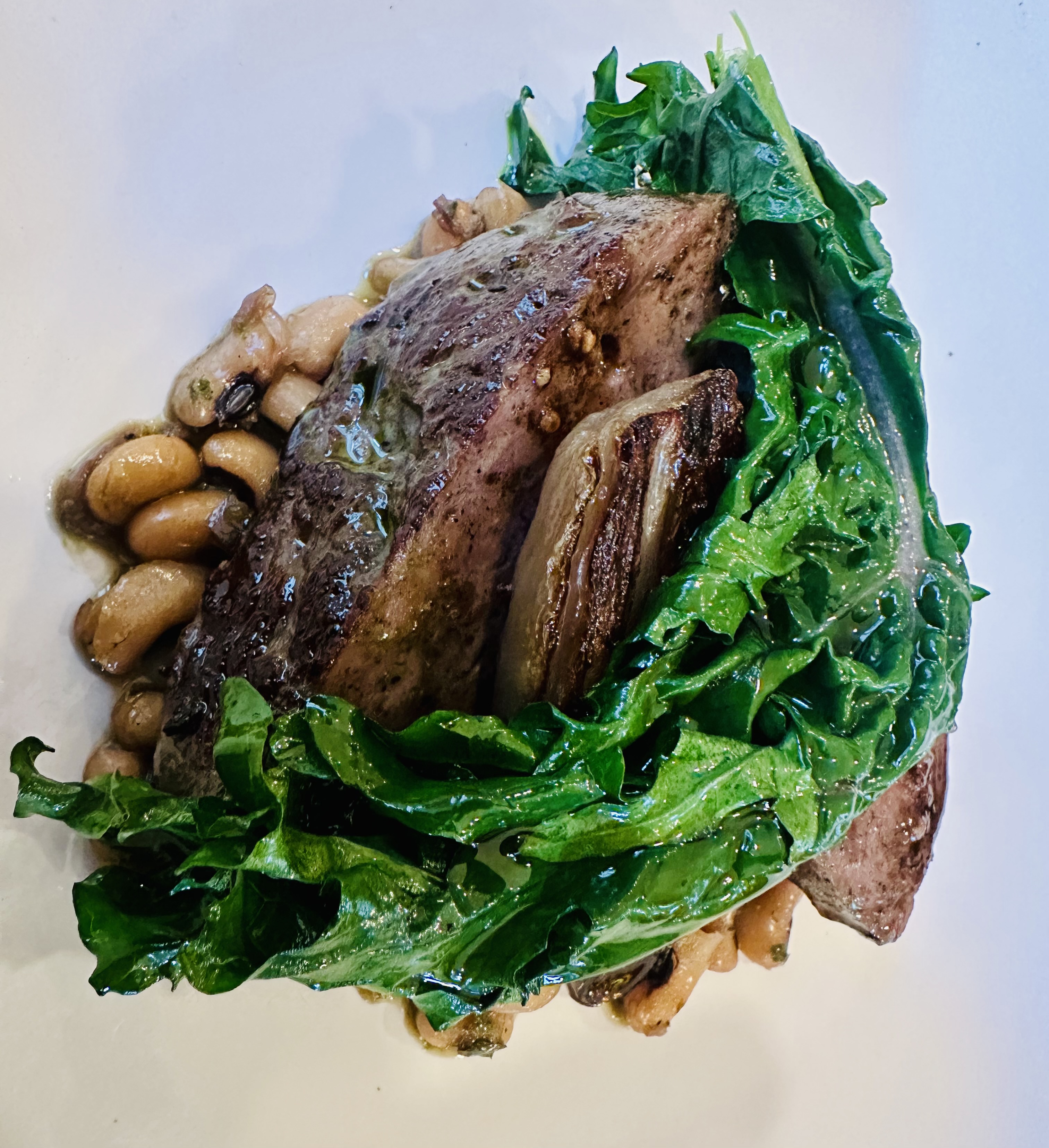
The main course is essentially the restaurant’s take on sausage and beans, though it’s a lot more interesting than that sounds. It comprises two spicy slices of Venison and Pork Kofta, a chunk of crispy seared shallot and some earthy black-eyed beans. They’ve even managed to make an accompanying portion of kale taste good. It’s a great idea and perfectly suited to an autumn lunch.

Pudding must inevitably follow. Out comes a Pear, Vanilla and Walnut Trifle, which – while it’s not the most photogenic of dishes, the colours all being variations of brown – is nonetheless a lip-smacking delight. It’s like somebody’s crossed a tiramisu with a crumble and this is the weird but oddly satisfying result. I’m definitely in favour taste-wise, but surely a scattering of bright red raspberries would make this look a lot more appetising.

With drinks, this meal comes in at around £90, which in these troubled times represents good value for this standard of cuisine. We depart, sated and happy, and ready for – you’ve guessed it – a visit to the cinema.

4 stars

Philip Caveney

Die, My Love

16/11/25

Filmhouse, Edinburgh

Die, My Love, based on Ariana Harwicz’s acclaimed novel, is another irresistible movie from Scottish director, Lynne Ramsay. With a script by Ramsay, Enda Walsh and Alice Birch, this unflinching study of a woman’s postpartum psychological breakdown is as compelling as it is harrowing – and Jennifer Lawrence is frankly wonderful in the lead role.

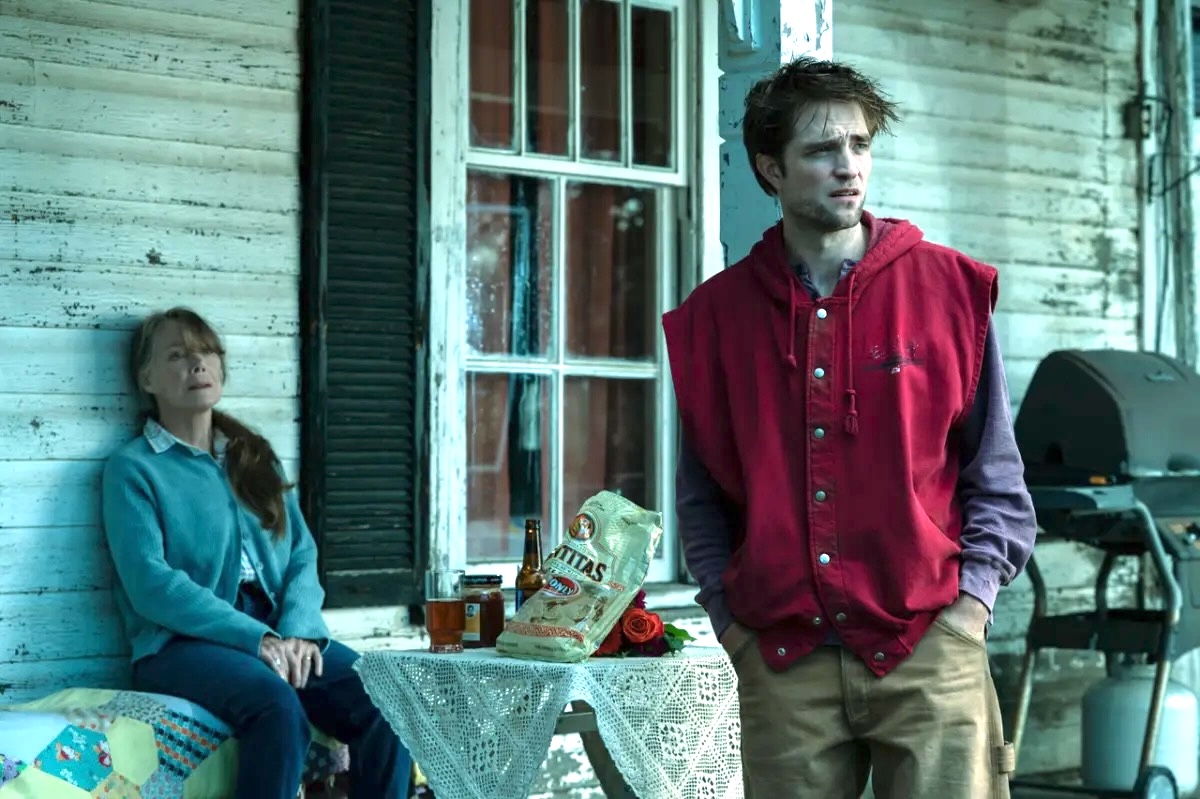
Grace (Lawrence) and Jackson (Robert Pattinson) are expecting their first baby and, in preparation for this new chapter of their lives, they move into Jackson’s deceased uncle’s house. They’re not fazed by the piles of leaves in every room, the old-fashioned decor or even a minor rat infestation: they’re young, excited and in love. They’ll make it work.

But once Grace gives birth to Harry, the spark between her and Jackson dies. She’s stuck at home: bored, resentful and unable to cope. Jackson’s job means that he can escape from the oppressive confines of their isolated house, but Grace’s work is writing; it doesn’t get her out and she can’t focus on it anyway. “I don’t do that any more,” she says.

She loves her baby but she feels trapped and abandoned. Jackson never wants to have sex with her any more, although the box of condoms in his car seems to be getting lighter by the week. She refuses to be just Harry’s mother: why can’t she also still be Grace-the-writer, Grace-and-Jackson, Grace-the-wild, the-impulsive, the-let’s-have-fun? With only Jackson’s bereaved mother, Pam (the fabulous Sissy Spacek), for company, Grace’s mental health begins to deteriorate, her behaviour becoming ever more erratic and dangerous.

Ramsay’s film is undoubtedly dark, but it’s bleakly funny too. Grace’s blunt responses to the platitudes she’s offered often fall into the “things-we-all-wish-we-could-say-but-can’t” category, and – if it weren’t for all the damage they cause – her devil-may-care actions are almost inspirational. I feel sorry for both Grace and Jackson, a couple trapped in a relationship that no longer works, dragging each other down in their attempts to meet society’s expectations of them. “Let’s get married,” says Jackson in desperation. Maybe a wedding is the glue they need to stick them back together?

Or maybe not…

More than anything, this movie reminds me of Charlotte Perkins-Gilman’s The Yellow Wallpaper; indeed, there are several overt references here to the 19th century short story, not least in Grace’s frantic stripping of the heavily-patterned wallpaper with her fingernails, or her crawling through the long grass just like Perkin-Gilman’s “creeping woman”. It’s not just the remote house and the remote husband, nor even the medicalisation of female emotions or the retreat into a fantasy world. More than any of that, it’s the mind-numbing boredom of the protagonist’s existence, and her refusal to accept this as her lot.

A real contender for my film of the year, Die, My Love is a bravura piece of movie-making: stark, beautiful and as uncompromising as its heroine.

5 stars

Susan Singfield

The Running Man

15/11/25

Cineworld, Edinburgh

A new Edgar Wright movie is generally a cause for celebration, even if The Running Man falls some way short of the dizzy heights he attained with films like Baby Driver and Last Night in Soho. And it certainly goes a long way to erase the memory of the shonky 1987 version of this story, which featured characters running around in multi-coloured jumpsuits and prompted author Stephen King to have his name removed from the credits. This adaptation, it turns out, comes with the author’s seal of approval.

The original novella is famously set in 2025: America has become a dystopian authoritarian police state, where the poverty-stricken working classes are ruled by corporate media networks, who keep them hooked on an endless diet of brutal reality-TV game shows. This used to feel like a big stretch but, with recent political developments in the USA, it seems an all-too credible premise.

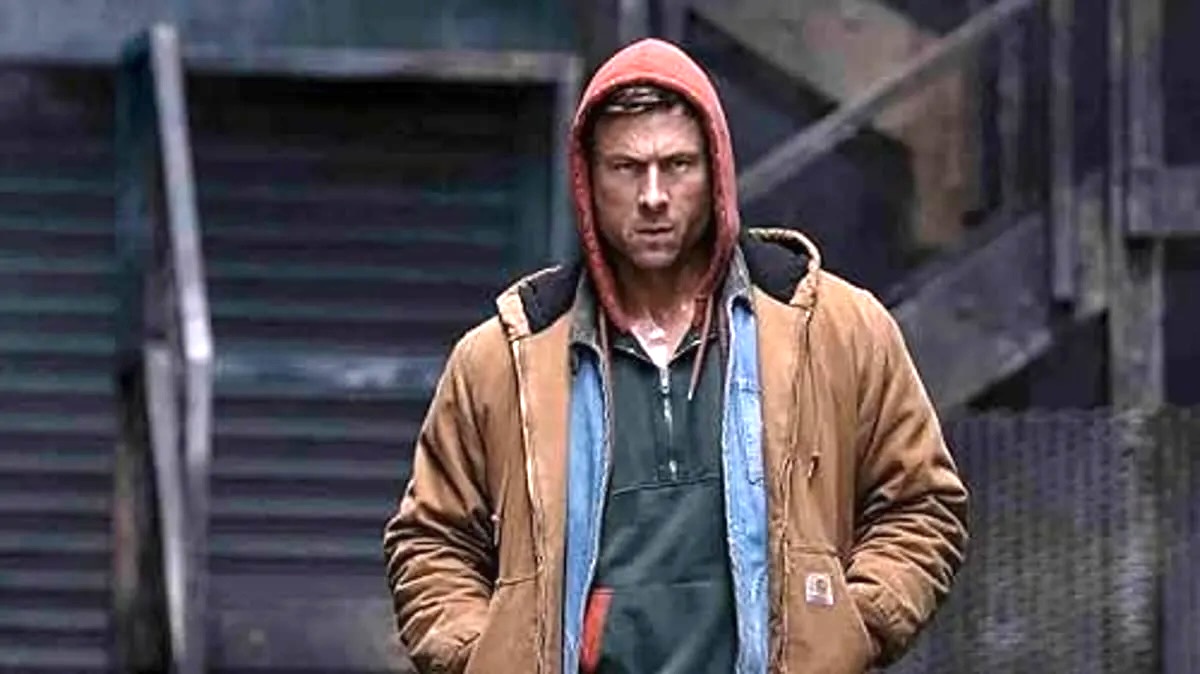
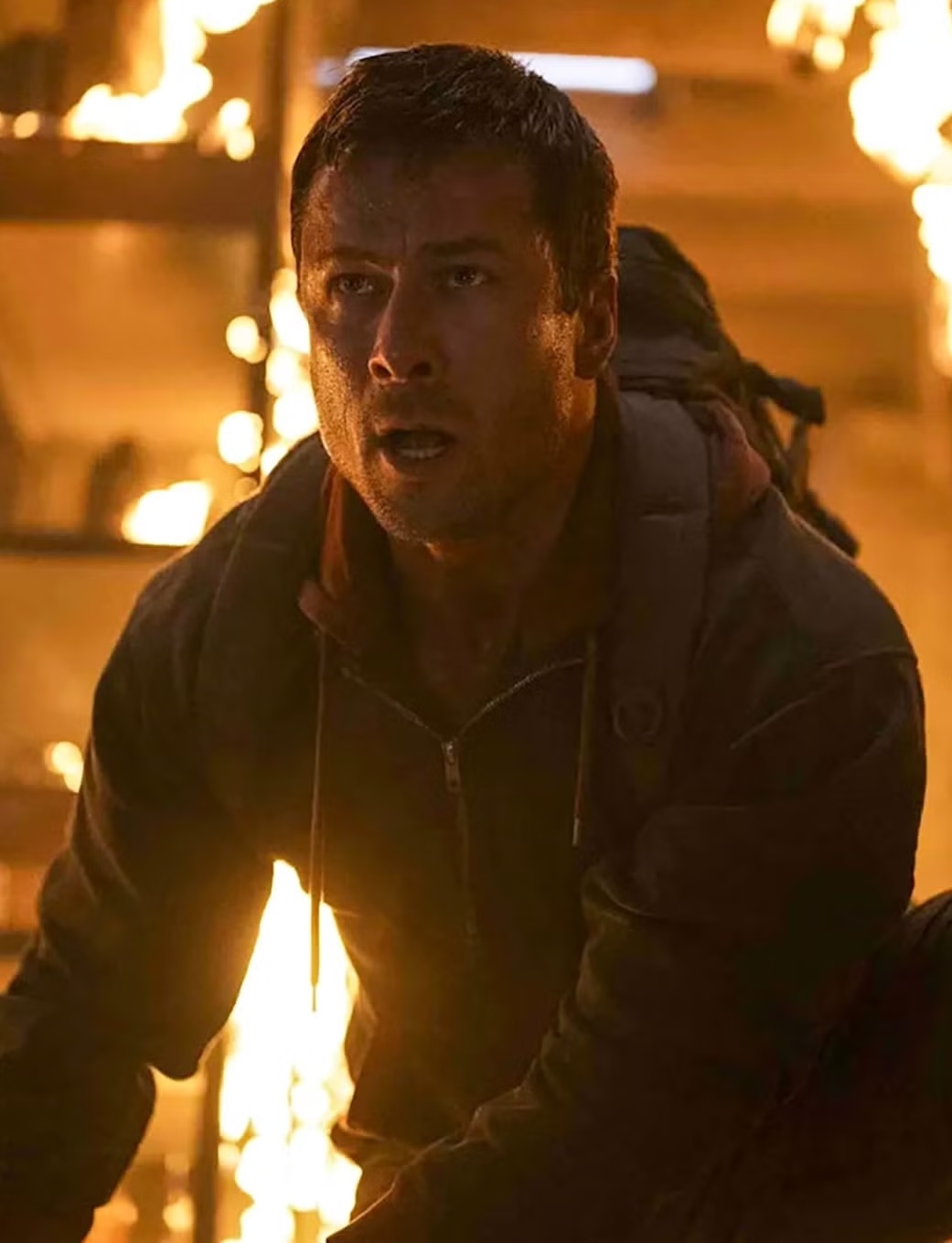
Ben Richards (Glen Powell) is a blue-collar worker, currently black-listed because of his tendency to voice his feelings about the rotten state of his day-to-day existence. His wife, Sheila (Jayme Lawson), works at a hostess bar in Co-Op City and the couple are desperately trying to scrape together enough money to buy medicine for their sick infant daughter. Ben tells Sheila that he’s seriously thinking of signing up as a contestant on one of those hazardous game shows, but promises her that he won’t try his luck on the one with the biggest payout: The Running Man.

But of course, it’s hardly a surprise that the show’s producer – the smarmy, toothy, super-positive Mike Killian (Josh Brolin) – thinks Ben will make an ideal player for the titular game and that he could be the very first person in the show’s history to walk away with the billion-dollar prize money. It’s a tempting proposition…

This is a big, brash, blockbuster of a film with enough world-building to make Co-Op City (a heavily disguised Glasgow) look queasily realistic. With the help of his old friend, Molie (an underused William H Macy), Ben manages to start off his run aided by a couple of fairly convincing disguises and some forged paperwork – but the odds are stacked and there’s a team of professional hunters hot on his trail. They know all the angles and it’s only a matter of time before they begin to close in. The result is a super-propulsive chase movie, which swings expertly from one action-packed sequence to the next, with Ben escaping death by a hair’s breadth at every turn. It’s thrilling enough to keep me on the edge of my seat for the film’s first half.

A later section where Ben ends up seeking refuge in the home of rebel Elton Parrakis (Michael Cera) is, for me, the film’s weakest hand. Parrakis has rigged his home with boobytraps and a long sequence where a group of hunters attempt to enter it plays out like Home Alone on steroids. While it’s undeniably fun, it serves to dilute the air of menace that the director and his co-writer, Michael Bacall, have worked so hard to create.

Furthermore, the film has no credible roles for its female characters. Sheila is only really present in the film’s early scenes and an attempt in the final third to introduce Amelia (Emilia Jones), a civilian whom Ben is obliged to take as his hostage, offers her too little to do and not enough reason for actually being there, right up the point where she is – quite literally – parachuted out of the story.

Nevertheless, this is eminently watchable stuff. It’s perhaps unfortunate that another of King’s ‘Richard Bachman’ books, The Long Walk, hit the screens only a couple of months ago and arguably made a better fist of adapting what is a very similar – if somewhat more sedate – concept.

But those who book tickets for The Running Man will surely find plenty here to enjoy. Sharp-eyed viewers may even spot a familiar face gracing America’s one-hundred dollar bills…

3.8 stars

Philip Caveney
Òran

13/11/25

Traverse Theatre, Edinburgh

Òran is a retelling of the myth of Orpheus and Eurydice, a powerful one-man monologue written by hip-hop artist Owen Sutcliffe and performed by Robbie Gordon. The piece is centred around a pulsing, haunting soundtrack by Vanives and Ben Dean, and the story is given a contemporary makeover. Òran (Gordon) a pupil in a Scottish high school is witness to the cruel cyber-bullying of his best friend, Euan, but does nothing to help him.

Overcome with guilt, Òran feels compelled to descend into the Underworld (via a conveniently located lift) in an attempt to find Euan and pull him free from the pit of desperation into which he has disappeared.

This is a spoken-word production, with Gordon sitting either at a desk – controlling the small mixing deck which contains the labyrinthine layers of the soundtrack – or racing frantically around the stage, interacting with the audience, making us both witness to and part of the story. This is especially effective in one emotionally-charged moment when we help to create a moment of theatrical magic.

I can’t help but notice that a large group of teens sitting across from me are absolutely spellbound by this performance, staring transfixed as the story unfolds, their reactions writ large. 

Sutcliffe’s Scots poetry alternates between the fierce and the poignant, often breaking into rap. The piece is sensitively directed by Jack Nurse and the production is also elevated by Benny Goodman’s evocative lighting design. I particularly enjoy the clever depiction of the descent into the Underworld, which is simply but effectively achieved. I also like the way that Gordon’s voice is dramatically transformed whenever he assumes the persona of Hades.

Perhaps the story’s late-stage revelation loses some of its power in the midst of what is essentially an aural assault, but that’s a quibble. Òran grabs an ancient myth by the scruff of its neck and gives it a right good shaking.

4 stars

Philip Caveney