
Month: September 2024

The Outrun

27/09/24

Cineworld, Edinburgh

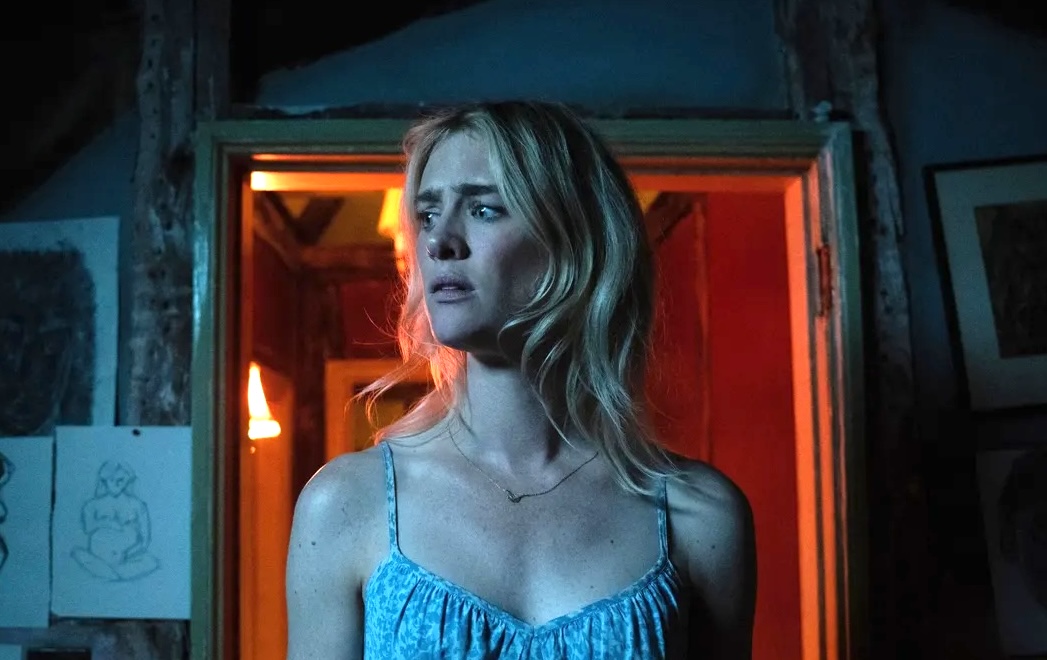
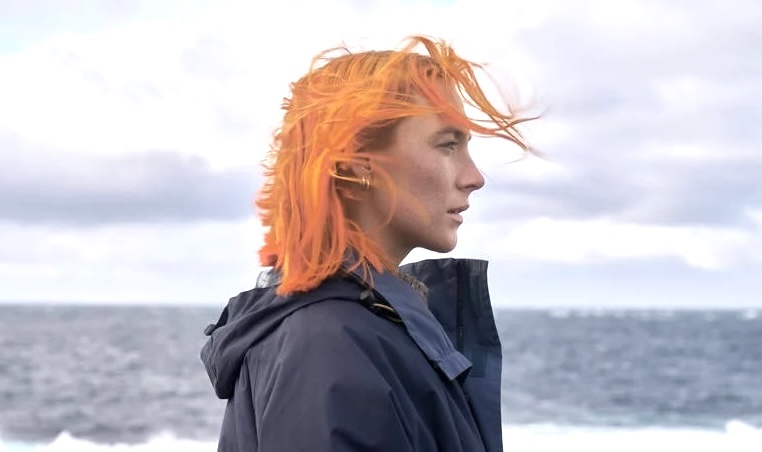
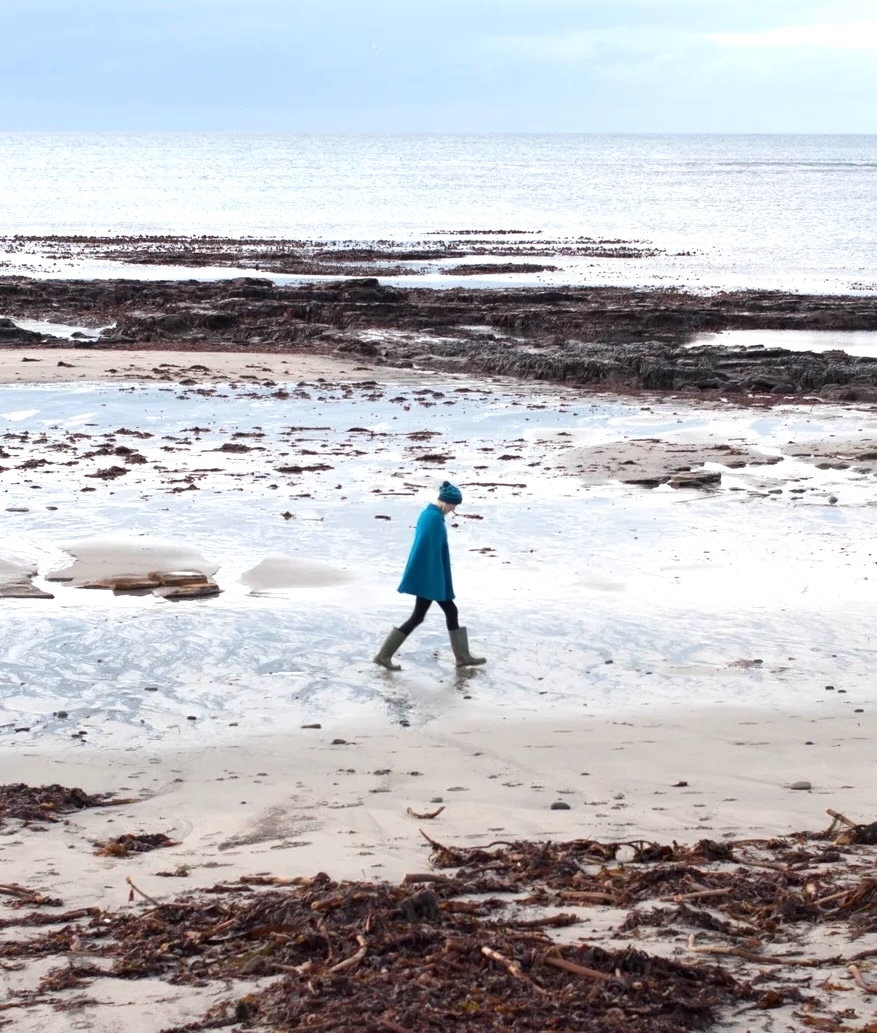
Rona (Saoirse Ronan) has issues with alcohol. At first, it’s all good fun as she downs drink after drink and dances the night away with boyfriend Daynin (Papa Essedieu), becoming ever more playful, ever more gregarious, the life and soul of every party. But she never knows quite when to accept that enough is enough and, inevitably, it all ends in tears and recrimination. Pretty soon, Daynin has had enough of her unpredictability – so Rona heads back home to the island of Orkney, where her separated parents live, in the hope of getting her act together.

But finding help is difficult. Her father, Andrew (Stephen Dillane), still runs a sizeable sheep farm, but is now living in a caravan, plagued by the bi-polar episodes that have affected him for most of his life. Mum, Annie (Saskia Reeves) has found religion and has made friends in the church community. Of course she cares about what’s happening to her daughter, but she is hard pressed to know what to do for the best.

Rona is determined to free herself from the powerful grip of booze. So she embarks on the 12 step programme pioneered by Alcoholics Anonymous – and, when she begins to falter, she takes a post with the RSPB on the even more remote island of Papa Westray, where she will spend her time living in a tiny hut while she searches for an endangered bird, the corncrake…

On paper, it sounds like a pretty grim premise, but this dazzling feature, based on a memoir by Amy Liptrot, with a screenplay co-written by Liptrot and Daisy Lewis, never puts a foot wrong. Nora Fingscheidt (who directed the wonderful System Crasher) keeps her foot on the accelerator, cutting and swerving back and forth between Rona’s turbulent childhood, her hedonistic escapades in London and her gradually evolving relationship with the power and beauty of the ancient landscape of her new/old home.

The different settings bleed effortlessly into each other, powered by regular bursts of pulsing electronic music. A frenzied nightclub session can suddenly appear to be taking place underwater, with seals (selkies?) as Rona’s dance partners – and her interactions with the people of Papa Westray are warm and totally authentic. All the various strands are brilliantly pulled together in a powerful crescendo. A thrilling climax, where Rona is confronted by a stunning realisation, is absolutely overwhelming.

Of course, a film as free-wheeling as this one this can only work when it’s anchored around an extraordinary performance – and Ronan is mesmerising in the fractured central role, moving through such a variety of different guises that it’s sometimes hard to believe that it’s all the work of just one actor. The film’s message rings out loud and clear.

I haven’t seen a movie that so eloquently pins down the destructive nature of alcohol since Thomas Vinterberg’s Another Round. And that’s high praise, indeed.

4.6 stars

Philip Caveney
The Wolves at the Door

24/09/24

Traverse Theatre, Edinburgh

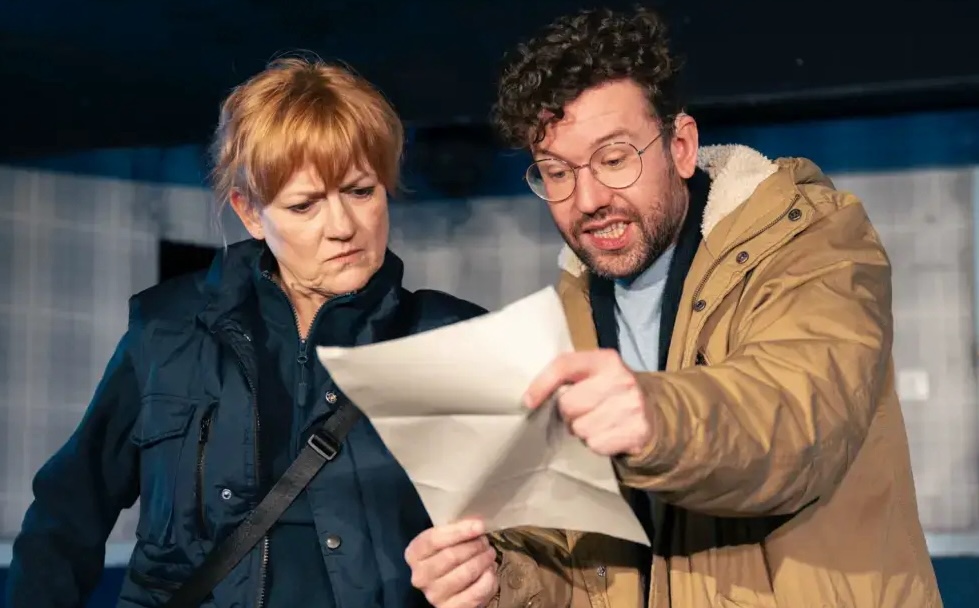
The Wolves at the Door, the second in this season of A Play, A Pie and A Pint at the Traverse, is a heartfelt polemic, written by Jack Hunter and directed by Amie Burns Walker. As Winter crooks its frosty finger and beckons, this timely piece zooms in on the issue of energy companies forcing impoverished people to use expensive prepaid gas and electricity meters.

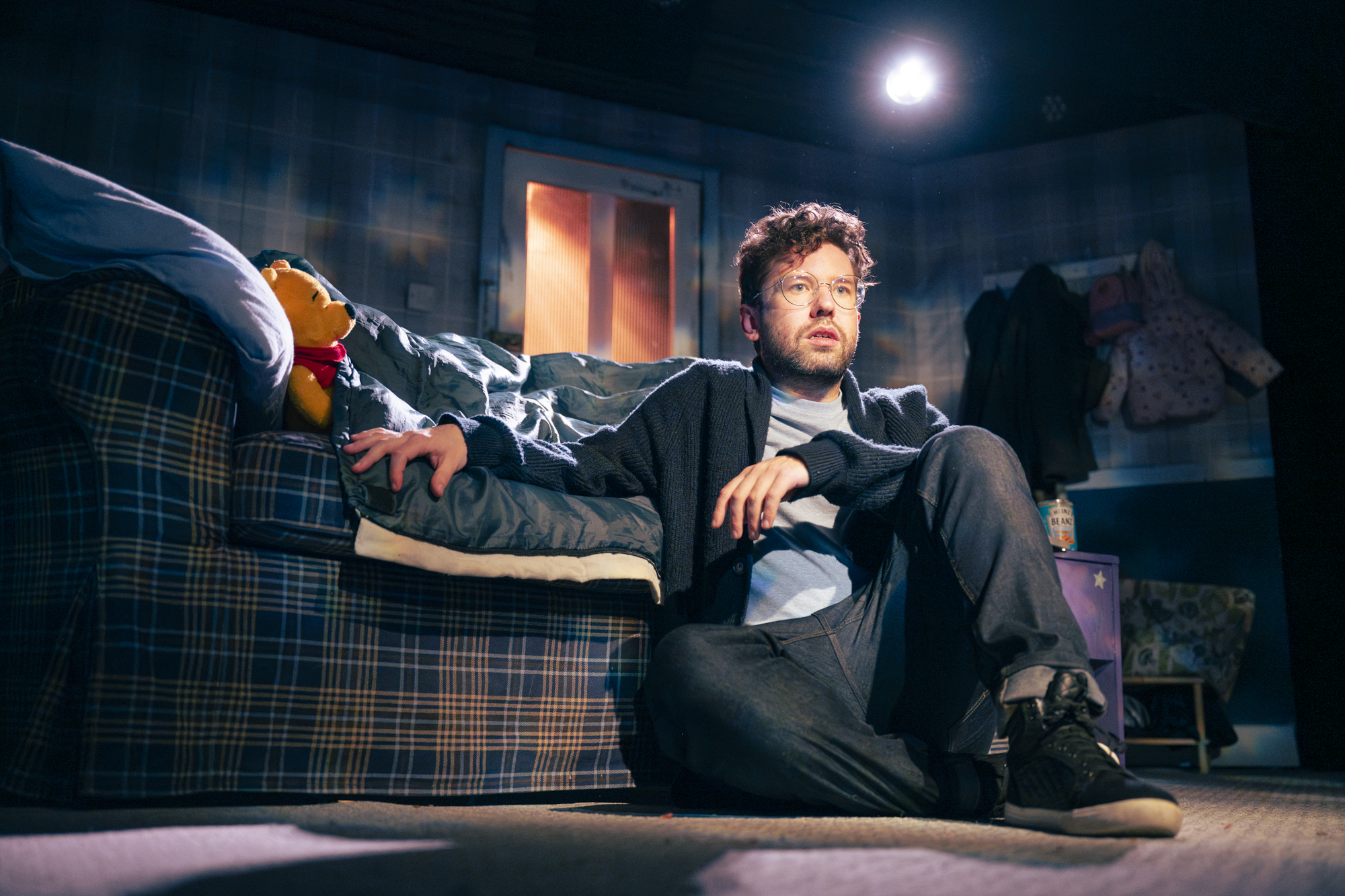
The allegory of a Big Bad Wolf threatening the security of a vulnerable Little Pig might not be subtle but it’s certainly effective, and Heather Grace Currie’s dingy set design reminds us exactly how Grimm (sorry) the situation is.

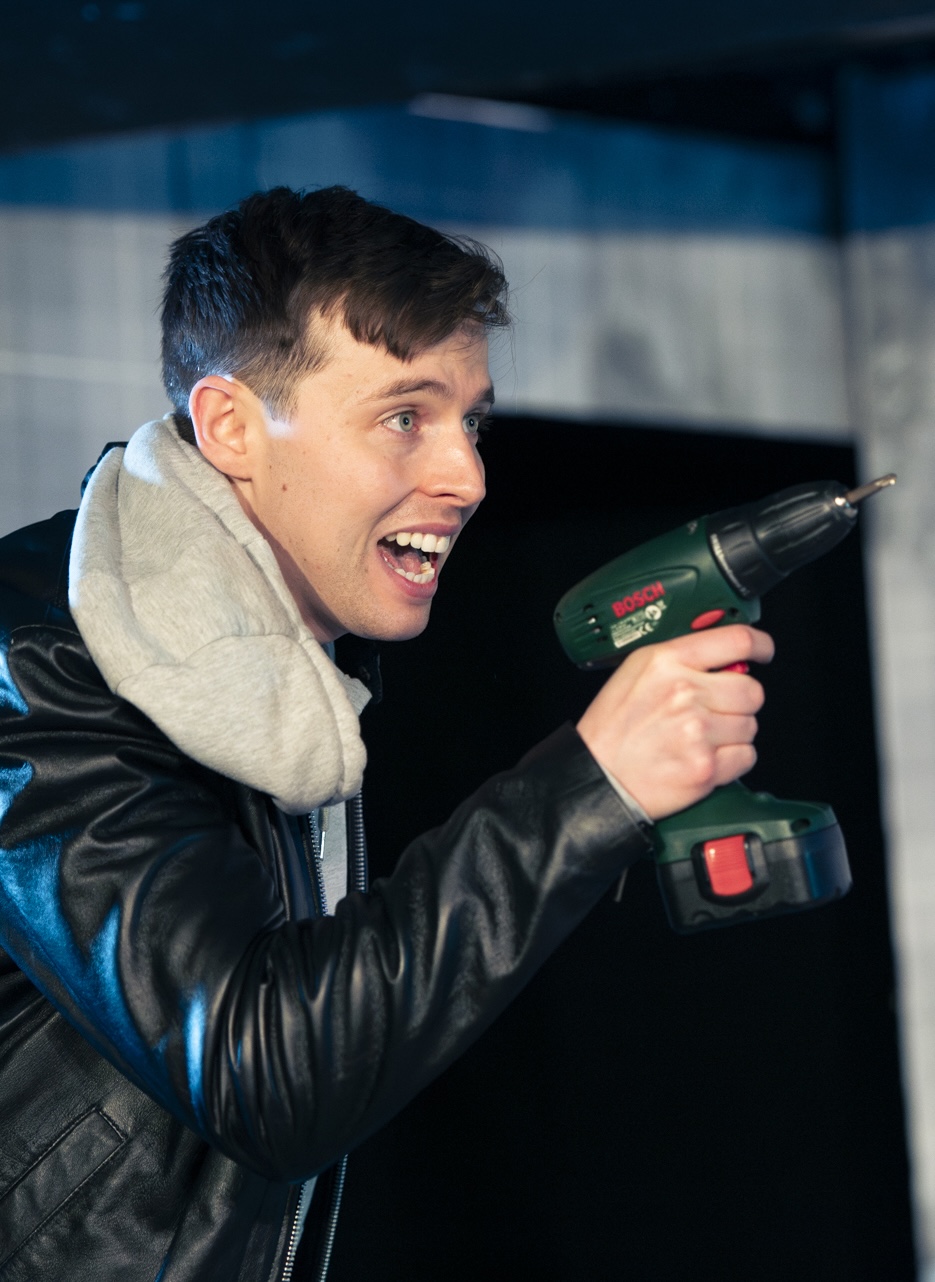
The Pig, Daniel (Ciaran Stewart), is struggling. He’s lost his job, his marriage has fallen apart and he’s desperate to maintain a good relationship with his seven-year-old daughter. But how can he do that when the flat he’s renting is mouldy and damp, and a combination of Universal Credit and part-time shelf-stacking barely leaves him enough to feed himself, let alone put the heating on? Worst of all, his daughter knows. She puts on a brave face for him, trying to reassure him that the crappy pizza he’s heated up is exactly what she wants for her tea. He can’t bear it.

Enter the Wolf, Malc (Ben Ewing), and his sidekick, Sussanne (Beth Marshall). He’s a debt collector and she’s an engineer, and they’re here at the behest of the energy company, to install a new smart meter – one that requires prepayment. If he doesn’t have the money up front, Daniel will be left without power.

Malc is unsympathetic. He knows what poor looks like; it’s how he grew up. But he believes it’s up to individuals to get off their arses and sort themselves out – like he has done. Ewing portrays the GB News-loving cynic with a charismatic swagger. “How can someone call themselves broke if they’re still drinking ground coffee, if they’ve got a TV and a Playstation?” he demands. Sussanne is less world-weary – it’s her first day – and more sympathetic too: she doesn’t think it’s a lot to ask for a warm, safe home and enough food in your belly; she’s in favour of a benefits system that allows people a few small treats. Marshall imbues the conflicted newbie with real heart – but hey, she’s got a job to do, and if she doesn’t do it, she’ll be in the same boat as Daniel.

Hunter makes some important points in this play, but the dialogue focuses too intensely on the issue, reducing the characters to representatives of their respective positions, rather than fully-rounded people. While the dark humour works well in places, a lighter touch is needed throughout to stop the story from being bogged down by its own good intentions – and perhaps the brusque conclusion ties everything up a little too neatly to be entirely convincing.

3 stars

Susan Singfield

The Substance

21/09/24

Cineworld, Edinburgh

Every once in a while, a film opens with a sequence so striking that the viewer becomes instantly aware that they are in the presence of a powerful new voice in cinema. The Substance is a perfect case in point. In close-up, an egg is injected with something that causes the yolk to spilt into two. Then we watch as a pair of workmen instal a new star on Hollywood’s Walk of Fame – and, in an ensuing time-lapse, we see that star deteriorating over the decades until it is a cracked, grubby version of its former self, suffering the final indignity of having a burger and fries spilled on it.

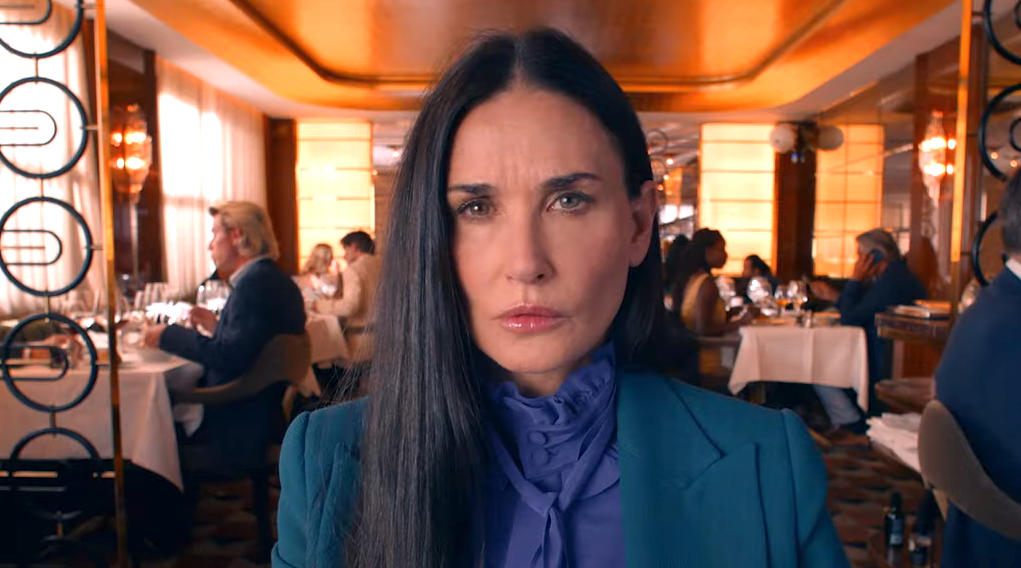
The star belongs to Elizabeth Sparkle (Demi Moore), once a bona-fide movie star, but now the leading light in the world of TV physical fitness shows. She’s fast approaching sixty and still looks great, working hard to keep her physique as she needs it to be. But her world is rocked when she overhears her toxic producer, Harvey (Dennis Quaid), talking on the phone, announcing that Elizabeth is now ‘too old’ for her role and that he wants a replacement as soon as possible – somebody younger.

Then, after a car crash (from which Elizabeth emerges unscathed), a handsome young hospital assistant slips her a note, alerting her to the existence of the titular drug, which promises to release a fresh new version of the user’s self. Like most Faustian deals, it comes with some very strict rules (bend them at your peril) but, in a shockingly visceral sequence, ‘Sue’ (Margaret Qualley) is born.

Now the two women must learn to co-exist, each one spending a week in the real world, while the other sleeps and regenerates. And of course, it’s all doomed to go horribly wrong…

This sophomore project from writer/director Coralie Fargeat – I have yet to see her debut film, RevengeThe Substance plays like a fable, a weird Grimms’ fairytale for the modern age. There are shades of The Picture of Dorian Gray here, allusions to Snow White and her stepmother’s ‘Mirror Mirror’ mantra, and several visual echoes of classic films like The Shining and Carrie. What’s more, the astounding practical makeup effects will remind many older film fans of early David Cronenberg and Brian Yuzna – though the eye-popping splatter sequences used here make movies like The Brood and Society look positively restrained by comparison.

But this is so much more than imitation. The Substance is an adept and powerful meditation on the subject of ageing and the ways in which women are constantly shackled and devalued by it – and how we all fall into the trap of enabling this sad state of affairs.

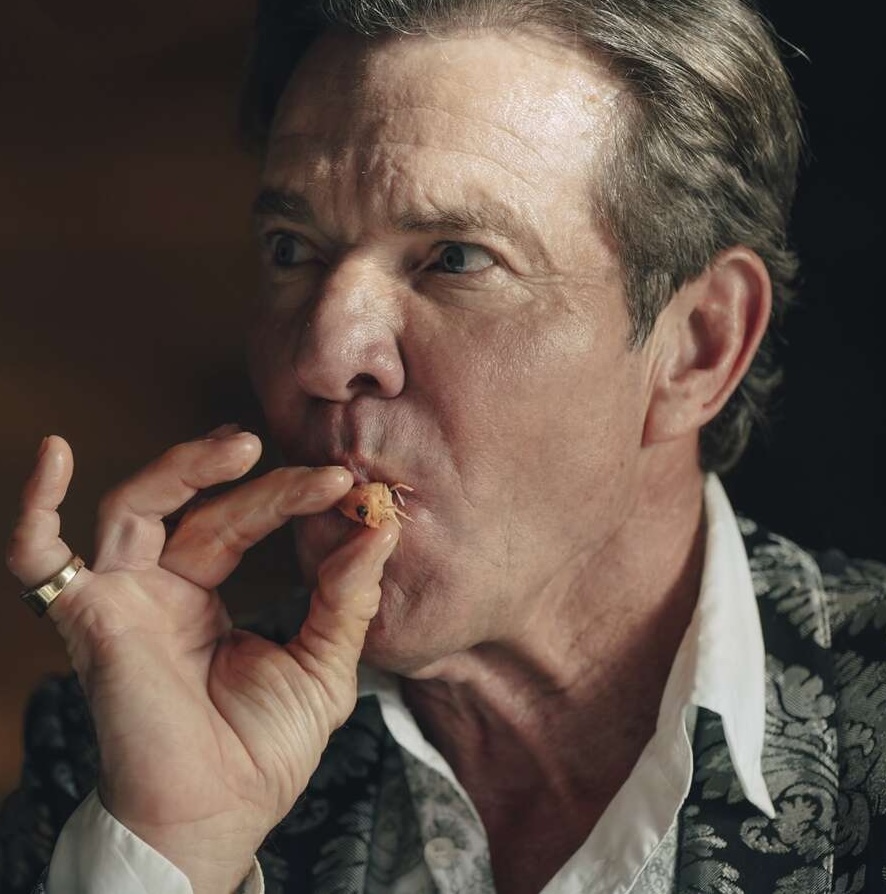
Moore is extraordinary in this film, delivering what might just be her finest screen performance (certainly her most unfettered), while Qualley makes the perfect foil. And Quaid, who I haven’t seen onscreen in quite a while, is gloriously, revoltingly odious here, making even the act of eating seafood a stomach-churning spectacle.

But it’s Fargeat who really deserves all the accolades. The Substance is surely one of the most provocative and affecting films of the year. I’m already excited to see where she will go next. But a word of warning: this won’t be for everyone. Those who shrink from body horror, blood and nudity are going to find plenty here to trigger them, particularly in the harrowing final stages, where Fargeat keeps pushing the gory imagery as far it can possibly go.

And then, she returns to that Hollywood star, and ties everything up in one delightful, blood-spattered package. If this sounds like your cup of haemoglobin, be sure to watch it on the big screen.

5 stars

Philip Caveney

The Last Cabaret on Earth

17/09/24

Traverse Theatre, Edinburgh

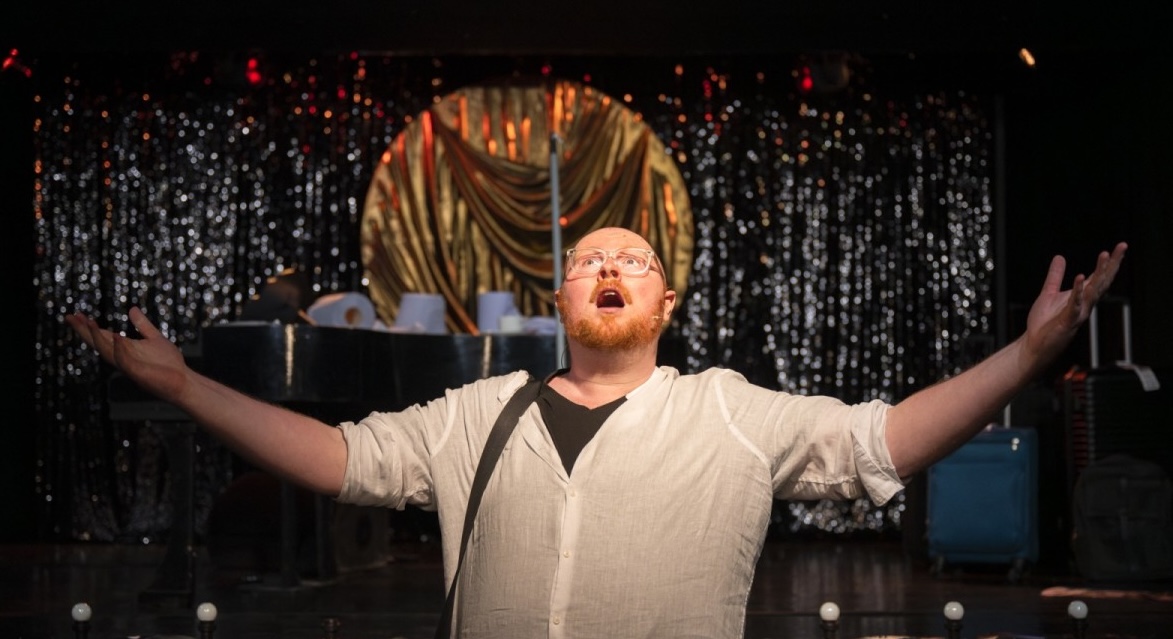
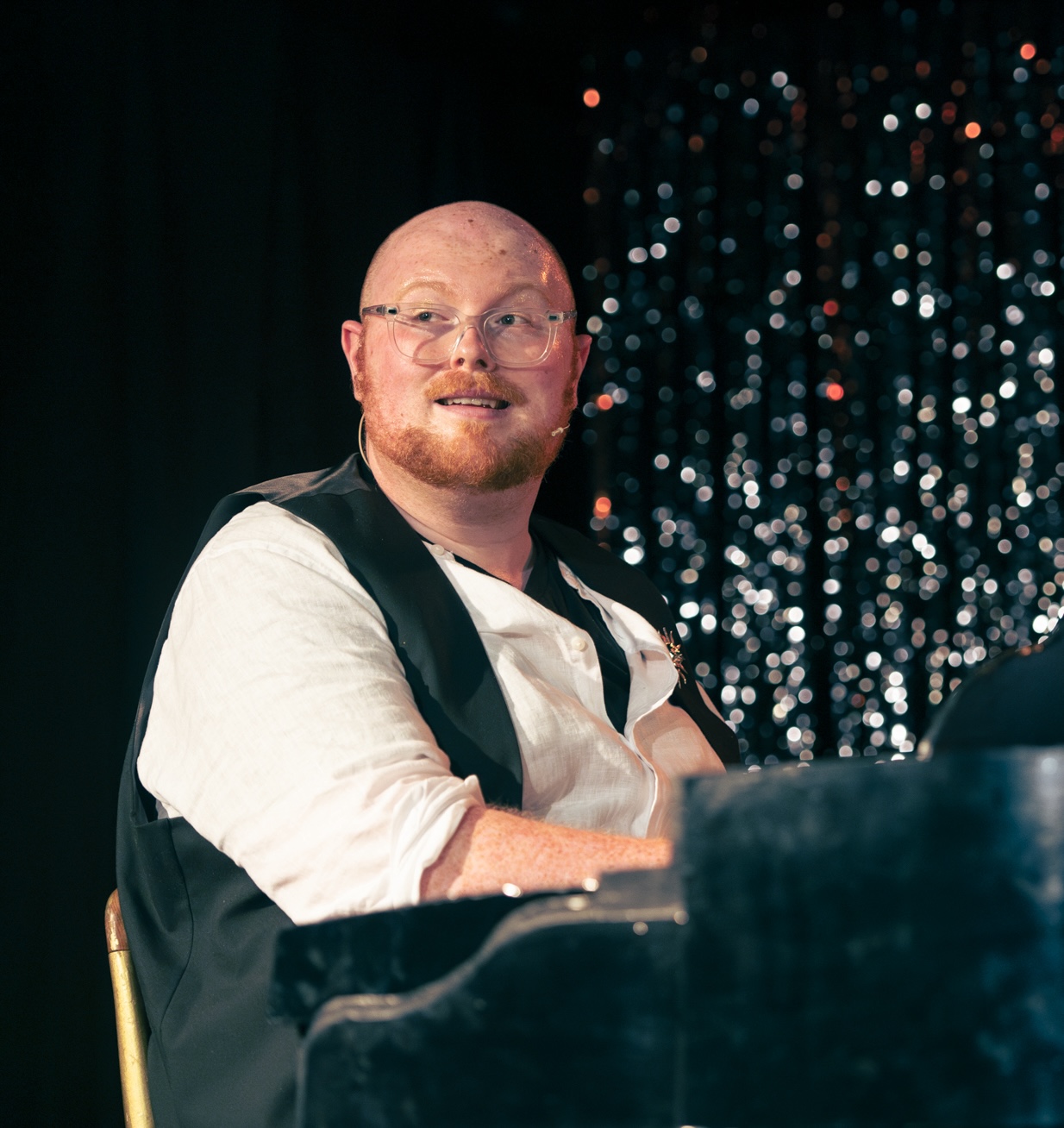
Almost before we know it, a new season of A Play, A Pie and A Pint is upon us for its – gasp! – 20th Anniversary run. This opening piece is part-play, part-cabaret and the title is not – as you might suppose – metaphorical, but quite literal. Due to a catastrophic solar event, the world is due to end in one hour (don’t panic!) and Sam (Marc Mackinnon) is stuck in a locked-down airport hotel, delivering his final show to a captive audience. That’s us, in case you were wondering.

He’s stranded hundreds of miles away from his longtime partner and co-creator, Mel, who can only contribute to the performance via a series of jumbled text messages. As the final hour ticks relentlessly away, Sam offers us some insight into his tortuous path into show-biz: the people who helped him on his way, the others who stood in his path.

One thing’s for sure: when the end finally comes, he’ll greet it with a song and a smile…

Mackinnon is an engaging actor and he delivers Brian James O’Sullivan’s script with considerable skill, performing a series of classic songs in a wonderfully distinctive style. Under Joe Douglas’s direction, Mackinnon lures the audience into his prematurely fading orbit. A sequence utilising an old glitter-ball and the torch from a mobile phone is particularly affecting.

I do have one reservation. Although the songs – ranging from Judy Garland to James Taylor – are beautifully sung and Mackinnon has a strong, plaintive voice, there isn’t much original material here. There is a charming little ditty about a man who lives in a house made of pasta (!) but I would like to hear more new compositions.

However, this apocalypse is weirdly captivating and a strangely delightful way to spend your last hour – even if the tragic conclusion seems horribly prophetic.

3.8 stars

Philip Caveney

The Critic

15/09/24

Cineworld, Edinburgh

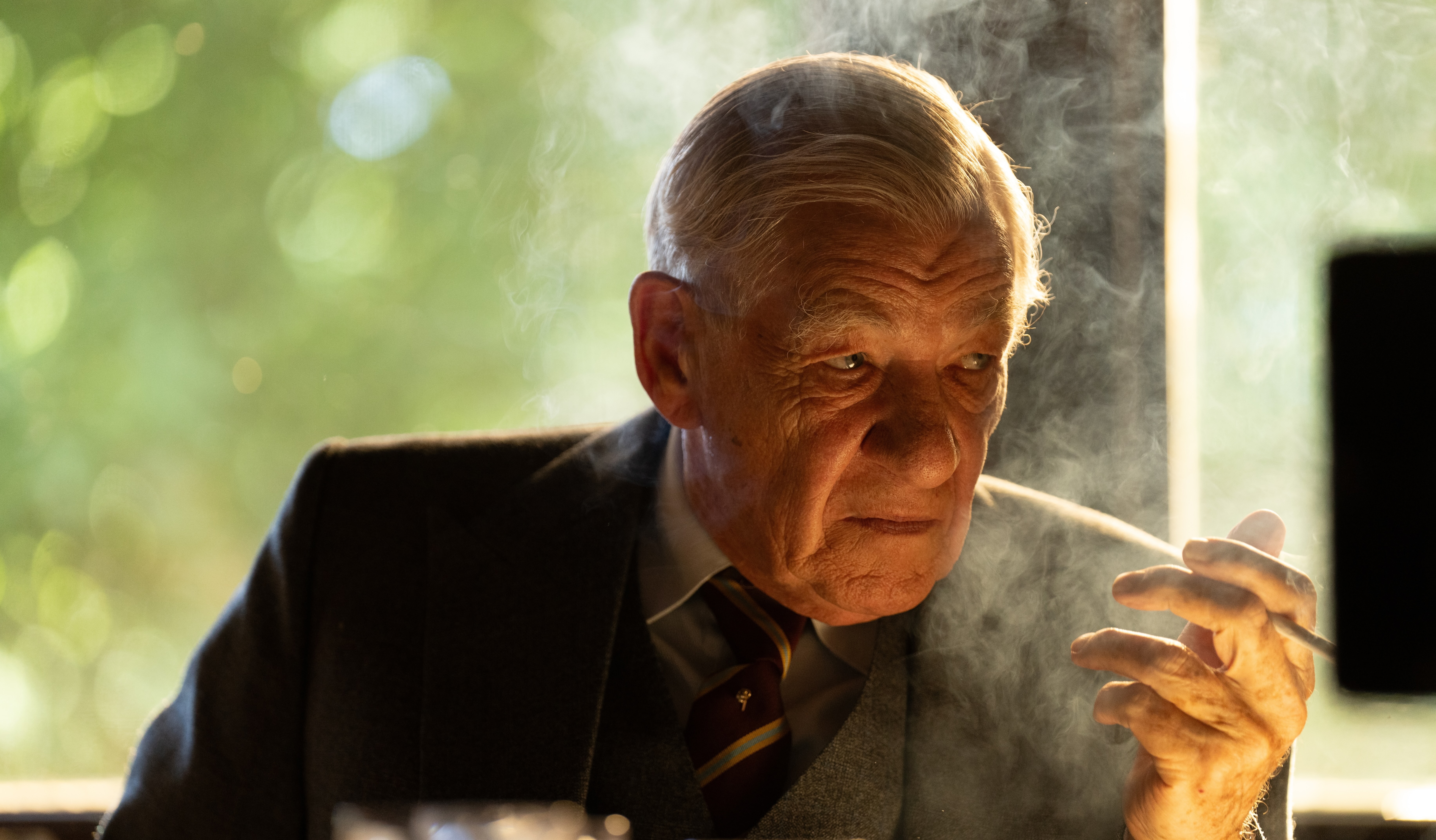
A film about a theatre critic? Well, that’s irresistible for a start, despite a series of rather sniffy advance reviews that have – much like this film’s protagonist might – damned the endeavour with faint praise. So I’m both surprised and delighted that I enjoy this as much as I do.

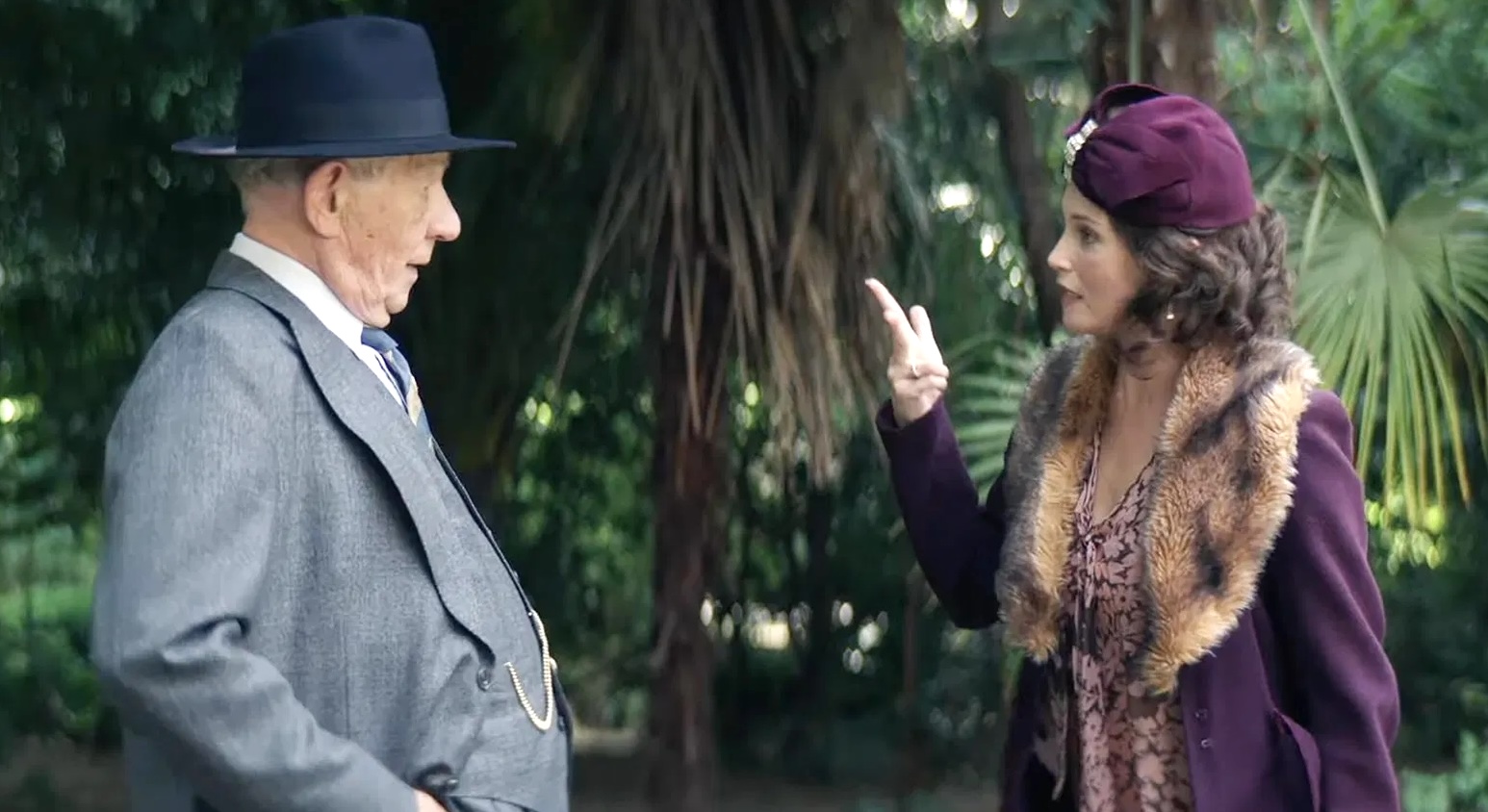
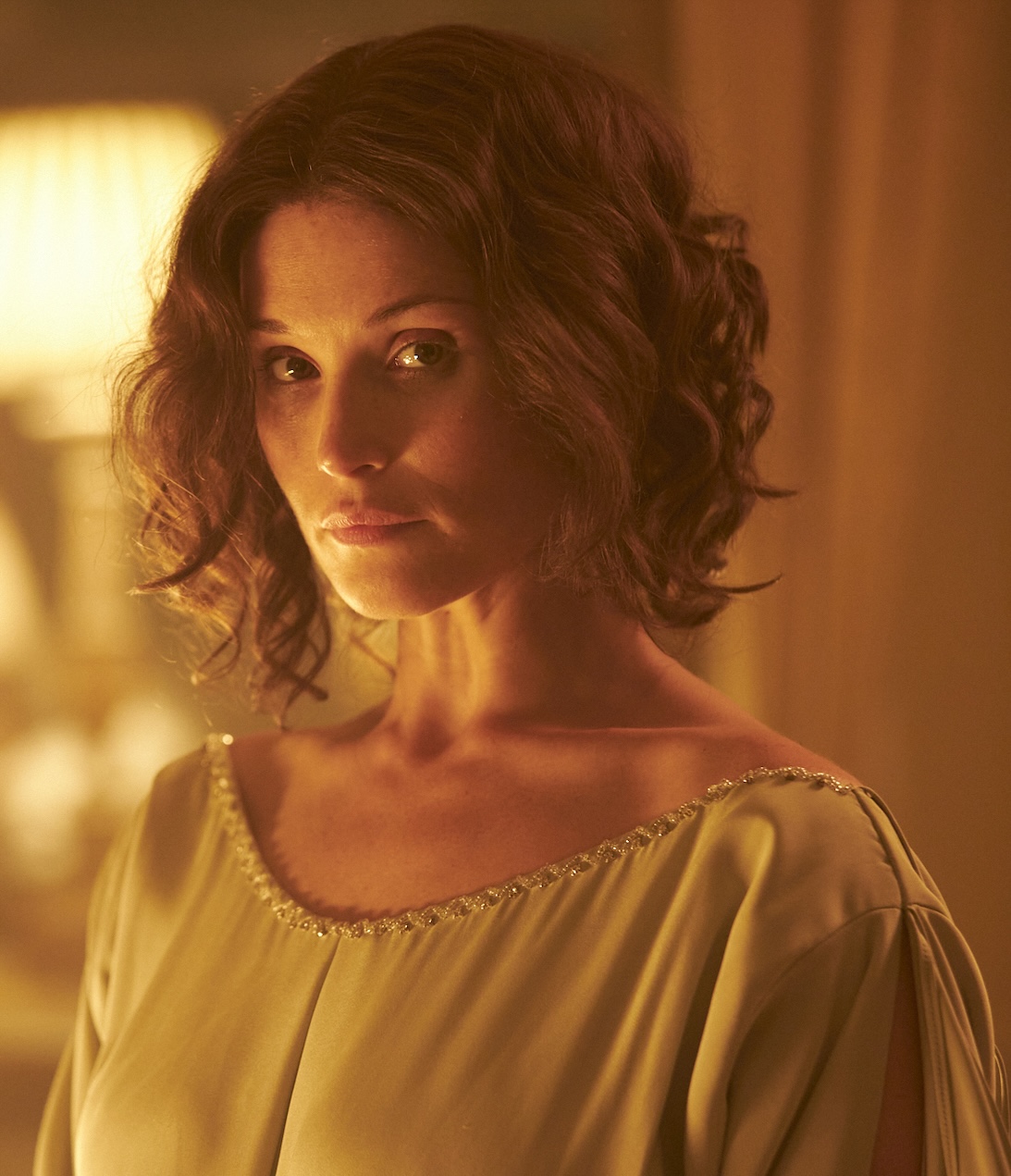
Written by Patrick Marber and loosely based on Anthony Quinn’s novel, Curtain Call, this is set in London in 1935, a time when the titular critic, Jimmy Erskine (Ian McKellen), the long-established theatre reviewer at ‘The Chronicle,’ really does have the clout to sink a production with a few well-aimed barbs. Jimmy is quick to point out that he has a genuine love of the theatre and will always dispense praise when he feels it’s been earned. Lately, most of his ridicule is directed at actress Nina Land (Gemma Arterton), who Jimmy believes has no business being on the stage. It doesn’t help that she holds him in high esteem – indeed, it was reading his reviews as a little girl that lured her into becoming an actor in the first place.

Jimmy is covertly gay – a crime punishable by imprisonment in the 1930s – and when one night he is caught in a compromising position with his live-in assistant, Tom (Alfred Enoch), he is called in to the office of The Chronicle’s new proprietor, David Brooke (Mark Stong), and handed a month’s notice. But Jimmy isn’t going to take it lying down. He has too much to lose, not least the opportunity for fine dining and lashings of booze to go with it.

And it has come to his attention that Brooke is an avid fan of Nina Land…

What’s particularly enjoyable about The Critic is the fact that all of the characters we encounter are nuanced enough that, despite a stereotypical set-up, none of them ever feels like a caricature. McKellen is clearly having a whale of a time as the venal and calculating Jimmy, a man who – because of his sexuality – has had to learn to be adaptable in order to survive, yet is bold enough to coyly ask a follower of Oswald Mosley if he has ironed his black shirt all by himself. There’s the delicious paradox of Arterton playing an allegedly bad actress, giving quite the best performance I’ve seen from her, by turns vengeful and vulnerable. There’s a lovely cameo from Lesley Manville (who seems to be popping up in just about everything lately) as Nina’s mother, Annabel – and Strong too invests his character with just the right touch of pathos.

The 30s setting is nicely evoked and, as The Critic moves ever deeper into the realms of tragedy, I find myself wondering what compelled others to be so er… critical of it. For my money, this is an assured film, nicely directed by Arnand Tucker and hauntingly photographed by David Higgs. It would, of course, have been great fun to lay into this with a hatchet (oh, the irony!) but, annoyingly, I find myself completely unable to do so. The Critic is, in my humble opinion, an absolute delight.

4.5 stars

Philip Caveney

Lee

14/09/24

Cineworld, Edinburgh

This biopic is as much a tribute to photojournalism as it is to its protagonist, Lee Miller. In an age where AI-trickery can make us doubt our own eyes, it is a timely reminder of why we need to document what’s really happening in the world. In the 1940s, no one wanted to believe in concentration camps or desperate, scapegoated women being hanged for collaboration. War photographers forced people to confront the grim realities, to understand the scale of the horrors that had been unleashed.

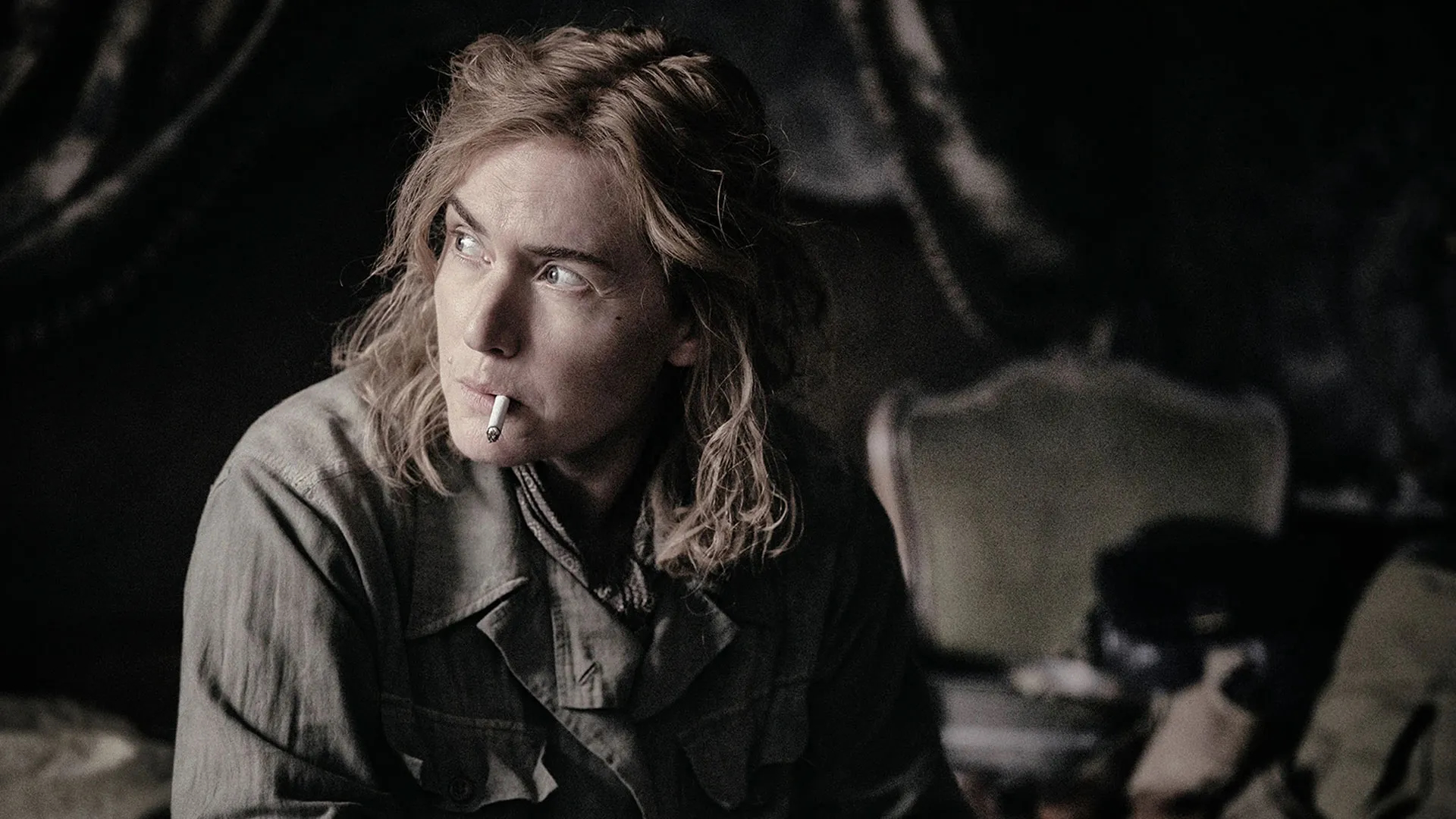
Miller trod a lot of paths in her life, but Lee, directed by Ellen Kuras, focuses on her work during the second world war. There’s a framing device: wannabe journalist Antony (Josh O’Connor) is interviewing the now elderly photographer, his questions evoking stories told in flashback. Her previous work as a fashion model and artists’ muse is acknowledged in a brief but revelatory early scene, where she wonders what on earth she’s going to do with her life now that she’s aged out of – and is bored by – all that. When she meets Roland (Alexander Skarsgård), marriage beckons but it’s not enough. Miller is a formidable woman and she needs to forge her own path.

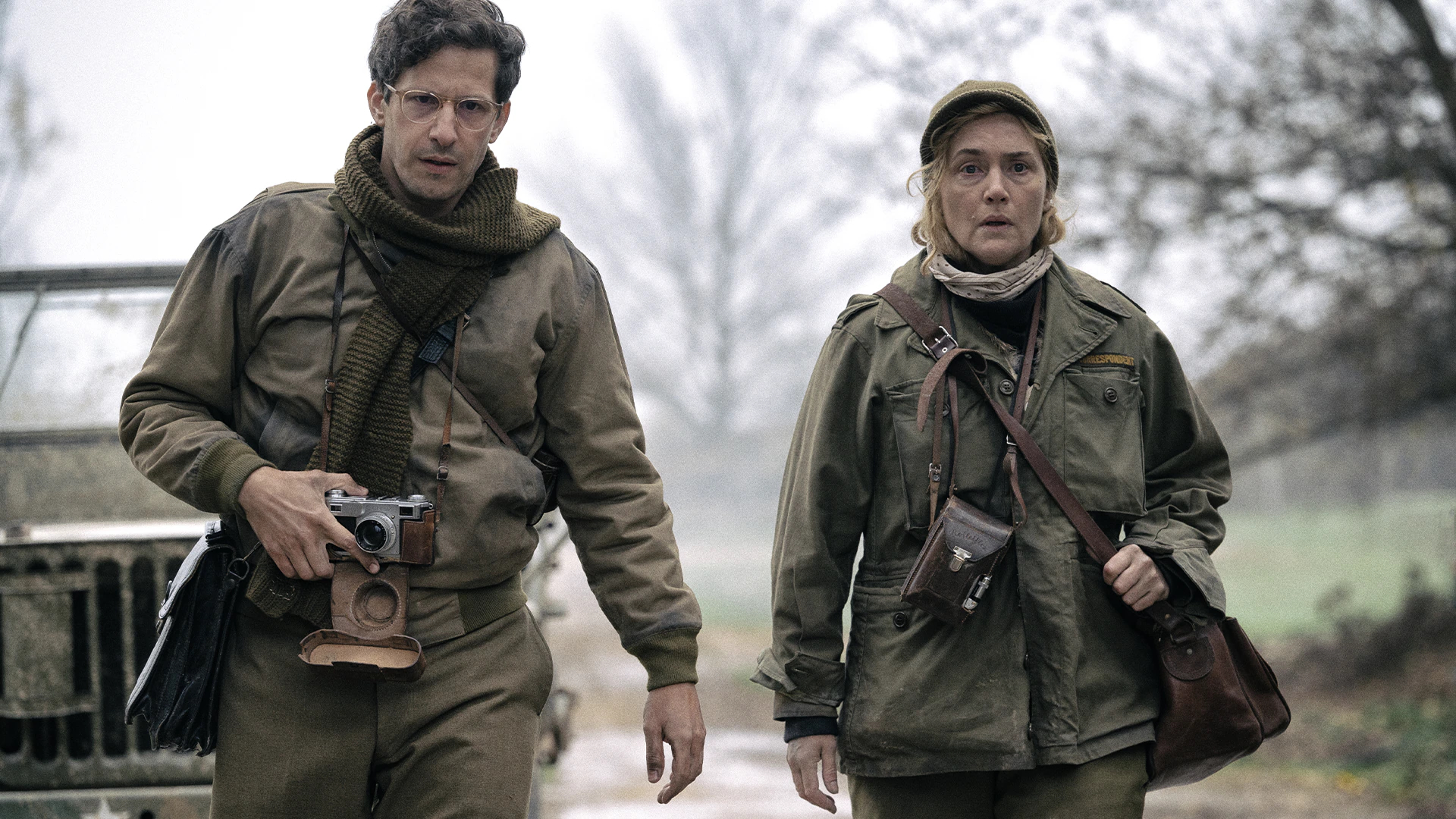
Kate Winslet is marvellous as Lee, shimmering with pent-up energy and drive. Her Miller is motivated by righteousness as well as ambition: she’s a woman and, what’s more, she knows the camera from the other side; she can tell a different story from her male counterparts. If that means barging her way in and ignoring ‘no women’ regulations, then so be it. Her work is important. Not that she’s a loner: she’s sociable and enjoys working alongside her male colleague and friend, David Scherman (Andy Samberg).

The real Miller was indomitable, and Winslet absolutely does her justice. This is a powerful performance, harnessing the grit and determination that allowed Miller to capture such provocative and controversial images, many of which are recreated here.

Perhaps the biggest surprise for me is the realisation that Miller’s war correspondence work was done for Vogue magazine, then edited by Audrey Withers (Andrea Riseborough). I’ve never read Vogue; I thought it was all fashion and frivolity. Its serious side is a revelation, much like Miller’s shocking photos must have been for those who previously knew her only as a model.

The cinematography – by Pawel Edelman – captures the brutality of war: the scarred landscapes, chaos and traumatised faces. We also see how, ninety years ago, fascism trumpeted its arrival but still caught people by surprise. There’s a lesson here, and it’s not a subtle one.

Focus. Flash. Snap.

See.

4.3 stars

Susan Singfield

Speak No Evil

12/09/24

Cineworld, Edinburgh

A cut above the usual Blumhouse productions, Speak No Evil is a multi-faceted psychological thriller. Directed by James Watkins, this is an adaptation of a 2022 Danish movie of the same name (which I confess I haven’t seen). It’s also the title of my thriller novel from 1993, but I’m going to be gracious and overlook that fact. Suffice to say that if the aim of the film is to put viewers on the edge of their seats and keep them there for an hour and fifty minutes, then it succeeds in spades.

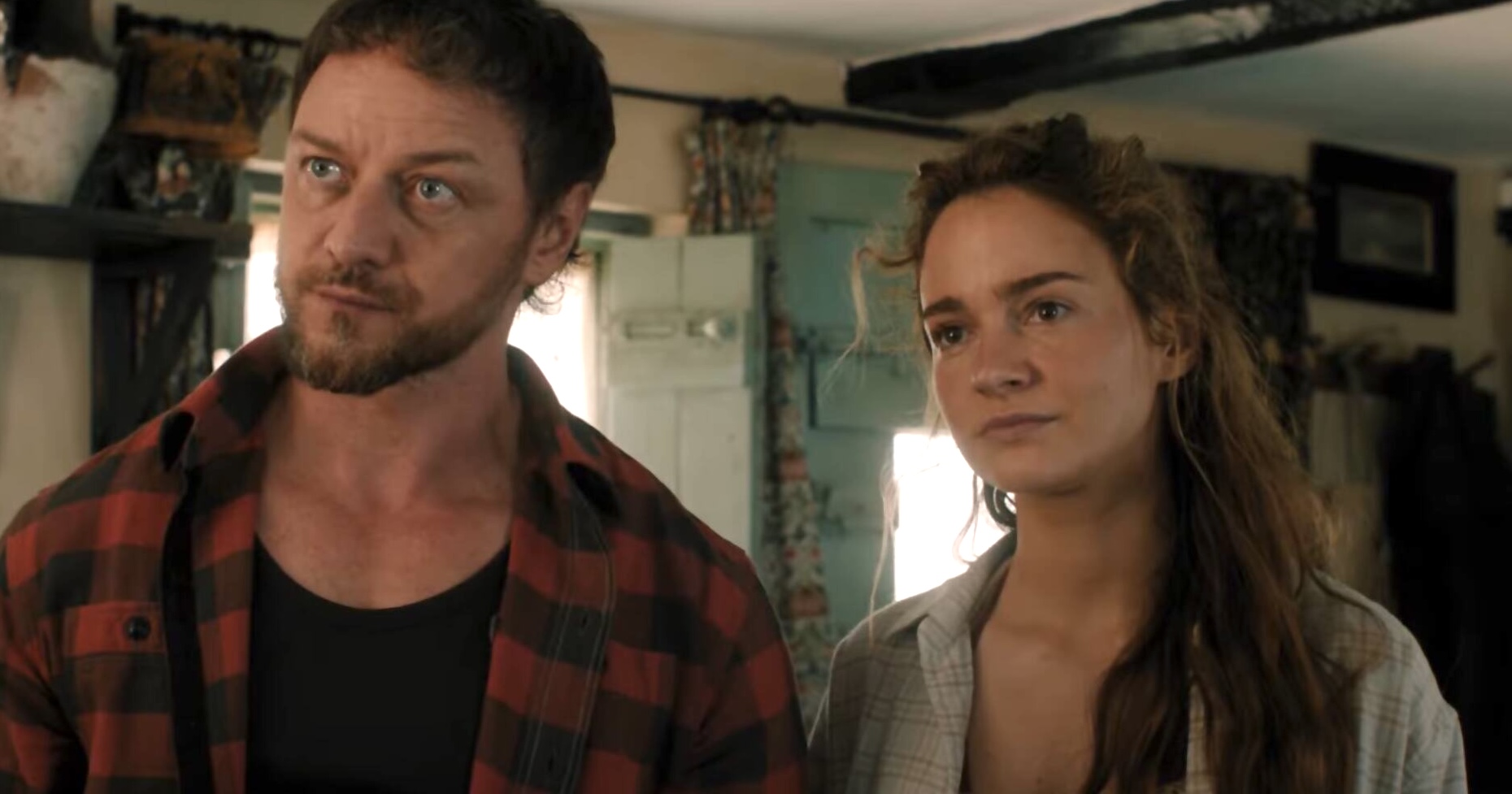
American couple, Ben (Scoot McNairy) and Louise (Mackenzie Davis), take their needy daughter, Agnes (Alix West Lefler), on holiday to Italy. Ben and Louise are currently going through a rough patch in their relationship and are looking to heal some wounds, so when they fall into company with irrepressibly confident British couple, Paddy (James McAvoy) and Ciara (Aisling Franciosi), they find themselves irresistibly pulled into their orbit. Paddy and Ciara also have a child in tow, the sullen and uncommunicative Ant (Dan Hough), who Paddy – a doctor no less – asserts is suffering from a rare condition that makes him virtually unable to speak.

The six holidaymakers get along surprisingly well. In a reversal of the usual national stereotypes, it’s the Americans who are all prim and repressed and the Brits who take delight in being loud, swaggering and generally unfettered. Then Paddy invites his new acquaintances to leave the pressures of their lives in London to enjoy a post-holiday visit to his lovely home in the West Country. Ben and Louise are at first somewhat unsure, but eventually decide to give it a go. After all, what can possibly go wrong?

Um, plenty as it turns out – but the clever thing about the screenplay (co-written by Watkins with Christian and Mads Tafdrup) is that the ensuing shenanigans at Paddy and Ciara’s suspiciously-palatial homestead are always kept just the right side of believability. This script takes its time to fully establish the American characters, so that we really care when things inevitably begin to go haywire for them. There’s a gradual evolution from edgy confrontation into the realms of full-blown horror. At first, it’s just Paddy and Ciara’s lack of propriety that’s the issue – but, as more and more boundaries are crossed, so the suspense rises to almost unbearable levels.

McAvoy’s Paddy is a wonderfully nuanced creation, by turns warm, emotive, sly and ultimately terrifying – but all the characters are nicely played and Davis in particular excels as she is increasingly compelled to compromise her beliefs. If the film’s latter stages are reminiscent of Sam Peckinpah’s Straw Dogs, well that was a very long time ago (1971 to be precise). Suffice to say that, as the narrative approaches its final furlongs, I find myself having to restrain myself from shouting advice at the screen. You know the kind of thing.

‘Don’t go back in there!’ ‘Look behind you!’ And that perennial favourite, ‘Forget about the cuddly toy!’ (You’ll need to see it to fully understand.)

One thing’s for sure. I’m never going to hear The Bangles performing Eternal Flame again without thinking of this nail-biter. Those of a nervous disposition will probably want to give this a miss, but cinematic thrill-seekers like me are going to enjoy it right down to the final frame, when they may – as I did – realise they’ve been holding their breath for a bit too long…

5 stars

Philip Caveney

La Chimera

11/09/24

Amazon Prime

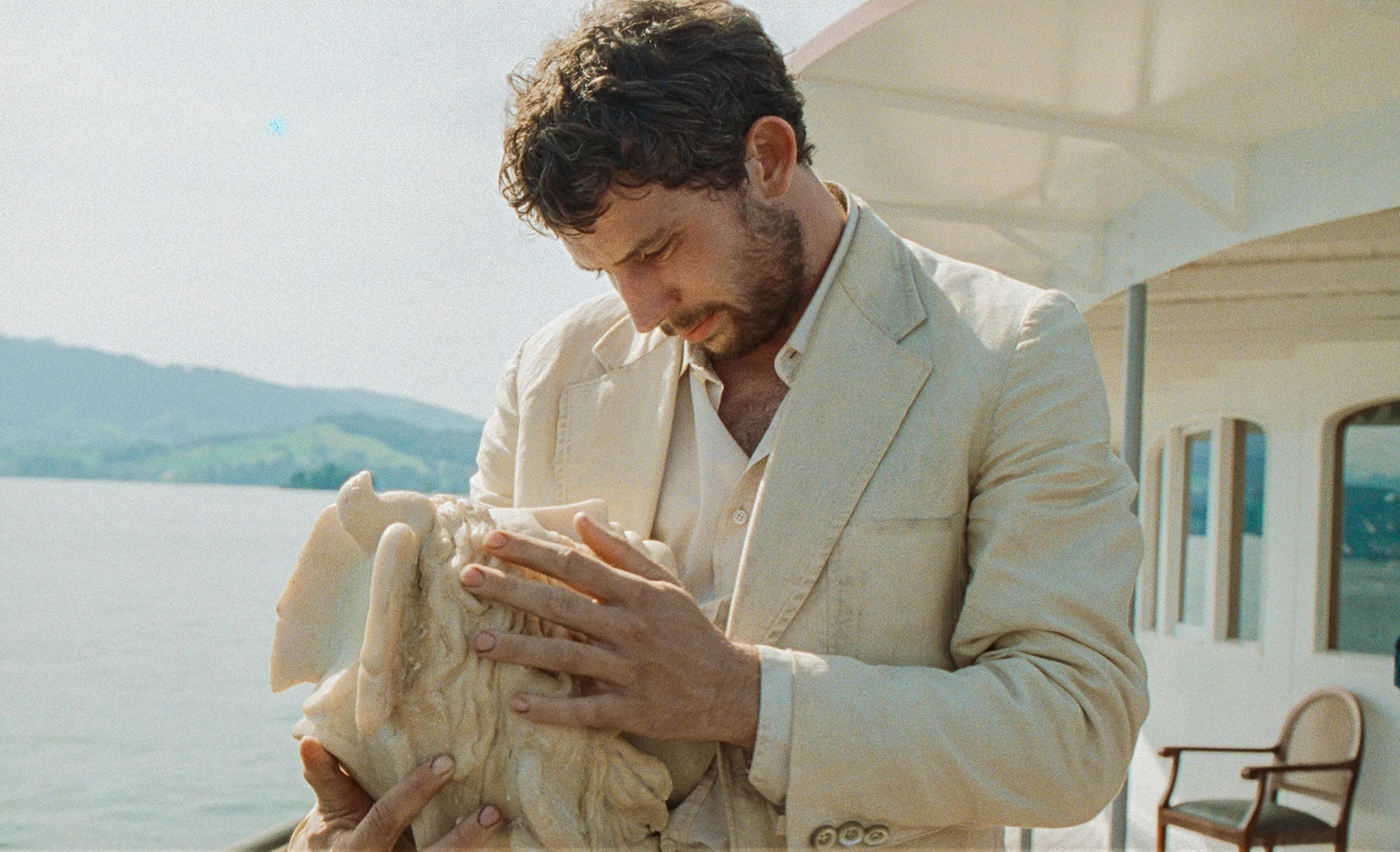
We’re in Tuscany, some time in the 1980s. Dishevelled Englishman Arthur (Josh O’Connor) is sensitive, clever, sweet and engaging. He’s also a grave robber, recently released from an Italian prison and about to head right back to his life of crime.

First though, he has an important visit to make – to the grand but crumbling estate that is home to the aged Flora (Isabella Rossellini). Despite her gaggle of adult daughters’ cacophonous protestations, Flora is Arthur’s biggest champion. Years back, when he was a respectable archaeologist, he was in love with her other daughter, Beniamina (Yile Yara Vianello), now deceased. The bereaved duo cling to their mutual connection.

In fact, Arthur’s yearning for Beniamina is so intense that it allows him to transcend the barriers between past and present. With a dowsing rod, he can pinpoint the long-lost tombs of the Estruscan dead with unerring accuracy. He’s the natural leader of this band of thieves.

The moral questions raised are unsettling. Stealing trinkets from corpses seems inherently wrong, but Arthur and his troubadour friends are homeless, living in poverty. What good are treasures lying in the ground? What’s wrong with living people using them to earn a crust? The rich buyers – whom we glimpse at an exclusive auction – will never go to jail, but they’re the ones profiteering from the poor men’s crimes, turning a blind eye to the items’ provenance. After all, in his old profession, Arthur’s findings were deemed legitimate and sold to museums. Is there really any difference?

But then Arthur begins to fall for Italia (Carol Duarte), Flora’s singing-student-slash-maid. The future is beckoning. Can he stop looking back?

Alice Rohrwacher’s film is a panoply of oxymorons: a firmly realistic supernatural tale; bleakly comic; slow and exciting. Driven entirely by its own logic, there are surprises at every turn, but they all make sense within the story. The Tuscan landscape is beautifully evoked by cinematographer Hélène Louvart, and there’s an unnerving folksy element, caught in the songs and celebrations of the tomb raiders.

But it’s O’Connor’s fine central performance that really makes La Chimera. He embodies the quiet desperation the title connotes, faithful to his impossible quest.

4.1 stars

Susan Singfield

Oban Seafood Hut (The Green Shack)

08/09/24

Calmac Pier, Oban

We’ve hired a motor home for a few days. Yesterday, once we’d collected the all-mod-cons Fiat Ducato from Roadsurfer’s depot, we made our way to Tyndrum and enjoyed a tranquil sunny evening, walking in the woods and relaxing outside the van with our (alcohol-free) wine and beer.

Today, we’ve come to Oban. It’s not quite as warm as yesterday, but the sun is still shining and we’re determined to spend some time on the beach at Ganavan Sands. We take a long walk and paddle in the sea – and so of course work up an appetite.

No worries: one of the main reasons we’ve come here is to sample the shellfish from the famous Oban Seafood Hut, more commonly known as The Green Shack – a favourite of the Hairy Bikers, apparently. A woman at our gym waxed lyrical about this little place, and we’re keen to try it for ourselves.

The shack is busy: customers are milling about and mussels are cooking on a gas stove at the front. We’re more than ready for this. But we have to hold our horses because there’s a ‘cash only’ sign and we don’t have any. Off we go to find an ATM…

On our return, we order the ‘Grand Platter for Two’ – which costs £45 – take a ticket and wait for it to be brought to us. Most punters seem to be eating their food from trays, standing or sitting under the adjacent awning. But we’ve got a little home on wheels, so we’re going to eat ours in comfort. We get it wrapped, pop it in the van’s fridge and then drive to tonight’s campsite – a loch-side spot at Creagan Station.

Sadly, there are too many midges for us to eat outside, but no matter: the van has a dinette. We prepare some salad, cut some olive bread and open up our fishy feast.

It’s vast. There’s a whole lobster, already opened and dressed, so there’s no need to crack that tricky carapace. There are crab claws (again pre-prepared), scallops, squid rings, langoustines, prawns, crab-sticks, a smoked salmon fillet, some pieces of sweet herring and lots and lots of mussels. There are also two sauces: a Marie Rose and a sweet chilli.

Everything is delicious – top-quality produce, perfectly prepared. The scallops and crab claws are probably my favourites, but I can’t fault any of it. And it’s such a generous portion! Neither of us has a small appetite, but we can’t eat more than half of this tonight.

It’s not an issue. Did I mention we’re in a camper van and we’ve got a fridge?

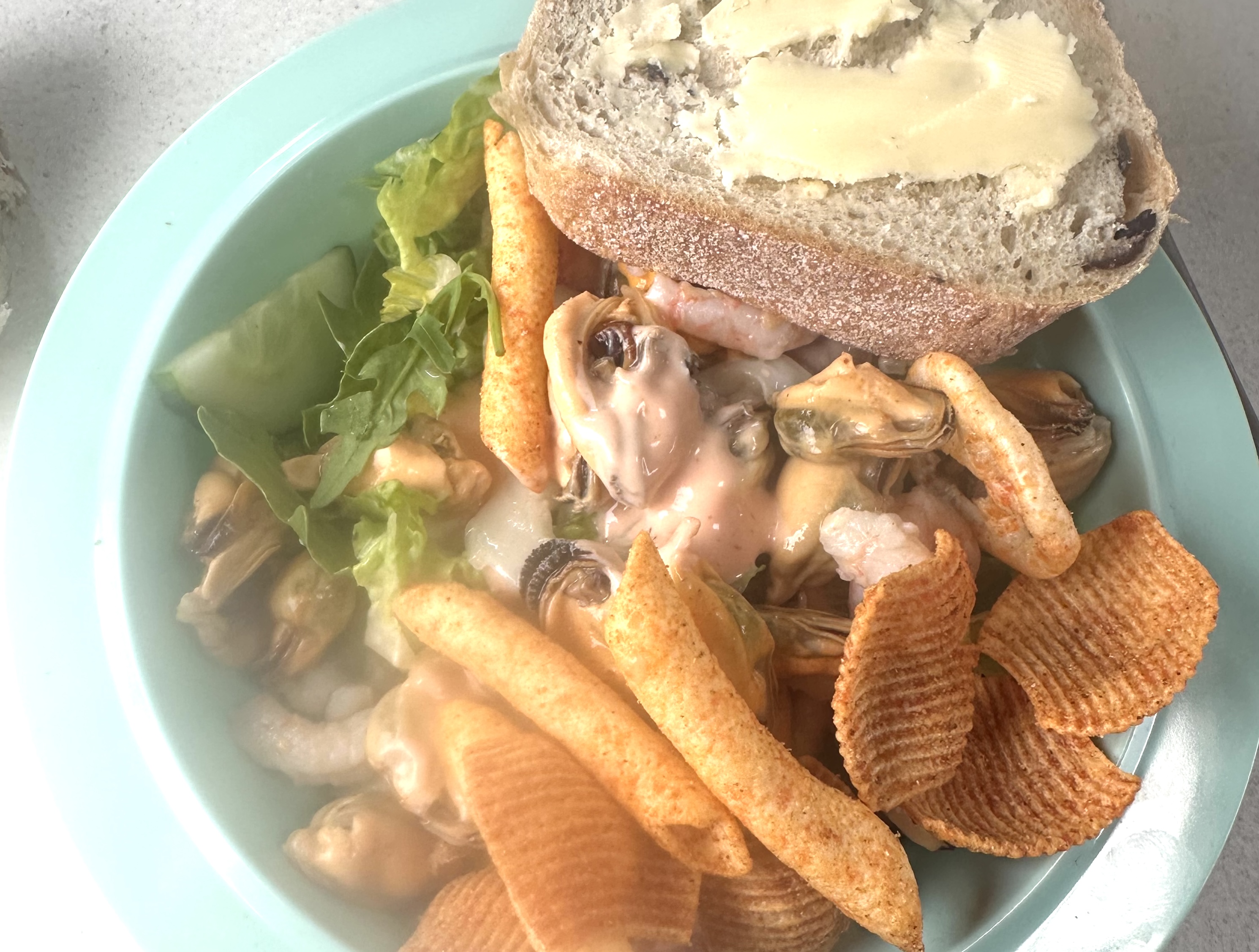
Tomorrow, we’ll have a prawn and mussel salad for lunch (with a few spicy crisps on the side); for dinner, we’ll have couscous in a tomato and vegetable sauce with a piece of smoked salmon on top. Not a morsel will go to waste.

Owner John Ogden and his staff clearly deserve their accolades. This simple food is simply wonderful.

5 stars

Susan Singfield

Beetlejuice Beetlejuice

06/09/24

Cineworld, Edinburgh

The juice is loose!

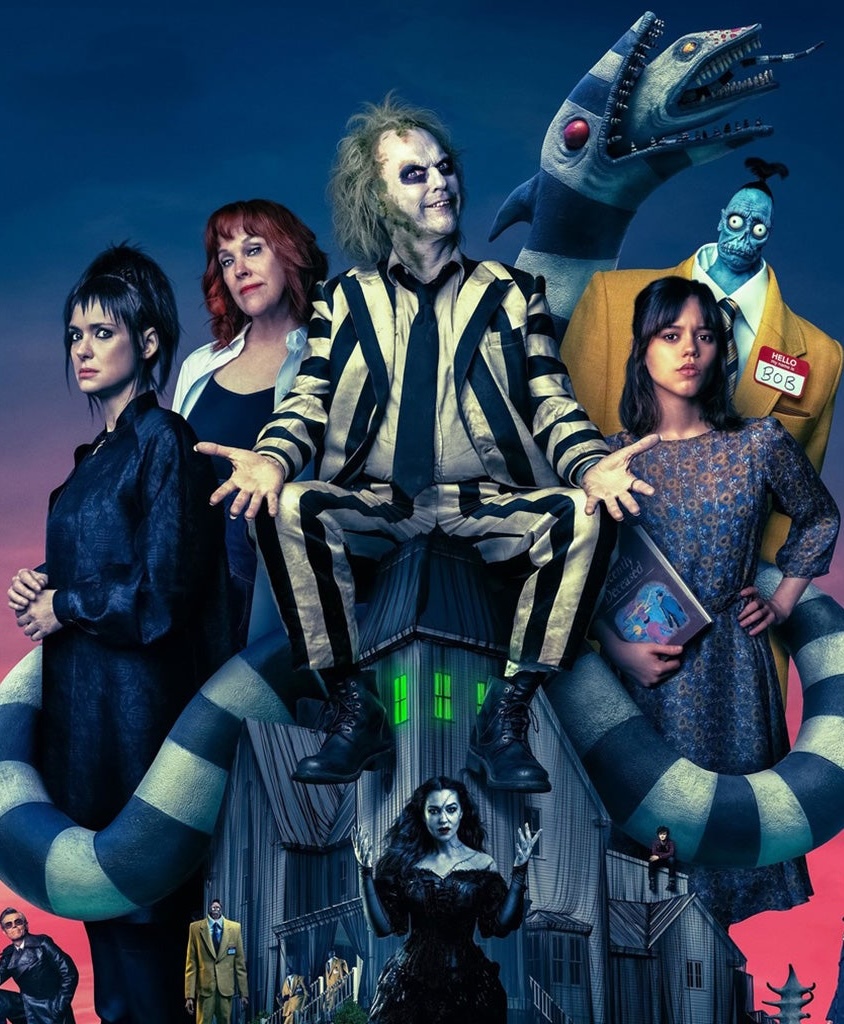
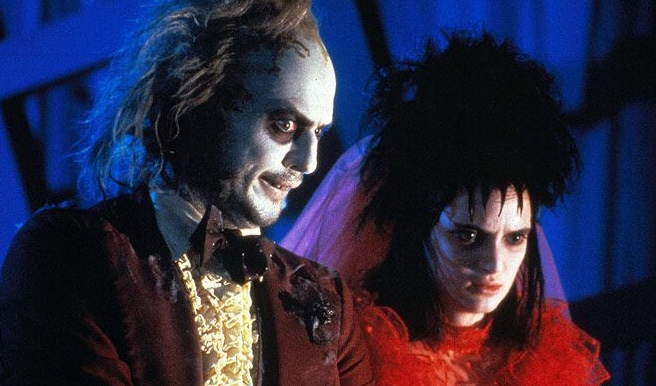
Look, there’s no getting around the fact that Beetlejuice Beetlejuice isn’t a very good film. That’s not to say I don’t enjoy it. I do; I’m not immune to nostalgia. I was seventeen when the original movie was released and I loved Winona. “I myself am strange and unusual,” was every teenage goth girl’s clarion call and Lydia Deetz was my style icon for the next decade. So of course I’m watching Tim Burton’s long-awaited sequel on the day of its release.

It’s been thirty-six years but Ryder has barely changed. Nor has Michael Keaton: his Beetlejuice is as repellant as ever. Still, at least his lust for Lydia is a bit less creepy now that she’s an adult.

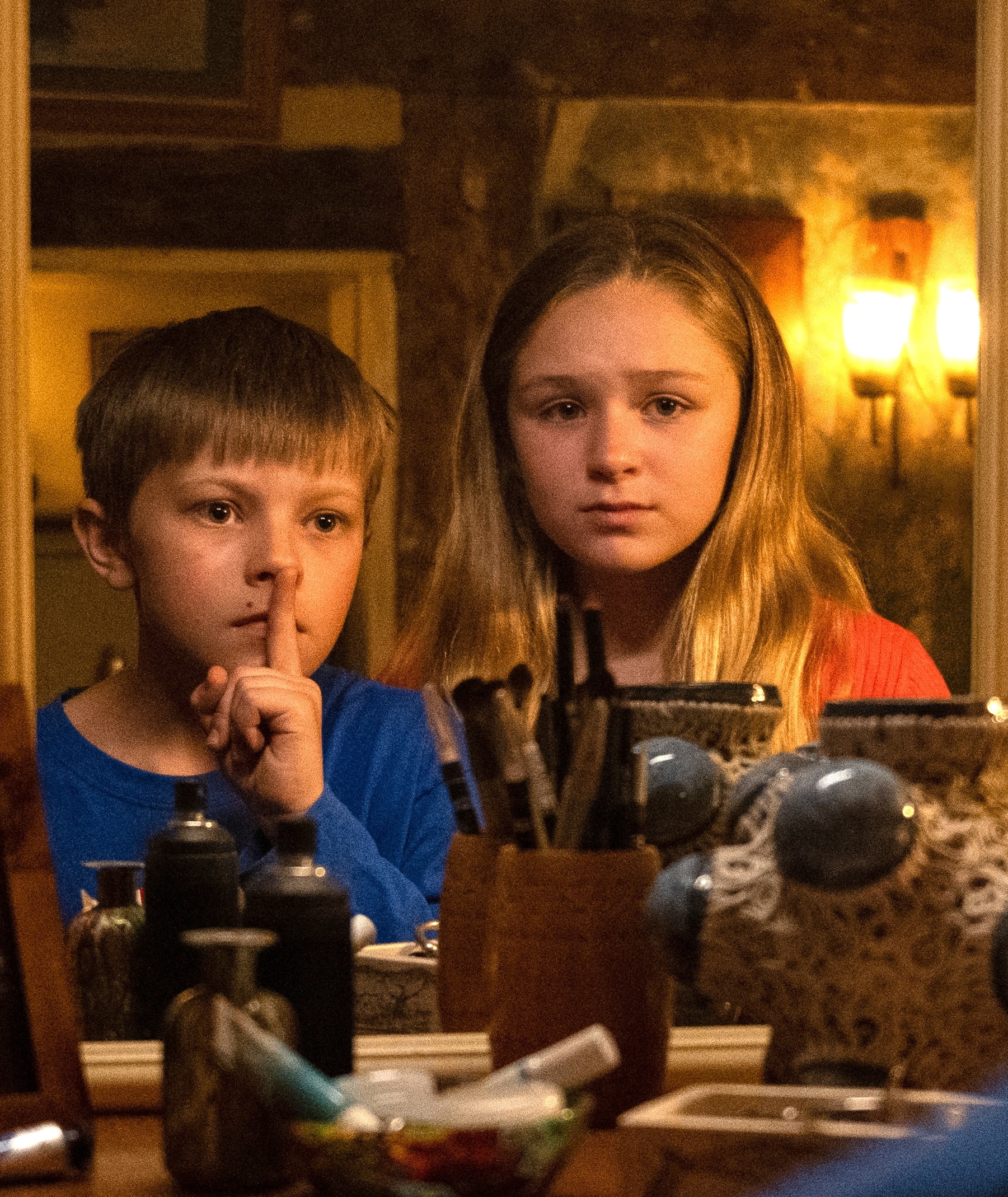
Adult Lydia is a celebrated medium. This makes me laugh: it’s gloriously obvious. She’s in the middle of recording her TV show when her stepmum, Delia (Catherine O’Hara) calls with bad news: Lydia’s dad, Charles, has died. It’s time to head back to the haunted house in Winter River, with dodgy boyfriend Rory (Justin Theroux) and angry daughter Astrid (Jenna Ortega) in tow. It’ll be fine. All she has to do is stay away from the model village in the attic and make sure no one says “Beetlejuice” three times.

Beetlejuice. Beetlejuice. Beetle… Oops.

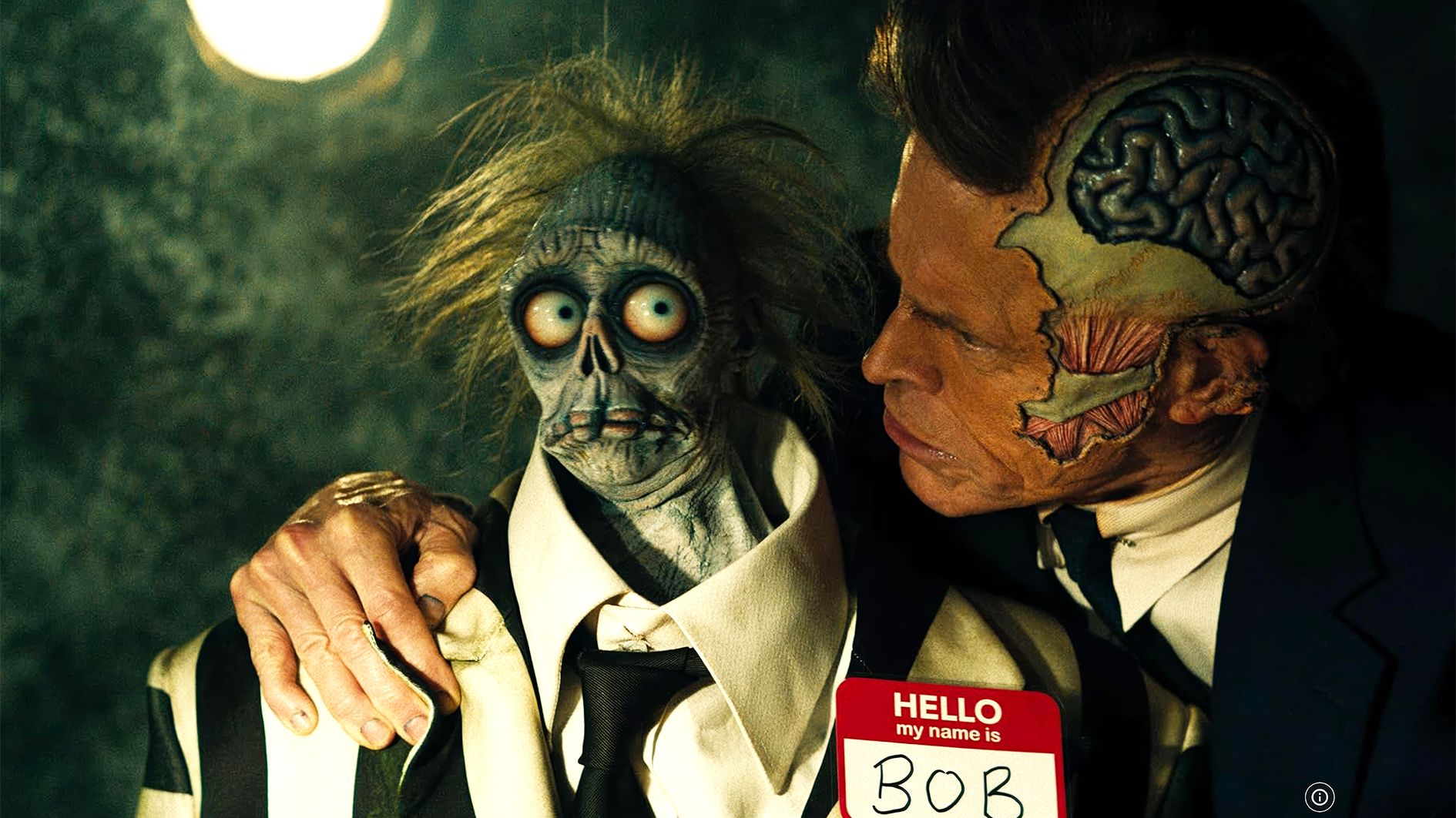
Sadly, from hereon in, the plot veers out of control, as wild and unpredictable as its eponymous antihero. In the underworld, a brilliant sequence where Beetlejuice’s ex-wife, Delores (Monica Bellucci), declares vengeance on him even as she’s stapling her dismembered body parts back together peters out into nothing, squandering a fun idea and a strong performance. Willem Dafoe is similarly under-used as Wolf Jackson, a dead actor struggling to differentiate between himself and the long-running character he played. It’s a neat set-up with nowhere to go. Meanwhile, in the land of the living, Rory is pressuring Lydia to marry him, Delia is turning Charles’ death into an art installation, and Astrid – still mourning her own dad, Richard (Santiago Cabrera) – has met a cute boy (Arthur Conti), who likes reading almost as much as she does… It’s scattershot to say the least.

Of course, when you throw this much at something, some of it sticks – but there’s a lot of wastage. The animated sequence showing Charles’ death is nicely done, but it feels like a segment from a different film. Even more out of place is the black-and-white Italian flashback, the nod to horror pioneer Mario Bava an easter egg for the wrong audience.

It’s much more of a kids’ film than I remember. In fact, Beetlejuice Beetlejuice reminds me of Alice in Wonderland (Lewis Carroll’s original, not Burton’s dismal remake). The imagery is remarkable, there are a lot of memorable characters and some gorgeous set pieces – but the rambling story doesn’t make much sense. Still, I guess there are worse insults. Alice isn’t exactly a failure, and maybe Beetlejuice X 2 will prove similarly popular. At tonight’s screening, the prevalence of gleeful tweenagers in stripy costumes suggests it well might.

So why not go see it and judge for yourself? If you’re happy to sit back for a couple of undemanding hours of gothic silliness, buy your ticket now. You get a free demon possession with every exorcism…

3 stars

Susan Singfield