Month: August 2024

The Sound Inside

04/08/24

Traverse Theatre, Edinburgh

The Sound Inside begins with an engaging example of fourth wall breaking, as Bella (Madeleine Potter), a creative writing professor at Yale, ambles onto the stage to introduce herself and her story. Her relaxed, sardonic tone is engaging, sometimes laugh-out-loud funny, and is liberally crammed with a succession of literary references.

And then in comes Christopher (Erik Sirakian), a garrulous Freshman in one of Bella’s classes, who has a propensity for impulsively saying all the wrong things. He’s arrived at Bella’s office without actually making an appointment and is clearly intent on knowing more about her, wanting to locate the real person hidden behind the curated image she presents in class. Bella is understandably cautious about engaging with him, suspecting that he’s some kind of weird stalker. But when he confides that he has started work on a novel, that he will have no rest until it’s completed, her curiosity is aroused.

She herself published a novel, seventeen years ago, and though it received promising reviews at the time, it has hardly set the literary world alight. Any thoughts of a new project have been stalled by recent worries about her health. She forms a tentative friendship with Christopher, uncertain of what might ensue, but prepared to see where this new path takes her…

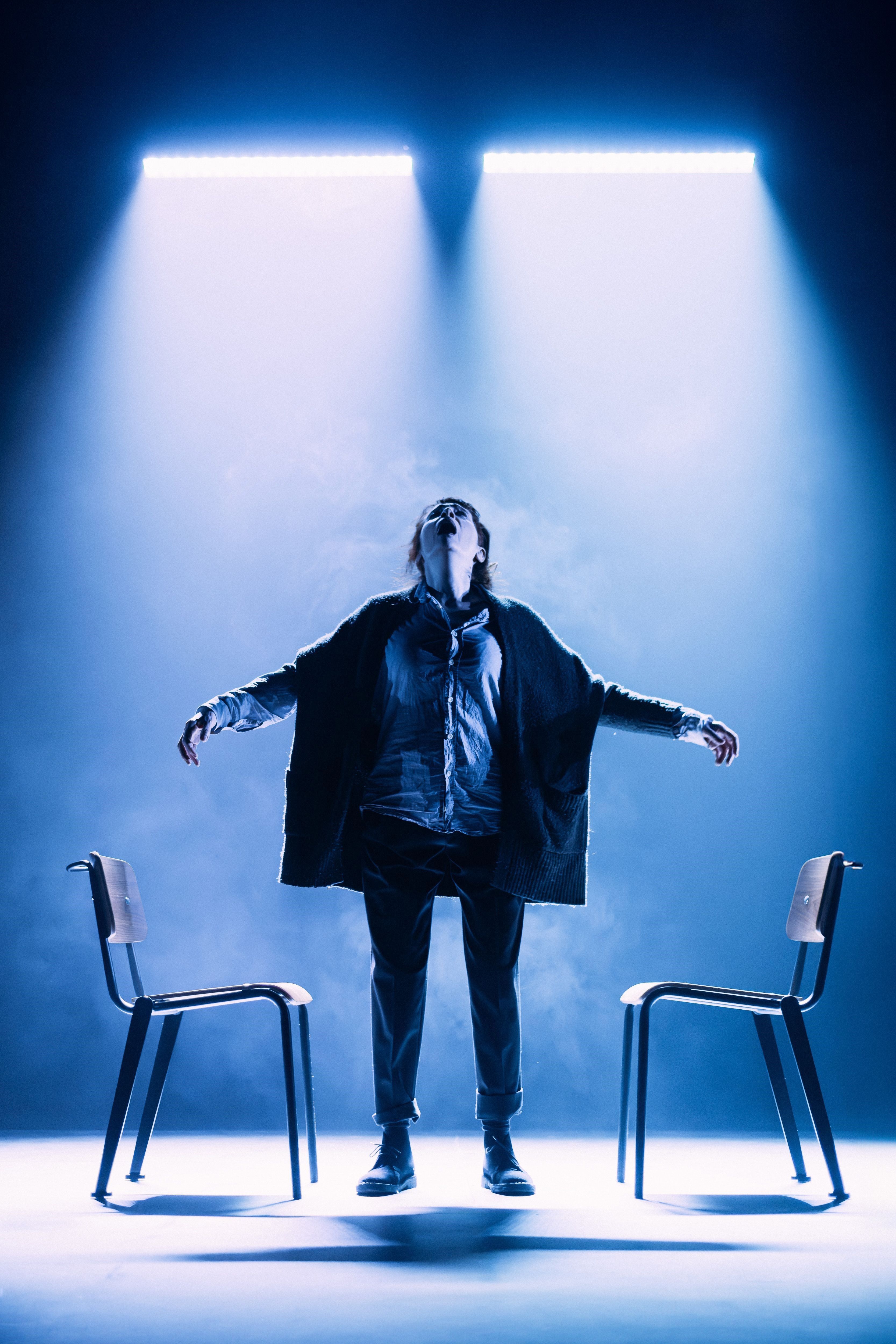
Adam Rapp’s exquisite play has all the qualities of a great novel, pulling me deeper and deeper into its labyrinthine heart, providing the audience with puzzles to solve and mysteries to ponder. The two actors inhabit their respective characters with absolute authority, capturing all of their strengths and subtleties. Both of them are loners; both are driven by their inner desires. I love James Turner’s spare set design, which, combined with Elliot Griggs’ lighting and Gareth Fry’s soundscapes, helps to emphasise the twosome’s inner yearnings, their hopes and regrets.

More than anything else, this is a play about the nature of fiction: that elusive ephemeral beast that so many people long to capture. Director Matt Wilkinson handles the various elements of the play with skill and guides it to a poignant conclusion, which – much like Christopher’s novel – ends with an ellipsis.

The team at the Traverse seem to have an unerring ability to find great theatre and The Sound Inside, already a success in the USA, has everything I look for in this medium. It’s a mesmerising piece and should be on every Fringe visitor’s bucket list this year.

5 stars

Philip Caveney
Grazing by Mark Greenaway – Market Menu

03/08/24

Princes Street, Edinburgh

Ten years ago, we were living in Manchester. We came up to Edinburgh that August for two reasons: to visit the Fringe and to get married. We celebrated our ultra low-key wedding (registry office, no guests, strangers as witnesses) with a delicious meal at Mark Greenaway’s Bistro in Stockbridge. 

Although that particular venue hasn’t lasted as long as the marriage, Greenaway is still a big part of Edinburgh’s culinary scene, and Grazing – located on the ground floor of the Caledonian hotel on Princes Street – is a firm favourite of ours. 

So it makes sense to celebrate our tin wedding anniversary here. There’s a new five-course ‘market menu’ that we’re keen to try – and it doesn’t disappoint. 

We start with three ‘snacks’: a little cracker with burrata and caramelised mustard seeds, some beef tartare and the cutest mini baked potato, with tuna tartare and lime mayo. These are an absolute pleasure to eat, the potato in particular bringing smiles to our faces. 

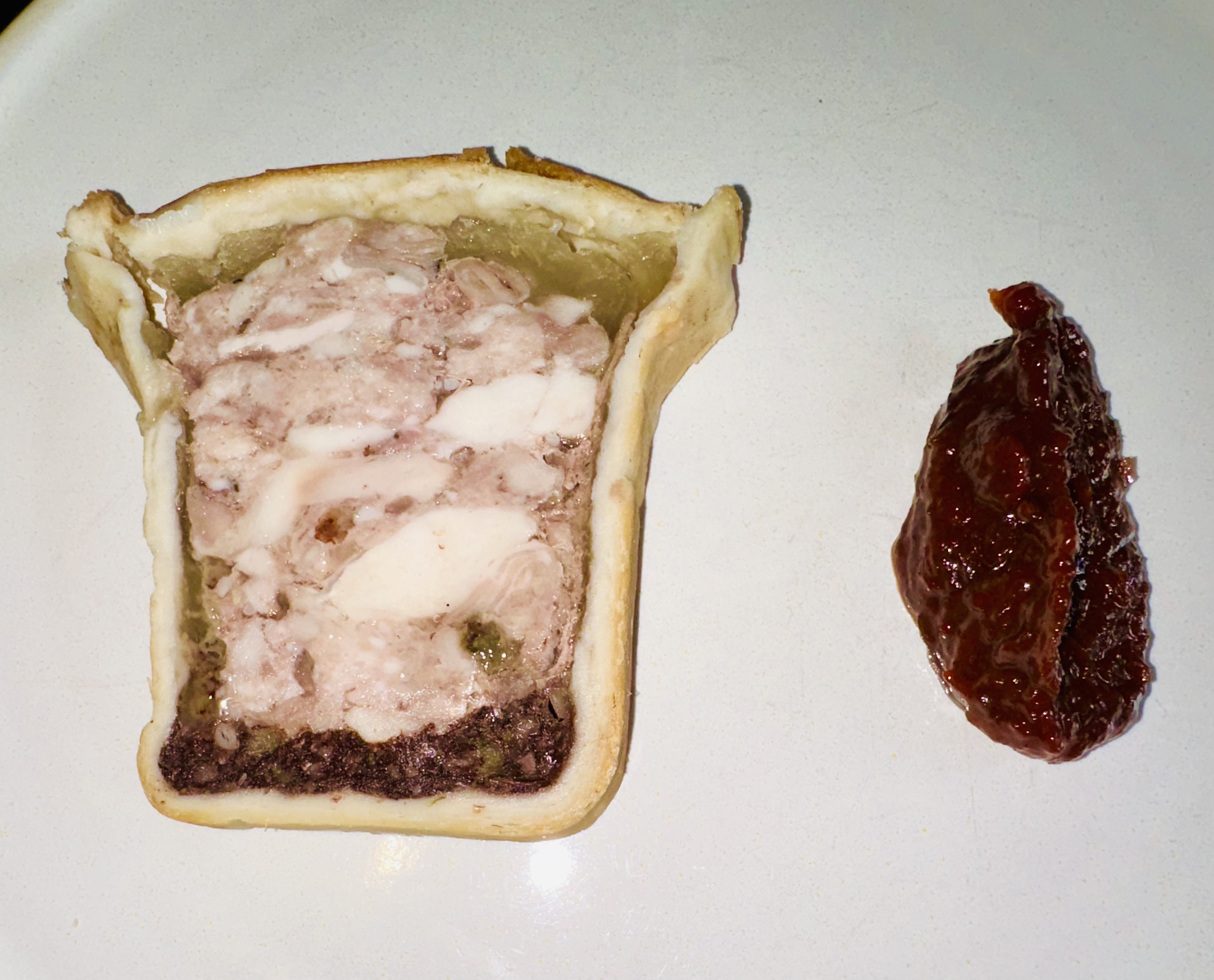
Next up, it’s rabbit paté en croute, a pastry frame containing layers of black pudding and spiced apple chutney as well as the meat. I’m not sure I’m going to like this; I haven’t eaten rabbit very often and I remember it as very strong and gamey. But this incarnation is delicate and light, and the gooseberry chutney on the side is a joy.

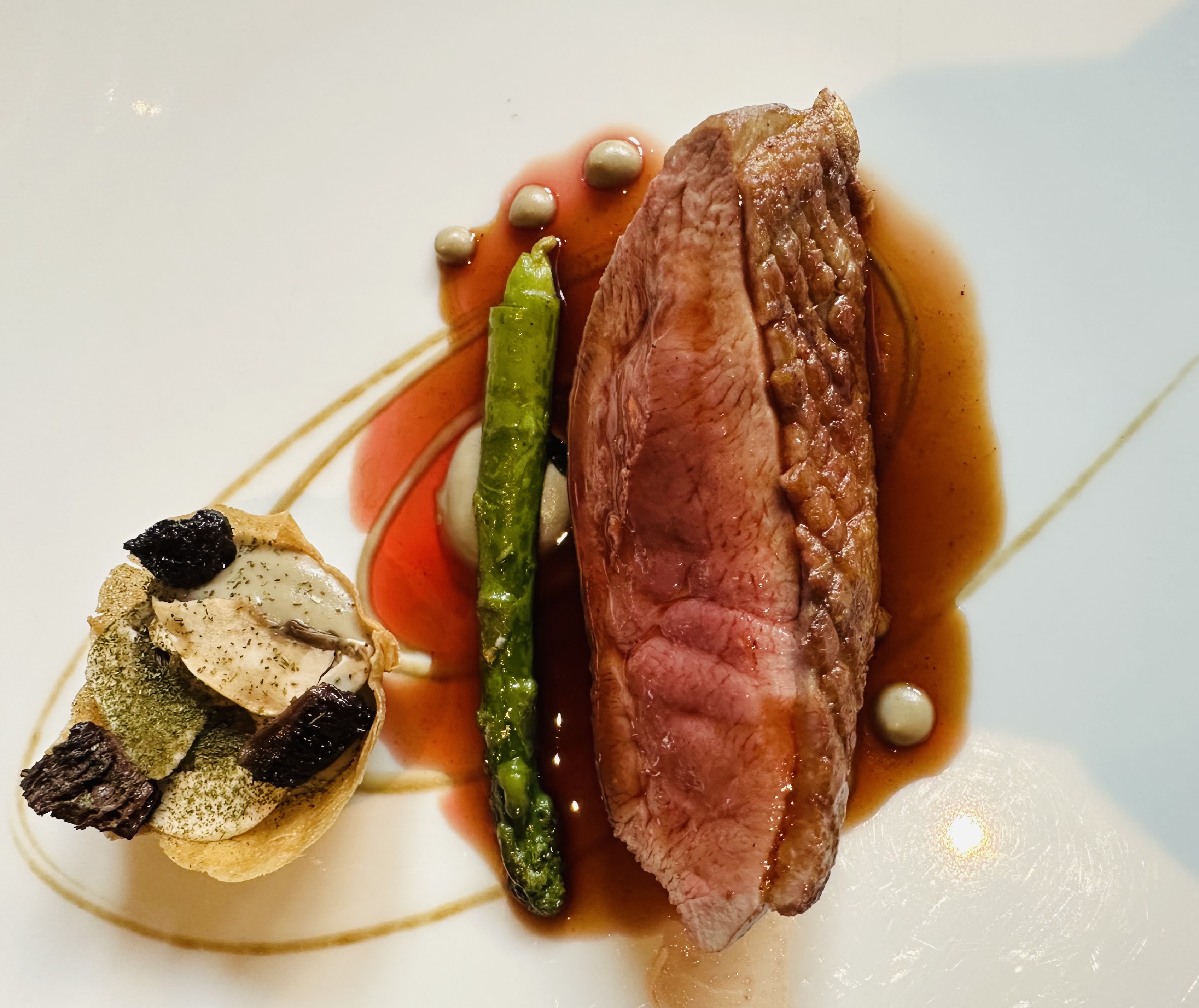
The main course is roast Perthshire duck breast, served with a morell mushroom tart and asparagus. Again, this is a revelation: I’m not usually keen on duck, but this is delicious – and that mushroom tart is bursting with flavour.

A pre-dessert of lemon curd cream proves a hit: there’s ice cream and chantilly, both bold with lemon – and the basil meringue complements it well. 

The only disappointment of the evening is the strawberry parfait, which is nice enough but too similar in concept to the pre-dessert (cold creamy stuff, room-temperature creamy stuff and some fruit) and not quite as tasty. 

But it doesn’t matter, because we’ve already taken the obvious decision to order an extra sweet to share. Not because we need it, but because Greenaway’s sticky toffee pudding soufflé is a thing of legend, an easy winner for our hypothetical Off Menu dream dessert. And it’s every bit as good as always: date-y and intense, rich but not heavy, quite the nicest thing you’ll ever eat. 

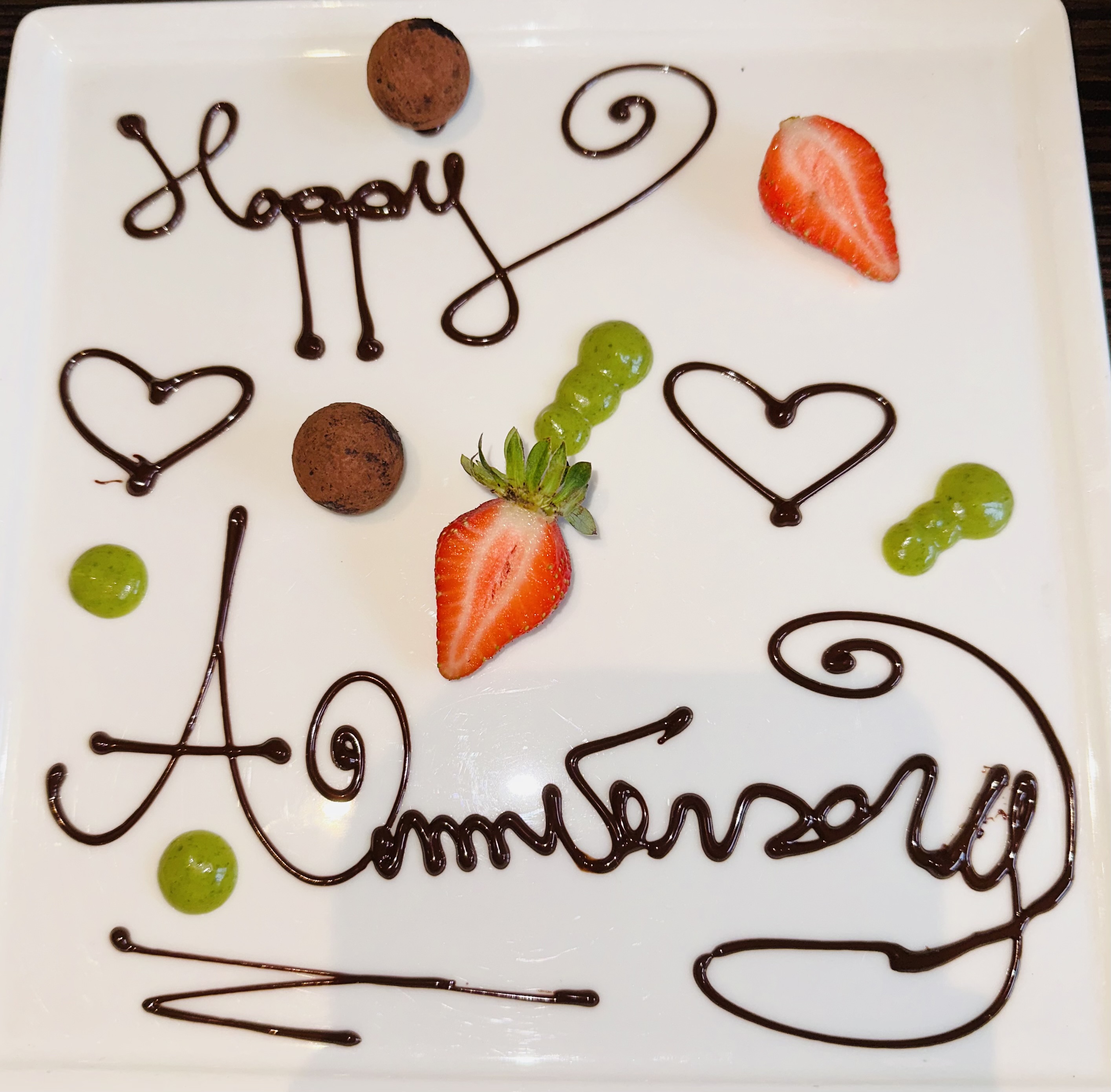
A couple of ‘Happy Anniversary’ petit fours round off the evening nicely, and we happily clink our glasses of Appletise in celebration of a decade well spent.

4.6 stars

Susan Singfield

Really Good Exposure

03/08/24

Underbelly (Belly Button), Cowgate, Edinburgh

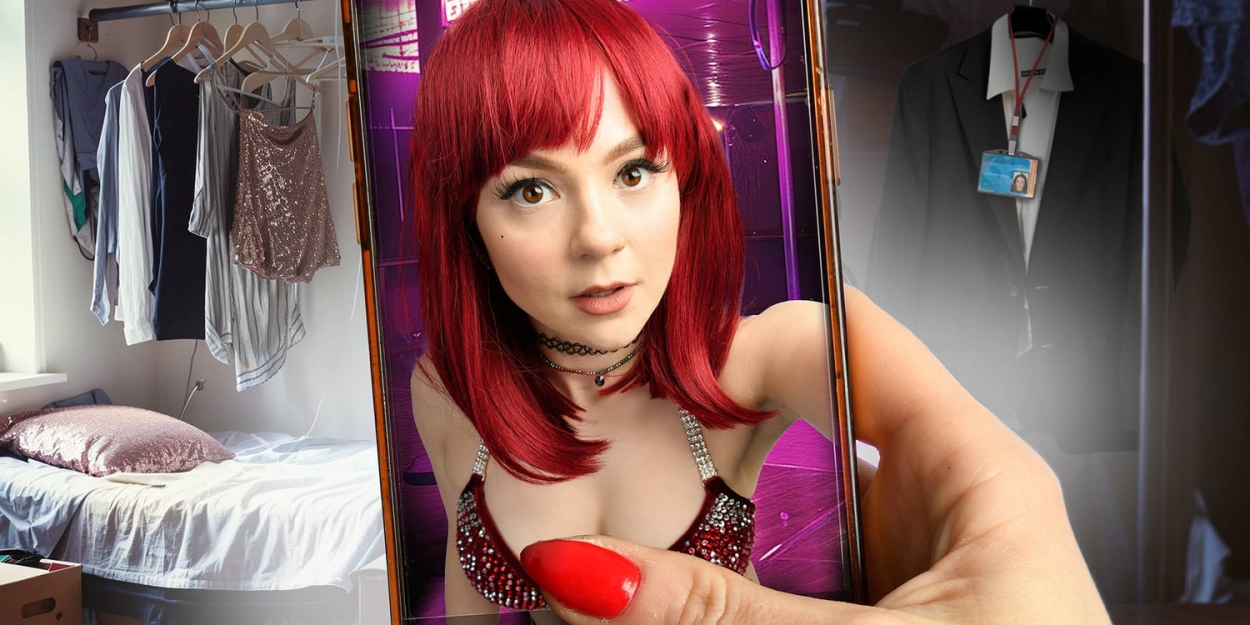
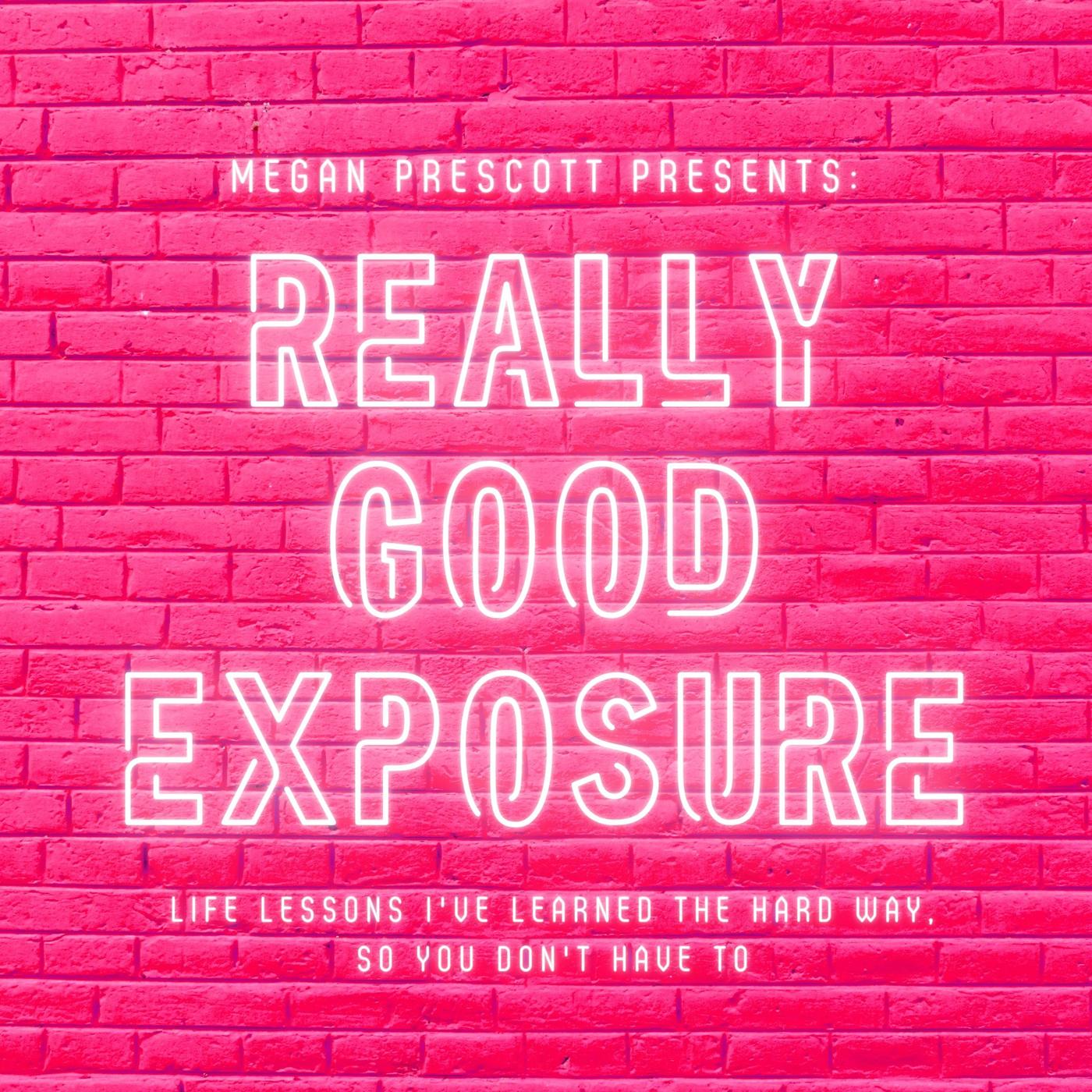
Actor Megan Prescott – most famous for her role in Skins – opens up a compelling discourse in this excoriating monologue about how sex sells and is sold. Drawn from a mixture of her own experiences and those she’s observed, Really Good Exposure is a challenging and thought-provoking play – fittingly funded by Prescott’s OnlyFans.

Molly Thomas (Prescott) is fast approaching thirty. A former child star, she’s been encouraged to sell sex throughout her acting career, notably as an adolescent in popular TV drama, Meat. But now she’s no longer a teenager, and it turns out selling sex on her own terms – as a stripper or in porn – is way less socially acceptable than being controlled by ‘the industry’. 

Prescott is an accomplished performer. She tantalises and reels us in before skewering our internal biases and forcing us to think. For most of the running time, she is clad only in a sparkling bikini. This is disturbing in the flashbacks – when she’s eleven years old, practising her competition dance, or sixteen, worried about her first intimate scene for Meat – but empowering when she’s older and finally operating on her own terms. 

As a Gen X feminist, I’m forced to confront my own prejudices. I’ve never been one to demonise sex workers – I believe in a sisterhood that supports all women. But I’ve certainly been guilty of seeing sex workers as victims or as unwitting conduits for misogynist violence. Prescott’s polemic reveals the glaring holes in this logic. Her own experience is that she has more agency and makes more money in porn than she ever did in the mainstream. This is perfectly illustrated by the juxtaposition of two scenes: one featuring full-frontal nudity, where Molly is forced to strip naked to prove she really wants a part in an indie film; the other an exuberant lap dance performed in a strip club. 

As Molly points out, of course there are issues within the porn industry but, “We didn’t ban acting after #MeToo.” 

A fascinating insight into what it costs to be a woman in the spotlight, Really Good Exposure is a must-see at this year’s Fringe.

4.7 stars

Susan Singfield

Bellringers

03/08/24

Roundabout at Summerhall, Edinburgh

Two figures, hooded and shrouded, stumble in out of the torrential rain and prepare themselves for a spot of campanology. But who are they? My first intimation is that they are monks and this piece must be set back in the day, but the cloaks are quickly removed and the two men are revealed to be contemporary characters – yet the world they discuss is bewildering. What’s all this talk of raining frogs? Death by lightning? And why are mushrooms growing everywhere?

Aspinall (Paul Adeyefa) and Clement (Luke Rollason) are the latest in a line of bellringers, who come here in the belief that ringing the church bells might somehow dispel the devastating storm they know is fast approaching. There have been other bellringers before them but it’s a worryingly short-lived profession. Best not to talk too much about what happened to their predecessors. Neither of them are religious – not really – but they have to do something don’t they? And a respected friend claims that this is the only surefire way to avert disaster.

As the two men count the intervals between lightning strikes and thunderbolts, which grow worryingly shorter, they talk about this baffling world in which they’re trying to survive – this doomed place of dying crops and terrible famines and weather conditions that seem to be spinning out of control…

It doesn’t take a Sherlock Holmes to interpret this particular allegory, but the power of Bellringers is in the uncanny way in which information is slowly but surely released, so that things only fully coalesce in the play’s final stretches. Both Adeyefa and Rollason play their roles with consummate skill, the former calm and measured, the latter nervy and intense, tortured by a secret he’s been keeping for over a year. Daisy Hall’s acerbic script is at once funny and terrifying, highlighting the futility of a world that puts its faith in superstition and crossed fingers. In the end, all the two men have ever wanted is “what they had – an ordinary life. And long.” A damning reference the world that we are all in the process of bequeathing to generations yet to come.

Little wonder that this debut play was a finalist for The Women’s Prize 2023. Under Jessica Lazar’s assured direction this is another winner from Roundabout, one that will send you out of that unique location with a lot to think about.

4.5 stars

Philip Caveney

Hamstrung

03/08/24

Pleasance Courtyard (Baby Grand), Edinburgh

Theatre’s most famous skull, Yorick, is amply fleshed out in this playful monologue, written and performed by George Rennie. Shakespeare provides scant detail about the “fellow of infinite jest” –  we only know that he sang, danced, made people laugh and gave the young Hamlet piggybacks. But Rennie mines these few familiar lines to breathe life into a character renowned for  being er… dead. 

Rennie is an engaging actor, strutting and fretting his hour upon the stage and easily connecting with the audience. The early stretches of the play establish Yorick as a jester, keen to do his job and entertain. But his smile stretches thin as he strives to perform his routines; he’s clearly aware that something is wrong. Where is his master? Where is the King?

From here, the monologue takes a darker turn, as Yorick slowly realises that the King isn’t the only one who’s dead. There are some clever touches, including a revelation about what really happened when Hamlet thought he saw his father’s ghost. Most affecting is Yorick’s yearning for the player he loved when they were both touring performers. Being plucked from obscurity to work at court has proved both a blessing and a curse.

There are some elements that don’t work quite so well, including an extended sequence featuring two audience volunteers – in today’s show, it’s Philip and me. Although we have fun participating, the scene is long and it’s hard to see what it adds to our understanding of the character. It’s introduced as Yorick’s attempt to ‘tell his story’ but I can’t work out how it does that. (It could just be that I missed something. I was a little distracted by the fact that Philip and I were sharing one pair of reading glasses because he’d left his at home.) Structurally, I feel like this comic relief would fit better in the first half hour, as it weakens the deepening tension and unsettling atmosphere of the second act.

Still, there’s a lot here to like, including the sound design, which complements the story well, reflecting Yorick’s state of mind. Now get you to the Pleasance Courtyard; to this favour you must come; Rennie will make you laugh at that.

3.5 stars

Susan Singfield

My English Persian Kitchen

02/08/24

Traverse Theatre, Edinburgh

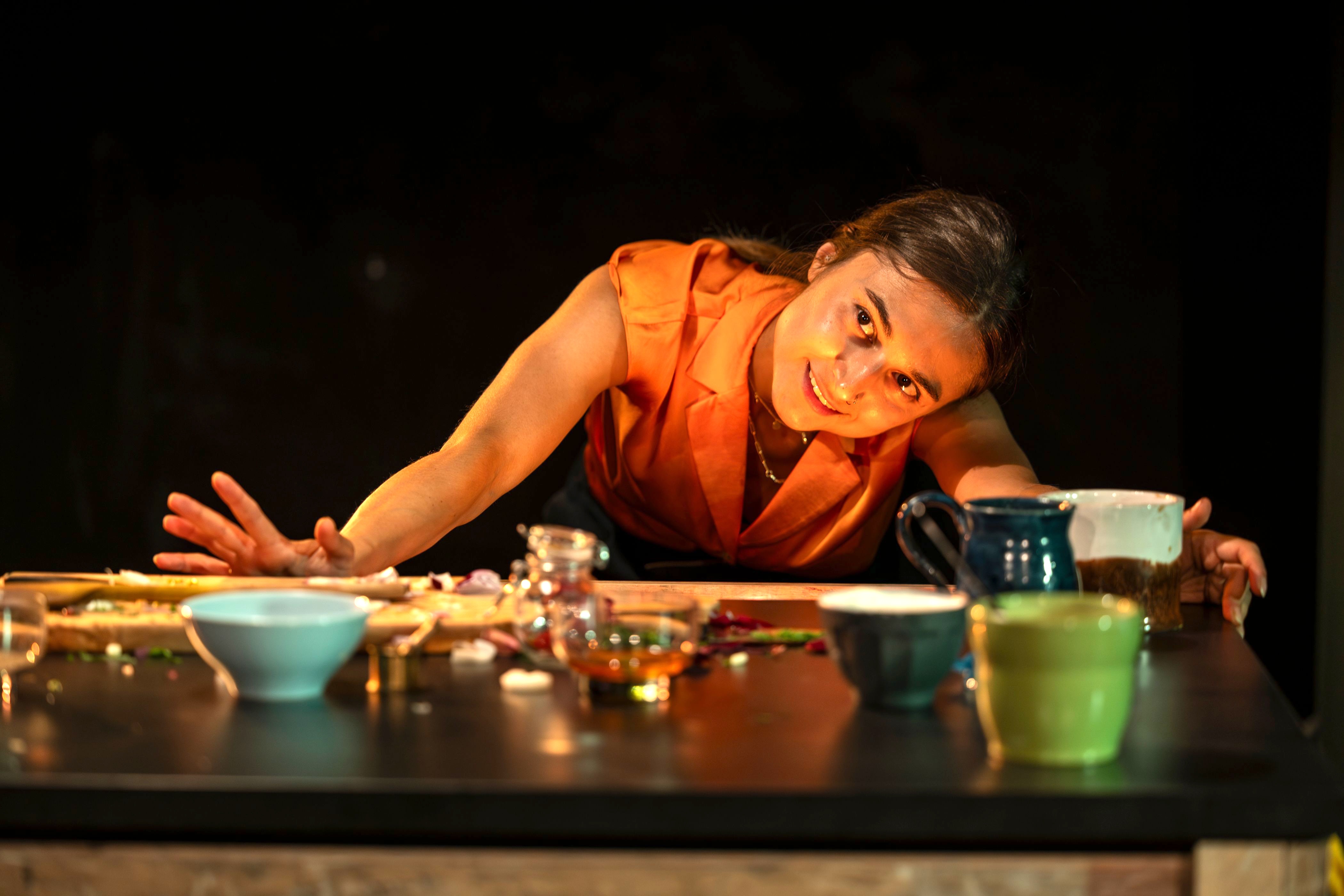
Some productions appeal to all of the senses. My English Persian Kitchen is a good case in point. As we enter Traverse 2, I’m instantly aware of a wonderful aroma permeating the theatre, an enticing combination of chopped red onion, coriander, garlic and mint. The actor Isabella Nefar stands at a kitchen island cooking a meal – but then the lights change and she speaks directly to the audience, telling us that in her homeland of Iran, women rarely cook – and that far more women than men go to university. But of course, not everything about her homeland is quite so female-friendly.

She begins to prepare an Ash Reshteh, a noodle soup which she explains is an Iranian classic and, as she talks, the food begins to simmer and the fragrances intensify. The character relates her backstory, her marriage to a man she trusts only to discover that she is trapped in an abusive relationship with somebody who wants to control every aspect of her life. With her parents’ help she manages to escape to London and sets about trying to start a new life for herself. She learns ways of fitting in, of adapting to this unfamiliar culture, using food as a means of expressing herself and communicating with others.

But even there, the ghosts of the past still come back to haunt her…

Nefar is an engaging storyteller and Hannah Khalil’s compelling script is augmented by Dan Balfour’s eerie soundscapes and Marty Langthorne’s effective lighting design, past turmoil evoked by a flickering lamp and strategically placed spotlights. Jess-Tucker Boyd’s dynamic movement sequences make even the slicing of an onion look like a life and death struggle. We come to understand that cooking has been the character’s salvation, a way to rekindle the happier years of her childhood and the close bond with the parents who taught her so much.

As the story unfolds and those tantalising smells exert their powers, I am drawn ever deeper into the experience – and I’m delighted when, quite by coincidence, I am chosen to be the first person to taste that Ash Reshteh. It is absolutely delicious and, lest you worry that only one viewer gets to try it, let me reassure you that at the play’s conclusion, the entire audience is welcomed onto the stage to sample it for themselves.

This could so easily be dismissed as a mere gimmick but, in the case of My English Persian Kitchen, written by Khalil and cleverly directed by Chris White, it’s more – much more – than that.

4.1 stars

Philip Caveney
In Two Minds

02/08/24

Traverse Theatre, Edinburgh

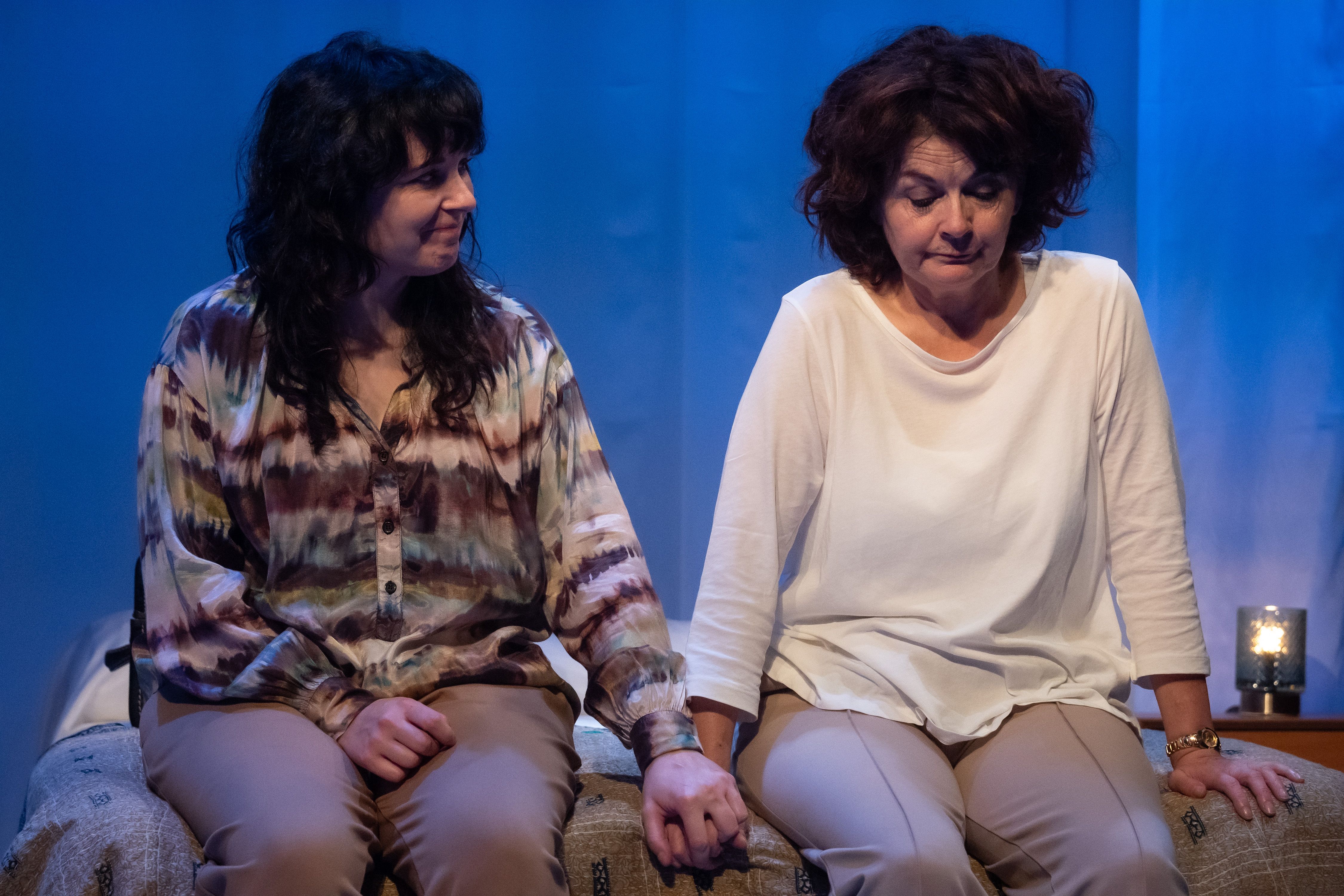
Joanne Ryan’s affecting two-hander explores the complex bond between a woman and her mother. Daughter (Karen McCartney) cherishes the tranquility of her minimalist studio apartment, but Mother (Pom Boyd) needs somewhere to stay while she’s having an extension built. Over the course of her protracted visit, their fragile relationship is pushed to breaking point.

It’s not just the accompanying clutter that grates on Daughter’s nerves. It’s the incessant talking, the veiled (and unveiled) criticisms, the sleeplessness – it’s all an intrusion into her hard-won peace. And she feels guilty too, because none of it is Mother’s fault. She has bipolar disorder.

Both Ryan’s script and Sarah Jane Scaife’s direction deftly convey how accustomed the characters are to Mother’s episodes. They’re not fazed; they have been here too many times before. There’s no dramatic reaction to her illness, rather a weary, frustrated sense of here-we-go-again. They know how this plays out and they know what they have to do. Over the years, they’ve learned to protect their relationship by maintaining some distance; forced together, it begins to disintegrate.

Boyd’s performance is flawless. She perfectly captures Mother’s brittle façade: her inability to stop talking, even when she knows that she’ll regret her words; her vibrant exuberance; her torpid misery. McCartney too is utterly convincing, clinging desperately to her career, trying to care for Mother without losing herself.

Alyson Cummings’ set embodies the quietude Daughter craves: simple, unfussy, light and clean. As soon as Mother enters, we can see the disruption she brings, even her kicked-off shoes a reproach to Daughter’s obsessive tidiness.

I’m not usually a fan of lengthy scene transitions and too many props, but Scaife uses them skilfully to illustrate both the passing of time and the steady accumulation of Mother’s belongings. The tension in these moments is further heightened by Rob Moloney’s unsettling sound design.

In Two Minds is a clever play, at once discomfiting and heartwarming. As well as an unflinching examination of the impact of mental illness on the protagonists’ relationship, it’s also a love story of sorts, and sure to be a success at this year’s Fringe.

4.2 stars

Susan Singfield

I Saw the TV Glow

31/07/24

Cameo Cinema, Edinburgh

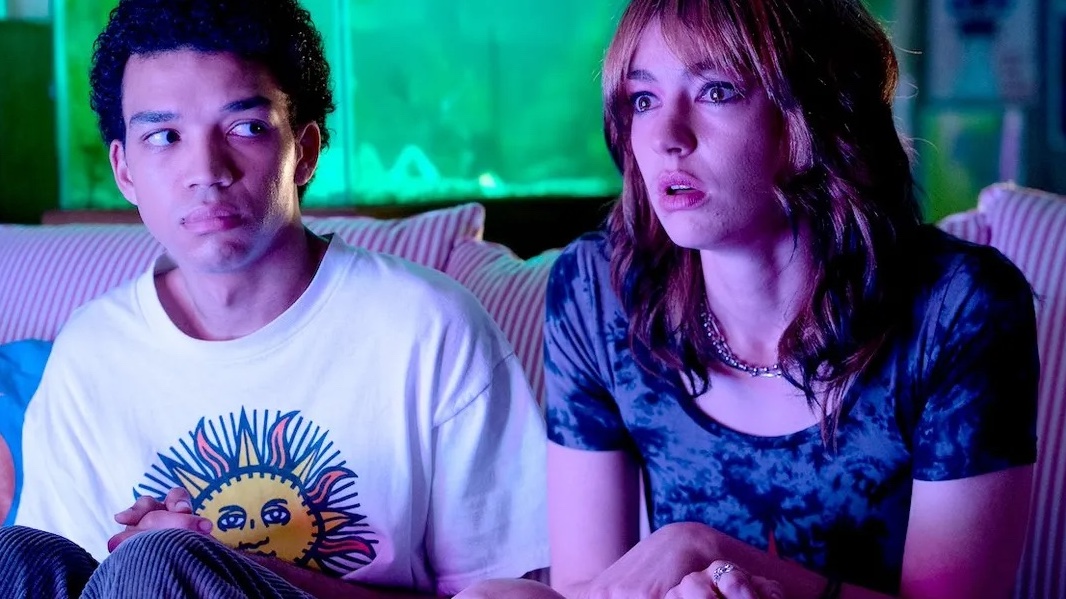
I Saw the TV Glow, written and directed by Jane Schoenbrun, is a intriguing independent film. It begins in the late 1990s and shares some DNA, I think, with Longlegs, in that it has a powerful sense of disquiet running through its very core, an overpowering sensation that there’s something horribly wrong here, though it’s hard to pinpoint exactly what it is.

Owen (played in the opening sequences by Ian Foreman) is a repressed seventh-grader, living with his mother, Brenda (Danielle Deadwyler), and his strict, overbearing father, Frank (Fred Durst). Owen has been intrigued by trailers he’s seen for a new television show called The Pink Opaque, but it starts at 10.30pm, which is way past his bedtime. At a school event, he bumps into Maddy (Brigette Lundy-Paine) who is reading a book about the show and is clearly obsessed with it. She invites him to stay overnight at her place so he can actually watch an episode and he eagerly grasps the opportunity, telling his parents that he’s having a sleepover with a schoolfriend. The episode he watches blows Owen’s mind and he’s an instant convert to its powers.

The action cuts to two years later. Owen (now played by Justice Smith) still can’t stay up to watch that show. His mother has died from cancer and his uncommunicative father spends his hours alone in his room, watching his own favourite TV programmes. Maddy starts to videotape episodes of The Pink Opaque and leaves them for Owen to pick up, so he can watch them in secret. And then, some years later, the show is cancelled after its fifth season – and Maddy disappears. Owen doesn’t see her again for a decade…

I Saw the TV Glow is a great big metaphor wrapped up in spooky bright pink trappings. It’s clear from the word go that Owen is unsure about who he is. There’s no romance between the two leads: Maddy makes a point of telling him, at their first meeting, that she is ‘into girls’ – though there’s little evidence to suggest she’s into anything aside from that TV series. Owen takes a dead-end job working in the local cinema, but the whole time he’s thinking about The Pink Opaque, about its cast of characters, who seem to know exactly where they belong in the world. After Maddy’s departure he is adrift: alone, forsaken, barely able to function in a world where he feels buried alive.

This film is all about the power of the images we hook into at an early age: the resonance they have in shaping our lives; the overpowering desires we have to be a part of them. Schoenbrun is trans and there are obvious parallels here with her lived experience, but anyone who has been infatuated with something in their youth – or felt like a a misfit – will be able to identify with the undercurrents that bubble away beneath the film’s dark, brooding surfaces. The occasional excerpts we are offered from The Pink Opaque are bizarre, dreamlike sequences, that put me in mind of early David Lynch.

As the years pass, Owen drifts – apparently, he acquires a family of his own, but we’re only told about them, we never see any of his home life. He is still essentially alone and when, years after its demise, he is finally able to stream The Pink Opaque on demand, he is bewildered by what he sees.

This is a compelling, brooding film, that will stay with you long after its heartbreaking conclusion – and Schoenbrun is surely a director to watch.

4.6 stars

Philip Caveney