Month: August 2022

JD Shapiro: I’m With Stupid

22/08/22

Gilded Balloon, Teviot (Billiard Room), Edinburgh

It’s a Monday night on the Fringe and it’s raining, which no doubt explains why the audience in the Billiard Room is best described as ‘modest’. No matter. JD Shapiro takes the small number in his stride and comes out with all guns blazing, ready to dish the dirt on his adventures in the screen trade. He warns us right up front he’s going to be dropping a lot of names tonight, but clearly has no fucks to give on that score. Drop them he does, in large quantities.

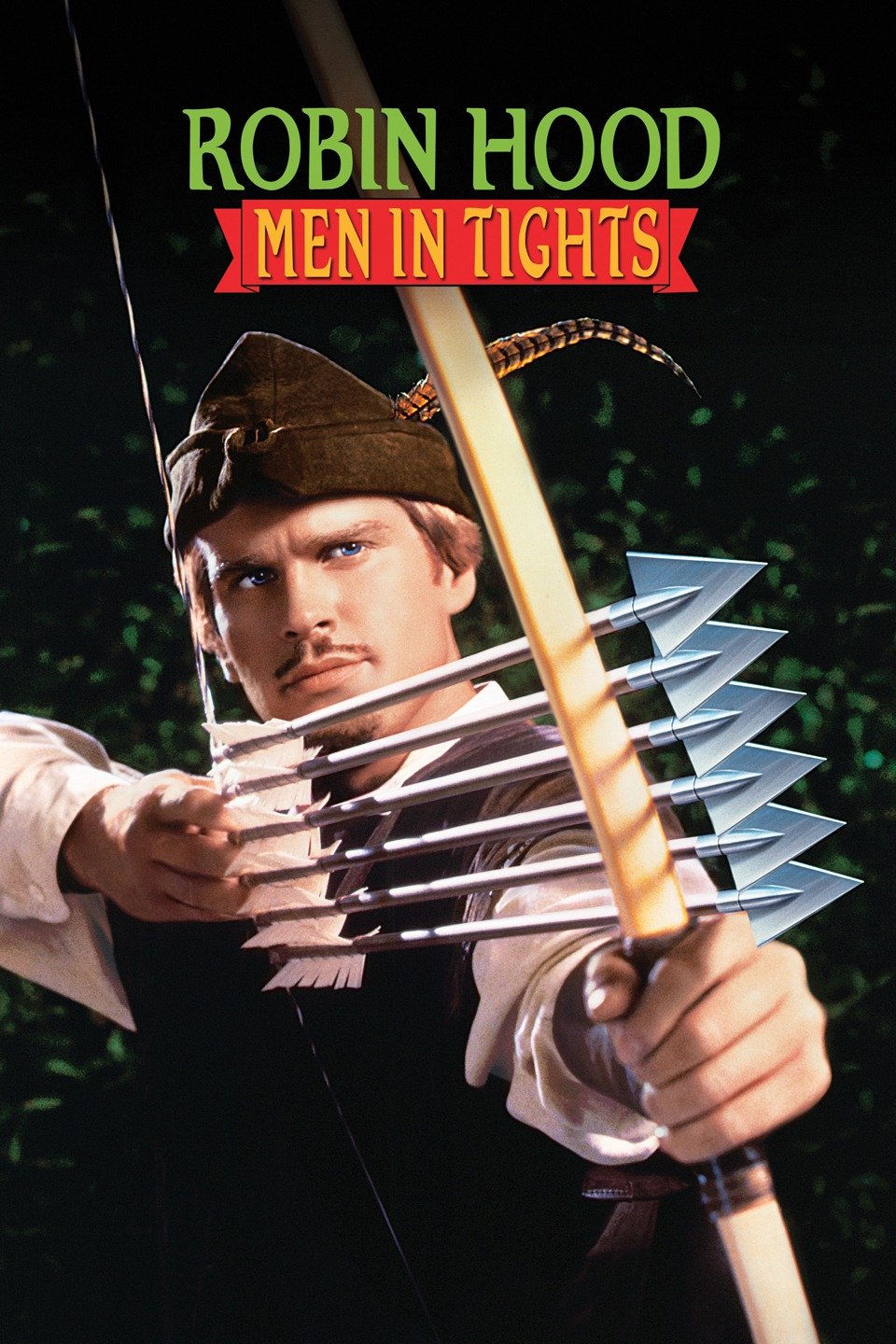
Shapiro is the kid from New Jersey, who arrived in LA with one hundred bucks in his pocket and a crazy dream in his head – a dream of making it big in Hollywood. He’s the guy who wrote a silly movie called Robin Hood: Men in Tights (on spec) and managed to get it into the hands of Mel Brooks, via the dentist that they both used. He’s also the guy who, when offered a first chance to direct a movie, turned down Dude, Where’s My Car? (yeah, I know, but it made a ton of money) in favour of a little thing called Battlefield Earth, starring John Travolta, which now rejoices under the title of the ‘worst film ever made’.

Shapiro is refreshingly open about it. He agrees that Battlefield Earth is terrible and tells us he spent some time trying to get his name removed from the project before it ever came out. Because, of course, the finished movie wasn’t what he’d envisaged at all… but you know, too many cooks and all that.

Shapiro is a likeable character with a real twinkle in his eye, a raconteur who interacts easily with us, offering us a series of projected illustrations from various points in his career, and his opinions on all manner of things. He talks about the time he took Michael Jackson for a ride in his jeep, the crazy projects he tried to launch with Marlon Brando (who actually seemed more interested in making cookies), and the fifteen years he spent working alongside his closest pal, Stan Lee. With names like this to drop, who wouldn’t go for it?

This show is part stand-up, part memoir, and it’s a splendid way to pass an hour on the Fringe.

I leave feeling strangely upbeat, thinking that I must have another look at the screen adaptation I made of one of my novels. I wonder if my dentist has any contacts? You never know…

Meanwhile, why not take the opportunity to nip down to the Billiard Room and experience for yourself the ups and downs of the film industry?

4.2 stars

Philip Caveney
The Murder Club

22/08/22

The Space on the Mile, Edinburgh

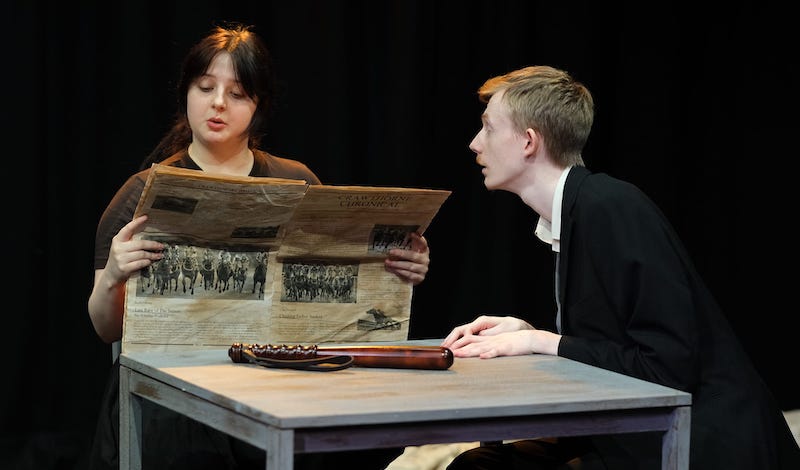
Based on genuine historical characters and real life incidents, Steve Hennessy’s The Murder Club is set in 1922 and takes place in Broadmoor Criminal Lunatic Asylum. Former actor Richard Prince (Ewan McInntosh) is in there for the murder of a more successful actor, William Terriss, outside the Adelphi Theatre in 1997. Prince has only evaded the death penalty by reason of temporary insanity and lately he’s more interested in conducting the resident orchestra than dwelling on his notorious past.

But the arrival of another murderer, the oleaginous Ronald True (Ryan Forrester), causes something of a stir. It turns out that the newcomer, a former drug addict, is adept at bending people to his will, including the crime-obsessed warder, Jane Coleman (Annalise McNichol). Ensuing events are watched by the spectre of True’s last victim, Olive Young (Phoebe Duncan), who wanders blood-splattered and desolate through Broadmoor, commenting on the action and pausing occasionally to speak directly to the audience.

This is an interesting tale, well researched and nicely acted (Duncan is a particular standout), but I do have some issues with the plot. It seems to me that True’s claims about the eponymous club – a supposed secret society of renowned killers – is a flimsy device, too readily taken as gospel by Prince. Would anyone be gullible enough to fall for it? Well, Prince does, though nothing we learn about the man suggests that he’s that credulous. And if I can’t accept the premise, I can’t believe the outcome.

Still, David Wotton’s direction, which has the characters slipping into tableaux whenever Olive Young speaks, is nicely handled and a genuine atmosphere of dread permeates the production. Just imagine, an actor killing another actor simply because his shows are doing better than yours. Better not let that notion spread around the Fringe….

3 stars

Philip Caveney

There’s Nothing Quite Like Spaghetti Bolognese!

22/08/22

The Space on the Mile, Edinburgh

Let’s start with the elephant in the room: we are very definitely NOT this show’s target audience. It’s billed as suitable for 3+, which I’d say is about right – and the other adults here are accompanying wains. We’re not. We don’t have any. We wouldn’t usually come along to something designed for those so many years our junior, but we met Chloe Din (who stars as Penny) last week, while queuing for another show, and she talked us into it. What can we say? Her enthusiasm convinced us.

So here we are, and it’s a pleasure. Din and her co-star Dominic Myers have an easy rapport with their young audience, hitting just the right levels of pep and silliness. This play, adapted from a story by Ian Dunn (who also directs), is a cautionary tale, all about… pasta and sauce. Penny’s mum works for the NHS. She’s been doing lots of overtime, so she’s tired, and Penny’s dad is busy too, faced with the dual task of working from home and trying to find where his mischievous daughter has hidden his iPad. Unable to face another takeaway, Penny decides to help out – by cooking her mum’s favourite dinner, spaghetti bolognese. It’ll be a surprise she thinks.

And it is.

A very big surprise.

Because, after all her careful preparation, Penny’s dinner doesn’t just sit in the pan like dinners usually do, waiting to be served. Instead, it leaps out, and introduces itself as ‘Spag Bol.’ Penny is delighted with her new friend, and the pair embark on a series of adventures…

There’s Nothing Quite Like Spaghetti Bolognese! is an engaging and likeable piece of theatre. There is some audience interaction (we are split into three groups to provide the sound effects for the cooking scene, for example), but I think they would do well to include more of this. There are some repeated rhymes, which go down a storm with this young audience, and lots of lively songs, which also work well, despite a ‘ukelele malfunction’ when a string breaks about half way through, meaning that rather more of them are a cappella than I imagine is intended. No matter: Din and Myers forge on with gusto, and I doubt the children even notice.

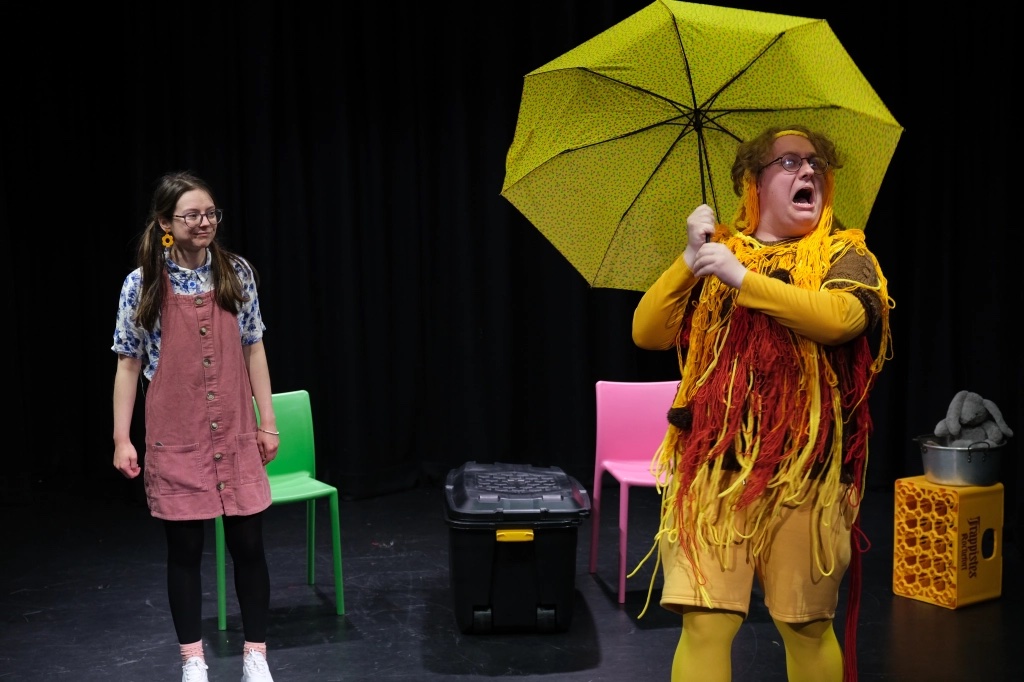
Spag Bol’s costume deserves a mention of its own: it is a fantastic creation, imaginatively crafted from wool, and weirdly convincing.

The ending is a bit chaotic, and I’m not really sure why. It feels as if something has gone awry, because it finishes uncertainly with no clear signal that we’re done. The applause at first is tentative, and everyone looks confused. This is a shame, because it sends us out on the wrong note, wondering what happened rather than humming the final tune.

Still, if you’re in Edinburgh with small children and want to keep them entertained, this is sure to do the trick. If nothing else, it’ll serve as a warning not to play with their food…

3.7 stars

Susan Singfield

Tessa Coates: Get Your Tessa Coates, You’ve Pulled

21/08/22

Pleasance Courtyard (Beside), Edinburgh

Whether Tessa Coates really is as ditsy and posh as the persona she creates seems almost immaterial: I’m hooked. From the moment she stumbles onto the stage, all swishy hair and giggles, I’m completely disarmed. I like her. I’m not sure why. I don’t think we’d have much in common. But she’s so lively and engaging, it’s impossible not to warm to her.

Coates has, she tells us, recently been diagnosed with ADHD. “No,” she corrects herself. “Just ADD. Without the H.” Hmm. She might not be clinically hyperactive, but she’s certainly excitable. And very, very easily distracted. At least, the on-stage version is. If the real-life Tessa is the same, then I guess we have someone else to thank for organising this Fringe run, and getting her to the show on time.

I like the way Coates leans into and acknowledges her privilege, mocking her own pony-riding past, and likening herself to an Enid Blyton character. Even if it is Anne. “The shit one.”

The show itself is a fairly straightforward “here are some silly things I’ve done” affair, detailing the scrapes Coates has tumbled headlong into, mainly because she doesn’t think things through. She leads us through a series of minor calamities: from high school embarrassments to dressage problems; from awkward elevator moments in LA to the Brighton half-marathon. It’s all delivered in the same vibrant, upbeat, appealing way, as ludicrous-but-ace as the pink ride-on electric kids’ car that dominates the stage.

Coates bought it on impulse, not realising it’d be both too small and too big. “It’ll be fine,” she tells us.

And it is.

4 stars

Susan Singfield

I Feel the Need

21/08/22

Assembly Rooms, George Street (Powder Room), Edinburgh

I Feel the Need is an autobiographical piece delivered by Loree Draude (the surname rhymes with ‘Rowdy’, which explains why it was her call sign when she was a Navy aviator), and was co-written and developed with Beth Bornstein Dunnington. Draude was one of the first women to fly combat planes and she’s very quick to tell us that, while Top Gun: Maverick may be most people’s reference point for her experiences, it is wildly inaccurate. She’s here to talk about what it was really like trying to land an F15 Phantom on an aircraft carrier. She did it more than three hundred times, logged 1600 flight hours and lived to tell the tale – unlike some of her colleagues.

Draude is an interesting and compelling narrator. She begins with memories of her childhood: she was a theatre-obsessed teenager, with dreams of becoming a dancer, something her Catholic parents, who both worked in the armed forces, were horrified to hear. As somebody whose father was also from a military background, I identify with her dilemma. I made my decision to go into the arts from an early age, but Lori took a little longer to arrive at pretty much the same conclusion.

She also lets us in on her personal life, telling us what happened to her after she finished her active service. About the trials and tribulations of motherhood and how she struggled to maintain a marriage with a husband who was steadily drifting away from her.

I Feel the Need is perhaps most exciting in its early stretches, though Draude has to work very hard to recreate the drama of those early flights. The fact that we’re in a converted shipping container on George Street doesn’t help matters but, to give Draude her due, she goes for it. Perhaps the lighting could have been utilised more effectively to help with this: there are a lot of changes, but what they’re supposed to signify is rarely clear.

The more recent realisation that, in order to move on from her failed marriage, she needed to learn to ‘love herself’ feels very earnest and, as a buttoned-up Brit, I’m not quite sure how to take it – but maybe that’s just me. Draude also dedicates her performance to her fellow naval aviators – the ones that didn’t make it out alive – and that seems a decent thing to do

So, anyone on the lookout for a more realistic account of a ‘Top Gun’ life will find what they’re looking for in The Powder Room. Flight suits are optional.

3.5 stars

Philip Caveney

An Audience with Stuart Bagcliffe

21/08/22

Zoo Playground 3, Edinburgh

Our audience with Mr B takes place in the intimate setting of Zoo Playground, and it’s clear from the very outset that he’s really not happy about performing for us. Indeed, he’s so nervous, he can barely get his words out. But he’s all too aware that his Mum is waiting in the wings, a silent Svengali, listening to everything he says. And this is her idea, of course; she’s making him do this, insisting that Stuart tell his story to the world, exactly as it happened. She’s always envisioned something grander – a TV show or a Hollywood movie – but that hasn’t happened, so the Fringe is just going to have to do.

Stuart begins his narrative in a meek, West Country accent, telling us all about his schooldays, his friend Daisy and about the strange illness that afflicts him. At first, it’s all very funny. I can’t help laughing out loud at Stuart’s amateurish attempts to ‘act’, to impersonate the various characters who inhabit his tale. I giggle at his weird gurning expressions… and at his absolute terror of getting things wrong.

But make no mistake, the laughter isn’t going to last. We are heading into darker territory…

An Audience with Stuart Bagcliffe is the sort of show which exemplifies the Fringe at its best. Written by Benny Ainsworth and directed by Sally Paffett (both of whom can be seen in Triptytch Theatre’s other Fringe offering, Vermin), this ingeniously constructed monologue features Michael Parker as the titular Stuart, delivering Ainsworth’s script with consummate skill.

Furthermore, Parker’s powerhouse performance culminates in a display of such naked anger and contempt that I feel as though I’ve been punched in the solar plexus. One thing’s for sure: I’ve stopped laughing and my eyes are filled with tears.

There are just a few more chances to catch this little gem before the Fringe winds up, and I would advise you to take the opportunity to see it while you still can. It’s staggeringly good.

5 stars

Philip Caveney

Tickbox

20/08/22

Summerhall (Tech Cube 0), Edinburgh

Lubna Kerr emigrated from Pakistan to Glasgow when she was just a child. Now, many years later, she looks back on her life, growing up as an outsider, marginalised and stereotyped, and she rails – softly – against the constrictions she has endured.

The first constriction we hear about is in her own arteries. She’s in A&E with what the doctor is insisting is a stress-related heart problem. “But I’m not stressed,” Lubna demurs. She’s happy, isn’t she? What has she got to be stressed about?

Considering this question takes Kerr down a rabbit hole of remembrance, and she recounts for us the experiences that have shaped her, and led her here: to the hospital and to this stage – to two different kinds of theatre.

Kerr’s narrative is gentle and meandering, a wry and often self-deprecating account. There is humour and affection in her tale, and she has a very amiable presence; it’s easy to warm to her. Hers is a middle-class background: her mother laments the lack of household help and bemoans the size of their Govan flat; it’s not as fancy as she was used to, back in Pakistan. Their new neighbours assume Lubna’s dad is a shopkeeper or a bus driver, because that’s what the other brown people they know do. But her father is a scientist: he’s doing a PhD; he teaches at Strathclyde university. But being educated, being relatively well-off, these aren’t enough to protect the family from casual racism. Even at Brownies, where everyone seems to mean well, Lubna’s popularity comes courtesy of a badge the others can earn for meeting someone from the Commonwealth…

This is an immensely likeable show (and not just because we’re all given a Tunnock’s teacake), although it does feel a little too polite at times, and I would like to see the stakes raised. The running race, for example, feels thrown away: the build up is nicely done, but then it peters out, with no climax. I’m also not convinced that it’s necessary to try to hide the act of drinking water; Kerr walks behind a sofa several times during the show and, with her back to us, takes a sip from her bottle. I think it would look more natural and be less intrusive if she were to incorporate this into the show – and this would also give her the opportunity to interact with the set more effectively. There’s quite a lot of paraphernalia here that doesn’t really get used; if she had a vintage jug and water glass to go with the 1970s TV, etc., she could sit on the sofa and pour herself a drink as part of the action.

Tickbox offers a fascinating insight into life as an immigrant – and we leave, talking about the issues raised, and tucking into our teacakes.

3.4 stars

Susan Singfield

We Are Traffic: An Uber Adventure

20/08/22

Assembly Rooms, George Street (Drawing Room), Edinburgh

Jonathan Tipton-Meyers’ account of his years as an Uber-driver has a vaguely confessional feel – Confessions of a Taxi-Driver, anyone? Hurting badly from the break-up of his marriage and the failure of his business venture, Tipton-Meyers’ solution is to get into his car and drive at top speed, away from the scene of the accident.

When he needs to earn some money, he becomes an Uber-driver or, rather, an employee of Rideshare as it was originally known. Now, a few years down the line, he laments the fact that it’s no longer possible for a guy down on his luck to earn a decent living from ferrying friendly strangers around Los Angeles. Because, when Uber comes along, everything changes. A lot of money is still being made but not by the drivers – and even having to stop for a toilet break becomes a major issue.

What’s more, driving around the highways and byways gives him new insights into the quirks and disparities of his adopted city – and of the inherent racism that underpins it.

Tipton-Meyers shares anecdotes about some of the eccentric characters he meets on his travels – about the levels of abuse he sometimes faces from drunken passengers – and he gives us a glimpse into his hopes for a better future. He’s an affable narrator, but sometimes there’s the feeling that he’s still somehow a little too close to that breakup, that the wounds are too raw for him to arrange it all into a satisfactory story arc.

But it’s an agreeable way to pass an hour on the Fringe and a life-affirming lesson about chasing your dreams and never giving up on them.

3 stars

Philip Caveney
Boy

20/08/22

Summerhall (Main Hall), Edinburgh

1966: Winnipeg, Manitoba, Canada. Twin babies Bruce and Brian Reimer are both diagnosed with phimosis. Circumcision is recommended. Their doctor chooses a new and unconventional method: electrocauterization. Bruce is up first.

And the procedure goes horribly, shockingly wrong. Bruce’s penis is damaged beyond repair.

Brian is spared. His phimosis is left to resolve itself naturally. Which it does.

The twins’ parents, Janet and Ron, are distraught. So when Harvard-educated psychologist John Money recommends gender reassignment, they are soon persuaded. ‘Brenda’ won’t remember being Bruce, Dr Money says; it’s a simple matter of surgery and hormones…

Writer/director Carly Wijs draws on this tragic true story to create a thoughtful drama, exploring the very topical subject of gender identity, illuminating the age-old nature/nurture debate. It’s sensitively done – socratic rather than didactic – and it’s impossible not to feel emotionally involved.

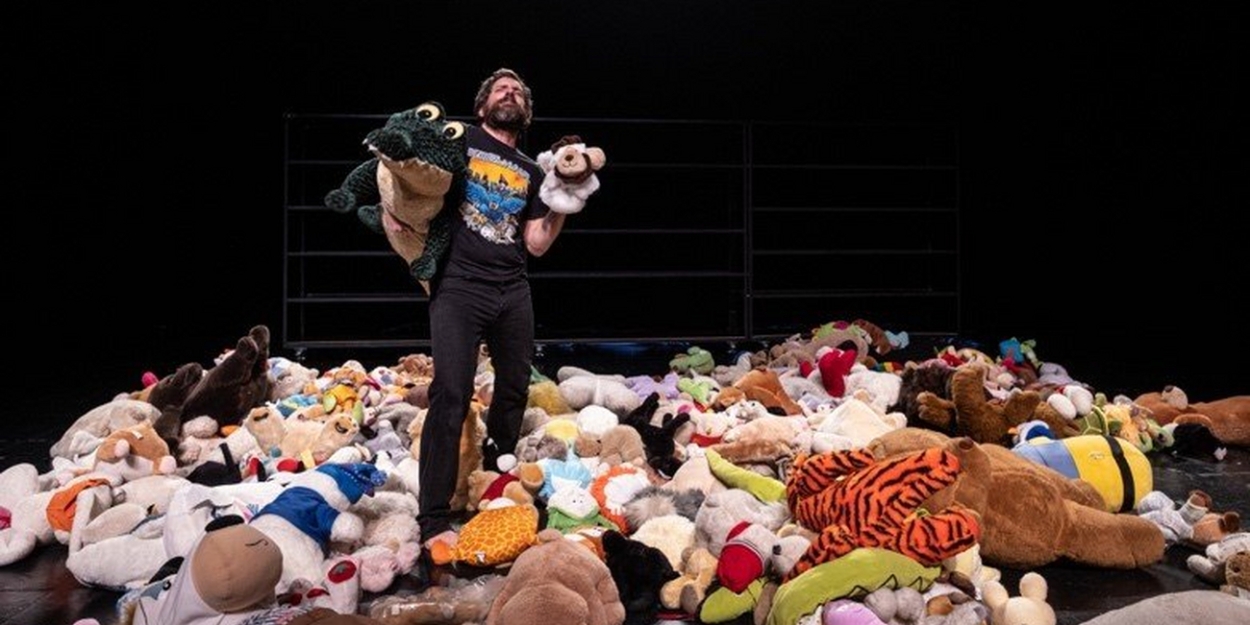
Actors Vanja Maria Godée and Jeroen van der Ven play Janet and Ron respectively, and also act as narrators, using a range of cuddly toys as stand-ins for the other characters. This technique is oddly affecting, highlighting the family’s innocence, while also suggesting that the very act of telling their story is ‘play therapy’ for the troubled pair. The set, by Stef Stessel, is wonderfully effective in its simplicity: a wheeled ‘wall’ draped with a light blue cloth, suggestive of a waterfall, spans almost the whole width of the stage, and there’s a stunning moment of revelation towards the end of the piece. Both Godée and van der Ven are immensely likeable performers; their gentleness and vulnerability ensure we’re on their side. Janet and Ron are victims of a man so caught up in his own theories that he’s stopped seeing the humanity of those he’s experimenting on.

Because Brenda is a very unhappy child. She doesn’t like the constrictions that come with being a girl; she doesn’t want to wear dresses or learn to sew; she wants to climb trees and fight and run with the boys. Is this because she is a boy, or would a cis-Brenda feel the same frustrations? We’ll never know. What we do know, unequivocally, is that it can’t be right for someone else to have made such a momentous decision for baby Bruce: to have compounded his initial mutilation with surgical castration, testosterone blockers and oestrogen – and to have concealed this fact from him. It’s his body; his choice. And the repercussions are devastating…

Despite its harrowing subject matter, Boy is a tender, poignant tale, told with real heart. This is experimental theatre-making at its best.

4.8 stars

Susan Singfield

Sap

20/08/22

Roundabout @Summerhall, Edinburgh

‘Daphne’ (Jessica Clark) is a bisexual woman living in London. She’s working for a charity during the day and, in her free time, she’s making the most of the Capital’s vibrant nightlife. On her daily commute to work, she finds herself inexplicably drawn to a flat she passes. Through an open window, she can see a host of greenery growing within, as though inside it’s a huge forest. She finds this strangely alluring.

At a business meeting, she hooks up with a man, with whom she has a one-night stand. He doesn’t call her back, so she puts it down as one of those things. Then, some time later, at a gay club, she spots a ‘Wonder Woman’, who – she’s sure – is out of her league. She is amazed when the two of them promptly hit it off.

Pretty soon, they are an item, going everywhere together, wanting nobody else. But Daphne has a surprise waiting for her, one that is going to affect her life profoundly…

Sap is one of those plays where you daren’t reveal too much about the story. Suffice to say that Rafaella Marcus has scripted a deliciously labyrinthine tale about sexual identity (specifically bi-invisibility), one that cleverly assimilates a Greek myth into its core. The maze-like structure is beautifully captured by the hyper-physical performances, directed by Jessica Lazar and Jennifer Fletcher. Clarke is a brilliant narrator, inviting the audience into her world with supreme confidence: making them laugh, flirting outrageously with them, making them care about what’s going to happen to her. Rebecca Banatvala plays all the other roles: she’s the one-night-stand, she’s Wonder Woman, she’s over-inquisitive work colleague, Miriam. Again, I don’t want to reveal too much. While Banatvala’s performance is less flamboyant than Clarke’s, she manages to slip effortlessly between her characters, inhabiting them with the merest glance, the smallest gesture. Together, the two actors create a mesmerising partnership.

I’ve already observed that Roundabout are having one hell of a year and Sap is another glittering jewel in an already abundant treasure chest. Grab your tickets for this before they’re all snapped up.

5 stars

Philip Caveney